
Free bill analysis - bring a power bill, get the production math for your actual roof, panel brands like Qcells and REC compared side by side
If the pitch starts at your door and ends with "sign tonight for the special," sleep on it. The sun will still be there tomorrow; so will we.
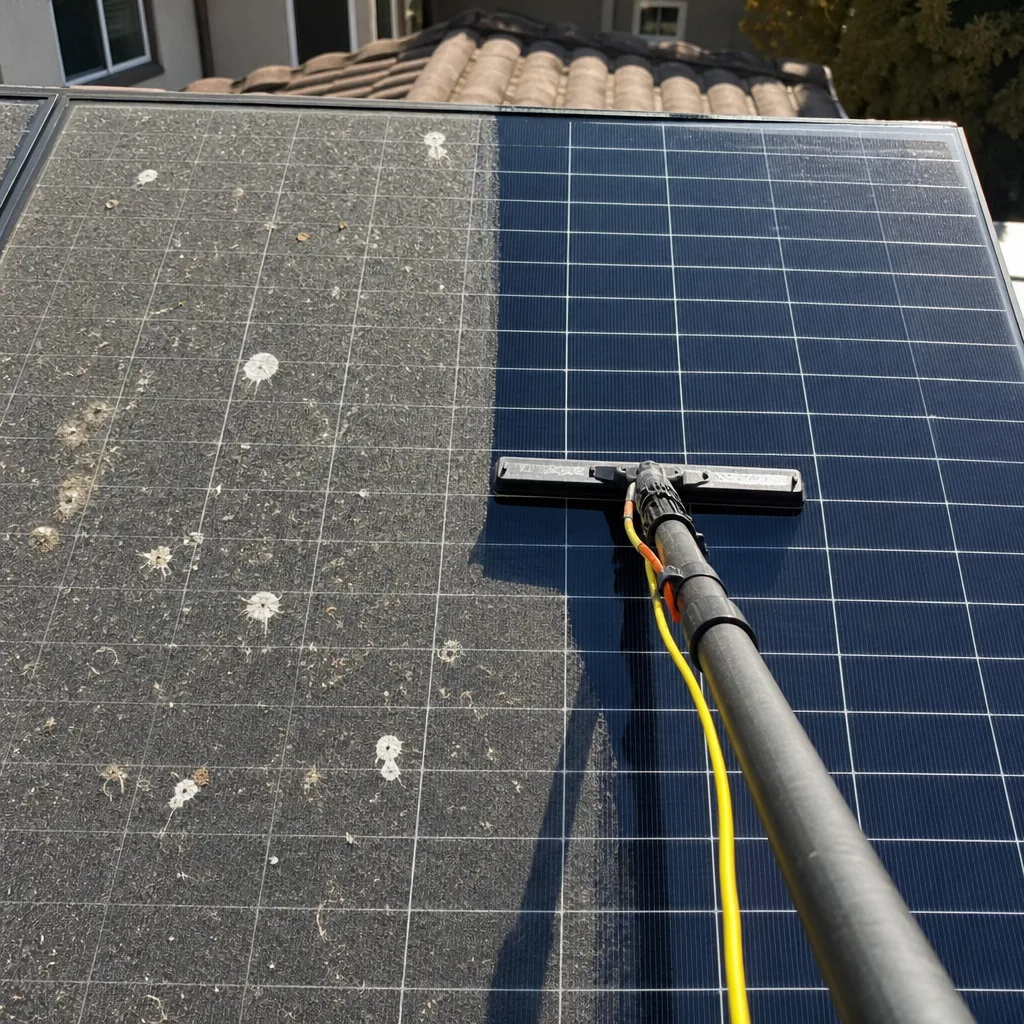
 Before
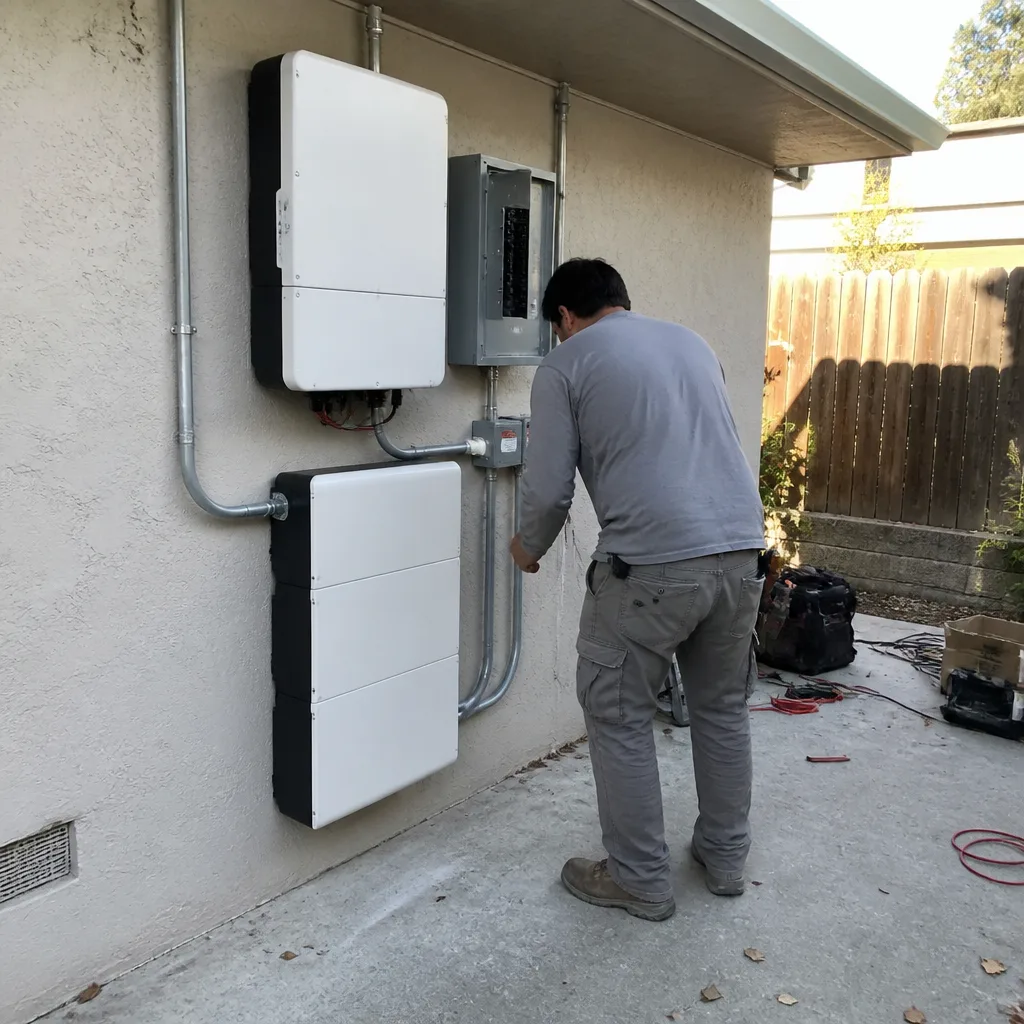 After
After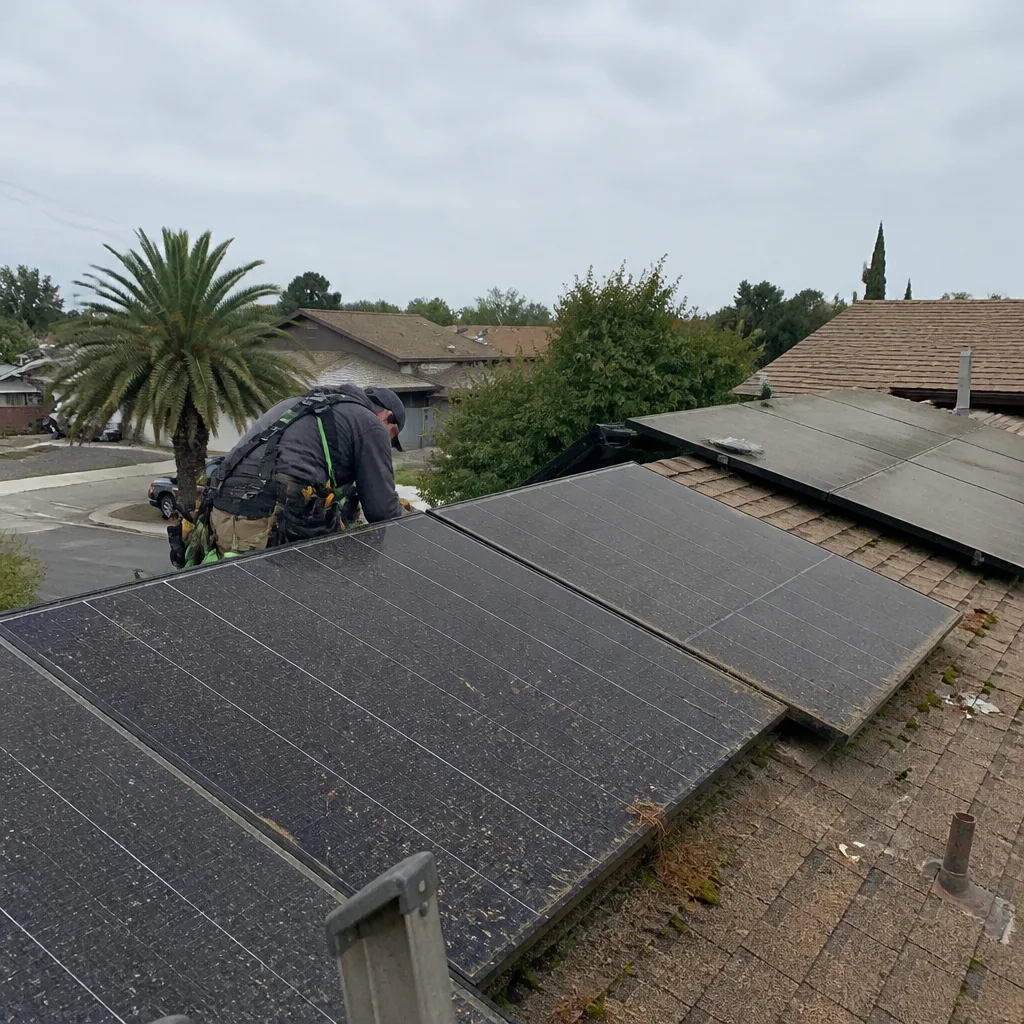 Before
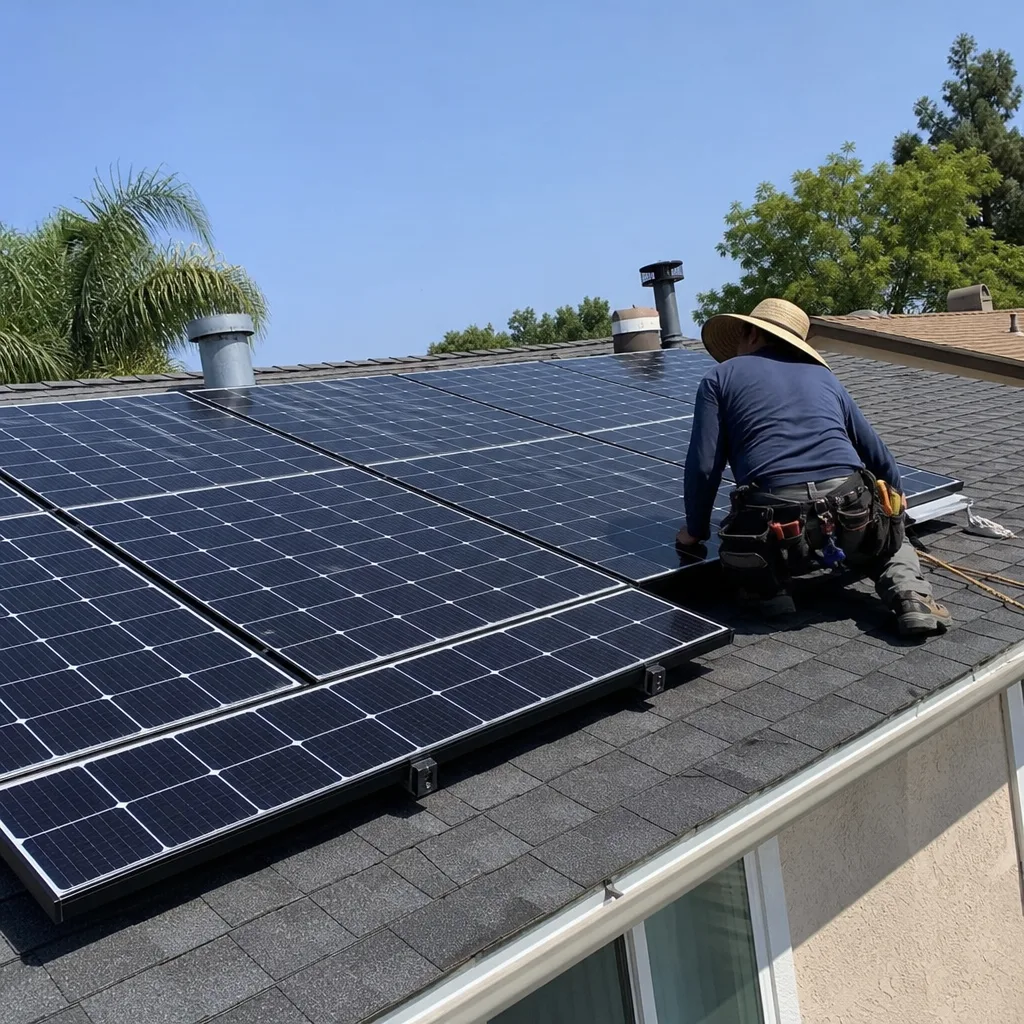 After
After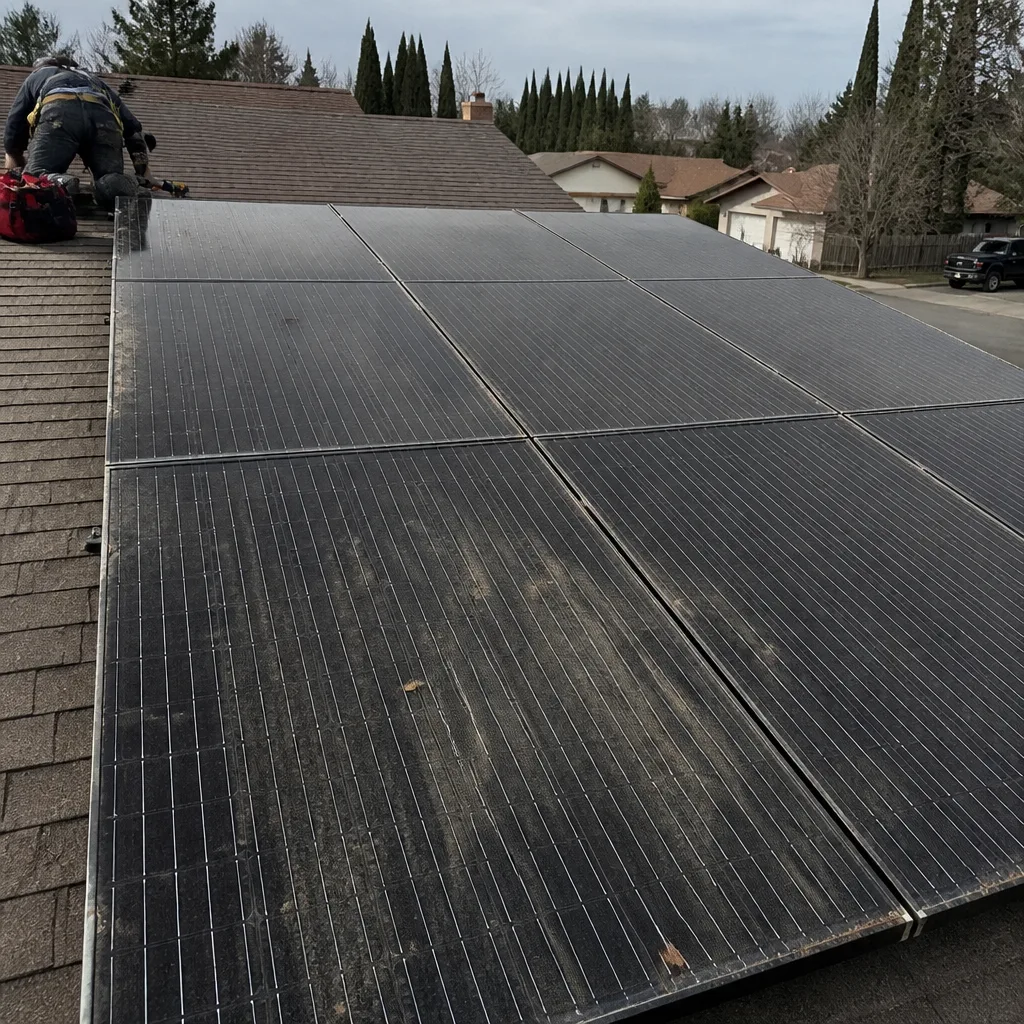 Before
 After
AfterFast, Reliable Solar Panel Installation Across East Foothills
Solar panel installation in East Foothills typically runs $18,500 to $32,000 before incentives for a 7-10 kW system, and most jobs take two to four weeks from permit submittal to final PG&E approval. If your home sits on a hillside lot above Penitencia Creek Road, expect that timeline to stretch slightly because of Wildland-Urban Interface fire review. We’ve been doing this long enough to know exactly what the county asks for before they ask it. Call (877) 550-6892 and Gus will walk you through the real numbers off your actual PG&E bill.
Why Gus’s Solar Is East Foothills’s Preferred Solar Panel Installation Company
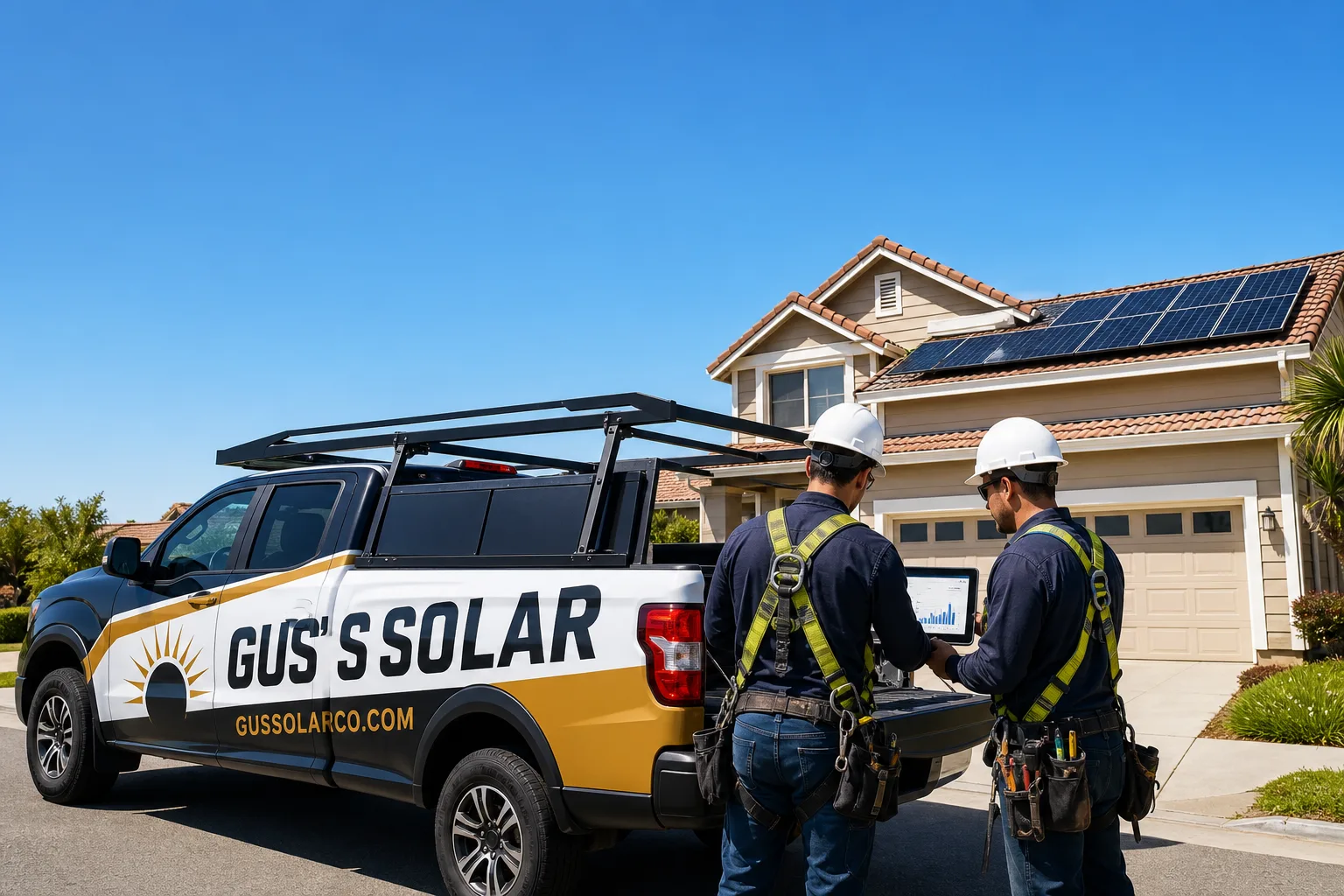
Gus Petrakis puts his name on the truck and his phone number on the quote. That’s the whole story. East Foothills homeowners have dealt with door-knockers who promise one number and deliver another, and with national outfits that hand the work to a sub crew they’ll never see again. Gus’s crew does the install themselves: background-checked, uniformed, and carrying his 29 years of experience up the ladder with them.
We know the streets up here. Dorel Drive, McKee Road, Toyon Avenue, Crestline Drive. We know that a house on the west-facing slope of the Diablo Range gets hammered by afternoon sun in a way a flatland home in Alum Rock simply doesn’t. That changes inverter choices, racking layouts, and the math on your year-25 output. Our local reputation in East Foothills is built on showing up on time, quoting honestly, and being the one who answers when you call at 7 PM with a question about your monitoring app. The 90-Day Done Right Promise is in writing on every job. If it’s not right, one call brings Gus back. That’s not a slogan; it’s how we operate.
Our Solar Panel Installation Services in East Foothills
Rooftop Solar Installation
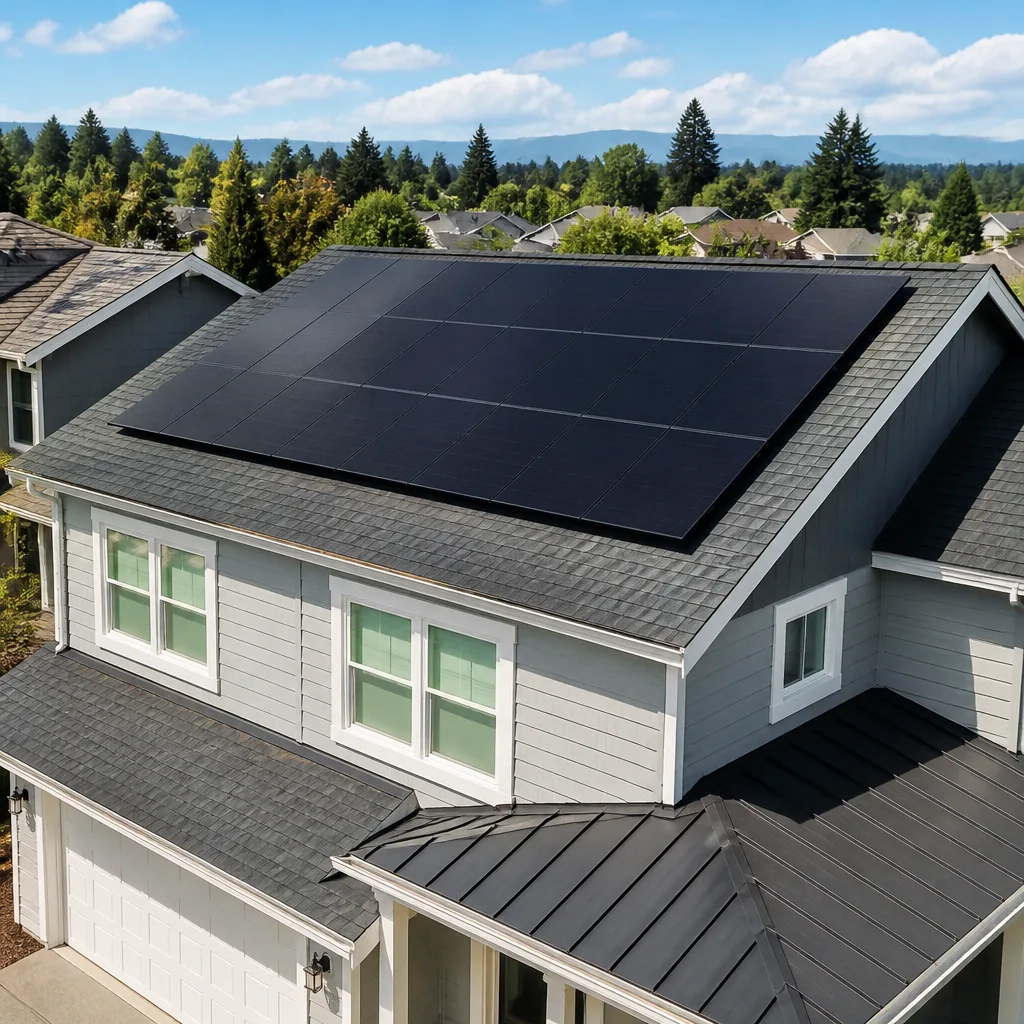
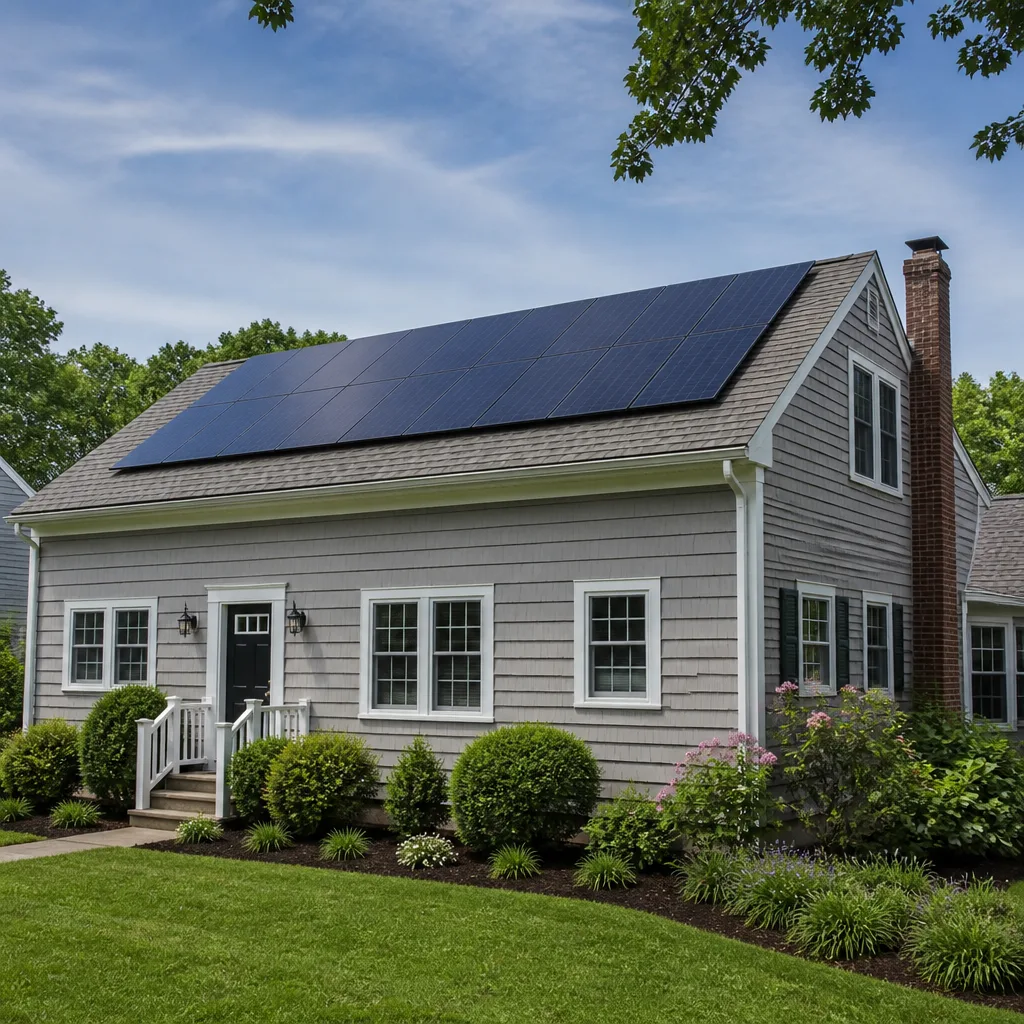
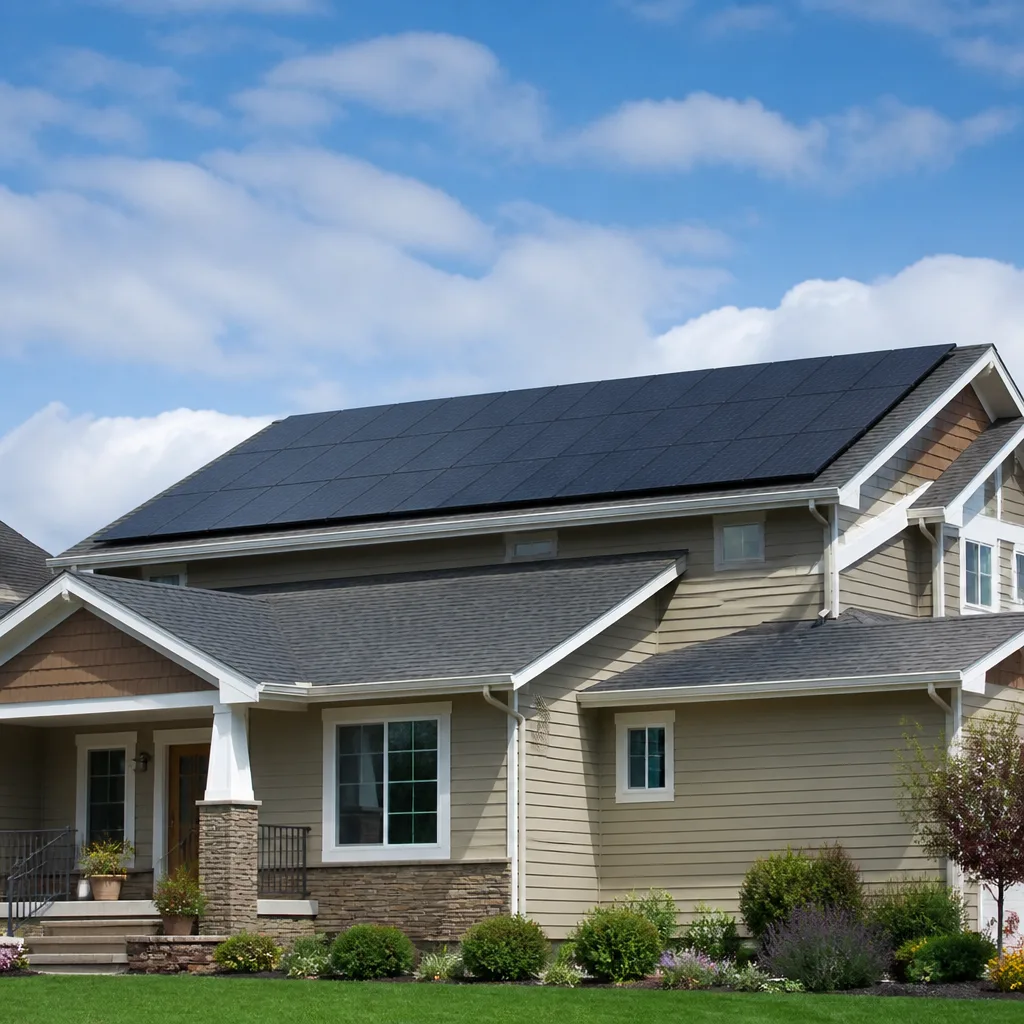
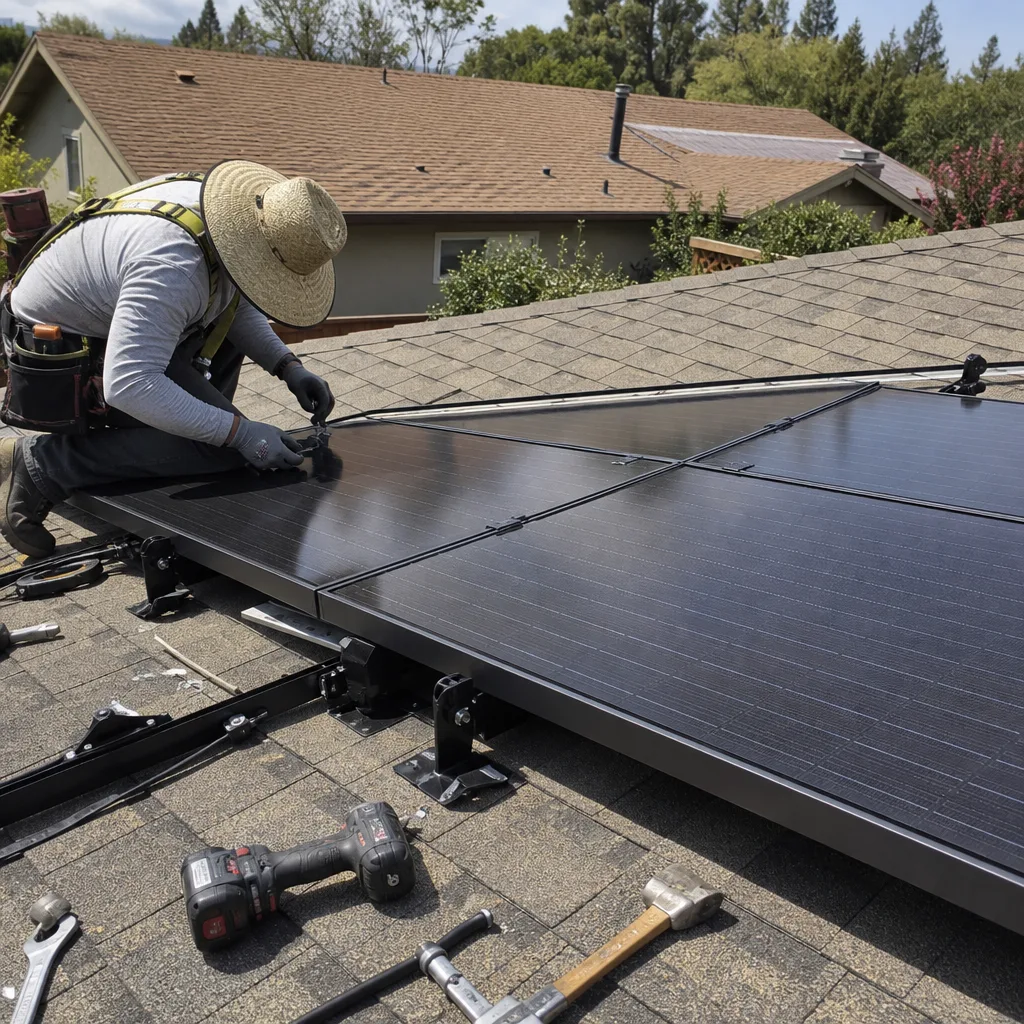
Most East Foothills homes we work on are 1960s and 1970s custom ranch-style builds with complex rooflines, multiple planes, and steep pitches that make standard racking layouts impossible. We design each array to the actual roof, not a template. On hillside lots above Penitencia Creek Road, we evaluate southwest-facing planes first because those capture PG&E’s 4-9 PM peak window under the Net Billing tariff. A west-facing array in East Foothills can generate 15-20% more bill offset value than the same array in flat San Jose neighborhoods to the west, simply because your roof angle works with the tariff instead of against it.
Solar System Design & Permitting
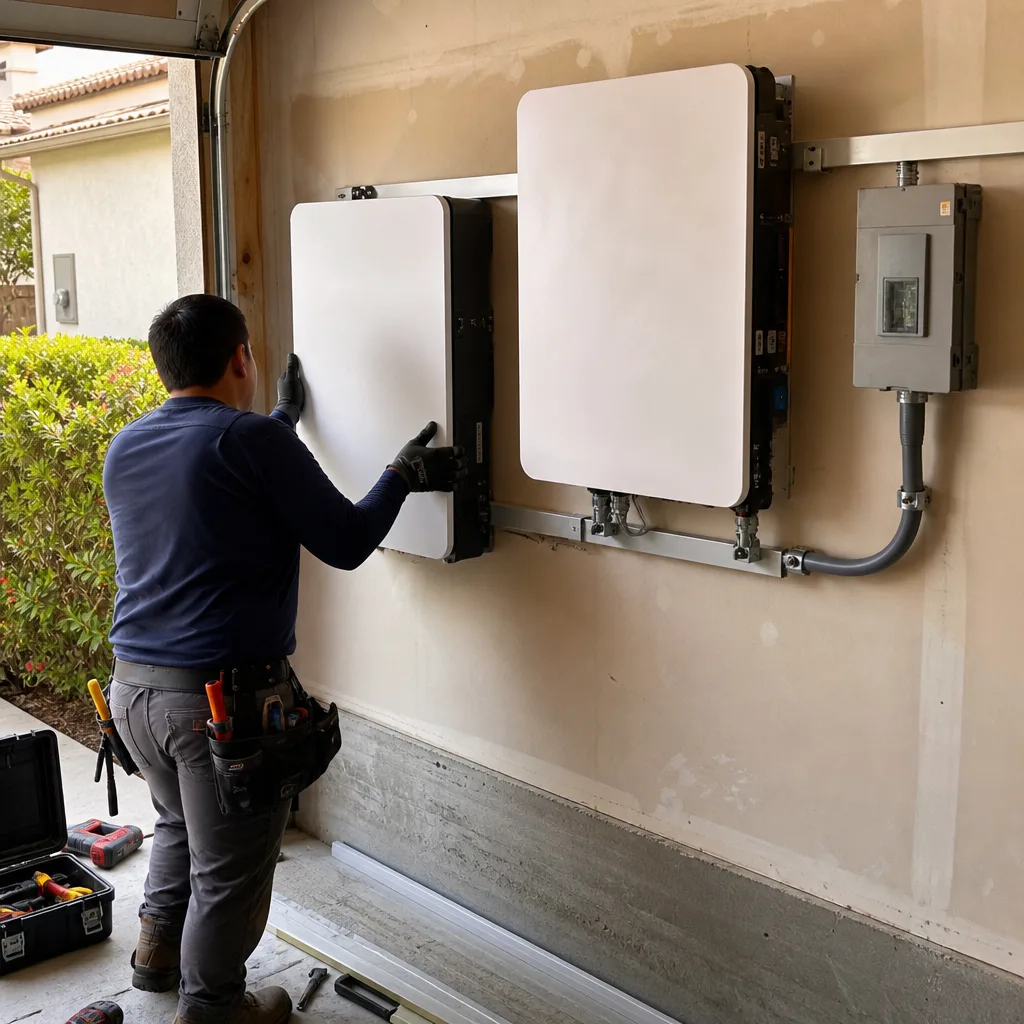
This is where East Foothills installs get tricky. Portions of the community fall within San Jose’s Wildland-Urban Interface Very High Fire Hazard Severity Zone. That designation triggers fire-marshal review, mandated racking setbacks from roof edges, and occasionally fire-rated conduit requirements. Flatland installers get red-tagged here. We don’t. We’ve submitted enough East Foothills permit packages that we know the reviewers, know the setback math, and can usually get approval on the first submittal. Our Solar Panel Installation team handles the full design, structural review, and county paperwork so you don’t have to chase anyone.
Solar Panel Replacement
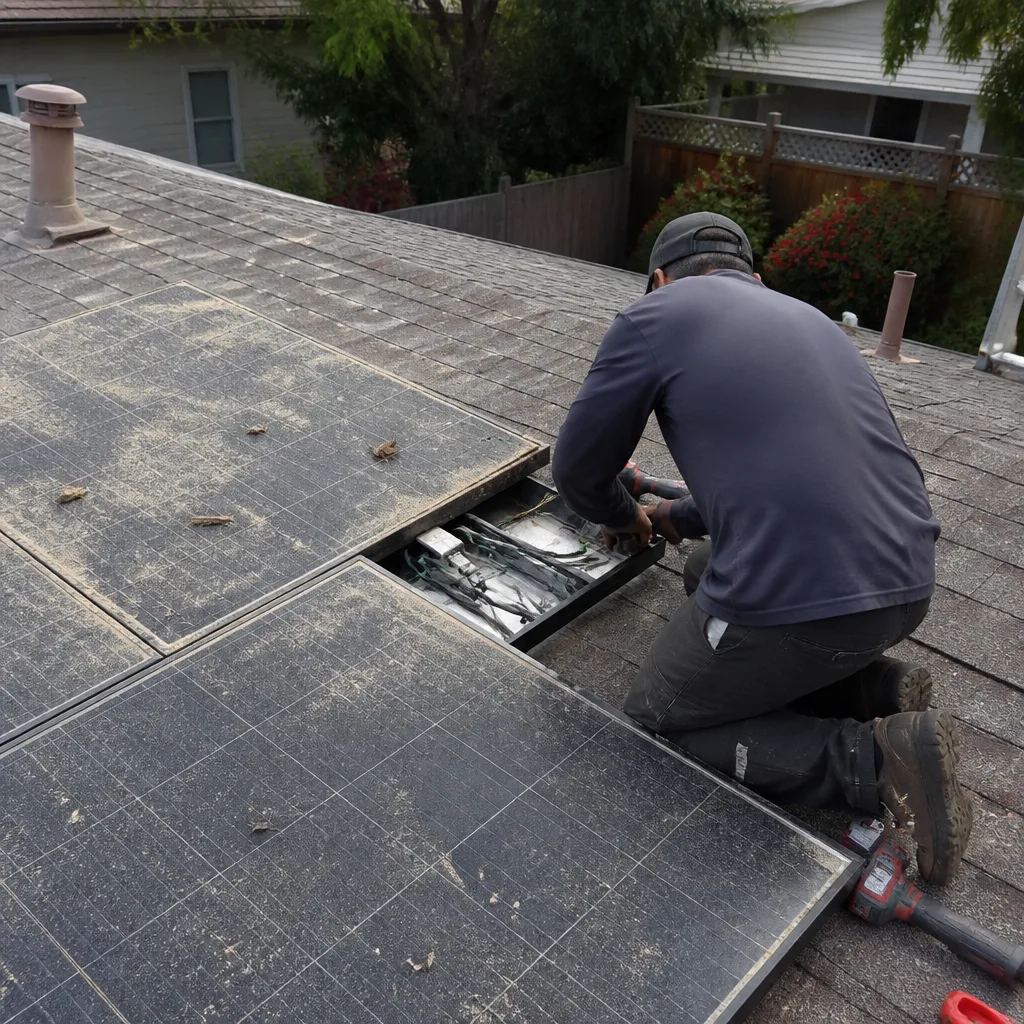
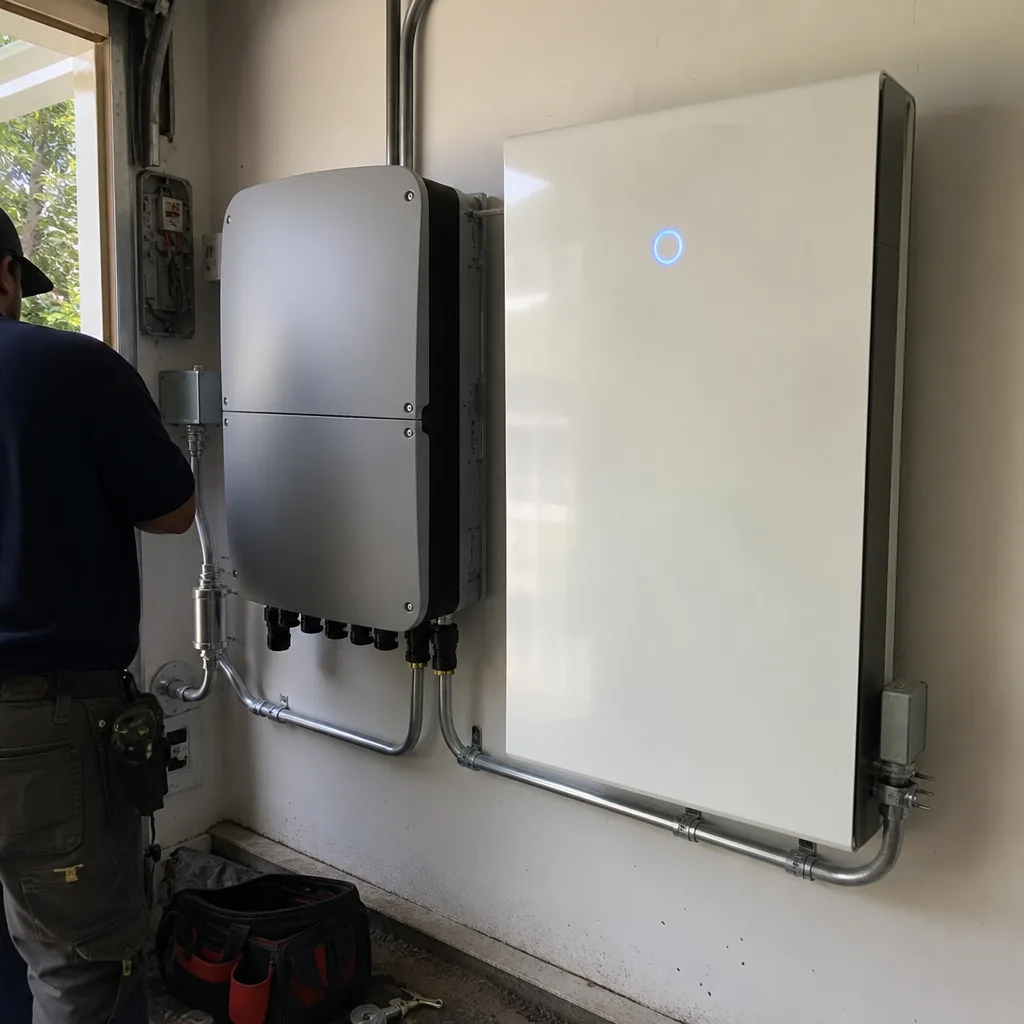
If you already have a system that’s underperforming or a panel that’s failed, we replace it and we don’t upsell you into a full rebuild you don’t need. East Foothills hillside heat is real: panels up here run hotter than valley floor arrays, and older modules from the early 2010s sometimes show faster degradation than their spec sheets promised. We’ll pull your production data, test the array, and tell you honestly whether one panel replacement or a string-level fix is the right call. If your existing system was installed by someone who ignored the WUI requirements, we’ll tell you that too.
Roof-Mount & Tile Roof Solar
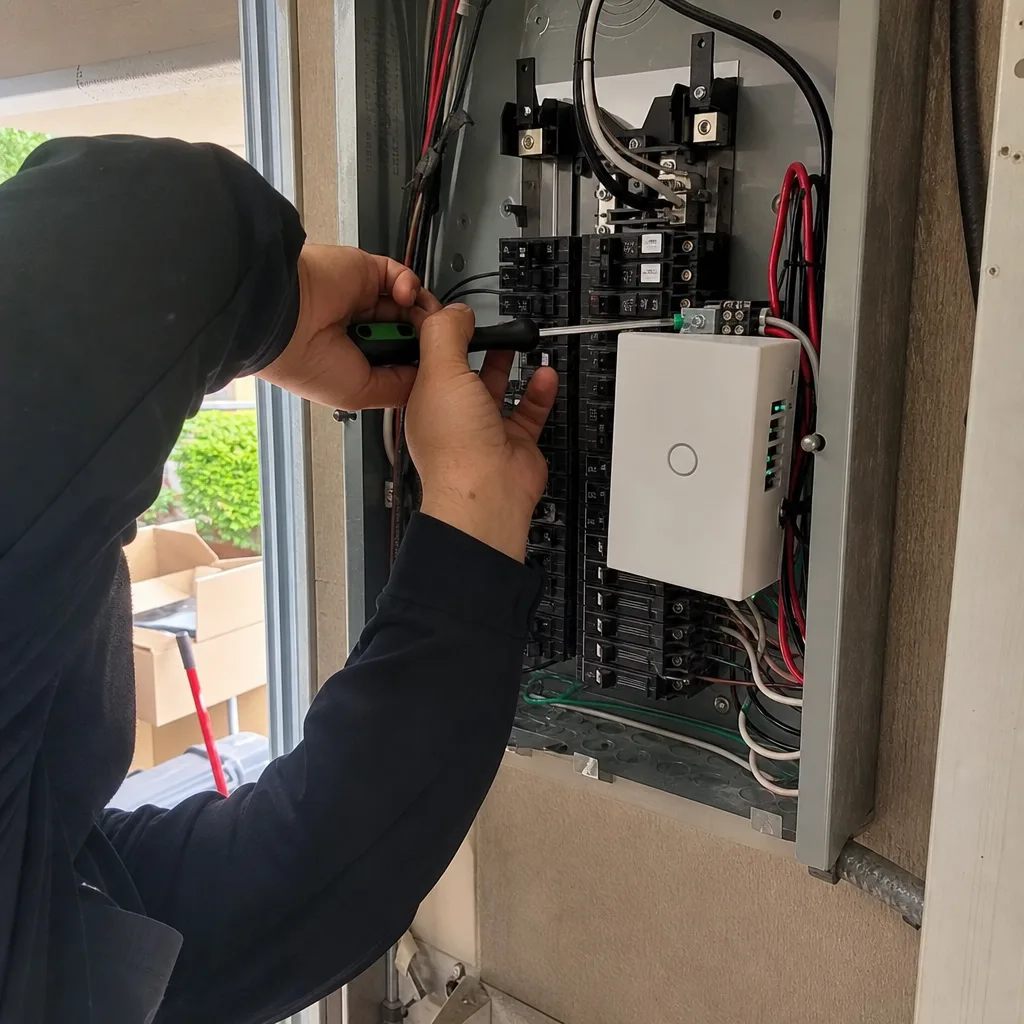
Tile roofs are common in East Foothills, especially on the older ranch homes above the creek. We flash every roof penetration properly. That’s non-negotiable. A bad flashing job on a tile roof leaks within two winters, and hillside homes get real weather. Our crew removes tiles carefully, installs standoffs and flashing to code, and re-seats everything so it looks like it belongs there. If your roof has multiple planes with different pitches, we design each plane’s racking separately rather than forcing a one-size layout.
What happens when you call
- 1
A real person answersNo phone trees - you reach a local pro.
- 2
You get an upfront price rangeHonest numbers before anyone is dispatched.
- 3
A background-checked tech heads outLicensed & insured, dispatched right away.
- 4
You approve before work beginsNothing starts until you say go.
Trusted Brands We Service in East Foothills
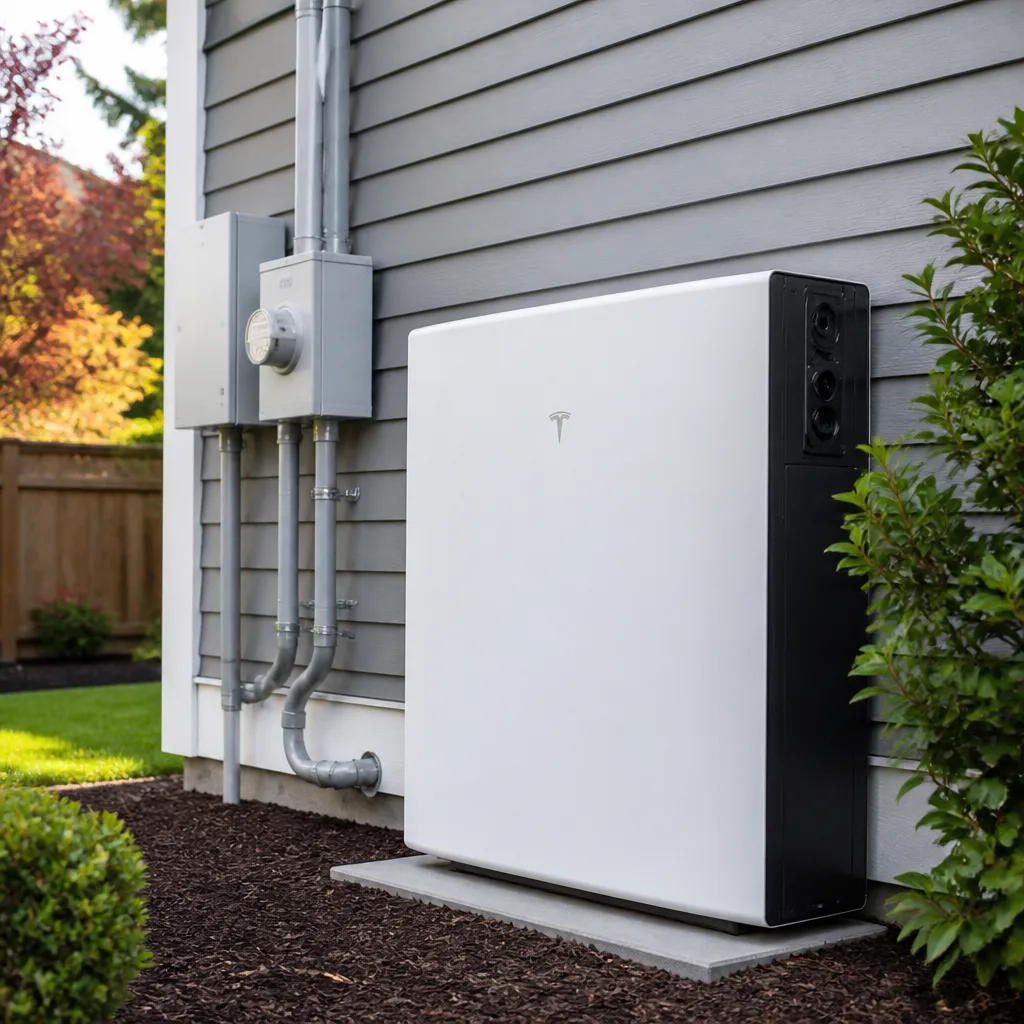
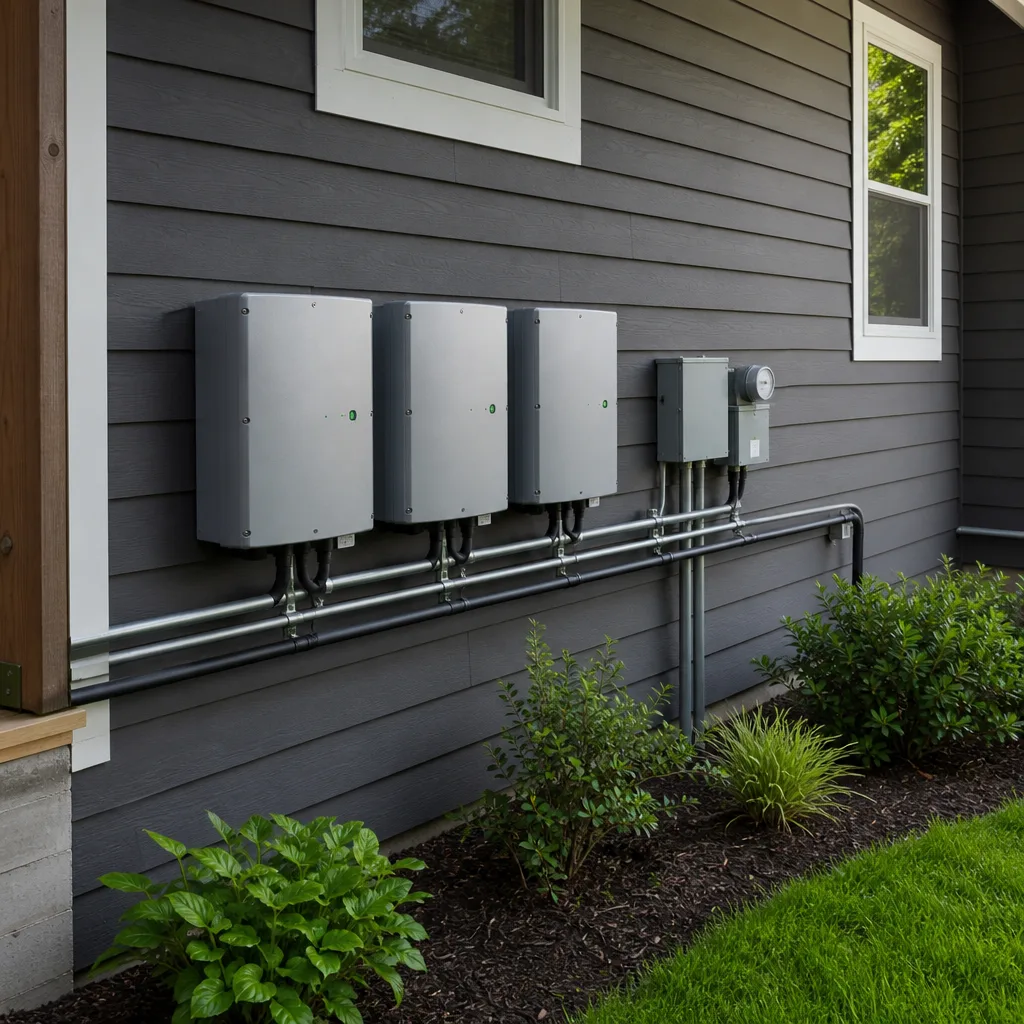
We work with the industry’s leading equipment brands, and we stock local parts for East Foothills customers so a failed microinverter or a damaged panel doesn’t mean a week of downtime. Tesla powerwalls, Enphase microinverters, FranklinWH aGate batteries, and SolarEdge inverters are the brands we install most often in this area. Why microinverters on hillside roofs? Because a house with three or four roof planes at different angles needs per-panel optimization, not a string inverter that clips the strong southwest sections while the shaded east sections drag the whole system down. We’ll show you the production modeling for your actual roof before you sign anything.
Common Solar Panel Installation Problems We See in East Foothills Homes
- WUI fire code red-tags. Installers who don’t work hillside country forget the racking setbacks and fire-rated conduit requirements. The fire marshal catches it, and the system sits unapproved for months. We submit compliant plans the first time.
- Original 100-amp electrical panels. Most 1960s and 1970s ranch homes in East Foothills still have the original panel. PG&E won’t approve interconnection on a 100-amp panel with a modern solar-plus-inverter backfeed. You need a 200-amp upgrade, and we do that as part of the install.
- Uneven string production on multi-plane roofs. South-facing sections overproduce while east-facing sections lag, causing inverter clipping. Microinverters solve this per-panel, and they’re standard on our East Foothills designs.
- Hillside heat stress on older modules. Panels mounted on low-slope, dark-composite roofs run hotter than spec-sheet test conditions. We account for that in our year-25 output modeling so you see real numbers, not brochure numbers.
Pricing for Solar Panel Installation in East Foothills, CA
A typical rooftop solar installation in East Foothills runs $18,500 to $32,000 before the federal tax credit, depending on system size, roof complexity, and whether a 200-amp panel upgrade is needed. Panel upgrades alone typically run $3,200 to $5,500 when done as part of a solar install. Solar system design and permitting runs $1,200 to $2,800 depending on WUI review complexity. Solar panel replacement for a failed module runs $450 to $900 per panel installed. Roof-mount and tile roof work adds $1,500 to $4,000 in labor depending on tile type and pitch. If you bring us a written estimate from another company, we’ll give you a free second opinion. Call (877) 550-6892 for an exact quote off your actual usage.
We Also Serve Cities Near East Foothills
Our crews work throughout the hills above San Jose, including East Foothills and the surrounding communities of Alum Rock, San Jose, Milpitas, and Communications Hill. If you’re in one of those areas, same service, same crew, same Gus on the phone.
Serving East Foothills, CA - Our Local Coverage Area
We’re based in the East Foothills area and know this community well. Use the map below to see our service coverage - if you’re nearby, we can almost certainly help.
FAQs - Solar Panel Installation in East Foothills
Your install will likely require fire-marshal review, specific racking clearances from roof edges (typically 18 inches, but this varies by section), and possibly fire-rated conduit. That adds one to three weeks to the permit timeline and costs $800 to $2,000 more than a flatland install. We handle all of it and submit compliant plans the first time. Call (877) 550-6892 and we’ll check your specific address against the current WUI map before you spend anything.
Your original 100-amp panel can’t safely handle the backfeed from a modern solar-plus-inverter system, and PG&E will reject the interconnection application without the upgrade. The upgrade typically runs $3,200 to $5,500 when done as part of the install. Gus quotes the full number up front; no surprise line item on the final invoice.
Yes, and this is specific to your hillside location. Under PG&E’s Net Billing tariff, peak pricing runs 4-9 PM. A southwest-facing array on the Diablo Range foothills produces more power during those peak hours than the same array on a flat valley floor in San Jose, because your roof angle captures afternoon sun that flat west-facing roofs only catch at low efficiency. We model your exact azimuth and pitch to show the dollar difference before you commit. On Crestline Drive above Penitencia Creek Road, our crew installed a 10.4 kW SunPower system on a 1972 ranch with a complex four-plane roof and an original 100-amp panel. We upgraded to 200-amp service, used fire-rated racking with 18-inch edge setbacks to clear the county WUI review, and set the southwest-facing array’s azimuth at 212 degrees to align peak production with PG&E’s 4-9 PM peak window under the Net Billing tariff.
If your roof has three or more planes at different angles, string inverters will clip production on the strongest sections while underproducing on the shaded ones. The fix is per-panel microinverters like Enphase IQ8 series, which we standardize on for East Foothills roofs. We run a production model on your actual roof geometry and show you the clipping curve before you choose equipment.
Hotter panels produce slightly less power and can degrade marginally faster over 25 years, but modern modules from Panasonic, Qcells, and REC are designed for the heat and carry performance warranties that account for it. We quote the year-25 output, not the day-one brochure number. That’s what Gus means when he says “I quote the year-25 output, not the day-one brochure number.” Bring us a bill, we’ll bring you the math. Take two weeks. Think about it. The price will be the same.
Get a Straight Answer From Gus
If a salesman needs an answer tonight, the answer is no. Gus doesn’t work that way. He’ll look at your roof, read your PG&E bill, and tell you whether solar makes sense in East Foothills on your specific hillside lot. No pressure, no signature wanted tonight. Call (877) 550-6892 and a live person will answer, 24/7. That’s the L.O.C.A.L. way we work: Local roots, On time, Community first, Accountable, Loyal.
Written by Gus Petrakis, Owner at Gus’s Solar, serving East Foothills and the surrounding hills above San Jose since 2011.