
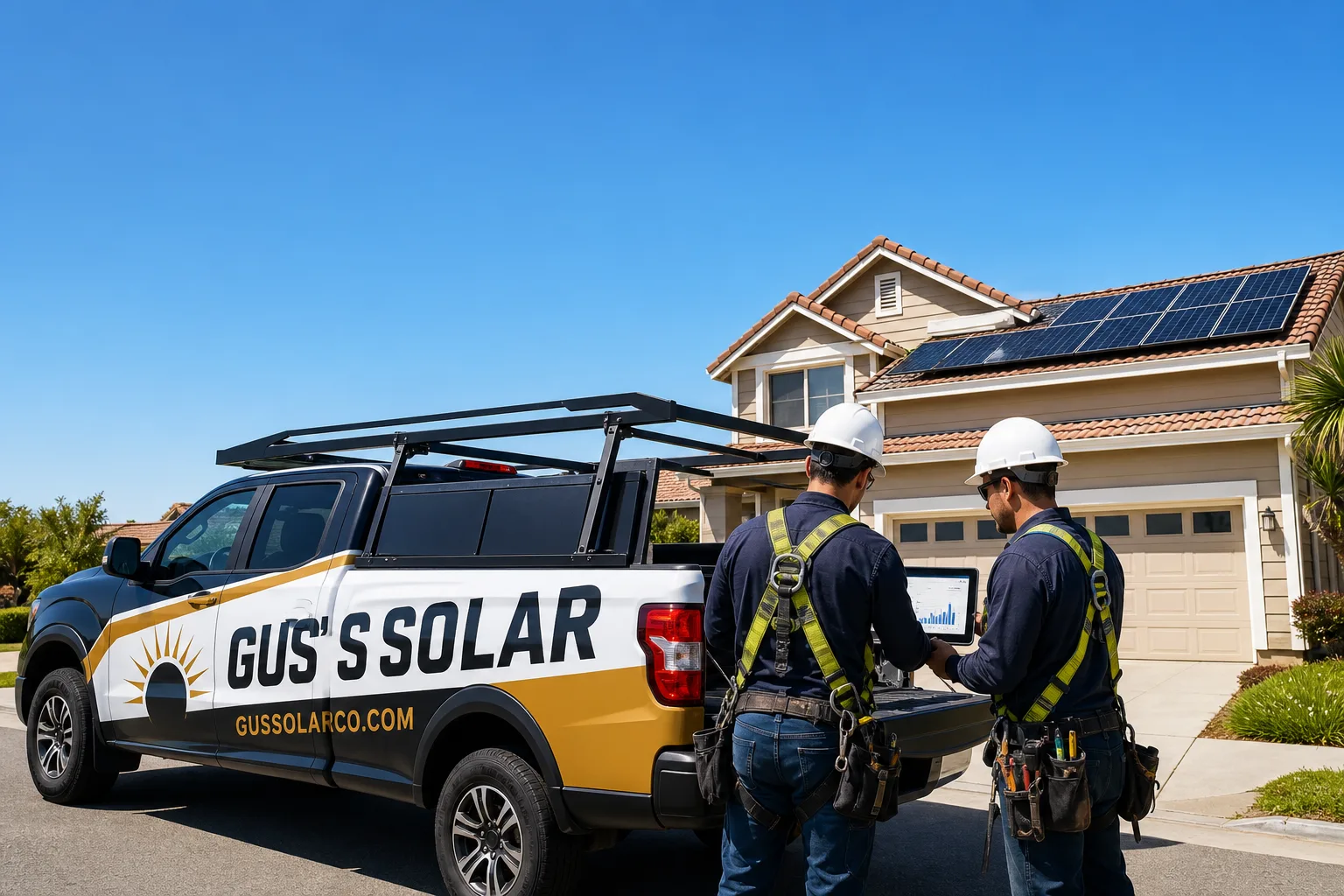
Free bill analysis - bring a power bill, get the production math for your actual roof, panel brands like Qcells and REC compared side by side
If the pitch starts at your door and ends with "sign tonight for the special," sleep on it. The sun will still be there tomorrow; so will we.
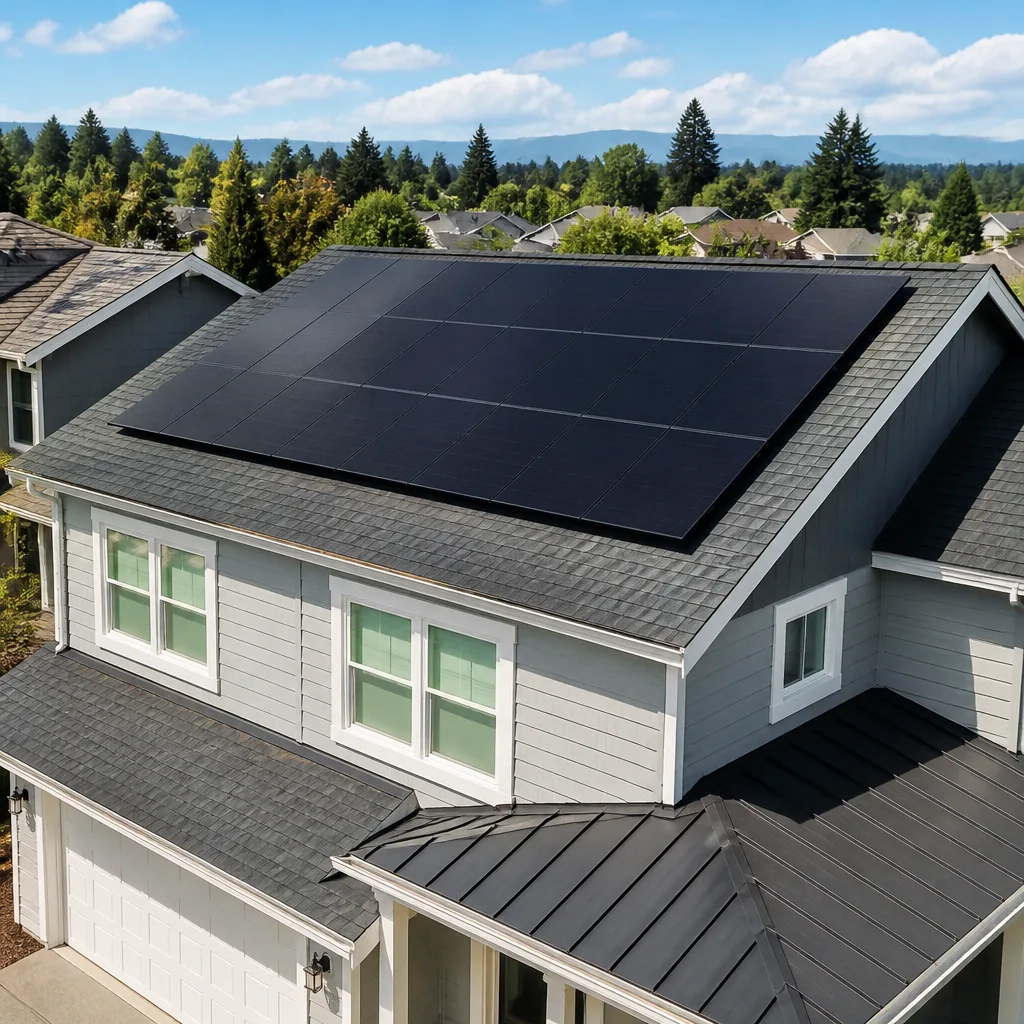
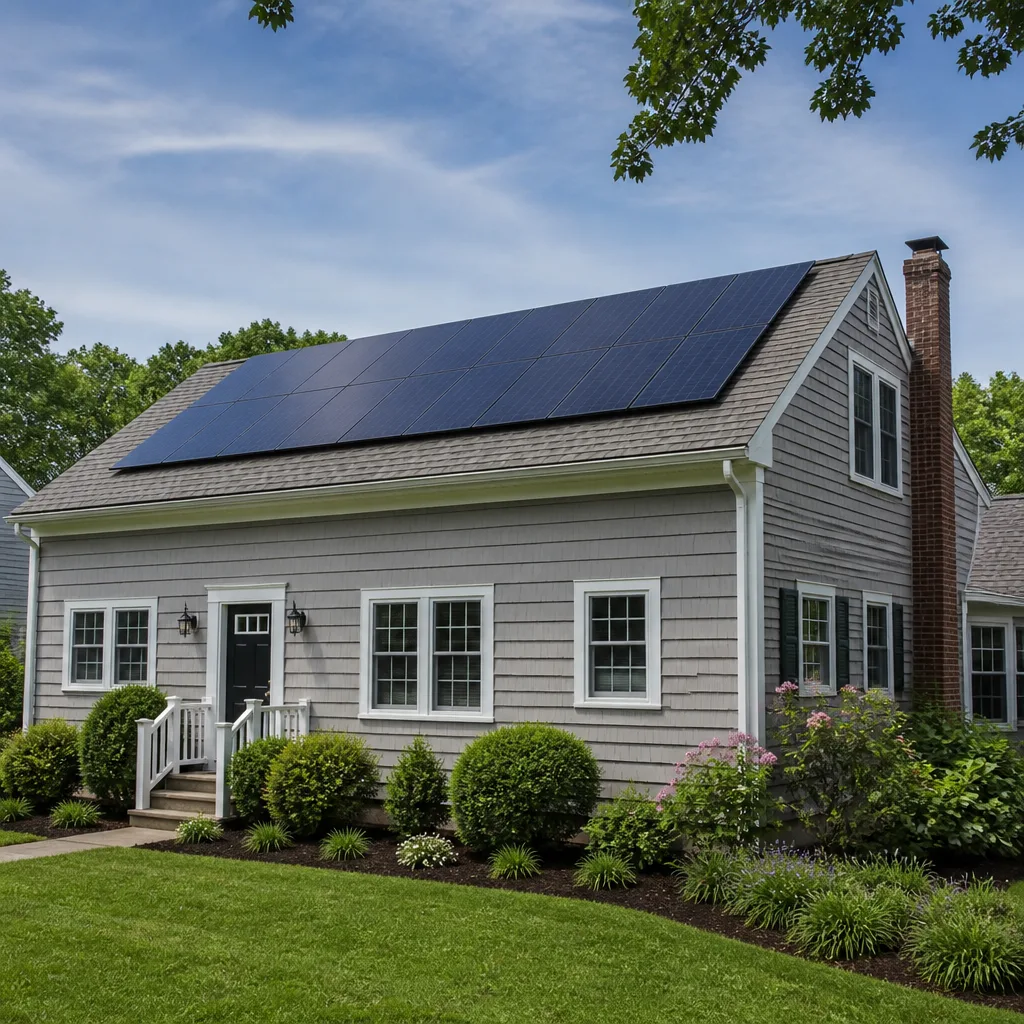
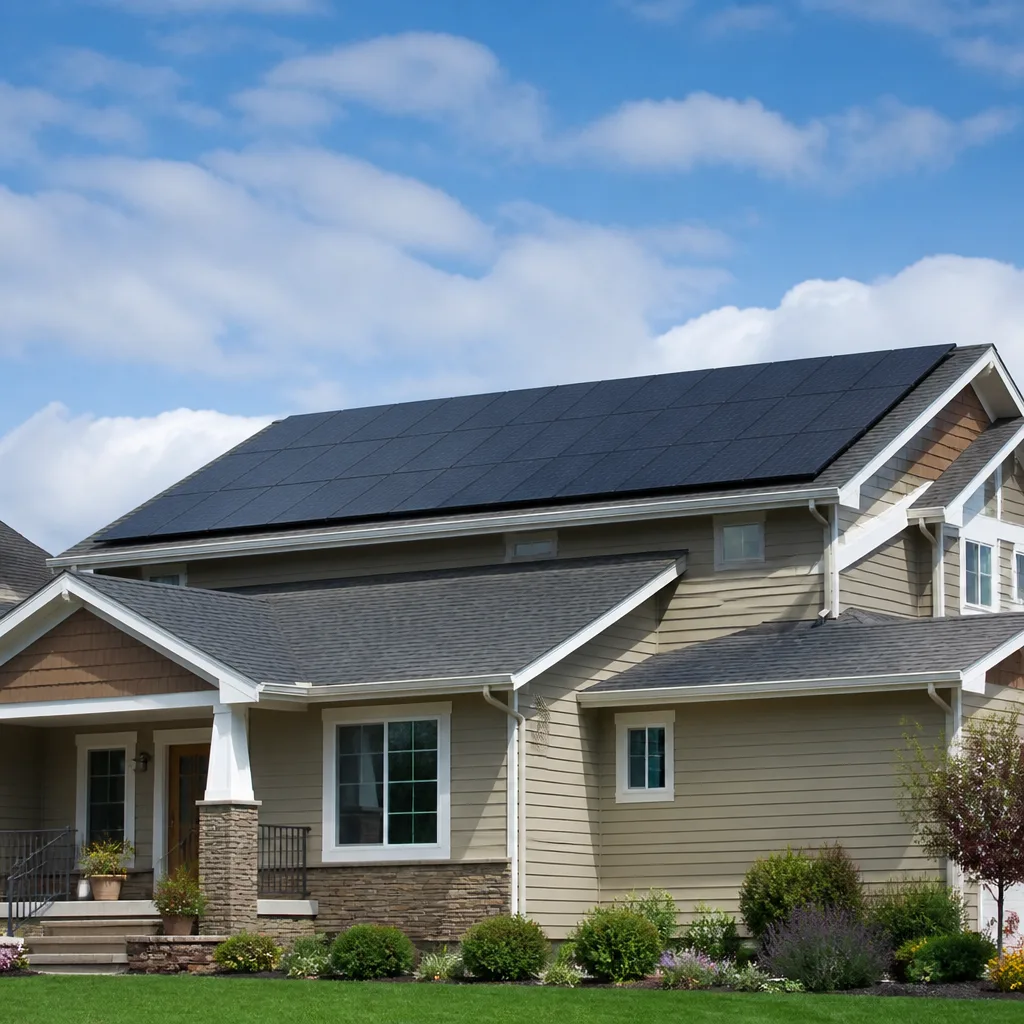
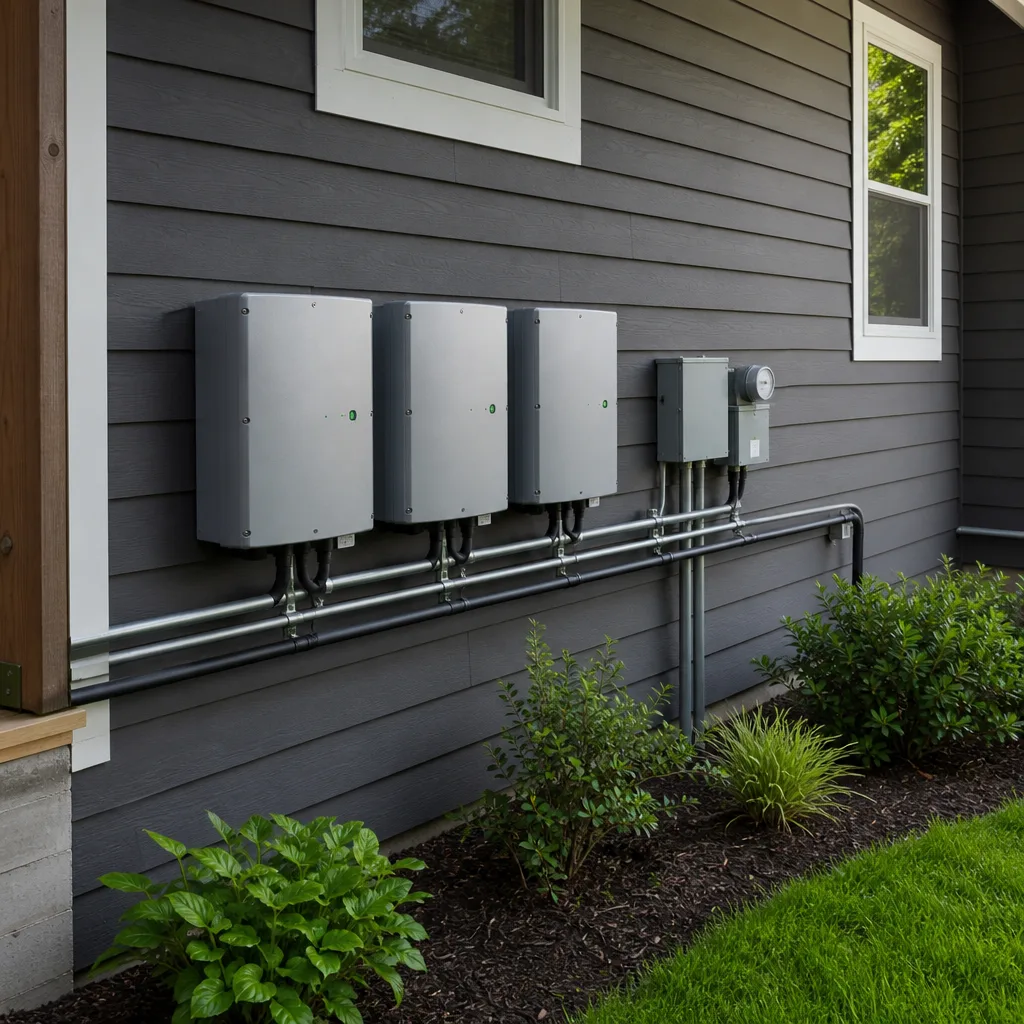
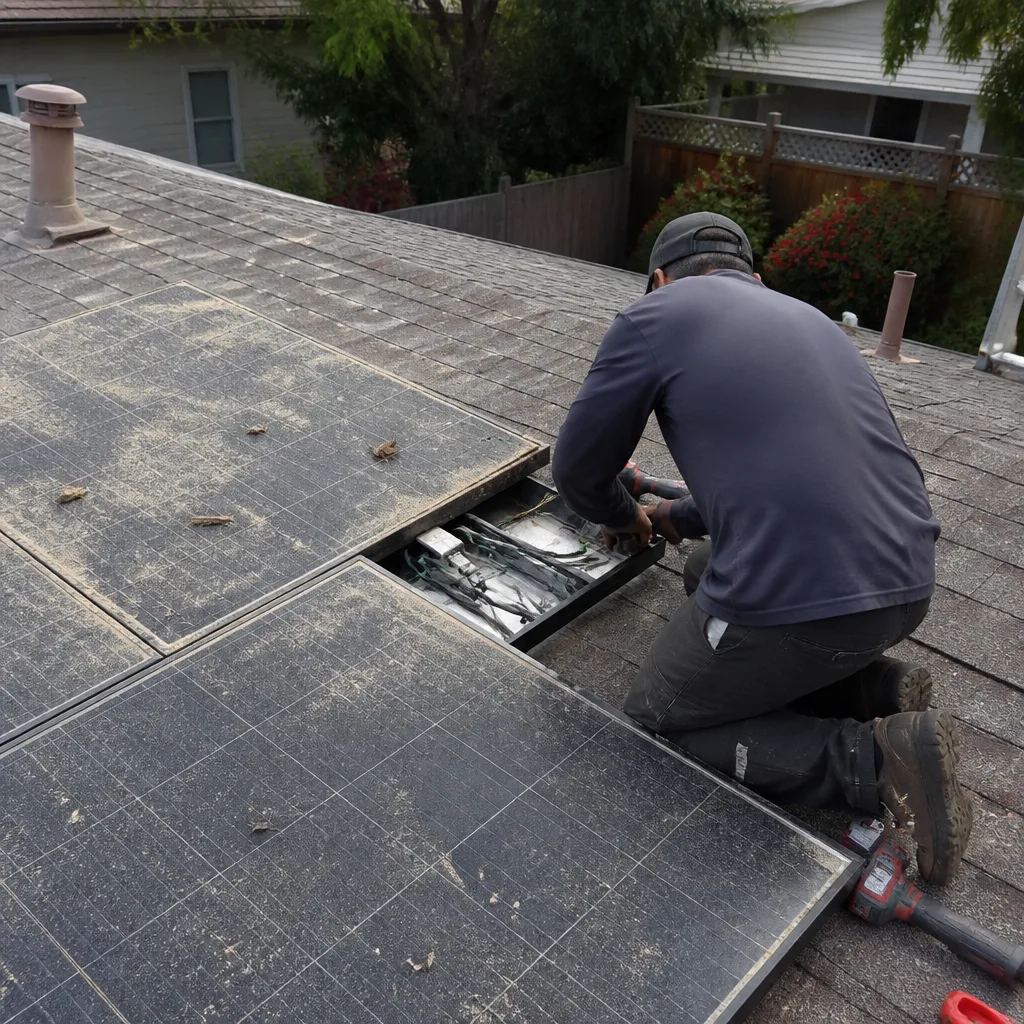 Before
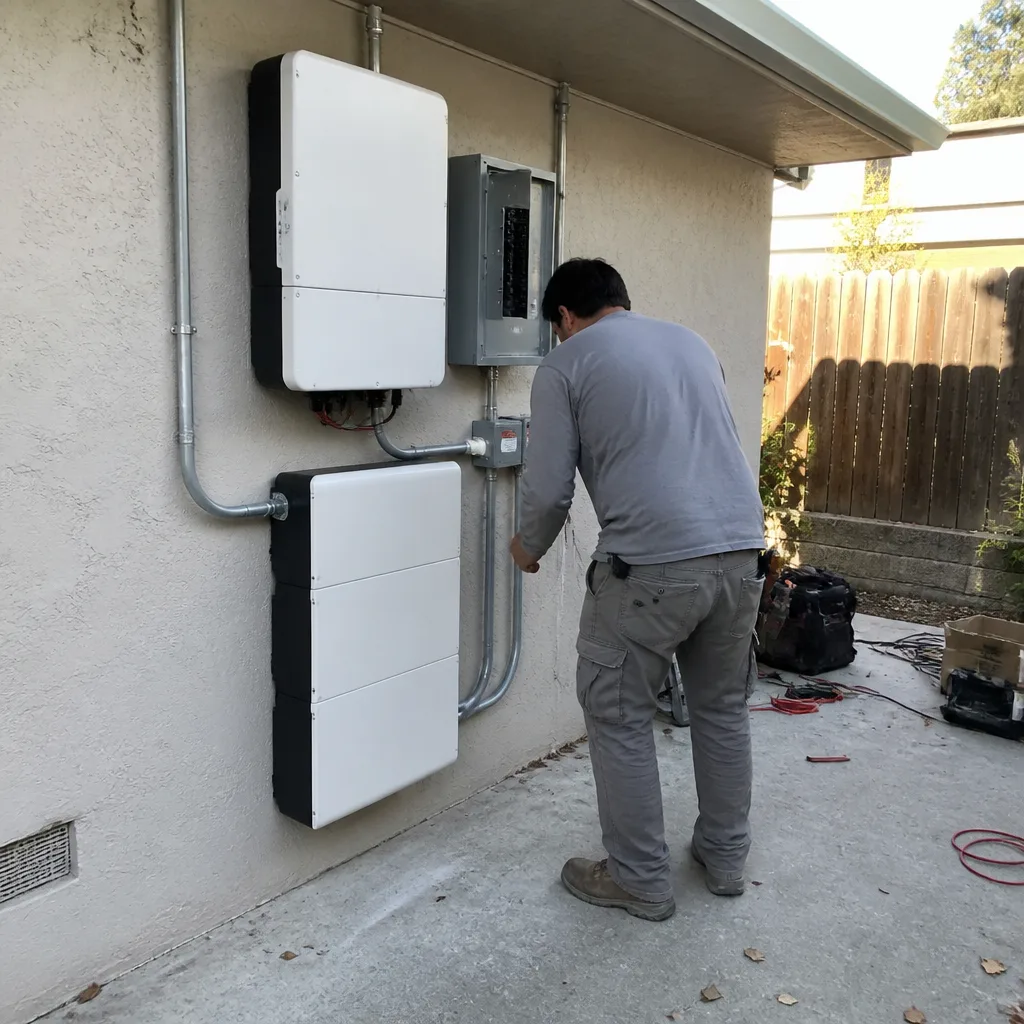 After
After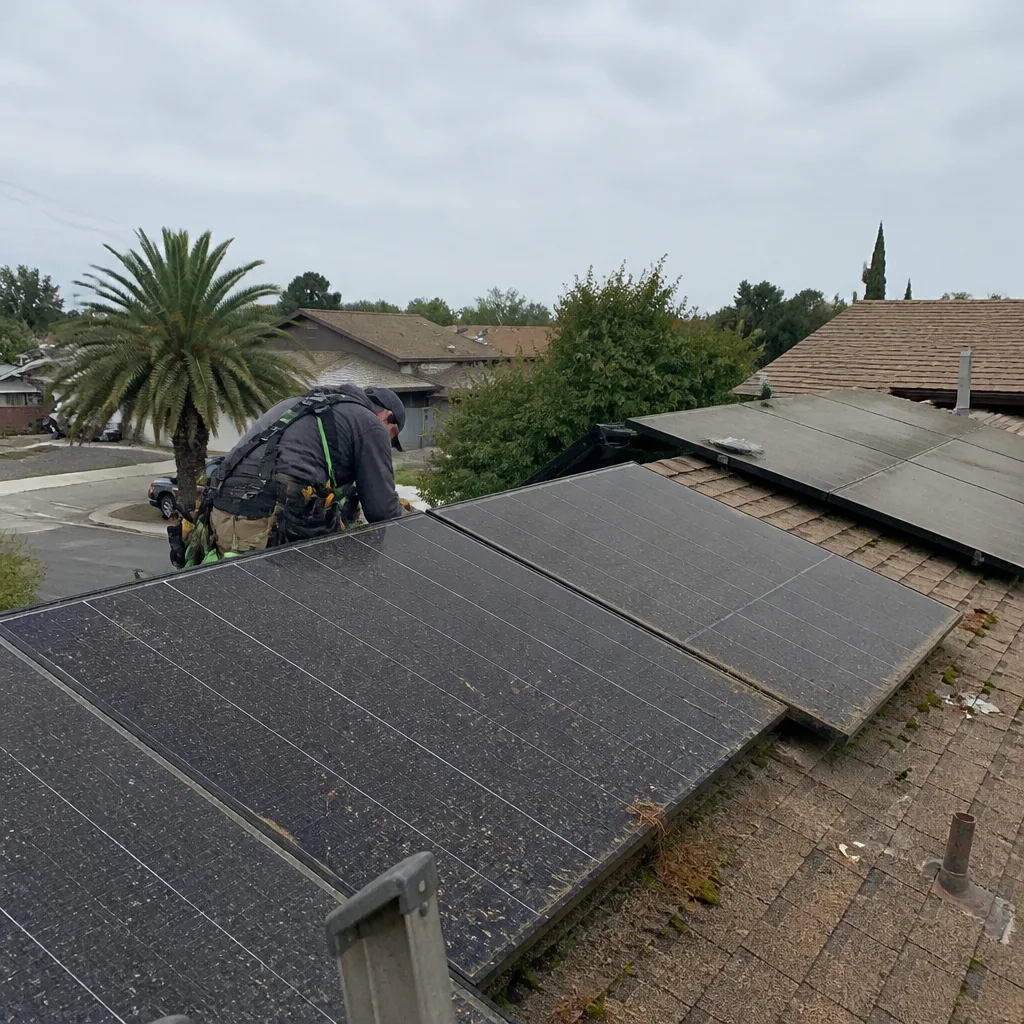 Before
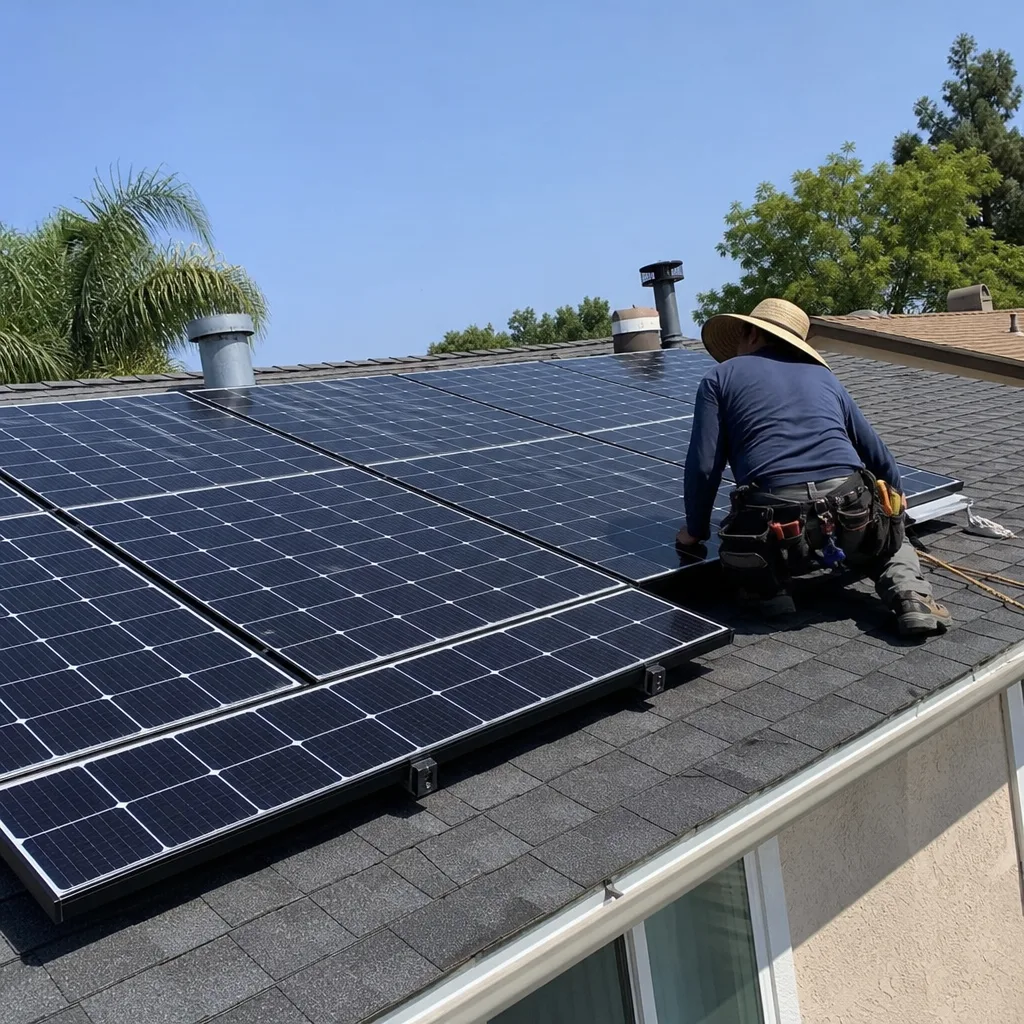 After
After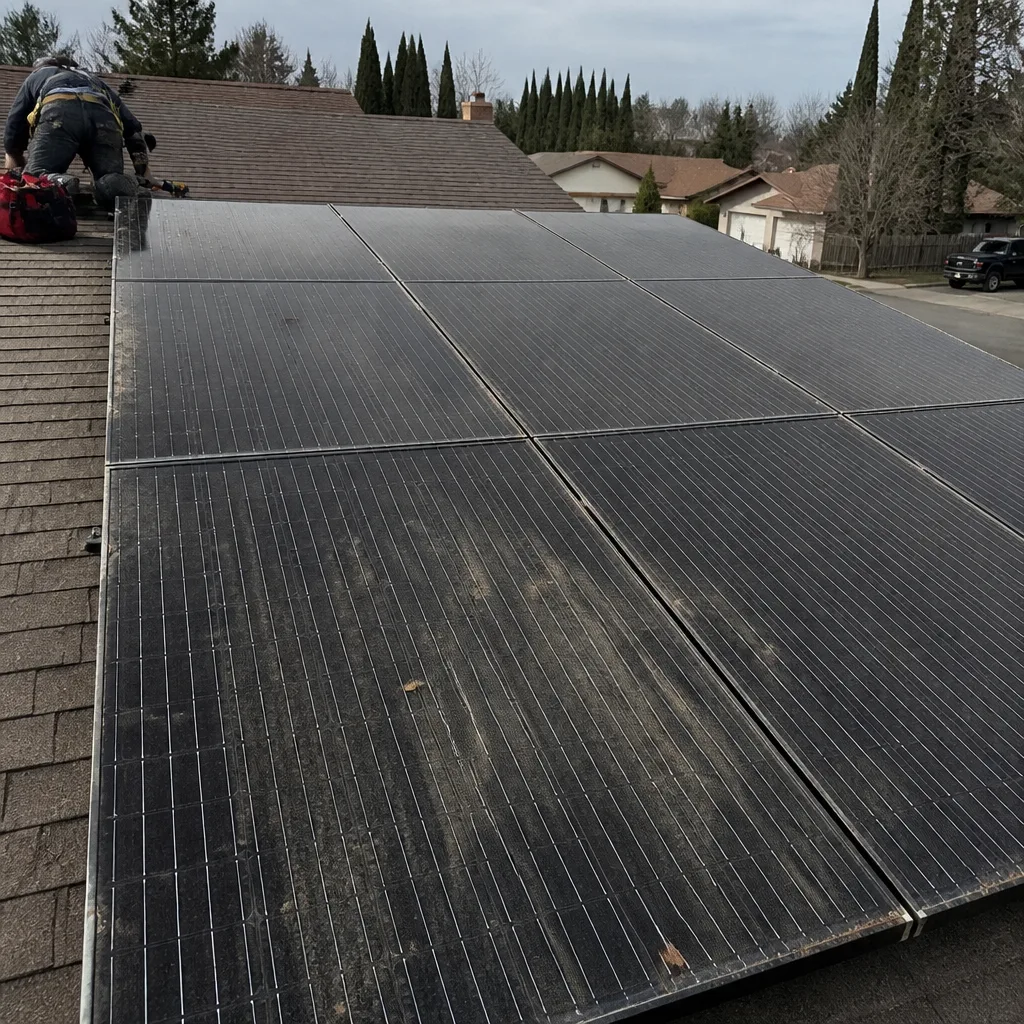 Before
 After
AfterFast, Reliable Solar Panel Cleaning Across Woodland Hills
Solar panel cleaning in Woodland Hills typically costs between $150 and $350 per visit for a standard residential array, and most homes here need it two to four times a year because of the dust that settles out of the air after every Santa Ana wind event. We’re Gus’s Solar, and we’ve been cleaning panels across the 91364, 91365, 91367, and 91371 ZIP codes long enough to know exactly where the soiling builds up worst: low-pitch ranch roofs on Wells Drive, hillside custom homes off Mulholland Drive, and split-levels near the Warner Center. If your production numbers have been sliding week over week, call (877) 550-6892 and we’ll put you on the schedule. Gus Petrakis answers his own phone, and he’ll tell you straight whether a cleaning is worth your money or whether something else is dragging your output down.
Here’s the short version: clean panels generate more power, full stop. The longer version is that Woodland Hills sits in a thermal bowl that traps heat and gets hammered by Santa Ana winds carrying fine chaparral dust, so panels here lose between 5 and 10 percent of production between cleanings. That’s real money on your LADWP bill, and it’s a number we can measure directly off your Enphase or SolarEdge monitoring data before and after we clean.
Why Gus’s Solar Is Woodland Hills’s Preferred Solar Panel Cleaning Company
We’re not a pop-up crew that disappears after the first invoice. Gus Petrakis founded this company in 2011, put his own name on the door, published his address and license number, and he still answers his own phone at 2 a.m. when a customer’s inverter throws a fault. That’s the kind of accountability you want when someone’s walking on your roof.
Our reputation in Woodland Hills is built on the crews we send out. Background-checked, uniformed, and trained on everything from Tesla Powerwall-integrated systems to older SunPower arrays. When we clean panels near the Calabasas line or up in the hills above Topanga Canyon Boulevard, our techs know what to look for: racking loosened by wind, nesting activity under the array, and microinverter faults hidden by a layer of dust that made the production drop look like a panel failure. We’re not here to upsell you a replacement array. We’re here to make what you already own work the way it should.
We also hold every job to the 90-Day Done Right Promise. If we clean your panels and the production data doesn’t show improvement, Gus comes back and makes it right. No arguments, no fine print. And if you have a written estimate from another company, bring it to us for a free second opinion. We’ll tell you if it’s fair, and we’ll do it without asking for a signature tonight.
Our Solar Panel Cleaning Services in Woodland Hills
Every roof in Woodland Hills collects soiling differently. The valley floor homes catch the dust that settles out of the air after the wind dies down. The hillside homes catch everything else: chaparral debris, bird droppings, and the fine grit that blows over the ridge from the 101 corridor. Here’s how we handle each one.
Debris & Soiling Removal
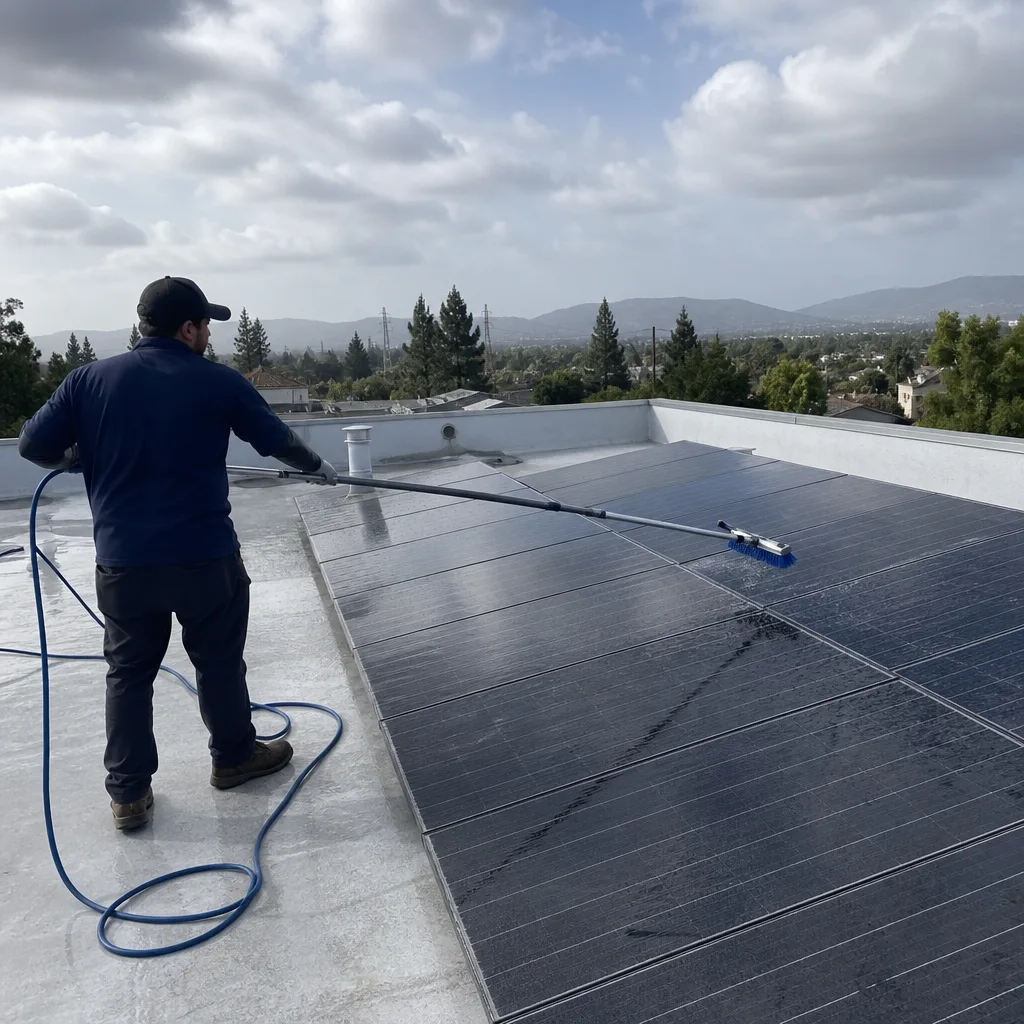
Santa Ana winds don’t just push dust around; they carry it. The fine particulate that coats panels in Woodland Hills is a mix of Topanga-adjacent chaparral pollen, brake dust from the 101, and the sandy grit that kicks up from the dry hillsides above the Valley. That coating bakes on under 110-degree sun and forms a film that plain water alone won’t remove. We use filtered, deionized water and soft-bristle brushes so the glass never scratches, and every cleaning ends with a production check against your monitoring portal so you can see the before-and-after numbers for yourself.
Scheduled Cleaning Plans
For Woodland Hills homeowners who want to stop thinking about it, we set up cleaning plans that line up with the local wind seasons. Most of our valley-floor customers do best on a three-times-a-year schedule: once after the spring pollen drop, once in late summer when the dust has been baking on for months, and once in late fall after the first big Santa Ana event. Hillside homes above Mullholand Drive often need quarterly cleanings because the wind exposure is stronger up there. We call you before each visit, you don’t have to remember anything, and the price per visit drops when you’re on a plan.
Bird & Critter Guard Installation
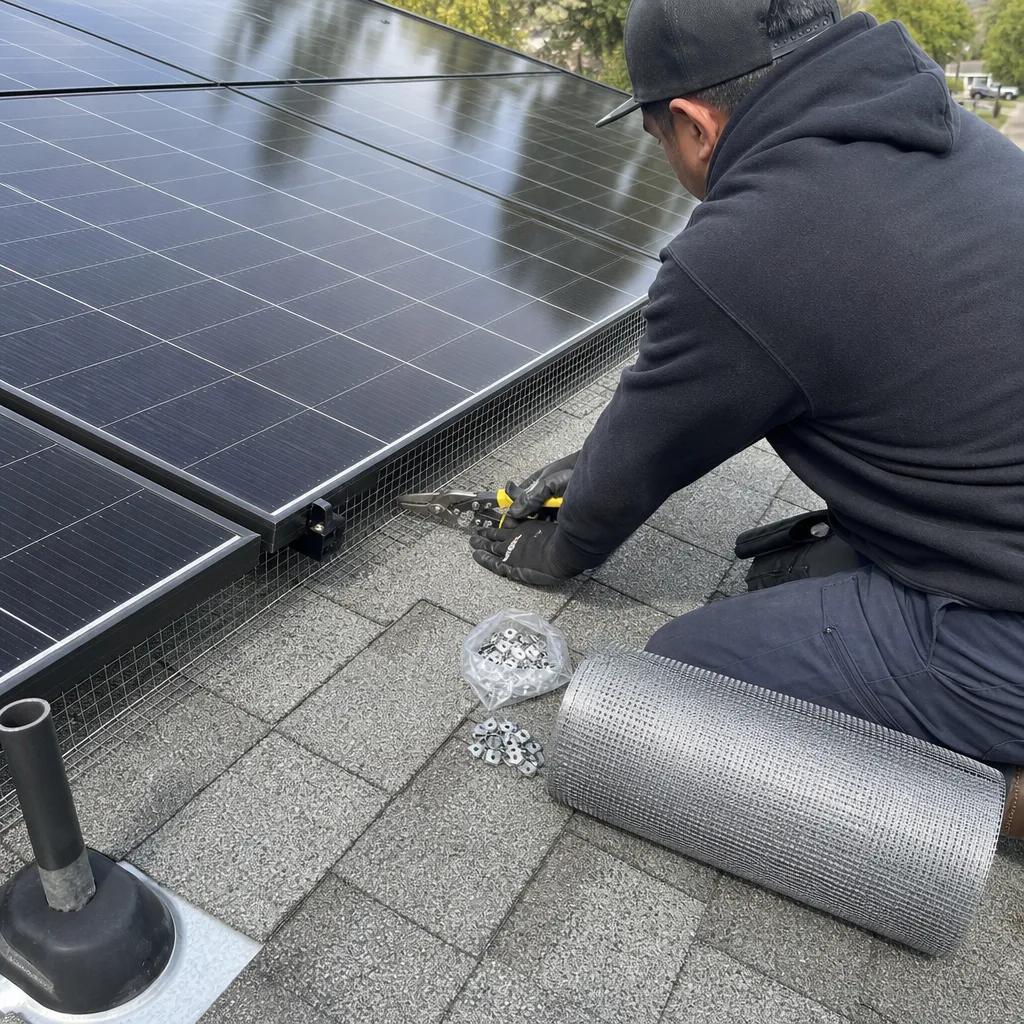
Sparrows and pigeons find the gap under a rooftop array irresistible, especially on the low-pitch ranch homes that dominate the Woodland Hills valley floor. Their droppings are more corrosive than dust, and they don’t rinse off with rain. We install powder-coated, PV-specific critter guard around the full perimeter of the array so birds can’t get under it, and we check the guard for gaps on every cleaning visit. If you’ve been hearing cooing from the roofline or seeing droppings on the panels, we can get out to your Woodland Hills home and quote the guard installation the same week you call.
Residential Panel Cleaning
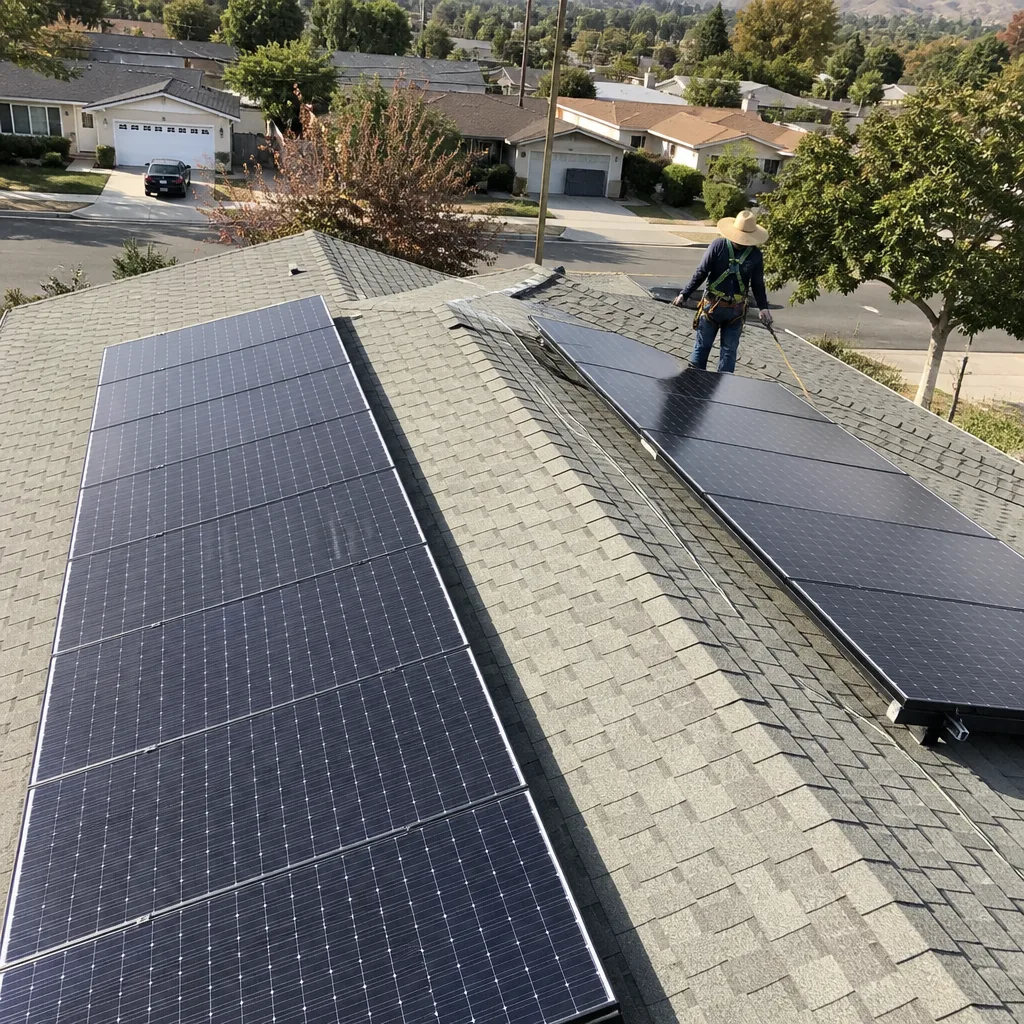
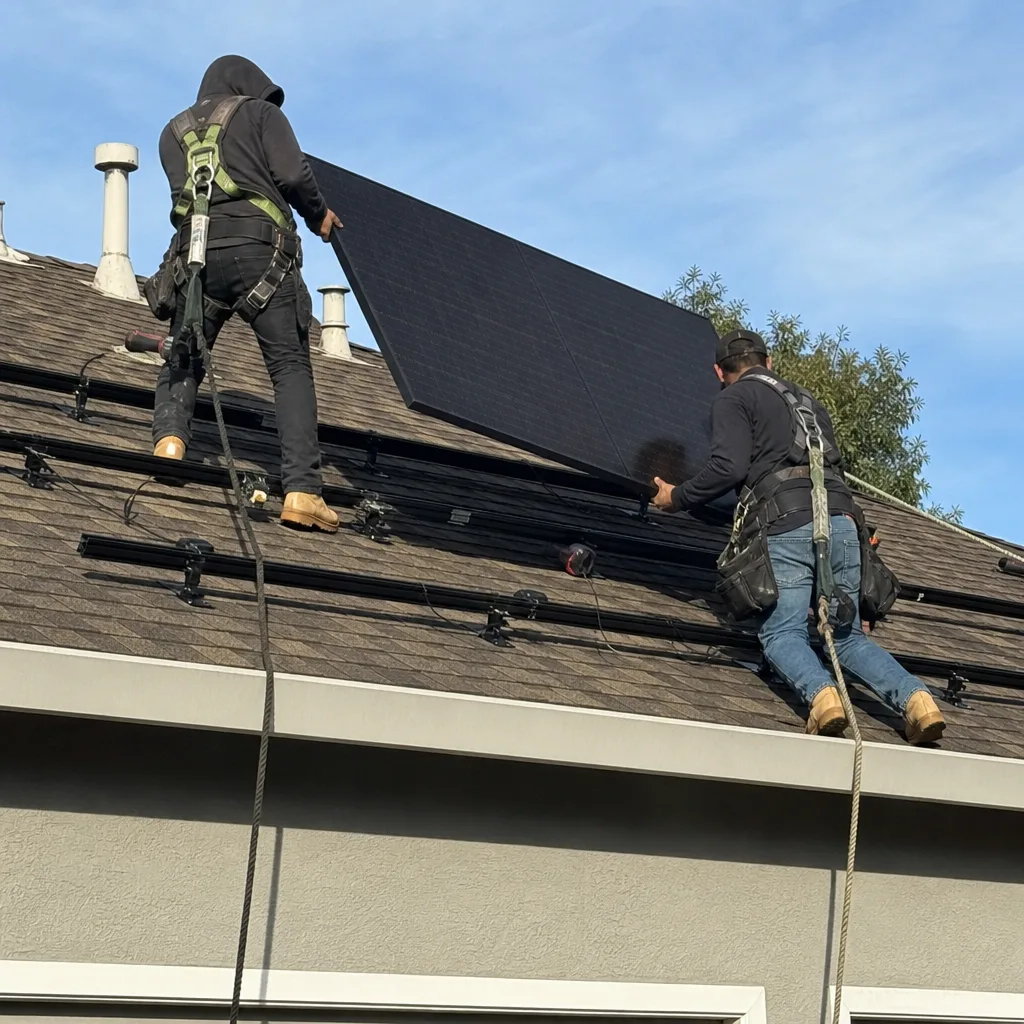
This is the core of what we do in Woodland Hills. A standard residential array of 20 to 30 panels usually takes our two-person crew about two hours on a valley floor roof and three to four hours on a hillside custom home with complex roof geometry. We bring our own water, our own filtration, and our own harness gear. You don’t have to do anything except unlock the side gate. Every visit includes a visual inspection of the racking, wiring, and microinverters, and a written after-visit report with production data.
Commercial Array Cleaning
Woodland Hills has a growing number of commercial arrays on office buildings along Canoga Avenue, medical buildings near Kaiser on Burbank Boulevard, and retail centers across the Warner Center area. Commercial soiling losses hit harder because the arrays are bigger and the margins are tighter. We schedule commercial cleanings for early mornings or weekends to avoid disruption, and we can set up a standing monthly or quarterly schedule for properties that need it.
What happens when you call
- 1
A real person answersNo phone trees - you reach a local pro.
- 2
You get an upfront price rangeHonest numbers before anyone is dispatched.
- 3
A background-checked tech heads outLicensed & insured, dispatched right away.
- 4
You approve before work beginsNothing starts until you say go.
Trusted Brands We Service in Woodland Hills
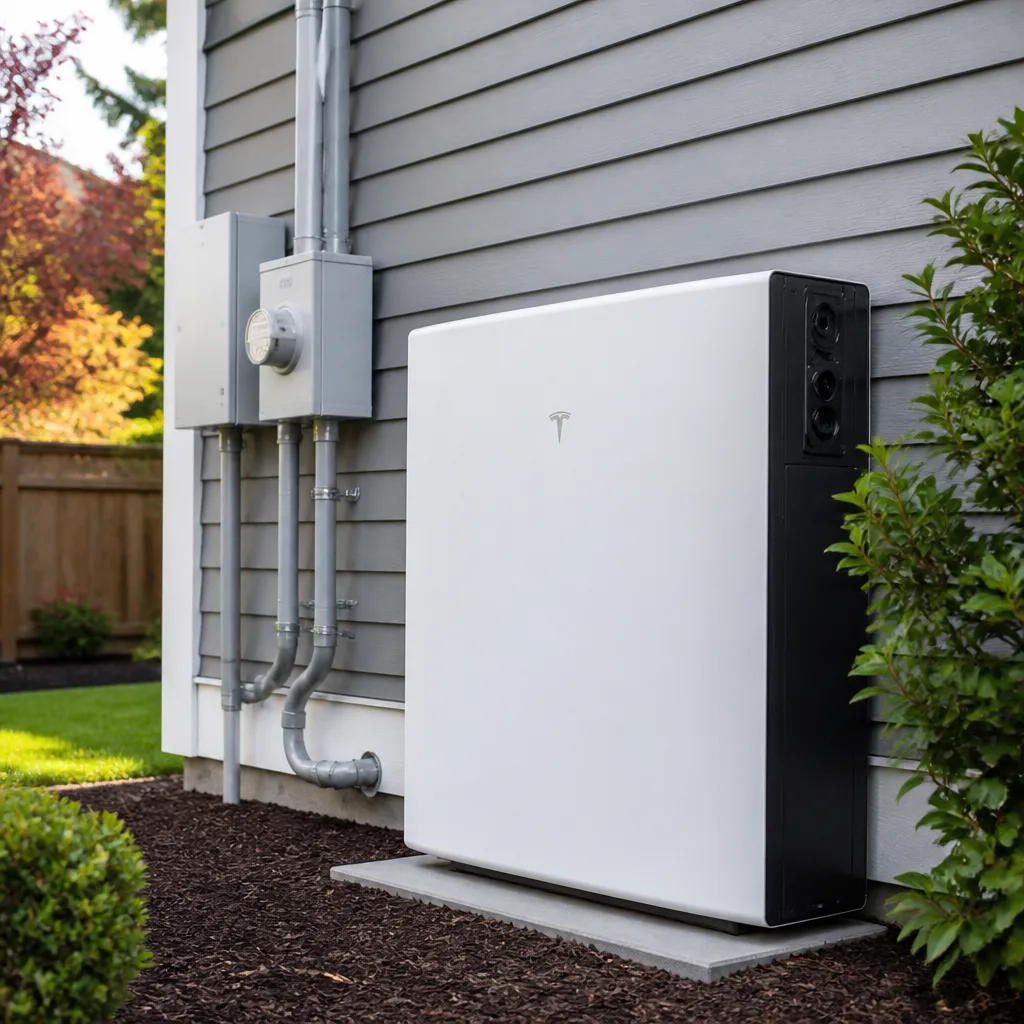
We work on every major panel and inverter brand you’re likely to find in Woodland Hills. That includes Tesla systems with Powerwall backup, Enphase microinverter arrays, and SolarEdge setups on older installs. We see a lot of older REC and SunPower modules in this area too, especially on the 1950s to 1970s tract homes that got solar early through the first big LA rebate waves. If your system uses Panasonic, Qcells, or Canadian Solar panels, we service those too. We don’t push one brand over another; we tell you what your array is doing and what it needs.
Because Woodland Hills has such a mix of old and new equipment, our trucks carry a broad set of cleaning and inspection tools, and we keep local parts on hand for common fixes we spot during cleanings: cracked junction boxes, loose MC4 connectors, damaged rapid-shutdown modules, and aging critter guard. Fast turnaround matters here because a cleaning visit that turns into a repair recommendation shouldn’t leave you waiting weeks for the fix.
Common Solar Panel Cleaning Problems We See in Woodland Hills Homes
We’ve cleaned enough arrays across Woodland Hills to know exactly what goes wrong when panels get neglected here. Here’s what we encounter most often:
- Santa Ana dust blankets the glass. The fine grit blows in from the hills above the Valley and settles in an even coat on sloped panels. Homeowners who don’t clean it off see a 5-10 percent production drop, and the inverters start reporting numbers that don’t match the original production estimate. That discrepancy shows up as a mismatch on LADWP true-up statements at the end of the year.
- Bird droppings create hot spots on low-pitch roofs. On the split-level and ranch homes near the Serrania Avenue corridor, nesting sparrows and pigeons leave droppings that bake onto the glass and block entire cell strings. A concentrated hot spot can push a cell past its operating tolerance and shorten the panel’s lifespan beyond the normal degradation curve. We flag these before they become warranty claims.
- Hillside arrays hide debris in valleys and behind dormers. Custom homes on the northern slopes of Woodland Hills, especially up toward Mulholland Drive, have multi-plane roofs that trap leaves, twigs, and dust in corners that flat-valley roofs never accumulate. We see failure modes in these areas that coastal LA installers quite literally never encounter: moisture trapped under the array after a post-storm inspection, rapid shutdown faults from standing water near connections, and debris piles behind dormers that shade entire panel sections.
- Extreme heat accelerates soiling-baked grime. Woodland Hills recorded 121°F on September 6, 2020, which is the highest temperature ever measured in Los Angeles County. That kind of thermal load doesn’t just degrade panel output at the cell level; it bakes whatever is already on the glass into a hard, baked-on layer that requires professional removal. A panel that’s already losing 0.4 percent efficiency per degree above 25°C loses even more when soiling blocks the light that does get through.
Pricing for Solar Panel Cleaning in Woodland Hills, CA
Here are straight numbers for what we charge in Woodland Hills. A standard residential cleaning for an array of 20 to 30 panels runs $150 to $300 per visit, depending on roof accessibility, number of stories, and whether we’re also doing a bird guard inspection or minor debris removal. Add 20 to 40 percent if you’re on a steep hillside lot with difficult ladder access. Solar Panel Cleaning for a small commercial array under 100 panels starts around $350 and goes up from there based on size and site conditions.
- Residential cleaning (20-30 panels): $150-$300
- Hillside home with steep access: $200-$420
- Residential cleaning + bird guard inspection: $175-$340
- Commercial array under 100 panels: $350-$600
- Bird guard installation (per linear foot): $12-$18
We never charge a trip fee inside our own service area, and that includes Woodland Hills. If you’re a senior or veteran, you get 10 percent off every cleaning, every time, with no expiration date. And every quote we give you is the price you pay, not a starting point for negotiation. Call (877) 550-6892 for a free estimate. Bring us your LADWP bill and your monitoring data, and Gus will show you the math before you commit to anything.
We Also Serve Cities Near Woodland Hills
Our crews work throughout the western San Fernando Valley and the surrounding hills. We’re in Canoga Park, Calabasas, West Hills, and Topanga most days of the week, and we respond just as fast to those neighborhoods as we do to the Warner Center area. If you’re anywhere close to Woodland Hills, you’re inside our service area, and we’d be glad to have you.
Serving Woodland Hills, CA - Our Local Coverage Area
We’re based in the Woodland Hills area and know this community well. Use the map below to see our service coverage - if you’re nearby, we can almost certainly help.
FAQs - Solar Panel Cleaning in Woodland Hills
Most Woodland Hills homes need cleaning every four to six months. The Santa Ana winds dump fine dust and chaparral debris on panels multiple times a year, and the 121°F heat bakes that soiling onto the glass. If you’re on a hillside lot above Mulholland Drive, quarterly cleanings usually make sense. If you’re on the valley floor near the 101 corridor, three cleanings per year is the sweet spot for most of our customers. Call (877) 550-6892 and we’ll look at your production data and tell you what your specific array needs.
Yes. There is a direct line between clean glass and production credits: when panels are producing closer to their rated output, your system exports more and you bank more credit on your LADWP true-up statement. We just cleaned a 2018 REC system on a hillside custom home off Mulholland Drive in 91364, where Santa Ana debris had coated the south-facing array. After removing the soiling, the Enphase microinverter production data showed a 9 percent lift in daily output, and we scheduled the homeowner for quarterly cleanings and added bird guard to keep nesting sparrows away. That 9 percent is real money over the next 12 months, and it shows up line by line on your bill.
Yes, especially on the low-pitch ranch and split-level homes in the 91364 and 91367 ZIP codes. Those shallow roof angles give birds an easy landing spot, and the gap under the array is a natural nesting cavity. Sparrows and pigeons are the two we see most in Woodland Hills, and their droppings are acidic enough to etch the glass over time if left untreated. We’ll install critter guard on the first visit if nesting activity is present, and we check it on every cleaning.
Extreme heat does two things: it lowers panel efficiency at the cell level, and it bakes whatever soiling is already on the glass into a hard, stubborn film. Panels lose roughly 0.3 to 0.5 percent efficiency for every degree above 25°C, so a panel on a 121°F Woodland Hills afternoon is already giving up meaningful output. When you add a baked-on layer of dust and debris, the production loss compounds. That’s why cleaning here isn’t cosmetic; it’s a direct way to reclaim some of the output the heat is already taking.
Yes, and we’d argue it’s the single most important cleaning of the year for many Woodland Hills homeowners. A strong Santa Ana event deposits a visible layer of dust, pollen, and chaparral debris on panels in a matter of hours, and the longer it sits through the heat, the harder it is to remove fully. We schedule post-storm cleanings within a few days of the wind dying down, and we do a full inspection at the same time: checking for debris piled in roof valleys, verifying racking didn’t shift, and confirming all rapid-shutdown modules are still seated. Call (877) 550-6892 after the next big blow and we’ll get you on the schedule before the next heat wave locks the grime in.
Written by Gus Petrakis, Owner at Gus’s Solar, serving the San Fernando Valley and Woodland Hills since 2011.