

Free bill analysis - bring a power bill, get the production math for your actual roof, panel brands like Qcells and REC compared side by side
If the pitch starts at your door and ends with "sign tonight for the special," sleep on it. The sun will still be there tomorrow; so will we.
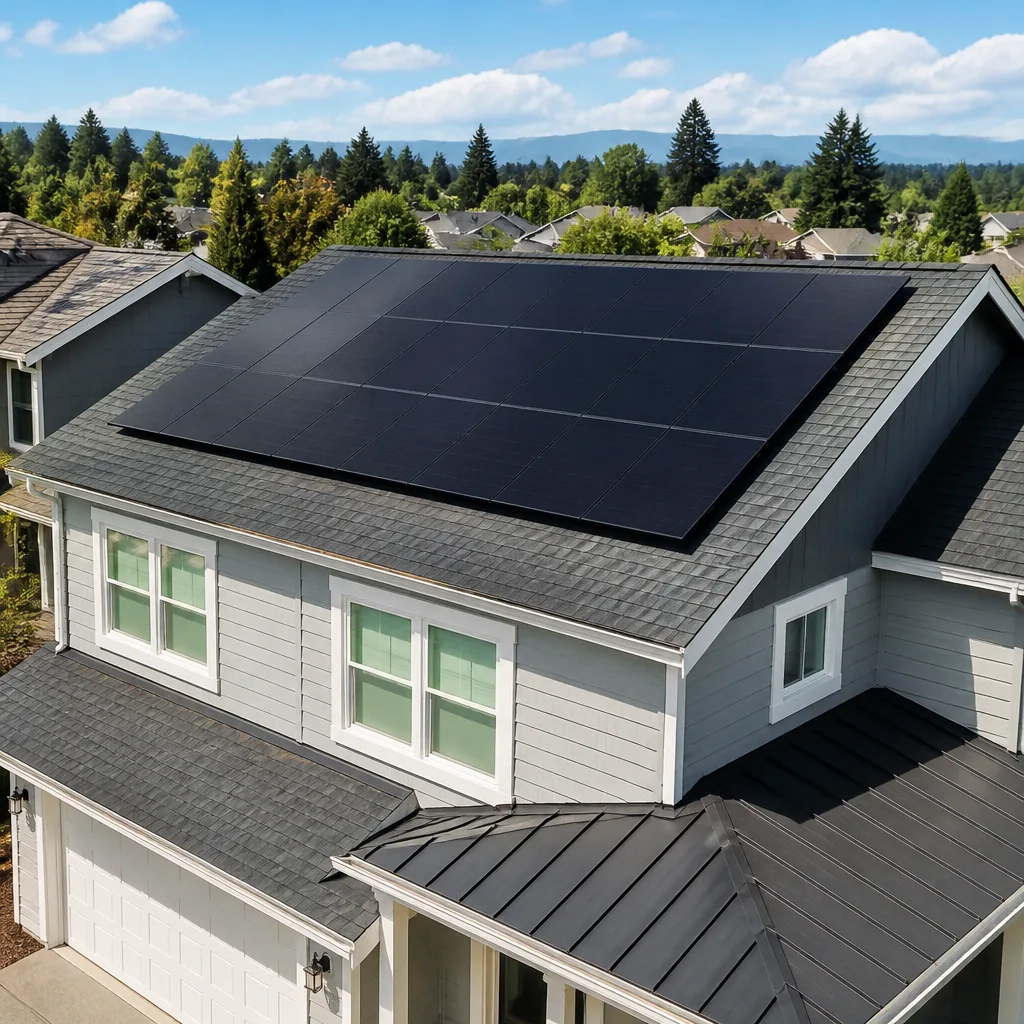
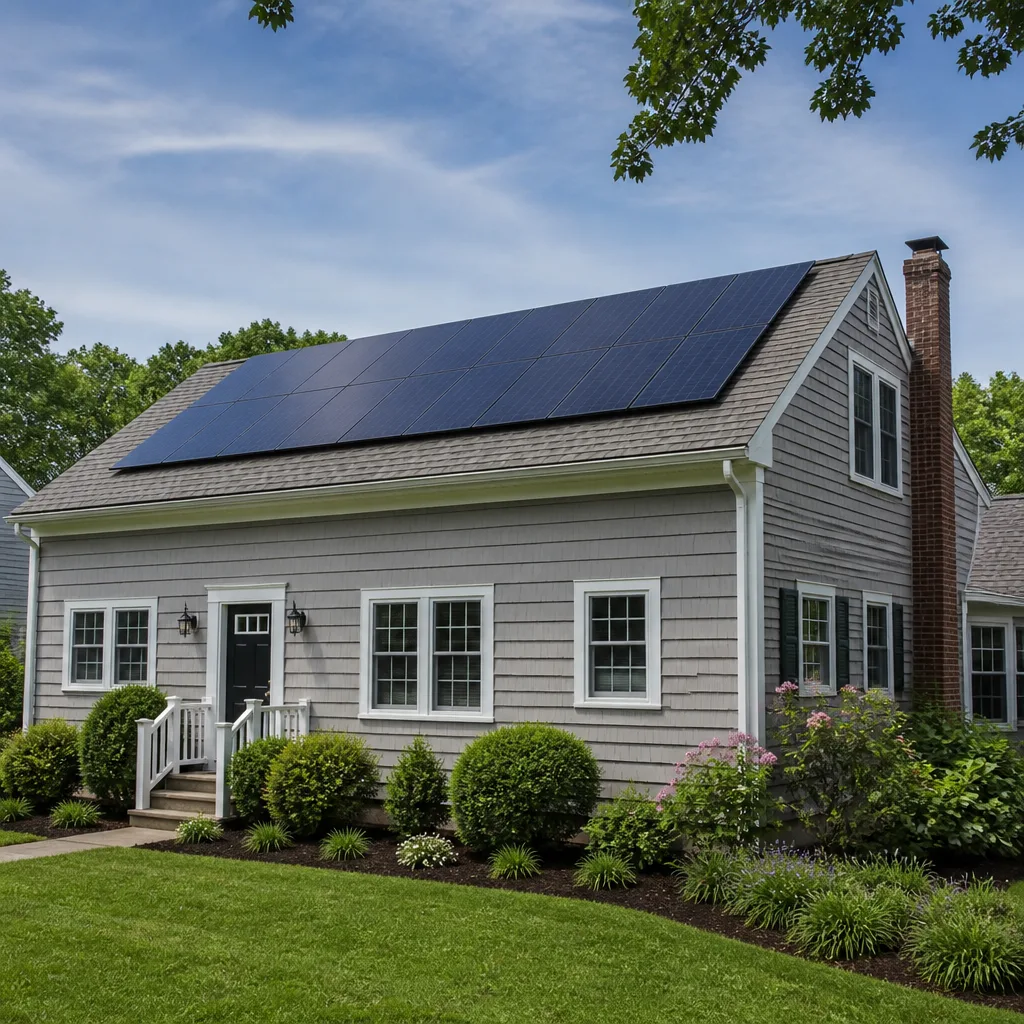
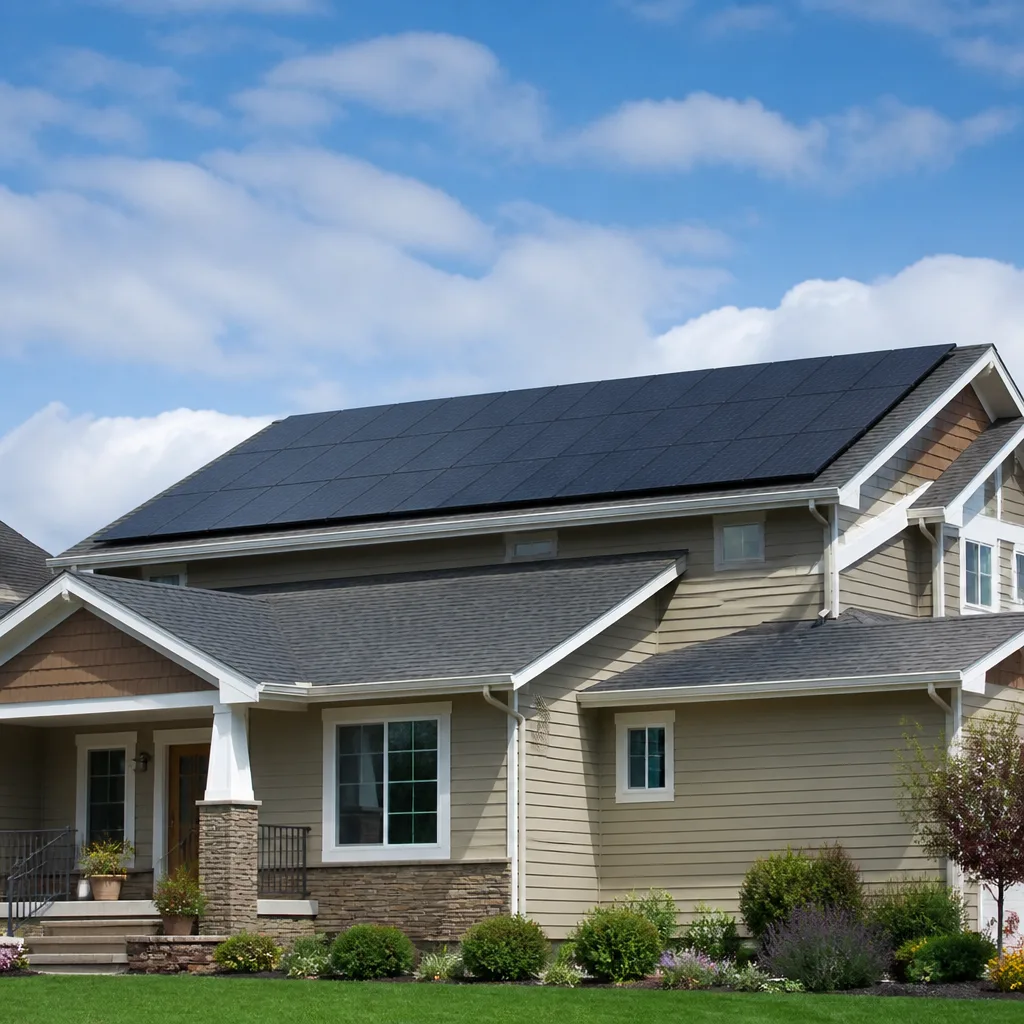
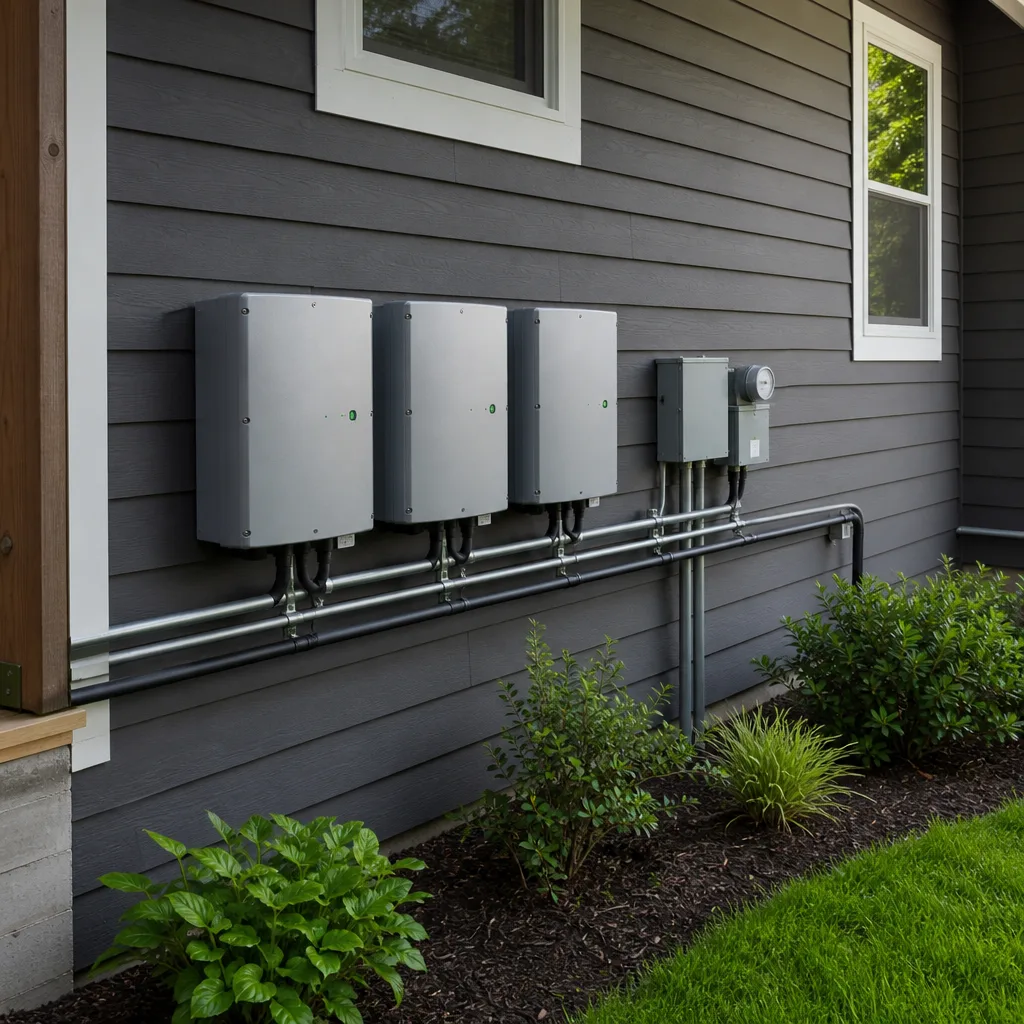
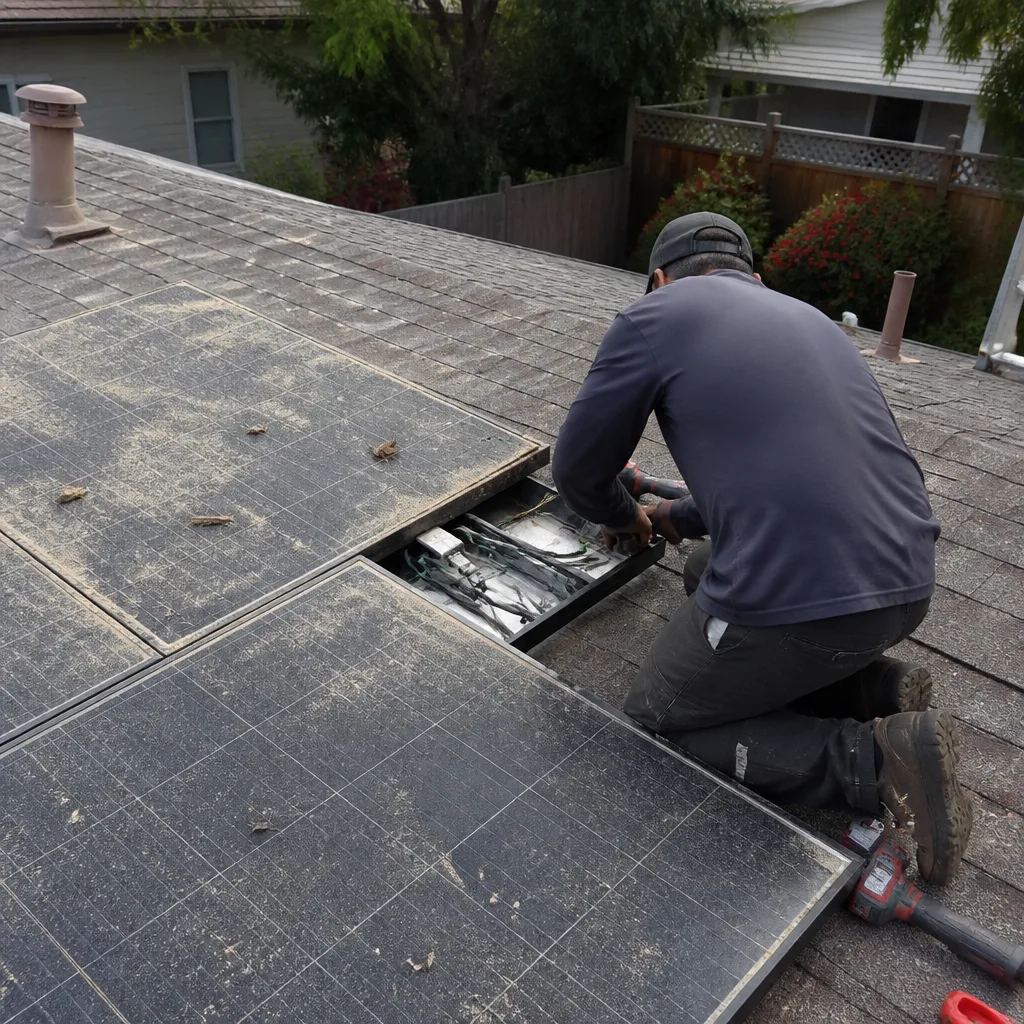 Before
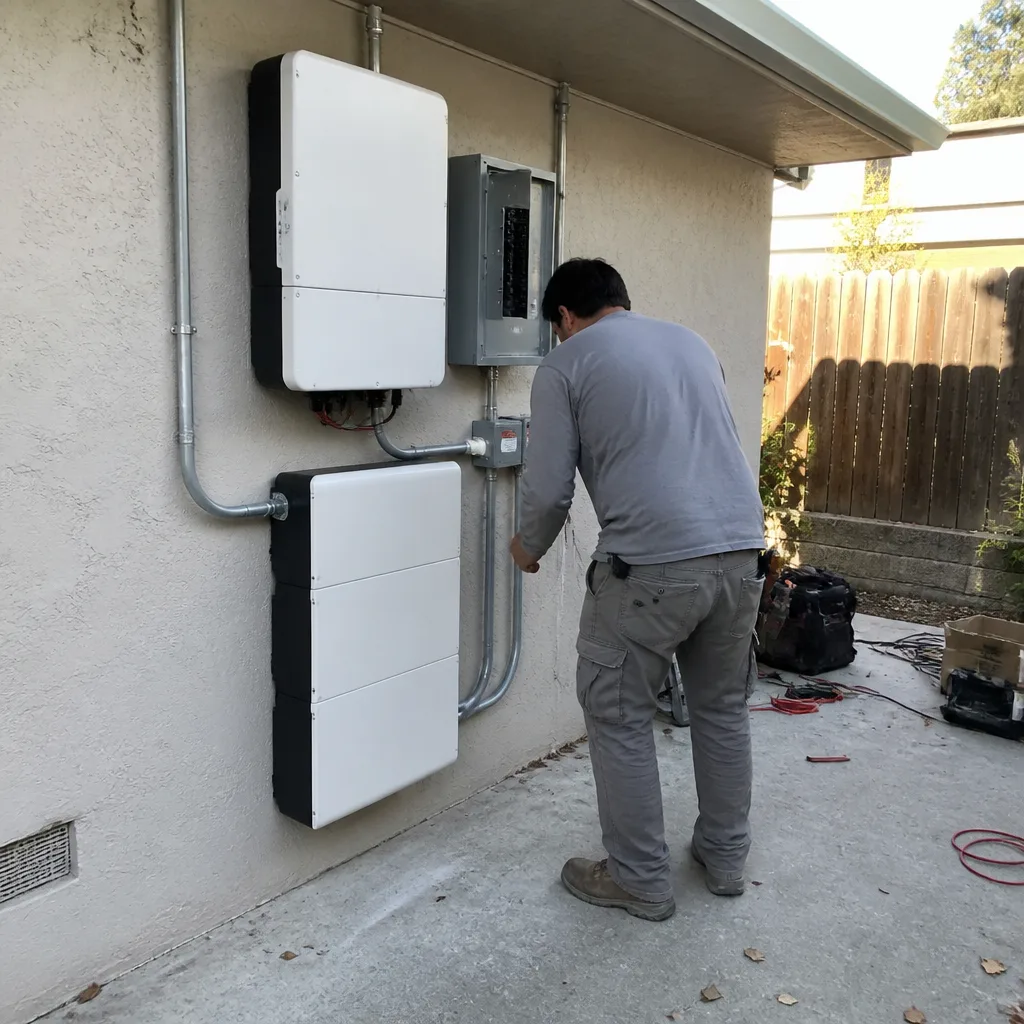 After
After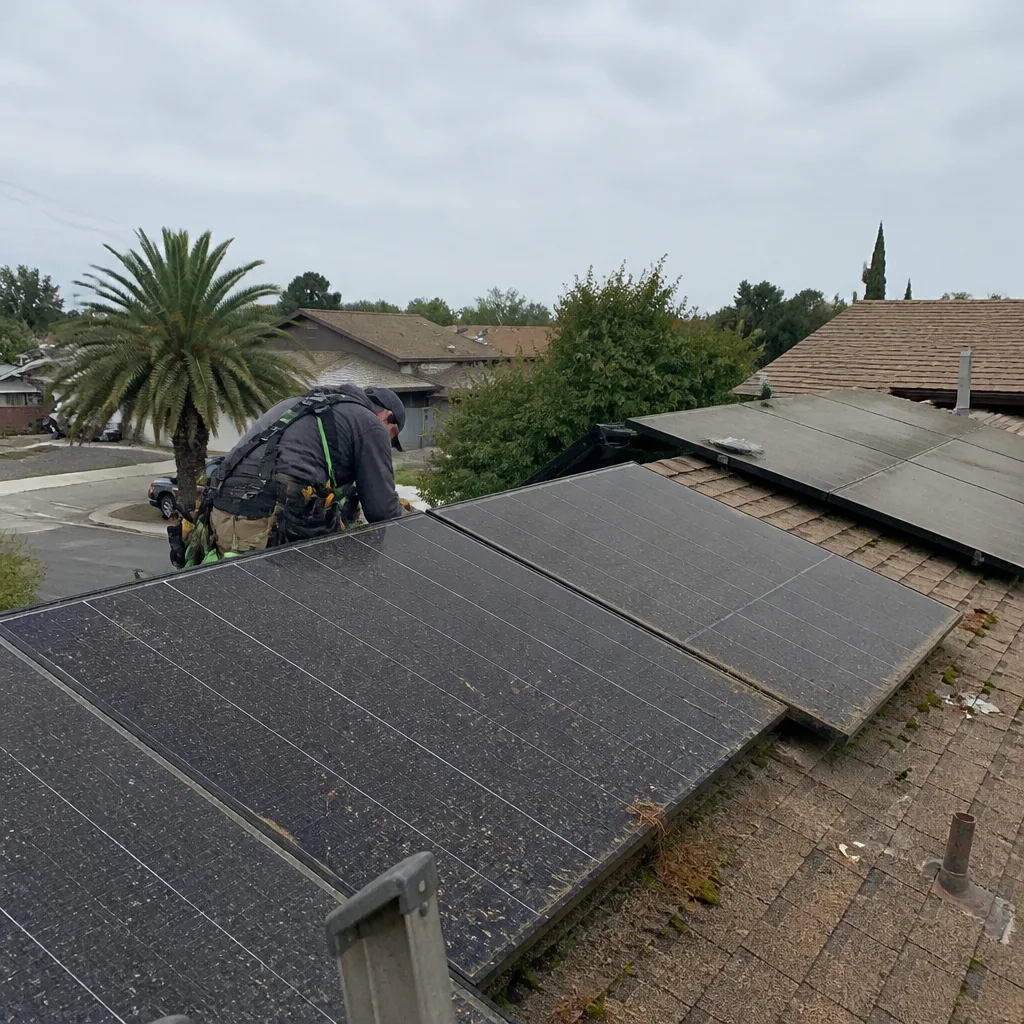 Before
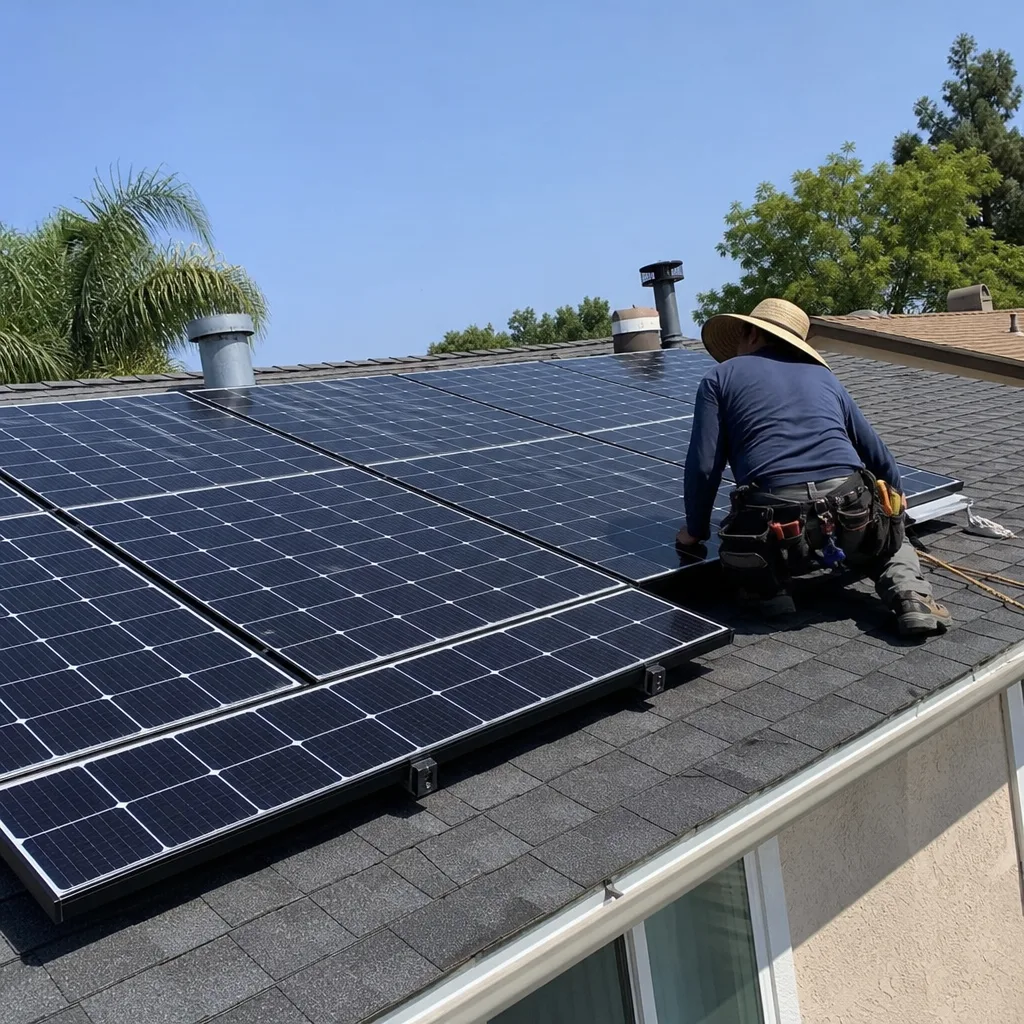 After
After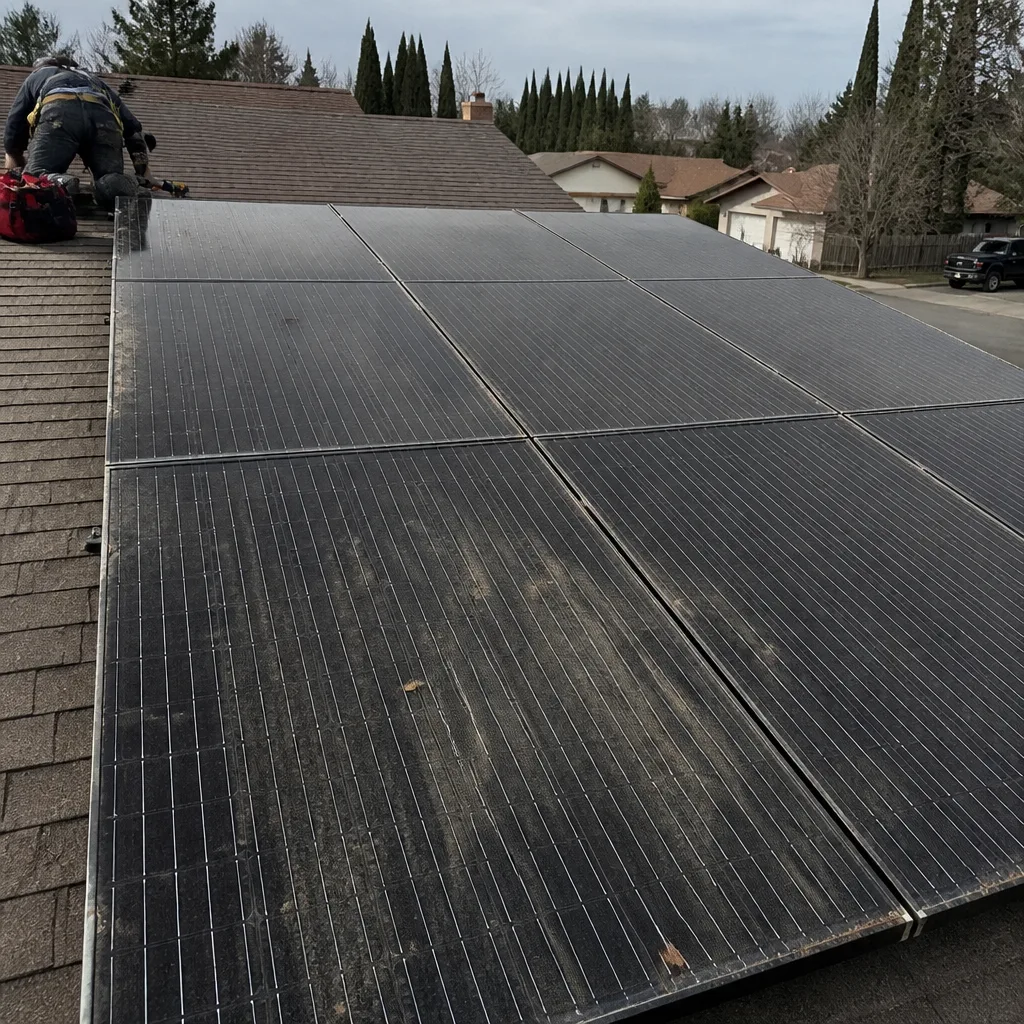 Before
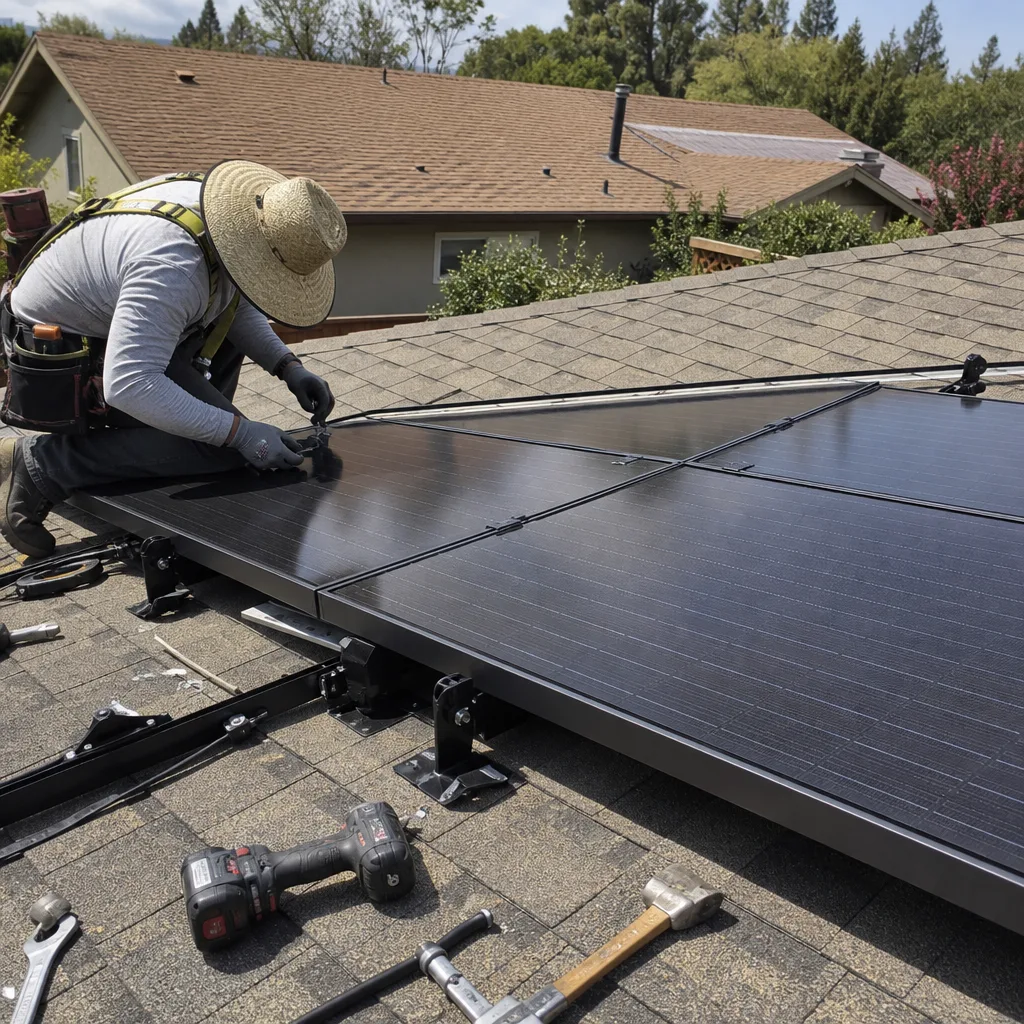 After
AfterFast, Reliable Solar Panel Cleaning Across Nipomo
Solar panel cleaning in Nipomo typically runs $180-$320 for a standard residential array, and most jobs are completed in under two hours. If you live on the western edge of the Mesa toward the dunes, that cleaning schedule matters more than you think. Gus’s Solar has been cleaning panels across the 93444 zip code long enough to know that a home off Via Concha and a home off Orchard Road need different cleaning frequencies, even when they’re only a mile apart. Call (877) 550-6892 and we’ll give you a straight answer about what your roof actually needs.
Why Gus’s Solar Is Nipomo’s Preferred Solar Panel Cleaning Company
Gus Petrakis puts his name on every job we do in Nipomo, and that’s not a marketing line. When you call, you get a live person, not a voicemail or a call center three states away. Our crew shows up in uniform, background-checked, and they know the Mesa’s microclimates well enough that they won’t sell you a cleaning plan built for Atascadero dust. We quote a price and that’s the price. No upsell at the door, no signature tonight pitch. You can take two weeks to think about it, and the number won’t change.
We hear from Nipomo homeowners all the time who got burned by a national outfit that quoted one number on the phone and another at the door. That’s not how Gus works. He founded this company in 2011 and built it on a simple idea: bring me a bill, I’ll bring you the math. For panel cleaning, that means looking at your actual production data, your exact location relative to the fog bank, and your roof condition before we recommend anything.
Local Knowledge That Actually Affects Your Panels
The marine layer that rolls in off the Guadalupe-Nipomo Dunes doesn’t hit every part of Nipomo equally. Homes on the western edges toward the dunes get hours more fog exposure during summer mornings than homes on the eastern slopes near Highway 101. That fog carries salt and fine dune dust that settles on your panels and doesn’t rinse off with a light drizzle. We factor that into every cleaning recommendation we make. Our Solar Panel Cleaning team adjusts schedules based on where you actually sit on the Mesa, not a generic SLO County average.
Our Solar Panel Cleaning Services in Nipomo
We offer the full range of cleaning services, and we tailor each one to the conditions on your specific roof. Here’s what we handle most often for Nipomo homeowners.
Residential Panel Cleaning
A standard Nipomo residential cleaning runs $180-$320 depending on array size, roof pitch, and access. On the western Mesa, we recommend more frequent cleaning because the salt haze from the marine layer tends to re-harden within days if it’s not thoroughly rinsed. Homes in Blacklake and the golf course communities often have large single-story footprints with generous southern exposure, which is great for production but means more panel surface area to clean properly.
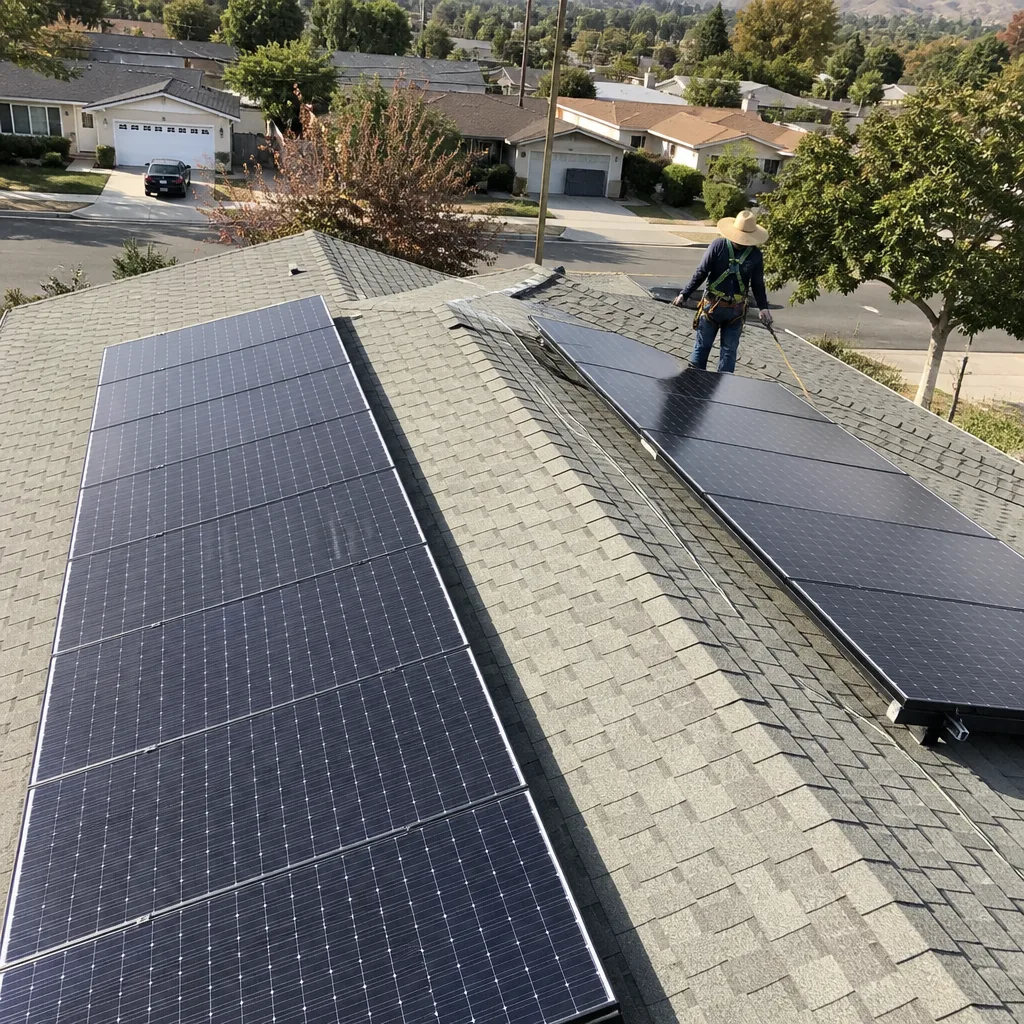
Commercial Array Cleaning
We clean arrays on the small commercial solar installations in Nipomo along Tefft Street and the Highway 101 corridor, including light industrial spaces. Commercial arrays often have flat or low-slope mounting, which collects dust differently than residential pitched roofs. We work around business hours and provide documentation of cleaning for your records. Pricing for commercial arrays in Nipomo typically starts around $350 and scales with panel count.
Bird & Critter Guard Installation
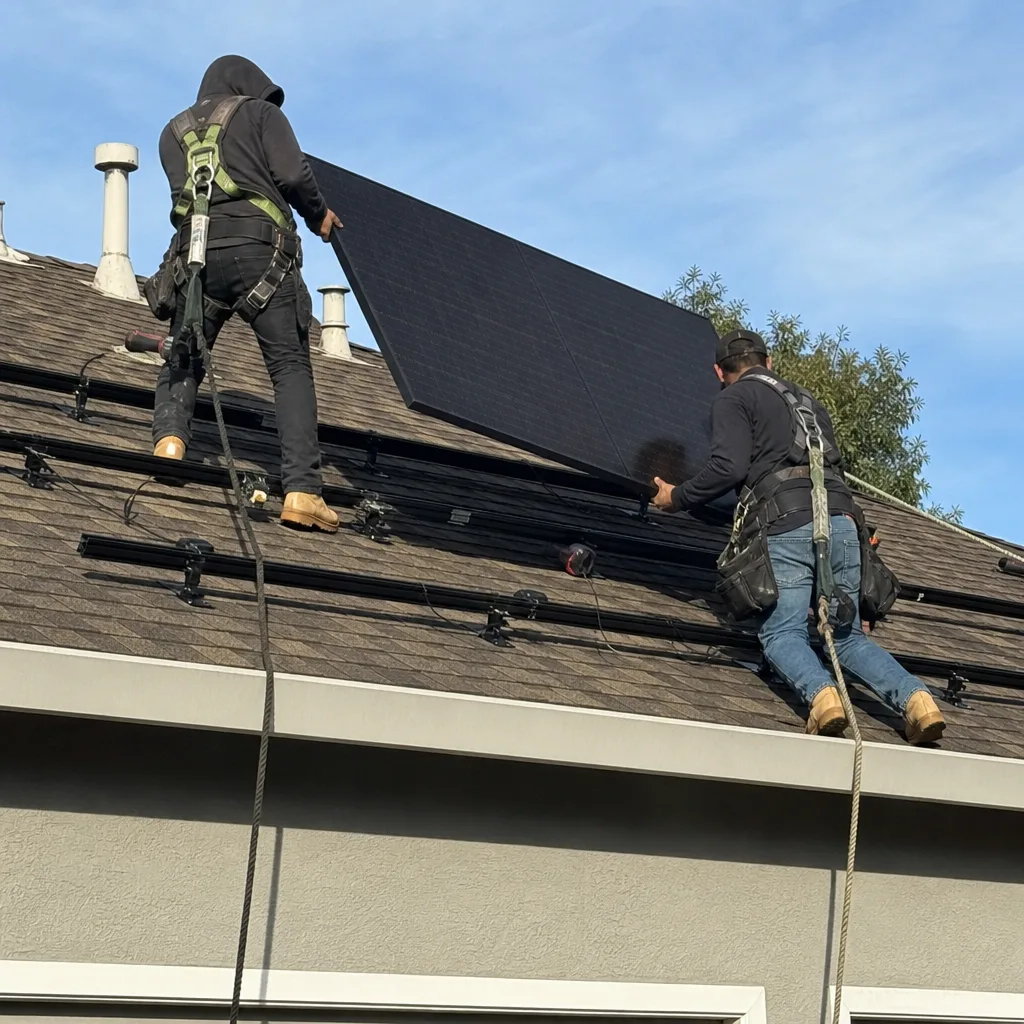
Birds nesting under panel edges is one of the most common Nipomo solar panel repair issues we see on the Mesa. House finches and sparrows love the sheltered space under a solar array, and guano buildup can cut production fast. We install poly-coated steel critter guard along the panel perimeter, which keeps birds out without trapping any that have already nested. On a typical Nipomo home, bird guard installation runs $400-$800 depending on array size and roof edge configuration.
Debris & Soiling Removal
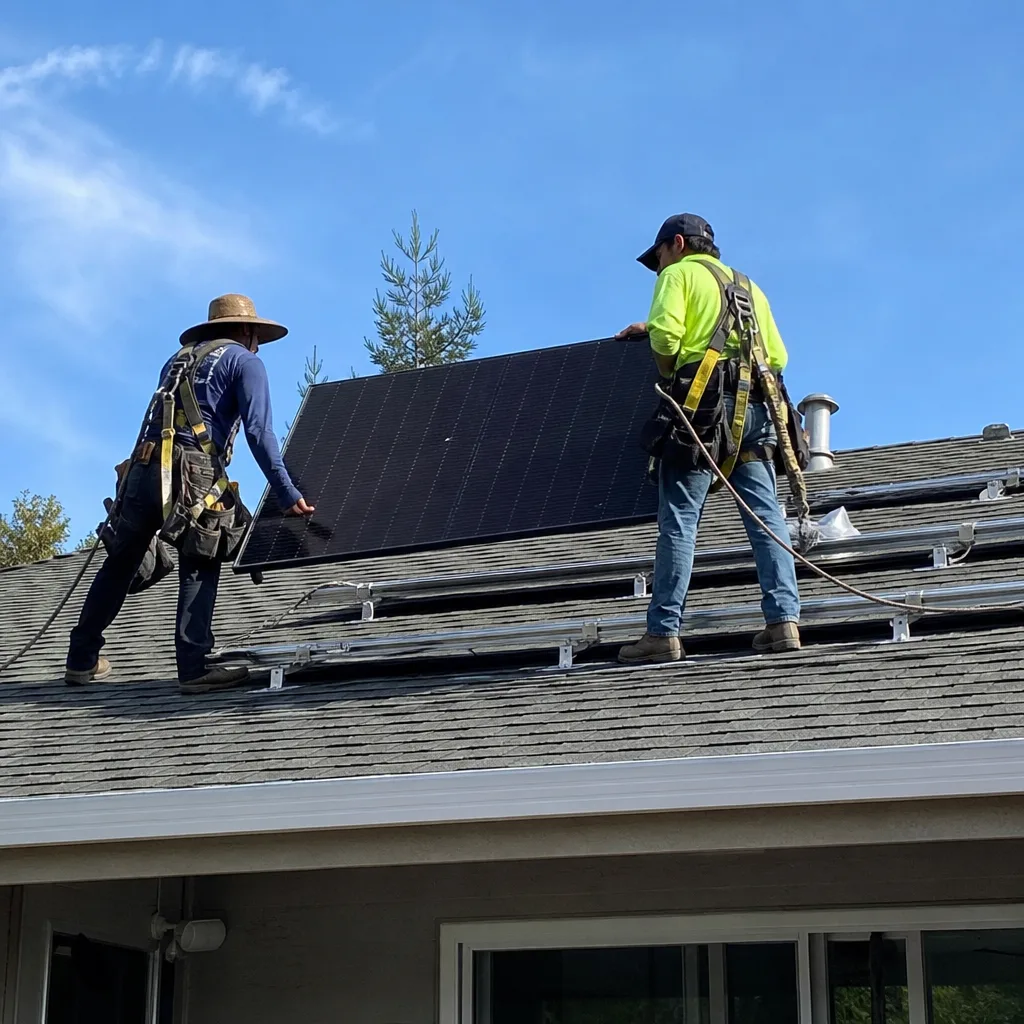
The combination of coastal fog, dune dust, and pollen from the eucalyptus and oak trees along the Mesa creates a film on panels that plain rain doesn’t remove. We use deionized water and soft brushes, never high pressure, especially on the older concrete tile roofs that are common in Nipomo’s 1990s and 2000s tract developments. Debris removal is included in every cleaning, but we also do standalone soiling removal for arrays that haven’t been touched in years.
What happens when you call
- 1
A real person answersNo phone trees - you reach a local pro.
- 2
You get an upfront price rangeHonest numbers before anyone is dispatched.
- 3
A background-checked tech heads outLicensed & insured, dispatched right away.
- 4
You approve before work beginsNothing starts until you say go.
Trusted Brands We Service in Nipomo
Our crews work on SunPower, Qcells, and Panasonic arrays regularly across Nipomo, along with solar panel maintenance and monitoring equipment for those systems. We carry the right cleaning supplies and replacement parts for those panels, and we understand how each brand’s warranty language treats soiling. If you have an Enphase system, we can walk you through the production data that shows exactly when cleaning makes financial sense.
Common Solar Panel Cleaning Problems We See in Nipomo Homes
- Salt-crusted dune dust on west-facing panels. Homes on the western Mesa toward the Guadalupe-Nipomo Dunes get a fine gray film that hardens into a haze within days if it’s not properly rinsed. A light rain won’t touch it, and it compounds over time.
- Bird nesting under panel edges on the foggy side of the house. Finches and sparrows build nests under the lower edge of panels, and guano buildup cuts production quickly. Worse, it can void the panel manufacturer’s soiling warranty if left unaddressed.
- Pressure-washing damage on older concrete tile roofs. Many Nipomo Mesa homes are reaching the 20-30 year mark on their concrete tile roofs. High-pressure washing loosens tile granules and undermount flashing, which leads to leaks at exactly the time the underlayment is most vulnerable.
- Cleaning crews using generic SLO County data. If a crew quotes you a cleaning schedule based on Paso Robles or Atascadero irradiance data, they’re going to miss the marine-layer production loss that’s specific to Nipomo. You end up paying for cleaning either too often or not often enough.
Pricing for Solar Panel Cleaning in Nipomo, CA
| Service | Nipomo Price Range |
|---|---|
| Residential panel cleaning (up to 25 panels) | $180-$320 |
| Residential cleaning with bird guard consultation | $200-$340 |
| Commercial array cleaning | $350-$900+ |
| Bird & critter guard installation | $400-$800 |
| Post-storm panel cleaning | $220-$380 |
| Debris & soiling removal (standalone) | $150-$280 |
What moves the price: array size, roof pitch, second-story access, and whether you’re on the western Mesa where we have to spend extra time on salt haze removal. We give free estimates, and we’ll tell you bluntly if your panels don’t need cleaning yet. No trip charge inside our own county, and we offer a Senior and Veteran 10% discount that never expires. Call (877) 550-6892 for an exact quote off your real system data.
We Also Serve Cities Near Nipomo
If you’re outside Nipomo proper, we cover the surrounding communities too. We regularly clean panels in Guadalupe, Santa Maria, Arroyo Grande, and Oceano. Each area has its own fog and dust patterns, and we adjust schedules accordingly. If you’re on the Nipomo Mesa or within a short drive, call us and we’ll be there.
Serving Nipomo, CA - Our Local Coverage Area
We’re based in the Nipomo area and know this community well. Use the map below to see our service coverage - if you’re nearby, we can almost certainly help.
FAQs - Solar Panel Cleaning in Nipomo
Western-edge Nipomo Mesa homes should have panels cleaned every 4-6 weeks during the May-to-October marine-layer season. The fog carries salt and fine dune dust that settles in a film that re-hardens within days if not rinsed, so waiting longer costs you meaningful kWh production. Homes on the eastern slopes can often go 8-12 weeks between cleanings. Call (877) 550-6892 and we’ll look at your production data before recommending a schedule.
Yes, and more than most homeowners expect. Guano buildup under a nested edge can cut production by 10-20% on affected panels, and on a foggy western-Mesa array that’s already losing morning production to the marine layer, that compounds quickly. It can also void the panel manufacturer’s soiling warranty. We install poly-coated steel critter guard that keeps birds out permanently.
Concrete tile roofs on Nipomo’s 1990s and 2000s tract homes are older and more fragile than many Arroyo Grande asphalt shingle roofs, and they can’t tolerate high-pressure washing. Loose tile granules and aging underlayment mean we use soft brushes and deionized water only, and we walk the tiles carefully to avoid cracking. It takes slightly longer, which is factored into Nipomo pricing.
The marine layer means your panels are already losing morning production during summer months, so any additional soiling has an outsized effect on your bill savings. After a winter storm or a Santa Ana wind event that kicks up dune dust, a post-storm cleaning can restore 5-15% of lost output on west-facing arrays. If you’re on the western Mesa, a scheduled post-storm plan pays for itself faster than you might think.
Microinverter systems like Enphase give you panel-by-panel production data, which makes it easier to spot exactly which panels are underperforming due to soiling or bird activity. The cleaning method is the same, but the monitoring data lets us target problem areas instead of guessing. If you have microinverters, we can pull your production history and show you the production drop that cleaning would recover before you spend a dollar. Call (877) 550-6892 for a free analysis.
One Cleaning Schedule Doesn’t Fit the Whole Mesa
Here’s the thing most cleaning companies get wrong about Nipomo: they treat the whole town as one climate zone. It’s not. The western edges of the Mesa toward the Guadalupe-Nipomo Dunes get measurably longer morning marine-layer fog exposure than the eastern slopes, and that means windblown salt and dune dust settle harder and re-harden faster on those arrays. A homeowner off Via Concha needs a different cleaning cadence than someone off Orchard Road, even if both use the same panels and the same installer. A few hundred feet of elevation change or orientation shift can meaningfully affect how fast panels soil and how much production they lose. Our Solar Panel Cleaning team builds the schedule around your micro-location, not just your ZIP code.
We saw this firsthand at a Blacklake-area single-story tract home off Via Concha. The homeowner called us after noticing a 15% production drop on their Enphase app. Our crew cleaned a 24-panel REC array that had a fine gray film of salt-crusted dune dust, thickest on the west-facing lower rows. We also found soffit edge nesting material from house finches, so we installed poly-coated steel critter guard along both gable ends the same visit. That’s what we mean when we say a real Nipomo cleaning is more than a rinse. It’s a full assessment of what’s actually cutting into your production.
If a salesman tells you all panel cleaning is the same and everyone can just do an annual rinse, that’s your signal. Your Nipomo Mesa panels live in a fog bank for half the year, and the cleaning schedule you need depends on which side of the Mesa you’re on. Call (877) 550-6892 and we’ll tell you what your roof actually needs. Estimates are free, and if it’s not done right, Gus makes it right.
Written by Gus Petrakis, Owner at Gus’s Solar, serving Nipomo since 2011.