

Free bill analysis - bring a power bill, get the production math for your actual roof, panel brands like Qcells and REC compared side by side
If the pitch starts at your door and ends with "sign tonight for the special," sleep on it. The sun will still be there tomorrow; so will we.
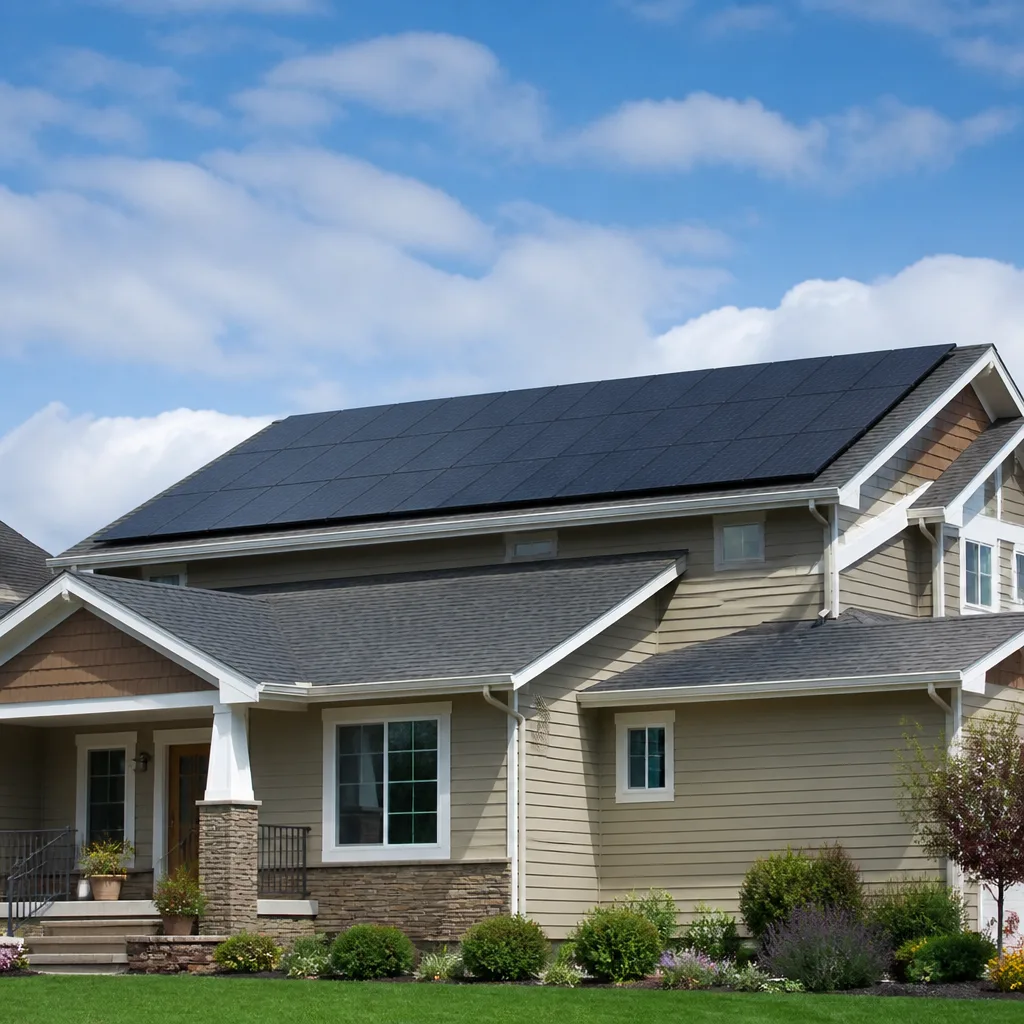
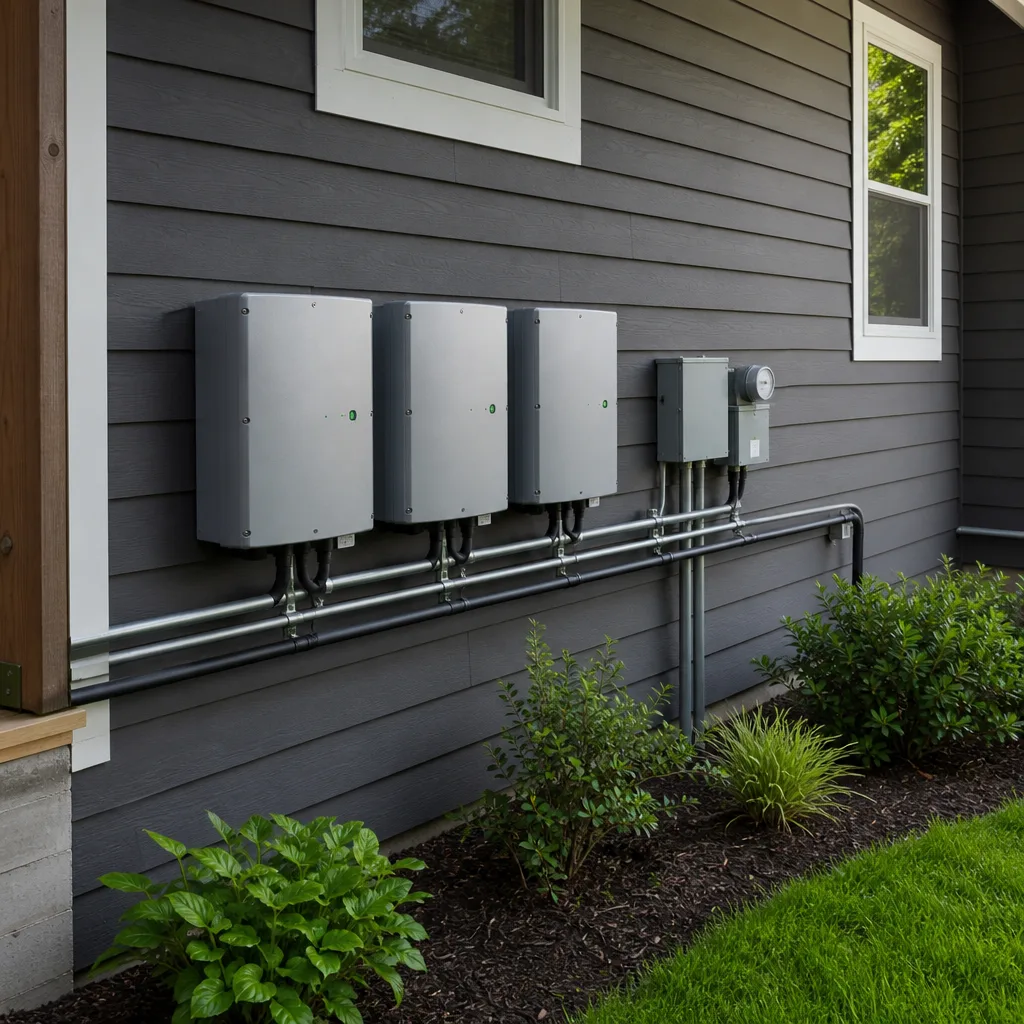
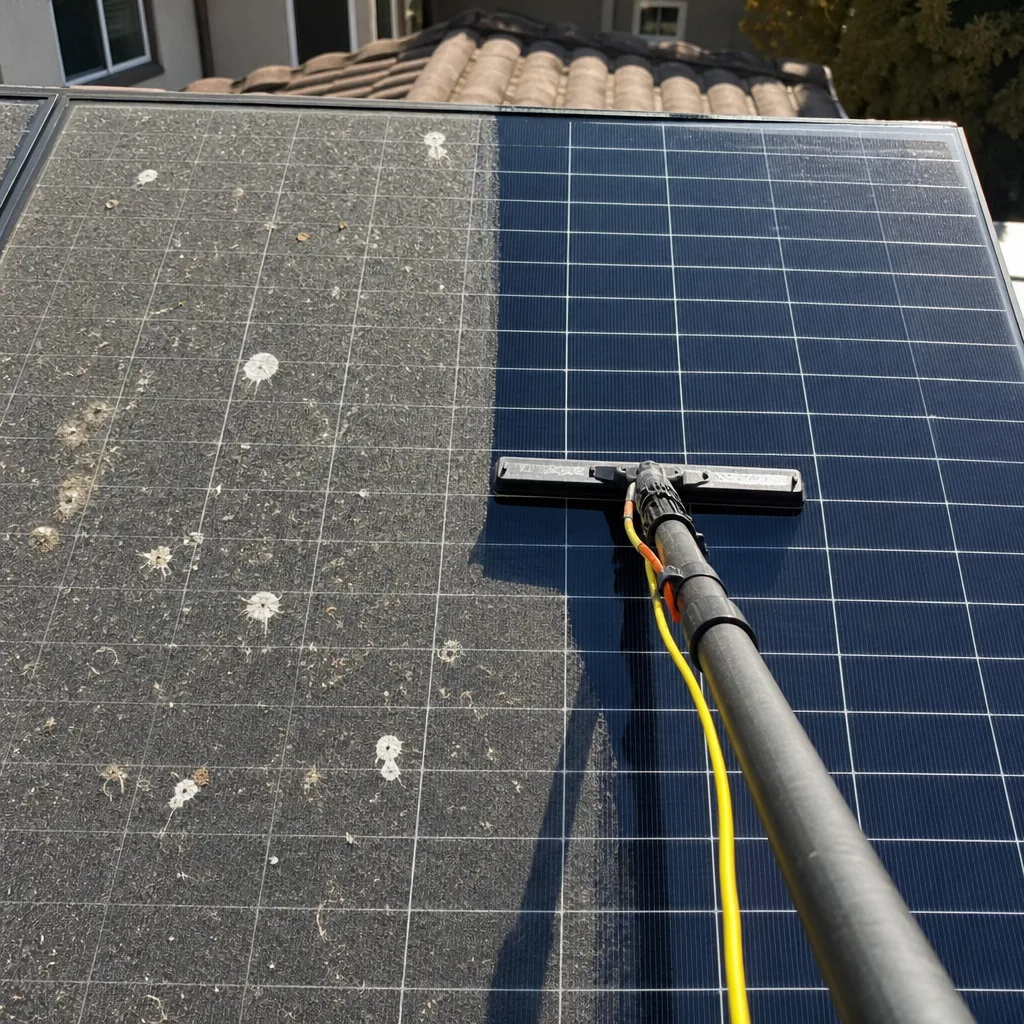
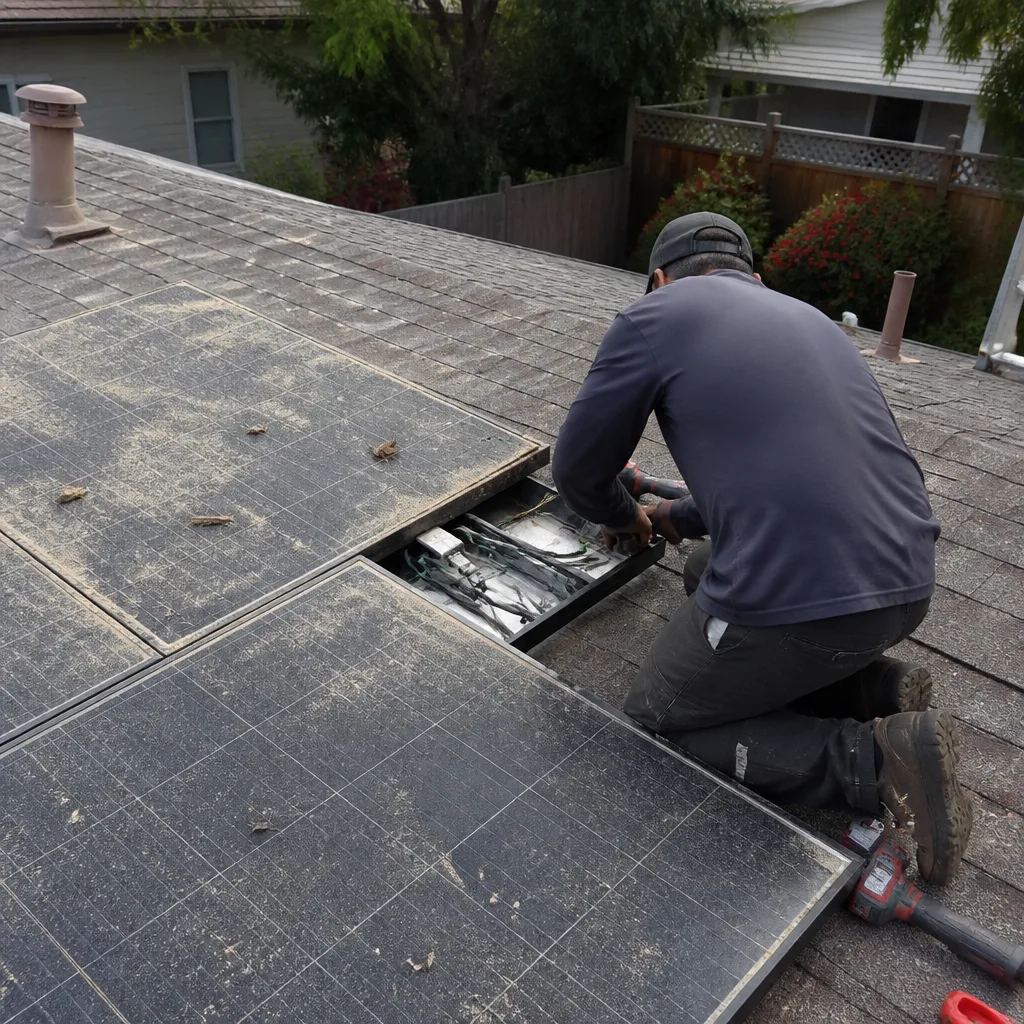 Before
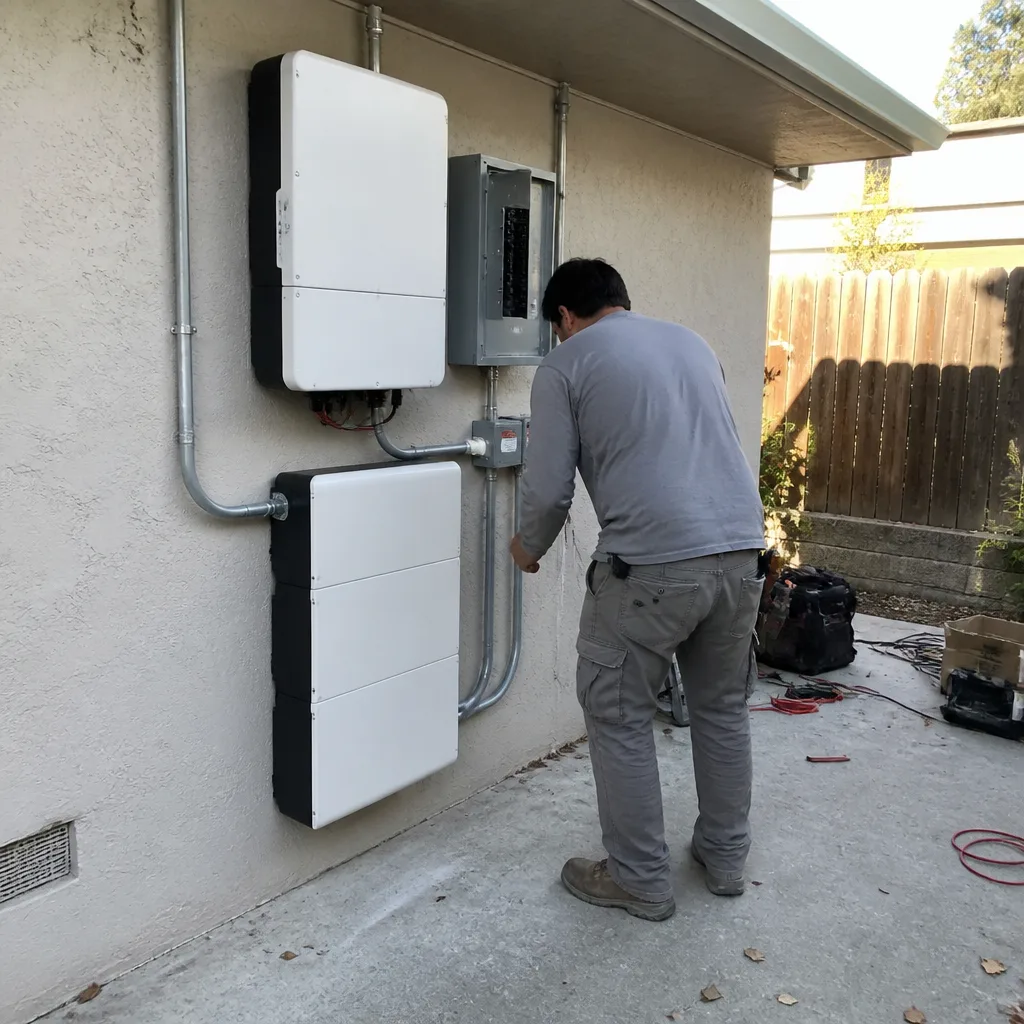 After
After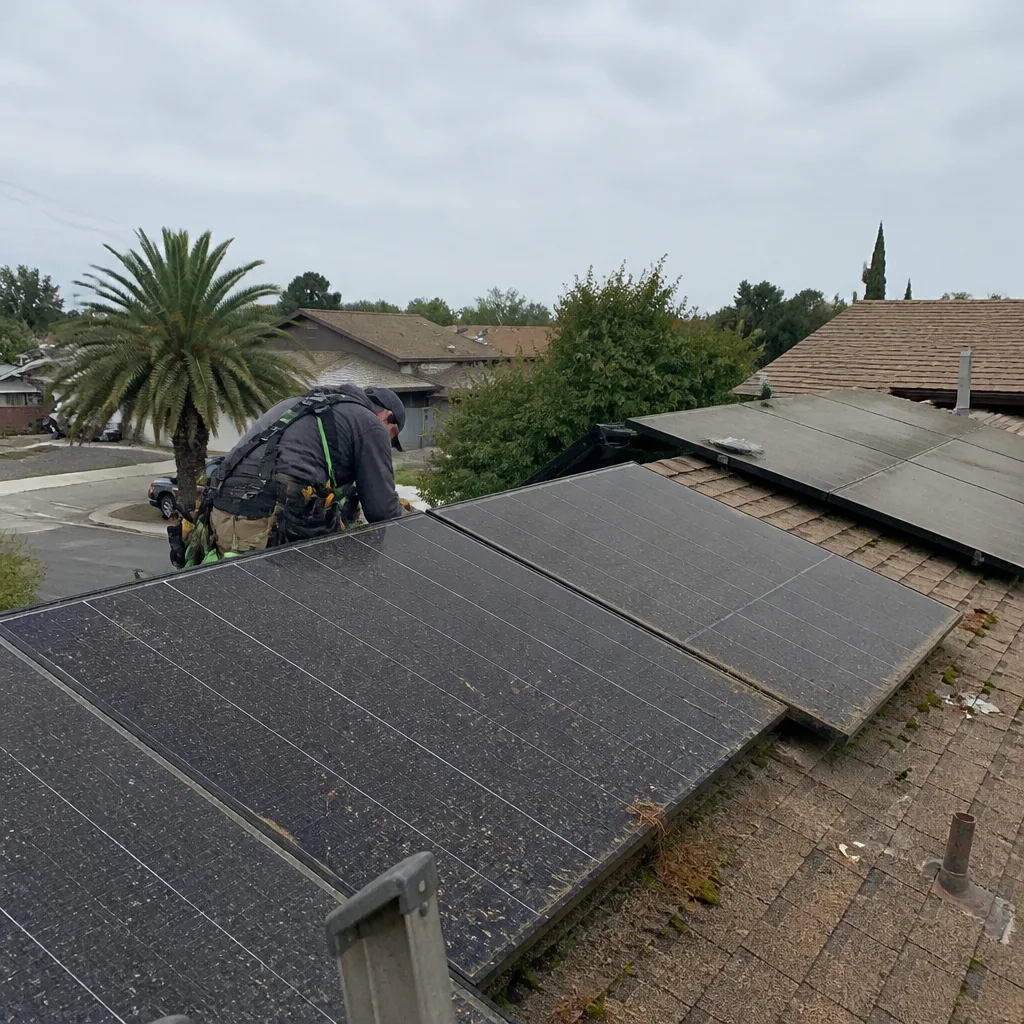 Before
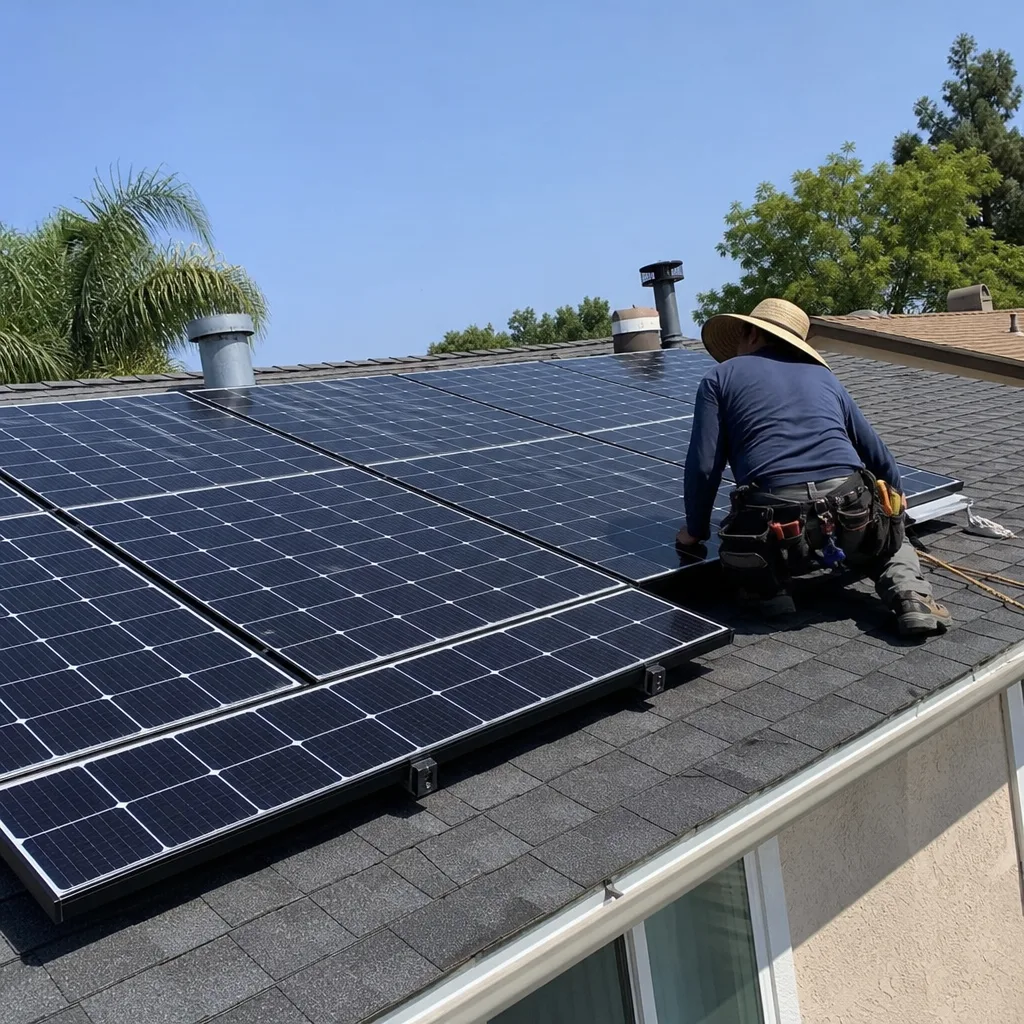 After
After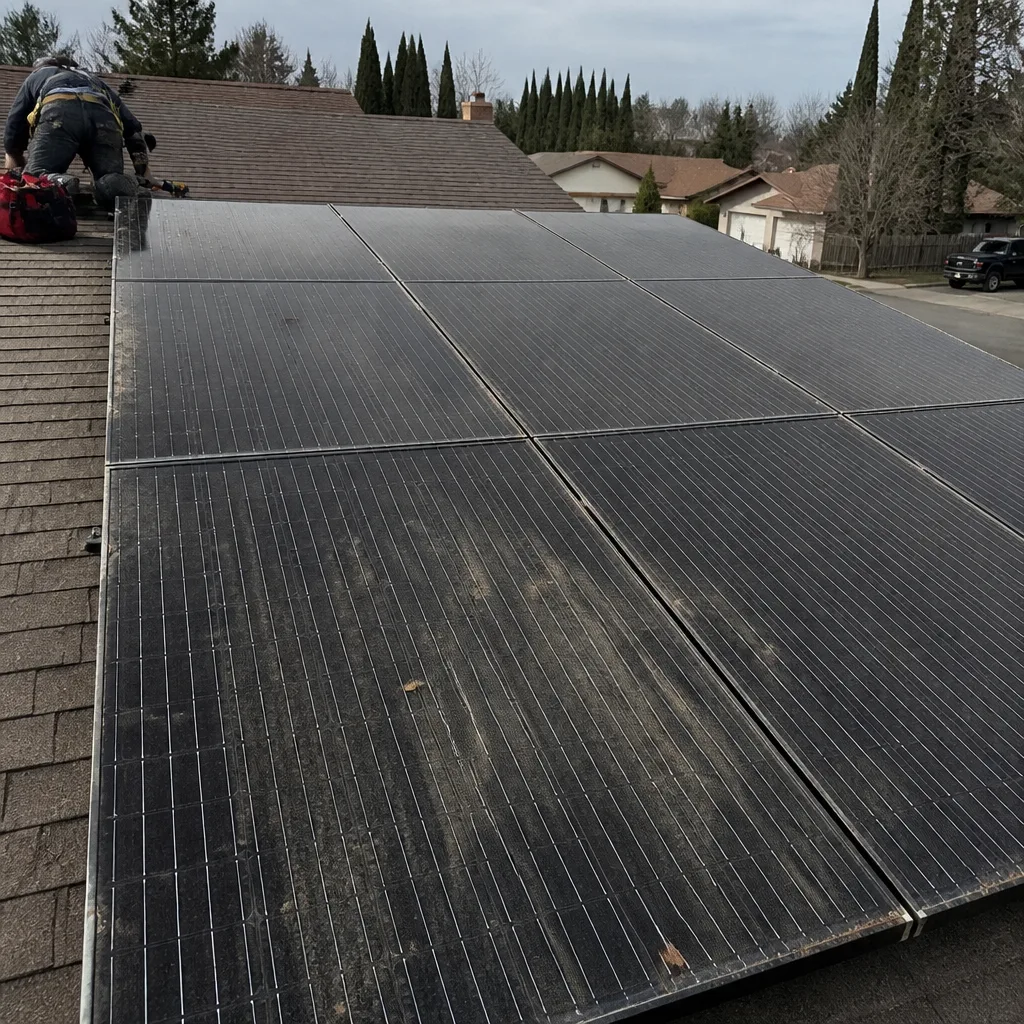 Before
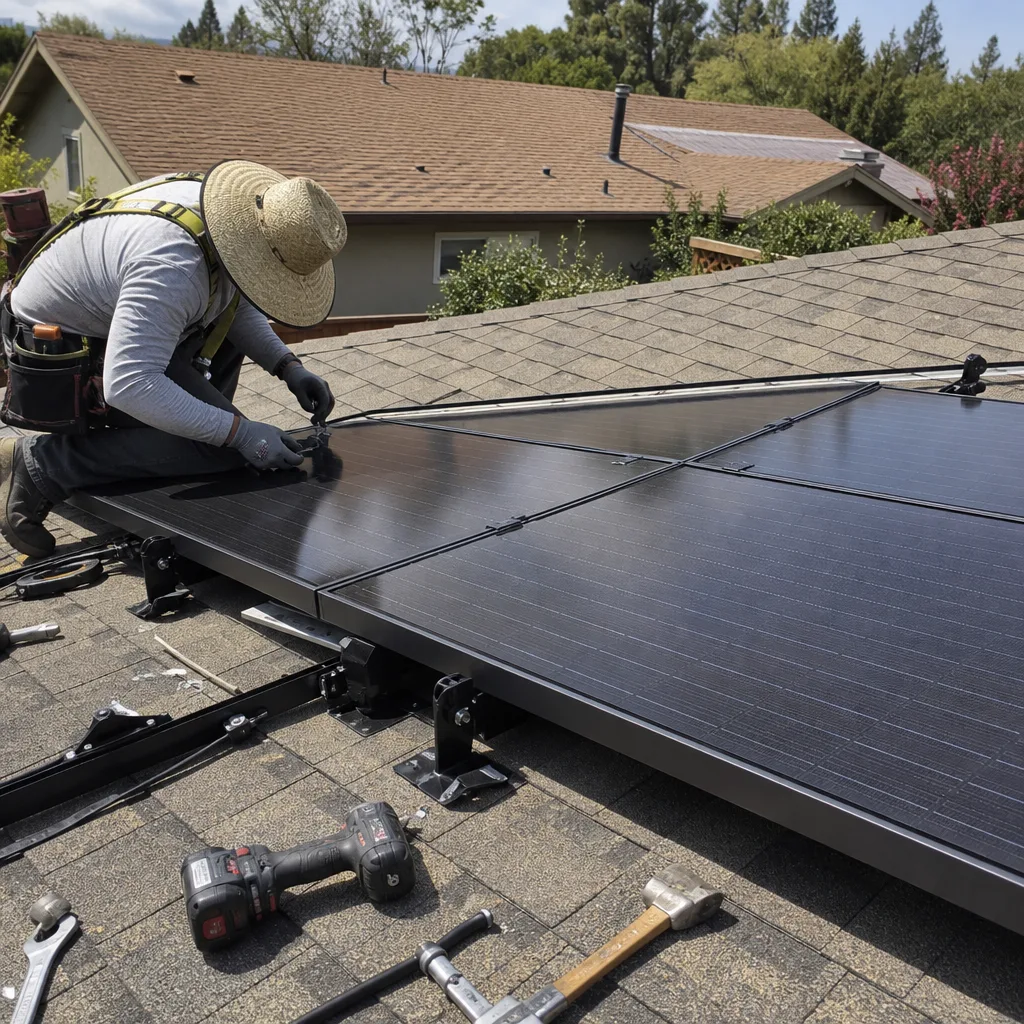 After
AfterFast, Reliable Solar Panel Cleaning Across Nipomo
Solar panel cleaning in Nipomo typically runs $150-$285 for a standard 20-24 panel residential array, and most jobs are finished in under two hours. The bigger question isn’t the cost, it’s how quickly the marine layer off the Guadalupe-Nipomo Dunes is silently cutting into your production. Gus’s Solar has been cleaning panels on the Nipomo Mesa long enough to know exactly what that salt-and-soot film does to your output, and we’ll come out, clean it properly with deionized water, and show you the before-and-after numbers. Call (877) 550-6892 for a free estimate and we’ll be there, usually same week.
Key takeaways:
- Nipomo’s fog belt creates a sticky, salty film that regular rain won’t remove
- Most residential cleanings in Nipomo run $150-$285 and take under two hours
- Dune-adjacent properties need bird guard or swallows will re-soil panels within weeks
- Gus’s crew uses deionized water, not hard tap water that leaves mineral spotting
- Free estimates, upfront pricing, and a live person answers 24/7
Why Gus’s Solar Is Nipomo’s Preferred Solar Panel Cleaning Company
Gus Petrakis founded Gus’s Solar in 2011, and he still puts his name on the truck. Around here, that matters. Nipomo homeowners have dealt with out-of-town crews that show up once, do a rushed job with a garden hose, and vanish. Gus does not work that way. His own uniformed, background-checked crew does every cleaning, and the 90-Day Done Right Promise applies to solar panel cleaning just like every other job we do. If it’s not done right, Gus comes back and makes it right. That’s in writing.
We know the Nipomo Mesa. We know the difference between a home off Willow Road that gets full afternoon fog and one up on the southern slope that burns off by 9 AM. We know that a 2006 tract home in Blacklake has different panel soiling than a custom build off Pomeroy. That local knowledge shapes every cleaning schedule we recommend, because a blanket “clean twice a year” formula does not work in a microclimate this specific.
When you call, a live person answers. Not a voicemail, not a ticketing portal, not a call center three states away. That’s been true for 29 years across the communities we serve, and it’s true when you call from Nipomo. If a salesman needs an answer tonight, the answer is no. But if you want a real quote and a straight conversation about what your panels actually need, call us.
Our Solar Panel Cleaning Services in Nipomo
Residential Panel Cleaning
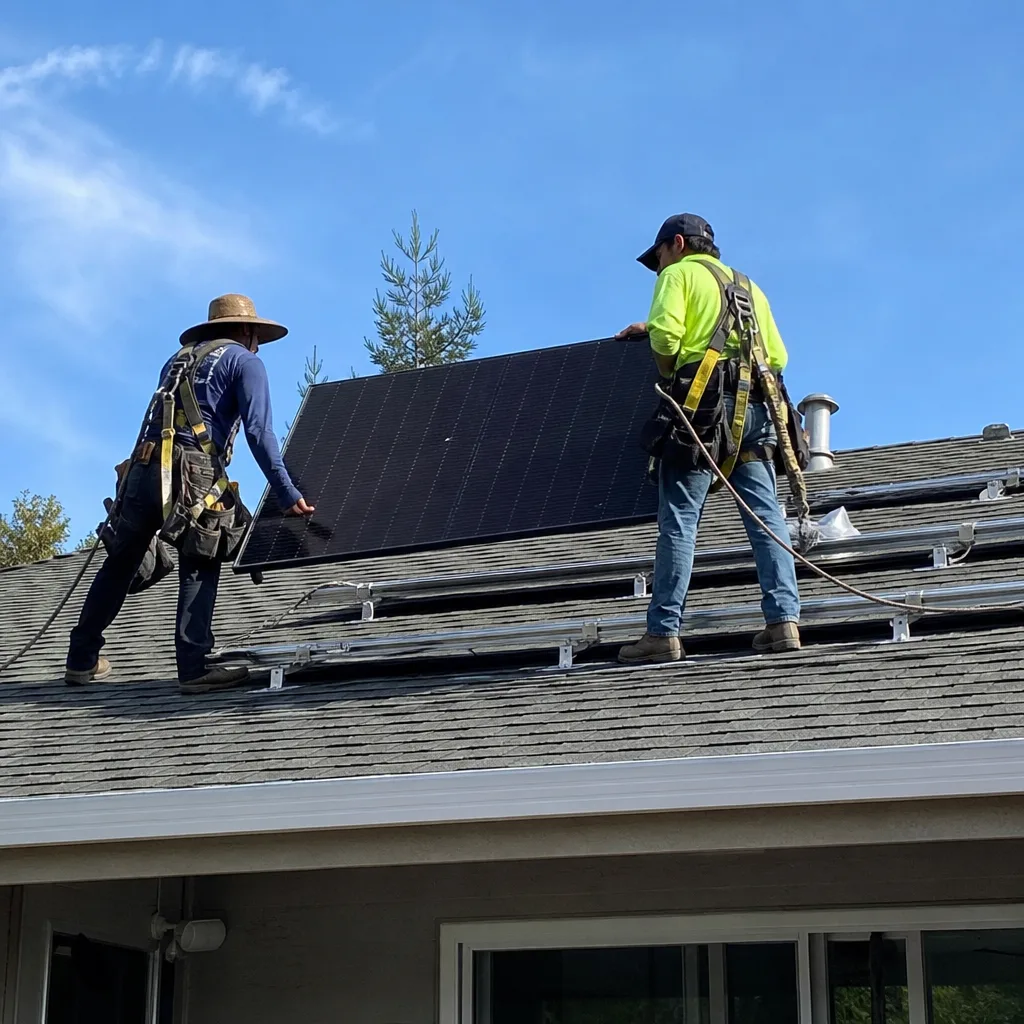
A standard residential cleaning in Nipomo runs $150-$285 depending on panel count, roof pitch, and how long the array has gone without service. We use deionized water and soft brushes, never hard water from your hose bib, because Nipomo’s local water carries minerals that will spot your glass and cut light transmission all over again on the next foggy morning. Most jobs on single-story tract homes near the Blacklake area are done in 90 minutes to two hours. Call (877) 550-6892 and we’ll give you a firm number before we schedule.
Commercial Array Cleaning
For commercial arrays on Nipomo Mesa shopping centers, office buildings, or agricultural operations, we schedule cleanings around your business hours and do the work while your dispatch or office staff can watch from the parking lot. Commercial pricing runs $350-$900 for most rooftop arrays under 50kW, and larger ground-mounts get a site-specific quote. The math for commercial owners is simple: a dirty array in the June gloom is losing net metering revenue every single day the fog lingers. That’s money you never get back.
Bird & Critter Guard Installation
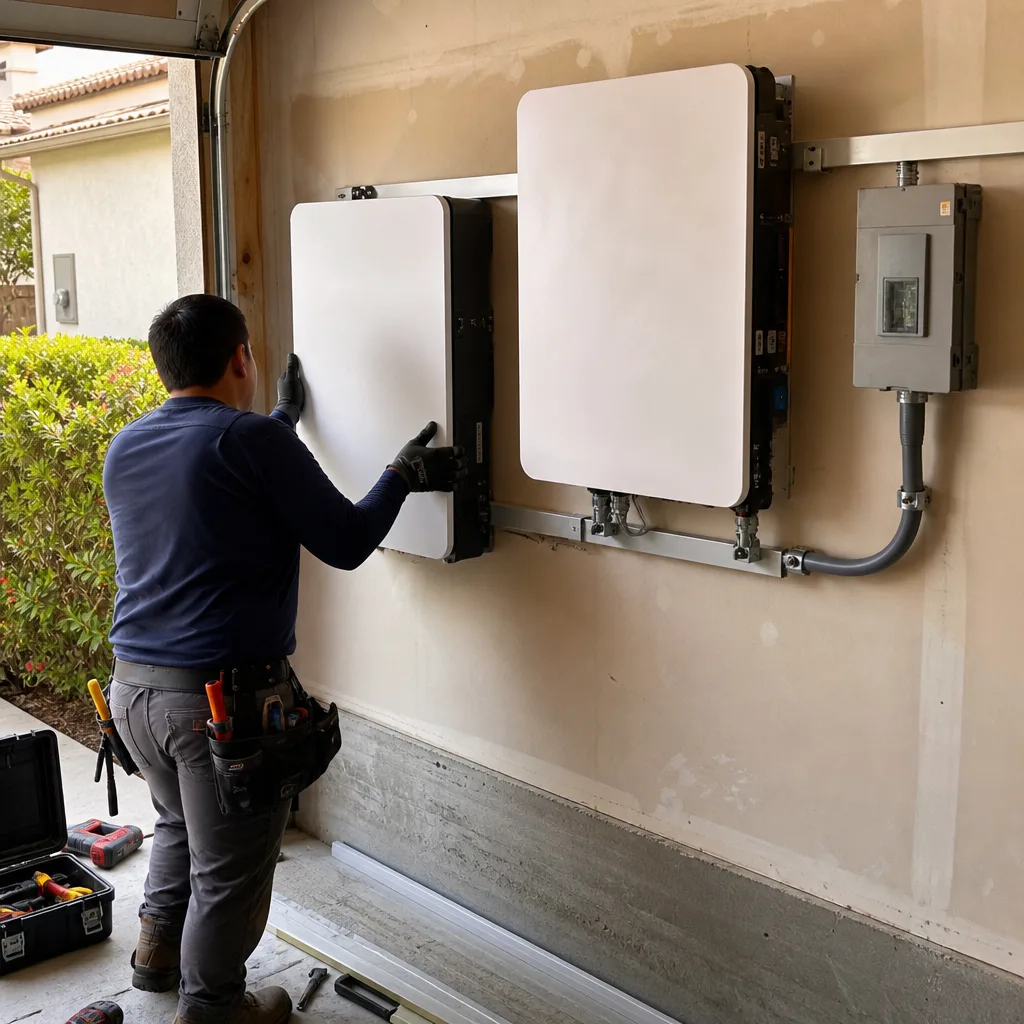
This is not optional on dune-adjacent Nipomo properties. Cliff swallows and pigeons re-soil a southwest-facing array within weeks, undoing a $200 cleaning and, worse, building nests under panels that attract rodents and chew through wiring. Guard installation runs $8-$14 per linear foot on most Nipomo homes, with full perimeter protection on a standard residential array typically running $350-$600. We install a mesh guard system that keeps birds out without trapping heat against the roof deck. If you’re already seeing droppings on your panels or fascia, get the guard installed after your next cleaning.
Debris & Soiling Removal
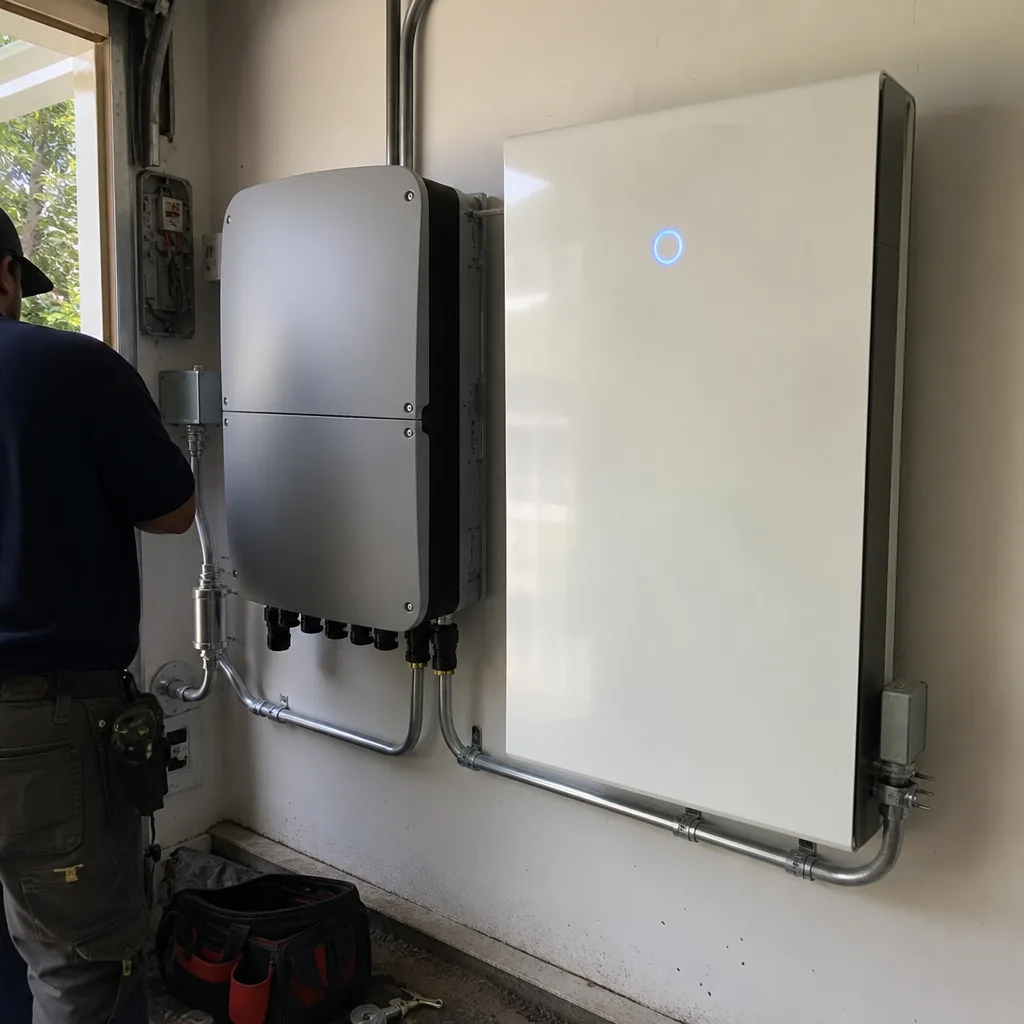
Nipomo’s specific problem is the combination. Dune dust blows in off the Guadalupe-Nipomo Dunes, then the marine layer condenses on your panels overnight and turns that dust into a damp, sticky paste. By late morning, the sun bakes it into a crust that neither rain nor wind will remove. This is why we recommend a deep debris removal pass with deionized water and a soft-bristle brush at least twice a year for most Nipomo homes, and more often for properties on the western Mesa edges that catch the longest fog exposure. A single deep clean usually runs $150-$285 and restores the array to within a few percentage points of its day-one output.
Scheduled Cleaning Plans
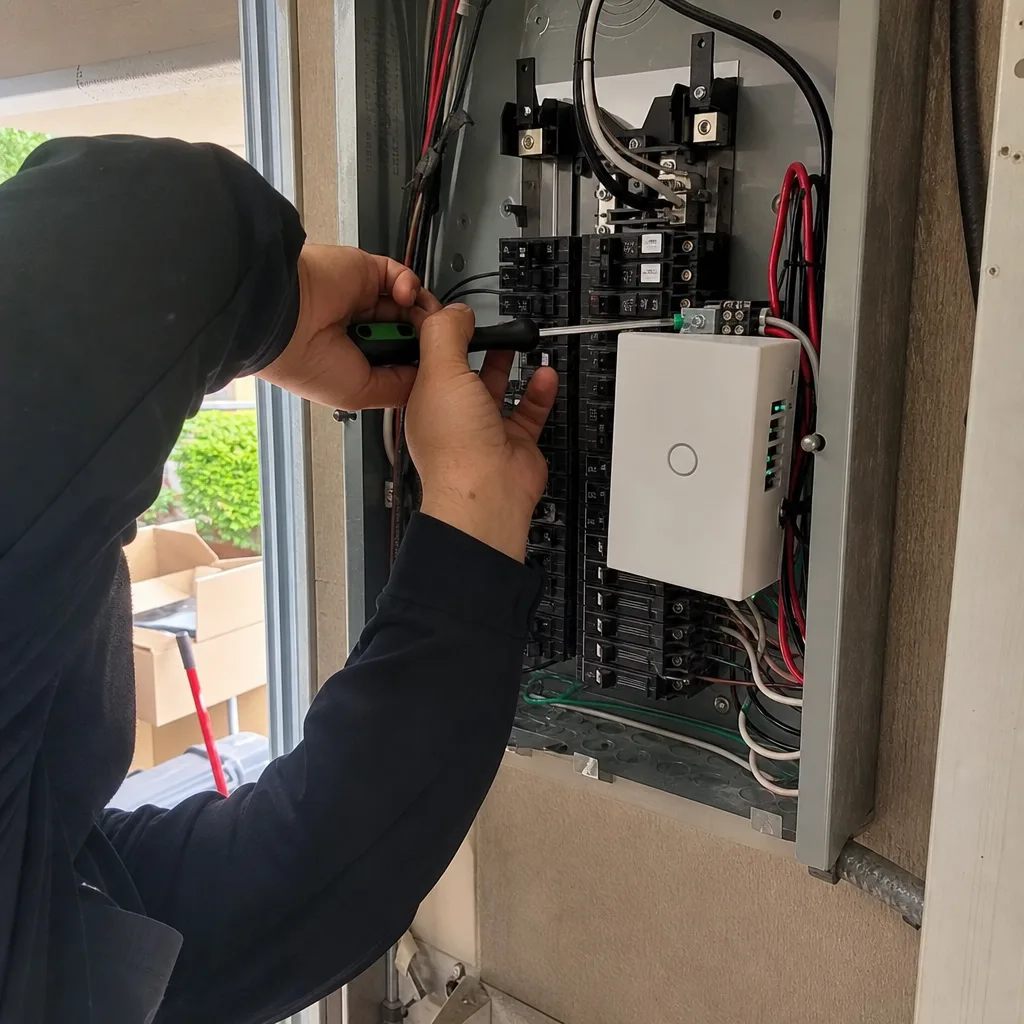
Most Nipomo homeowners do not want to think about solar panel cleaning. They want it handled. Our scheduled cleaning plans put your address on a recurring route, typically every six or eight months, at a locked-in per-visit rate that runs about 15% under our one-off pricing. You get a text before we come out, a photo report after each cleaning, and a call if our crew sees anything that needs attention, like a cracked panel, a loose microinverter connection, or the first sign of bird nesting. Plans run $95-$170 per visit depending on array size, and there’s no contract to sign. If Gus quotes a plan price, that’s the price, every visit, for as long as you keep the plan.
What happens when you call
- 1
A real person answersNo phone trees - you reach a local pro.
- 2
You get an upfront price rangeHonest numbers before anyone is dispatched.
- 3
A background-checked tech heads outLicensed & insured, dispatched right away.
- 4
You approve before work beginsNothing starts until you say go.
Trusted Brands We Service in Nipomo
We clean and maintain panels from SunPower, REC, Qcells, and Panasonic, and we’re familiar with the full range of arrays installed across Nipomo’s 1990s-2010s tract developments and newer golf-course builds. Our crew works around the monitoring systems you already have, and after a cleaning we’ll note any panel-level production anomalies we see during the rinse and walk you through what they mean. We do not stock a warehouse full of parts for every brand, but for the common modules and microinverter hookups we see on the Mesa, we can usually bring what’s needed on the first trip. That saves you a second service call and another two weeks of reduced production.
Common Solar Panel Cleaning Problems We See in Nipomo Homes
- Baked-on fog film. The marine layer condenses on panels overnight, mixes with dune dust, and then the sun bakes it into a crust. Months of this build-up can cut production by 7-12% without ever being visible from the ground. No amount of rain removes it.
- Swallow and pigeon re-soiling within weeks. Dune-adjacent properties, especially those on the western-facing edges of the Mesa, see cliff swallows return fast after a cleaning. Without guard mesh, the same array that was spotless in March is covered in droppings by May. That’s the production window you cannot afford to lose.
- Hard-water spotting from DIY rinses. Homeowners see the fog film and reach for the hose. Nipomo tap water carries enough dissolved minerals that the rinse leaves a spot residue that can actually reduce light transmission on the next foggy morning. It looks clean until the light hits it just wrong.
- Inverter-level production drops that go unnoticed. A dirty array doesn’t just lose wattage evenly, it masks the early signs of a failing microinverter or a panel that’s degrading faster than the rest. After a deep clean, our crew checks per-panel output and flags anything that looks off. It’s the cheapest diagnostic you’ll ever get.
Pricing for Solar Panel Cleaning in Nipomo, CA
Here’s what Nipomo homeowners should expect to actually pay:
- Standard residential cleaning (20-24 panels): $150-$285
- Large or steep-pitch residential (25-40 panels): $250-$420
- Commercial rooftop array under 50kW: $350-$900
- Bird and critter guard installation: $350-$600 for a typical full perimeter
- Debris and soiling deep clean (post-storm or heavy build-up): $180-$340
- Scheduled cleaning plan per visit: $95-$170
What moves the number: panel count, roof slope and accessibility, how long the array has gone without cleaning, and whether guard installation is bundled. We don’t quote one number and show up with another. The price we give you on the phone is the price on the invoice. Call (877) 550-6892 for a free estimate, and if you have a written quote from any other company, bring it. We’ll give you a free second opinion, and a senior or veteran discount of 10% never expires.
The Fog Belt Problem: Why Nipomo Panels Dirt Differently
Because Nipomo sits in the Guadalupe-Nipomo Dunes fog belt, morning soiling from marine-layer condensation is far stickier and more persistent than in Arroyo Grande or Santa Maria just a few miles away. Panels here develop a fine, salt-and-soot film that can go unnoticed for months while cutting daily production during the exact May-October window when net metering credits are highest. This is not a generic “dusty panels” problem. It’s a coastal microclimate problem, and it changes the cleaning math.
The marine layer that rolls in off the dunes deposits a thin layer of salt, sand particles, and condensation on your glass every night. When the morning sun hits it, that slurry bakes into a hard layer that absorbs UV and blocks light at the same time. Rain won’t remove it, because the salt content binds it to the glass. A hose won’t remove it, because the water’s own minerals add to the problem when it dries. The only thing that removes it is a deionized water rinse with soft-bristle agitation, and even then, panels on the western Mesa edges that get the longest fog exposure should be cleaned every six months, not annually.
This is also why clean panels matter more in Nipomo than in inland SLO County. Your system was likely sized using Nipomo-specific peak sun hour data, and when the array underperforms due to soiling, the gap shows up directly on your PG&E true-up statement. Every kilowatt-hour you lose to fog film in July is a credit you cannot earn back in December. Gus’s Solar monitors systems and calls when something goes wrong. We’d rather show you the before-and-after production numbers than tell you to trust us.
A Real Nipomo Cleaning, With Real Numbers
On a 2006 single-story tract home off Willow Road in the Blacklake area, our crew found a 24-panel SunPower array caked with a damp, gritty mix of dune dust and coastal fog residue that had baked into a crust. After a deionized water rinse and soft-brush pass, the homeowner’s Enphase microinverter monitoring showed a 9% jump in midday production within two days, and we scheduled a follow-up bird guard install to keep the persistent cliff swallows from re-soiling the southwest-facing slope. That’s not an outlier. That’s a Tuesday on the Mesa.
Neighborhoods we work in regularly include Blacklake, the homes along Willow Road and Pomeroy, and the tract developments that stretch east from the 101 toward the dunes. In each one, the cleaning schedule changes based on exactly where the property sits relative to the fog path. Homes on the eastern and southern slopes of the Mesa catch less morning fog and can often go eight months between cleanings. Homes on the western edge, closer to the dune line, often need a six-month schedule to keep production where it should be. There’s no one-size-fits-all answer for Nipomo, which is exactly why we don’t sell one.
We Also Serve Cities Near Nipomo
Gus’s Solar also provides Solar Panel Cleaning to homeowners in Guadalupe, Santa Maria, Arroyo Grande, and Oceano. If you’re just outside Nipomo in any of these communities, the same crew, the same pricing, and the same no-pressure approach applies. And since we already run routes through Nipomo weekly during the spring and summer cleaning season, your appointment can usually be scheduled around a trip that’s already happening nearby.
Serving Nipomo, CA - Our Local Coverage Area
We’re based in the Nipomo area and know this community well. Use the map below to see our service coverage - if you’re nearby, we can almost certainly help.
FAQs - Solar Panel Cleaning in Nipomo
Nipomo homeowners should plan on cleaning every six to eight months, while inland SLO County properties can often go a year or more. The marine layer off the Guadalupe-Nipomo Dunes deposits salt and sand on your panels overnight, and the sun bakes it into a sticky film that doesn’t wash off in rain. During the May-October window when net metering credits are highest, that film is cutting your production every single morning. Call (877) 550-6892 and we’ll tell you what schedule makes sense for your specific spot on the Mesa.
Yes. Birds nesting under panels can damage wiring, microinverter connections, and roof underlayment, and rodents will chew through insulation and conductors. Nipomo’s dune-adjacent properties see especially aggressive swallow and pigeon activity. We recommend installing bird and critter guard immediately after a cleaning on any home where droppings are already visible. Guard installation runs $350-$600 for most Nipomo homes, and it’s cheaper than a microinverter replacement or a wiring repair.
It does. South-facing and southwest-facing arrays on the western edges of the Mesa catch the fog longer in the morning and hold that damp film longer before the sun can burn it off. Low-slope roofs also hold condensation droplets in place longer than steep pitches, which means dust and salt get more time to bond to the glass. Homes on the eastern and southern slopes of the Mesa dry faster and can often go eight months between cleanings. Tell us your cross-street and we’ll give you a straight answer about what your roof orientation means for your cleaning schedule.
You can rinse them, but it won’t remove the fog film and it will likely leave mineral spotting that cuts light transmission on the next foggy morning. Nipomo’s tap water is hard enough that the residue from a hose rinse can be worse than the original film in some cases. If you must rinse between professional cleanings, use deionized or distilled water only, and never scrub with anything abrasive. For the deep clean that actually restores production, call us at (877) 550-6892. Estimates are free, and the price we quote is the price you pay.
A clean array produces more kilowatt-hours during the months when Nipomo’s marine layer is thickest, from May through October. Those extra kilowatt-hours convert directly into net metering credits at the highest rates of the year. A dirty array losing 7-12% of production during that window is leaving real money on your true-up statement. After a cleaning, we’ll show you the before-and-after production numbers from your own monitoring system, so you can see exactly what was being lost. Take two weeks to look at the numbers. The cleaning price will be the same.
Call Gus’s Solar for Solar Panel Cleaning in Nipomo
If your panels have the fog film, the dune dust, the swallow problem, or all three, call (877) 550-6892 for a free estimate. Gus Petrakis answers his own phone, a live person picks up 24/7, and the price we quote is the price you pay. We do not want a signature tonight. We want your panels producing what they were designed to produce, and we want you to see the numbers for yourself. Serving Nipomo with honest work, upfront pricing, and a 90-Day Done Right Promise that’s in writing.
Written by Gus Petrakis, Owner at Gus’s Solar, serving Nipomo and the Central Coast since 2011.