

Free bill analysis - bring a power bill, get the production math for your actual roof, panel brands like Qcells and REC compared side by side
If the pitch starts at your door and ends with "sign tonight for the special," sleep on it. The sun will still be there tomorrow; so will we.
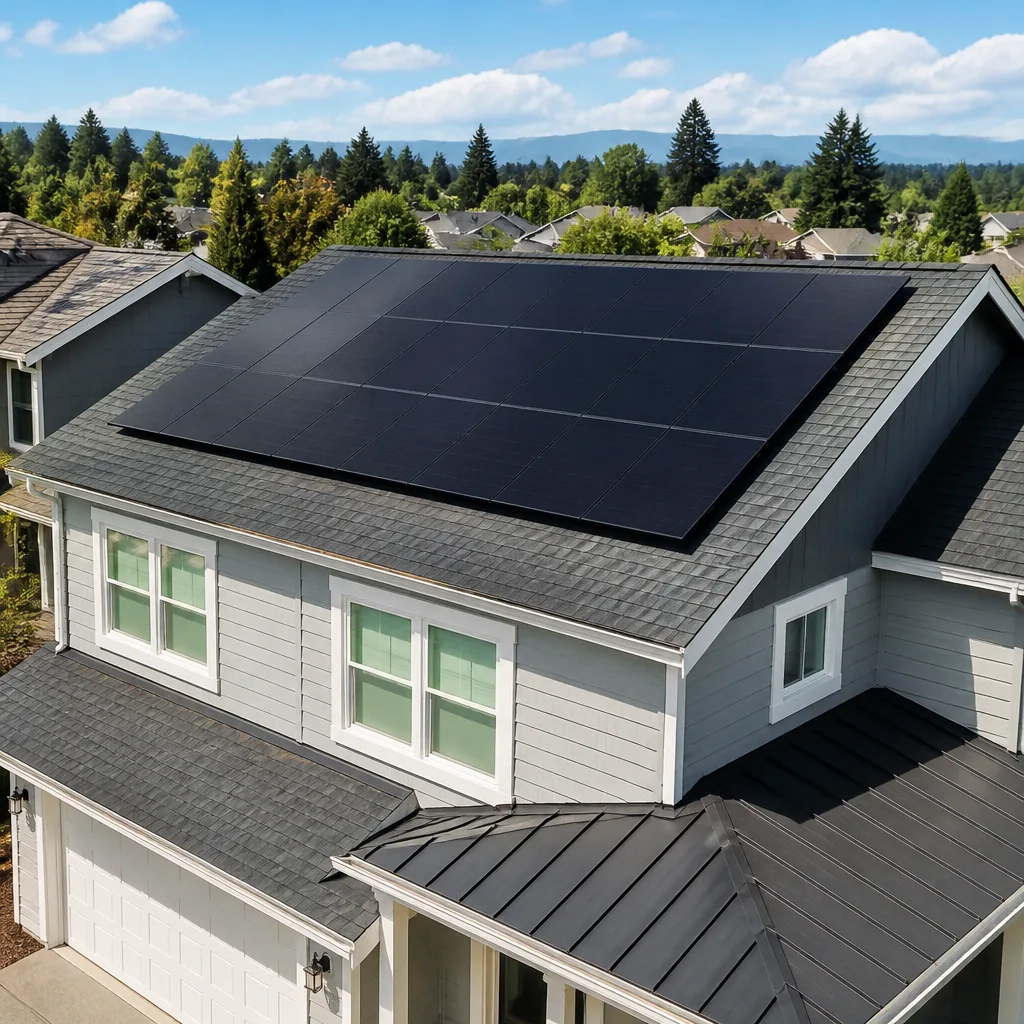
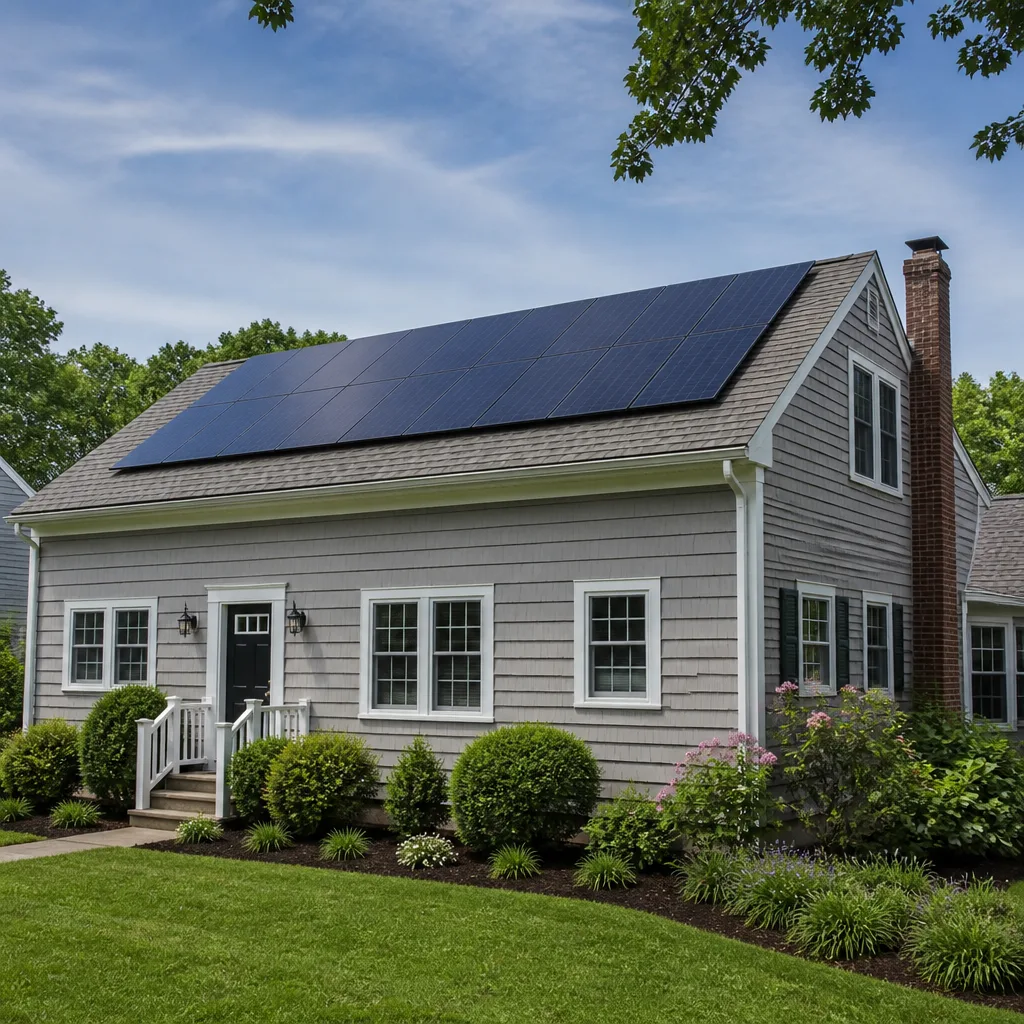
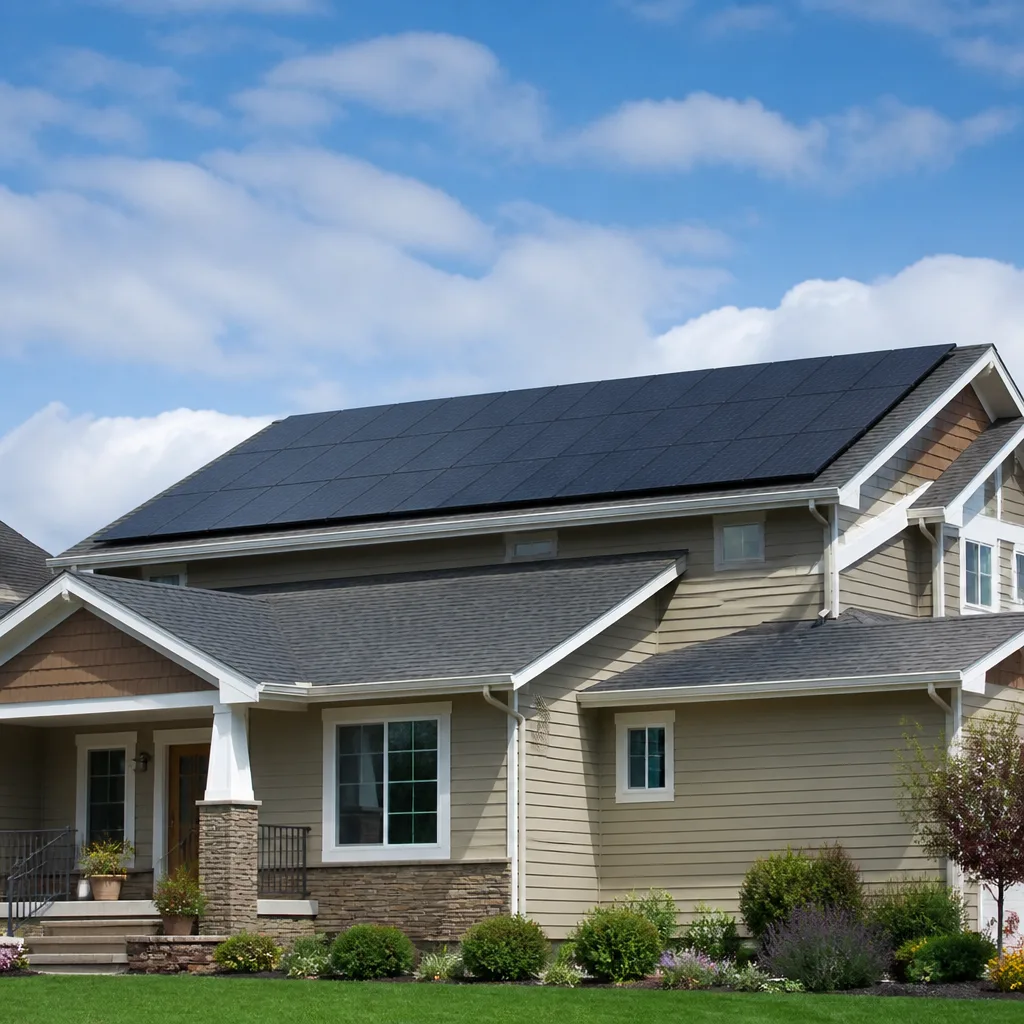
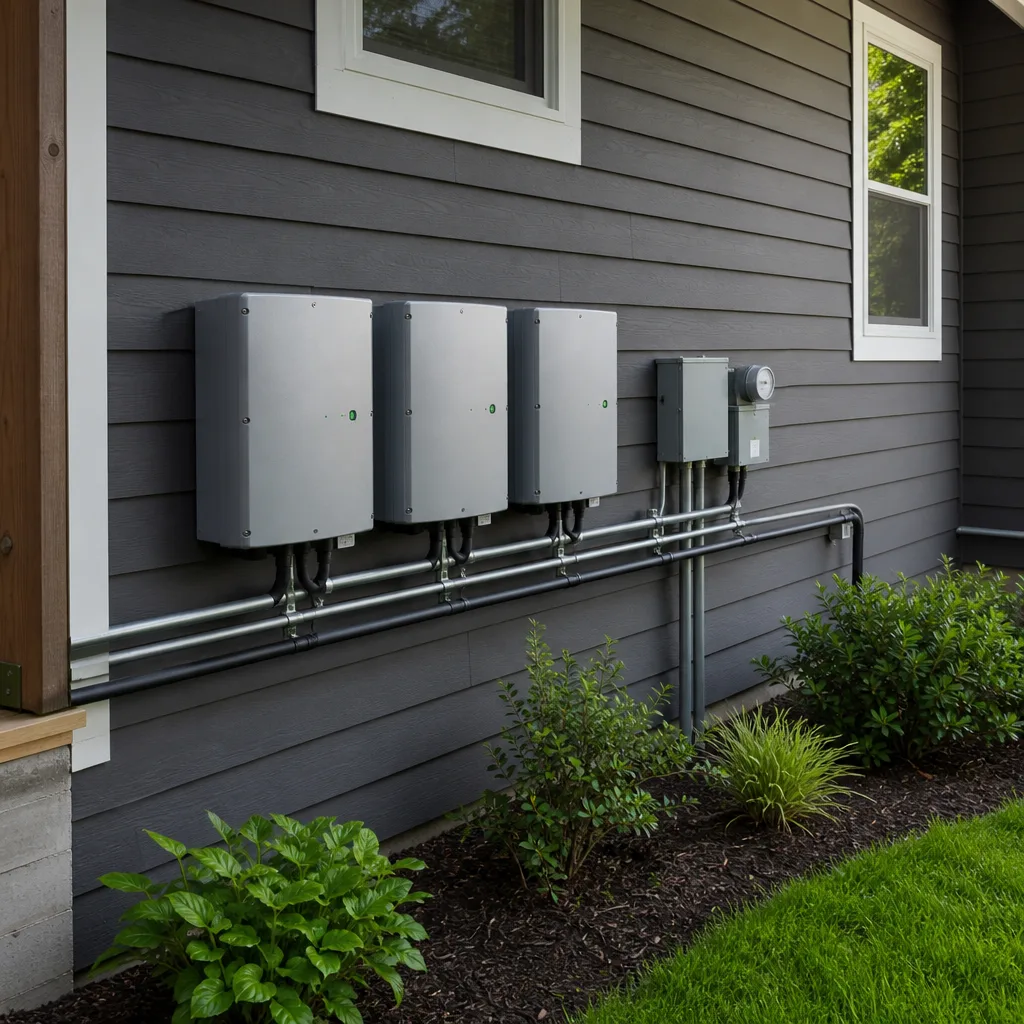
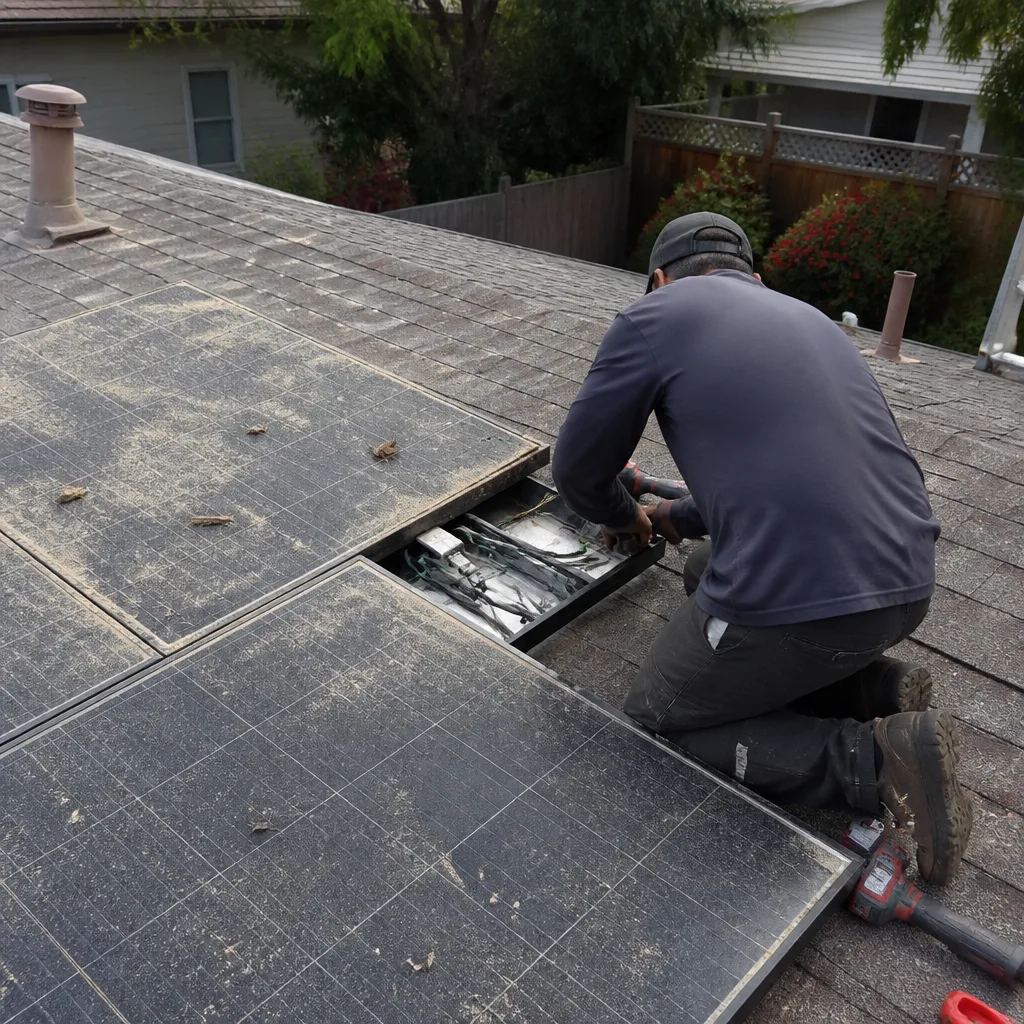 Before
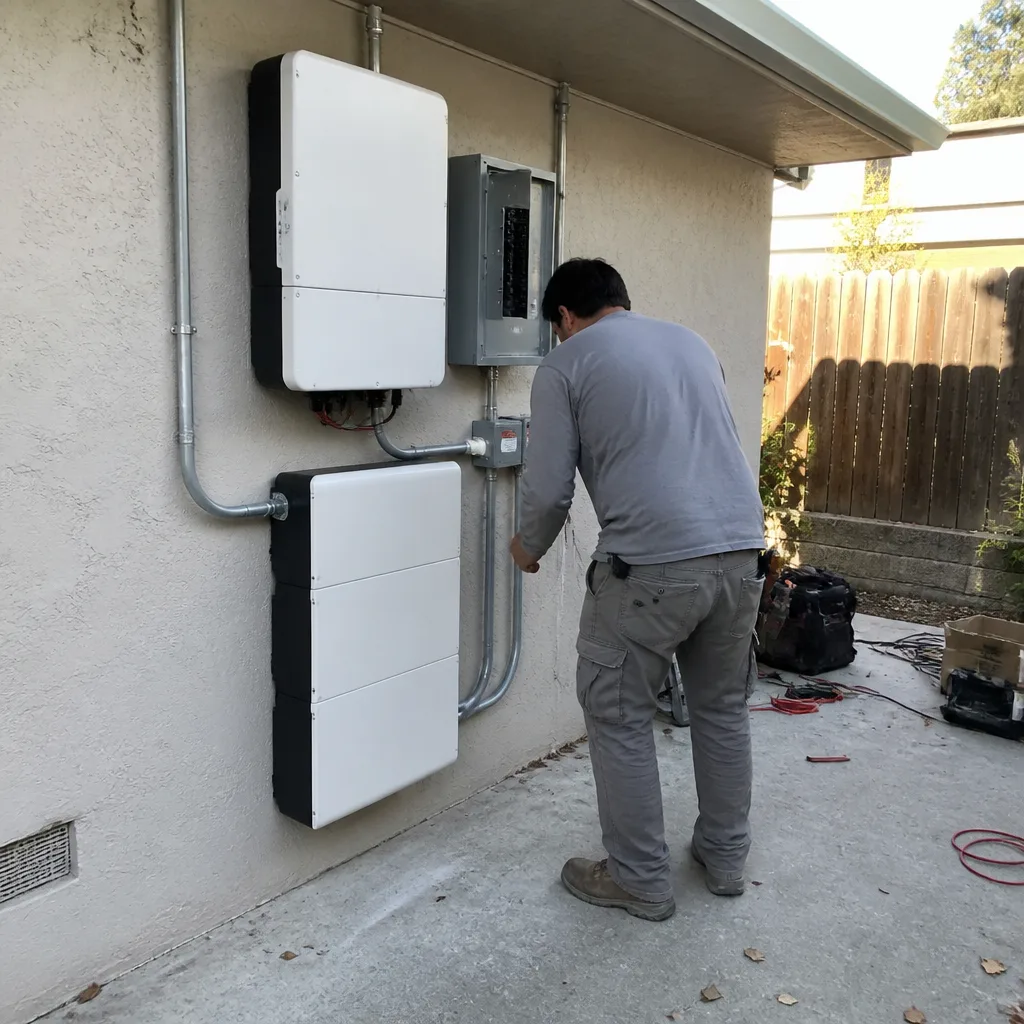 After
After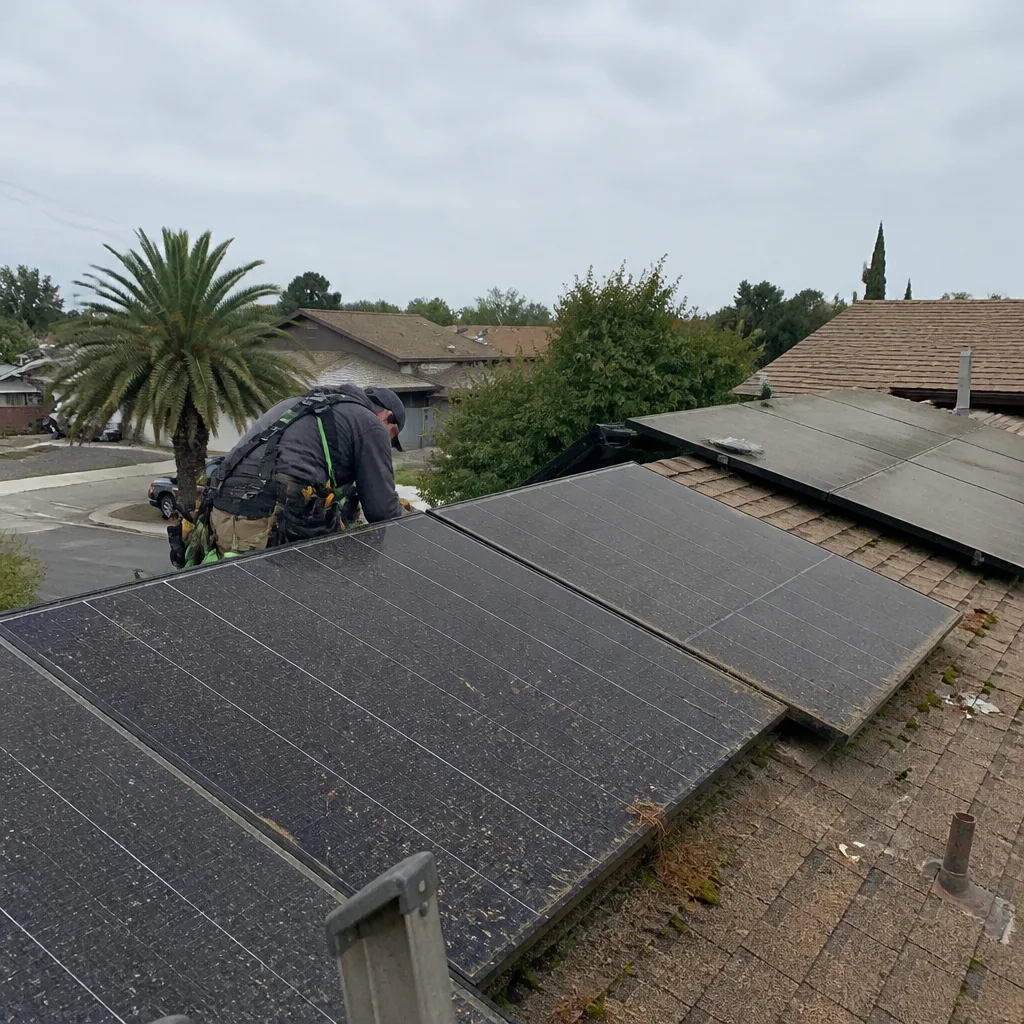 Before
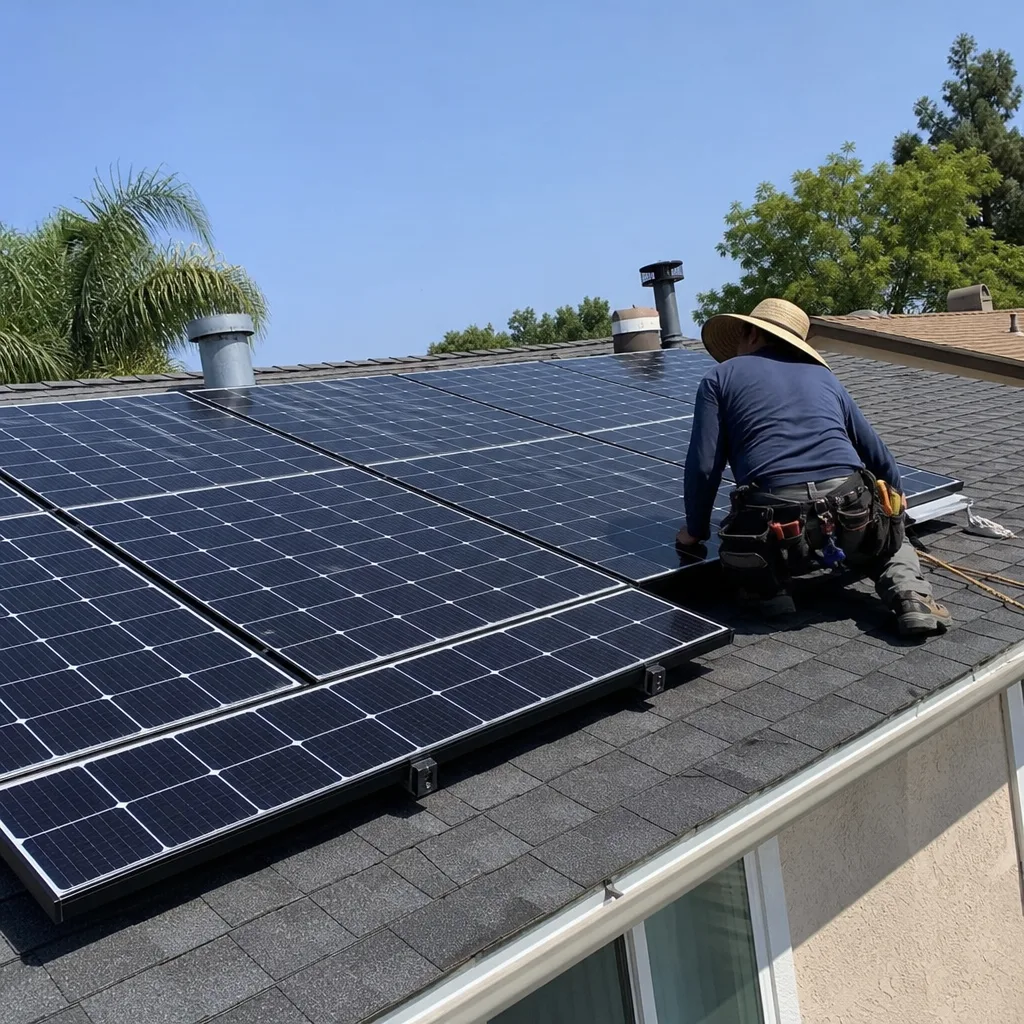 After
After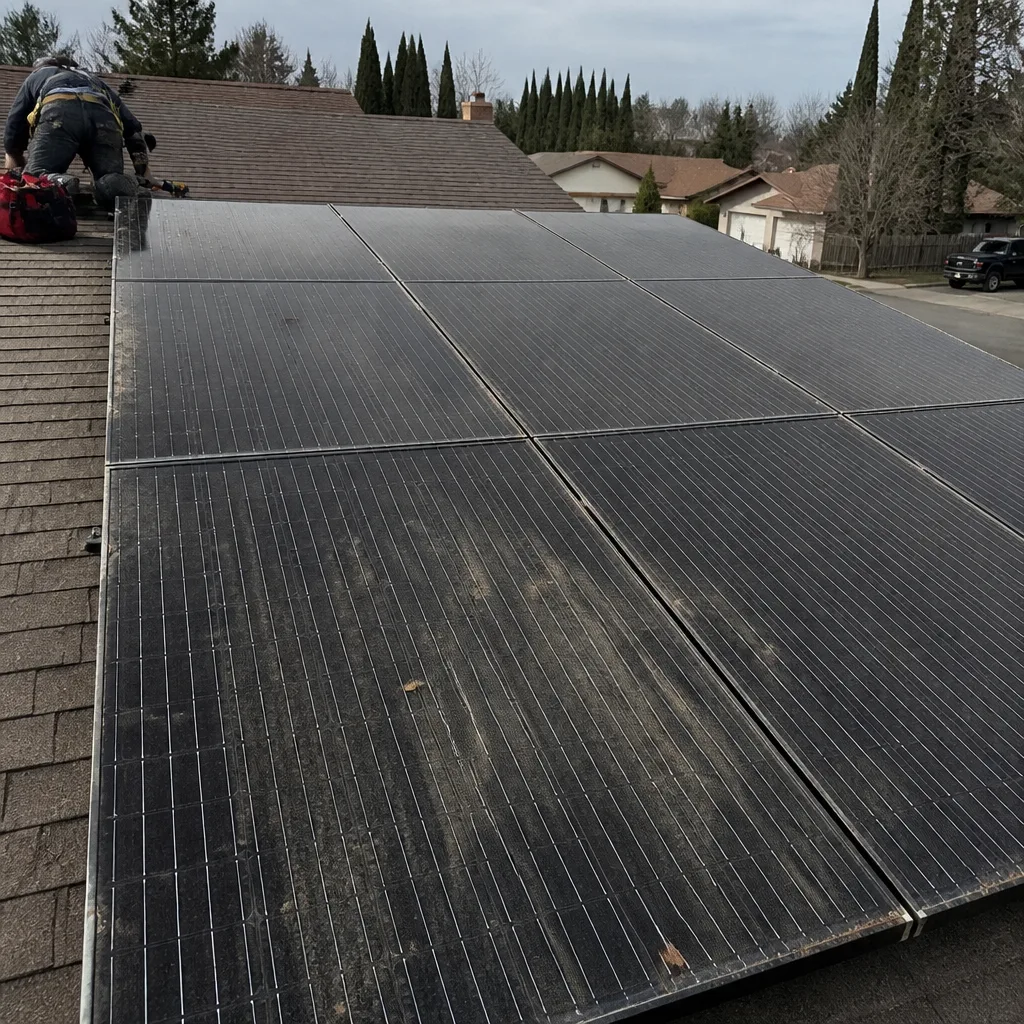 Before
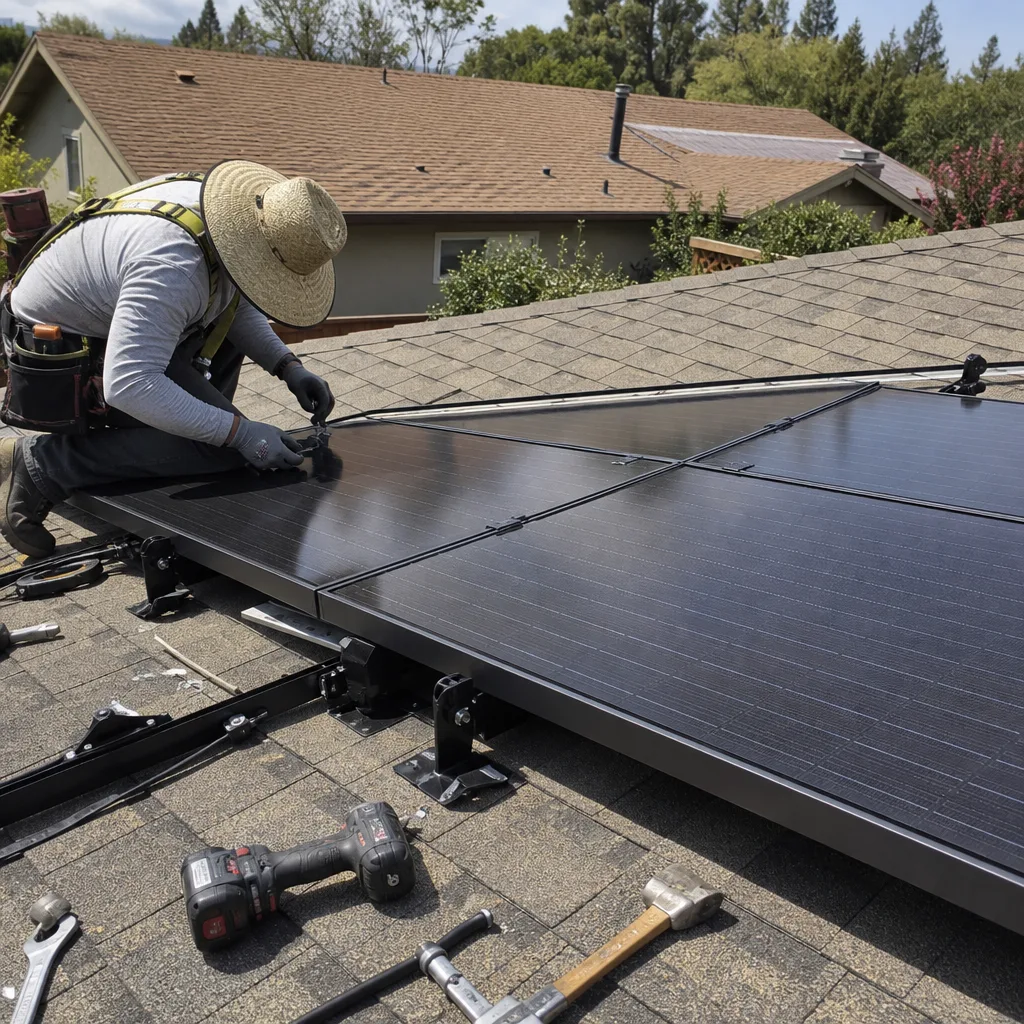 After
AfterFast, Reliable Solar Panel Cleaning Across Lackland Air Force Base
Dirty panels quietly cost you money. On Lackland Air Force Base, where caliche dust from training grounds and spring storm debris settle fast, a solar array that hasn’t been cleaned in six months can lose 10 to 18 percent of its output. That’s real dollars off your true-up statement, not a cosmetic issue. Our Solar Panel Cleaning team works on base, which means we already hold the access and clearance most San Antonio contractors don’t. Call us at (877) 550-6892 and we’ll give you an honest read on whether your panels need cleaning before you spend a dime.
Why Gus’s Solar Is Lackland Air Force Base’s Preferred Solar Panel Cleaning Company
We understand that cleaning solar panels on a federal installation is not the same as cleaning them in Leon Valley or Alamo Heights. Lackland AFB operates under DoD contractor vetting, base access authorization, and Air Force Civil Engineer Center (AFCEC) coordination. Our crew already has JBSA base access and the clearances required to work on privatized military family housing. That means when you call us for a cleaning, we can actually show up. A contractor without an existing DoD facility clearance can spend months in paperwork before setting foot on the housing loop.
Gus Petrakis founded Gus’s Solar in 2011 and put his own name on the truck. He answers his own phone and stands behind every job with the 90-Day Done Right Promise in writing. Around Lackland Air Force Base, residents know they’re getting a local shop with a published address and a license number, not a pop-up crew working the neighborhood door to door. We do not subcontract. The uniformed technician you see on your roof is part of Gus’s own crew, background-checked and accountable to him directly.
Response time to Lackland AFB is usually same-week for routine cleanings, often within 48 hours for scheduled maintenance. Post-storm work we prioritize because hail damage and debris buildup compound fast. One call to (877) 550-6892 gets a live person, 24/7. No voicemail maze, no call center in another state. Gus’s Solar is rooted here, and the L.O.C.A.L. values we run on are not a slogan: Local roots, On time, Community first, Accountable, Loyal.
Our Solar Panel Cleaning Services in Lackland Air Force Base
Residential Panel Cleaning
On-base housing at Lackland consists largely of government-built single-family homes and townhomes from the 1950s through the 1980s, with uniform roof pitches that make access predictable. That does not mean the work is simple. We use deionized water and soft brushes so we don’t scratch the glass or strip the anti-reflective coating. A typical residential cleaning in 78227 runs $150 to $300 depending on array size and how long it’s been since the last wash. We clean Panasonic, Qcells, Canadian Solar, JinkoSolar, and every other major brand the same way: carefully and completely.
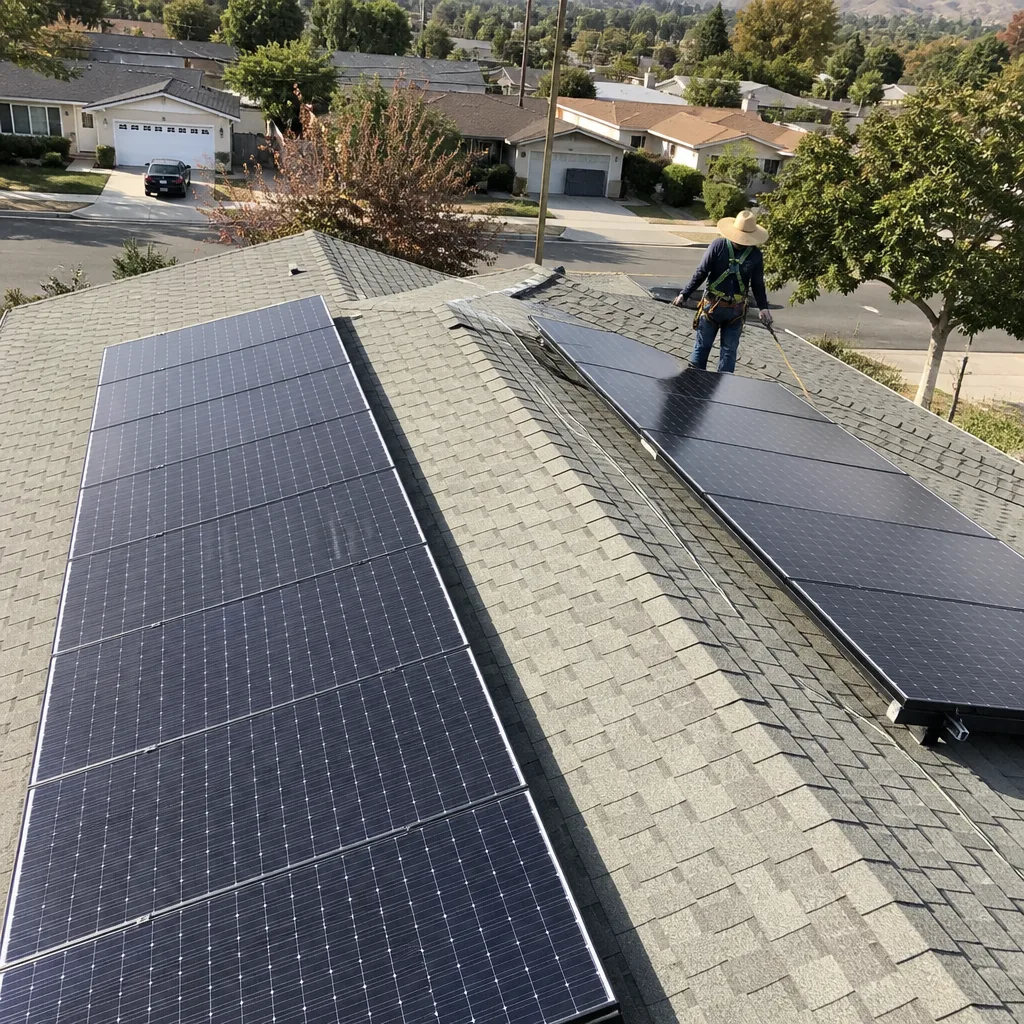
Commercial Array Cleaning
Lackland has commercial and administrative buildings with larger rooftop and ground-mount arrays. These systems lose more absolute production to soiling simply because of their size, and a 5 percent loss on 200 kW is a serious number. We handle commercial cleaning with the same AFCEC coordination and base access discipline as any other job on the installation. Quotes are built off actual array square footage and soiling condition, not a flat rate pulled from a brochure.
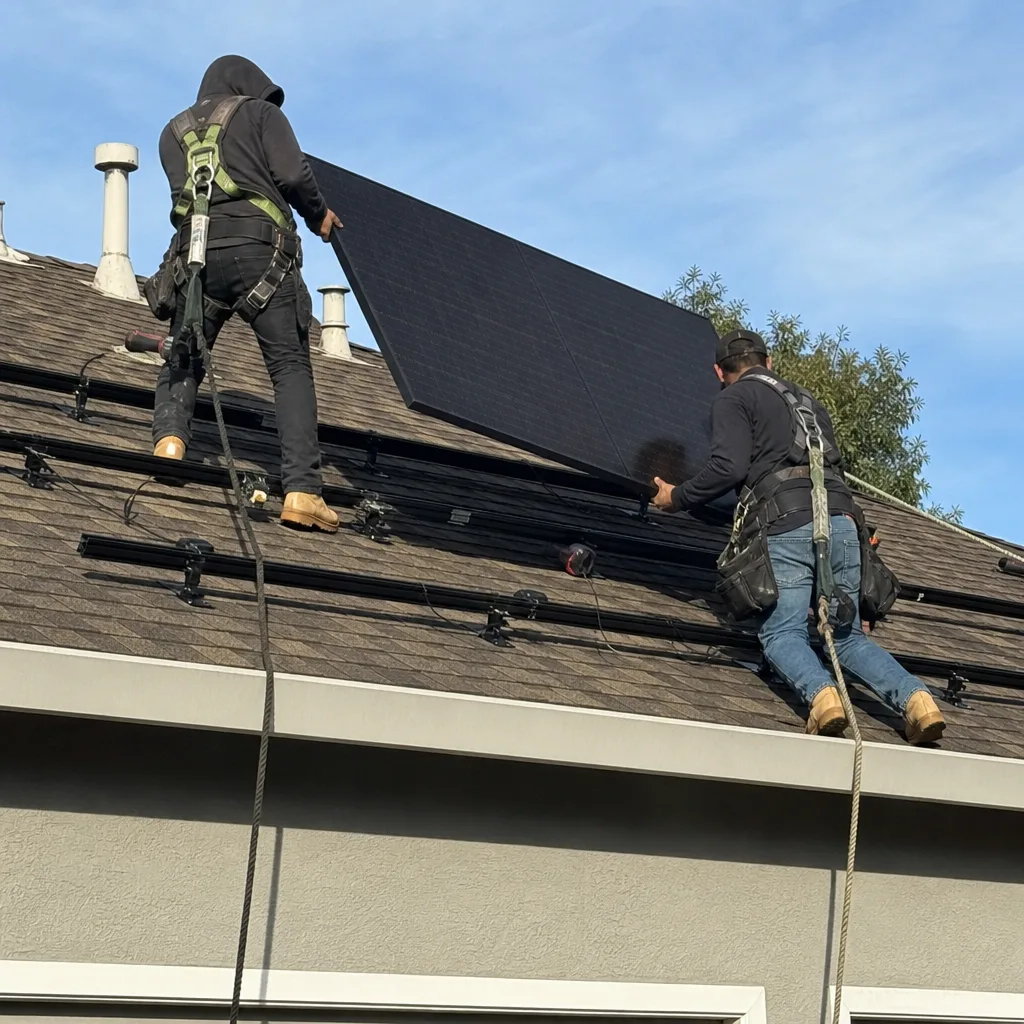
Bird & Critter Guard Installation
Sparrows colonize the standardized rooftop edges on Lackland’s older housing stock. They nest under panels, their droppings etch into the glass over time, and nest material clogs drainage channels and traps moisture against the racking. We install critter guard after cleaning so birds cannot get back under the array. One thing to know: any retrofit that touches racking on base housing requires base civil engineering sign-off before we start. We handle that coordination. You should not have to.
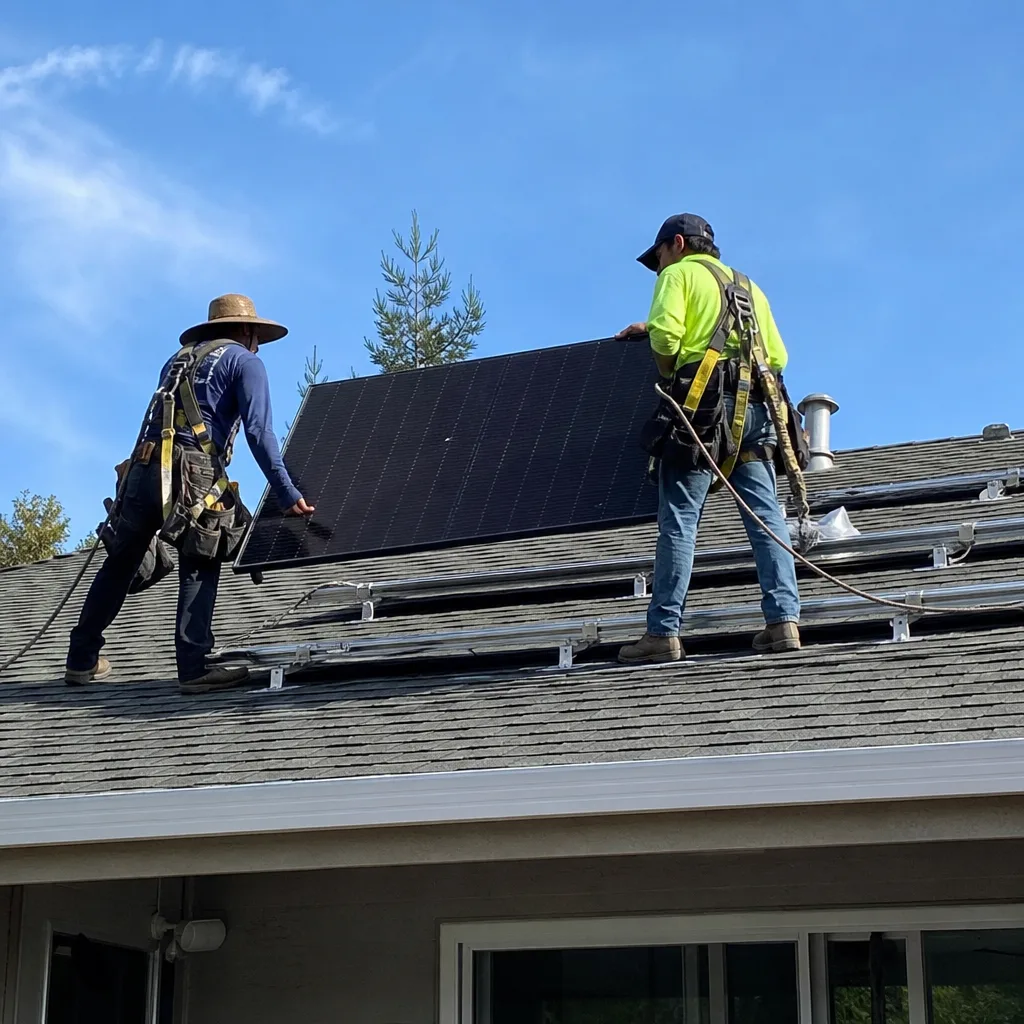
Debris & Soiling Removal
Lackland sits in a spring hail corridor, and the region’s frequent low-water landscaping means fine dust coats panels within weeks of a cleaning. Caliche from base training grounds is particularly stubborn; it bakes on under the San Antonio sun and resists normal rinsing. We hand-deionize each panel rather than relying on pressure washing, which can void panel warranties and damage seal integrity. This is the difference between a cleaning that lasts six months and one that lasts six weeks.
What happens when you call
- 1
A real person answersNo phone trees - you reach a local pro.
- 2
You get an upfront price rangeHonest numbers before anyone is dispatched.
- 3
A background-checked tech heads outLicensed & insured, dispatched right away.
- 4
You approve before work beginsNothing starts until you say go.
Trusted Brands We Service in Lackland Air Force Base
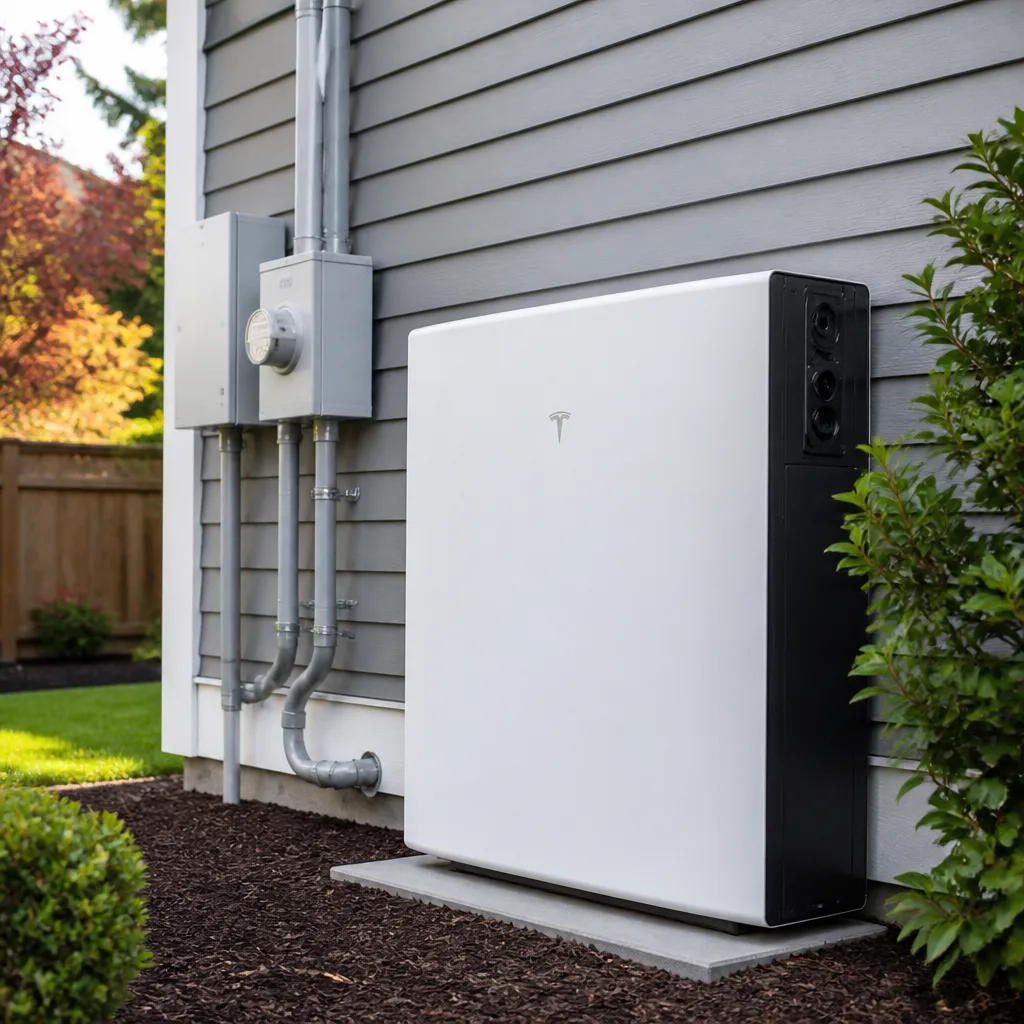
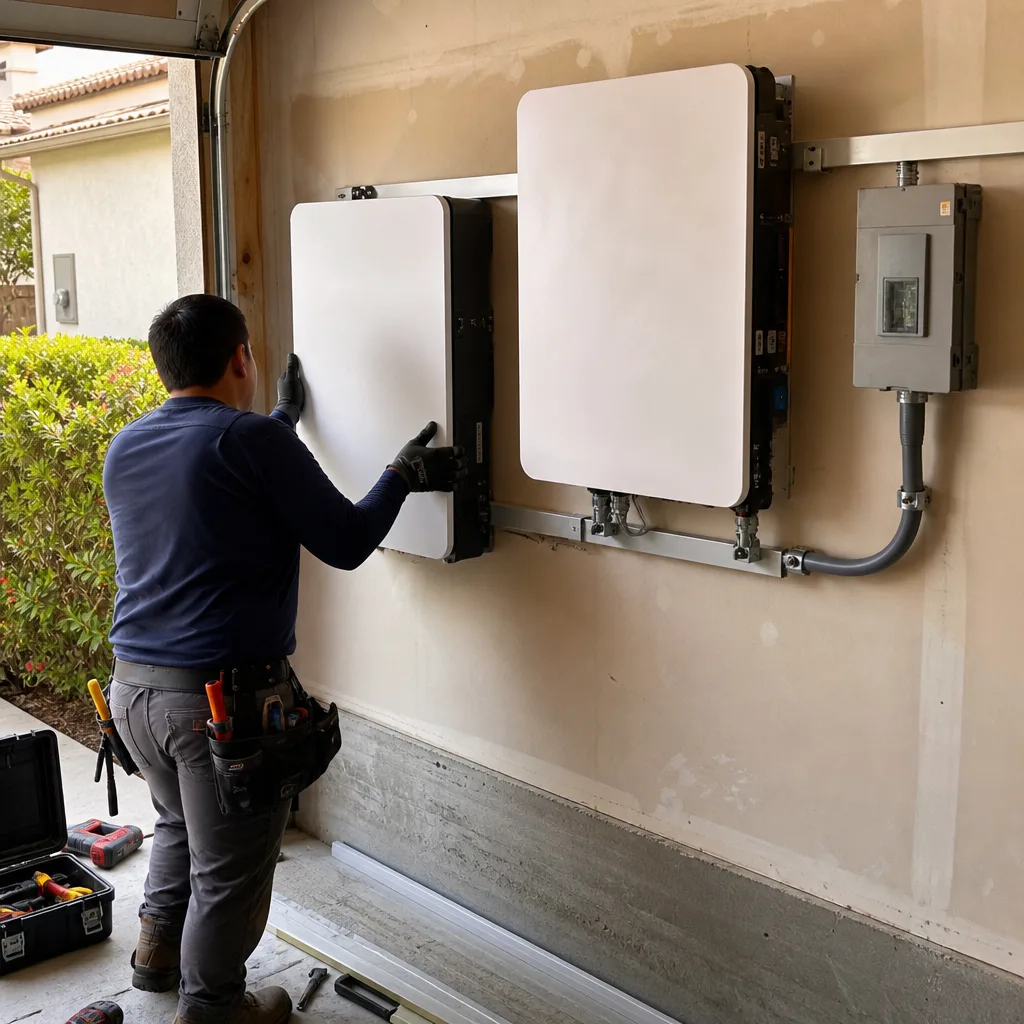
We work on every brand found on base housing and commercial rooftops, including Qcells, Panasonic, Canadian Solar, and JinkoSolar. FranklinWH storage systems get the same attention when they’re part of the array. Because we’ve been doing this since 2011, we know the failure patterns and soiling sensitivities of each manufacturer’s glass and frame materials. We do not stock a warehouse of parts on base, but we keep common replacement hardware for critter guard and mounting clips in our San Antonio shop, which coordinates dispatch and scheduling for Lackland AFB. That means faster turnaround when a cleaning reveals something that needs attention.
Common Solar Panel Cleaning Problems We See in Lackland Air Force Base Homes
- Training-area dust and caliche buildup. Fine mineral dust from base training grounds settles on panels and resists rain rinsing. Over two dry months, we’ve measured output losses near 15 percent on arrays that looked only lightly dusty from the ground.
- Sparrow nesting along roof edges. The standardized rooflines on 1970s and 1980s townhomes give sparrows consistent ledges to build under. Once nests establish against the microinverters, droppings concentrate in small areas and etch the glass.
- Post-hail microcrack damage that goes unnoticed. After spring storms, panels often look fine from the ground. Without an inspection tied to IEC 61215 hail certification ratings, microcracks can silently cut production until the true-up statement reveals the loss.
- Residue from low-water landscaping. Base housing uses drought-tolerant planting and occasional irrigation, which kicks up mineral residue that adheres to lower panel edges. This film is different from civilian San Antonio soiling and needs a targeted approach, not a simple hose-down.
Pricing for Solar Panel Cleaning in Lackland Air Force Base, TX
A typical residential panel cleaning in Lackland Air Force Base runs $150 to $300 for an array up to 10 kW. Larger residential systems and commercial arrays run higher, generally $300 to $600 for residential systems over 10 kW and $0.15 to $0.30 per panel per cleaning on commercial work. Bird and critter guard installation adds $250 to $700 depending on perimeter length and whether racking modifications require additional engineering sign-off. Post-storm cleaning and inspection, including a hail-damage assessment tied to IEC 61215 ratings, runs $200 to $400. We offer free estimates, no trip charge inside our own county, and a Senior and Veteran 10% discount that never expires. The price we quote is the price you pay. Call (877) 550-6892 and we’ll walk the array with you before any work starts.
We Also Serve Cities Near Lackland Air Force Base
While this page is written for Lackland AFB, we also clean panels for homeowners in Leon Valley, San Antonio, Alamo Heights, and Terrell Hills. The same crew, the same 90-Day Done Right Promise, and the same owner answering the phone. If you’re outside the base but nearby, we can usually reach you within the same week. Our Solar Panel Cleaning in Lackland Air Force Base team knows this whole corner of Bexar County.
Serving Lackland Air Force Base, TX - Our Local Coverage Area
We’re based in the Lackland Air Force Base area and know this community well. Use the map below to see our service coverage - if you’re nearby, we can almost certainly help.
FAQs - Solar Panel Cleaning in Lackland Air Force Base
Base access is the single biggest variable in getting panels cleaned on Lackland AFB, and it’s why most San Antonio solar contractors cannot work here. Any contractor doing work on the installation must hold DoD contractor vetting, JBSA base access authorization, and coordinate with the 802nd Civil Engineer Squadron and AFCEC. A civilian permit that takes two to three weeks through CPS Energy can take months through federal channels for a contractor starting from zero. Our crew already holds base access and clearance, which cuts that timeline to days. Call (877) 550-6892 and ask us directly about current access protocols for your housing area.
A spring hailstorm can absolutely damage panels that were just cleaned, because cleaning doesn’t change the glass impact rating. Panels rated under IEC 61215 are tested for specific hail sizes, but storms on base have produced stones beyond those test parameters. After any significant hail event, we recommend a post-storm inspection even if the panels look fine from the ground. Microcracks from hail impact may not show visible damage for months, but they quietly degrade output. We inspect for impact marks, check array framing, and document everything for insurance or maintenance records.
Yes, and the math on Lackland AFB is straightforward because the region sees over 220 sunny days per year with about 5.5 peak sun hours daily, so soiling losses compound quickly. On a 6.4 kW array producing 9,000 kWh annually, a 15 percent soiling loss equals 1,350 kWh gone per year. At San Antonio’s utility rates, that’s $180 to $250 annually. Two cleanings a year at $150 to $300 each typically pay for themselves within 12 to 18 months, often faster when post-storm debris is part of the equation. Even under the Military Housing Privatization Initiative, where the housing contractor owns the array, a cleaner system means a lower true-up bill for you.
Sparrows are the primary nuisance on Lackland AFB rooftop arrays because the standardized rooflines on 1950s through 1980s government-built housing give them consistent nesting edges. Their droppings are acidic and etch panel glass when allowed to accumulate, and nest material against microinverters traps heat and moisture. Critter guard installation solves the problem, but any racking contact requires base civil engineering sign-off, which we coordinate for you. If you’re hearing birds under your panels on the housing loop in 78227, call us before the nesting season peaks in early spring.
Yes, residents in privatized military family housing can schedule recurring cleaning, though the approval path depends on who manages your specific housing contract. In most cases, the housing contractor holds the array ownership, but residents can still arrange cleaning services that don’t modify the system. We work with both residents and housing managers to set up scheduled cleaning plans, typically every six to twelve months given the dust load from training grounds. A recurring plan also gives us a baseline for output, so we catch soiling or damage trends before they become real production losses. Call (877) 550-6892 and we’ll sort out the right paperwork for your housing area.
Written by Gus Petrakis, Owner at Gus’s Solar, serving Lackland Air Force Base with on-base access and clearance since 2011.