

Free bill analysis - bring a power bill, get the production math for your actual roof, panel brands like Qcells and REC compared side by side
If the pitch starts at your door and ends with "sign tonight for the special," sleep on it. The sun will still be there tomorrow; so will we.
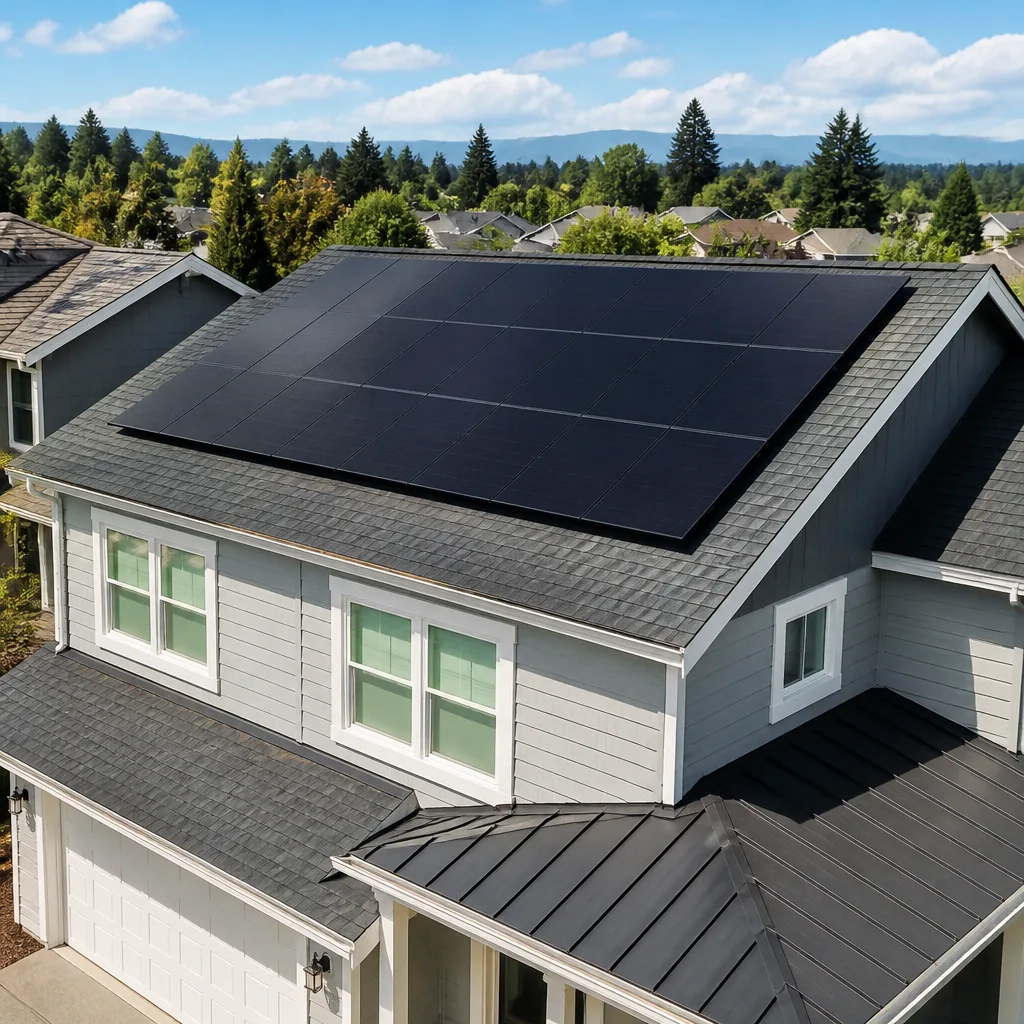
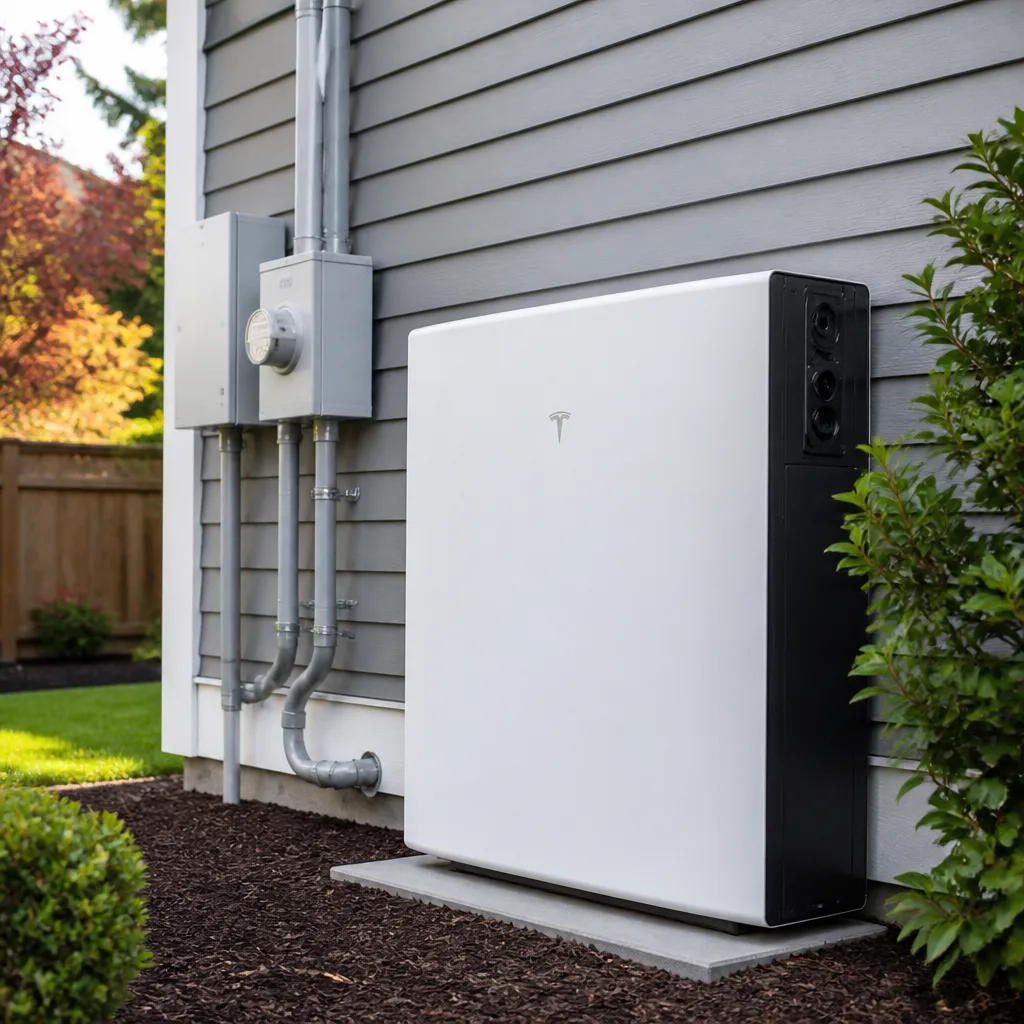
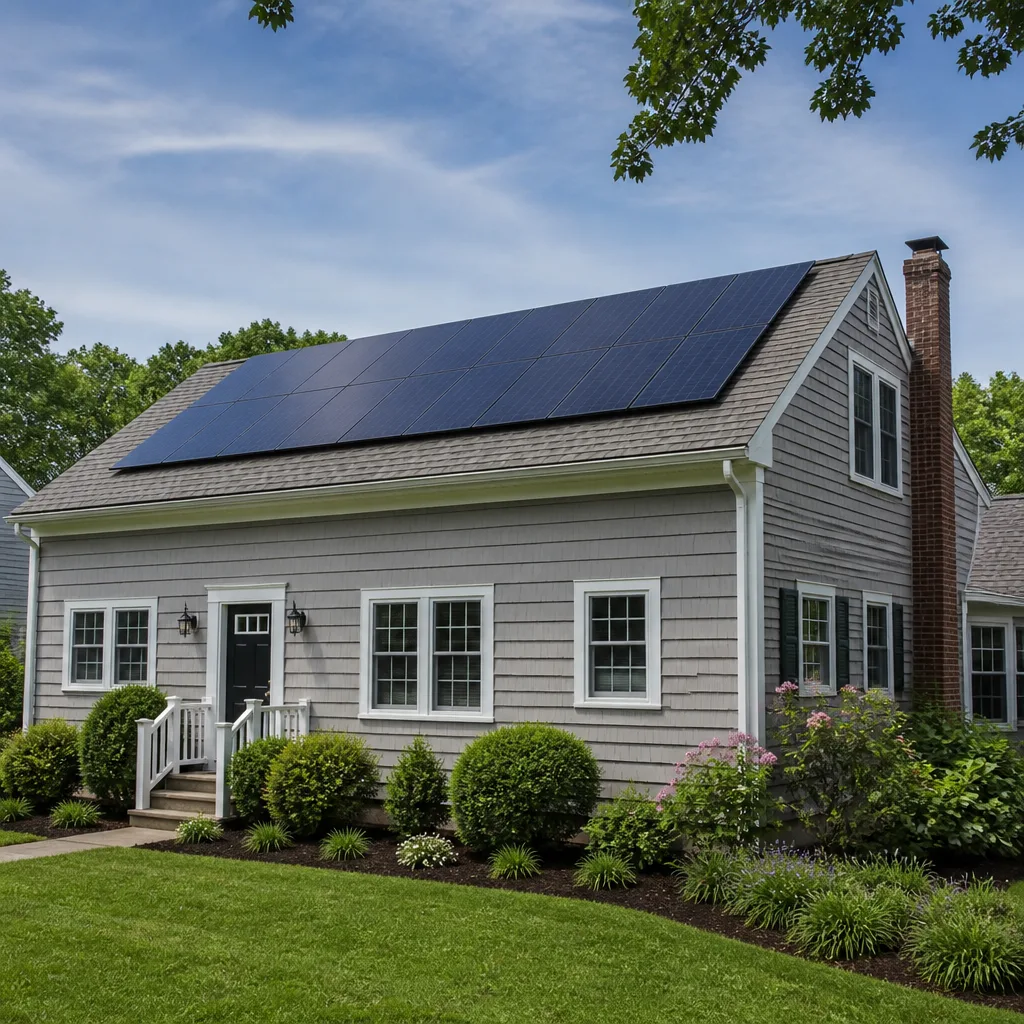
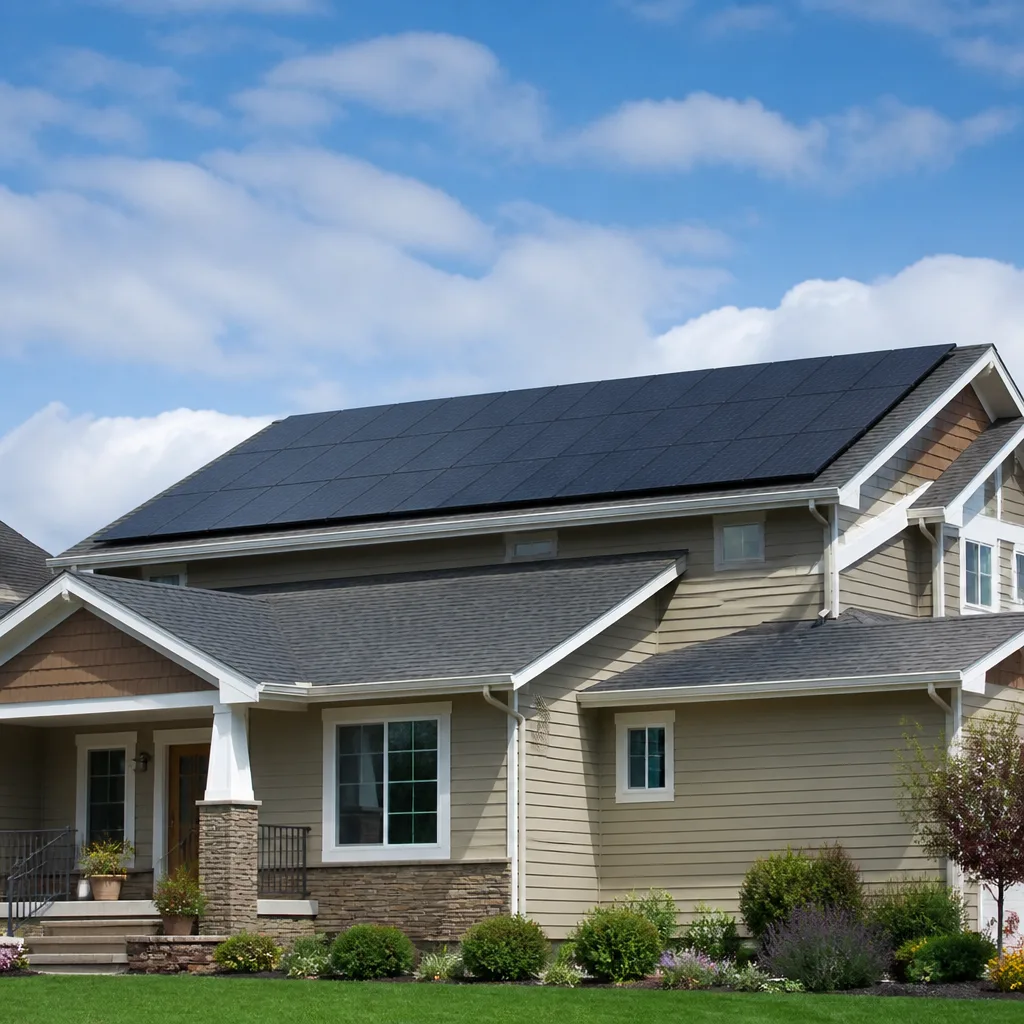
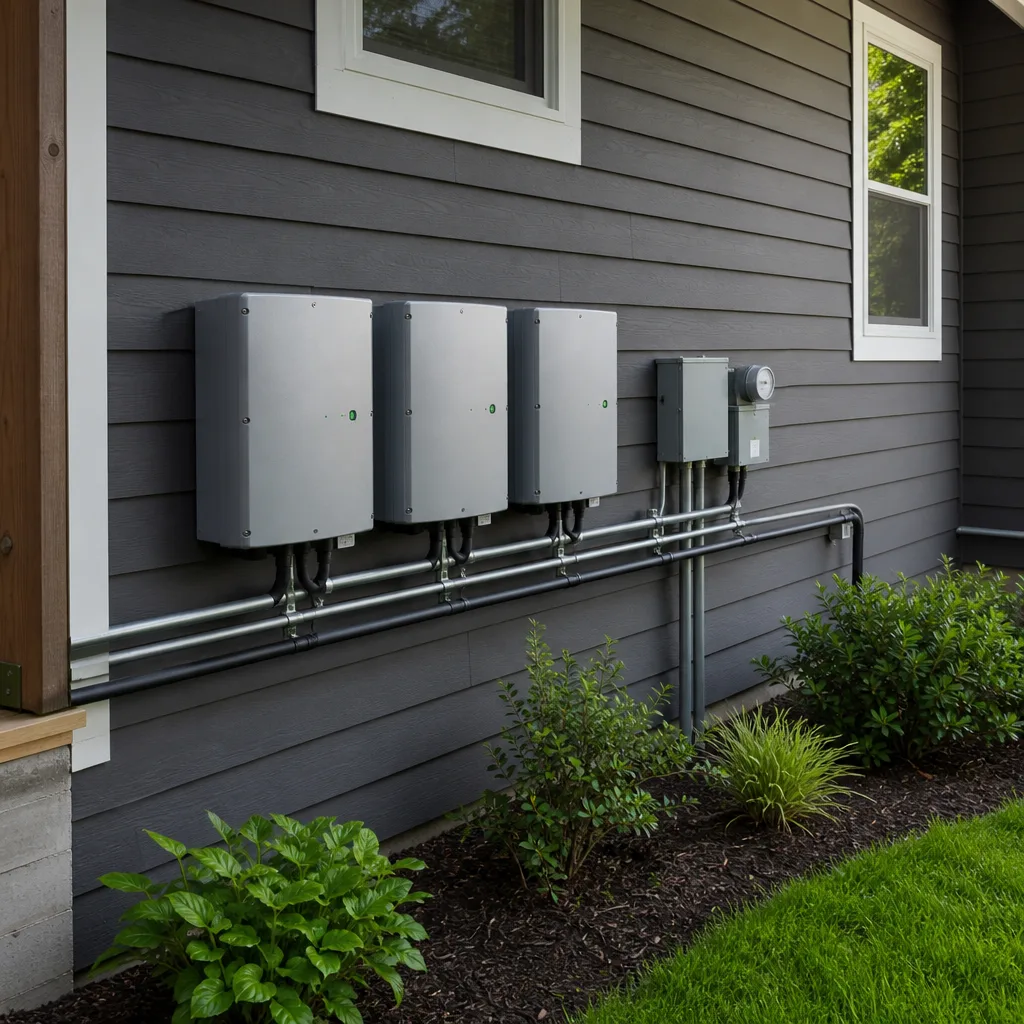
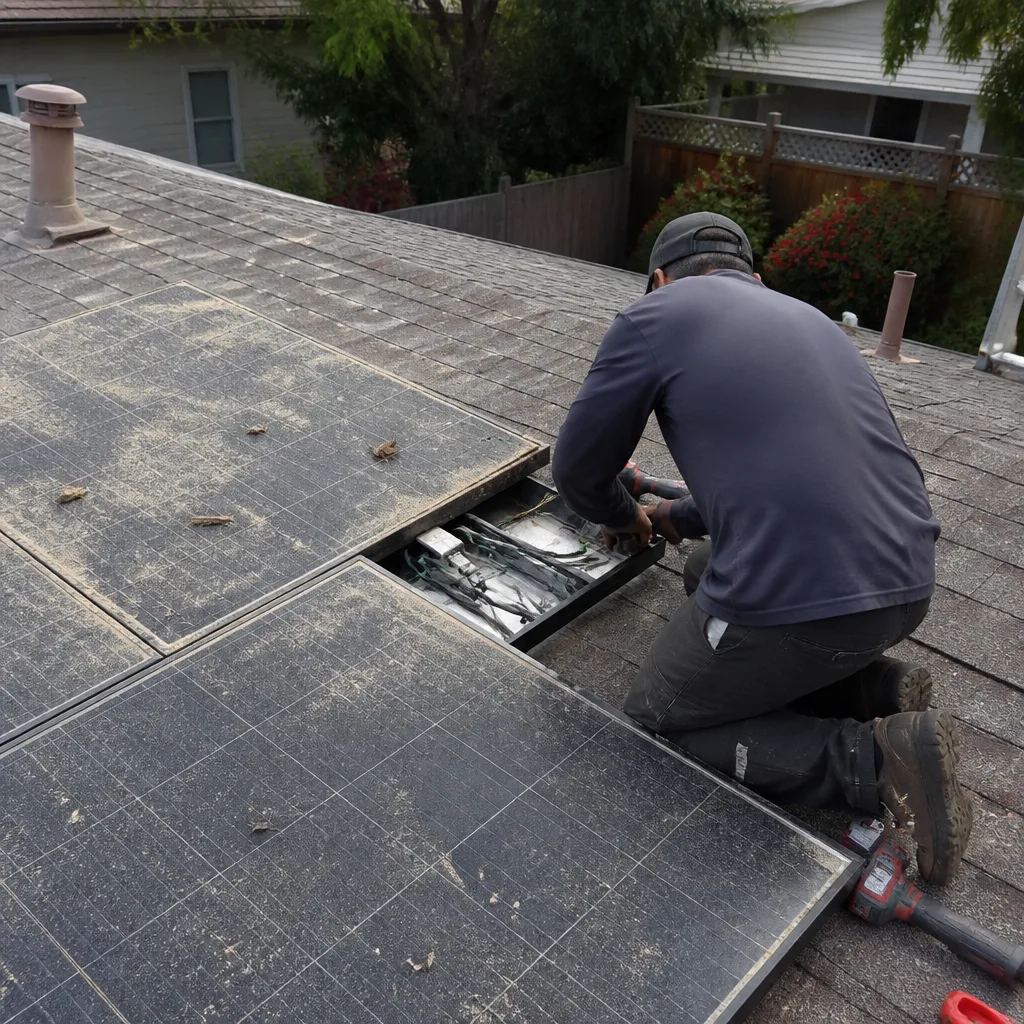 Before
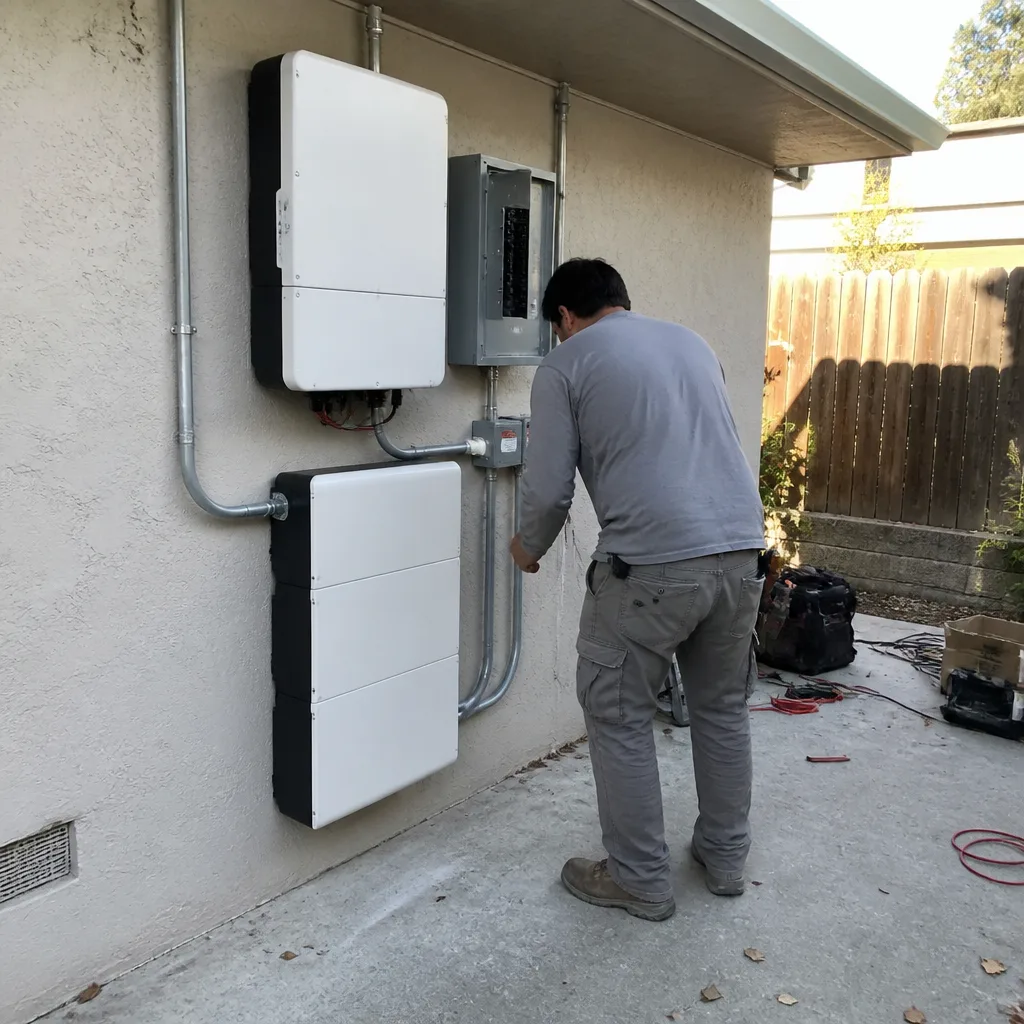 After
After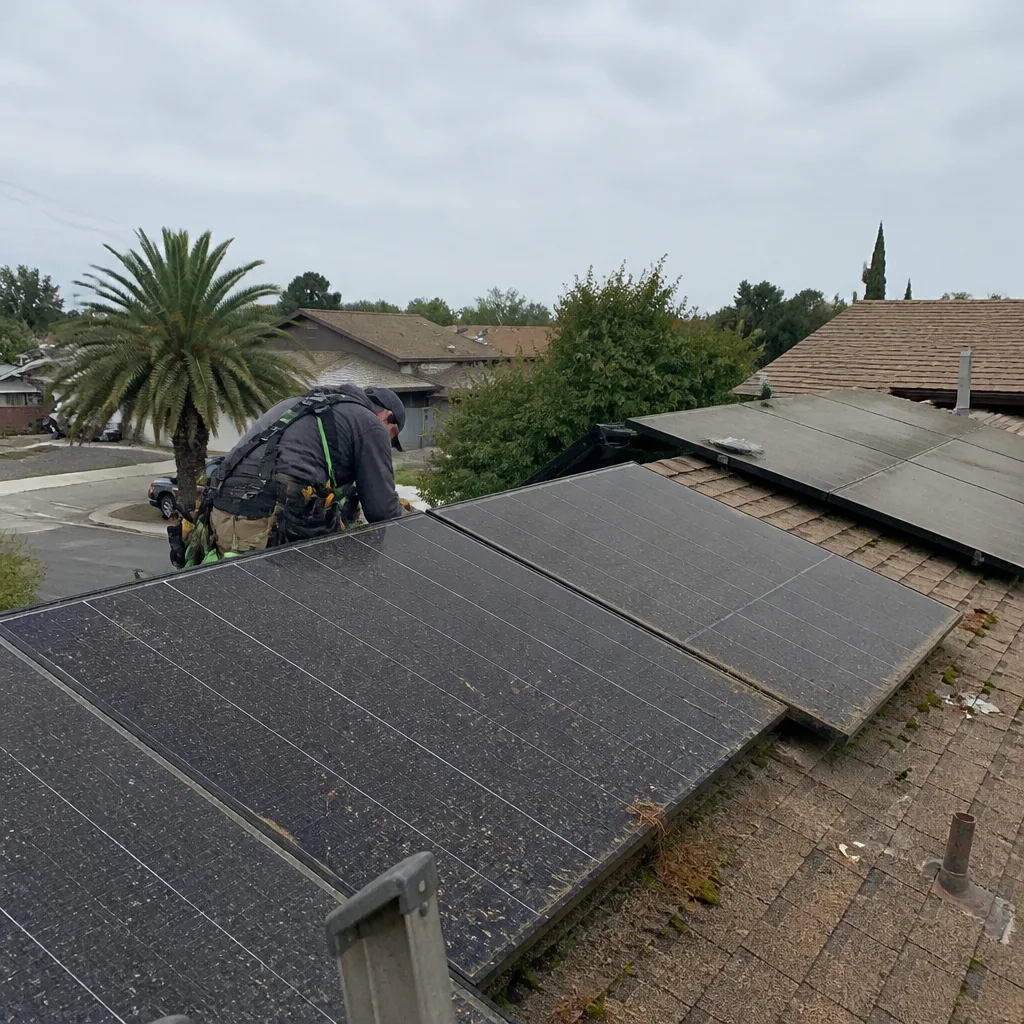 Before
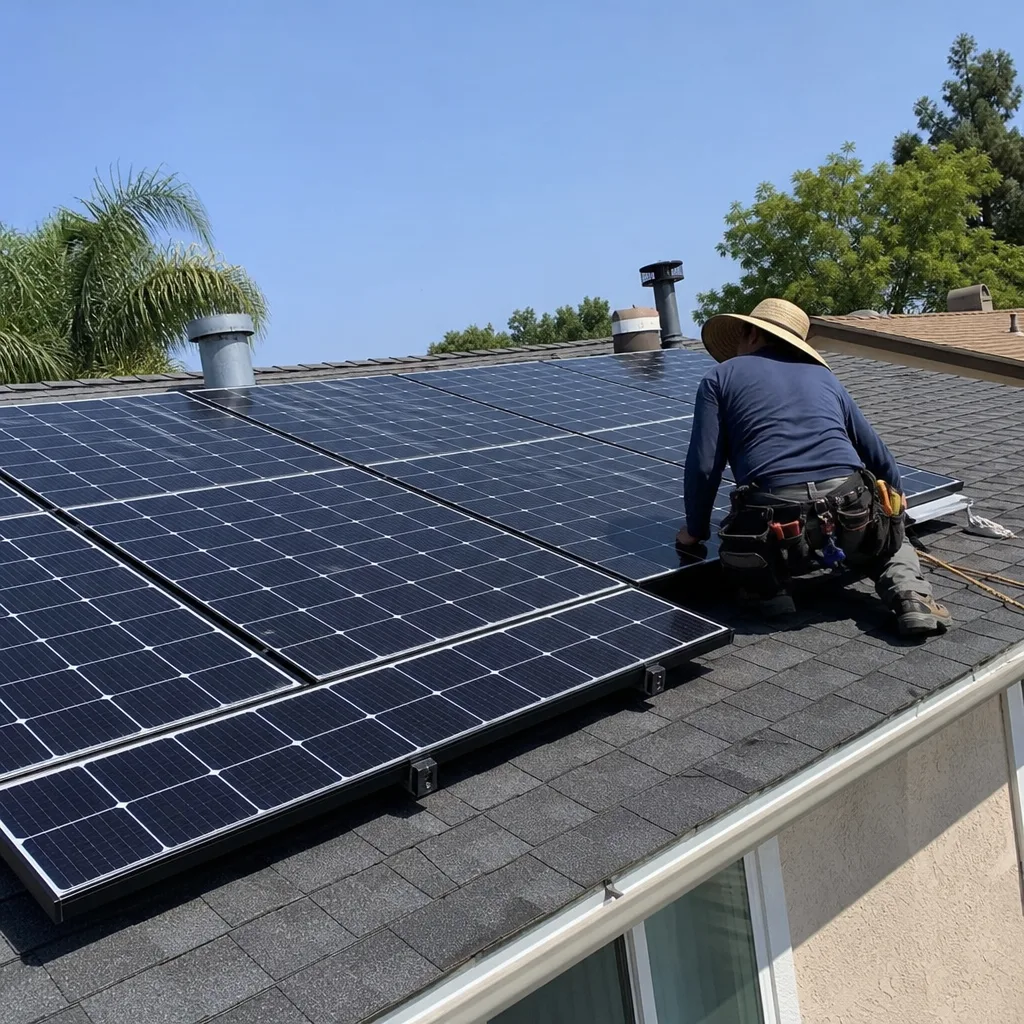 After
After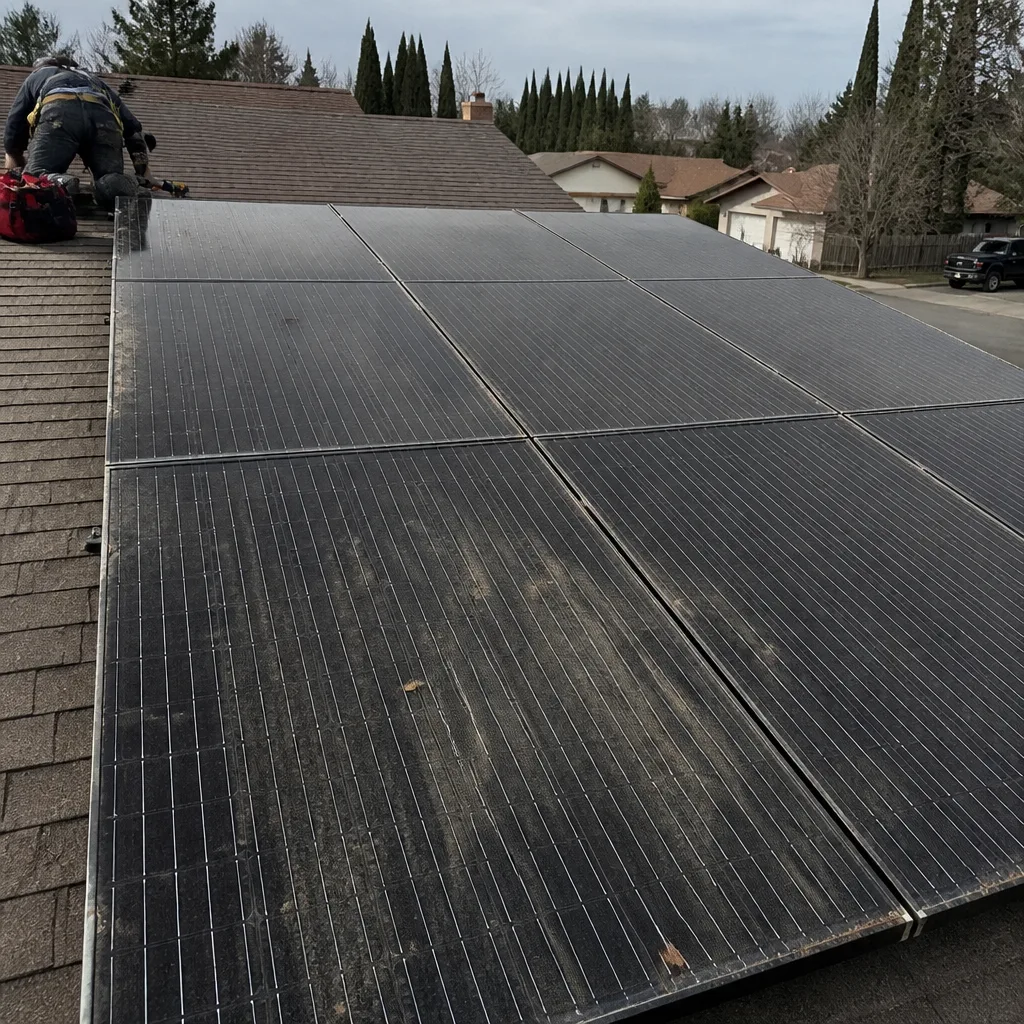 Before
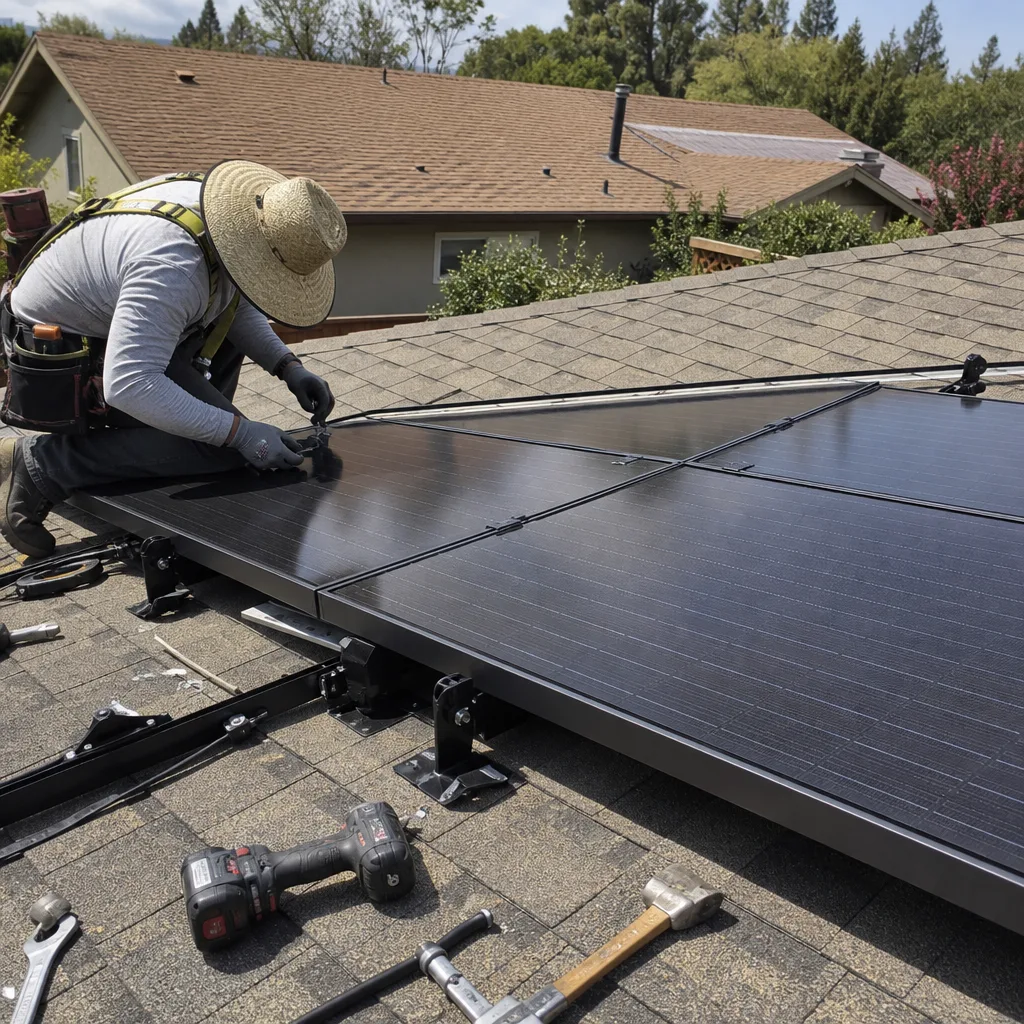 After
AfterFast, Reliable Solar Panel Cleaning Across Grass Valley
Solar panel cleaning in Grass Valley typically costs $150-$280 for a residential array up to 25 panels, and most jobs are finished in under two hours. The bigger issue here isn’t the cleaning itself: it’s the ponderosa pine duff, oak pollen, and winter soot that silently choke output between washes. We’re a local, owner-operated shop - Gus Petrakis puts his name on the truck and his crew does the work - and we know that a roof that looks clean from the street can still be losing 30% to shaded, soiled panels. Call (877) 550-6892 and a live person answers, day or night.
What Solar Panel Cleaning Costs in Grass Valley
Here’s what we quote for the two Grass Valley ZIP codes we serve: 95945 and 95949.
| Service | Typical Range | Notes |
|---|---|---|
| Residential panel cleaning (up to 25 panels) | $150-$280 | Single-story, walkable roof, deionized water |
| Large or steep-pitch residential arrays | $280-$450 | Two-story or Victorian/Craftsman rooflines near downtown |
| Debris & soiling removal (heavy pine duff) | $40-$90 add-on | Duff packed along bottom module edges |
| Post-storm panel cleaning | $180-$320 | Snow, ice, or wind-blown needle removal |
| Bird & critter guard installation | $6-$9 per linear foot | Galvanized mesh, installed while we’re up there |
| Scheduled cleaning plan (per visit) | $130-$240 | 4 or 6 visits per year, prioritized scheduling |
Roof pitch, panel count, and how much pine duff has accumulated are the three things that move the price. We quote a number and that’s the number you pay - no signature wanted tonight, no phone quote that changes at the door. Call (877) 550-6892 for a free estimate specific to your array.
Why Gus’s Solar Is Grass Valley’s Preferred Solar Panel Cleaning Company
We’re not a pop-up sales crew working a territory. Gus founded the shop in 2011, publishes his name and license number, and answers his own phone. When you call about a cleaning in Grass Valley, you get a real person, not a call center three states away.
Our crews show up in uniform, background-checked, and they’ve been on Grass Valley roofs long enough to know what a ponderosa canopy does to a module by March. We keep parts for Qcells, REC, SunPower, and Panasonic on hand, and if we can’t clean a panel back to spec, we’ll tell you straight instead of running a bill. The 90-Day Done Right Promise is in writing on every job: if it’s not done right, Gus makes it right.
We don’t ask for a decision tonight. Take two weeks. Think about it. The price will be the same.
Our Solar Panel Cleaning Services in Grass Valley
Residential Panel Cleaning
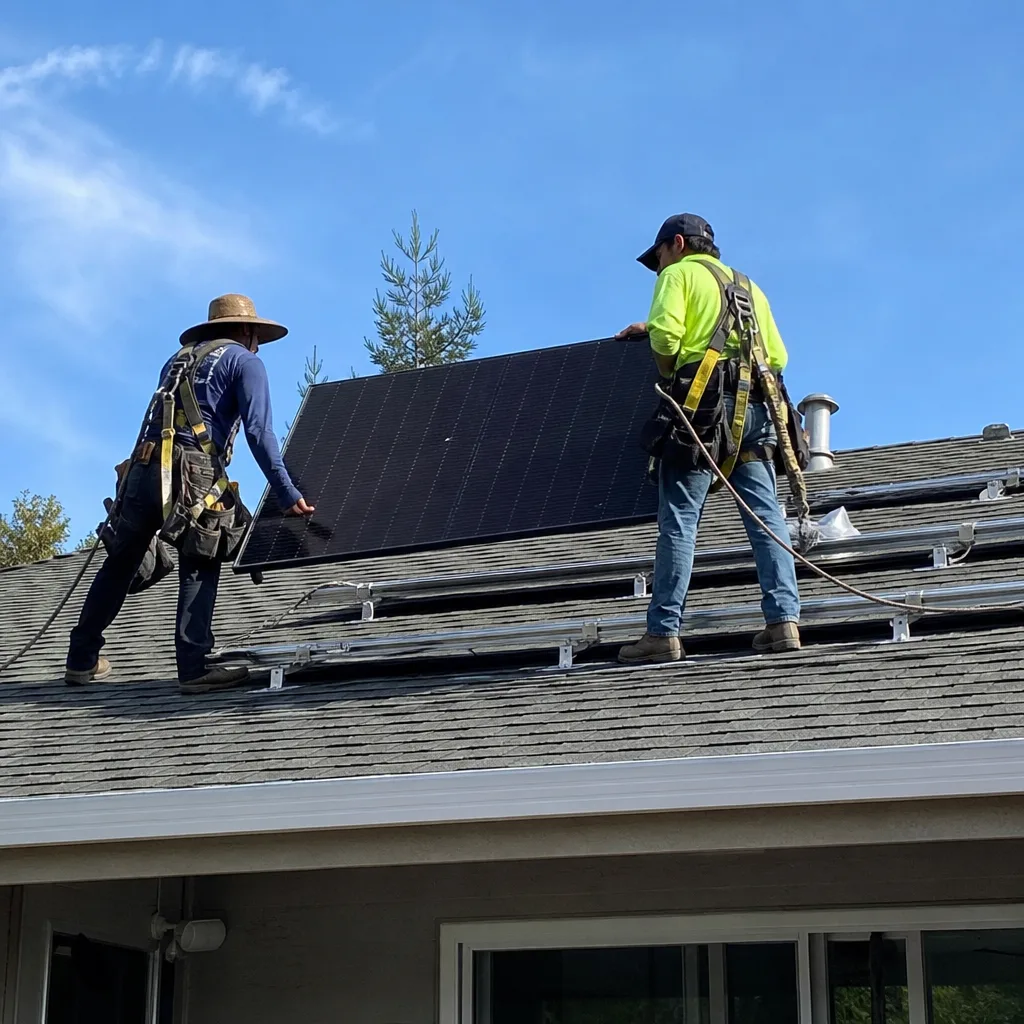
A standard single-story array in the 1970s-90s subdivisions around Grass Valley runs $150-$280. We use soft-bristle brushes and deionized water, not NID tap water - Nevada Irrigation District minerals leave a haze that actually makes pine pollen stick faster after the first rain. Every cleaning starts with a rooftop inspection so we can flag loose clips, critter activity, or a microinverter that’s been running hot under a layer of duff.
Commercial Array Cleaning
For businesses along the Highway 49 corridor or up toward the fairgrounds, we schedule around your operating hours and clean without interrupting staff or foot traffic. Commercial arrays in Grass Valley pick up more road dust and diesel soot than residential systems, especially if your building sits near a truck route. We’ll quote by panel count and array accessibility, then stick to it.
Bird & Critter Guard Installation
Pigeons, squirrels, and the occasional roof rat nest under modules, and Grass Valley’s tree canopy gives them plenty of cover to work with. We install galvanized mesh guards at $6-$9 per linear foot while we’re already on the roof for a cleaning. It’s the cheapest insurance against chewed wiring and packed nesting material you can buy.
Debris & Soiling Removal
This is the service Grass Valley actually needs, more than any other. Ponderosa pine needles pack the bottom edges of modules and create a dam that traps moisture and pollen. We remove the duff by hand before we clean, so we’re not just smearing wet pine sap across the glass. On a 1980s ranch off Greenhorn Road, we pulled enough duff off a legacy array to restore it to within 2% of its original STC rating.
What happens when you call
- 1
A real person answersNo phone trees - you reach a local pro.
- 2
You get an upfront price rangeHonest numbers before anyone is dispatched.
- 3
A background-checked tech heads outLicensed & insured, dispatched right away.
- 4
You approve before work beginsNothing starts until you say go.
Why Ponderosa Pine and Live Oak Make Cleaning Different Here
Grass Valley sits at roughly 2,400 feet in the Sierra foothills, and nearly every home - from the steep-pitched Victorians near Main Street to the 1970s subdivisions on the surrounding slopes - shares one defining feature: trees. Ponderosa pine and interior live oak blanket the parcels, and they drop needles, pollen, sap, and soot onto modules year-round.
The thing most people don’t realize is that a roof that looks south-facing and clear from the street is routinely 40-60% shaded by noon in winter once you get an aerial view. That’s why every cleaning we schedule in Grass Valley starts with a drone shading map. A ground-level look is nearly useless under this canopy. If we skip the map and just wash the glass, the customer still loses half their midday output to shade the panel was never clean enough to fix.
And the duff comes back fast. A one-time cleaning without a maintenance plan returns to pre-clean production within weeks after the first real storm. We recommend scheduled plans for exactly this reason - not as an upsell, but because the pine needles don’t stop falling.
Trusted Brands We Service in Grass Valley
We maintain and clean Qcells, REC, SunPower, and Panasonic arrays across Nevada County, and we keep common parts on hand for fast turnaround. Whether your system is six months old or twelve years old, we treat it the same: clean glass, clear gutters, and an honest report on how it’s performing. Our Solar Panel Cleaning team sees the same local conditions on every brand - the duff doesn’t care what name is on the label. We also handle full Solar Panel Cleaning service and maintenance across the wider Grass Valley area as part of our regular route.
Common Solar Panel Cleaning Problems We See in Grass Valley Homes
- Pine duff dams along the bottom module edges. Needles pack in, trap moisture, and hold pine sap against the glass. Left alone, this cuts output 5-15% just from the bottom row, and the trapped moisture invites corrosion. We remove duff before we touch water.
- Mineral haze from NID tap water. Using a garden hose with Nevada Irrigation District water leaves calcium and silica deposits that act like glue for pollen. We clean with deionized water so the glass stays cleaner between visits.
- Winter shade misdiagnosed as dirt. When production drops in November, most people assume the panels are dirty. Under a ponderosa canopy, the real culprit is often shade - but the cleaning call is the right time to find out which one you’re dealing with. We map the array and tell you straight.
- Post-storm needle matting. After a wet Sierra storm, needles mat down flat and dry into a crust that a hose won’t budge. Soft-bristle agitation plus deionized rinse is the only way to break the mat without scratching the glass.
How Often Should You Clean Panels in Grass Valley?
Given the ponderosa pine duff cycle and the wet Sierra winters, we recommend three to four cleanings per year for most Grass Valley homes. After the first fall needle drop, again after the winter storm season, once in late spring when pollen peaks, and once in late summer if wildfire smoke soot settles on the glass.
Some shaded arrays with heavy canopy cover do better on six visits. We’ll tell you what your specific roof needs after one cleaning and a shading map - not before we’ve seen it.
Post-Storm Panel Cleaning in Grass Valley
Snow, ice, and wind-driven needle beds hit Grass Valley harder than the Sacramento Valley 45 miles downhill. After a storm, we clear snow and ice from modules using plastic roof rakes and low-pressure warm water - never a metal shovel, never a hammer. Ice dams along the bottom rail can crack the backsheet if you try to knock them off, so we let the deionized water do the work.
We also check for storm damage while we’re up there: lifted mounts, cracked glass, and critter entry points exposed by fallen branches.
Can Cleaning Fix a Production Hit from Winter Shading?
No. Cleaning removes soiling loss; it does not remove a ponderosa pine. If a drone shading map shows your array is 40-60% shaded at noon in January, cleaning will restore whatever output the dirt was costing you, but the shade loss is structural. That’s a trim or a design conversation, not a scrub. We’ll tell you the difference and show you the map.
Will Cleaning Affect My PG&E True-Up Statement?
Yes, and in Grass Valley it matters more than you’d think. Under PG&E’s net metering rules, your true-up statement settles annual production against usage. A panel that’s losing 10-15% to pine duff for six months of the year is quietly eroding your credit. A clean array produces what it was designed to produce, and that number shows up on your true-up in black and white. If your system is underperforming on paper, the first check is a $150-$280 cleaning, not a $2,000 service call.
Serving Grass Valley, CA - Our Local Coverage Area
We’re based in the Grass Valley area and know this community well. Use the map below to see our service coverage - if you’re nearby, we can almost certainly help.
FAQs - Solar Panel Cleaning in Grass Valley
Three to four times per year for most Grass Valley homes, because ponderosa needle drop is heavy in fall and the wet Sierra winter mats it down fast. After the first visual inspection and shading map, we’ll give you a specific schedule for your roof rather than a generic answer.
Cleaning fixes the soiling loss, not the shade loss. We fly a drone over your array during the visit and map exactly where and when shade hits. If your production drop is from dirt and duff, a cleaning restores output same day. If it’s the tree canopy, you’ll see it on the map and we’ll talk straight about next steps.
Yes. We remove snow and ice with plastic rakes and low-pressure warm water, never metal tools or chipping. Ice dams along the bottom rail get melted off with deionized water, not broken - breaking them cracks backsheets and voids panel warranties.
Because the duff returns within weeks after the first post-storm needle drop, and a one-time clean only resets the clock. A scheduled plan keeps the array within 2-3% of its clean-output baseline through the entire pine pollen and needle season, not just the week after we leave.
Yes. Your PG&E true-up settles annual production against usage, and every week your panels run under a layer of pine duff or pollen is a week of lost credit. Cleaning restores that production, and the improvement shows directly on your statement when the true-up hits.
We Also Serve Cities Near Grass Valley
We run cleaning routes into Auburn, North Auburn, Lincoln, and Marysville as well. If you’re in one of those foothill communities and tired of watching your production number sag between visits, call (877) 550-6892 and we’ll add you to the schedule. Most nearby jobs are handled within the same week. For more on our full service area, see Solar Panel Cleaning in Grass Valley coverage details.
Call Gus’s Solar for a Free Grass Valley Panel Cleaning Estimate
Bring us a bill, we’ll bring you the math. If you’re in Grass Valley and your array hasn’t been cleaned in six months or more, you’re leaving production on the table. Call (877) 550-6892 for a free, no-pressure estimate. A live person answers, 24/7. Take two weeks to think about it - the price will be the same.
Written by Gus Petrakis, Owner at Gus’s Solar, serving Grass Valley and surrounding foothill communities since 2011.