

Free bill analysis - bring a power bill, get the production math for your actual roof, panel brands like Qcells and REC compared side by side
If the pitch starts at your door and ends with "sign tonight for the special," sleep on it. The sun will still be there tomorrow; so will we.
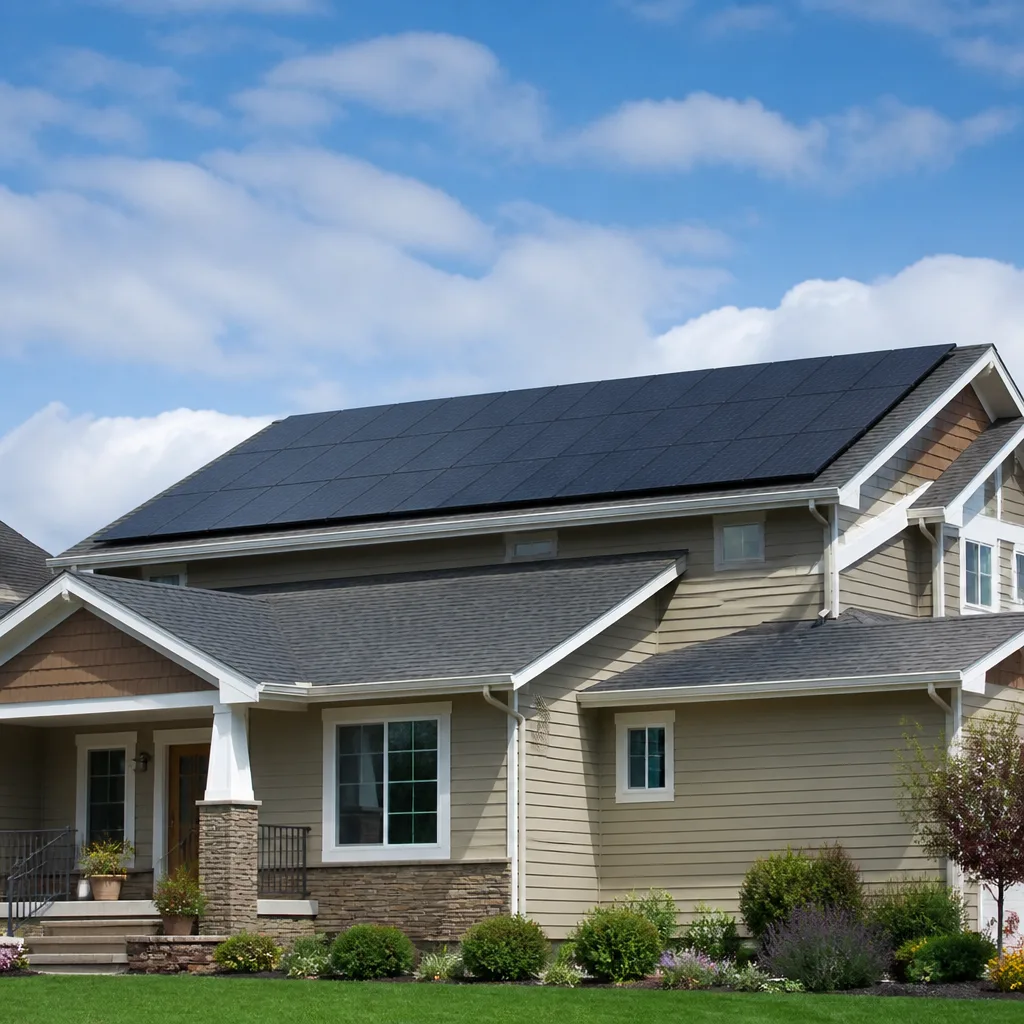
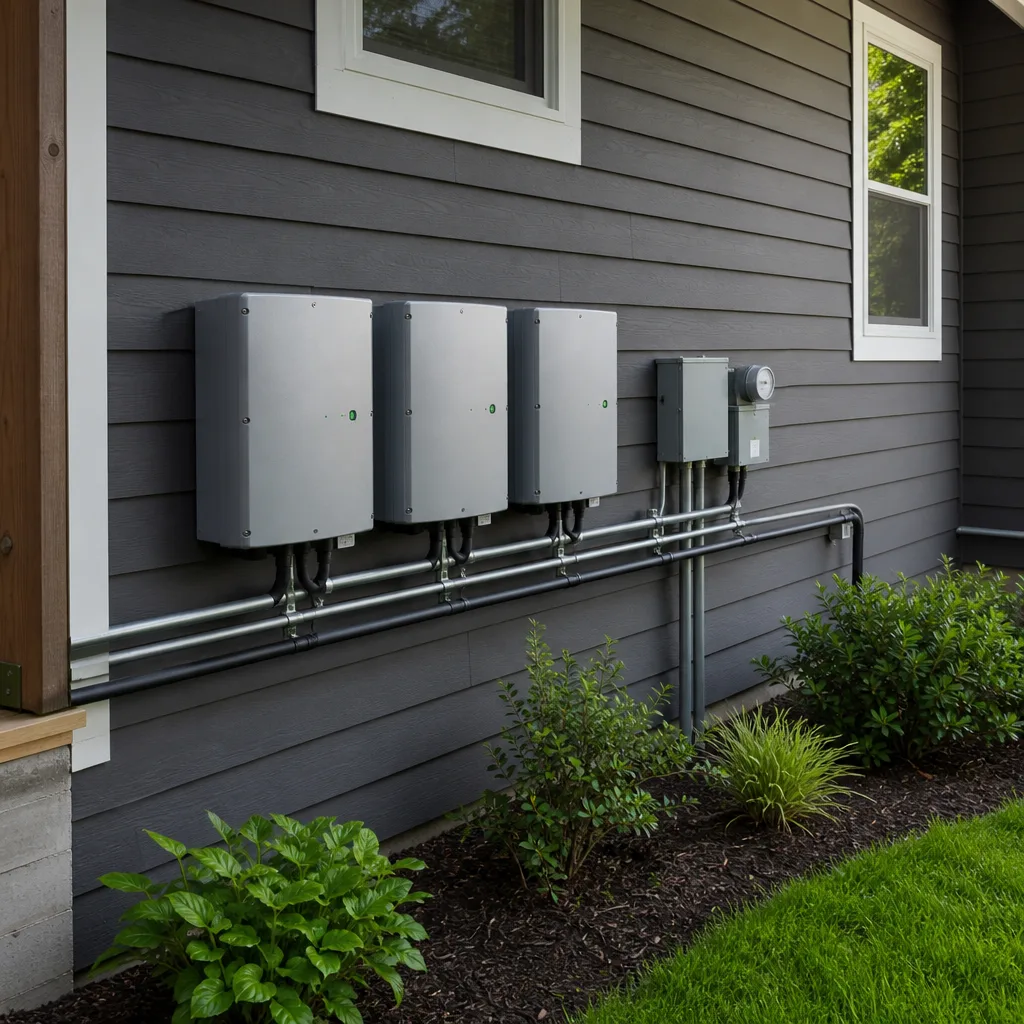
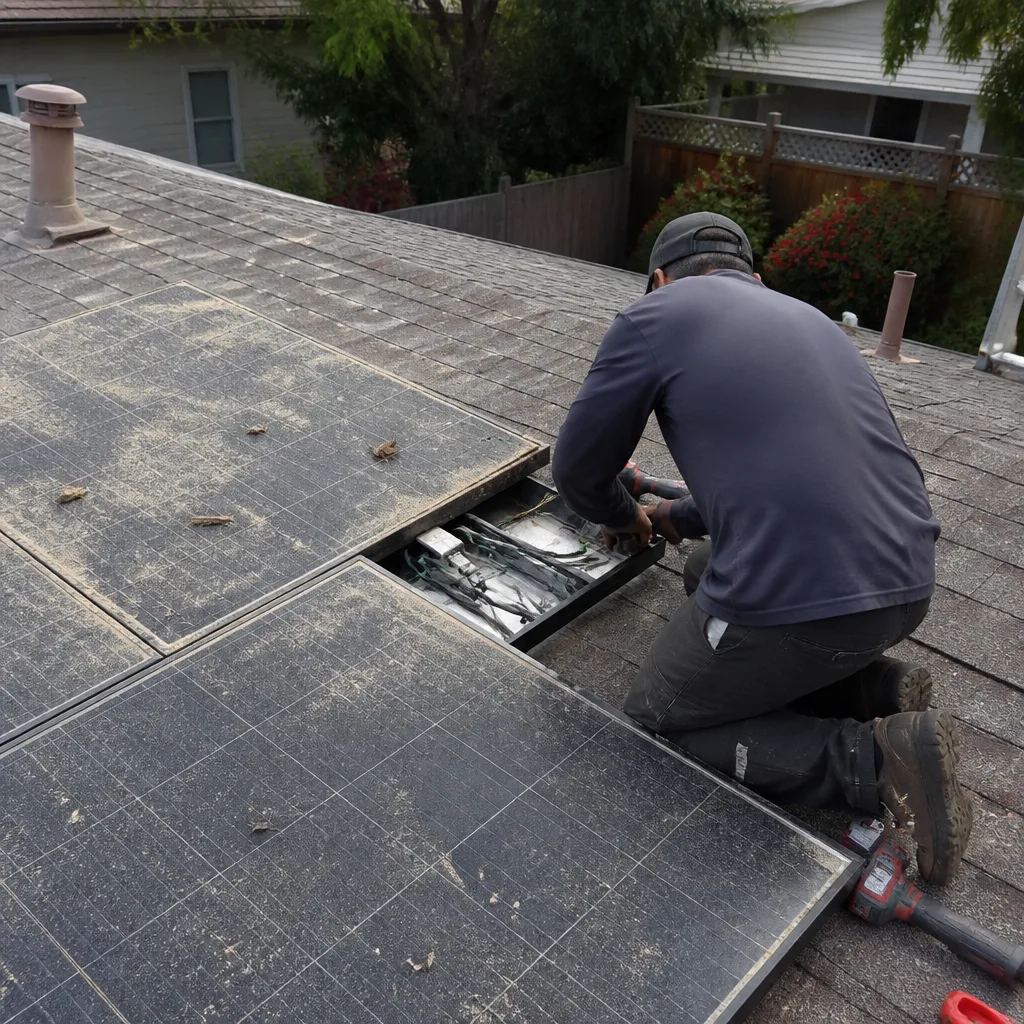 Before
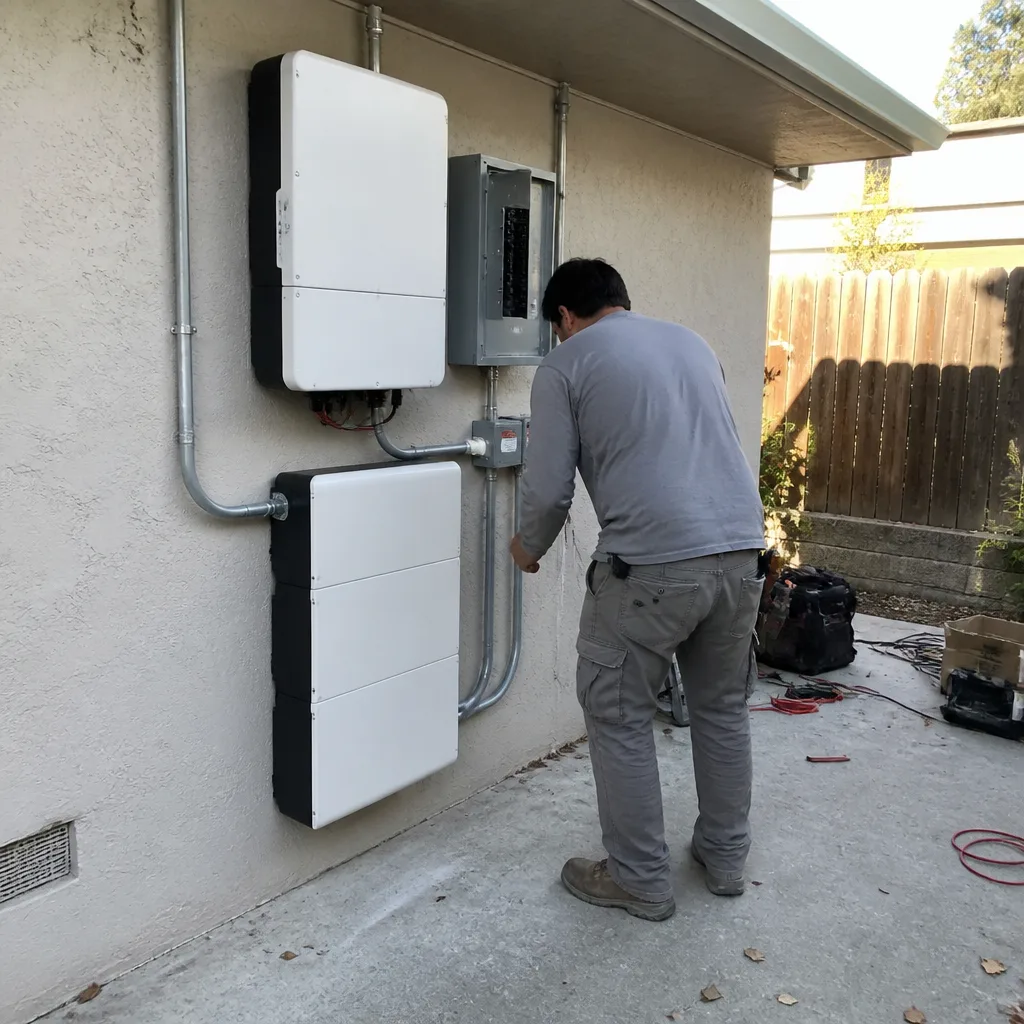 After
After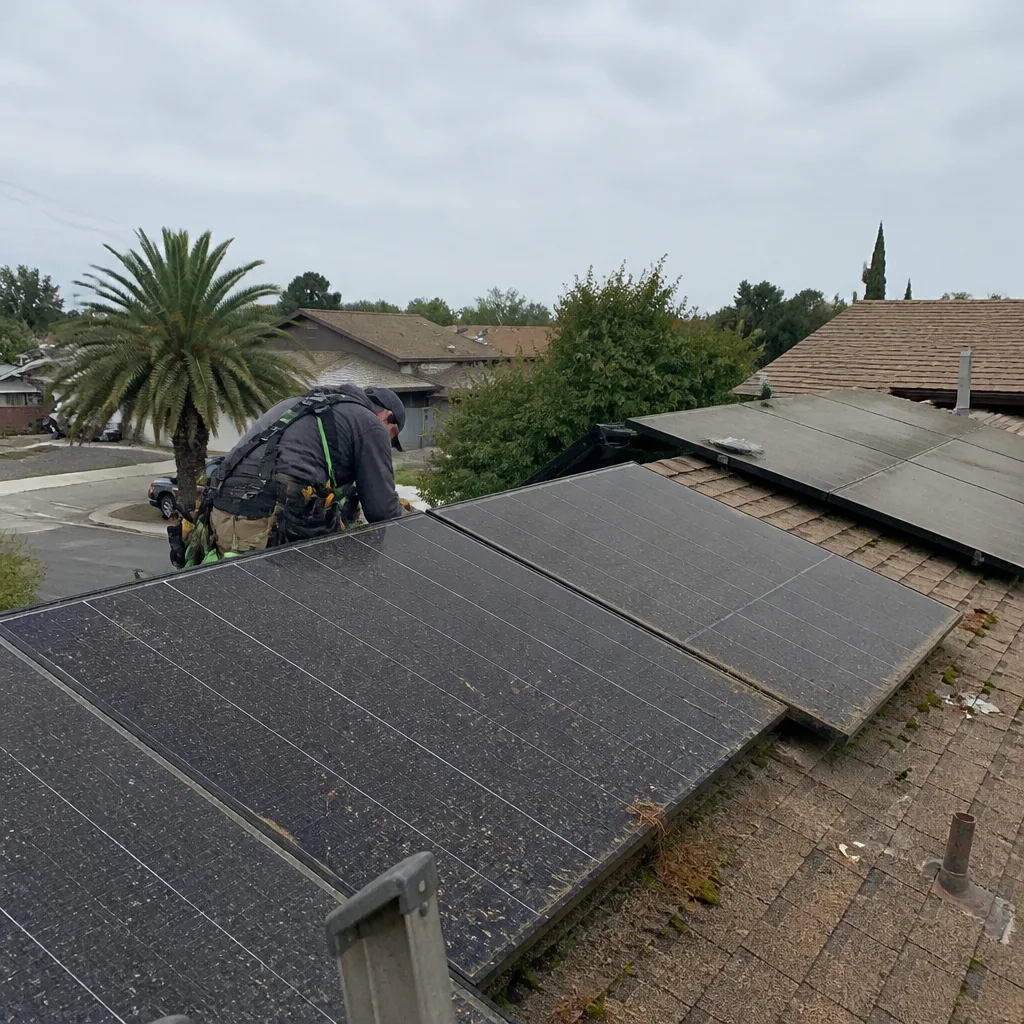 Before
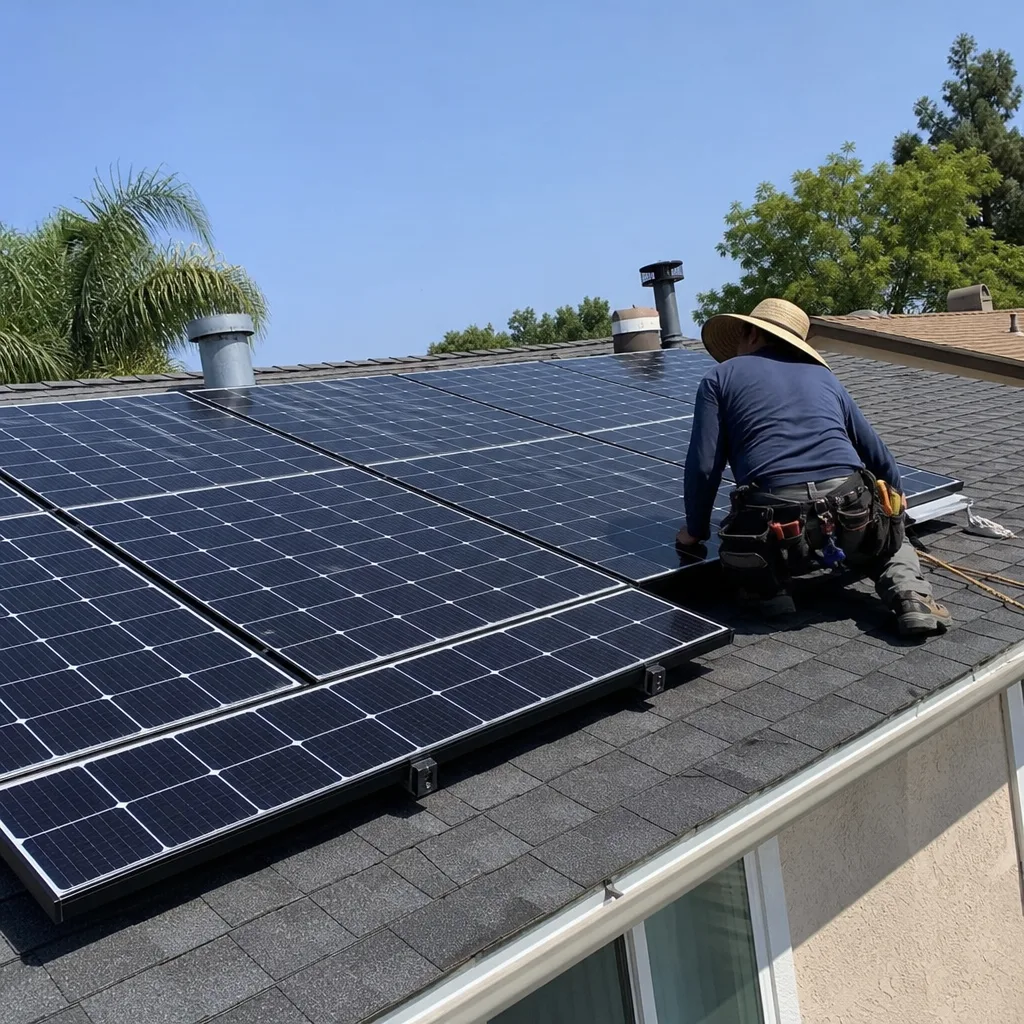 After
After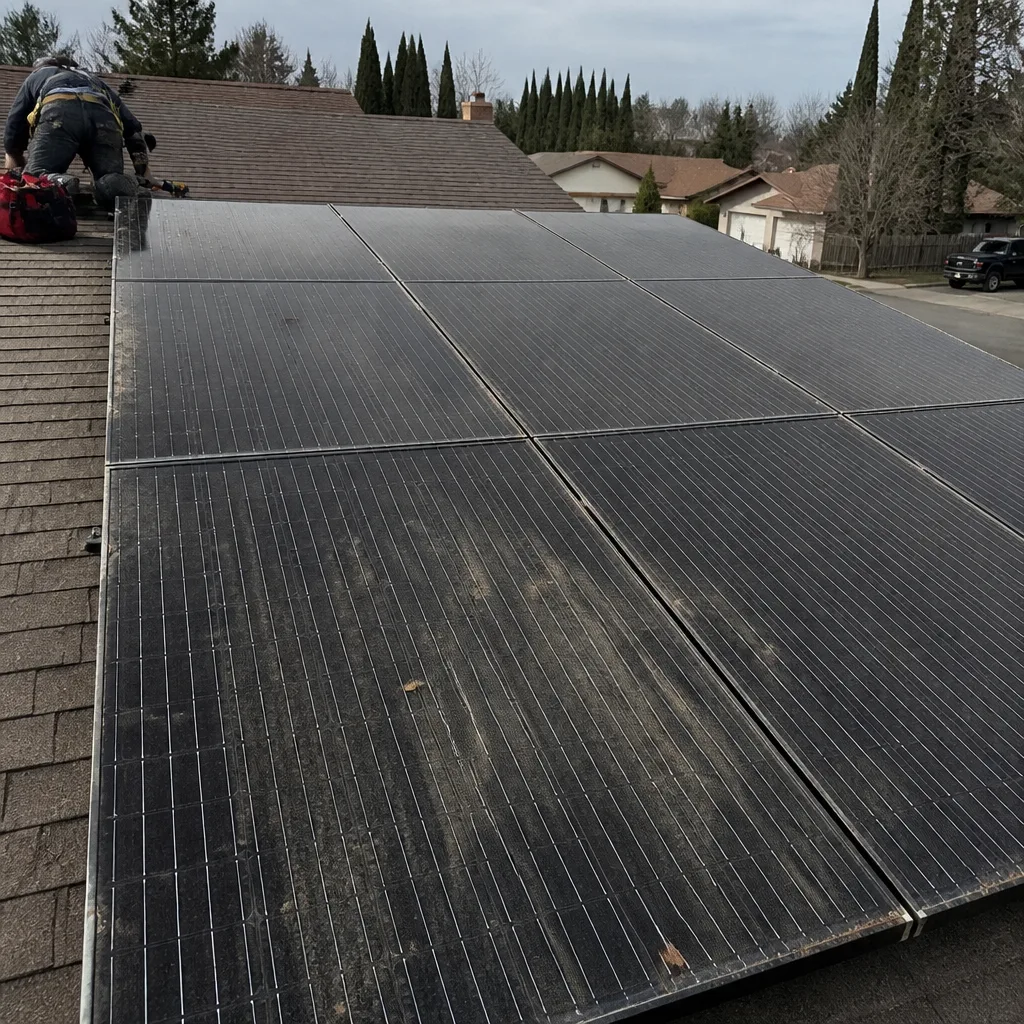 Before
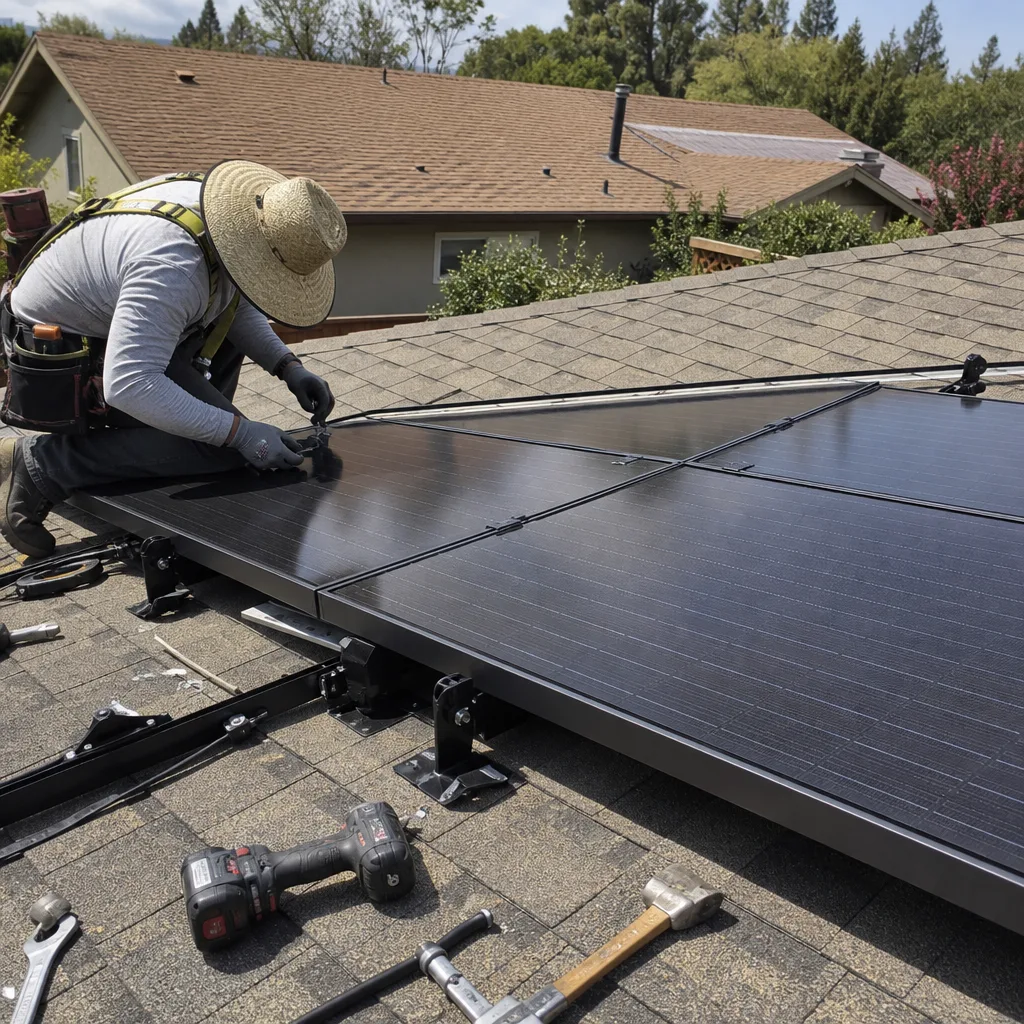 After
AfterFast, Reliable Solar Panel Cleaning Across Country Club
Solar panel cleaning in Country Club typically runs $150-$280 for a standard residential array, and most jobs are finished in under two hours. If you live off Country Club Drive or near the Stockton Golf & Country Club, you already know what the winter fog does to your panels: a gray film that bakes on once the sun returns. We’re a local, owner-operated shop, and we schedule cleanings around Country Club’s actual weather, not a national calendar. Call (877) 550-6892 and a live person answers, any hour.
We know this neighborhood. The mid-century ranches, the big heritage oaks, the tule fog that sits in the valley for weeks. That local knowledge changes how we clean, when we clean, and what we tell you to expect from your system in December versus July.
Why Gus’s Solar Is Country Club’s Preferred Solar Panel Cleaning Company
Gus Petrakis started this company in 2011 and put his own name on the truck. That’s not a marketing line. When you call, you’re not reaching a scheduling portal or a call center three states away. You’re reaching a real shop with a published license number and an owner who has been answering his own phone for over 29 years in the trades. Country Club homeowners tell us the same thing: they’ve had enough of out-of-state outfits that vanish after the paperwork clears.
Our crew knows the 95204 ZIP the way you know your own street. We’ve cleaned panels on the ranch homes along Country Club Drive, the two-story traditionals near the golf course, and the alley-loaded properties where roof access takes real planning. We run background-checked, uniformed technicians on every job, and the same team that quotes the work does the work. No subs. No hand-offs.
Response time to Country Club is usually next day for standard cleanings, and same day when fog season has done its worst and you’re watching your production numbers sag. Every job carries our 90-Day Done Right Promise in writing. If it’s not right, Gus comes back and makes it right. One call does it.
Our Solar Panel Cleaning Services in Country Club
Residential Panel Cleaning
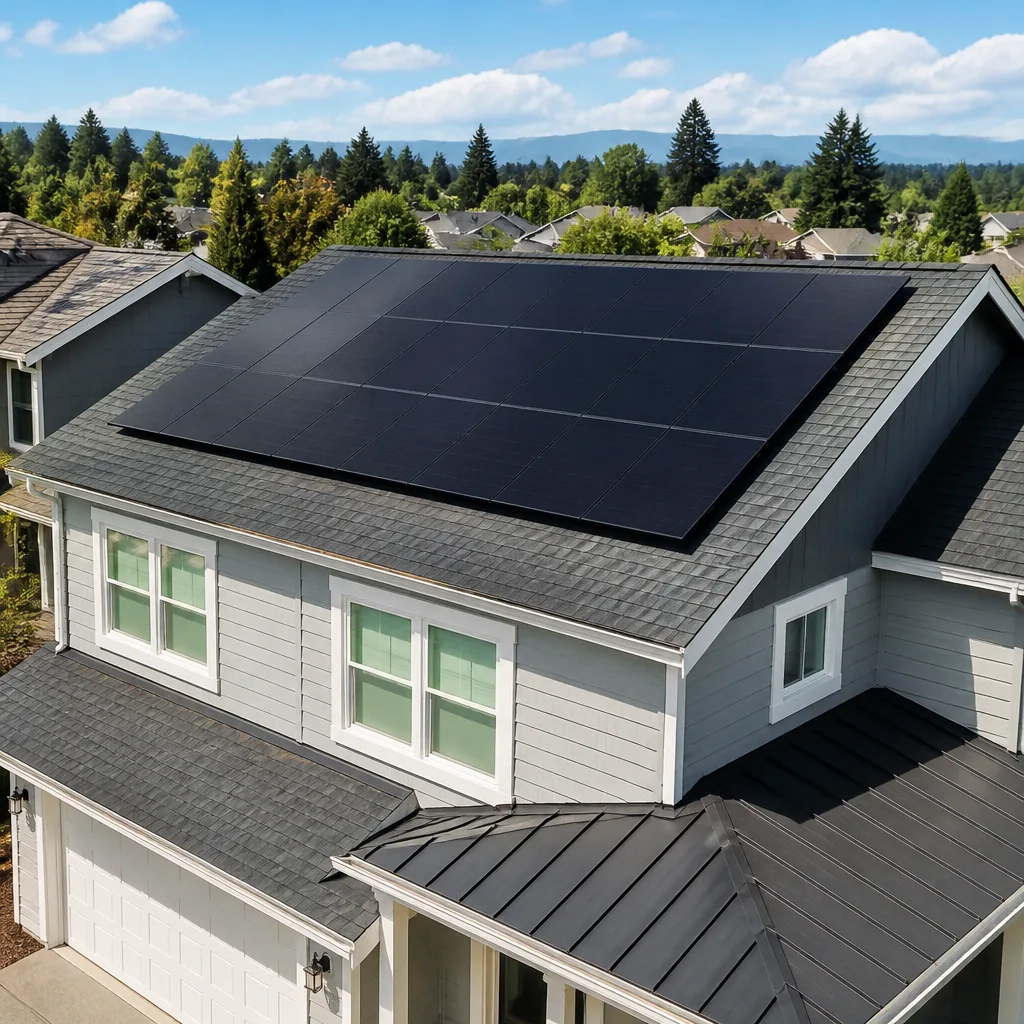
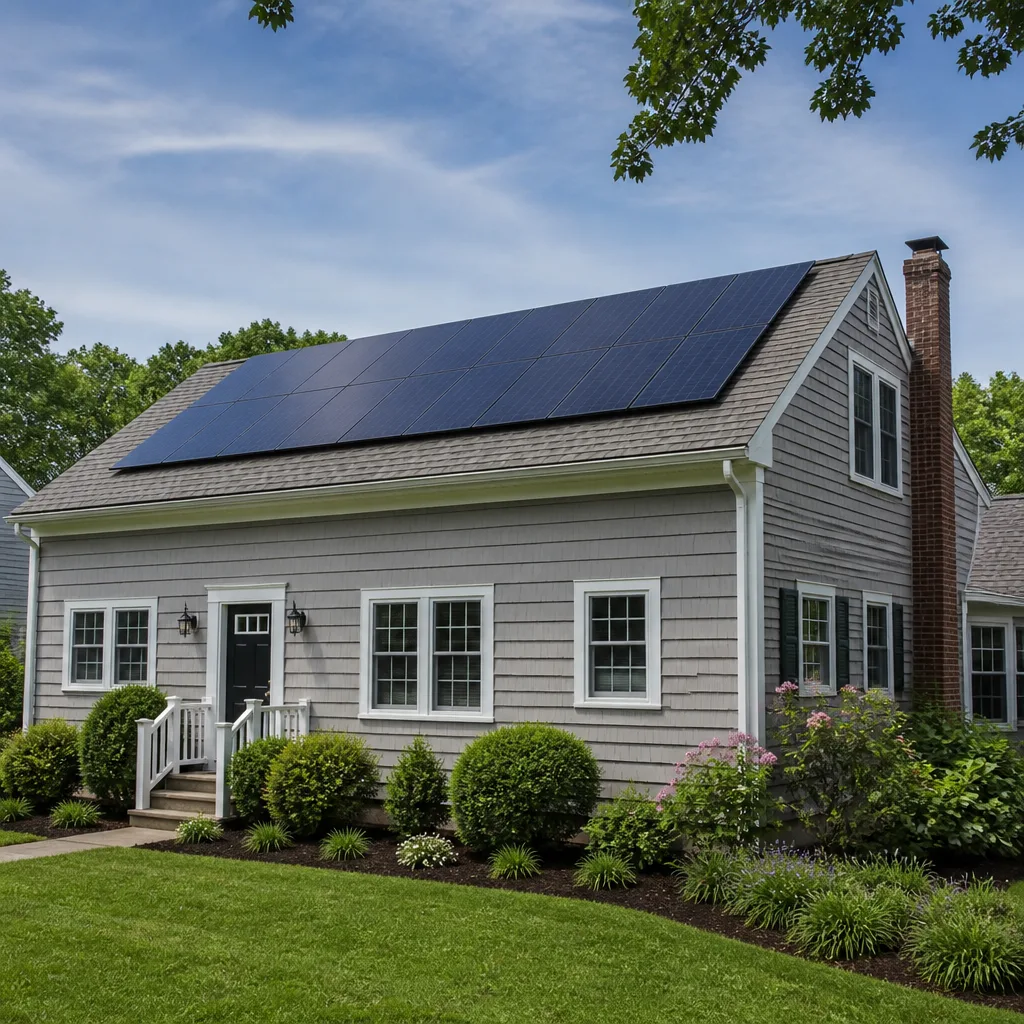
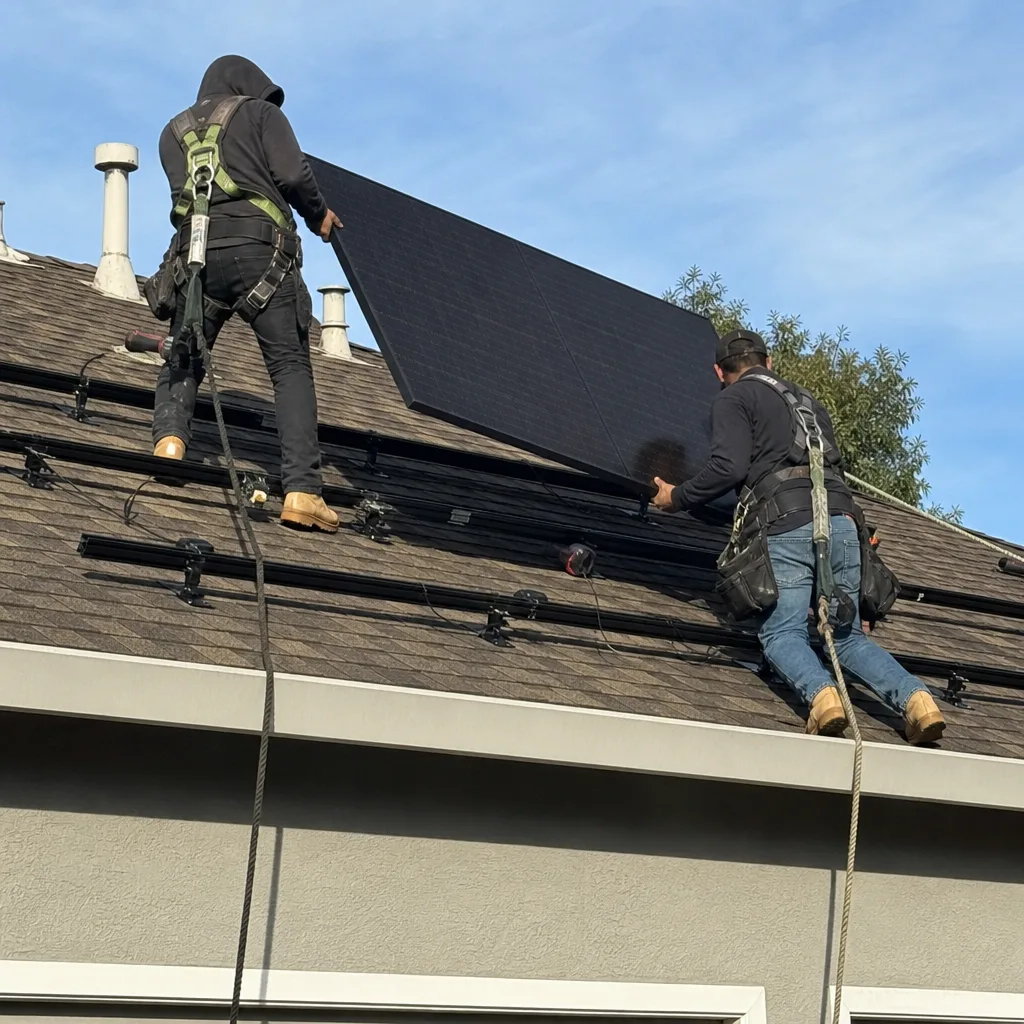
Most Country Club homes have panels on composition shingle roofs with pitches that make safe access a real skill. We use soft-bristle brushes, deionized water, and a cleaning process that won’t void your panel manufacturer’s warranty. A standard 20-30 panel residential array in Country Club takes roughly 90 minutes to two hours, and we schedule it around your day, not ours.
Commercial Array Cleaning
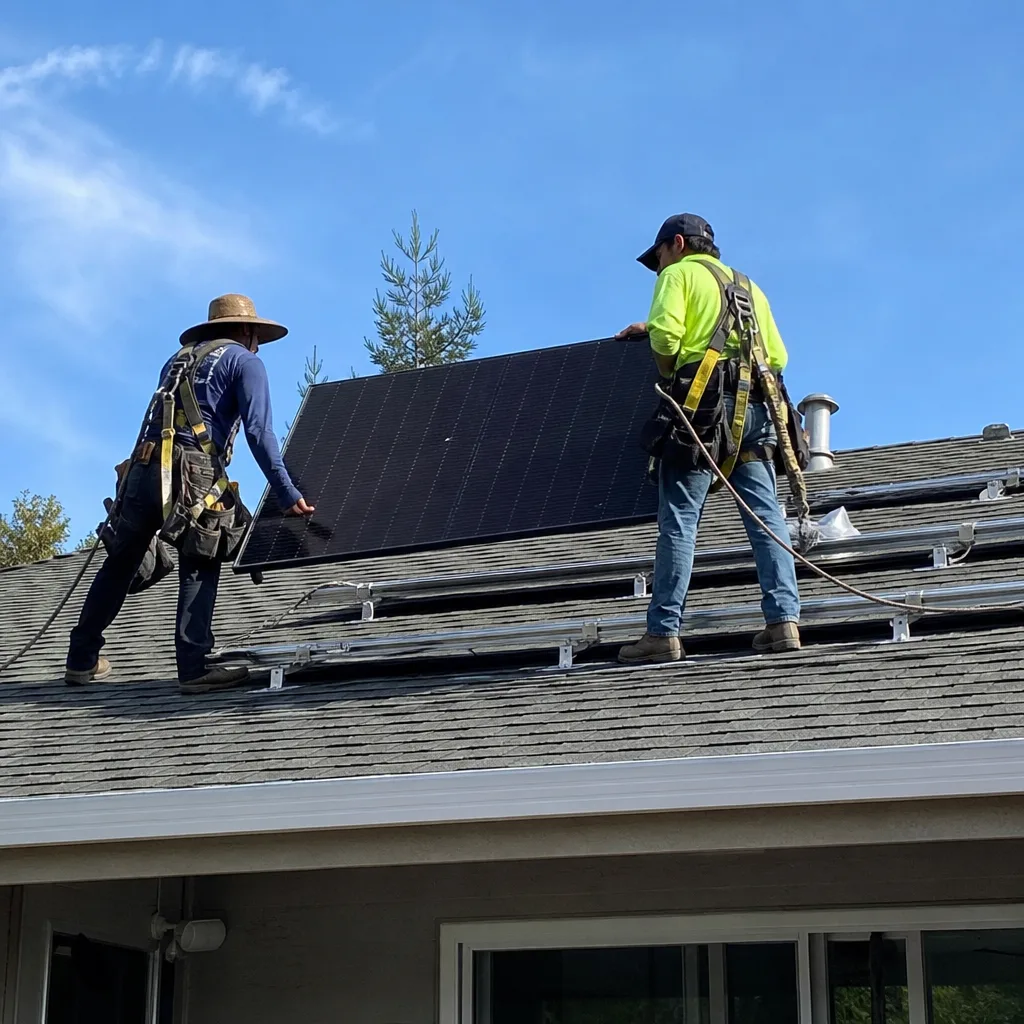
Country Club has a mix of small commercial buildings, office clusters, and medical buildings scattered along the major corridors running through 95204. We clean ground-mount and flat-roof commercial arrays with a process that accounts for the valley’s dust and fog cycle. If you manage a property with 50 panels or 500, the pricing structure is straightforward and the crew shows up on time. That’s the L.O.C.A.L. code we run on: Local roots, On time, Community first, Accountable, Loyal.
Bird & Critter Guard Installation
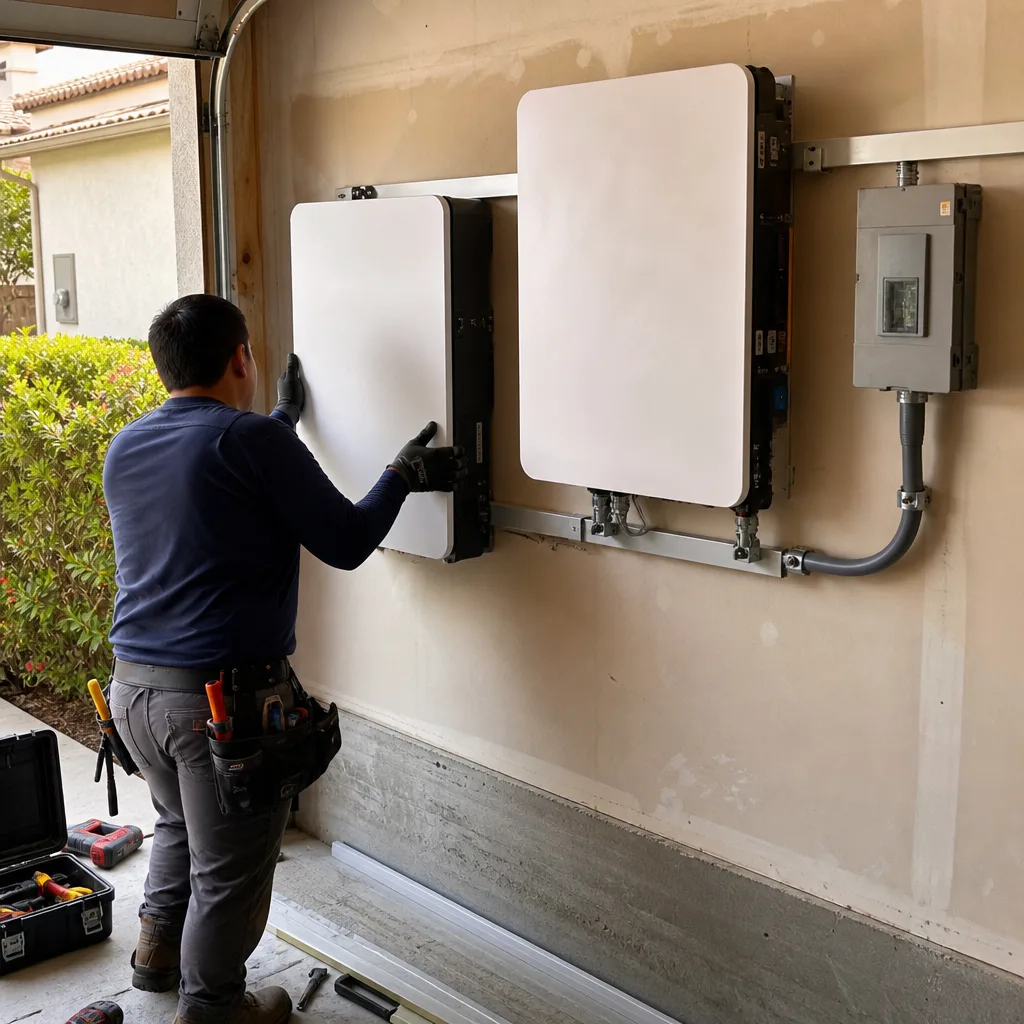
The mature elms and heritage oaks throughout Country Club create ideal nesting cover, and birds find the gap under a solar array irresistible. Pigeons especially. We install powder-coated steel mesh critter guard around the full perimeter of the array, secured so squirrels and raccoons can’t pry it loose. This is the single most cost-effective protection for the microinverters and wiring under your panels, and it’s a job we recommend to nearly every Country Club homeowner with trees within 50 feet of the roofline.
Debris & Soiling Removal
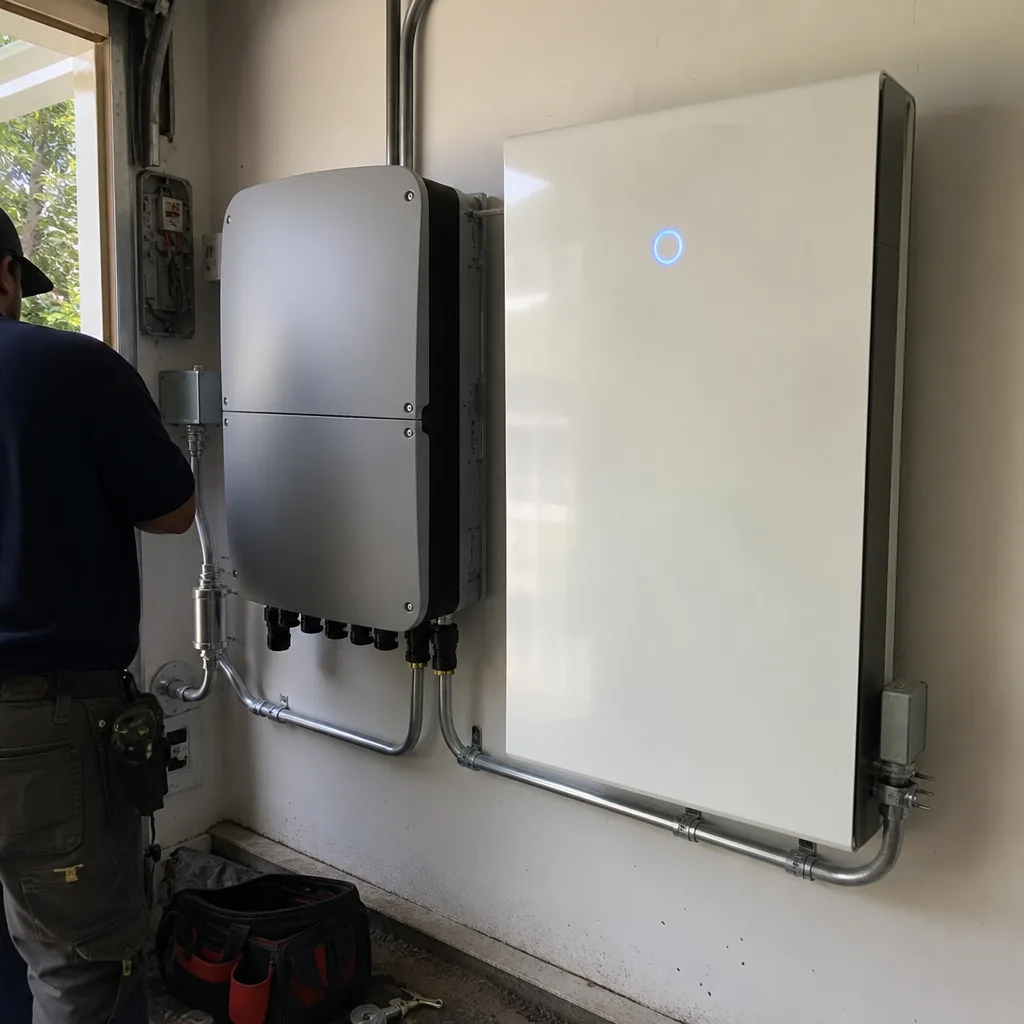
Country Club’s oak trees drop leaves, acorns, and fine organic dust from late summer through December. That debris settles in the valleys between panels, traps fog moisture, and creates a stubborn organic film that ordinary low-pressure washing won’t break down. We remove the debris by hand first, then clean the glass, then treat the surface. If you wait until spring, that film has been baking in the sun for months and the staining is far harder to reverse.
What happens when you call
- 1
A real person answersNo phone trees - you reach a local pro.
- 2
You get an upfront price rangeHonest numbers before anyone is dispatched.
- 3
A background-checked tech heads outLicensed & insured, dispatched right away.
- 4
You approve before work beginsNothing starts until you say go.
Trusted Brands We Service in Country Club
We clean panels from Panasonic, Canadian Solar, JinkoSolar, and every other major manufacturer you’re likely to have on your Country Club roof. The cleaning process is brand-aware, because a thin-film panel and a monocrystalline panel don’t want the same pressure or the same chemistry. We keep the right soaps and coatings on hand for the equipment actually installed in the 95204 area, so there’s no waiting on a special order and no guessing with your expensive glass. If you’re not sure what’s on your roof, call us and we’ll tell you what to look for.
Common Solar Panel Cleaning Problems We See in Country Club Homes
- Fog-belt soiling that out-of-town cleaners underestimate. Technicians from the Bay Area or the foothills schedule based on summer dust accumulation, which is a fraction of what we see here. Tule fog deposits a fine mineral film that sets with every freeze-thaw cycle, and if you clean on a summer schedule, you’re leaving money on the roof all winter.
- Leaf and acorn buildup in the valleys between panels. The heritage oaks along Country Club Drive and the surrounding streets drop a remarkable volume of organic material. It packs into the gaps between panel rows, holds moisture, and creates staining that spreads across the glass. Hand removal first is the only way to do this right.
- Bird nesting that damages microinverters and wiring. Pigeons and doves nest under the panels near the mature elms throughout the neighborhood. Droppings are corrosive, nesting debris blocks airflow, and the heat buildup shortens inverter life. By the time you see the droppings on the gutter, the damage underneath is already underway.
- Winter shading that gets written off as a cleaning issue. A panel array can be perfectly clean and still underproduce in December because a 60-year-old valley oak is throwing a winter solstice shadow across the southwest corner. You need someone who will run a shading analysis at the actual winter angles before you spend money on cleanings that won’t fix the real problem.
Pricing for Solar Panel Cleaning in Country Club, CA
A standard residential panel cleaning in Country Club runs $150-$280 depending on panel count and roof pitch. Two-story homes with steep access run toward the higher end. Bird and critter guard installation typically adds $400-$900 for a full perimeter on a 20-30 panel array, and it’s a one-time cost. Debris and soiling removal beyond a standard wash runs $80-$150 extra when there’s heavy oak leaf compaction or organic staining. Scheduled cleaning plans, where we come out on a set cadence that matches the valley’s fog and pollen cycle, start at $120 per visit. You’ll get an exact quote before any work starts. No signature wanted tonight. Senior and veterans always get 10% off, no expiration. Call (877) 550-6892 and we’ll walk through the numbers off your actual system, not a brochure.
We Also Serve Cities Near Country Club
Our Solar Panel Cleaning crews work throughout the San Joaquin Valley and the surrounding communities. That includes Country Club and the nearby cities of Stockton, August, Garden Acres, and Lathrop. If you’re just outside the 95204 area, call anyway. We’ll tell you honestly whether we’ve got a crew close by this week.
Serving Country Club, CA - Our Local Coverage Area
We’re based in the Country Club area and know this community well. Use the map below to see our service coverage - if you’re nearby, we can almost certainly help.
FAQs - Solar Panel Cleaning in Country Club
Tule fog is the biggest factor most Country Club homeowners don’t account for. During December through February, dense fog settles over the San Joaquin Valley and cuts solar output by 40-60%, even on perfectly clean panels. That same fog deposits a fine mineral film on the glass that accumulates faster than summer dust. In practical terms, most Country Club arrays need a cleaning in early November, right before fog season hits, and a second cleaning in late January or February to remove what the fog left behind. That’s twice a year instead of the once-a-year schedule a Bay Area cleaner might suggest. Call (877) 550-6892 and we’ll help you set a cadence that matches the valley’s actual weather.
Yes, and it’s not close. The heritage valley oaks planted in the 1950s and 60s along Country Club Drive and the surrounding streets drop leaves, acorns, and fine organic dust from late summer through December. That debris doesn’t just sit on the glass. It packs into the valleys between panel rows, holds fog moisture, and creates organic staining that a basic low-pressure wash won’t remove. Most Country Club homes near mature oaks need hand removal of debris, a full glass cleaning, and often an anti-soiling coating treatment to slow the next buildup. The good news: once we’ve done a proper debris clearing and treated the glass, subsequent cleanings are faster and cheaper. Get your free estimate at (877) 550-6892.
It can, and the damage is real and cumulative. Pigeons and doves nest in the gap between your panels and roof deck. The mature elms throughout Country Club create exactly the kind of cover and food source that supports a large bird population, which means arrays in this neighborhood see more nesting pressure than open-lot subdivisions. Bird droppings are corrosive to microinverter housings and rail systems. Nesting debris blocks airflow, which raises panel temperatures and shortens equipment life. The fix is a powder-coated steel critter guard around the full array perimeter, installed so it can’t be pried loose. That one-time cost is far cheaper than replacing microinverters. Call (877) 550-6892 for a quote.
Yes, and the math is straightforward. If your panels are running 40-60% below their rated output during fog season because of soiling on top of the natural fog reduction, you’re buying power from PG&E at retail rates instead of using your own generation. A thorough cleaning in early November and again in late January can recover 5-15% of your winter production, depending on how dirty the array was. On a 6 kW system, that’s real money over a true-up year. The cleaner the glass, the better your system performs during the months when every kilowatt is hardest to come by. Bring us a bill and we’ll bring you the math. Call (877) 550-6892.
We handle them carefully, with the right equipment for the job, and we don’t outsource the work. The older ranch and traditional homes in Country Club often have narrow side setbacks, detached garages loaded from the alley, and roof pitches that make access tighter than new tract housing. We bring ladder stabilizers, roof safety rigging, and a process that respects your property lines and your neighbor’s fence. If access is too tight for standard equipment, we’ll tell you that upfront and figure out a safe approach before any work starts. No surprises, no damage, and the crew walks the roof line before they put a foot on it.
Call Gus’s Solar for Solar Panel Cleaning in Country Club
If your panels are dirty and your production numbers show it, call us. We serve the entire Country Club neighborhood, from the streets around the golf course to the ranch homes deeper in the 95204 ZIP. We answer the phone live, 24/7. We quote upfront, we show up on time, and the work is backed by our 90-Day Done Right Promise. The price we quote is the price you pay. Senior and veteran discounts never expire. Call (877) 550-6892 for a free estimate and tell us what your panels are doing. We’ll tell you what’s actually going on.
Written by Gus Petrakis, Owner at Gus’s Solar, serving Country Club and the San Joaquin Valley since 2011.