

Free bill analysis - bring a power bill, get the production math for your actual roof, panel brands like Qcells and REC compared side by side
If the pitch starts at your door and ends with "sign tonight for the special," sleep on it. The sun will still be there tomorrow; so will we.
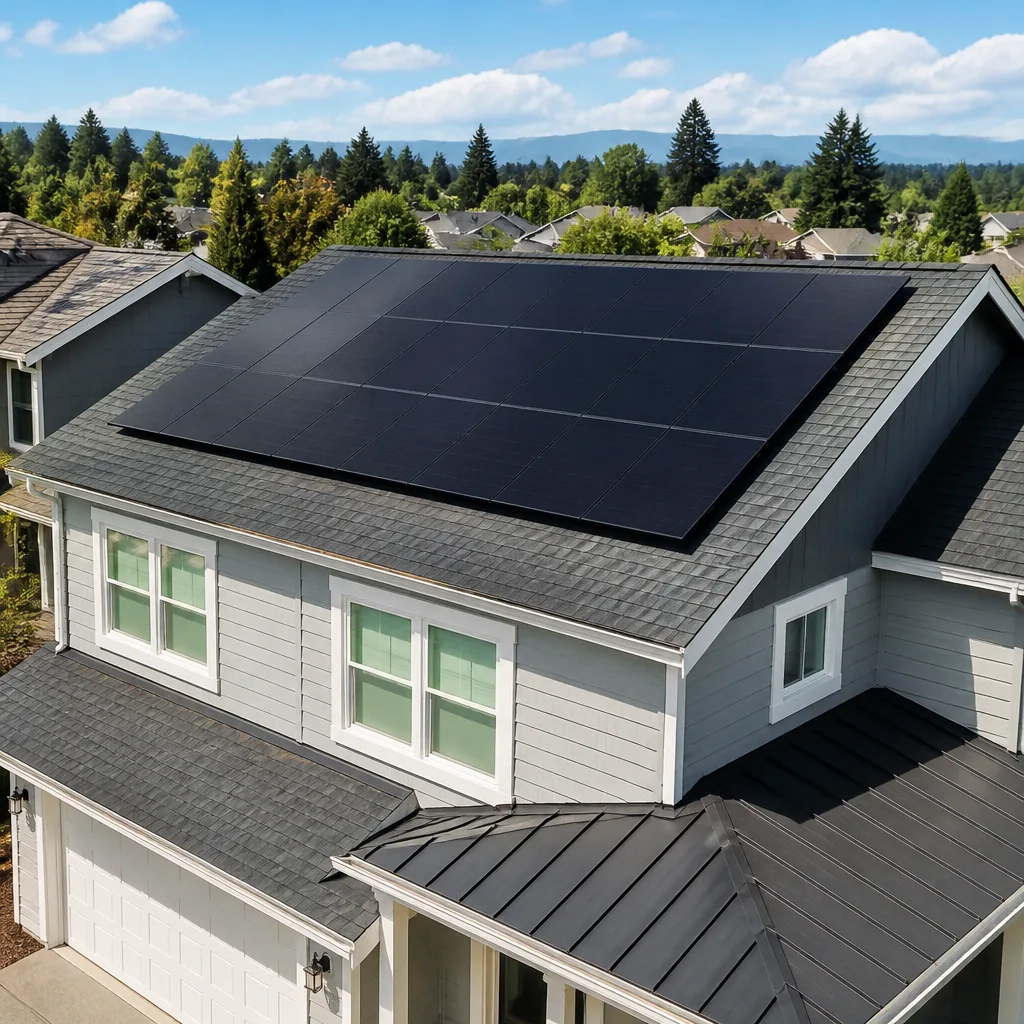
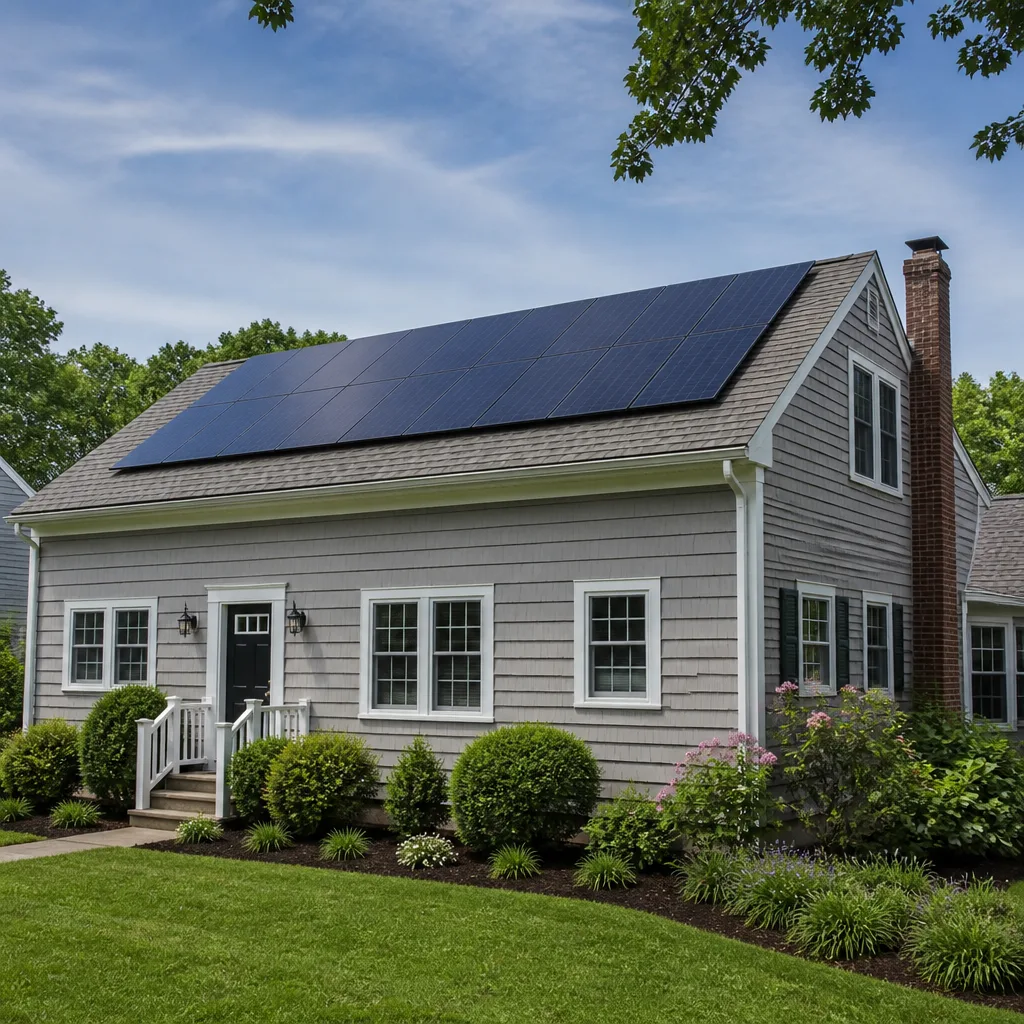
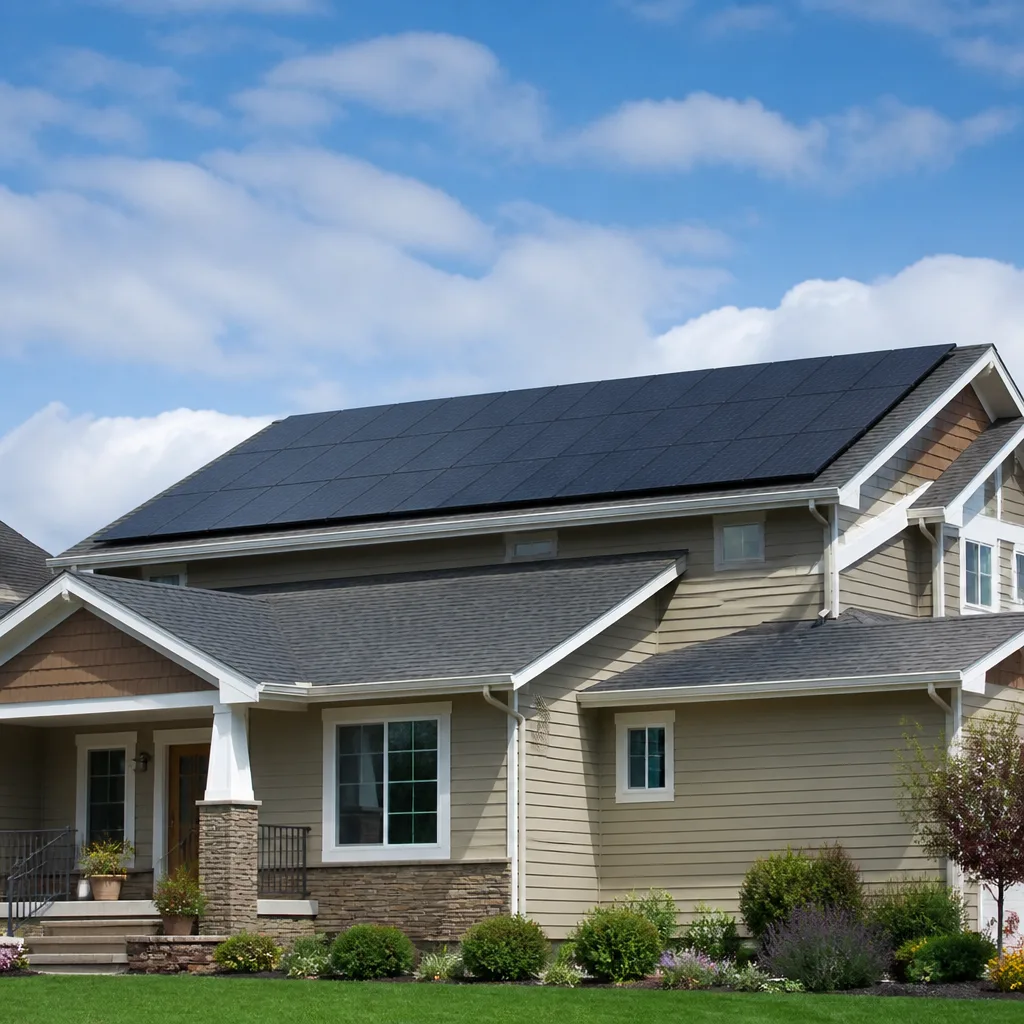
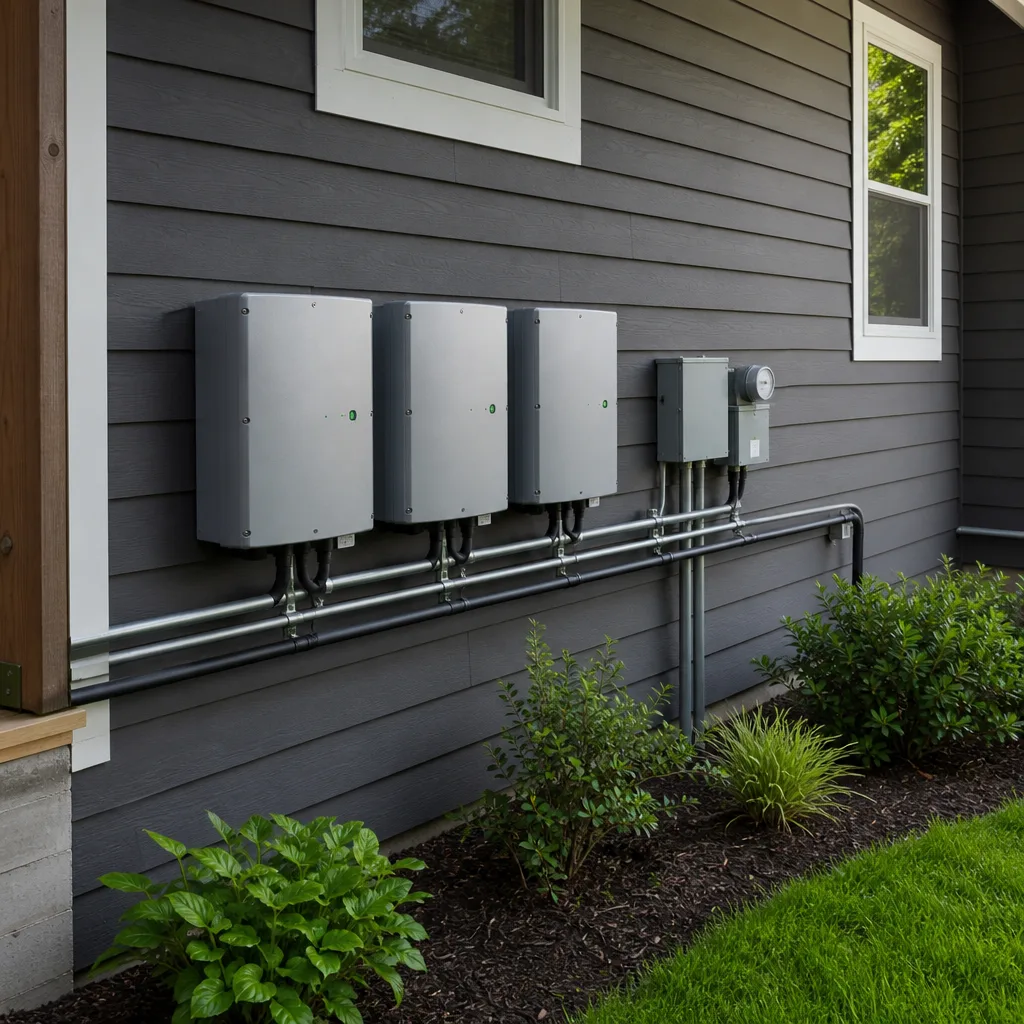
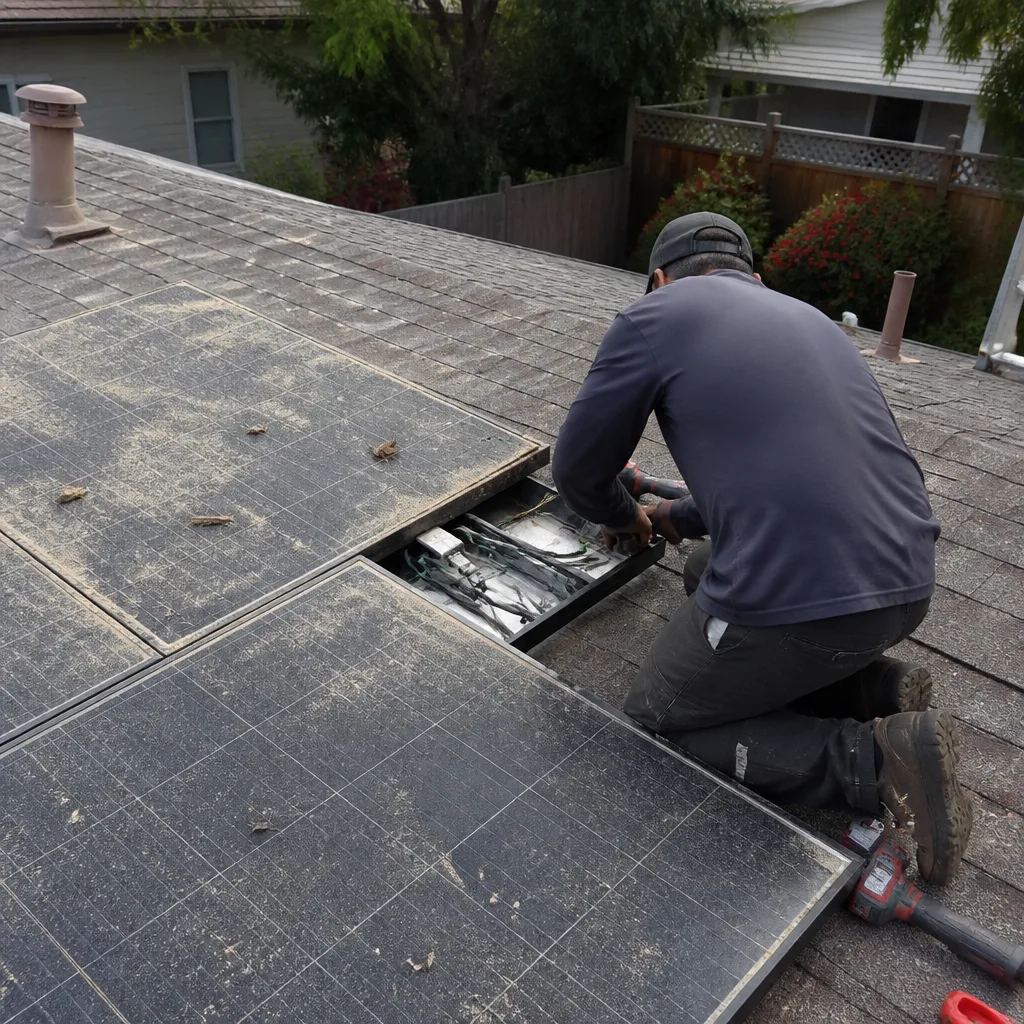 Before
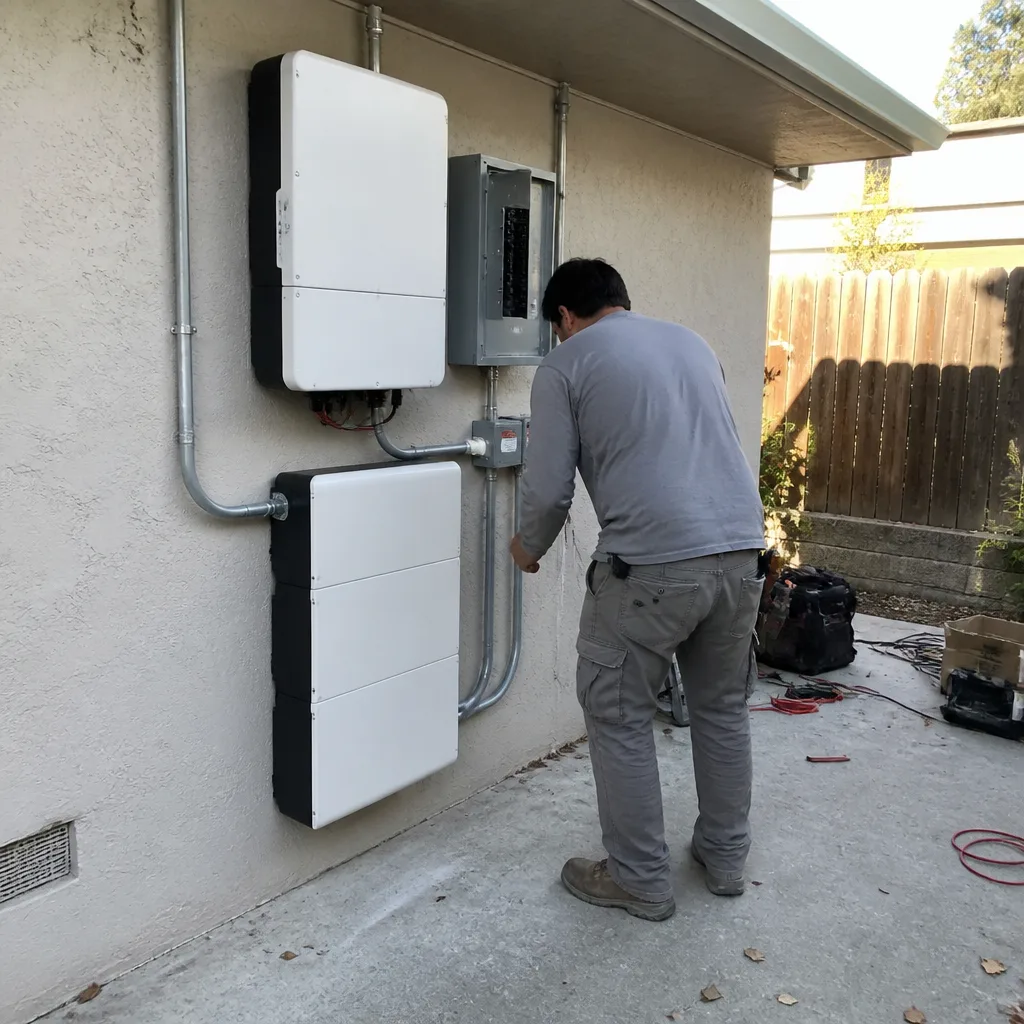 After
After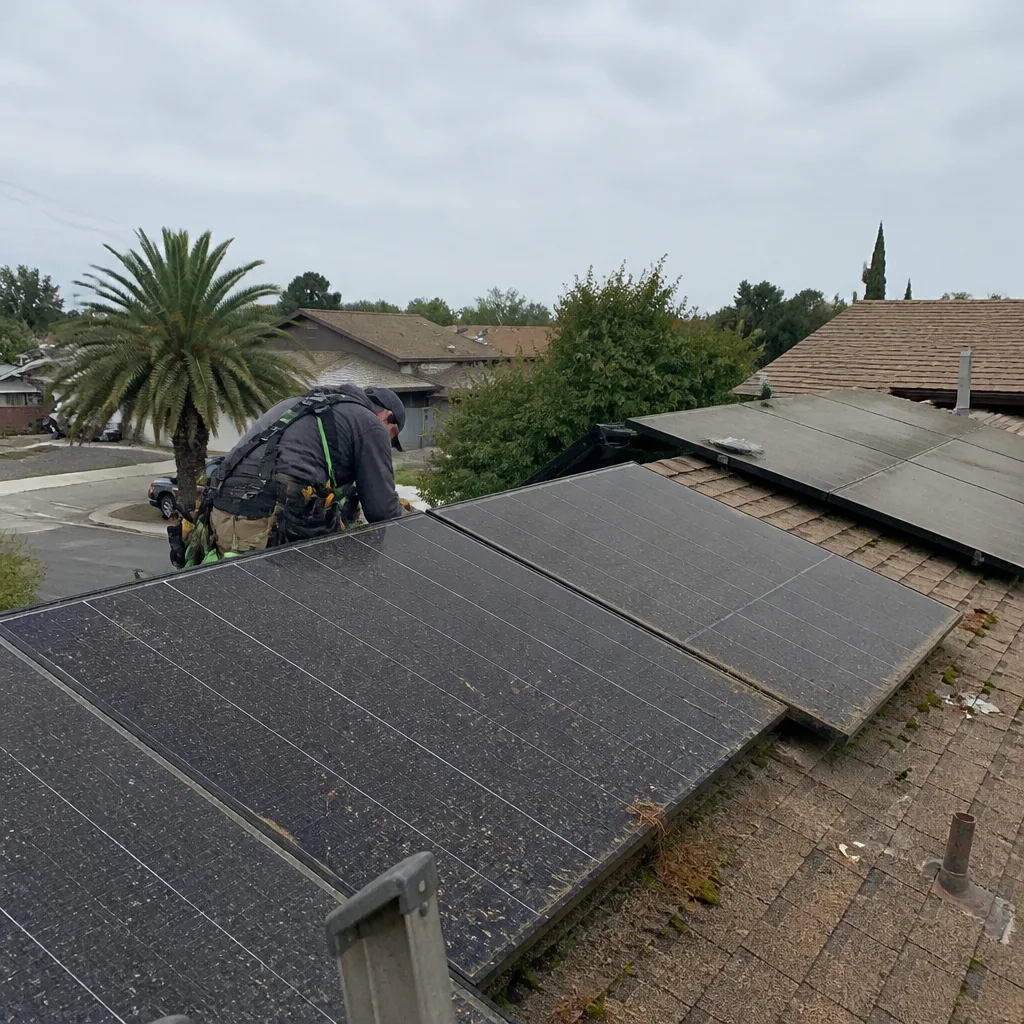 Before
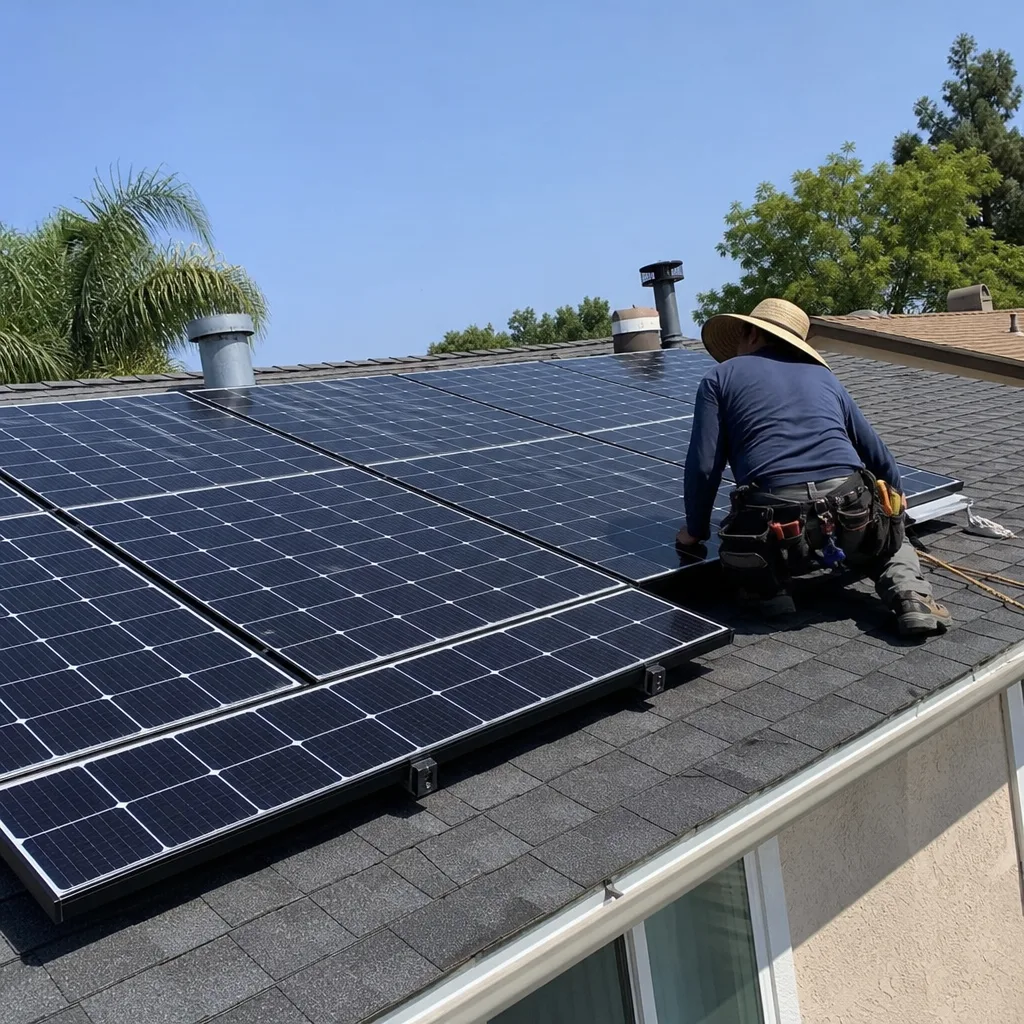 After
After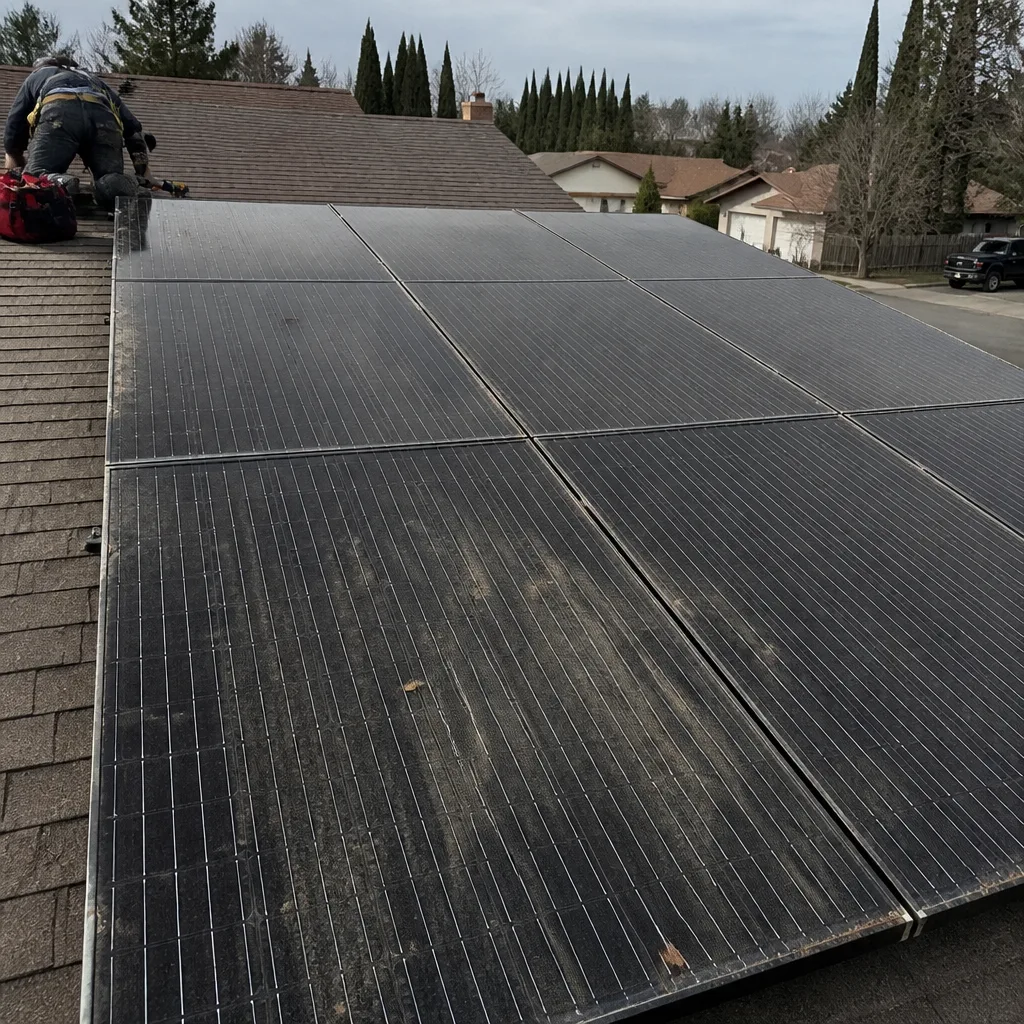 Before
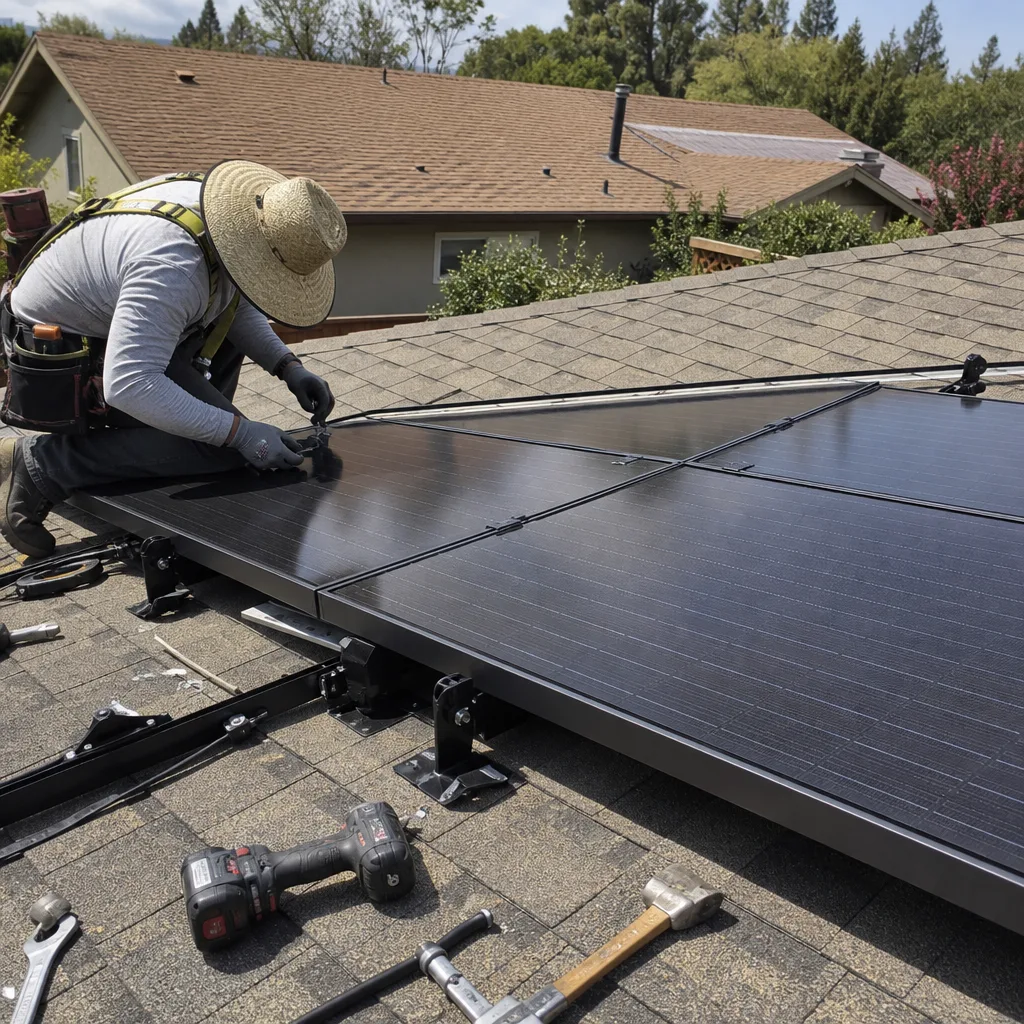 After
AfterFast, Reliable Solar Panel Cleaning Across Atwater
Solar panel cleaning in Atwater typically runs $150 to $340 for a standard residential array, and we can usually be at your home within a day or two. That’s the straight answer. Atwater sits in a part of the San Joaquin Valley where summer dust, harvest chaff, and winter tule fog silt all work against your panels, and a dirty array quietly gives up production every day it sits neglected. Gus’s Solar has been cleaning and servicing panels across Merced County for over a decade, and we know what Atwater roofs throw at a system. Call (877) 550-6892 and a live person picks up, tells you what a cleaning costs for your panel count, and gets you on the schedule.
Why Gus’s Solar Is Atwater’s Preferred Solar Panel Cleaning Company
We’re the local crew that shows up in a marked truck and answers to one name: Gus Petrakis. No call center, no subcontractors, no three-states-away dispatch. When Atwater homeowners call us about a fog-dulled array or a pigeon problem under the eaves, the person who answers the phone is the same person who owns the company. That matters when you’re letting someone onto your roof.
Atwater is home turf. We know the Castle Homes corridor off Cedar Avenue, the mid-century base-era houses with shallow roof pitches, and the 1990s stucco tracts that wrapped around the old airfield after the base closed. We know that a 1950s roof needs a different ladder setup than a 2005 tract home. We know that tule fog season means you can’t just wash glass and call it done, because the fog itself suppresses production and a homeowner deserves to know the difference. And we carry the equipment to show you that difference with an irradiance meter, not a guess.
Our customers in Atwater consistently tell us two things. One, the price we quote is the price they pay, with a 90-Day Done Right Promise in writing. Two, when they call, someone answers. That’s the quiet standard Gus built the company on, and it holds in 95301 every day of the year.
Our Solar Panel Cleaning Services in Atwater
Every job starts the same way: we listen to what you’re seeing on your monitoring app or your bill, then we come out, look at the panels, and tell you what’s actually needed. No pressure. If a salesman needs an answer tonight, the answer is no. Here’s what we do across Atwater.
Residential Panel Cleaning
A standard residential cleaning in Atwater runs $150 to $340 depending on panel count, roof pitch, and how much crud has built up since the last wash. We use low-TDS water and soft brushes, and in winter, when Atwater’s tule fog leaves a fine silt behind after evaporation, we add a final wipe with a low-TDS rinse so the glass doesn’t etch. That step is the difference between panels that keep producing and panels that slowly lose their top-end output year after year.
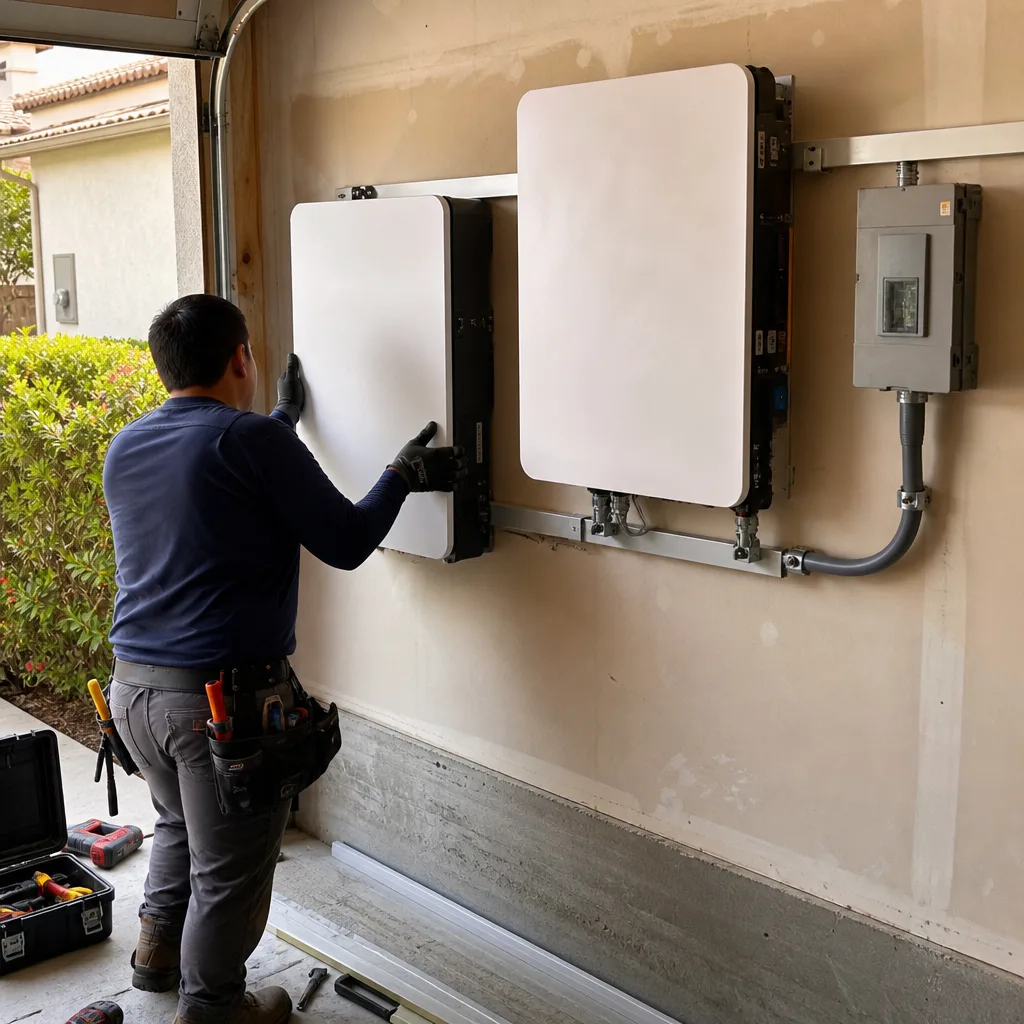
Commercial Array Cleaning
Commercial work on Atwater warehouses, retail rooftops, and the industrial buildings near the old Castle Air Force Base footprint is a different animal. Larger arrays mean more surface area, more ballasted mounts, and more lost production per day when they’re dirty. We schedule commercial cleanings around your operating hours and give you a per-panel or per-array quote that makes sense for a 50-kW system or a 500-kW system. You’ll get a written production check after the wash, panel-by-panel, so you can see the output restored.
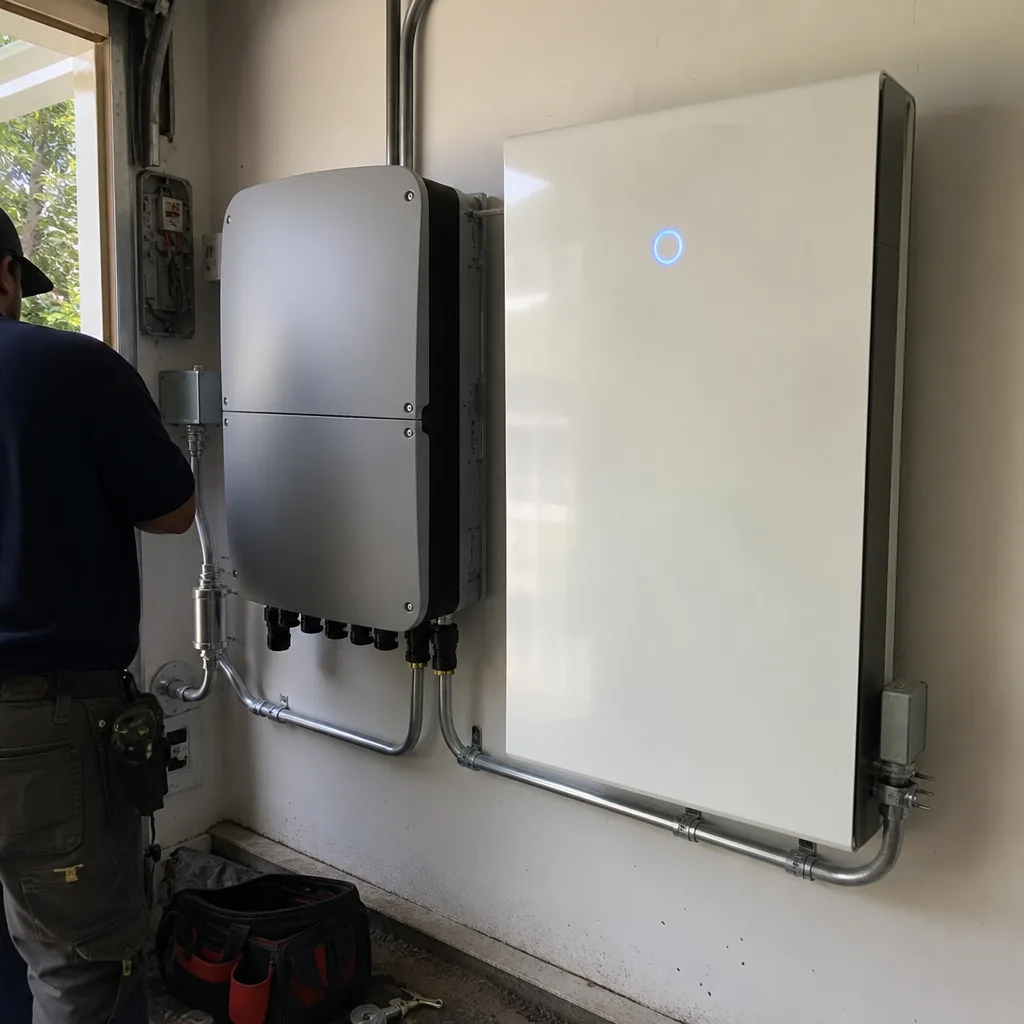
Bird & Critter Guard Installation
Pigeons and swallows nest heavily in Atwater’s mid-century eaves, and a single winter under a soiled panel can corrode the microinverter casing. We install galvanized or PVC-coated bird mesh around the array perimeter, cut to fit the specific gap between your roof deck and panel frame. On 1950s base-era homes with shallow pitches, the gap is often wider, which means the stock mesh kits don’t fit right and need to be custom-fitted. We do it right the first time, and the guard is part of the 90-Day Done Right Promise.
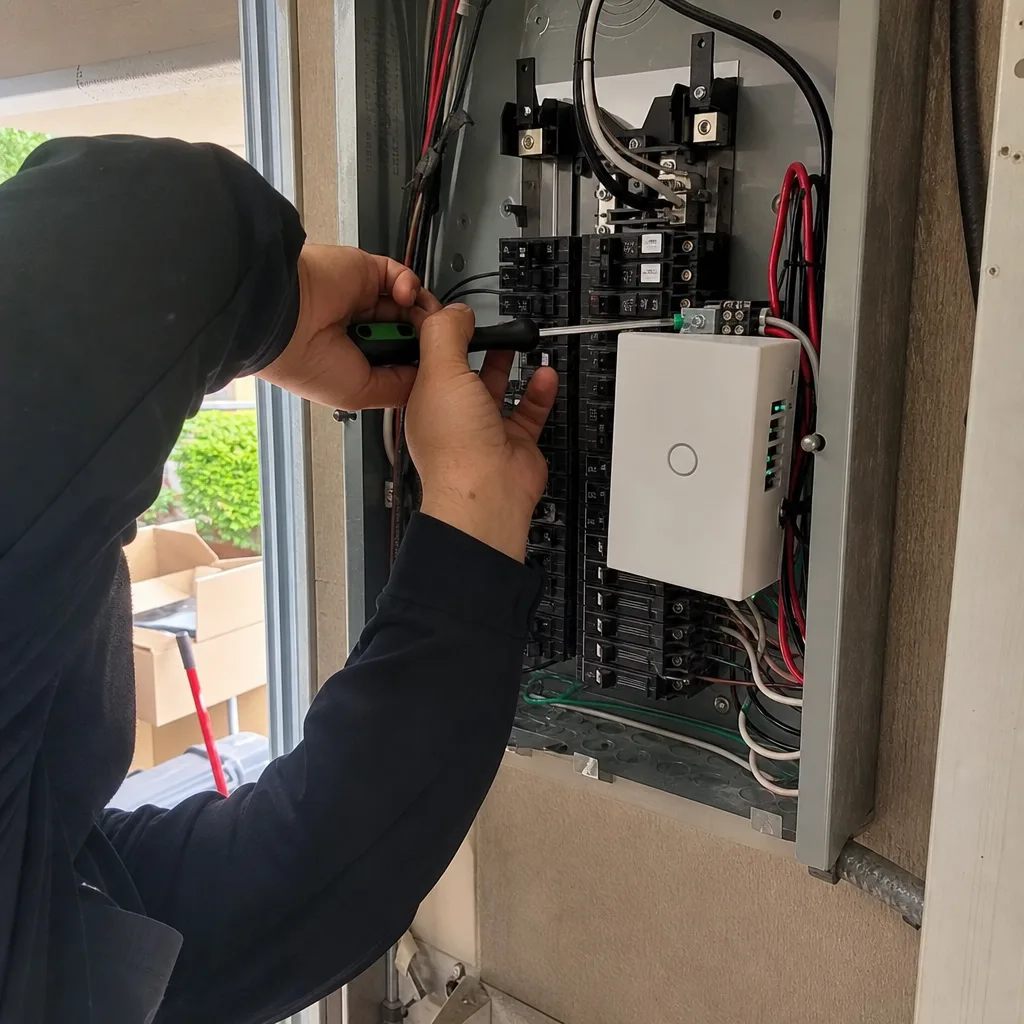
Debris & Soiling Removal
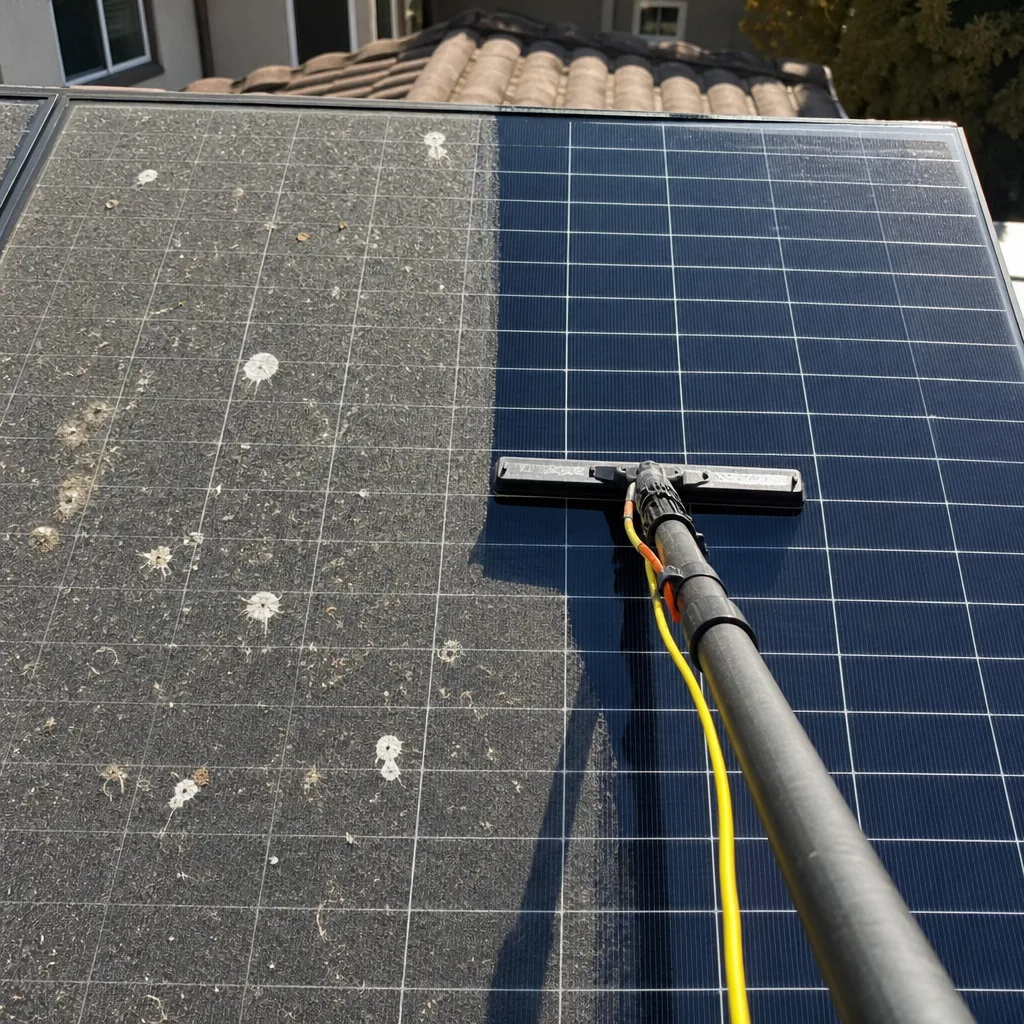
Atwater summers drop dust, pollen, and harvested field chaff from surrounding Merced County farmland onto panels. Oak trees in the Castle Homes corridor leave a sticky pollen film that water alone won’t touch. We remove all of it, then run a post-clean spot check with our irradiance meter to confirm the array is producing at full tilt. If a panel is still underperforming after a proper wash, we’ll tell you that too, because that points to a different problem entirely.
What happens when you call
- 1
A real person answersNo phone trees - you reach a local pro.
- 2
You get an upfront price rangeHonest numbers before anyone is dispatched.
- 3
A background-checked tech heads outLicensed & insured, dispatched right away.
- 4
You approve before work beginsNothing starts until you say go.
Trusted Brands We Service in Atwater
We work on SunPower, Qcells, and Panasonic arrays every week in Atwater, as well as systems built on Enphase and SolarEdge electronics. The panels don’t care what name is on the frame, but the cleaning method does vary slightly: SunPower’s glass coating benefits from a gentler brush pressure, and Qcells panels with their anti-reflective surface need the low-TDS rinse we already do as a standard. We don’t stock parts for every brand in a warehouse, but we don’t need to for cleaning. What we bring to every Atwater job is a trained crew that knows how each surface responds to different water pressures and brush types. And the same team that installs and repairs panels for our Solar Panel Cleaning work, so the person scrubbing your array understands the whole system, not just the glass.
Common Solar Panel Cleaning Problems We See in Atwater Homes
Atwater’s housing stock and climate create their own set of issues. Here’s what we run into most often.
- Tule fog silt that no plain rinse removes. Between November and February, Atwater’s dense fog lifts and leaves a microscopic film of valley silt on panel glass. It’s not visible until the sun hits it at a low angle, and if it sits through the next fog cycle, it starts to bond. A deionized water wash alone won’t get it off at that point, which is why our winter cleanings include the final low-TDS wipe that prevents etching.
- Bird pressure under mid-century eaves. The 1950s base-era homes across the Castle Homes corridor and surrounding streets were built with open eave gaps that pigeons and swallows find irresistible. Nests under roof edges drop debris directly onto panels below, and the acidic droppings bake into the glass. We install custom mesh guards and clean up the mess, then check the microinverters underneath for corrosion before it spreads.
- Sticky oak pollen films. The mature oaks planted along Cedar Avenue and other older Atwater streets drip sap and pollen onto panels from above. Once that film dries, it’s nearly invisible but absorbs and scatters light instead of letting it pass through. We use a targeted cleaning sequence on these arrays and verify output before we pack up.
- Microcracks hidden during fog season. We won’t schedule a visual inspection clean during a November fog block. Full sun is the only reliable way to spot microcracks, hot spots, and weak cells panel-by-panel. That’s why we encourage Atwater homeowners to book their annual clean in a summer mid-day slot, when our technicians can do both the wash and the output verification in one visit.
Pricing for Solar Panel Cleaning in Atwater, CA
What you pay for a cleaning in Atwater depends mostly on three things: how many panels you have, how steep the roof is, and whether bird guard is involved. A straightforward 12 to 16 panel array on a single-story tract home runs $150 to $240. A two-story 1950s home in the Castle Homes corridor with a steeper pitch and older roofing runs $240 to $340. Adding bird and critter guard installation typically adds $180 to $420 depending on array perimeter and how much custom fitting the eave gaps require. Commercial arrays are quoted per job after a site visit.
We don’t charge a trip fee anywhere in Merced County, including all of Atwater’s 95301 zip code. Estimates are free. Bring us your panel count and roof access details, and Gus will quote you a real number off your actual system, not a brochure figure.
We Also Serve Cities Near Atwater
Gus’s Solar handles Solar Panel Cleaning in Atwater and the neighboring towns around it. If you’re in Winton, Livingston, Merced, or Delhi, we’ll send the same crew, the same pricing, and the same no-trip-charge standard. Call the number on this page and you’ll reach a person, not a queue.
Serving Atwater, CA - Our Local Coverage Area
We’re based in the Atwater area and know this community well. Use the map below to see our service coverage - if you’re nearby, we can almost certainly help.
FAQs - Solar Panel Cleaning in Atwater
In Atwater, most homeowners need their panels cleaned twice a year: once in late spring after the pollen and chaff season, and once in early fall before the tule fog settles in. A clean array going into November is critical, because dirty glass plus fog means a bigger production hit than either factor alone. If you’re enrolled in net metering and you see a credit shortfall in December or January, call us first. We’ll check whether the panels are clean and use our irradiance meter to separate fog suppression from actual soiling loss. Call (877) 550-6892 for an exact assessment, free.
Yes, and Atwater’s fog is especially good at it. The fog in this part of Merced County carries fine silt that settles onto panel glass as the fog dissipates. If panels already have pollen film or dust from the summer, the silt bonds to it and forms a layer that’s hard to remove without the low-TDS rinse we do on every winter service. Left unchecked for a full fog season, that film can etch the glass and permanently reduce your panel’s ability to catch light. Don’t let it ride. Call us before the fog gets thick.
No, but the cleaning itself and a full output verification are two different things. We wash panels with the system live and don’t need to trip rapid shutdown or power down your inverter for the basic clean. The output check is separate, and it requires full sun to be meaningful. That’s why we recommend an Atwater summer mid-day slot for any clean that includes a performance test. We’ll check each panel against its nameplate rating and tell you exactly which panels, if any, aren’t pulling their weight.
Yes, and it happens more often in Atwater’s older housing stock than in newer tracts. The 1950s base-era eave gaps are wide enough for pigeons and swallows to build nests directly over the wiring runs and microinverters. Corroded microinverter casings are a failure we’ve seen more than once, and the fix is a lot cheaper when caught early. We install custom bird guard mesh to seal the gap and clean out what’s already there. The material is cut to fit your specific roof-to-panel gap, not a one-size strip that leaves corners open.
Yes, it’s a normal job for us in Atwater. These older roofs have a shallower pitch than you’d think, but the real safety issue is older composite or shake roofing that can be brittle. Our crew uses foam-soled boots, harness points where needed, and ladder setups matched to each roof. We’ve cleaned dozens of arrays in the Castle Homes corridor, including a 16-panel SunPower system off Cedar Avenue that sat under an oak’s drip line with a sticky pollen film. After the wash and a bird guard install, our tech checked the inverter in bright sun and every panel hit its nameplate rating. The film had been the issue all along.
Call Gus’s Solar for Atwater Panel Cleaning
If your panels haven’t been washed in over a year, or you’re watching your monitoring app show a slow decline you can’t explain, call (877) 550-6892. A live person answers. Tell us your panel count and what you’re seeing, and Gus will give you a real number and a straight answer. Take two weeks if you want. The price will be the same.
Written by Gus Petrakis, Owner at Gus’s Solar, serving Atwater and Merced County since 2011.