

Free bill analysis - bring a power bill, get the production math for your actual roof, panel brands like Qcells and REC compared side by side
If the pitch starts at your door and ends with "sign tonight for the special," sleep on it. The sun will still be there tomorrow; so will we.
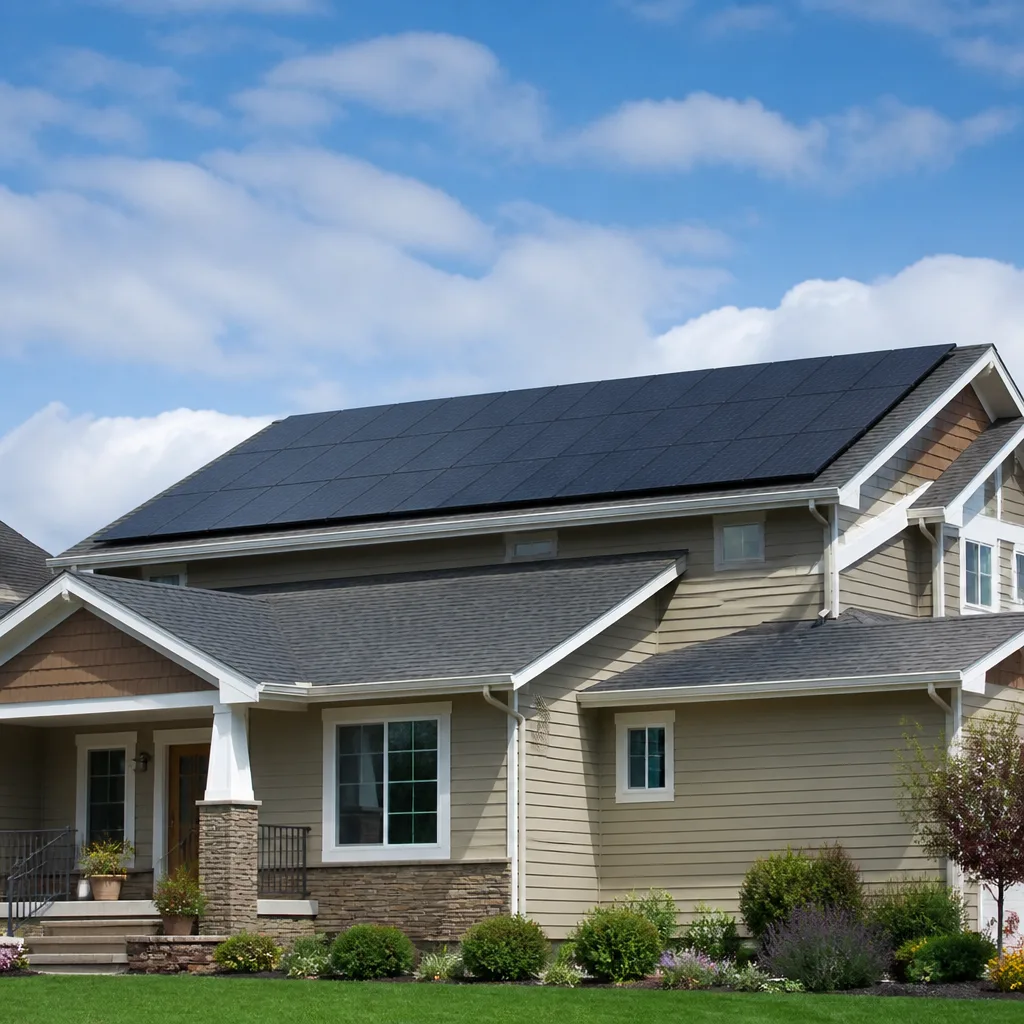
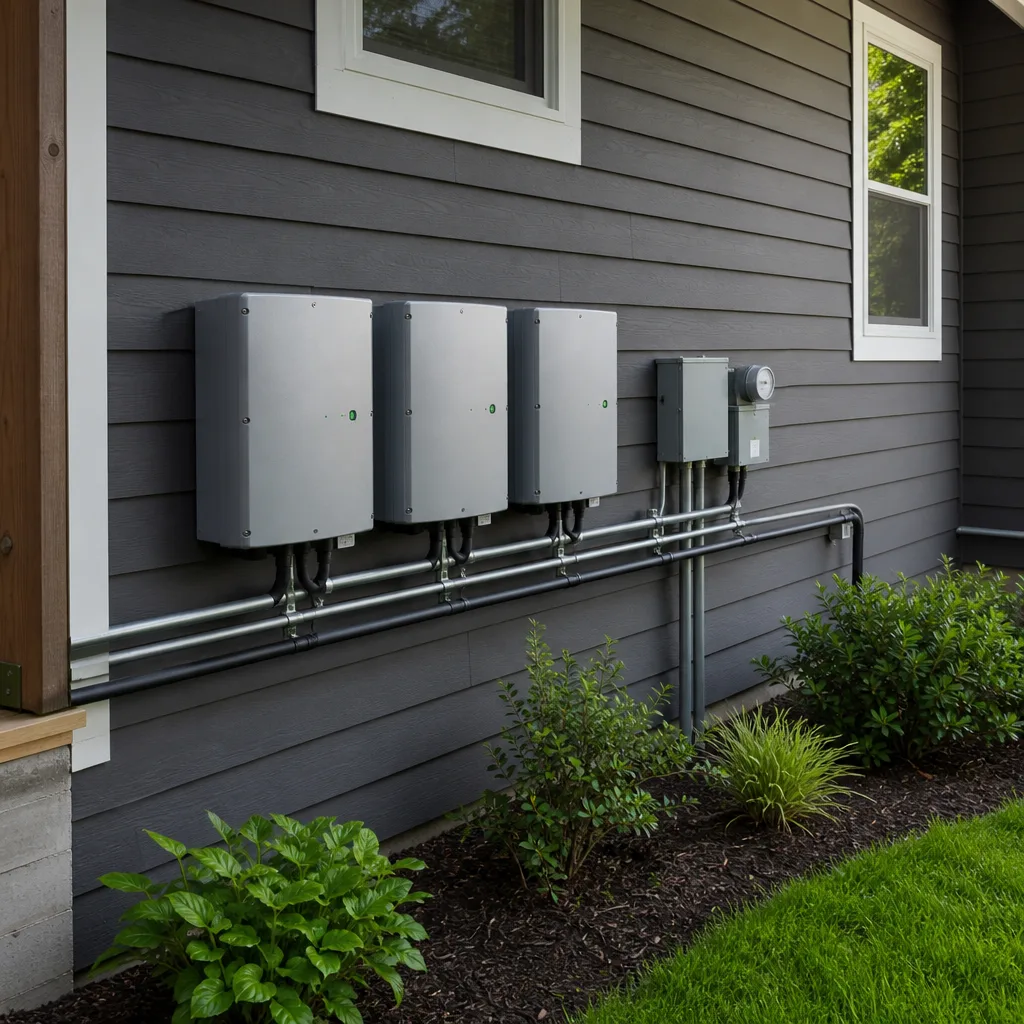
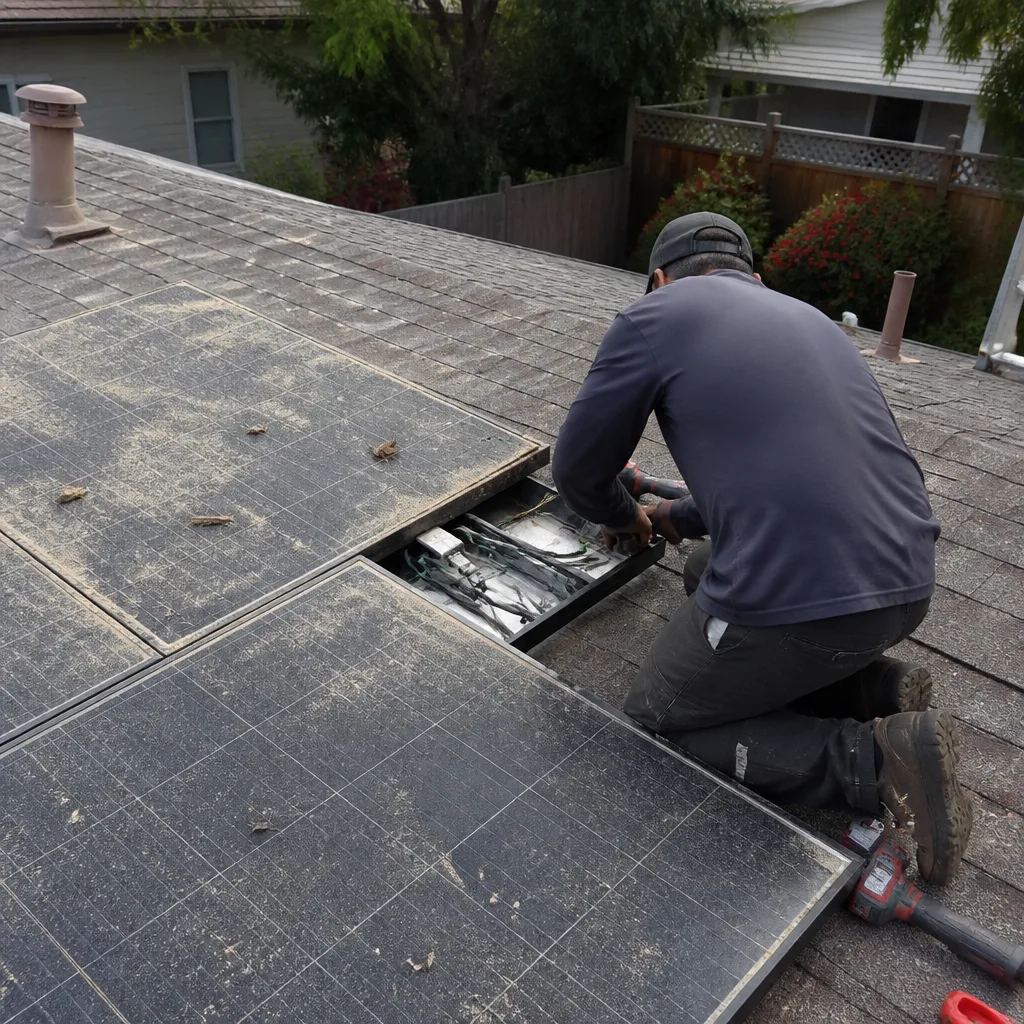 Before
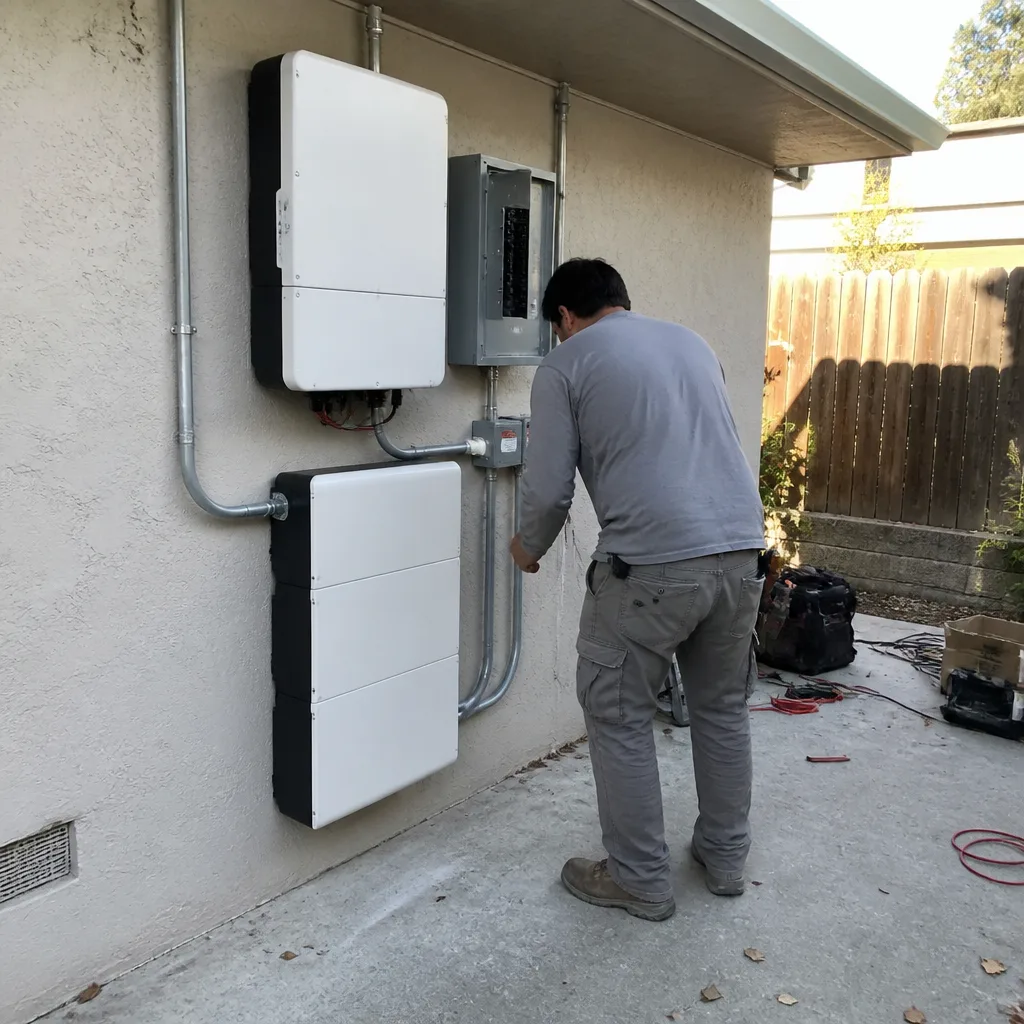 After
After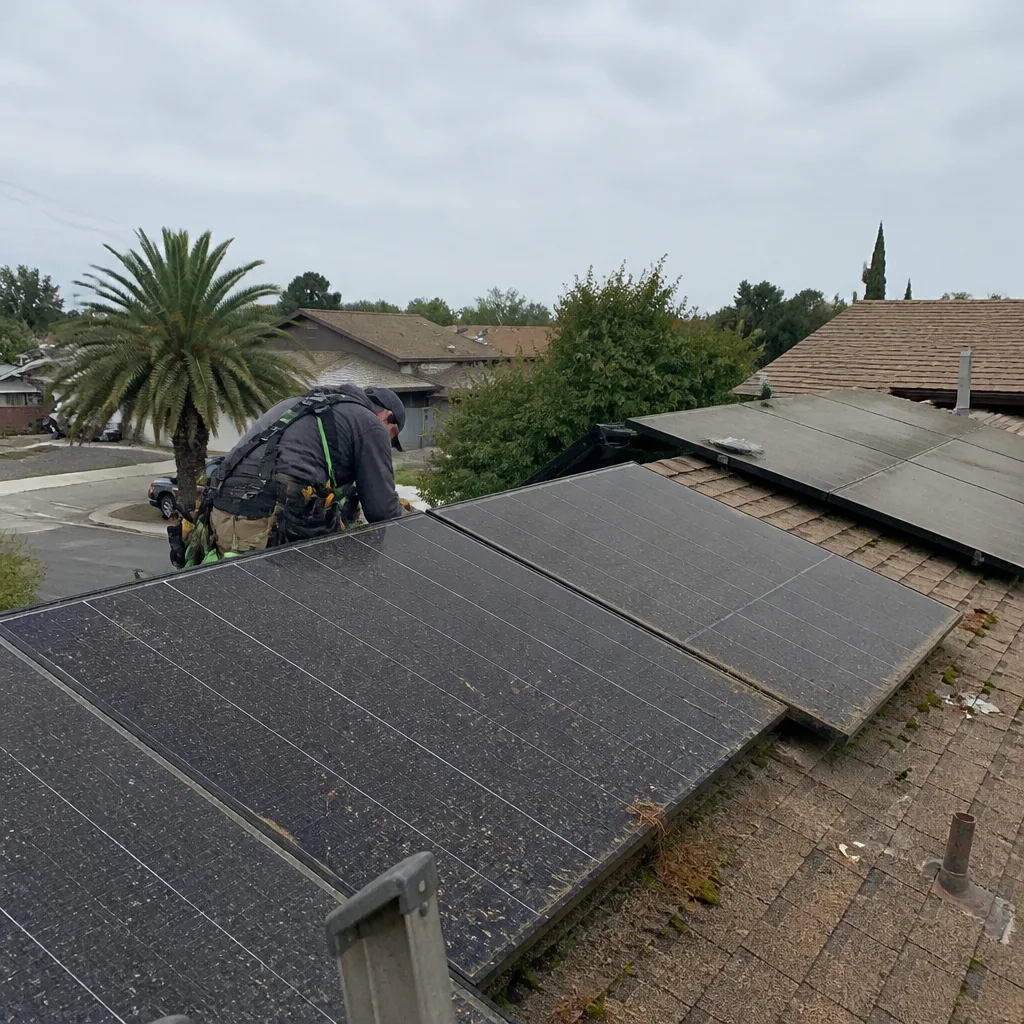 Before
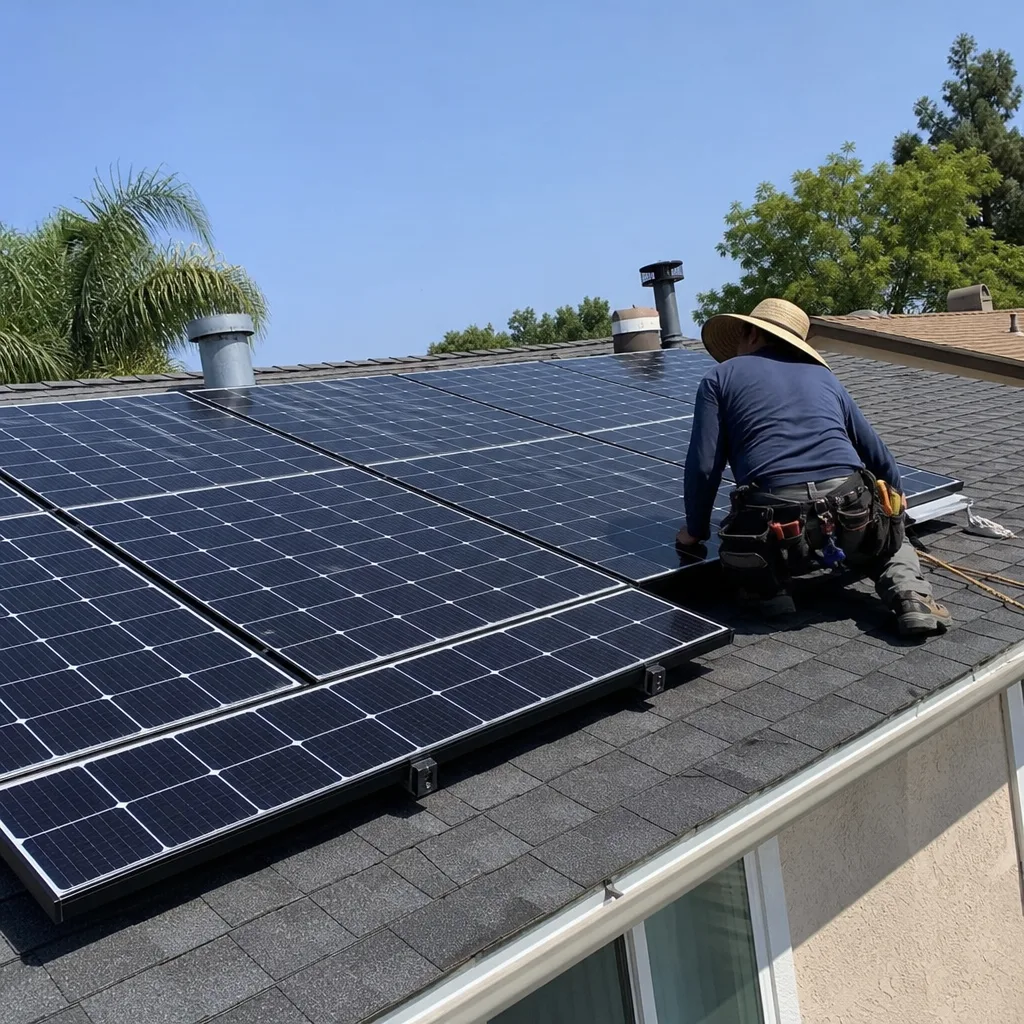 After
After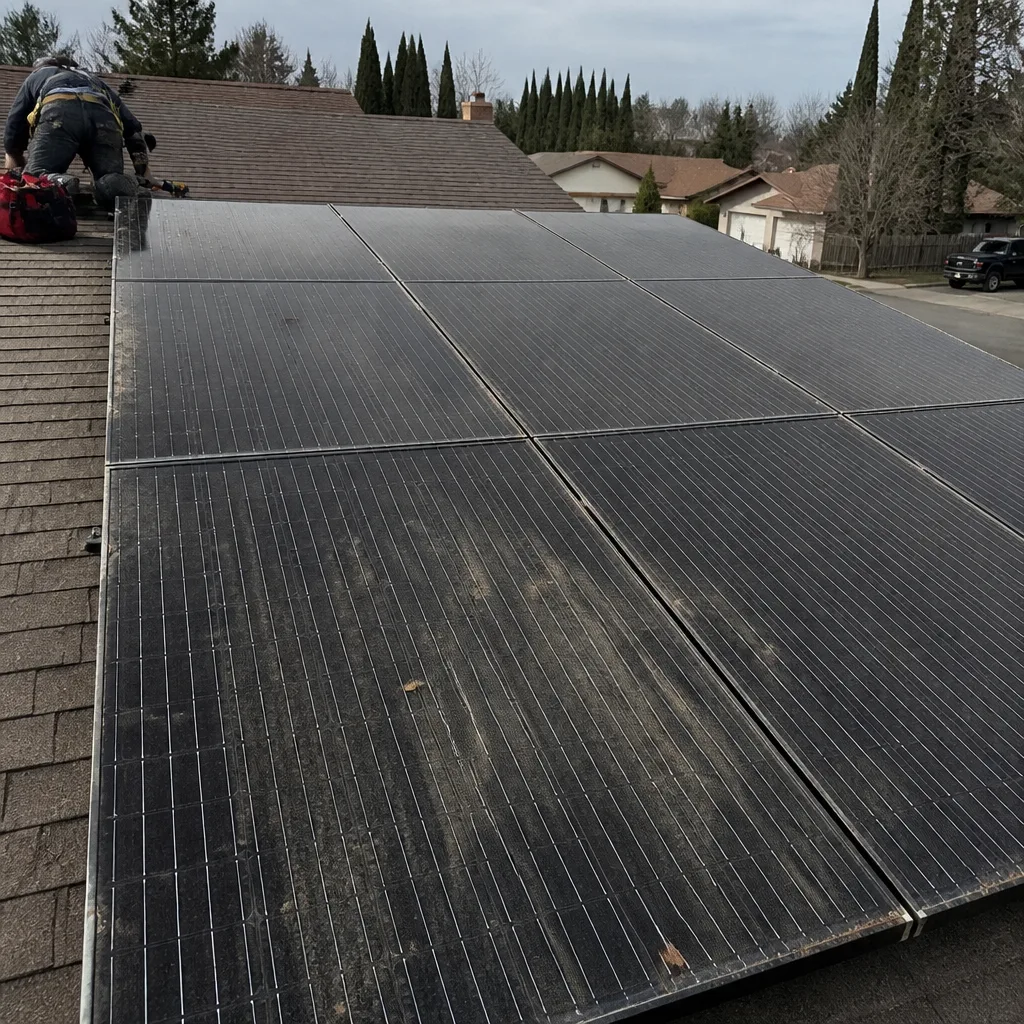 Before
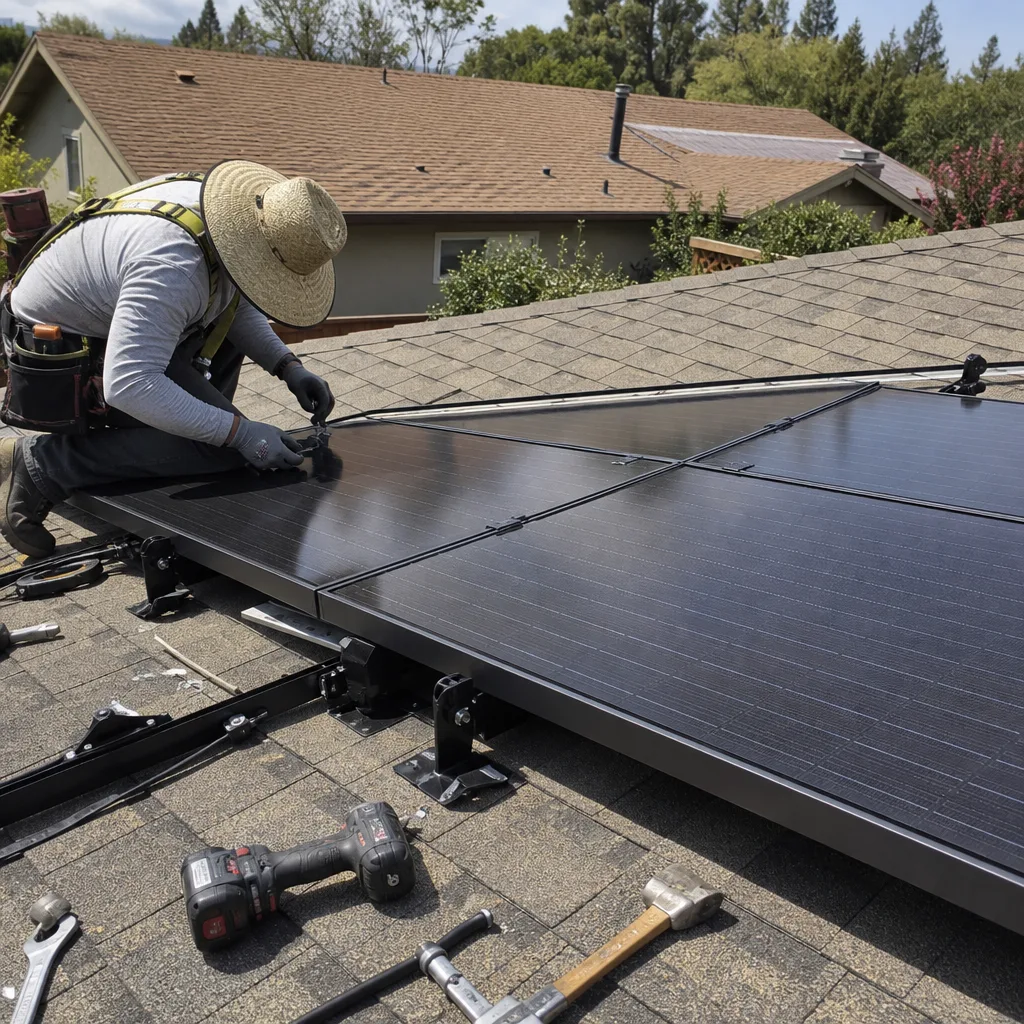 After
AfterFast, Reliable Solar Battery Storage & Backup Across Winters
Solar battery storage in Winters costs between $9,500 and $16,500 for a typical 10-13 kWh system installed, and most jobs are completed in one to two days. That’s the range Gus’s Solar works within for the 95694 ZIP, and the final number depends less on salesmanship and more on your panel, your usage, and whether your home needs a service upgrade first. We’re a local, owner-operated shop with 29 years of combined experience serving Yolo County, and a live person answers our phone at (877) 550-6892 every hour of the day.
Winters is not a generic solar market. The town sits at the center of Yolo County’s agricultural belt, where almond orchards, olive groves, and working farms share the same PG&E circuits as ranch houses and Victorians. That means battery sizing here is a different conversation than it is in Davis or Woodland. Rural well pumps, irrigation timers, detached workshops, and 100-amp panels from the 1970s all shape what a backup system has to do. This page covers exactly how we handle those jobs.
Why Gus’s Solar Is Winters’s Preferred Solar Battery Storage & Backup Company
Winters homeowners tend to do their homework before spending money. They’ve lived through the days of out-of-state crews knocking on doors, quoting one number over the phone and a different one at the kitchen table. Gus Petrakis, the owner, puts his own name on every truck and every contract. The Solar Battery Storage & Backup work we do in Winters is backed by the 90-Day Done Right Promise, in writing: if it is not right, Gus makes it right. No escalation to a corporate office, no ticket number. One call brings him back.
Our customers in Winters tell us the same thing over and over: they want a name they can verify and a face they will see again at the hardware store on Main Street. That’s what Gus’s Solar is. Calls are answered by a live person 24/7, not a voicemail tree or a call center three states away. We run background-checked, uniformed crews on every Winters job, and we do not hand work off to subcontractors. The crew that shows up at your property works for Gus.
We quote the year-25 output, not the day-one brochure number. Bring us your PG&E bill, and we’ll build the math from your real usage, your real rate schedule, and your real export rates. If a salesman needs an answer tonight, the answer is no. Take two weeks. Think about it. The price will be the same.
Our Solar Battery Storage & Backup Services in Winters
We design and install battery systems specifically for the homes and farm properties around Winters. That means accounting for tule fog, agricultural demand charges, and rural well pumps from the start, not discovering them later in a change order.
Tesla Powerwall Installation
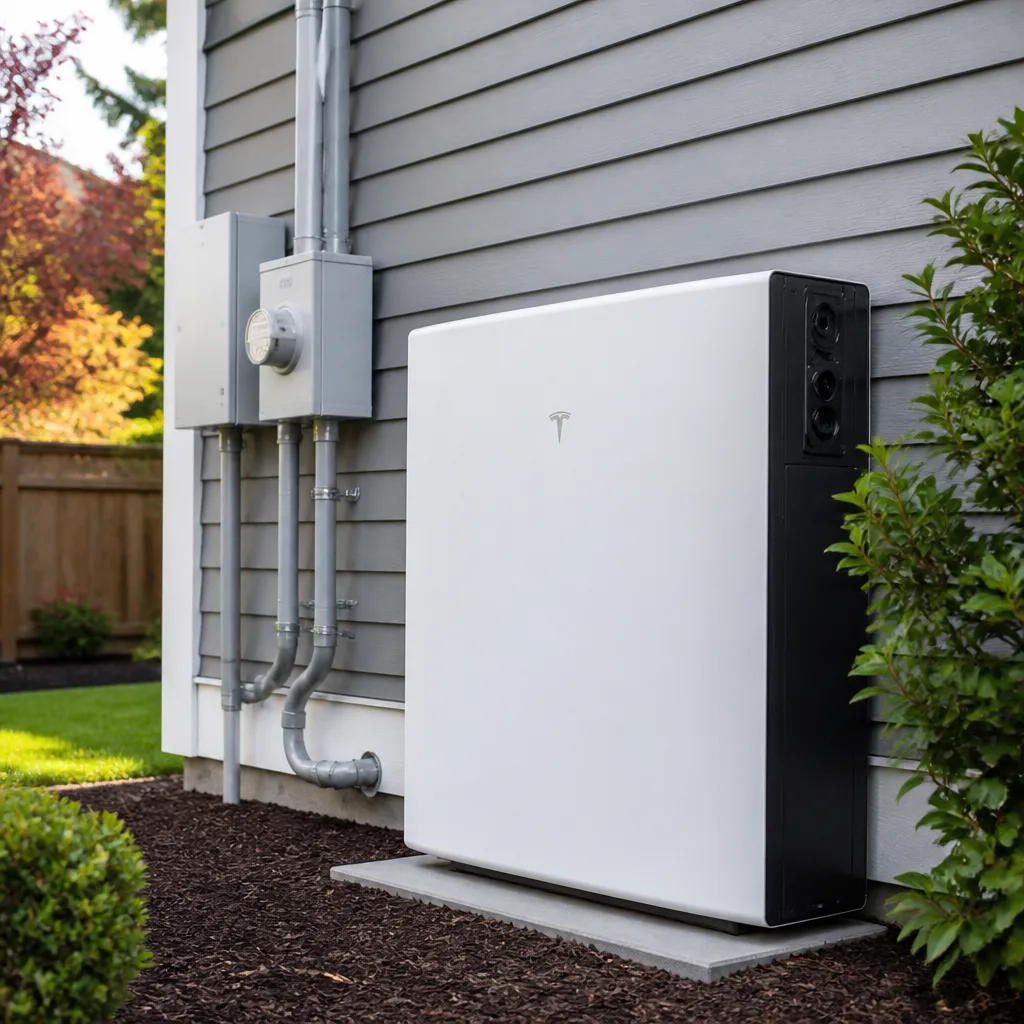
A single Powerwall 3 holds 13.5 kWh of usable storage, which covers a Winters ranch house through a typical evening outage. Two Powerwalls give you the overhead to run a well pump, a refrigerator, lights, and a workshop circuit simultaneously. The local failure we see most often is sizing a Powerwall for kilowatt-hour offset only. On a PG&E agricultural rate, your battery also has to shave demand spikes, and we configure the Powerwall’s discharge schedule to do both.
Enphase IQ Battery Installation
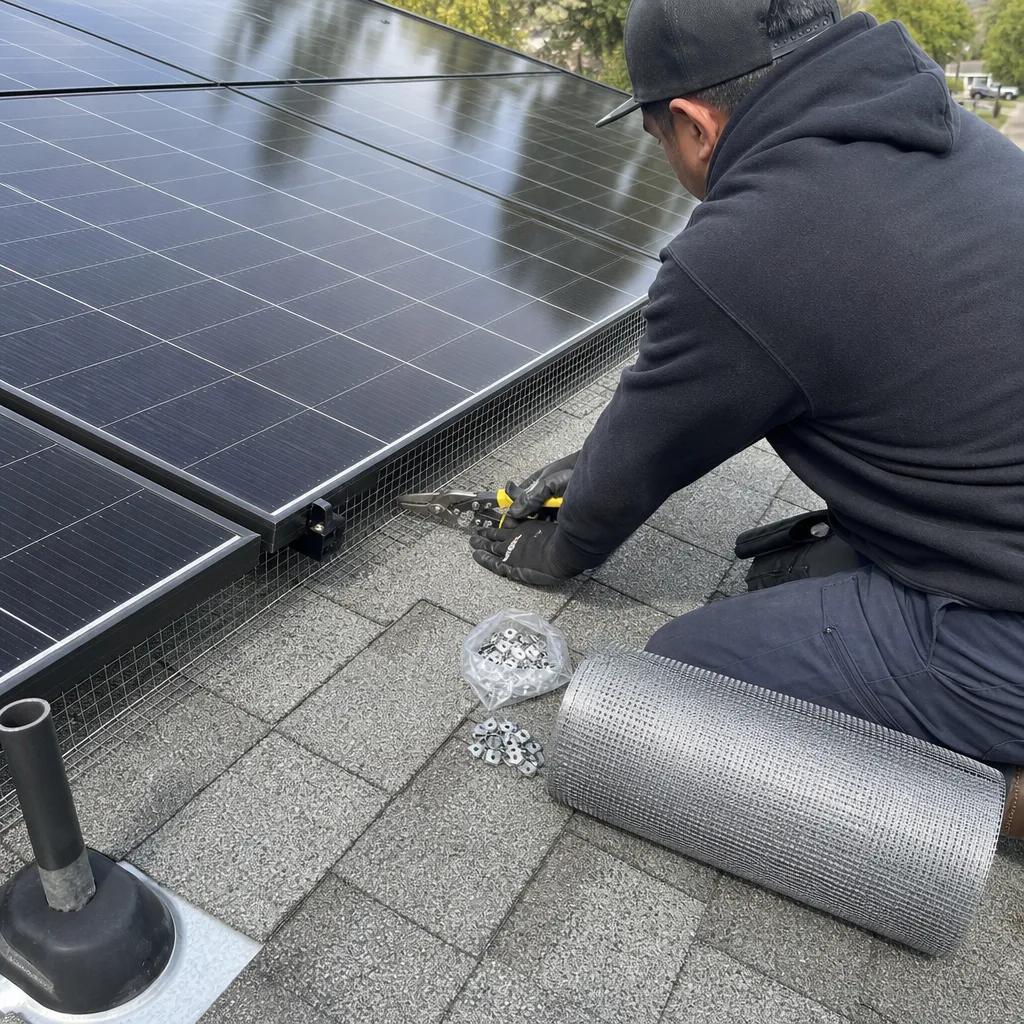
For Winters homes that already run Enphase IQ microinverters on the roof, the Enphase IQ Battery 5P integrates cleanly into the same monitoring app. It is modular, so you can start with one 5 kWh unit and add capacity later. We’ve installed these on mid-century ranches, downtown Victorians, and rural acreages alike. The one thing we always check first on older Winters homes is the main panel. A 100-amp panel from the 1970s usually needs an upgrade before we can safely land the battery circuit.
Whole-Home Backup Power
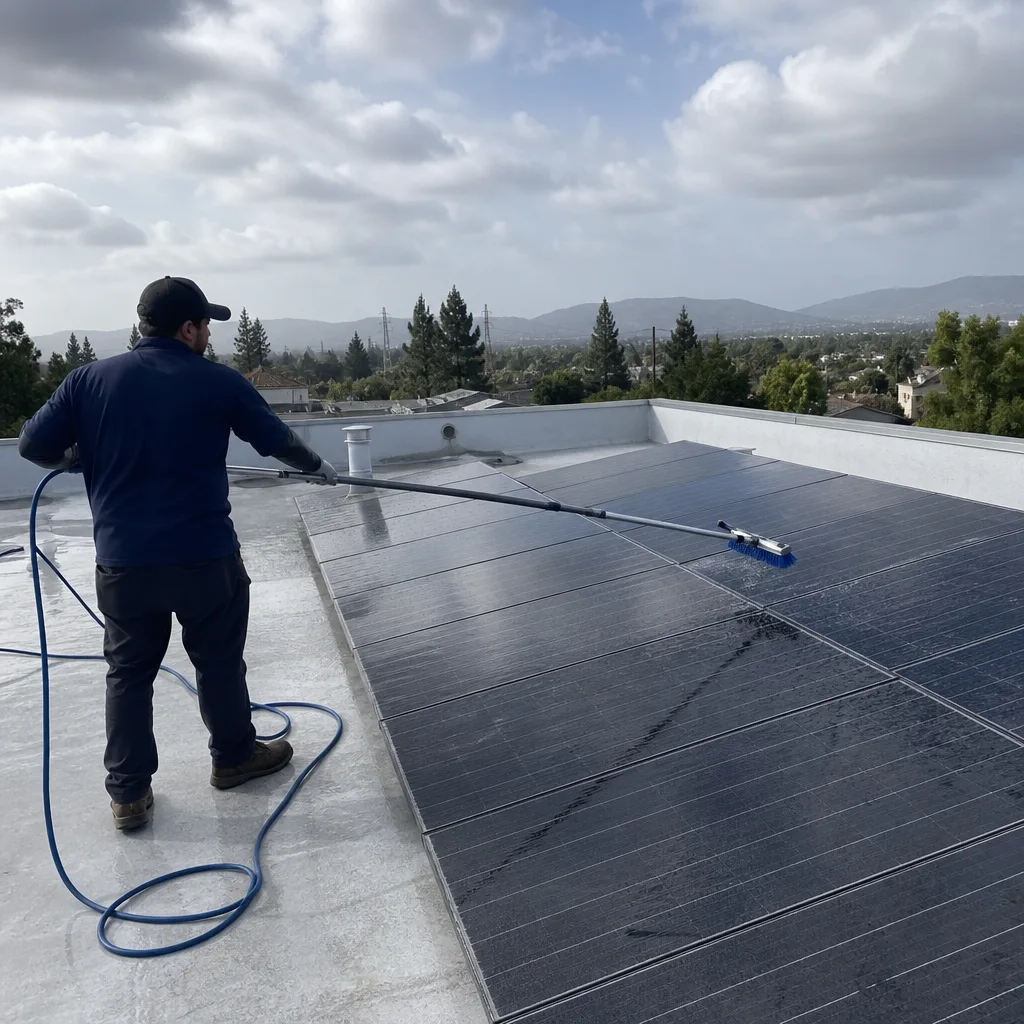
This is where Winters differs sharply from a suburb in Vacaville or Dixon. On rural parcels, “whole home” often means a house plus a detached workshop, a barn, and a well pump. A battery sized for the house alone will trip its inverter when the well kicks on during an outage and the workshop load stacks on top. We map every significant circuit before we quote, then size the battery’s continuous output rating, not just its stored energy, to match. That is the difference between a backup system that works and one that leaves you in the dark at 2 a.m.
Battery Retrofit for Existing Solar
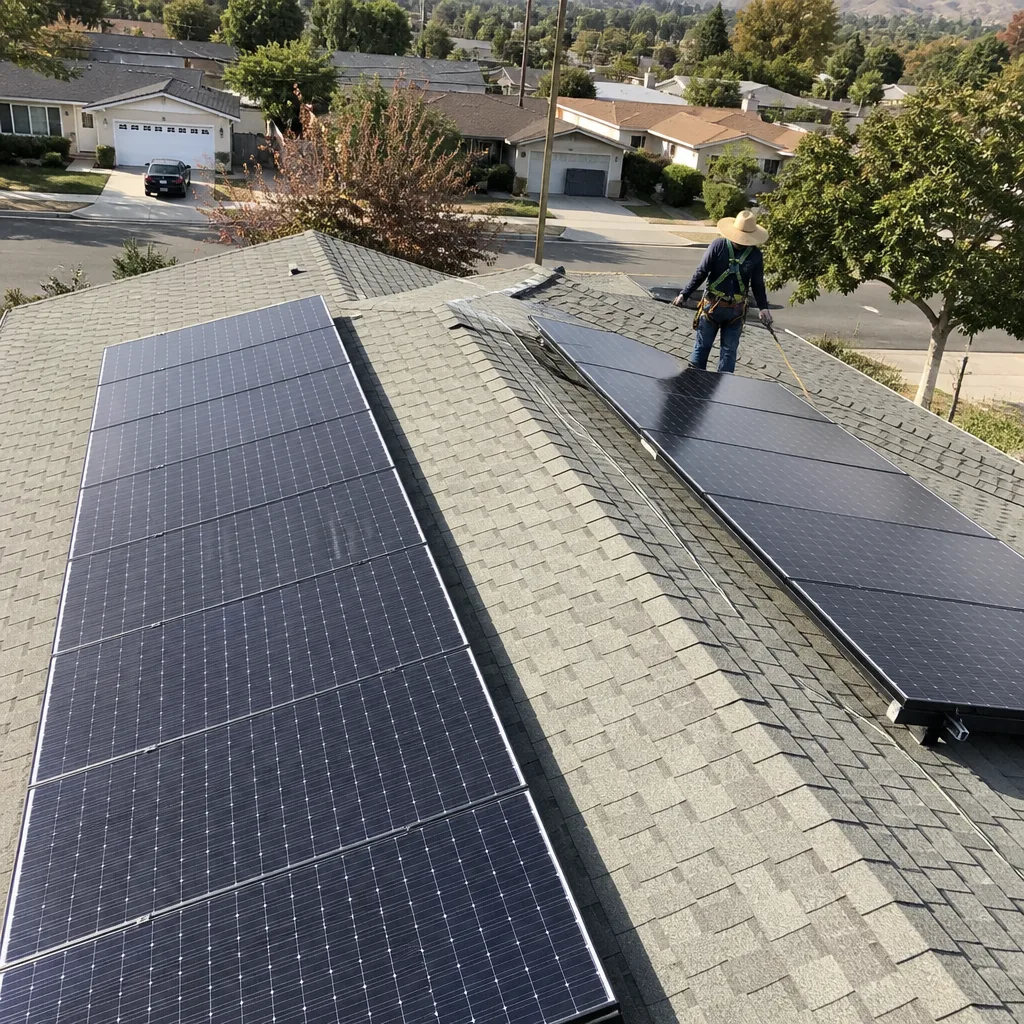
About half the battery jobs we do in Winters are retrofits, not new installs. Adding a battery to an existing ground-mount array on an almond orchard or an older rooftop system on a ranch house is very doable with the right inverter integration. Because many Winters properties in 95694 are on PG&E agricultural rates with demand charges, a solar battery that only shifts energy can still leave farm operators paying high peak-demand fees unless it includes load-management for irrigation pumps and workshop equipment. That’s the part we build into every retrofit quote.
Time-of-Use & NEM 3.0 Optimization
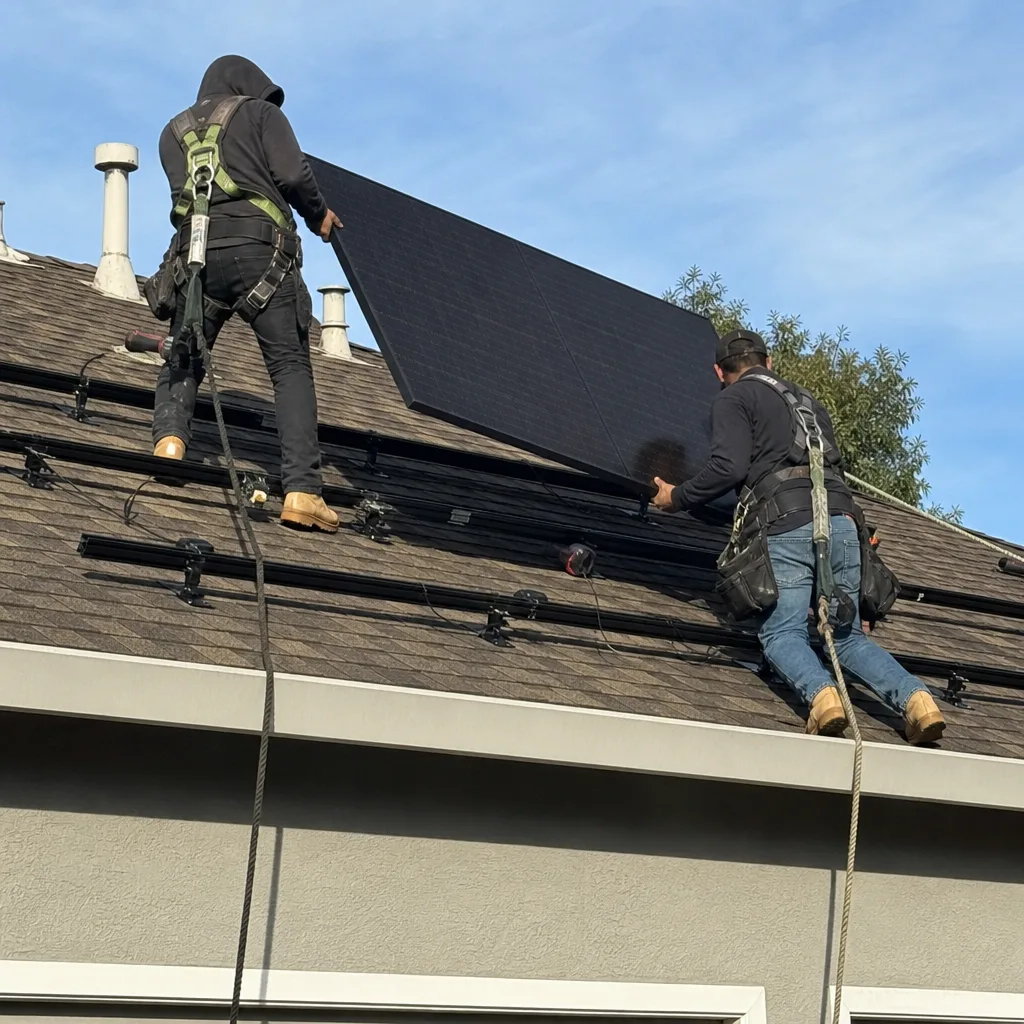
NEM 3.0 changed the math for solar in California. Export rates are far lower than retail rates, which means storing your solar generation and using it during on-peak hours is now the single biggest lever for savings. In Winters, PG&E’s on-peak window runs 4-9 p.m., and that’s exactly when summer irrigation pumps and AC units are pulling hard. We program every battery we install to discharge during that window and recharge from solar during midday, when the valley sun is strongest.
What happens when you call
- 1
A real person answersNo phone trees - you reach a local pro.
- 2
You get an upfront price rangeHonest numbers before anyone is dispatched.
- 3
A background-checked tech heads outLicensed & insured, dispatched right away.
- 4
You approve before work beginsNothing starts until you say go.
Trusted Brands We Service in Winters
We work with the industry’s leading equipment brands, including Tesla, Enphase, SolarEdge, and Panasonic, along with FranklinWH for whole-home systems and Canadian Solar panels from our supply partners. The brand you get depends on your home’s electrical architecture and your goals, not on what we happen to have in the warehouse. We keep common battery components stocked for fast turnaround on Winters service calls, and we do not push a brand just because we carry it. The right equipment is the right equipment.
Common Solar Battery Storage & Backup Problems We See in Winters Homes
- Battery sized for kilowatt-hour offset only, not for demand-charge spikes from irrigation pumps. This is the single most common mistake we see on Winters farm properties. The system stores plenty of energy, but the customer still gets hit with high AG-tariff demand fees because the battery is not programmed to shave the pump circuit’s peak draw. Fixing it usually takes a reconfiguration, not a new battery.
- Whole-home backup wired to include a detached workshop or well pump, overloading the battery’s continuous output rating. A battery that can run 5 kW continuously will trip its inverter if the well pump, air compressor, and workshop lights all fire at once. We saw this exact failure mode on a ranch off Putah Creek Road. The fix was load-shedding on nonessential circuits, not more batteries.
- Battery installed without checking for tule-fog winter production losses. Tule fog is a hyper-local radiation fog that settles over the Sacramento Valley floor from December through February. It measurably suppresses solar production. A system that is barely charging during fog season will not have enough stored energy when a winter storm knocks out power. We size winter reserve capacity differently in Winters than we would in Dixon or Woodland.
- 100-amp main panel on older homes preventing a safe battery connection. Downtown Winters has a lot of late-19th and early-20th-century Victorians and Craftsman homes. Many still run on undersized 100-amp panels. Code requires a service upgrade before we can land a grid-tied battery, and we quote that work as part of the job, not as a surprise add-on later.
Pricing for Solar Battery Storage & Backup in Winters, CA
Here are the honest numbers for the Winters market, as of 2026:
- Enphase IQ Battery 5P (5 kWh): $4,500-$6,500 installed with essential circuits backup.
- Tesla Powerwall 3 (13.5 kWh): $11,000-$14,500 installed with whole-home or partial-home backup.
- Battery retrofit to existing solar (adds battery to a working array): $8,500-$15,000 depending on inverter brand and panel capacity.
- Whole-home backup with two batteries and load management: $18,000-$26,000 for larger rural properties in 95694.
- Main panel upgrade from 100 amps to 200 amps: $3,500-$5,500, often required on older Winters homes.
- Time-of-use and demand-charge programming tune-up: $400-$900 to reconfigure an existing system for NEM 3.0 or AG-tariff optimization.
These are not teaser rates. The price we quote is the price you pay. Winters customers get senior and veteran discounts of 10% that never expire, a free second opinion on any written estimate, and no trip charge inside our own county. We quote work over the phone from your actual PG&E bill, not from a brochure. Call (877) 550-6892 and ask for the real number.
We Also Serve Cities Near Winters
Our crews serve Vacaville, Dixon, Davis, and Woodland from the same dispatch desk that covers Winters. Scheduling is coordinated from our Sacramento office, but the trucks roll to Winters and neighboring towns all week. If you’re a few miles outside city limits on a county road, we’re still in our home county, and we do not charge a trip fee for that. Call (877) 550-6892 and tell us which town you’re in.
Serving Winters, CA - Our Local Coverage Area
We’re based in the Winters area and know this community well. Use the map below to see our service coverage - if you’re nearby, we can almost certainly help.
FAQs - Solar Battery Storage & Backup in Winters
Not automatically, but it can, if it’s programmed correctly. A battery that only shifts kilowatt-hours still leaves you paying demand charges because PG&E’s Schedule AG demand fees are based on your highest 15-minute average draw, not your total consumption. The battery has to be wired and programmed to discharge during your specific pump draw windows, which on most Winters farm accounts means the 4-9 p.m. on-peak window when irrigation and evening operations overlap. We configure the system’s discharge logic around your actual pump circuit loads, not a generic schedule. That’s the part that actually reduces the demand fee. Call (877) 550-6892 for an exact assessment based on your bill.
Tule fog sits over the Sacramento Valley floor from December through February and suppresses solar production by 40-60% compared to summer output. A system sized only for summer generation may not fully recharge from December through February, which means your battery could be at 30-40% state of charge when a winter storm knocks out power. We build winter production curves into every Winters quote and size the array or battery reserve capacity to compensate. If your system was installed by someone who ignored the fog, we can reconfigure it. Call (877) 550-6892 to have us look at your production data.
Yes. About half our Winters battery jobs are retrofits onto existing ground-mount arrays. We start with the inverter brand and model, because that determines whether we can do a DC-coupled or AC-coupled battery. Most modern inverters from SolarEdge, Enphase, or Tesla work cleanly. Older string inverters may need a swap. We retrofitted a Tesla Powerwall onto an existing ground-mount array for an almond grower off Russell Boulevard whose PG&E Schedule AG bill spiked during summer irrigation. Our tech set the battery to discharge during the utility’s 4-9 p.m. on-peak window and added demand-charge control on the pump circuit, cutting the monthly peak demand by over 40% on the first true-up statement. Call (877) 550-6892 to get started.
Almost certainly, yes. National Electrical Code requires the main panel to handle the combined load of the battery circuit, the solar circuit, and the existing home loads. A 100-amp panel on a 1970s ranch house is already near its limit before you add anything. Upgrading to a 200-amp panel typically runs $3,500-$5,500 in Winters, and we quote it as part of the battery job, not as an afterthought. The upgrade also brings the rest of your electrical system up to current code, which matters for insurance and resale. Call (877) 550-6892 and we’ll check your panel during the site visit.
Yes, if the system is sized correctly. A well pump can draw 2,000-3,500 watts when it starts, and a workshop with a table saw or air compressor can add another 3,000 watts on top of that. A single 10 kWh battery with a 5 kW continuous inverter will trip when all those loads hit at once. We wire well pumps and workshop circuits through a load-shedding controller so the battery sheds nonessential loads first and keeps the pump and essentials running. For larger rural properties in Winters, we often recommend two batteries with higher continuous output. Call (877) 550-6892 and tell us what you need to keep running.
Ready to talk numbers? Call Gus’s Solar at (877) 550-6892 for a free, no-pressure estimate on solar battery storage and backup in Winters. Bring us a bill, we’ll bring you the math. Take two weeks. The price will be the same.
Written by Gus Petrakis, Owner at Gus’s Solar, serving Winters and surrounding Yolo County communities since 2011.