

Free bill analysis - bring a power bill, get the production math for your actual roof, panel brands like Qcells and REC compared side by side
If the pitch starts at your door and ends with "sign tonight for the special," sleep on it. The sun will still be there tomorrow; so will we.

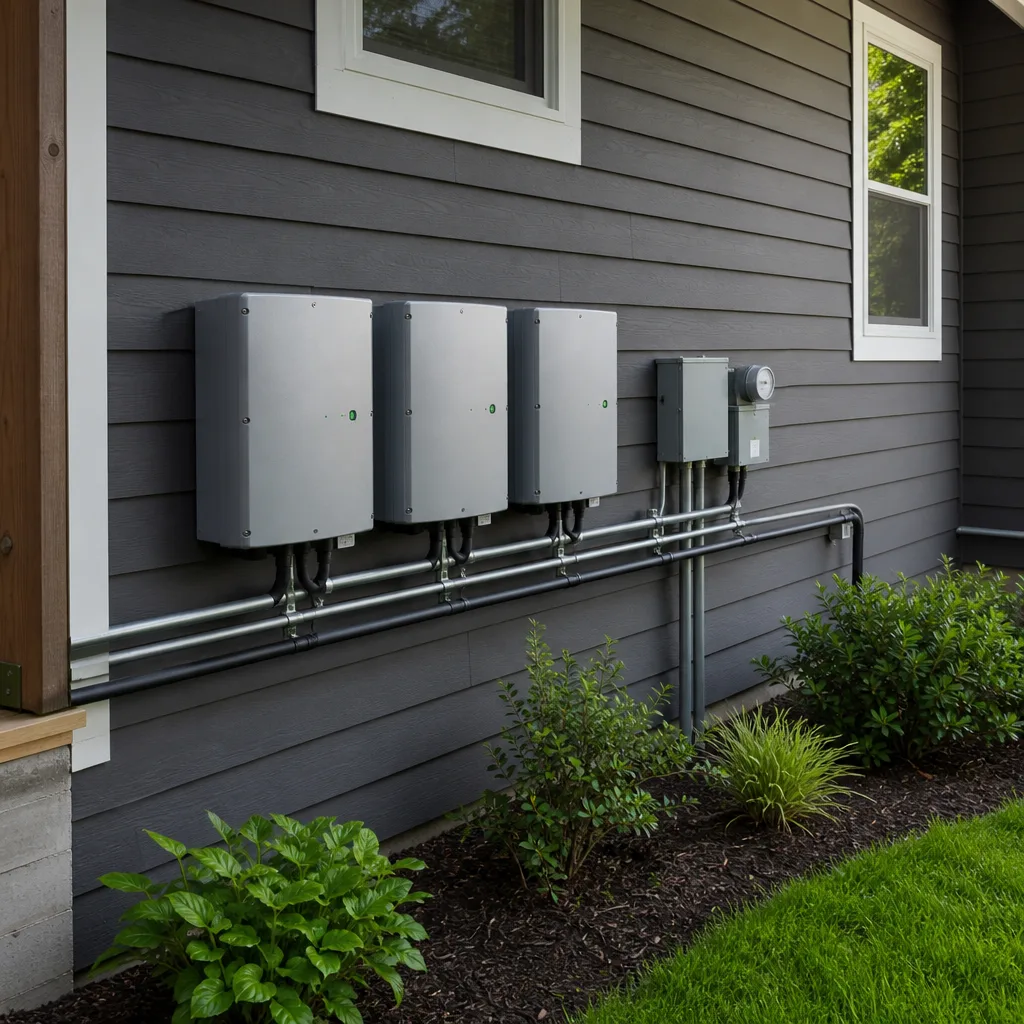
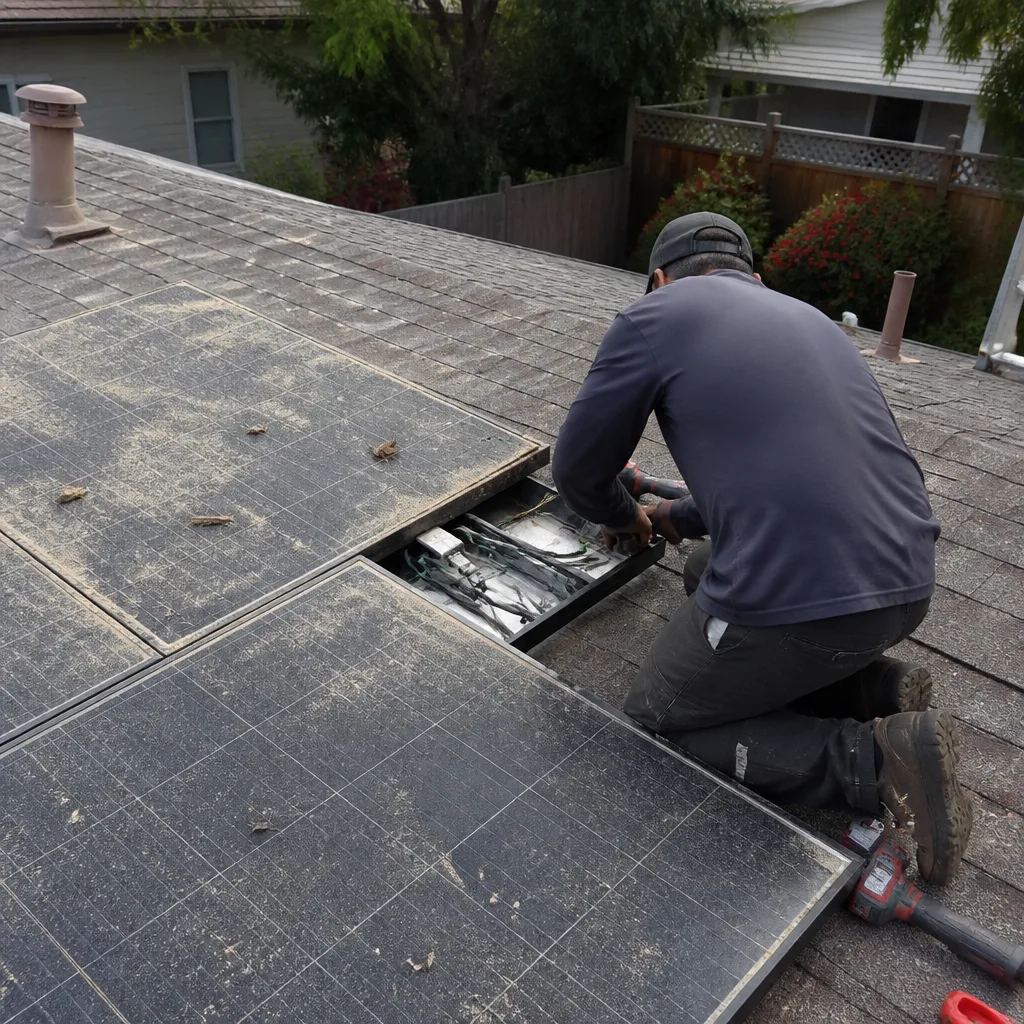 Before
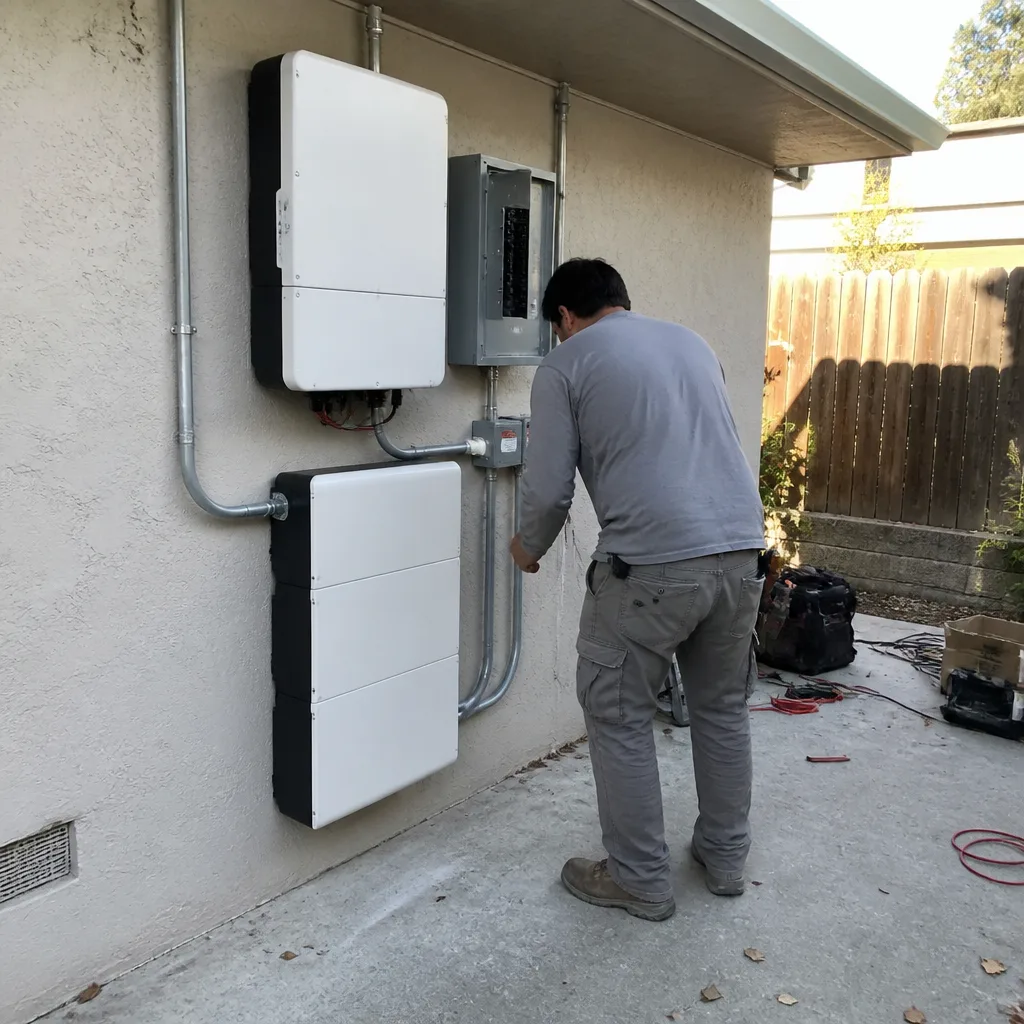 After
After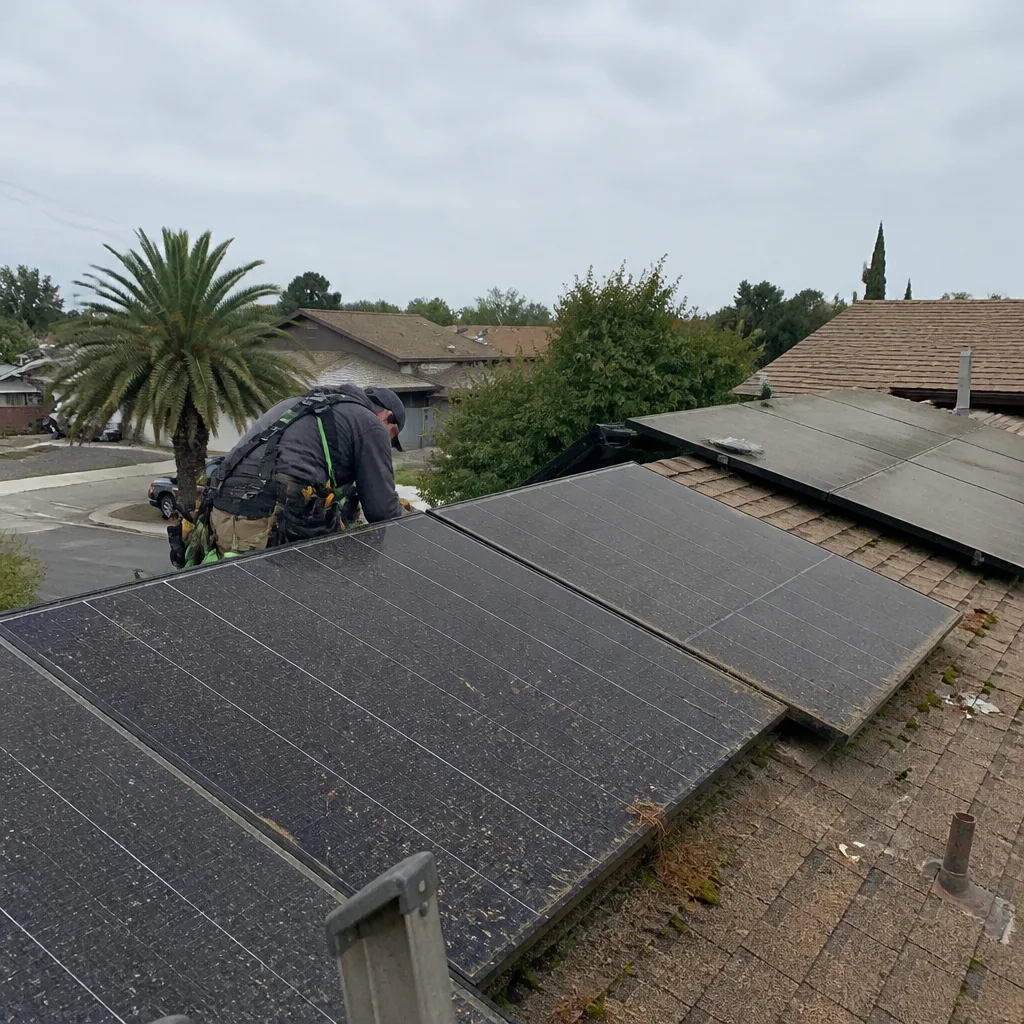 Before
 After
After Before
 After
AfterFast, Reliable Solar Battery Storage & Backup Across Watsonville
Solar battery storage in Watsonville costs between $9,500 and $16,500 for a single Tesla Powerwall or Enphase IQ Battery installed, and most jobs are completed in one day. That’s a real number for this market, not a national average pulled off a website. We serve every neighborhood in the 95076 and 95077 zip codes, from the flats near East Lake Avenue to the newer subdivisions off Airport Boulevard. Call (877) 550-6892 and Gus himself will walk you through what a battery will actually do on your bill, based on your actual usage, not a brochure.
Why Gus’s Solar Is Watsonville’s Preferred Solar Battery Storage & Backup Company
We’re not a door-knocking outfit that parachutes into Watsonville for a sales blitz and vanishes back to Fresno or Phoenix. Gus Petrakis has owned this company since 2011, and his name is on the truck, the license, and the work. Watsonville homeowners call us because they’ve already been burned by a national installer that quoted one number over the phone and a different one at the kitchen table. Our price is the price. Bring me a bill, I’ll bring you the math.
Response time to Watsonville is same-day for battery issues, and a live person answers the phone 24/7. Not a voicemail. Not a ticketing portal. When a battery throws a fault code at 9 p.m. during a PG&E outage on a foggy night, you’ll talk to a human who knows your system. Our crew knows the streets here: the ag-adjacent neighborhoods east of Highway 1 where dust settles on panels within days, the mobile home parks along Freedom Boulevard where main panels are tight, and the hillside homes off Holohan Road where marine layer sits until noon.
Every job carries the 90-Day Done Right Promise in writing. If something isn’t right, one call brings Gus back. That’s not a slogan; it’s the L.O.C.A.L. code we operate by: Local roots, On time, Community first, Accountable, Loyal. We’ve built our reputation in Watsonville one install at a time, and we intend to still be answering the phone when your grandkids ask who put that battery on the wall.
Our Solar Battery Storage & Backup Services in Watsonville
Tesla Powerwall Installation
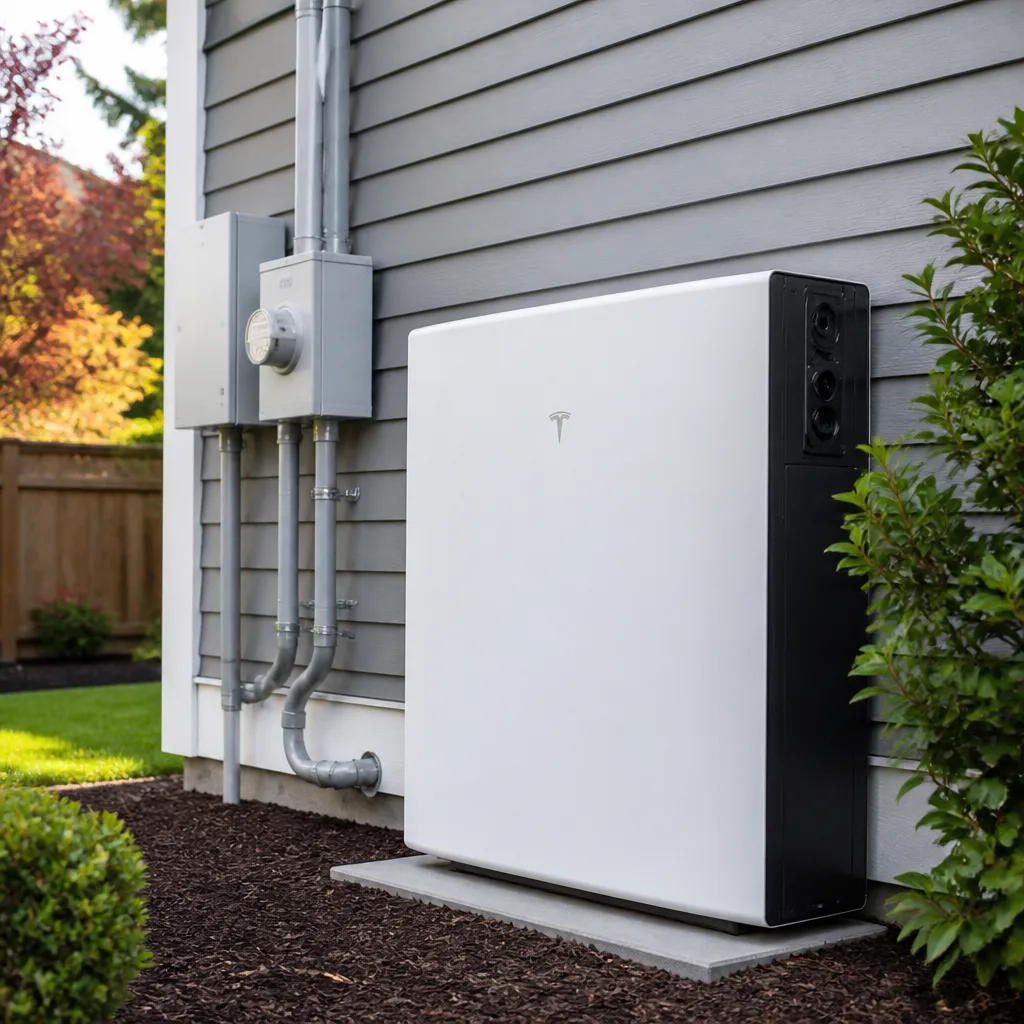
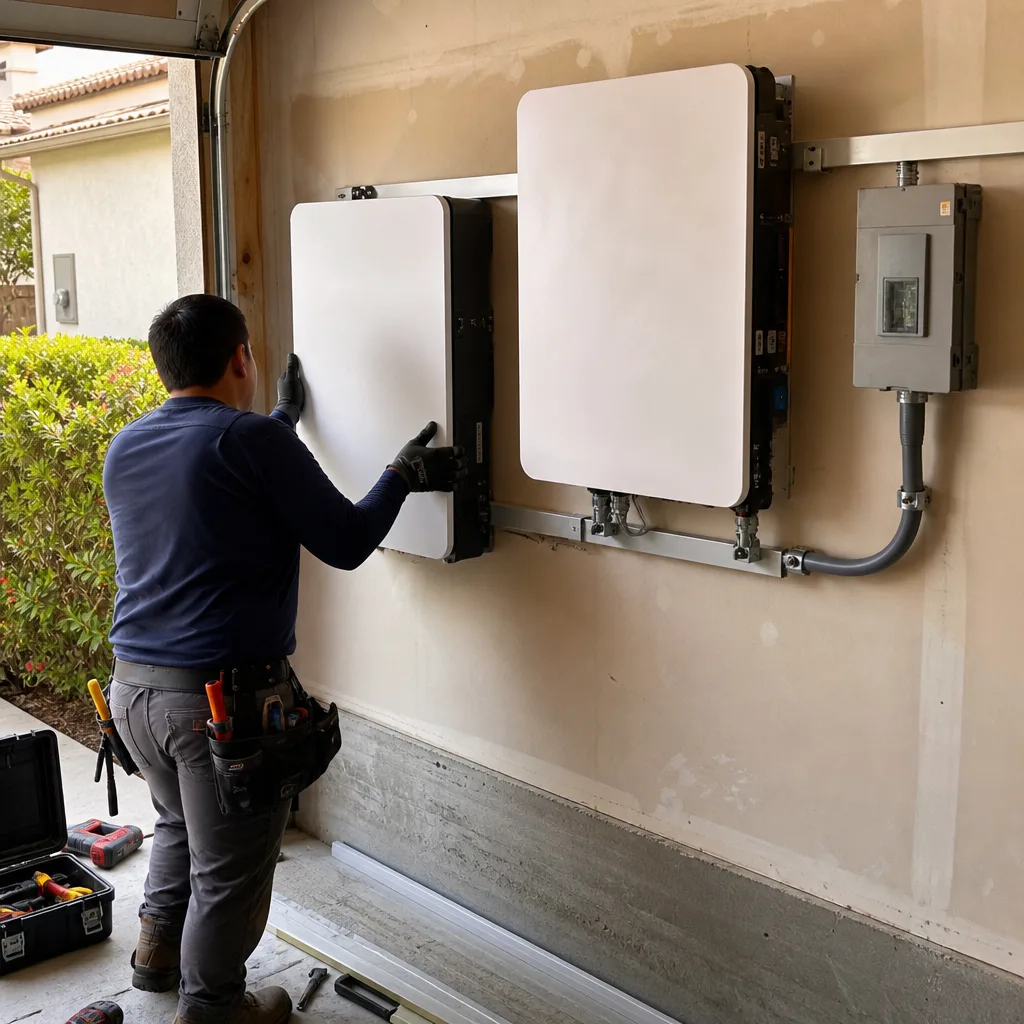
A Tesla Powerwall 3 in Watsonville typically runs $11,000 to $16,500 installed. We size the battery to your actual production curve, not the glossy spec sheet. Around here, that means accounting for the marine layer that swallows your morning production from May through September. The Powerwall’s 13.5 kWh capacity gets you through the evening peak when PG&E rates spike under NEM 3.0, and it’s the most common battery we install in the 95076 area. If the grid drops, you won’t notice for the first few seconds. That’s the point.
Enphase IQ Battery Installation
Enphase IQ batteries run $9,500 to $14,000 in Watsonville and pair cleanly with existing Enphase microinverter systems. We see a lot of Enphase setups in the older housing stock rebuilt after the 1989 Loma Prieta earthquake, and adding IQ batteries lets us do per-panel production monitoring alongside storage. That matters in Watsonville because agricultural dust and fog don’t hit every panel equally. The system tells us which panel is underperforming before your bill ever shows it.
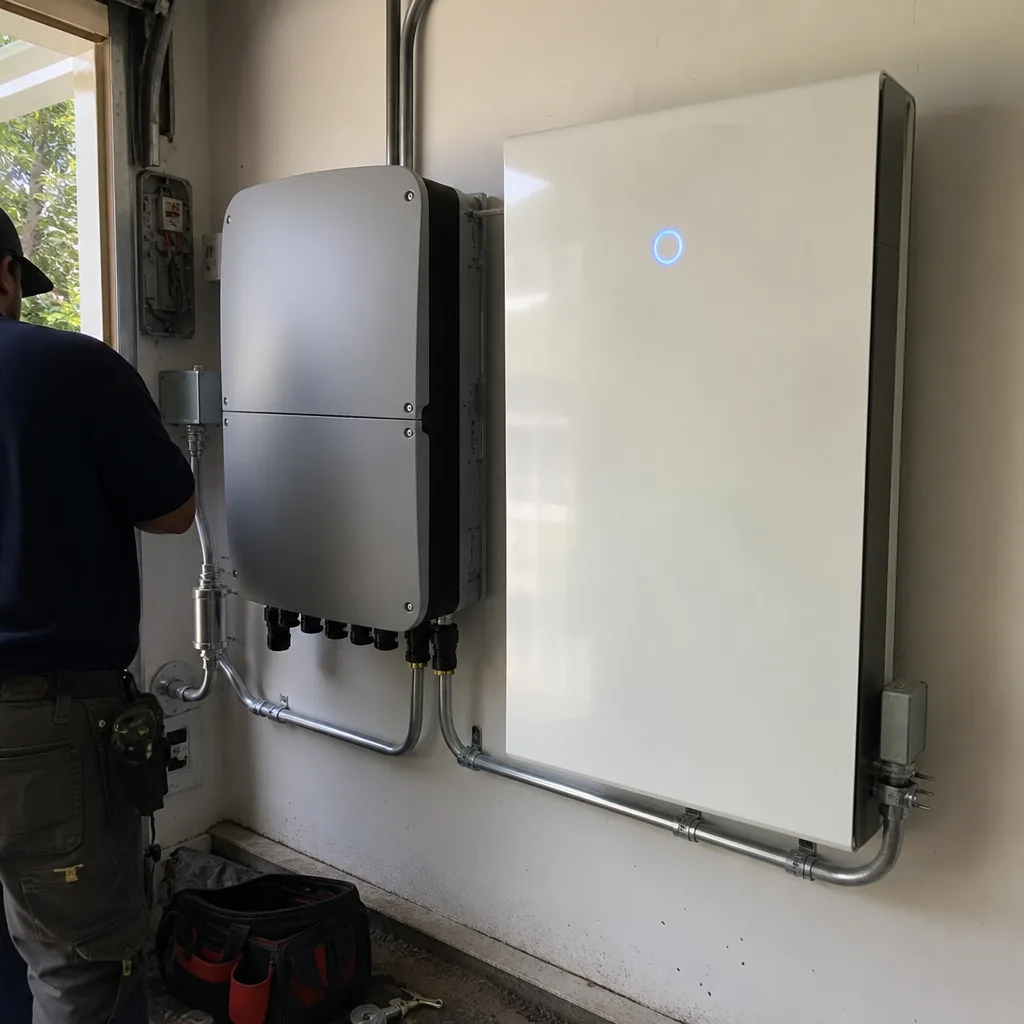
Whole-Home Backup Power
Whole-home backup in Watsonville means sizing for well pumps, refrigerators, and the furnace blower that runs on cold, damp nights. A single battery usually handles essential circuits; two batteries get most homes fully off-grid for a night of PG&E outage. We look at your actual panel loads, not a generic worksheet. Many of the modest single-family homes around downtown Watsonville have 100-amp panels that need a critical-loads subpanel before a battery can legally backfeed. We handle the panel work too, so you’re not juggling an electrician and a solar crew.
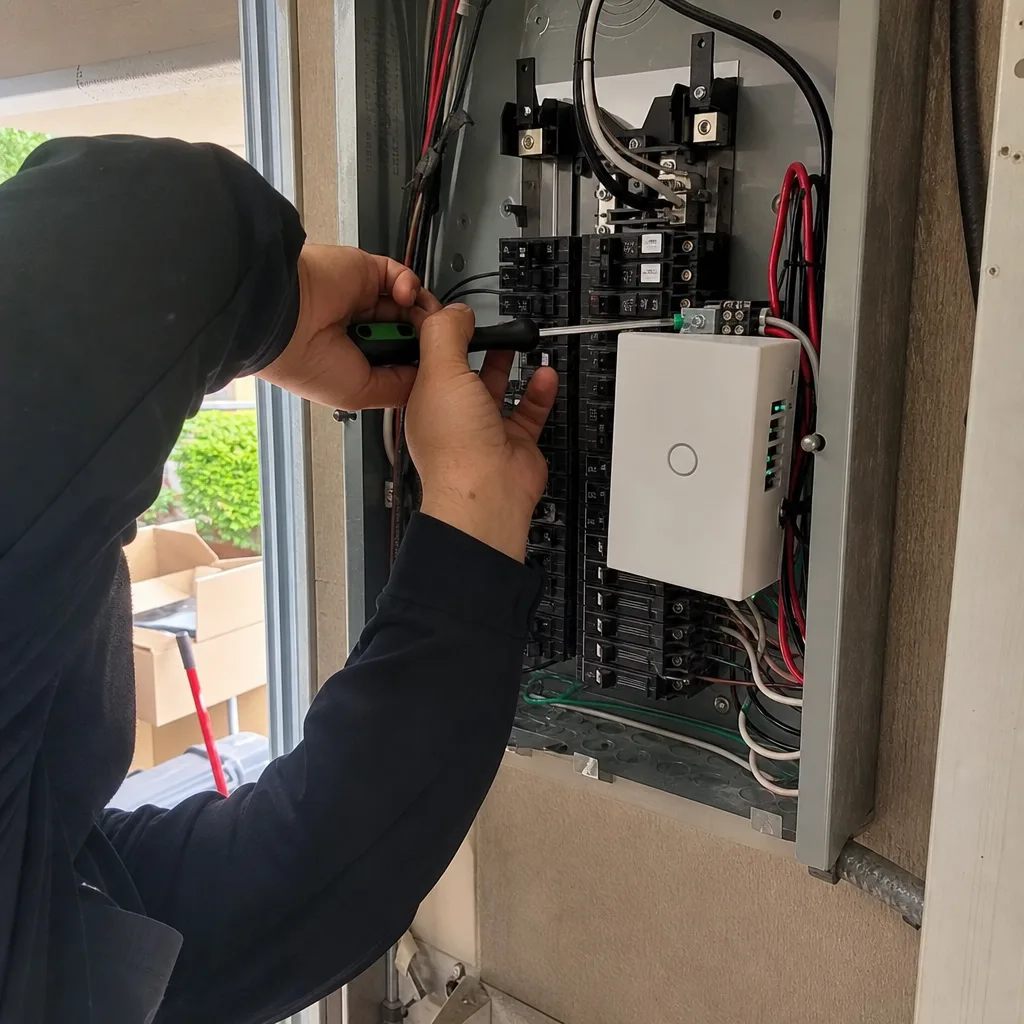
Battery Retrofit for Existing Solar
Already have solar and kicking yourself for not adding storage? We retrofit batteries onto existing systems throughout Watsonville every week. The work involves adding a gateway or system controller, and in homes near the agricultural fields east of town, dust-related voltage drops on existing strings sometimes mean your inverter needs a reconfigure before the battery will charge reliably. A retrofit typically runs $10,000 to $15,000 depending on what’s already on the wall and how old the inverter is. We’ll tell you straight if your system is too old to justify the add-on. That’s what you’re paying us for.
What happens when you call
- 1
A real person answersNo phone trees - you reach a local pro.
- 2
You get an upfront price rangeHonest numbers before anyone is dispatched.
- 3
A background-checked tech heads outLicensed & insured, dispatched right away.
- 4
You approve before work beginsNothing starts until you say go.
Trusted Brands We Service in Watsonville
We install and service Tesla Powerwall, Enphase IQ, and FranklinWH battery systems, and we work with panels from Qcells, REC, and SunPower. Because we stock inverters, breakers, and comms gear in our shop, we’re not waiting on a distributor in San Jose to ship a part when your battery throws an error. That means faster turnaround for Watsonville customers. If you have an existing SunPower or REC array and want to add storage, we’ll tell you exactly what’s compatible before you spend a dollar.
Common Solar Battery Storage & Backup Problems We See in Watsonville Homes
- Morning fog starving the battery. The marine layer clips your solar window from roughly 7 a.m. to 10 a.m. most summer mornings. If your battery was sized using inland irradiance numbers (the default for many sales tools), it never fully charges during the compressed midday window. You’ll see it die early during evening outages. We recalibrate charge profiles and, where needed, add panel capacity to close the gap.
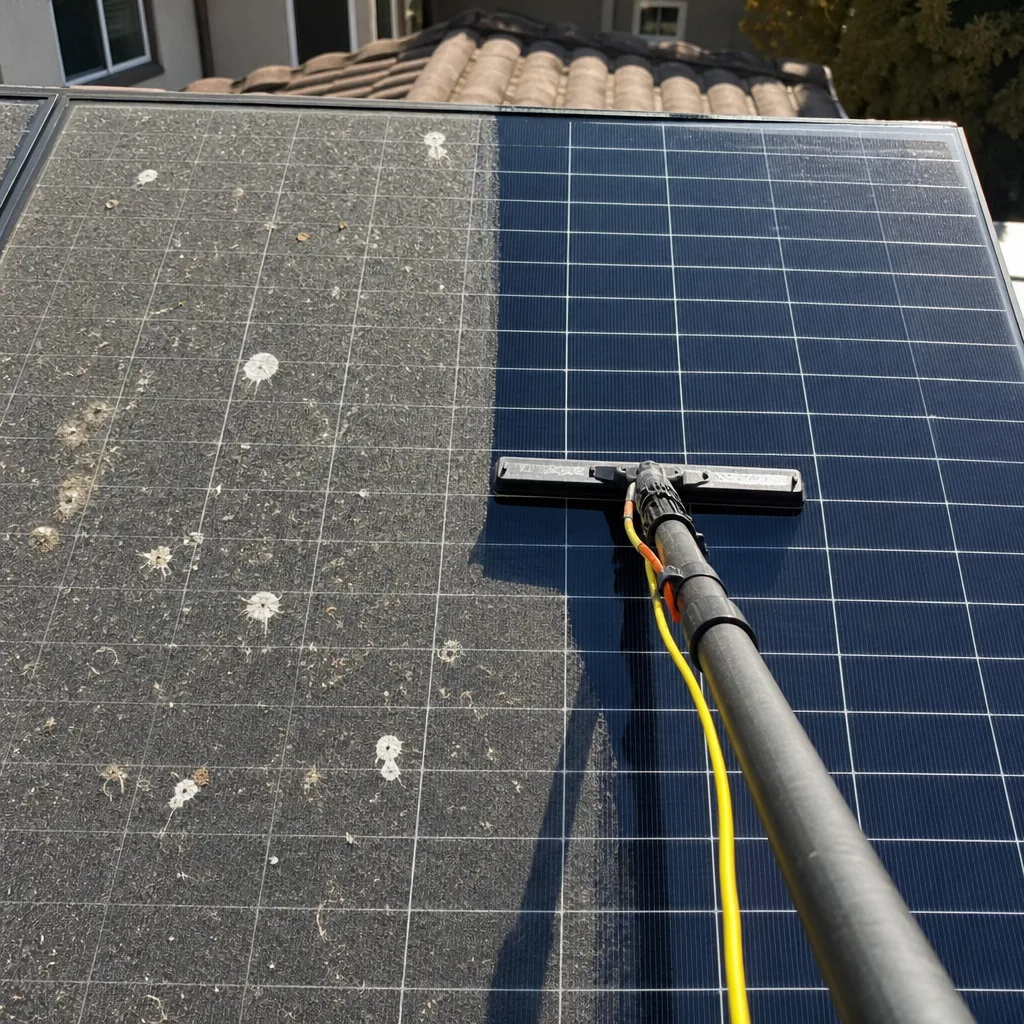
- Agricultural dust cutting charge current. Strawberry bed-prep season kicks up fine soil that coats panels along the field edges of east Watsonville within days. A 15% dust layer drops panel output enough that the inverter throws undervoltage faults and the battery stops charging. Quarterly panel cleaning keeps the system producing, and we’ll write it into your service agreement from day one.
- Mobile and manufactured home panels too small for backfeed. A lot of Watsonville’s farmworker housing is manufactured homes with 100-amp or smaller main panels. Adding a battery means either load-shedding smart circuits or a panel upgrade. We’ve walked dozens of homeowners off Freedom Boulevard and Airport Boulevard through this exact issue, and we won’t install until the interconnection is correctly scoped with PG&E.
- NEM 3.0 export rates eating your credit. Under the current net metering rules, exporting solar during the midday sun buys you pennies while evening grid power costs dollars. A battery shifts that around: charge at noon, run the house at 6 p.m., skip the grid. In Watsonville, where the fog already compresses your solar window, this math matters more than it does over the hill in Gilroy.
Pricing for Solar Battery Storage & Backup in Watsonville, CA
A single battery installation in Watsonville runs $9,500 to $16,500. Two batteries run $18,000 to $28,000. What moves the number: your existing inverter brand, main panel capacity, whether we need a critical-loads subpanel, and the distance from your electrical setup to where the battery will live. We quote off your actual utility bill and your actual hourly usage data, not a generic estimate. Bring me a bill, I’ll bring you the math. Take two weeks. Think about it. The price will be the same. If a salesman needs an answer tonight, the answer is no. Call (877) 550-6892 for a free estimate.
Watsonville’s Fog and Battery Sizing: What You Actually Need
Watsonville sits under one of the most persistent marine-layer fog bands on the Monterey Bay coast. From May through September, mornings are gray until 10 or 11 a.m., and sometimes the fog never burns off before the afternoon sea breeze rolls back in. Your solar panels produce in the compressed midday window, roughly 11 a.m. to 4 p.m. A battery sized for the all-day production curve of an inland city like Gilroy will chronically undercharge here because it expects morning photons that never arrive. When the fog is thick and a PG&E outage hits at 7 p.m., an undersized battery dies before the lights even notice the grid is gone. We size batteries for the actual Watsonville production curve: smaller charge window, faster charge rate, more usable capacity in the evening. This is the information-gain piece: generic solar pages use statewide irradiance tables, and that’s why batteries underperform in this town. We’ve corrected systems from other installers who got this wrong.
NEM 3.0 and Time-of-Use: Why Watsonville Is Different
Under NEM 3.0, PG&E credits solar exports at pennies during midday and charges full retail when you pull from the grid at 6 p.m. In Santa Cruz, where the fog is lighter and the wealthy hillside homes have larger arrays, the penalty stings. In Watsonville, where the marine layer already eats your morning production, the sting is worse: you have fewer export credits to bank against evening usage. That’s why a battery pays for itself faster here than it does over the hill. Shift your midday production into your evening consumption, and the utility stops collecting from you after 5 p.m. We program the system for peak-shaving under the current rate schedule, and we requote the savings when PG&E changes rates. You’re not locked into a static design.
Our crew installed a Tesla Powerwall at a home on Sakata Lane where the marine layer kept mornings dim until nearly 11 a.m. We paired the battery with the existing Enphase microinverters to capture the brief midday surplus and programmed the system for peak-shaving under NEM 3.0, so the homeowner’s true-up statement stopped showing evening grid charges. That’s the kind of local knowledge you don’t get from a call center in Texas.
Time-of-Use & NEM 3.0 Optimization
We program your battery for Watsonville’s actual rate schedule, not a generic California profile. That means charging when solar is strongest (11 a.m. to 3 p.m., given the fog), discharging when PG&E’s rates spike (4 p.m. to 9 p.m.), and holding reserve capacity for evening outages. Many installers leave batteries in self-consumption mode, which works fine in San Diego and does almost nothing on Sakata Lane in July. We tune the charge curve to your fog-delayed production and your agricultural dust-adjusted panel output, because both of those things change the math in this town.
Battery Retrofit for Existing Solar: What Watsonville Homeowners Should Know
Most retrofits in Watsonville go onto systems installed between 2015 and 2021, before NEM 3.0 made storage financially logical. Your panels are fine; the issue is whether the inverter supports AC-coupled storage. Older string inverters often need replacement or a dedicated battery inverter added. In Watsonville, we also check for dust-related voltage drops on existing strings before we quote: if your panels are coated in strawberry field particulate, the battery won’t charge properly no matter how new it is. We’d rather sell you a cleaning schedule and a properly-sized battery than oversell you capacity that never fills.
We Also Serve Cities Near Watsonville
Our Solar Battery Storage & Backup team serves Watsonville and the surrounding communities: Interlaken, Aptos, Rio Del Mar, and Capitola. The same crew, the same 90-Day Done Right Promise, the same phone number. If you’re in the Pajaro Valley or up the coast, call (877) 550-6892 and we’ll be there. We’re Solar Battery Storage & Backup in Watsonville locals, and we treat every one of these towns like our own zip code.
Serving Watsonville, CA - Our Local Coverage Area
We’re based in the Watsonville area and know this community well. Use the map below to see our service coverage - if you’re nearby, we can almost certainly help.
FAQs - Solar Battery Storage & Backup in Watsonville
Watsonville’s marine layer clips 3 to 4 hours of morning production from May through September, so your panels only generate strongly from roughly 11 a.m. to 4 p.m. A battery sized for Gilroy’s all-day sun curve will undercharge and deplete early during evening outages. We size batteries for the compressed midday window and set charge profiles accordingly. Call (877) 550-6892 for a battery quote built on Watsonville’s actual solar curve, not a statewide average.
Yes, in most cases. The challenge is usually the main panel: many manufactured homes in Watsonville have 100-amp or smaller panels that can’t legally backfeed a battery without a critical-loads subpanel or panel upgrade. We also check for dust-related voltage drops on your existing array before we quote. Call us at (877) 550-6892 and we’ll inspect your setup and give you honest numbers.
Yes. Watsonville’s fog already compresses your solar export window, so you bank fewer NEM credits than Santa Cruz homeowners with longer, sunnier mornings. That makes the evening-time shift from a battery more valuable here. Expect a faster payback period than a comparable system over the hill, generally 6 to 9 years depending on your usage. We’ll run the math on your actual bill before you commit a dollar.
Every 3 months, and more often during strawberry bed-prep and fumigation season (spring and early fall) when bare-field dust blows onto panels within days. A 15% dust layer can trigger inverter undervoltage faults and stop battery charging. We write quarterly wash schedules into our service agreements for agricultural-edge neighborhoods. Call (877) 550-6892 and we’ll set up a cleaning schedule for your system.
Yes, and that’s something we see regularly in rural Watsonville and the surrounding Pajaro Valley. Well pumps draw 2,000 to 5,000 watts at startup, so your battery must be sized for that surge, not just your base load. A single Powerwall typically handles a 1 to 2 HP well pump; larger pumps may need two batteries. Call (877) 550-6892 and we’ll check your pump’s nameplate rating and give you a straight answer.
Written by Gus Petrakis, Owner at Gus’s Solar, serving Watsonville since 2011.