
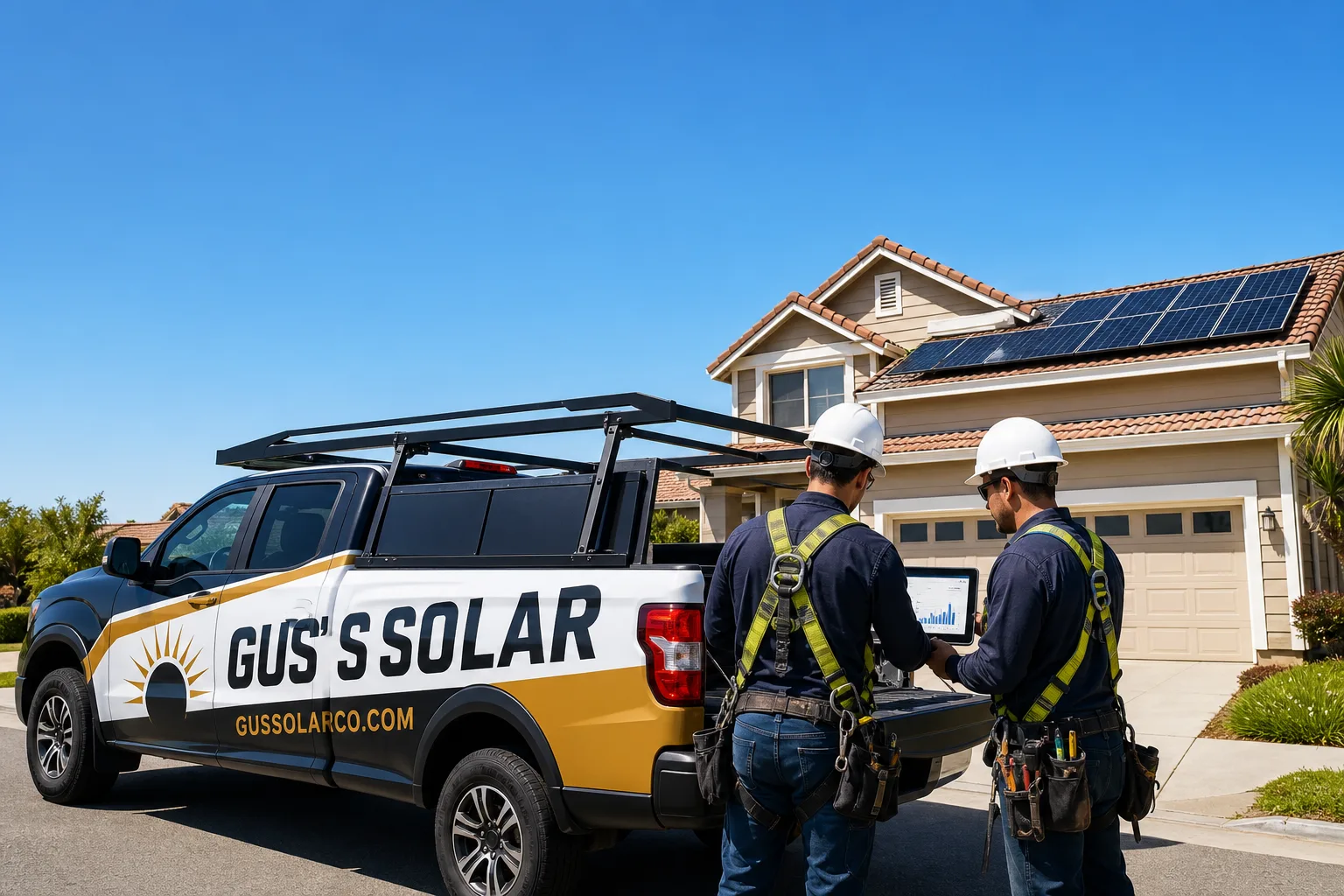
Free bill analysis - bring a power bill, get the production math for your actual roof, panel brands like Qcells and REC compared side by side
If the pitch starts at your door and ends with "sign tonight for the special," sleep on it. The sun will still be there tomorrow; so will we.
 Before
 After
After Before
 After
After Before
 After
AfterFast, Reliable Solar Battery Storage & Backup Across Mountain House
Solar battery storage in Mountain House typically costs between $11,500 and $18,000 installed for a single-battery system, with most retrofits finishing in one to two days because nearly every home here was built with a modern 200-amp panel. That last part matters more than you’d think: in older California cities, a battery job often stalls on a panel upgrade or structural reinforcement. In Mountain House, your house was built for this. If you’re weighing backup power against rising PG&E rates, call us at (877) 550-6892 and we’ll walk through the real numbers off your actual bill, not a brochure estimate.
We know Mountain House the way a neighbor does: the Central Park spine running through the villages, the alleys behind the Shea and Pulte tracts, the HOA design-review packet that sits on every kitchen counter. Our Solar Battery Storage & Backup team has retrofitted batteries onto post-2000 tract homes from Wicklund to College Park, and we schedule work around the approval timelines this community actually runs on. A live person answers our phone around the clock, and the crew that shows up is Gus’s own, background-checked and uniformed.
Why Gus’s Solar Is Mountain House’s Preferred Solar Battery Storage & Backup Company
Gus Petrakis founded this company in 2011, and he still answers his own phone. That’s not a marketing line; it’s how the shop runs. Mountain House homeowners call us because they’ve already been burned once, usually by a door-knocker who quoted one number and then handed them another at the signing table. Gus does the opposite: he quotes the year-25 output, not the day-one brochure number, and he tells you to take two weeks before you sign anything. If a salesman needs an answer tonight, the answer is no.
We’ve earned a strong local reputation in Mountain House because the work is standardized, predictable, and done by people whose names you can verify. No subcontracted crews. No call center in another state. When a Mountain House customer calls about a battery that stopped discharging during a summer heat wave, we don’t open a ticket, we send someone. Most calls inside San Joaquin County get same-day or next-day service.
The L.O.C.A.L. values aren’t a poster on our wall; they’re the operating code: Local roots, On time, Community first, Accountable, Loyal. When we install a battery in Mountain House, we know it’ll be inspected by a sharp-eyed HOA architectural committee and a homeowner who read every line of the design-review packet. That’s fine. We keep a pre-approved panel list and elevation-drawing template specific to this community’s design guidelines, and that shortens your timeline by days, sometimes weeks.
Our Solar Battery Storage & Backup Services in Mountain House
Tesla Powerwall Installation
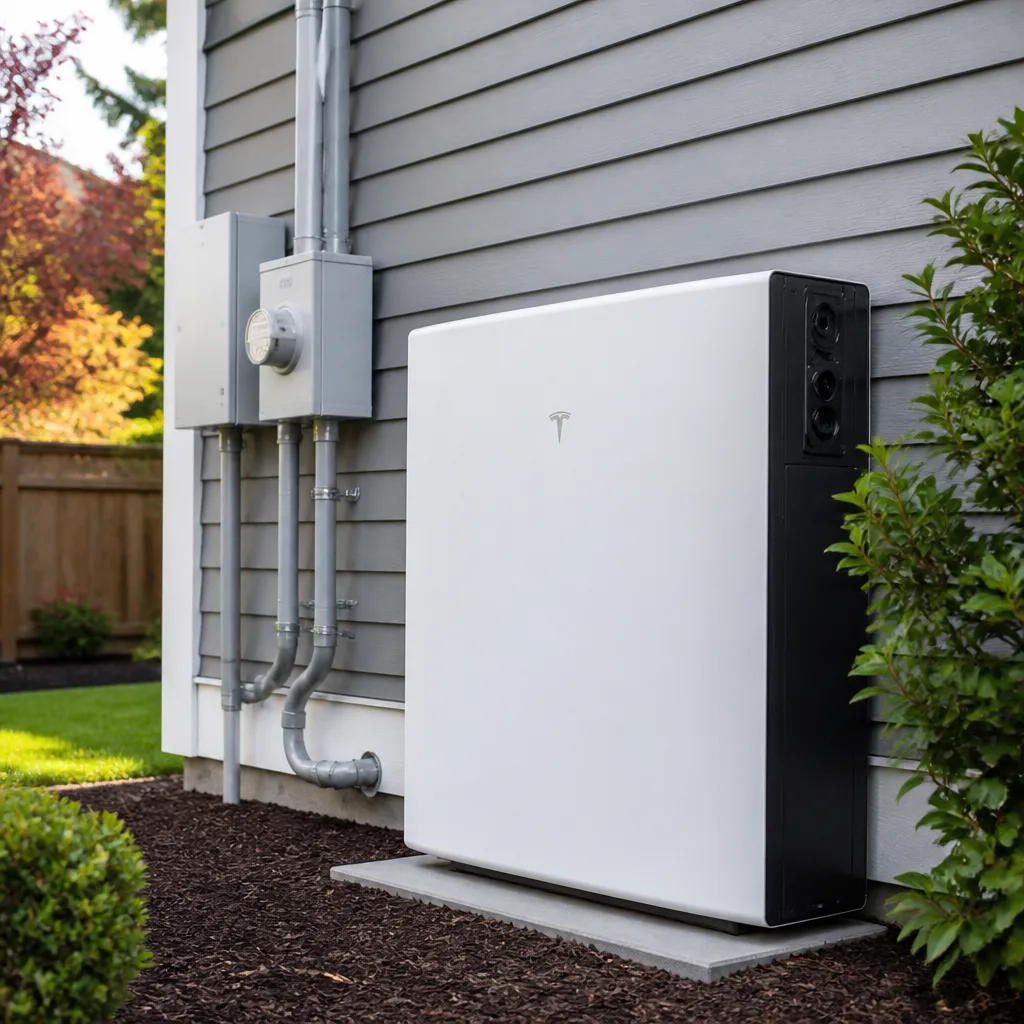
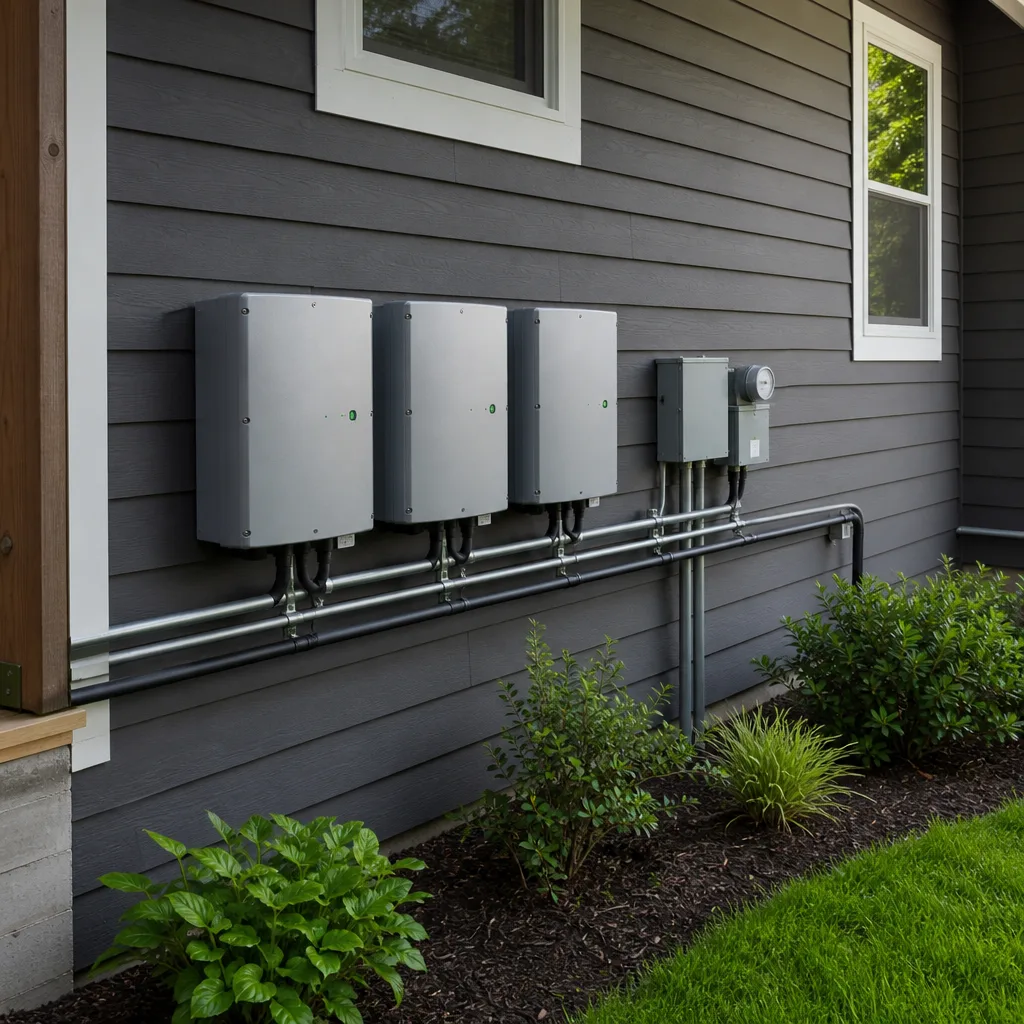
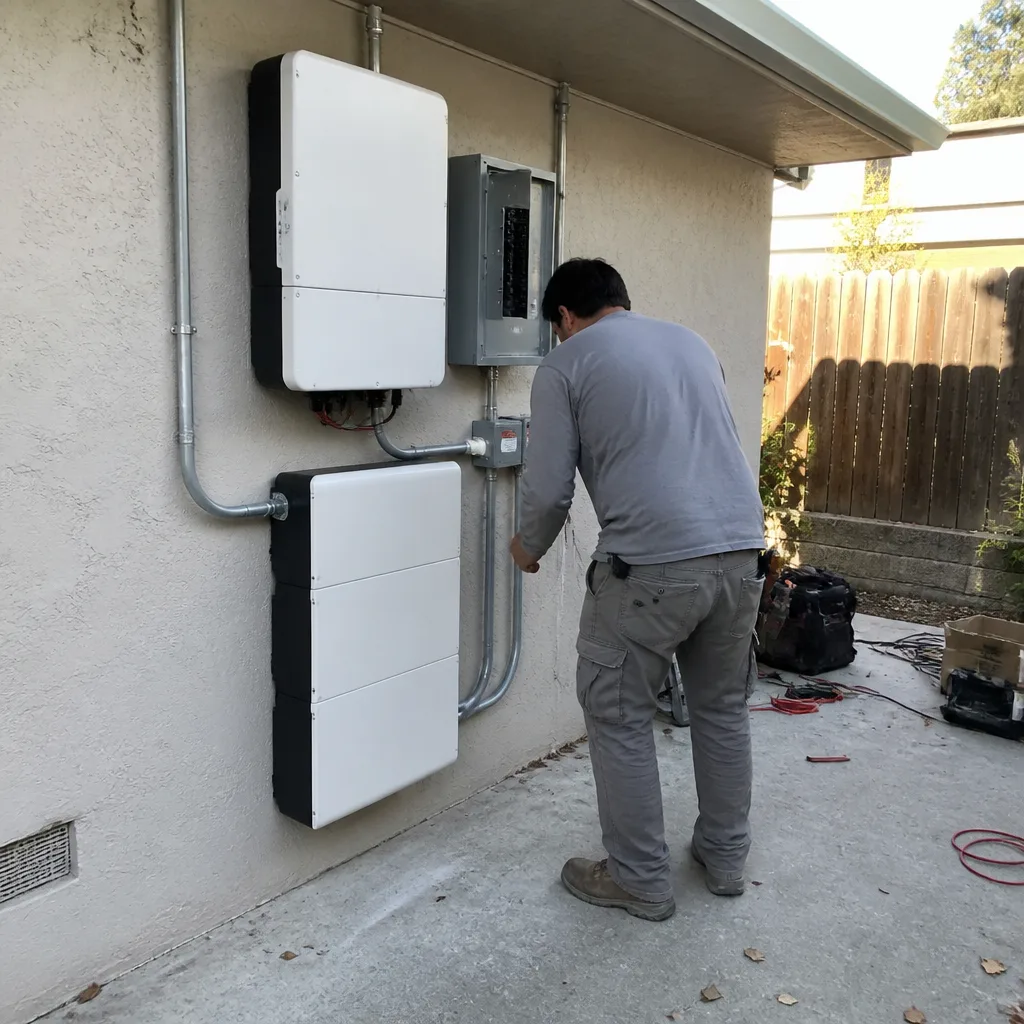
A Tesla Powerwall 3 installation in Mountain House typically runs $13,000 to $16,500 for the first battery, including the Gateway and labor. On the tight, alley-loaded two-story lots common to the Shea-built villages, we usually wall-mount the Powerwall in the garage or on a shaded side yard wall, keeping it clear of HOA sightline rules. Most installs finish in a single day because the electrical panel is already adequate and the conduit path is pre-run.
Enphase IQ Battery Installation
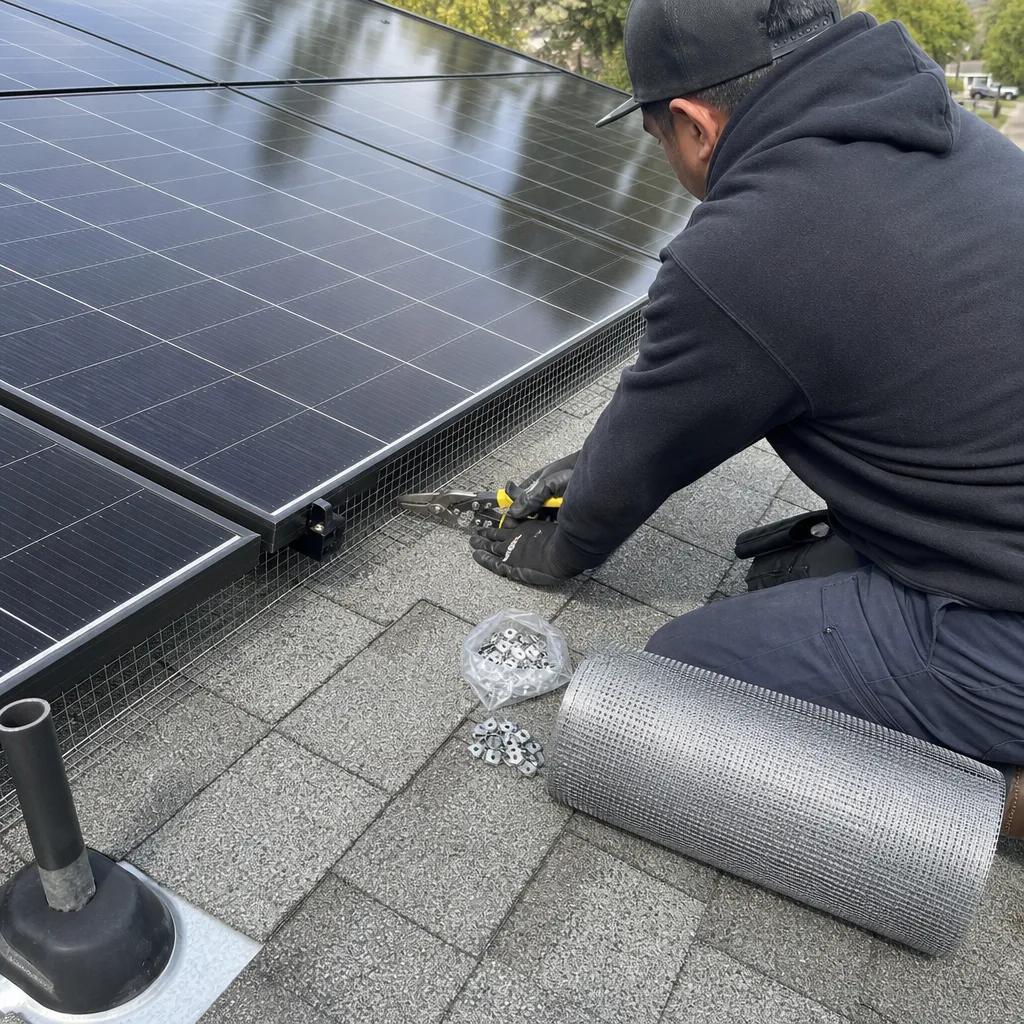
Enphase IQ Battery systems sit directly next to your inverter and integrate with the microinverter architecture already on most Mountain House roofs. The IQ 5P pairs cleanly with existing Enphase arrays, which we see all over the Wicklund and Questa villages. Because your roof was built under post-2000 Title 24 codes with predictable south- or west-facing exposure, an IQ battery can often be added without touching the roof or the main panel.
Whole-Home Backup Power
Whole-home backup for a two-story Mountain House tract home usually requires two batteries to cover the summer AC load, landing between $22,000 and $30,000 installed. We’re honest about that math; a single battery will not run a 4-ton AC unit through a 105°F valley afternoon. We model the actual draw from your utility bill and tell you exactly what each battery configuration will and won’t carry during an August outage in the 95391 zip code.
Battery Retrofit for Existing Solar
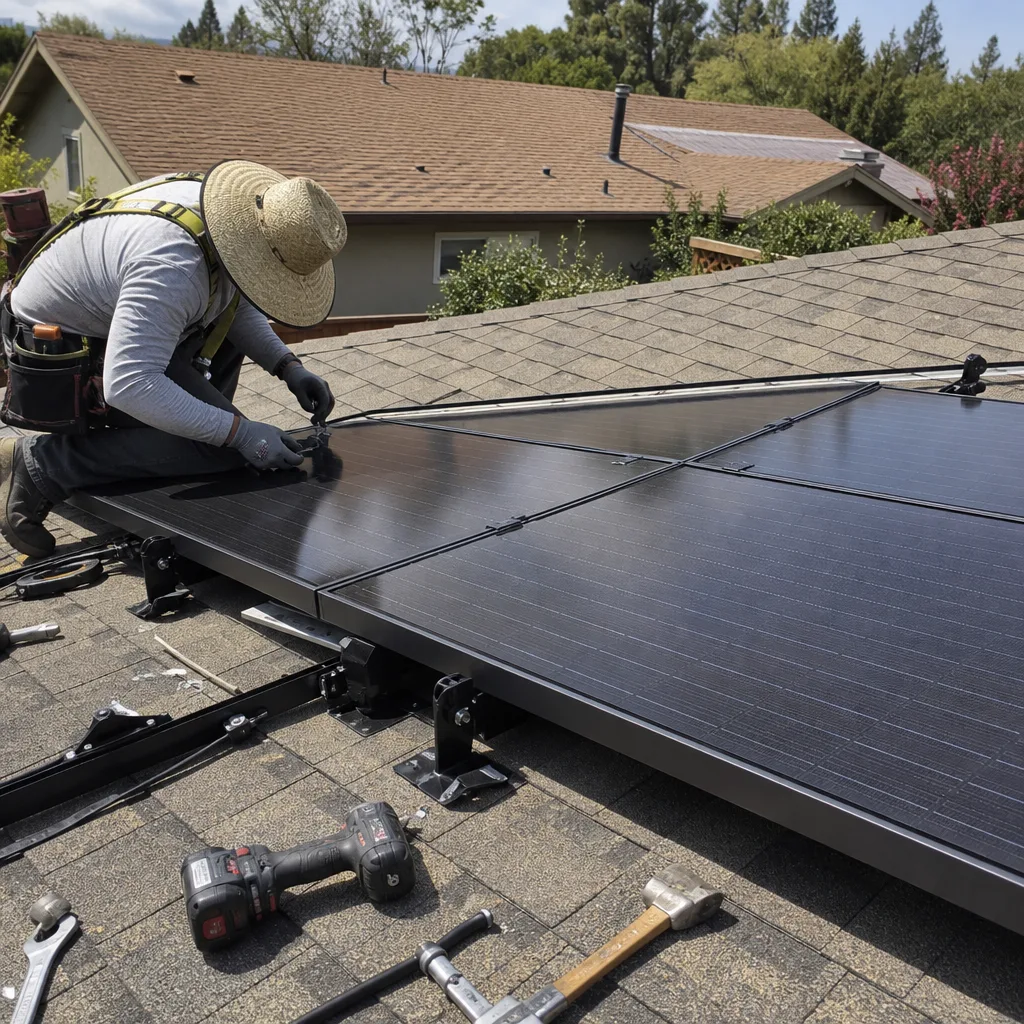
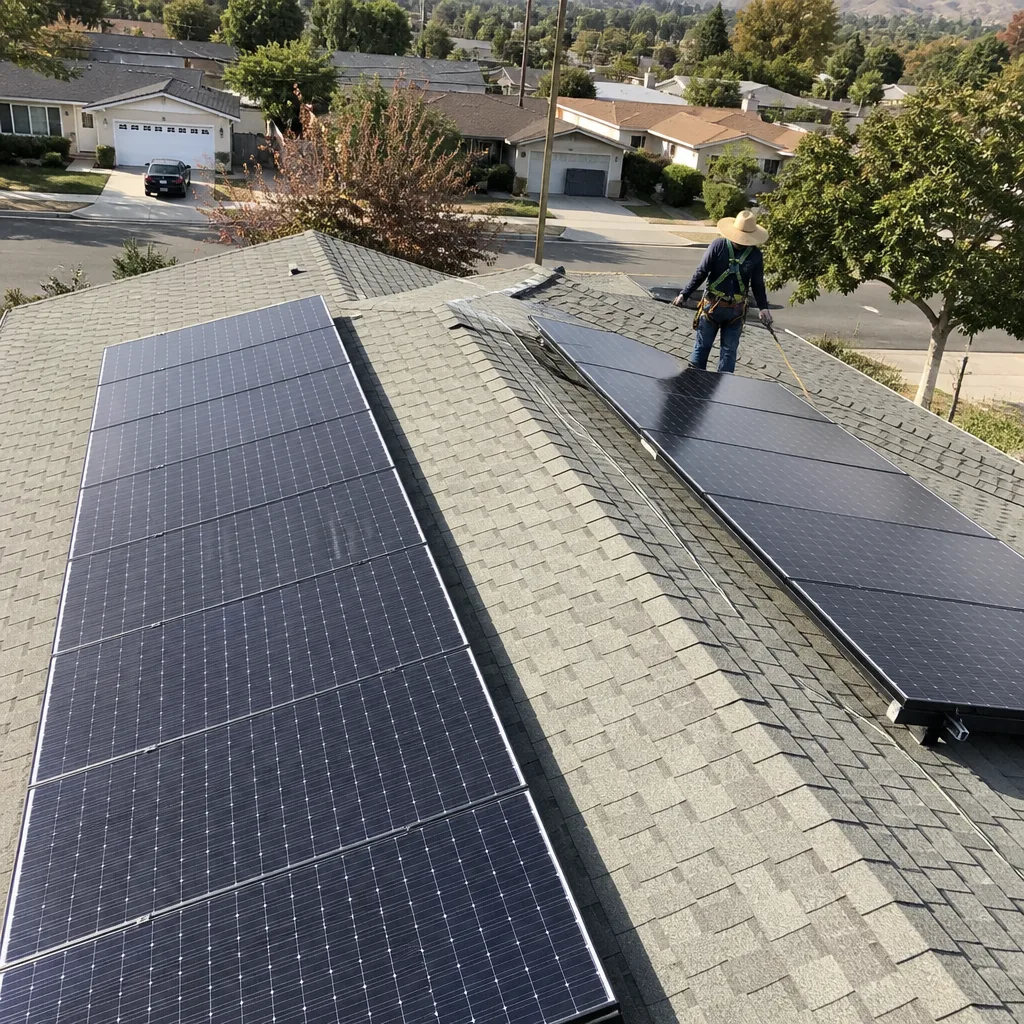
This is the most common job we do in Mountain House: adding storage to a solar system installed between 2005 and 2019, before batteries were standard. The good news is your home needs almost no preparation. The panel is 200-amp, the trusses are modern, the conduit is in place. The main variable is HOA approval, and we’ve got the elevation templates and panel lists already matched to this community’s design guidelines, so the approval step moves fast.
What happens when you call
- 1
A real person answersNo phone trees - you reach a local pro.
- 2
You get an upfront price rangeHonest numbers before anyone is dispatched.
- 3
A background-checked tech heads outLicensed & insured, dispatched right away.
- 4
You approve before work beginsNothing starts until you say go.
Trusted Brands We Service in Mountain House
We work with the industry’s leading equipment brands, including Tesla, Enphase, SolarEdge, Panasonic, and FranklinWH, and we keep common parts stocked for fast turnaround across Mountain House. When a SolarEdge inverter throws a fault at 6 p.m. on a summer Tuesday, we don’t want you waiting a week for a part to ship. We carry what the local fleet of 2005-2019 tract homes actually uses, because we’ve been installing and servicing exactly this housing stock for years.
Common Solar Battery Storage & Backup Problems We See in Mountain House Homes
- Batteries left on default Time-of-Use schedules. We regularly see systems that should be shifting load but aren’t, because the firmware never got tuned after install. The result is a true-up statement that looks nothing like the savings projection. We set reserve levels and peak-export windows to match how PG&E actually bills Mountain House homes.
- Tule fog starving winter production. From December through February, dense valley fog can cut daily solar production below 5 kWh for weeks at a stretch. A single battery won’t recharge enough on those days to cover an evening AC run unless reserve settings are dialed in for fog season, not just summer peaks.
- Limited breaker slots on 2005-2019 main panels. Some original panels in Mountain House, especially on the larger Pulte floor plans, have fewer open slots than you’d expect. A whole-home backup project sometimes forces a subpanel, something we flag at quoting rather than discovering on install day.
- HOA approval friction. Mountain House’s architectural committees are active and bound by California Civil Code 714, which protects solar rights but still requires a formal submittal on nearly every job. Generic installers fumble this step. We keep the pre-approved panel list and elevation templates for this community on file, which removes change-order friction and days of waiting.
Pricing for Solar Battery Storage & Backup in Mountain House, CA
Here’s the straight math for Mountain House, no vague hedging:
- Single battery (Tesla Powerwall 3, Enphase IQ 5P, or SolarEdge Home Battery): $11,500-$16,500 installed
- Two-battery whole-home backup: $22,000-$30,000 installed, depending on your AC load and panel configuration
- Battery retrofit to existing solar (no new panels): $10,500-$14,000, assuming no subpanel work
- Subpanel addition for limited breaker slots: $1,200-$2,400, flagged upfront when needed
- Time-of-Use and NEM 3.0 optimization tune-up: $300-$600, often included free with a new battery install
Your price comes off your actual utility bill, because that’s the only honest input. Bring me a bill, I’ll bring you the math. Estimates are free, and the number quoted is the number charged. Take two weeks. Think about it. The price will be the same. Call (877) 550-6892 for an exact quote.
We Also Serve Cities Near Mountain House
Our crews serve Mountain House daily and also cover nearby Tracy, Discovery Bay, Livermore, and Brentwood. If you’re just outside the 95391 boundary and wondering whether we’ll come out, the answer is almost always yes; call (877) 550-6892 and ask. No trip charge inside our own county, and a free second opinion on any written estimate from another company.
Serving Mountain House, CA - Our Local Coverage Area
We’re based in the Mountain House area and know this community well. Use the map below to see our service coverage - if you’re nearby, we can almost certainly help.
FAQs - Solar Battery Storage & Backup in Mountain House
The NEM 3.0 export rates are the same utility schedule for both communities, since both are served by PG&E, so the difference comes down to your consumption pattern and roof orientation, not the rate itself. In Mountain House, the uniform south- and west-facing roof stock means a battery captures predictable solar through the morning and early afternoon, then discharges during the 4-9 p.m. peak window when export credits are highest. We model the payback from your actual true-up statement, not a zip-code average. Call (877) 550-6892 and we’ll run the math on your bill for free.
Yes, in nearly every village within Mountain House you will need HOA design-review approval for a wall-mounted battery, even if your solar panels were already approved years ago. The good news: California Civil Code 714 limits how much an HOA can restrict solar and storage, and Mountain House’s committees are now processing battery approvals routinely. We keep a pre-approved panel list and elevation-drawing template specific to this community’s guidelines, which typically cuts approval time down to a week or two. Call (877) 550-6892 and we’ll prepare the submittal for your specific village.
No. A single Powerwall 3 can briefly start a smaller 2-ton AC unit, but it cannot sustain a typical 3.5 to 4-ton central air system through a 105°F valley afternoon; the math just doesn’t work. Most Mountain House two-story homes need two batteries for genuine whole-home backup through a summer outage. We’ll show you the actual amp draw from your condenser nameplate and tell you exactly what each configuration will carry before you spend a dollar. Call (877) 550-6892 for a straight answer on your specific home.
Plan for meaningful winter hits. During Mountain House’s tule fog season, roughly December through February, a rooftop array that produces 30-40 kWh on a clear June day can drop below 5 kWh on the worst fog days, sometimes for stretches of a week or more. If your battery is charged only by solar, that means it may not reach full charge for days at a time. We tune reserve settings for fog season so you’re not caught flat when the grid goes down in January. Call (877) 550-6892 and we’ll show you a realistic fog-adjusted production curve for your address.
In almost every case, no. Because your 2008 home was built under modern Title 24 codes, the main panel is already 200-amp, which is what a single SolarEdge Home Battery requires. The only exception we see is when a larger floor plan has run out of open breaker slots, and that’s a subpanel fix, not a full service upgrade. We caught that at quoting, not on install day. Call (877) 550-6892 for a free panel check; we’ll tell you exactly where your home stands.
Written by Gus Petrakis, Owner at Gus’s Solar, serving Mountain House and the Central Valley. Gus founded the company in 2011 and still answers his own phone.