

Free bill analysis - bring a power bill, get the production math for your actual roof, panel brands like Qcells and REC compared side by side
If the pitch starts at your door and ends with "sign tonight for the special," sleep on it. The sun will still be there tomorrow; so will we.
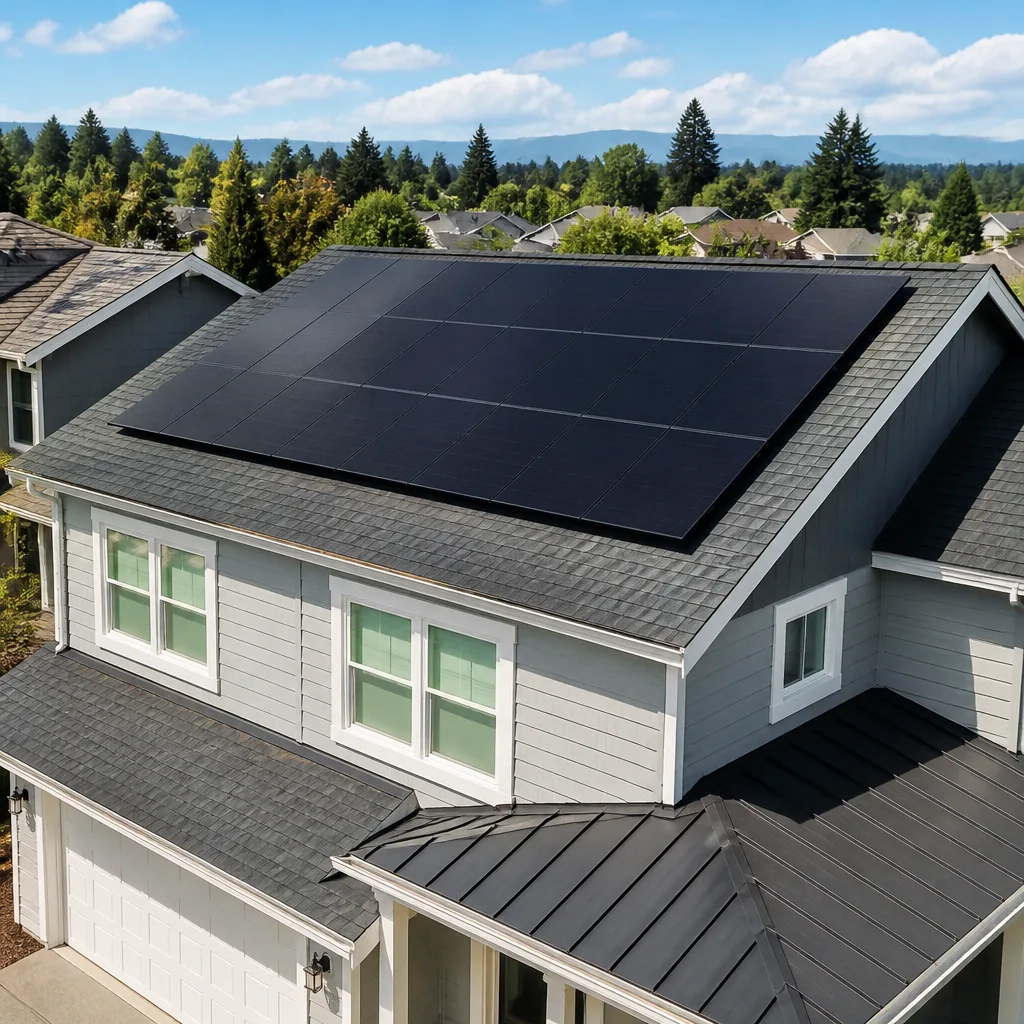
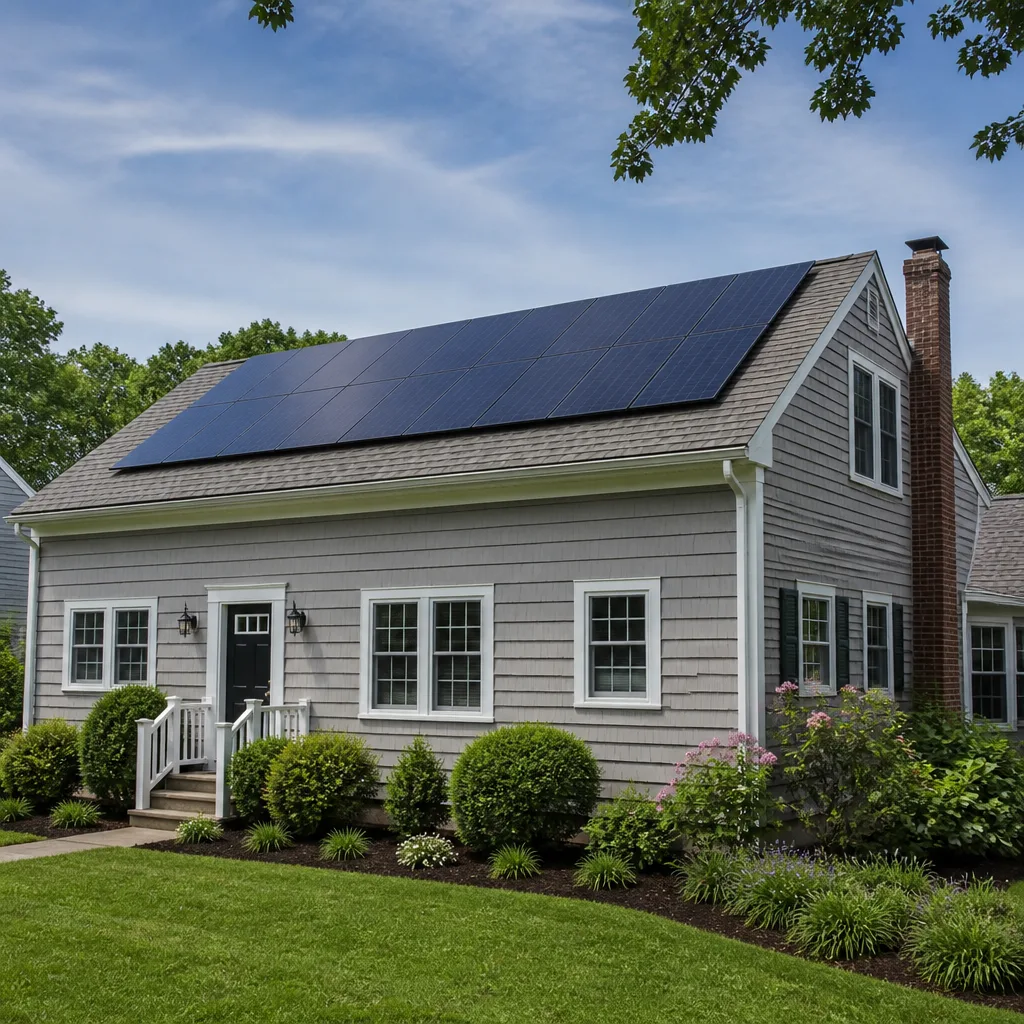

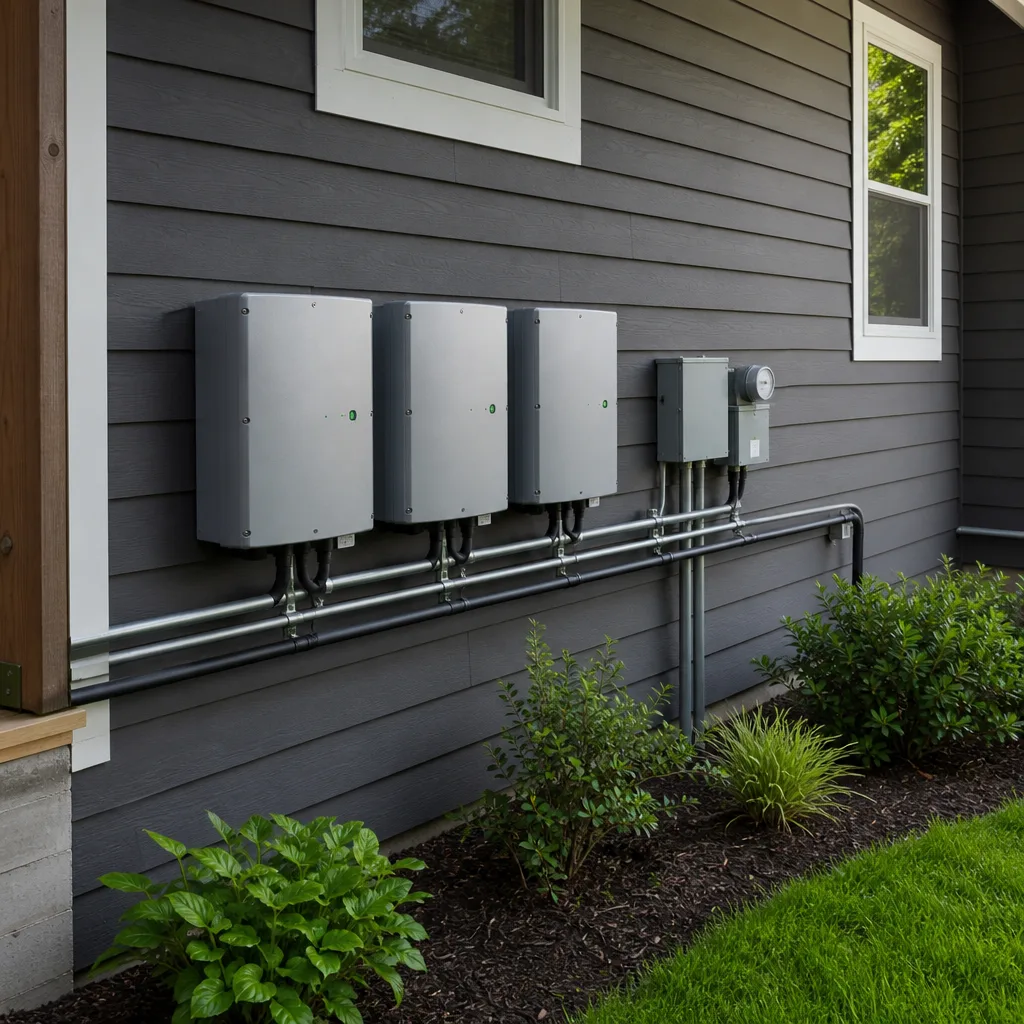
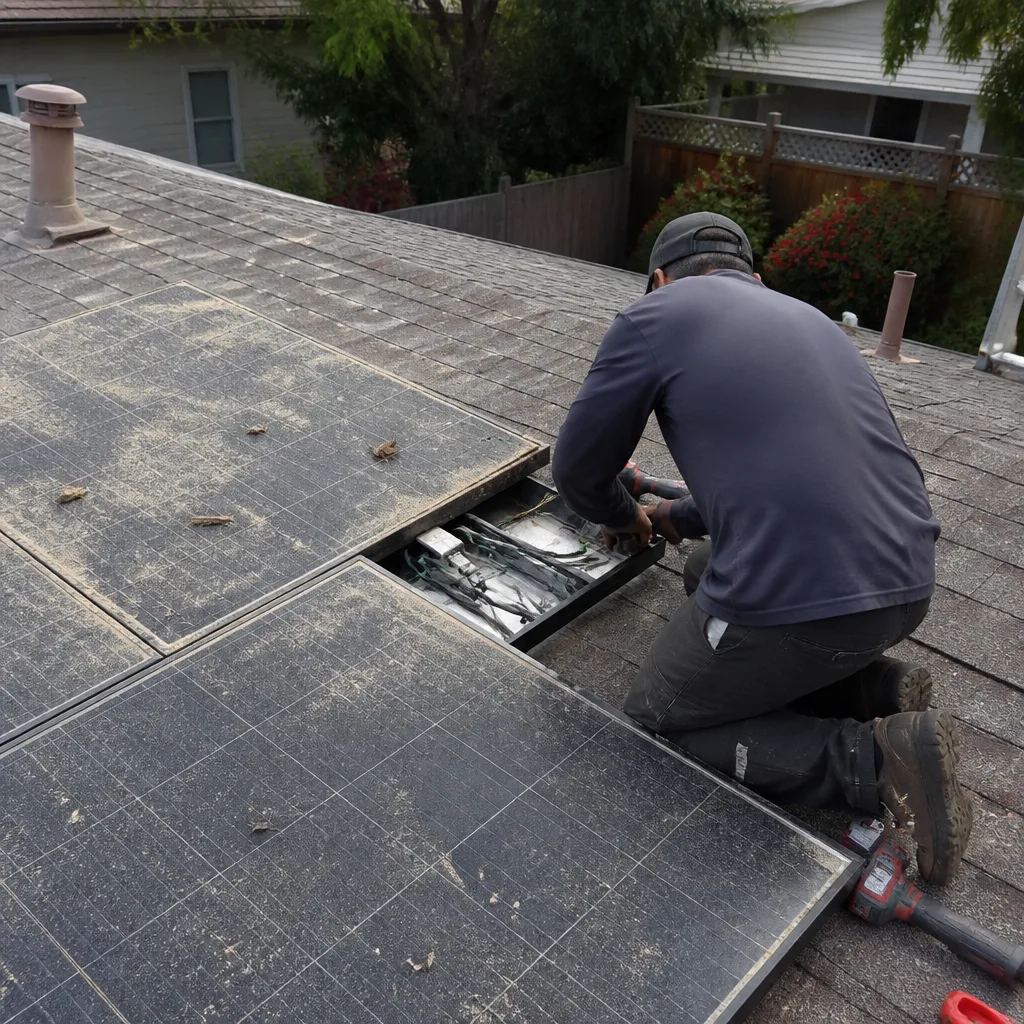 Before
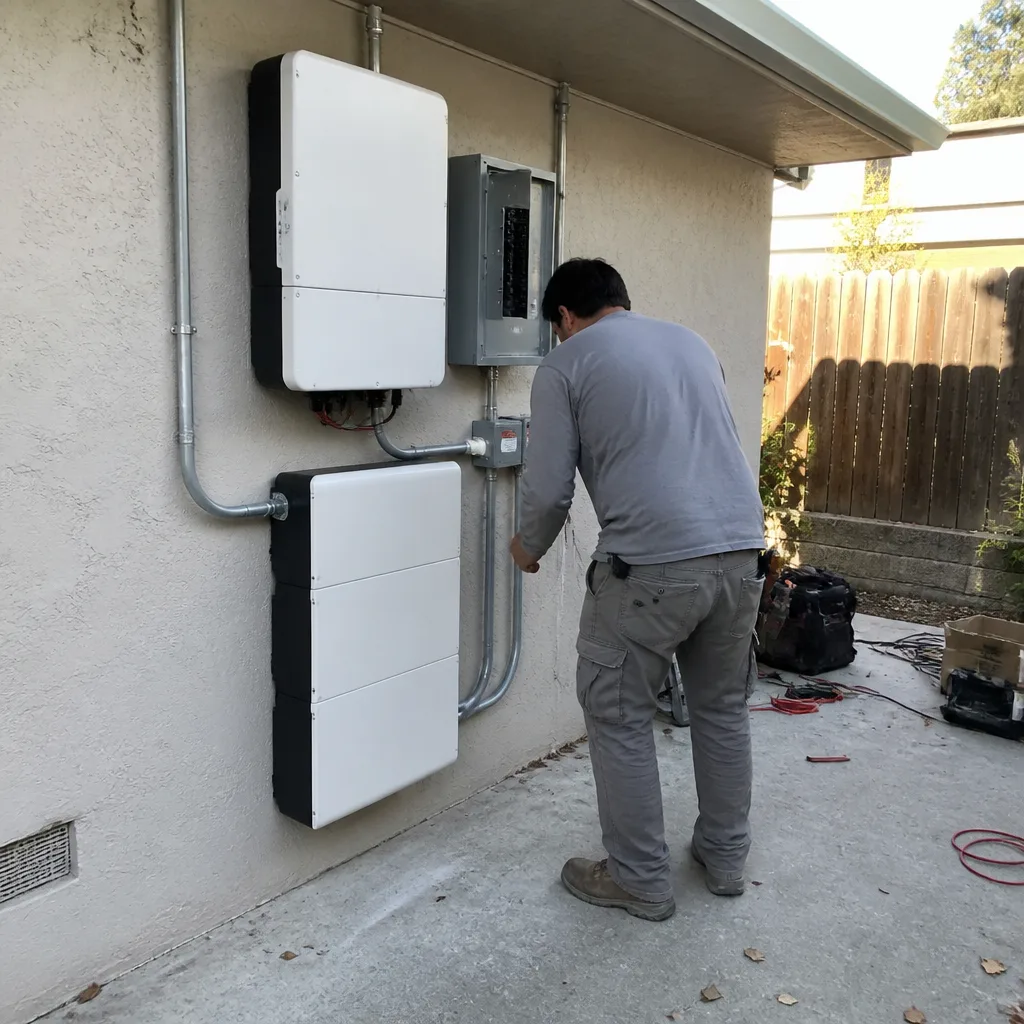 After
After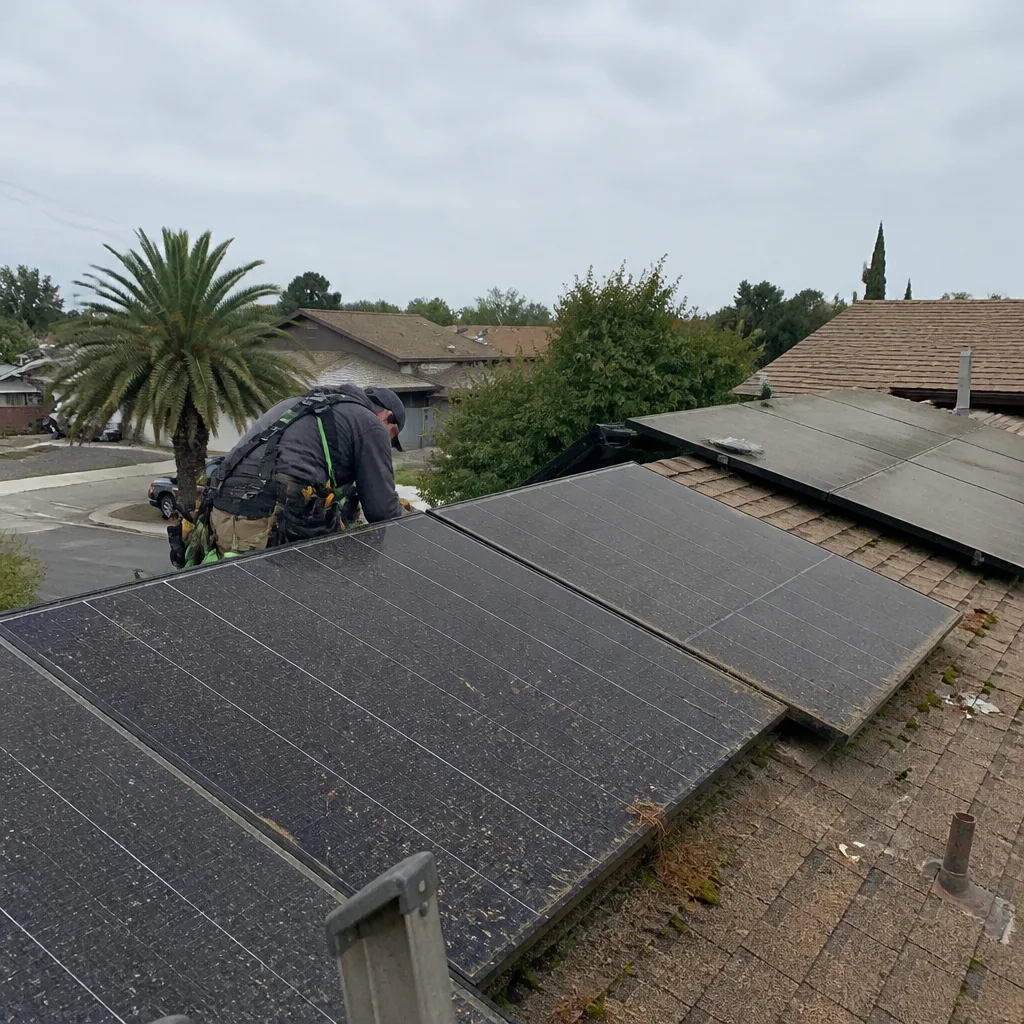 Before
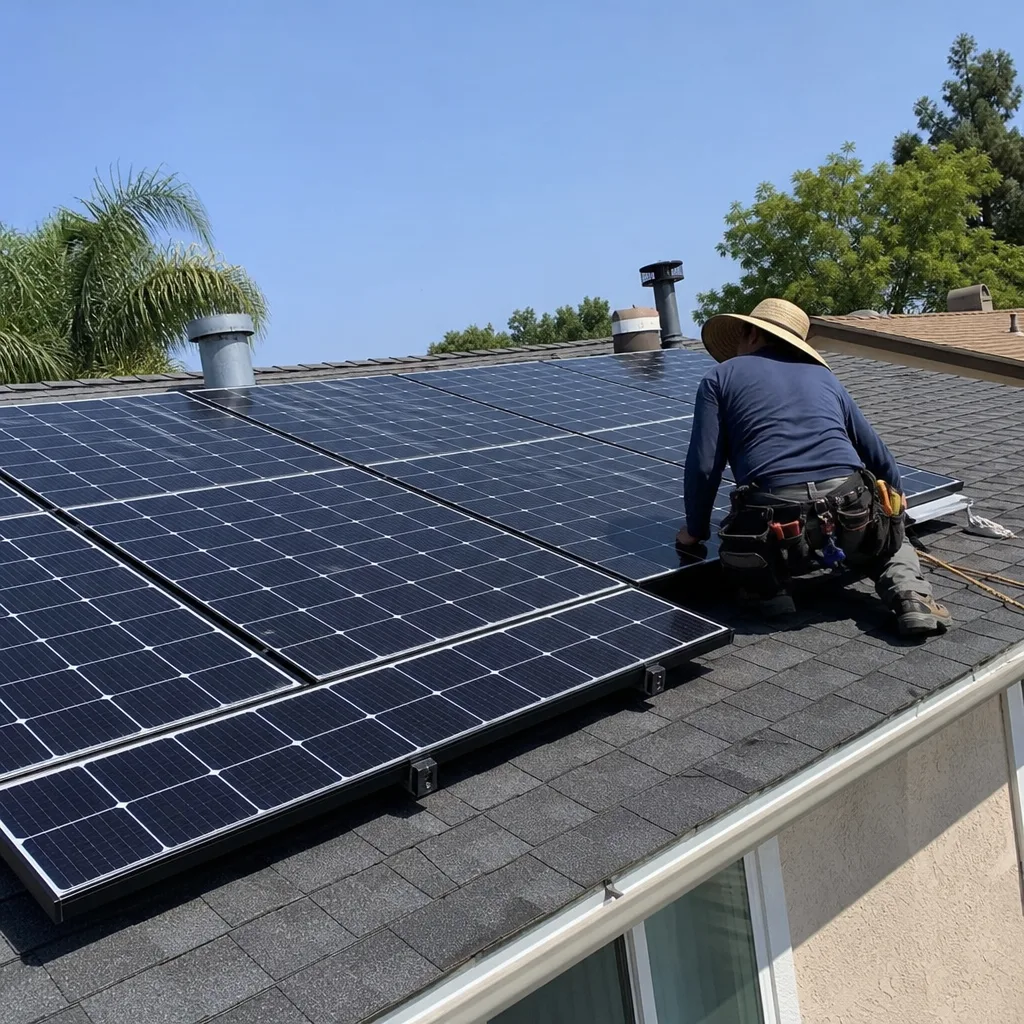 After
After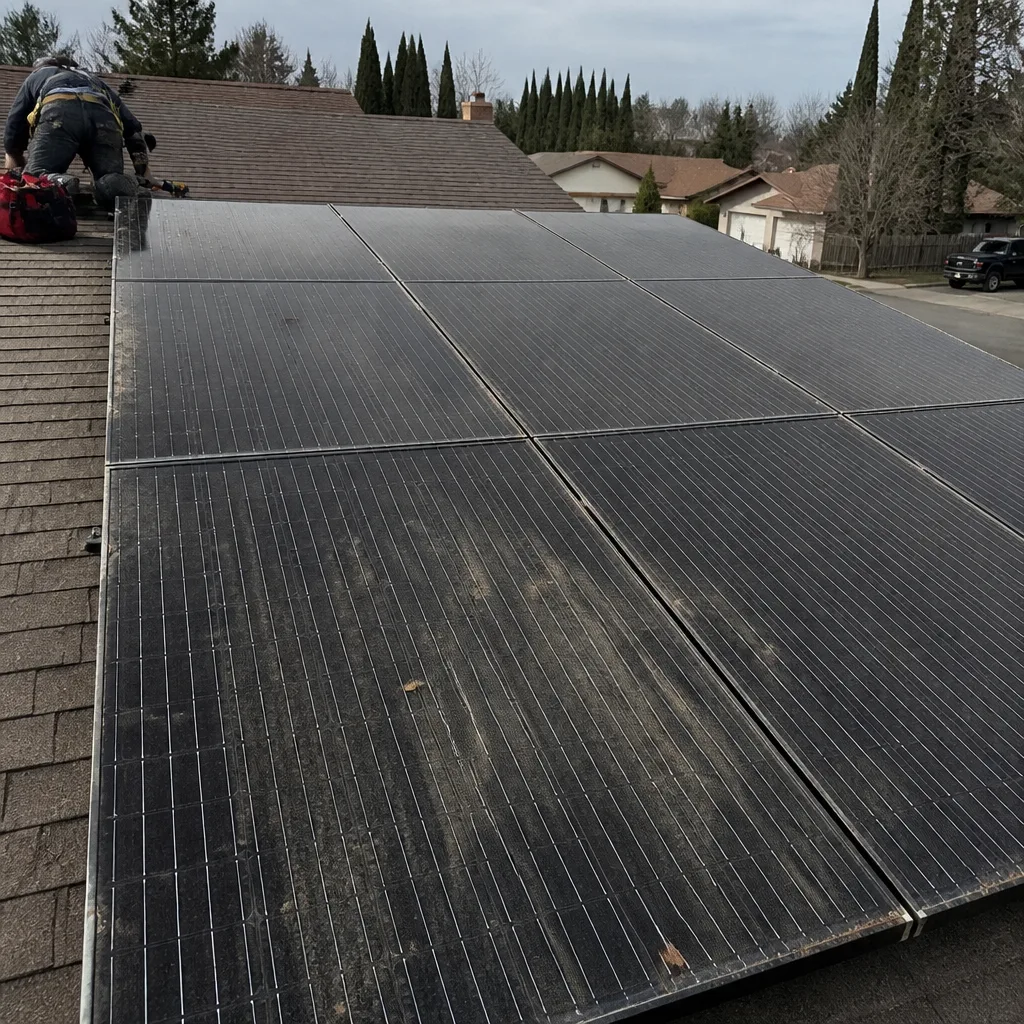 Before
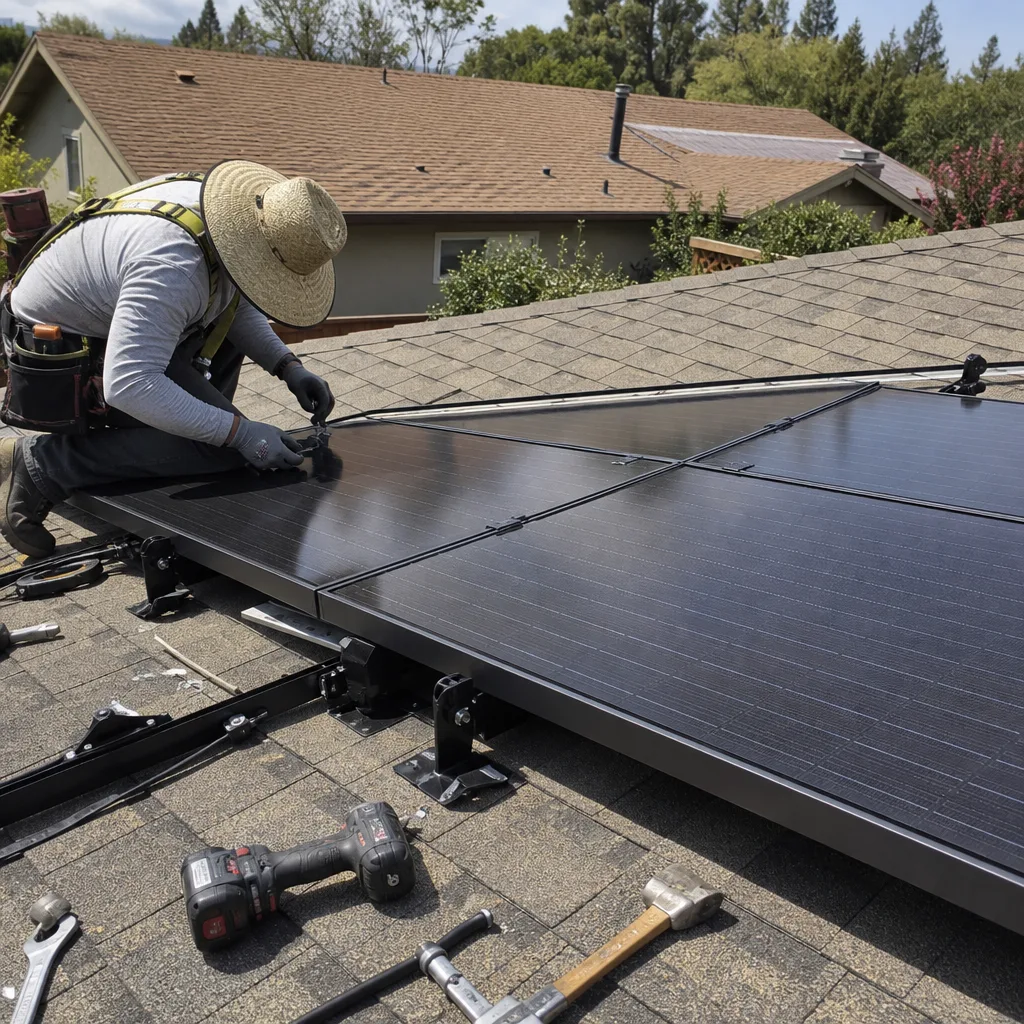 After
AfterFast, Reliable Solar Battery Storage & Backup Across Lucas Valley-Marinwood
Solar battery storage in Lucas Valley-Marinwood typically costs between $12,000 and $18,500 installed before incentives, and most retrofits take one to two days on site. That’s the honest number, and it’s built off real usage data from your utility bill, not a brochure estimate. Gus’s Solar has been installing and servicing battery systems in the 94903 zip code long enough to know exactly how the valley ridgelines change your production math. If your panels are leaving you on Marin Clean Energy’s steep evening rates, call us at (877) 550-6892 and Gus will walk the site himself.
Key Takeaways
- Satellite estimates overstate solar yield in Lucas Valley-Marinwood by 15-25% because the eastern and western ridgelines compress the daily sun window.
- Battery sizing for valley-floor homes must begin with a ground-truth shade analysis using a Solar Pathfinder, not an online calculator.
- A properly sized retrofit means your stored solar covers Marin Clean Energy’s 4-7 PM time-of-use peak instead of chasing a production number that never materializes.
- 1960s ranch homes off Lucas Valley Road often need roof assessment and tilt-up racking before battery mounting is even code-compliant.
Why Gus’s Solar Is Lucas Valley-Marinwood’s Preferred Solar Battery Storage & Backup Company
Gus Petrakis put his name on the truck and never took it off. Since 2011, our team has worked in housing stock that dominates this valley: single-story 1960s and early 1970s ranches with shallow-pitch roofs, original composition shingle, and electrical panels that were never designed for battery rapid shutdown circuits. That means we know what the inspector will flag before the inspector sees it.
We answer the phone live, 24/7. Not a voicemail tree, not a call center three states away. When your battery throws a fault at 10 PM during a Public Safety Power Shutoff, you call and Gus answers. That’s the whole model. His crew does the install, his name is on the paperwork, and if something isn’t right, the 90-Day Done Right Promise means one call brings him back.
Lucas Valley-Marinwood homeowners tend to be people who’ve already sat through at least one high-pressure solar pitch. The door-knocker quoted a number that looked great until the system went live and the winter bill arrived. Gus quotes the year-25 output, not the day-one brochure number. Bring him a bill, he’ll bring you the math. And he’ll tell you to take two weeks to think about it, because the price won’t change.
Our Solar Battery Storage & Backup Services in Lucas Valley-Marinwood
Our Solar Battery Storage & Backup team handles the full range of battery work in Lucas Valley-Marinwood, from first-install to retrofit to replacement. Here’s what that looks like on the ground.
Battery Retrofit for Existing Solar
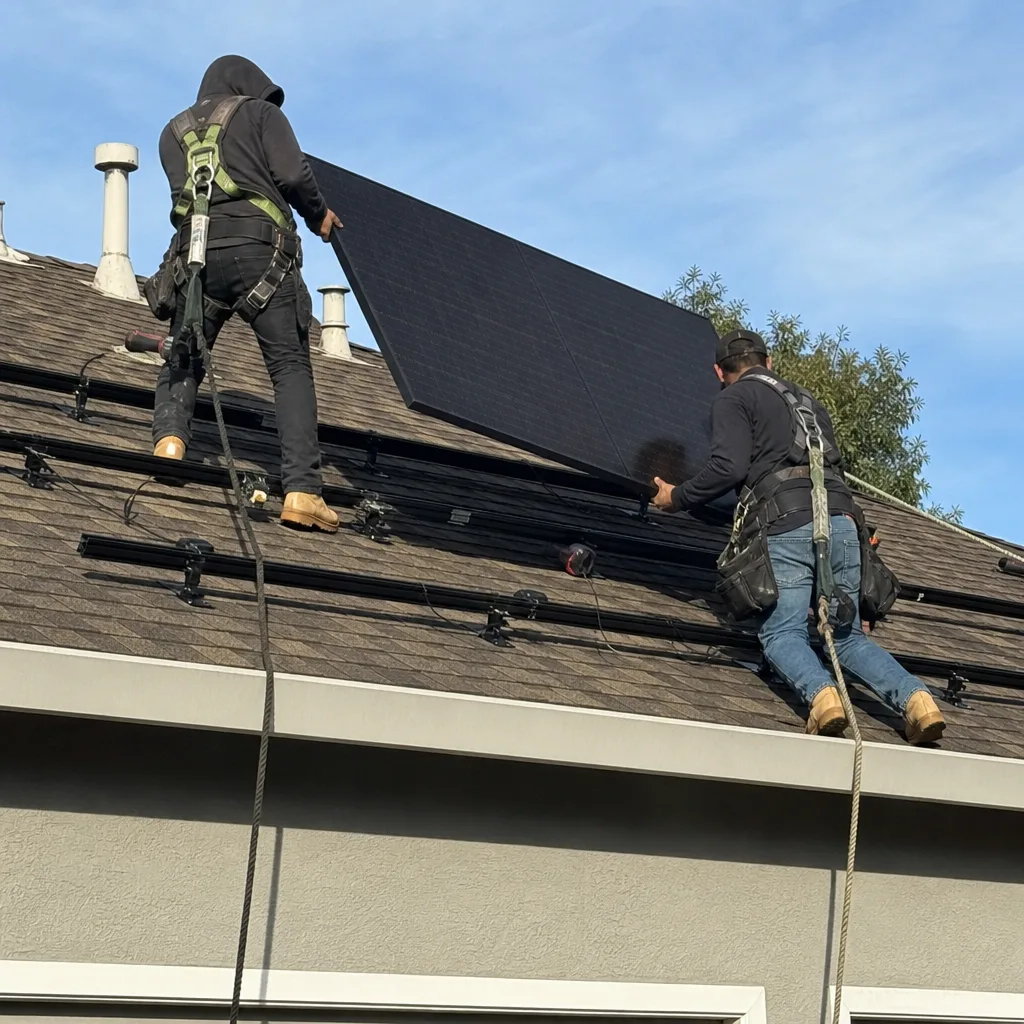
Most of our work in Lucas Valley-Marinwood is retrofit, and most of those retrofits are on ranches built between 1962 and 1974. The panel arrays weren’t designed for storage integration, so we check the roof deck, upgrade the main service panel if needed, and size the battery against your actual winter production, not your summer peak. On valley-floor homes near Lucas Valley Road, that means the battery gets sized to cover the MCE evening rate window, because your panels stop earning their keep about two hours earlier than the online calculator thinks they do.
Tesla Powerwall Installation
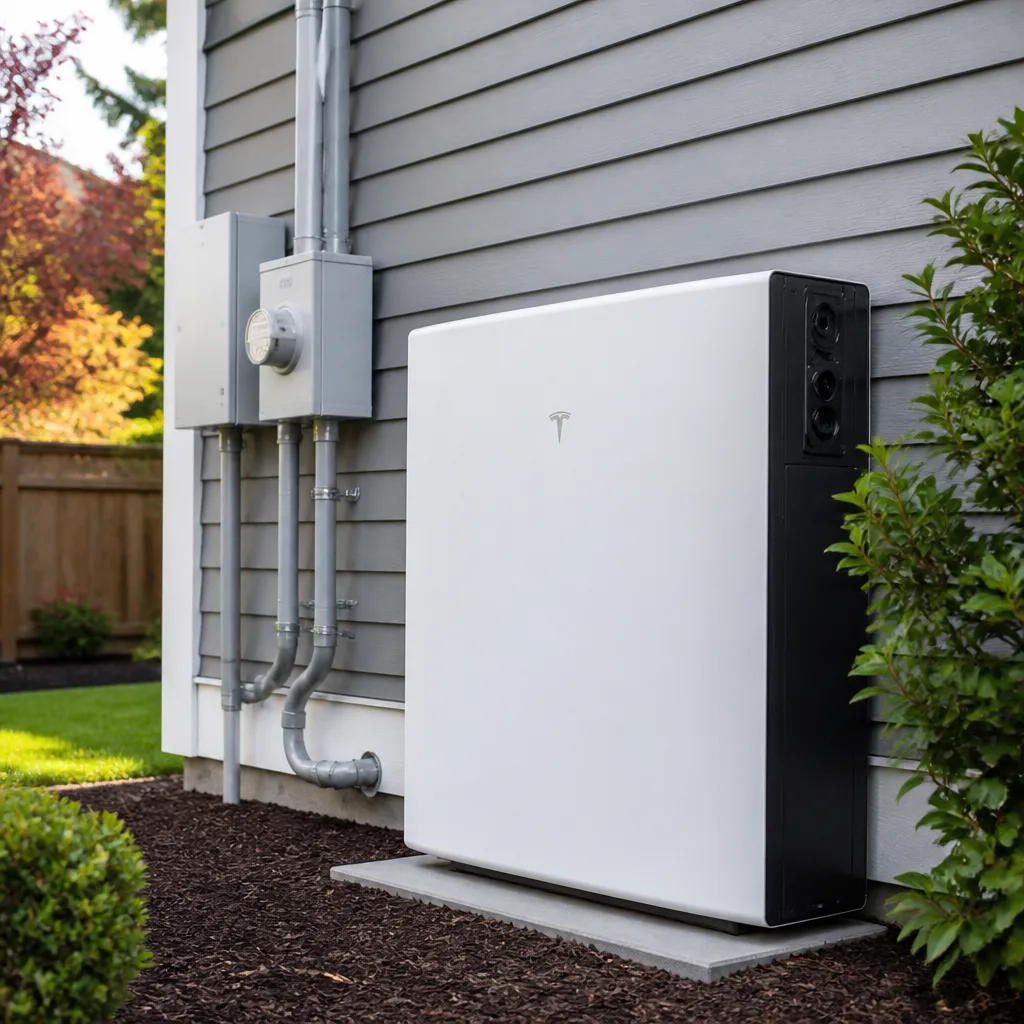
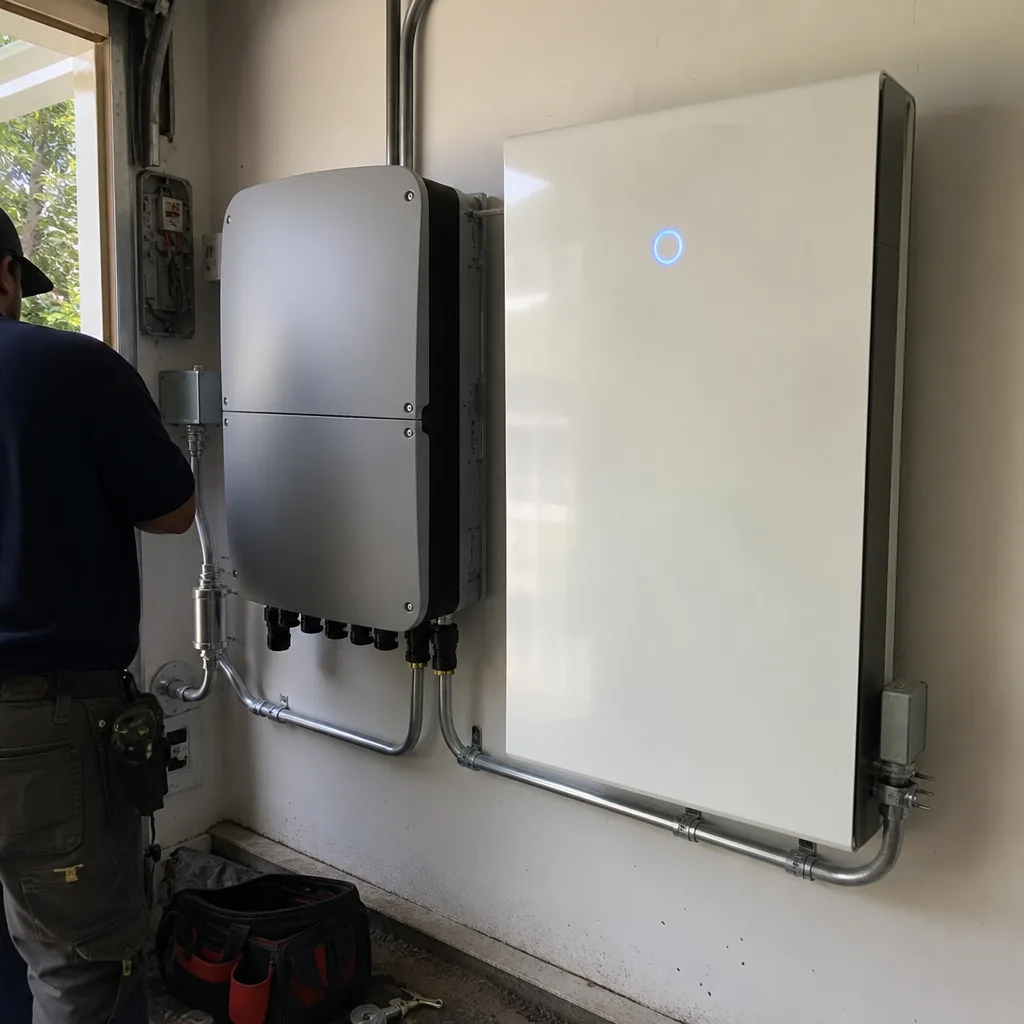
Powerwall 3 is a solid choice for Lucas Valley-Marinwood homes that want whole-home backup with minimal footprint. We install, commission, and configure it against your actual usage profile from your MCE bill. One thing to know: Powerwall’s integrated inverter means you need available wall space near your main panel, and on 1960s ranches the panel is sometimes in a hallway or utility closet that needs a sub-panel relocation first. We handle that.
Enphase IQ Battery Installation
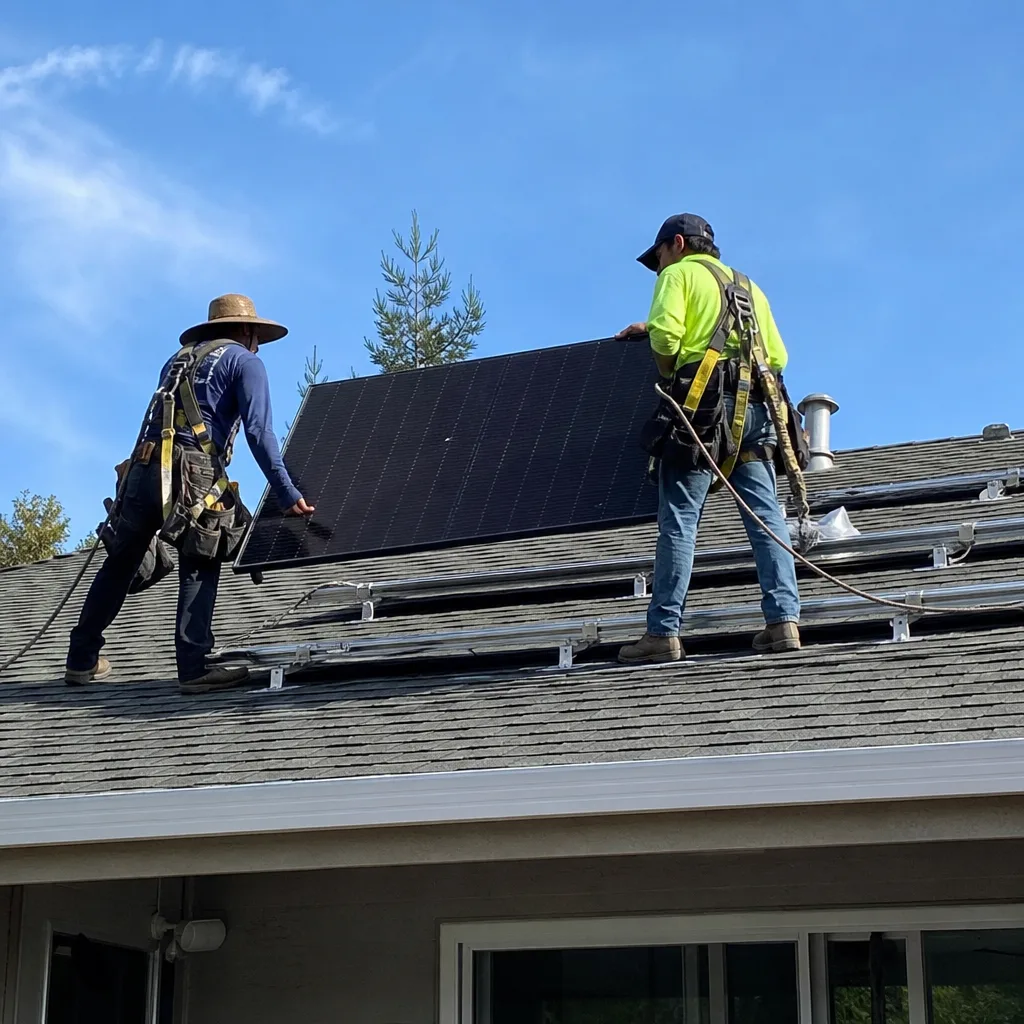
For homes already running Enphase microinverters, the IQ Battery 5P makes a lot of sense because it talks natively to the existing system. We see a lot of Enphase arrays in Lucas Valley-Marinwood, installed during the 2015-2020 solar boom, and many of them were never storage-ready at the electrical level. Our crew handles the rapid shutdown wiring, the backed-up loads panel, and the Enphase System Controller so the battery actually discharges during a grid outage instead of sitting idle.
Whole-Home Backup Power
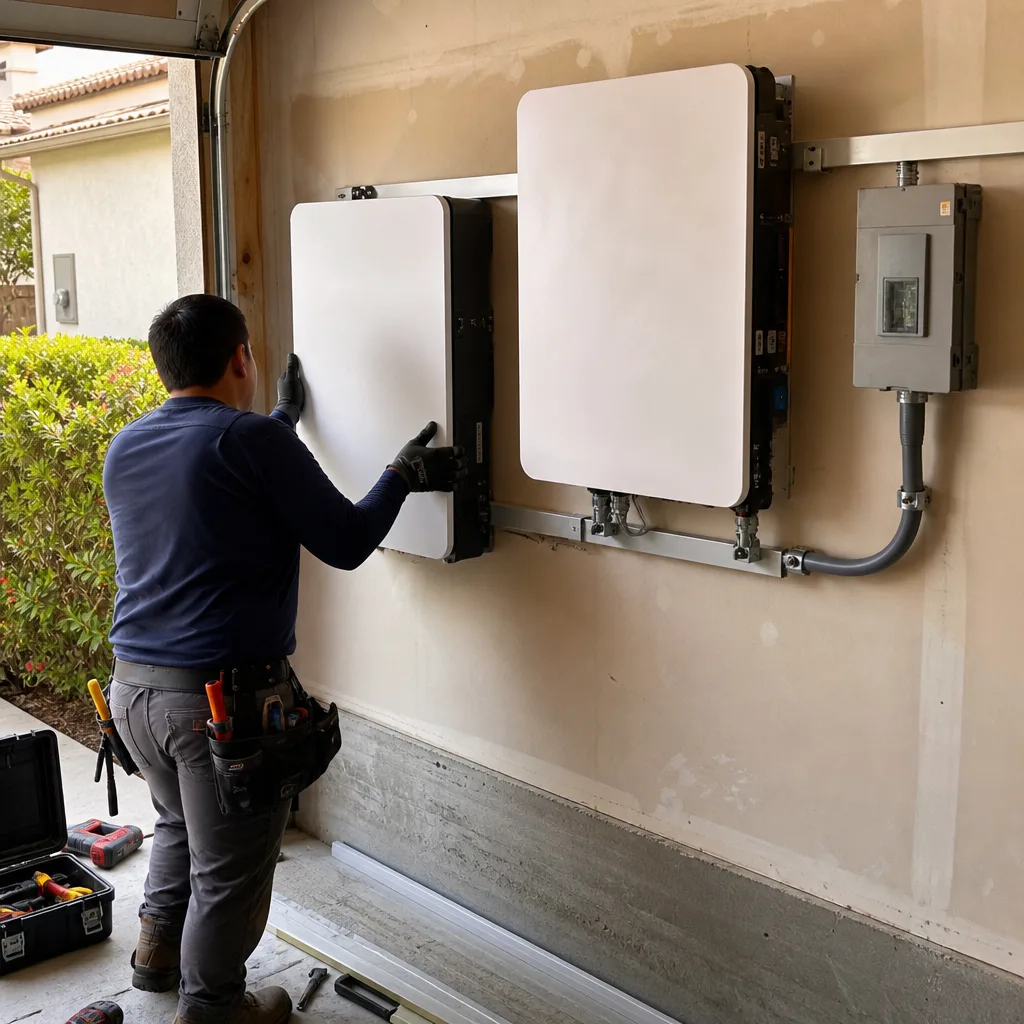
Lucas Valley-Marinwood sits in PG&E’s PSPS zone, and the valley gets dark when the wind picks up in October. Whole-home backup means your well pump, refrigerator, medical equipment, and lighting all keep running. We design the backed-up loads list with you, not for you, so you’re not paying for a battery bank sized to run a pool heater you never use during an outage. Most homes do well with 13.5 to 27 kWh of storage, depending on whether you want essentials-only or true whole-home coverage.
What happens when you call
- 1
A real person answersNo phone trees - you reach a local pro.
- 2
You get an upfront price rangeHonest numbers before anyone is dispatched.
- 3
A background-checked tech heads outLicensed & insured, dispatched right away.
- 4
You approve before work beginsNothing starts until you say go.
Time-of-Use & NEM 3.0 Optimization in Lucas Valley-Marinwood
Marin Clean Energy’s NEM 3.0 structure changed the math for everyone in 94903. Under the old rules, your excess daytime production earned near-retail credit. Under the new export rates, you’re earning pennies during midday and paying full freight at 4-7 PM. That flips the value proposition: the battery isn’t about going off-grid, it’s about time-shifting your own production into the window when MCE charges the most.
We model this against your actual MCE bill. Not a generic PG&E rate schedule, not a Marin-wide average. Your bill. The export rate you actually get, for the actual 12 months of usage you’ve already logged. A battery sized against fudged production numbers just leaves you buying grid power at peak anyway. That’s the thing most national installers miss in this valley.
Why Satellite Estimates Get Lucas Valley-Marinwood Wrong
Google Project Sunroof and similar tools use satellite imagery and terrain data to estimate solar production, but they don’t account for the specific ridgeline geometry here. Lucas Valley-Marinwood sits in a narrow east-west valley. The eastern ridgeline, running roughly parallel to Lucas Valley Road, blocks morning sun for homes on the valley floor. The western ridge cuts late-afternoon exposure. The result: 1-2 hours of usable daily production gone, and the online estimate doesn’t know it.
This is why Gus’s crew walks every Lucas Valley-Marinwood site with a Solar Pathfinder. It measures the actual horizon angles from your roof plane, not a satellite approximation. The difference between the satellite number and the ground-truth number is routinely 15-25% on annual output for valley-floor homes. If you size a battery off the satellite figure, you end up undersized for winter, overpaying MCE’s evening rates, and wondering why your system never hits the number the salesperson promised. If a salesman needs an answer tonight, the answer is no. Take two weeks. Let us show you the real math first.
What the Ridgelines Mean for Your Battery Sizing
Here’s the local reality no generic page will tell you: a battery sized for a San Rafael or Novato home of the same square footage will be too small for a Lucas Valley-Marinwood home on the valley floor. The compressed solar day means your panels produce less total daily energy, and the production curve is steeper: a short, hot midday burst instead of a long, gradual arc. Your battery has to capture enough of that burst to carry you through MCE’s 4-7 PM peak plus the early evening, and in winter it has to stretch further because the sun drops behind the western ridge by 4:30 or earlier.
We retrofitted an Enphase IQ Battery onto a 1960s ranch off Lucas Valley Road after the homeowner’s true-up statement showed a winter production shortfall that no online estimate predicted. Our crew walked the site with a Solar Pathfinder and found the eastern ridgeline was killing nearly two hours of morning azimuth exposure, so we sized the battery to cover the 4-7 PM time-of-use peak instead of chasing an overstated production estimate. The homeowner now runs off stored solar during MCE’s evening rate window and has net metering credits left over each spring. That’s the difference between a national installer with a spreadsheet and someone who’s actually stood on your roof.
Common Solar Battery Storage & Backup Problems We See in Lucas Valley-Marinwood Homes
- Batteries sized off satellite estimates end up undersized for winter. The homeowner gets a battery that looks fine in August and useless by December, when the western ridgeline kills production by 4 PM and MCE’s peak rates are in full swing. We see this on about a third of the retrofits we’re called to fix in 94903.
- Inverters and microinverters on valley-floor homes thermal-cycle harder. The compressed solar window forces them to run at peak output for a shorter, hotter midday burst rather than a long gradual curve. That repeated thermal stress shortens component life and increases fault frequency compared to open-terrain sites just a few miles away.
- Battery retrofits on original 1960s ranch panels fail inspection over roof condition. The older composition or wood-shake roof needs replacement before mounting, and the shallow pitch means tilt-up racking changes the roof load calculation for the battery’s rapid shutdown circuit. We flag this before we quote, not after the permit comes back.
- Main service panels from the original construction can’t handle the backup loads. 100-amp panels on 1960s ranches often need a 200-amp upgrade before a battery can legally tie in. That’s a real cost line item, and we put it in the written estimate instead of discovering it mid-project.
Pricing for Solar Battery Storage & Backup in Lucas Valley-Marinwood, CA
| Service | Typical Range in Lucas Valley-Marinwood |
|---|---|
| Battery retrofit for existing solar (one battery, 10-13.5 kWh) | $12,000 – $15,500 |
| Whole-home backup package (two batteries, 20-27 kWh) | $20,000 – $28,000 |
| Tesla Powerwall 3 installation (single unit, including gateway) | $14,000 – $17,000 |
| Enphase IQ Battery 5P installation (single unit) | $11,500 – $14,000 |
| Service panel upgrade (100A to 200A) if required | $3,200 – $4,500 |
| Roof replacement before battery mounting (per square foot, tear-off) | $6 – $9 |
These are real numbers for this valley, not national averages. What moves the price in Lucas Valley-Marinwood: whether your roof needs replacement first (common on 1960s ranches), whether your main panel needs upgrading, how many batteries your backup loads require, and whether tilt-up racking is needed to capture adequate sun. Gus quotes the price off your actual bill and your actual roof, and the quote holds. Estimates are free. Call (877) 550-6892 and we’ll schedule the site walk.
Trusted Brands We Service in Lucas Valley-Marinwood
We work with Enphase, Tesla, and FranklinWH battery systems, plus SolarEdge and SunPower inverters on the solar side. For Lucas Valley-Marinwood customers, that means we stock the common replacement parts locally, we know the firmware quirks of the systems already installed in this valley, and we don’t have to wait on a third-party vendor to troubleshoot a fault. Gus’s crew is trained on all three battery platforms, and we’ll service what’s on your wall even if we didn’t install it.
We Also Serve Cities Near Lucas Valley-Marinwood
While this page is written for Lucas Valley-Marinwood homeowners, our crews also handle Lucas Valley-Marinwood neighbors in San Rafael, Fairfax, San Anselmo, and Novato. If you’re in one of those communities and dealing with the same ridgeline shading and MCE rate issues, call us. The site walk and the math work the same way.
Serving Lucas Valley-Marinwood, CA - Our Local Coverage Area
We’re based in the Lucas Valley-Marinwood area and know this community well. Use the map below to see our service coverage - if you’re nearby, we can almost certainly help.
FAQs - Solar Battery Storage & Backup in Lucas Valley-Marinwood
Because the online calculator doesn’t know about your valley’s eastern and western ridgelines. Homes on the valley floor lose 1-2 hours of usable daily production compared to open-terrain sites, and the online estimates are built off satellite data that assumes an unobstructed horizon. The result is a 15-25% overestimate of annual yield, which means the calculator undersizes your battery for winter evenings when MCE rates are highest. So the direct answer: you need a bigger battery than the calculator suggests because your actual daily solar window is smaller than the satellite thinks it is. Call (877) 550-6892 for a ground-truth shade analysis; the site walk is free.
Yes, in almost all cases. The battery retrofits we do in Lucas Valley-Marinwood are mostly on original 1960s ranch homes where the panels stay on the roof and we add storage at the electrical level. What changes the scope: whether your main panel needs upgrading from 100-amp to 200-amp, whether the roof deck under the panels needs replacement before we touch the mounting, and whether the shallow roof pitch requires tilt-up racking to keep production honest. We’ll tell you which of those apply to your house during the initial walk, before any money changes hands.
Under NEM 3.0 with MCE, your daytime solar export earns a fraction of what it used to, and the 4-7 PM window is where you pay the most. So the battery’s job shifts from “store a little for outages” to “capture midday production and discharge it during the evening rate peak.” That means we size and program the battery for daily time-of-use arbitrage, not just backup. In Lucas Valley-Marinwood, that daily cycling matters even more because the ridgelines compress your production into a shorter midday window, so the battery has to grab that energy quickly and hold it. Call for an exact quote based on your MCE bill; estimates are free.
Realistically, 25-40% on winter days, depending on exactly where your home sits relative to the eastern and western ridgelines. Homes near the western edge of the valley lose afternoon production earlier; homes near the eastern edge lose morning production longer. Compare that to open-terrain San Rafael, where the same panels might drop 15-20% in winter, and you see why a battery sized for Novato won’t carry a Lucas Valley-Marinwood home through December and January. We model your winter output from a Solar Pathfinder reading, not a satellite map.
Because if your panels have degraded 12% since installation, the battery is being asked to store energy that isn’t actually there. That leads to a battery that never fills to capacity, a homeowner who thinks the battery is faulty, and a warranty claim that goes nowhere. Before we pair storage with any system more than eight years old in Lucas Valley-Marinwood, we test the array’s actual output against its nameplate rating. If the panels are degraded, we’ll tell you, and we’ll adjust the battery sizing or recommend panel replacement first, whichever makes financial sense for your bill. Call (877) 550-6892 for a full system assessment; the second opinion on any written estimate is free.
Get a Real Battery Quote for Your Lucas Valley-Marinwood Home
Gus Petrakis will answer your call, look at your address, and tell you straight whether a battery makes sense for your roof, your bill, and your valley. No signature tonight, no discount if you act now. Just the real math, a fair price, and a 90-Day Done Right Promise in writing. Call (877) 550-6892 for a free estimate, or to schedule a Solar Pathfinder site walk at your Lucas Valley-Marinwood home.
Written by Gus Petrakis, Owner at Gus’s Solar, serving Lucas Valley-Marinwood and Marin County since 2011.