

Free bill analysis - bring a power bill, get the production math for your actual roof, panel brands like Qcells and REC compared side by side
If the pitch starts at your door and ends with "sign tonight for the special," sleep on it. The sun will still be there tomorrow; so will we.

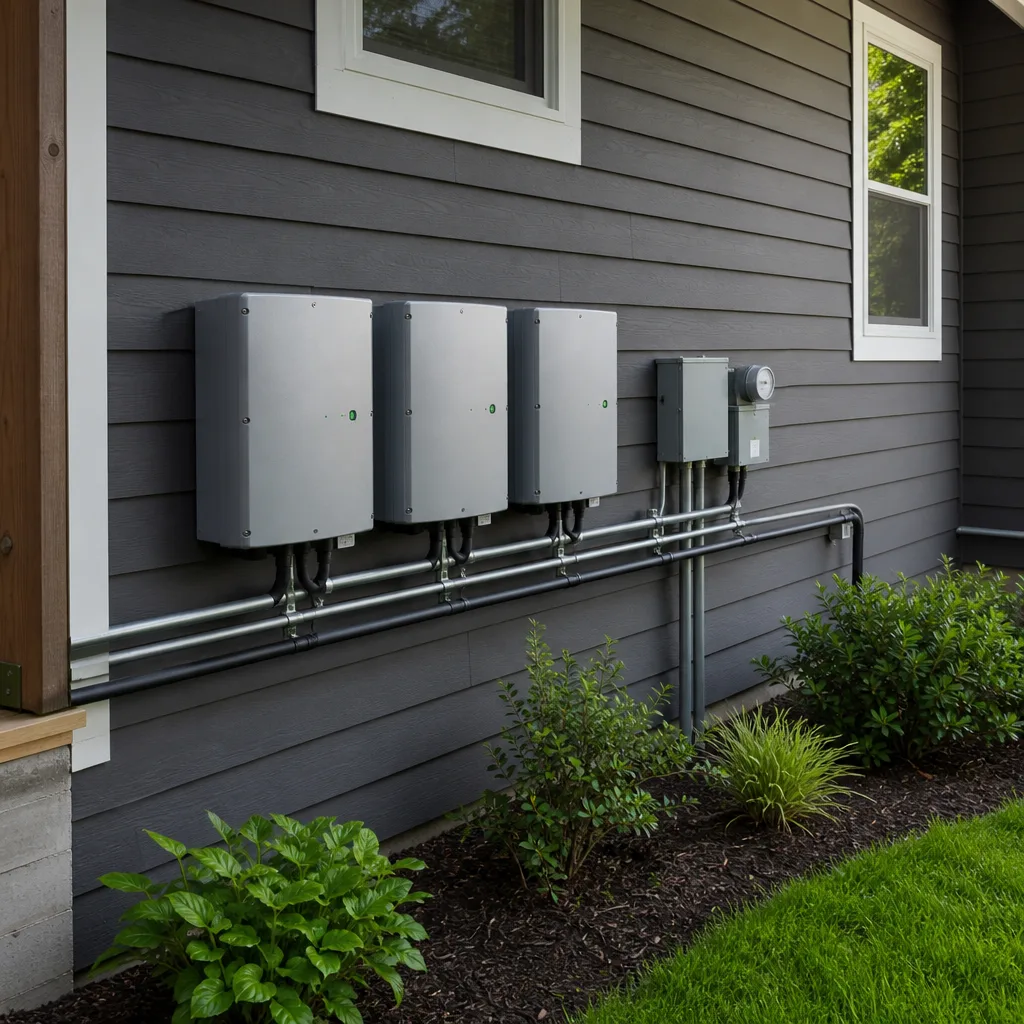
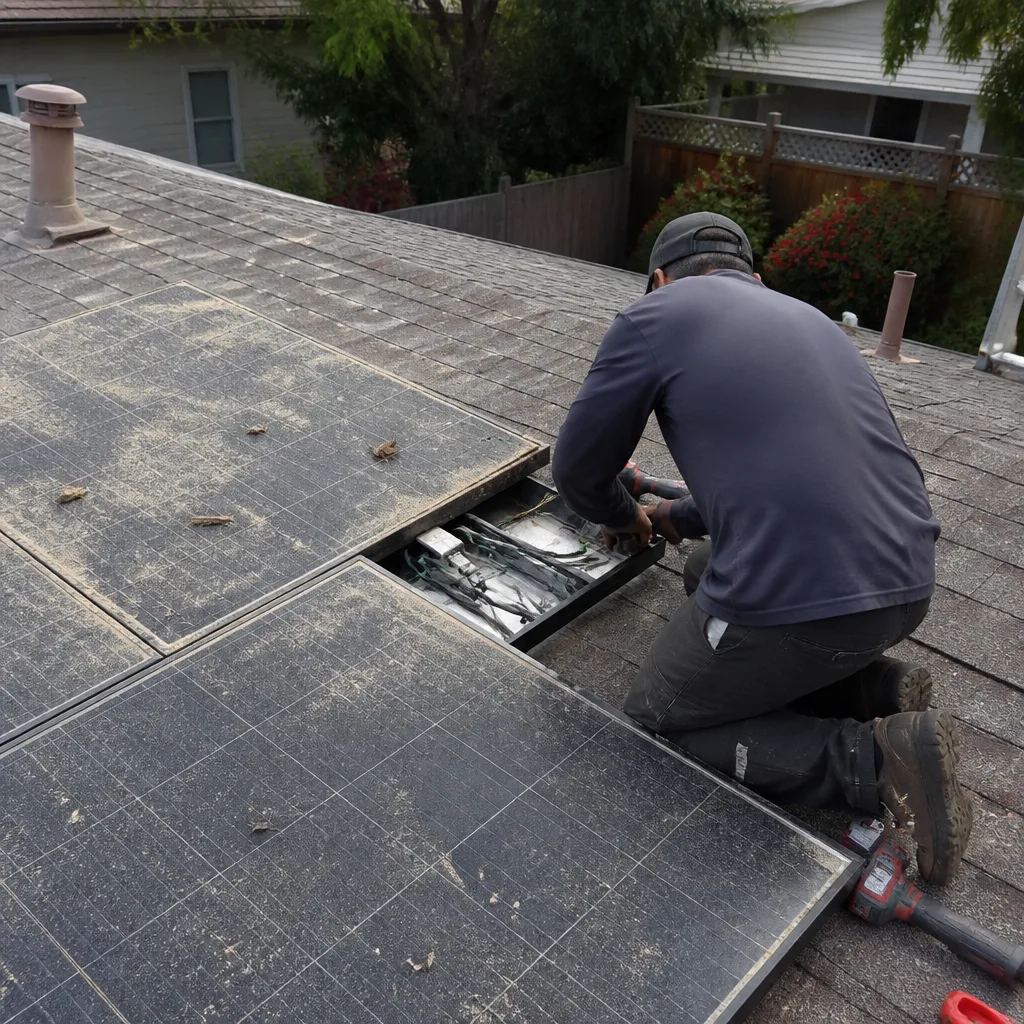 Before
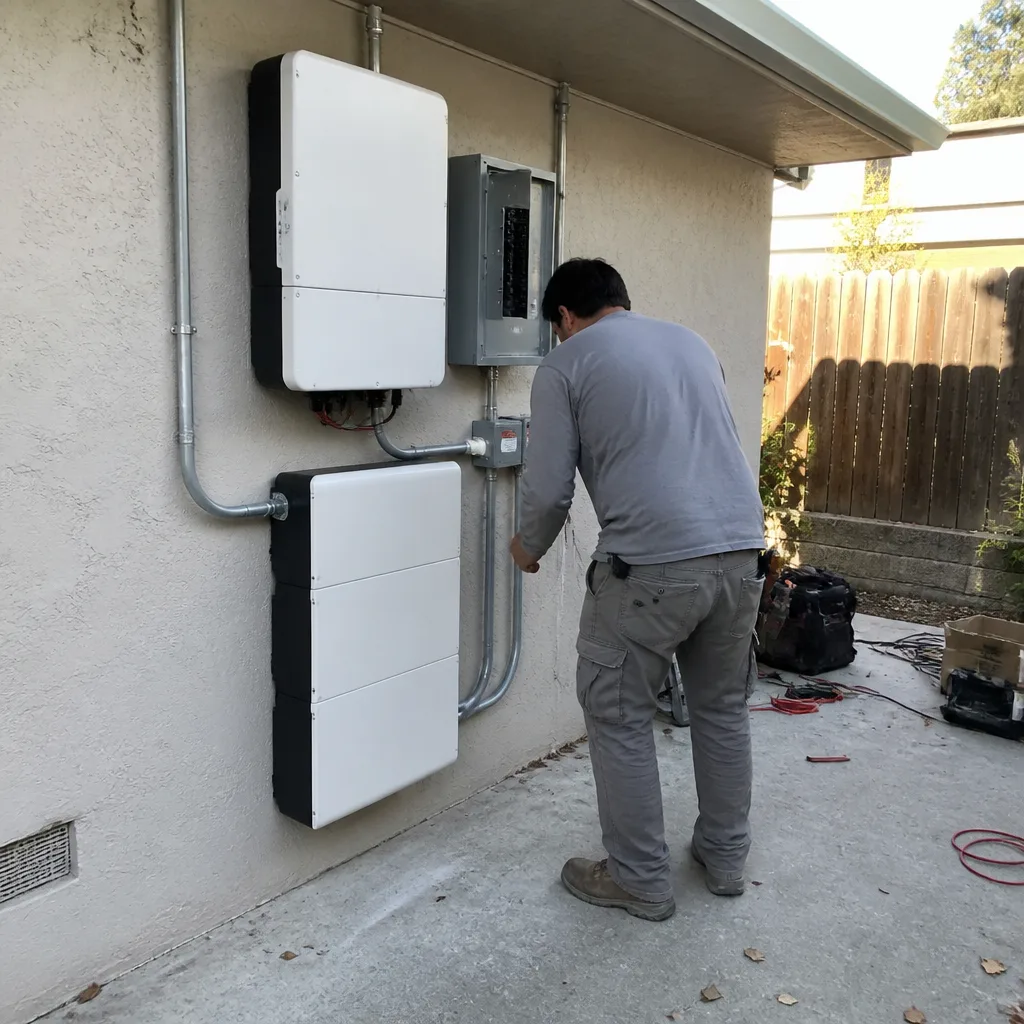 After
After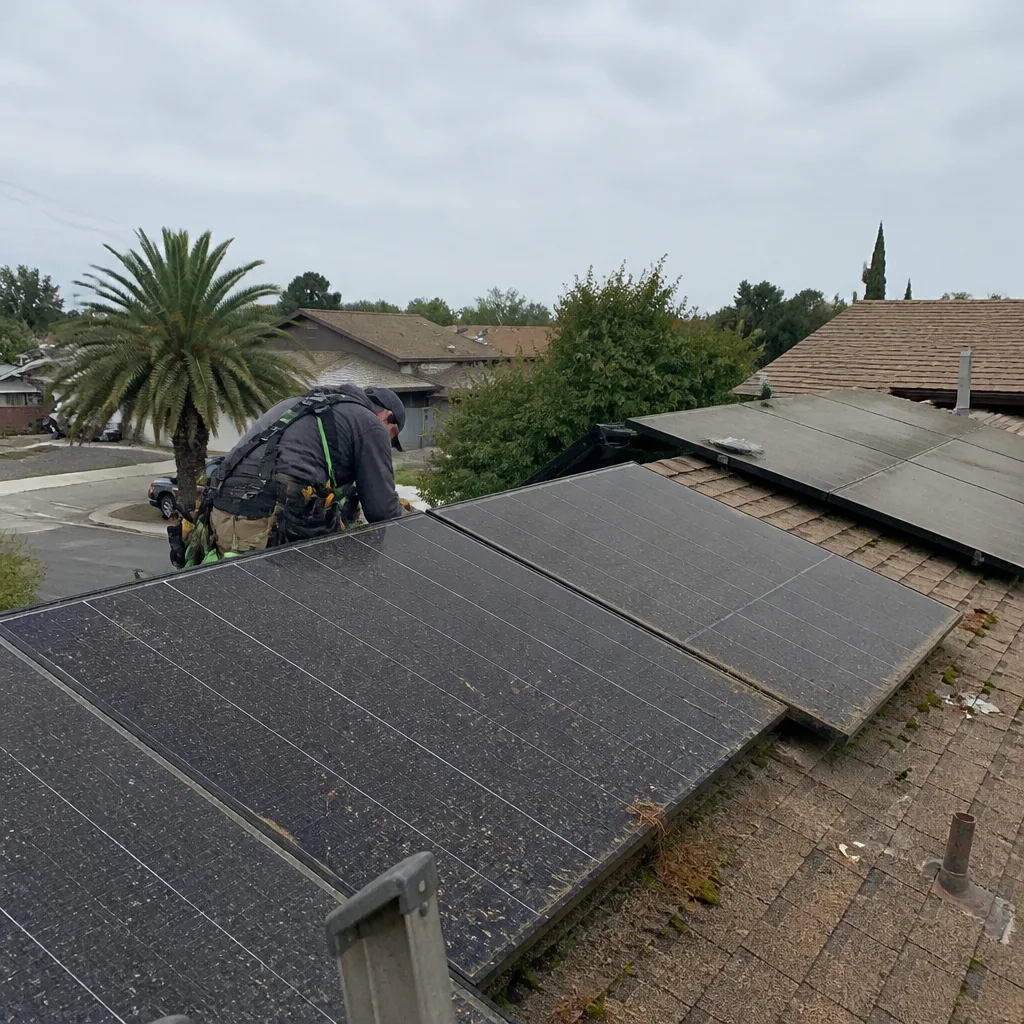 Before
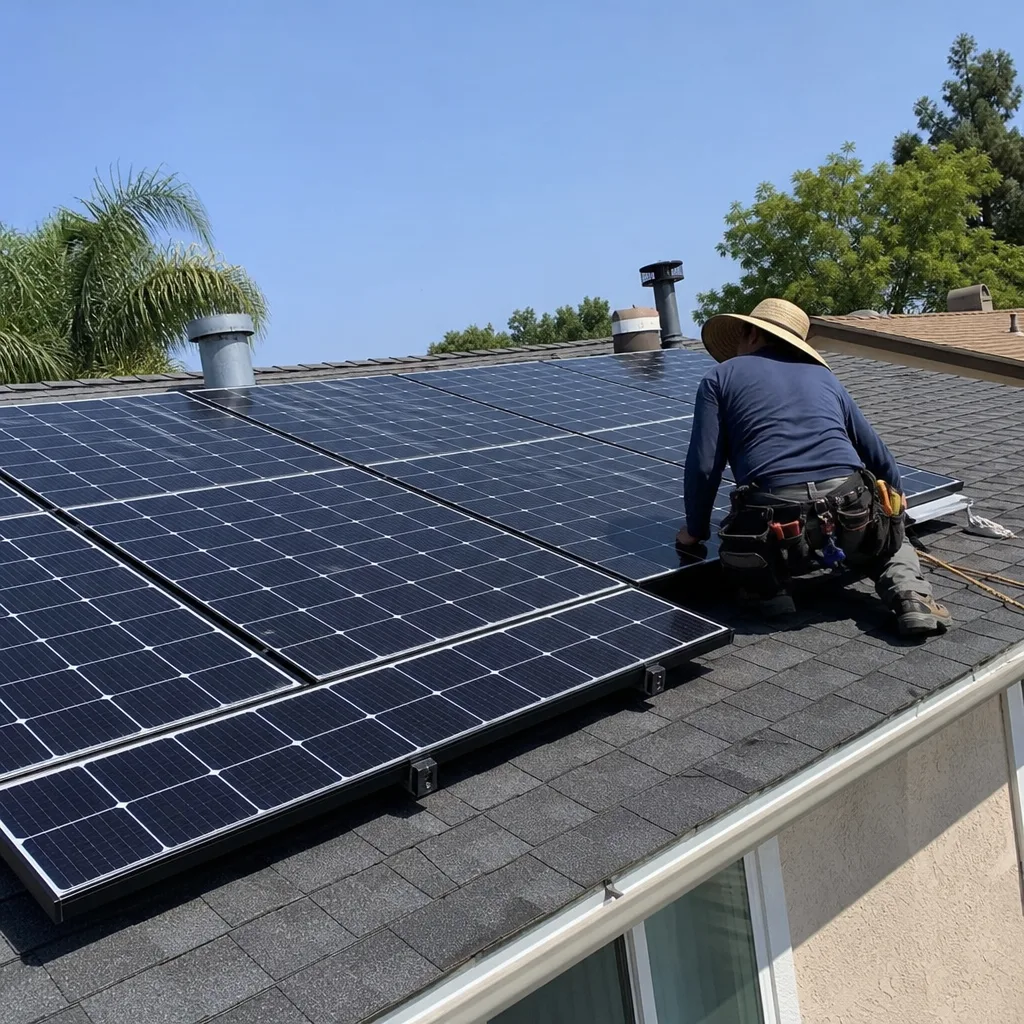 After
After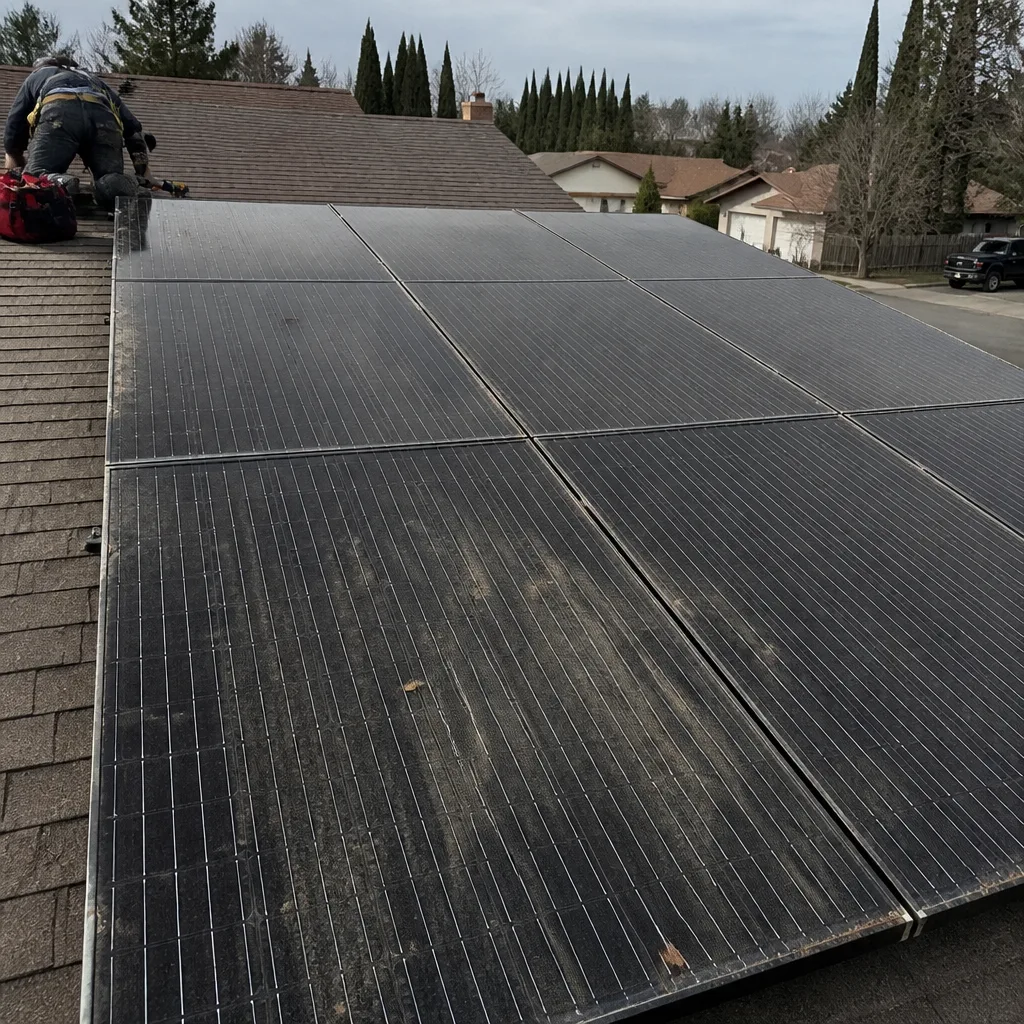 Before
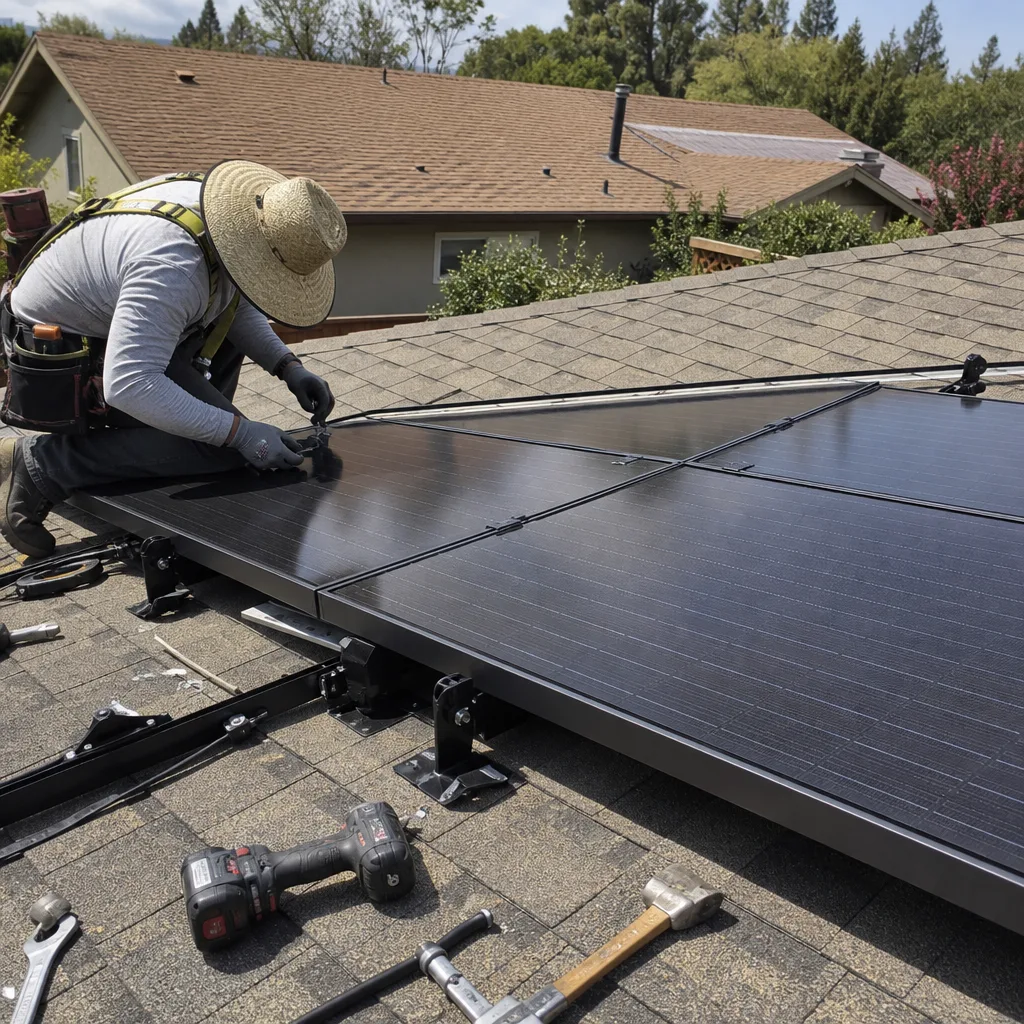 After
AfterFast, Reliable Solar Battery Storage & Backup Across Houston
If you’re in Houston and wondering whether a solar battery makes sense here, the short answer is yes, but not for the reasons a California installer would give you. Houston’s deregulated ERCOT market means most electric providers pay only wholesale rates for the solar you export, roughly 3 to 5 cents per kilowatt-hour, while charging you 14 to 18 cents to buy it back at night. A battery changes that math completely. Since Winter Storm Uri in February 2021, the first question Houston homeowners ask us is: will it keep my heat on in another freeze? That’s the right question, and it’s the one we design around. Call us at (877) 550-6892 and we’ll walk through what a battery would actually do on your bill and in an outage, using your real usage numbers.
Why Gus’s Solar Is Houston’s Preferred Solar Battery Storage & Backup Company
Gus Petrakis puts his own name on the truck, and that’s not a marketing line. He founded Solar Battery Storage & Backup in 2011 and has run it owner-operated ever since, with a published address, a license number, and a phone that a live person answers at 2 a.m. when a storm rolls through Harris County. Houston homeowners have dealt with enough door-knockers and out-of-state crews to know the difference between a quote and a promise. Ours is the 90-Day Done Right Promise, in writing on every job: if it’s not right, Gus makes it right, and one call brings him back.
Our Houston customers don’t get handed off to a subcontractor. Gus’s own crew, background-checked and uniformed, does the install. That matters when you’re putting a Tesla Powerwall or Enphase battery on the wall of a 1930s bungalow in the Heights or a ranch slab home off I-10. We know which houses still have 100-amp panels, which ones sit in a floodplain, and which ones need the TWIA wind-load racking upgrade before the first named storm. That local knowledge is the difference between a system that works for 20 years and one that peels off the roof in August.
We serve all of Houston, from ZIP code 77001 downtown out to 77025 near Bellaire, and we don’t charge a trip fee inside our own county. Bring me a bill, Gus says, and I’ll bring you the math. Not a brochure estimate. Your actual kilowatt-hours, your actual rate plan, and the year-25 output number, not the day-one sticker figure.
Our Solar Battery Storage & Backup Services in Houston
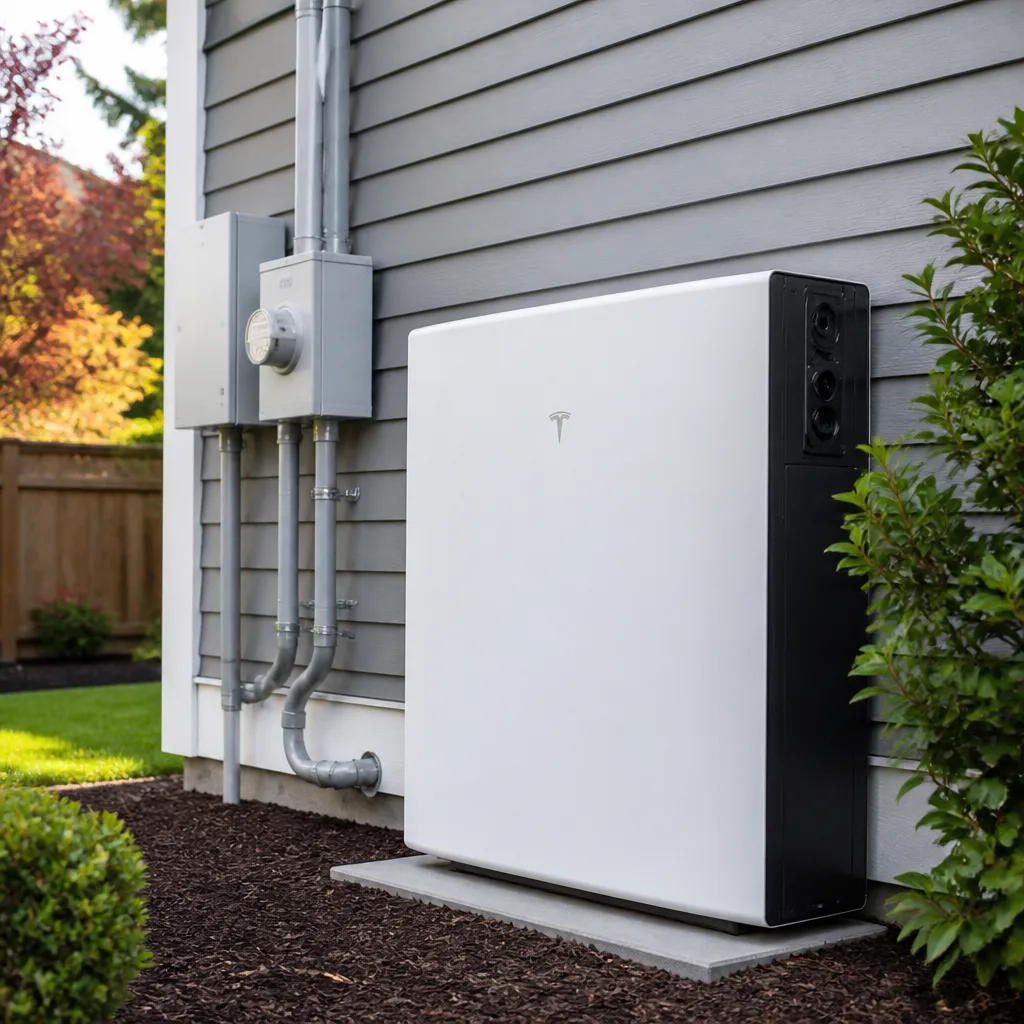
Tesla Powerwall Installation
A Tesla Powerwall 3 installed in Houston typically runs between $12,500 and $16,500 before the federal tax credit, including the gateway, critical-load panel, and labor. In a Heights bungalow off 11th Street, that number usually lands on the higher side because the 1920s-era panel needs a service upgrade. We’ve done enough Powerwall installs across 77002 and 77003 to know exactly what CenterPoint Energy will ask for before they sign off on the interconnection, and we handle that paperwork from day one.
Enphase IQ Battery Installation
The Enphase IQ 5P system usually runs $9,000 to $13,000 in Houston for the first battery and a controller, with each additional 5 kWh unit adding $4,500 to $6,500. Enphase makes sense for Houston homeowners who already have microinverters on the roof and want modular expansion later. For a 3-story infill townhome in the inner loop with almost no panel area, the Enphase approach lets us stack batteries in a tight garage footprint without sacrificing inverter capacity.
Whole-Home Backup Power
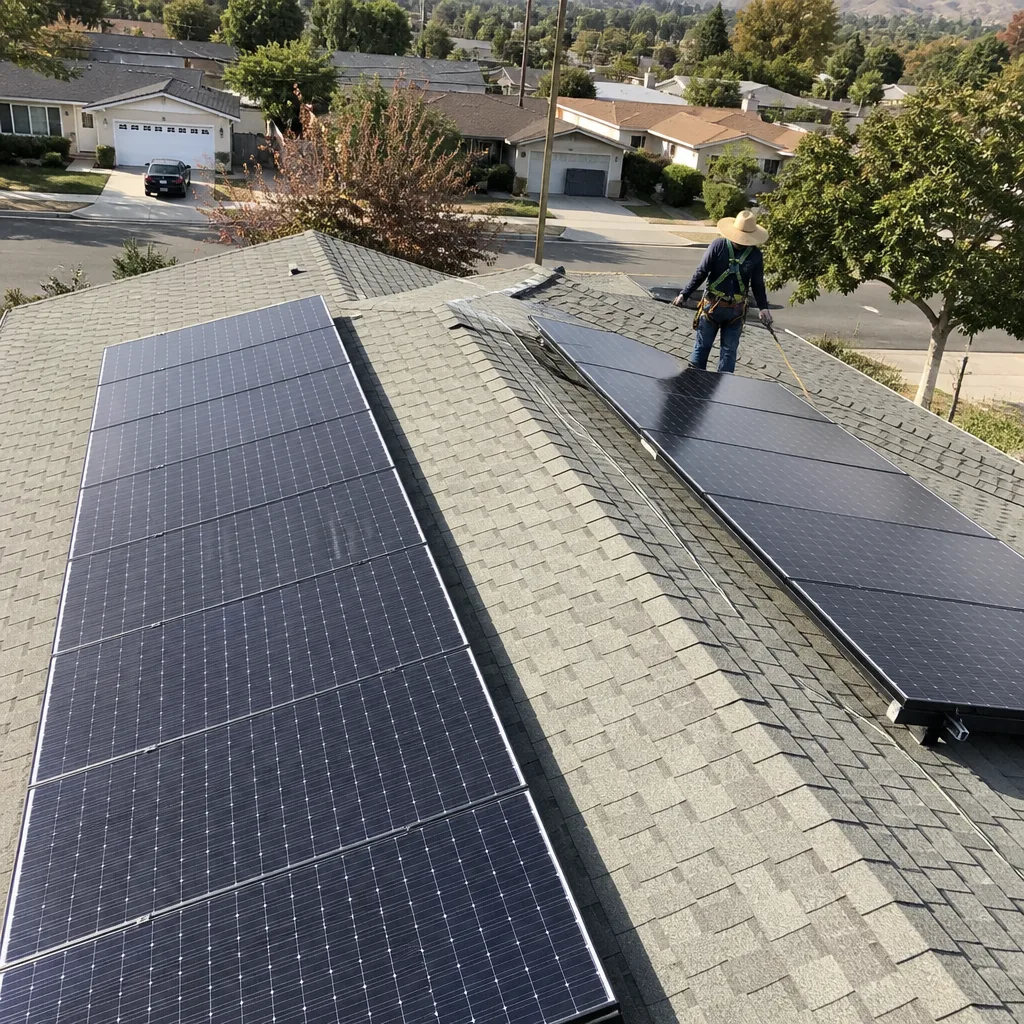
Whole-home backup in Houston means something different than it does in Dallas or Austin. Because of Uri, Houstonians don’t want a battery that only covers the fridge and the internet router. They want the heat on. That means we design the critical-load subpanel around your furnace or heat pump, your freezer, and if you’re on an acreage lot with a well, the well pump and septic aerator too. A properly sized whole-home backup setup in Houston, with two Powerwalls or three Enphase units, typically runs $24,000 to $38,000 before tax credits, depending on whether we’re doing a service upgrade and TWIA-compliant racking at the same time.
Battery Retrofit for Existing Solar
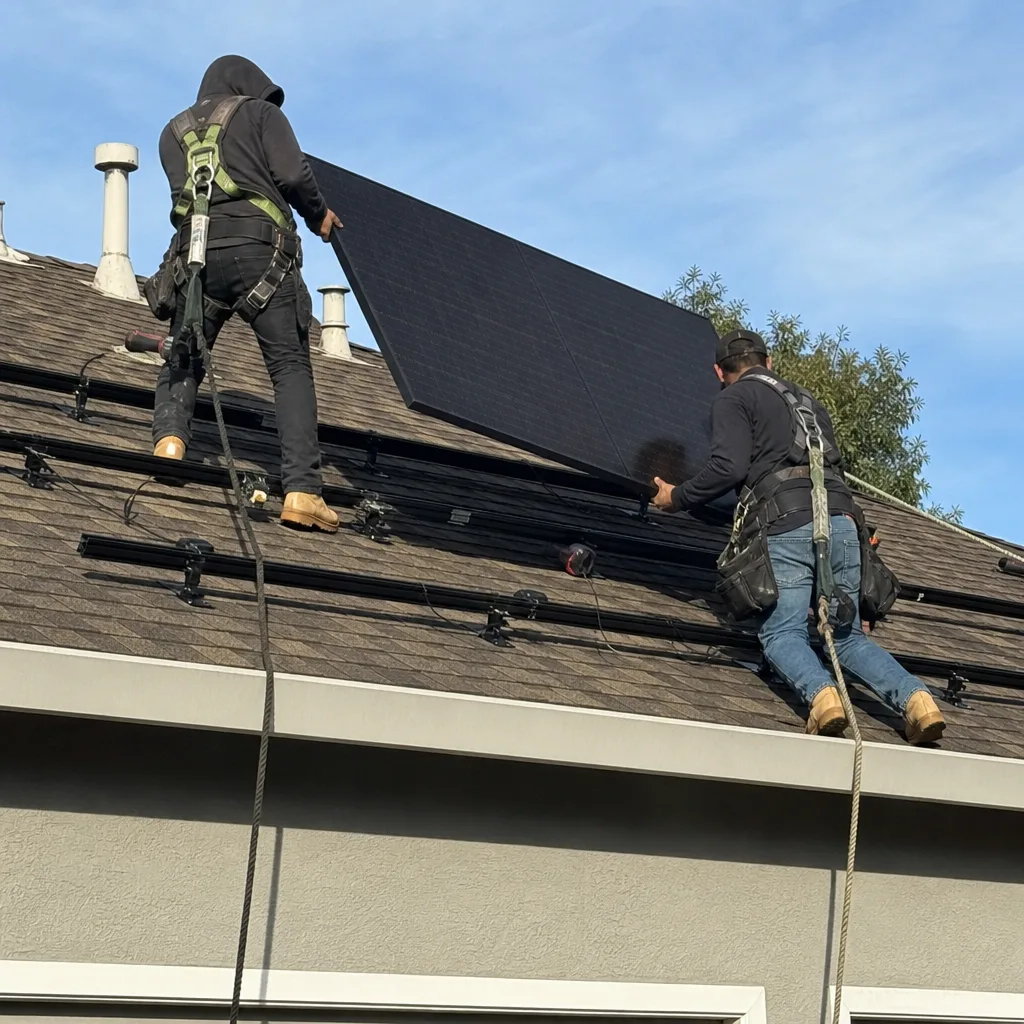
Plenty of Houston homeowners put solar on the roof back when the old net metering-style buyback rates made export-heavy systems look smart. Those days are gone. A battery retrofit onto an existing array usually costs $11,000 to $18,000 in Houston if the inverter is compatible, and less if we’re replacing the inverter anyway. The retrofit install is where Houston’s ERCOT math matters most: without a battery, all the power you generate at 2 p.m. goes to the grid at wholesale, and you buy it back at retail at 7 p.m. With a battery, you keep that generation and use it yourself. The payback on a retrofit in Houston’s current rate environment is often stronger than the original solar payback was.
What happens when you call
- 1
A real person answersNo phone trees - you reach a local pro.
- 2
You get an upfront price rangeHonest numbers before anyone is dispatched.
- 3
A background-checked tech heads outLicensed & insured, dispatched right away.
- 4
You approve before work beginsNothing starts until you say go.
Trusted Brands We Service in Houston
We install and service equipment from the brands Houston homeowners actually ask for: Tesla, Enphase, SolarEdge, SunPower, and we work with Panasonic, Canadian Solar, and FranklinWH as well. We keep common parts and firmware-loaded controllers stocked for Houston jobs, which means when a battery throws a fault after a thunderstorm, we’re not waiting on a truck from Dallas. FranklinWH deserves a mention for Houston specifically: its aGate controller handles generator integration cleanly, which matters if you’re keeping a natural gas or propane generator as a secondary layer on an acreage property. We’ll install whatever fits your panel plan and your budget, and we’ll tell you straight up if a brand you’ve read about online is the wrong fit for a Houston garage that hits 130°F in August.
Common Solar Battery Storage & Backup Problems We See in Houston Homes
- Batteries sized for kilowatt-hours, not for the freezer and the well pump. We see this constantly on acreage lots outside the loop. A summer thunderstorm knocks out the feeder, the battery runs the basics, and by 2 a.m. the well pump and septic aerator have drained it. We size for the actual loads that keep a rural property livable, not just the square footage.
- Skipped TWIA wind-load upgrades on Harris County roofs. A battery is only as good as the array refilling it. If the racking isn’t engineered for 130+ mph wind loads under Texas Windstorm Insurance Association guidelines, the first named storm peels the panels off, and you’re left with a fully charged battery and no way to refill it. We spec the racking right the first time.
- Batteries installed in west-facing garages that cook in August. Houston garages routinely hit 130°F in summer. Lithium-iron-phosphate chemistry handles heat better than older lithium-ion, but thermal derating still cuts usable capacity 20 to 30 percent right when the grid is most stressed and your AC is pulling hardest. We recommend shaded wall placement or a garage ventilation upgrade on nearly every Houston install.
- 100-amp panels blocking the interconnection. CenterPoint Energy will not approve a battery interconnection on a 100-amp service in most Houston homes. Older bungalows in the Heights and ranch slabs in 77025 frequently need a 100-to-200-amp upgrade, which adds $2,500 to $5,000 and two to three weeks to the timeline. We flag this on the first visit, not after you’ve signed.
Pricing for Solar Battery Storage & Backup in Houston, TX
Here are straight numbers for the Houston market, not brochure ranges from a national call center. A single Enphase IQ 5P with controller: $9,000 to $13,000. A Tesla Powerwall 3 with gateway and critical-load panel: $12,500 to $16,500. Two Powerwalls for whole-home backup: $24,000 to $32,000. A battery retrofit to an existing array: $11,000 to $18,000. A 100-to-200-amp panel upgrade, which CenterPoint requires on many older Houston homes: $2,500 to $5,000. TWIA-compliant racking on a Harris County roof: $800 to $2,500 depending on array size. Every quote is free, built off your actual utility bill, and the price we quote is the price you pay. Take two weeks. Think about it. The price will be the same.
We Also Serve Cities Near Houston
Our Solar Battery Storage & Backup in Houston team also covers the close-in cities where the same ERCOT math and CenterPoint rules apply. We’re in Bellaire and West University Place regularly, both of which share the 77025 corridor and the same 100-amp panel issues on older ranch homes. Galena Park and Jacinto City are in our county, so no trip charge applies, and we respond to those neighborhoods just as fast as we do to the Heights or downtown.
Serving Houston, TX - Our Local Coverage Area
We’re based in the Houston area and know this community well. Use the map below to see our service coverage - if you’re nearby, we can almost certainly help.
FAQs - Solar Battery Storage & Backup in Houston
Yes, if we wire the furnace into the critical-load subpanel. In Houston, most gas furnaces only need 400 to 800 watts for the blower and controls, which a single Powerwall can run for days with modest thermostat setbacks. The caveat is gas pressure itself: during Uri, some neighborhoods lost gas delivery while electricity stayed on. We put a Tesla Powerwall 3 and critical-load panel in a Heights bungalow off 11th Street after the homeowner asked exactly this question. We moved the gas furnace to the backed-up panel and added a heat-pump mini-split for the bedroom, so even if gas pressure dropped, the mini-split could carry the space off the battery. That’s the design we recommend for any Houston home where freezing is the real fear. Call (877) 550-6892 and we’ll do the same load analysis on your house.
It changes everything. In Houston’s deregulated ERCOT market, most retail providers buy your exported solar at wholesale rates around 3 to 5 cents per kilowatt-hour, while you buy power back at 14 to 18 cents. That means every kilowatt-hour you send to the grid is one you’re selling at a loss. So we size your battery for self-consumption: capture your daytime generation, discharge it through the evening peak, and shrink your grid purchases to almost nothing. A Houston battery sized this way pays for itself in 7 to 11 years depending on your rate plan. A battery sized like a California export system might take 20. We do the Houston math, not the generic math.
Because CenterPoint Energy’s interconnection standard requires enough service capacity for the battery’s backfeed plus your existing loads, and a 100-amp panel from a 1940s bungalow or 1960s ranch slab doesn’t have it. The upgrade to 200 amps typically costs $2,500 to $5,000 in Houston and adds two to three weeks, including the city inspection. We flag this requirement on the first site visit, and we handle the upgrade, the inspection, and the CenterPoint paperwork as one job. If another installer quotes you a battery without mentioning your panel, that’s a red flag in this city.
Yes. A standalone battery like a Tesla Powerwall 3 or FranklinWH aGate without solar runs $14,000 to $19,000 installed in Houston, including the critical-load panel. It charges from the grid and sits ready for the next summer storm. The honest tradeoff is that without solar, the battery won’t refill itself during a long outage, and you miss the federal tax credit, which only applies when the battery charges from solar. But if your goal is riding out the 4 to 8 hour outages that come with Houston’s July and August thunderstorms, a standalone battery does that cleanly. We’ll quote it either way and tell you which one pencils out for your specific house.
If you have solar panels feeding the battery, the array’s racking must be engineered for 130+ mph wind loads under TWIA guidelines, which adds $800 to $2,500 to the project depending on roof type and array size. The battery itself doesn’t trigger the windstorm code, but the panels that refill it do. On a Harris County composition-shingle roof with a moderate pitch, most of our Houston installs need upgraded footings and a few extra lag points. We build that into the quote from the start. If you want a battery-only backup with no panels, the windstorm code doesn’t apply to the battery portion at all, and the installed cost is lower for that reason.
If you’re in Houston and want a battery sized for how Houston actually works, not how a national sales deck says it should work, call Gus’s Solar at (877) 550-6892. We’ll come out, look at your panel, your roof, and your usage, and give you a number you can take two weeks to think about. If a salesman needs an answer tonight, the answer is no. Gus’s name is on the work, and he’s the one who answers when you call.
Written by Gus Petrakis, Owner at Gus’s Solar, serving Houston and Harris County since 2011.