

Free bill analysis - bring a power bill, get the production math for your actual roof, panel brands like Qcells and REC compared side by side
If the pitch starts at your door and ends with "sign tonight for the special," sleep on it. The sun will still be there tomorrow; so will we.

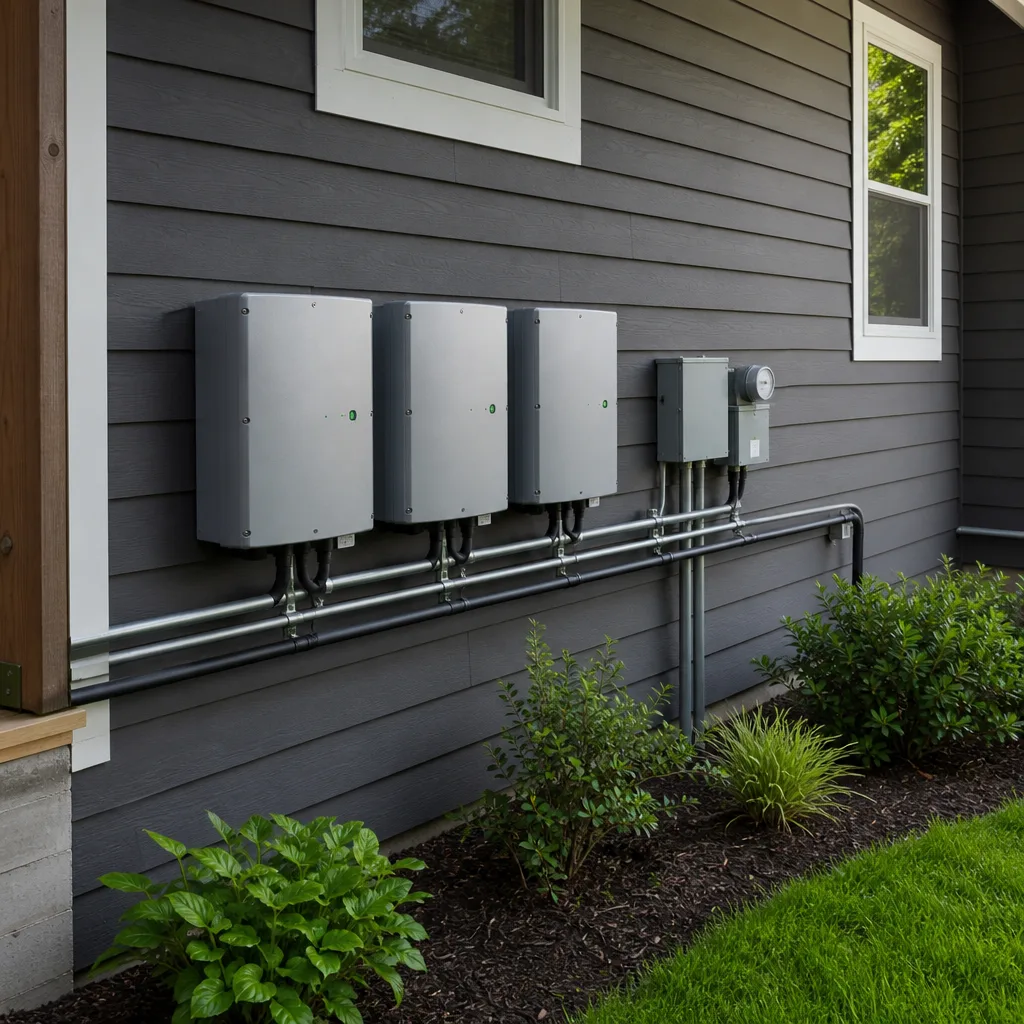
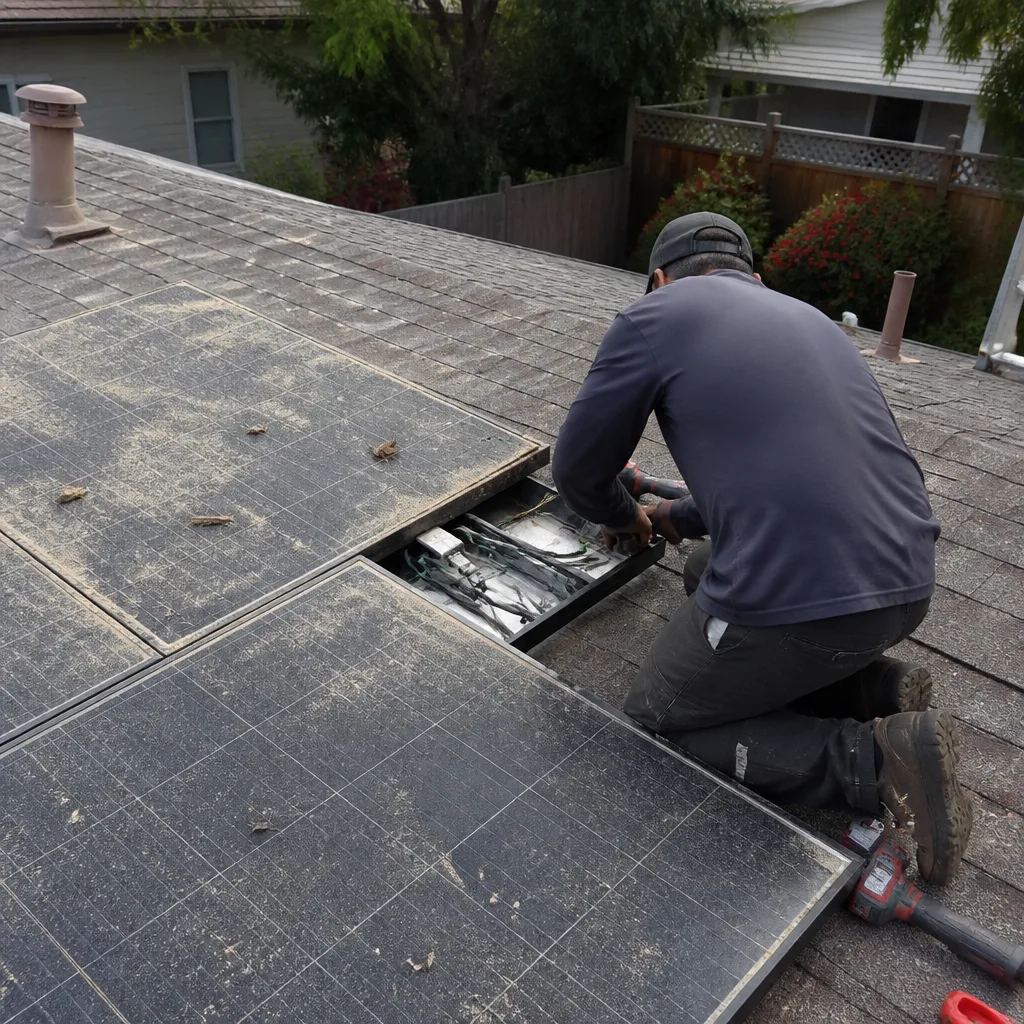 Before
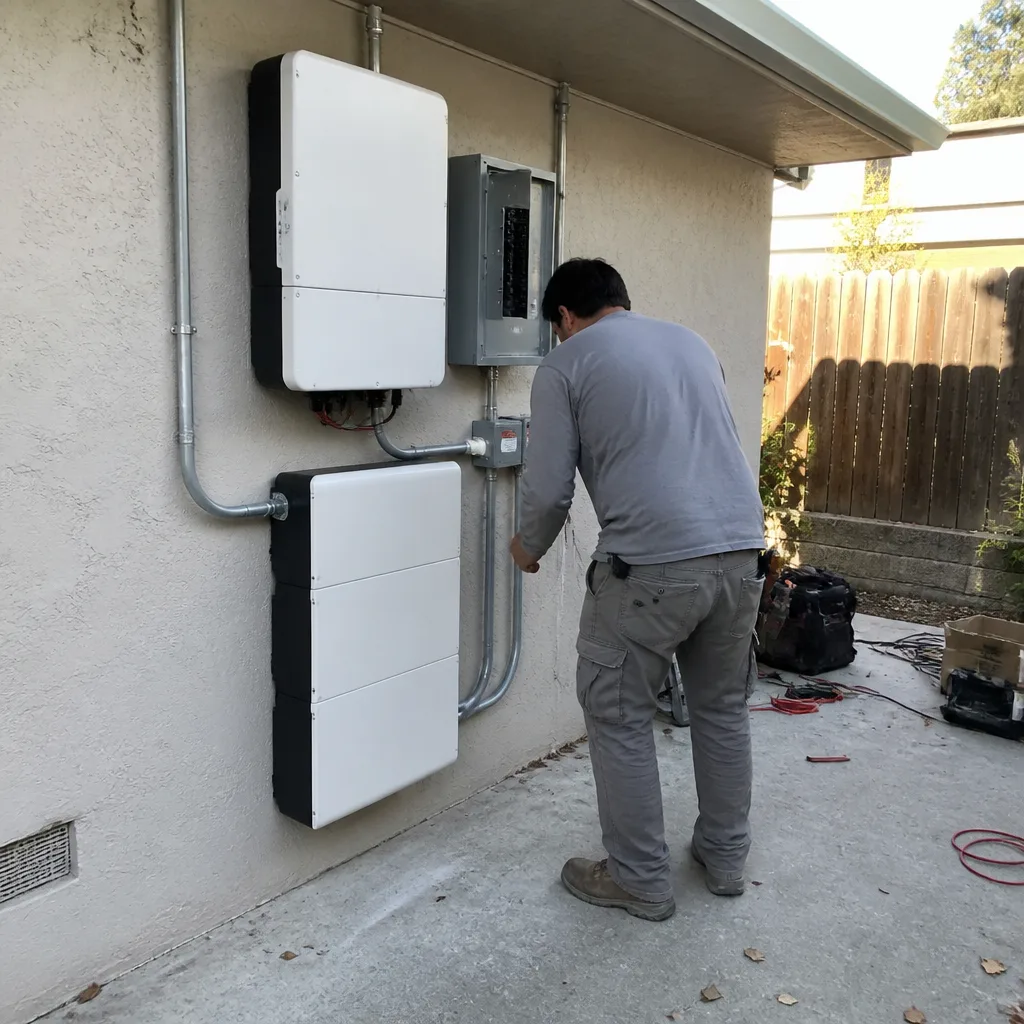 After
After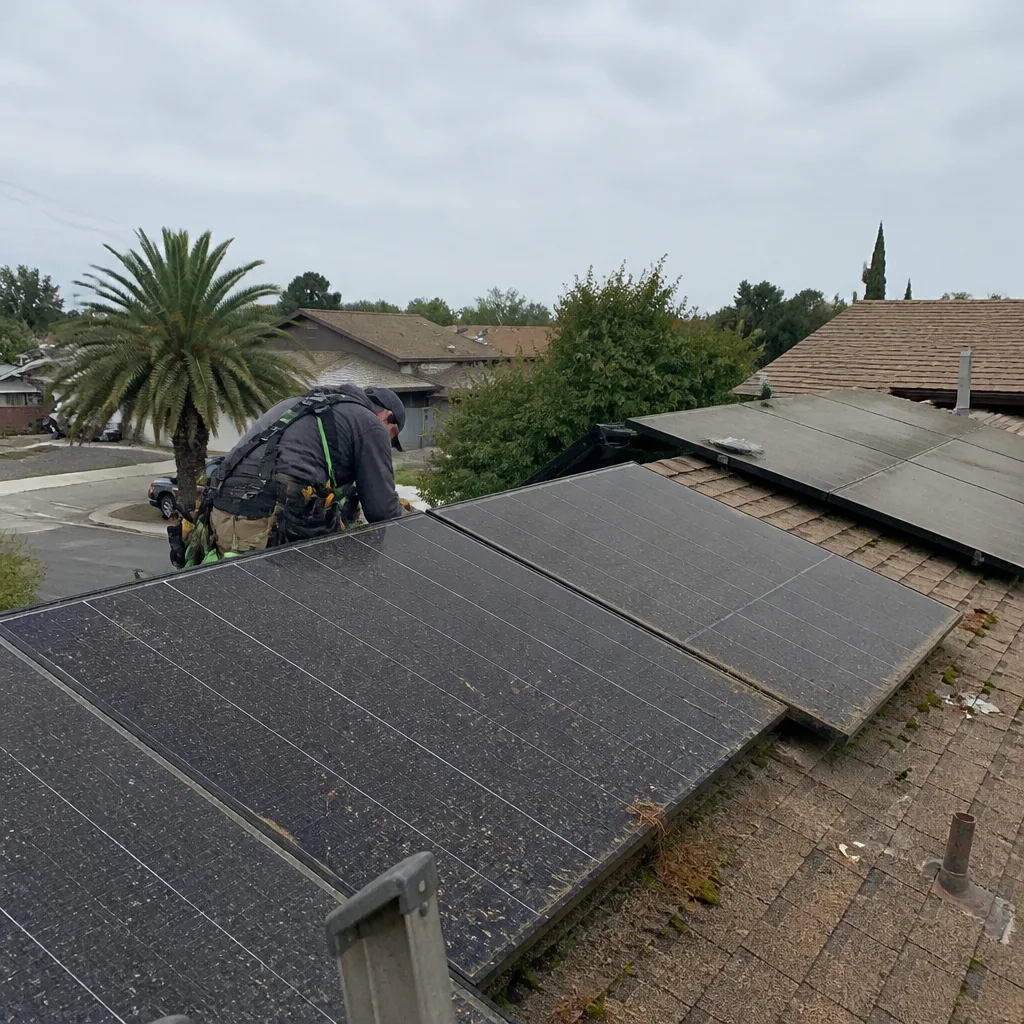 Before
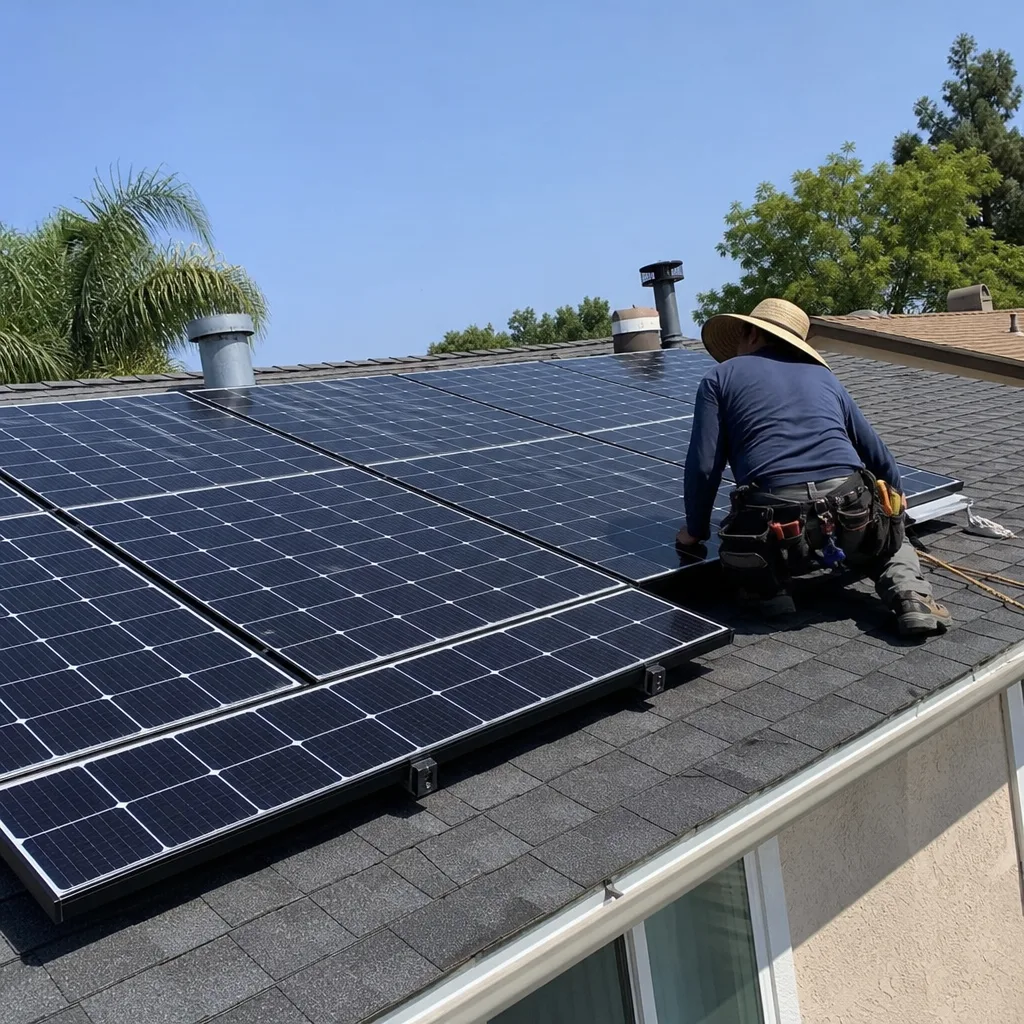 After
After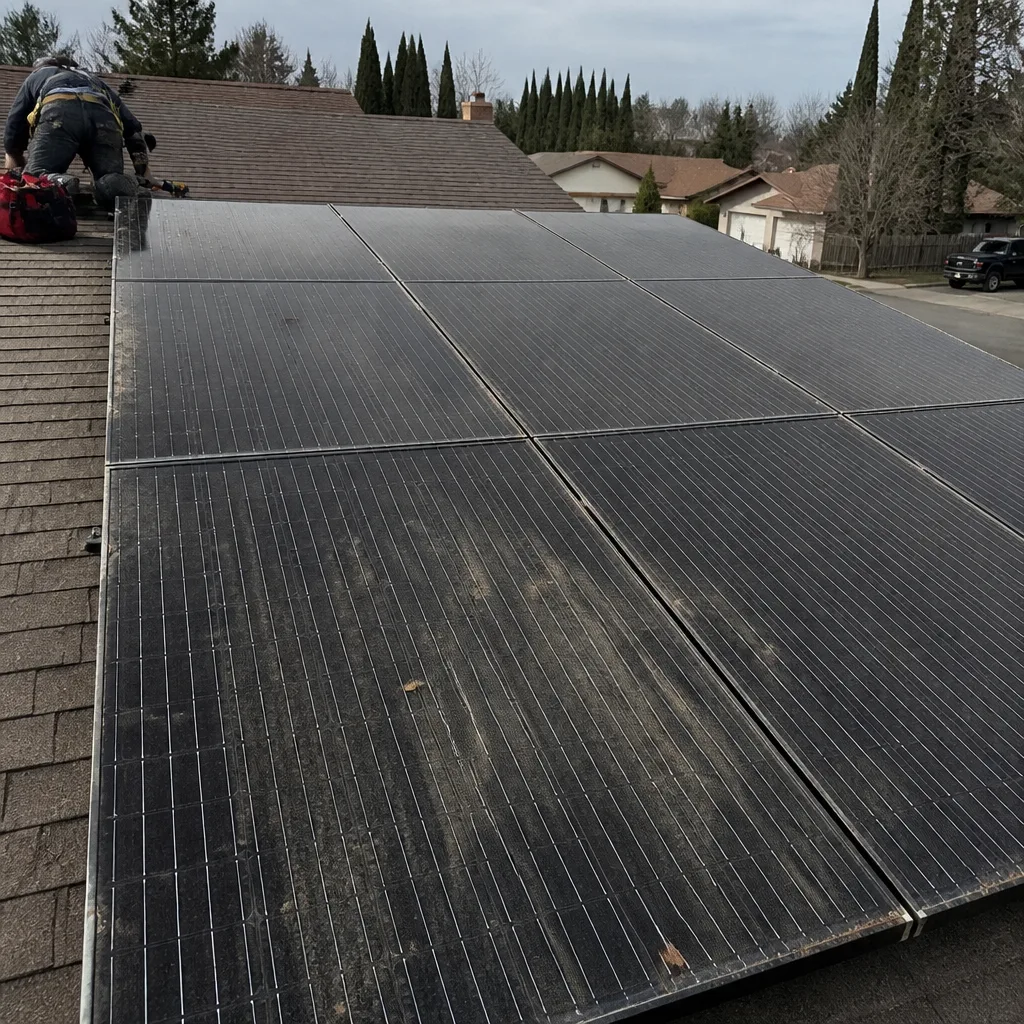 Before
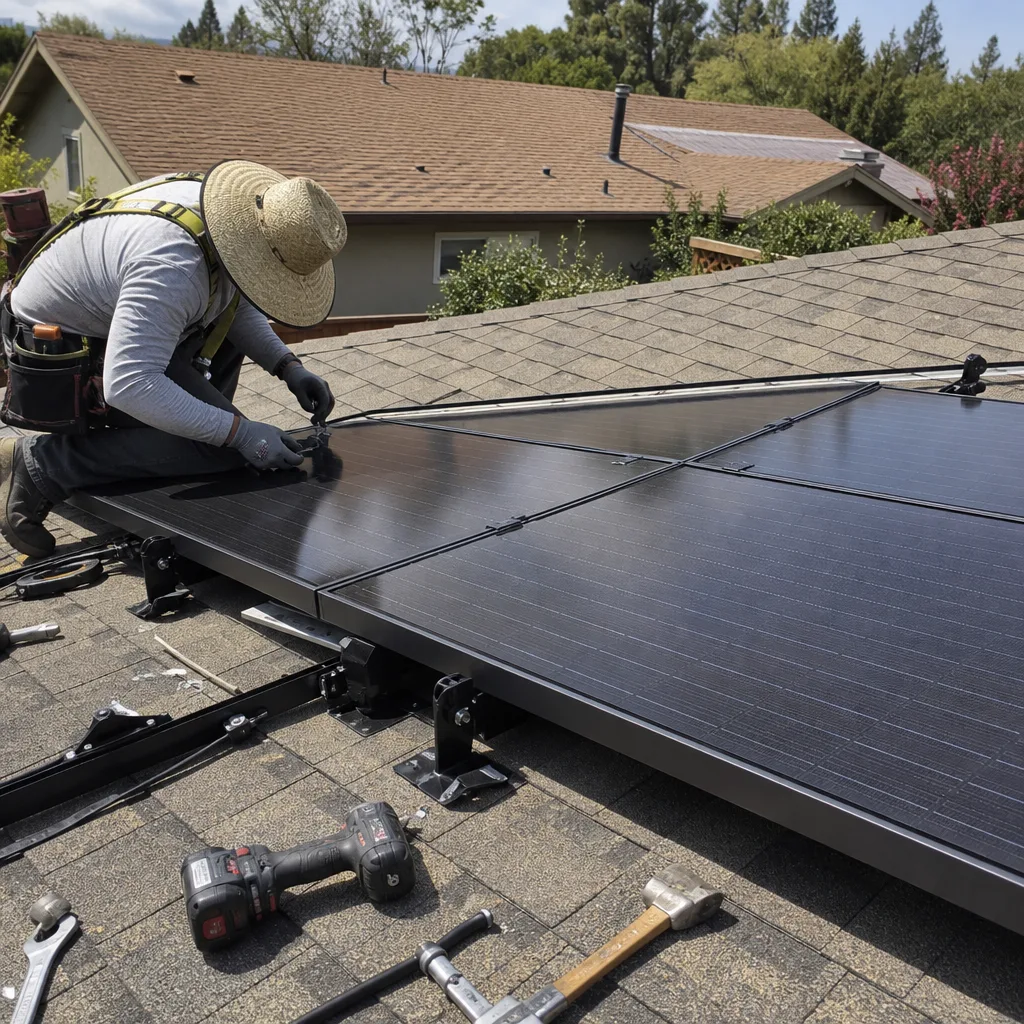 After
AfterFast, Reliable Solar Battery Storage & Backup Across Enterprise
Battery storage in Enterprise runs $11,500 to $18,000 for a single Powerwall installed, and $16,000 to $28,000 for a paired battery setup with backup capability. Most Enterprise installs go from signed agreement to final inspection in 4 to 8 weeks, though HOA architectural review often adds 2 to 3 weeks before Clark County even sees your permit. The catch in Enterprise is rarely the equipment or the crew. It’s the Mountain’s Edge-style HOA covenant that says your battery can’t be visible from the street, and the concrete S-tile roof that punishes sloppy conduit work. We know both. Call (877) 550-6892 and we’ll walk your specific street and wall planes before you spend a dollar.
Enterprise sits at roughly 2,100 feet in the Mojave Desert with nearly 300 sunny days a year, which is great for production and brutal on batteries. Summer afternoon temperatures of 110 to 115°F derate photovoltaic output by 10 to 25 percent at peak irradiance, and they heat garages to the point where an inverter without active ventilation loses charge and discharge efficiency. That’s why battery placement and thermal management matter more in Enterprise than in Spring Valley or Winchester. You’re not just buying a battery. You’re buying a system that has to survive August in a tract home with a two-story roofline and an HOA rulebook thicker than the permitting packet.
Why Gus’s Solar Is Enterprise’s Preferred Solar Battery Storage & Backup Company
Gus Petrakis opened Gus’s Solar in 2011, and he’s been answering his own phone ever since. When you call about battery backup in Enterprise, you talk to Gus or someone on his crew who actually installs in the 89139 ZIP. Not a call center. Not a sales rep reading from a script. A live person answers 24/7, which matters when your power drops at 2 a.m. and you’re trying to figure out whether the battery is doing what it should.
Enterprise homeowners deal with a dual-approval headache that most installers don’t want to touch. Clark County unincorporated permitting is one layer. The Mountain’s Edge architectural review committee is the other. We’ve sat through enough ARC meetings to know what gets rejected: street-visible battery walls, conduit runs that cross the front elevation, anything that changes the roofline silhouette. Gus’s crew includes background-checked, uniformed technicians who do the work themselves. No subcontracted crews. When a homeowner in Mountain’s Edge asks whether a Powerwall on the side of the house will pass, we can answer from experience, not guesswork.
Every solar job gets the 90-Day Done Right Promise in writing. If something isn’t right, one call brings Gus back. That’s not a marketing line. That’s the standard Gus has kept for 29 years in the trades, and it’s the reason Enterprise customers call us before they call anyone else.
Our Solar Battery Storage & Backup Services in Enterprise
Tesla Powerwall Installation
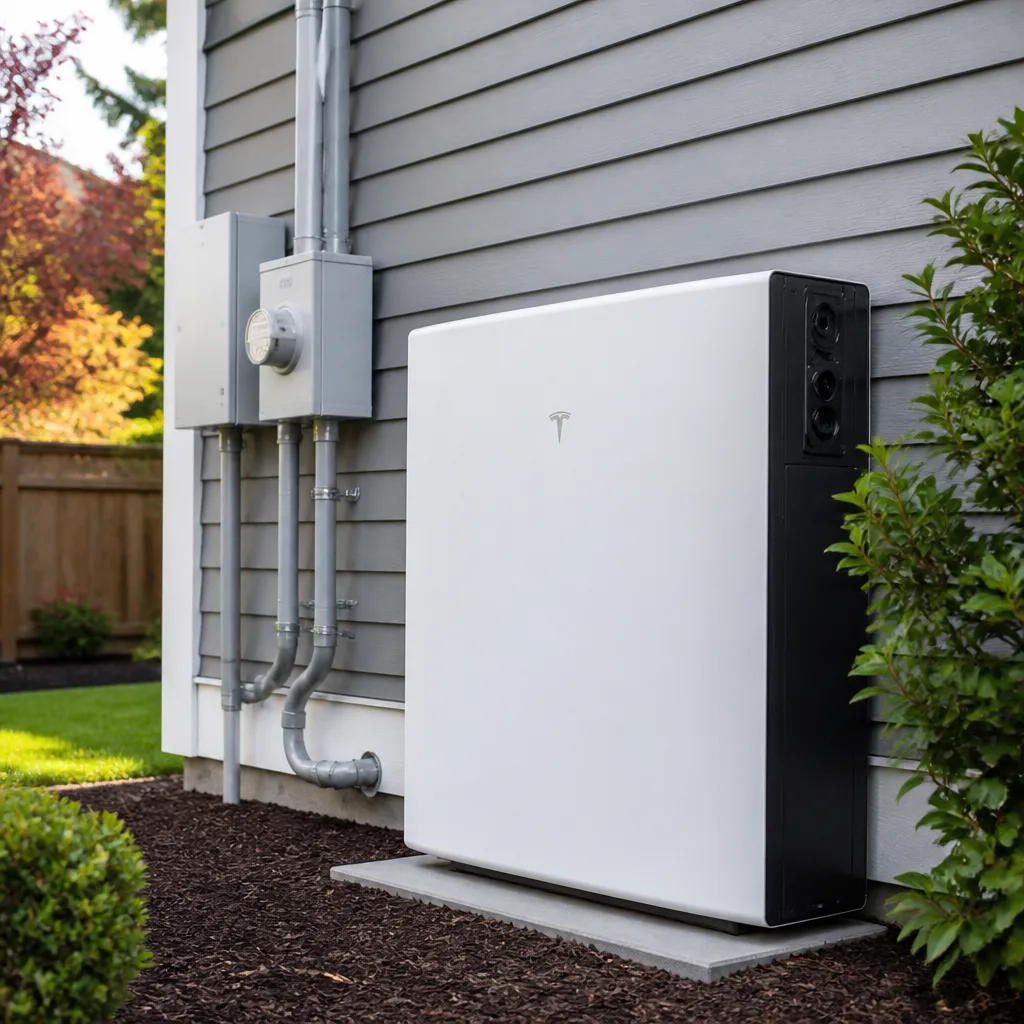
A single Tesla Powerwall 3 installed in Enterprise runs $11,500 to $14,000 before any federal tax credit. Most Enterprise homes need one Powerwall for essential circuits or two for whole-home backup, especially with the two-story floor plans common in the 89139 ZIP. Placement is the real decision here. Mountain’s Edge covenants frequently prohibit street-visible battery walls, which means we’re often placing Powerwalls on rear or interior wall planes, running longer conduit, and coordinating with the ARC before the permit application is even drafted. We’ve done this enough times to quote the extra conduit cost honestly, up front.
Enphase IQ Battery Installation
Enphase IQ batteries run $9,500 to $13,500 installed for a single 5P unit. The advantage for Enterprise homeowners is modularity. If your HOA limits wall space or you want to start smaller and expand later, the 5P stackable design fits tighter wall planes and shaded side yards. With 115°F garage heat, we recommend ventilated enclosures or shaded exterior placement. An Enphase system that’s actively cooled will hold charging efficiency far better than one baking in a west-facing garage in August.
Whole-Home Backup Power
Whole-home backup in Enterprise starts around $16,000 for a single battery sized for essential loads, and $22,000 to $28,000 for a two-battery setup that shoulders a full two-story home’s demand. The biggest variable is the array itself. If your HOA’s “not visible from the street” rule pushes your panels from a south-facing street plane to a rear roof section, you may lose 10 to 15 percent of output. That means your battery pairing has to be sized for the real, year-25 production number, not the day-one brochure figure. Gus quotes off your actual utility bill and the real orientation of your roof.
Battery Retrofit for Existing Solar
If you already have panels in Enterprise and want to add storage, the retrofit typically runs $12,000 to $19,000 depending on whether your inverter can AC-couple or we should replace it. Older 2010s-era systems in the 89139 ZIP often have string inverters that can’t talk to a modern battery, so we may spec an inverter swap alongside the battery. This is where knowing your specific hardware matters. We work with Tesla, Enphase, and FranklinWH among others, and we’ll tell you straight if your existing array is better served by one brand over another.
What happens when you call
- 1
A real person answersNo phone trees - you reach a local pro.
- 2
You get an upfront price rangeHonest numbers before anyone is dispatched.
- 3
A background-checked tech heads outLicensed & insured, dispatched right away.
- 4
You approve before work beginsNothing starts until you say go.
Trusted Brands We Service in Enterprise
We install and service batteries from Tesla, Enphase, and FranklinWH, and we pair them with panels from Qcells, REC, and SunPower. For Enterprise specifically, we stock common conduit fittings, S-tile hooks, and flashing profiles locally so a retrofit doesn’t stall waiting on a shipment from out of state. If you already have a SolarEdge inverter or a Panasonic array, we’ll work with what’s on your roof and tell you honestly whether a retrofit makes sense or whether you should wait.
Common Solar Battery Storage & Backup Problems We See in Enterprise Homes
- HOA architectural review rejects a battery wall visible from the street. Mountain’s Edge and comparable Enterprise HOAs commonly enforce a “not visible from the street” rule. A rejection at ARC means project delay and a re-design, which is why we have the HOA conversation before Clark County sees any permit application.
- Concrete S-tile roof penetration for battery conduit is improperly flashed. The 2000s to 2010s tract homes across the 89139 ZIP sit on concrete S-tile roofs with 4:12 to 6:12 pitches. A sloppy conduit penetration can leak during rare desert downpours, and underlayment damage can go unnoticed for months. We use tile-hook penetration techniques and flashing specific to that S-tile profile, and every penetration gets checked before it’s sealed.
- Inverter derating due to 110°F+ garage heat. Enterprise garages routinely exceed 110°F in summer. An inverter inside that space without active ventilation loses charge and discharge efficiency, which directly cuts into your backup runtime. We specify enclosures with airflow or shaded exterior placement, and we check the thermal load before we finalize the design.
- Battery placement forced to rear wall plane adds conduit run length. When the only HOA-compliant spot is a rear wall, the conduit from the main panel gets longer, which adds cost and voltage drop considerations. We quote that extra run honestly and sometimes re-route through interior chases to keep the install clean.
Pricing for Solar Battery Storage & Backup in Enterprise, NV
We Also Serve Cities Near Enterprise
We serve Enterprise and the surrounding Clark County communities, including Spring Valley, Paradise, Winchester, and Las Vegas. If you’re in a neighboring city and want the same Enterprise-level attention to HOA rules, S-tile roofs, and desert heat, our Solar Battery Storage & Backup team covers the whole metro. And if you’re in Enterprise proper, call us and ask for Gus. He’ll pick up.
Serving Enterprise, NV - Our Local Coverage Area
We’re based in the Enterprise area and know this community well. Use the map below to see our service coverage - if you’re nearby, we can almost certainly help.
FAQs - Solar Battery Storage & Backup in Enterprise
Will my Mountain’s Edge HOA allow a Tesla Powerwall on the side of my house?
It depends on whether that wall faces the street. Mountain’s Edge and most large Enterprise HOA boards enforce a “not visible from the street” rule, which means a Powerwall on a front or side street wall will likely get rejected at architectural review. The workaround is a rear or interior wall plane, which we have done many times. Call (877) 550-6892 and we’ll tell you which wall plane passes before you submit anything.
How does the “not visible from the street” rule affect battery placement for my two-story home?
It pushes the battery to a rear or shaded side wall, which means longer conduit runs from the main panel and sometimes a more careful inverter placement to avoid output losses. For two-story Enterprise homes, that extra conduit can add $800 to $1,500 in labor and materials. We quote it honestly and design accordingly.
Can I use time-of-use arbitrage with a battery in Enterprise under NEM 3.0?
Yes, and it’s one of the strongest financial cases for a battery in Enterprise. Under NEM 3.0, export rates are low, so the strategy is to charge from solar during the day and discharge during the 4 to 9 p.m. peak window when utility rates are highest. A properly configured battery can shift 10 to 15 kWh of daily load off peak, which is real money on a typical Enterprise electric bill. Gus designs systems around your actual TOU schedule, not a generic assumption.
Does the concrete S-tile roof on my 2005 home require special handling for battery conduit?
Yes. Concrete S-tile needs tile-hook penetration and flashing specific to that profile, and the work has to survive rare but real desert downpours. We use flashing methods built for S-tile, not asphalt shingle shortcuts, and every penetration gets checked before it’s sealed. If your roof is original from 2005, we’ll also inspect the underlayment before we anchor anything.
What happens to my PV output if I have to move the array to a rear roof plane to hide it from the street?
You typically lose 10 to 15 percent of annual output compared to an unconstrained south-facing design. That’s the real cost of the HOA aesthetic rule in Enterprise. We compensate by oversizing where your roof allows and by spec’ing panels with low temperature coefficients so the 110°F afternoon heat takes less of a bite. Gus quotes the year-25 production number, not the day-one brochure figure.
Call Gus’s Solar for Battery Backup in Enterprise
If you live in Enterprise and you’re tired of installers who don’t understand your HOA, your S-tile roof, or your August garage, call us. We’ll come out, look at your wall planes, read your ARC guidelines, and give you a number you can take two weeks to think about. The price will be the same. Call (877) 550-6892 for a free estimate, or talk to Gus directly. He’s been doing this for 29 years and his name is on the work.
Written by Gus Petrakis, Owner at Gus’s Solar, serving Enterprise and Clark County since 2011.