

Free bill analysis - bring a power bill, get the production math for your actual roof, panel brands like Qcells and REC compared side by side
If the pitch starts at your door and ends with "sign tonight for the special," sleep on it. The sun will still be there tomorrow; so will we.
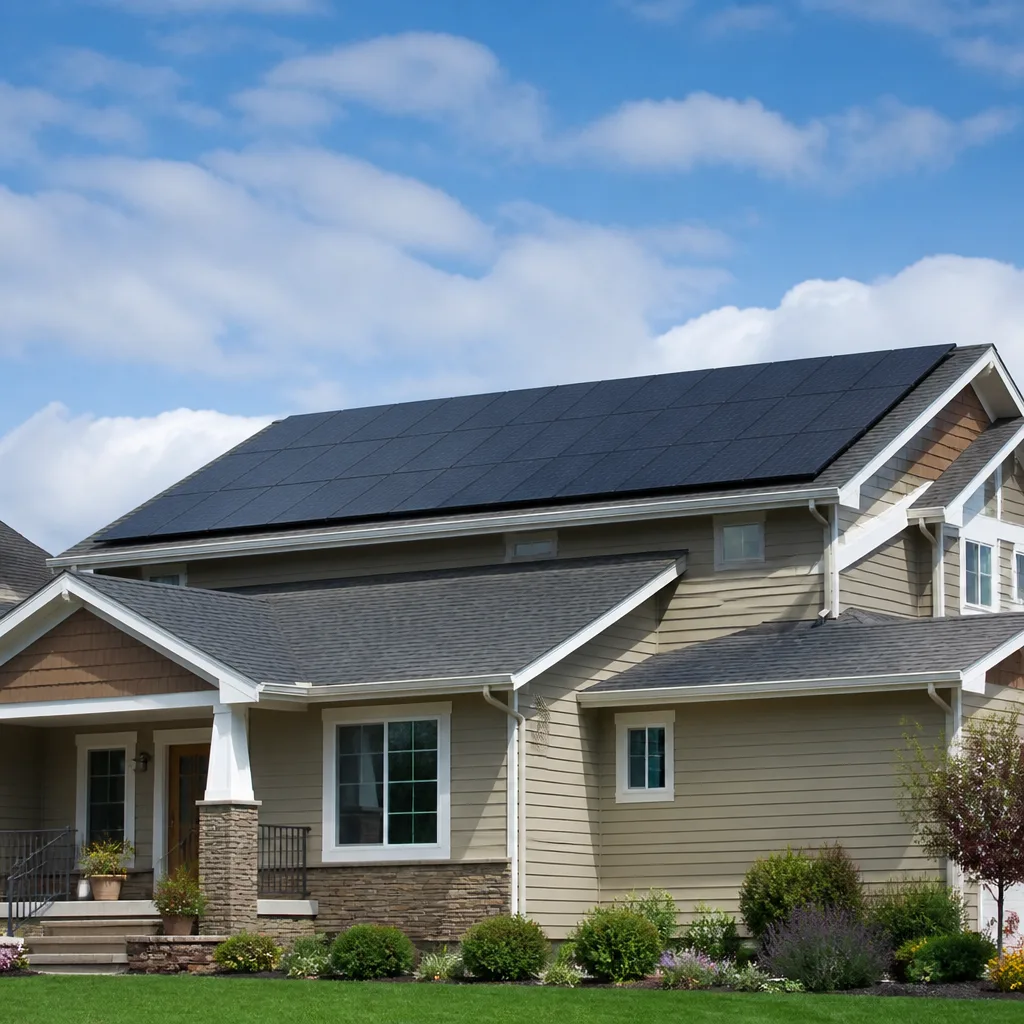
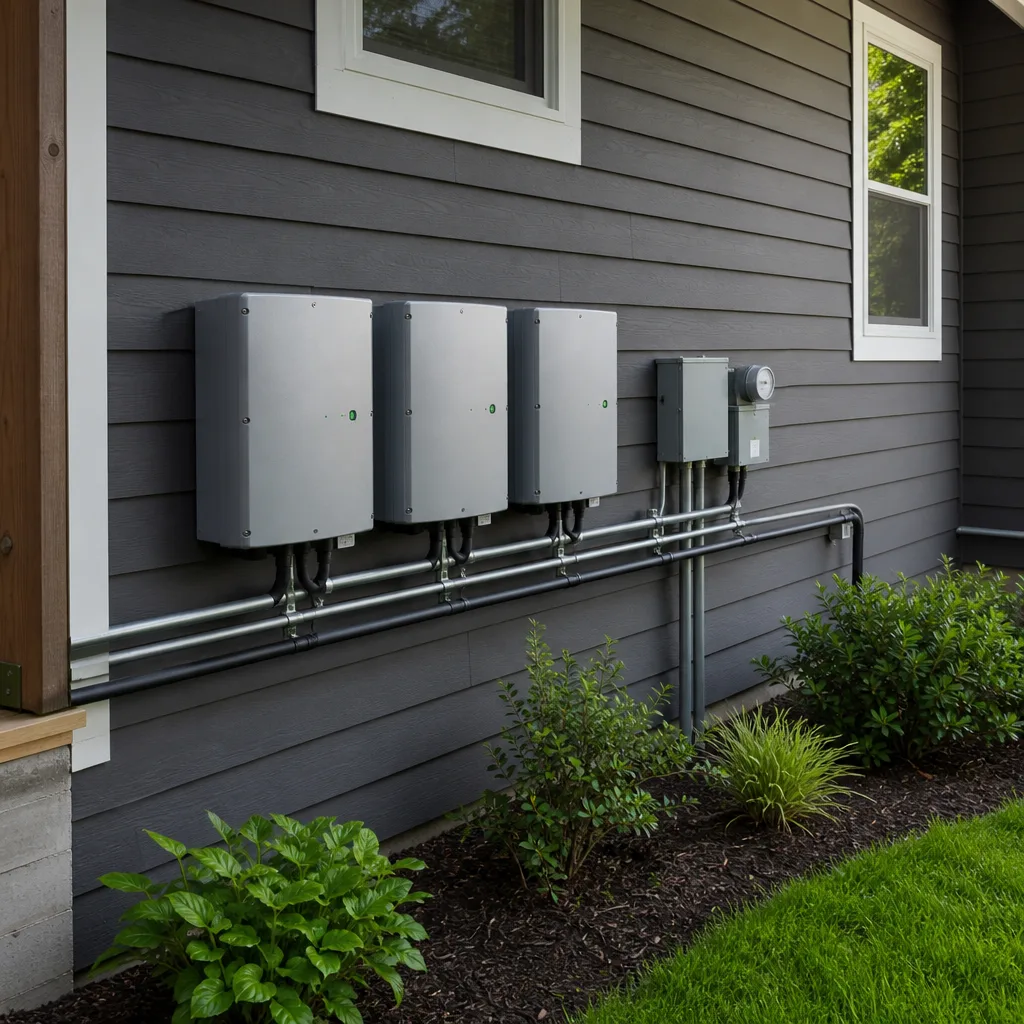
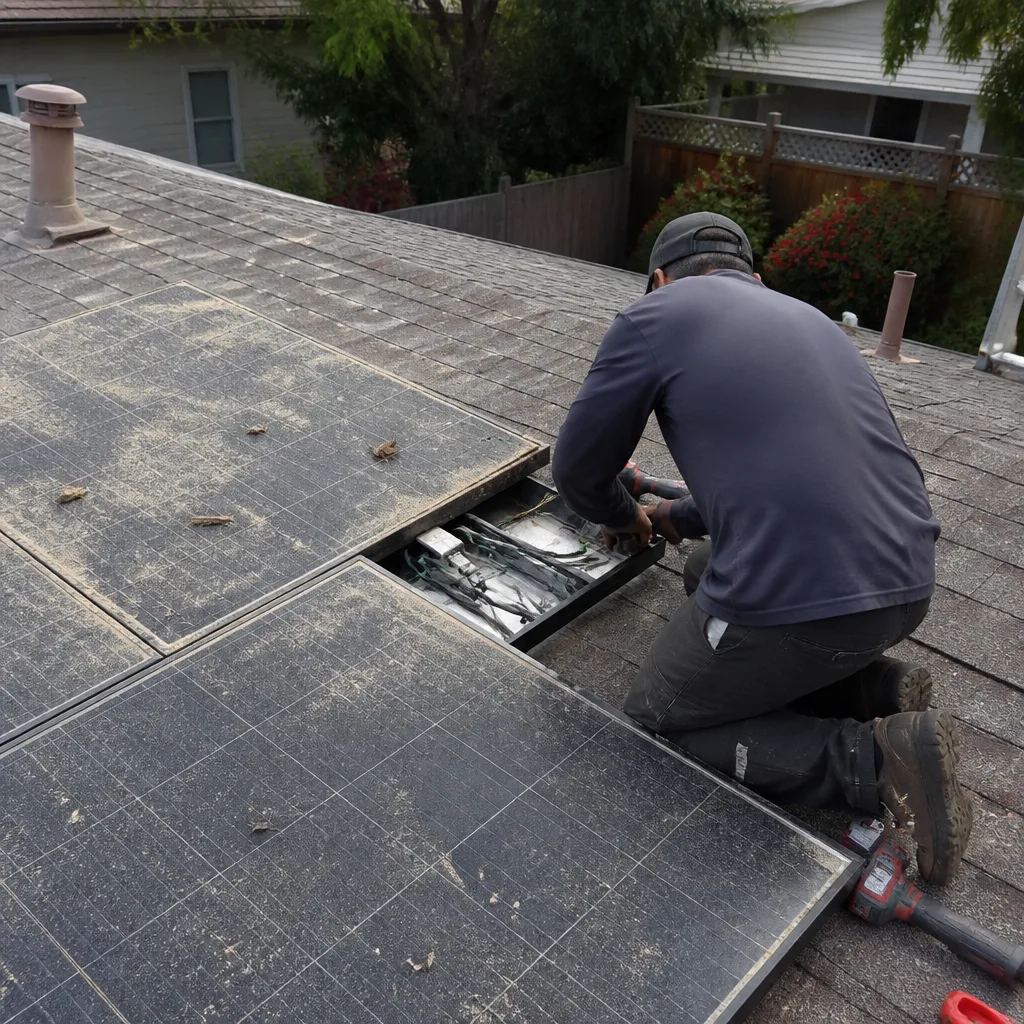 Before
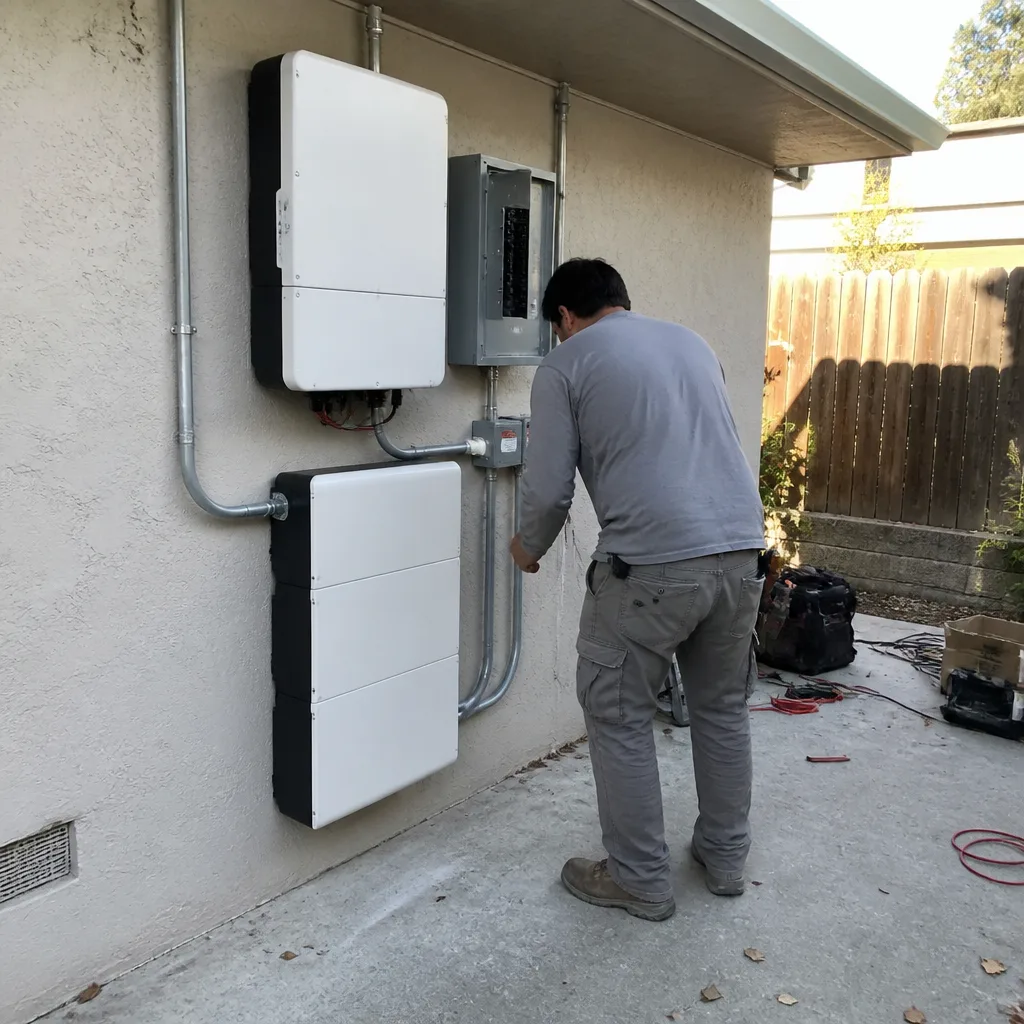 After
After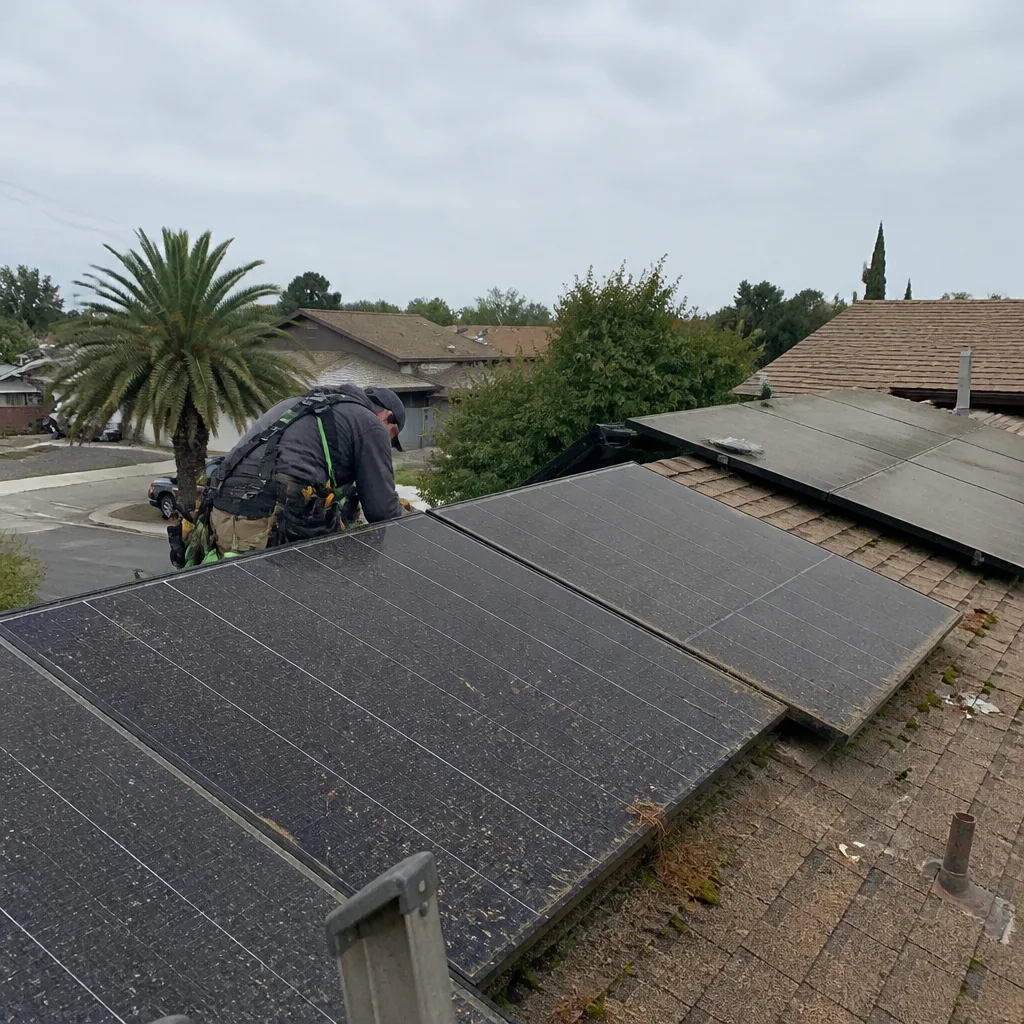 Before
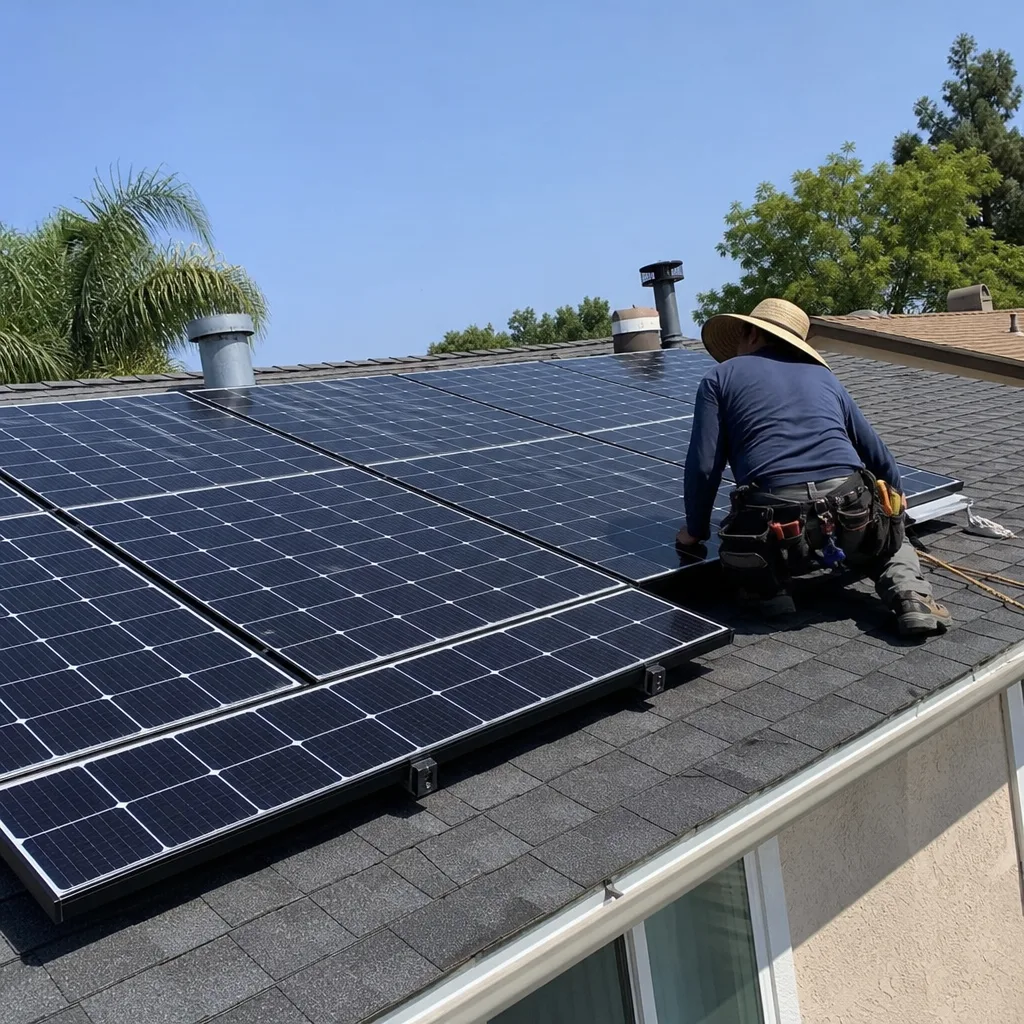 After
After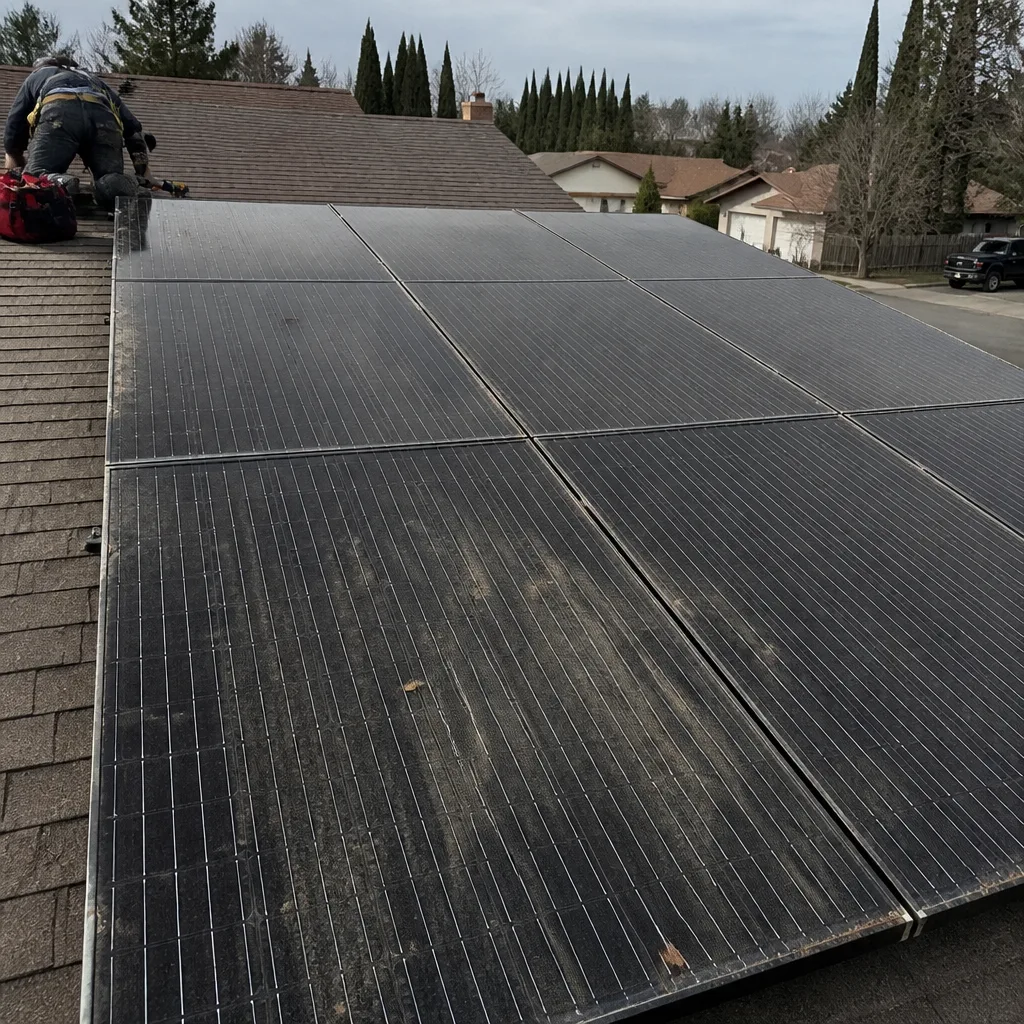 Before
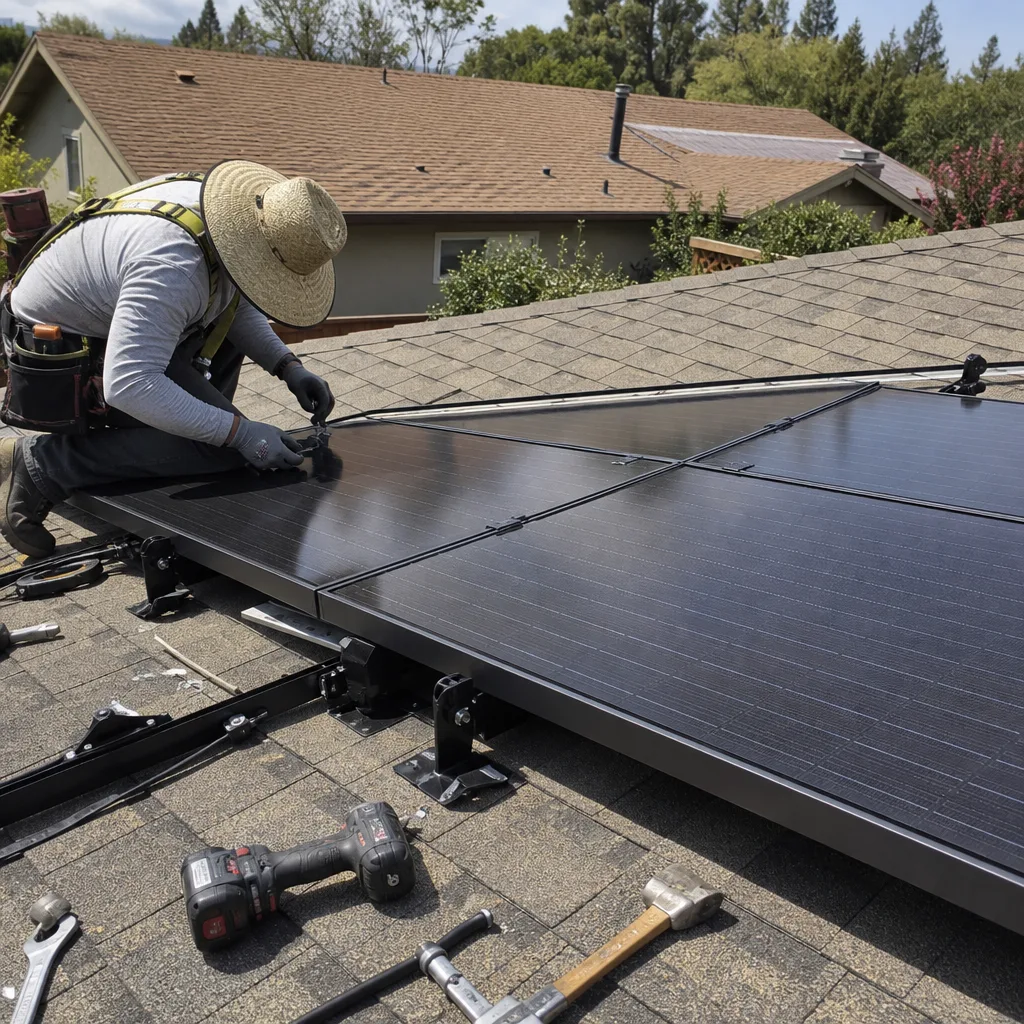 After
AfterFast, Reliable Solar Battery Storage & Backup Across Colusa
Solar battery storage in Colusa runs between $9,500 and $18,500 installed for a single residential battery, with whole-home setups often landing in the $22,000 to $35,000 range depending on panel age, service size, and backup scope. Most Colusa jobs take one to two days on site, and Gus’s crew serves the 95932 ZIP directly with no trip charge inside our own county. If you’re losing power during rice-dryer season or watching PG&E’s 4 to 9 p.m. peak erase your solar savings, call us at (877) 550-6892 and we’ll walk through your actual bill before quoting a single number.
We know Colusa. We know what tule fog does to a production estimate, what a 105°F July week does to a battery’s usable capacity, and what an old 100A panel on a 1950s ranch near the fairgrounds can actually handle. That local knowledge is the difference between a battery system that performs as promised and one that looks great in a brochure and disappoints on your true-up statement.
Why Gus’s Solar Is Colusa’s Preferred Solar Battery Storage & Backup Company
Gus Petrakis founded this company in 2011 and put his own name on the building. He still answers the phone. That matters in a town like Colusa, where you see the same faces at the hardware store and the fairgrounds, and where a handshake still means something. We’re not a pop-up sales crew working a territory. We’re a locally owned shop with a published address, a license number, and an owner who will tell you to take two weeks before you sign anything.
Our Solar Battery Storage & Backup work in Colusa gets done by Gus’s own crew, not a sub. They’re background-checked, uniformed, and they flash every roof penetration properly. When you call at 2 a.m. because a battery alarm went off, a live person answers, not a voicemail. That’s been our standard for 29 years and it doesn’t change for Colusa customers.
Colusa homeowners tell us the same thing over and over: a national outfit quoted one number on the phone, then added fees at the door. We don’t do that. The price we quote is the price you pay, and it’s built off your real utility bill, not a generic estimate. Bring us a bill. We’ll bring you the math.
Our Solar Battery Storage & Backup Services in Colusa
Tesla Powerwall Installation
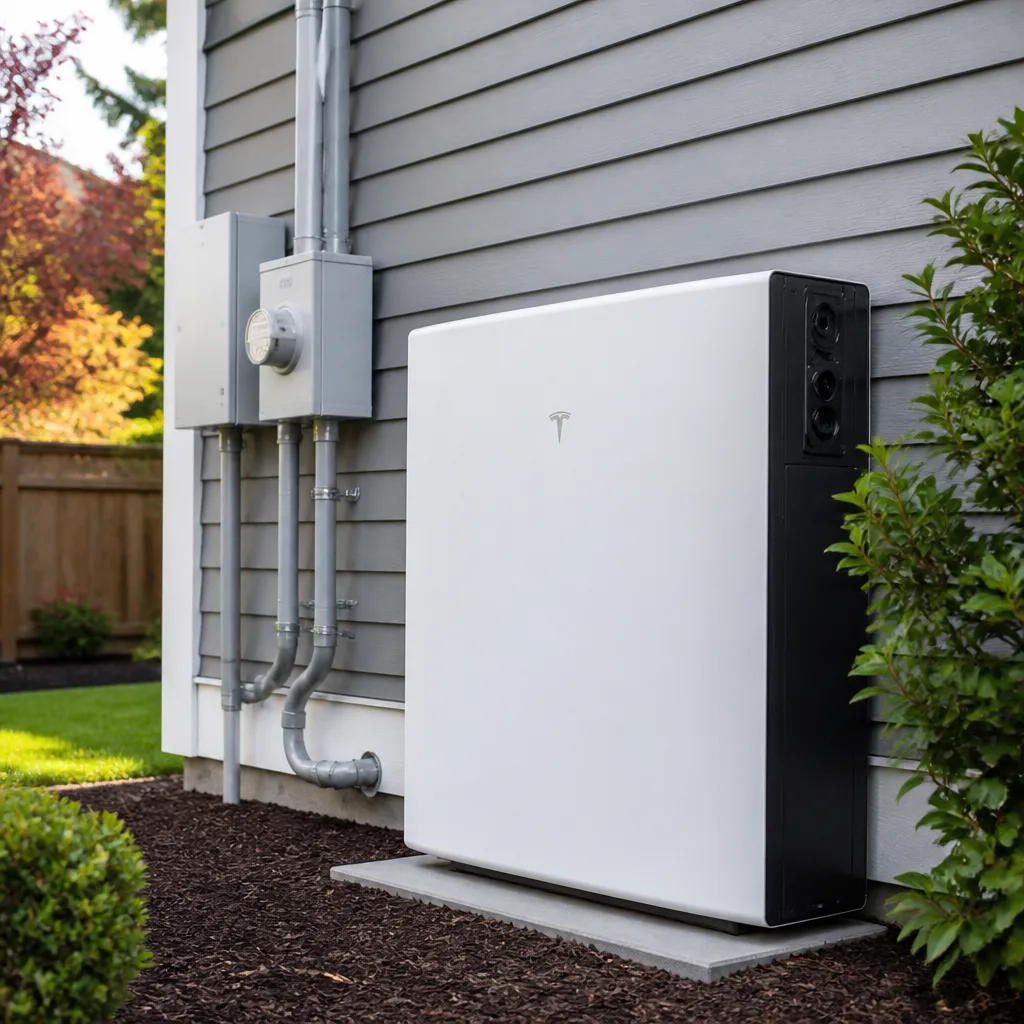
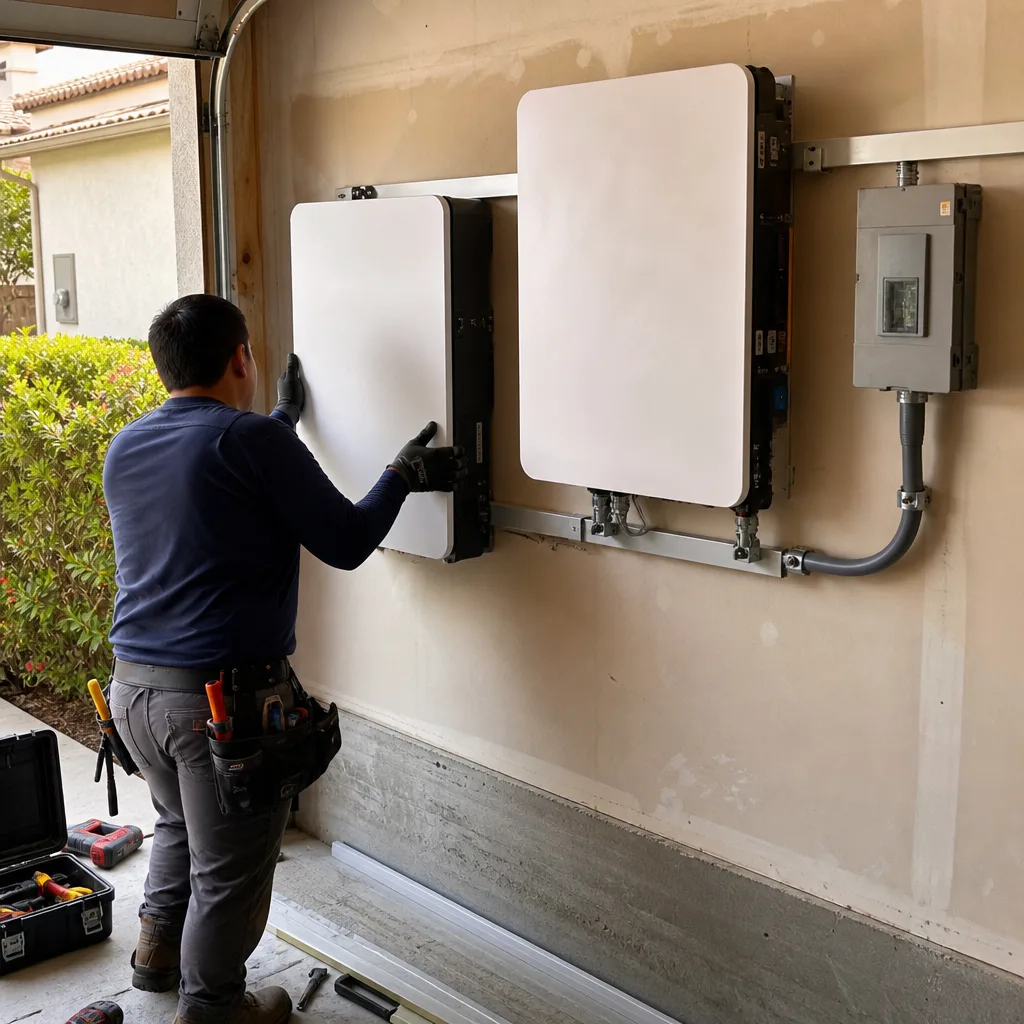
A Tesla Powerwall 3 installed in Colusa typically runs $14,000 to $18,500 before the 30% federal tax credit, including the Gateway and a standard wall mount. For 95932 homes with PG&E’s 4 to 9 p.m. peak rates, we configure Powerwalls for full self-consumption with a reserve buffer sized to your July AC surge. That’s the setup that actually shrinks a true-up bill, not just keeps lights on during an outage.
Enphase IQ Battery Installation
Enphase IQ Battery 5P systems in Colusa usually land between $10,500 and $15,000 installed, depending on whether you’re adding one or two units. If you already have Enphase microinverters on your roof, the pairing is straightforward and gives you per-panel monitoring plus battery control in one app. On older Colusa bungalows with 100A mains, we’ll often pair an IQ Battery with a load-management panel to avoid nuisance trips when a well pump and an induction range cycle at the same time.
Whole-Home Backup Power
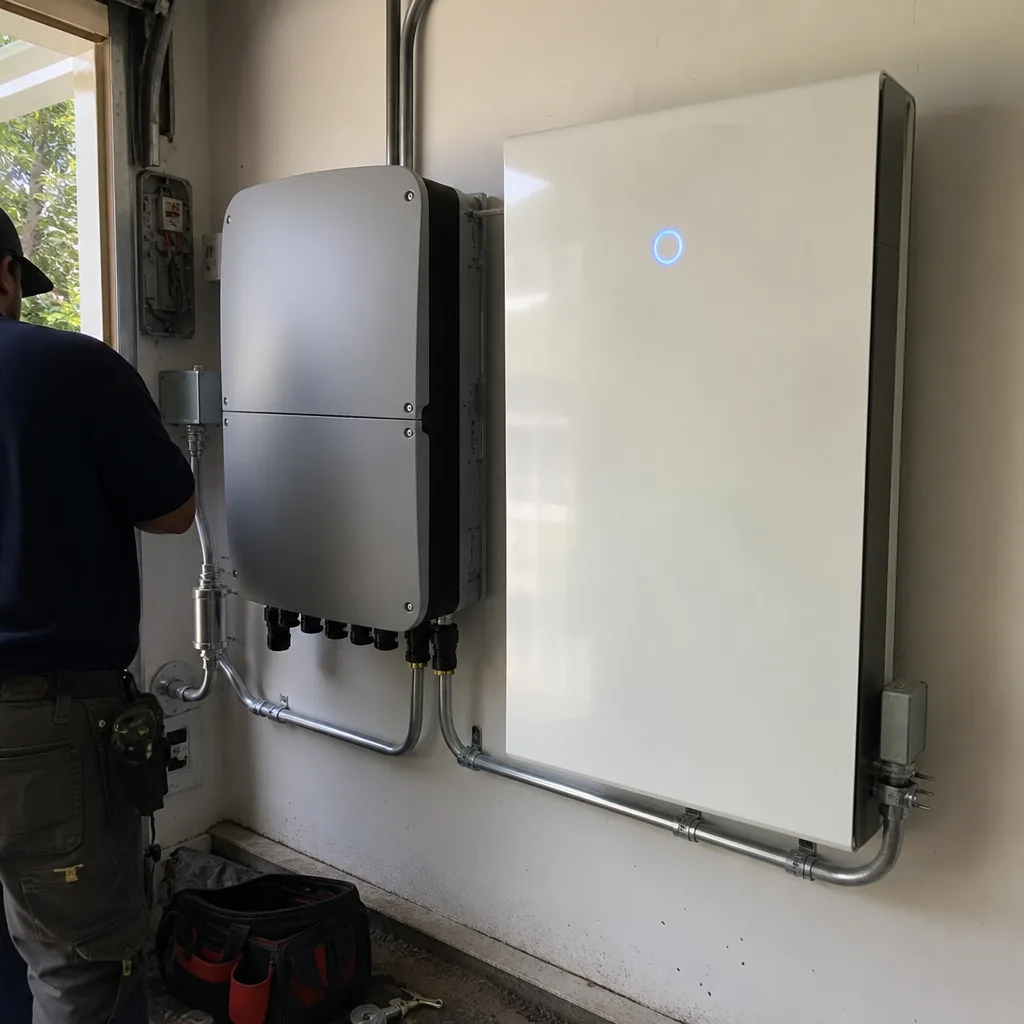
Whole-home backup for a Colusa home with a 200A panel, central AC, and an electric water heater generally starts around $22,000 and can reach $35,000 with multiple batteries and a smart panel. The deciding factor is amp draw. A 100A downtown service with a gas furnace needs far less battery than a ranch on the edge of town with two AC condensers and a pool pump. We size the system off measured loads, not a square-footage chart.
Battery Retrofit for Existing Solar
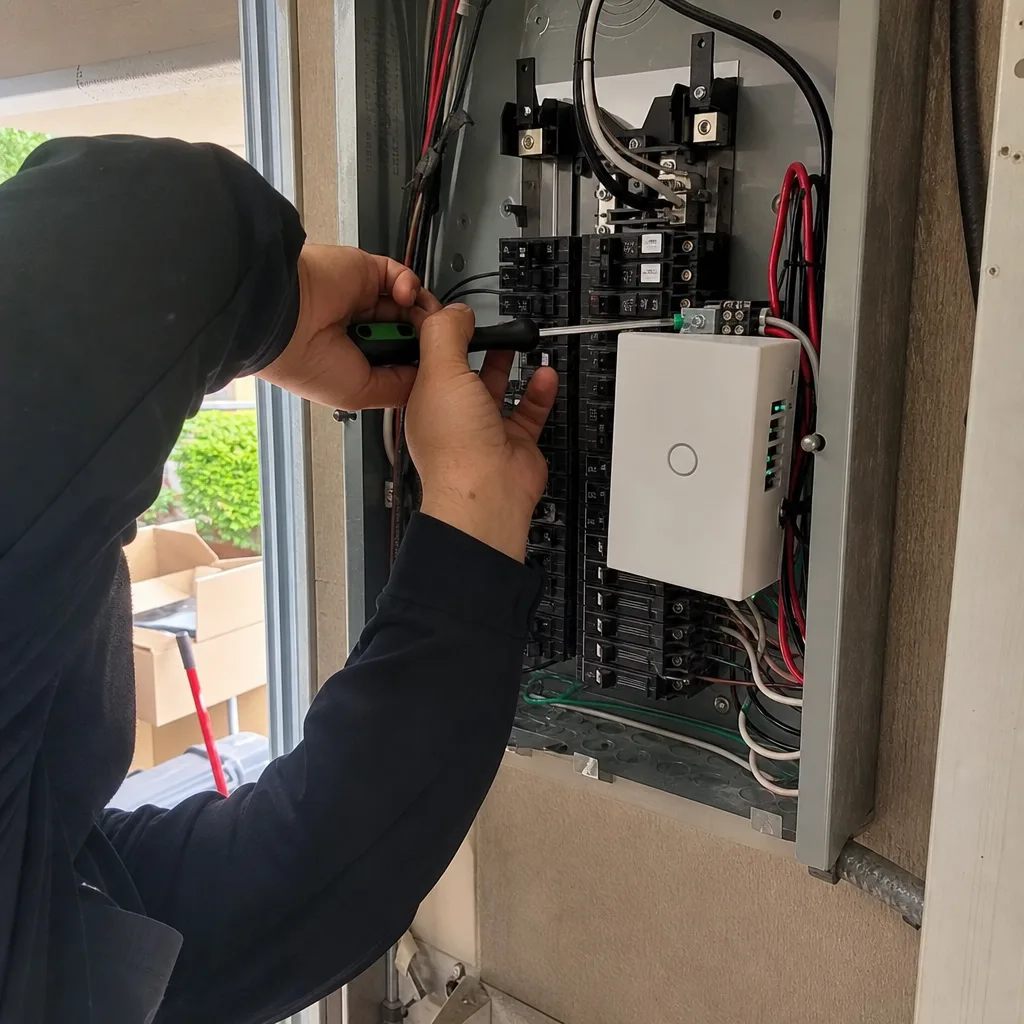
Adding batteries to an existing solar array in Colusa is our most common request. If your system was installed before 2023, you’re likely on NEM 2.0, and adding storage lets you shift midday production into PG&E’s peak window without changing your interconnection agreement. For 2020-era string inverter systems, we’ll evaluate whether an AC-coupled battery like a FranklinWH aPower or a Tesla Powerwall makes more sense than replacing the inverter outright. Retrofit battery jobs in Colusa typically run $11,000 to $17,000 for a single battery and integration.
What happens when you call
- 1
A real person answersNo phone trees - you reach a local pro.
- 2
You get an upfront price rangeHonest numbers before anyone is dispatched.
- 3
A background-checked tech heads outLicensed & insured, dispatched right away.
- 4
You approve before work beginsNothing starts until you say go.
Trusted Brands We Service in Colusa
Gus’s Solar works with Tesla, Enphase, FranklinWH, and Panasonic battery platforms, plus solar hardware from Qcells, REC, and Canadian Solar. We keep common parts and firmware updates on hand for Colusa jobs, which means a battery firmware issue or a failed comms board doesn’t leave you waiting two weeks on a shipping container from out of state. If you have an existing system from a brand we service and you’re in 95932, we can usually be out within a few days for diagnostics and repair.
Common Solar Battery Storage & Backup Problems We See in Colusa Homes
- Undersized batteries for PG&E’s 4 to 9 p.m. peak. A 10 kWh battery drains fast when 105°F AC loads overlap with rice-dryer season demand. We regularly see Colusa systems that can’t bridge the full TOU window, and we fix that with a second unit or a load-management setup.
- Powerwalls mounted on shaded, humid north walls. Tule fog season pushes humidity high and airflow low behind older Colusa homes. If an inverter sits behind a camellia hedge on the north side, it derates and you lose charge-discharge efficiency. We relocate or add ventilation.
- Nuisance breaker trips on 100A downtown services. Original panels on 1950s-era homes near the fairgrounds weren’t built for induction ranges, well pumps, and battery backup cycling at the same time. A load-management panel fixes the tripping and protects your equipment.
- Production estimates that ignored fog season. If your original installer used generic California sun-hours data, your November through February production was oversold. We model month-by-month output with the fog derating applied, so your battery sizing and your true-up expectations actually match reality.
Pricing for Solar Battery Storage & Backup in Colusa, CA
Here’s what we quote across Colusa right now. A single battery retrofit runs $9,500 to $15,000. A new Tesla Powerwall 3 with Gateway runs $14,000 to $18,500. Whole-home backup with two batteries and a smart panel runs $22,000 to $35,000. These are installed prices before the 30% federal tax credit, which brings a $15,000 battery down to around $10,500.
What moves the number in Colusa specifically: the age and amp rating of your main panel, whether you need a derate or a load-management panel, how many AC condensers you’re backing up, and whether tule fog modeling means you need more battery capacity than a generic quote would suggest. We’ll show you the numbers on paper before any work starts. Call (877) 550-6892 for a free estimate. Bring me a bill, I’ll bring you the math. Take two weeks. Think about it. The price will be the same.
We Also Serve Cities Near Colusa
Gus’s crew regularly runs out to Colusa and the surrounding farm towns. We cover Williams, Live Oak, Gridley, and South Yuba City with the same no-trip-charge policy inside our own county. If you’re in one of those towns and your solar batteries aren’t doing what the brochure promised, give us a call at (877) 550-6892.
Serving Colusa, CA - Our Local Coverage Area
We’re based in the Colusa area and know this community well. Use the map below to see our service coverage - if you’re nearby, we can almost certainly help.
FAQs - Solar Battery Storage & Backup in Colusa
Tule fog from roughly November through February cuts your solar production by 25 to 40 percent compared to July’s peak, which means your battery spends those months charging slowly and cycling less often. You’ll still have backup power during an outage, but your TOU savings are minimal in winter because there’s little midday surplus to shift. We model this directly into your annual estimate so you know going in that Colusa solar economics are summer-weighted, and we don’t let you size a battery off a July-only number. Call (877) 550-6892 and we’ll show you a month-by-month production graph for 95932.
Yes, if you’re on NEM 2.0 because adding an AC-coupled battery doesn’t change your interconnection agreement, and it lets you store midday production for use during the 4 to 9 p.m. peak when PG&E charges the highest rates. Your export credits stay the same, but your expensive evening consumption drops dramatically. For NEM 3.0 customers, batteries are basically the only way to make solar pencil out, because export rates are so low that self-consumption is the whole game. We’ll review your true-up statement and show you the payback with actual numbers.
Most residential battery systems can start a well pump, but grain dryers pull 30 to 50 amps at ignition and exceed what a single Powerwall or FranklinWH unit can deliver. For farm backup beyond the house, we often design a separate subpanel on a ground-mount array with two or more batteries and a load-management controller that staggers pump and dryer starts. Colusa ag operations need a site-specific load study, not a residential spec sheet. If you’re running irrigation pumps through the summer, call (877) 550-6892 and we’ll come out and measure what you’re actually drawing.
Enphase IQ8 microinverters pair cleanly with the IQ Battery 5P, and on a steep 8/12 roof we’d typically use IQ8M or IQ8A depending on panel wattage and south-facing exposure. The 100A main is the bigger constraint: without a load-management panel or a main breaker derate, charging the battery while running central AC can trip the main. We’d quote the IQ Battery with either a main derate to 125A if your service supports it, or an IQ System Controller to stage heavy loads. The roof angle doesn’t slow our crew; the panel is where we earn our money on these older downtown homes.
Because they’re conflating two different things: panels degrade slowly and linearly, while lithium-ion batteries lose more capacity in their first few years then stabilize, and most manufacturers warrant 70 to 80 percent capacity at year 10. A 10 percent round-trip efficiency assumption isn’t degradation, it’s the energy lost converting DC to AC and back. We quote both numbers separately, and we’ll show you the manufacturer’s warranty curve for the exact battery we’re proposing in Colusa. Call (877) 550-6892 for a straight answer on what your battery will actually deliver in year 10 and year 25.
Written by Gus Petrakis, Owner at Gus’s Solar, serving Colusa and the Sacramento Valley since 2011.