
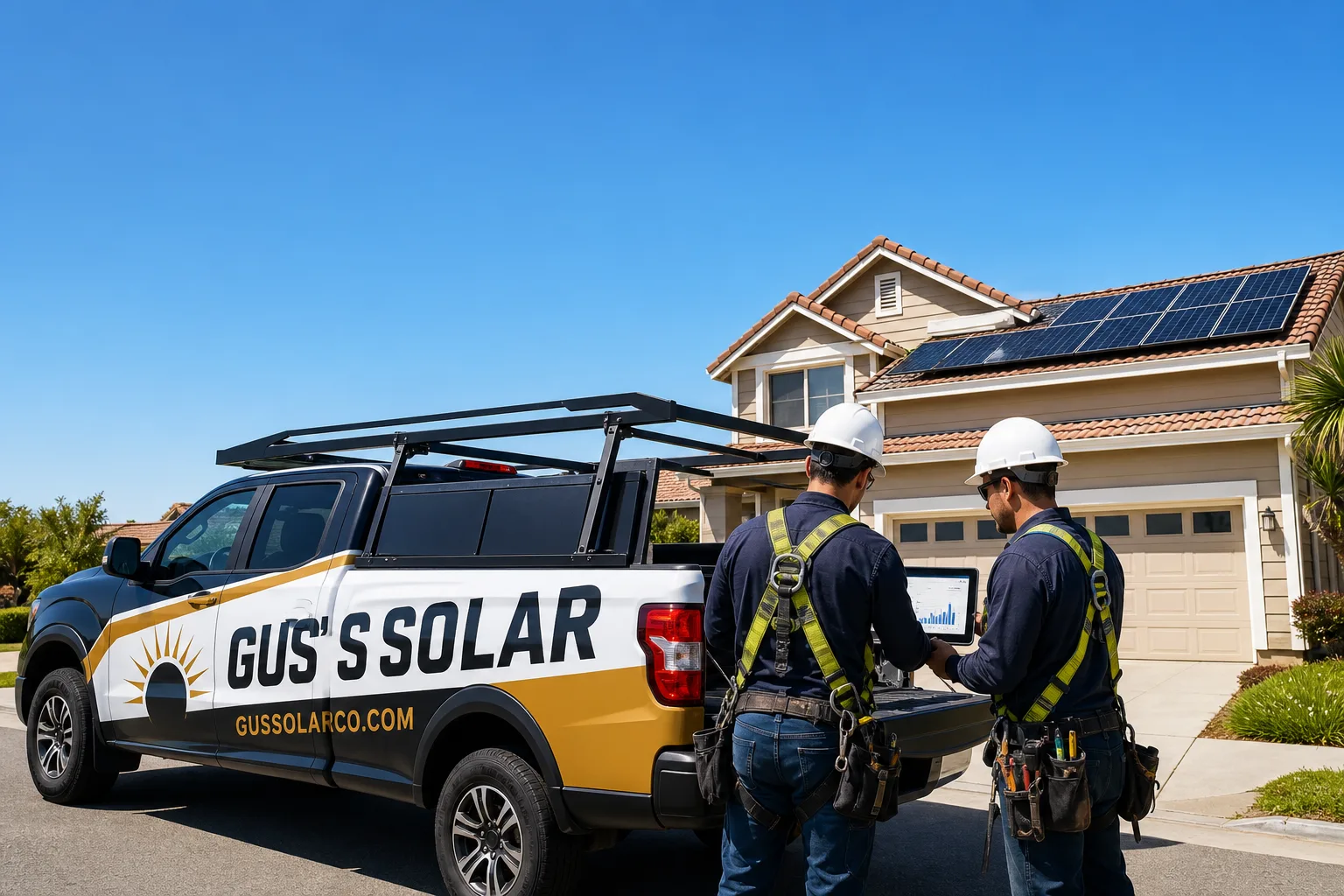
Free bill analysis - bring a power bill, get the production math for your actual roof, panel brands like Qcells and REC compared side by side
If the pitch starts at your door and ends with "sign tonight for the special," sleep on it. The sun will still be there tomorrow; so will we.
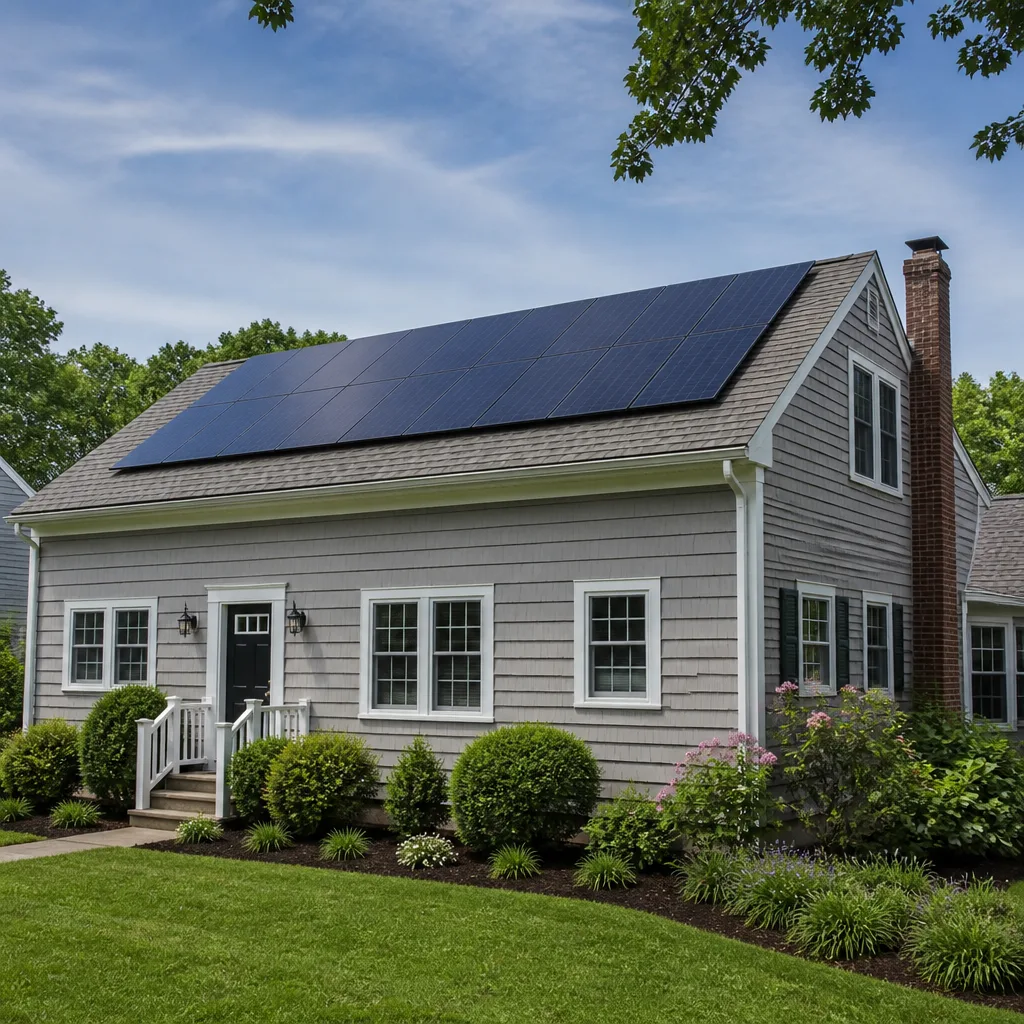
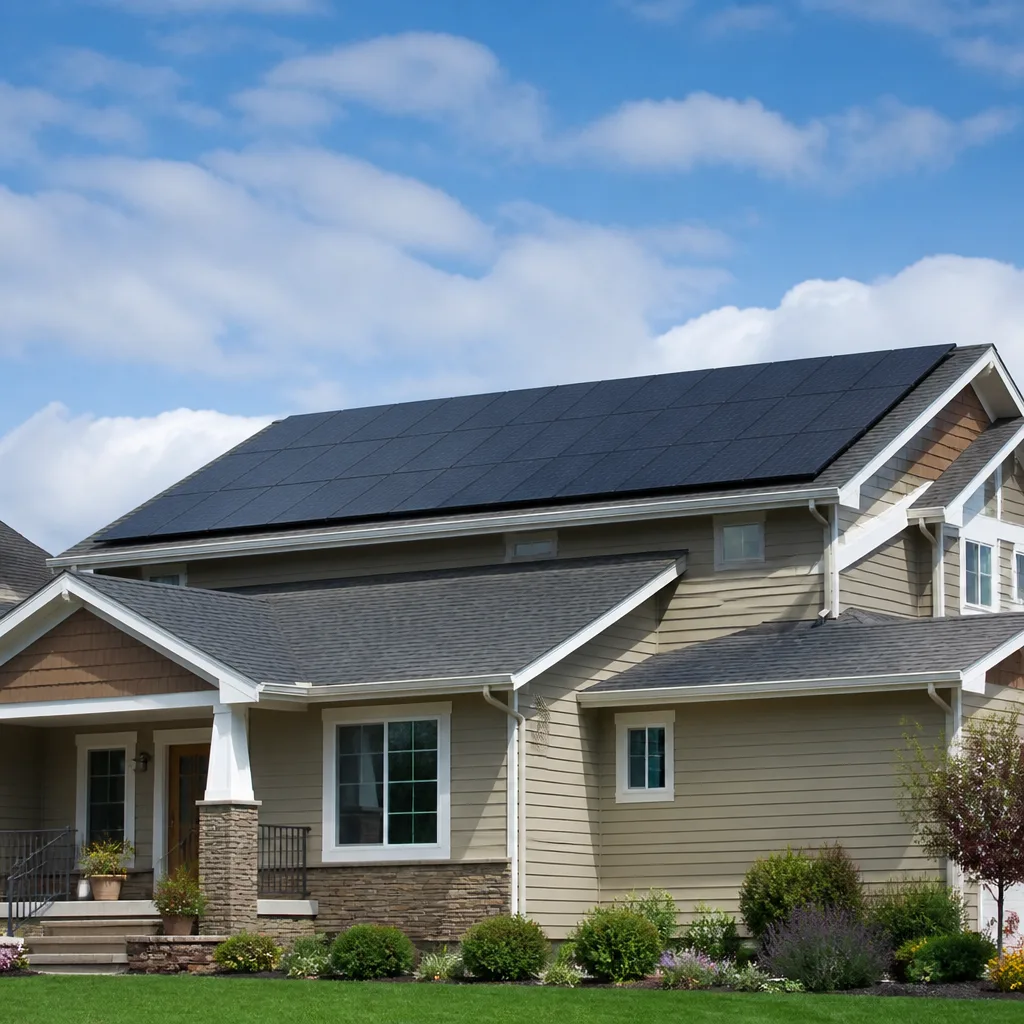
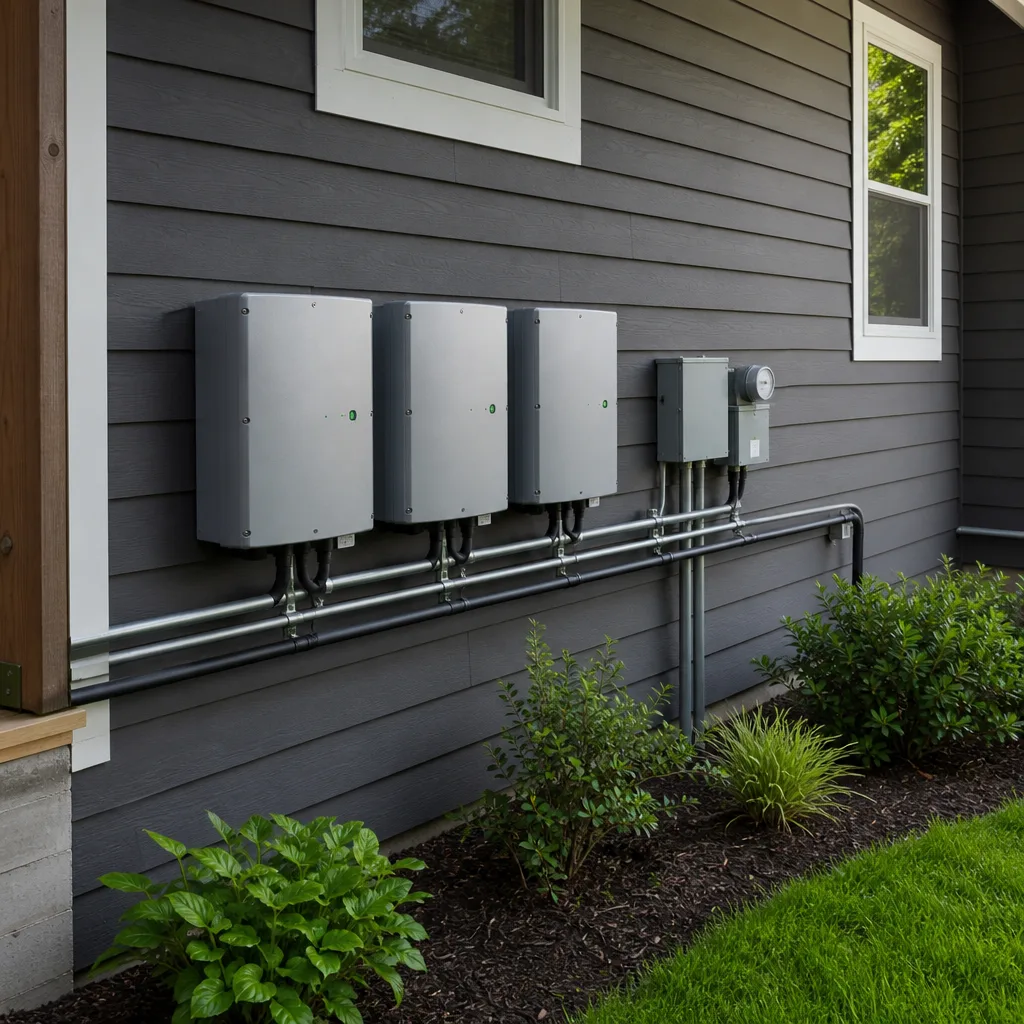
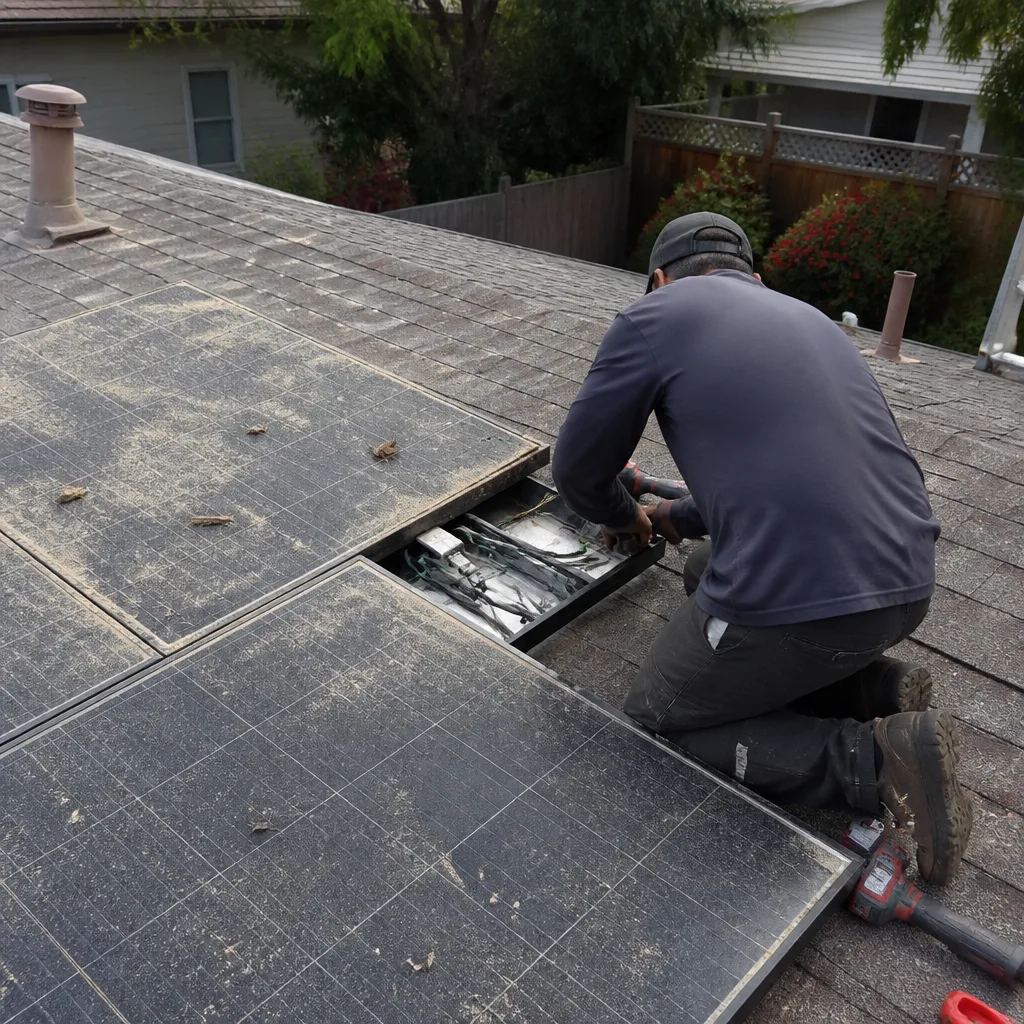 Before
 After
After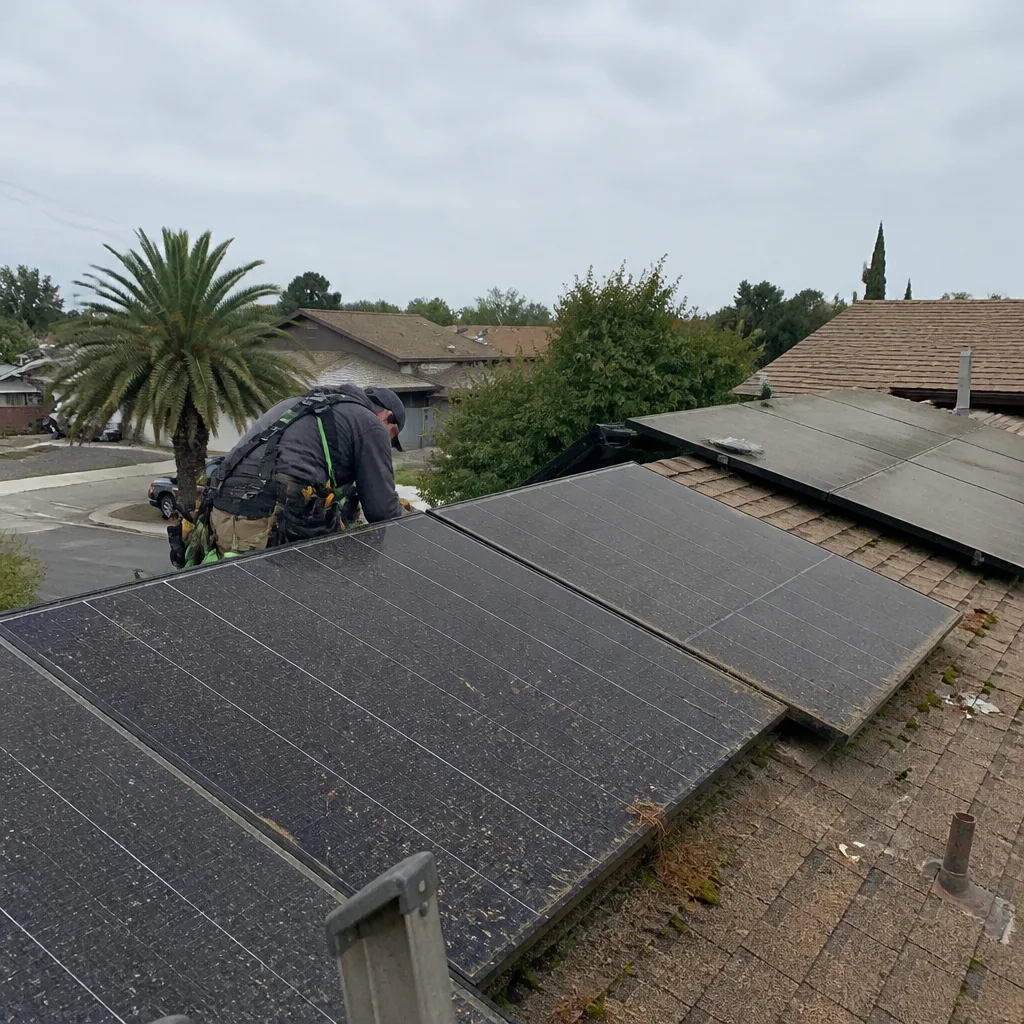 Before
 After
After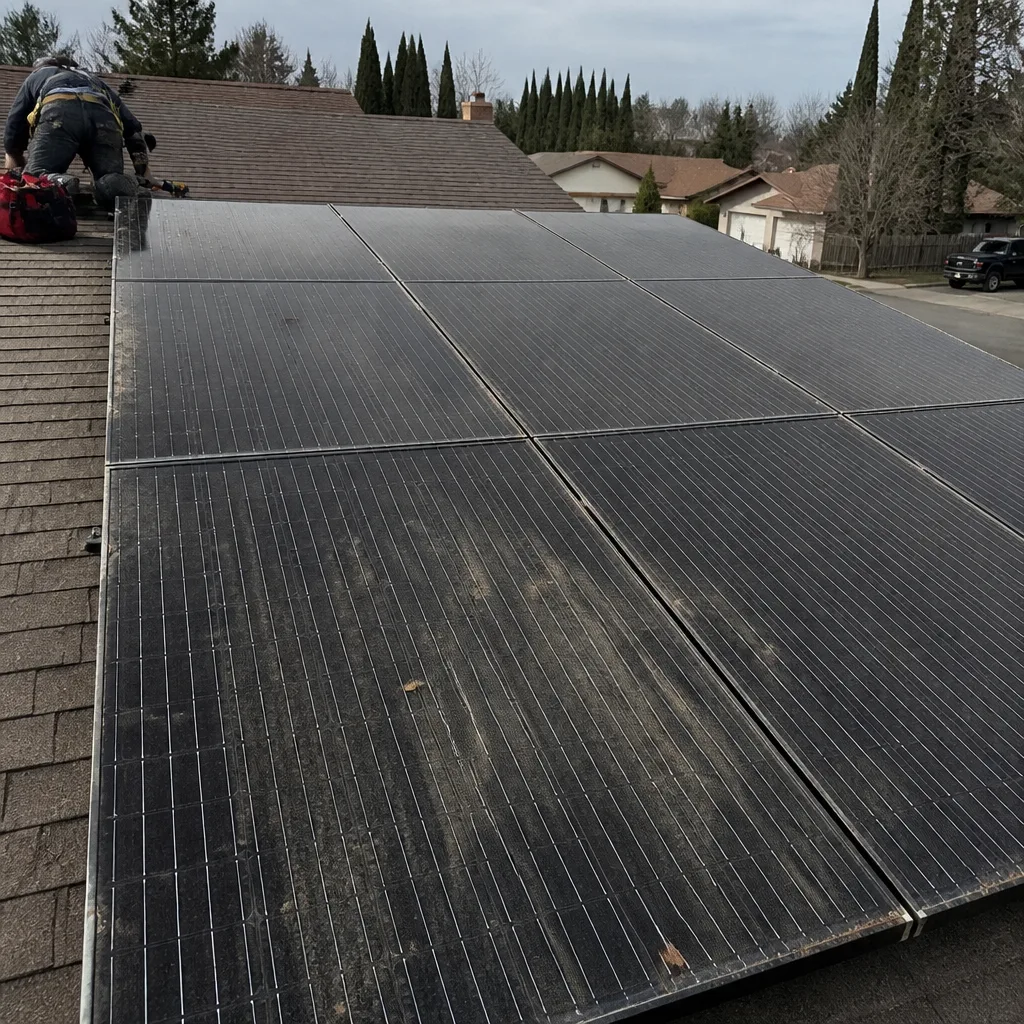 Before
 After
AfterFast, Reliable Solar Battery Storage & Backup Across Clayton
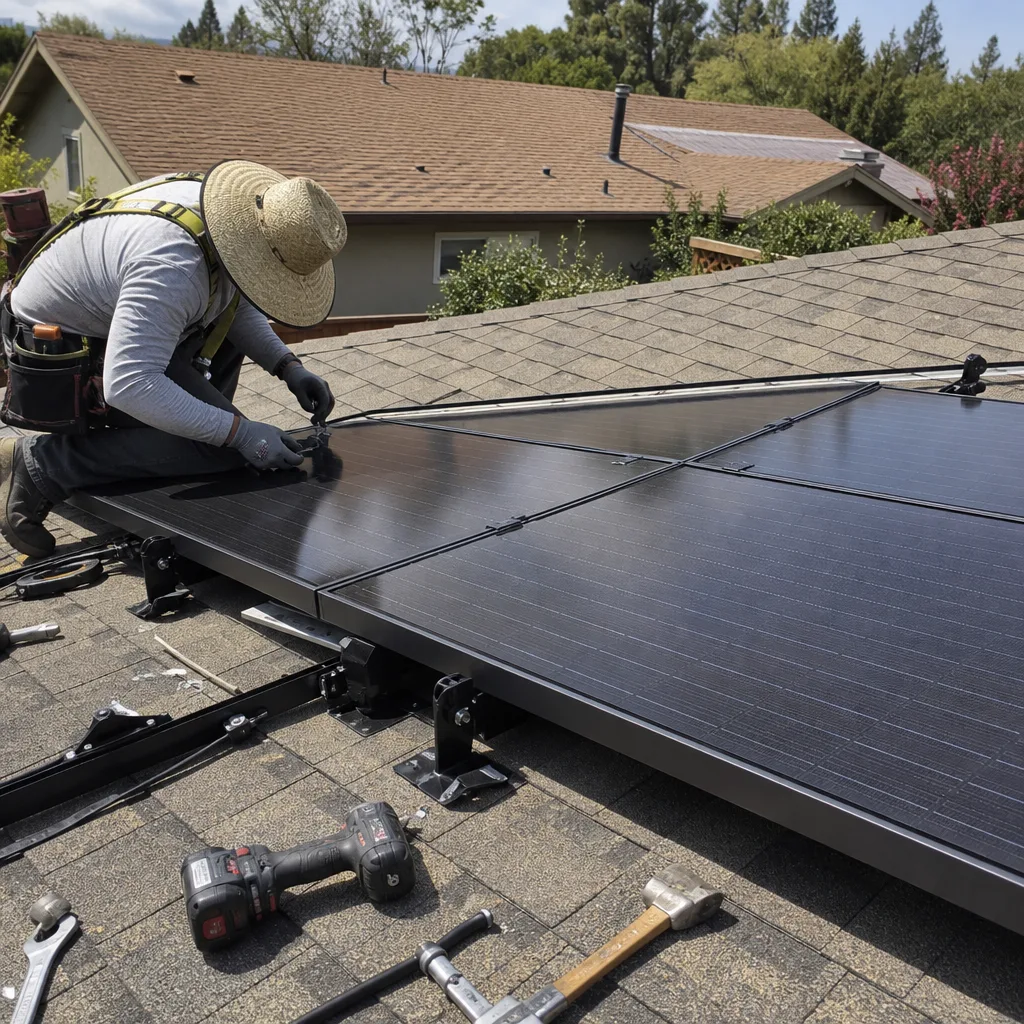
Solar battery storage in Clayton typically runs between $9,500 and $18,500 before incentives, with most Clayton homeowners pairing a 13.5 kWh battery with an existing or new solar array. A battery keeps your lights on when PG&E shuts the grid down during fire season, and it lets you bank your daytime solar production to use after 4pm when rates spike. We’ve been working the hills and cul-de-sacs of Clayton since 2011, and we know exactly how Mount Diablo’s ridgeline, the summer heat, and those tile roofs on Peacock Creek Drive change the math on battery sizing. Call (877) 550-6892 for a straight answer and a written estimate built off your actual utility bill.
Why Gus’s Solar Is Clayton’s Preferred Solar Battery Storage & Backup Company
Gus Petrakis founded this company in 2011, and his name went on the building the same day. That matters in Clayton, where homeowners have watched national installers blow through town, knock on doors, and vanish when the warranty claim comes in. Gus lives in the same county as you. He answers his own phone. His crew are background-checked and uniformed, and they’re the ones who install the work; nobody hands your battery retrofit to a sub.
Clayton homeowners call us because we show up when we say we will. Morning ridgeline shading along Keller Ridge and the slopes below Mount Diablo State Park doesn’t show up in satellite-based shade tools, and we run on-site solar pathfinder measurements before we quote those jobs. A satellite model says one thing; standing on your roof at 8am in November says another. That’s the difference between a battery that’s sized right and one that comes up short during a heat wave.
Our Solar Battery Storage & Backup Services in Clayton
Every battery system we sell is selected for how your Clayton home actually uses power, not what a brochure says. Here’s what that looks like in practice.
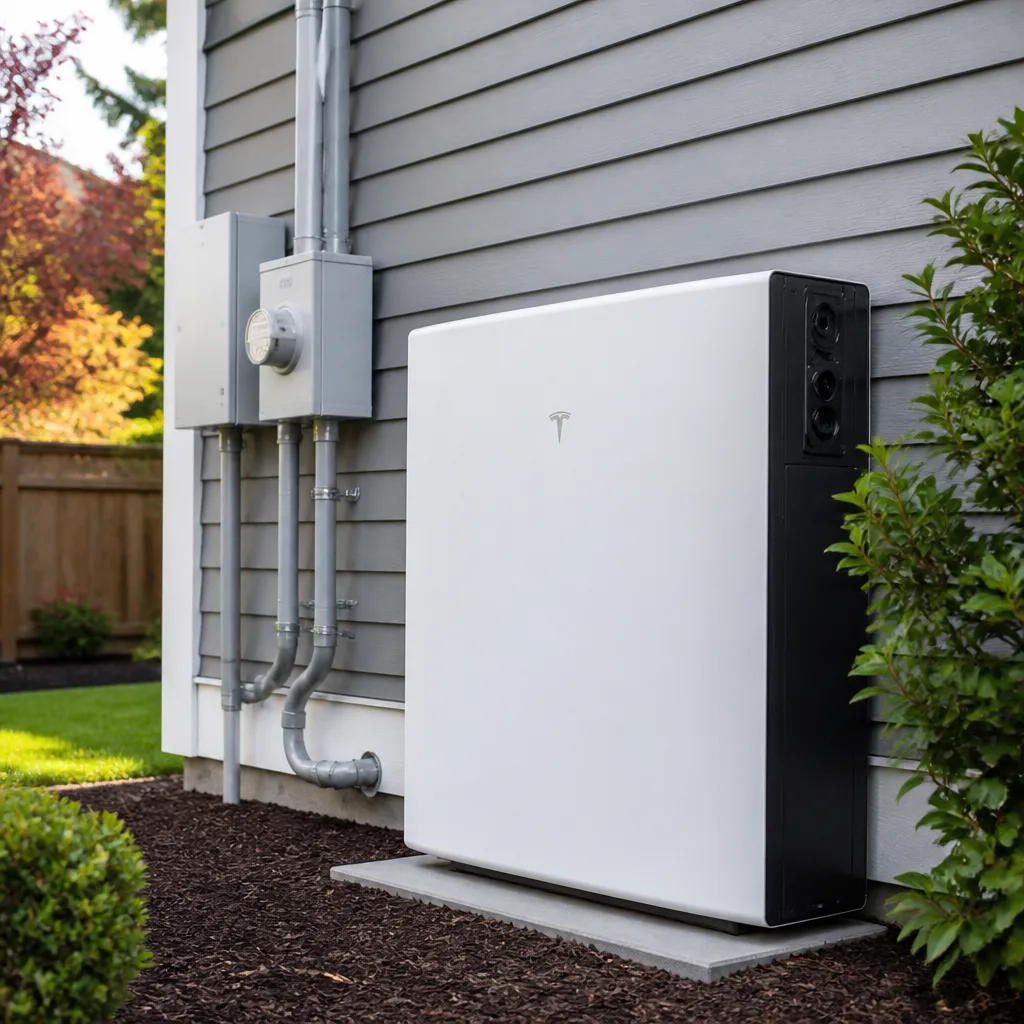
Tesla Powerwall Installation
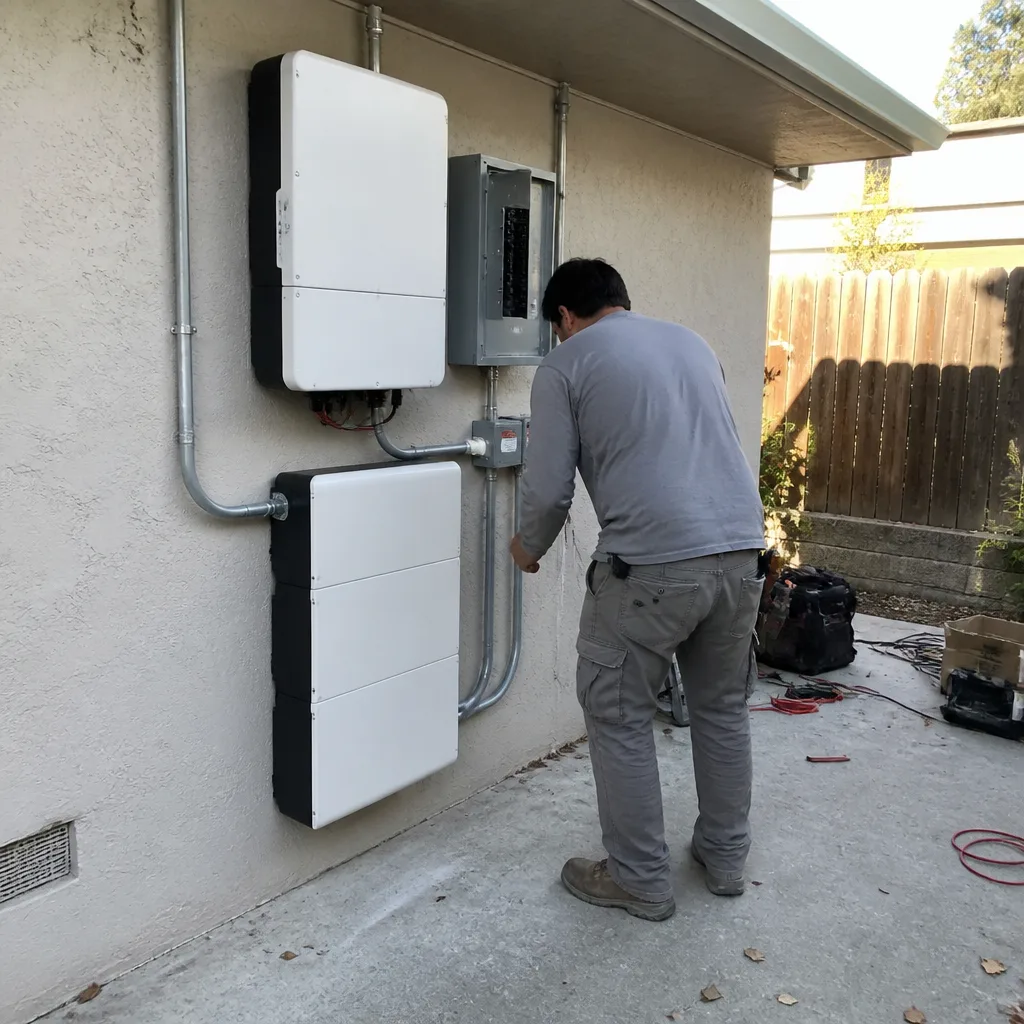
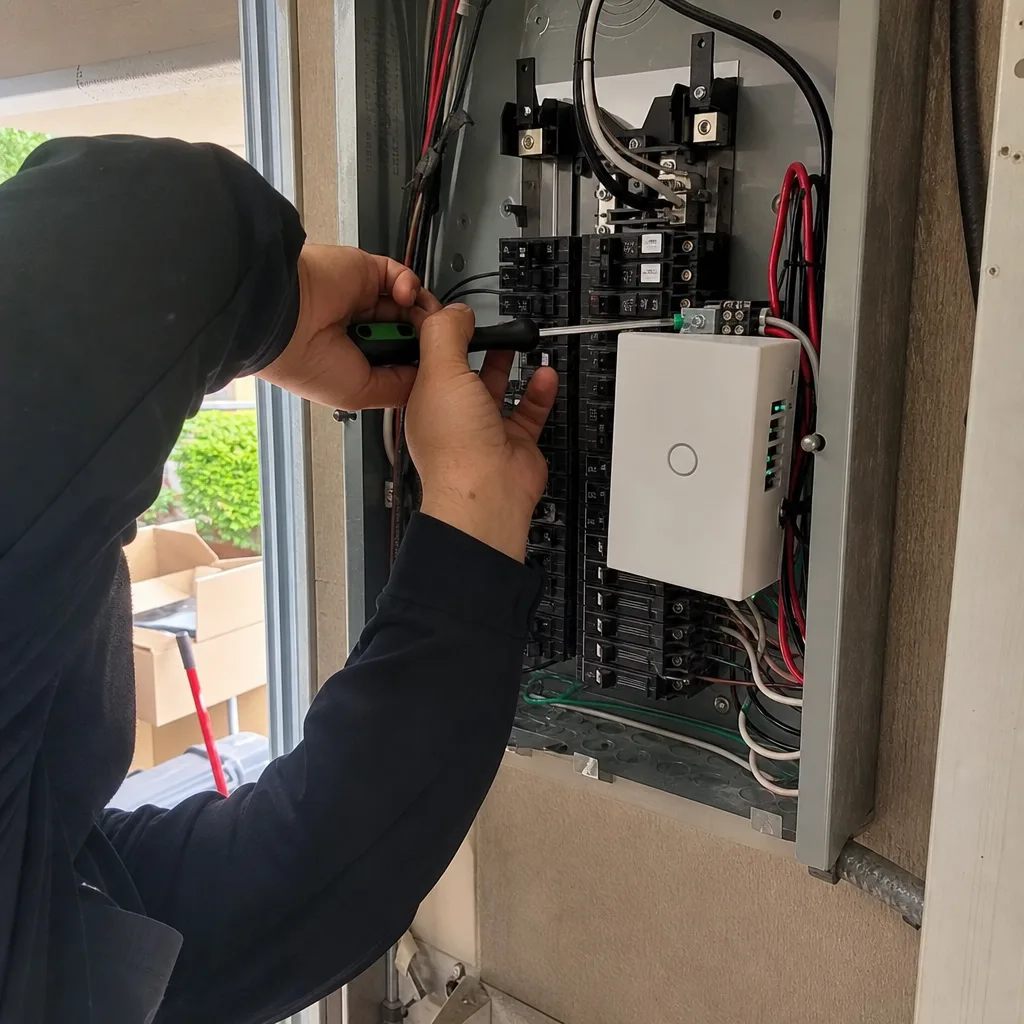
On a hillside home near Peacock Creek Drive, we installed a Tesla Powerwall 3 paired with an existing 8.4 kW SunPower array. The homeowner’s true-up statement showed high evening grid draw despite strong afternoon production. We reconfigured the system for Time-of-Use optimization, shifting the battery to discharge during PG&E’s 4-9pm peak window. That one change cut their annual grid charges by roughly 62%. That’s the kind of thing you only catch by reading the actual bill, not a sales script.
Whole-Home Backup Power
Clayton sits right at the edge of PG&E’s Public Safety Power Shutoff territory. When the wind picks up on the Diablo range and the utility cuts power, you want more than a fridge and a router. A whole-home backup system sized for your AC needs during a 100°F+ heat wave means your house stays cool when the grid goes down. We size these systems against your actual panel loads. We don’t guess, and we don’t sell you a battery that dies at hour three of an outage.
Battery Retrofit for Existing Solar
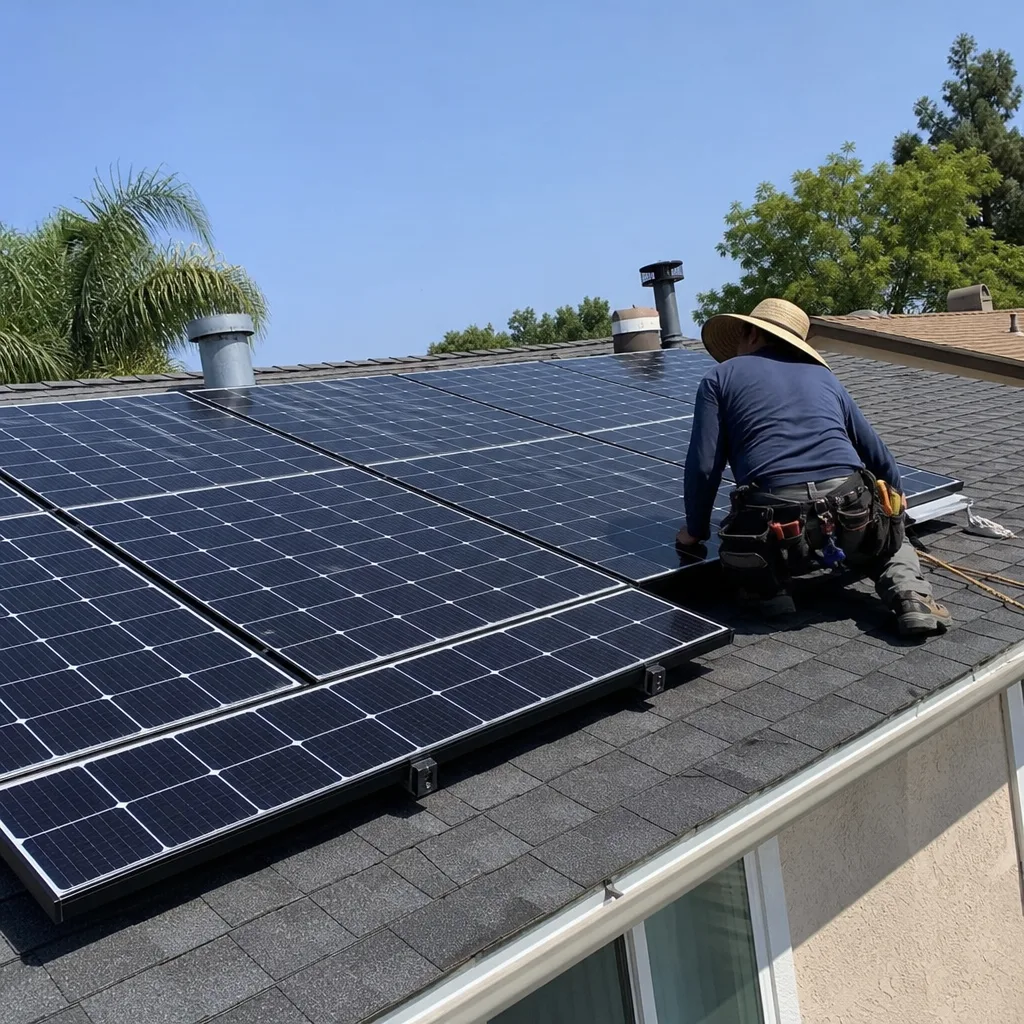
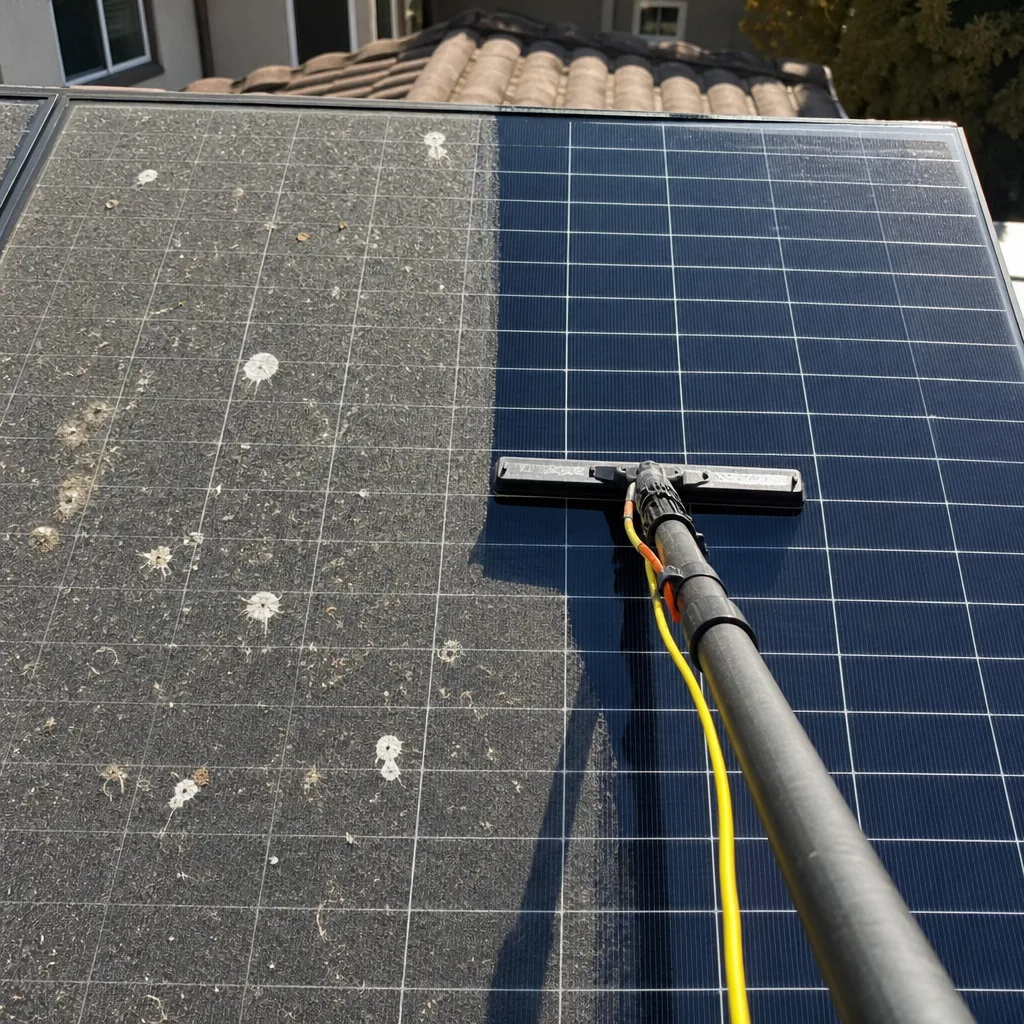
Plenty of Clayton homes got solar between 2010 and 2019, back when NEM 2.0 paid nearly full retail for exported power. That deal is gone. Under NEM 3.0, exported solar earns pennies. A retrofit battery changes the equation by keeping your production at home for use when the sun’s down. We handle the AC coupling, the rapid shutdown requirements on older systems, and the interconnection paperwork with PG&E for Clayton’s 94517 service territory.
Time-of-Use & NEM 3.0 Optimization
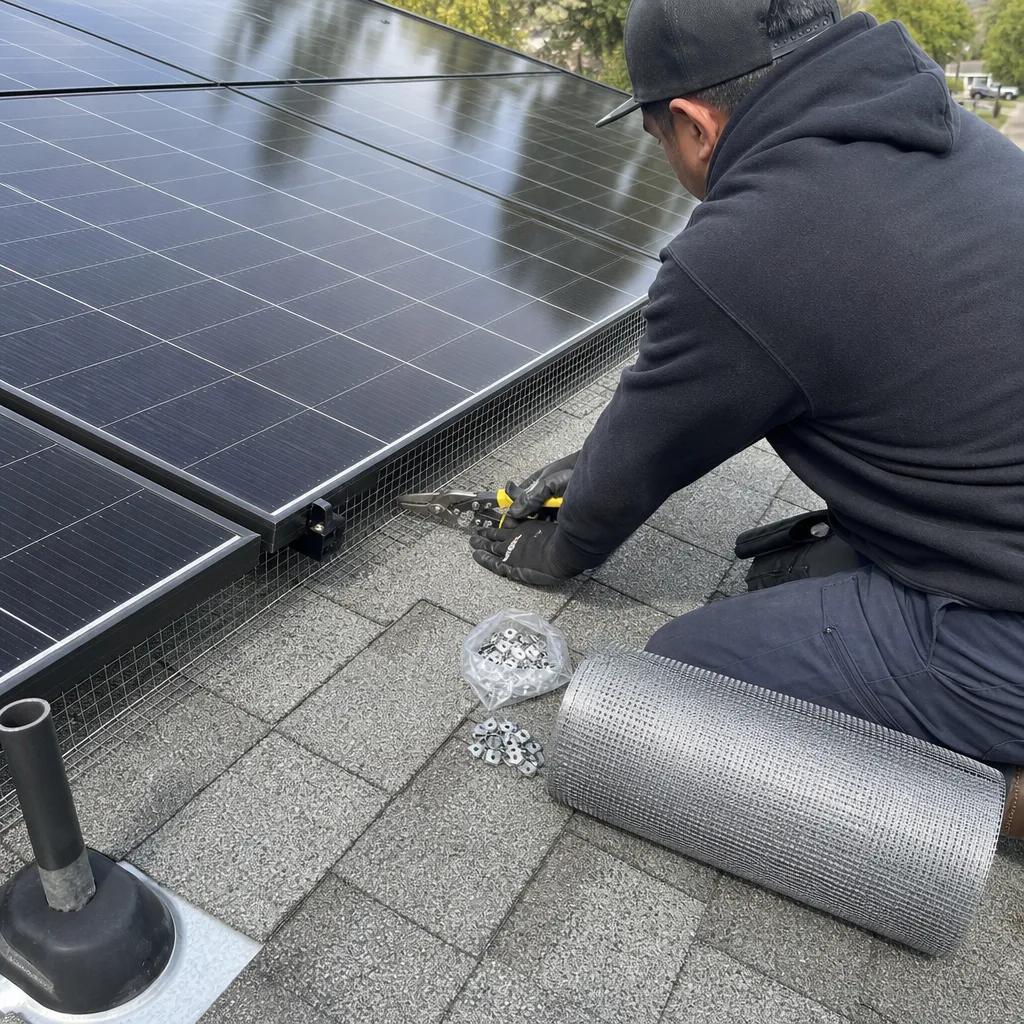
Clayton’s inland position east of Mount Diablo means your panels wake later than homes in Concord or Walnut Creek. That morning ridgeline shading pushes production later into the afternoon, which is a problem under PG&E’s current rate structure. We program your battery around your actual production curve, not the generic profile a satellite model spits out. For most Clayton systems that means holding battery charge for the 4-9pm window and pulling from the grid only when the math favors it.
What happens when you call
- 1
A real person answersNo phone trees - you reach a local pro.
- 2
You get an upfront price rangeHonest numbers before anyone is dispatched.
- 3
A background-checked tech heads outLicensed & insured, dispatched right away.
- 4
You approve before work beginsNothing starts until you say go.
Trusted Brands We Service in Clayton
We work with FranklinWH, Enphase, SolarEdge, and Tesla Powerwall hardware, and we stock common replacement components locally so a Clayton service call doesn’t mean waiting on a part from Texas. If your battery inverter throws a fault during a heat wave, we can usually get your system back online the same day. For Clayton homeowners with existing Panasonic or Canadian Solar modules, we integrate batteries without touching your original array.
Common Solar Battery Storage & Backup Problems We See in Clayton Homes
- Thermal derating during heat waves. When Clayton hits 105°F for three straight days, battery inverters in unconditioned garages throttle their output to stay within safe operating temperature. Your backup runtime drops right when a heat-driven outage is most likely. We spec battery locations and ventilation to keep output high when it matters.
- Morning ridgeline shading waking microinverters late. Homes near Keller Ridge and Mount Diablo’s western slope see morning shade that satellite models miss. The result is a battery that’s not fully charged by the time afternoon heat peaks. We verify shading with on-site pathfinder readings before sizing your storage.
- Tile roof penetrations degrading conduit runs. Clayton’s custom hillside homes have a lot of tile roofing. Micro-cracks at penetration points let moisture reach conduit and degrade battery communication cabling. We flash every penetration properly and check existing penetrations before we backfeed a new battery into your system.
- Undersized batteries from brochure quotes. A national outfit quoted one Clayton homeowner a battery based on square footage, not their actual bill. The system couldn’t cover their AC load during a September outage. We read your PG&E history before we quote anything. Bring me a bill, I’ll bring you the math.
Pricing for Solar Battery Storage & Backup in Clayton, CA
A Tesla Powerwall 3 installed in Clayton typically runs $11,000 to $16,000 before the 30% federal tax credit. An Enphase IQ Battery system with the necessary microinverter and gateway hardware lands between $9,500 and $13,500. Add a second battery for whole-home backup and you’re looking at $20,000 to $28,000 total for most Clayton houses. Hillside installs with tile roofing and long conduit runs add $1,200 to $2,500 over flat-lot quotes. A battery retrofit onto an existing solar system runs $2,000 to $3,500 more than a fresh install because of the additional AC coupling and rapid shutdown work. Every quote is built from your actual PG&E usage and your roof’s measured shading. Take two weeks. Think about it. The price will be the same.
We Also Serve Cities Near Clayton
Our Solar Battery Storage & Backup team covers Clayton and the surrounding communities, including Blackhawk, Bay Point, Pittsburg, and Danville. If you live in Clayton proper or just outside the 94517 zip line, call us. The same crew that shows up in Clayton will be at your door, on time, ready to work.
Serving Clayton, CA - Our Local Coverage Area
We’re based in the Clayton area and know this community well. Use the map below to see our service coverage - if you’re nearby, we can almost certainly help.
FAQs - Solar Battery Storage & Backup in Clayton
Clayton sits in the rain shadow east of Mount Diablo, which means two things: more annual peak sun hours than Bay-facing Contra Costa cities, but also a delayed solar morning on the north and east slopes. Homes on the western slope of Mount Diablo’s ridgeline see morning shading that pushes production start times 60 to 90 minutes later than Concord or Walnut Creek homes. That means your battery finishes charging later in the afternoon, which is fine if we size the system for it. If we don’t, you’re pulling grid power during the early evening peak. Call (877) 550-6892 and we’ll measure your actual production curve before we sell you a single battery.
It depends on your consumption pattern, but for most Clayton homes with air conditioning, a battery paired with Time-of-Use programming typically pays for itself in 8 to 11 years through NEM 3.0 export-rate avoidance. That’s on top of the backup value during PSPS shutdowns. If your house runs the AC hard from June through September, the payback math gets better because you’re buying expensive peak power from PG&E without a battery. If you’re a light user with minimal evening load, the battery is mostly a backup play. We’ll model your actual bill both ways before you sign anything. Free estimate, no signature wanted tonight.
In most cases, yes. Any battery retrofit on an existing solar system requires either AC coupling with a certified inverter or DC coupling with a compatible charge controller. Older Clayton systems installed before 2014 may lack the rapid shutdown hardware PG&E now requires for interconnection, meaning we add module-level power electronics as part of the retrofit. We handle the PG&E interconnection application, the permit with Contra Costa County, and the final inspection. If a salesman needs an answer tonight, the answer is no.
Ridgeline shading shortens the solar charging window on those lots, particularly from November through February. A standard satellite-based shade model might show 4.5 hours of production, but the real number on a hillside below the mountain can be 3.5 hours. That shortfall means you need either a larger battery or an additional panel string to hit the same backup duration. We run on-site pathfinder measurements on every Clayton hillside quote, and we size the storage around the real number. That’s the only honest way to quote these jobs.
Battery chemistry degrades faster in heat. A garage that hits 95°F regularly will degrade a lithium iron phosphate battery roughly 1.5% to 2% per year, compared to 1% or less in a conditioned space. That’s still within the 10-year, 70% capacity warranty terms from Tesla, Enphase, and FranklinWH, provided the battery is installed per manufacturer temperature specs. We check the thermal environment before we choose a mounting location, and in hot garages we add ventilation or relocate the battery to a shaded exterior wall. Warranty stays intact, and you get the full backup performance you paid for.
Written by Gus Petrakis, Owner at Gus’s Solar, serving Clayton and the surrounding Diablo Valley communities since 2011.