
Free bill analysis - bring a power bill, get the production math for your actual roof, panel brands like Qcells and REC compared side by side
If the pitch starts at your door and ends with "sign tonight for the special," sleep on it. The sun will still be there tomorrow; so will we.
 Before
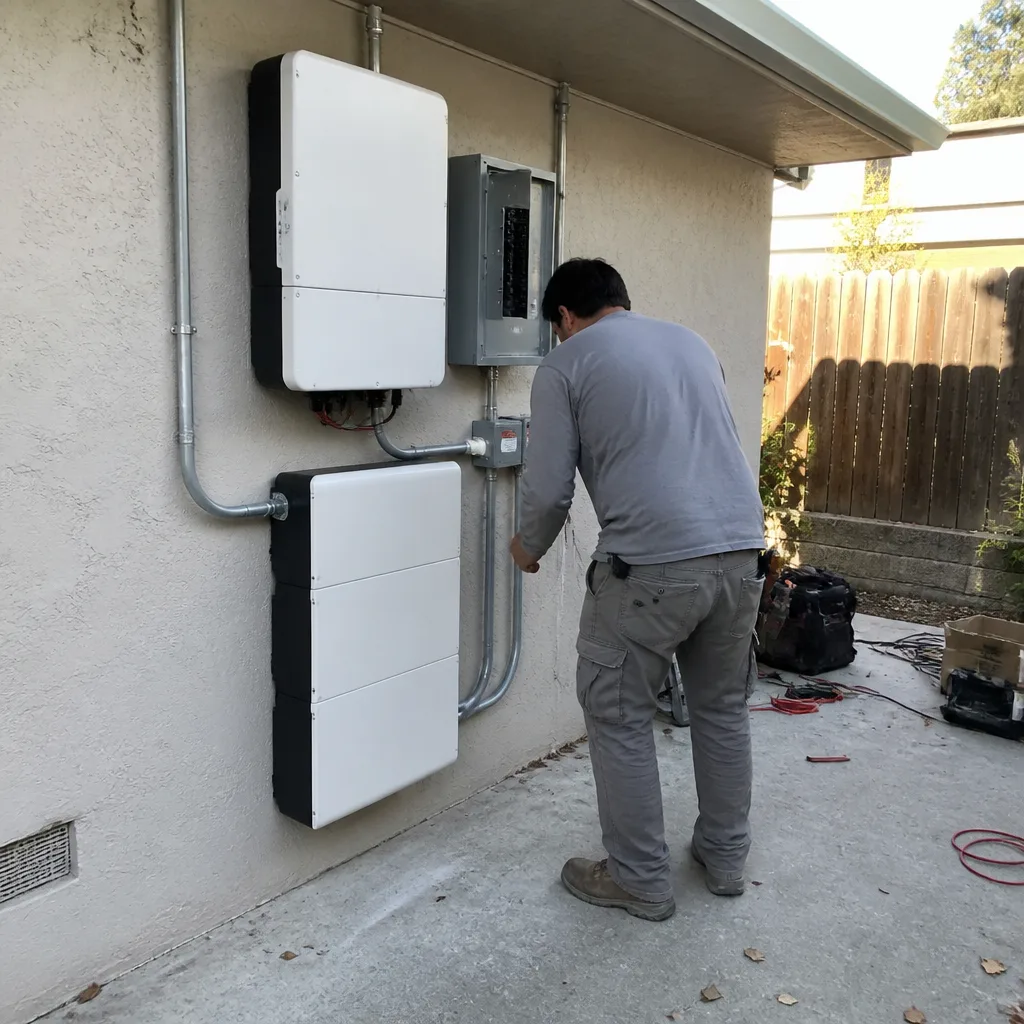 After
After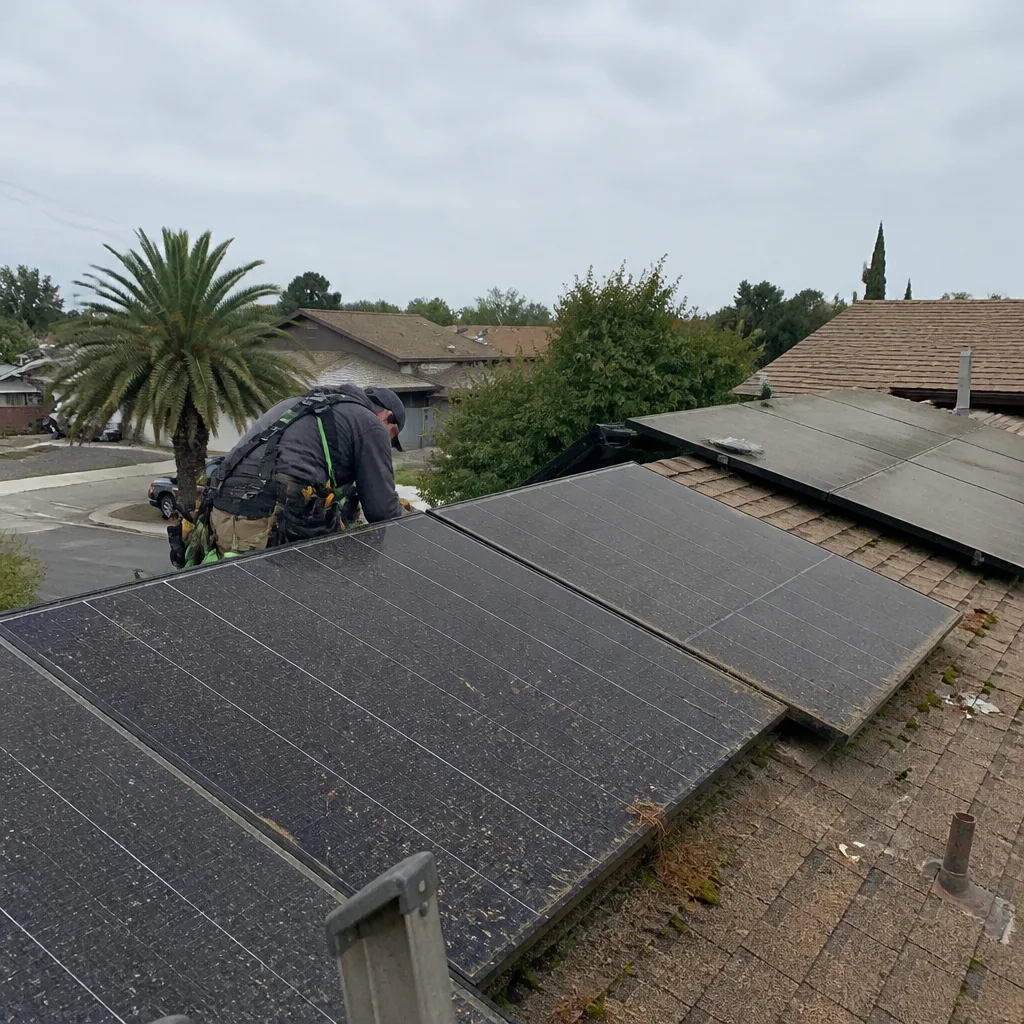 Before
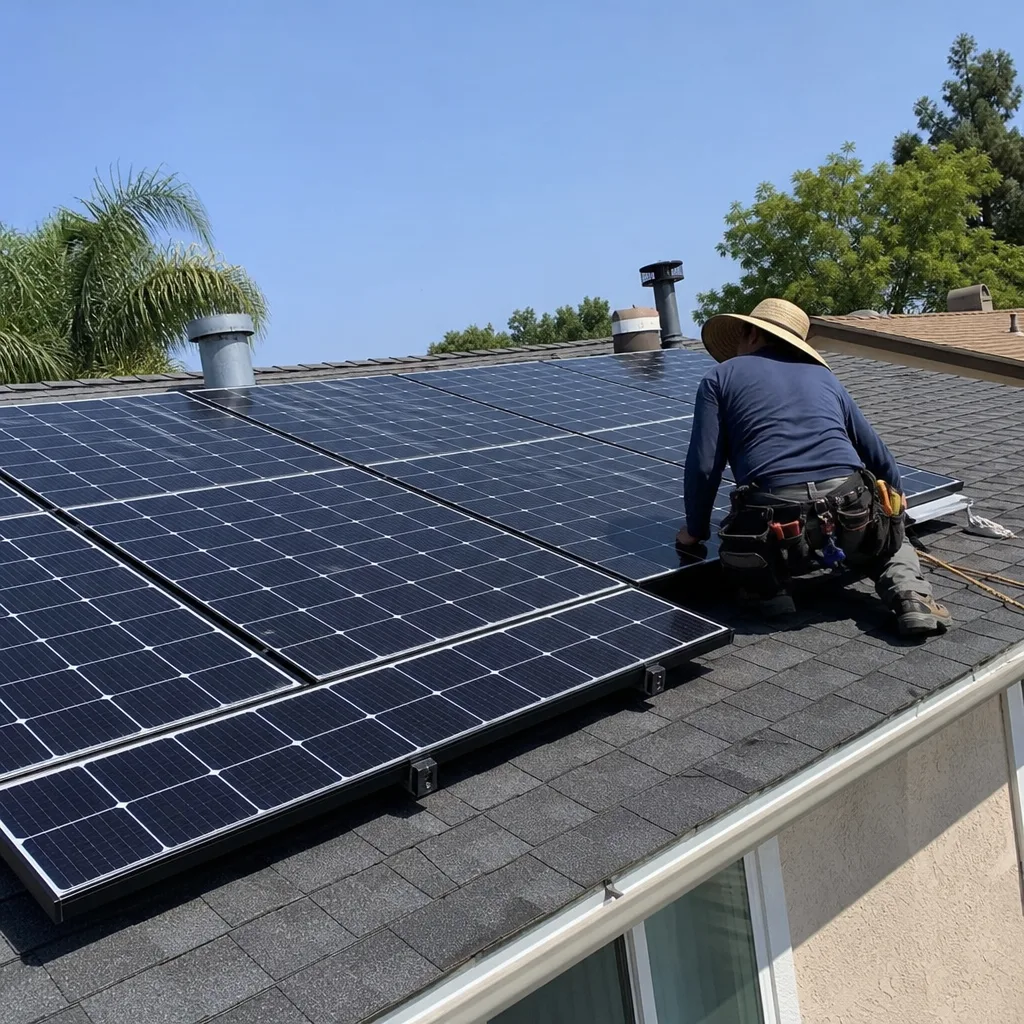 After
After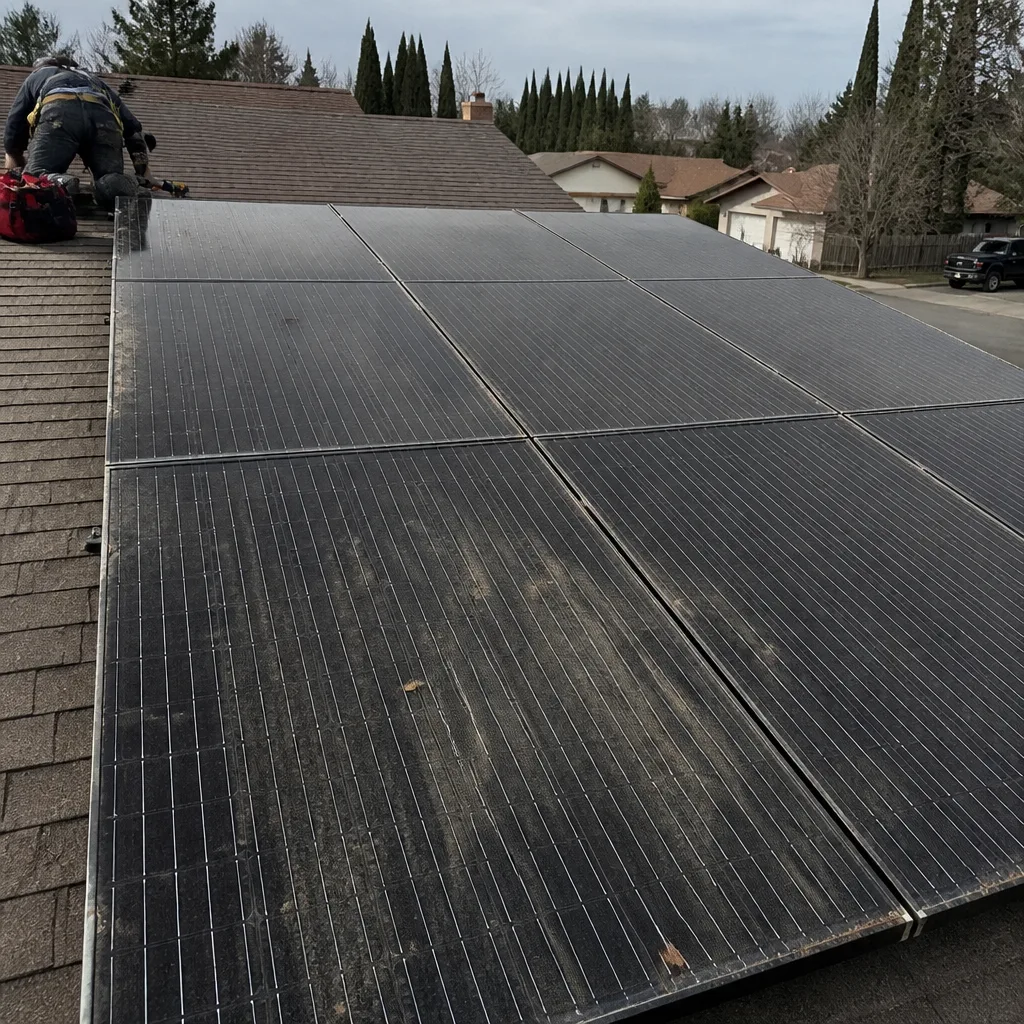 Before
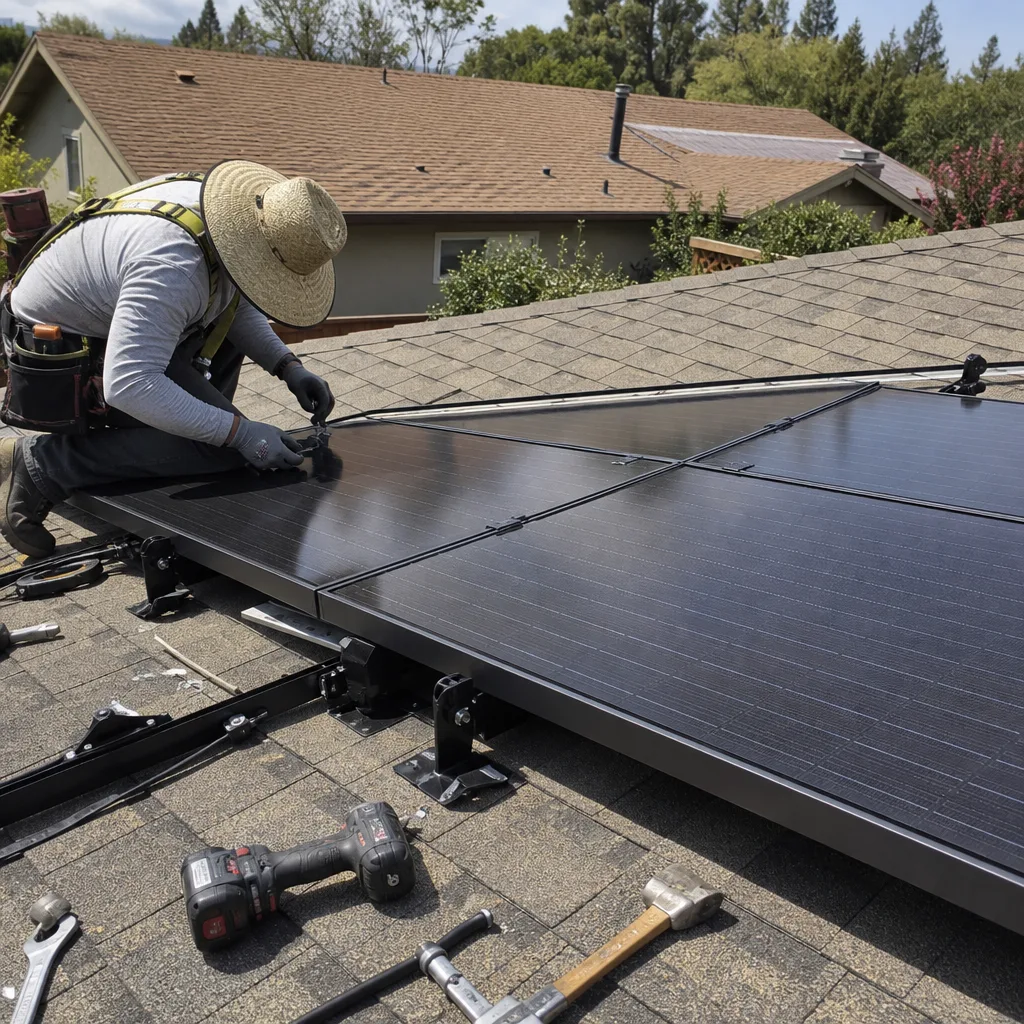 After
AfterFast, Reliable Solar Battery Storage & Backup Across Apple Valley
A Tesla Powerwall or Enphase battery installed in Apple Valley typically runs between $11,500 and $16,800 before the 30% federal tax credit, and most whole-home backup jobs take two to three days once permitting clears. Battery retrofits on existing solar systems cost less, usually $8,200 to $12,400, because the inverter work is already done. We’re a local, owner-operated shop that’s been putting our name on High Desert roofs for over 29 years, and we answer the phone when you call: (877) 550-6892.
Apple Valley presents a different battery installation than what you’d get 50 miles down the hill in Rancho Cucamonga. The Town’s plan checkers operate under a high-wind exposure zone, the heat pushes panels past 160°F on bad days, and the Mojave dust doesn’t stop. If you’re going to put a battery on the wall, you want a crew that knows exactly what this building department asks for before the first permit gets filed. That’s us.
Why Gus’s Solar Is Apple Valley’s Preferred Solar Battery Storage & Backup Company
Gus Petrakis started this company in 2011, and his name is on the building, the truck, and every permit we pull. Around Apple Valley, that matters. Homeowners here have seen the door-knockers come through with a clipboard and a lease agreement, quote one number in the driveway and another on the contract. We don’t work that way. Bring me a bill, I’ll bring you the math. The price we quote is the price you pay.
Our crew has been in and out of neighborhoods across 92307 and 92308 for years: acreage lots off Sitting Bull Road, ranch homes near Yucca Loma Elementary, newer tract houses by the Apple Valley Golf Course. We know which roofs have concrete tile that needs careful flashing, which service panels are original to the late 70s, and which homes sit on feeder lines that sag during August afternoons. That local knowledge isn’t something you get from an out-of-state installer running three crews out of a rented warehouse in Ontario.
Every battery job carries our 90-Day Done Right Promise: if it’s not done right, we come back and make it right, in writing, no argument. And when something goes wrong at 11 p.m. during a PSPS event, a live person answers the phone. Not a voicemail. Not a ticketing portal. Gus’s own voice, or someone on his crew who can actually help.
Our Solar Battery Storage & Backup Services in Apple Valley
Whole-Home Backup Power
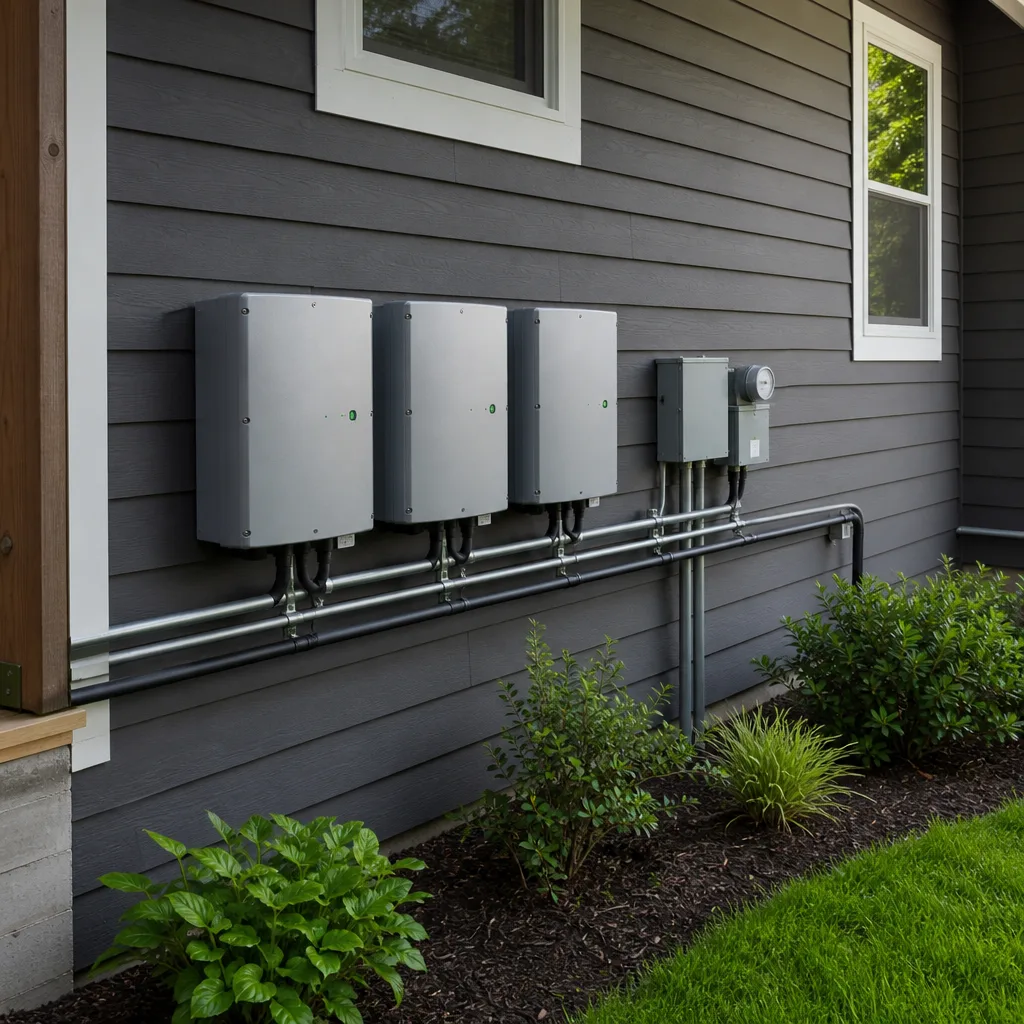
Apple Valley homes run on well pumps, septic lift stations, medical equipment, and freezers that hold months of food. A grid outage out here isn’t an inconvenience; it’s a real problem. We size whole-home backup systems around the actual loads in your house, not a generic square-footage table. A 13.5 kWh Powerwall 3 can carry most single-story Apple Valley ranches through a multi-hour outage, but if you’re running two AC units and a well pump, you may need two batteries or a FranklinWH aGate with a larger stack. We’ll map your panel, measure your startup loads, and quote you a system that actually works when the feeder drops.
Battery Retrofit for Existing Solar
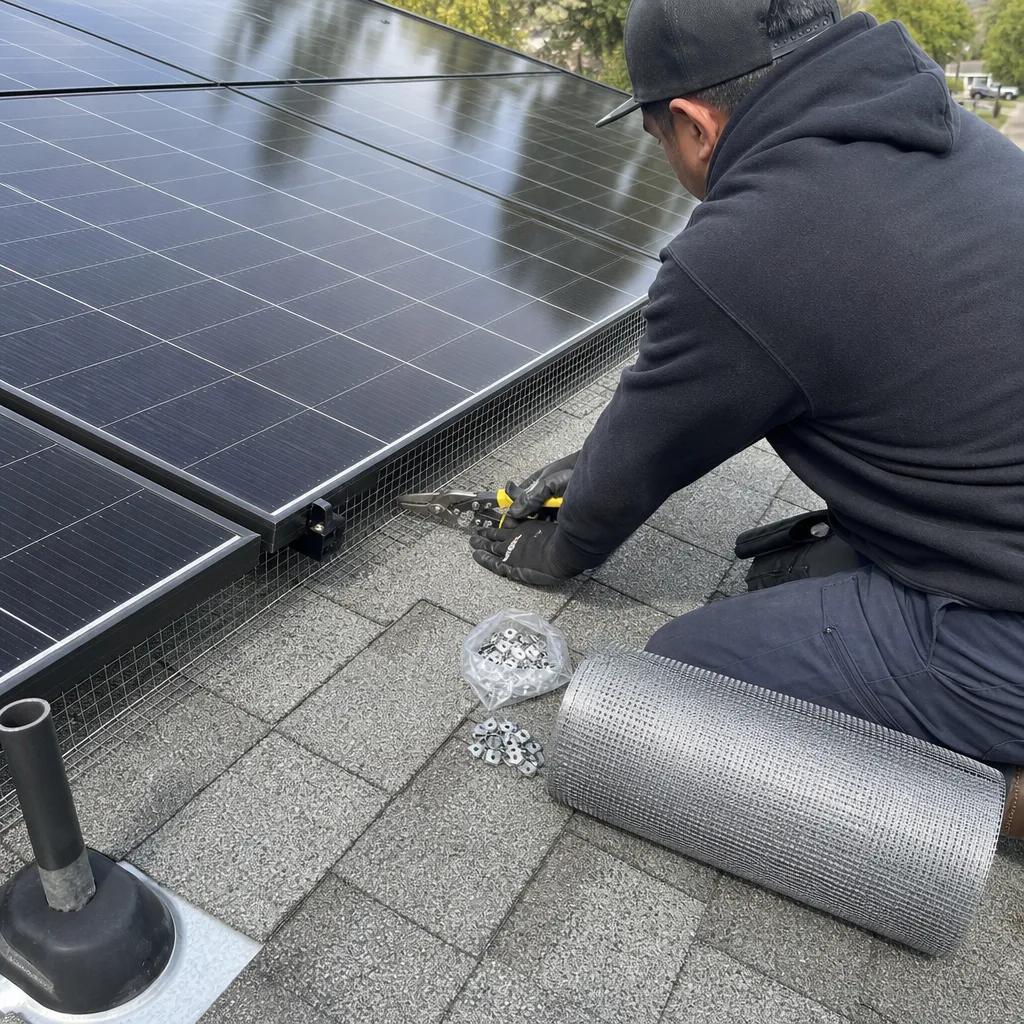
Plenty of Apple Valley homes have solar already, installed between 2015 and 2021, before batteries were standard. Retrofitting a battery onto an existing array is usually straightforward if the inverter is compatible. Tesla Powerwall 3 pairs with most recent string and microinverter setups. Enphase IQ batteries slot into existing Enphase environments without much rewiring. The tricky part in Apple Valley is the permit: the Town wants the battery disconnect, the rapid shutdown devices, and every conduit penetration on the roof documented and flashed to current code. We handle that end to end.
Time-of-Use & NEM 3.0 Optimization
If you’re on Southern California Edison’s Time-of-Use rates, or if you signed a new solar contract under NEM 3.0, a battery isn’t a nice-to-have anymore. It’s the math that makes solar pencil out. Under NEM 3.0, exported solar credits fell hard, which means the power you send back at noon is worth pennies compared to the power you pull at 7 p.m. A battery shifts your generation into the evening, so you run your house on your own stored power instead of buying it back at peak. On an Apple Valley acreage property in 92307, with a 320-amp service panel and a big south-facing array, that shift routinely saves $180 to $310 a month during summer.
Tesla Powerwall Installation
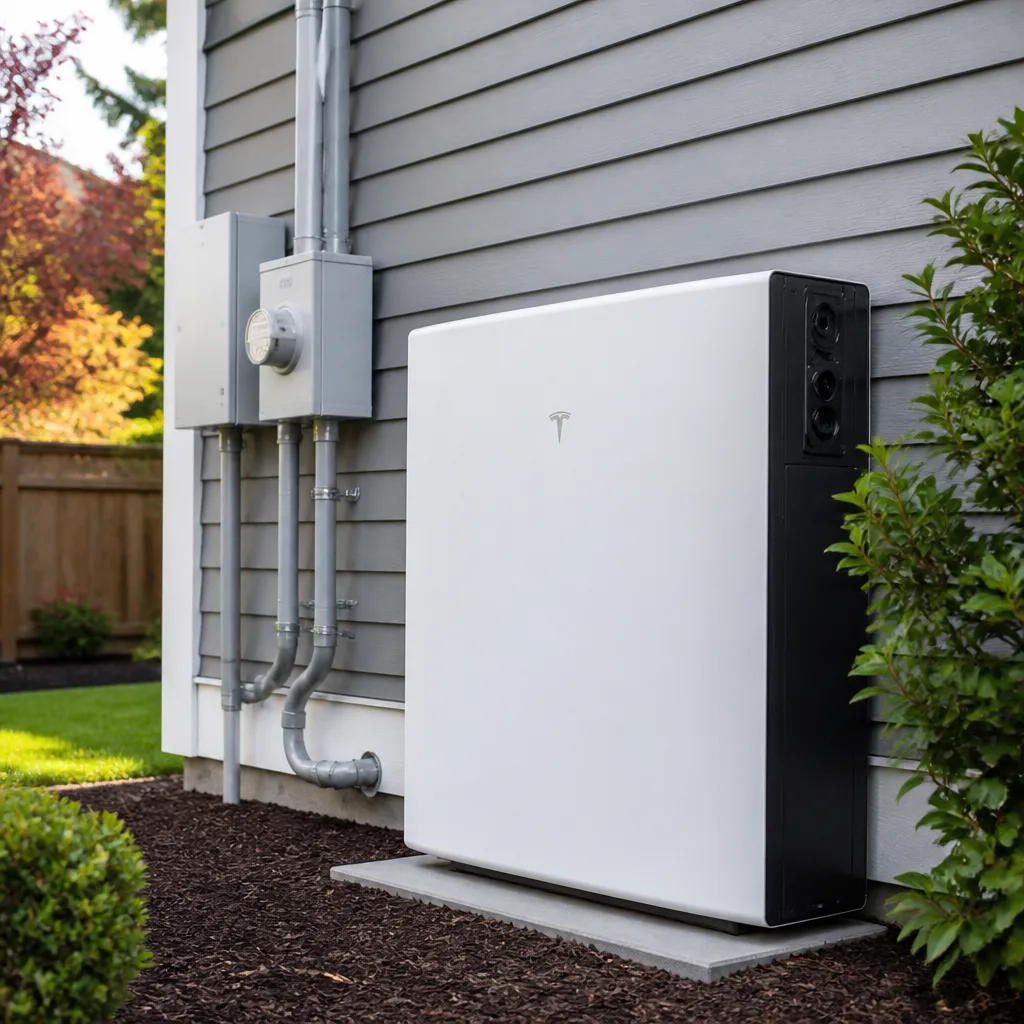
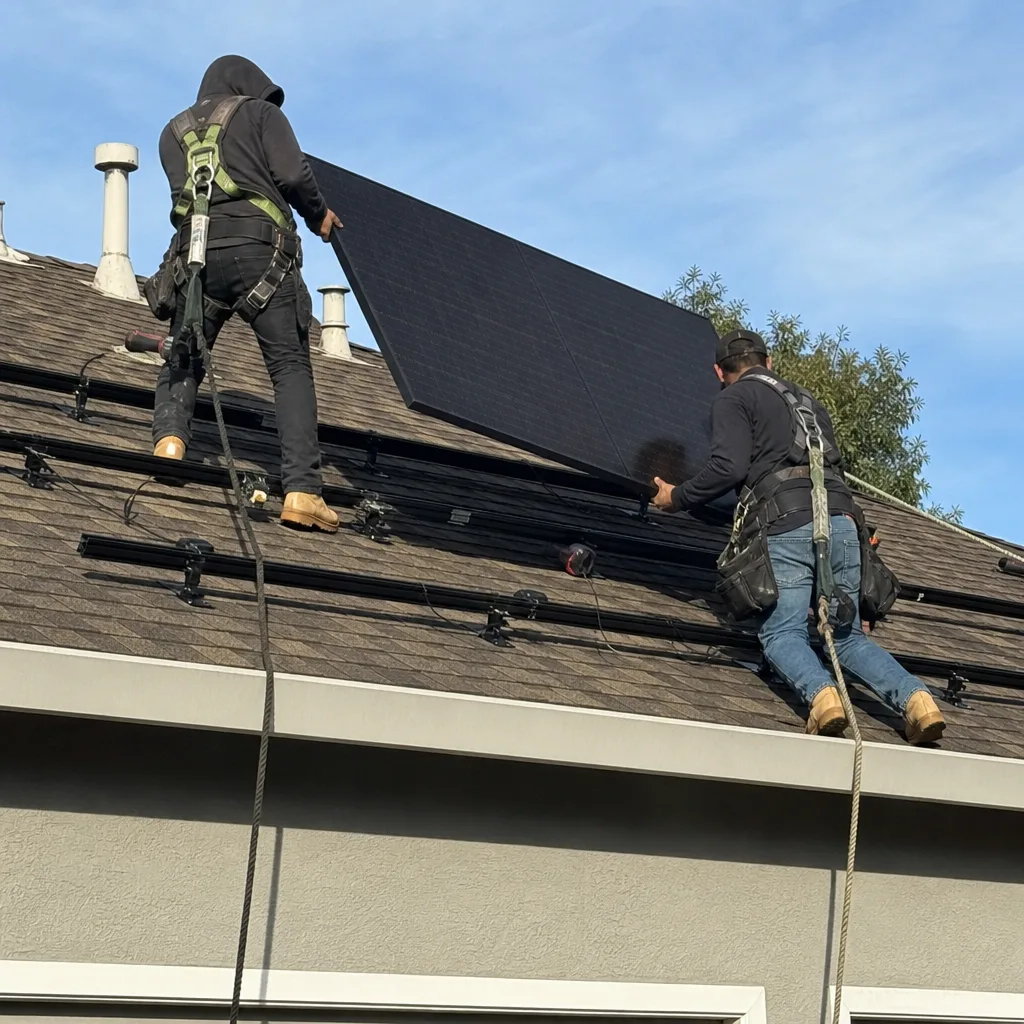
We install and service Tesla Powerwall 2 and Powerwall 3 systems across Apple Valley. The Powerwall 3 is our most common recommendation for High Desert homes because its integrated inverter handles the heat better than older models, and its LFP chemistry tolerates the temperature swings in a garage that hits 105°F in July. Installation on a clean garage wall takes a full day, plus another day for wiring, load control, and programming. The Apple Valley building inspector will want to see the stamped wind-load calculation on the wall-mount bracket before they sign off. We file with the Town weekly and know what passes.
Enphase IQ Battery Installation
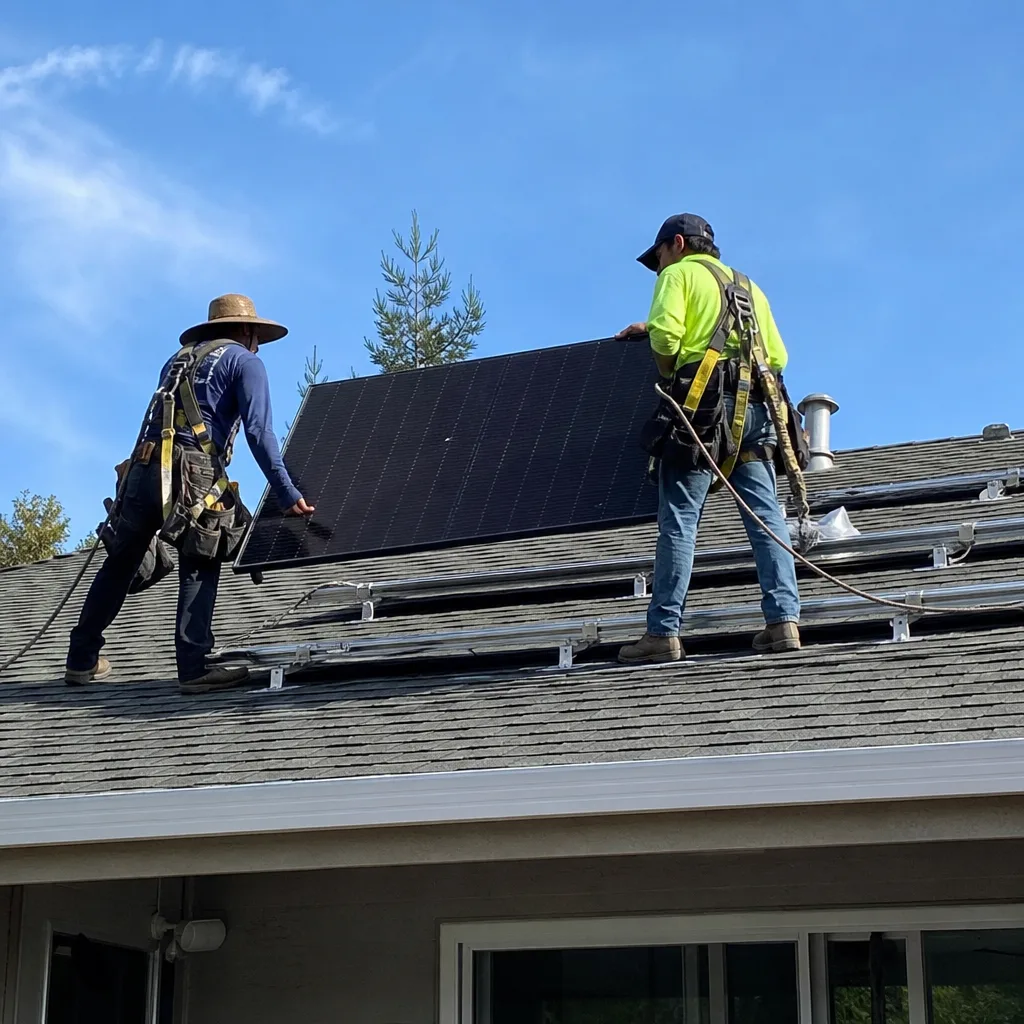
Enphase IQ batteries make sense when the house already runs Enphase microinverters, which is a big share of Apple Valley installs from the last decade. The system is modular: you can start with one 5 kWh unit and daisy-chain up to four as your needs grow. The install is clean, the monitoring software is straightforward, and the whole thing runs without a separate string inverter. For a typical 3-bedroom Apple Valley ranch that wants backup for lights, fridge, internet, and one mini-split, a pair of IQ 5Ps is usually the right size.
What happens when you call
- 1
A real person answersNo phone trees - you reach a local pro.
- 2
You get an upfront price rangeHonest numbers before anyone is dispatched.
- 3
A background-checked tech heads outLicensed & insured, dispatched right away.
- 4
You approve before work beginsNothing starts until you say go.
Trusted Brands We Service in Apple Valley
We work with FranklinWH, Tesla, and Enphase, and we stock common parts and accessories at our Inland Empire office so Apple Valley customers don’t wait a week for a breaker, a CT sensor, or a firmware update module. That matters when your system flags a fault in July and you need it running before the next heat wave. We service all three brands under warranty and out of warranty, and we don’t hand the work off to a subcontractor. Gus’s own crew does the install, flashes every penetration properly, and stands behind the work.
Common Solar Battery Storage & Backup Problems We See in Apple Valley Homes
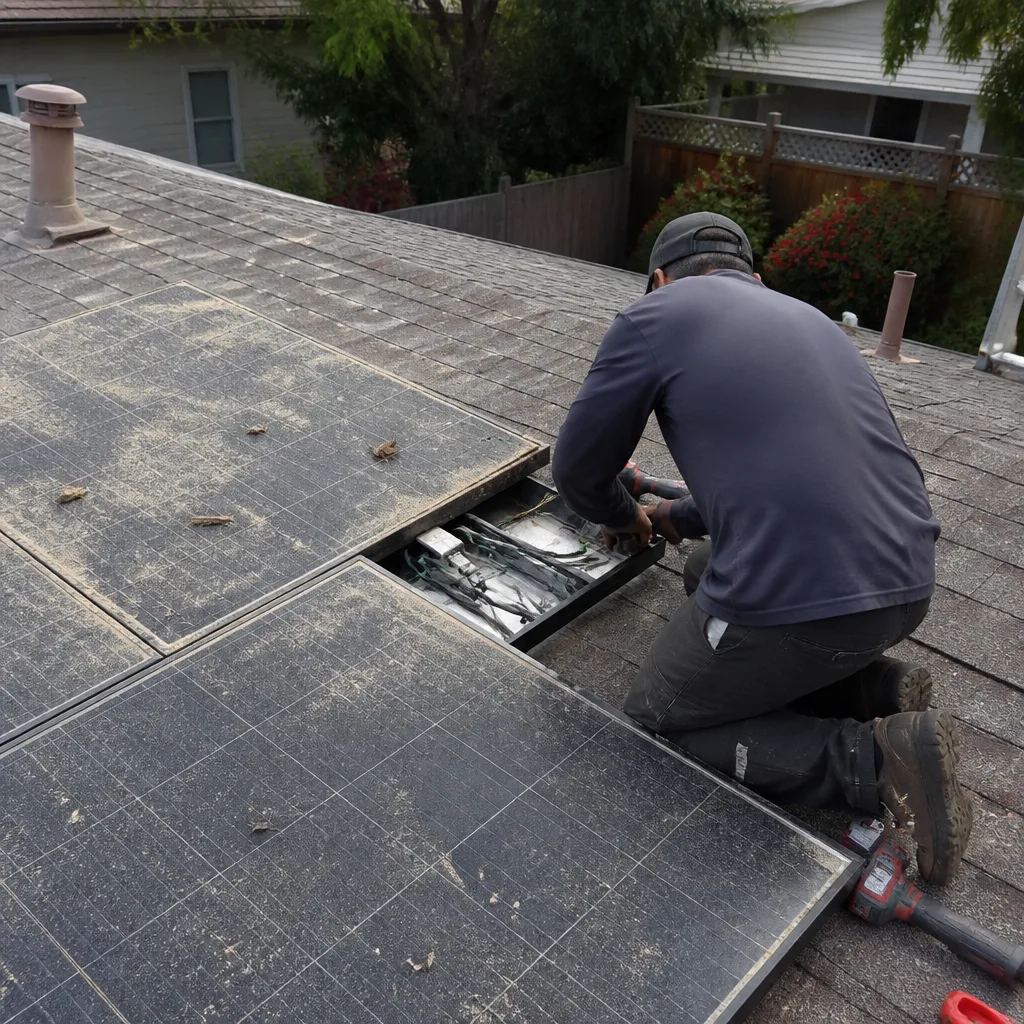
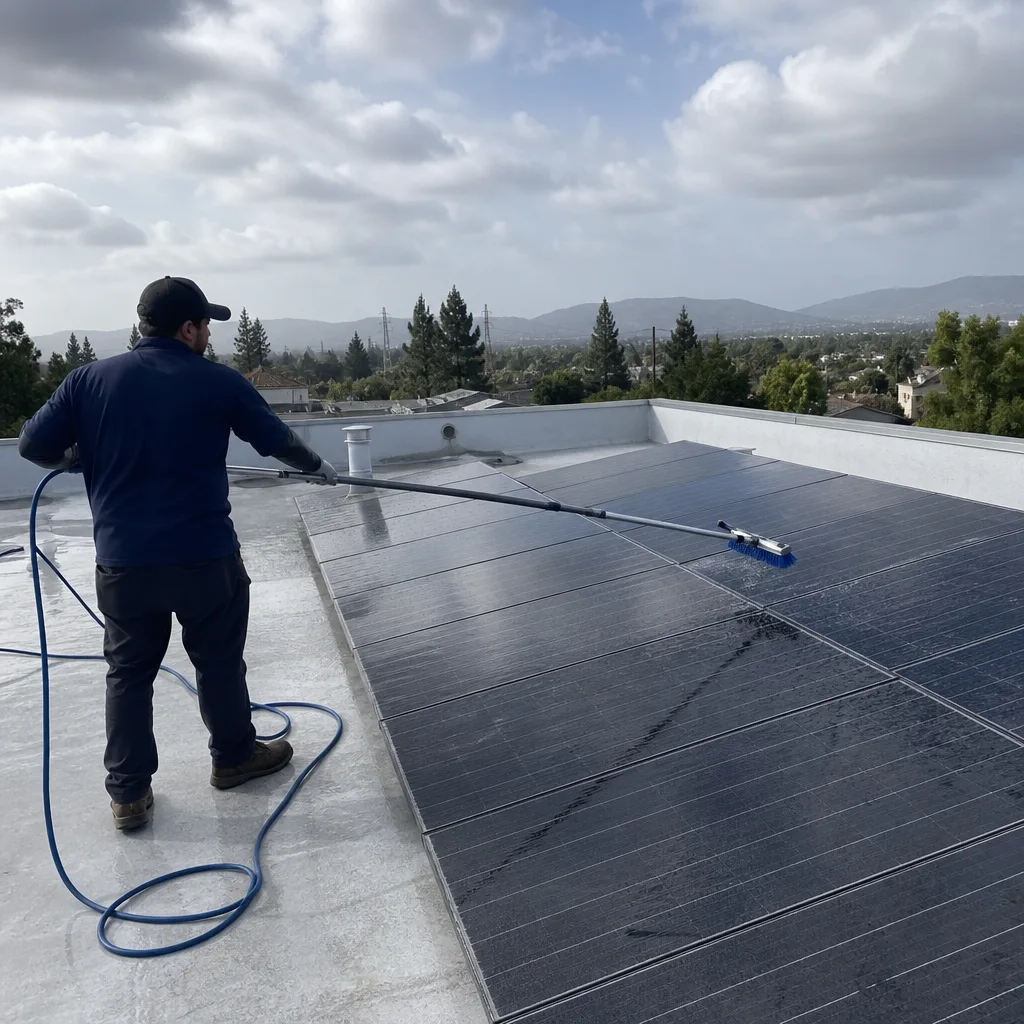
- Dust kills production before the system ever fails. Mojave dust coats panels within weeks of a cleaning, and a 15-20% soiling loss means the battery never reaches full state of charge during the day. By 9 p.m., you’re pulling from the grid because the math was done with clean panels.
- Older storage firmware won’t engage island mode. Apple Valley sits on SCE feeders that experience voltage sags and PSPS events more often than coastal grids. Older batteries with outdated firmware sometimes refuse to disconnect from the grid and power the house, even when the outage is live. We check firmware and inverter settings before summer, not during an outage.
- Concrete tile flashing on retrofit conduit leaks during monsoon season. Arizona monsoons come right up the hill into Apple Valley in July and August. If battery conduit or rapid shutdown wiring was flashed wrong on a concrete tile roof, rain finds its way in. We see this on old installs from national firms that didn’t know High Desert tile details.
- High-wind wall brackets get flagged by the Town. Apple Valley’s plan checkers specifically require stamped wind-load engineering on battery wall mounts and ground stands. A submittal that sailed through in a lower-wind coastal city gets bounced here. We pull those calculations before we file, which keeps the project moving instead of sitting in review.
Pricing for Solar Battery Storage & Backup in Apple Valley, CA
Here’s the honest math on Apple Valley battery pricing. A single Tesla Powerwall 3 installed, with gateway, load management, and Town of Apple Valley permit fees, runs $11,500 to $13,900 before the federal tax credit. Two Powerwalls for larger acreage homes typically land at $20,500 to $25,400. An Enphase system with two IQ 5P batteries and the required controller runs $13,000 to $16,800. A FranklinWH aGate with a single aPower unit comes in at $12,800 to $15,200. Battery retrofits for existing solar start around $8,200 when no main panel upgrade is required. If your 92307 home needs a panel upgrade before the battery can interconnect, add $3,200 to $5,600 depending on the existing service. Estimates are free, the price is set in writing, and you can take two weeks to think about it. The number won’t move. Call (877) 550-6892 and bring me a bill. I’ll bring you the math.
We Also Serve Cities Near Apple Valley
Our crews cover all of Apple Valley and the surrounding High Desert communities, including Spring Valley Lake, Victorville, Hesperia, and Oak Hills. If you’re just over the town line in unincorporated San Bernardino County or inside city limits, the same crew, the same equipment, the same 90-Day Done Right Promise applies. Learn more about our Solar Battery Storage & Backup services across the region.
Serving Apple Valley, CA - Our Local Coverage Area
We’re based in the Apple Valley area and know this community well. Use the map below to see our service coverage - if you’re nearby, we can almost certainly help.
FAQs - Solar Battery Storage & Backup in Apple Valley
Apple Valley is in a high-wind exposure zone under California Building Code, so the Town’s plan checkers require a stamped wind-load calculation on any wall-mount bracket or ground-stand submittal for a battery. That engineering addendum typically adds $200 to $400 and a week to the permit phase, but it prevents a rejection that would stall the job for three or four weeks. We pull the calcs before we file, so the timeline we quote you is the timeline that actually happens. Call (877) 550-6892 to get an exact date range for your address.
It depends on the battery’s firmware and whether the system was configured for grid-forming operation. Some older string inverters paired with early-generation batteries fail to enter island mode when the feeder drops, which leaves you dark even with a charged battery. We test these systems in Apple Valley before fire season starts, and we update firmware or reconfigure islanding settings on a service call. If your system has never been through a simulated outage test, call us and we’ll run one.
Most software models assume a soiling loss of 2% to 5%, which might be accurate for a coastal city. In Apple Valley, where Mojave dust settles constantly and summer temps push panel temperatures past 160°F, the real world soiling and heat losses run closer to 12% to 18%. A battery sized on the brochure number underperforms. We model Apple Valley specifically, with real soiling factors and temperature coefficients, because we’ve been reading actual production numbers off High Desert systems for nearly three decades. Call (877) 550-6892 and we’ll run your address against real desert data, not a generic national average.
Under NEM 3.0, solar exports are credited at avoided-cost rates that fluctuate throughout the day and bottom out around midday. A battery changes the equation by storing midday generation and deploying it during the 4 p.m. to 9 p.m. peak window when SCE charges $0.52 to $0.68 per kWh. On an acreage property in 92307 with higher baseline loads, larger arrays, and well pumps, the avoided cost of a battery shifts from “nice backup” to “the reason solar still pays for itself in less than ten years.” We quote the year-25 output, not the day-one brochure number.
Yes. Apple Valley’s dominant housing stock from the late 1970s through the early 2000s uses concrete tile or low-slope roofing, and both require specific flashing details when battery conduit, rapid shutdown devices, or disconnect wiring penetrates the roof. We use code-compliant tile flashing and match replacement tiles from local suppliers, so your roofing warranty stays intact. On low-slope surfaces, we route conduit through flashed curbs rather than surface mounting, which keeps monsoon rain outside where it belongs. If a previous installer cut corners on your retrofitted battery conduit, call us and we’ll inspect it. That’s the kind of thing we fix before it becomes a leak.
If you’re in Apple Valley and you want a battery system sized honestly, permitted correctly, and installed by a crew whose owner answers the phone, call (877) 550-6892. Free estimate, real numbers, no pressure. Take two weeks. Think about it. The price will be the same.
Written by Gus Petrakis, Owner at Gus’s Solar, serving Apple Valley and the High Desert since 2011.