
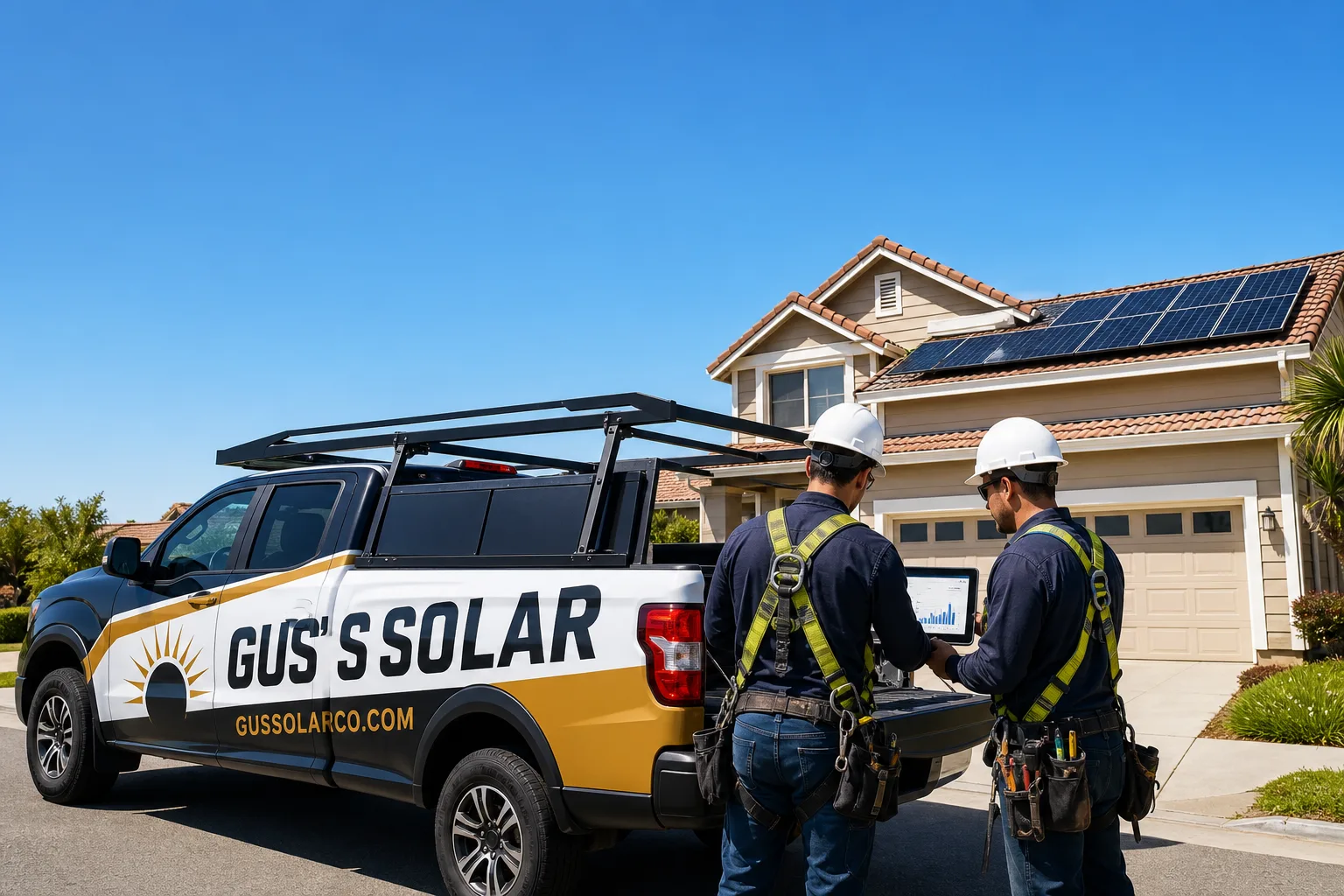
Free bill analysis - bring a power bill, get the production math for your actual roof, panel brands like Qcells and REC compared side by side
If the pitch starts at your door and ends with "sign tonight for the special," sleep on it. The sun will still be there tomorrow; so will we.
 Before
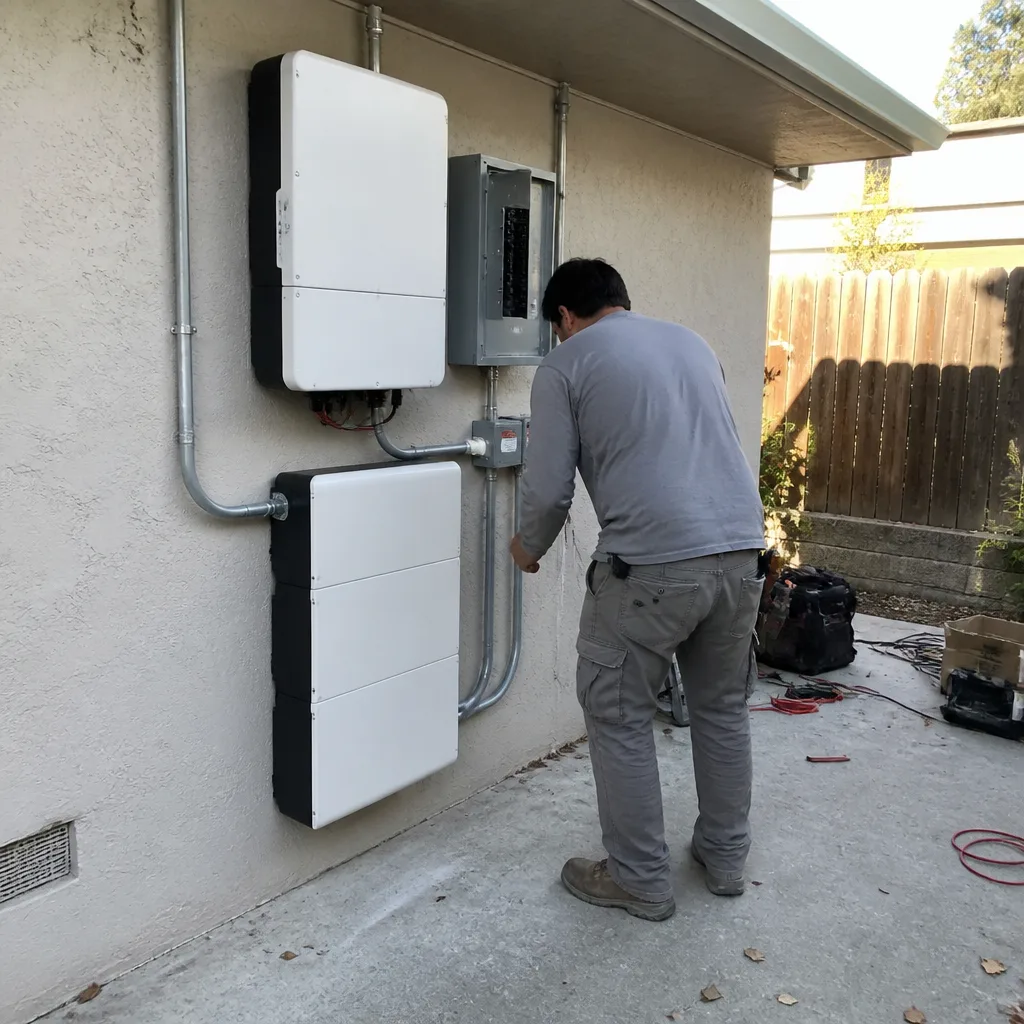 After
After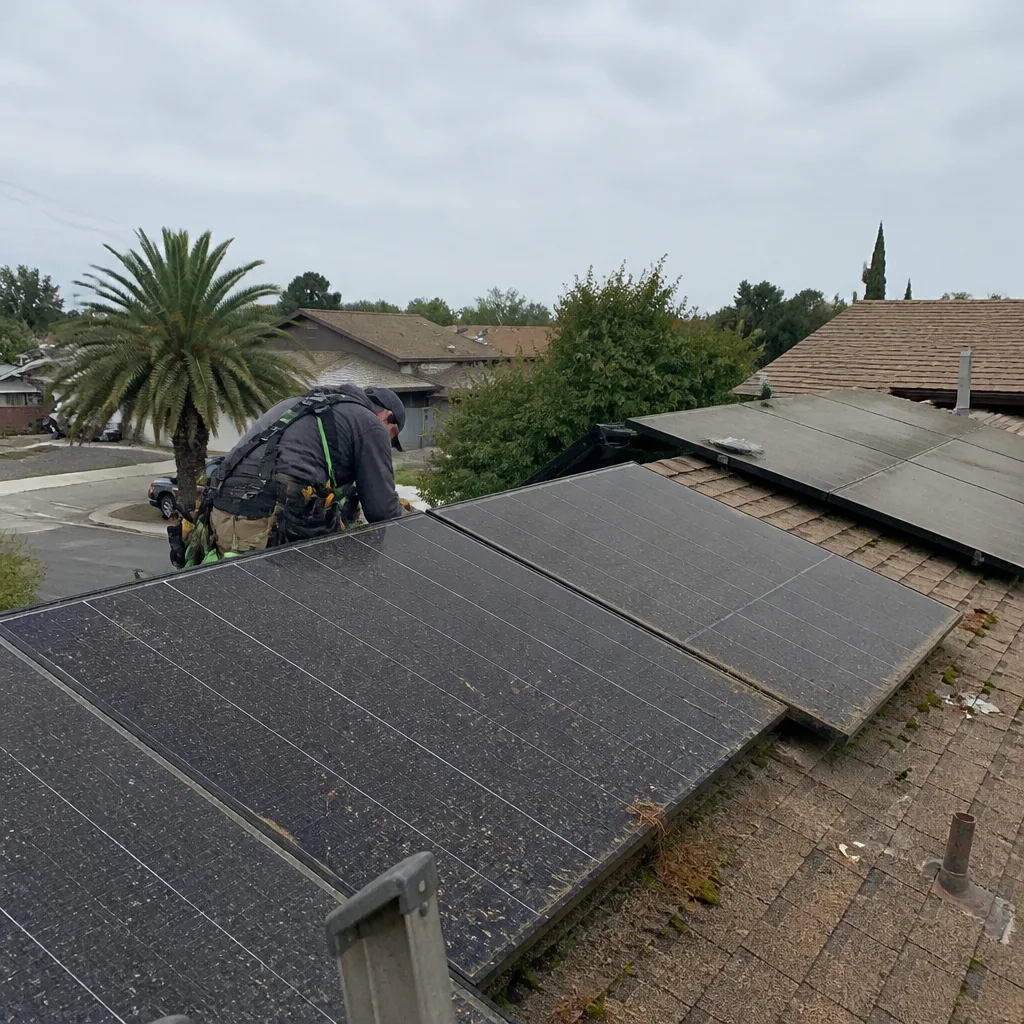 Before
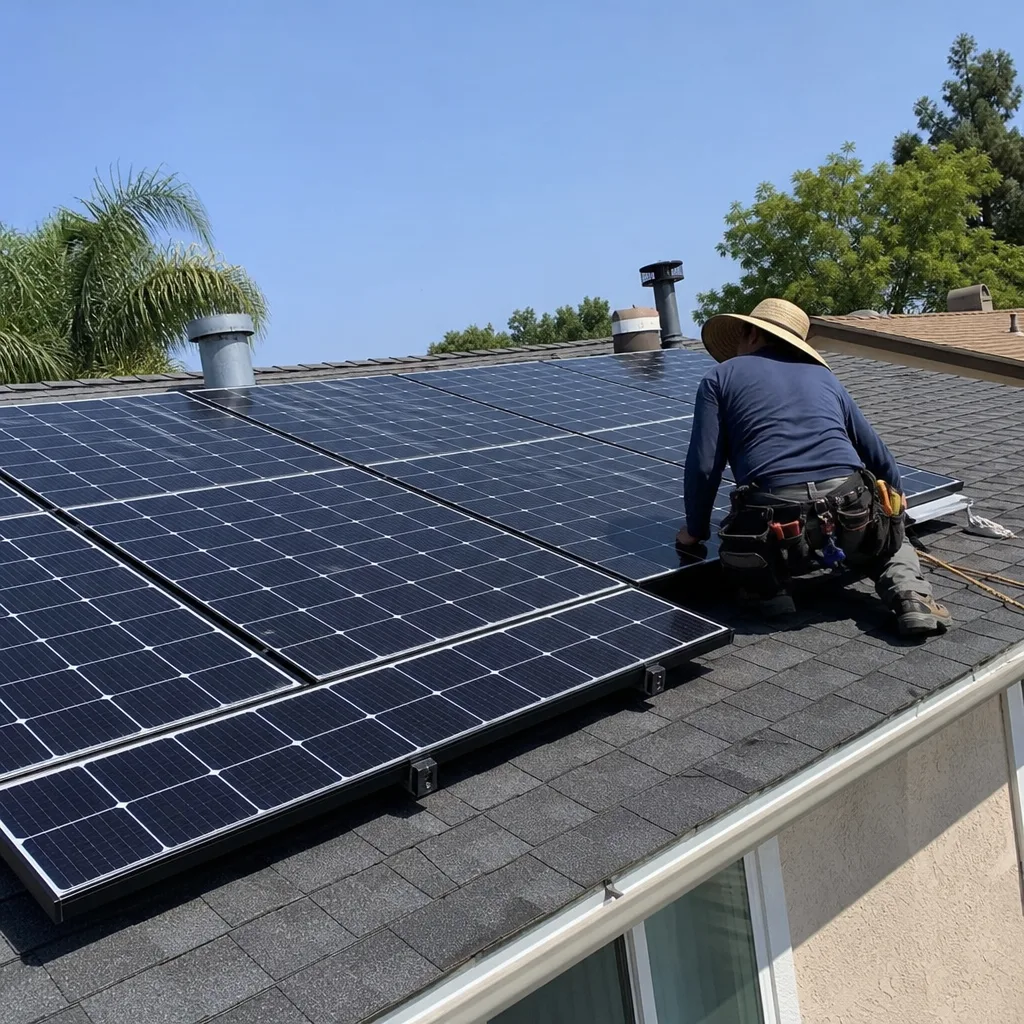 After
After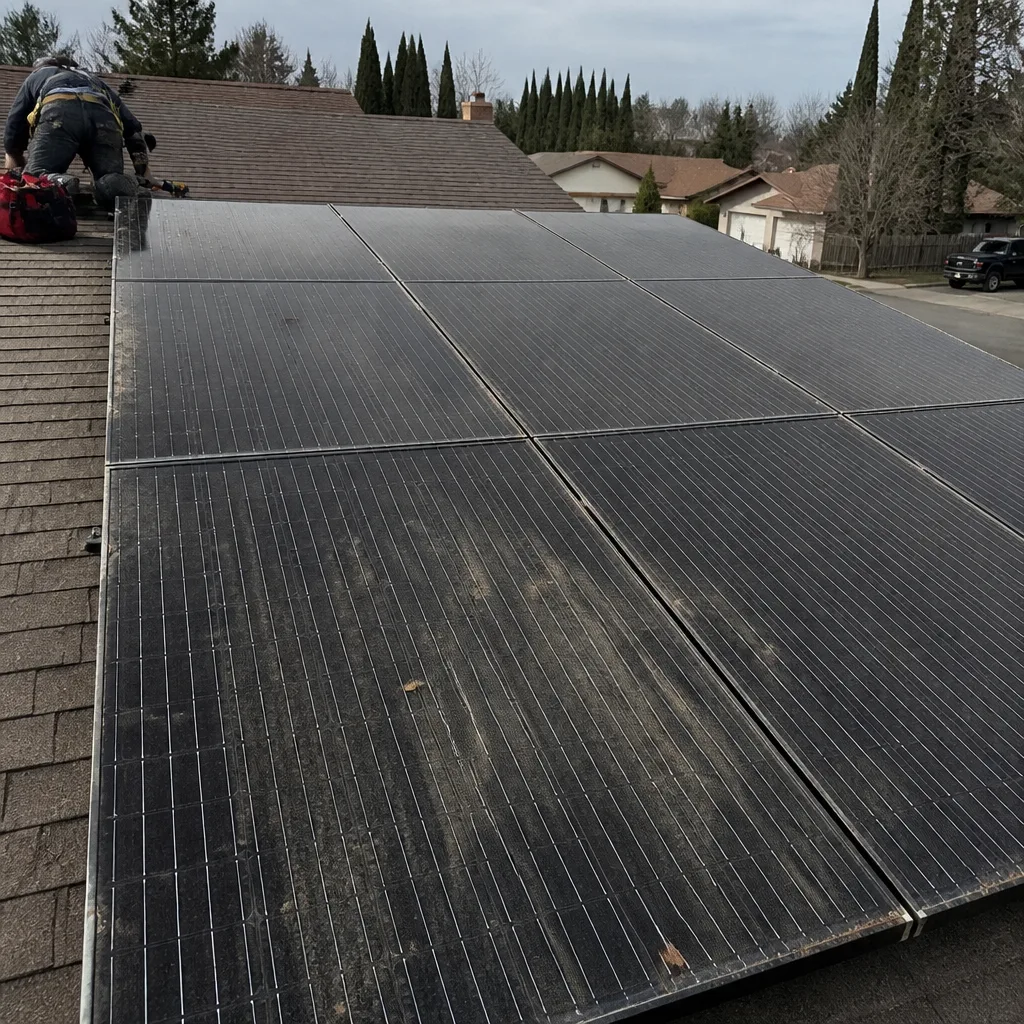 Before
 After
AfterFast, Reliable EV Charger Installation Across San Jacinto
EV charger installation in San Jacinto typically runs $1,200 to $4,200 depending on panel capacity, conduit distance, and whether your home sits in the wind-uplift enforcement zone. Most jobs we complete in one trip, often the same week you call. If you’re charging an EV on a 100A panel in an older 92583 ranch home or a 2005 stucco tract house in Rancho San Jacinto, you may need a panel upgrade first. We know those homes, those panels, and what Riverside County inspectors look for. Call (877) 550-6892 and Gus Petrakis or one of his crew will give you a straight answer before we ever schedule a visit.
Nearly every EV charger we install in San Jacinto is a Level 2 unit on a dedicated 240V circuit. That means real overnight charging: 25 to 44 miles of range per hour, depending on your vehicle and charger. The work itself is straightforward for a crew that does it weekly. The hard part, in this valley, is doing it right the first time with the right hardware for the heat and the wind. That is where local experience actually matters.
Why Gus’s Solar Is San Jacinto’s Preferred EV Charger Installation Company
Gus Petrakis founded this company in 2011 and put his own name on the building. He answers his own phone. That is not a marketing line; it is how the business runs. When a San Jacinto homeowner calls about an EV charger, they talk to someone who knows the difference between a 92582 tract house with a 200A-ready panel and a 92583 ranch home that still has the original 1960s breaker box. That local fluency saves you money and saves us return trips.
Our crew has installed EV chargers in Rancho San Jacinto, Seven Hills, and the older core neighborhoods off San Jacinto Avenue and Ramona Boulevard. We know which subdivisions were built with 200A service as standard and which ones were not. We know which garages are attached and which sit detached at the end of a 60-foot drive. That knowledge goes into every quote. You get one price, no signature tonight, and the work is guaranteed by our 90-Day Done Right Promise. If it is not right, Gus makes it right.
Response time matters when you are plugging into a 120V wall outlet and waking up to 4 miles of range. Most San Jacinto calls get a same-week install. Emergency callouts, like a charger that quit after a wind event or a breaker that trips every time the car pulls current, get priority. Call us at (877) 550-6892 and a live person answers. Not a ticketing system. Not a call center in another state.
Our EV Charger Installation Services in San Jacinto
Level 2 Charger Installation
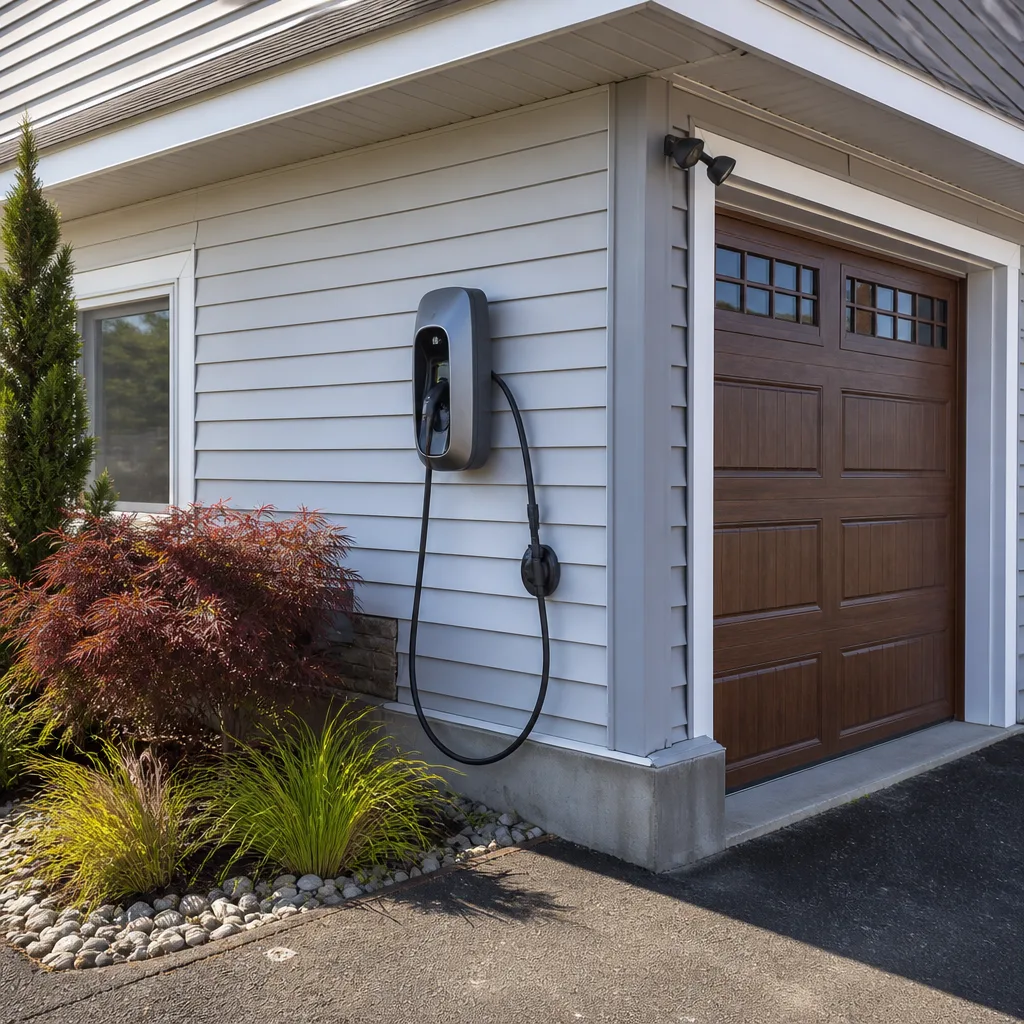
This is the workhorse installation for most San Jacinto homes. A 240V dedicated circuit, a wall-mounted or pedestal charger, and a vehicle that actually charges overnight. Most Level 2 jobs in San Jacinto run $1,200 to $2,400 when the panel has spare capacity and the charger goes on an attached garage wall near the panel. Add distance, trenching, or a detached garage and the price climbs accordingly. We quote your actual job off your actual panel, not a brochure number.
Tesla Wall Connector Installation
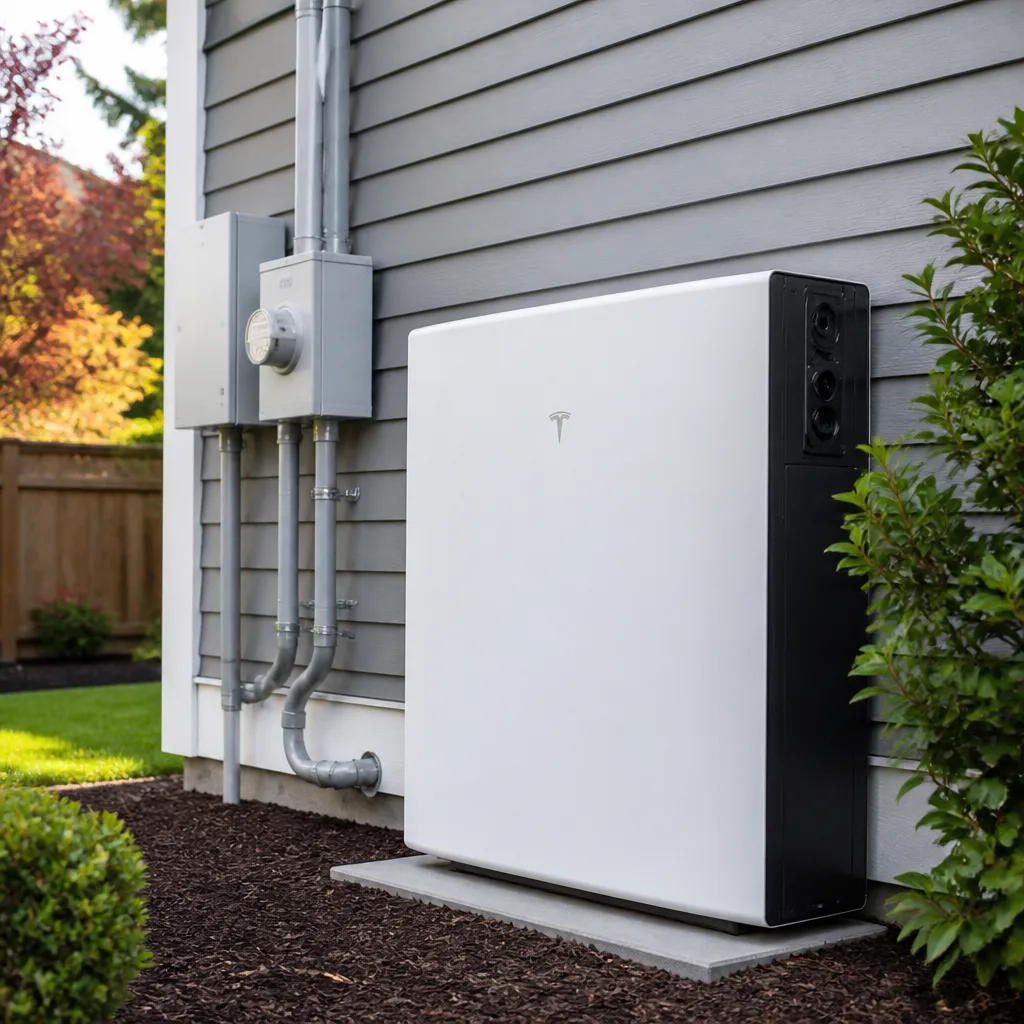
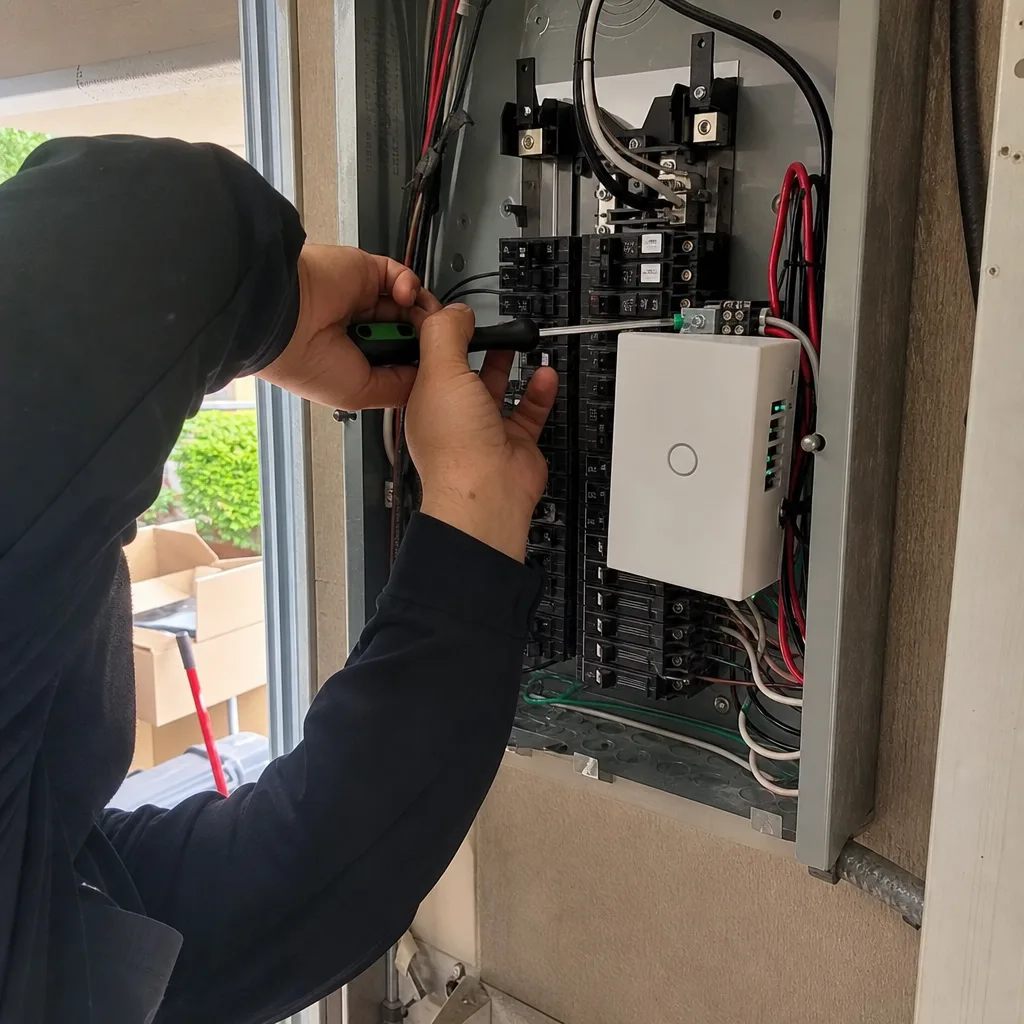
We install more Tesla Wall Connectors in San Jacinto than any other single charger model, and we stock the hardware locally. A Tesla Wall Connector on a 60A breaker delivers 44 miles of range per hour to a Model 3 or Model Y. That is a full overnight charge for most commuters. The install itself is the easy part. The part that trips up out-of-area installers is the Riverside County interconnect and the wind-zone conduit requirements on detached garages. We handle both before we ever drill a hole.
Panel Upgrade for EV Charging
This is the most common prerequisite in San Jacinto’s older housing stock. Homes built in the 1950s and 1960s in 92583 often still have 100A mains, and a Level 2 charger at 48A continuous draw leaves little room for air conditioning, a dryer, and the rest of the house. A typical 100A-to-200A panel upgrade in San Jacinto runs $2,800 to $4,200, done by our own licensed crew with permits through Riverside County. We do not sub it out. When we do the panel and the charger in the same visit, you save a trip charge and the inspection happens once.
Garage & Driveway Charger Wiring
Detached garages on acreage lots, longer driveways, conduit runs across stucco walls, and chargers mounted on standalone pedestals near the driveway edge. You see all of this in San Jacinto, especially on the larger lots east of State Street and in the semi-rural pockets near the San Jacinto River. The wind-uplift enforcement zone changes how we anchor conduit and disconnect boxes. A run that takes two hours in Hemet might take three here because the strapping schedule is tighter and the fasteners are heavier. We build the quote around that reality.
What happens when you call
- 1
A real person answersNo phone trees - you reach a local pro.
- 2
You get an upfront price rangeHonest numbers before anyone is dispatched.
- 3
A background-checked tech heads outLicensed & insured, dispatched right away.
- 4
You approve before work beginsNothing starts until you say go.
Trusted Brands We Service in San Jacinto
We work with the chargers and equipment San Jacinto homeowners actually buy. Tesla Wall Connectors, Enphase and SolarEdge home EV chargers, and panel hardware from Qcells and SunPower when we are integrating solar with charging. Our EV Charger Installation team keeps common chargers, breakers, and conduit parts stocked, which means fewer supplier runs and faster completion. When you call for a quote, tell us what you drive and what charger you want (or if you have one already) and we will tell you what works, what does not, and what the real cost is.
Common EV Charger Installation Problems We See in San Jacinto Homes
Here is what we run into most often when we are called out to a San Jacinto EV install that someone else started, or a home that needs preparation before the charger can go in.
- Panel capacity shortfall in older 92583 homes. A Level 2 charger needs 40 to 60 amps of dedicated capacity. Many mid-century ranch homes in the core of San Jacinto still have 100A mains that are already close to maxed. We check the load calculation before we quote, and if the panel is short, we quote the upgrade in the same estimate. No surprises after we open the wall.
- Wind-driven conduit failures on detached garages and workshops. San Jacinto sits in a wind-uplift enforcement zone that extends to detached structures. Undersized conduit strapping or poorly anchored disconnects get yanked loose when the seasonal winds accelerate through the pass. We have seen charger circuits fail and wires chafe because someone ran conduit with spacing speced for a calm coastal city. That hardware is wrong for this valley.
- Miss-drilled stucco penetrations on 2004-2015 tract homes. The stucco walls on Seven Hills and Rancho San Jacinto homes often have double-shear panel construction, which means drilling a wall penetration blind can hit shear panel and leave a mess. Our crew checks before we drill, not after.
- Interconnection rejections on pre-2020 charger hardware. Riverside County is picky about rapid-shutdown labeling on the main breaker when a charger ties into a solar-equipped panel. If the charger is older or the labels are missing, the interconnection gets kicked back. We catch that before the county does.
Pricing for EV Charger Installation in San Jacinto, CA
A typical Level 2 charger install in San Jacinto, with a nearby panel and an attached garage, runs $1,200 to $2,400. A Tesla Wall Connector on a 60A circuit typically lands between $1,500 and $2,800 depending on conduit distance. Panel upgrades from 100A to 200A run $2,800 to $4,200. A detached garage charger with trenching, longer conduit, and wind-zone anchoring typically runs $2,500 to $5,000. A solar-paired EV charging circuit adds $800 to $1,800 on top of the charger itself, depending on inverter and panel capacity.
These are real numbers from jobs we have done in San Jacinto this year. Not a national average, and not a teaser price designed to get a signature tonight. Every quote includes the permit work, the hardware, and no trip charge inside Riverside County. Bring us your electric bill if you have solar, and we will build the math around your actual usage and export rate. Take two weeks to think it over. The price will be the same when you call back. Call (877) 550-6892 and we will give you a number.
We Also Serve Cities Near San Jacinto
While this page is for homeowners in San Jacinto specifically, our crew also runs charger installs in Hemet, East Hemet, Valle Vista, and Nuevo. If you live just over the line in one of those towns, give us a call. If you are in the San Jacinto city limits, you are already in our service area. You can read more about our EV Charger Installation in San Jacinto or call (877) 550-6892 and ask for Gus directly.
Serving San Jacinto, CA - Our Local Coverage Area
We’re based in the San Jacinto area and know this community well. Use the map below to see our service coverage - if you’re nearby, we can almost certainly help.
FAQs - EV Charger Installation in San Jacinto
The answer is your panel’s existing load and its capacity, not your ZIP code on its own. Homes in the 92582 tracts built 2004-2015 sometimes shipped with 200A service, but not all of them did. If your 2007 home has a 100A or 125A main and an air conditioner pulling 40 to 50 amps in the summer, there is not enough headroom for a 48A continuous EV charger draw. Your Hemet neighbor may have a 200A panel or a smaller heat load. We calculate the load on your actual panel before quoting. If you do not need the upgrade, we will not sell you one. Call (877) 550-6892 and we will walk through the numbers.
Overnight, it does not. The 108°F daytime highs that San Jacinto sees in July and August drop significantly after sunset, and your charger will operate at full rated output during typical overnight charging windows. The heat matters more if you charge mid-day on a solar-paired circuit, when the panels are derated and the ambient temperature in a detached garage can exceed 110°F. In that case, a charger mounted on a shaded wall or inside a ventilated garage performs measurably better. We position every install with the valley’s heat in mind, not with what a coastal installer would do.
Yes, but only with the right setup. A solar-paired EV charging circuit lets your charger pull from your array when production is live, which means your car charges on sunshine during the day instead of grid power at night. The catch in San Jacinto is the thermal penalty: panels on a San Jacinto roof in July spend the highest production hours well above their 25°C rating, so real-world output is lower than the spec sheet says. We size the circuit for actual valley output, not the brochure number. That means you charge on real kilowatts, not hopeful ones. We install solar-paired charging for homeowners who already have systems from Qcells, REC, and SunPower on the roof.
Yes, if the conduit run is exposed on the windward side of the structure. San Jacinto’s Riverside County wind-uplift enforcement zone includes detached garages and workshops, and the strapping schedule for exposed conduit is tighter than what a standard install calls for. We use heavier anchors, shorter strap spacing, and check the run direction against the prevailing wind through the gap between the San Jacinto Mountains and the valley terrain. A charger on the leeward wall may not need the same treatment, but a run up the driveway side usually does. We quote it accurately the first time.
They are separate devices with separate rules. The solar inverter’s rapid shutdown is required by the National Electrical Code to de-energize the rooftop array for firefighter safety. The EV charger’s disconnect is a means of isolating the charger circuit at the panel or at an external disconnect box. Riverside County enforces both, and they are inspected separately. Some chargers have labeling requirements that must match the main breaker’s rapid-shutdown marking when the home has an existing solar array. A pre-2020 charger installed without that labeling often gets interconnection rejected. We check both before and after the install, so the county inspection passes on the first visit.
Written by Gus Petrakis, Owner at Gus’s Solar, serving San Jacinto with honest electrical and solar work since 2011.