
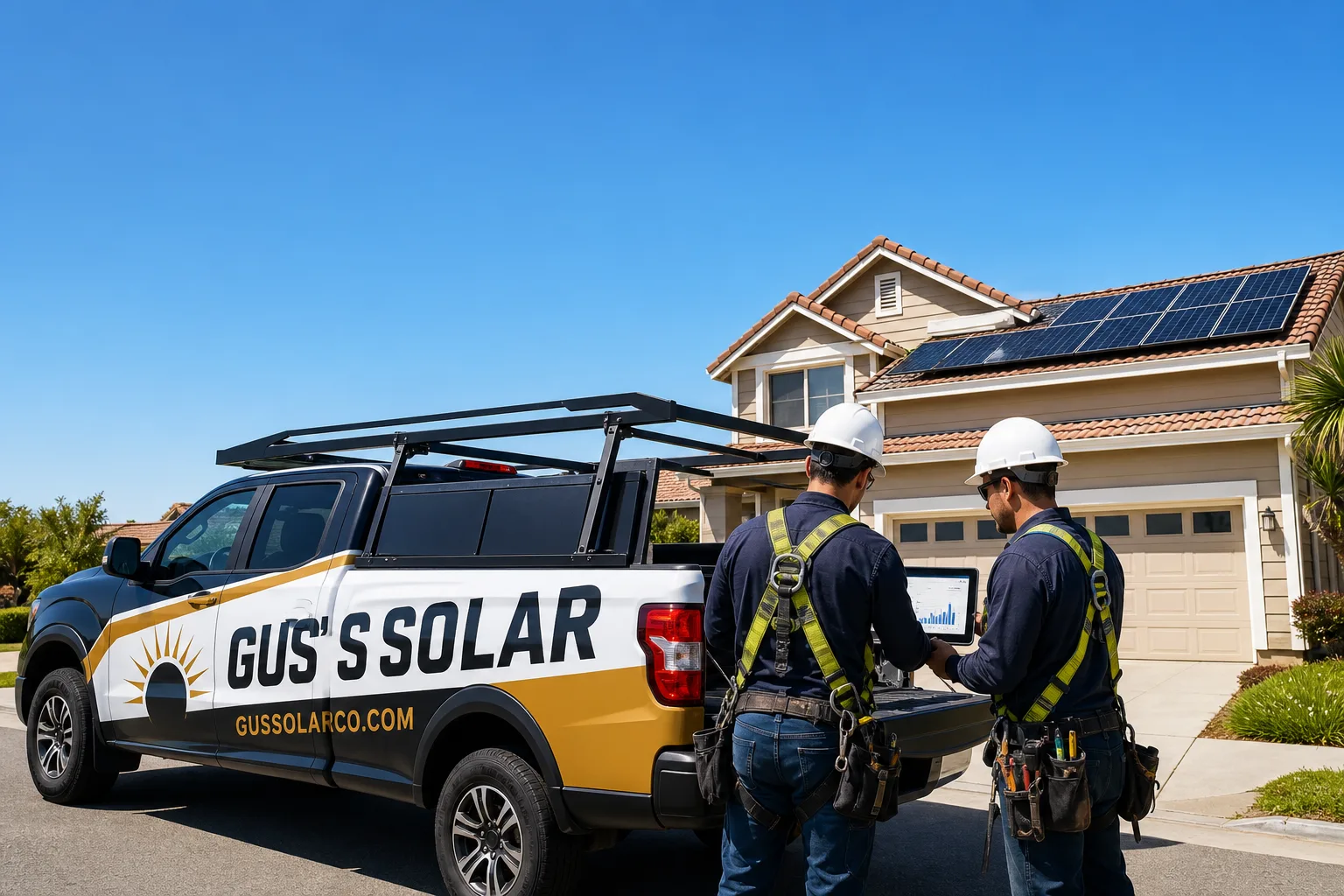
Free bill analysis - bring a power bill, get the production math for your actual roof, panel brands like Qcells and REC compared side by side
If the pitch starts at your door and ends with "sign tonight for the special," sleep on it. The sun will still be there tomorrow; so will we.
 Before
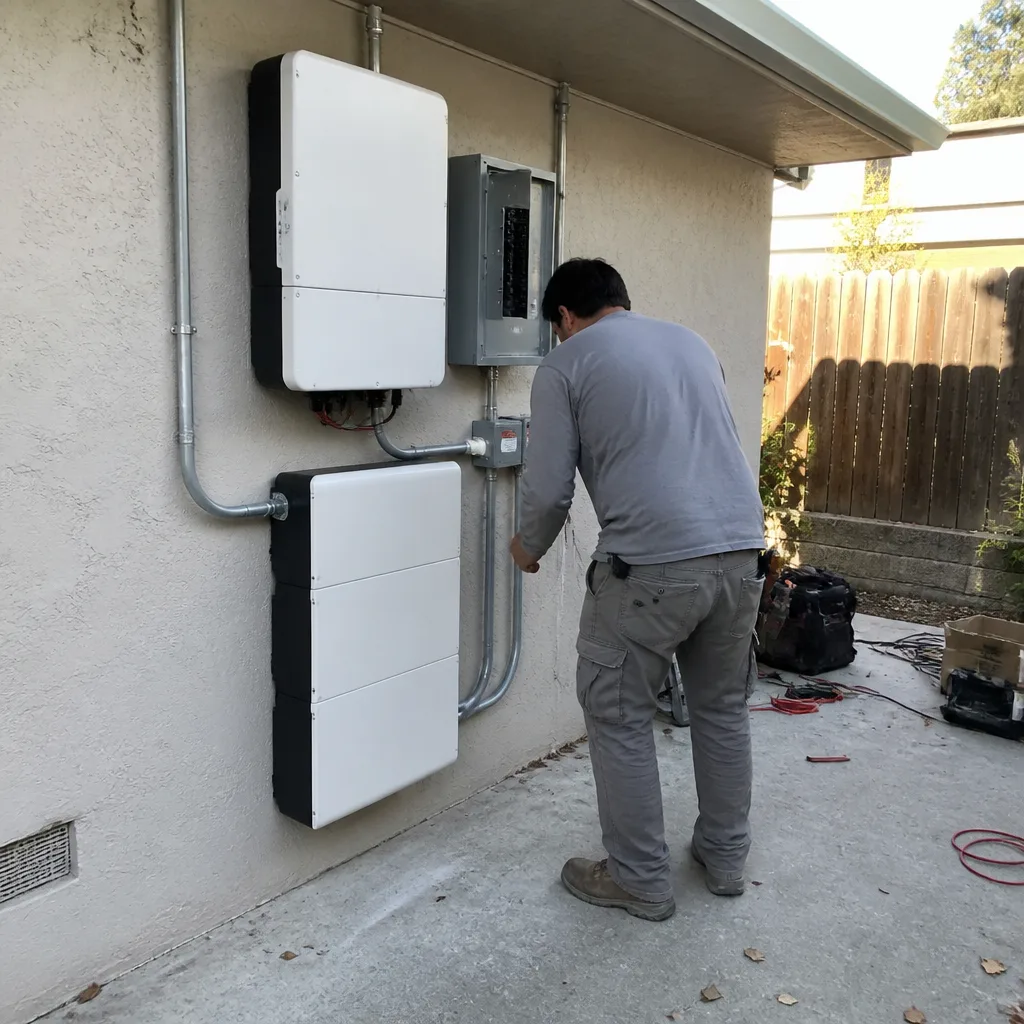 After
After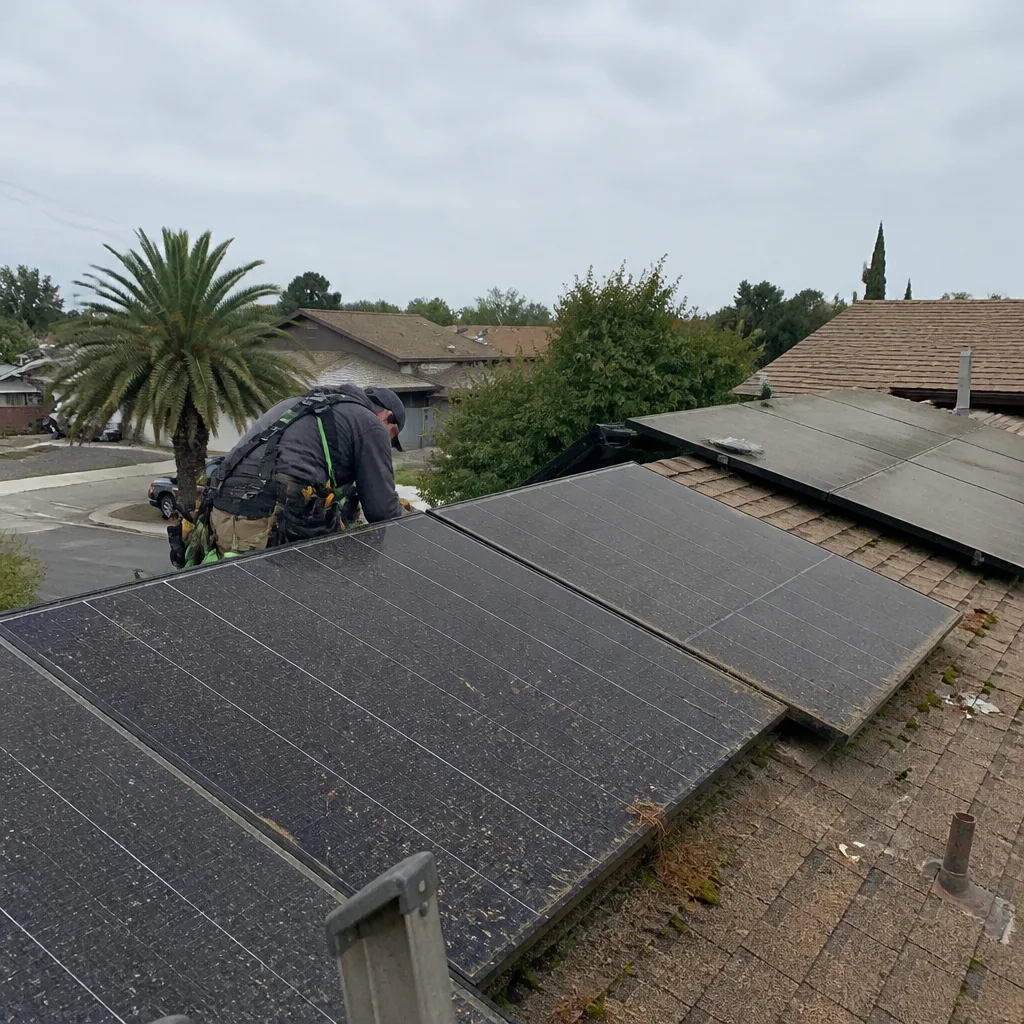 Before
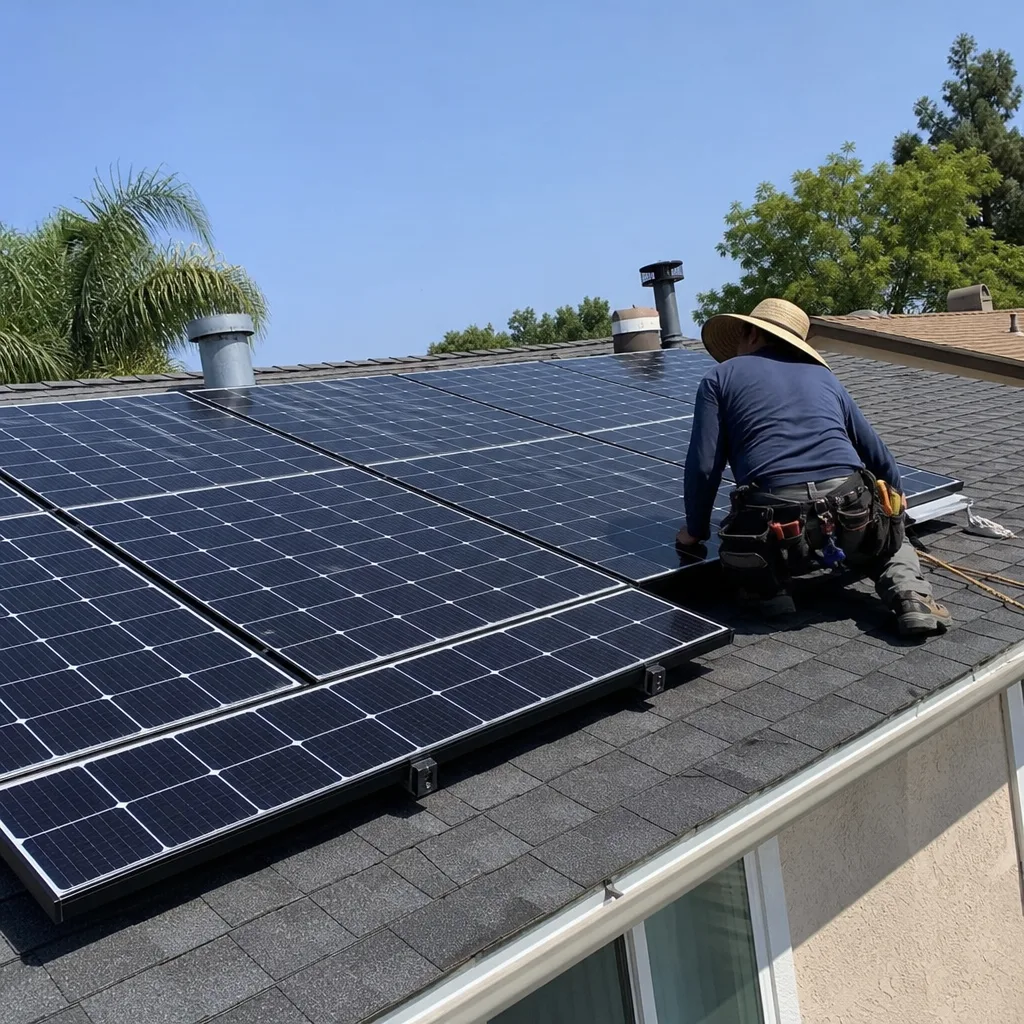 After
After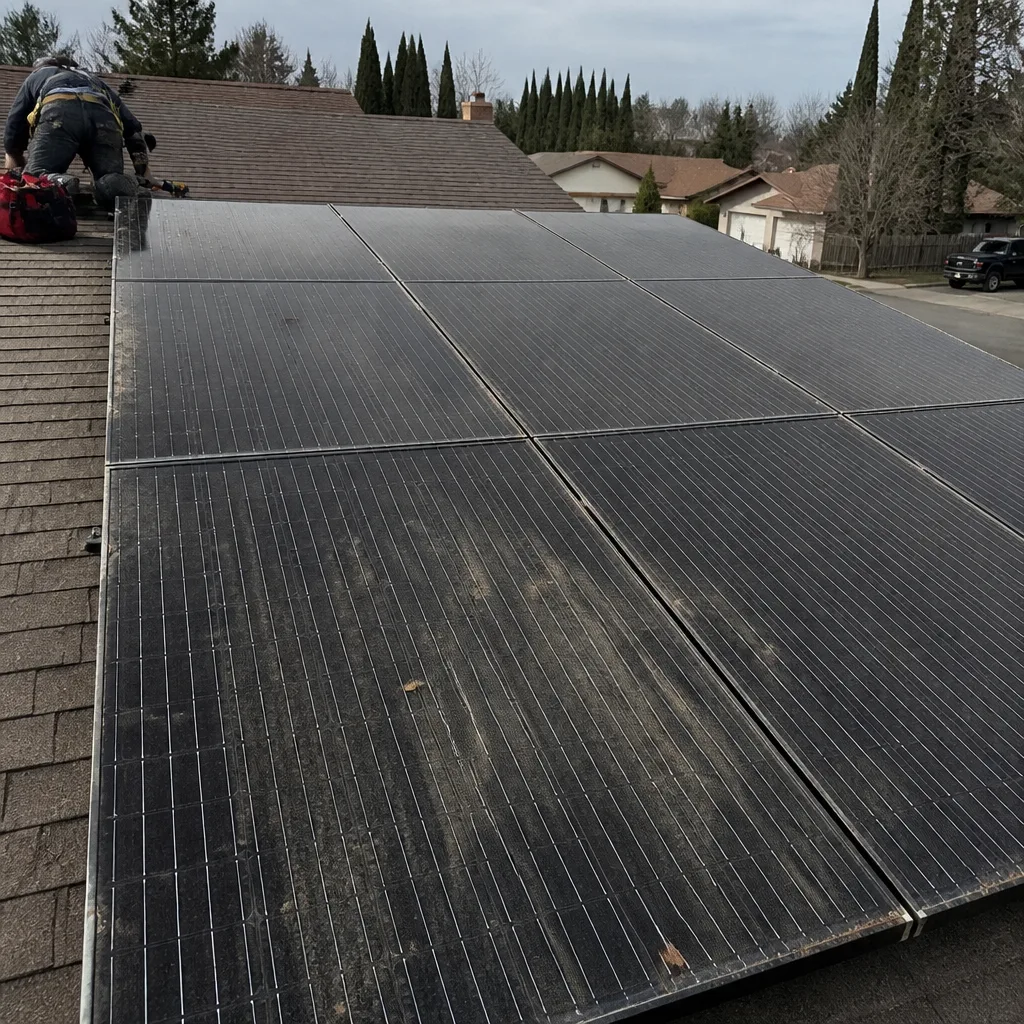 Before
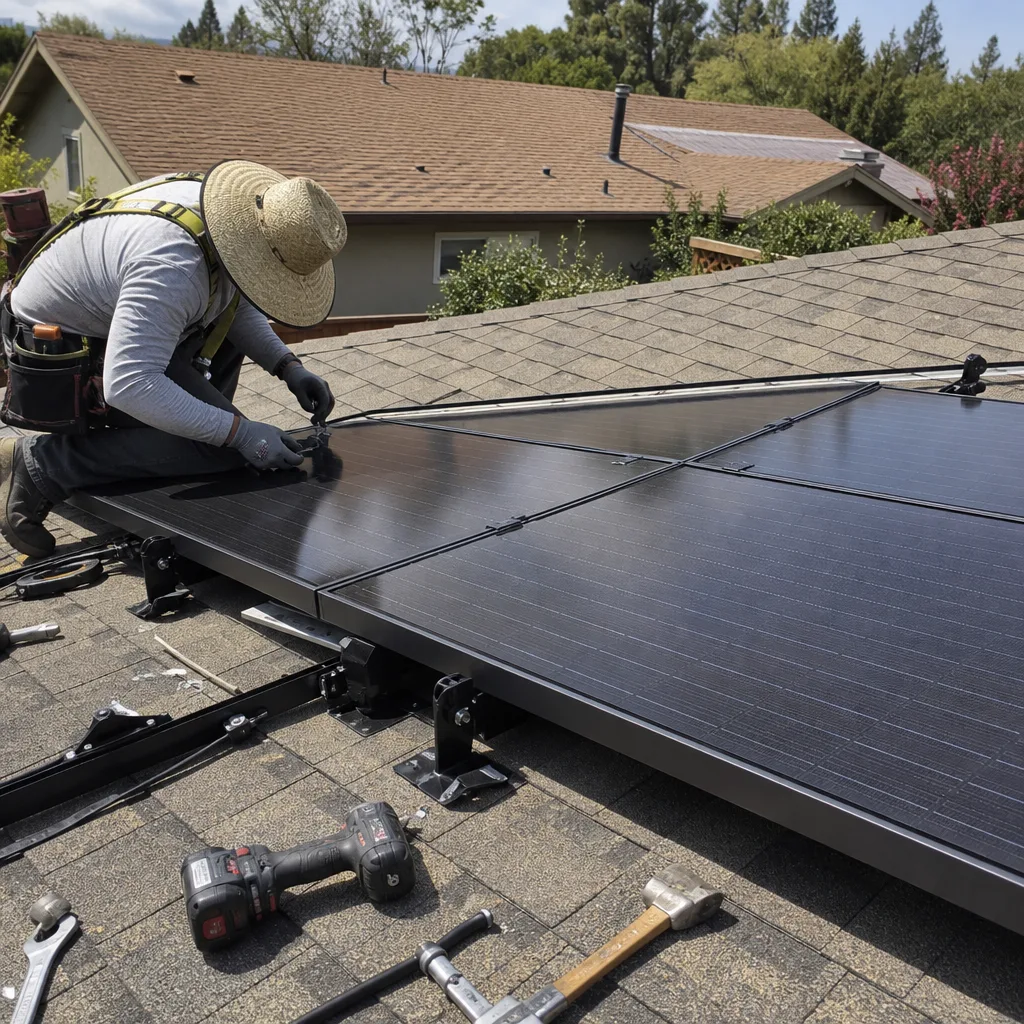 After
AfterFast, Reliable EV Charger Installation Across San Diego
If you’re searching for EV charger installation in San Diego, you’re likely facing one of three situations: an older panel that can’t handle a 60-amp breaker, a garage that needs new wiring run, or a solar system that should be charging your car instead of exporting power at NEM 3.0 rates. A Level 2 charger install in San Diego typically runs $800-$2,200, and a panel upgrade, which many coastal bungalows need first, adds $2,500-$4,500. We serve every neighborhood from Ocean Beach to Kensington and can usually be at your door within 48 hours. Call (877) 550-6892 for a straight answer about what your house actually needs.
Why Gus’s Solar Is San Diego’s Go-To for EV Charger Work
Gus Petrakis founded Gus’s Solar in 2011, and his name is on every truck that rolls into San Diego driveways. We’re not a sales crew that disappears after the paperwork clears. When we wire a charger in Mission Hills or Point Loma, you’re getting Gus’s own background-checked, uniformed crew doing the work, not a subcontracted handoff. Our EV Charger Installation team has spent years working inside the particular quirks of San Diego’s housing stock: 1920s bungalows with cloth-insulated wiring, 1950s ranches with 100-amp Federal Pacific panels, and 1970s condos with conduit that was barely adequate when it was new.
We answer the phone. Live. 24/7. Not a voicemail tree, not a call center in another state. You call (877) 550-6892 and a person picks up. That matters when your charger trips a breaker at 9pm and you need to get to work in the morning. It also matters when you want a second opinion on a written estimate from one of the door-knocking outfits working San Diego County. Bring us the bid. We’ll tell you what’s worth doing and what’s padding.
Every job carries the 90-Day Done Right Promise in writing. If something isn’t right, Gus makes it right, and one call brings him back. No fine print, no “that’s not covered.” That’s the same standard we apply to solar panel installation, battery storage, and every charger we put on a wall in San Diego.
Our EV Charger Installation Services in San Diego
Level 2 Charger Installation
Most San Diego homeowners choose a Level 2 charger because it adds 25-35 miles of range per hour instead of the trickle you get from a 120-volt outlet. We install hardwired and plug-in units in garages, carports, and driveway-adjacent walls across San Diego, including the 1920s-era homes in North Park (92104) and Kensington (92105) where original electrical work rarely meets current code. We always check conductor sizing, grounding, and breaker capacity before we mount anything. If the math doesn’t work, we say so and show you what does.
Tesla Wall Connector Installation
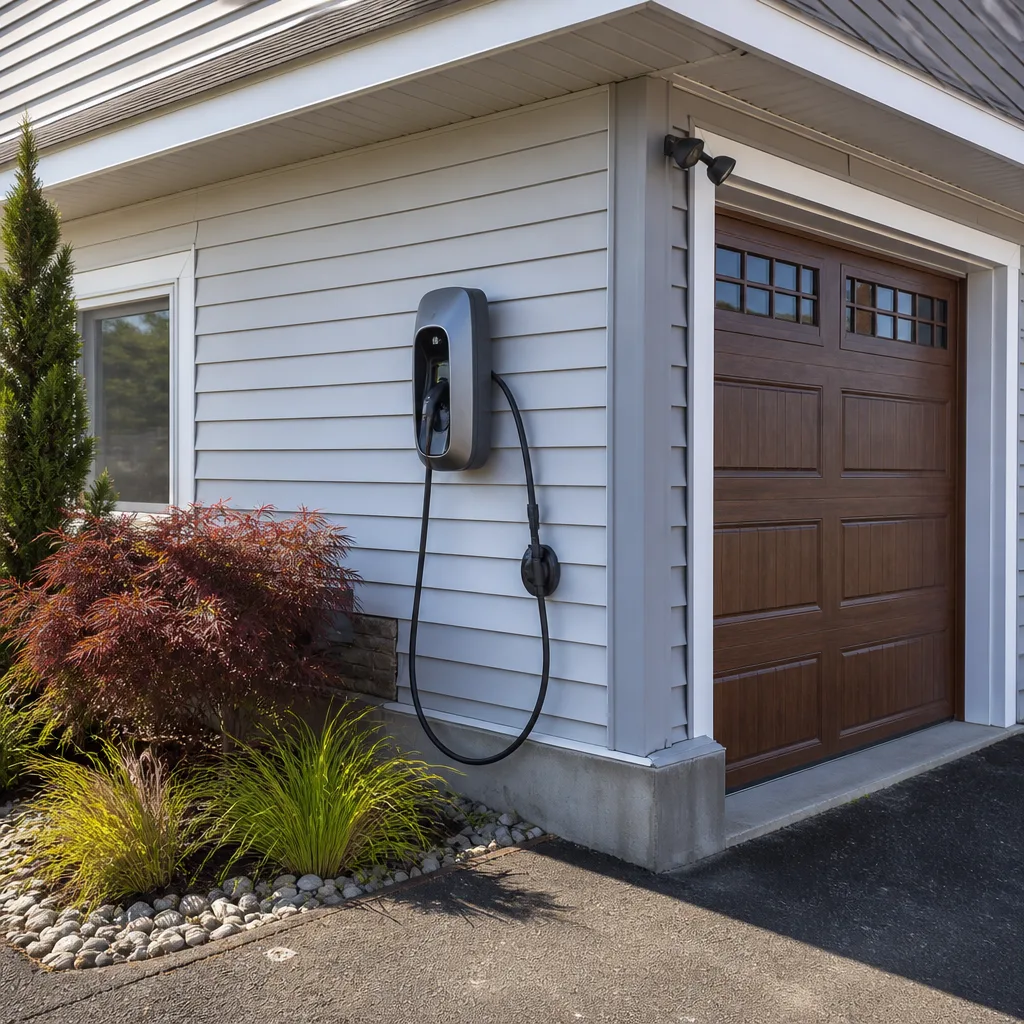
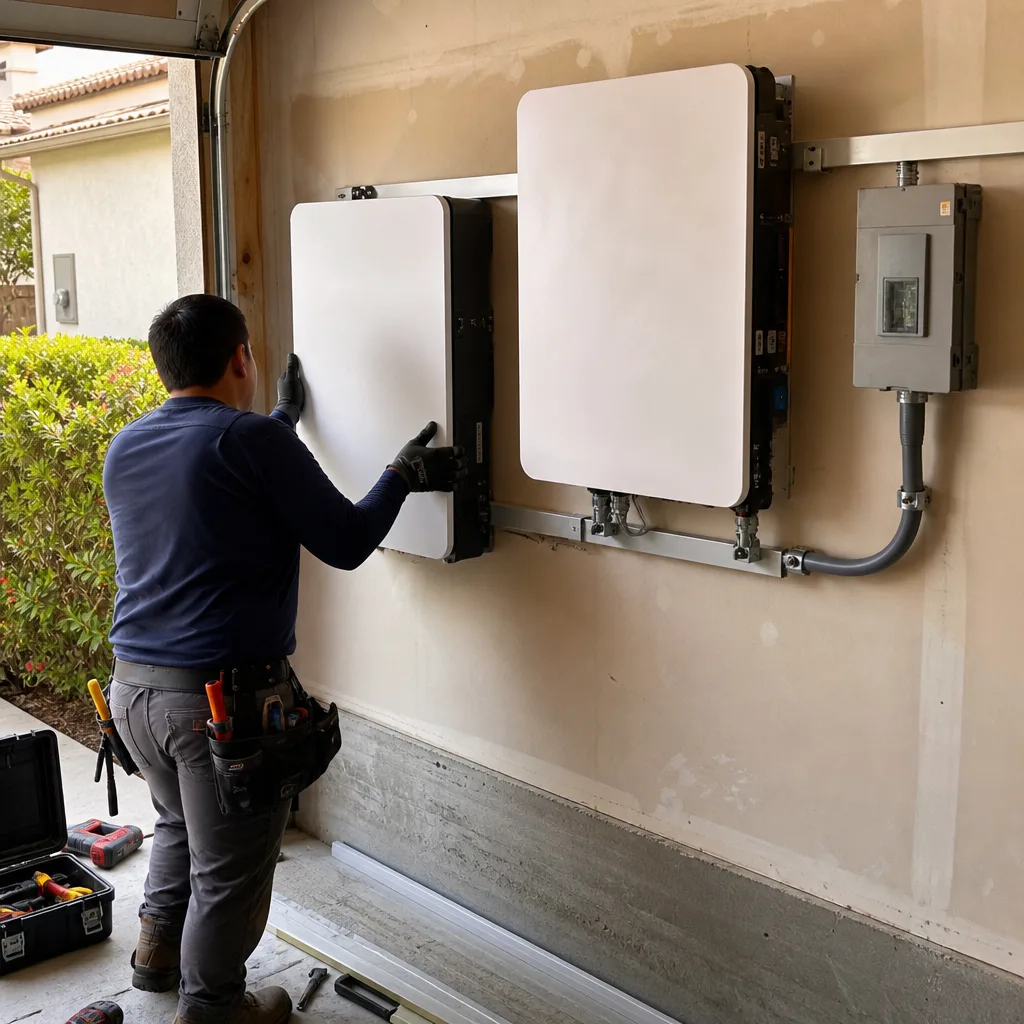
Tesla owners in San Diego frequently ask us to install the Wall Connector, which delivers up to 44 miles of range per hour on a 60-amp circuit. Our crew recently did exactly this for a homeowner in Ocean Beach. The 1950s bungalow still had a 100-amp panel, so we pulled that and installed a 200-amp upgrade before running the circuit. While we were in the garage, we found the opener chain and rollers heavily corroded from salt air, so we specified stainless hardware and a coated chain alongside the charger install. That’s the kind of thing you only catch when you actually look at the whole job, not just the wall where the charger goes.
Panel Upgrade for EV Charging
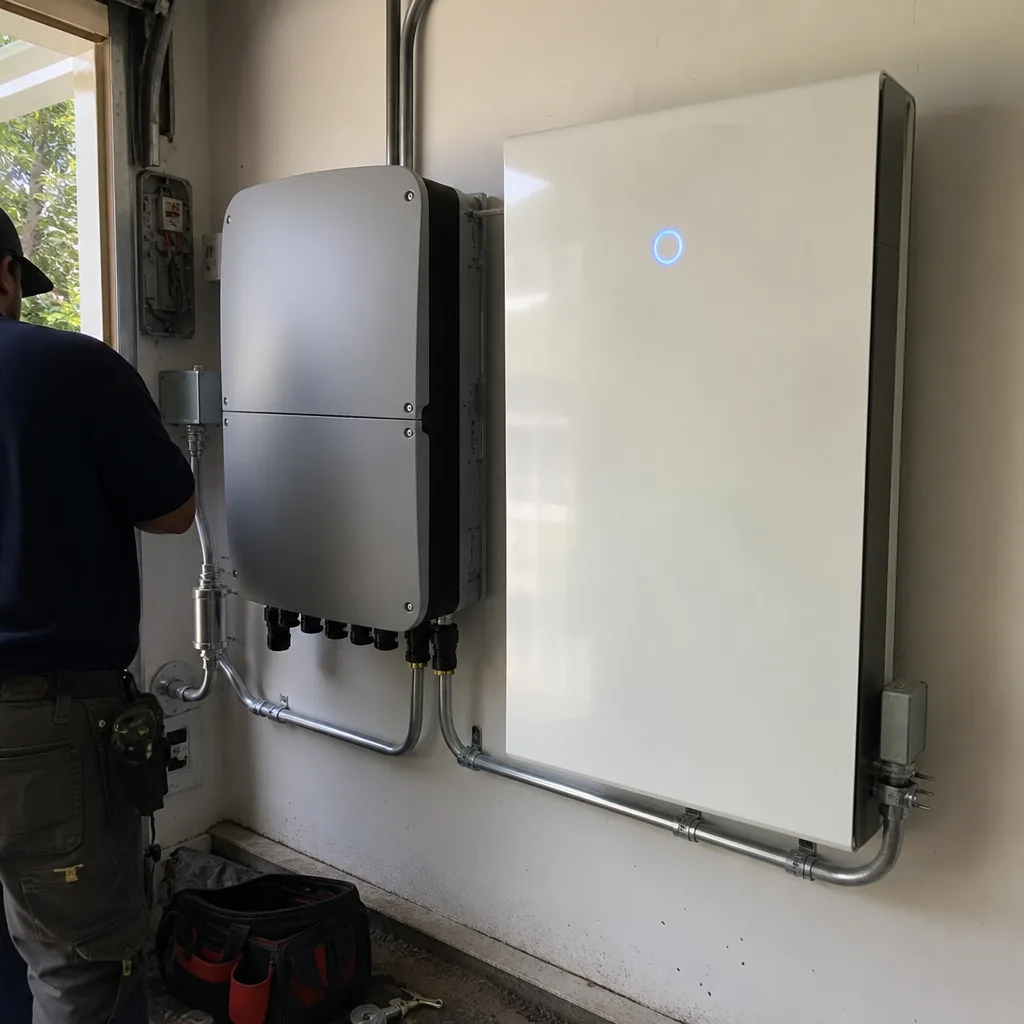
Here’s the truth about San Diego’s coastal bungalow belt: most homes in Mission Hills (92103), Point Loma (92106), and Ocean Beach (92107) were built with 100-amp panels, and many of those panels are original. A Level 2 charger pulling 48 amps continuous load on a 100-amp panel alongside an electric dryer and an AC unit will trip the main breaker. In some cases, the panel itself is a fire hazard waiting for a load it was never designed to carry. We quote panel upgrades as a line item, not a surprise. A 200-amp panel upgrade in San Diego typically runs $2,500-$4,500 depending on the existing service, mast condition, and whether SDG&E needs to re-pull the service drop. We’ll tell you on the front end if your charger job requires one.
Garage & Driveway Charger Wiring
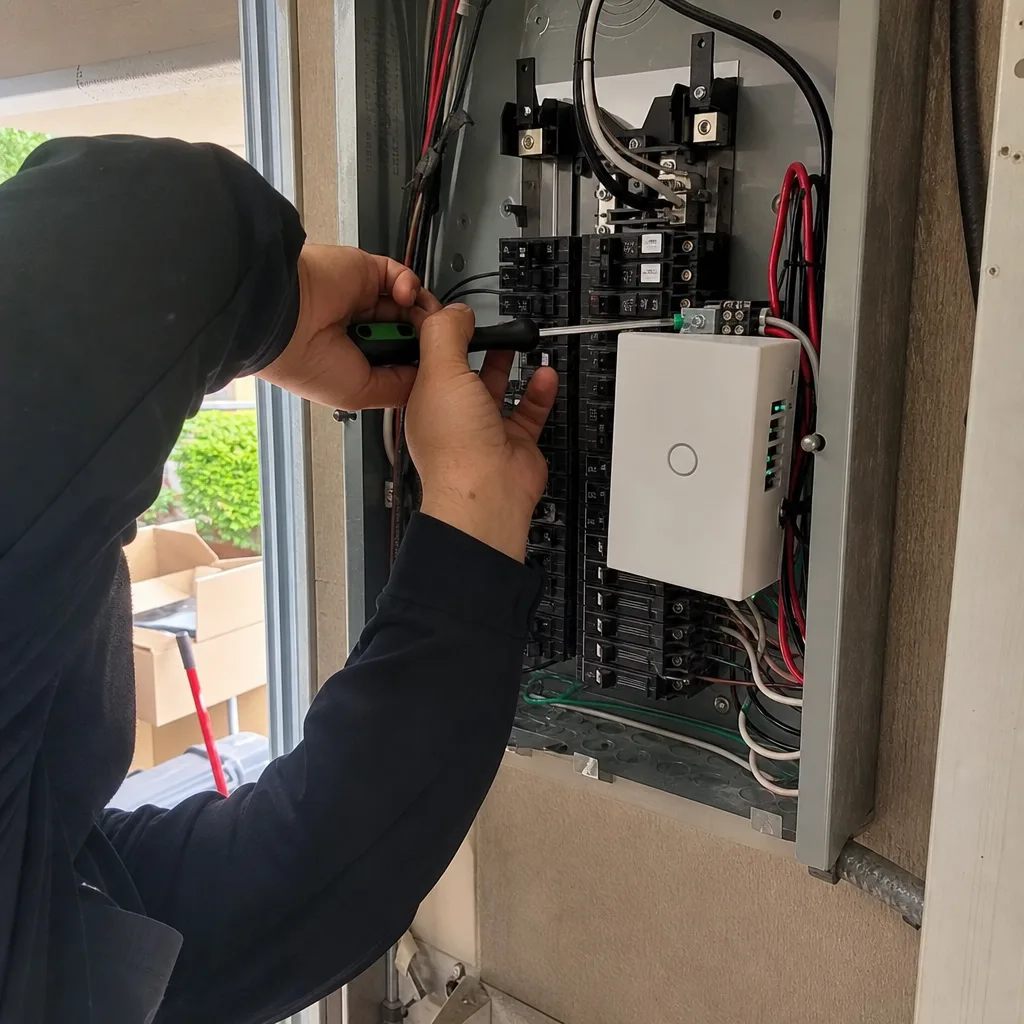
Running a dedicated 240-volt circuit to a detached garage in San Diego is different from running one through an attached garage in, say, Lemon Grove. Detached garages need a subpanel or at minimum a properly sized feeder, buried conduit, and GFCI protection that meets current NEC. We’ve rewired garages in City Heights (92105) where the only existing outlet was a single 15-amp circuit feeding everything from a freezer to a workbench. We pull permits, schedule inspections, and make sure the work passes the first time. No homeowner should have to call the city inspector and explain why their “handyman special” didn’t get permitted.
What happens when you call
- 1
A real person answersNo phone trees - you reach a local pro.
- 2
You get an upfront price rangeHonest numbers before anyone is dispatched.
- 3
A background-checked tech heads outLicensed & insured, dispatched right away.
- 4
You approve before work beginsNothing starts until you say go.
Trusted Brands We Service in San Diego
We install and service chargers and related equipment from Tesla, Enphase, SolarEdge, SunPower, Panasonic, Qcells, REC, Canadian Solar, JinkoSolar, and FranklinWH. For battery-backed charging setups that make sense under SDG&E’s rate structure, we commonly pair FranklinWH batteries with Enphase or SolarEdge inverters. We keep common breakers, disconnects, and connector hardware stocked locally, which means we’re not waiting on a distributor in Riverside when your charger needs a second visit. If you already have a charger in a box, we’ll install it. If you don’t, we’ll recommend the unit that fits your panel, your driving habits, and your solar setup.
Common EV Charger Installation Problems We See in San Diego Homes
- Undersized electrical panels tripping breakers from EV charger load. Homes built before 1960 in San Diego’s coastal and mid-city neighborhoods often have 100-amp service. Adding a 48-amp continuous charger load to that panel causes nuisance tripping and, in worst cases, overheating at the bus bar. We check the panel’s actual rating and condition before quoting any charger work.
- Salt-air corrosion of garage door opener chains and hinges causing mechanical failure. Within a mile of the water in Ocean Beach, Point Loma, and Pacific Beach, standard zinc-plated chains and uncoated springs rust fast. We see opener chains snap every three to five years in these zones. When we’re in those garages, we recommend marine-rated stainless hardware and coated components.
- Improper garage wiring with undersized conductors leading to overheating and charger faults. We regularly find 14-gauge wire where 6-gauge is required, often from a previous DIY attempt or an unlicensed “electrician” who charged less and delivered less. Undersized conductors overheat under continuous EV load, which is a genuine fire risk. We fix the wiring, not just the symptom.
- Old two-wire electrical systems without a ground that can’t support a modern charger. Some 1920s and 1930s bungalows in North Park and Kensington still have ungrounded circuits. A Level 2 charger requires a proper equipment ground. In these homes, we install a new grounded circuit, which is straightforward but absolutely necessary for safe operation.
Pricing for EV Charger Installation in San Diego, CA
A straightforward Level 2 charger installation in San Diego, where the panel has capacity and the garage already has accessible wiring, typically runs $800-$1,400. A Tesla Wall Connector install on a 60-amp circuit runs $1,000-$1,800. If a panel upgrade is required, which is common in the older beach neighborhoods, add $2,500-$4,500. Solar-paired EV charging, where we tie the charger into your existing array with load management or a dedicated inverter, adds $1,500-$3,000 on top of the charger itself. Long conduit runs from a detached garage add $500-$1,000 depending on trenching and distance. We give free estimates, and the price we quote is the price you pay. Bring me a bill, I’ll bring you the math. Call (877) 550-6892 and we’ll walk your San Diego home together.
We Also Serve Cities Near San Diego
Our crews cover San Diego and the surrounding communities daily. That includes Lemon Grove, La Mesa, Coronado, and National City. If your charger needs service in any of these areas, the same crew, the same phone number, and the same 90-Day Done Right Promise apply. We’re local to this county, not passing through.
Serving San Diego, CA - Our Local Coverage Area
We’re based in the San Diego area and know this community well. Use the map below to see our service coverage - if you’re nearby, we can almost certainly help.
FAQs - EV Charger Installation in San Diego
Yes, in most San Diego homes built before 1960, a 100-amp panel cannot safely support a 48-amp continuous charger load alongside your existing appliances. We evaluate your panel’s actual rating, bus bar condition, and current load before quoting. If an upgrade is needed, we tell you upfront and include it as a line item, not a surprise add-on. Call (877) 550-6892 for a free panel assessment.
Under NEM 3.0, SDG&E credits exported solar power at roughly 5-8 cents per kWh while charging you 45-50+ cents per kWh at upper tiers. That means every kilowatt you push into your car instead of the grid is worth roughly seven to ten times what you’d get for exporting it. We configure solar-paired EV charging so your charger pulls from your panels and battery during midday production hours, maximizing self-consumption. That’s the whole game now. For San Diego solar owners, charging your car from your own roof is the single best financial move you can make with the system you already own.
Yes. Within a mile of the waterfront in Ocean Beach, Point Loma, and Pacific Beach, salt air corrodes exposed metal fasteners, conduit, and garage door hardware far faster than inland San Diego. We use NEMA 4-rated enclosures, stainless fasteners, and corrosion-resistant conduit in marine-adjacent installs. We also check your garage door opener chain and hinges while we’re there, because those fail early in coastal zones. It’s the same reason we specify anodized or stainless racking on coastal solar arrays.
If you already have solar, the payback on a charging setup that directs excess production to your car is effectively immediate. SDG&E’s upper-tier rates exceed 45 cents per kWh, while self-consumed solar costs you roughly the amortized system cost, often under 10 cents per kWh. Every 10,000 miles driven on self-generated power instead of grid power saves roughly $1,200-$1,600 at San Diego utility rates. If you don’t have solar yet, pairing a system with an EV charger shortens the overall payback because you’re offsetting both household and transportation electricity with one array. Call (877) 550-6892 and bring your last SDG&E bill. We’ll do the math together.
Salt air. Homes within a mile of the coast in San Diego experience accelerated corrosion on any exposed steel: opener chains, springs, hinges, rollers, and track fasteners. We regularly see chains snap within three to five years in Ocean Beach and Point Loma when the same hardware lasts fifteen years in El Cajon. When we’re installing your charger in a coastal garage, we check the opener hardware and recommend stainless or coated components where corrosion is already visible. It’s part of doing the job right in San Diego’s marine environment.
If you’re still reading and still unsure, call us. Ask for Gus. Bring your SDG&E bill, tell us what you drive, and we’ll tell you what your house needs and what it costs. Take two weeks. Think about it. The price will be the same. If a salesman needs an answer tonight, the answer is no.
Written by Gus Petrakis, Owner at Gus’s Solar, serving San Diego since 2011.