
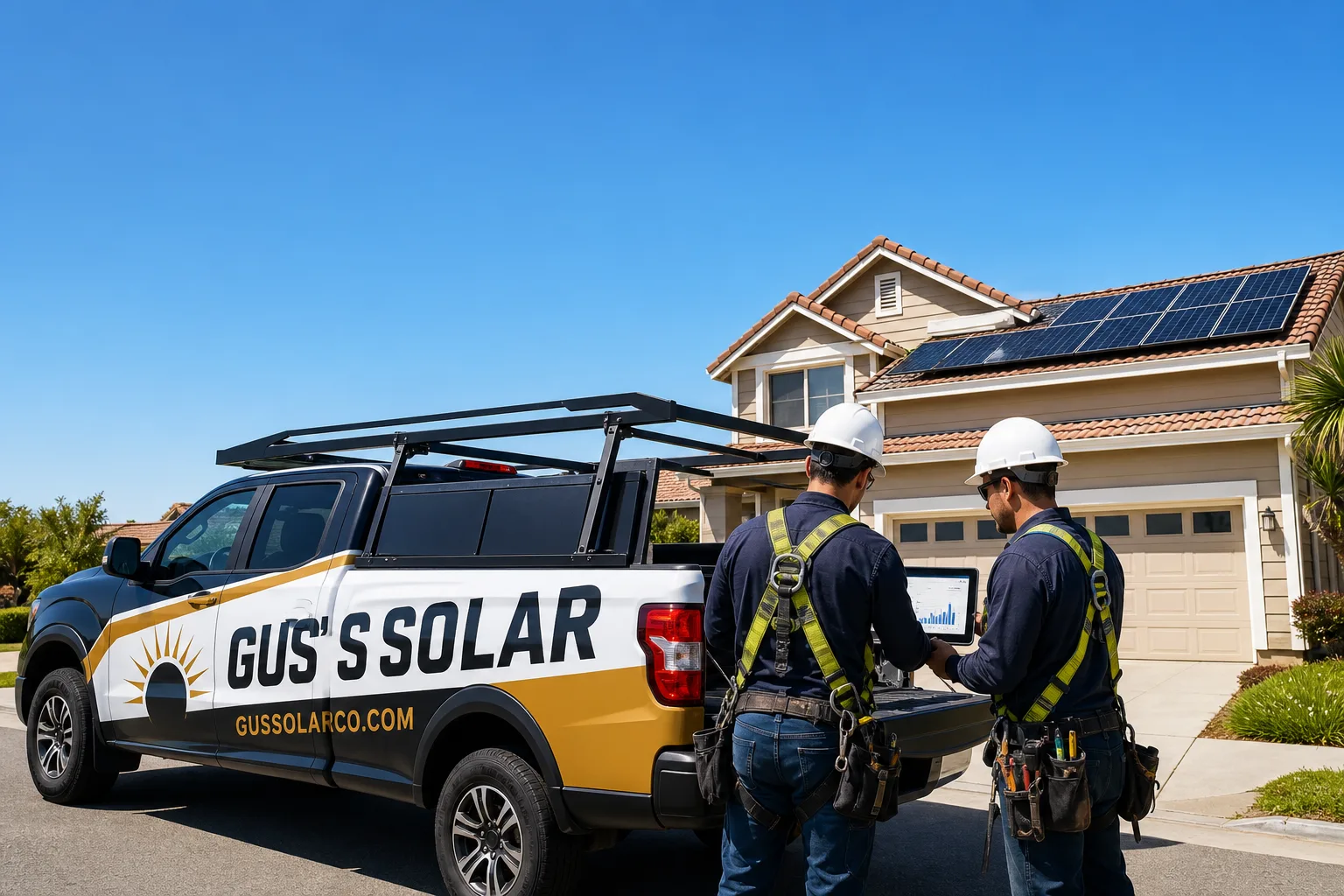
Free bill analysis - bring a power bill, get the production math for your actual roof, panel brands like Qcells and REC compared side by side
If the pitch starts at your door and ends with "sign tonight for the special," sleep on it. The sun will still be there tomorrow; so will we.
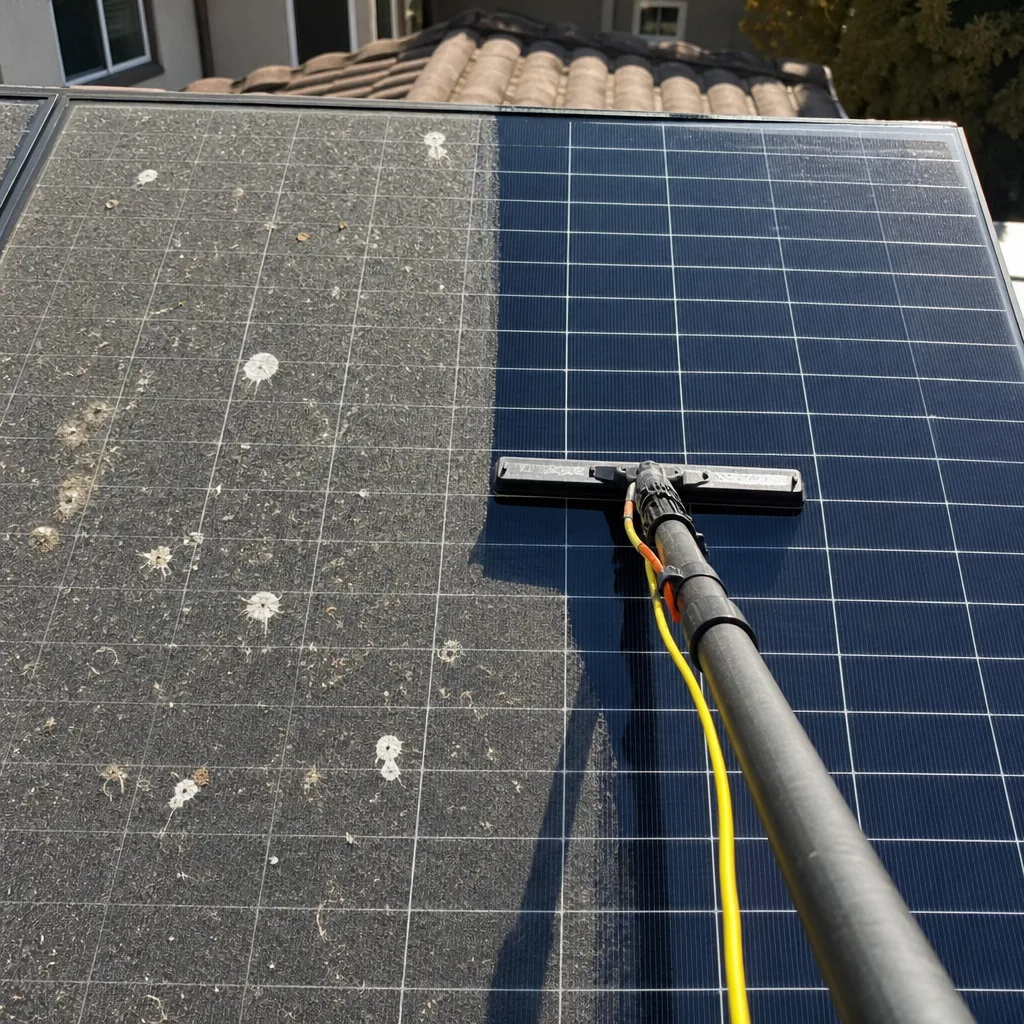
 Before
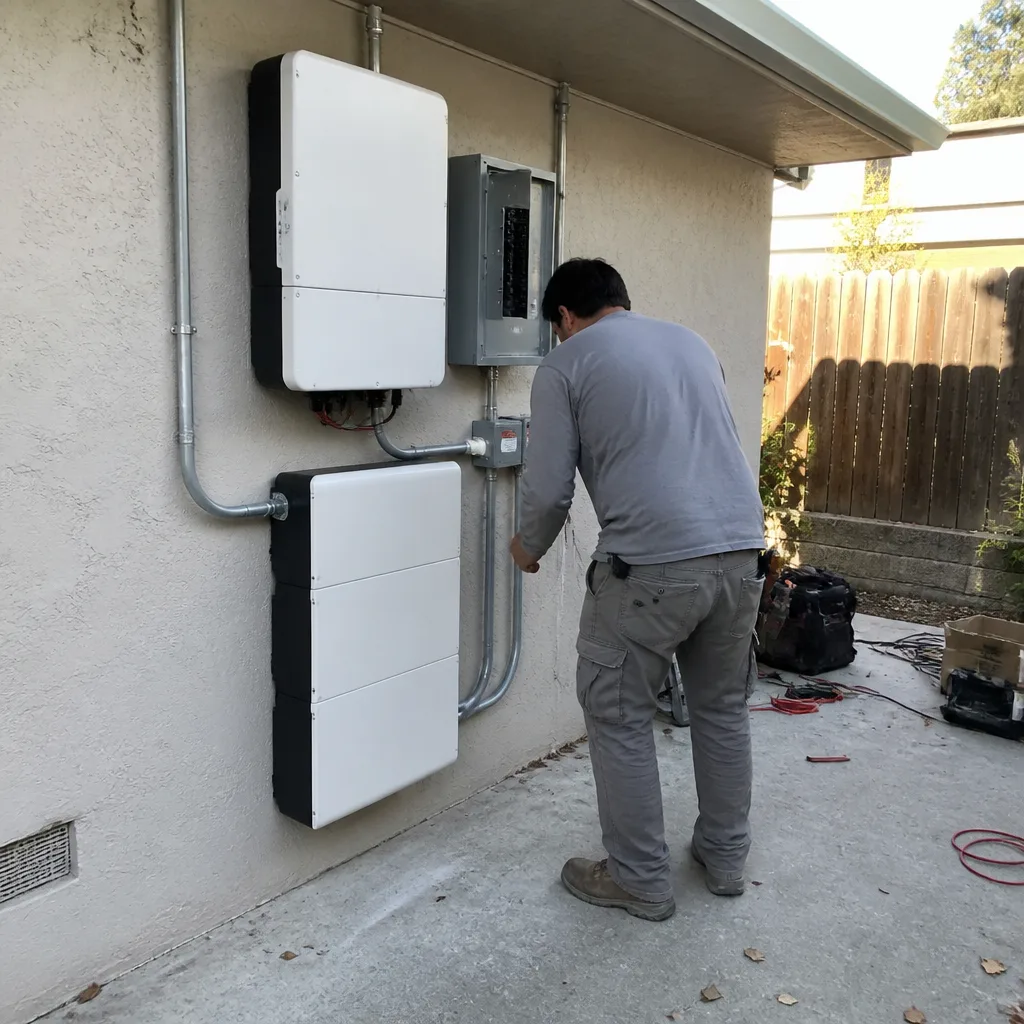 After
After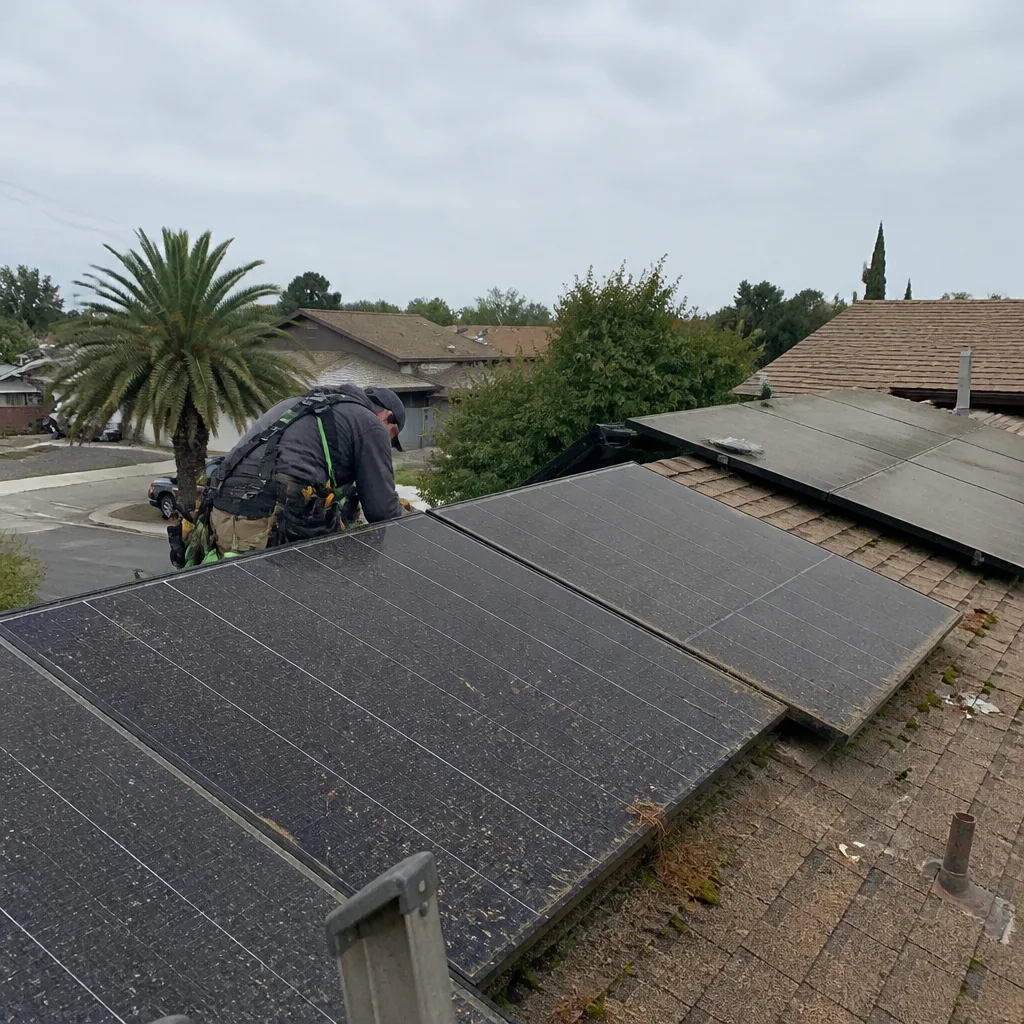 Before
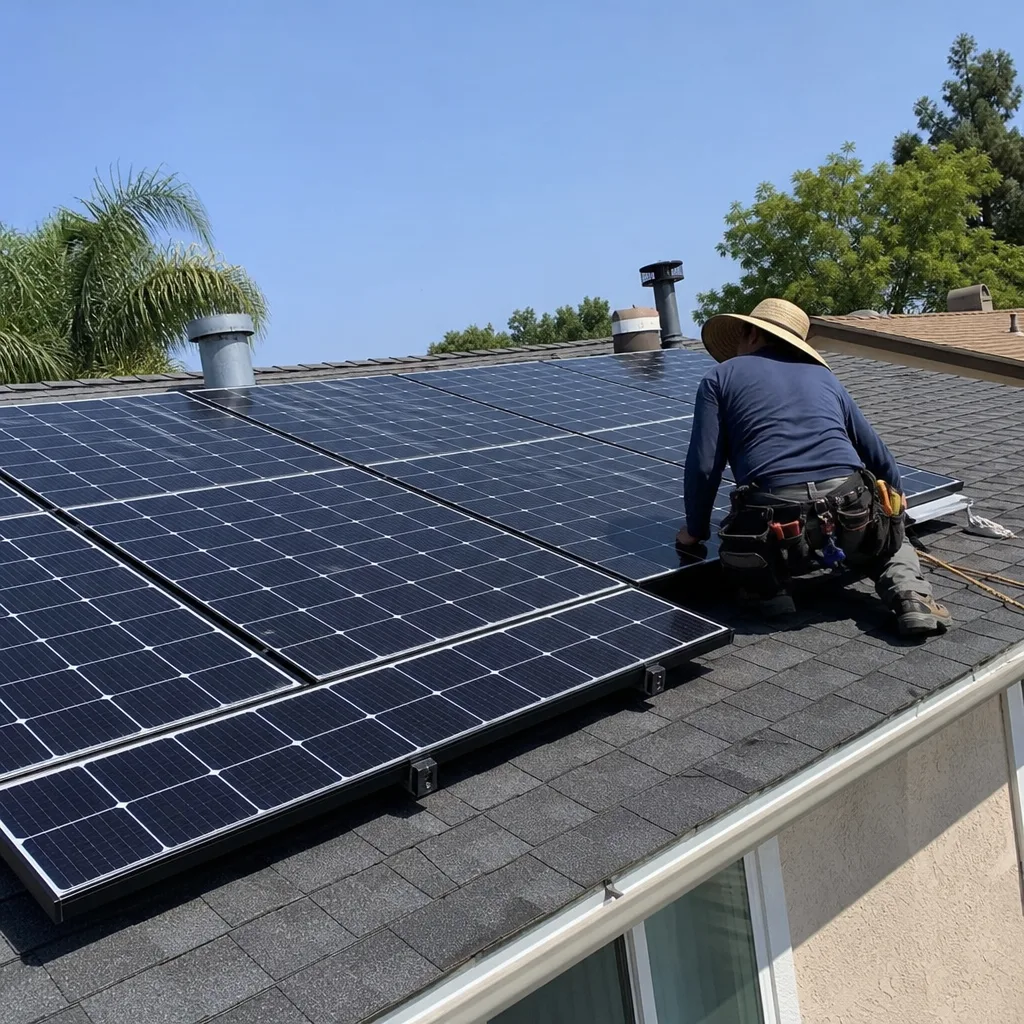 After
After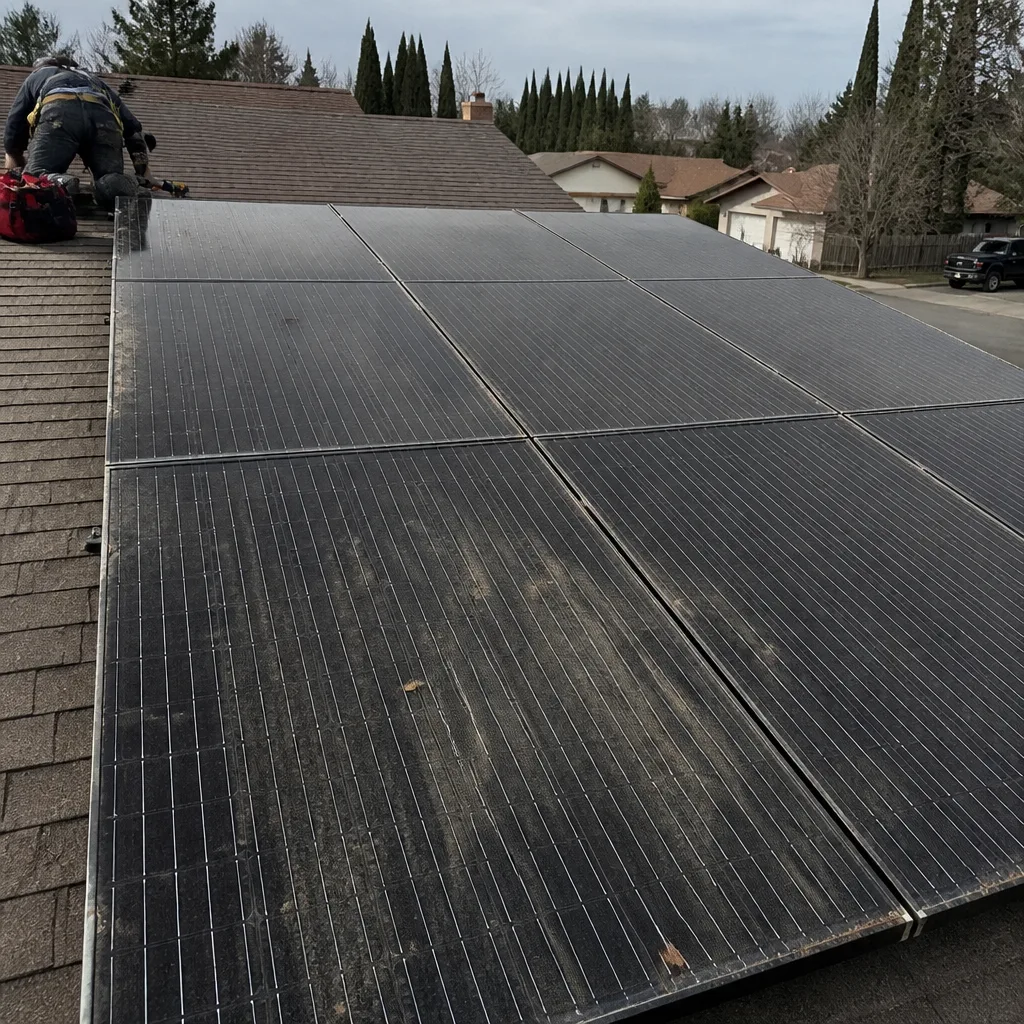 Before
 After
AfterFast, Reliable EV Charger Installation Across Ontario
EV charger installation in Ontario, CA typically runs $800 to $2,400 for a standard Level 2 setup, and most jobs are done in a single day once the permit clears. We know this market because we work it every week – from Ontario Ranch’s brand-new 91761 homes to the 1970s tract houses in central Ontario where the electrical panel is the real bottleneck. If you’re in Ontario and want a quote based on your actual panel and garage layout, call Gus’s Solar at (877) 550-6892. We’ll come out, look at your setup, and give you a number that doesn’t change when the crew shows up.
Why Gus’s Solar Is Ontario’s Preferred EV Charger Installation Company
Gus Petrakis started this business in 2011 with a simple rule: put your name on the work and answer your own phone. That’s why Ontario homeowners call us when their builder-installed electrical panel hits its breaker limit or they need a Tesla Wall Connector wired into a garage that wasn’t designed for one. We’re not a national outfit running ads from three states over. Gus’s crew drives to Ontario, walks your property, and does the work themselves – no subcontracted labor, no call center, no ticket queue.
A live person answers our phone 24/7. That matters when you’re standing in your Ontario garage at 9:00 PM wondering if the charger you just plugged in is safe. It also matters when your HOA in Ontario Ranch sends a design-review notice and you need someone who knows the CC&R approval steps to call you back before the permit deadline. Our EV Charger Installation team has done this in Ontario neighborhoods from the I-10 corridor to the new builds south of the 15, and we quote every job off your actual panel and conduit situation – not a brochure estimate.
Our EV Charger Installation Services in Ontario
Level 2 Charger Installation
Most Ontario homeowners don’t realize their builder left them with a standard 110V outlet in the garage. That trickle-charges a Tesla at maybe 4 miles of range per hour. A Level 2 charger on a 240V circuit adds 25 to 40 miles per hour instead. In Ontario’s newer Ontario Ranch homes, we regularly see 200-amp panels with no free breaker slots, which means the Level 2 install needs a load-managed charger or a small subpanel. We handle that on the same visit.
Tesla Wall Connector Installation
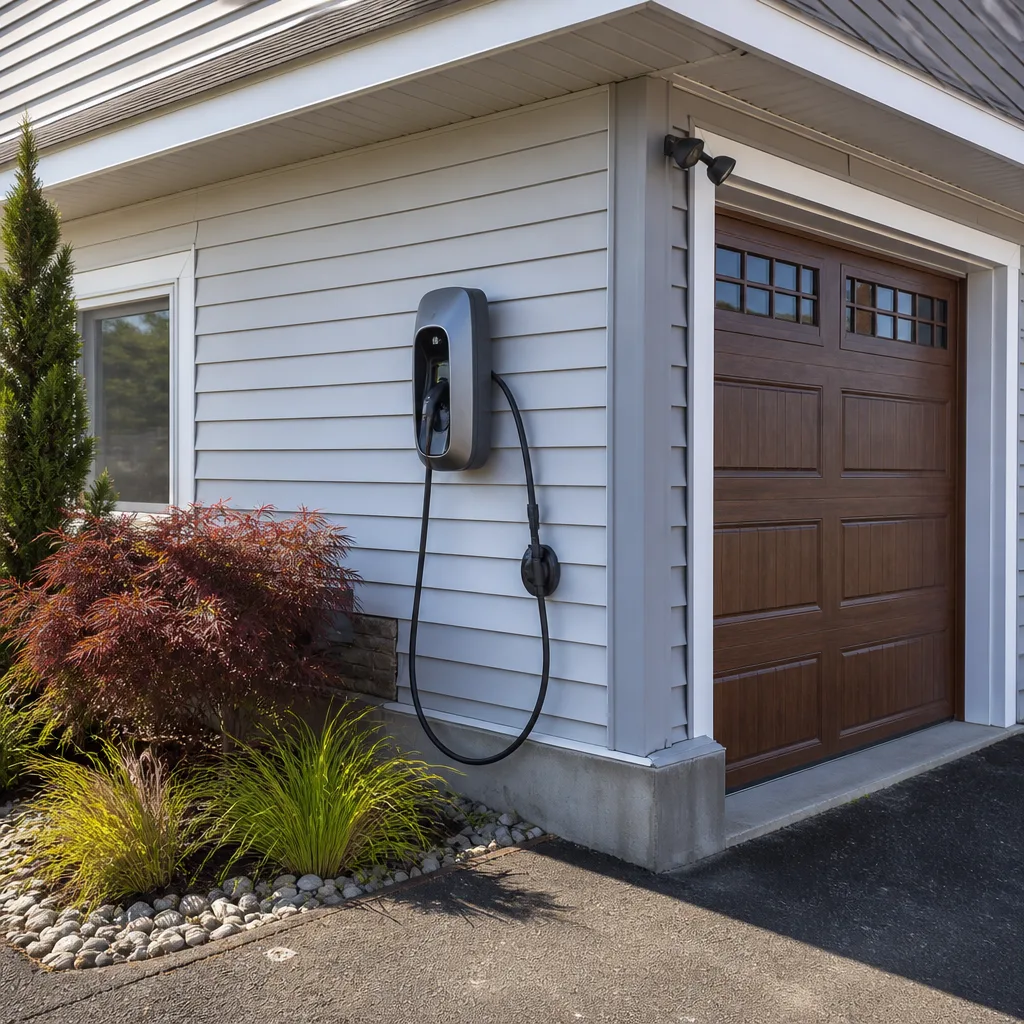
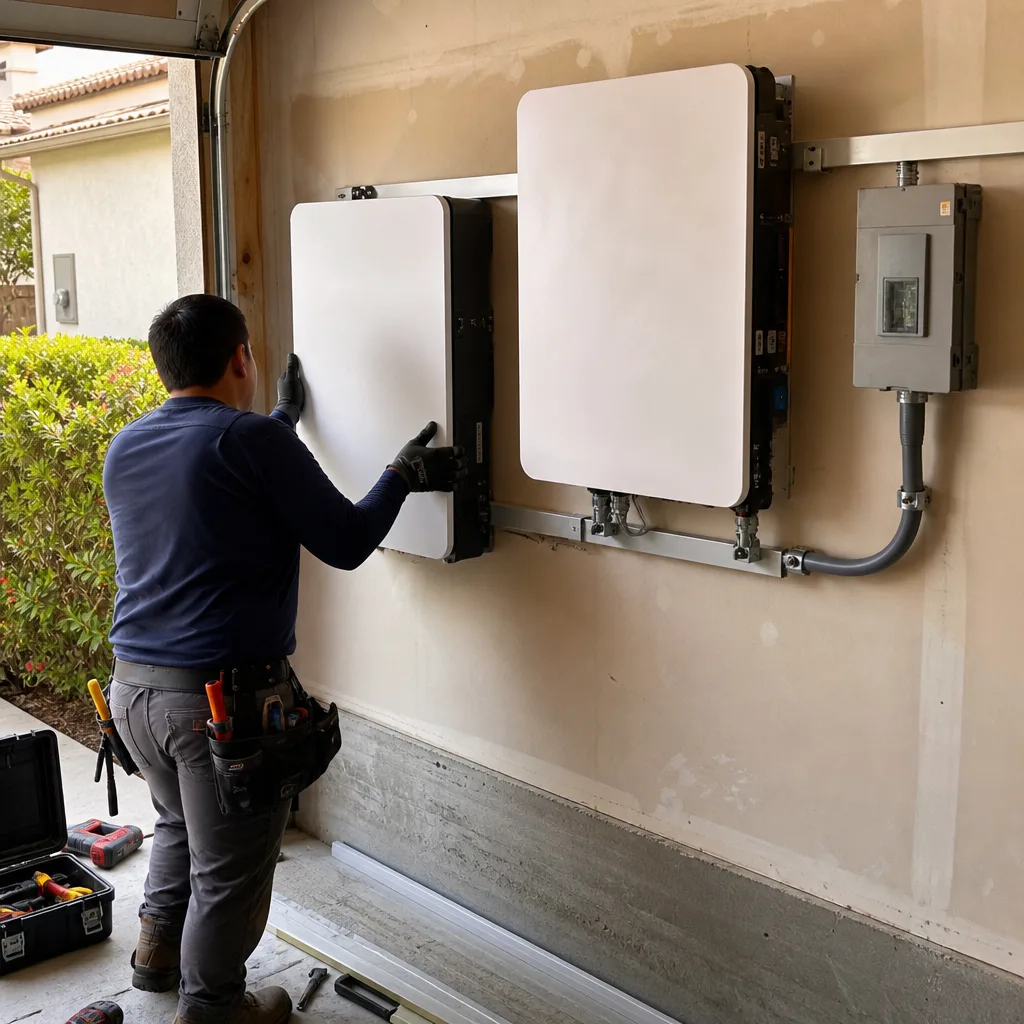
The Tesla Wall Connector is the most common charger we install in Ontario, and for good reason – it works, it’s weather-rated, and it charges a Model 3 or Model Y from empty to full overnight. The catch in many Ontario Ranch homes is conduit routing. If your garage is finished and the panel is on the far wall, we run surface conduit along the wall and pre-approve the routing with your HOA before the city inspector shows up. That step saves you from a failed inspection and a week of back-and-forth.
Panel Upgrade for EV Charging
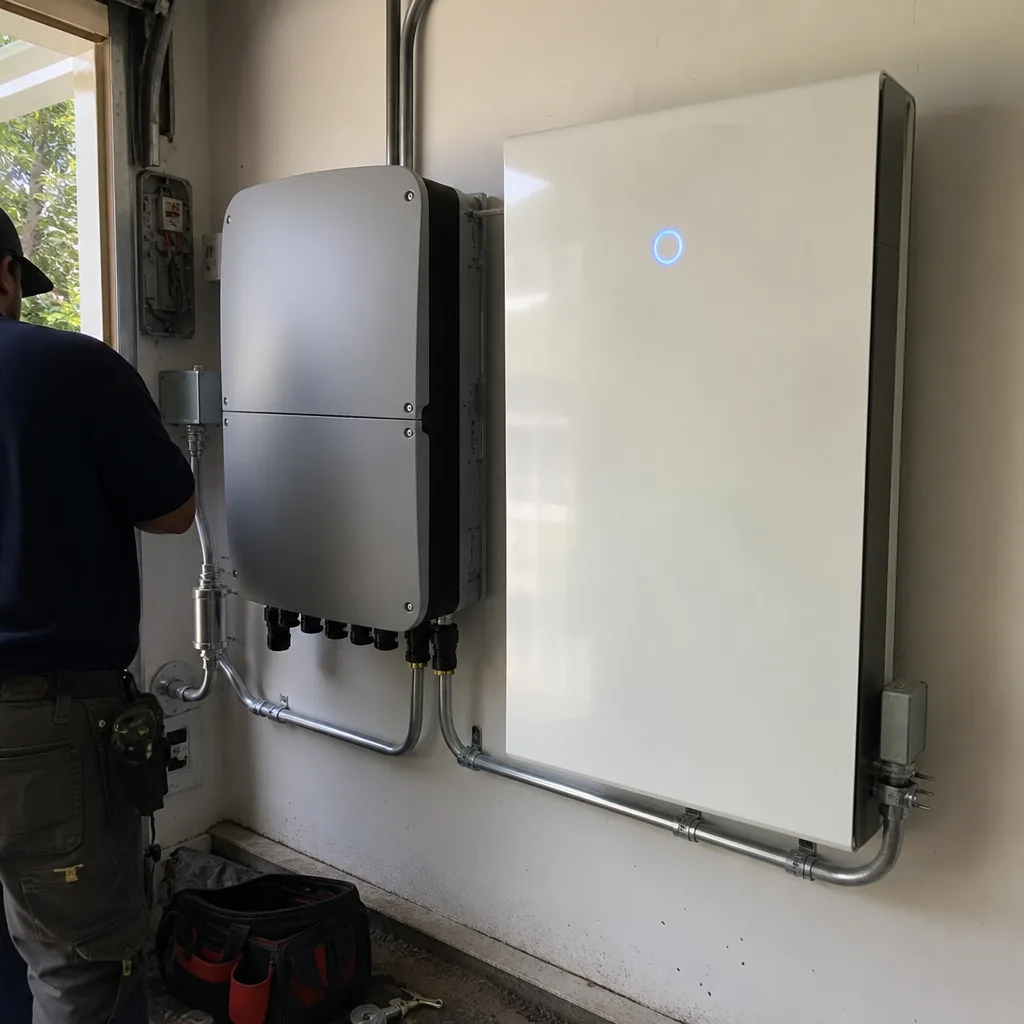
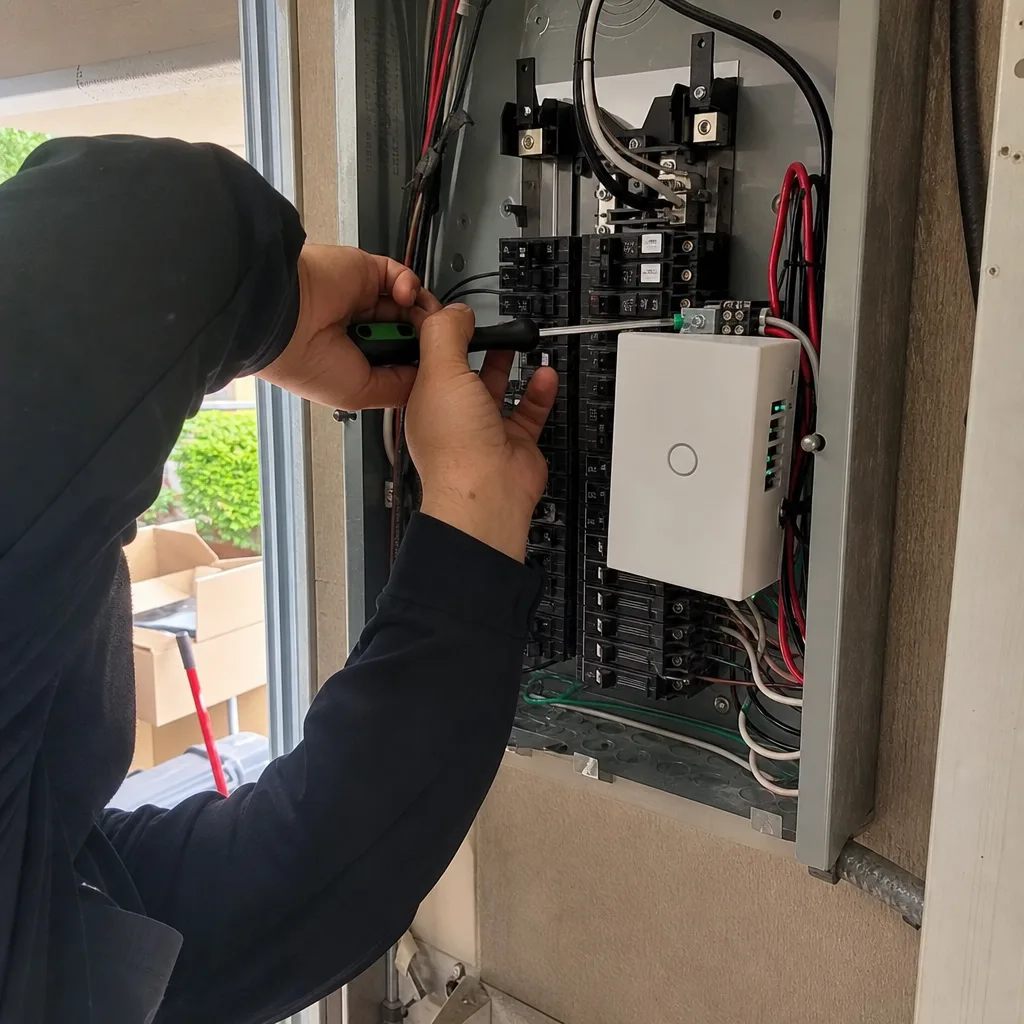
If you live in the 91764 or 91762 ZIP codes in central and north Ontario, your house probably still has the original 100-amp panel from the 1970s, 80s, or 90s. A Level 2 charger draws 40 to 48 amps, and that math doesn’t work on a 100-amp service with an AC unit already pulling 30. We do full panel upgrades to 200 amps, including the city permit and utility coordination. We also know when a 200-amp service is already maxed out and a dedicated EV subpanel is the smarter, cheaper fix.
Garage & Driveway Charger Wiring
Ontario’s housing stock splits two ways on this. Central and north Ontario garages are older, often detached or semi-detached, with undersized branch circuits run decades ago. Ontario Ranch garages are newer but frequently have tandem breakers filling every slot, so even a “simple” charger outlet needs a load calc. For driveway charging, we install pedestal-mounted chargers or wall units on exterior walls, and we always tell Ontario Ranch homeowners to check their HOA design-review rules before we mount anything visible from the street.
What happens when you call
- 1
A real person answersNo phone trees - you reach a local pro.
- 2
You get an upfront price rangeHonest numbers before anyone is dispatched.
- 3
A background-checked tech heads outLicensed & insured, dispatched right away.
- 4
You approve before work beginsNothing starts until you say go.
Trusted Brands We Service in Ontario
We work with the equipment Ontario homeowners actually buy: Tesla, Enphase, SolarEdge, SunPower, Panasonic, Qcells, and FranklinWH. If you already have a charger in hand, we’ll install it. If you’re still deciding, we’ll talk through what works with your panel and your driving habits, then order it for you. We keep common breaker sizes, conduit, and disconnects on our trucks, so we aren’t running to a supply house across Ontario mid-job. And if your charger ties into a solar system – which it should, given Ontario’s sun – we can size the whole thing correctly instead of bolting on an afterthought.
Common EV Charger Installation Problems We See in Ontario Homes
- Maxed-out builder panels in Ontario Ranch. New construction seems like it should be EV-ready, but builders install the minimum panel they can get away with. We regularly find 200-amp panels in 91761 homes with zero free breaker spots. The fix is a subpanel or a load-managed charger, and it has to happen before the city signs off.
- Skipped HOA design review in 91761. Ontario Ranch HOAs require approval for anything visible from the street or common area. A driveway charger pedestal that looks fine to the city inspector can still get a removal notice from the HOA board. We handle the CC&R paperwork and pre-approve conduit routing, which contractors who mostly work in unincorporated areas routinely miss.
- Undersized utility feeders on older Ontario streets. A 200-amp service upgrade on a 1970s tract home in 91764 does no good if the utility transformer feeding the street can’t deliver that amperage. Before we quote an upgrade, we check what’s actually coming off the pole. Otherwise you pay for a panel that never charges at full speed.
- Heat derating inside Ontario garages. Ontario summers routinely hit 105°F, and a garage bakes in that heat all afternoon. Cheap chargers have internal temperature sensors that throttle charging when the unit overheats. We spec chargers rated for high ambient temperatures and install them on the coolest garage wall, away from direct sun on the door.
Pricing for EV Charger Installation in Ontario, CA
A standard Level 2 charger installation in Ontario runs $800 to $1,600 when your panel has capacity and the charger mounts near it. A Tesla Wall Connector install lands in the $1,200 to $2,200 range, depending on conduit runs and whether we need a subpanel. Panel upgrades are the biggest variable: a 100-amp to 200-amp service upgrade in an older Ontario home typically runs $3,200 to $5,500, including permit and utility coordination. Driveway pedestal installs with HOA design review add $400 to $900 for the pedestal, conduit, and the extra approval step.
We don’t quote off a sheet. We look at your panel, your garage, your HOA rules, and your driving miles, then we give you one number. Take two weeks. Think about it. The price will be the same. Call (877) 550-6892 for a free estimate, and bring a recent utility bill if you’re thinking about pairing the charger with solar.
We Also Serve Cities Near Ontario
Gus’s Solar works throughout the Inland Empire, and our crews regularly serve Montclair, Upland, Chino, and Claremont. If you’re just outside Ontario proper, you’re still in our service area, and the same pricing and no-pressure policy applies. See our EV Charger Installation in Ontario page for local-specific details, or just call (877) 550-6892 and tell us your ZIP.
Serving Ontario, CA - Our Local Coverage Area
We’re based in the Ontario area and know this community well. Use the map below to see our service coverage - if you’re nearby, we can almost certainly help.
FAQs - EV Charger Installation in Ontario
Permits in Ontario Ranch take longer because the HOA design-review step runs before the city permit, not alongside it. In most Ontario neighborhoods, a charger permit from the city building department takes 2 to 4 weeks. In 91761, the HOA review typically adds 2 to 3 weeks on top of that, and some boards only meet monthly, which can stretch the total to 6 or 7 weeks. We know which Ontario Ranch HOA communities meet monthly versus weekly, and we submit our paperwork to the right people first. Call (877) 550-6892 if you’re mid-HOA-frustration and need help sorting out what’s actually required.
In most cases, no – if the charger is inside the garage and no new conduit runs outside the structure, the Ontario Ranch HOA review typically isn’t triggered. The trigger is anything visible from the street or common area: exterior conduit, a driveway pedestal, or a charger mounted on the garage’s exterior wall. We’ve had several Ontario Ranch homeowners call us after the city approved a driveway pedestal and the HOA then demanded removal, so if your install touches anything outside the garage, check the CC&R language first. If your HOA asks for a site plan or conduit diagram, we’ll prepare it for free as part of the estimate.
No, a 300-amp upgrade is not worth it for almost any Ontario home with existing 200-amp service. The real issue in newer Ontario Ranch homes isn’t service size – it’s breaker capacity and physical panel space. A 200-amp panel can usually support a Level 2 charger with a load-managed unit or a small subpanel, which runs $400 to $900 instead of the $5,000 to $8,000 a 300-amp service swap costs. The only time we recommend 300 amps is when you’re adding two chargers, a pool heater, and a whole-home battery backup at the same time. That’s rare. If a contractor is pushing a 300-amp upgrade on a 2018 Ontario Ranch home, ask them to show you a load calc. We’ll do one for free.
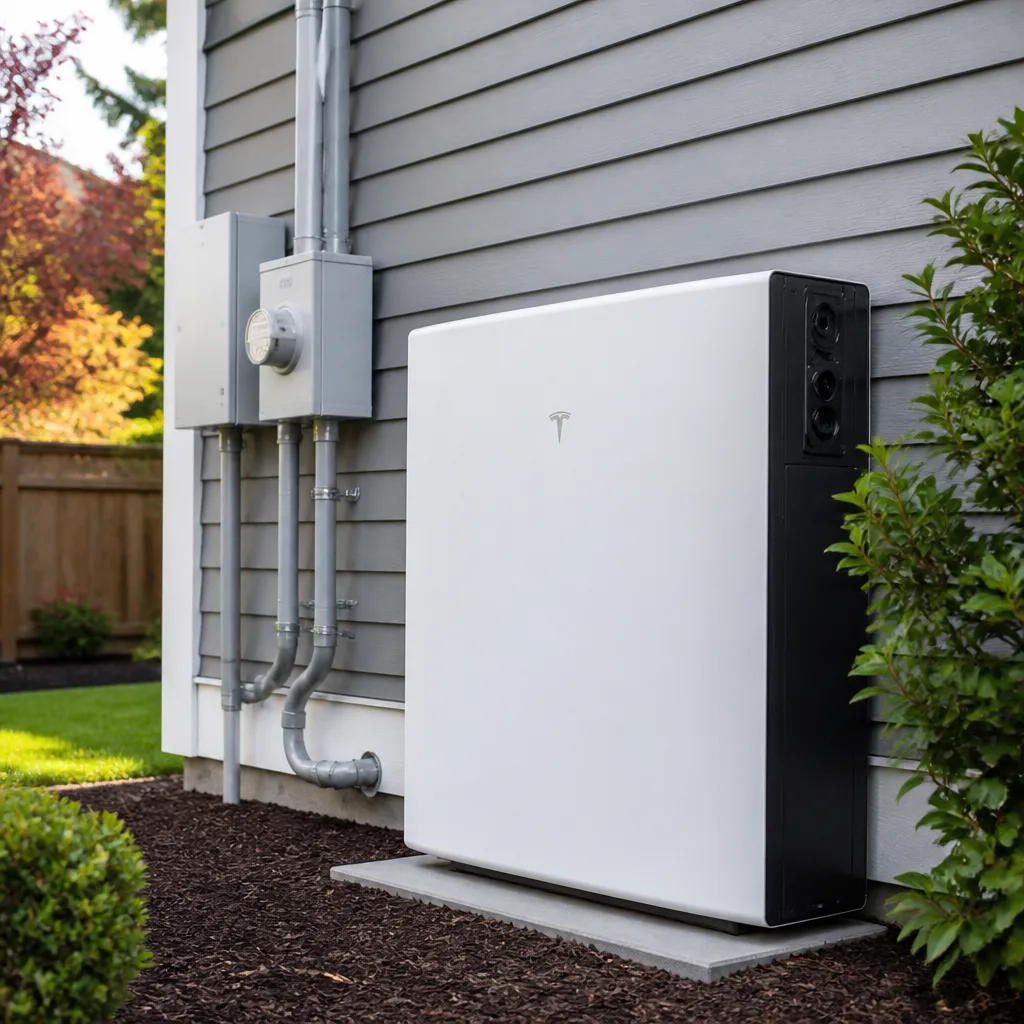
Solar-paired EV charging in Ontario affects your true-up by shifting when you pull power from the grid, not just how much. Ontario sits far enough inland that afternoon solar production is strong, but EV owners typically charge overnight when panels aren’t producing. If you charge on a standard NEM 2.0 or 3.0 plan, those overnight kilowatt-hours come from the grid at whatever your current export-to-import ratio is. The smarter play for Ontario homeowners is a load-shifting charger that runs during midday solar production, or a battery system like a FranklinWH or Tesla Powerwall that stores afternoon generation for nighttime charging. We’ll pull your actual Southern California Edison usage data and run the true-up math before we recommend one over the other. Bring us a bill, we’ll bring you the math.
Yes, a standard Level 2 charger can handle an Ontario summer, but only if it’s the right unit and it’s mounted in the right spot. Ontario garages regularly hit 110 to 120°F inside during July and August afternoons. Chargers from reputable brands like Tesla, Enphase, and Qcells have internal thermal sensors that throttle amperage when the unit itself overheats – but cheap off-brand chargers get stuck in a derated state and never recover until the temperature drops. We mount chargers on the coolest garage wall, away from direct sun exposure on the door, and we size the circuit for continuous 40-amp draw at high ambient temperature. If your charger sits on a west-facing garage wall that bakes all afternoon, that derating is costing you range every single summer day, and a simple relocation often fixes it for good.
Written by Gus Petrakis, Owner at Gus’s Solar, serving Ontario since 2011.