
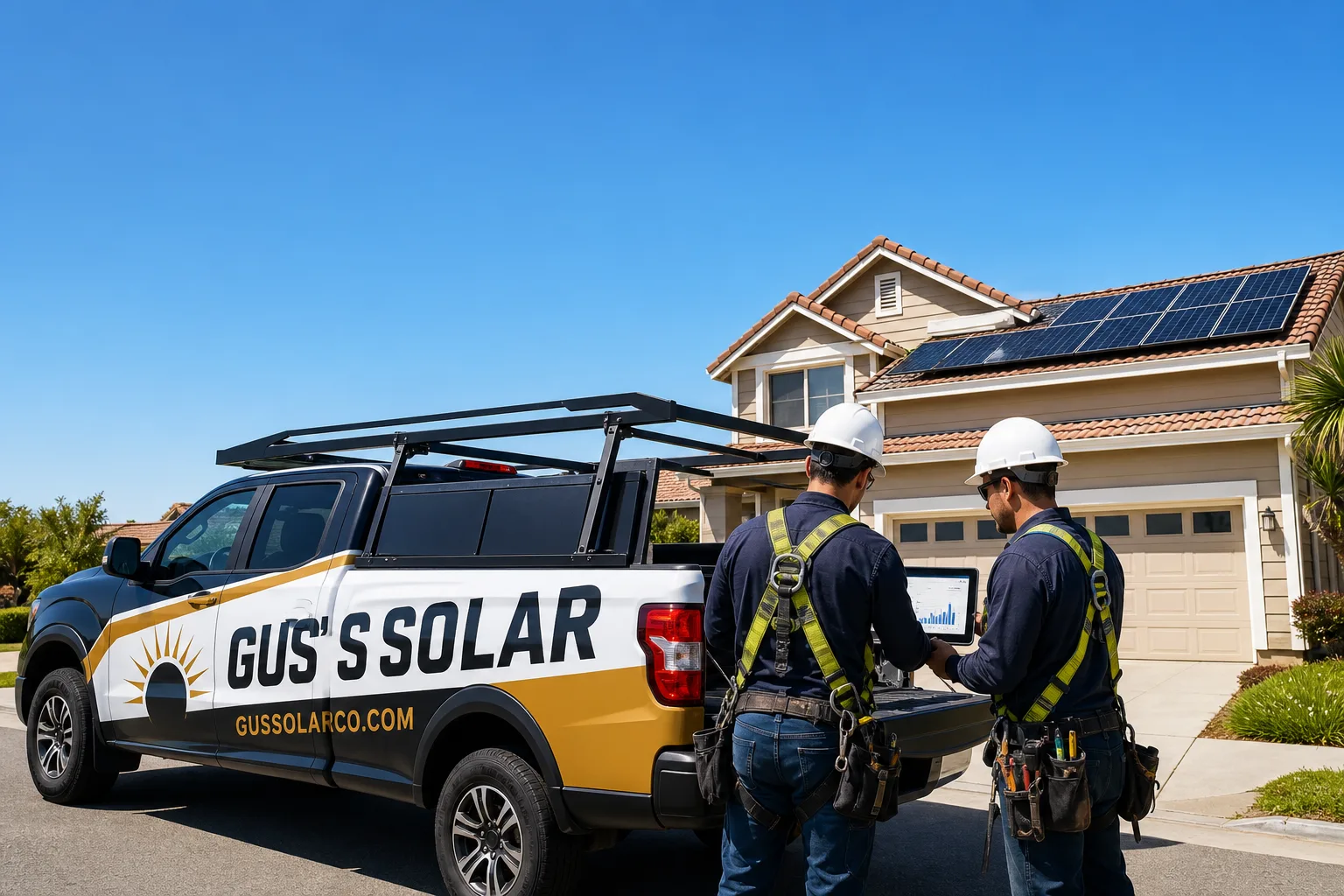
Free bill analysis - bring a power bill, get the production math for your actual roof, panel brands like Qcells and REC compared side by side
If the pitch starts at your door and ends with "sign tonight for the special," sleep on it. The sun will still be there tomorrow; so will we.
 Before
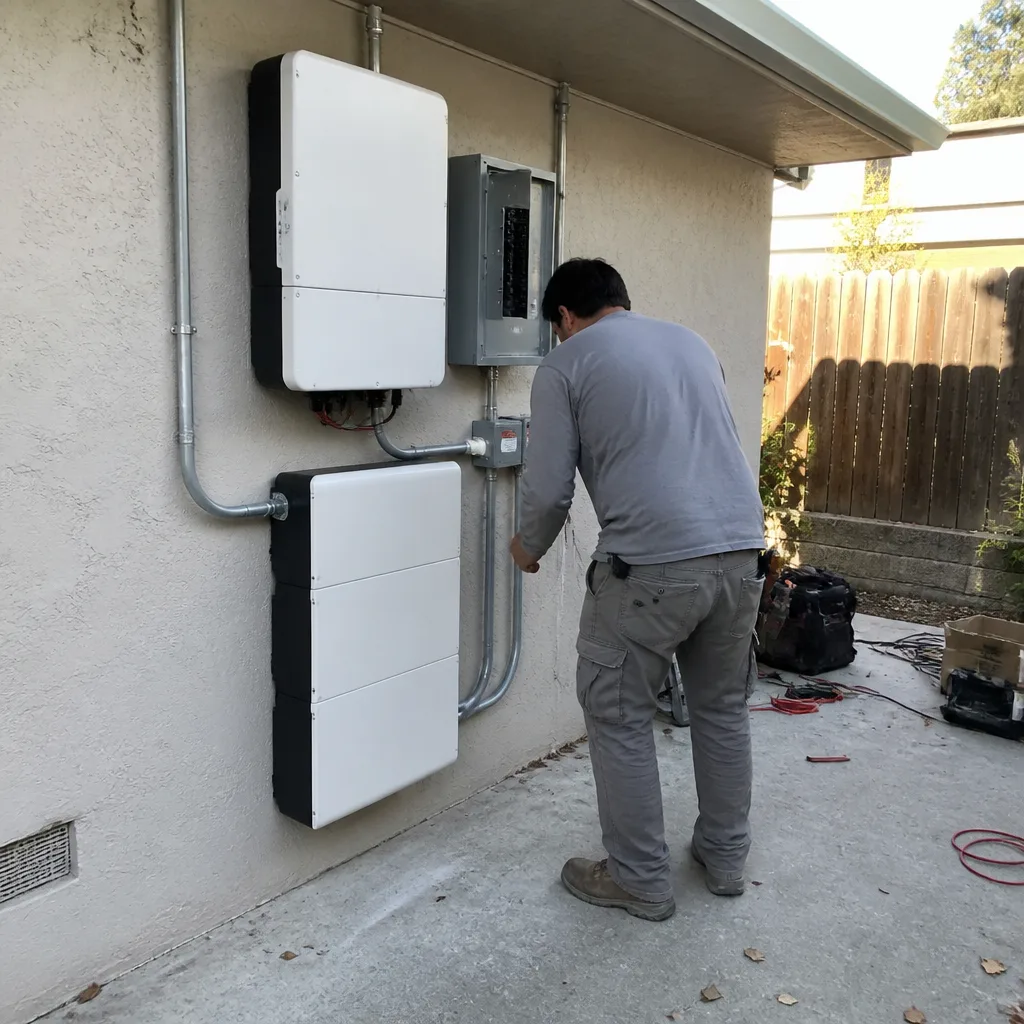 After
After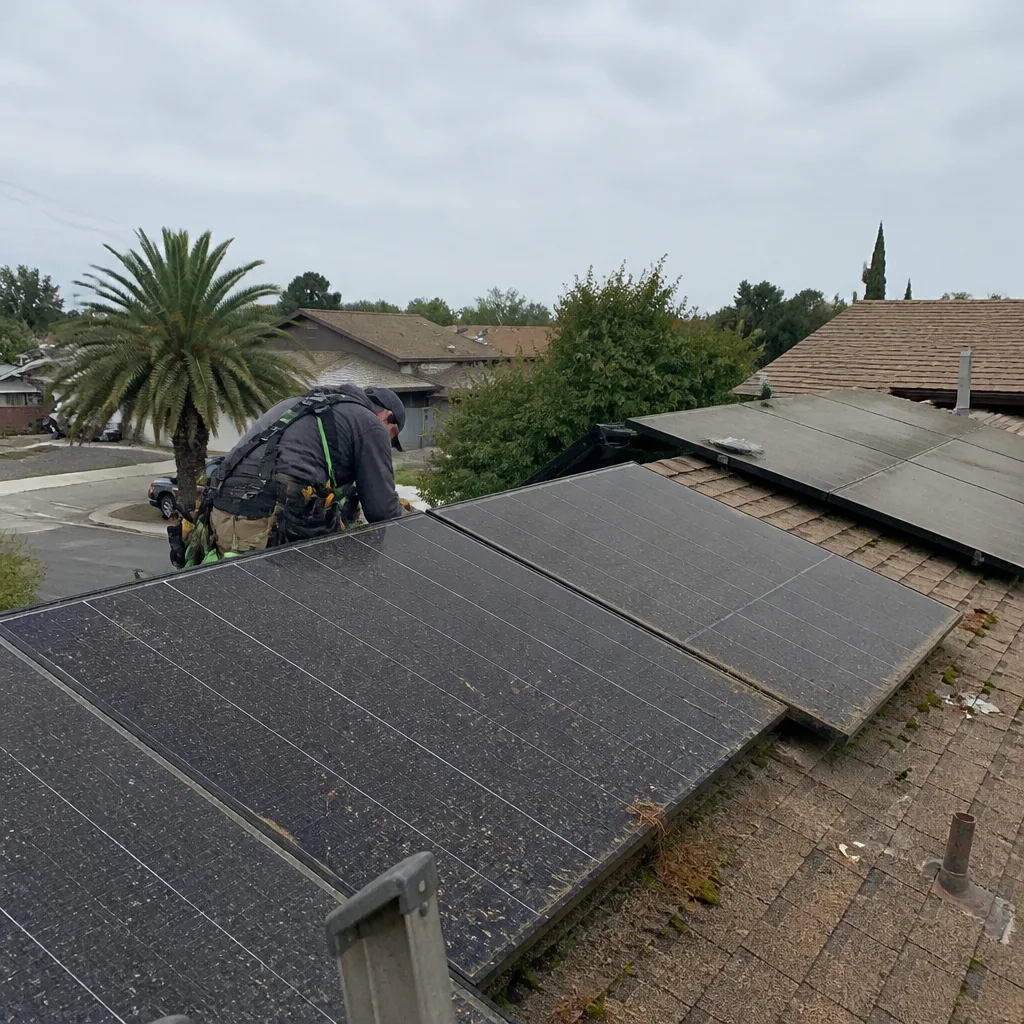 Before
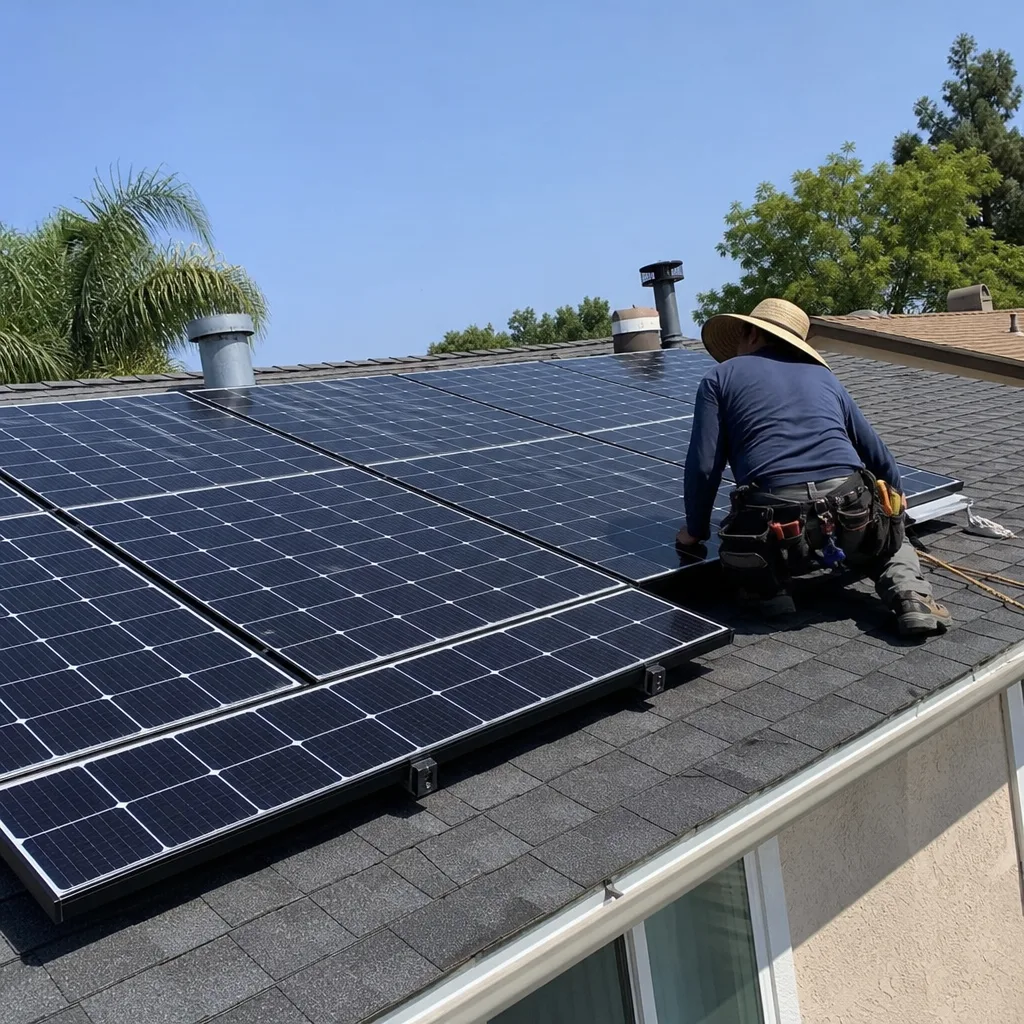 After
After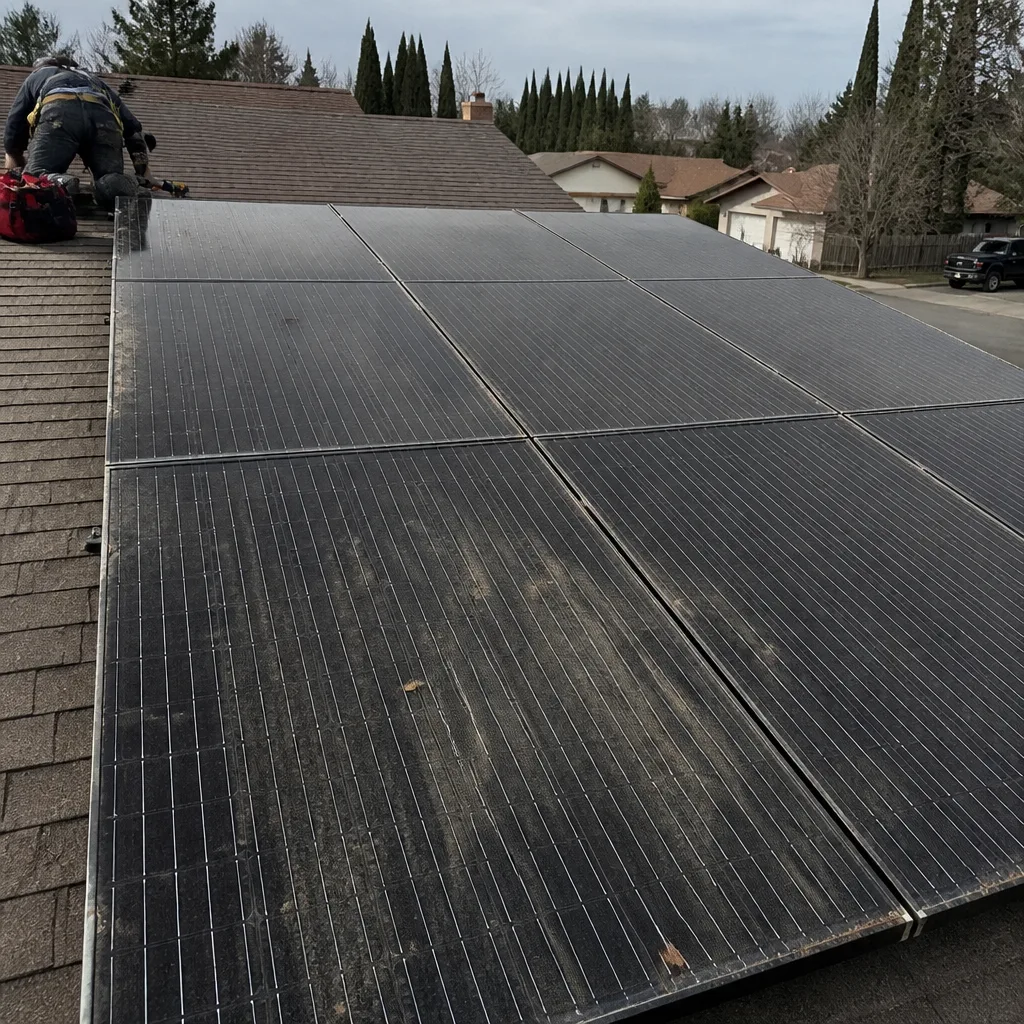 Before
 After
AfterFast, Reliable EV Charger Installation Across Enterprise
Most Enterprise homeowners reach out to us with the same first question: “Can you come out this week?” The answer is usually yes. We’ve installed chargers in Mountain’s Edge, along Dean Martin Drive, and throughout the 89139 ZIP. Enterprise is home turf for our crews, so a Level 2 charger install is typically a same-day job once the panel check is done. Call (877) 550-6892 and we’ll give you the straight answer on cost, timing, and whether your panel can handle the load without an upgrade.
Why Gus’s Solar Is Enterprise’s Preferred EV Charger Installation Company
Gus Petrakis started this company in 2011 and runs it like a local shop should be run. His name is on the truck. His phone rings in his pocket. And when something goes wrong, you call the same number you called the first time. Enterprise customers tell us that’s exactly what they wanted after dealing with national chains that quoted one number over the phone and something else at the door.
We don’t hand work off to subcontractors. The crew that shows up in Enterprise works for Gus. They’re background-checked, uniformed, and have done enough 89139 installs to know the HOA drill before they ever unroll conduit. You’ll see the same faces next time you need us.
Calls are answered by a live person, 24/7. Not a voicemail tree. Not a call center. When you’re standing in your garage at 9pm trying to figure out why a breaker tripped, someone picks up and talks you through it.
Our EV Charger Installation Services in Enterprise
We do the full range of residential and small-commercial EV charger work. Here’s what Enterprise homeowners ask for most, and what each one looks like when we’re done.
Level 2 Charger Installation
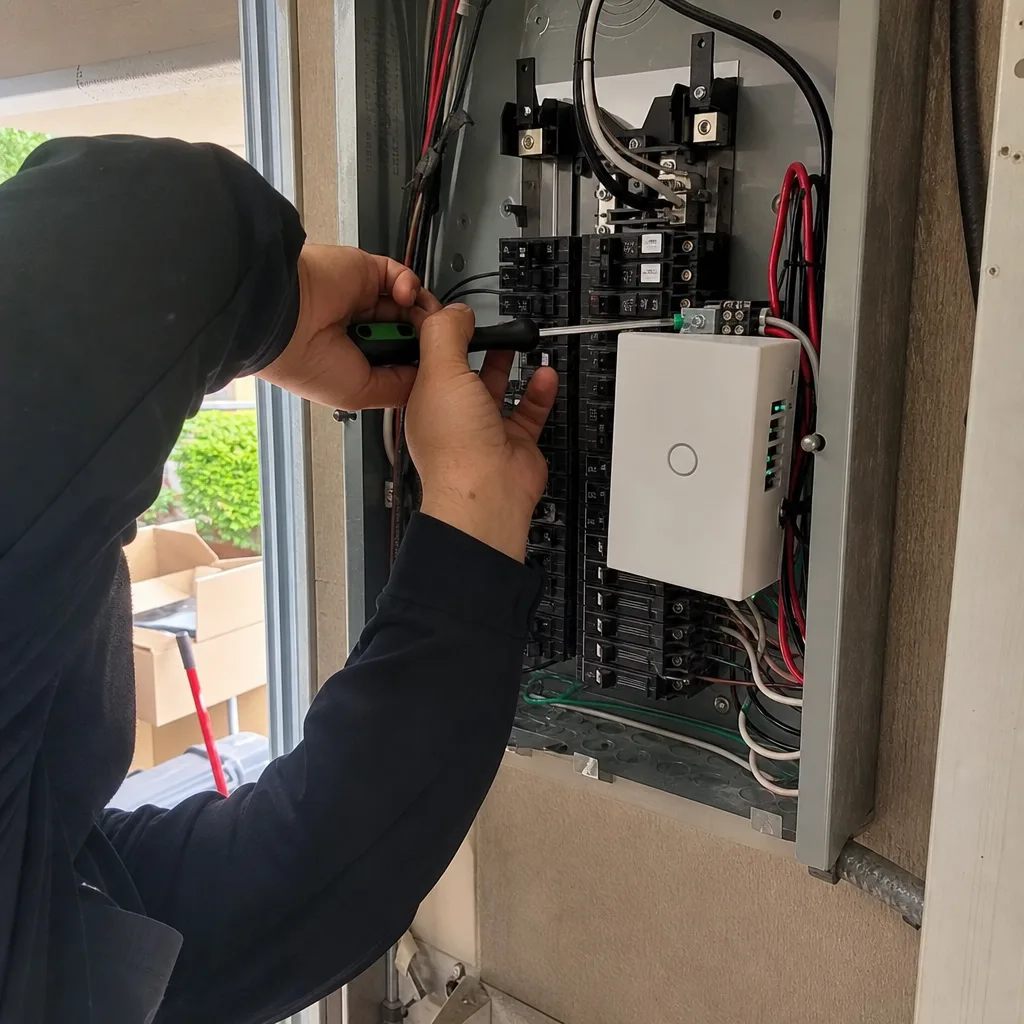
A Level 2 charger on a 240-volt circuit is what makes daily EV driving actually work. Most Enterprise homes get a 48-amp charger on a 60-amp breaker, which adds roughly 40 miles of range per hour. In a two-story tract home off Cactus Avenue or Blue Diamond Road, that usually means a short run from the main service panel to the garage wall. We’ll confirm your panel has the headroom first. A Level 2 install in Enterprise typically runs $850-$1,500 including the charger, breaker, conduit, and labor.
Tesla Wall Connector Installation
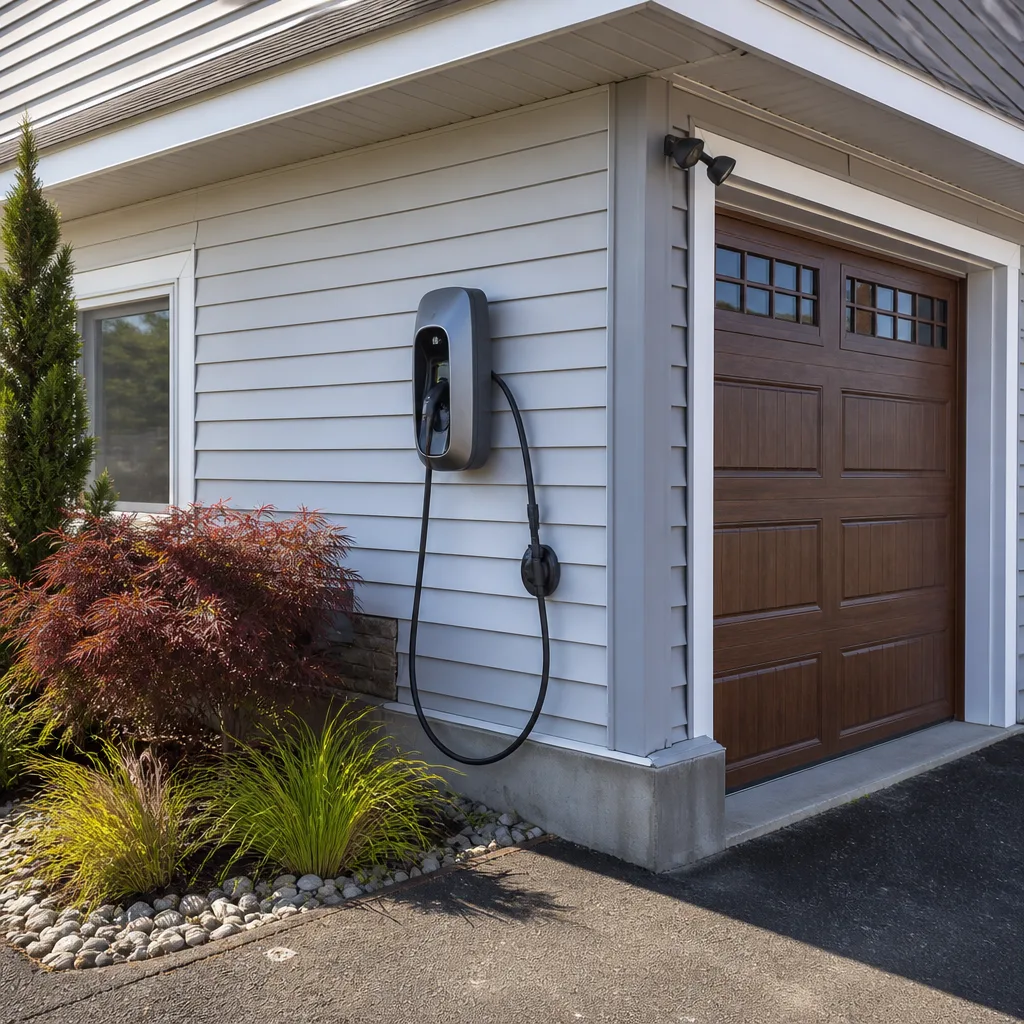
The Tesla Wall Connector is the most common charger we spec in Enterprise, and for good reason. It pairs cleanly with solar, charges fast, and handles Mojave heat better than most third-party units. We mount it, wire it, commission it, and configure the amperage to match your panel’s actual capacity. If you have a Tesla and a solar array, we can also set the charger to follow your production curve. A Tesla Wall Connector install in Enterprise runs $900-$1,600.
Panel Upgrade for EV Charging
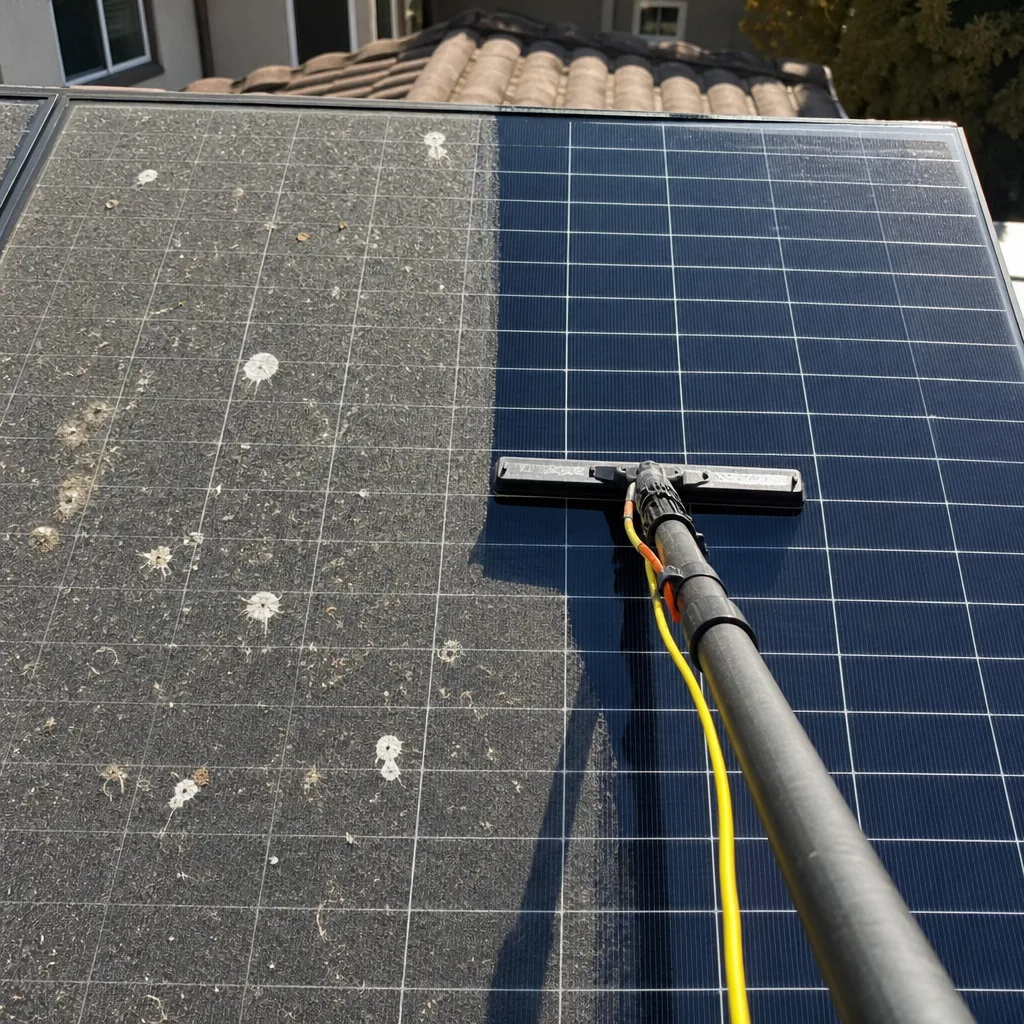
This is the big one in Enterprise, and it’s the service we recommend starting with. The 2000s-era tract homes that fill the 89139 ZIP often have 200-amp panels already loaded up by the builder’s original AC, a pool pump, a spa, and a second AC added somewhere along the way. Add a 48-amp charger and you’ll trip breakers. We’ve seen it dozens of times in Mountain’s Edge and the surrounding subdivisions. If your panel needs upgrading to 400 amps, or you need a sub-panel, budget $2,500-$4,500 in Enterprise. We’ll tell you honestly if you don’t need it. But if you do, skip it at your own risk. Nuisance tripping is the least of it. Overloaded panels run hot, and that’s a fire hazard.
Garage & Driveway Charger Wiring
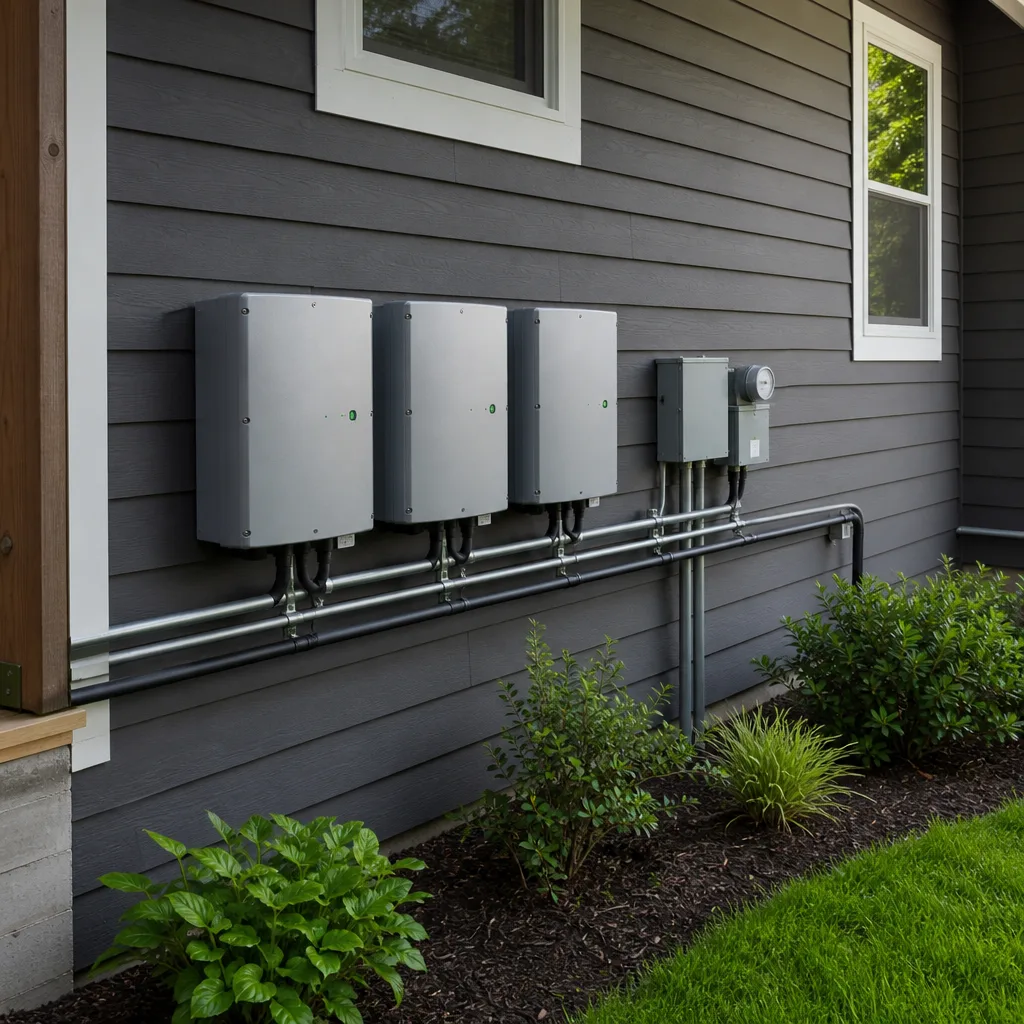
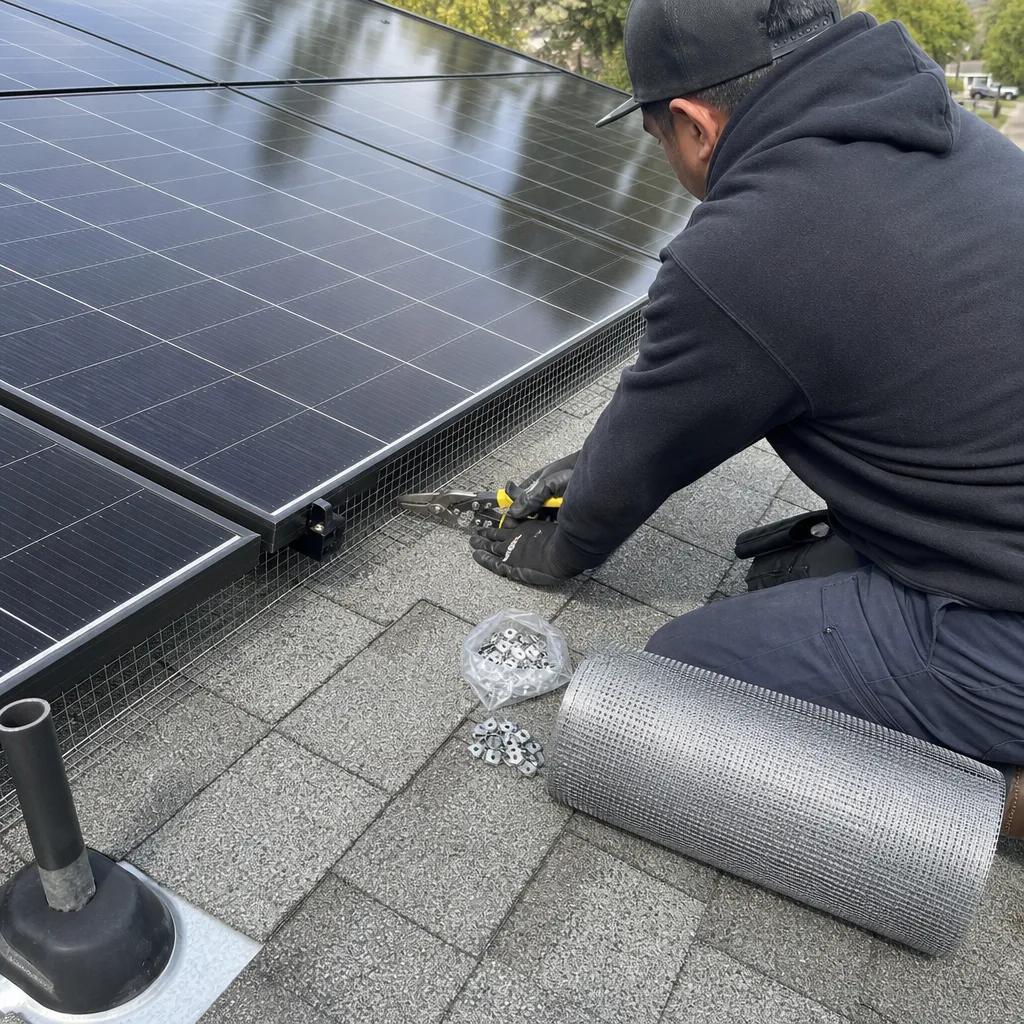
Most Enterprise chargers go in the garage. It’s cooler, it’s secure, and it keeps the charger out of the 115°F afternoon sun. But plenty of Enterprise homes have driveway-adjacent chargers too, especially for EVs that don’t fit in the garage. That’s where conduit routing gets interesting. If you’re in an HOA-governed community in Enterprise and the conduit would be visible from the street, the architectural review committee may have a say in where it goes. We’ll tell you before we cut anything. Interior garage routes are almost always the cleanest path, and we’ll explain why.
What happens when you call
- 1
A real person answersNo phone trees - you reach a local pro.
- 2
You get an upfront price rangeHonest numbers before anyone is dispatched.
- 3
A background-checked tech heads outLicensed & insured, dispatched right away.
- 4
You approve before work beginsNothing starts until you say go.
Trusted Brands We Service in Enterprise
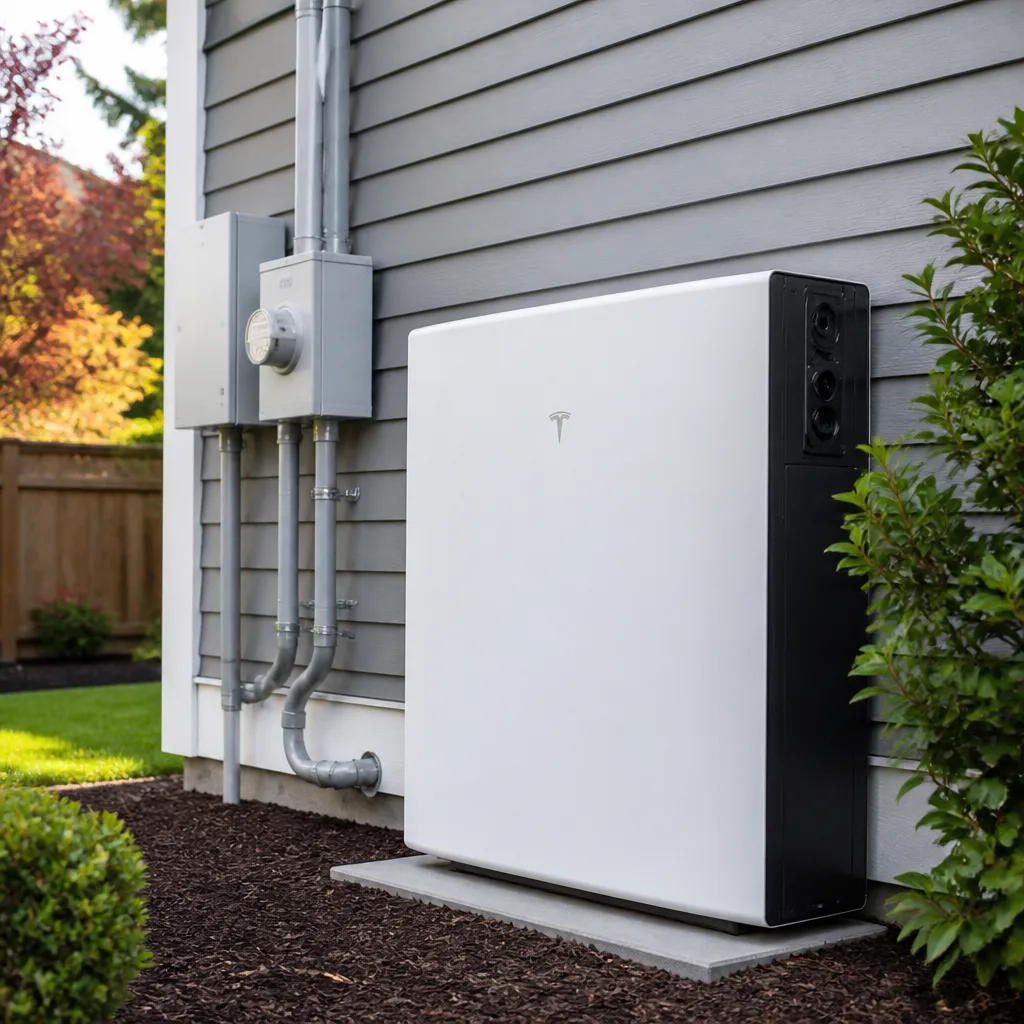
We work with the equipment that actually lasts in the Mojave. That means Tesla Wall Connector, Enphase and SolarEdge for solar-paired setups, and battery systems from FranklinWH when you want to store your solar production and charge overnight. We don’t push a single brand. We match the charger to your panel, your car, and your HOA constraints. For Enterprise homeowners, we keep common hardware and breakers stocked so we’re not making a supply run to the other side of town mid-install.
Common EV Charger Installation Problems We See in Enterprise Homes
- Exterior conduit runs that draw an HOA violation. In Mountain’s Edge and comparable Enterprise communities, surface-mounted conduit run down a street-facing garage wall can trigger an architectural review committee notice. We’ve had homeowners come to us after another contractor routed conduit right past the driveway and got flagged. The re-route is always more expensive than routing it inside the first time.
- Panels that were already maxed before the EV showed up. Enterprise’s boom-era tract homes were built for 2000s electrical loads, not 2020s ones. Pool pump, second AC, spa, all on a 200-amp panel, and now a 48-amp charger. The charger is rarely the problem. The panel is. We check load calculations before we quote anything.
- Chargers installed with interior-grade enclosures in an uninsulated garage. An Enterprise garage can sit above 110°F for hours in July and August. Cheap plastic junction boxes and disconnects aren’t rated for that. We’ve seen chargers fail in a season because someone saved $40 on a junction box. We use gear rated for the environment.
- Chargers that fight the solar instead of following it. If you have solar in Enterprise, a dumb charger pulls from the grid at night when your panels are dark. A smart charger, or a solar-paired configuration, can shift charging to match your daytime production. That’s the difference between a true-up bill and a near-zero one.
Pricing for EV Charger Installation in Enterprise, NV
Here are the real numbers for Enterprise. A standard Level 2 charger install on an existing panel with capacity to spare runs $850-$1,500. A Tesla Wall Connector install runs $900-$1,600. If you need a panel upgrade or sub-panel, that adds $2,500-$4,500. Solar-paired charging configurations, where we integrate the charger with your existing inverter and production monitoring, run $1,200-$2,200 for the charger side, assuming you already have solar. These aren’t brochure numbers. They’re what we actually charge in Enterprise, and what we quote holds. We don’t inflate at the door. Call (877) 550-6892 for a free estimate with real math off your own panel and your own HOA situation.
We Also Serve Cities Near Enterprise
Our crews work throughout the south and west Las Vegas Valley. In addition to Enterprise, we handle EV Charger Installation in Spring Valley, Paradise, Winchester, and Las Vegas proper. If you’re just across the line in one of those areas, the same crew, the same pricing, and the same no-pressure estimate applies.
Serving Enterprise, NV - Our Local Coverage Area
We’re based in the Enterprise area and know this community well. Use the map below to see our service coverage - if you’re nearby, we can almost certainly help.
FAQs - EV Charger Installation in Enterprise
Yes. In Mountain’s Edge and other Enterprise HOA-governed communities, surface-mounted conduit that would be visible from the street often requires architectural review committee approval before installation. The safest route is an interior garage wall run, which typically needs no separate HOA sign-off. We check your specific HOA’s guidelines before we quote, and we’ll tell you if a street-visible conduit is even worth pursuing. Call (877) 550-6892 and we’ll walk through your specific situation.
Often it will not. A 200-amp panel in a typical Enterprise boom-era home is frequently already carrying the builder’s original AC, a pool pump, a spa, and possibly a second AC. Add a 48-amp charger and a solar inverter backfeed, and you can exceed the panel’s load calculation. We do a real load check before we quote anything. If you need a sub-panel or a service upgrade, we’ll show you the math. If you don’t, we’ll tell you that too.
In Clark County, net metering credits your exported solar production against your consumption. If you already have solar in Enterprise and you add a charger, pairing the charger with your inverter’s production data lets you charge during peak daylight hours, pulling from your own surplus rather than the grid. Charging at night without storage means pulling at retail rates. The difference on a true-up bill can be substantial for daily commuters covering 30-50 miles. We can configure your charger to follow your production, and we’ll show you what that means for your bill. Call (877) 550-6892 for an exact quote tied to your actual usage.
Yes. An EV charger on its own circuit is a separate electrical installation from your solar interconnection. In unincorporated Clark County, which includes Enterprise, the charger needs its own electrical permit. Your solar interconnection agreement does not cover it. We handle the permitting for you, including the unincorporated Clark County application. If you’re in an HOA with architectural review requirements, we’ll flag that too.
Three reasons. First, Enterprise garages get brutally hot, but exterior walls get hotter, and surface-mounted conduit on a west-facing or south-facing wall in July is cooking all afternoon. Second, the Mountain’s Edge HOA ‘not visible from the street’ rule often makes exterior conduit a non-starter anyway. Third, an interior route keeps the charger, the disconnect, and the junction boxes in a shaded, protected environment that matches their thermal ratings. We’d rather do one clean interior route than fight an HOA and a heat-rated enclosure at the same time.
Written by Gus Petrakis, Owner at Gus’s Solar, serving Enterprise since 2011.