
Free bill analysis - bring a power bill, get the production math for your actual roof, panel brands like Qcells and REC compared side by side
If the pitch starts at your door and ends with "sign tonight for the special," sleep on it. The sun will still be there tomorrow; so will we.
 Before
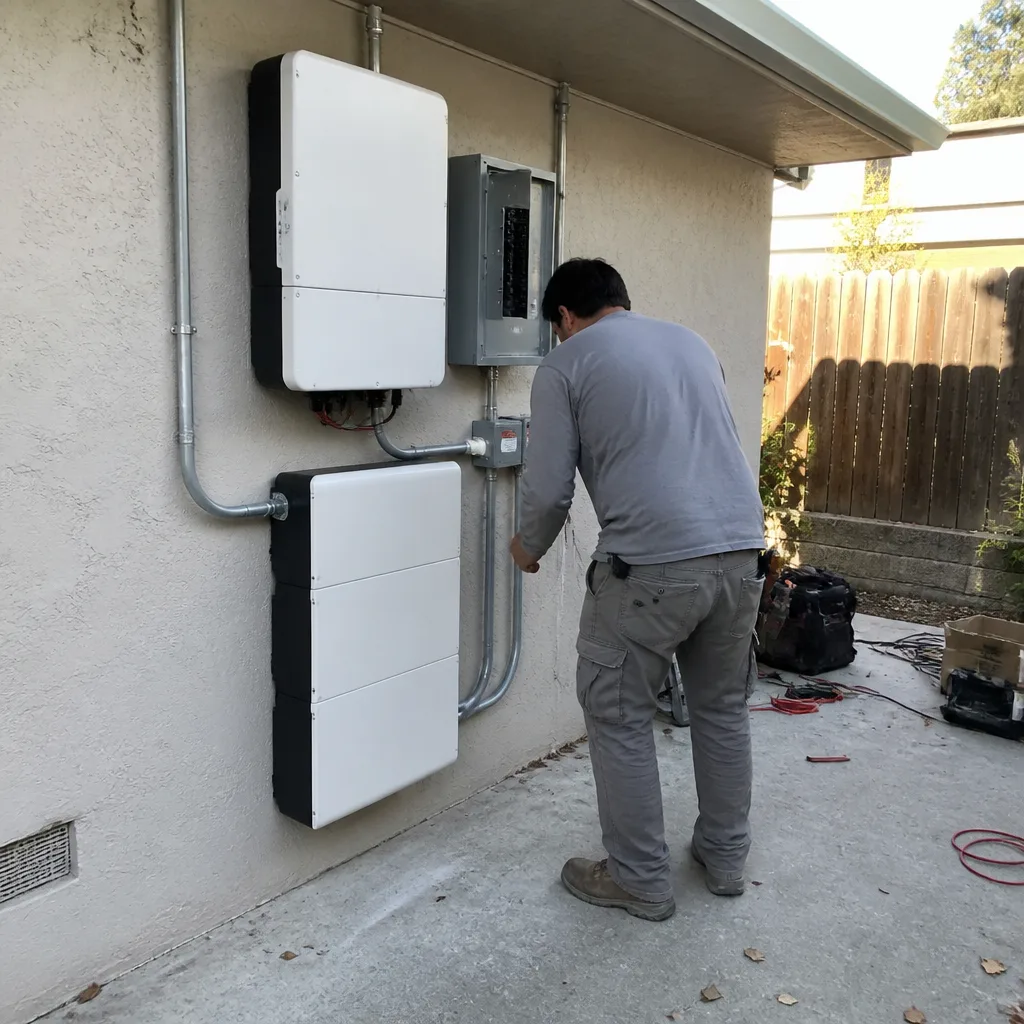 After
After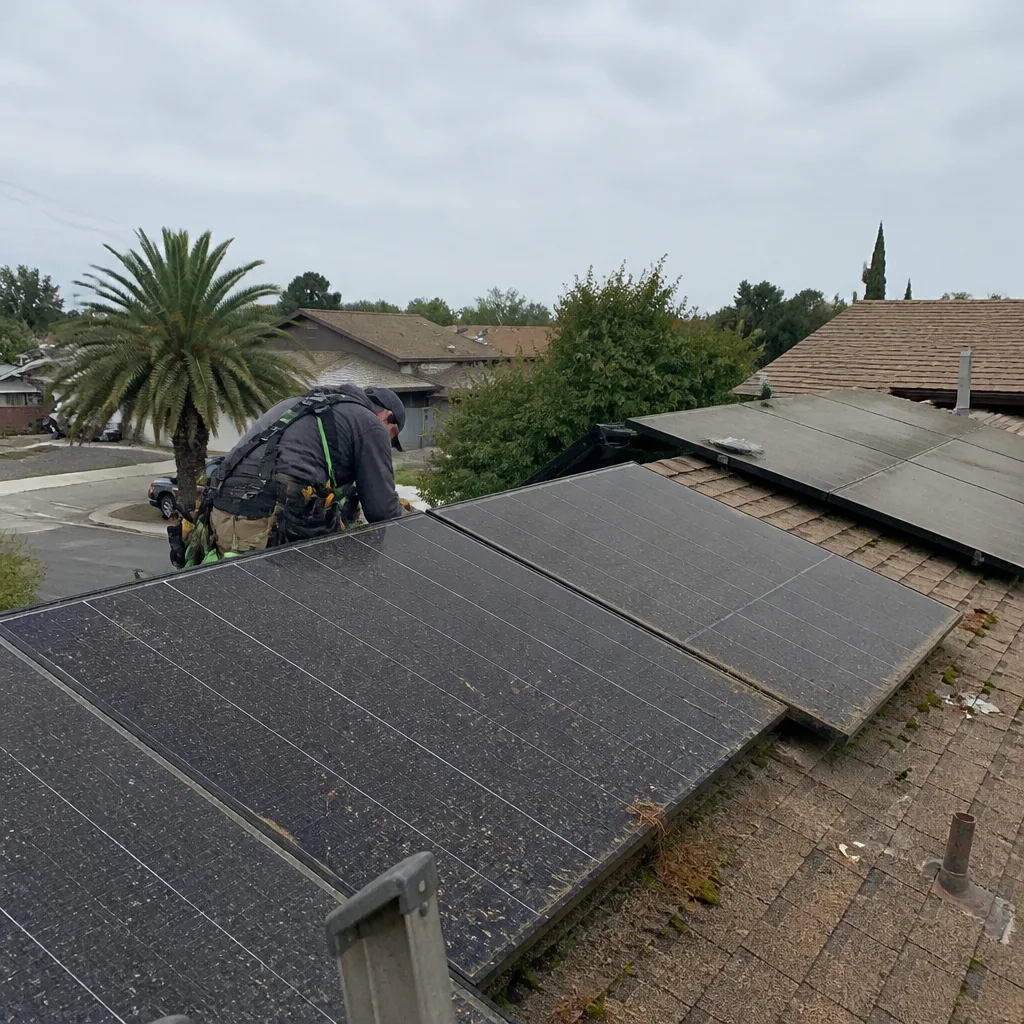 Before
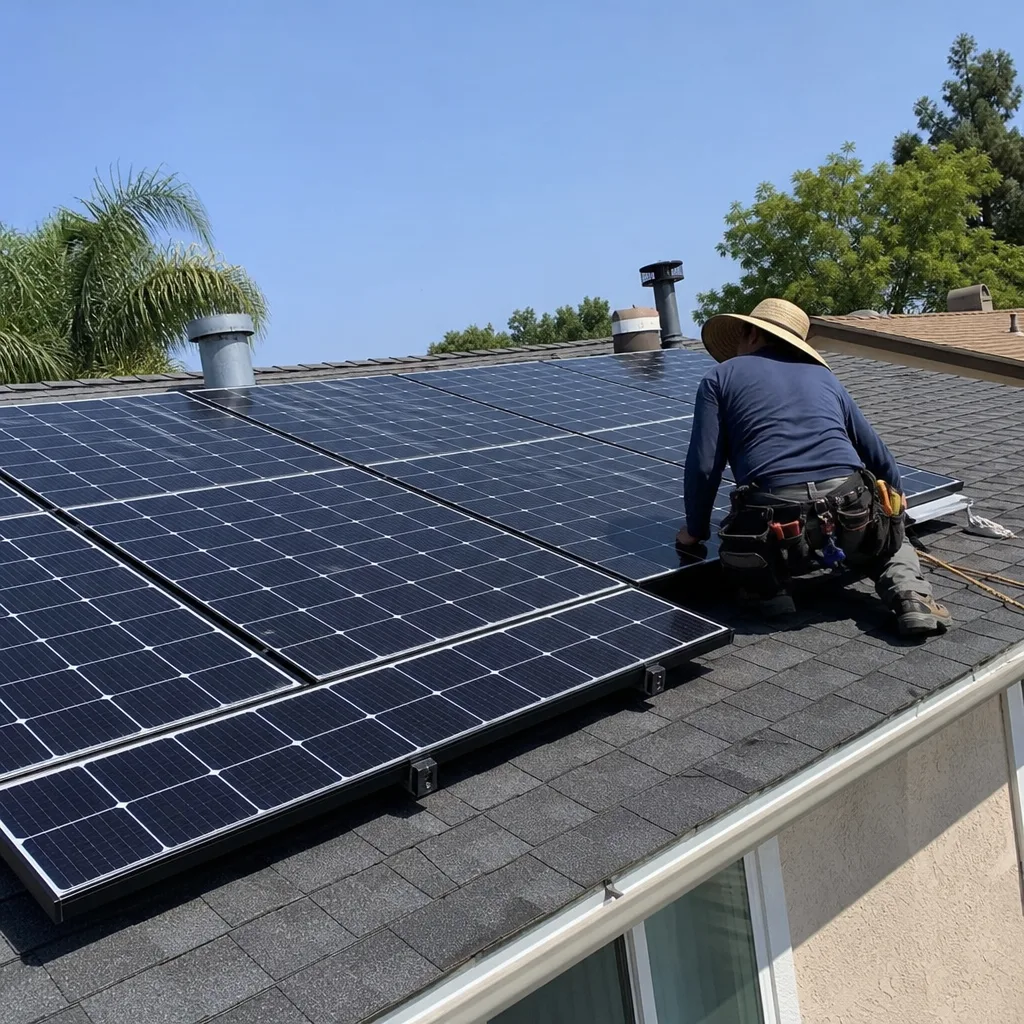 After
After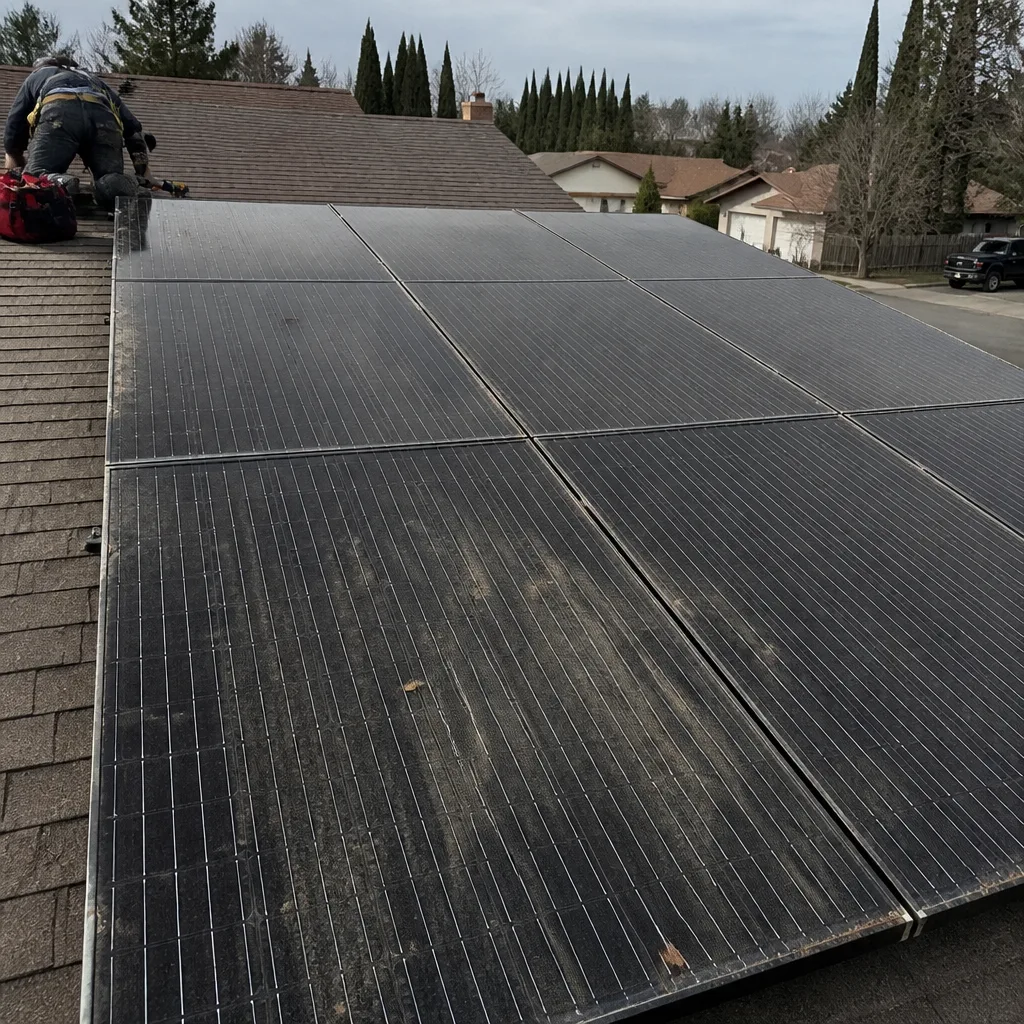 Before
 After
AfterFast, Reliable EV Charger Installation Across Dixon
EV charger installation in Dixon typically runs $650 to $2,400 for a standard Level 2 setup, and most jobs are completed in a single day once the panel is sized correctly. We serve every corner of Dixon, from Valley Glen to the older downtown blocks along First Street, and Gus Petrakis answers his own phone at (877) 550-6892 when you call. If you’re tired of dragging a 120-volt trickle charge through your garage window, we’ll get you set up right.
What sets Dixon apart from Sacramento or Woodland isn’t the housing stock. It’s the wind. And wind changes how we spec the electrical work tied to your home’s solar array. More on that below, because it’s the difference between a permit that clears first try and one that bounces back for revision.
Why Gus’s Solar Is Dixon’s Preferred EV Charger Installation Company
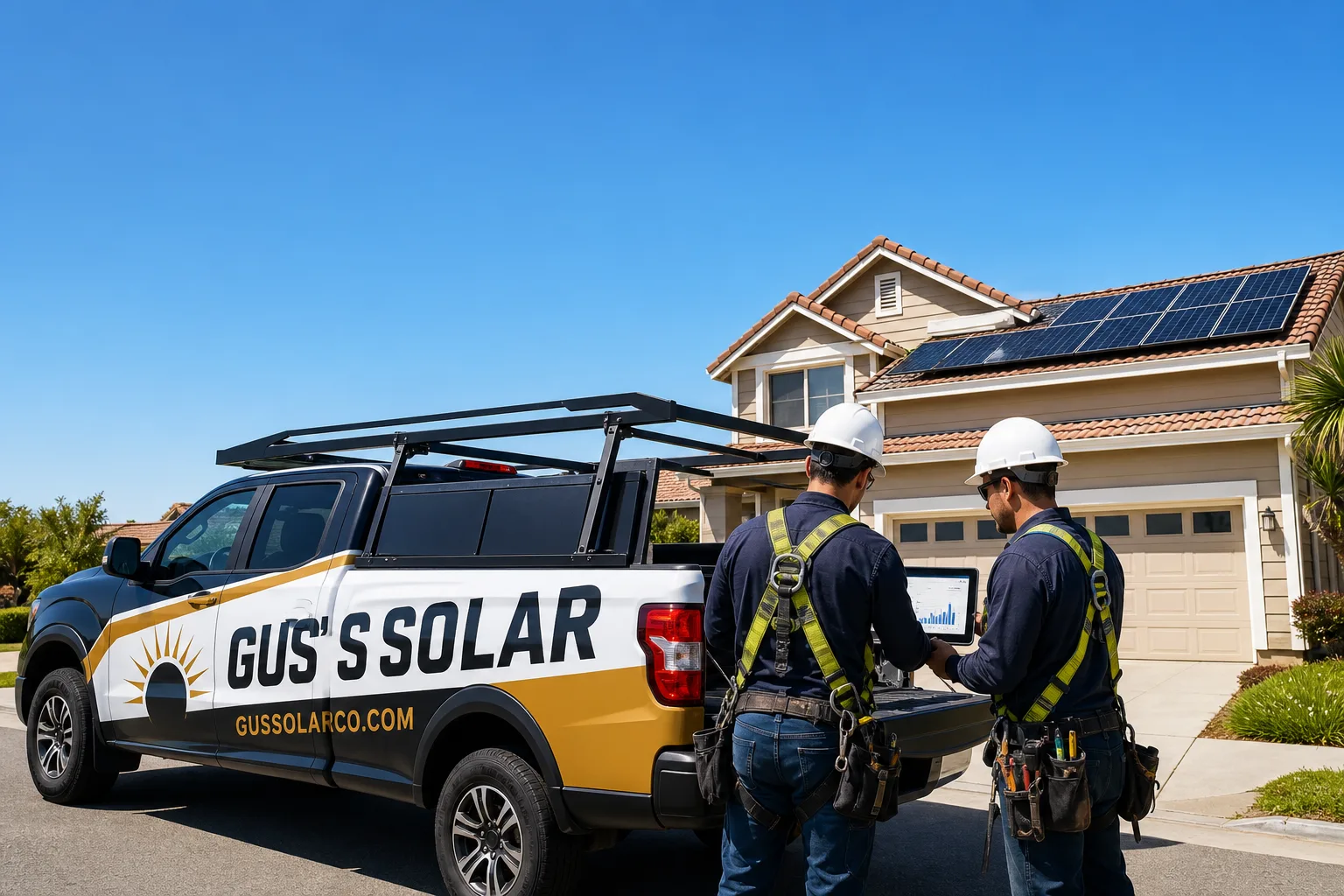
We’re not a pop-up crew running a lead-gen website. Gus Petrakis founded this company in 2011, put his name on the truck, and publishes his address and license number. The same crew that runs solar and electrical work in Dixon is the crew that shows up for your charger install, background-checked and in uniform. If something isn’t right, the 90-Day Done Right Promise is in writing on every job, and one call brings Gus back.
Dixon residents tell us the same thing: they’ve had enough of outfits that quote one number on the phone and another at the door. Our estimates are built off your actual electrical panel and your actual usage, not a brochure figure. Bring me a bill, I’ll bring you the math. That’s how we quote here, and it’s how we quote for every EV Charger Installation job we do.
A live person answers calls 24/7. Not a voicemail tree, not a ticketing portal, not a call center three states away. When you call about a charger install in Dixon, you get a person who can actually schedule it. Response time to most Dixon neighborhoods is same-day or next-day, and we don’t charge a trip fee anywhere in our own county.
Our EV Charger Installation Services in Dixon
Level 2 Charger Installation
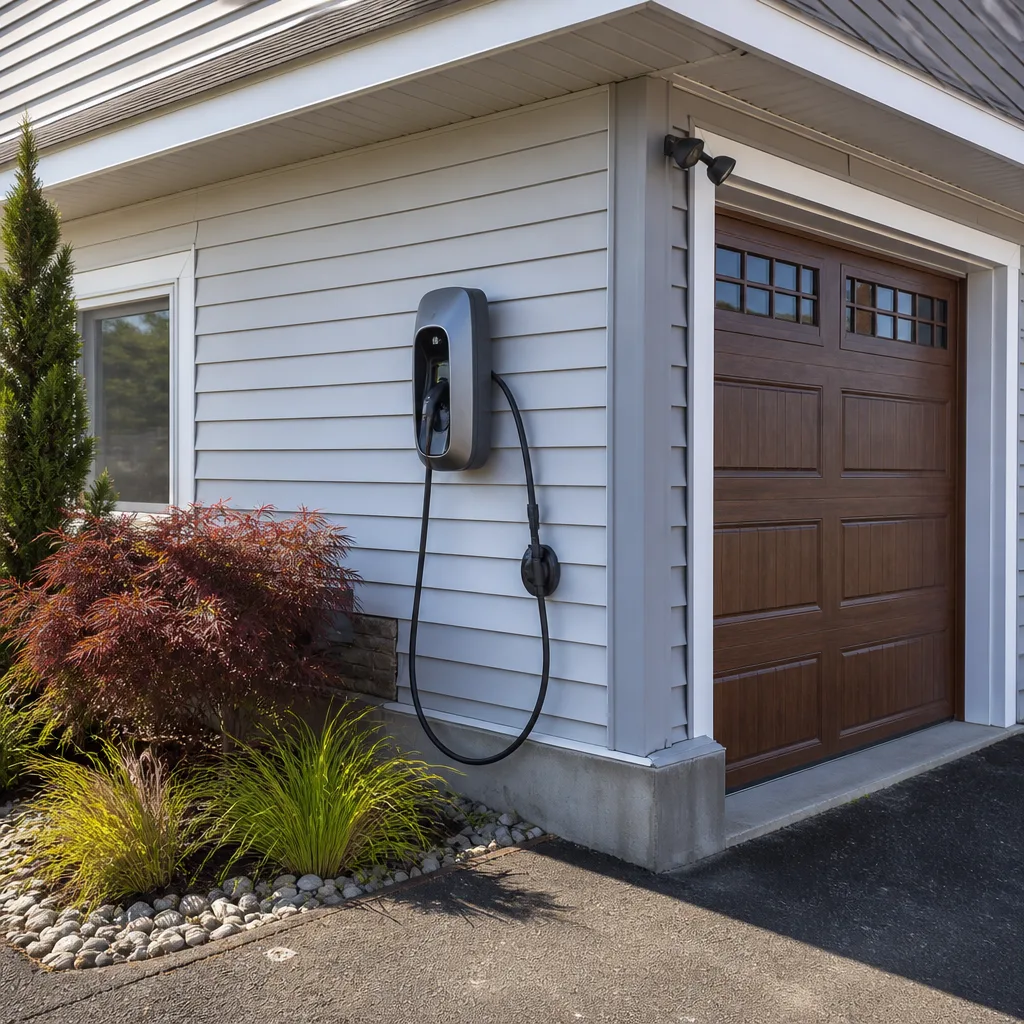
A Level 2 charger turns a dead EV battery into a full charge in 6 to 8 hours instead of two days. Most Dixon homes in the 1990s and 2000s tract subdivisions off West A Street and Porter Road need a dedicated 240-volt circuit run from the main panel to the garage or driveway wall. We handle the full permit with the City of Dixon building department, and we size the circuit for your charger’s actual draw, not a generic 32-amp guess.
Tesla Wall Connector Installation
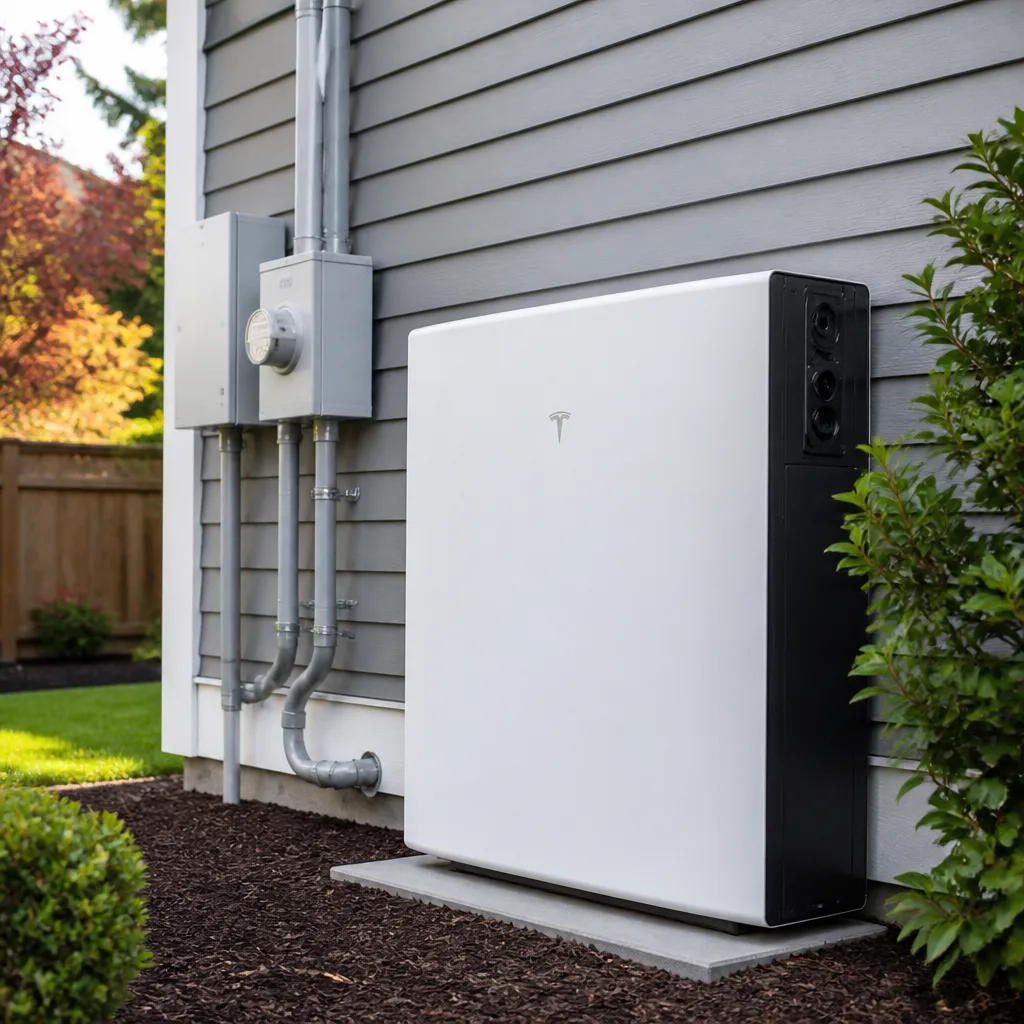
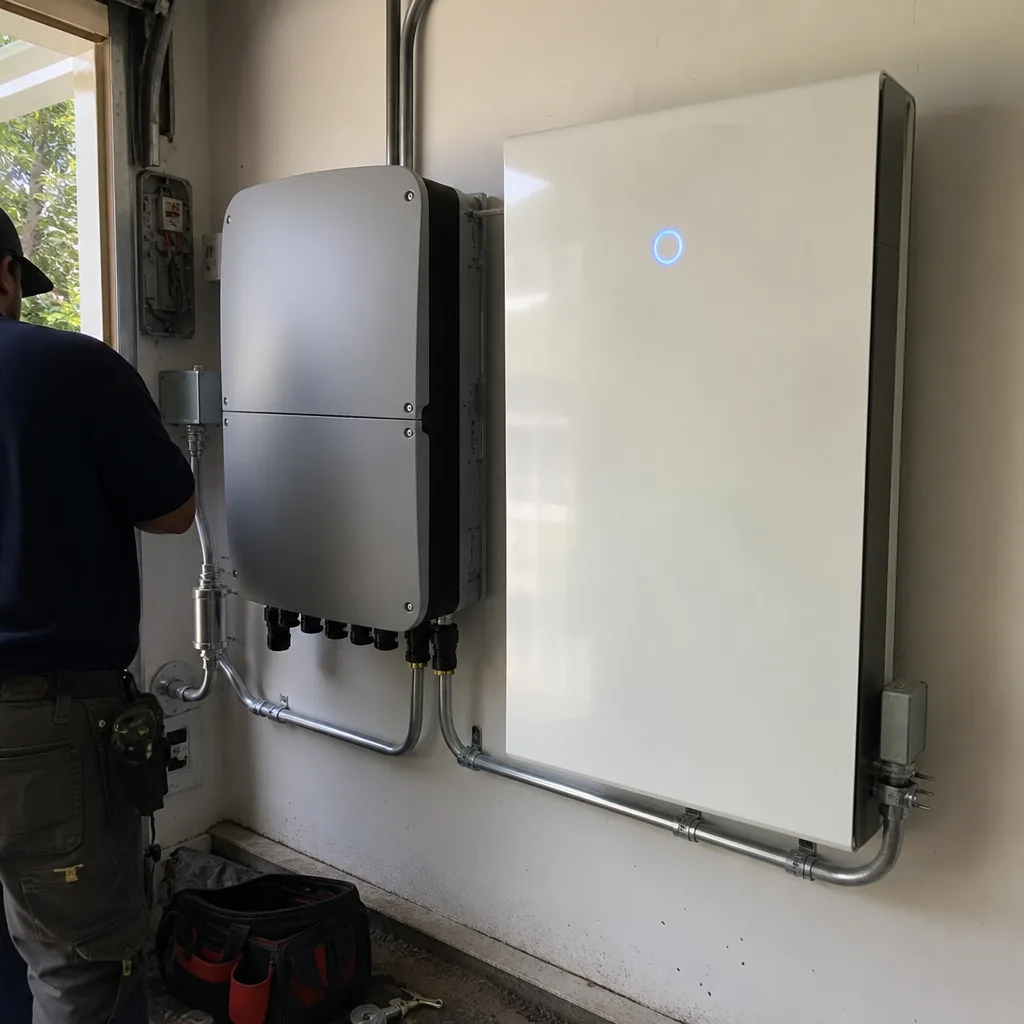
We install far more Tesla Wall Connectors in Dixon than any other single charger, and there’s a reason. It’s the same reason we stock Tesla, Enphase, and SolarEdge equipment locally: when a Dixon homeowner needs a replacement part or a firmware-adjacent hardware fix, waiting a week isn’t how we work. The Wall Connector can pull up to 48 amps, which means a 60-amp breaker and the right gauge wire. We’ve done enough of these in Dixon garages to know exactly what the City inspector will look at.
Panel Upgrade for EV Charging
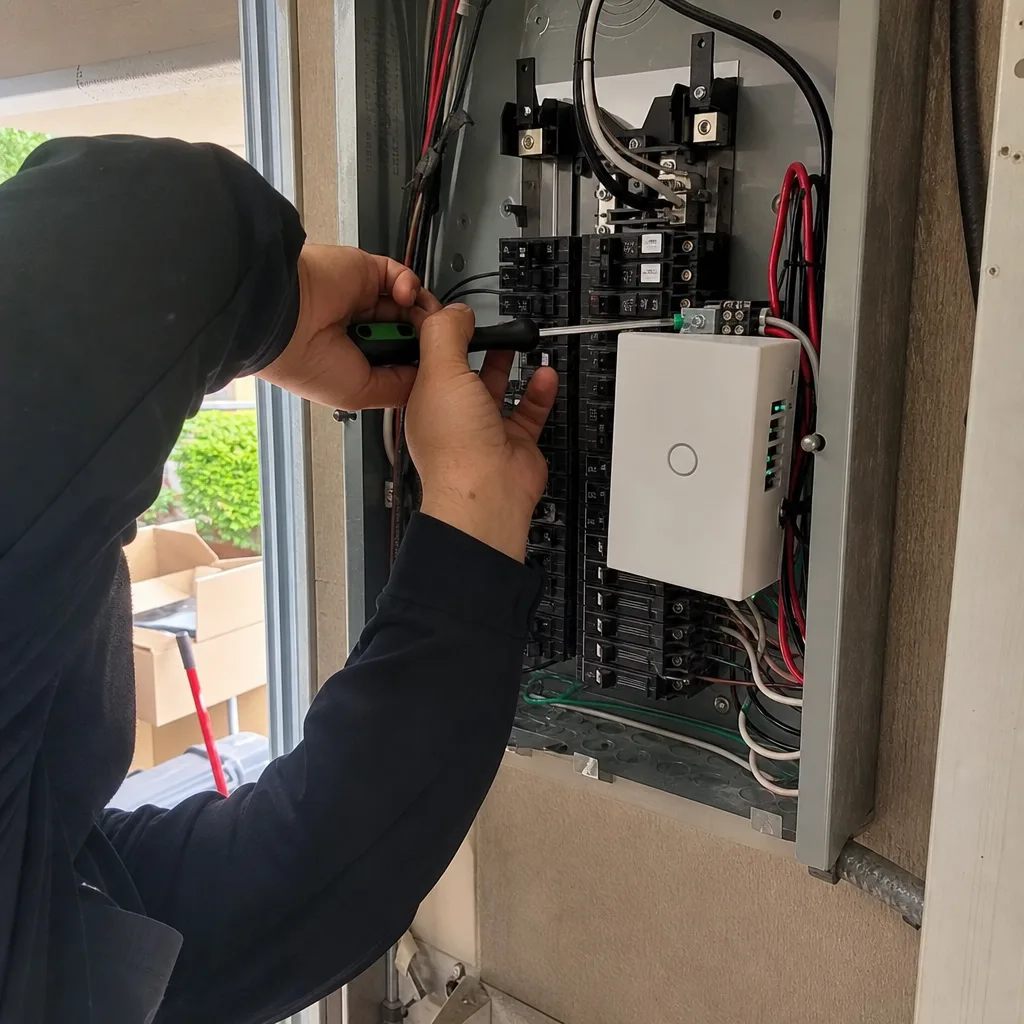
This is the one Dixon homeowners don’t plan for. A 1990s-era 100-amp panel in a Valley Glen or Pheasant Run tract home was not designed for a 48-amp car charger and a solar array running simultaneously. When we add a charger circuit to a panel that’s already near capacity from solar export, the main breaker trips during evening charging, right when the array stops producing. A 200-amp panel upgrade solves that for good. Typical cost for a Dixon panel upgrade runs $2,800 to $4,500 depending on the existing service gear.
Garage & Driveway Charger Wiring
Surface-mount conduit, recessed runs, detached garages on older downtown lots, driveway pedestals. Dixon’s housing mix means every job is a little different. Homes west of the railroad tracks on Pitt School Road and the newer subdivisions east of A Street often have attached garages with easy interior wall access. The pre-1970 homes closer to downtown and around Hall Memorial Park sometimes need a subpanel or a longer feeder run, which adds material cost but nothing we can’t quote accurately before starting.
What happens when you call
- 1
A real person answersNo phone trees - you reach a local pro.
- 2
You get an upfront price rangeHonest numbers before anyone is dispatched.
- 3
A background-checked tech heads outLicensed & insured, dispatched right away.
- 4
You approve before work beginsNothing starts until you say go.
Trusted Brands We Service in Dixon
We work with the equipment Dixon homeowners actually buy: Tesla Wall Connectors, Enphase and SolarEdge inverters when solar is paired with the charger, and FranklinWH battery systems where the goal is charging from stored energy overnight. We stock common parts locally so a warranty replacement doesn’t mean a two-week wait. Since we’re also a solar and battery installer, we can troubleshoot charger issues that stem from your inverter’s communication settings, not just the charger itself.
Common EV Charger Installation Problems We See in Dixon Homes
- Charger circuit tripping a solar-loaded 100-amp panel. Dixon’s 1990s tract homes came with 100-amp service. Add solar export plus a 48-amp car charger, and the main breaker gives up during evening charging when wind-driven production drops off. We fix this with a panel upgrade or a load-shedding device, whichever the actual load calc calls for.
- Sacramento-area wind load specs submitted for Dixon permits. The Solano County AHJ and City of Dixon building department enforce wind exposure Category C for rooftop solar. Contractors who spec racking for calmer Sacramento metro conditions get flagged at permit review. If your EV charger is tied to a solar system, the racking calc and the charger circuit should be submitted together with correct wind data up front.
- Underestimating the need for a panel upgrade in 1990s tract homes. Original 100-amp services were not designed for simultaneous EV charging at 48 amps and solar export at nameplate. We see main breaker trips and melted bus bars on jobs where a previous installer crammed a charger circuit into a panel that was already at its limit.
- Garage subpanels with corroded bus bars from Delta humidity cycles. Dixon’s summer heat and winter morning fog create condensation cycles in unconditioned garages, especially on older homes west of downtown. We’ve pulled covers off subpanels that look fine from the outside and found corrosion that would have failed an inspection. Part of our install is checking what the new circuit lands on.
Pricing for EV Charger Installation in Dixon, CA
A straightforward Level 2 charger install in Dixon with an accessible panel and a short garage run typically runs $650 to $1,200. A Tesla Wall Connector with a 60-amp circuit and longer conduit run runs $1,200 to $2,400. A 200-amp panel upgrade, which many 1990s Dixon tract homes need before a charger can be safely added, runs $2,800 to $4,500. Solar-paired EV charging adds inverter work and load-side connection hardware, typically $500 to $1,800 on top of the base charger cost. Every quote is built off your actual panel and your actual utility bill, and the number we quote is the number you pay. Take two weeks. Think about it. The price will be the same. Call (877) 550-6892 for a free estimate, and remember: no trip charge inside our own county, and a senior and veteran discount that never expires.
We Also Serve Cities Near Dixon
Gus’s Solar handles EV Charger Installation in Dixon and its surrounding communities. If you’re in Davis, Vacaville, Winters, or Woodland, the same crew that runs Dixon jobs covers your area too. Scheduling is coordinated from our San Francisco Bay Area office, and crews serve Dixon locally. Call and ask; if we can get a truck to you tomorrow, we’ll tell you exactly when.
Serving Dixon, CA - Our Local Coverage Area
We’re based in the Dixon area and know this community well. Use the map below to see our service coverage - if you’re nearby, we can almost certainly help.
FAQs - EV Charger Installation in Dixon
No, the wind exposure Category C requirement applies only to rooftop solar arrays, not to a standalone EV charger. If your charger is fed from the same panel as an existing solar system, the racking should already have a Category C calc on file. Where it matters is when the EV charger and solar are being installed or permitted together; if any contractor submits Sacramento-area wind load specs for the array, the Dixon building department will flag it, and that revision can delay the charger wiring. Call (877) 550-6892 and we’ll tell you whether your current solar permit file is wind-rated correctly before you add the charger.
It depends on what else is on the panel, but in most 1990s Dixon tract houses with electric dryers, air conditioning, and an existing solar array, a 100-amp service is not enough for a full-speed 48-amp charger. The load calculation drives the answer. Many of these homes need either a 200-amp upgrade or a reduced charge rate. A 200-amp panel upgrade in Dixon runs $2,800 to $4,500, and it’s often cheaper than living with breaker trips or downgrading your charge speed to 24 amps. Call (877) 550-6892 for a load calc based on your actual panel, not a guess.
Yes, and it’s the right move for a lot of Dixon homeowners. PG&E’s time-of-use rates mean evening charging from the grid costs more, and Dixon’s Delta afternoon winds mean your array starts losing direct output right around the time you’d plug the car in. A solar-paired charger sized against your real production curve lets you charge during mid-day surplus instead. We quote the year-25 output, not the day-one brochure number, so the pairing math holds up. Call (877) 550-6892 and bring me a bill; I’ll show you the year-25 numbers off your actual usage.
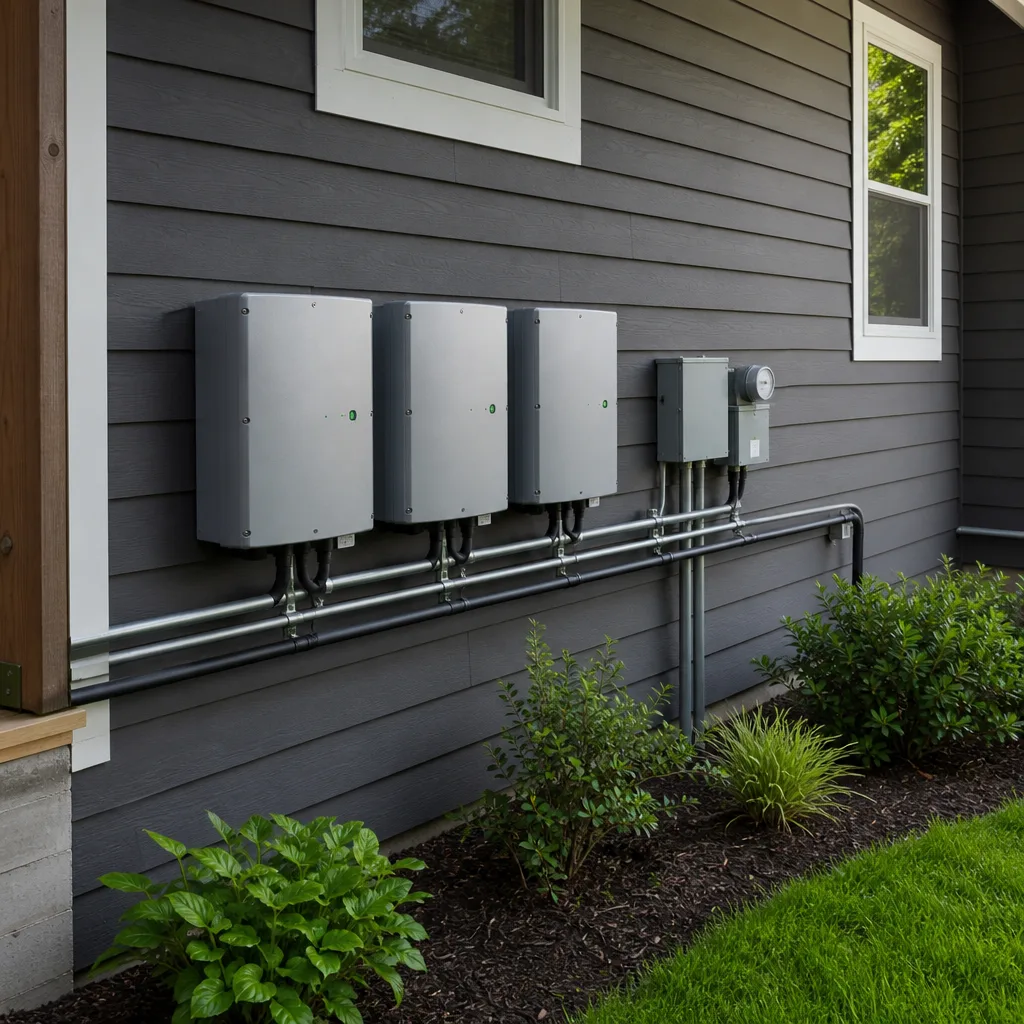
Your inverter has a nameplate capacity, and when the Tesla Wall Connector pulls 48 amps from the same panel that your solar array backfeeds through that inverter, the load-side connection has to be sized so the combined amperage doesn’t exceed the panel’s bus rating. In Dixon homes with older Enphase or SolarEdge systems, we sometimes find that the inverter’s output breaker and the new charger circuit together push a 100-amp panel over its limit. That’s where a panel upgrade or a line-side tap comes in. We check the inverter specs as part of every charger install, because missing this step is how you get a main breaker that trips the first evening you charge. Call (877) 550-6892 for a straight answer on your specific setup.
Yes. The City of Dixon building department treats EV charger wiring as its own electrical permit, even when a solar permit is already open on the same property. The good news is that when we’re already on site for solar work, adding the charger permit typically costs less and moves faster because we can submit the load calculations together and schedule one inspection. If a previous installer told you the charger was covered under the solar permit, it wasn’t. Call (877) 550-6892 and we’ll tell you exactly what your house needs permitted, and we’ll handle the paperwork with the City from start to finish.
A Note on Dixon’s Wind Corridor and Your EV Charger
Dixon sits squarely in the I-80 wind corridor where Delta breezes funnel east through Solano County. The City of Dixon and the Solano County AHJ both enforce wind exposure Category C calculations for rooftop solar arrays because the afternoon winds, regularly gusting over 25 mph in summer, are real structural loads. Here’s what that means for EV charger work: when a charger circuit is added to a panel that already feeds a solar array, the racking’s wind-load specs and the electrical panel’s capacity become one conversation. A contractor who specs the array for calmer Sacramento conditions gets flagged at permit review, and that revision stalls the charger wiring too. We installed a Tesla Wall Connector for a homeowner in Dixon’s Valley Glen subdivision whose 1990s tract home’s 100-amp panel was already near capacity from an older solar array. Because the Solano County AHJ requires wind exposure Category C for rooftop equipment, our crew had to verify the existing racking’s load specs before adding the EV circuit. We ended up doing a panel upgrade and a dedicated 60-amp garage feeder, all permitted in one pass. That’s the kind of thing generic EV charger guides miss, and it’s why we front-load the wind-exposure and panel-upgrade questions before we ever pull wire.
Written by Gus Petrakis, Owner at Gus’s Solar, serving Dixon since 2011.