
Free bill analysis - bring a power bill, get the production math for your actual roof, panel brands like Qcells and REC compared side by side
If the pitch starts at your door and ends with "sign tonight for the special," sleep on it. The sun will still be there tomorrow; so will we.
 Before
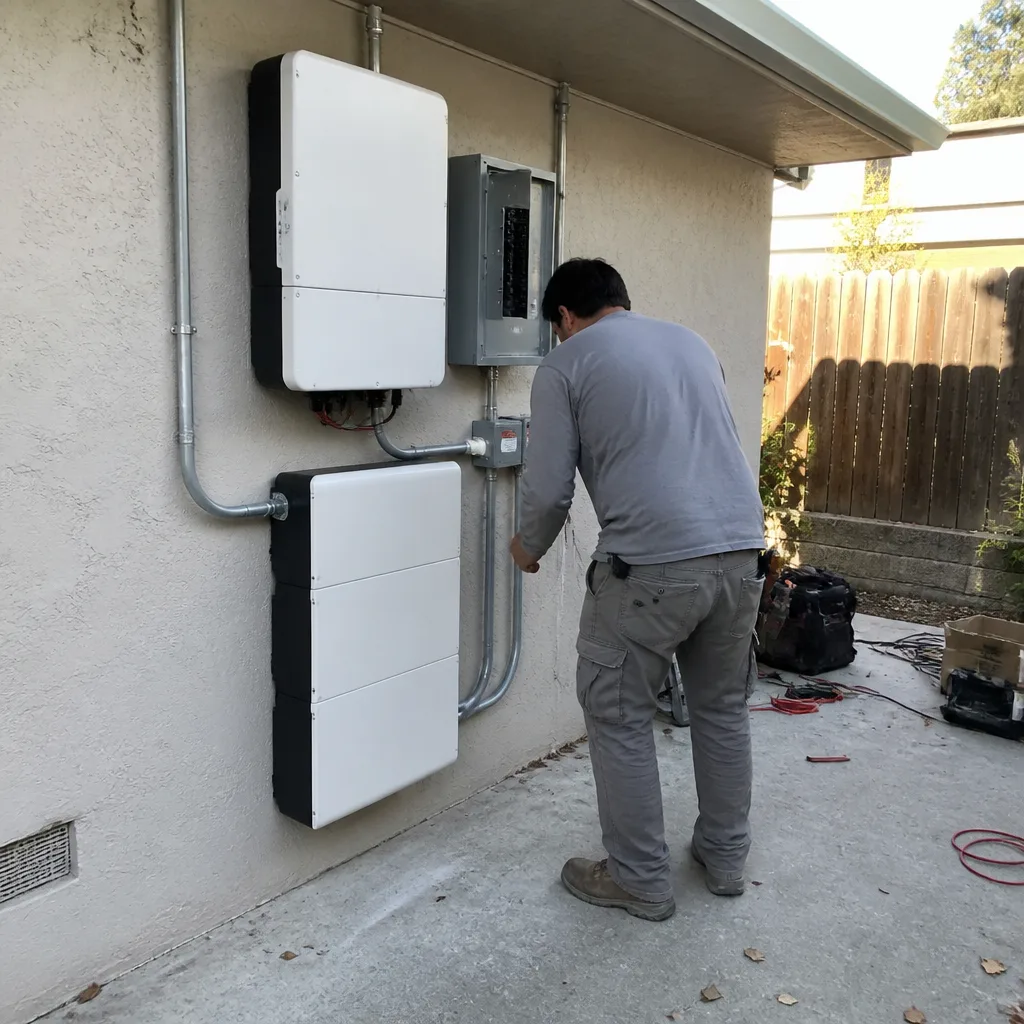 After
After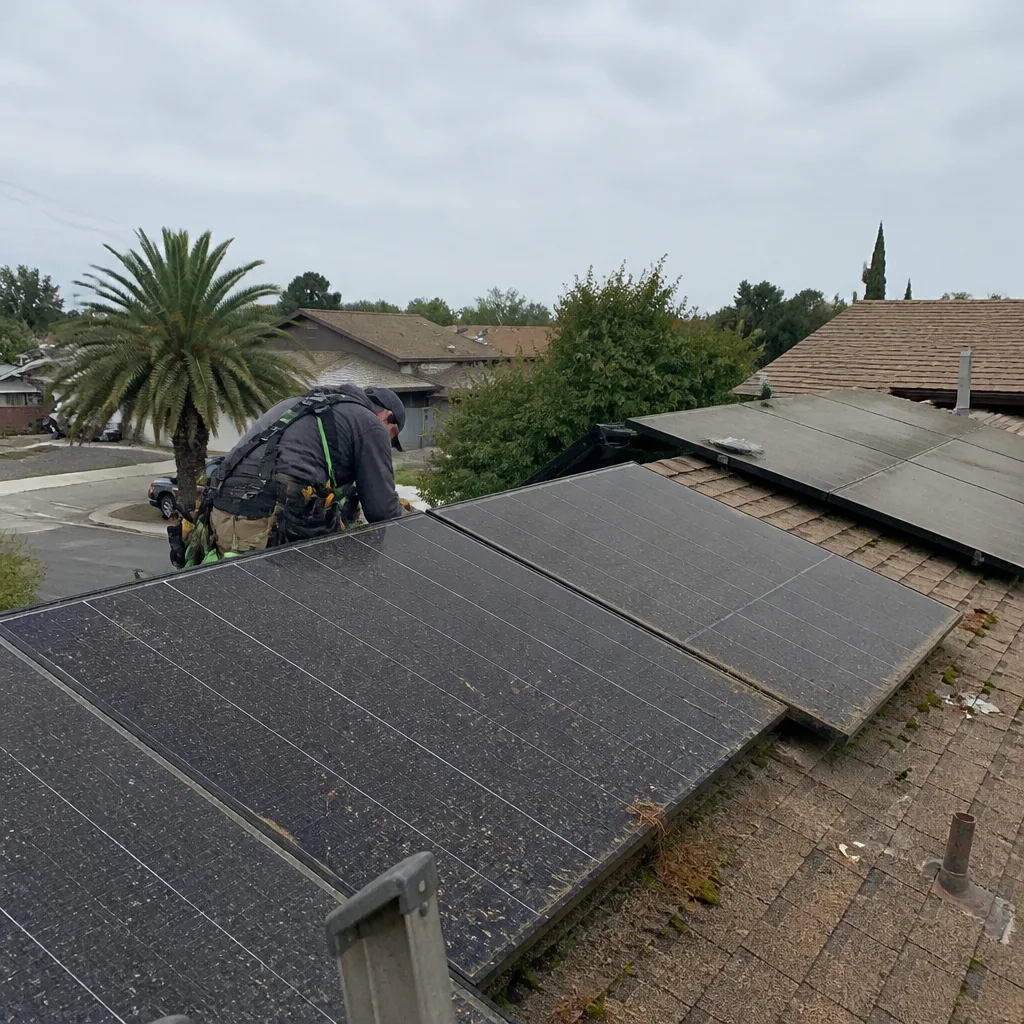 Before
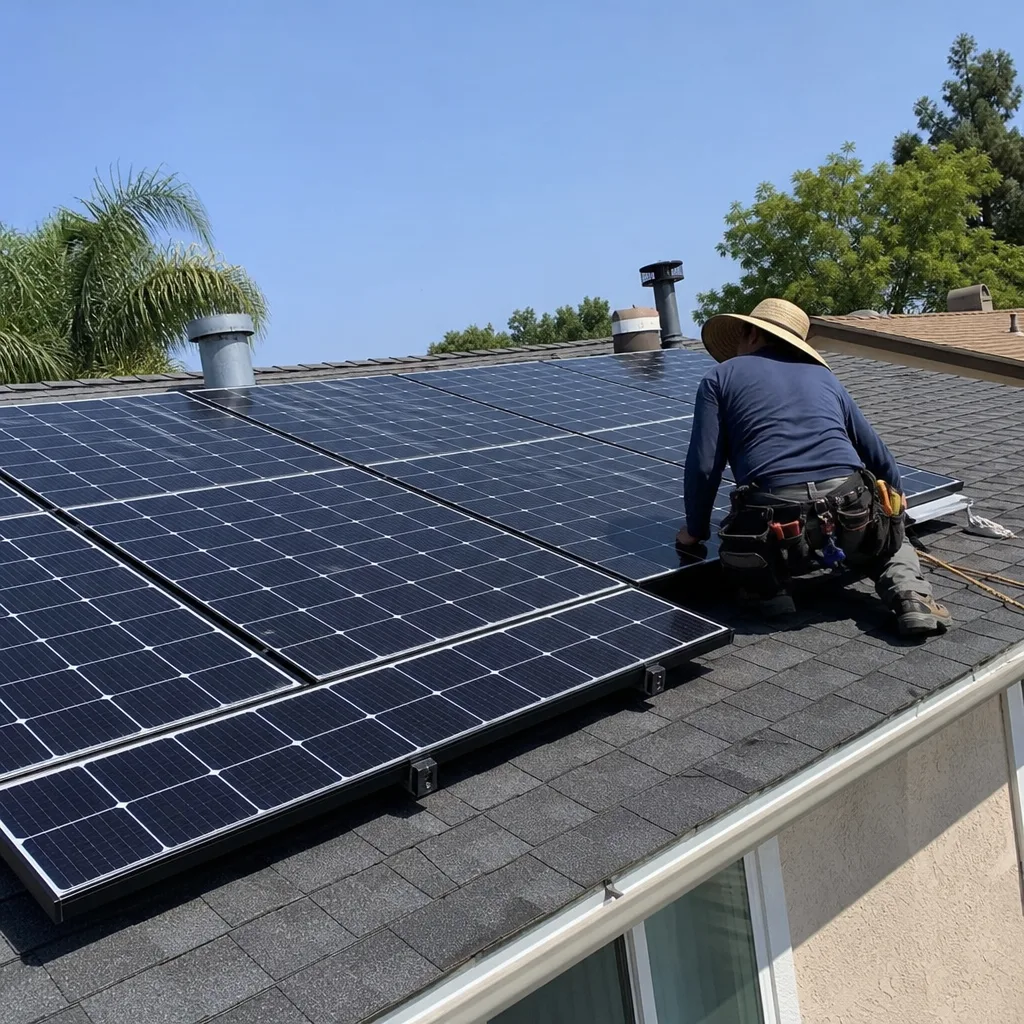 After
After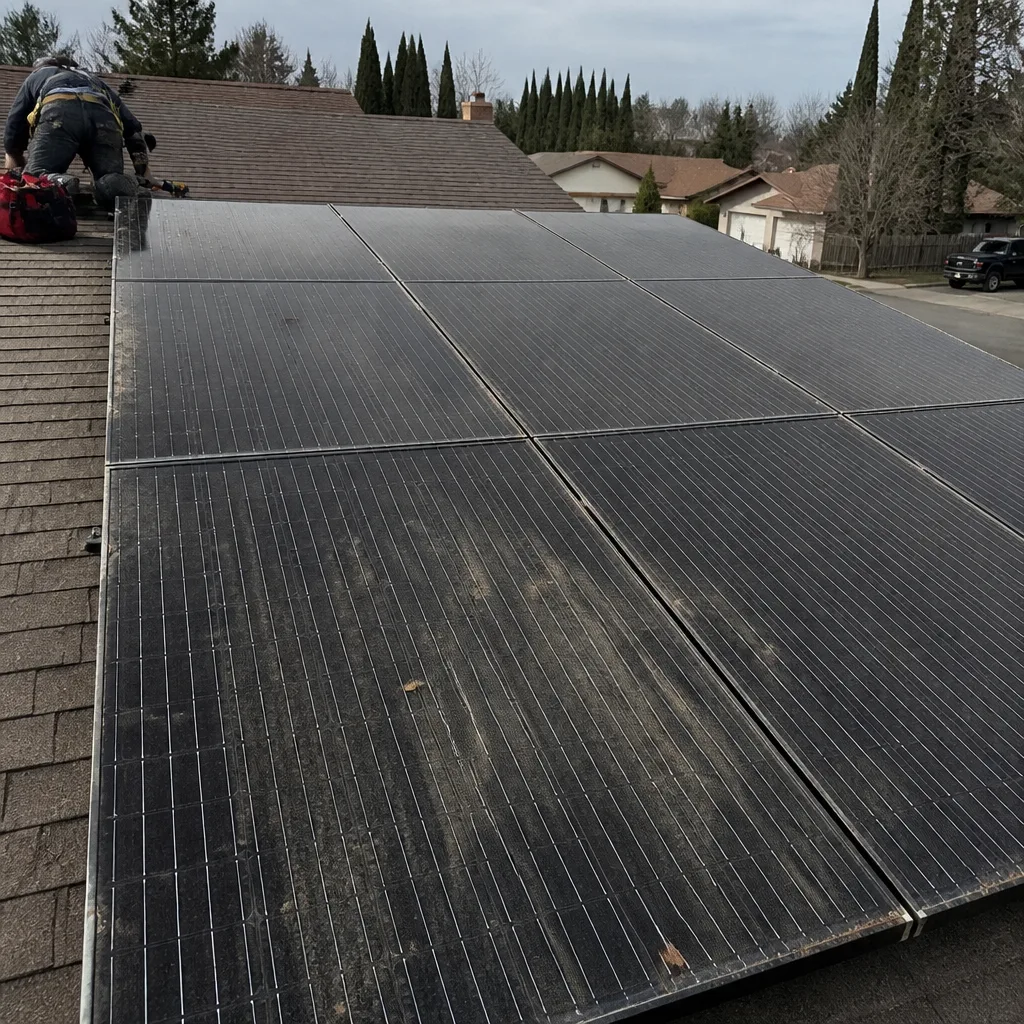 Before
 After
AfterFast, Reliable EV Charger Installation Across Carson
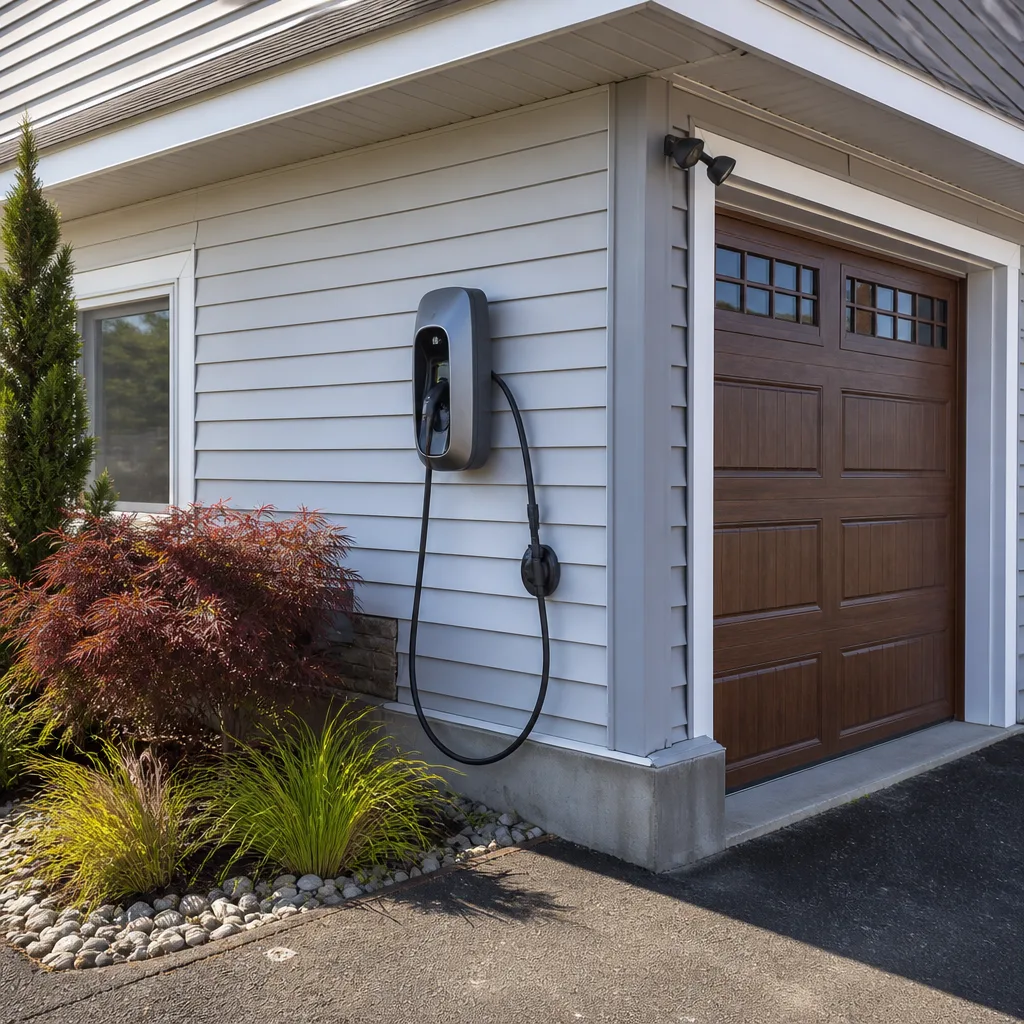
A Level 2 EV charger installation in Carson typically runs $800 to $2,600 depending on panel capacity, wire run length, and whether you’re mounting it on a garage wall, a driveway post, or a detached carport. Most jobs take one day, and we can usually be at your Carson home within 24 to 48 hours of your call. If you’re tired of trickle-charging on a 120-volt outlet and want a charger that actually fills your battery overnight, call Gus’s Solar at (877) 550-6892 and we’ll give you an honest number before we ever set foot on your property.
We know Carson differently than the national chains that send a rotating cast of subcontractors through the 90745 and 90746 zip codes. We know which ranch-style tract homes off Avalon Boulevard still run on original 100-amp panels. We know the detached garages behind 1970s homes off Main Street where the service lateral runs 80 feet or more from the meter. And we know the refinery-adjacent blocks north of the 405 where outdoor electrical equipment needs more attention than anywhere else in the South Bay. That’s the kind of local knowledge that keeps your charger running clean for years instead of throwing nuisance faults six months in.
Key Takeaways:
- Most Carson Level 2 installs are done in a single day, $800 to $2,600 out the door.
- Homes built from the late 1960s through early 1980s often need a panel or subpanel upgrade before a 48-amp charger goes in.
- Refinery-adjacent air in north Carson means outdoor chargers need weatherproof sealing and periodic connector cleaning.
- Gus Petrakis puts his name on every job. You get his crew, not a subcontracted stranger.
Why Gus’s Solar Is Carson’s Preferred EV Charger Installation Company
Gus Petrakis founded Gus’s Solar in 2011, and for over 29 years the name on the truck has matched the name on the building. That matters in Carson, where homeowners have been burned by out-of-state outfits that quote one number on the phone and another at the door. Gus answers his own phone. His crew shows up in uniform, background-checked, and they don’t hand your job off to a third party. When you call about a charger that’s tripping a breaker two months after install, you get the same person who pulled the permit.
Carson sits in a strange spot for EV work. Ten miles inland from the Pacific, the marine layer rolls in most summer mornings and suppresses charging-related solar production in ways that inland sales pitches ignore. But the bigger local variable is what the PBF Energy refinery on East 223rd Street puts into the air. Homes in the downwind blocks of 90745 and 90746 develop a fine oily film on outdoor electrical enclosures faster than Torrance or Long Beach. We see it on panel covers, meter boxes, and especially on EV charger connectors mounted outside. A charger installed without weatherproof in-use covers and dielectric grease on the contacts will start throwing ground-fault trips within months. We know this because we fix those installs for people who used somebody else first.
Our EV Charger Installation team has wired chargers in every corner of Carson: the compact 1950s bungalows near Carson Street, the larger 1970s and 80s ranch styles up by the 405 interchange, and the few newer townhome communities along the 110 corridor. Each pocket of the city has different panel ages, different service lateral lengths, and different inspection quirks. We quote based on what’s actually in your wall, not a brochure estimate.
Our EV Charger Installation Services in Carson
Level 2 Charger Installation
A Level 2 charger is what most Carson homeowners actually need: a 240-volt circuit that charges an EV in 4 to 8 hours instead of the 40-plus hours a standard wall outlet takes. In Carson’s housing stock, the deciding factor is almost always the panel. Homes built between 1968 and the early 1980s frequently still carry 100-amp service, and adding a 48-amp charger load can push that panel past what it was designed to handle. We’ll tell you straight if you need a service upgrade, and we won’t pad the quote to scare you into one if you don’t.
Tesla Wall Connector Installation
We install Tesla Wall Connectors on a regular basis throughout Carson, from the homes along Central Avenue to the gated communities in the southeast end of the city. The Wall Connector can be set for anything from a modest 24-amp draw to a full 48-amp output, and picking the right setting depends on your panel capacity and wire run. We’ve set these units to 48 amps with a 200-amp main service, and we’ve dialed them back to 32 amps on older panels where a full service upgrade wasn’t in the budget. Honest configuration beats upsold hardware every time.
Panel Upgrade for EV Charging
If your Carson home is still on a 100-amp panel and you want a 48-amp charger, you need a panel upgrade. There’s no safe shortcut around load calculations and the National Electrical Code. We handle the full scope: service upgrade, new panel, proper grounding, and a clean inspection sign-off. Carson’s building department is familiar with our work, and we pull permits on every job. The 1960s-era panels we replace in this city are often Zinsco or Federal Pacific units that no electrician will touch without recommending replacement anyway. Adding an EV charger often exposes a panel that should have been swapped years ago.
Garage & Driveway Charger Wiring
Carson’s detached garages and carports create wire-run challenges that attached-garage installs never face. A detached garage 80 to 100 feet from the main panel requires heavier gauge wire to avoid voltage drop, and if it’s fed by an undersized underground lateral, you may need a subpanel in the garage itself. We trench, sleeve conduit, and size conductors correctly the first time. If your charger will live on a driveway post or a carport wall, we use weatherproof enclosures that stand up to Carson’s marine-layer moisture and the oily particulate the refinery puts on everything north of the 405.
What happens when you call
- 1
A real person answersNo phone trees - you reach a local pro.
- 2
You get an upfront price rangeHonest numbers before anyone is dispatched.
- 3
A background-checked tech heads outLicensed & insured, dispatched right away.
- 4
You approve before work beginsNothing starts until you say go.
Trusted Brands We Service in Carson
We work with the equipment Carson homeowners actually have on their walls and in their garages. That means Tesla Wall Connectors, plus solar and battery equipment from Qcells, REC, and Panasonic when you’re pairing a charger with a new or existing photovoltaic array. We keep common breaker sizes, wire stock, and mounting hardware on our trucks so a Carson job doesn’t stall waiting on a parts run. If you already have a Qcells or Panasonic solar system and want to add EV charging to it, we can tie the charger into your existing setup without replacing your inverter or renegotiating your net metering agreement.
Common EV Charger Installation Problems We See in Carson Homes
- Undersized 100-amp panels from the 1960s-1980s tract era. When we add a 48-amp Level 2 load to a panel with no spare capacity, the main breaker trips or wires overheat. We see this most often in the 90745 and 90746 zip codes, where the housing stock predates modern EV loads by four decades.
- Oxidized contacts and nuisance ground-fault trips on outdoor chargers. The refinery-adjacent particulate film that settles on homes near the 405 and 110 corridors works its way into charger connectors and internal contacts. A charger installed without weatherproof in-use covers and dielectric grease on the connections will fault within months. We seal every outdoor install like it’s going to get rained on with oil.
- Voltage drop from long service drives and detached garages. A 100-foot run from the main panel to a detached garage derates charging speed if the wire gauge is too thin. Undersized conductors cause overcurrent faults, slow charging, and heat buildup at the terminations. We size wire for the actual run length, not the best-case scenario.
- Flat-roof carport installations with water intrusion. Carson’s 1970s room additions and carports often have flat or near-flat roof sections. When conduit penetrations go through a sagging carport roof, ponding water follows the conduit into the structure. We flash and seal every penetration like a roof job, because in this city it is a roof job.
Pricing for EV Charger Installation in Carson, CA
Here are real numbers for the Carson market. A straightforward Level 2 charger install on an attached garage wall with a nearby panel and spare breaker slots typically runs $800 to $1,400. A Tesla Wall Connector install in the same conditions lands around $900 to $1,600 including the unit. A panel upgrade from 100 to 200 amps adds $2,500 to $4,500 depending on whether the service lateral needs replacing. A detached garage charger with an 80 to 100 foot wire run and a subpanel runs $2,000 to $3,800. Add $400 to $800 if you want the charger on a driveway post with weatherproof conduit. Every quote is built off your actual electrical panel and your actual wire run. Call (877) 550-6892 and we’ll give you an exact number before any work is scheduled. Estimates are free, and nobody will ask you to sign tonight.
We Also Serve Cities Near Carson
If you’re in West Carson, Compton, West Rancho Dominguez, or Torrance, the same crew that handles EV Charger Installation in Carson covers your neighborhood too. We schedule Carson jobs daily, and we can usually reach nearby cities within the same response window. Call (877) 550-6892 and tell us what’s going on with your panel and your charging needs.
Serving Carson, CA - Our Local Coverage Area
We’re based in the Carson area and know this community well. Use the map below to see our service coverage - if you’re nearby, we can almost certainly help.
FAQs - EV Charger Installation in Carson
If your Carson home still runs on a 100-amp panel and you want a 48-amp charger, yes, you almost certainly need a service upgrade. Most homes built in Carson between the late 1960s and early 1980s were wired for far lighter electrical loads than a modern EV charger draws. Adding a 48-amp charger to a 100-amp panel without upgrading risks tripping the main breaker, overheating conductors, or failing inspection. We do a load calculation on your existing panel first, and if you don’t need an upgrade, we won’t sell you one. Call (877) 550-6892 and we’ll take a look.
Yes, but it needs to be sealed properly. Homes in the downwind blocks of the PBF Energy refinery on East 223rd Street, especially in the 90745 and 90746 zip codes north of the 405, develop an oily-particulate film on outdoor electrical equipment faster than homes in Torrance or Long Beach. A charger mounted on a driveway post or carport wall without a weatherproof in-use cover and dielectric grease on the contacts will develop oxidized connections and nuisance ground-fault trips within months. We install outdoor chargers in Carson with sealed enclosures and we recommend cleaning the connector terminals every few months if you’re in a refinery-adjacent block. Call (877) 550-6892 if your current outdoor charger is already tripping.
Yes, but the math has to account for Carson’s marine layer. Carson sits about 10 miles inland on a flat coastal plain, and the June Gloom pattern suppresses morning irradiance through the summer. A solar array sized on inland Los Angeles benchmarks will systematically underperform in Carson. When we pair solar with an EV charger here, we size the array using coastal-adjusted production data, not the rosiest inland assumption. The result is a system that actually covers your charging load over the course of a year, not a system that looked good on a sales sheet. Gus quotes the year-25 output, not the day-one brochure number. Call (877) 550-6892 if you want numbers built off your actual utility bill and your actual charging habit.
For an 80-foot run from your main panel to a detached garage, you need 6 AWG copper minimum for a 48-amp charger, and longer runs may require 4 AWG to keep voltage drop under 3 percent. Most Carson detached garages were built with undersized feeders meant for lights and a door opener, not a sustained 48-amp load. If your existing underground lateral is too thin, you can’t just splice into it. You need a new properly sized feeder, often with a subpanel in the garage. The wrong gauge will derate your charging speed or trip the charger’s overcurrent protection. Call (877) 550-6892 and we’ll tell you what’s actually running from your panel to your garage.
Yes. A Tesla Wall Connector ties into your electrical panel on its own 240-volt circuit, independent of your Enphase microinverters and solar production wiring. You don’t need to replace or modify your solar inverter to add EV charging. What you do need is enough panel capacity and enough physical breaker slots. If your Enphase system was installed on a panel that’s already near capacity, we may need to add a subpanel or upgrade the main service. But the solar equipment itself stays untouched. Call (877) 550-6892 and we’ll walk through what’s on your wall right now.
Written by Gus Petrakis, Owner at Gus’s Solar, serving Carson and the surrounding South Bay communities since 2011.