
Free bill analysis - bring a power bill, get the production math for your actual roof, panel brands like Qcells and REC compared side by side
If the pitch starts at your door and ends with "sign tonight for the special," sleep on it. The sun will still be there tomorrow; so will we.
 Before
 After
After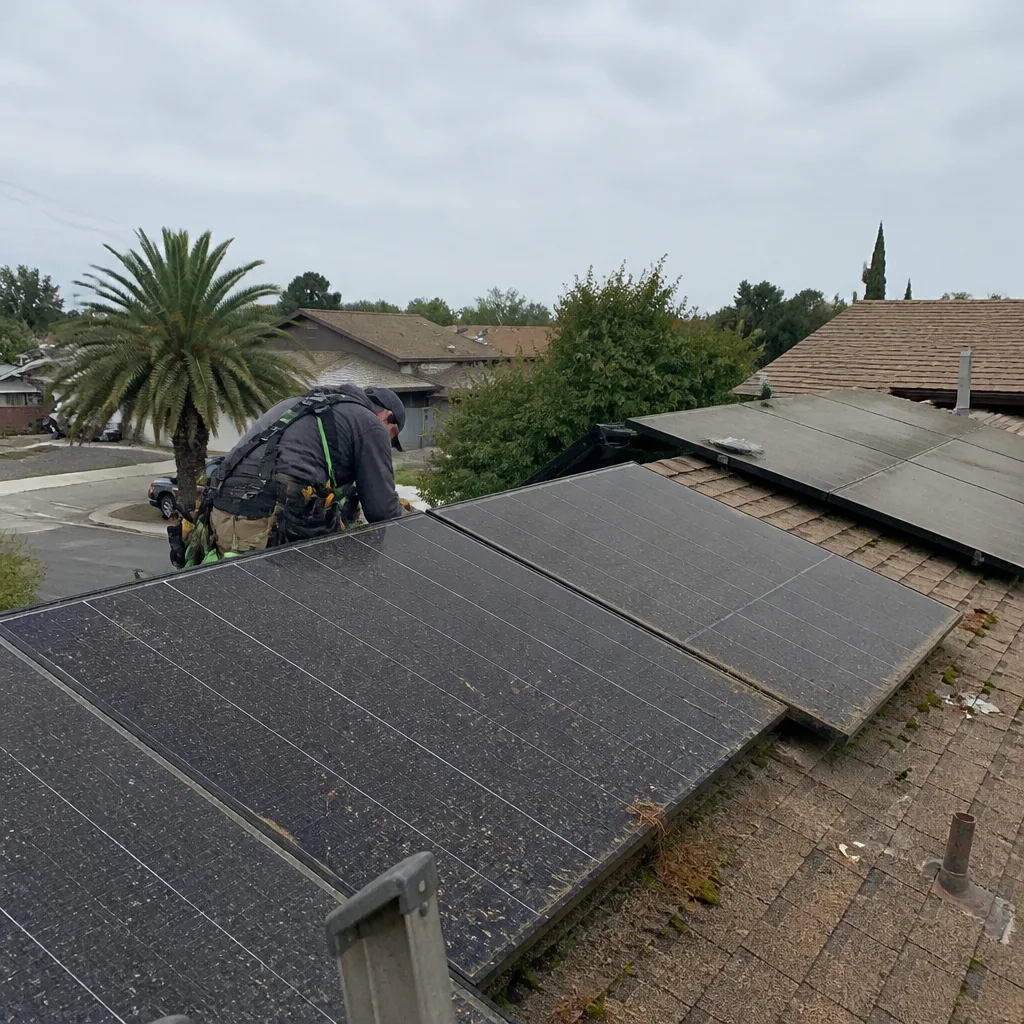 Before
 After
After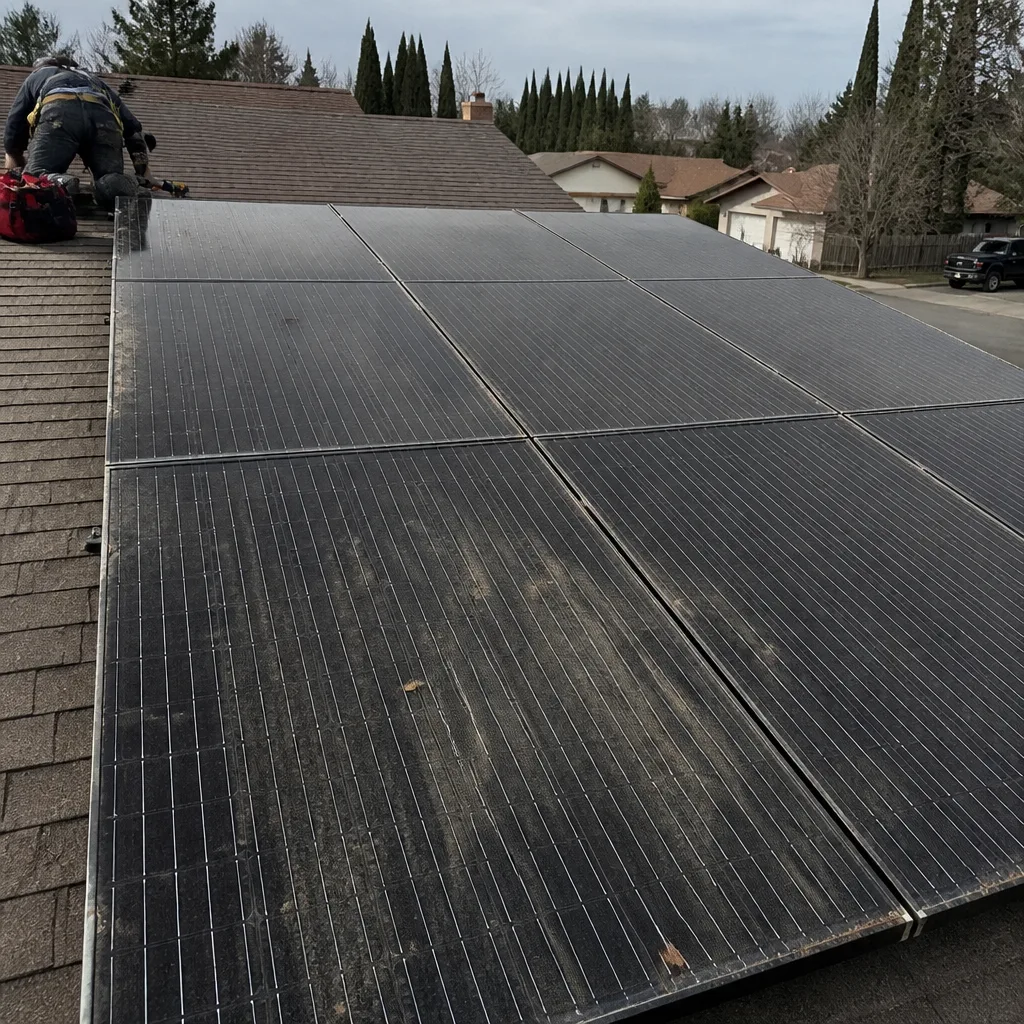 Before
 After
AfterFast, Reliable Commercial Solar Installation Across Spring Valley Lake
Commercial solar installation in Spring Valley Lake runs $85,000 to $240,000 for most warehouse and office rooftops, depending on system size and roof type, and typically takes four to eight weeks from permit application to final interconnection. If you own or manage a commercial property inside the Spring Valley Lake Association’s gates, you already know the process here is different from Victorville or Apple Valley: your array has to clear the Architectural Review Committee before San Bernardino County will even look at the permit. Gus’s Solar has done that dance enough times to know exactly what the ARC flags and what sails through. Call (877) 550-6892 and we’ll walk you through what your roofline can actually support.
Why Gus’s Solar Is Spring Valley Lake’s Preferred Commercial Solar Installation Company
Gus Petrakis runs this company the way Spring Valley Lake runs its HOA: with rules, accountability, and a name attached to every decision. He founded Gus’s Solar in 2011, and he’s been quoting year-25 output off real utility bills ever since, not day-one brochure numbers. Commercial property owners inside 92395 call us because we answer the phone with a live person at (877) 550-6892, not a ticketing portal. When the ARC needs a revised elevation drawing on a Tuesday afternoon, you talk to someone who can actually make the change, not a call center three states away.
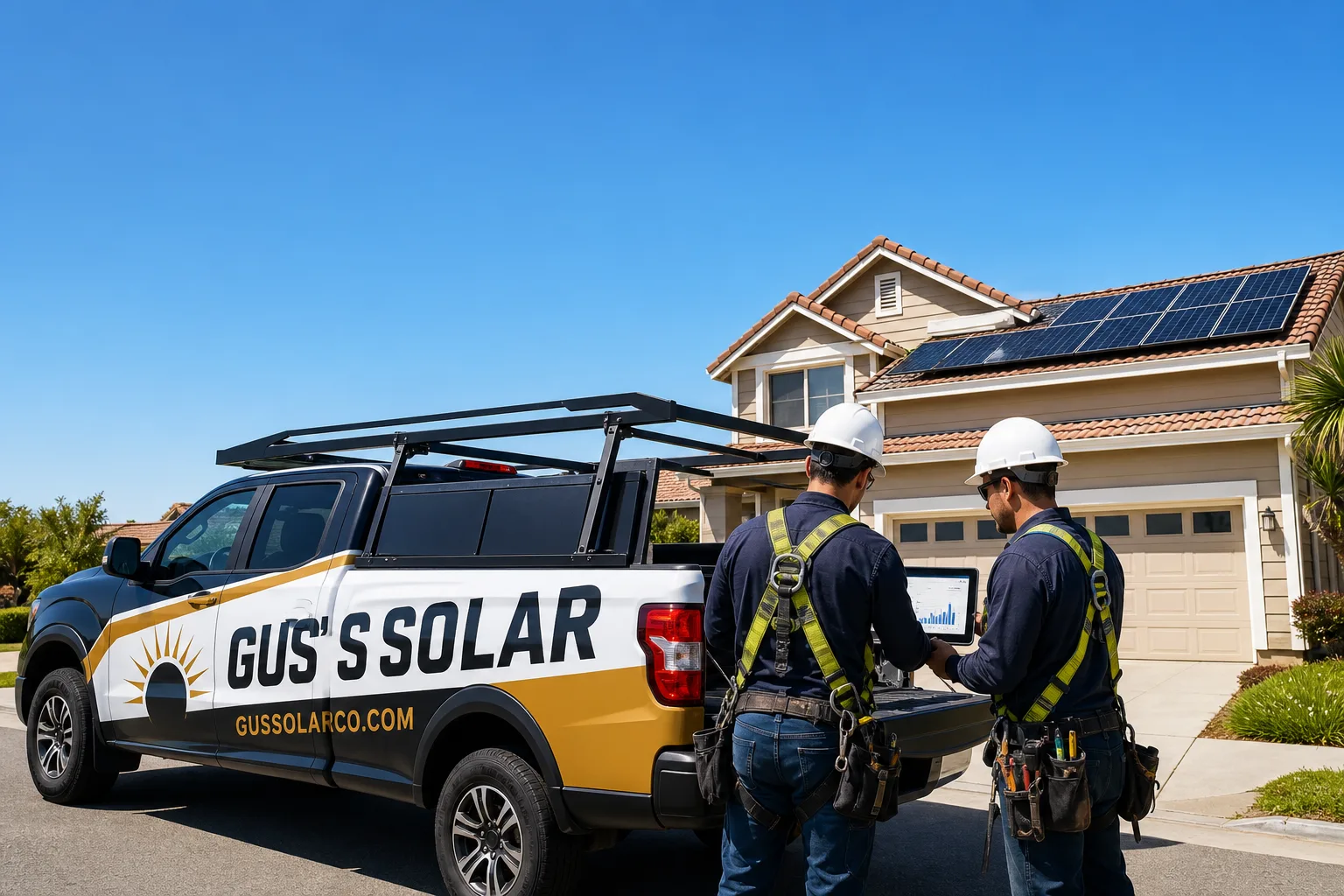
Our crew has worked on commercial rooftops along Spring Valley Parkway, behind the marina, and throughout the lakeside office strips where the ARC’s view-shed rules are strictest. We keep a published address, a license number, and Gus’s own name on the truck. Every job gets the 90-Day Done Right Promise in writing. If it’s not right, one call brings Gus back. Take two weeks to think about any quote we give you. The price will be the same.
Our Commercial Solar Installation Services in Spring Valley Lake
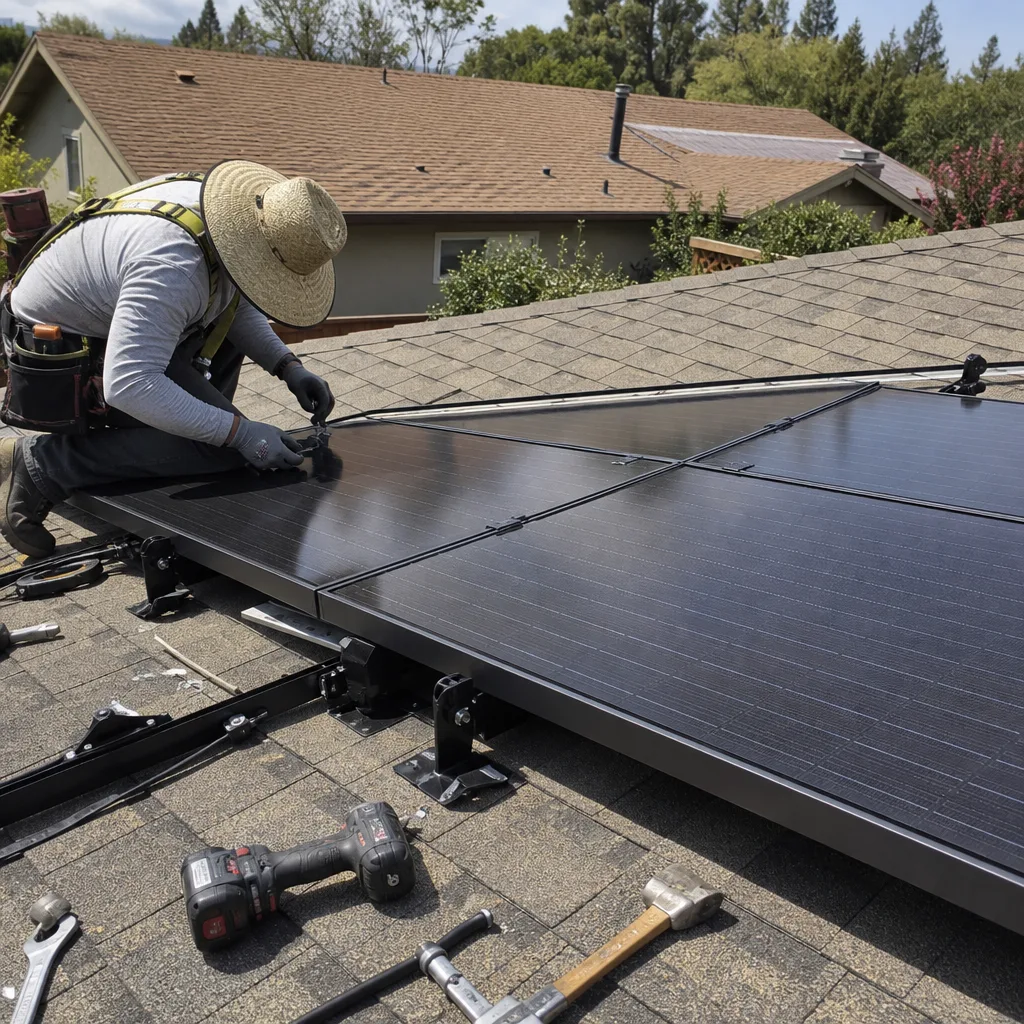
Commercial Rooftop Solar
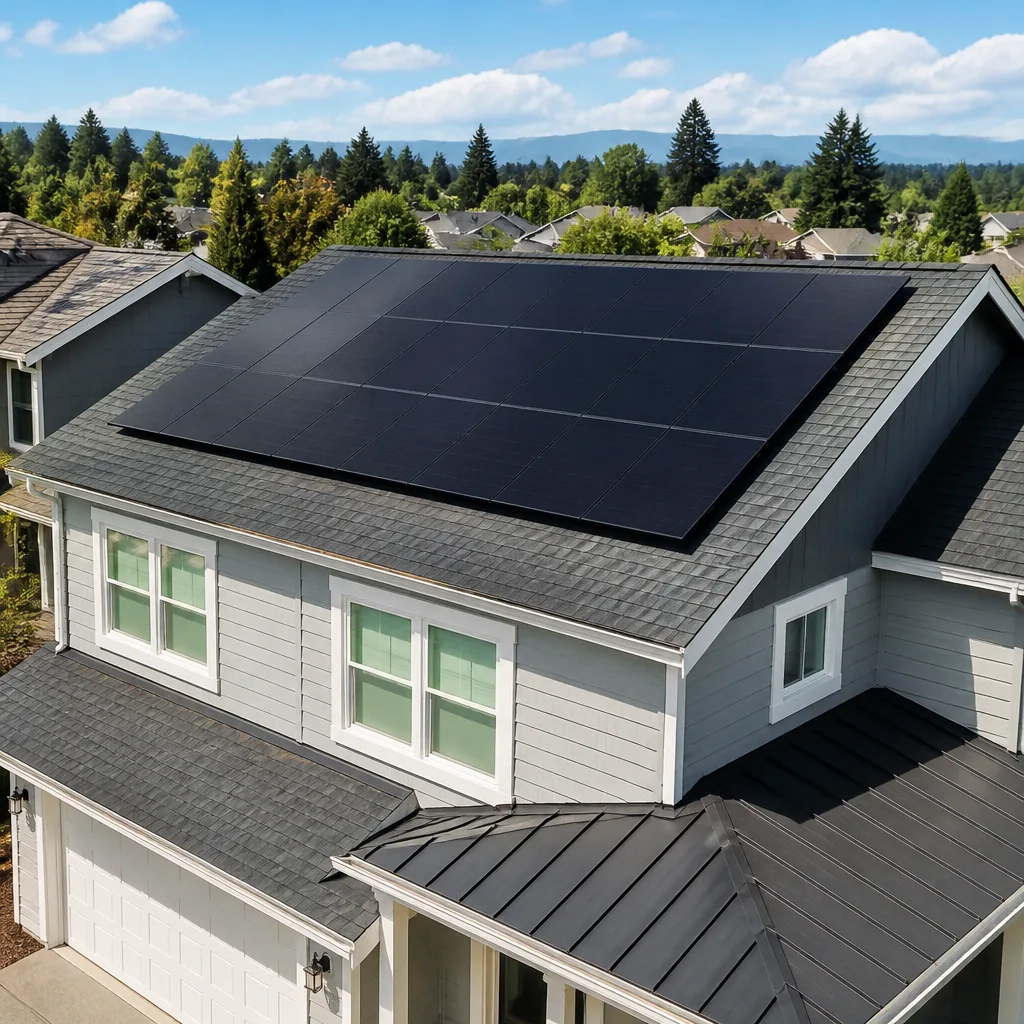
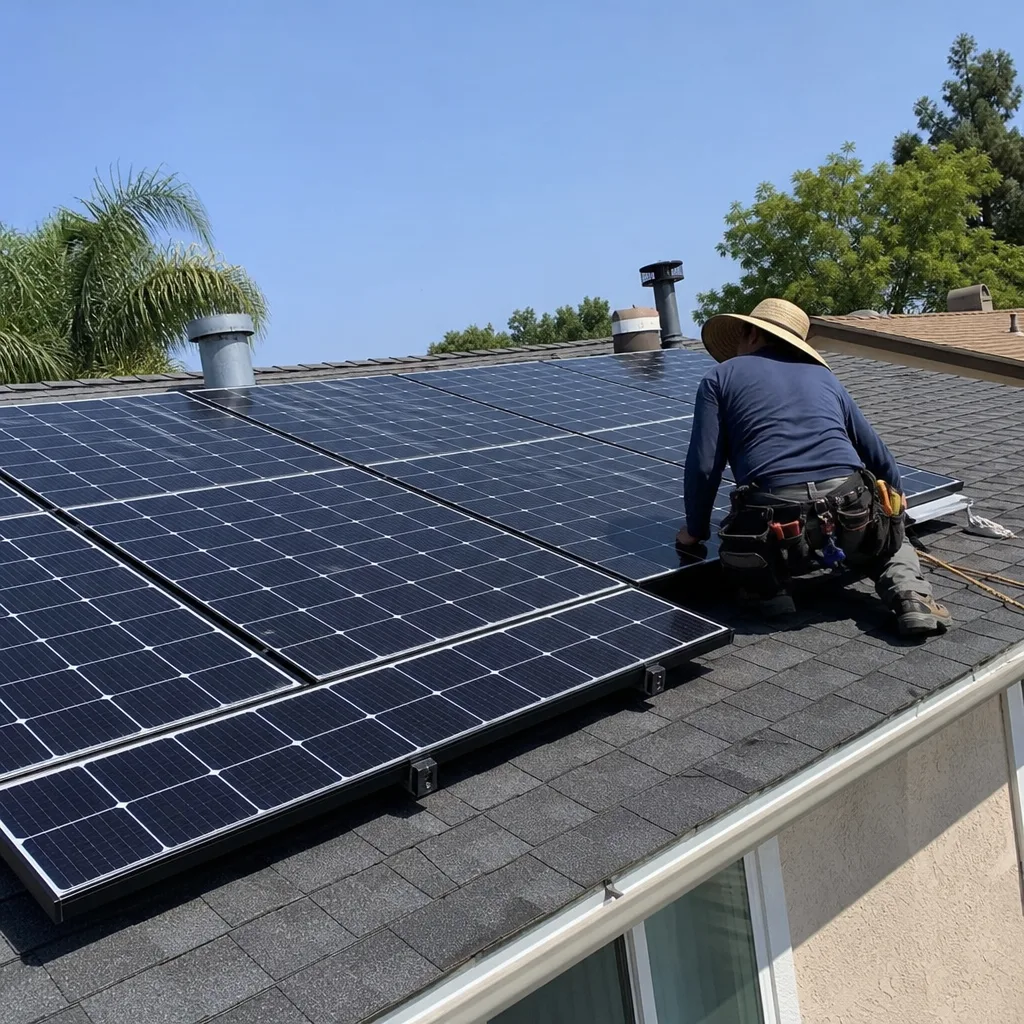
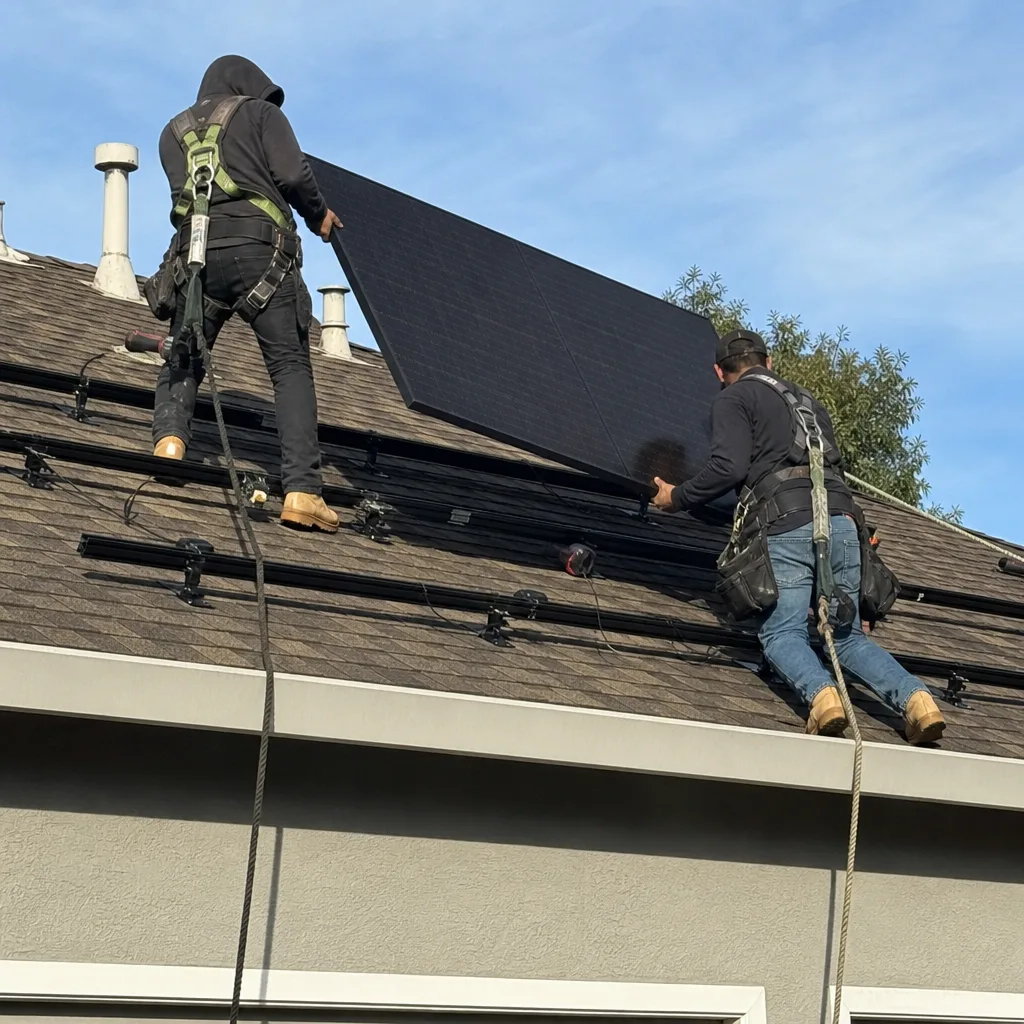
Flat and low-slope commercial rooftops around Spring Valley Lake are often the easiest wins, provided the roof membrane has life left in it. We assess the existing roof, pull the building’s actual 12-month usage, and design a Qcells or REC array sized to offset real consumption, not a hypothetical number. For lakefront office buildings where the most visible roof plane faces the water, we work the ARC angle early so the design that gets approved is the one that actually gets built.
Commercial Battery Storage
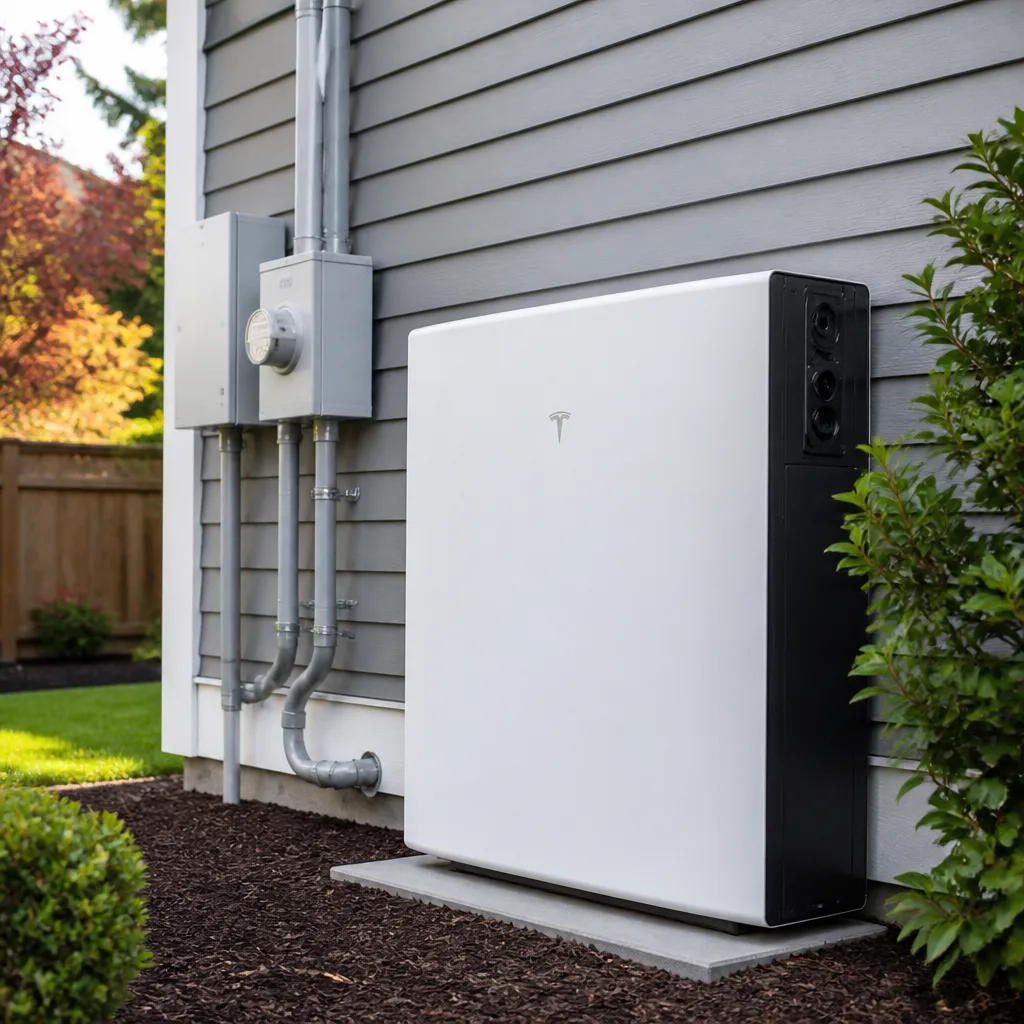
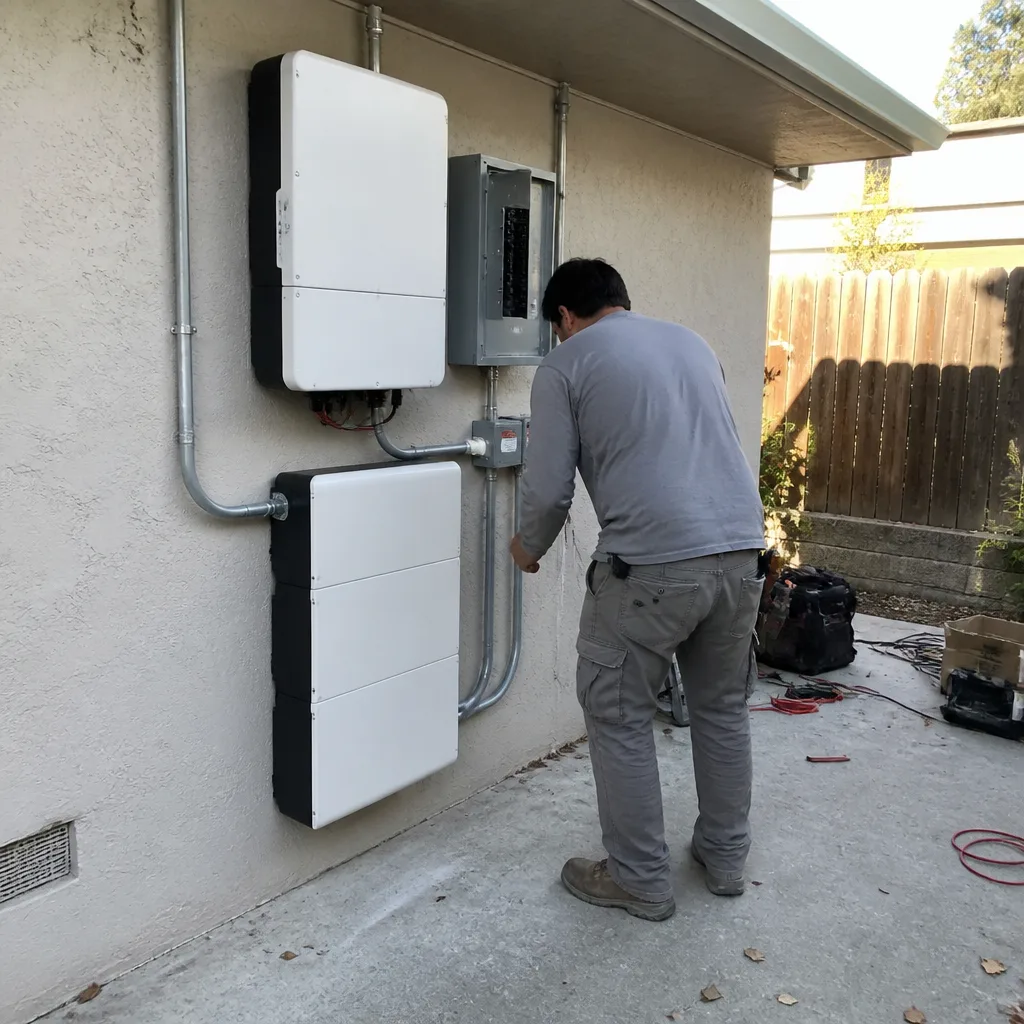
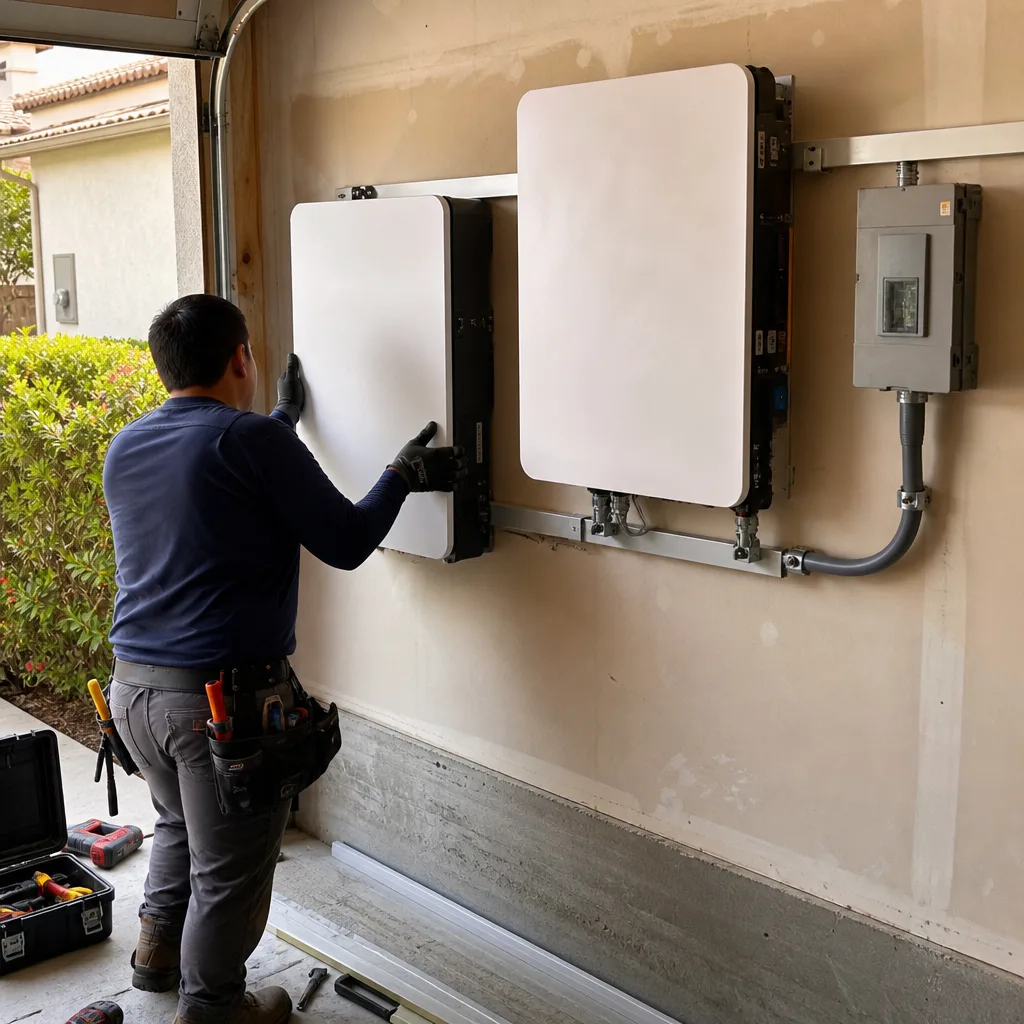
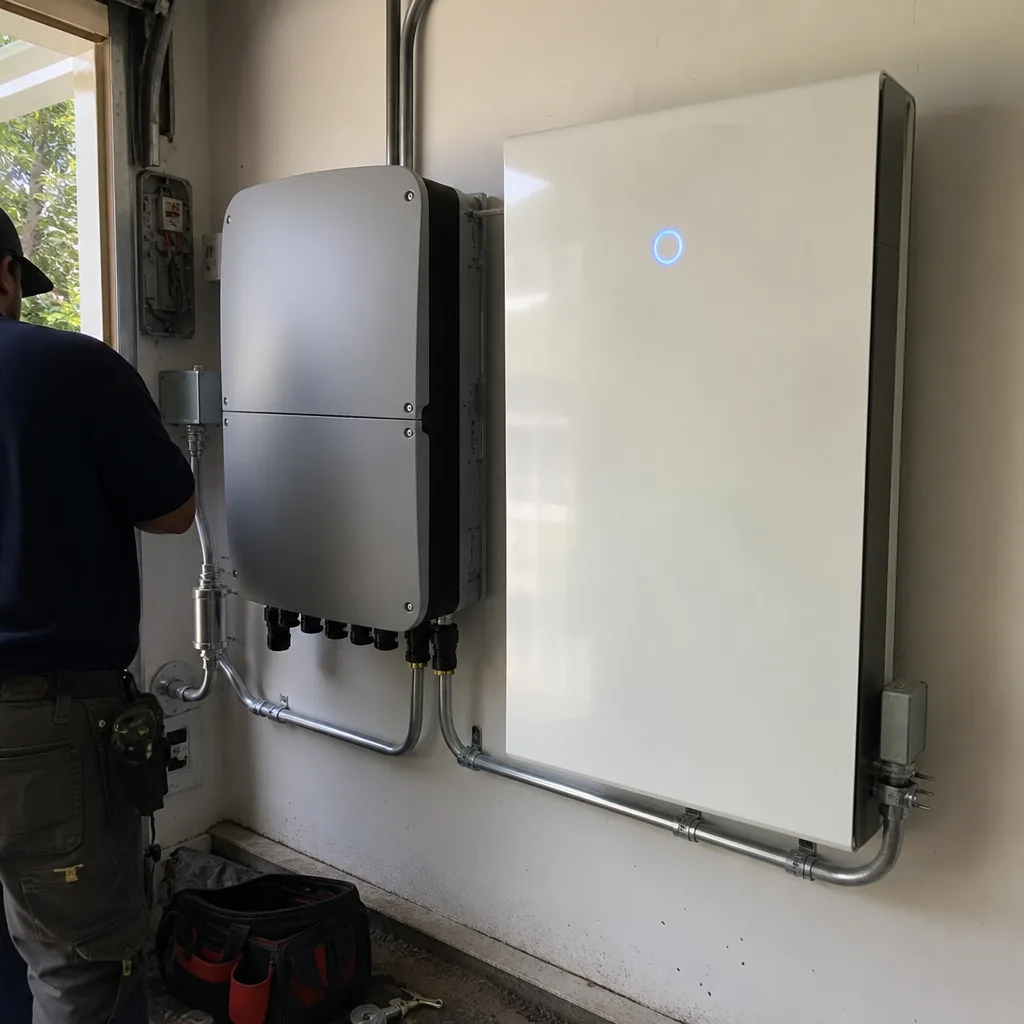
Spring Valley Lake sits at roughly 2,800 feet where summer heat drives peak demand charges hard, and batteries are how smart owners shave those peaks. We pair commercial arrays with FranklinWH battery systems sized to your building’s interval data, not a guess. The hard-freeze cycles here also mean battery placement matters: indoor or shaded mounting avoids thermal derating during the hottest afternoons when you need the stored power most.
Solar Carport Installation
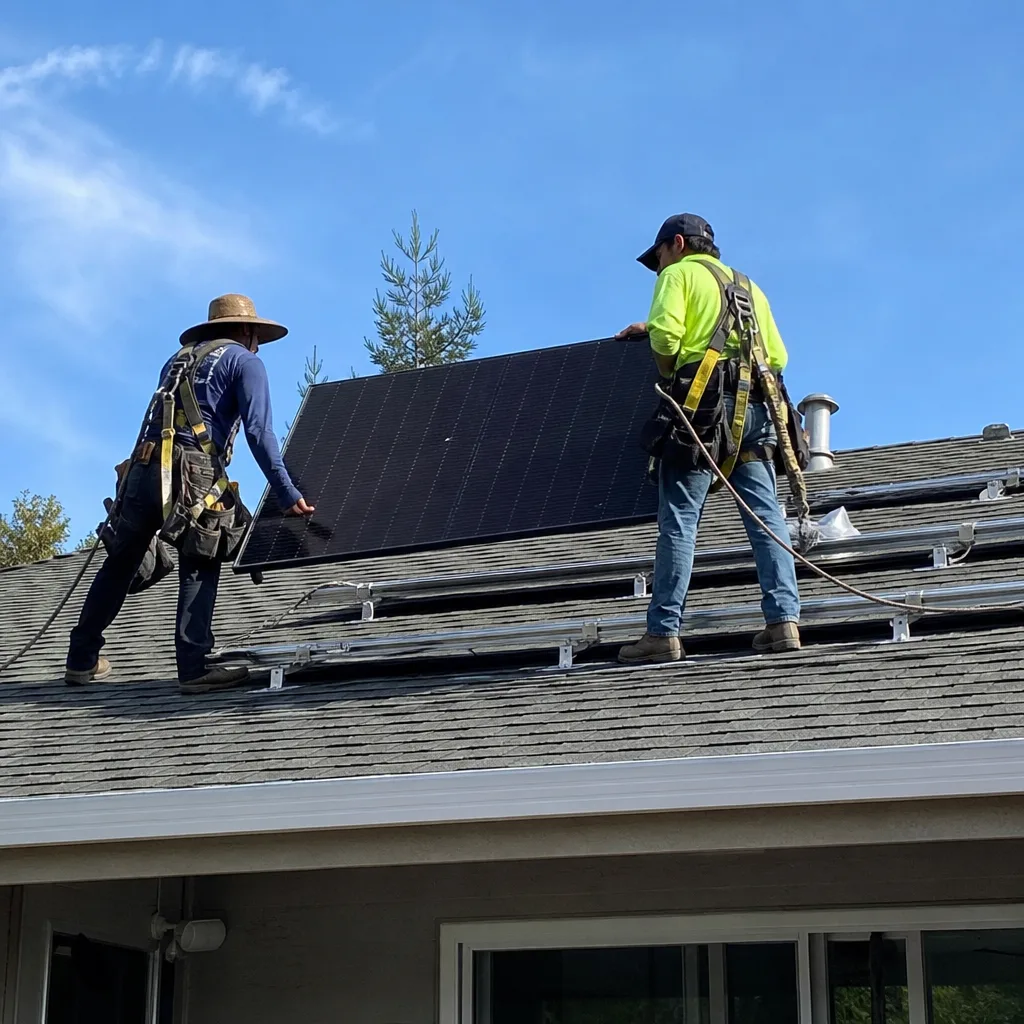
Carports are where we tell Spring Valley Lake property owners to look when the main roof is arc-restricted or nearing replacement. A carport array on the parking side of the property almost never draws the same ARC scrutiny as a lakeside roof slope, and it shades employee vehicles in July. We engineer the structure for Mojave High Desert wind loads, including the westerly gusts that funnel across the lake each afternoon.
Commercial Solar Maintenance
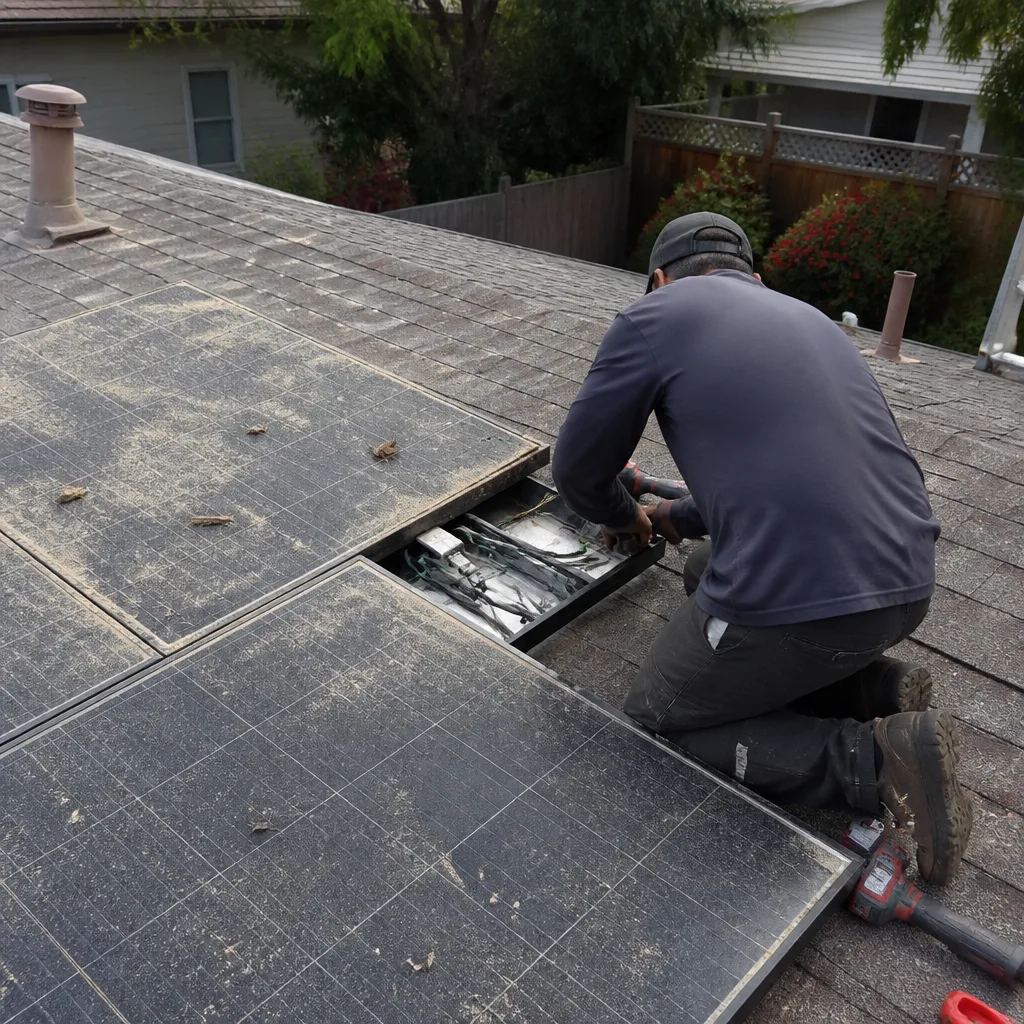
Panels in Spring Valley Lake get dirty faster than owners expect. The lake channels afternoon westerly winds that carry desert dust and fine sand onto panel faces, and a neglected array loses production month over month. We offer scheduled cleaning and inspection plans for commercial systems, and we monitor performance so we catch a failing microinverter or a cracked tile hook before it becomes a roof leak. Gus is the one who calls you when something’s off, not the other way around.
We also handle agricultural and ground-mount arrays for larger parcels, and repair work on existing commercial systems whether we installed them or not. If a salesman needs an answer tonight, the answer is no. Bring us a bill, we’ll bring you the math.
What happens when you call
- 1
A real person answersNo phone trees - you reach a local pro.
- 2
You get an upfront price rangeHonest numbers before anyone is dispatched.
- 3
A background-checked tech heads outLicensed & insured, dispatched right away.
- 4
You approve before work beginsNothing starts until you say go.
Trusted Brands We Service in Spring Valley Lake
We install and service commercial equipment from Qcells, REC, SunPower, and Panasonic, and we pair those arrays with Enphase microinverters and FranklinWH storage when the application calls for it. For Spring Valley Lake commercial clients, that matters because tile-hook availability and concrete-tile flashing compatibility vary by panel weight and frame design. We keep the mounting hardware and flashing styles the local roof stock demands on hand, which keeps turnaround tight when the ARC approval finally lands and you want to move. No waiting on a freight shipment from a warehouse two states over.
Common Commercial Solar Installation Problems We See in Spring Valley Lake Homes
- ARC denials on visible roof planes: A plan that shows panels on the street-facing or lakeside slope without first checking the Spring Valley Lake Association’s current view-shed restrictions will bounce, and the weeks lost to redesign push the whole project back. We submit elevations that anticipate the committee’s aesthetic objections before they become a denial.
- Wrong flashing on tile roofs: The commercial buildings along Spring Valley Parkway and the older office strips were mostly built in the 1980s and early 1990s with concrete or clay tile roofs. Generic asphalt-shingle flashing fails here, and the hard-freeze cycles that stress penetrations turn a small mistake into a ceiling stain by February.
- Dust soiling eating production estimates: The westerly wind-driven dust off the lakebed coats panels faster than most owners modeled. Panels placed too close to the roof deck trap grime along the bottom edge and degrade output. We adjust tilt angle and panel-gap spacing to let wind and occasional rain do as much cleaning as possible.
- Undersized inverters on west-facing arrays: Lakefront lots were often platted so the prominent roof face points east or west toward the water, not south. Designers who don’t account for that end up with clipping losses in the late afternoon when the western sun and lake-reflected light hit simultaneously. We size inverters for the real azimuth, not the brochure assumption.
Pricing for Commercial Solar Installation in Spring Valley Lake, CA
Here are honest ranges for Spring Valley Lake commercial work, based on jobs we’ve actually bid inside the 92395 zip code. A small office rooftop array of 25 to 40 kW runs $72,000 to $115,000 before tax credits. A mid-size warehouse system of 80 to 150 kW lands between $185,000 and $310,000. Carport structures add $4.20 to $6.10 per watt depending on steel and foundation costs driven by the High Desert wind loads. Commercial battery storage from FranklinWH typically adds $45,000 to $110,000 depending on capacity and whether you’re stacking for demand-charge management or backup. Tile-roof commercial buildings cost 8 to 15 percent more in labor than flat membrane roofs because every attachment point needs a tile hook and proper flashing. Call (877) 550-6892 for a line-item estimate built off your actual utility bill. Estimates are free and the number we quote is the number you pay.
We Also Serve Cities Near Spring Valley Lake
Our Commercial Solar Installation team works across the High Desert and Inland Empire corridor. Beyond Spring Valley Lake, we regularly handle commercial projects in Victorville, Apple Valley, Hesperia, and Oak Hills. Spring Valley Lake property owners get the same crew, the same 90-Day Done Right Promise, and the same live answer whenever they call.
Serving Spring Valley Lake, CA - Our Local Coverage Area
We’re based in the Spring Valley Lake area and know this community well. Use the map below to see our service coverage - if you’re nearby, we can almost certainly help.
FAQs - Commercial Solar Installation in Spring Valley Lake
The ARC reviews the array’s visibility from the street and the lake, the color and profile of the panels, the mounting system, and whether the design maintains the community’s aesthetic standards. They do not regulate system size or output, but they can and do reject plans that place panels on prominent lakeside or street-facing slopes. We prepare ARC submissions that address view-shed concerns up front, which is why most of our Spring Valley Lake commercial projects clear the committee on the first or second pass. Call (877) 550-6892 if you have a denial letter in hand and want a second opinion.
Tile roofs slow installation and raise labor cost by roughly 8 to 15 percent because every attachment requires a tile hook, under-tile flashing, and careful handling to avoid cracking tiles during the walk. That upfront cost pushes the payback period out by six to eighteen months on a typical Spring Valley Lake commercial array. The offset is that clay and concrete tile roofs last 40 to 50 years, so the array rarely outlives the roof beneath it, unlike asphalt shingle roofs that force a removal and reinstall halfway through the panels’ 25-year production life.
On lakefront lots, the ARC’s view-shed rules often forbid panels on the roof face that looks out at the water, even when that face points south. Owners then choose between a west-facing array that captures late-afternoon sun and lake-reflected light, or a rear north-facing array that produces less but sails through approval. We model both scenarios using your actual 12-month usage data so you know exactly what the production tradeoff costs you in dollars before you submit anything.
California Civil Code §714 limits what an HOA can legally prohibit, but it does not eliminate the Spring Valley Lake Association’s right to review and impose aesthetic restrictions like panel color, placement on non-prominent roof faces, and screening requirements. The ARC cannot ban solar outright or impose rules that reduce system efficiency by more than 10 percent, but they can slow a project down for months. Knowing how to frame a submission within those legal bounds is the difference between a project that breaks ground this quarter and one that dies in committee.
Dust soiling from the westerly winds that blow across the lakebed is the number one production killer on Spring Valley Lake commercial arrays, and most owners never budget for it. Panels that should produce 100 percent of estimate are running at 82 to 85 percent within eighteen months. We recommend a cleaning schedule matched to the array’s tilt angle and gap spacing, and we monitor output so we can flag degradation before it becomes a permanent production loss. A maintenance plan costs a fraction of the lost output.
If you’re weighing commercial solar in Spring Valley Lake, call Gus’s Solar at (877) 550-6892. We’ll pull your bill, map your roofline against the ARC’s current rules, and give you an honest number with no signature required tonight. Take two weeks. The price will be the same.
Written by Gus Petrakis, Owner at Gus’s Solar, serving Spring Valley Lake and the High Desert since 2011.