
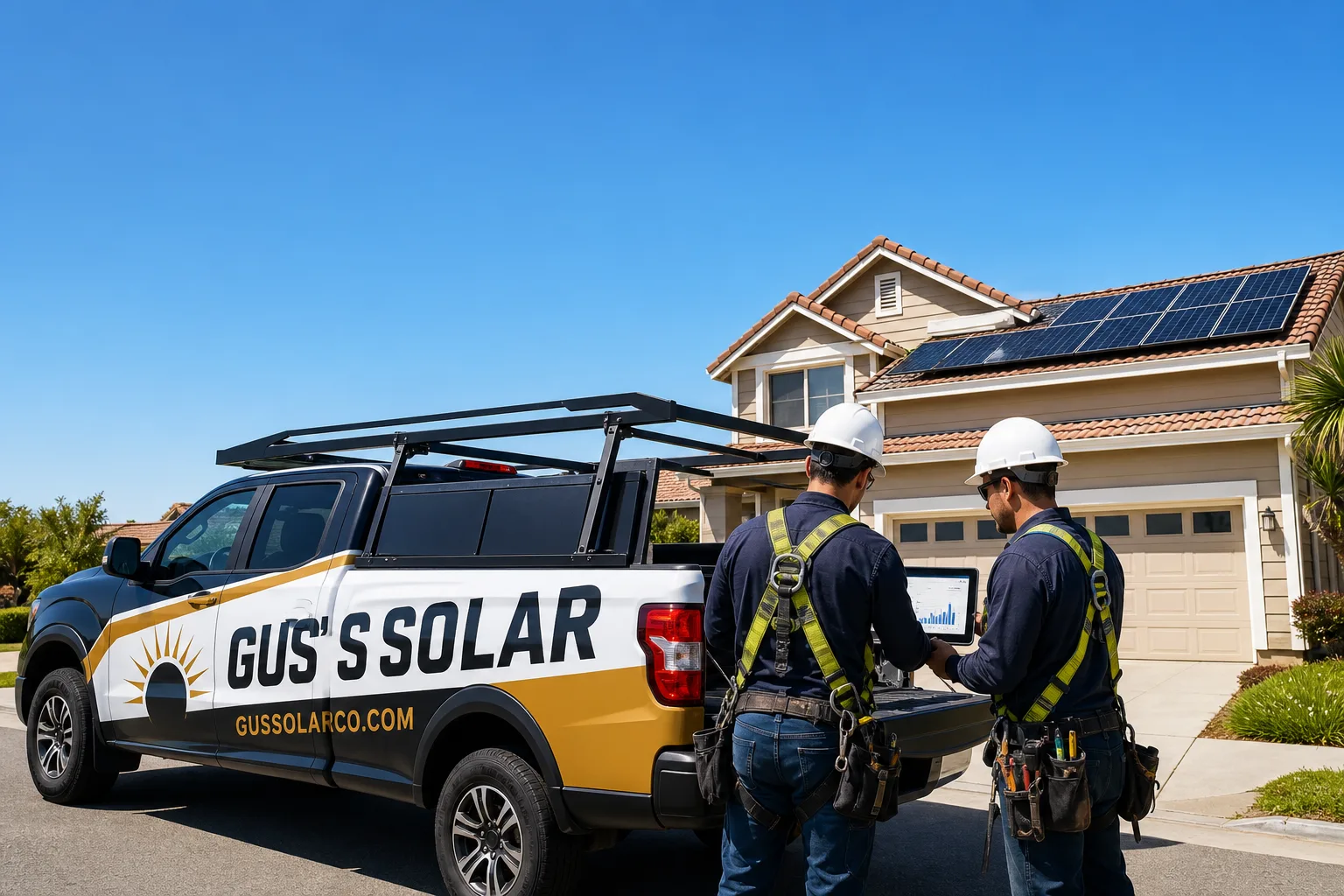
Free bill analysis - bring a power bill, get the production math for your actual roof, panel brands like Qcells and REC compared side by side
If the pitch starts at your door and ends with "sign tonight for the special," sleep on it. The sun will still be there tomorrow; so will we.
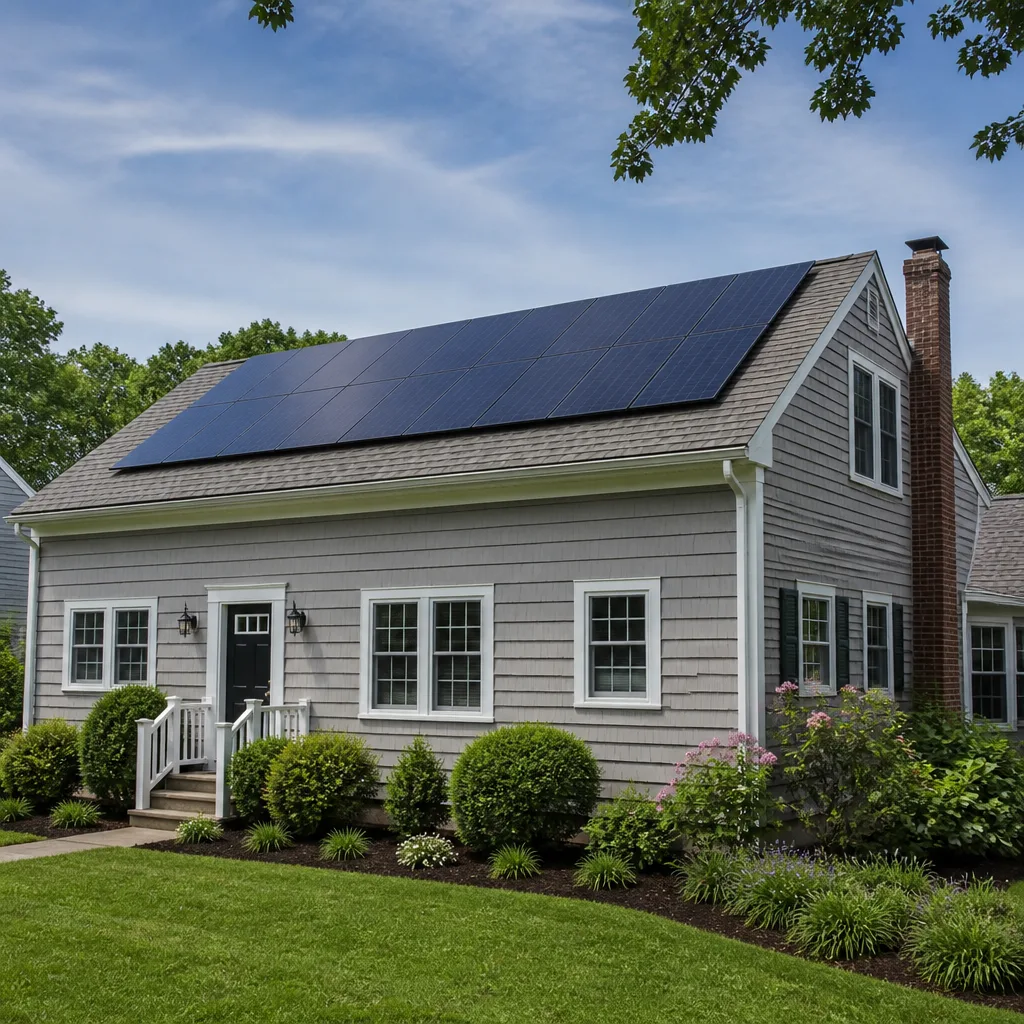
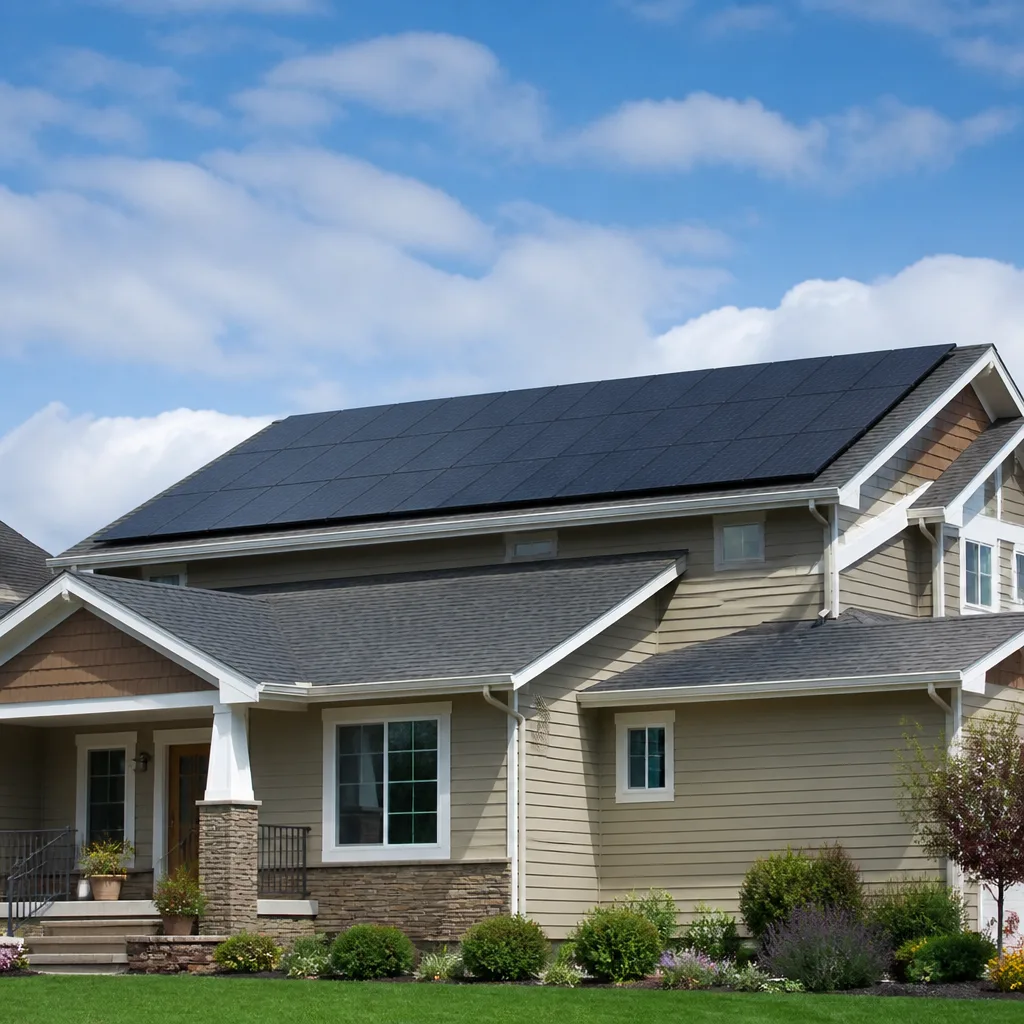
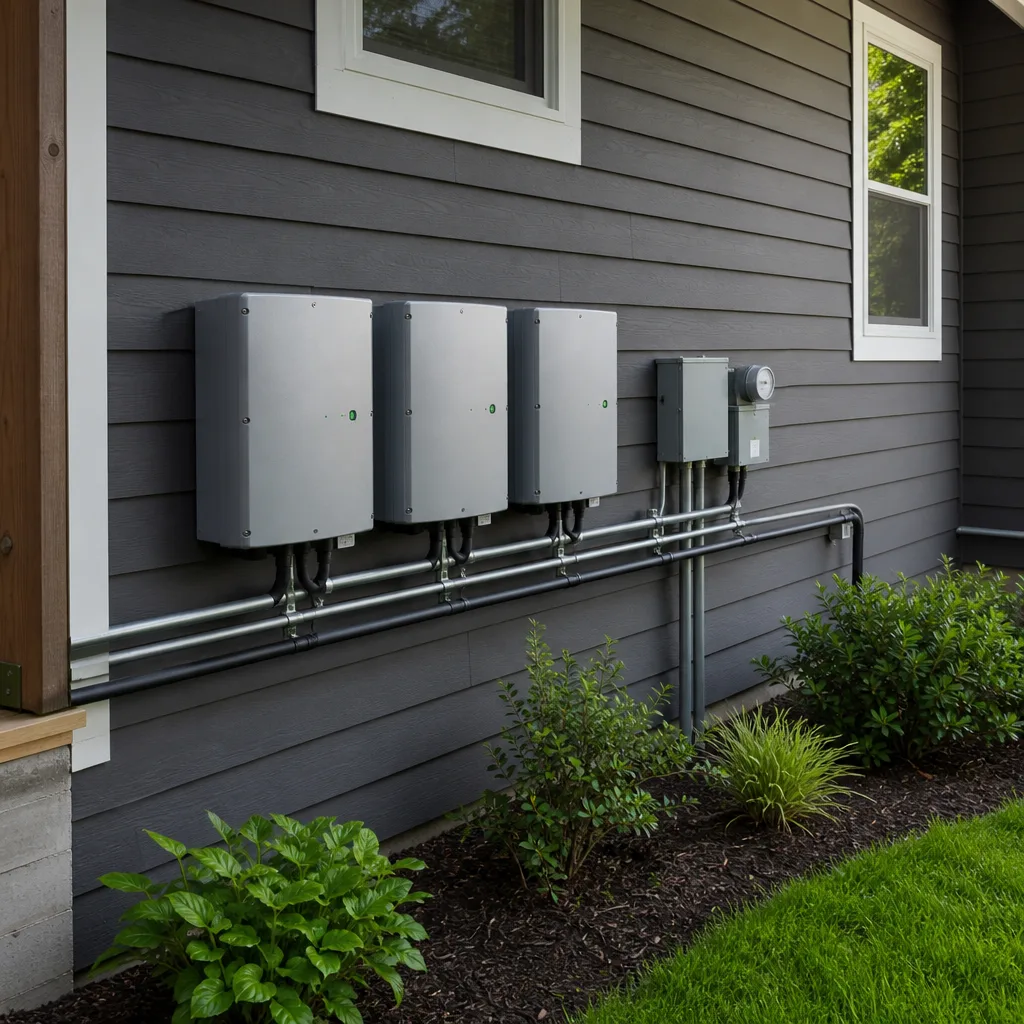
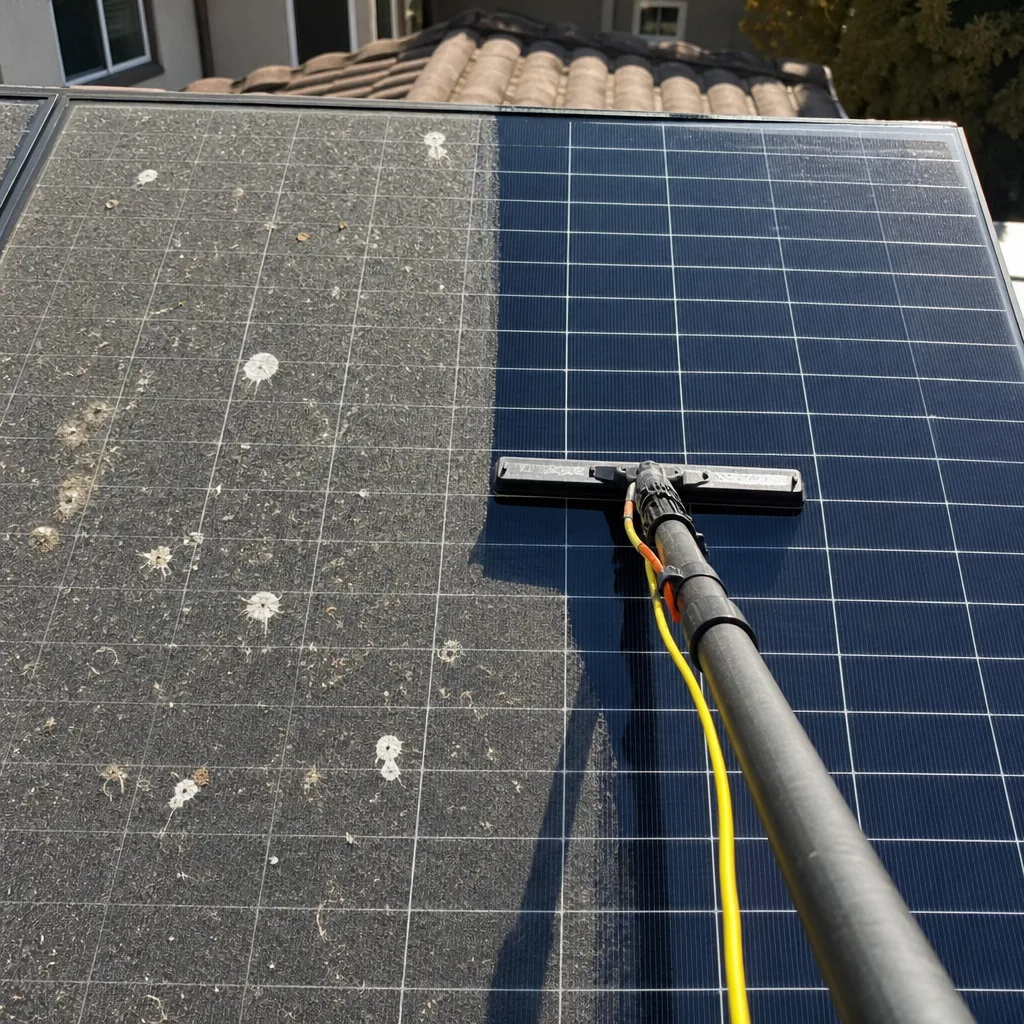
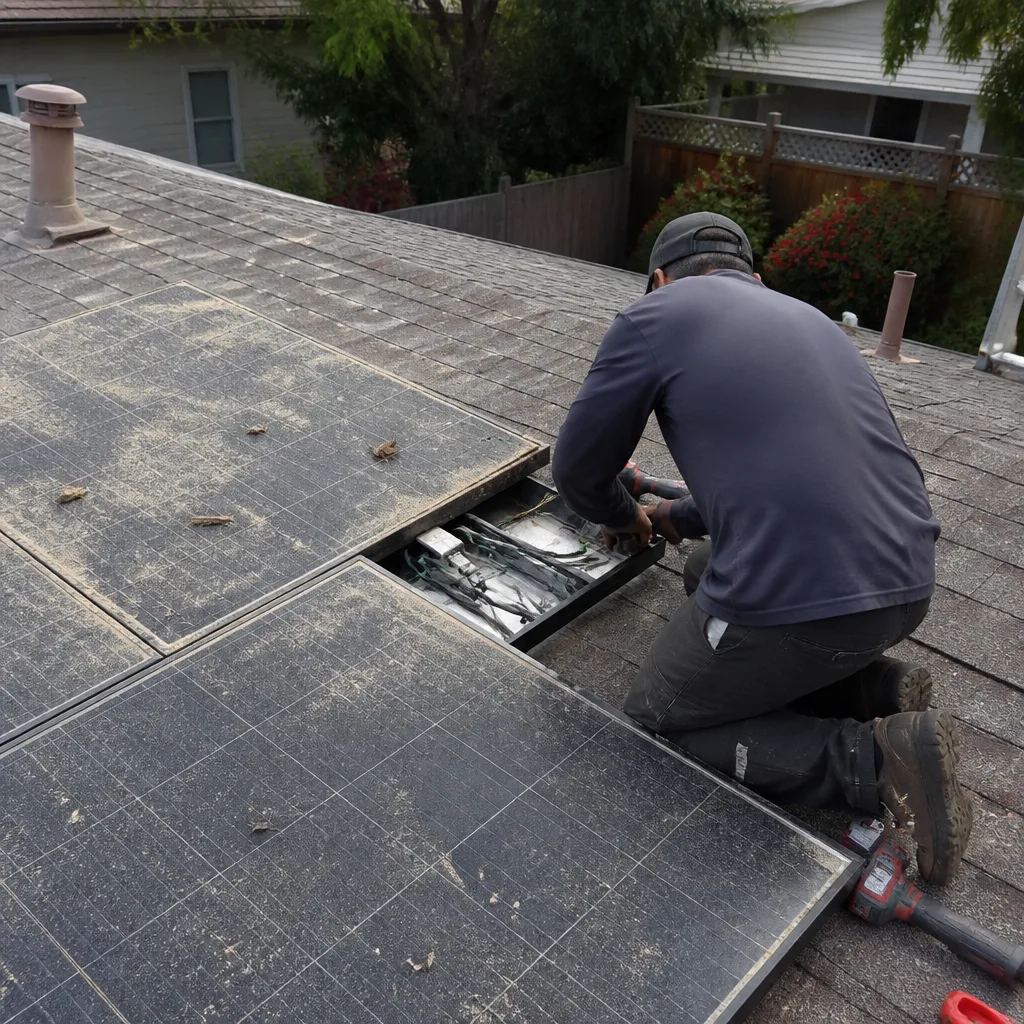 Before
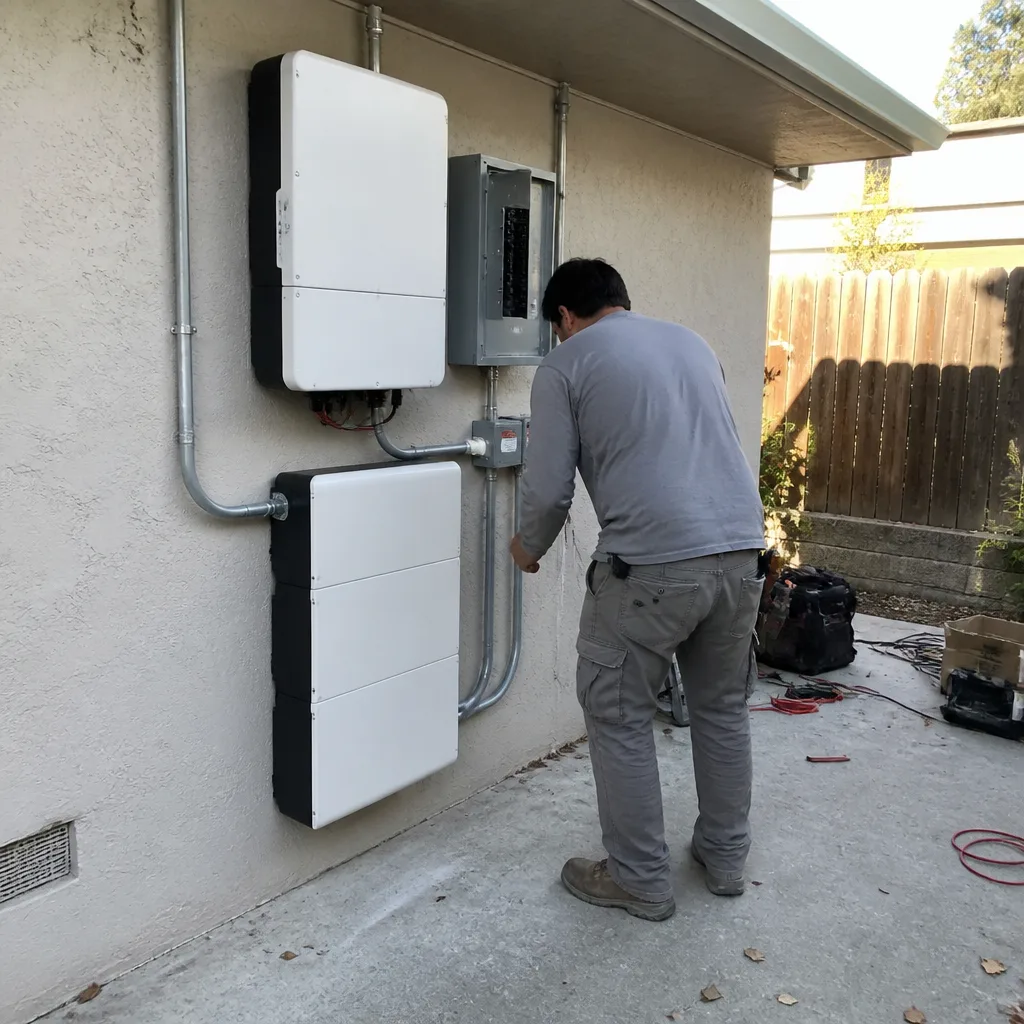 After
After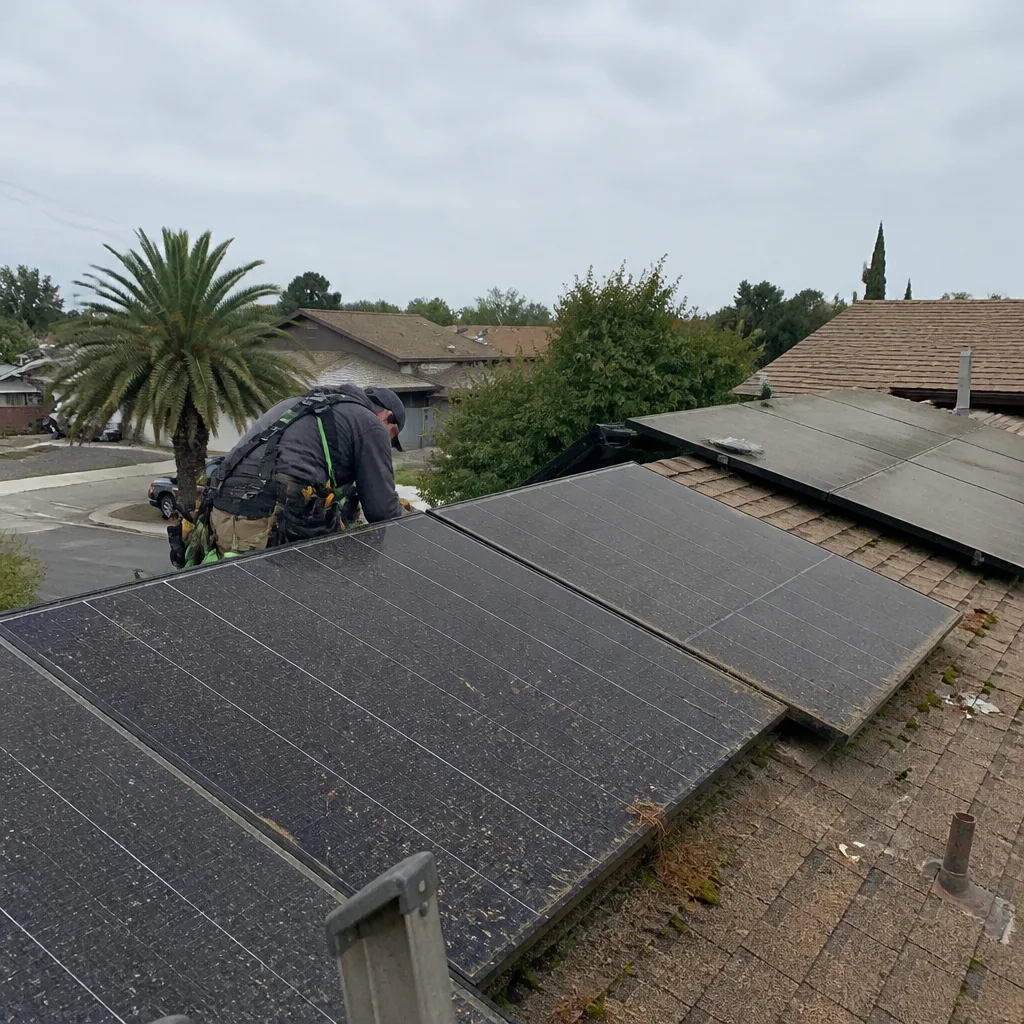 Before
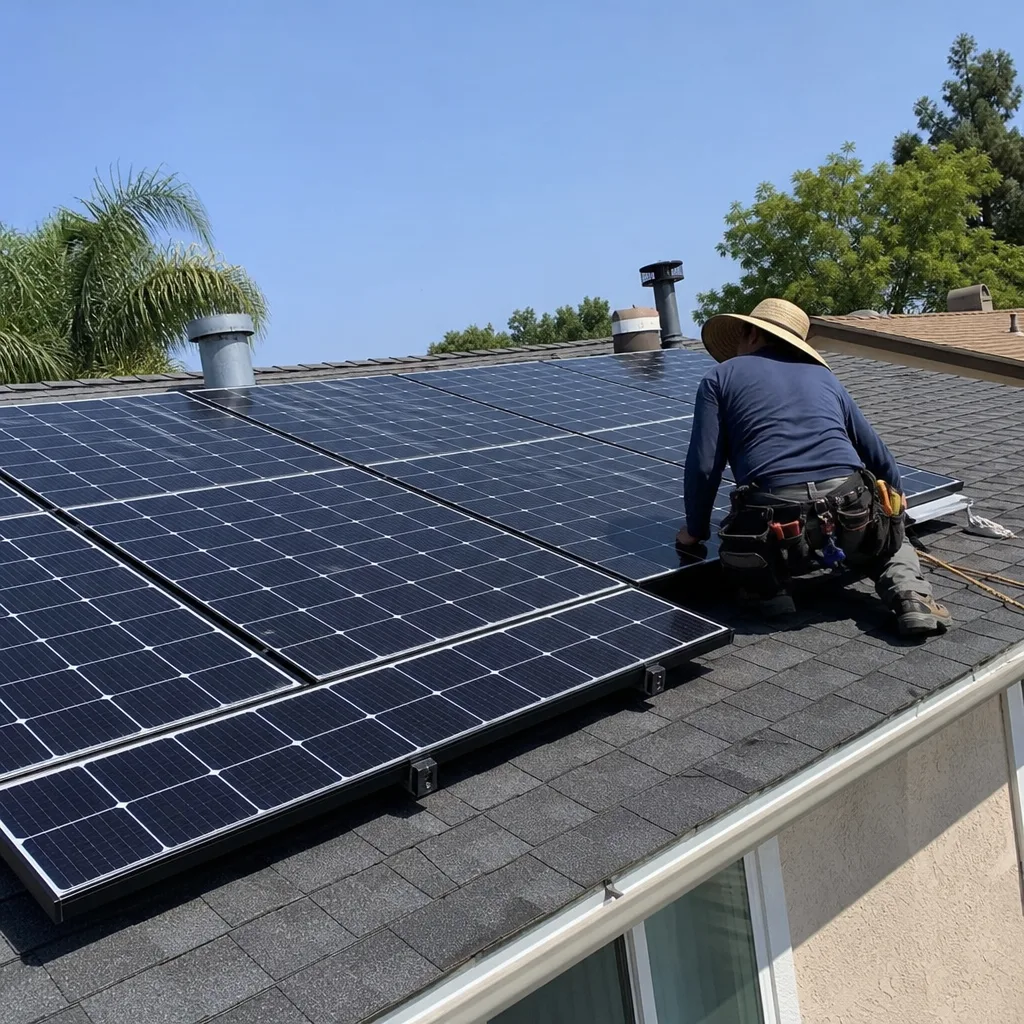 After
After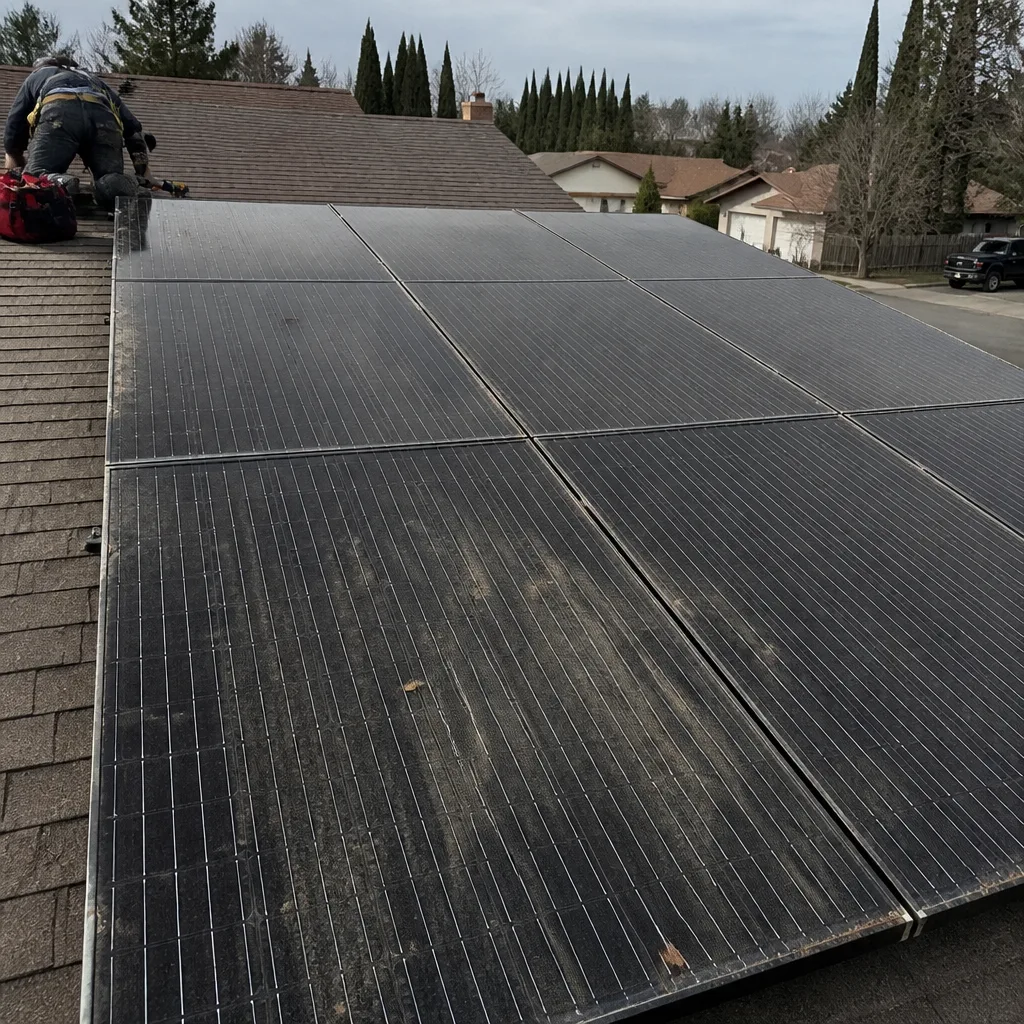 Before
 After
AfterFast, Reliable Commercial Solar Installation Across Spring Valley Lake
Commercial solar installation in Spring Valley Lake, CA means navigating something most installers never deal with: the Spring Valley Lake Association’s Architectural Review Committee. That’s the gate every array has to clear before San Bernardino County even looks at the permit. We’ve spent years working both sides of that process, so your project doesn’t stall at committee review. If you’re running a warehouse, retail building, or office off Spring Valley Parkway and want to cut your electric bill with solar, call Gus at (877) 550-6892 and we’ll walk you through the whole thing, ARC filing included.
Why Gus’s Solar Is Spring Valley Lake’s Preferred Commercial Solar Installation Company
Gus Petrakis started Gus’s Solar in 2011, and his name is on the truck, the paperwork, and the work itself. That matters in a private community like Spring Valley Lake, where word gets around fast. When a commercial installation goes sideways, the business owner doesn’t want to chase a call center in another state. They want the person who designed the system to pick up the phone. That’s what we do. A live person answers 24/7, and if something isn’t right, the 90-Day Done Right Promise means we come back and fix it. In writing, on every job.
Spring Valley Lake business owners have a particular problem: the ARC process weeds out installers who don’t know the community. We know the community. Our crews have worked on commercial rooftops here, dealt with the committee’s glare concerns, and come out the other side with approved systems that actually produce. We serve Commercial Solar Installation in Spring Valley Lake with the same crew that does the work everywhere else: background-checked, uniformed, and employed by Gus directly, not subcontracted out.
We run on the L.O.C.A.L. code here: Local roots, On time, Community first, Accountable, Loyal. It’s not a slogan on a mug. It’s how we quote, how we install, and how we handle a callback three years after the warranty starts.
Our Commercial Solar Installation Services in Spring Valley Lake
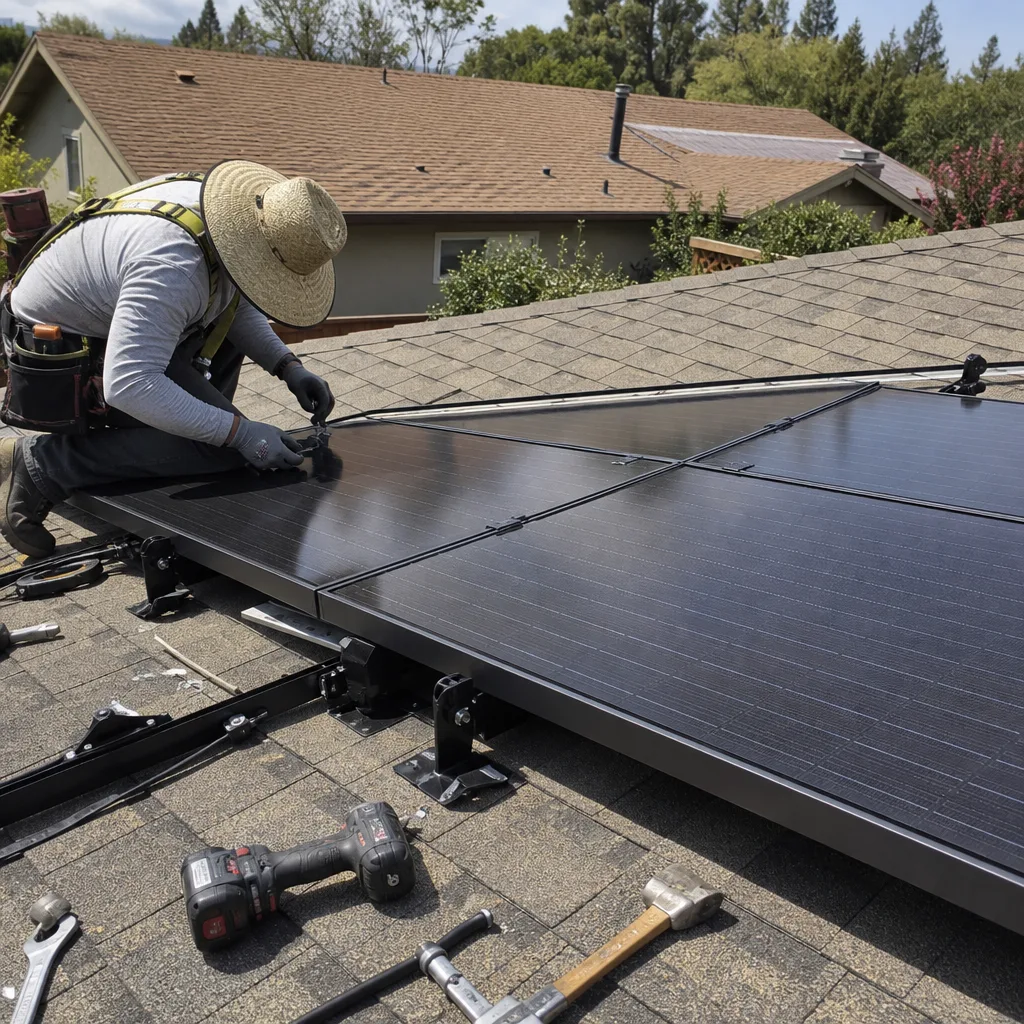
Commercial Rooftop Solar
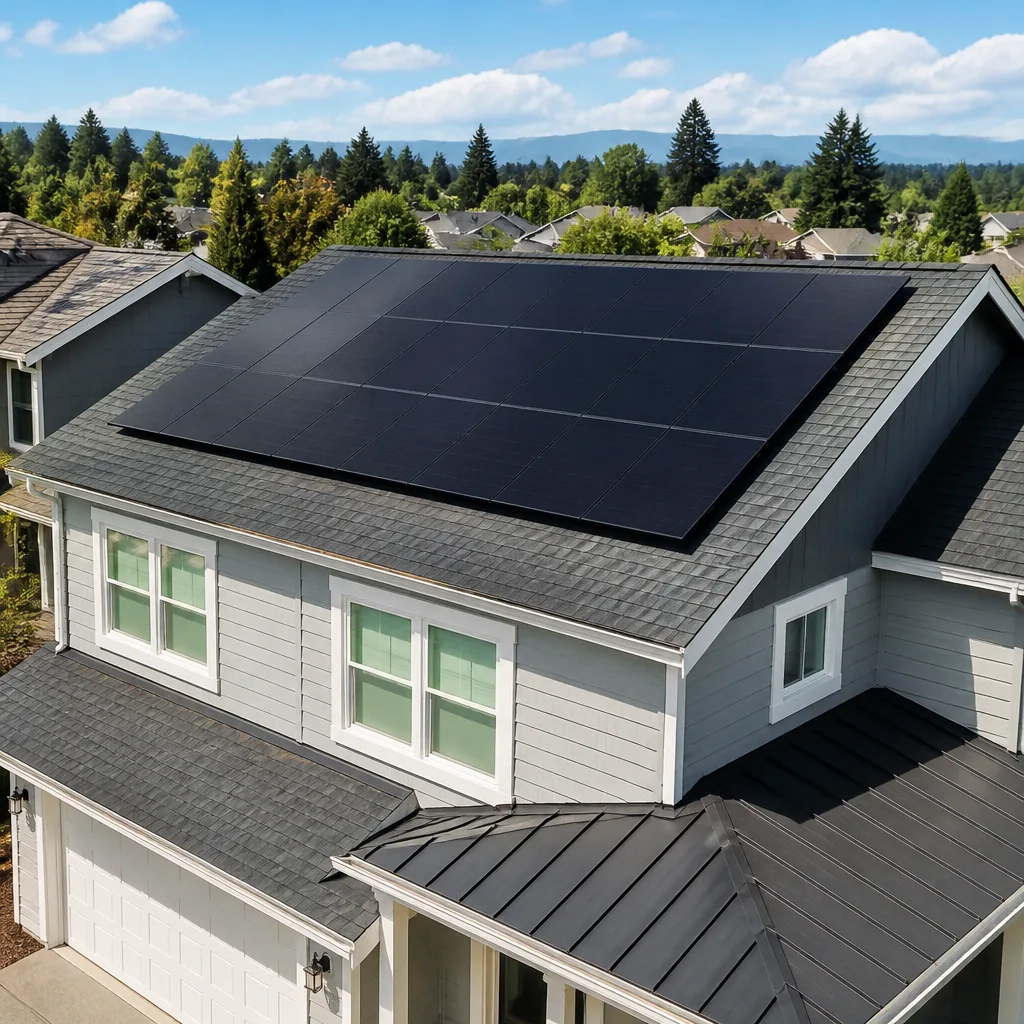
Flat and low-slope commercial roofs are the standard in the retail and warehouse buildings around Spring Valley Lake, and they need ballasted or mechanically attached racking that respects the roof membrane. Our Commercial Solar Installation team sizes arrays off your actual 12-month usage, not a square-footage guess. On a typical 10,000-square-foot commercial roof in Spring Valley Lake, a 120-180 kW system usually covers 70-90% of annual demand. We handle the ARC photometric analysis, the structural letter, and every county submittal.
Commercial Battery Storage
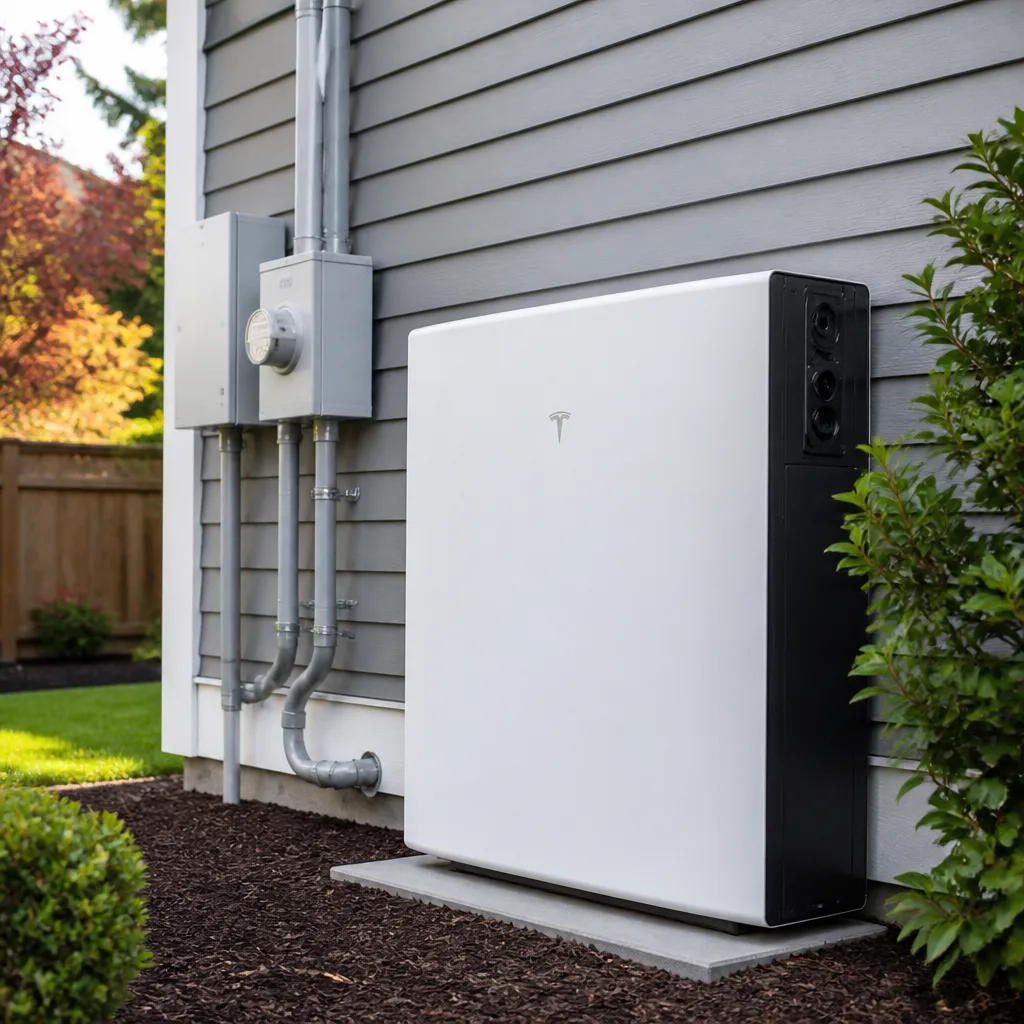
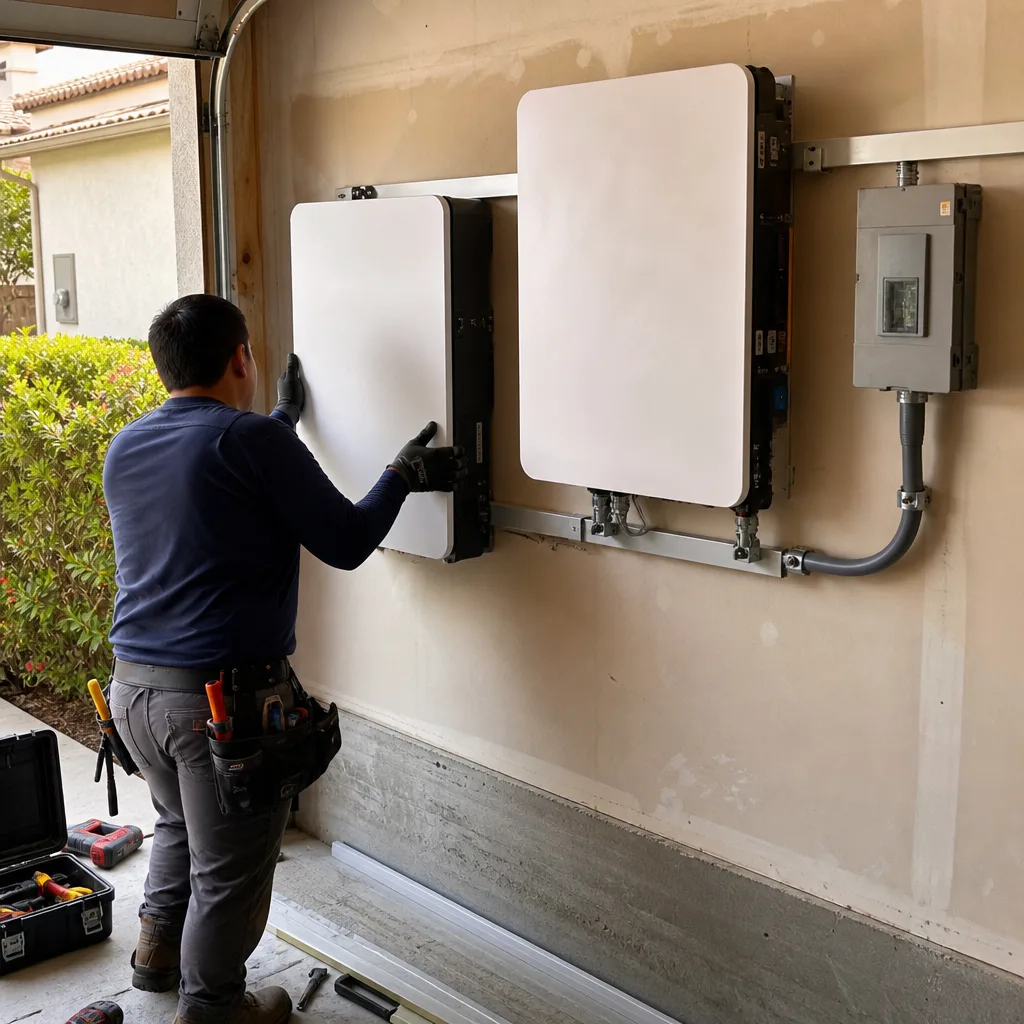
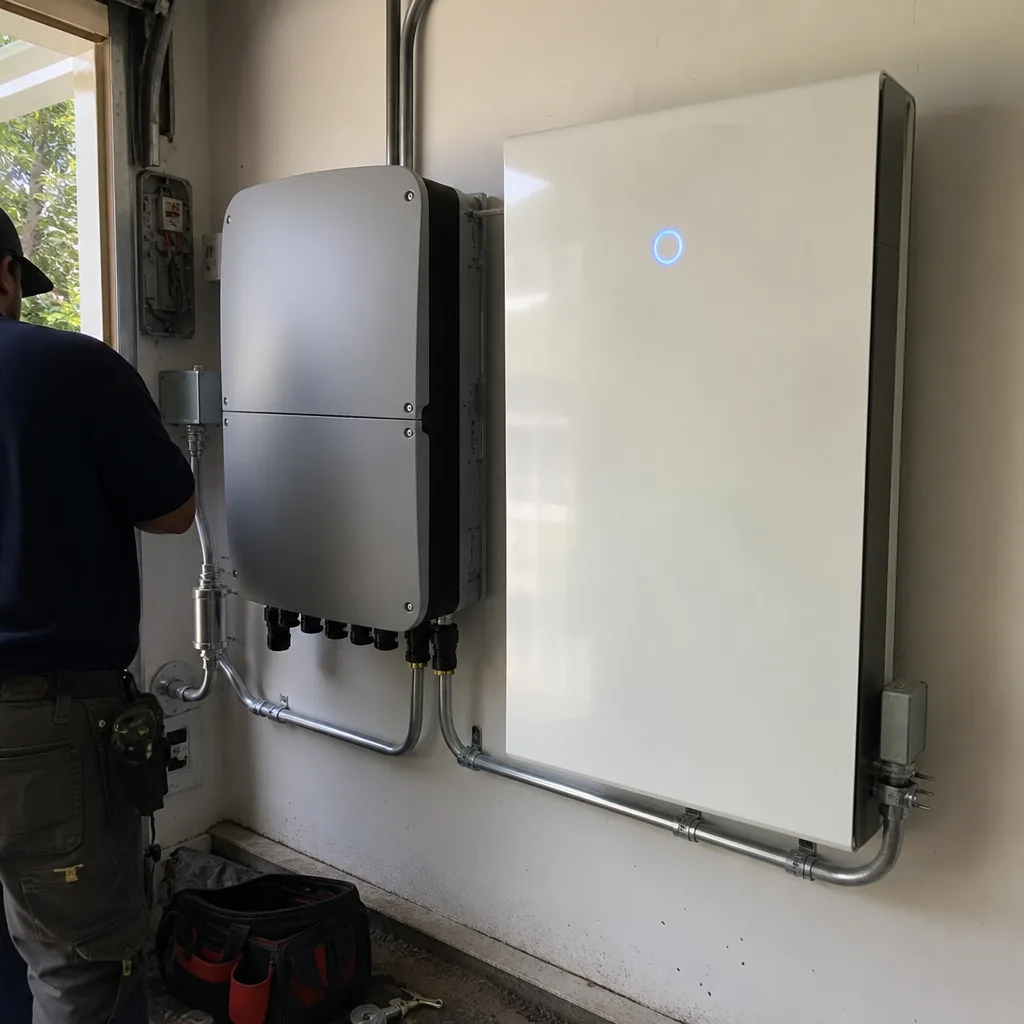
Battery storage changes the math for Spring Valley Lake businesses because it shifts production past the late-afternoon peak when the Mojave sun is still high but the grid rate has already climbed. A 30-60 kWh commercial battery paired with a rooftop array lets you run critical loads through the evening and ride through the brief but real outages the high desert sees. We install FranklinWH and Tesla commercial storage, sized to your load profile and your ARC-approved array output.
Warehouse & Industrial Solar
Warehouses off Spring Valley Parkway and the commercial lots near the lake’s west edge have big, open roof planes that are ideal for solar, but the ARC cares about what the lake-facing side looks like from across the water. We design warehouse arrays with a rear-elevation bias when the committee requires it, and we adjust tilt so production doesn’t fall off a cliff. A 50,000-square-foot warehouse in Spring Valley Lake can typically host a 250-400 kW system, depending on HVAC loads and roof condition.
Commercial Solar Maintenance
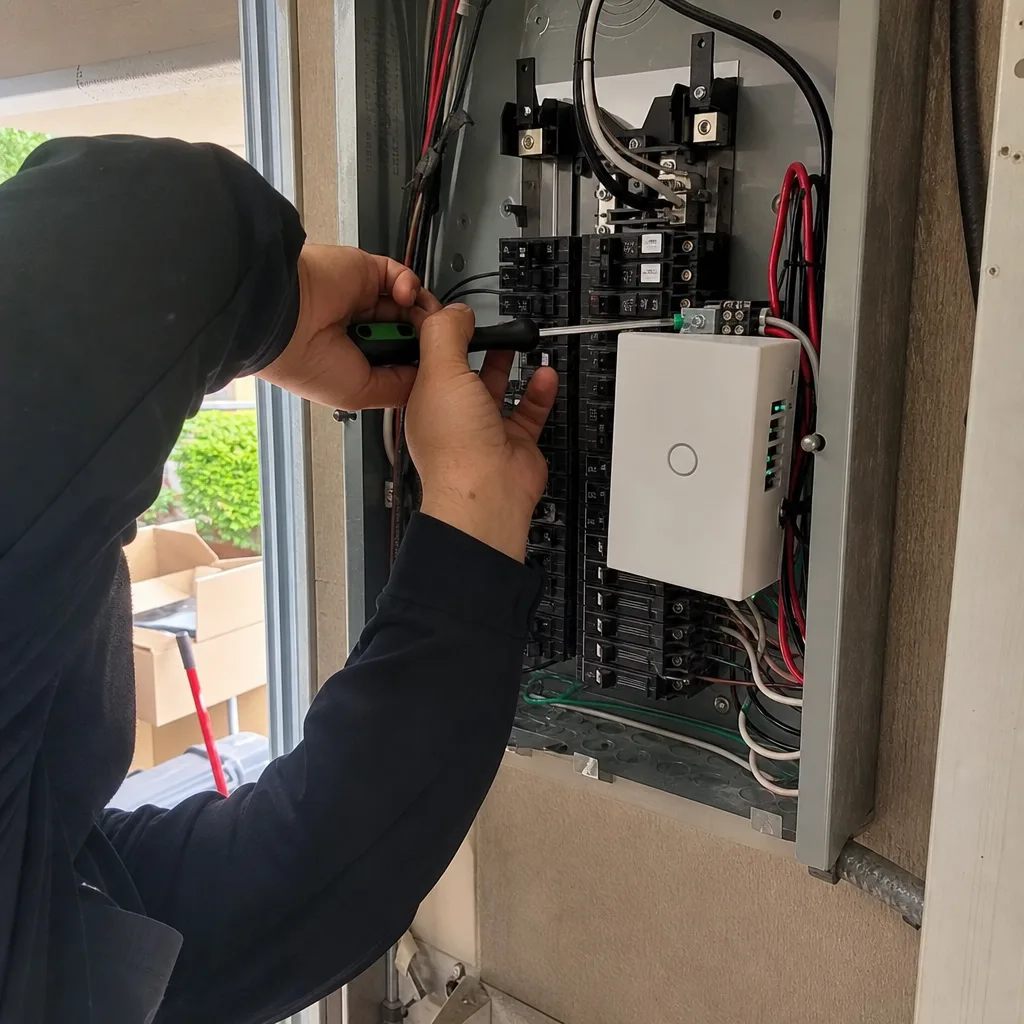
Desert dust and afternoon lake winds mean Spring Valley Lake systems need more cleaning than coastal installations. Panels coated in Mojave grit can lose 5-12% of their output between cleanings. We offer scheduled maintenance plans that include panel cleaning, inverter health checks, and a quick ARC compliance review if you’ve made changes to the roofline. Gus monitors your system and calls you when production dips, not the other way around.
What happens when you call
- 1
A real person answersNo phone trees - you reach a local pro.
- 2
You get an upfront price rangeHonest numbers before anyone is dispatched.
- 3
A background-checked tech heads outLicensed & insured, dispatched right away.
- 4
You approve before work beginsNothing starts until you say go.
Trusted Brands We Service in Spring Valley Lake
We install and service the brands that hold up in high-desert conditions: Qcells, REC, and Panasonic panels paired with Enphase microinverters or SolarEdge string systems. For commercial battery backup, we work with FranklinWH and Tesla. We keep common repair parts in local inventory, so a failed optimiser or a cracked panel doesn’t mean waiting two weeks on a shipment while your array sits dark. If your existing system is underperforming and you’re not sure why, bring us a year of production data. We’ll tell you what’s wrong and what it costs to fix.
Common Commercial Solar Installation Problems We See in Spring Valley Lake
- ARC rejections over glare and visibility. The committee’s biggest concern is how your array looks from the lake. If the panel layout isn’t accompanied by a photometric analysis showing no harmful glare toward lakefront homes, the application stalls. We submit that analysis with every commercial filing in Spring Valley Lake, 92395.
- Asphalt-shingle flashing on concrete tile roofs. Most commercial buildings here are newer tilt-up or metal, but when we do work on older structures with tile, installers who don’t know tile hooks will use shingle flashing and the first hard freeze opens a leak. That leads to ARC complaints about visible roof penetrations and a second repair visit.
- Systems designed for maximum kWh without checking ARC visibility rules. A design that puts panels on the prominently visible roof slope may produce well on paper, but the committee will send you back to the drawing board. We factor the ARC’s lake-side visibility standards into every design before we submit anything.
- Wind loading from the lake channel. Afternoon westerlies funnel across the water and hit rooftops with more force than the wind maps suggest. We specify freeze-rated, high-wind mounting hardware on every commercial installation in Spring Valley Lake. That’s not an upsell. It’s a structural requirement, and it’s why our arrays don’t lift in the March wind storms.
Pricing for Commercial Solar Installation in Spring Valley Lake, CA
A typical commercial rooftop solar system in Spring Valley Lake runs $2.30-$2.90 per watt before federal tax credits, which puts a 100 kW system somewhere around $230,000-$290,000 depending on racking type, electrical work, and whether the ARC requires rear-elevation mounting. Commercial battery storage adds $600-$900 per kWh installed, so a 40 kWh system lands around $24,000-$36,000. Ground-mount or carport systems on commercial lots run $2.80-$3.30 per watt because of the structural steel. We quote off your actual utility bill, not a brochure estimate. Bring us 12 months of usage data and we’ll build you real year-25 numbers. The price we quote is the price you pay. Take two weeks to think about it. It won’t change.
Here’s the honest range for the main commercial services in Spring Valley Lake:
- Commercial rooftop solar (100 kW): $230,000-$290,000 before tax credit
- Commercial battery storage (40 kWh): $24,000-$36,000 installed
- Commercial solar maintenance plan: $1,800-$4,200 per year depending on array size and cleaning frequency
- ARC compliance re-design (if another installer got rejected): $1,500-$3,500 for photometric analysis and revised submittal
Free estimates for every commercial project. Free second opinion on any written estimate you’ve received from another company. Senior and veteran discount applies to commercial work too, 10% off, no expiration. Call (877) 550-6892 and we’ll come out to Spring Valley Lake, walk the roof with you, and tell you what’s possible.
The Spring Valley Lake ARC Approval Process, Step by Step
Here’s the part most solar companies either don’t know or don’t mention: every commercial solar installation in Spring Valley Lake has to pass through two separate approvals, and the order matters. First, the Spring Valley Lake Association’s Architectural Review Committee reviews your design. They care about three things: visibility from the lake, glare impact on neighboring homes, and the aesthetic consistency of anything visible from the street. Then, and only then, does the project go to San Bernardino County for the building and electrical permits.
California’s Solar Rights Act, Civil Code §714, limits what the ARC can legally block. They can’t reject a solar system just because they don’t like solar. But they can require reasonable design accommodations that don’t significantly reduce performance or raise cost. The gray area is what “reasonable” means. We’ve sat in those committee meetings. We know how to frame a submittal so the first review passes, because we include the photometric analysis, the rear-elevation placement when needed, and a written explanation of why the design meets both the ARC’s standards and the Solar Rights Act.
When our crew installed a 120 kW rooftop array on a warehouse off Spring Valley Parkway, the ARC initially objected to the visible east-facing roof plane. We repositioned the array to the rear elevation, adjusted the tilt to 15 degrees to preserve production, and used SolarEdge inverters with module-level rapid shutdown to satisfy both the committee and the county electrical inspector. The system passed committee review in one meeting.
What Makes Spring Valley Lake Different From Victorville or Apple Valley
Drive ten minutes outside the gates and none of this applies. Victorville and Apple Valley run standard county permitting, no architectural review for commercial solar in most zones. Spring Valley Lake’s artificial lake creates a different set of physical constraints too. Lakefront lots are platted so the most prominent roof face points toward the water, often east or west, not south. That means the natural place to put panels is often the one place the ARC will push back on. We’ve learned to design around it: rear-elevation arrays, tilt adjustments, panel-gap spacing that reduces both wind uplift and glare. It costs a little more in engineering time, but it’s the difference between a system that gets installed and one that dies in committee.
At 2,800 feet in the high desert, Spring Valley Lake gets exceptional solar irradiance. More sun than most of coastal Southern California. But the diurnal temperature swings are brutal, and winter nights drop below freezing. That stresses roof penetrations, which is why we use freeze-rated mounting hardware and tile hooks designed for concrete and clay tile. The afternoon lake winds also push dust across panel faces faster than lower-desert markets, so panel tilt and gap decisions matter more here. A panel laid flat on a commercial roof in Spring Valley Lake will lose more production to soiling than the same panel at a 15-degree tilt.
We Also Serve Cities Near Spring Valley Lake
Beyond Spring Valley Lake, our crews cover commercial solar work in Victorville, Apple Valley, Hesperia, and Oak Hills. The county permitting offices are the same, but the ARC process is unique to Spring Valley Lake, and we’ve built our whole commercial workflow around it. If you’re over the line in Hesperia and want a straight answer on commercial solar, call the same number.
Serving Spring Valley Lake, CA - Our Local Coverage Area
We’re based in the Spring Valley Lake area and know this community well. Use the map below to see our service coverage - if you’re nearby, we can almost certainly help.
FAQs - Commercial Solar Installation in Spring Valley Lake
Both. The Spring Valley Lake Association’s Architectural Review Committee must approve your design before San Bernardino County will even process the building permit. If you skip the ARC step and file with the county first, the project stalls at the county’s zoning review because the city’s master-planned status flags the address. We submit both applications in the right order. Call (877) 550-6892 and we’ll tell you exactly what your address triggers.
No, not outright. Civil Code §714 prohibits an HOA from banning solar entirely or imposing rules that make the system significantly more expensive or less efficient. The ARC can require design changes, like moving panels off the lake-facing roof plane, as long as those changes don’t push costs up more than $1,000 or cut production more than 10%. The practical question is whether your installer knows how to push back when the committee overreaches. We do.
Spring Valley Lake commercial customers fall under Southern California Edison’s net metering 3.0 rules, which means you export excess production at a much lower rate than you pay for what you draw. That changes the economics. Systems that overproduce in the afternoon and export cheap power are less attractive than systems sized to cover on-site load plus battery storage to shift that afternoon sun into the evening. We size every Spring Valley Lake commercial system around your actual interval data, not an annual total.
If the lake-facing roof plane is shaded for a meaningful part of the day, you don’t want panels there anyway, and you can make that argument to the ARC with production modeling. We run a shade analysis using your building’s dimensions and the roof plane’s orientation. If the lake-facing side produces poorly, we show the committee the numbers and ask for the rear elevation instead. The argument is stronger when it’s built on data, not preference.
The ARC in Spring Valley Lake has adopted rapid shutdown requirements that match the county’s electrical code: module-level shutdown within 10 seconds for systems operating above 80 volts. On commercial flat roofs, that means module-level power electronics, which we typically do with SolarEdge optimizers or Enphase microinverters. The committee wants to know emergency responders can de-energize the array quickly. We show them the spec sheet with every submittal, and it’s never been a sticking point.
Get a Straight Answer on Commercial Solar in Spring Valley Lake
You don’t need to become a solar expert to make a good decision. You need someone who already is one, and who will answer your calls afterward. Gus Petrakis has been doing commercial solar since 2011, and he’s built the business around one rule: put your name on the work and answer the phone. The estimate is free. The math comes off your actual bill. The price won’t change if you wait two weeks. Call (877) 550-6892 and tell us what building you’re trying to power. We’ll tell you what’s possible, what it costs, and how long it’ll take.
Written by Gus Petrakis, Owner at Gus’s Solar, serving Spring Valley Lake since 2011.