
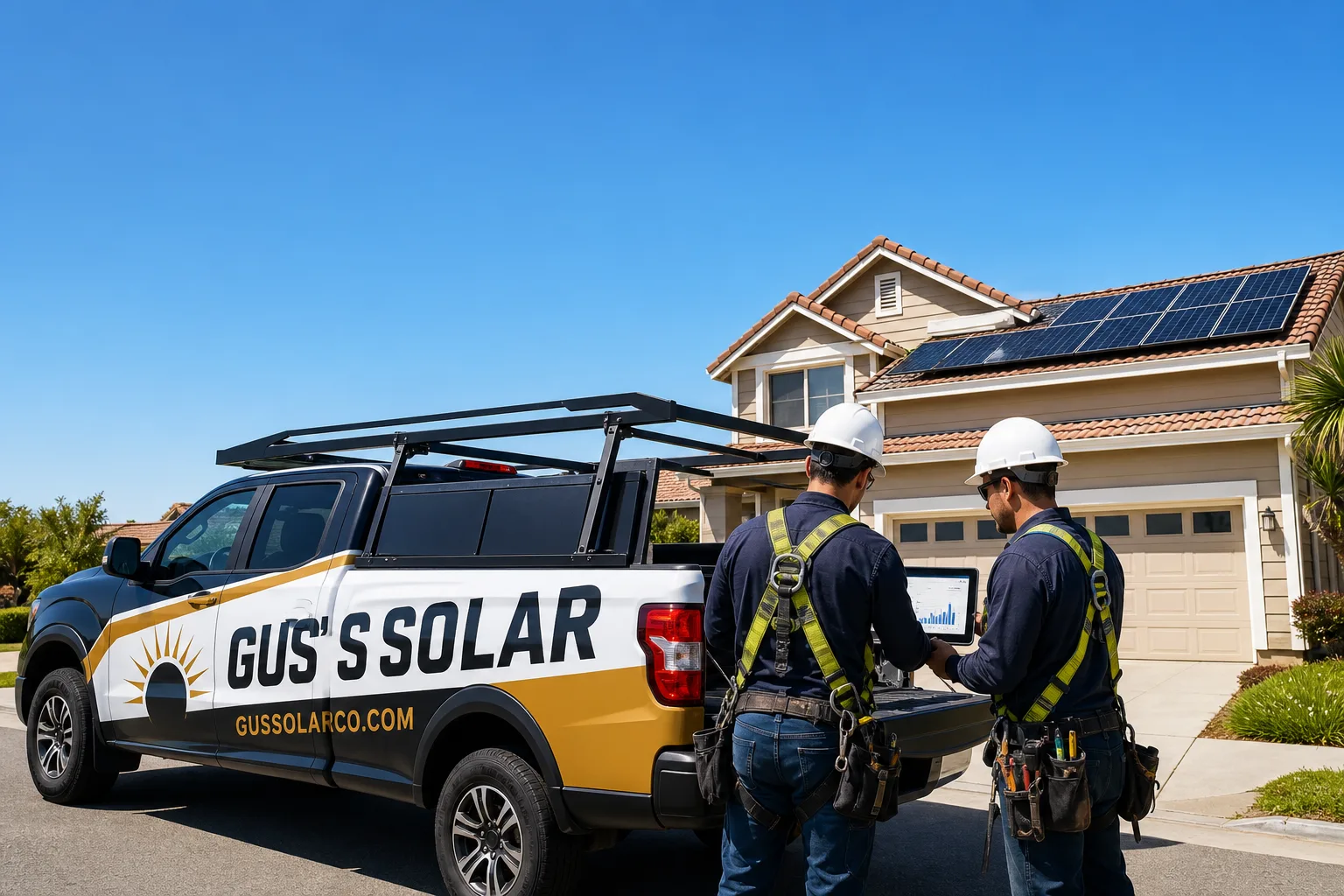
Free bill analysis - bring a power bill, get the production math for your actual roof, panel brands like Qcells and REC compared side by side
If the pitch starts at your door and ends with "sign tonight for the special," sleep on it. The sun will still be there tomorrow; so will we.
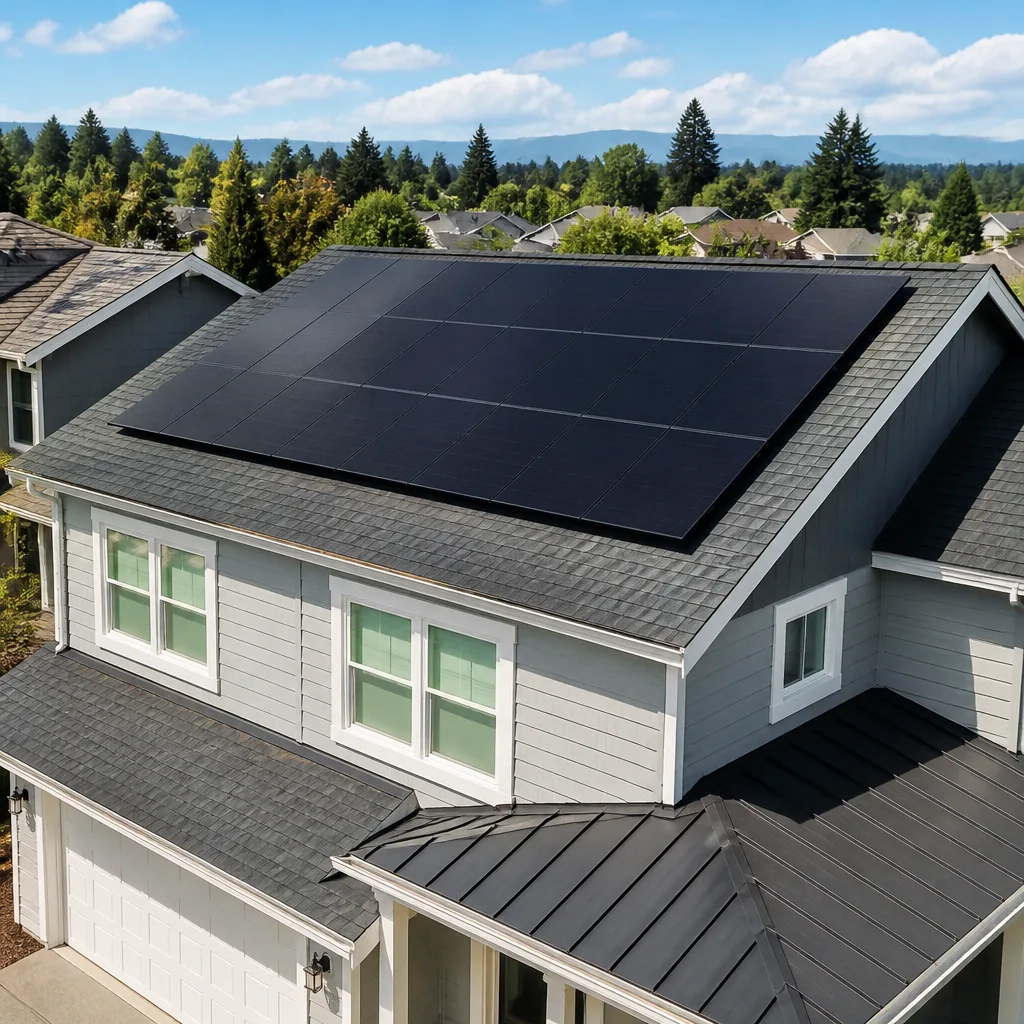
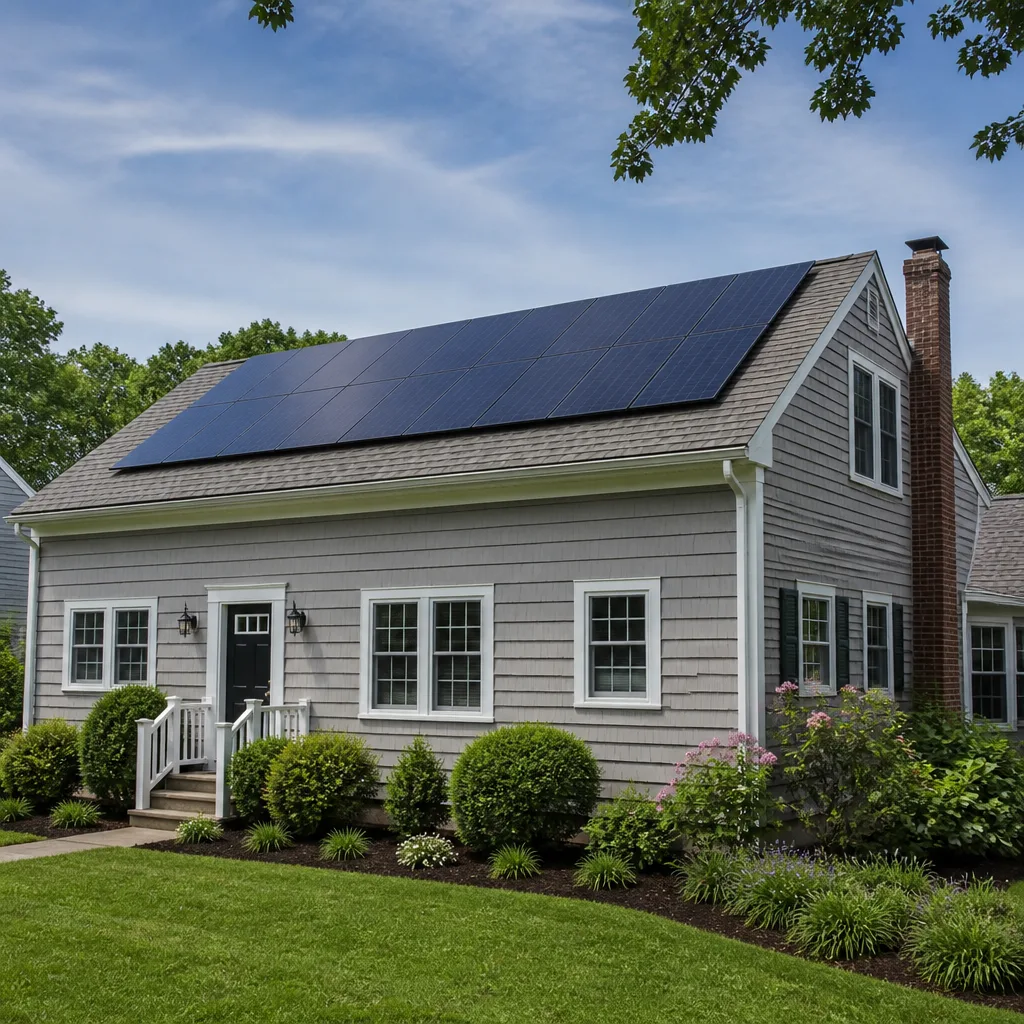
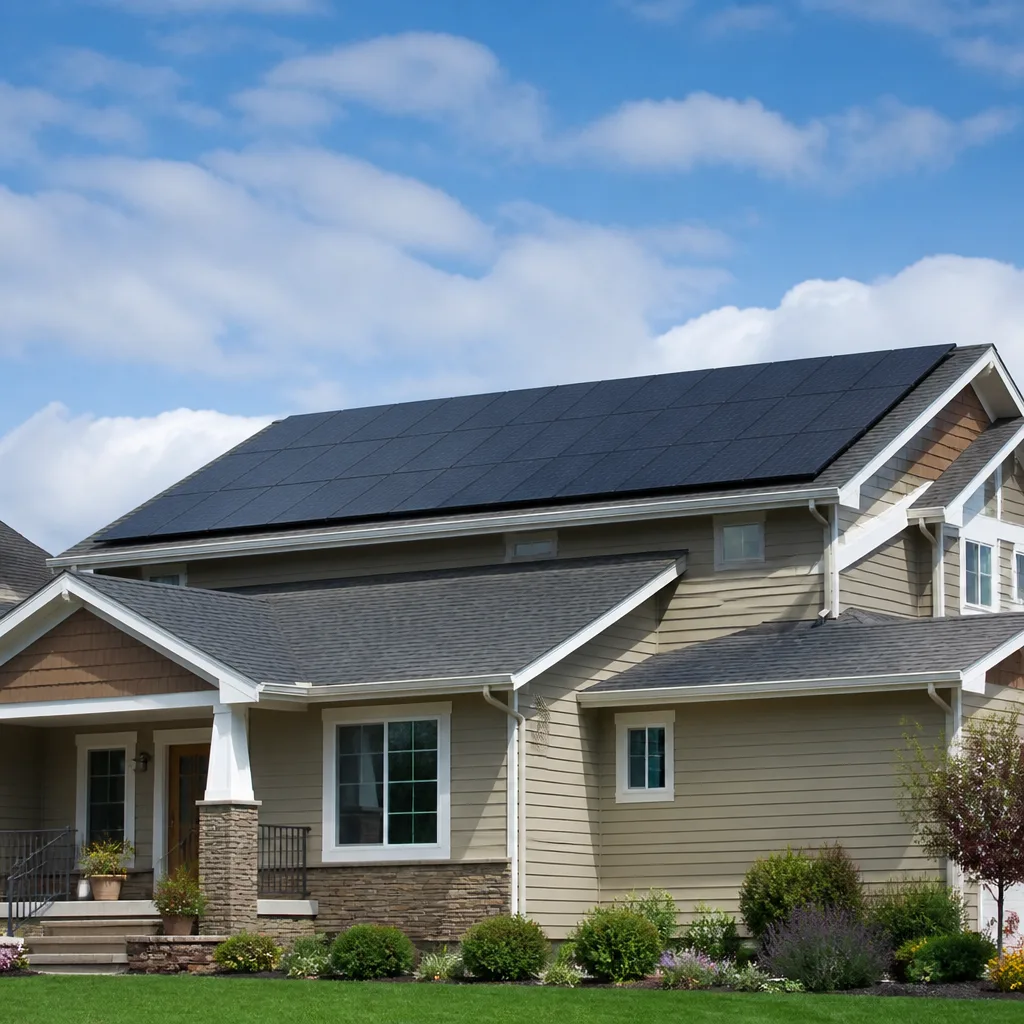
 Before
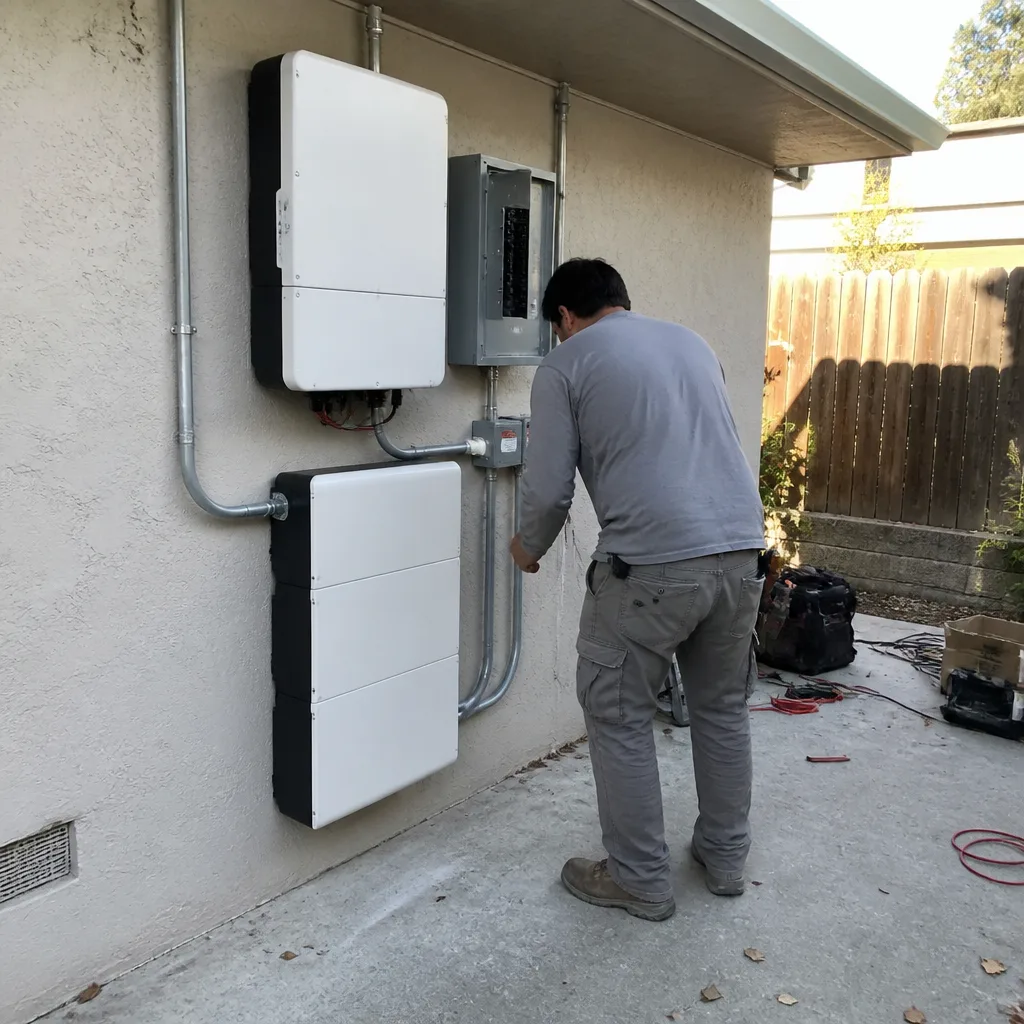 After
After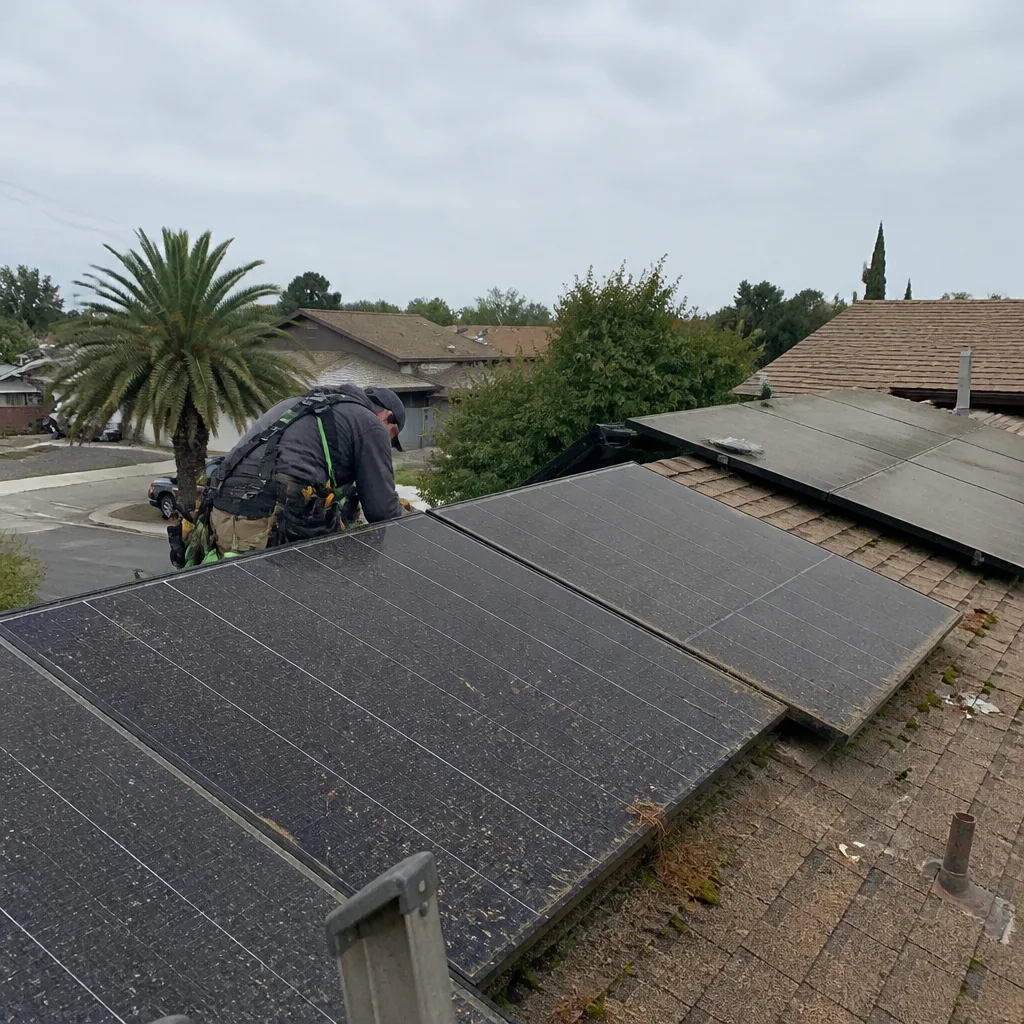 Before
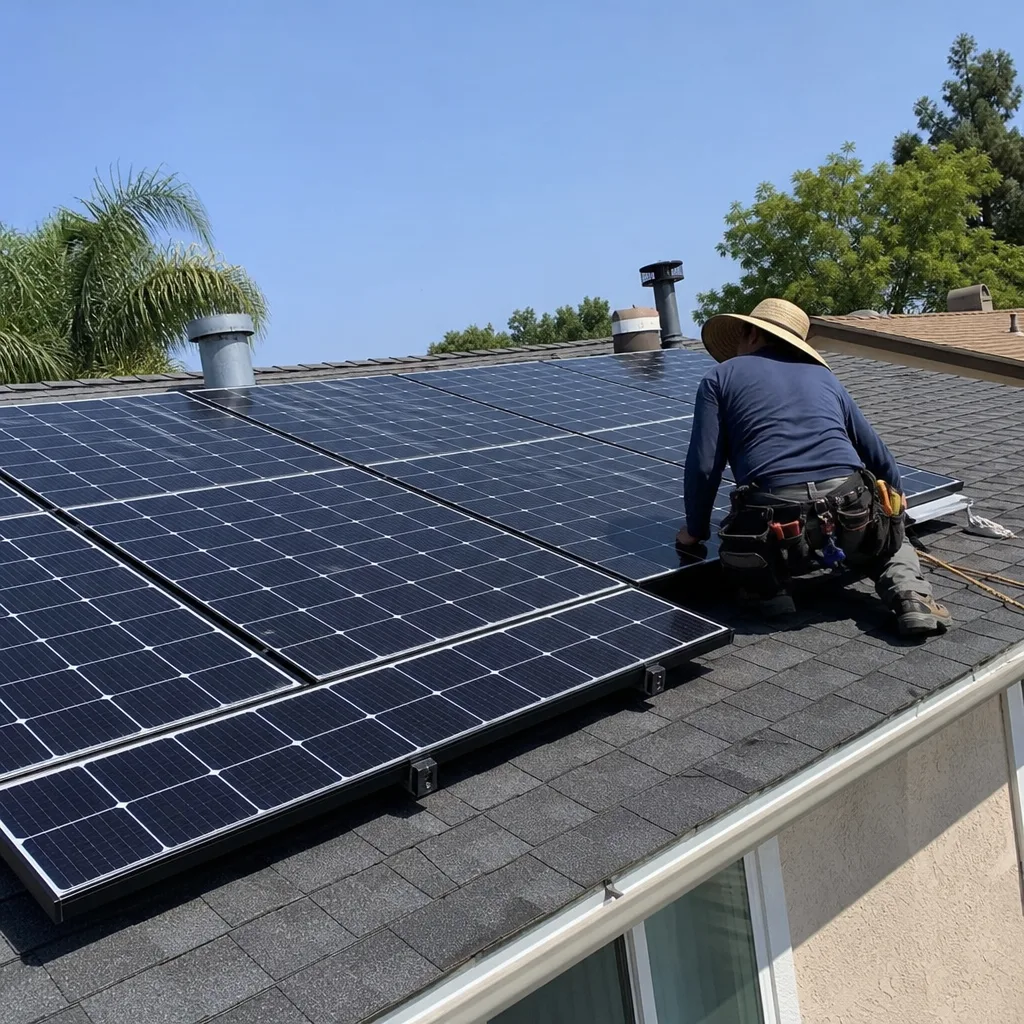 After
After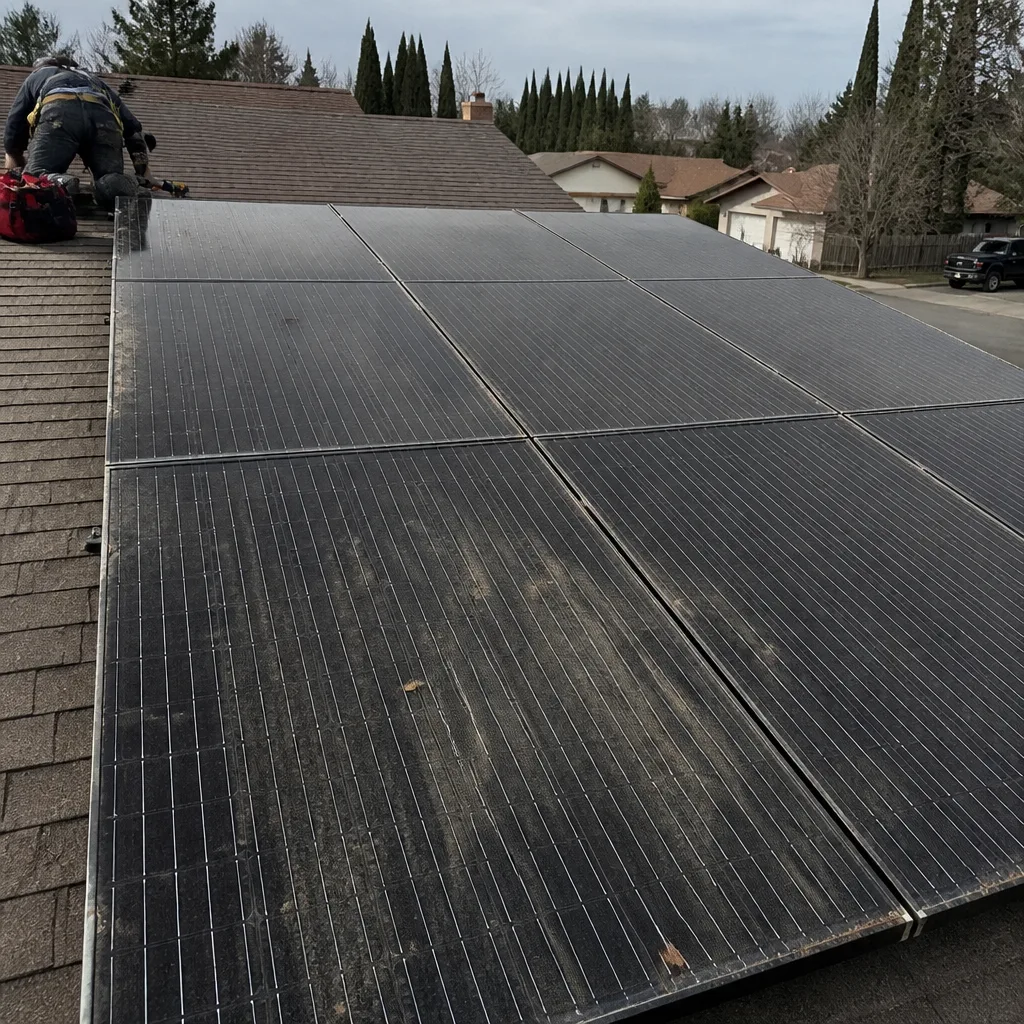 Before
 After
AfterFast, Reliable Commercial Solar Installation Across Richmond
Commercial solar installation in Richmond, CA typically costs between $2.35 and $3.10 per watt before incentives, meaning a 50 kW rooftop system on a warehouse or light-industrial building runs roughly $117,000 to $155,000. Most Richmond commercial projects take 6 to 10 weeks from permit application to final interconnection, and the biggest variable isn’t the panels. It’s whether your building’s existing electrical service and roof structure can handle the array without upgrades. Gus’s Solar has been installing commercial systems in Richmond long enough to know the real question before the first site visit: what does your bill say, and what did the last person tell you about your panel?
We answer our own phone at (877) 550-6892. Not a call center, not a voicemail tree. Gus Petrakis or someone from his crew picks up, and if you’re calling from Richmond, you’re likely talking to someone who’s driven Harbour Way, knows the marine layer, and has been on more flat roofs in the Iron Triangle than most installers have in their careers. That matters because commercial solar in Richmond isn’t the same job as commercial solar in Concord across the hills. The salt air changes the hardware. The fog changes the production math. The building stock changes the permitting path.
Key Takeaways
– Richmond commercial systems typically run $2.35-$3.10 per watt installed
– Salt-air corrosion in western ZIPs (94801, 94804) demands marine-grade racking and stainless hardware
– Most Richmond buildings need an electrical panel upgrade before solar permits are issued
– Richmond’s marine-layer fog means you may need a larger array than an inland city would for the same offset
Why Gus’s Solar Is Richmond’s Preferred Commercial Solar Installation Company
We’ve been doing Commercial Solar Installation work in Richmond long enough to know which rooftops get hammered by bay air and which ones sit just far enough east to dodge the worst of it. That’s not something you learn from a training webinar. That’s what you learn when a warehouse manager off Harbour Way calls you back six years after install because the inverter keeps tripping, and you already know the conduit fittings are the culprit before you climb the ladder.
Richmond business owners tell us the same thing again and again: they got burned by a door-knocker or an out-of-town crew that quoted one number over the phone, then showed up with a different number and a clipboard full of change orders. We don’t do that. The price we quote is the price you pay, and we build the math off your actual utility bill, using your real usage and the current export rates from your specific rate schedule. Bring me a bill, I’ll bring you the math. That’s the whole pitch.
Our response time to Richmond is the same as any city in our service area: same-day or next-day for maintenance and repair calls, and site visits for new installs usually scheduled within a few days. A live person answers the phone 24/7, and when your production monitor throws an alert at 6 a.m. on a Tuesday, you’re not filing a ticket with someone three states away. You’re talking to the people who installed the system.
Gus Petrakis has been running this company since 2011, and his name is on every quote, every permit application, and every final inspection. That’s not a marketing line. His name, his address, and his license number are published for anyone to look up, and he’s the one who answers when something goes wrong. When a Richmond customer calls and says a storm knocked a panel loose, the phone doesn’t ring at a call center. It rings at the shop.
Our Commercial Solar Installation Services in Richmond
Warehouse & Industrial Solar
Richmond’s industrial corridors along 23rd Street and the harbour area are full of flat-roof warehouses with one thing in common: exposed rooftop real estate and aging electrical infrastructure. These buildings are ideal for large-scale arrays, but the salt air in ZIPs 94801 and 94804 changes what we can put on the roof. Standard galvanized racking oxidizes within a few years out here. We spec 316 stainless hardware and marine-grade aluminum clamps on every warehouse job west of San Pablo Avenue, and we do it because we’ve seen what happens when another installer doesn’t.
Commercial Rooftop Solar
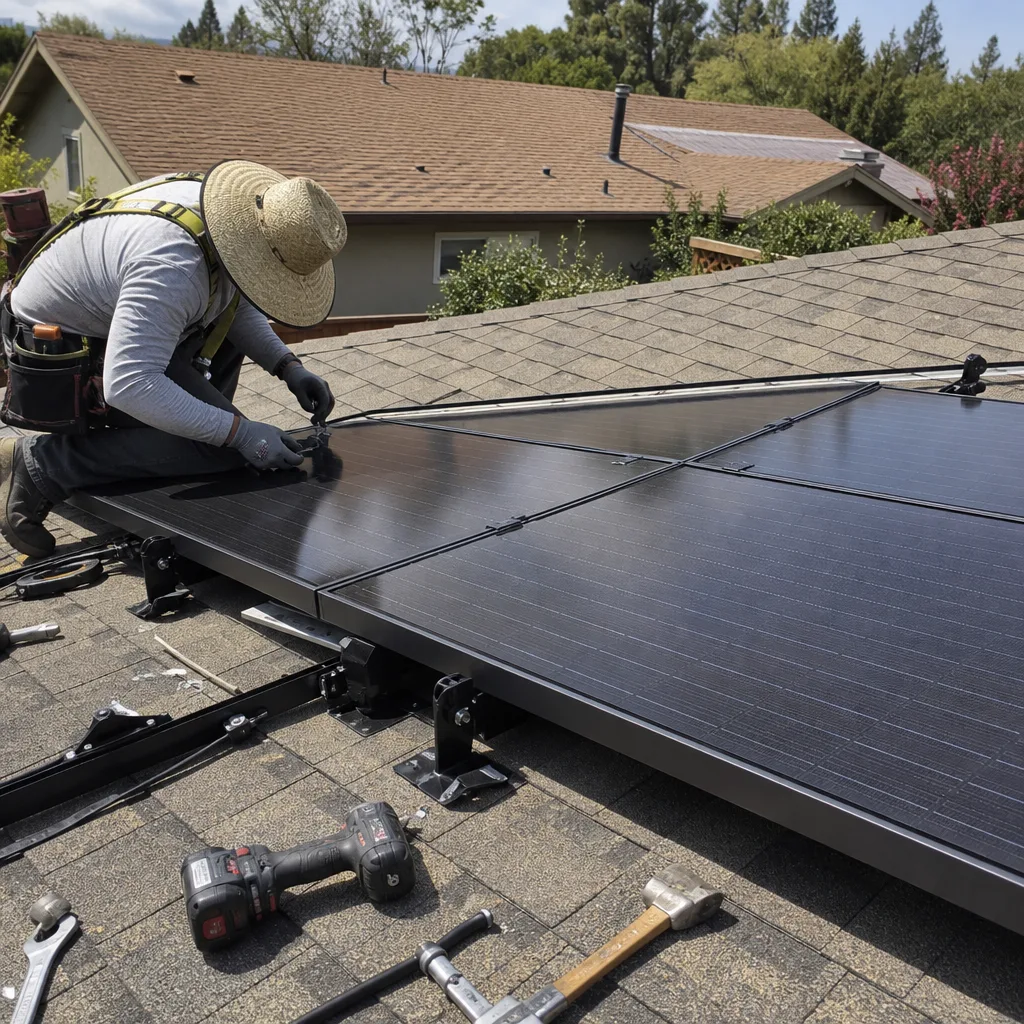
Most Richmond commercial buildings have flat or low-slope roofs, which is good for solar angle optimization but bad for drainage when penetrations aren’t flashed properly. Combined with Richmond’s marine layer keeping rooftops damp until mid-morning for much of the year, sealant lines around racking attachments fail earlier than they do ten miles inland. We flash every penetration with materials rated for coastal exposure, and we inspect the existing roof structure before we ever submit a permit. If your roof sheathing is compromised, we’ll tell you before the racking goes up, not after the first winter rain.
Solar Carport Installation
Solar carports make a lot of sense for Richmond businesses that own their parking lots, especially public-facing operations along Macdonald Avenue or the retail strips near Hilltop. A carport array gives you covered parking, a visible statement to customers, and production without touching an aging roof. Carport structures are also our preferred recommendation when a building’s roof is too old or too small for a rooftop array but the business still wants to offset a meaningful portion of its bill. Keep in mind that carport installations require deeper footings and more structural engineering than rooftop work, so the per-watt cost runs higher, typically $3.40 to $4.10 per watt before incentives.
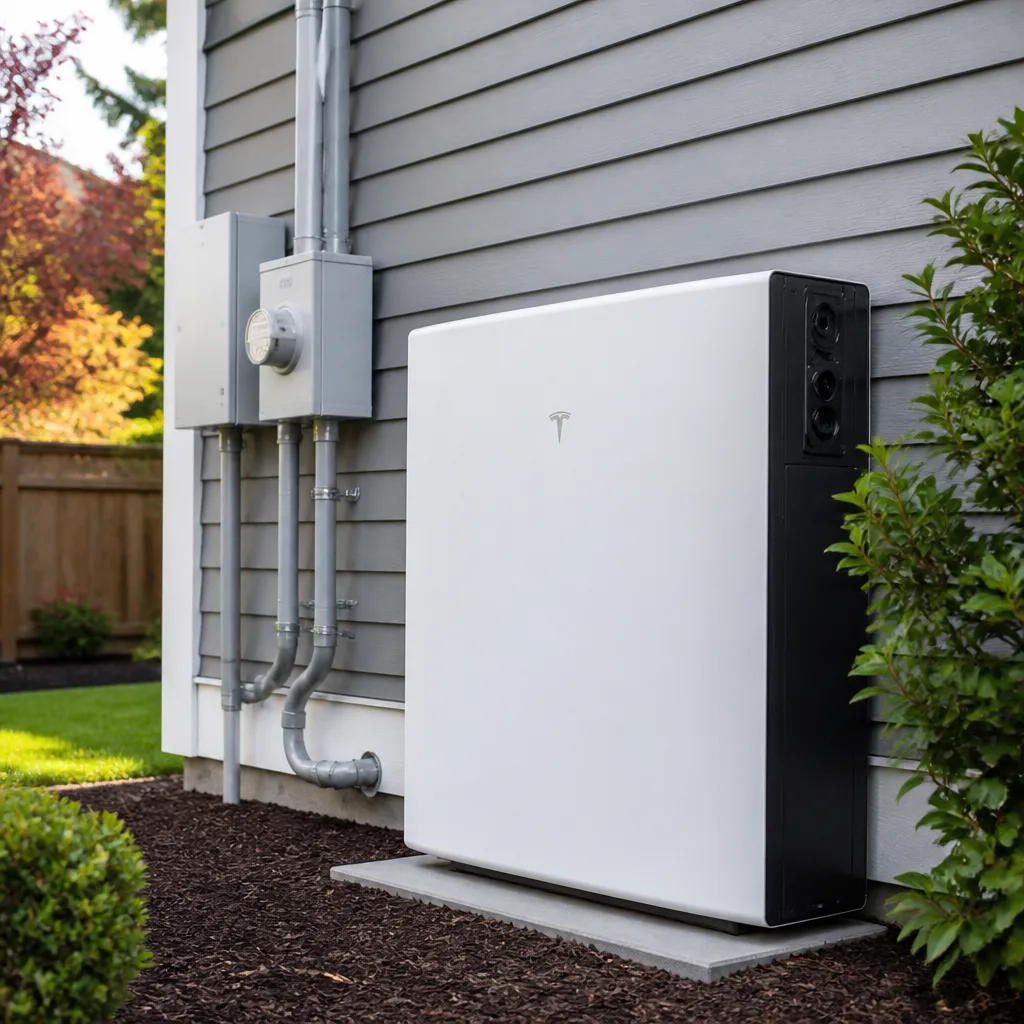
Commercial Battery Storage
Battery storage pairs especially well with commercial solar in Richmond for two reasons. First, PG&E’s commercial time-of-use rates in this part of the East Bay hit their peak in the late afternoon and evening, exactly when your rooftop array’s production is falling off. Second, Richmond’s coastal climate means your array’s output curve is flatter and lower than an inland system’s, so batteries help you shift what you do make into the hours when power is most expensive. We work with FranklinWH and Enphase battery systems, sized to your actual load profile rather than a generic “one battery per X kW” rule of thumb.
What happens when you call
- 1
A real person answersNo phone trees - you reach a local pro.
- 2
You get an upfront price rangeHonest numbers before anyone is dispatched.
- 3
A background-checked tech heads outLicensed & insured, dispatched right away.
- 4
You approve before work beginsNothing starts until you say go.
Trusted Brands We Service in Richmond
We install and maintain systems from Tesla, Enphase, SolarEdge, and FranklinWH, and we keep common replacement parts for these brands in local stock for Richmond customers. That means when a SolarEdge inverter throws a fault on a warehouse in 94804, we’re not waiting a week for a warranty shipment from a distributor in Sacramento. We work with your existing system regardless of who installed it. If you have a commercial array that another company put on five years ago and it’s underperforming, we’ll diagnose it, quote the repair honestly, and tell you if it’s worth fixing or worth replacing. We don’t get paid to sell you something you don’t need.
Common Commercial Solar Installation Problems We See in Richmond Homes
We say “homes” here loosely. In Richmond, a lot of the commercial work is on small multifamily buildings, mixed-use storefronts, and light-industrial shops, and the problems below show up on all of them.
- Salt-air corrosion on racking hardware. Galvanized steel L-feet and mid-clamps on rooftop racking oxidize within 3 to 5 years near the bay. The zinc coating blooms white, the hardware seizes, and thermal cycling eventually works the fasteners loose. We rebuild these with 316 stainless and marine-rated aluminum.
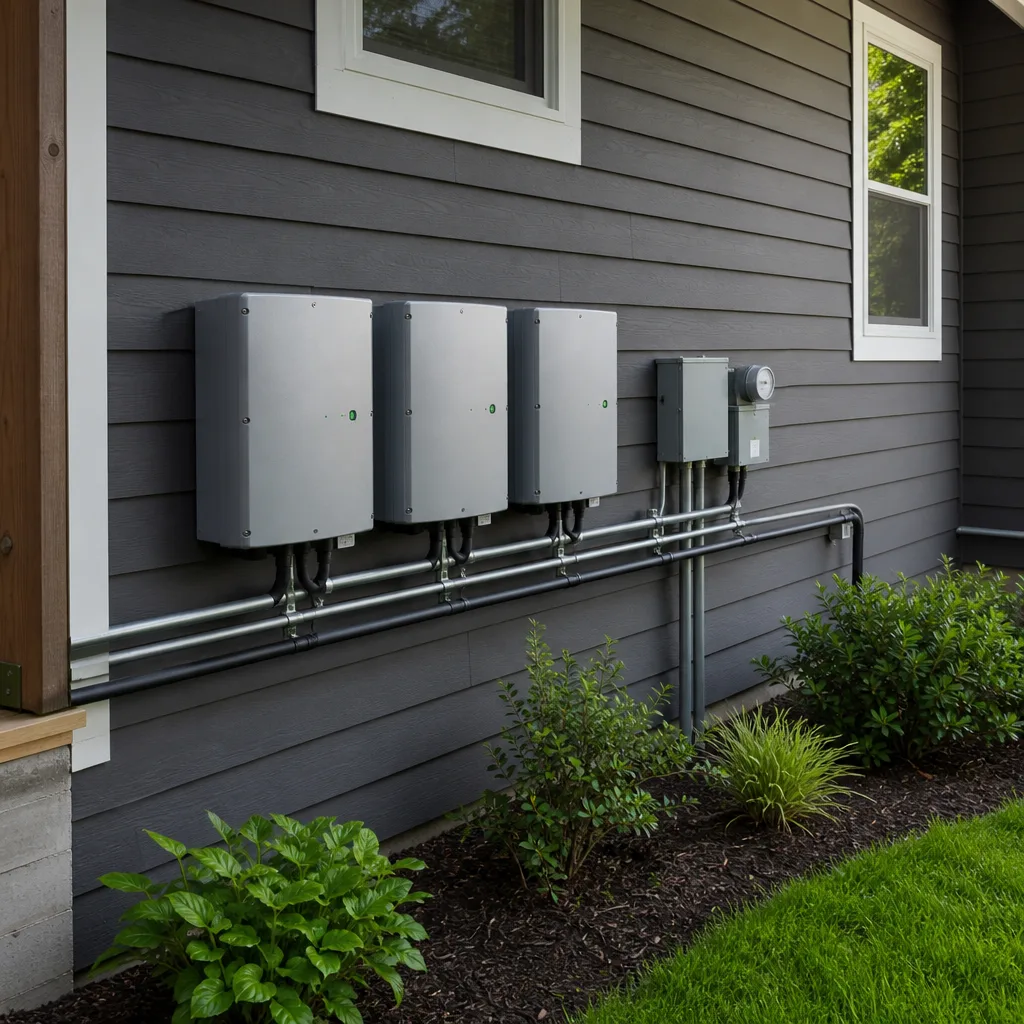
- Conduit and EMT fitting corrosion. Aluminum conduit fittings and straps on exposed rooftop runs develop white corrosion blooms within a few years in 94801 and 94804. When those fittings loosen, ground-fault errors start tripping inverters, and the system can fail a rapid-shutdown inspection even though the panels are fine.
- Electrical panel capacity shortfalls. Most of Richmond’s building stock dates to the 1940s and 1950s, when 60 to 100 amp panels were standard. A commercial solar array adds a backfeed breaker that pushes those old panels past their rating, and Contra Costa County won’t issue a permit until the panel is upgraded. Plan for $3,500 to $8,000 for a commercial-grade panel upgrade depending on amperage and busbar configuration.
- Overpromised production estimates. Richmond sits in the marine layer corridor that flows through the Golden Gate gap. Measured irradiance here runs noticeably below inland cities like Concord or Walnut Creek, especially from May through August when those cities are baking in afternoon sun and Richmond is still under fog. If an installer quotes you production numbers built on generic California averages, your actual year-one output will disappoint. We size arrays using Richmond-specific weather data, not a brochure number.
Pricing for Commercial Solar Installation in Richmond, CA
We Also Serve Cities Near Richmond
In addition to serving all of Richmond, we run regular routes through San Pablo, El Cerrito, Kensington, and El Sobrante. The same crew, the same marine-grade hardware spec where the bay air reaches, and the same answer-the-phone 24/7 policy. If your building is anywhere in the West Contra Costa corridor between the bay and the hills, we’re close by and we know the terrain.
Serving Richmond, CA - Our Local Coverage Area
We’re based in the Richmond area and know this community well. Use the map below to see our service coverage - if you’re nearby, we can almost certainly help.
FAQs - Commercial Solar Installation in Richmond
Why do I need a panel upgrade before Richmond will approve my commercial solar permit?
Because most Richmond buildings still run on the original 60 to 100 amp electrical panels installed when they were built in the 1940s and 1950s, and Contra Costa County’s permitting authority won’t approve a solar backfeed that exceeds the panel’s busbar rating. The upgrade typically costs $3,500 to $8,000 for a commercial-grade panel, and we include that number in your quote up front, not as a change order. Call (877) 550-6892 and we’ll tell you from your panel’s age and amperage whether you’ll need it.
Is my production estimate lower in Richmond than in Concord or Walnut Creek?
Yes. Richmond sits in the marine layer corridor that flows through the Golden Gate gap, so summer fog suppresses midday production for several hours on most mornings, and measured irradiance here runs below inland East Bay cities. That means a system in Richmond needs to be sized 10 to 15 percent larger than a Concord system to hit the same annual offset. We build production estimates from Richmond-specific weather data, never from a generic California average.
Do you use marine-grade racking on commercial rooftops in 94801 and 94804?
Yes, on every job in those ZIPs. The westernmost neighborhoods are close enough to open bay water that salt-air corrosion attacks standard galvanized racking within 3 to 5 years, and we’ve rebuilt arrays that failed exactly that way. We spec 316 stainless hardware, marine-rated aluminum clamps, and corrosion-resistant conduit fittings as standard practice west of San Pablo Avenue, and we document the hardware spec in your warranty file.
Can a commercial solar system really pay for itself here given the lower sun and fog?
Yes, but the payback math works differently than inland. Your system produces less per watt than an identical array in Concord, but PG&E’s commercial time-of-use rates in Richmond peak in the late afternoon and evening when your array is winding down and coastal cooling loads are still running. Pairing solar with battery storage lets you shift your production into those high-rate hours, and the demand-charge savings from batteries alone often shorten the blended payback period to 6 to 8 years. We walk through your actual rate schedule and your actual load profile to show you the math.
What happens if my existing rooftop array already has corrosion on the racking?
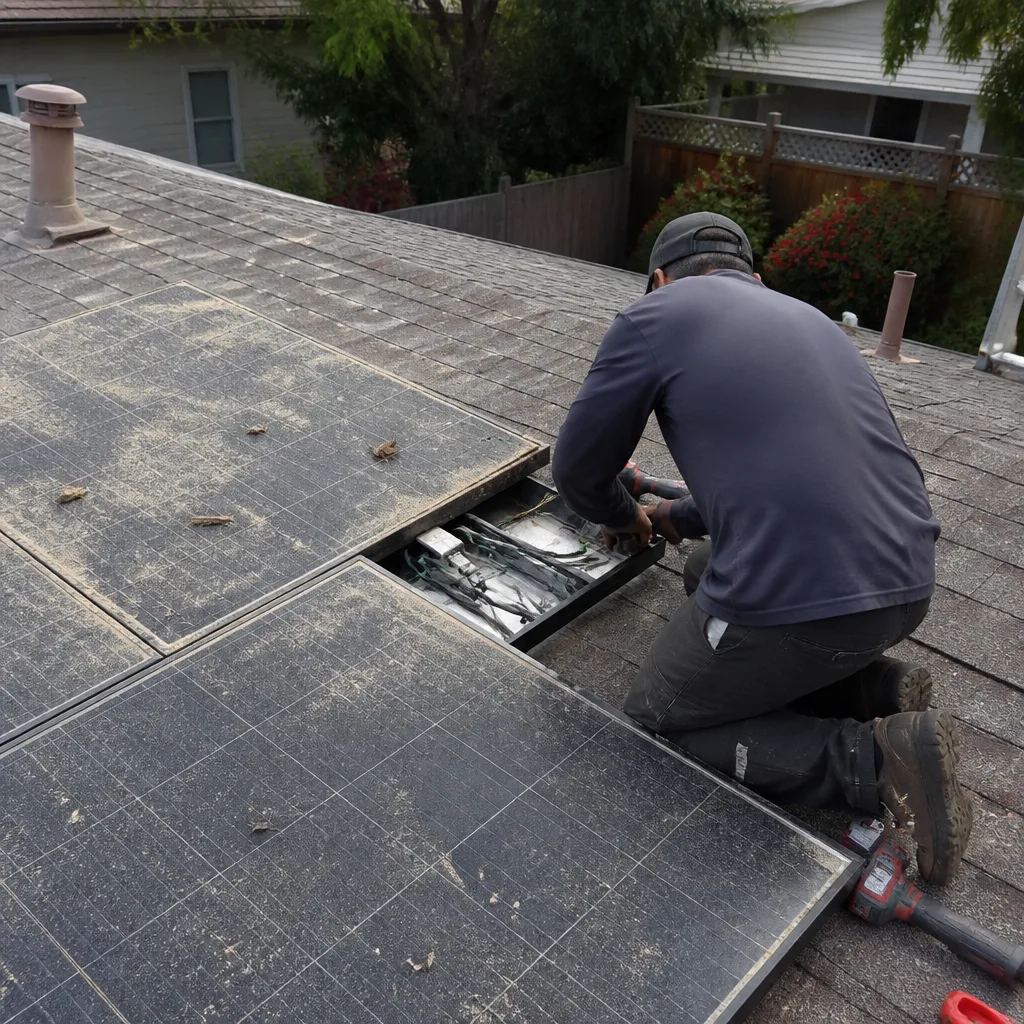
We inspect it, document every failed or failing component, and give you a repair quote that separates the urgent work from what can wait. In most cases, we can replace the corroded L-feet, mid-clamps, and conduit fittings without removing the panels, though severely seized hardware sometimes requires cutting and rebuilding sections of the racking plane. The rebuilt sections get 316 stainless and marine-rated aluminum, and we add a corrosion-inspection schedule to your maintenance contract so it doesn’t catch you by surprise again. Call (877) 550-6892 and ask for a roof assessment.
Written by Gus Petrakis, Owner at Gus’s Solar, serving Richmond since 2011.