
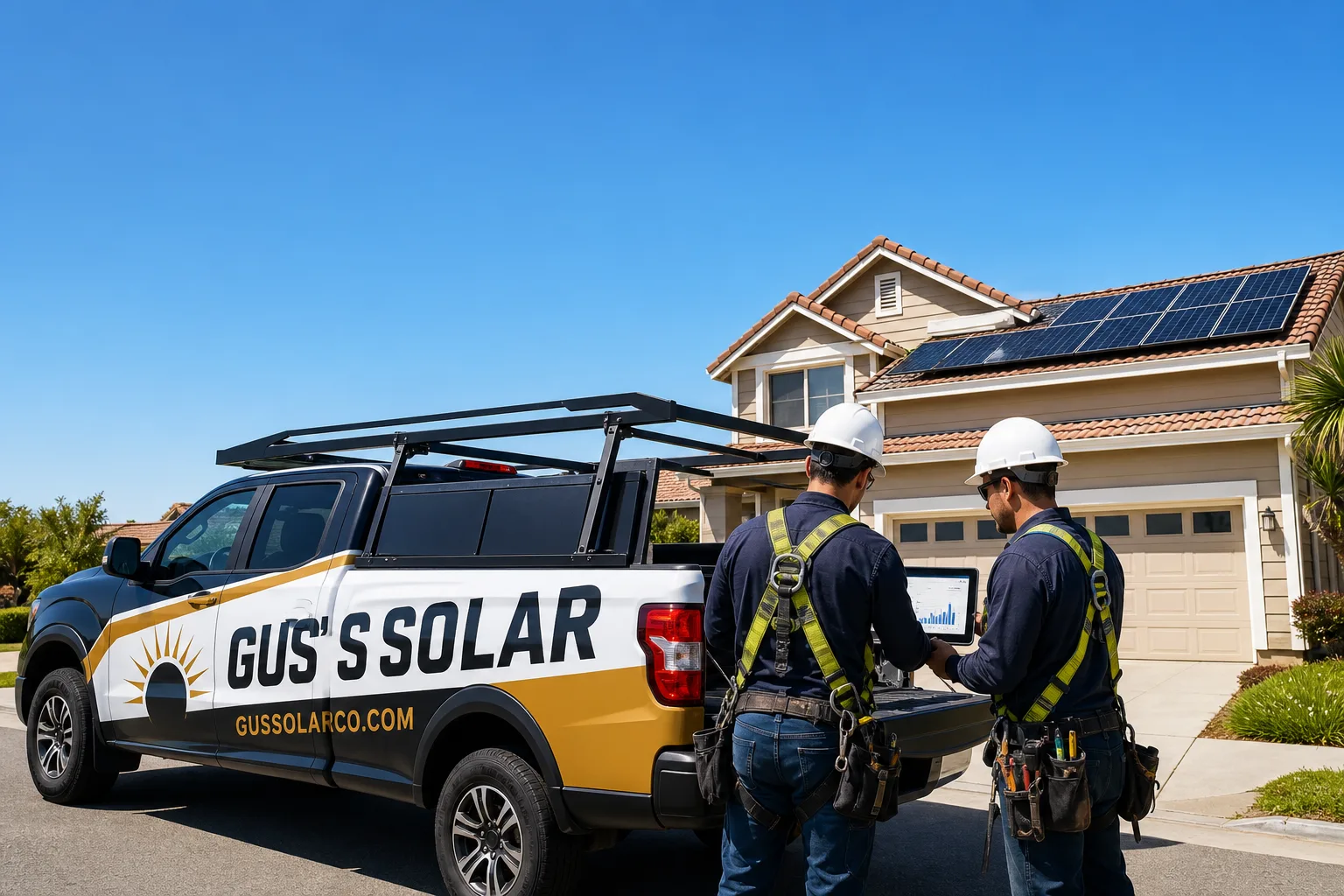
Free bill analysis - bring a power bill, get the production math for your actual roof, panel brands like Qcells and REC compared side by side
If the pitch starts at your door and ends with "sign tonight for the special," sleep on it. The sun will still be there tomorrow; so will we.
 Before
 After
After Before
 After
After Before
 After
AfterFast, Reliable Commercial Solar Installation Across Mountain House
Commercial solar installation in Mountain House typically runs $2.10-$2.60 per watt for rooftop systems, meaning a 100 kW project lands between $210,000 and $260,000 before the federal tax credit. Most commercial jobs in Mountain House take 6-10 weeks from signed agreement to final inspection, with HOA approval being the variable that moves that timeline most. We coordinate directly with Mountain House’s architectural committees, and we know what their reviewers want to see on the first submittal. Call us at (877) 550-6892 for a free estimate built off your actual utility bill, not a brochure number.
Why Gus’s Solar Is Mountain House’s Preferred Commercial Solar Installation Company
Gus Petrakis put his name on this company in 2011, and that name rides on every truck that rolls into Mountain House. We’re not a door-knocking crew or an out-of-state outfit that sub-contracts the work and vanishes after the paperwork clears. Gus’s own crew does the install, flashes every roof penetration properly, and shows up in uniform with background checks behind them. A live person answers our phone at (877) 550-6892, 24 hours a day. No ticket queue, no call center three states away.
Mountain House is a community we know well, because it’s one of the most predictable solar markets in San Joaquin County. Nearly every structure here was built after 2000 by large developers like Shea and Pulte. That means modern engineered trusses, composition shingle roofing, 200-amp service panels, and pre-run conduit pathways. We know before quoting what a Mountain House roof will look like. That predictability keeps our Mountain House pricing honest and our timelines tight.
We also understand the thing most Bay Area installers miss entirely: Mountain House has an active HOA architectural approval process on nearly every commercial job. We keep pre-approved panel lists and elevation-drawing templates specific to Mountain House design guidelines. That alone has saved Mountain House customers 10-14 days of review cycles on multiple jobs. Our Commercial Solar Installation team prepares submittals that pass the first time, because we’ve already learned what gets kicked back.
Our Commercial Solar Installation Services in Mountain House
Commercial Rooftop Solar
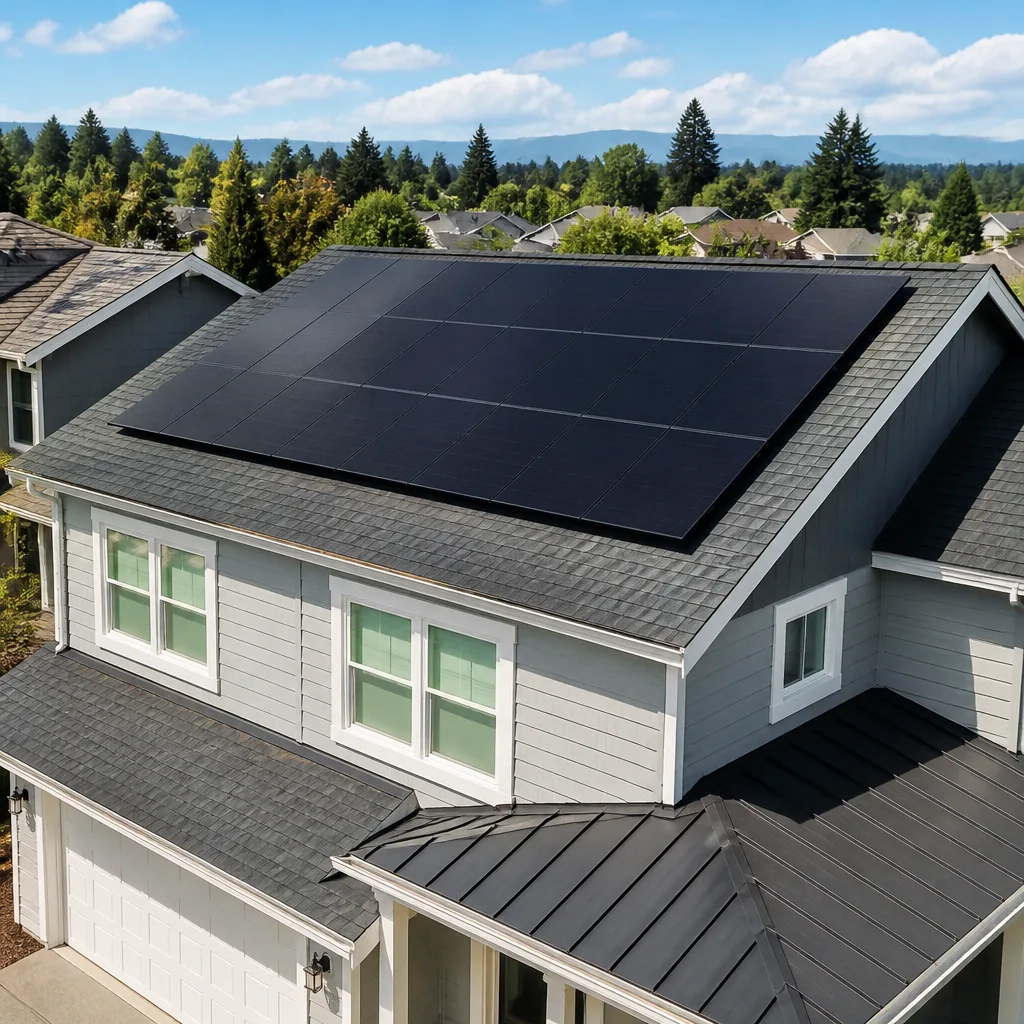
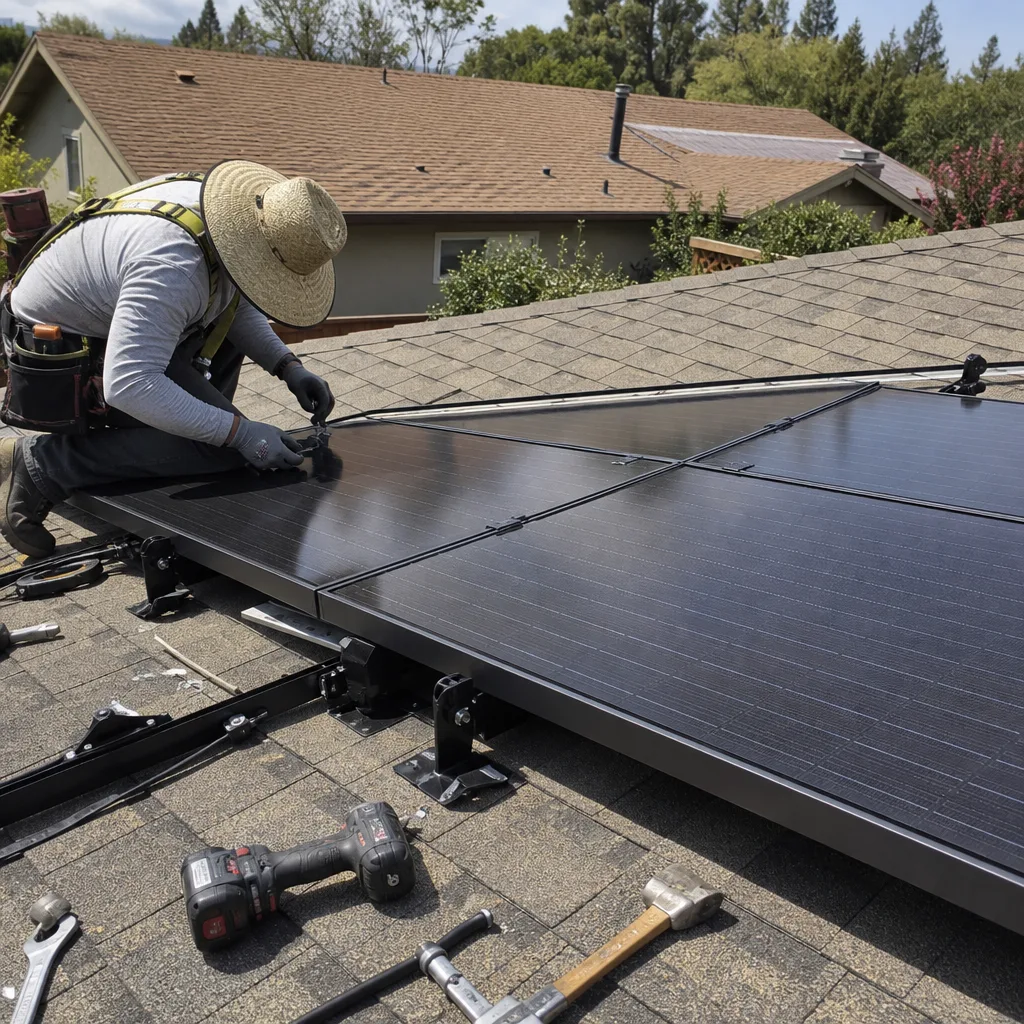
Rooftop arrays on Mountain House commercial buildings make sense because the grid-aligned street layouts produce highly predictable south- and west-facing roof exposures. We size systems against your actual 12-month consumption history and model the valley’s 100°F+ summer AC loads honestly. A 47.5 kW rooftop array we recently completed off West Arnaudo Blvd in the Wicklund district is still performing exactly as modeled.
Warehouse & Industrial Solar
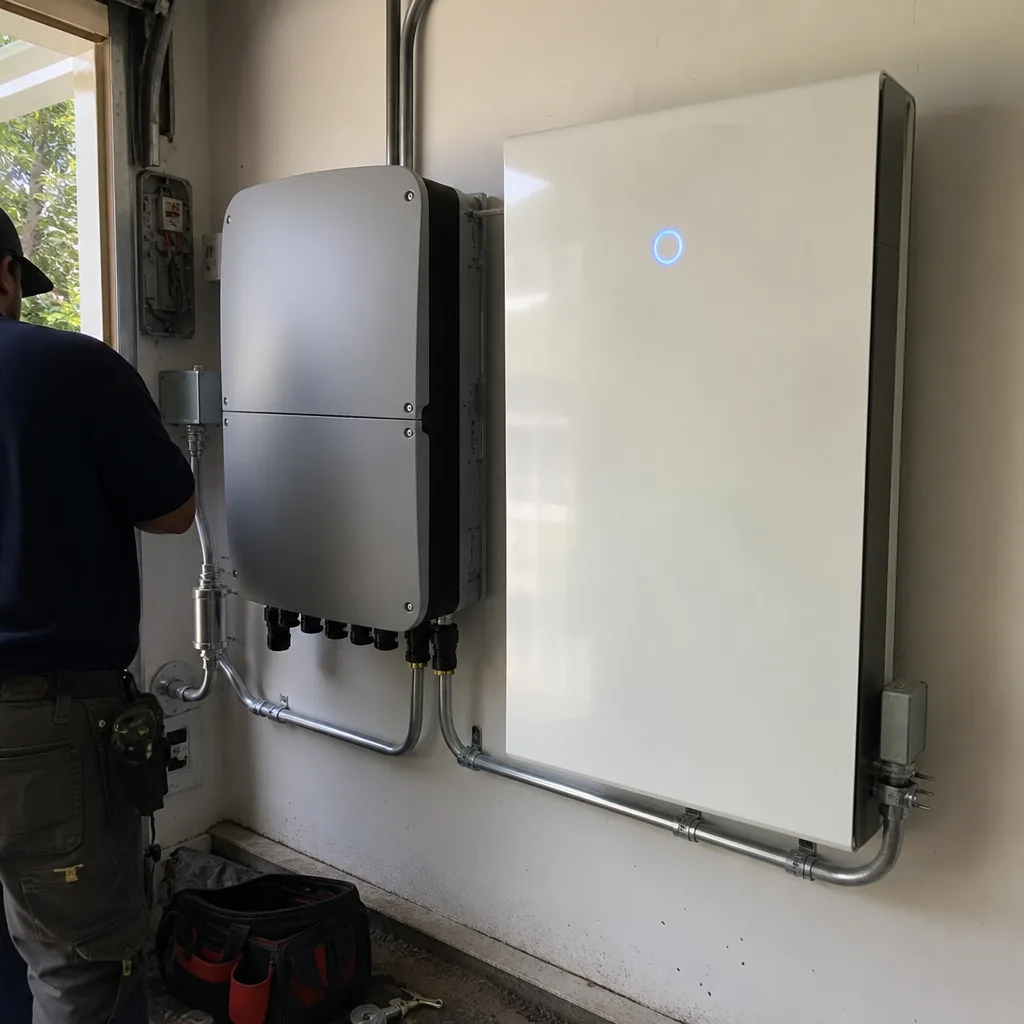
Warehouse roofs in Mountain House’s commercial districts offer large, mostly unobstructed planes that are ideal for high-density panel layouts. The main constraint we see is not structural; it’s interconnection paperwork and HOA elevation drawings. We handle both. We also coordinate with the local utility on transformer capacity, because a 200 kW+ system on a warehouse can trigger a transformer upgrade if the load wasn’t originally sized for generation.
Solar Carport Installation
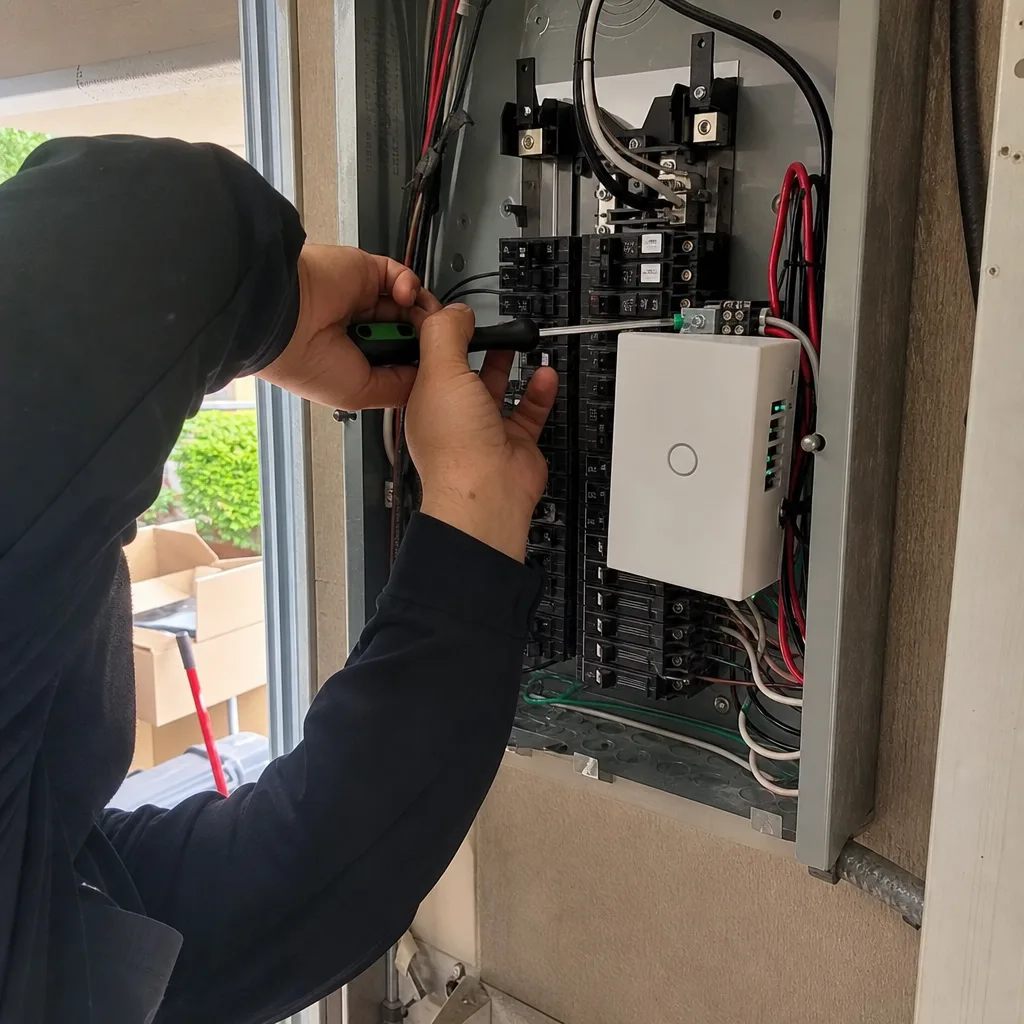
Carports solve a specific Mountain House problem: commercial lots where rooftop space is limited or partially shaded. We design carport arrays for Mountain House’s sun profile, which means modeling the tule fog depression from December through February and the long summer production window that more than compensates for it. Carport structures also create covered parking, which matters when the valley hits 105°F in July.
Commercial Battery Storage
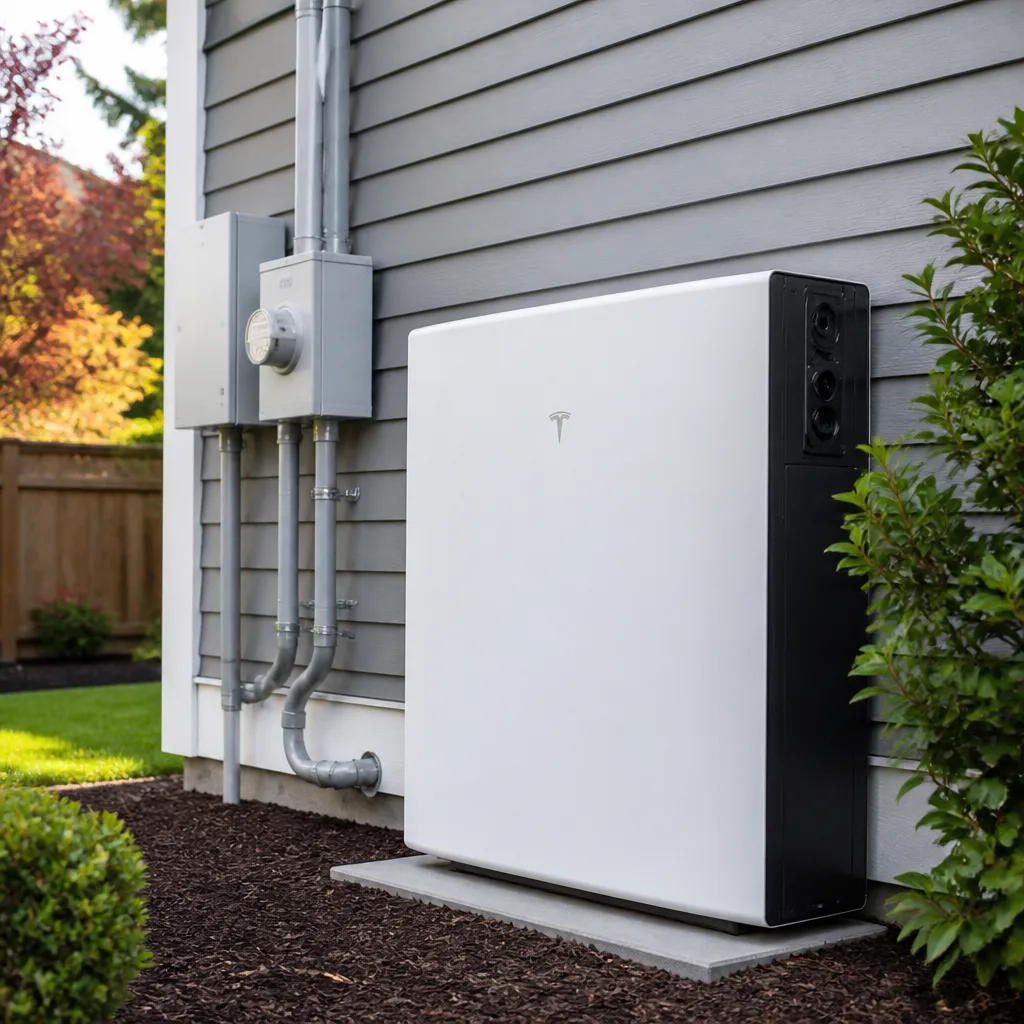
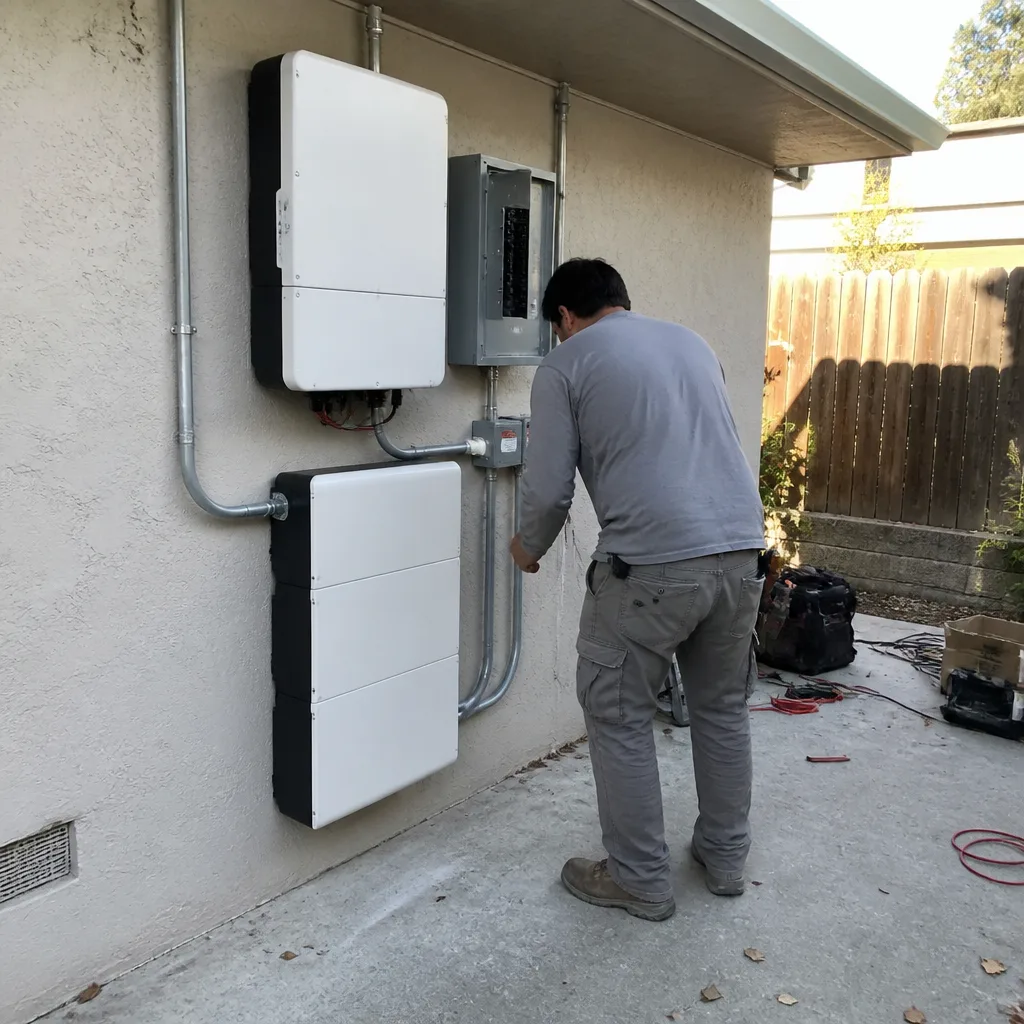
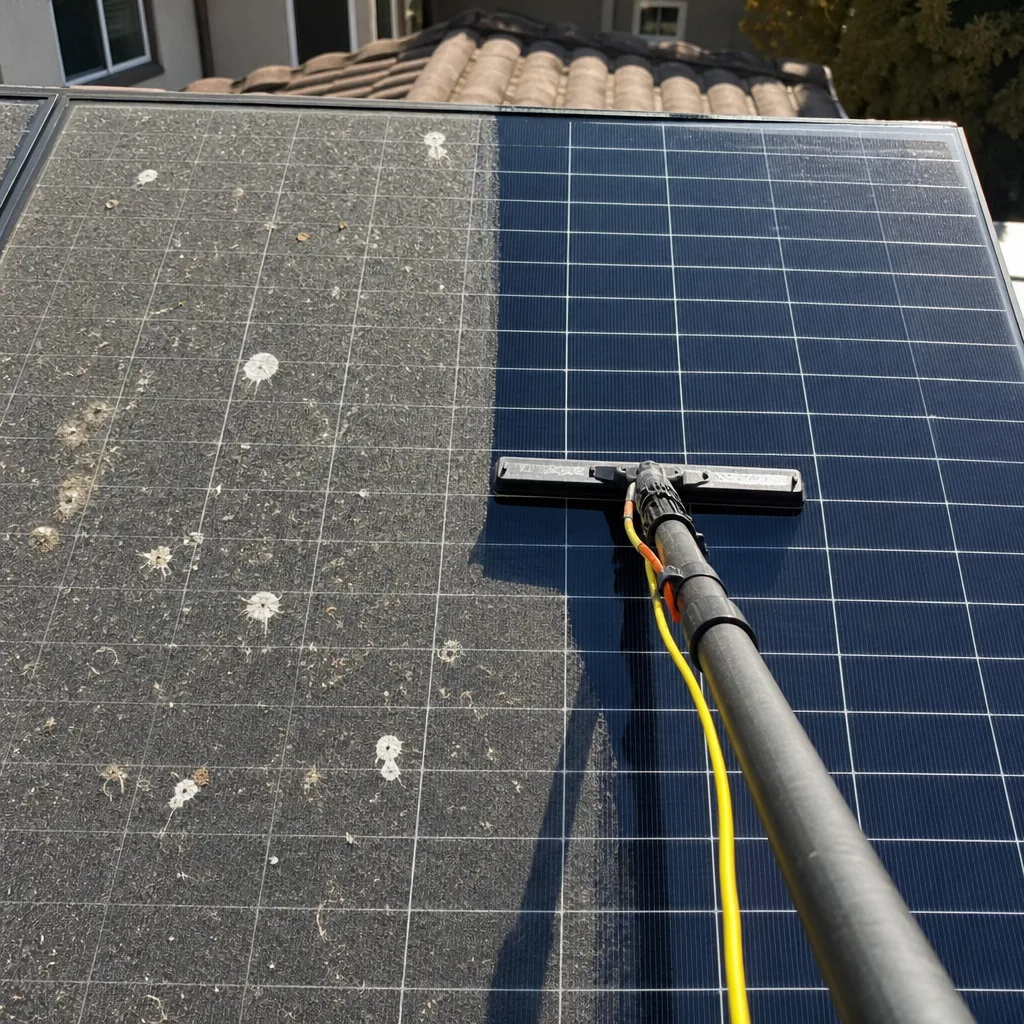
Battery storage is the fastest-growing request we get from Mountain House commercial customers. The combination of high summer AC loads and time-of-use rates makes load shifting financially compelling. We work with Tesla Powerwall 3, FranklinWH, and Enphase batteries. On that Wicklund project, we paired the array with Tesla Powerwall 3 units to shift load during peak afternoon AC demand, and the owner’s first true-up statement stayed predictable because we’d modeled the fog dip.
What happens when you call
- 1
A real person answersNo phone trees - you reach a local pro.
- 2
You get an upfront price rangeHonest numbers before anyone is dispatched.
- 3
A background-checked tech heads outLicensed & insured, dispatched right away.
- 4
You approve before work beginsNothing starts until you say go.
Trusted Brands We Service in Mountain House
We install and service equipment from Qcells, REC, and SunPower, among others. For Mountain House customers, we keep common replacement parts and monitoring hardware stocked locally, so warranty work and diagnostics don’t wait on a parts shipment from out of state. If you already have a proposal from another installer using any of these brands, bring it in. Gus offers a free second opinion on any written estimate, and he’ll show you the year-25 output number, not the day-one brochure figure.
Common Commercial Solar Installation Problems We See in Mountain House
- HOA elevation drawings that don’t match Mountain House design guidelines. The HOA’s architectural committees here are active on nearly every commercial job. We’ve seen a single outdated drawing add three weeks to an interconnection timeline. We use Mountain House-specific templates to avoid that.
- Winter tule fog production suppression that wasn’t modeled. The dense fog season from December through February can suppress production for two weeks at a time. A generic production estimate based on Bay Area fog patterns will overstate winter output and surprise the owner at true-up. We model Mountain House’s actual fog curve.
- Systems sized without accounting for 100°F+ summer AC loads. San Joaquin Valley summers drive electricity demand harder than almost anywhere in Northern California. An undersized commercial system leaves the business buying expensive peak-rate power and stretches the payback period. We size against real bill data, not square footage rules of thumb.
- Wrong panel orientation relative to net metering credit structure. Because Mountain House streets are grid-aligned, most commercial roofs face south or west. West-facing panels in this market often capture more peak-rate afternoon sun, but the optimal azimuth depends on your rate schedule. We model both orientations against your actual utility tariff before recommending anything.
Pricing for Commercial Solar Installation in Mountain House, CA
Rooftop commercial solar in Mountain House runs $2.10-$2.60 per watt installed. So a 50 kW system is $105,000-$130,000, a 100 kW system is $210,000-$260,000, and a 250 kW warehouse array lands between $525,000 and $650,000 before the 30% federal Investment Tax Credit. Battery storage adds $800-$1,100 per kWh of capacity, so a 100 kWh commercial battery bank runs $80,000-$110,000. Solar carports run $3.00-$3.80 per watt due to the steel structure and foundations. What moves the number in Mountain House: roof condition, HOA review complexity, transformer capacity at the utility interconnection point, and whether you add battery storage. Bring me a bill, I’ll bring you the math. Call (877) 550-6892 for a free estimate. Take two weeks to think about it. The price will be the same.
We Also Serve Cities Near Mountain House
Gus’s Solar serves commercial customers across the surrounding area, including Tracy, Discovery Bay, Livermore, and Brentwood. If your business sits just outside Mountain House, call us at (877) 550-6892 and we’ll confirm coverage and response time for your specific location. Same crew, same 90-Day Done Right Promise.
Serving Mountain House, CA - Our Local Coverage Area
We’re based in the Mountain House area and know this community well. Use the map below to see our service coverage - if you’re nearby, we can almost certainly help.
FAQs - Commercial Solar Installation in Mountain House
It’s not a formality, and it can absolutely slow things down. Mountain House’s HOA architectural committees are bound by California Civil Code 714, which prevents them from banning solar outright, but they still review nearly every commercial job. An elevation drawing or panel spec that doesn’t match the community’s design guidelines goes back for a second review cycle, which we’ve seen add 10-14 days. We keep pre-approved panel lists and Mountain House-specific elevation templates, which reduces that risk substantially. On one Wicklund project, an outdated drawing added nearly three weeks before we replaced it with our template. Call (877) 550-6892 if you want a timeline that accounts for your property’s HOA requirements.
The tule fog season from December through February can suppress production for weeks at a stretch, sometimes cutting winter output by 30-50% compared to a clear-year model. If you’re used to Bay Area fog patterns, Mountain House’s dense valley fog is a different animal. It will not wreck your payback period, because the long 100°F+ summer AC season more than compensates, but your first true-up statement will be surprising if the fog dip wasn’t modeled. We model Mountain House’s actual fog curve in every production estimate. If someone else quoted you, get a second opinion. Estimates are free.
Most commercial buildings in Mountain House do not need panel upgrades, because the community was built under modern California Title 24 energy codes with 200-amp service panels and pre-run conduit pathways from day one. We rarely see undersized panels or structural issues on these roofs. The bottleneck in Mountain House is not electrical capacity; it’s HOA approval and utility interconnection coordination. That’s where we spend our time and where our local experience pays off.
Because Mountain House streets are grid-aligned, most commercial roofs face south or west. South-facing panels maximize total annual kWh production, which is typically the best fit if your net metering credits are calculated on total export. West-facing panels produce more during the late-afternoon peak-rate window, which can be worth more dollar-for-dollar if your rate schedule has steep 4-9 PM peak charges. We model both azimuths against your actual 12-month utility data and show you the dollar difference before you decide. No generic advice, no brochure math.
The 2020 mandate applies to new construction, not existing commercial buildings, so it doesn’t directly affect your installation. What matters for an older Mountain House commercial building is whether your electrical service and roof structure are adequate, and in this community they usually are because the entire town was built after 2000. The real variable is HOA review and utility interconnection. We handle both end to end. Call (877) 550-6892 and we’ll walk your building’s specifics before you commit to anything.
Our crew recently finished a 47.5 kW rooftop array on a commercial building off West Arnaudo Blvd in the Wicklund district, after HOA approval had delayed the interconnection by nearly three weeks due to an outdated elevation drawing. We replaced the first submittal with our Mountain House-specific template, paired the array with Tesla Powerwall 3 batteries for load shifting during peak afternoon AC demand, and completed the final inspection just before the tule fog season cut on-site production for two weeks. Our production estimate had already modeled that dip, so the owner’s true-up statement stayed predictable. That’s the kind of local knowledge a Bay Area installer simply doesn’t carry into Mountain House.
Written by Gus Petrakis, Owner at Gus’s Solar. Gus founded the company in 2011, puts his own name on the truck, and stands behind every job with the 90-Day Done Right Promise. A live person answers our phone 24/7 at (877) 550-6892.