
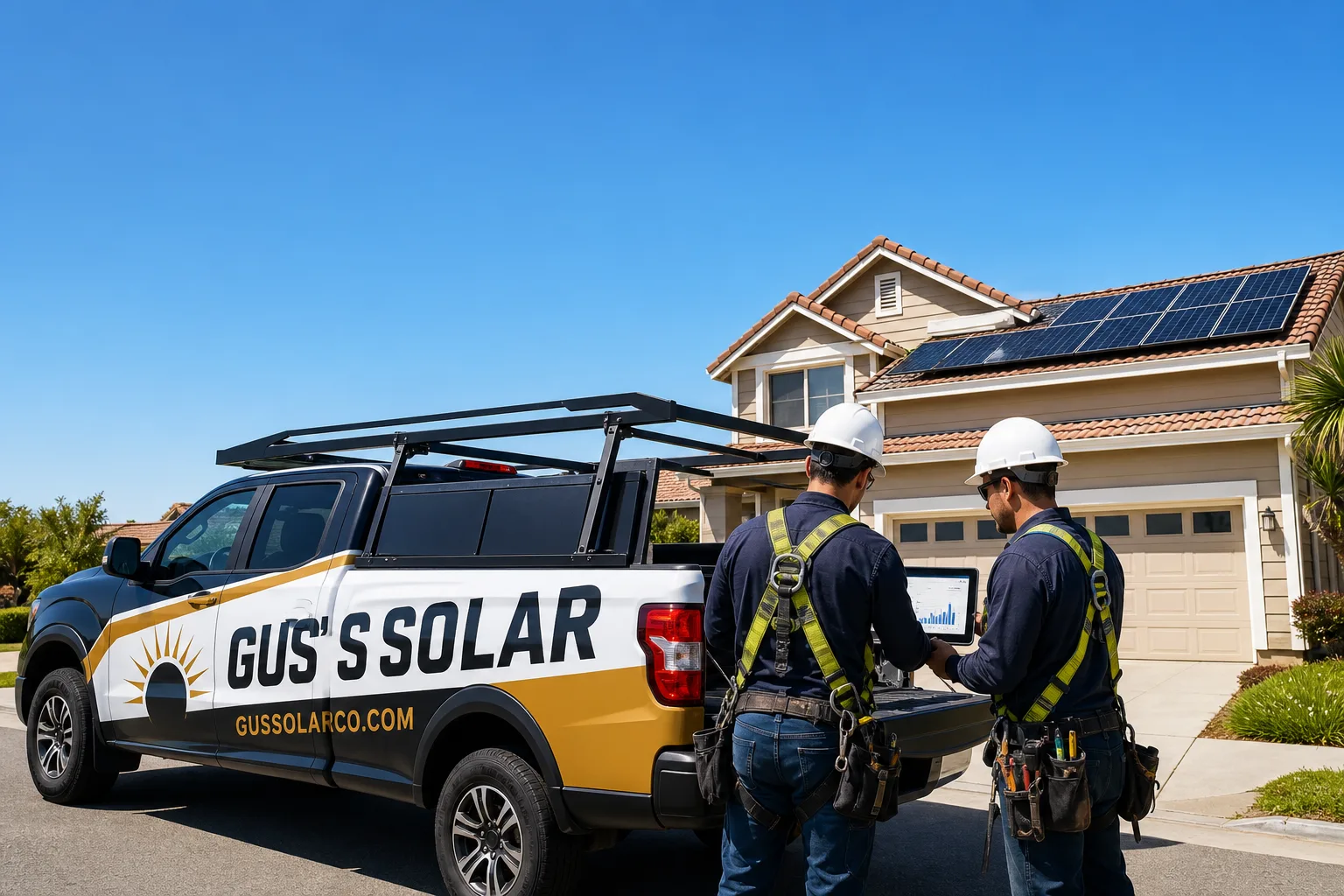
Free bill analysis - bring a power bill, get the production math for your actual roof, panel brands like Qcells and REC compared side by side
If the pitch starts at your door and ends with "sign tonight for the special," sleep on it. The sun will still be there tomorrow; so will we.
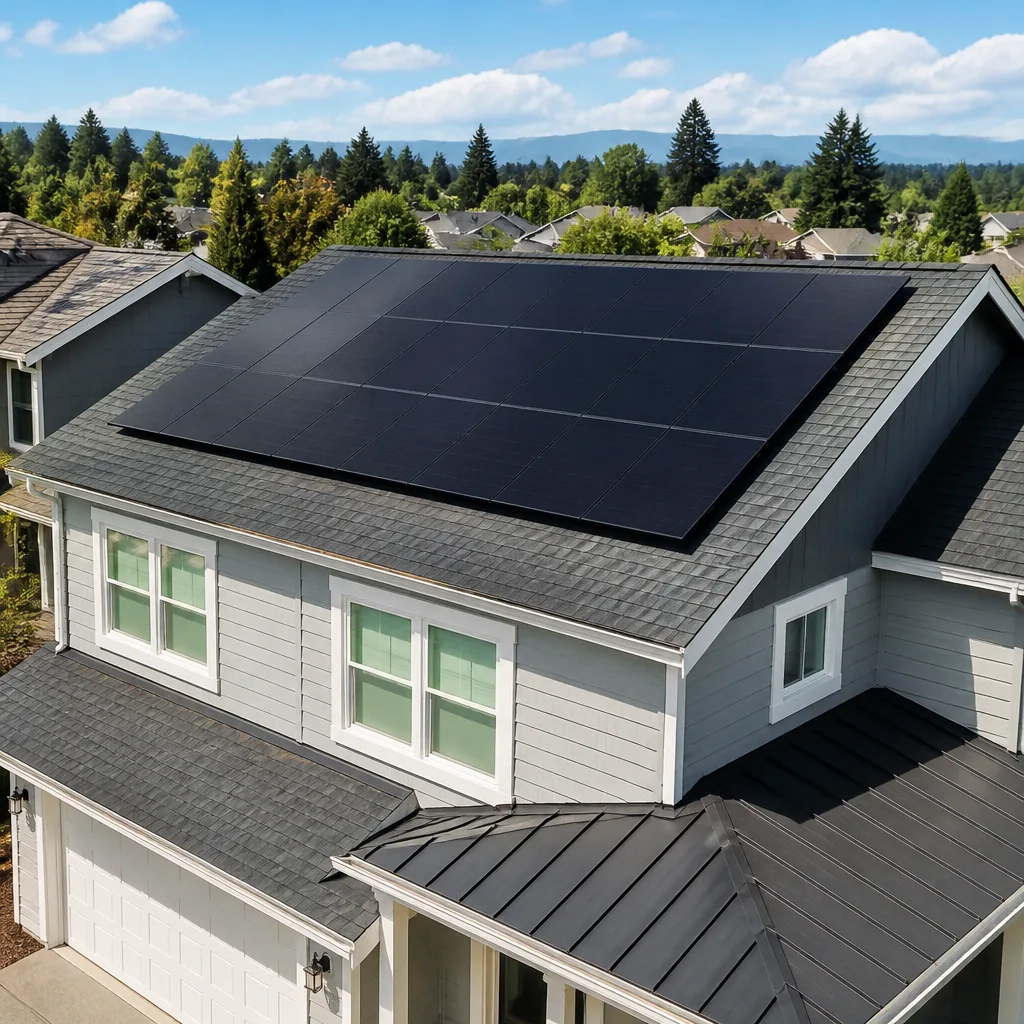
 Before
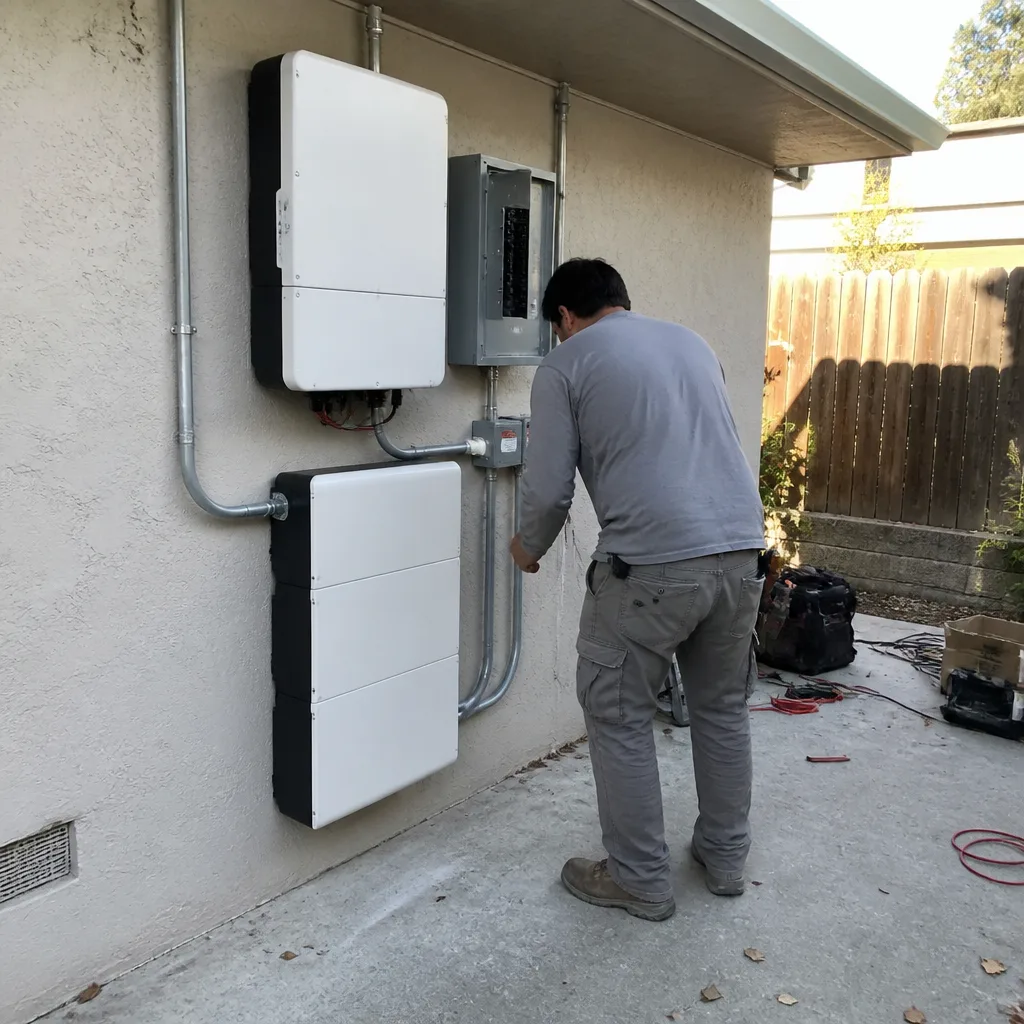 After
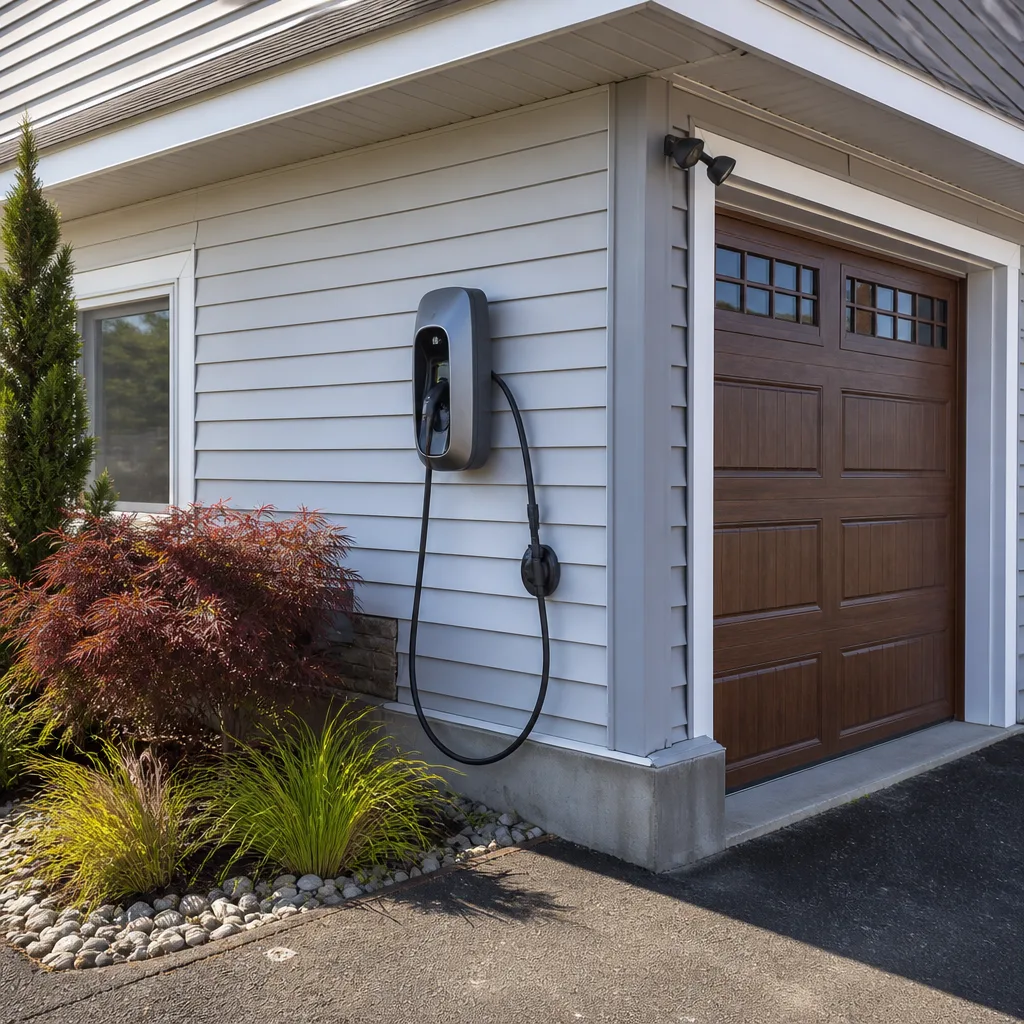
After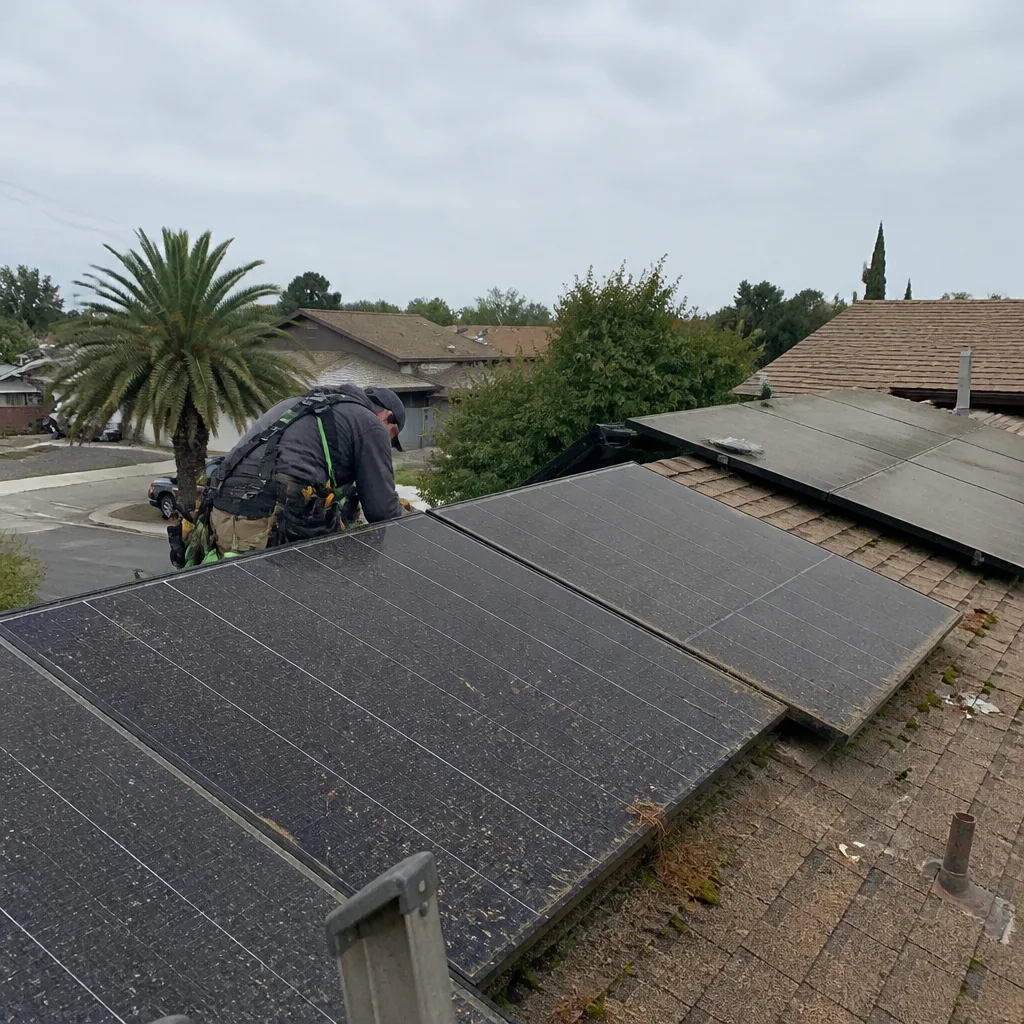 Before
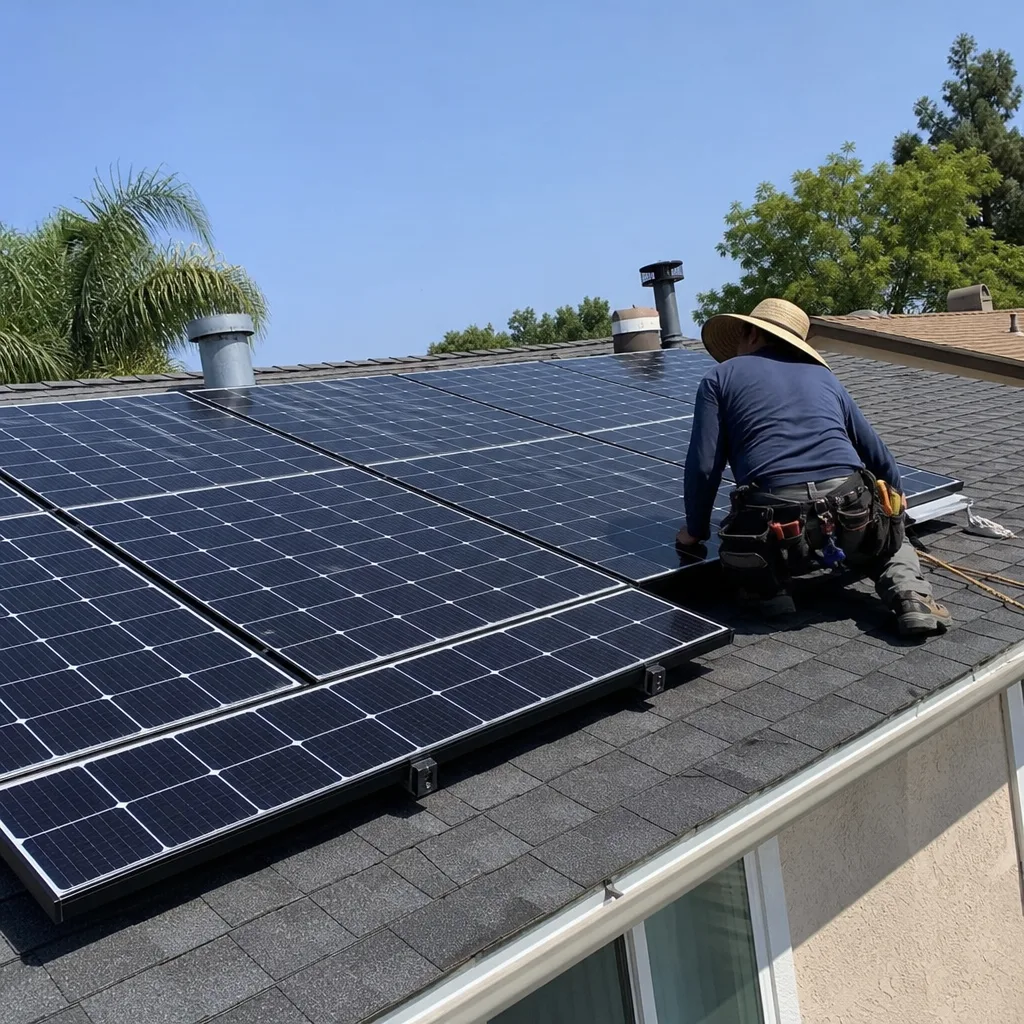 After
After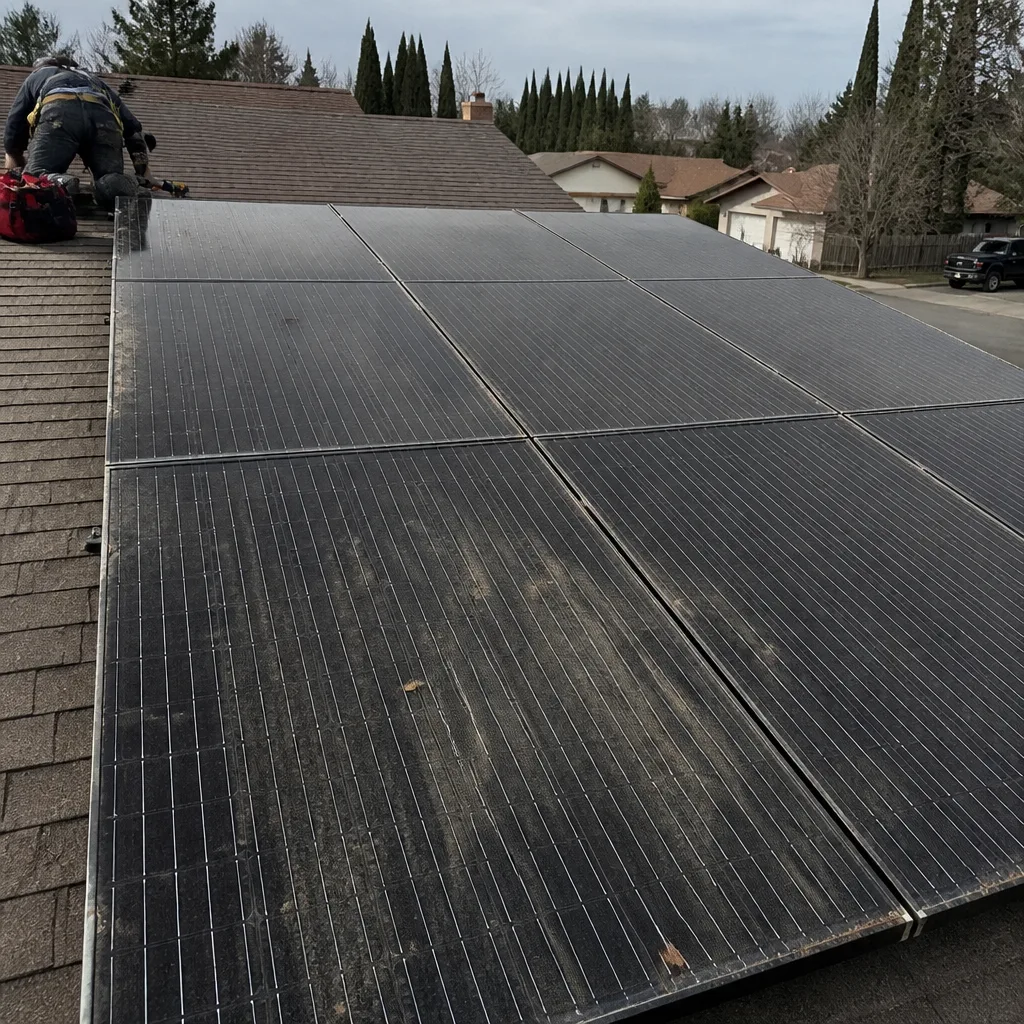 Before
 After
AfterFast, Reliable Commercial Solar Installation Across Fillmore
Commercial solar installation in Fillmore, CA is not a coastal job. The valley’s inland heat and agricultural load profiles demand a different engineering approach than what works in Ventura or Oxnard, and a typical commercial rooftop array here runs $2.10 to $2.75 per watt before incentives. That puts a 100 kW system at roughly $210,000 to $275,000, while a 250 kW ag ground-mount usually lands between $525,000 and $690,000. If you are pricing a warehouse, packing shed, or well-pump offset project, call us at (877) 550-6892 and bring a copy of your SCE bill. Gus Petrakis will quote the year-25 output, not the day-one brochure number.
Why Gus’s Solar Is Fillmore’s Preferred Commercial Solar Installation Company
Gus’s Solar has been locally owned and owner-operated since 2011. Gus Petrakis puts his name on the truck, publishes his license number, and answers his own phone. When a Fillmore ag operation calls about a Rule 21 interconnection that has stalled at month seven, the person who picks up is the same person who will show up to sort it out. No ticketing portal, no call center three states away.
Our Commercial Solar Installation team has finished projects along Grand Avenue, in the citrus groves off Goodenough Road, and at warehouse facilities near the 126 corridor. We know that a 1990s-era wood-frame warehouse in Fillmore has a different roof structure than a coastal tilt-up in Camarillo, and we route attic-mounted conduit accordingly. The 90-Day Done Right Promise applies to every commercial job in writing: if it is not right, Gus makes it right, and one call brings him back.
Fillmore customers deal directly with Gus and his own background-checked, uniformed crew. No subs, no hand-offs. Dispatch is coordinated from the Los Angeles office, and crews serve Fillmore locally, often same-week for site assessments.
Our Commercial Solar Installation Services in Fillmore
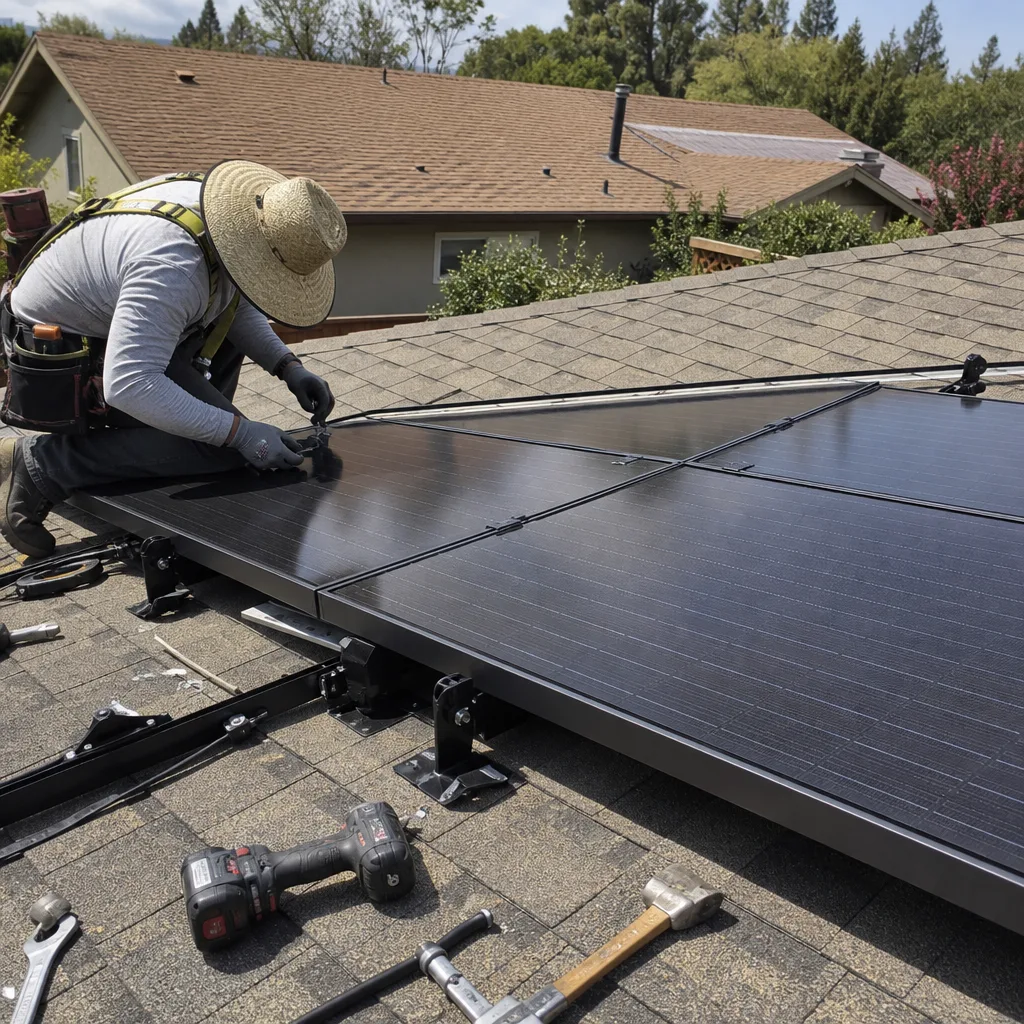
Agricultural & Ground-Mount Solar
Fillmore’s citrus and avocado groves run on 200 to 400 amp three-phase SCE service for well pumps and packing equipment. Those are not residential loads, and they are not jobs a door-knocker with a ladder can handle. We design ground-mount arrays sized to actual pump demand, coordinate the Rule 21 interconnection paperwork from application to approval, and build the racking to hold up under 100°F valley summers and the occasional Santa Ana wind event. This is the work most coastal Ventura County installers never see.
Commercial Rooftop Solar
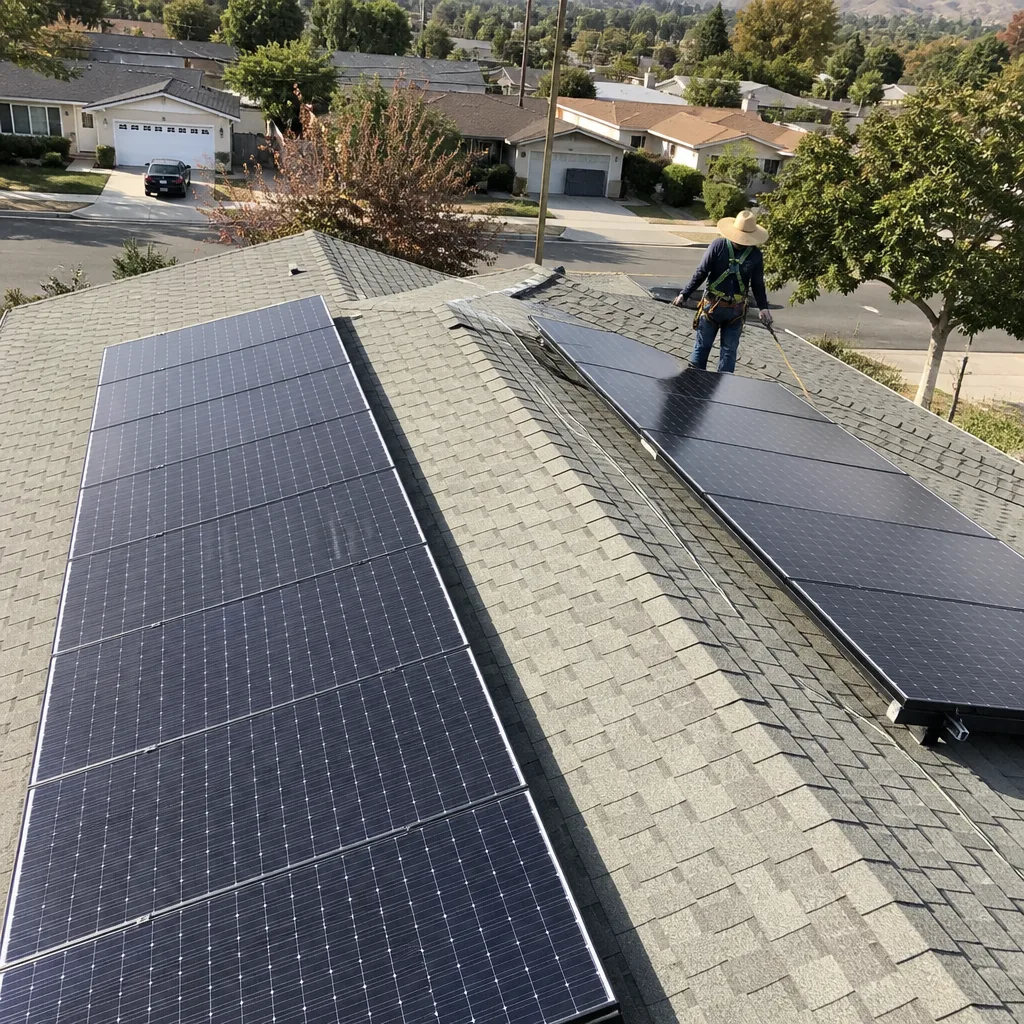
Rooftop arrays on Fillmore’s warehouse stock, much of it rebuilt after the 1994 Northridge earthquake and now 28 to 30 years old, require a structural review before a single panel goes up. We check the roof deck, the racking attachment points, and the existing electrical panel. Many of those mid-1990s buildings still carry original 100 or 200 amp panels that will need upgrades before the city signs off on the permit. We handle that scope in-house so you are not chasing a second contractor.
Solar Carport Installation
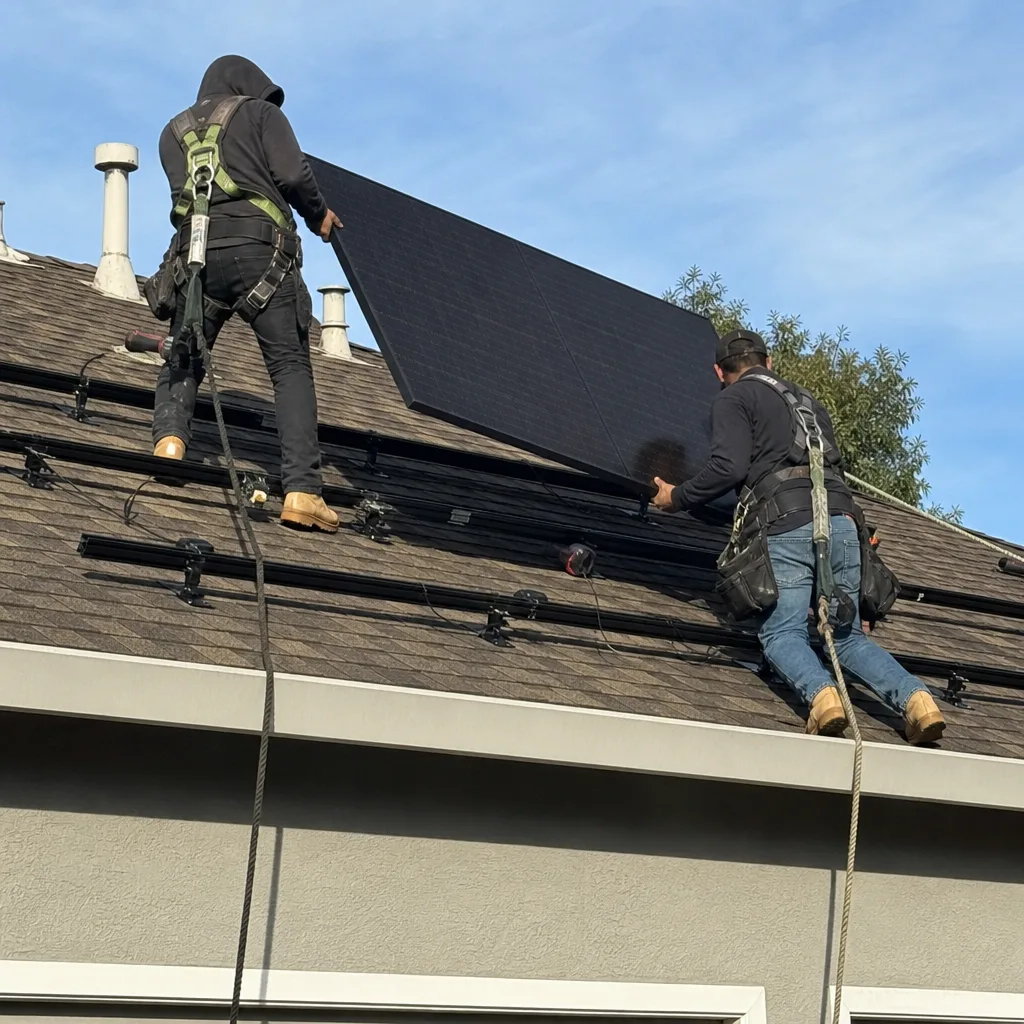
A carport array does double duty in Fillmore: it generates power and shades vehicles from the kind of midday heat that hits 105°F in July. We have installed carport structures at commercial properties near the 126 and along Central Avenue, engineered for wind uplift and sized to the existing asphalt or concrete footprint. If your lot is tight, a carport often makes better use of square footage than a ground-mount.
Commercial Battery Storage
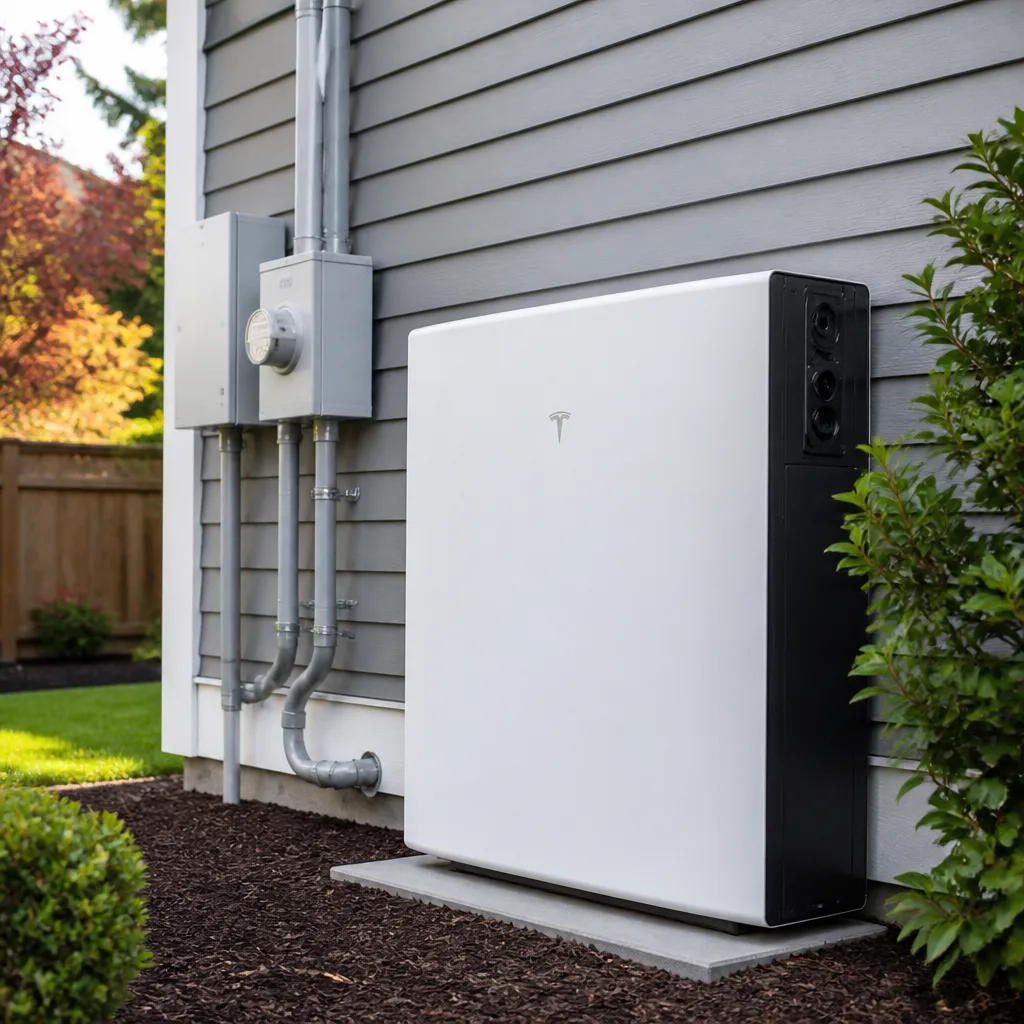
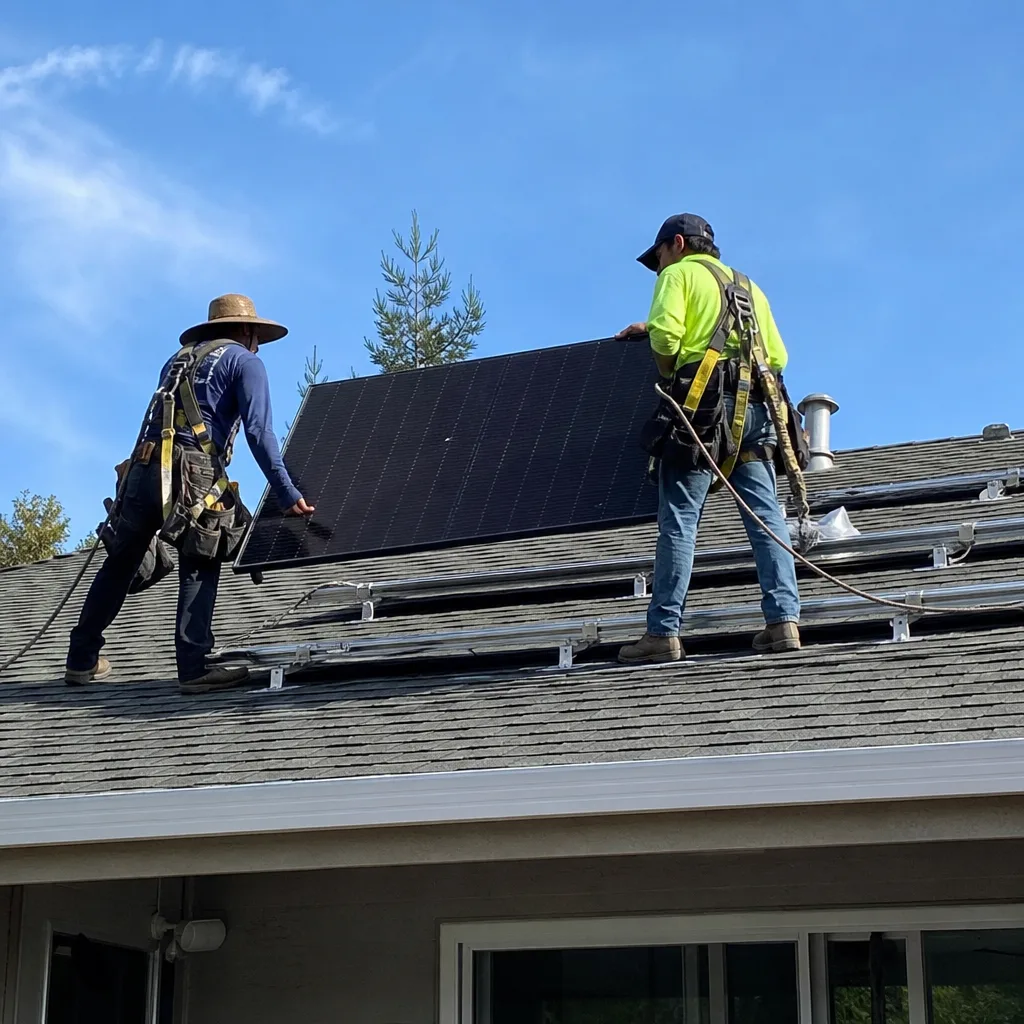
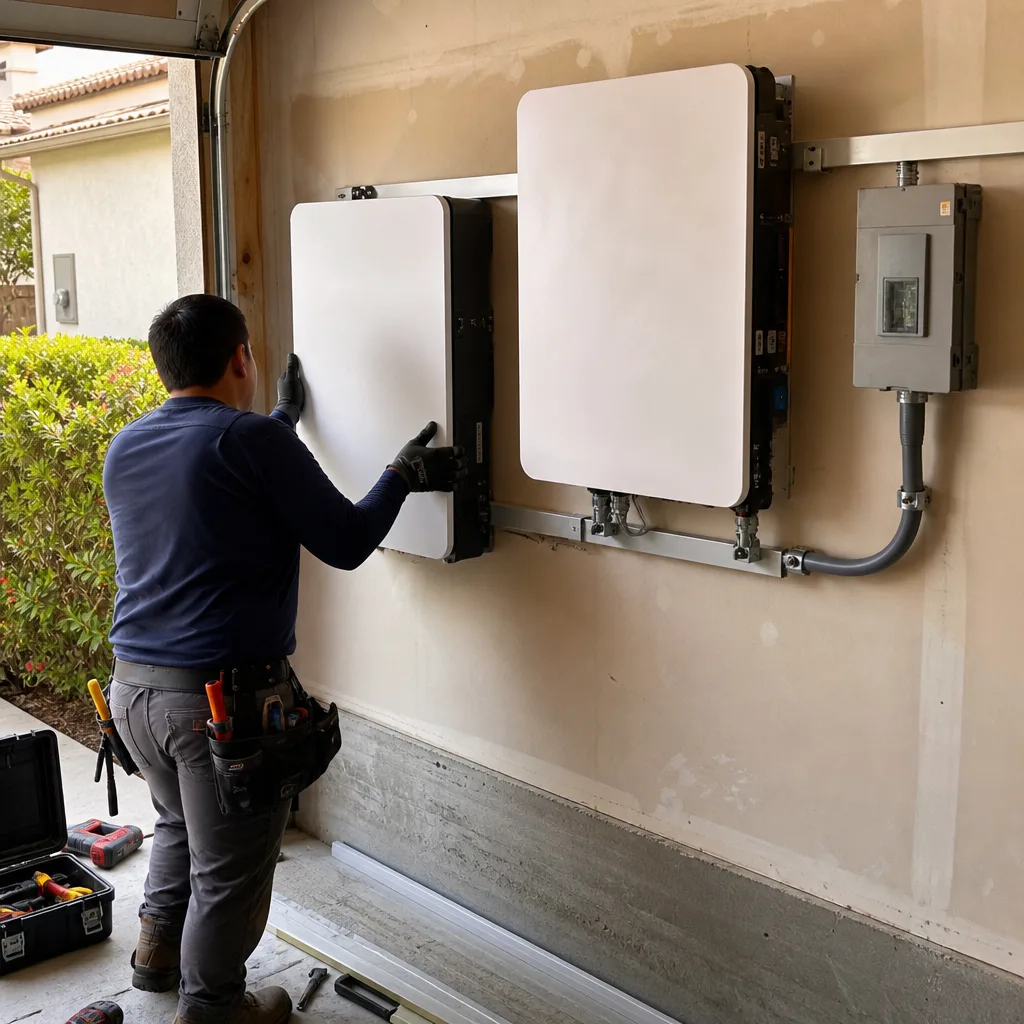
Fillmore’s cooling loads spike hard on summer afternoons, exactly when time-of-use rates climb. A commercial battery paired with your array shifts that load and keeps inverters from cycling through punishing thermal stress. We work with FranklinWH and Enphase storage hardware, sized to your actual interval data from SCE, not a generic estimate. For ag accounts running well pumps during peak-rate windows, storage often cuts the payback period by two to three years.
What happens when you call
- 1
A real person answersNo phone trees - you reach a local pro.
- 2
You get an upfront price rangeHonest numbers before anyone is dispatched.
- 3
A background-checked tech heads outLicensed & insured, dispatched right away.
- 4
You approve before work beginsNothing starts until you say go.
Trusted Brands We Service in Fillmore
We design and install around equipment we would put on our own buildings. For Fillmore commercial projects we most often specify Qcells and REC modules with Enphase or SolarEdge inverters, and SunPower for clients who want a single branded stack. We keep common replacement parts and inverter communication hardware in local stock, which means a failed optimizer on a 105°F day does not wait two weeks for a freight shipment. If you already have a proposal from another installer listing a brand you like, bring it in. We will give you a straight comparison against the same equipment class.
Common Commercial Solar Installation Problems We See in Fillmore
- Inverter thermal shutdown on 90°F-plus days. When commercial coolers and irrigation pumps spike load at the same time the ambient hits triple digits, undersized inverters throttle or shut down entirely. Lost production on those days is lost net metering credit you never get back. We spec inverters with higher thermal headroom and route conduit outside of direct sun wherever possible.
- Attic-mounted conduit baking in valley heat. In Fillmore’s wood-frame warehouses, conduit run through an unvented attic can sit at 140°F or higher for hours a day. That accelerates insulation breakdown and raises the odds of a ground fault on a rooftop array. We run conduit the long way when it keeps the wire cool.
- Rule 21 interconnection delays on agricultural service. A 200 to 400 amp three-phase service for well pumps or packing machinery triggers SCE’s Rule 21 process for larger loads. Approval timelines in Fillmore regularly stretch 6 to 12 months. If your installer has never managed a Rule 21 application, your array gets built and then sits dark while the paperwork crawls. We have run these end to end.
- Panel upgrades on mid-1990s warehouse buildings. Much of Fillmore’s commercial stock was rebuilt after the 1994 earthquake and still carries the original electrical service. A rooftop or ground-mount array sized for real production almost always requires a service upgrade first. We identify that at the estimate stage, not halfway through the permit.
Pricing for Commercial Solar Installation in Fillmore, CA
A commercial rooftop system in Fillmore runs $2.10 to $2.75 per watt before the 30% federal Investment Tax Credit. A 50 kW system for a small warehouse lands around $105,000 to $138,000. A 150 kW ag ground-mount with Rule 21 coordination usually falls between $315,000 and $410,000, and a 400 kW system serving a larger packing operation can reach $840,000 to $1.1 million depending on racking, storage, and trenching. What moves the number: roof condition, panel upgrade scope, trench distance to the point of interconnection, and whether you add battery storage. We quote off your actual SCE bill and your real usage interval data. Bring me a bill, I will bring you the math. Take two weeks. Think about it. The price will be the same. Call (877) 550-6892 for a free estimate.
We Also Serve Cities Near Fillmore
Gus’s Solar serves Fillmore and the surrounding communities across the Santa Clara River Valley and eastern Ventura County. Our crews work regularly in Moorpark, Santa Paula, Simi Valley, and Camarillo, and we are familiar with the different permitting offices, utility territories, and building stock in each. If you are a commercial property owner in one of those cities, the same 90-Day Done Right Promise and straight pricing apply.
Serving Fillmore, CA - Our Local Coverage Area
We’re based in the Fillmore area and know this community well. Use the map below to see our service coverage - if you’re nearby, we can almost certainly help.
FAQs - Commercial Solar Installation in Fillmore
Fillmore gets materially more annual peak sun hours than Ventura or Oxnard because the Topatopa Mountains and the valley’s inland position keep the coastal marine layer and June Gloom from sitting over your array. A system in Fillmore will produce 15 to 22 percent more annually than an identical system 20 to 25 miles west, before any other variable changes. That shortens payback and raises the year-25 output figure on the same dollar invested. Call (877) 550-6892 and we will run the numbers off your actual SCE interval data.
SCE’s Rule 21 applies to larger generating facilities and to services like 200 to 400 amp three-phase ag connections for well pumps and packing equipment. The utility requires a study to verify that your array can connect without disrupting the local distribution grid. In practice, Fillmore ag projects see approval timelines of 6 to 12 months from application to permission-to-operate. An installer who has never managed one will leave your system built but unable to export during that entire window. We have handled them end to end, including the follow-up paperwork SCE asks for mid-review.
Most likely yes. A large share of Fillmore’s commercial buildings were rebuilt after the 1994 Northridge earthquake, and many still carry their original 100 or 200 amp service panels from that era. A rooftop array sized for real production will usually require a service upgrade to 400 amps or more to pass city inspection and SCE interconnection review. We identify the exact scope at the estimate and include it in the quote, so the number you see is the number you pay. No mid-job add-ons.
For Fillmore’s sustained 100°F-plus summer ambients and high cooling loads, we favor microinverters or string inverters with active cooling rated for high-temperature operation. Microinverters spread thermal load across many small units instead of one large box on a hot wall, which reduces single-point failure during harvest-season demand spikes. Specific brand selection depends on your roof layout and shading, but the principle is the same: do not put a residential-grade inverter on a Fillmore commercial roof and expect 25 years out of it. Call (877) 550-6892 and we will spec the right hardware for your building.
Some of Fillmore’s pre-quake commercial buildings downtown carry historic designation, which adds a design-review step before the city will issue a solar permit. The review typically focuses on street-facing visibility and roofline appearance. We have worked through those reviews and can tell you early in the process whether your building is likely to trigger one. The permit timeline runs longer on historic properties, so plan for an extra 4 to 8 weeks on top of the standard city review.
What Makes Gus’s Solar Different for Fillmore Commercial Work
Fillmore sits far enough inland in the Santa Clara River Valley to escape the marine layer that puts a ceiling on solar production in Ventura and Oxnard. That is the good news, and it is real: commercial arrays here produce more per installed watt than identical systems 20 to 25 miles west. The less obvious part is what that inland position does to the hardware and the paperwork. Inverter thermal stress is higher. Attic and rooftop ambient temperatures during July and August are brutal. And because so much of Fillmore’s economy runs on citrus and avocado groves with three-phase well-pump service, a large share of the commercial solar work here falls under SCE’s Rule 21 interconnection process, with approval timelines that routinely stretch 6 to 12 months. A residential installer who has never touched a Rule 21 application will not know how to keep the process moving. We do.
Our crew recently finished a 240 kW DC ground-mount for a citrus packing operation off Grand Avenue in Fillmore. The site fed three 400 amp three-phase well pumps via SCE, so the interconnection application fell under Rule 21. We coordinated the 9-month approval while routing rapid shutdown hardware and microinverters to handle the 105°F ambient and avoid inverter thermal stress during harvest-season cooling loads. The result: a true-up statement that now shows a 92 percent kWh offset against the ranch’s pumping demand. That is the kind of job most coastal Ventura County installers never encounter, and it is the kind we have been doing for years.
If a salesman needs an answer tonight, the answer is no. We do not work that way. Gus Petrakis will come out, look at your service panel and your roof and your SCE bill, and give you a number that does not change when the pressure is off. Take two weeks. Think about it. The price will be the same.
Call (877) 550-6892 for a free estimate on commercial solar installation in Fillmore. A live person answers, 24/7. Gus’s name is on the building, and his name is on the work.
Written by Gus Petrakis, Owner at Gus’s Solar, serving Fillmore and the surrounding Santa Clara River Valley communities since 2011.