

Free bill analysis - bring a power bill, get the production math for your actual roof, panel brands like Qcells and REC compared side by side
If the pitch starts at your door and ends with "sign tonight for the special," sleep on it. The sun will still be there tomorrow; so will we.
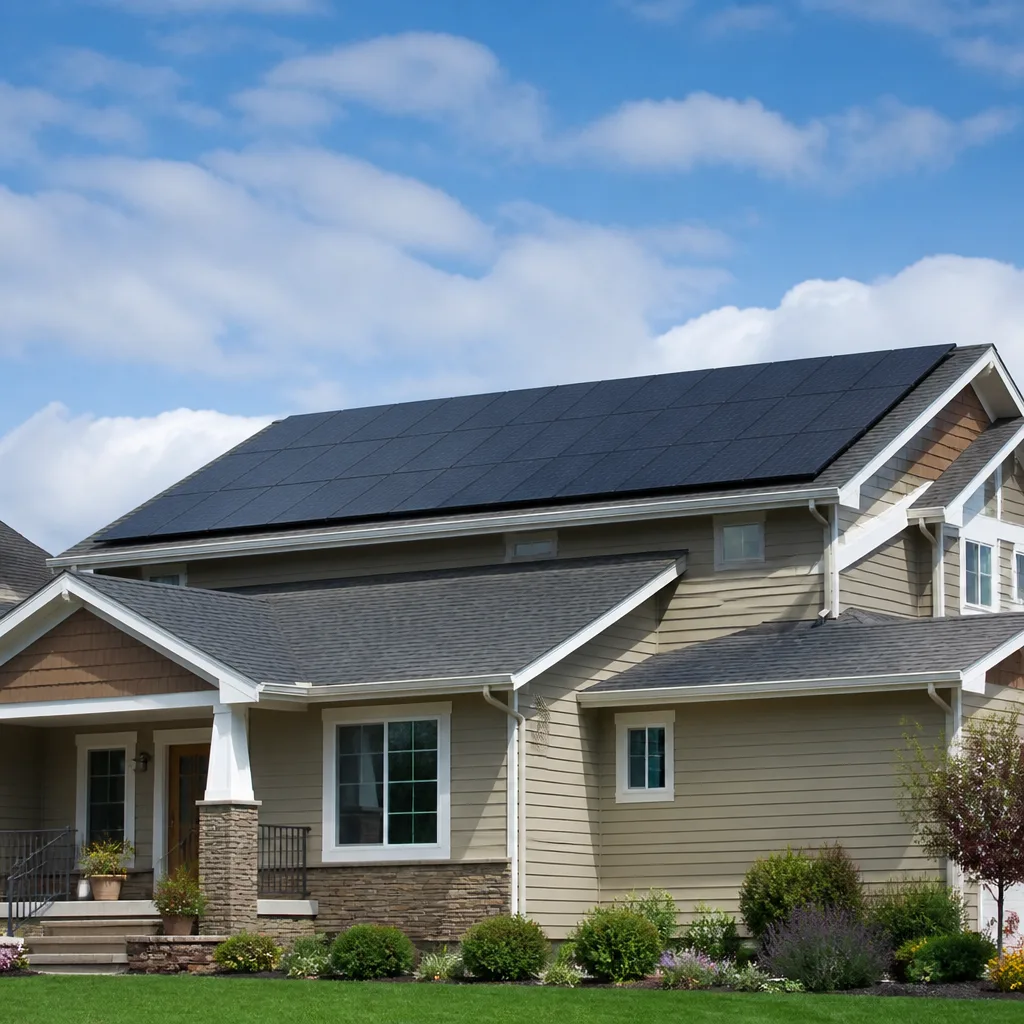
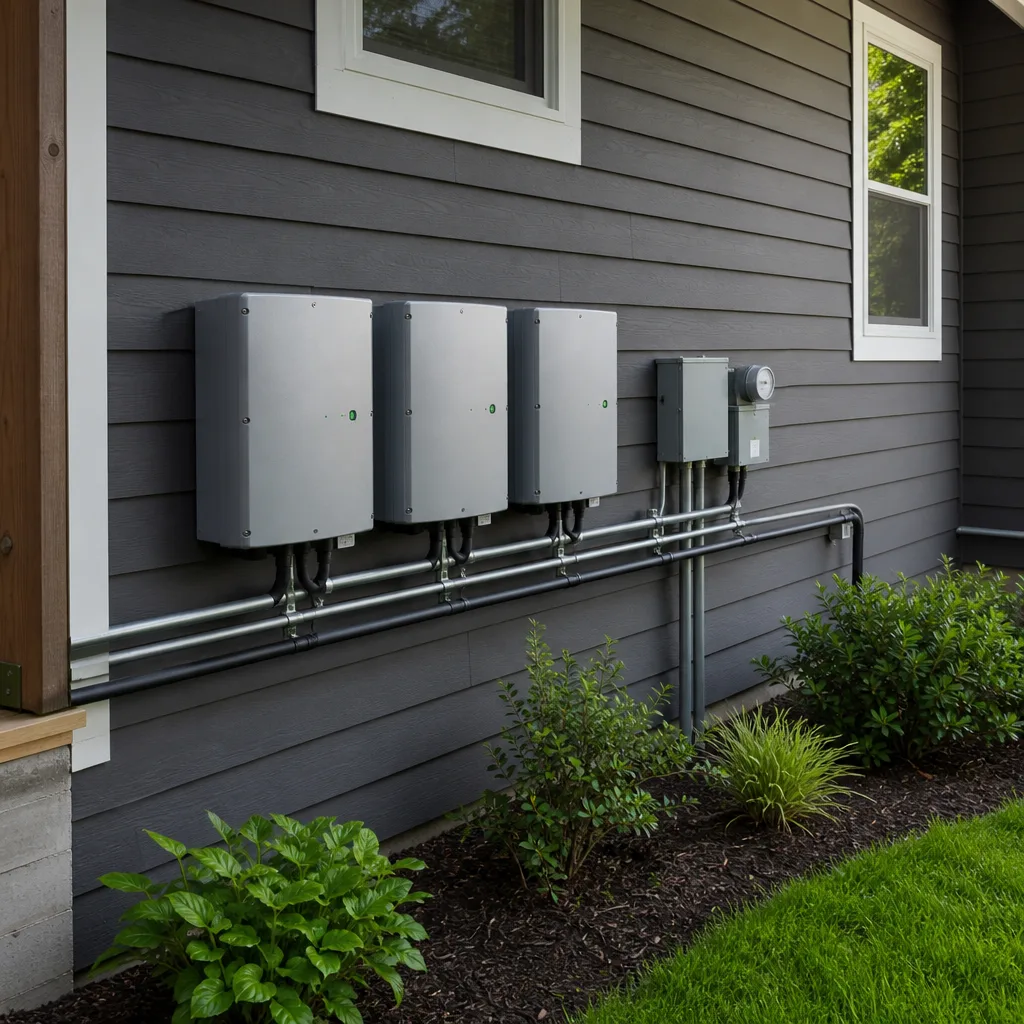
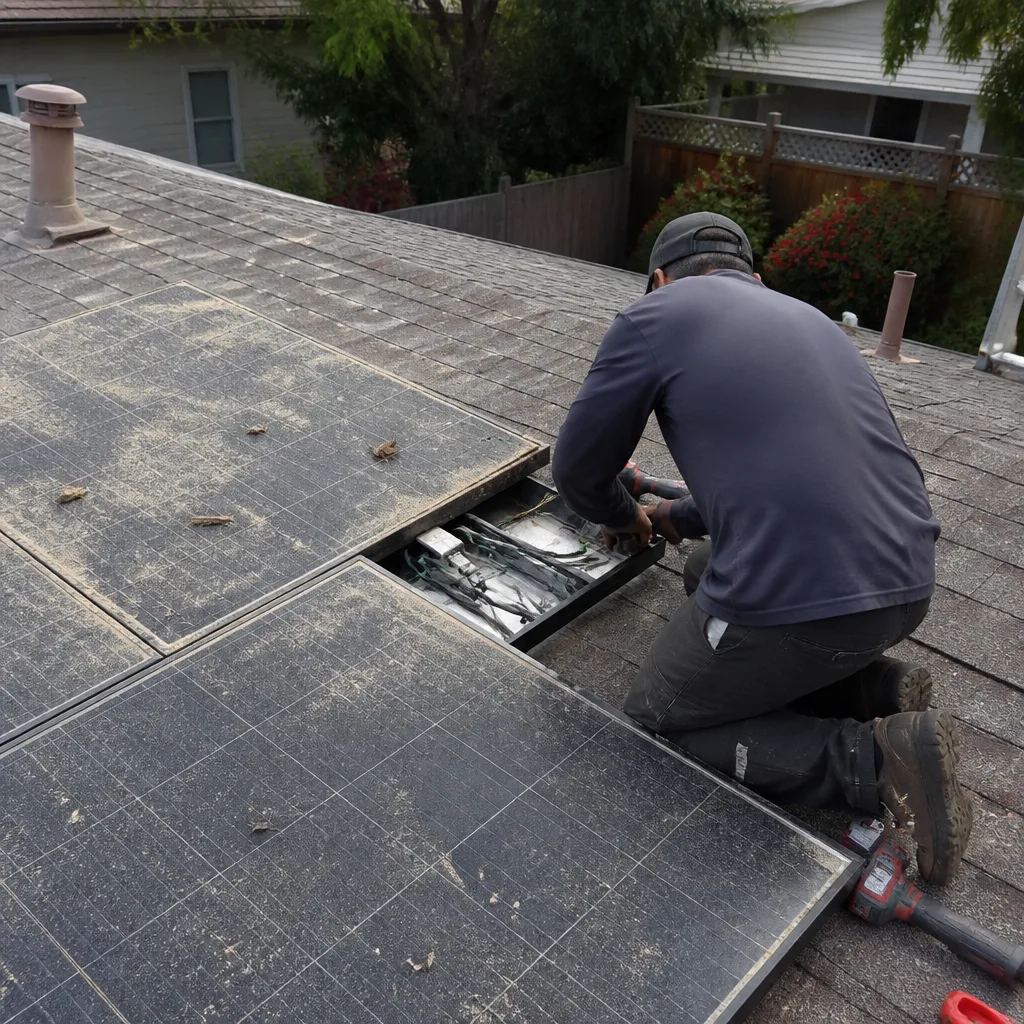 Before
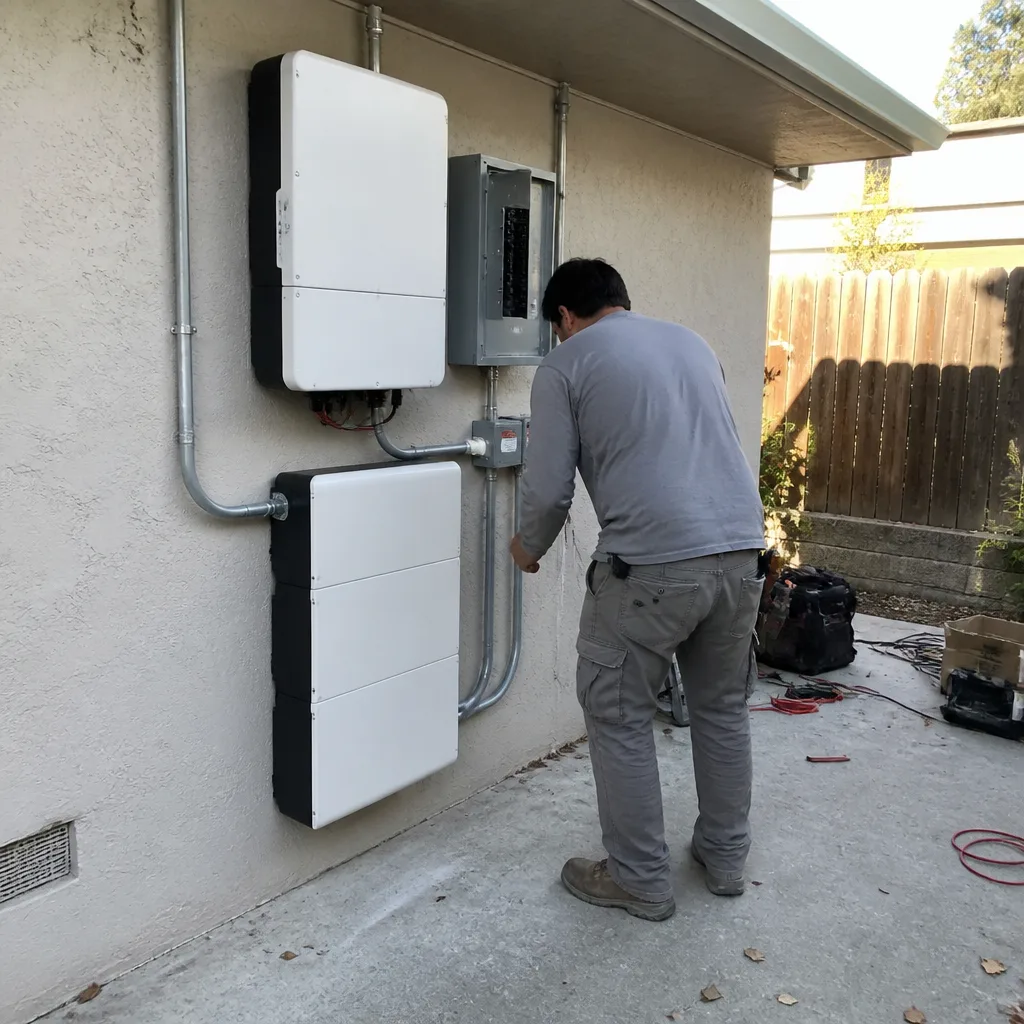 After
After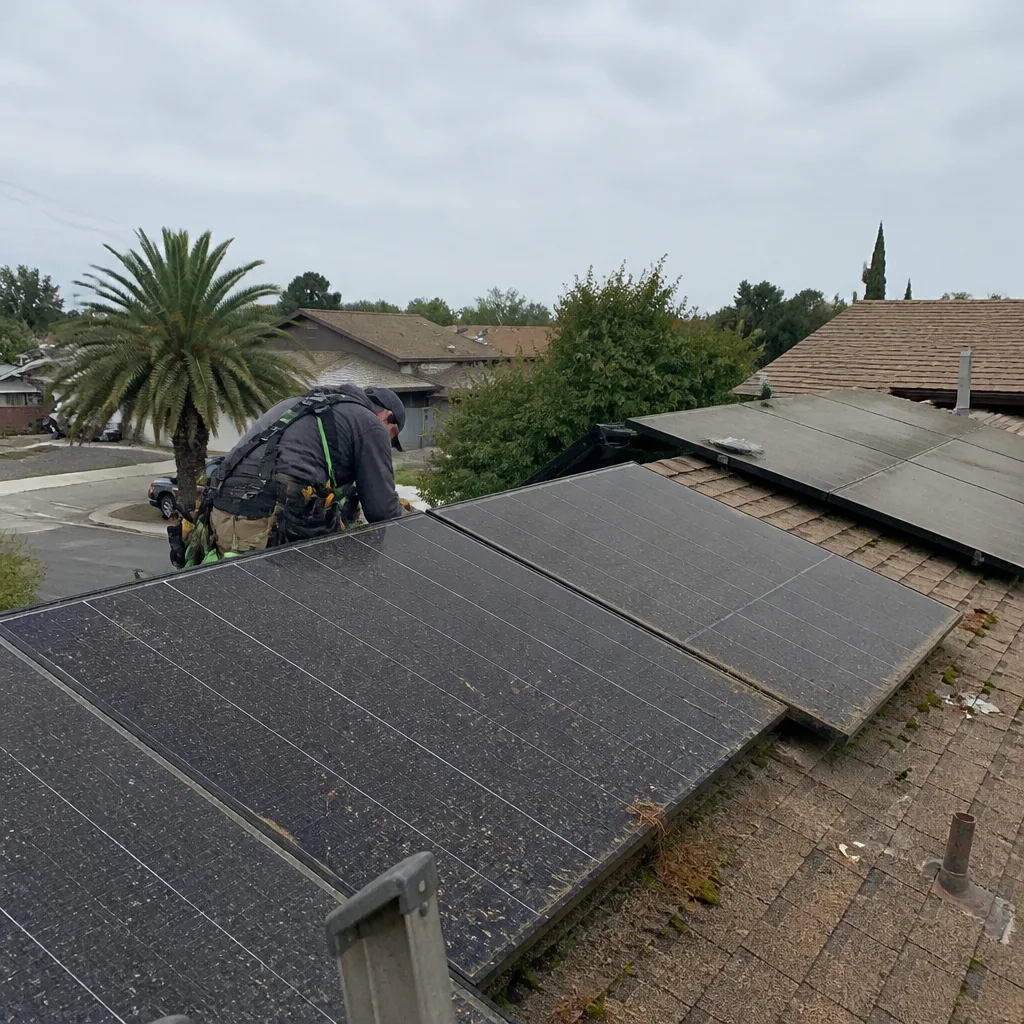 Before
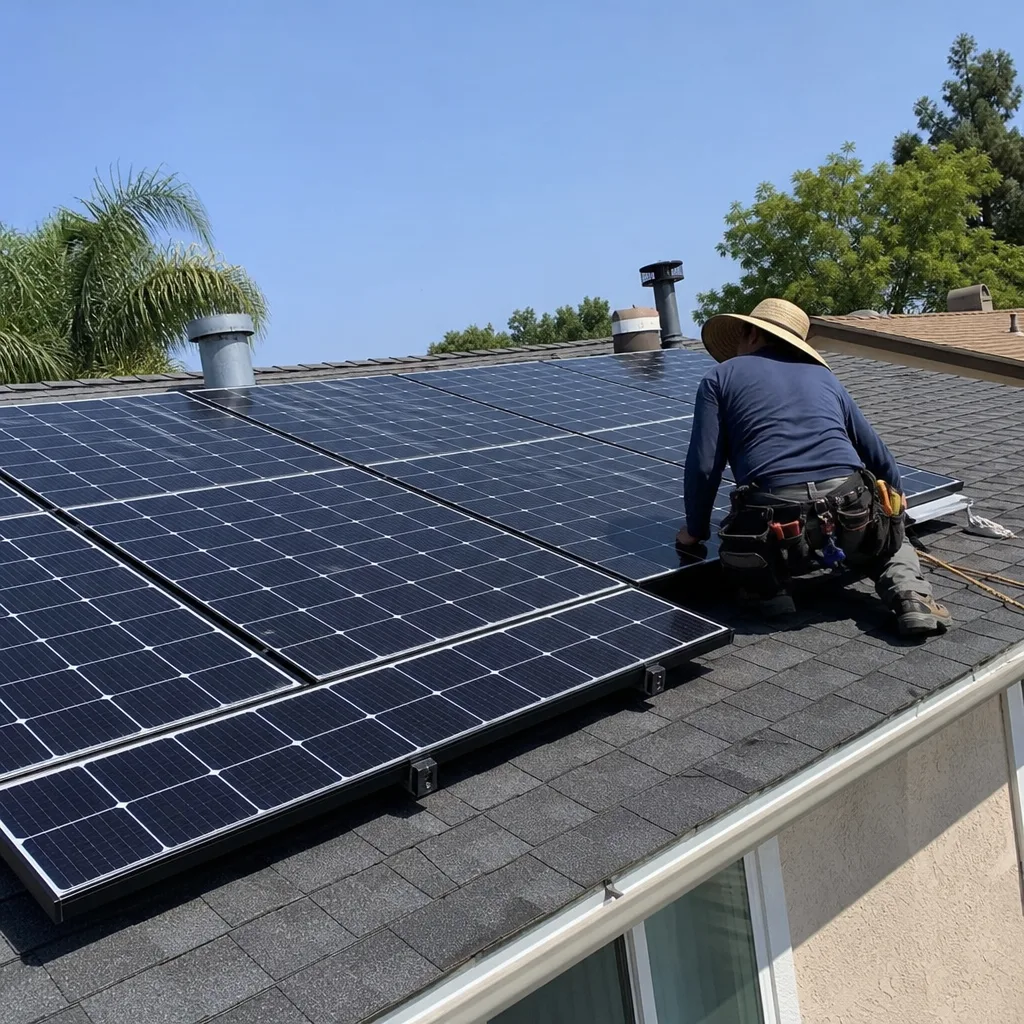 After
After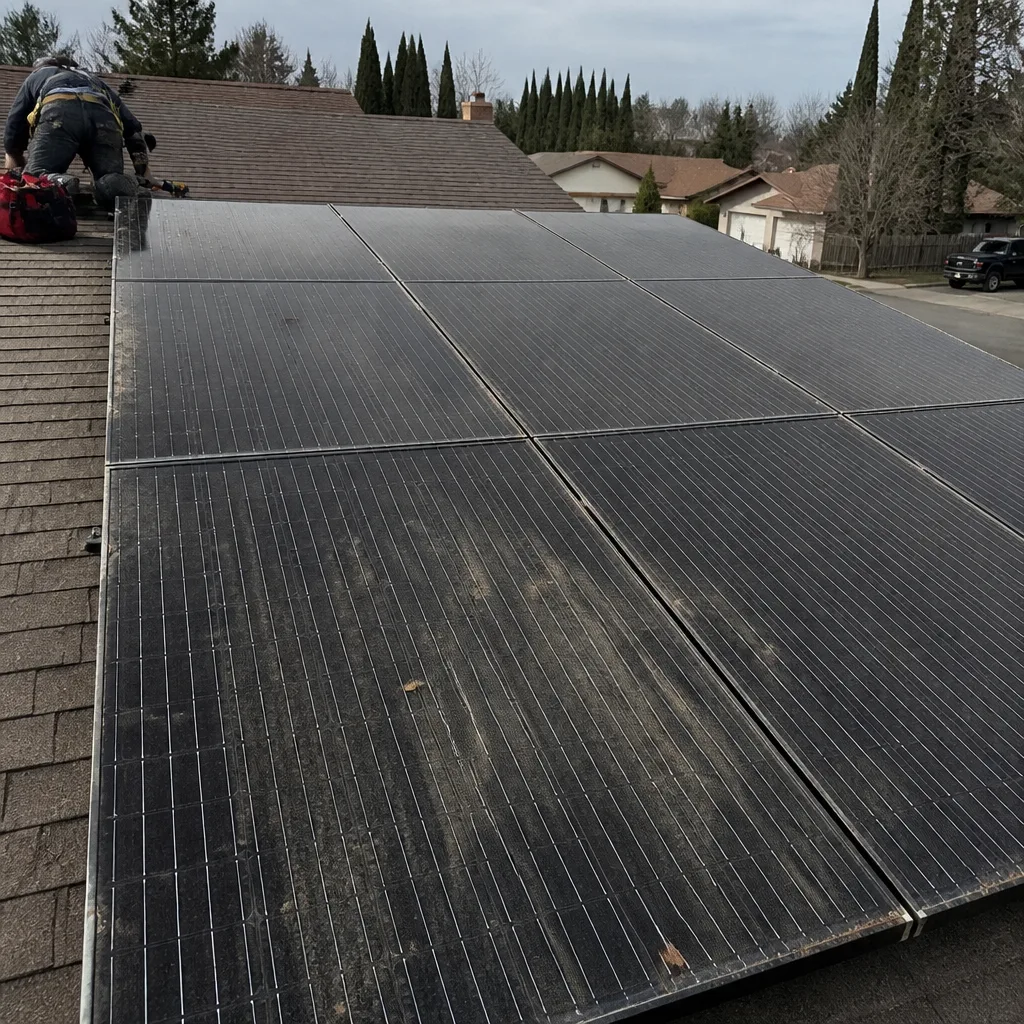 Before
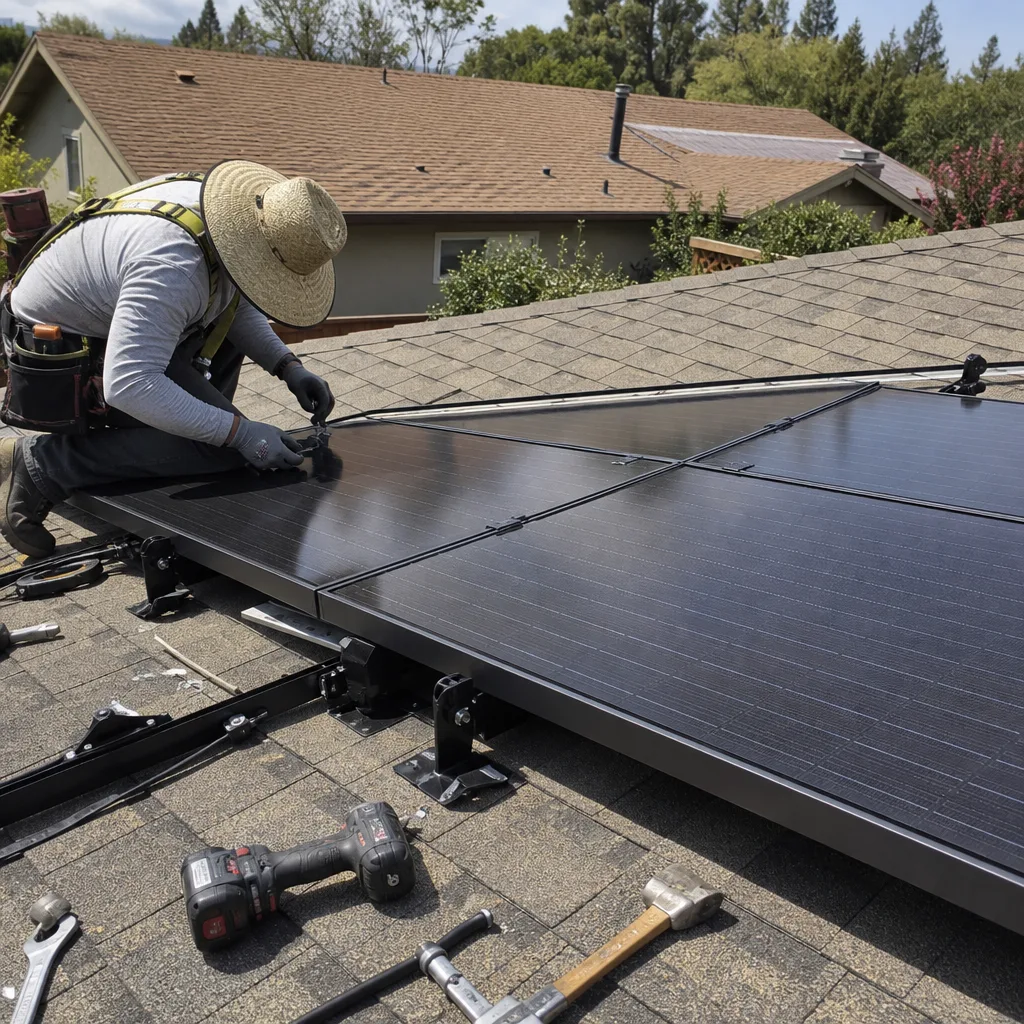 After
AfterFast, Reliable Commercial Solar Installation Across Cupertino
Commercial solar in Cupertino costs between $85,000 and $240,000 for a typical 50-150 kW rooftop system before incentives, with most projects qualifying for a 30% federal tax credit and PG&E’s NEM 3.0 export rates. Gus’s Solar has installed commercial arrays on warehouses, office parks, and retail buildings throughout Cupertino, including along Stevens Creek Boulevard and De Anza Boulevard. We know this city’s permit process, its PG&E queue, and its rooftops. Call (877) 550-6892 for a free estimate built off your actual utility bill, not a brochure number.
Why Gus’s Solar Is Cupertino’s Preferred Commercial Solar Installation Company
Cupertino is not a normal solar market. This is Apple’s headquarters city. The people showing up to consultations are engineers, product managers, and executives who have already read PG&E’s NEM 3.0 tariff structure, run their own PVWatts models, and compared three other bids line by line. They don’t want a sales pitch. They want a contractor who can answer questions about azimuth, degradation curves, and microinverter clipping without blinking. That’s how Gus Petrakis runs every commercial job here. He hands you the year-25 output estimate, not the day-one brochure number, and he tells you to take two weeks before signing anything. The price won’t change.
Our crews have worked on commercial rooftops across Cupertino for years, from the office parks near Vallco to the light industrial buildings off Bubb Road. We know which buildings still have original 100-amp service because we’ve opened hundreds of panels in this city. Gus’s name is on the truck, his crew does the install, and a live person answers the phone 24/7. No call center. No voicemail. Call (877) 550-6892 and you’ll get a real person.
Our Commercial Solar Installation Services in Cupertino
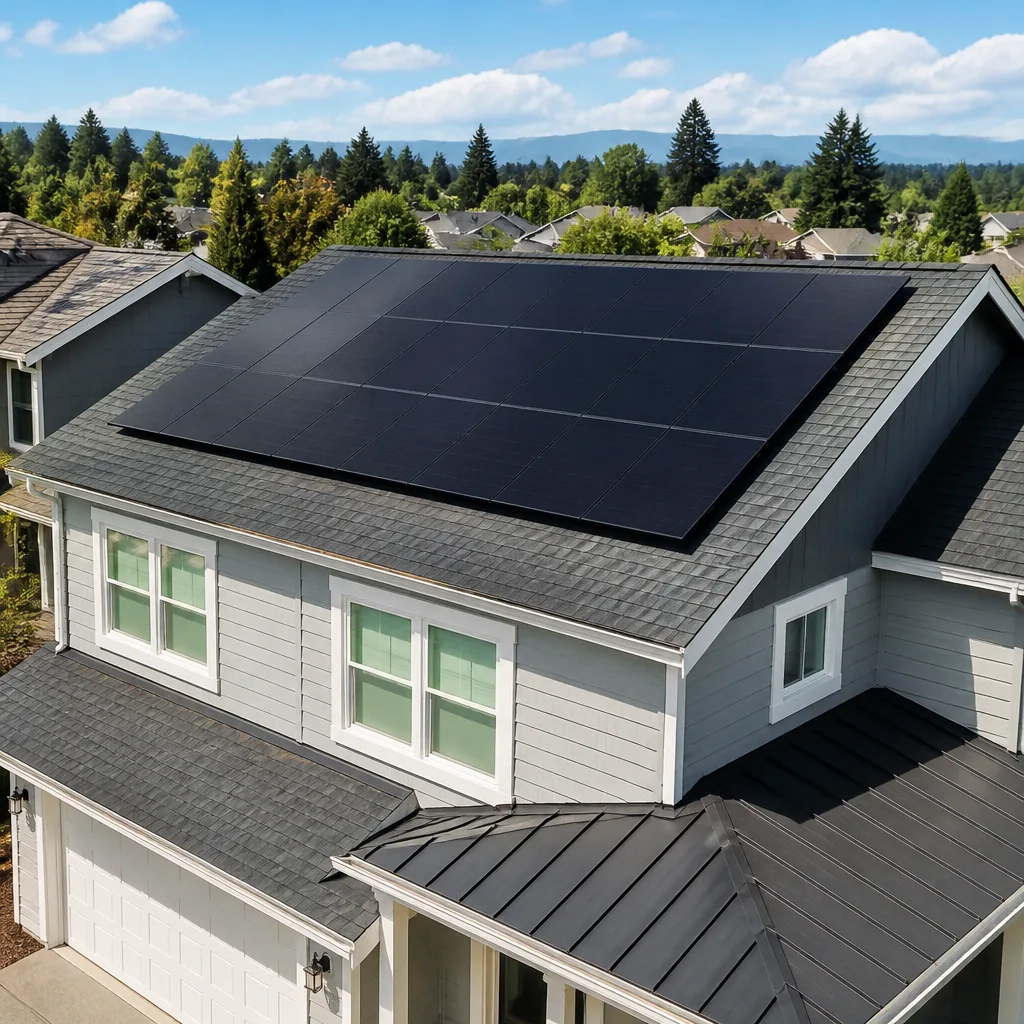
Commercial Rooftop Solar
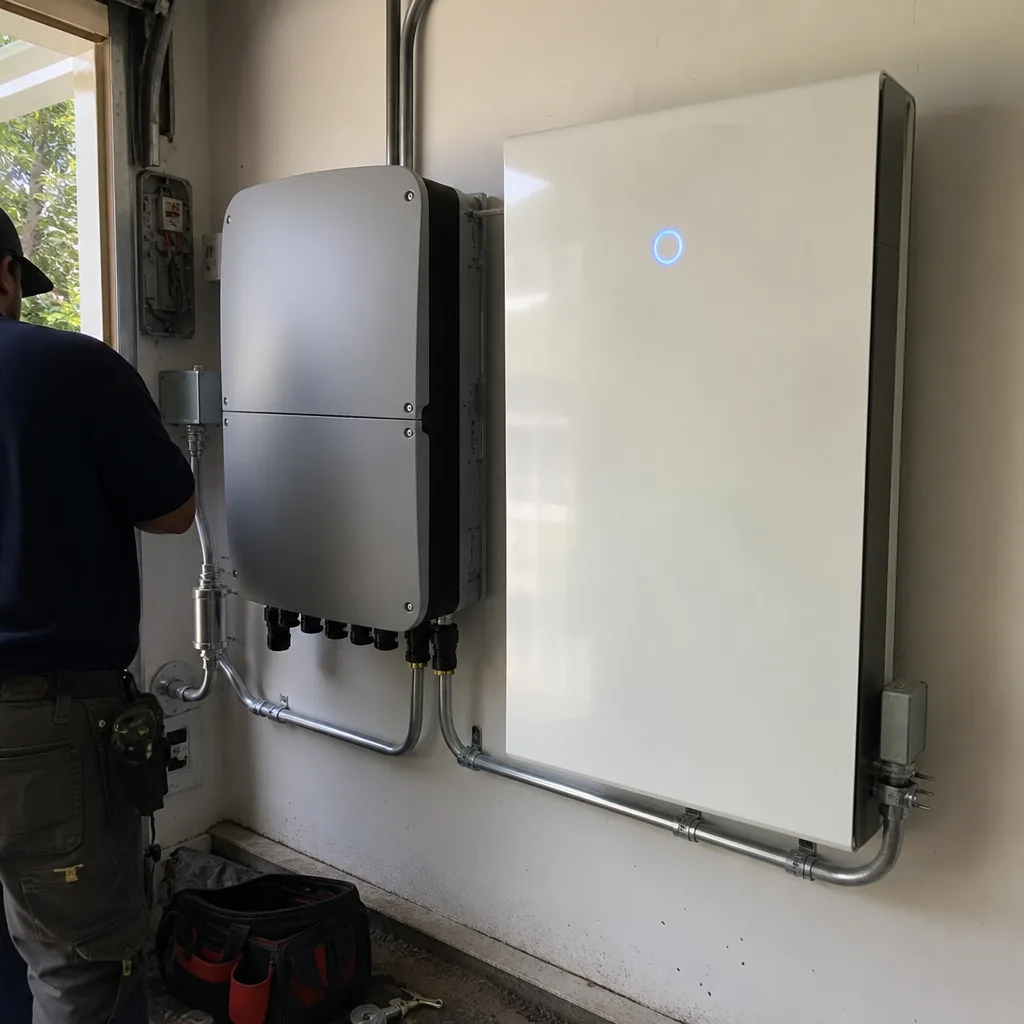
Most Cupertino commercial buildings were built during the 1970s and 1980s office boom, which means flat or low-slope roofs with TPO or gravel built-up roofing. That’s our bread and butter. We design racking that doesn’t compromise the roof warranty, and Gus’s own crew flashes every penetration properly. A 100 kW rooftop array on a Cupertino office building typically runs $210,000 to $280,000 before tax credits. We handle the structural engineering, the Cupertino Building Division permit, and the PG&E interconnection filing in the right order so activation doesn’t drag.
Warehouse & Industrial Solar
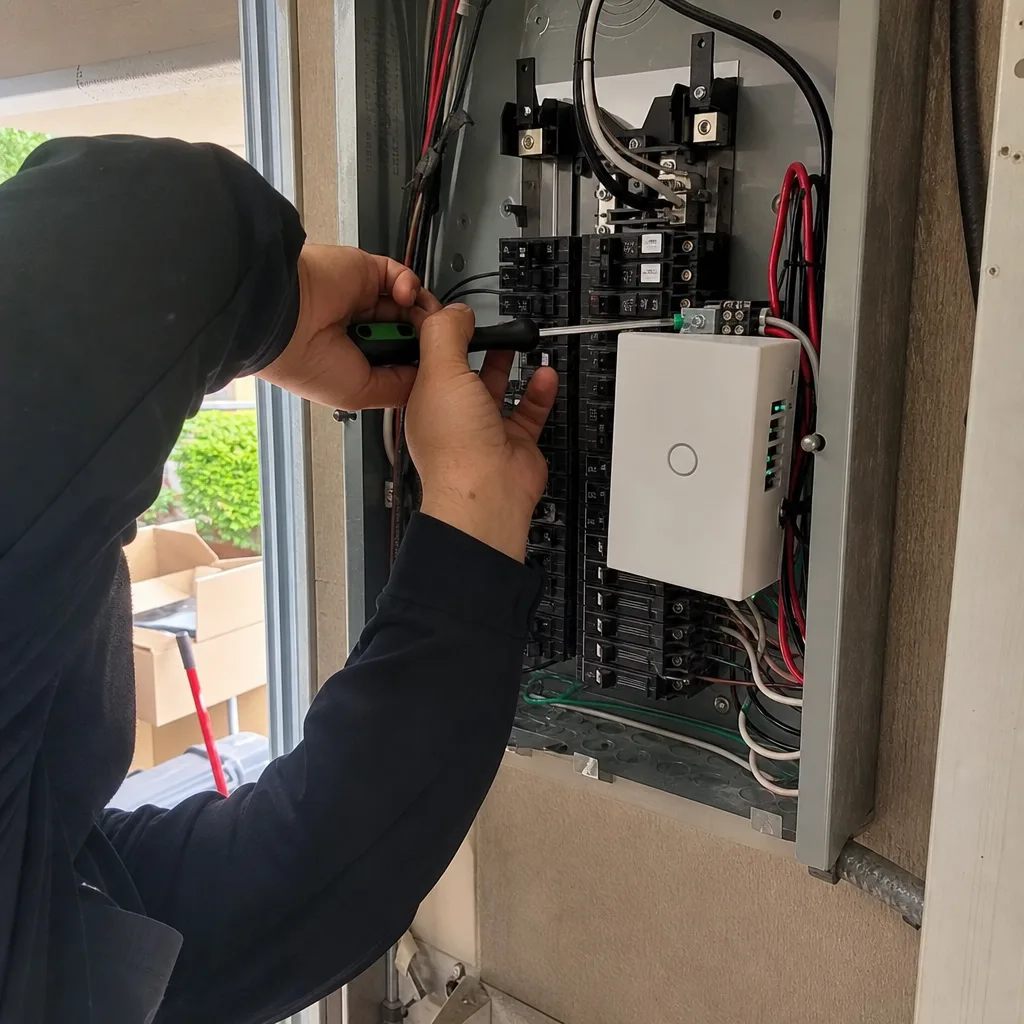
The light industrial corridor along Stevens Creek Boulevard and the warehouses near Wolfe Road are prime solar territory: big flat roofs, high daytime loads, and electric bills that make solar math obvious. These buildings often run refrigeration, server rooms, or manufacturing equipment that aligns well with solar production curves. A 300-panel warehouse system in Cupertino generally lands between $180,000 and $400,000 depending on panel wattage and inverter choice. We size systems to offset actual load, not to impress anyone with a big number.
Solar Carport Installation
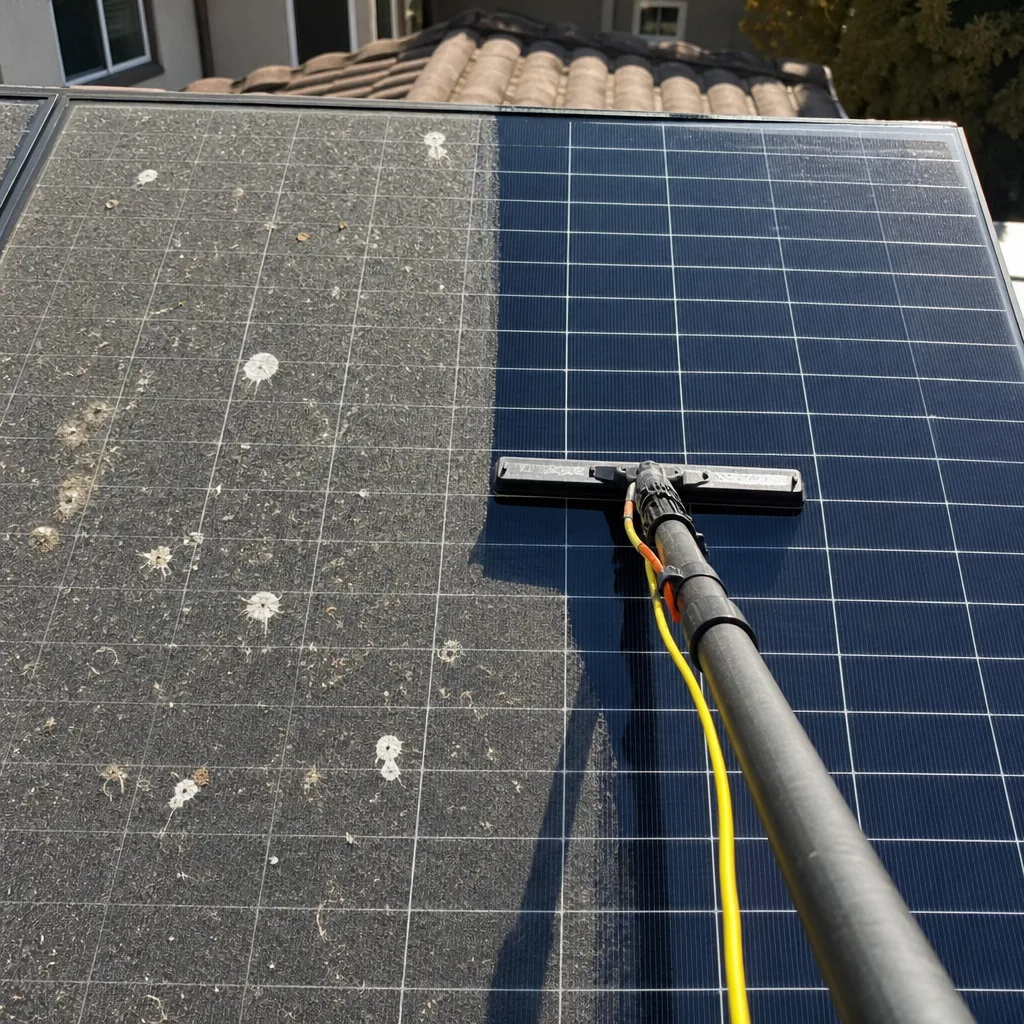
Parking lots in Cupertino are scarce and valuable. A solar carport does double duty: it generates power and shades employee vehicles through the hot inland summers. We’ve installed carports at medical offices off De Anza Boulevard and corporate campuses near the 280 corridor. Carport solar costs more per watt than rooftop because of the steel structure, typically $3.50 to $4.50 per watt installed in Cupertino. The payback still works because Cupertino’s commercial electricity rates from PG&E run among the highest in the Bay Area. We engineer the footings, handle the structural calcs, and pull the same Cupertino permits as any commercial build. Commercial Solar Installation of this kind takes longer than rooftop work, but the lifespan is 30 years or more.
Commercial Battery Storage
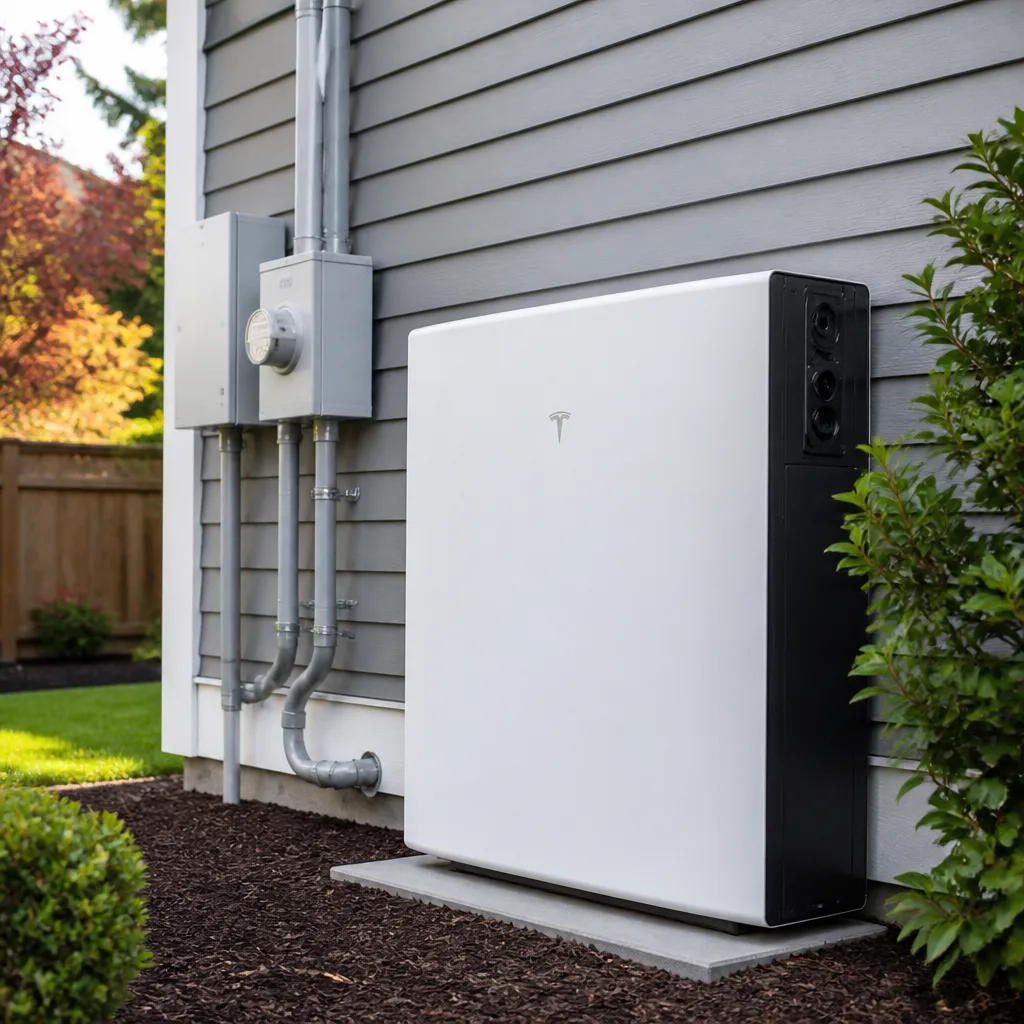
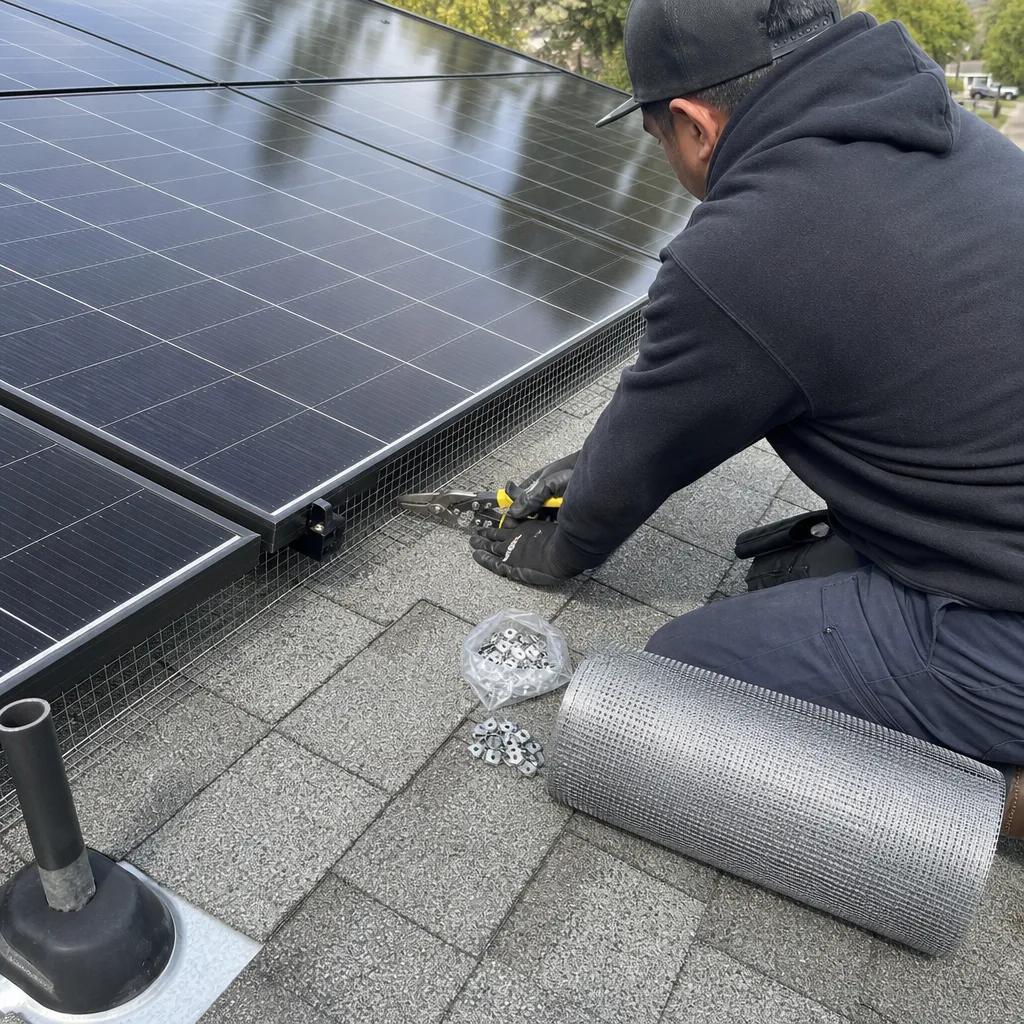
Battery storage is not an upsell in Cupertino. It’s operational insurance. PG&E Flex Alerts hit this region hard during late-summer heat waves, and a commercial battery lets you keep servers, refrigeration, or production lines running when the grid wobbles. We install Tesla Powerpack, FranklinWH, and Enphase systems sized to your actual critical load. A 200 kWh commercial battery in Cupertino runs roughly $150,000 to $220,000 installed, but the inflation of PG&E time-of-use rates and the federal Investment Tax Credit bring the effective cost down meaningfully. Cupertino’s morning marine layer means solar production dips before noon on many summer days; a battery smooths out that dip so you’re not pulling peak-rate power from the grid when the fog is still burning off.
What happens when you call
- 1
A real person answersNo phone trees - you reach a local pro.
- 2
You get an upfront price rangeHonest numbers before anyone is dispatched.
- 3
A background-checked tech heads outLicensed & insured, dispatched right away.
- 4
You approve before work beginsNothing starts until you say go.
Trusted Brands We Service in Cupertino
We work with the equipment Cupertino buyers actually ask for: Tesla, Enphase, and SolarEdge inverters, plus FranklinWH and Enphase batteries for storage. We don’t push one brand. We match the equipment to the building’s electrical profile, the roof’s orientation, and the owner’s monitoring preferences. If you already know you want Enphase IQ8 microinverters because you’ve read the specs, we’ll quote them. If Tesla’s Powerpack fits your load profile better, we’ll tell you that instead. Parts are available locally through Bay Area distributors, so service calls in Cupertino don’t wait on backorders from out of state. Call (877) 550-6892 and tell us what you’re considering.
Common Commercial Solar Installation Problems We See in Cupertino Homes
We’re using “homes” loosely here because Cupertino’s commercial buildings share DNA with the 1960s and 1970s ranch houses that surround them. Same era, same electrical assumptions, same surprises.
- Original 100-amp or 200-amp panels on buildings that need 400-amp service. Many older commercial buildings in Cupertino still run on panels sized for a different era. Adding a 150 kW solar array plus EV chargers plus a battery means a panel upgrade, and that upgrade triggers trenching, city permits, and sometimes a PG&E service re-route. We flag this on the first site visit, not the third week of construction.
- Contractors filing the city permit first and waiting to start the PG&E interconnection application. That sequencing error adds six to ten weeks to activation. We batch the PG&E filing before the Cupertino permit is even approved, so the utility clock starts running immediately. This one habit is worth real money in Cupertino.
- Sales quotes built on day-one panel output instead of year-25 degradation. A Cupertino engineer will catch this in five minutes and the deal dies. We quote the year-25 number from the start. It’s lower. It’s honest. It’s the number that actually matters.
- Roof penetrations flashed incorrectly on TPO and flat commercial roofs. Cupertino gets real rain from November through April, and a bad flashing job on a flat commercial roof becomes a tenant complaint within one rainy season. Gus’s own crew does every penetration, and the 90-Day Done Right Promise covers the work in writing. If it’s not right, Gus makes it right.
Pricing for Commercial Solar Installation in Cupertino, CA
Here are real numbers from Cupertino projects. A small office building system (25-50 kW) runs $85,000 to $150,000 before the 30% federal tax credit. A mid-size office or light industrial array (50-100 kW) lands between $140,000 and $260,000. A large warehouse system (100-250 kW) typically costs $210,000 to $500,000. Carports add $3.50 to $4.50 per watt because of the steel structure. Battery storage runs $750 to $1,100 per kWh installed. What moves the number: panel wattage, inverter choice, whether you need a panel upgrade, trenching distance to the PG&E service point, and whether the roof needs structural reinforcement. We give you a line-item quote off your actual PG&E bill and your actual roof measurements. Take two weeks. Think about it. The price will be the same. Call (877) 550-6892 for a free estimate.
Key Takeaways
- Cupertino commercial solar runs $85K-$500K depending on system size and scope.
- Batching the PG&E interconnection filing before the city permit saves six to ten weeks.
- Battery storage makes real sense here: PG&E Flex Alerts plus morning marine layer dips.
- Older Cupertino commercial buildings often need panel upgrades before solar works.
We Also Serve Cities Near Cupertino
Beyond Cupertino, our commercial crews work regularly in Saratoga, Sunnyvale, Los Altos, and Mountain View. Each city has its own permit quirks and utility timetables, but the approach doesn’t change: real numbers, Gus’s crew on the roof, and no pressure. If your building sits in Cupertino or any neighboring city, call (877) 550-6892 and we’ll tell you honestly whether solar makes sense for your load profile.
Serving Cupertino, CA - Our Local Coverage Area
We’re based in the Cupertino area and know this community well. Use the map below to see our service coverage - if you’re nearby, we can almost certainly help.
FAQs - Commercial Solar Installation in Cupertino
NEM 3.0 pays far lower export rates for excess solar than the old NEM 2.0 rules, so payback math now depends heavily on how much of your solar you use on-site. A Cupertino commercial system sized to cover 85-95% of actual daytime load typically pays back in 6 to 9 years, which is similar to Santa Clara and San Jose, but Cupertino’s higher concentration of tech tenants with server rooms and cooling loads means on-site consumption is often higher, which improves payback. The real difference maker is battery storage: under NEM 3.0, storing your excess solar and using it during peak-rate evening hours shortens payback in Cupertino by roughly a year compared to a solar-only design. Call (877) 550-6892 and bring us a year of PG&E usage data. We’ll run the actual numbers.
Cupertino Building Division requires a separate solar permit with structural calcs for the roof load, a Santa Clara County fire setback review for roof access paths, and rapid shutdown compliance on any crew-serviced rooftop. Flat commercial roofs in Cupertino also need a roofing inspection to confirm the membrane is in condition to support the next 25 years under the array. We handle all of it, but plan on the city review taking two to four weeks depending on seasonal volume. Starting the PG&E interconnection filing before that permit is issued is the single biggest time-saver we bring to Cupertino projects.
The marine layer pushes in from the Bay most June and July mornings and typically burns off by 10 or 11 a.m., which shaves roughly 8-12% off morning production compared to inland cities like San Jose. South-facing arrays recover faster because they capture more of the late-morning and afternoon sun once the clouds clear. A battery sized to cover two to three hours of morning load eliminates the need to pull peak-rate grid power during the foggy window, and then recharges from solar once production kicks in. For Cupertino commercial owners, this is the most underrated design consideration on the whole project. Call (877) 550-6892 and ask us to model your building’s specific morning load against the marine layer pattern.
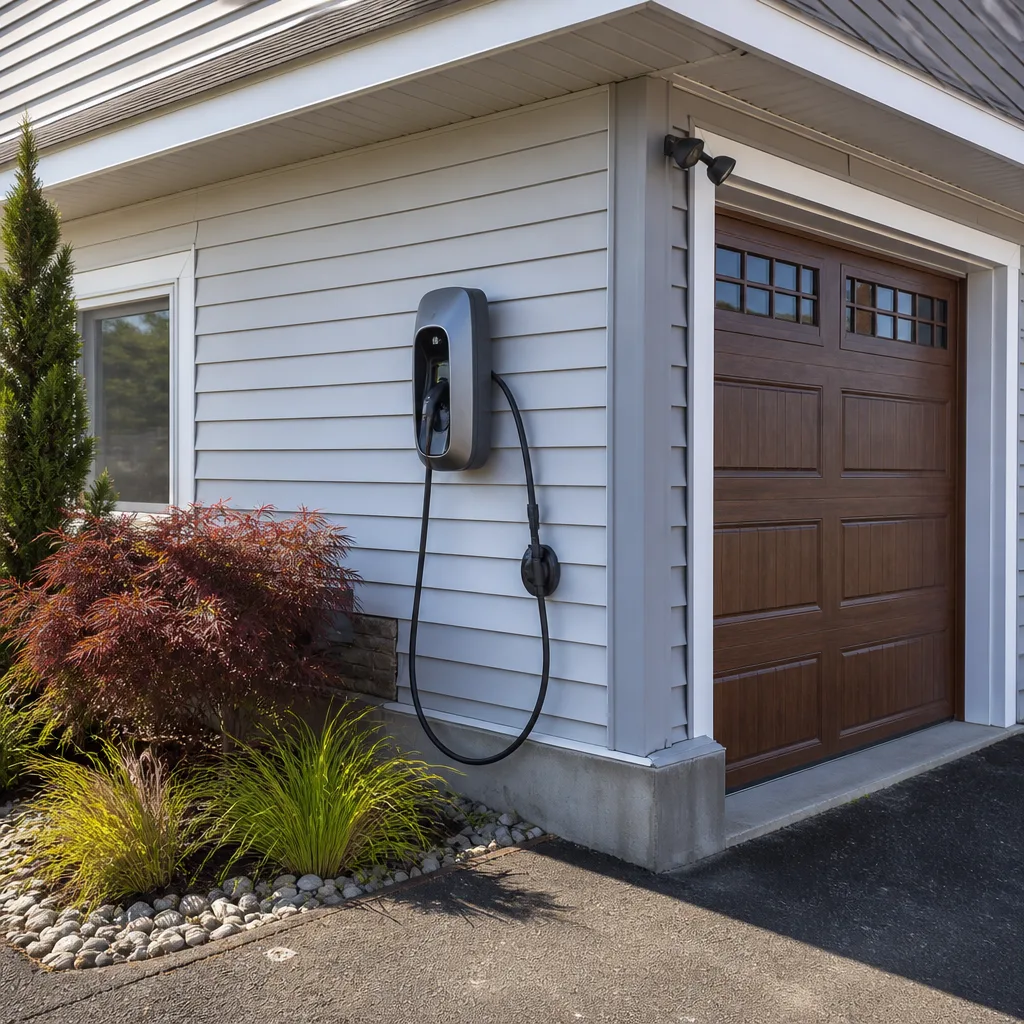
It depends on how many chargers, how fast they are, and what the building’s existing panel actually is. A Level 2 charger pulls up to 48 amps, and four of them add nearly 200 amps of theoretical load. If you already have 400-amp service, adding a properly load-managed EV charging circuit with Enphase or FranklinWH smart controls may work without a panel swap. If you’re on original 200-amp service, which many older Cupertino commercial buildings are, you’ll likely need an upgrade to 400 amps before adding both solar and EV charging. We’ll open the panel, look at the actual bus rating, and give you a straight answer on the first visit. No surprises later.
True south at roughly 15 to 20 degrees of tilt is the best standalone azimuth in Cupertino, but under NEM 3.0 the smarter move is often a slight southwest bias. Shifting the array 5 to 10 degrees west of true south moves more production into the late afternoon and early evening, when PG&E time-of-use rates spike and your building is still consuming power. Under NEM 3.0’s low export credits, you want to generate power when you can use it, not when the grid will pay you pennies for it. West-southwest is often the highest-value orientation for Cupertino commercial rooftops, especially if you run afternoon cooling loads. Call (877) 550-6892 for a free estimate and we’ll run azimuth scenarios on your actual roof.
Call Gus’s Solar for Commercial Solar in Cupertino
If you own or manage a commercial building in Cupertino and you’re tired of glossy proposals that fall apart under scrutiny, call Gus Petrakis. (877) 550-6892. A live person answers, day or night. Bring us your PG&E bill and we’ll bring you the math: year-25 output, real degradation, real payback, and the exact timeline for permits and interconnection. No pressure. No signature tonight. If a salesman needs an answer tonight, the answer is no. Gus’s Solar is locally owned, operating on the L.O.C.A.L. values: Local roots, On time, Community first, Accountable, Loyal. Take two weeks. The price will be the same.
Written by Gus Petrakis, Owner at Gus’s Solar, serving Cupertino’s commercial rooftops with straight answers and real numbers.