
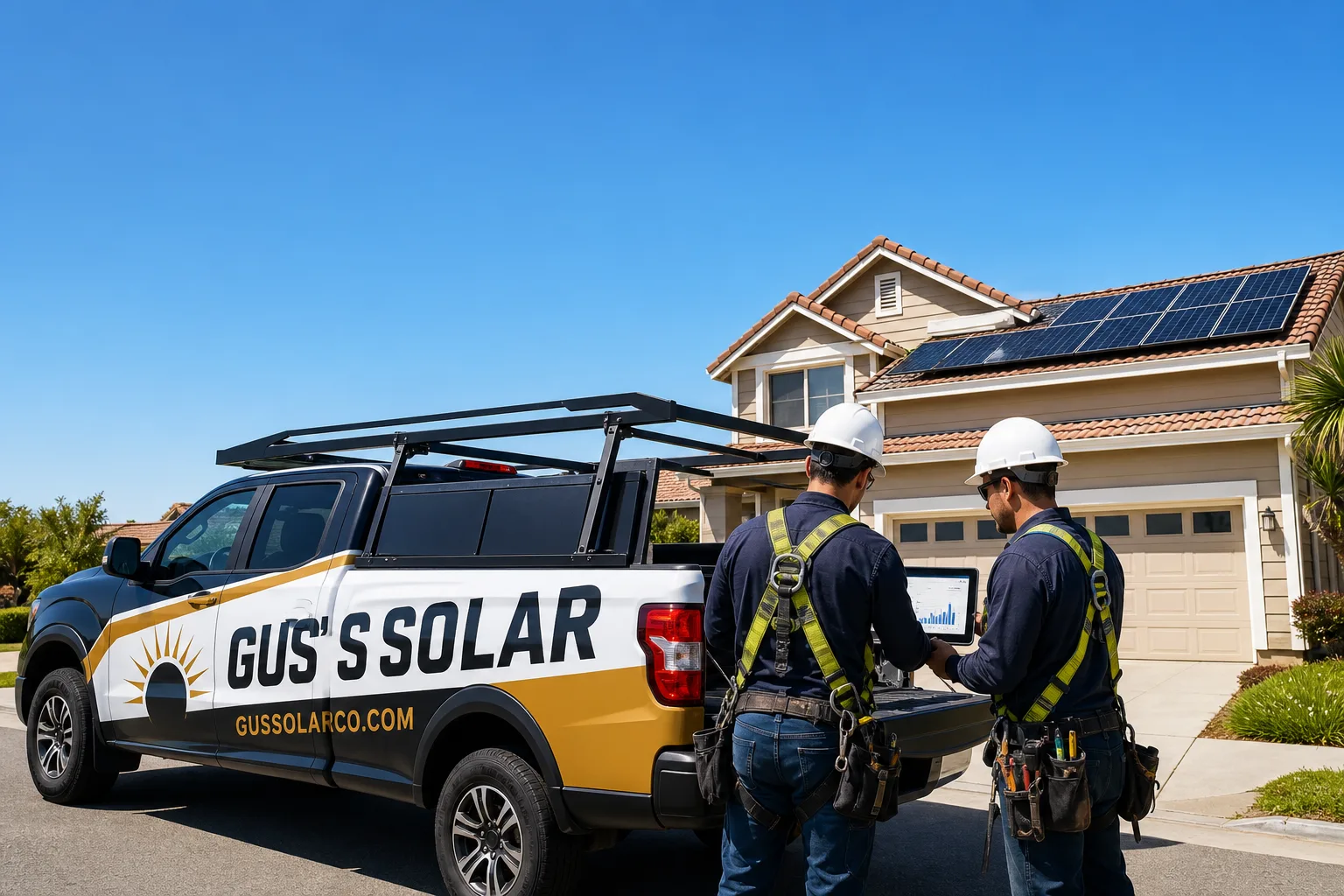
Free bill analysis - bring a power bill, get the production math for your actual roof, panel brands like Qcells and REC compared side by side
If the pitch starts at your door and ends with "sign tonight for the special," sleep on it. The sun will still be there tomorrow; so will we.
 Before
 After
After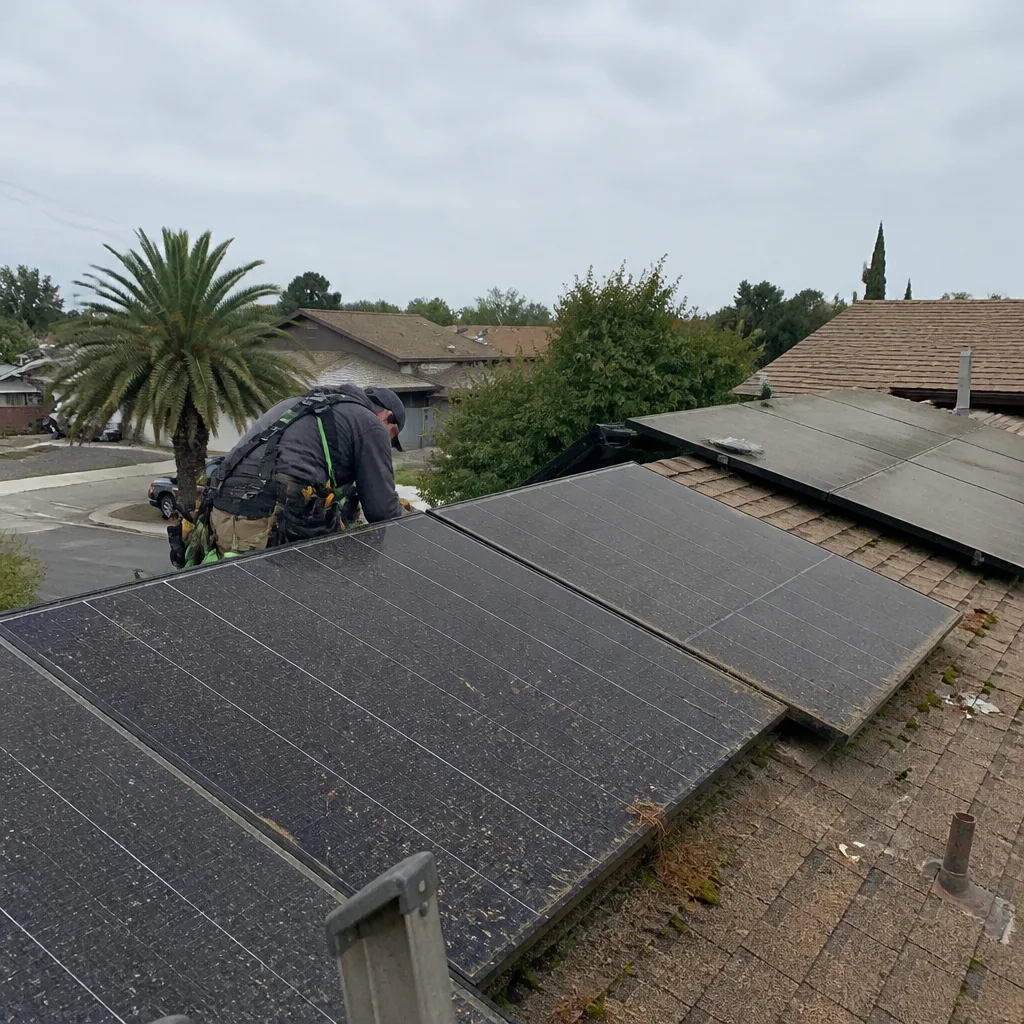 Before
 After
After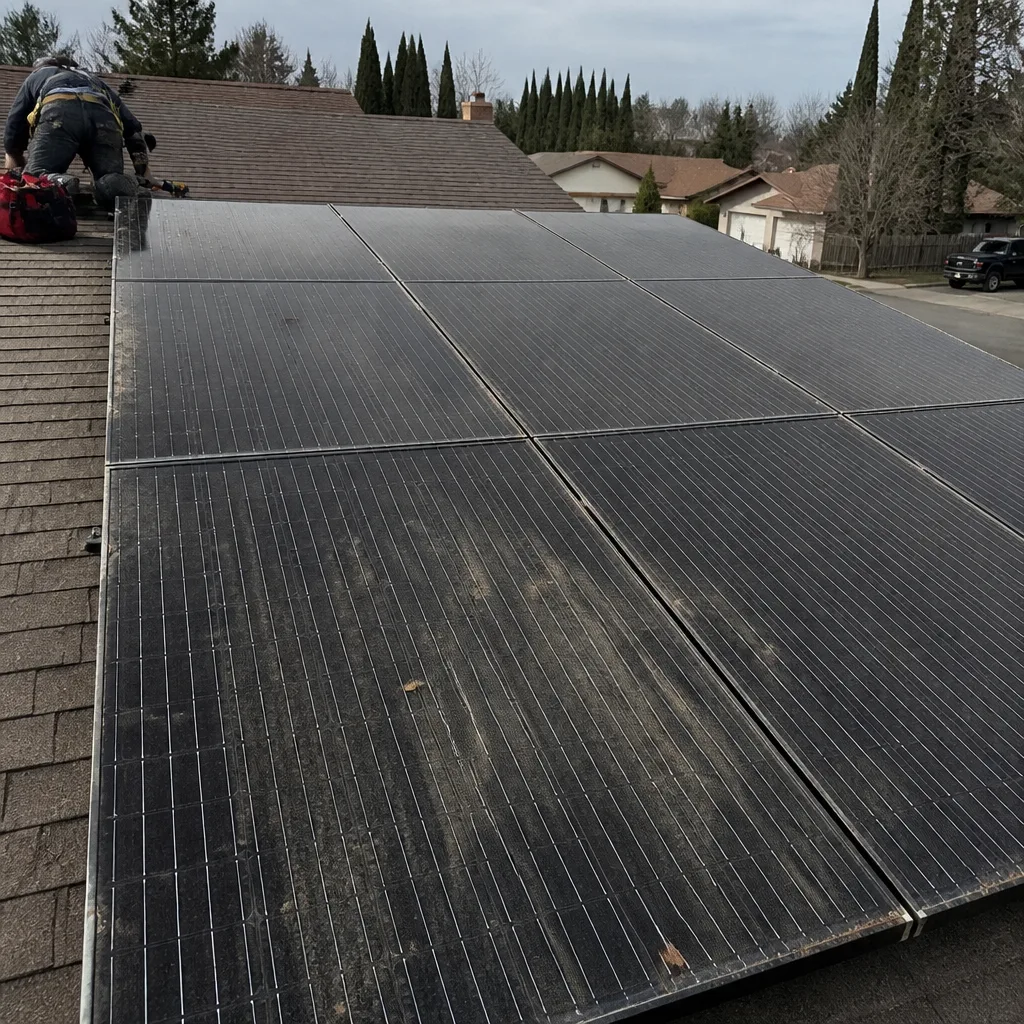 Before
 After
AfterFast, Reliable Commercial Solar Installation Across Crestline
Commercial solar in Crestline, CA is a different animal than it is down the hill. Between the California Fire Code setbacks that carve into usable roof space on mid-century cabins, the real snow load that mountain roofs have to carry, and SCE’s Public Safety Power Shutoffs that hit this community every fire season, a Crestline commercial system has to be engineered, not just sold. Gus’s Solar has been installing Commercial Solar Installation across San Bernardino County mountain communities since 2011, and we quote the year-25 output, not the day-one brochure number. If you own a business up here, call (877) 550-6892 and bring us a bill. We’ll bring you the math.
Crestline sits in ZIP code 92325, and when you call, a live person answers. Not a voicemail, not a ticket queue. That matters when a PSPS event is rolling through and your walk-in cooler is down.
Why Gus’s Solar Is Crestline’s Preferred Commercial Solar Installation Company
Gus Petrakis put his name on the truck 29 years ago and hasn’t taken it off. Around Crestline and the Lake Gregory area, that’s the kind of thing people notice. You don’t have to search hard to find someone in town who has had a national outfit quote one number over the phone and a different number at the kitchen table. Gus’s Solar doesn’t play that game. The price quoted is the price charged, and the math is built off your actual utility bill, not a brochure template designed in a cubicle in Arizona.
Commercial property owners in Crestline have told us the same thing for years: the door-knockers vanish after the paperwork clears. Gus lives within driving distance, publishes his address and license number, and answers his own phone. If a salesman needs an answer tonight, the answer is no. Gus tells every business owner in Crestline the same thing: take two weeks. Think about it. The price will be the same. That’s the L.O.C.A.L. code we operate by: Local roots, On time, Community first, Accountable, Loyal.
Every commercial solar job here carries the 90-Day Done Right Promise in writing. If it’s not right, Gus comes back. It says so on the contract, and one call brings him.
Our Commercial Solar Installation Services in Crestline
Commercial Rooftop Solar
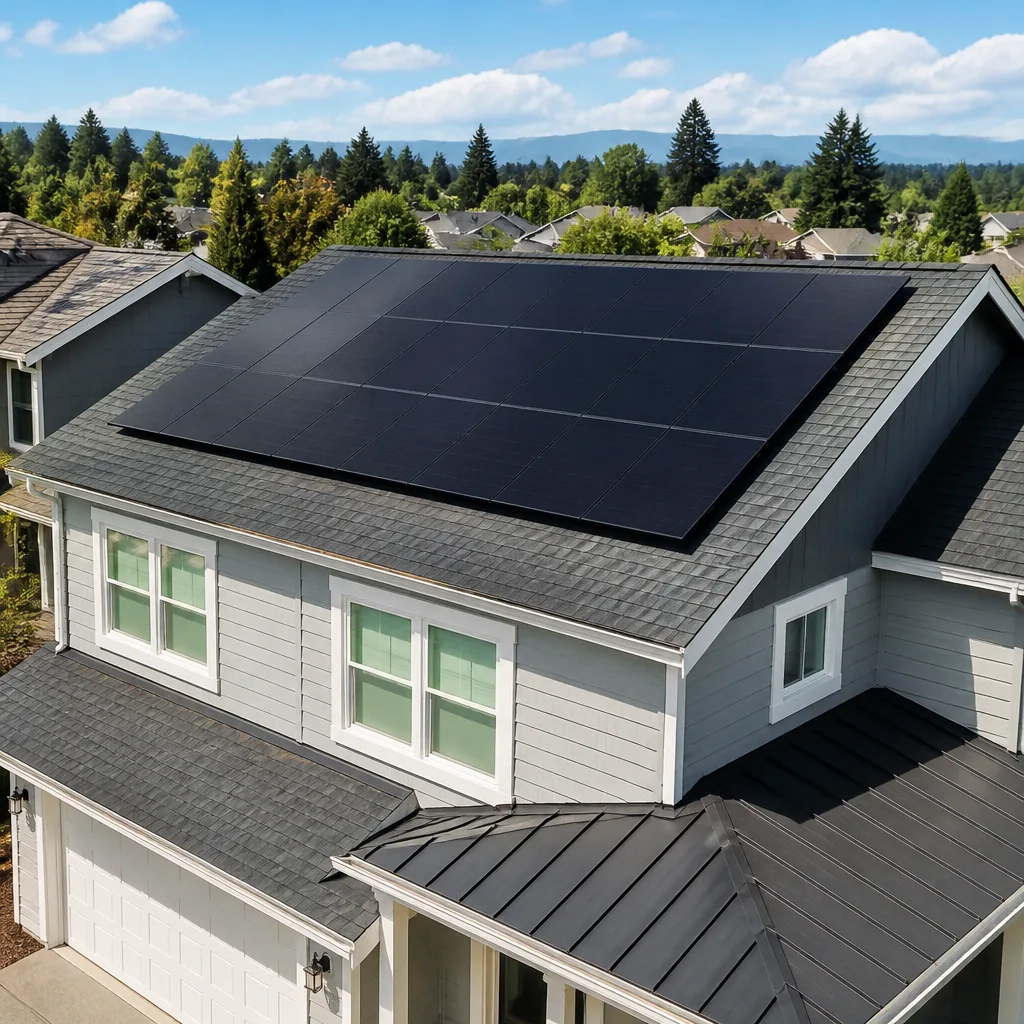
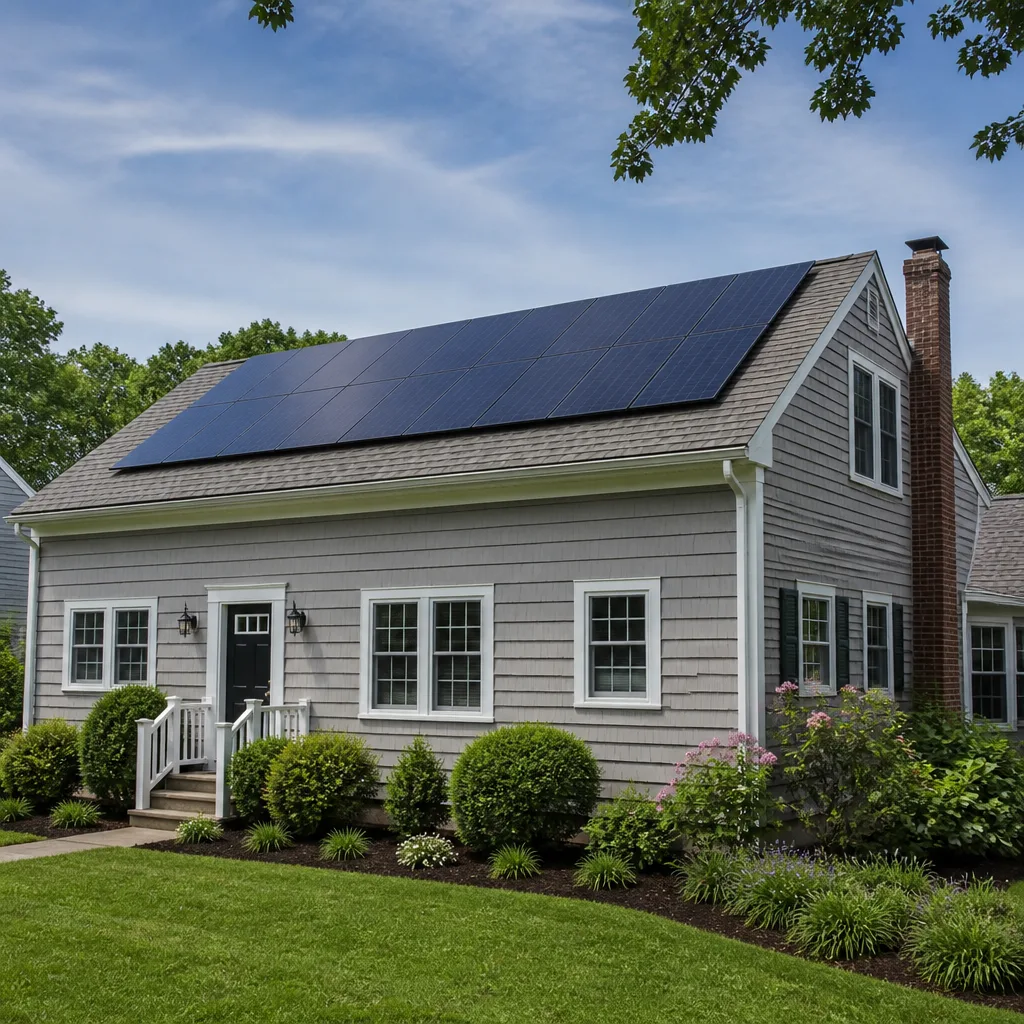
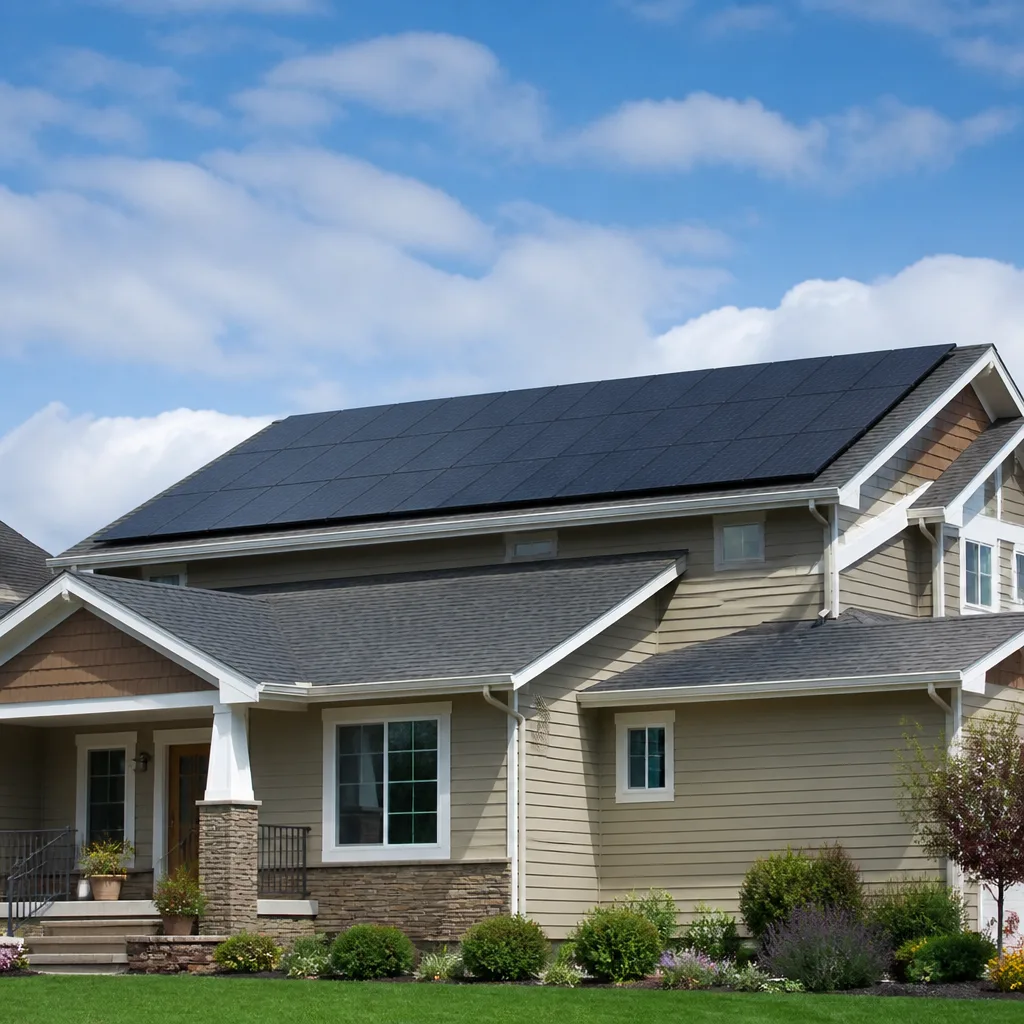
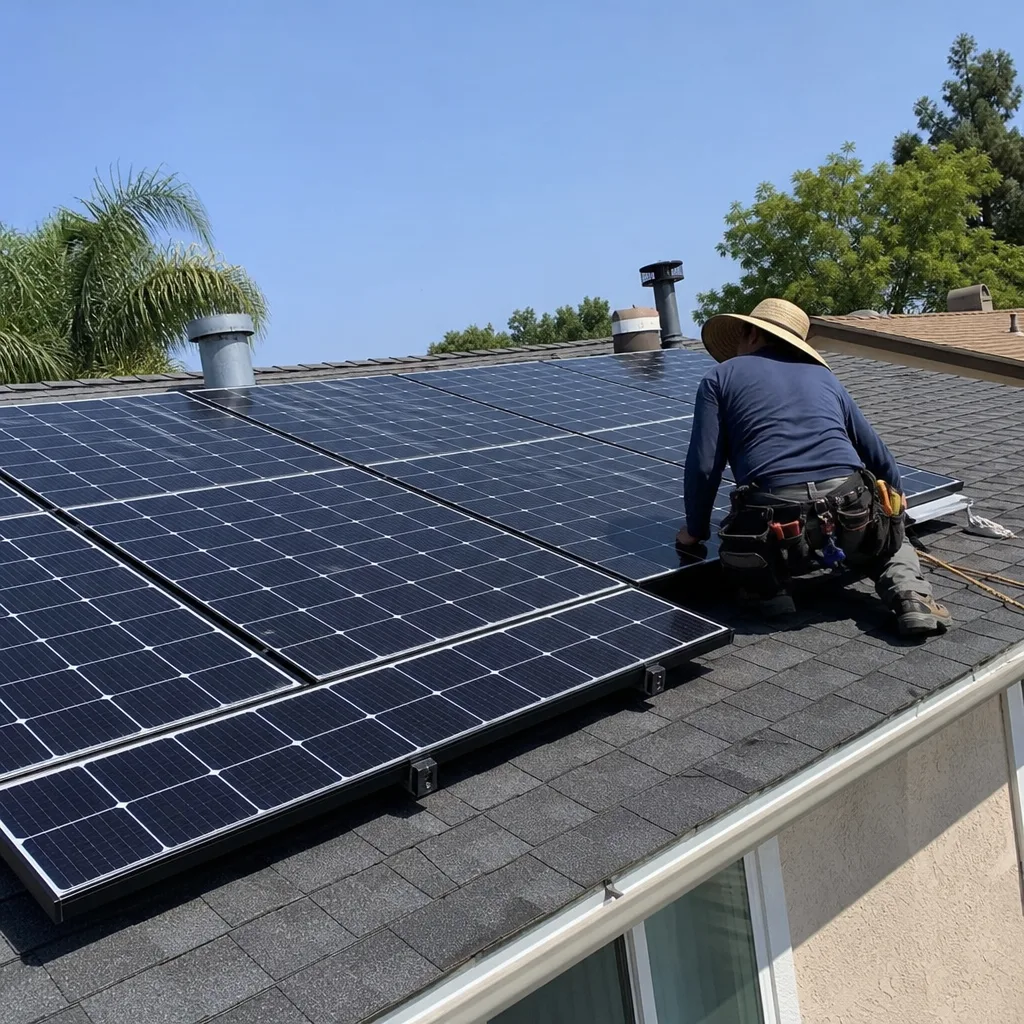
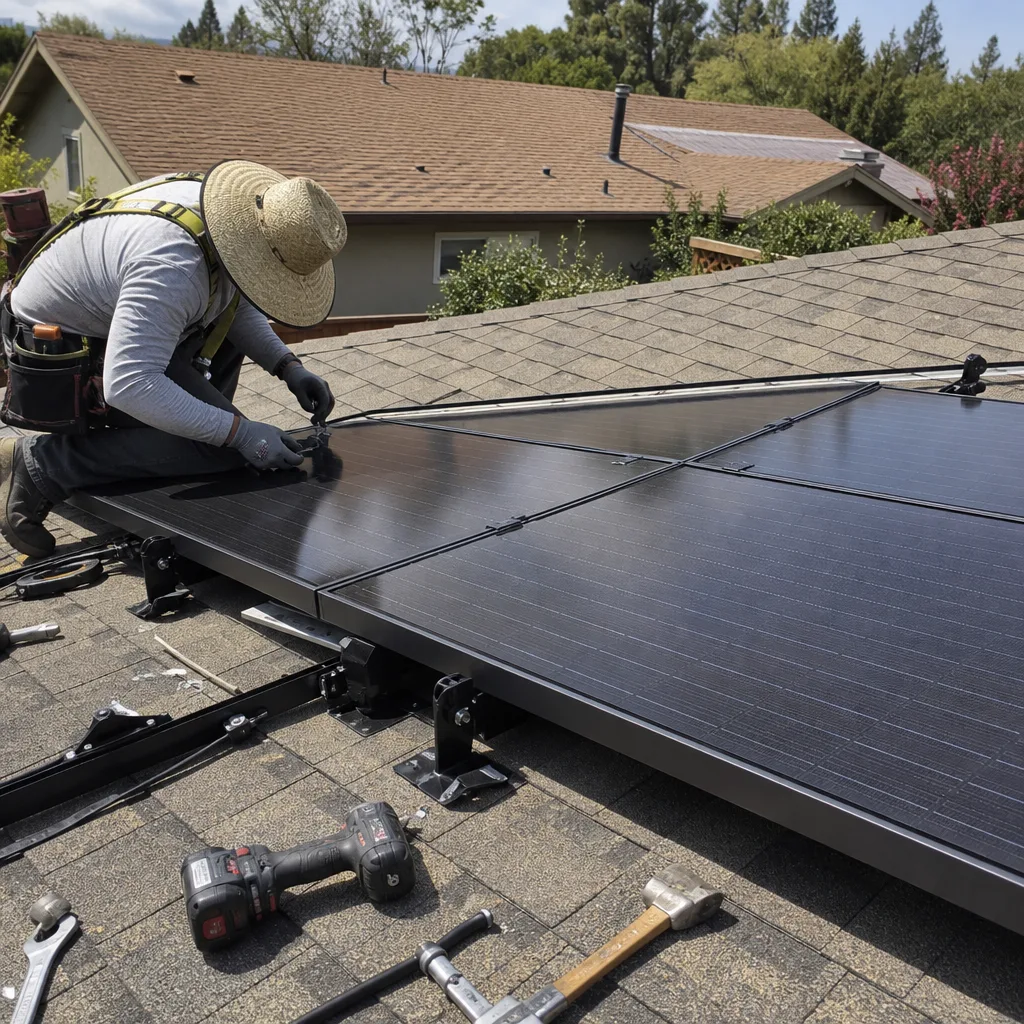
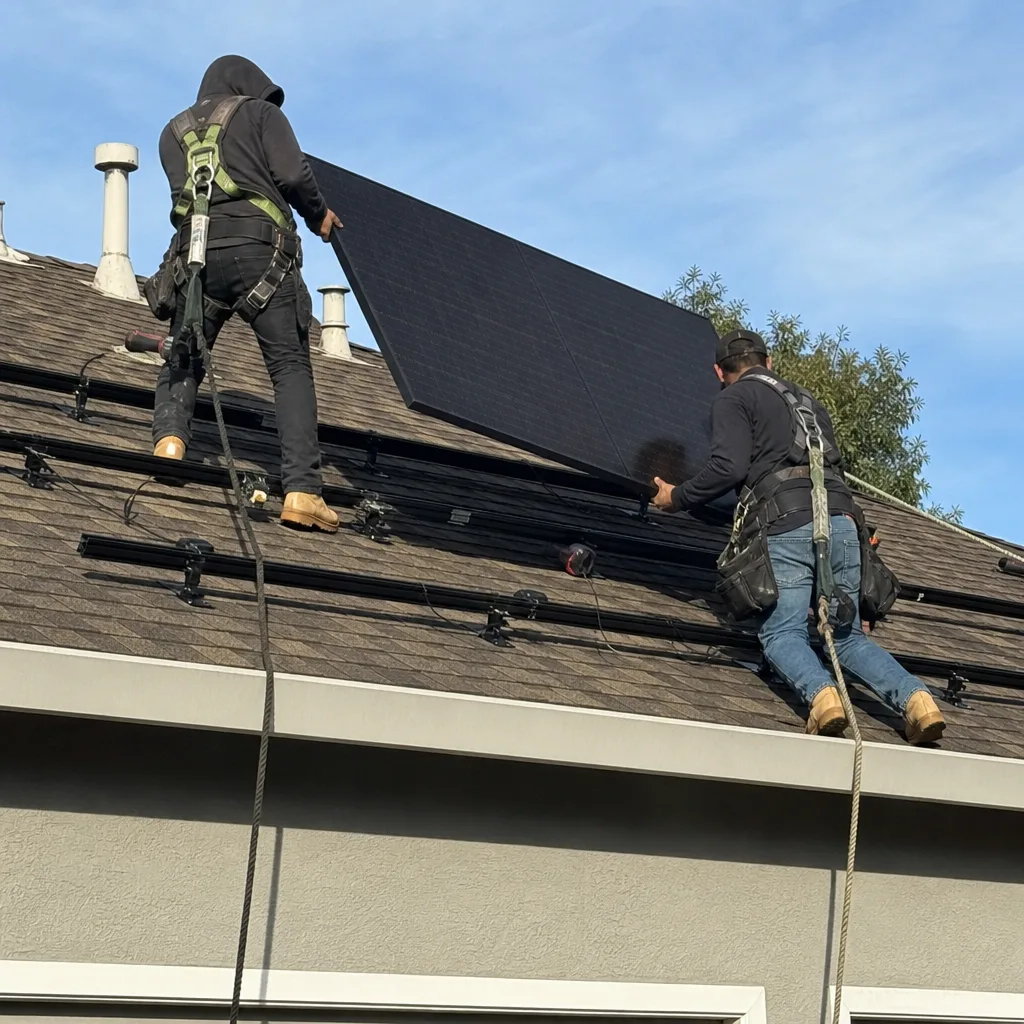
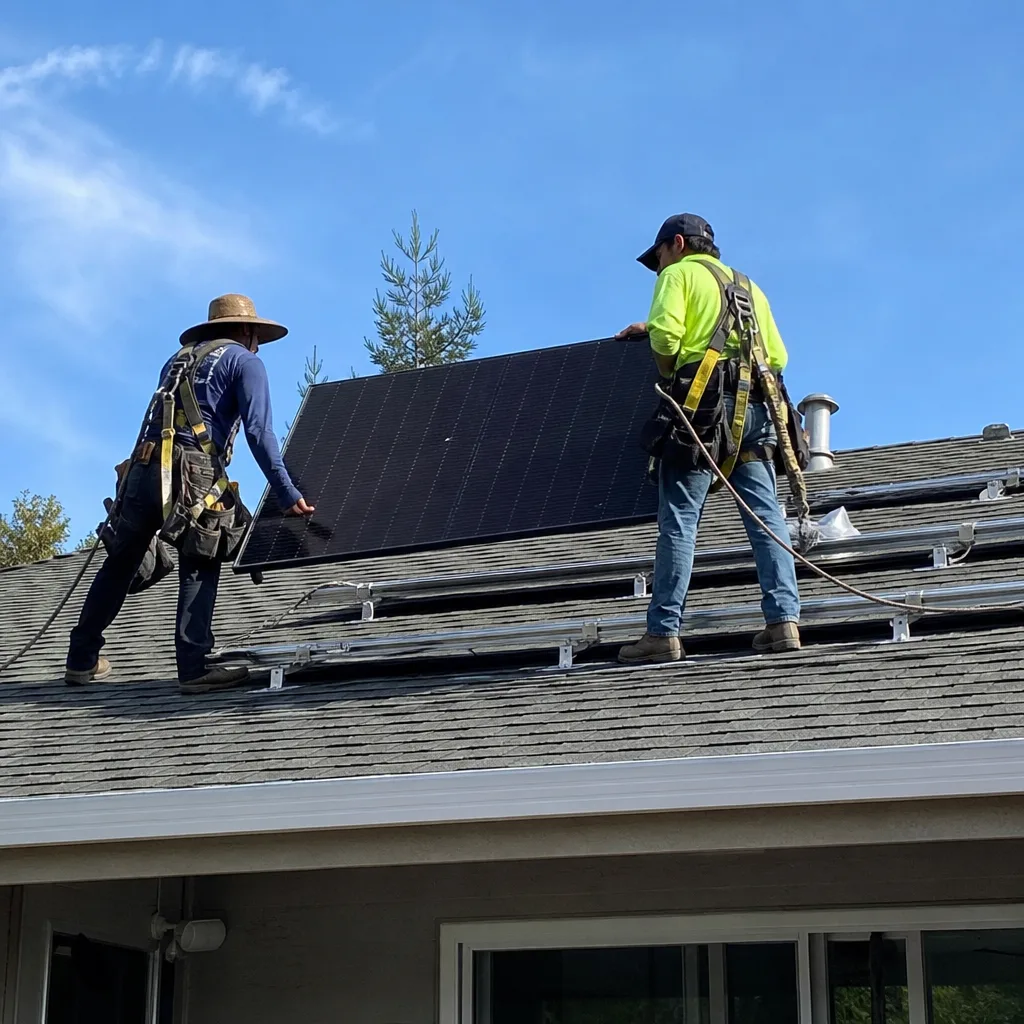
Rooftop solar on a Crestline commercial building usually starts with a structural assessment, and there’s a good reason for that. The predominant stock here is mid-20th-century wood-frame construction, originally built as weekend cabins around Lake Gregory and later converted for year-round commercial use. Roof framing was often never designed to carry snow load, let alone a rack of panels on top of it. We size systems from 10 kW to 250 kW and won’t put a single panel up until the engineering checks out. For smaller commercial roofs, we work with Panasonic and Qcells modules paired with Enphase microinverters, which handle partial shading far better than string inverters do under a ponderosa pine canopy.
Commercial Battery Storage
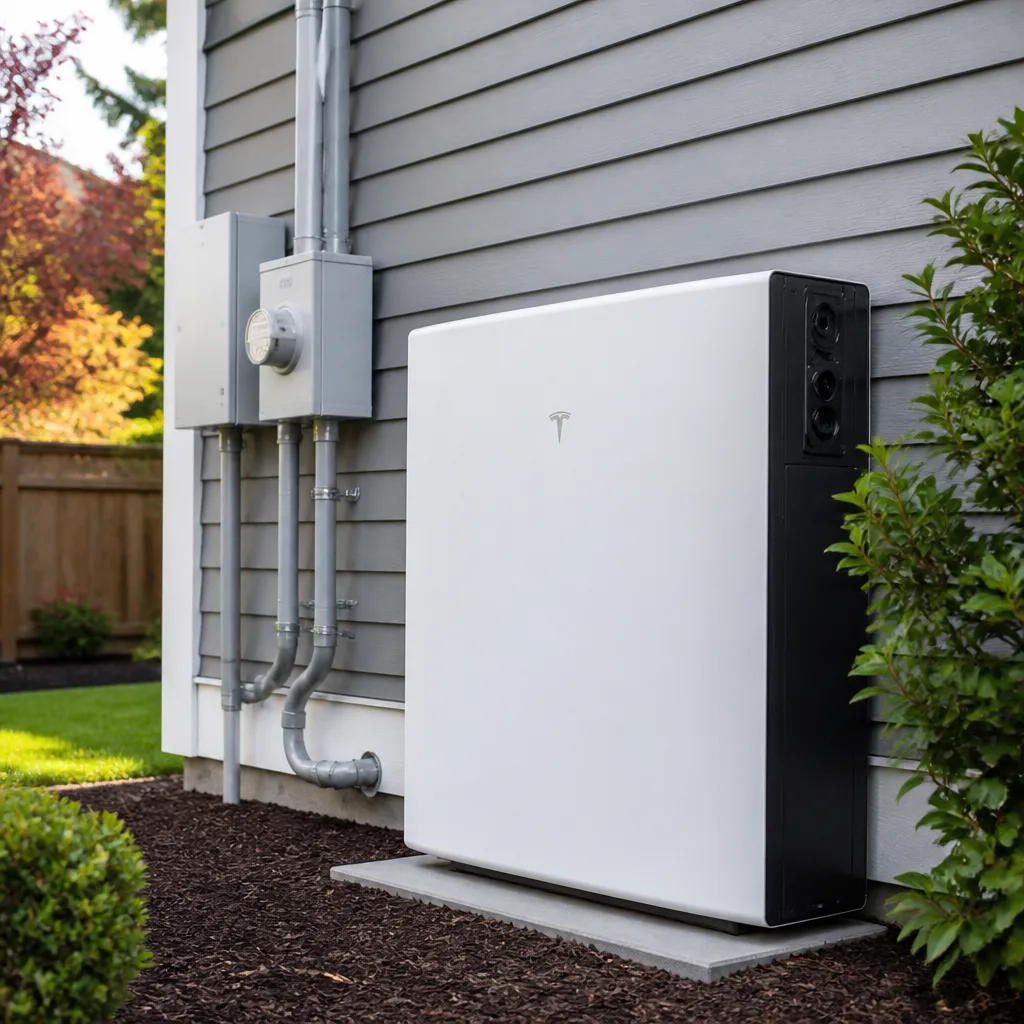
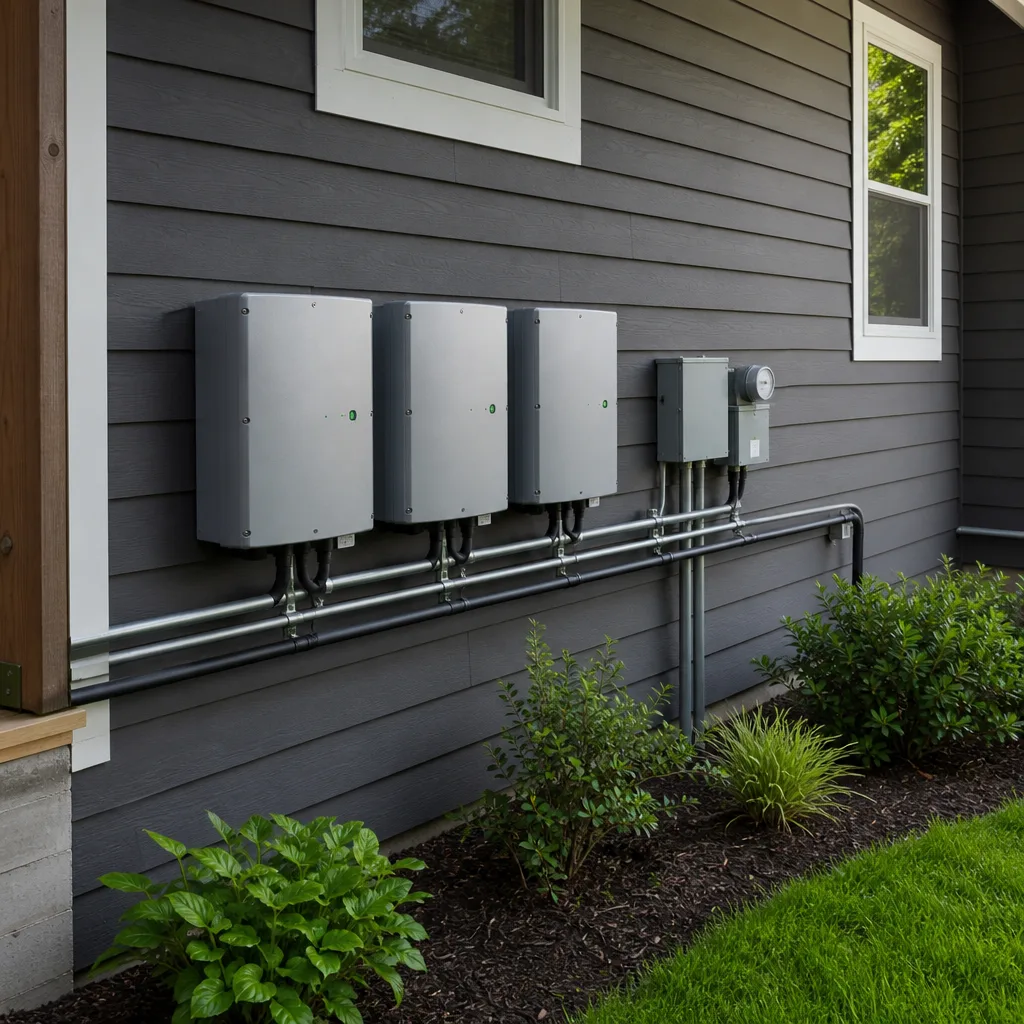
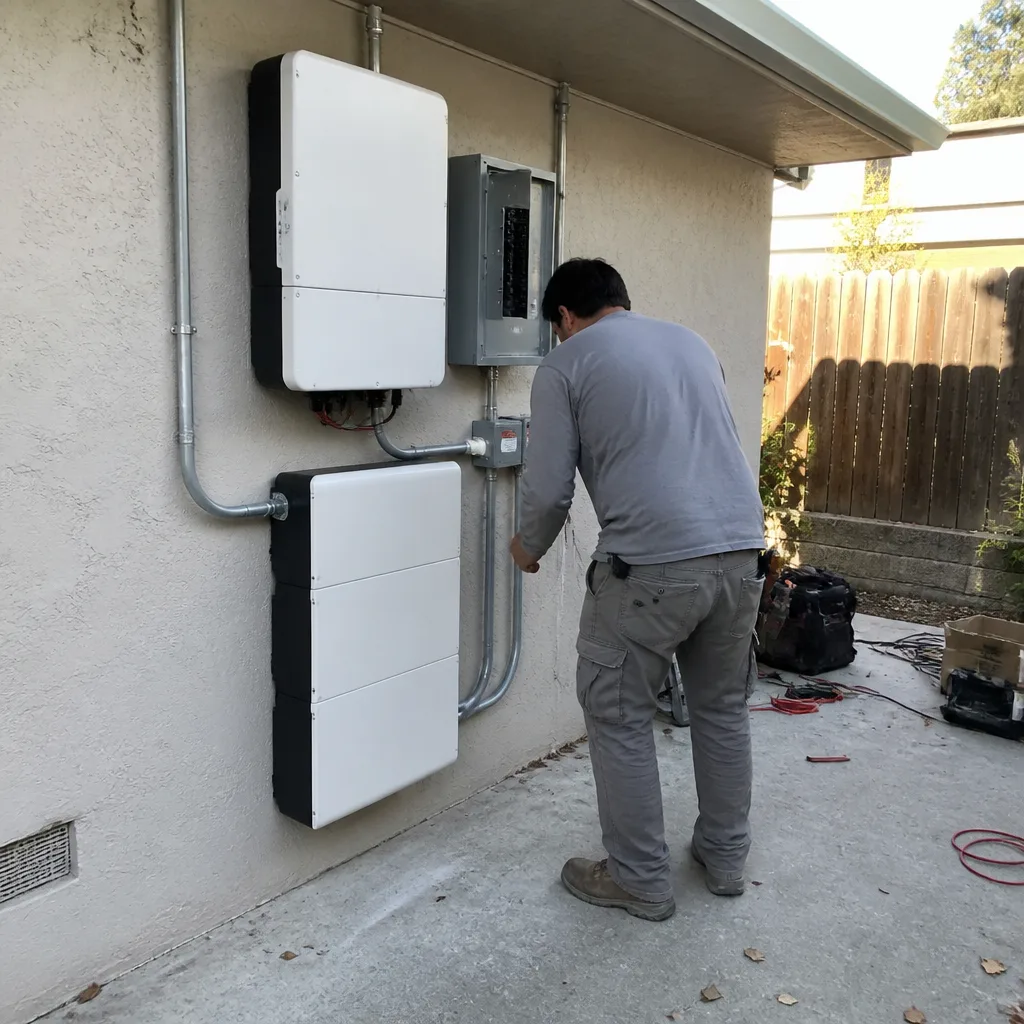
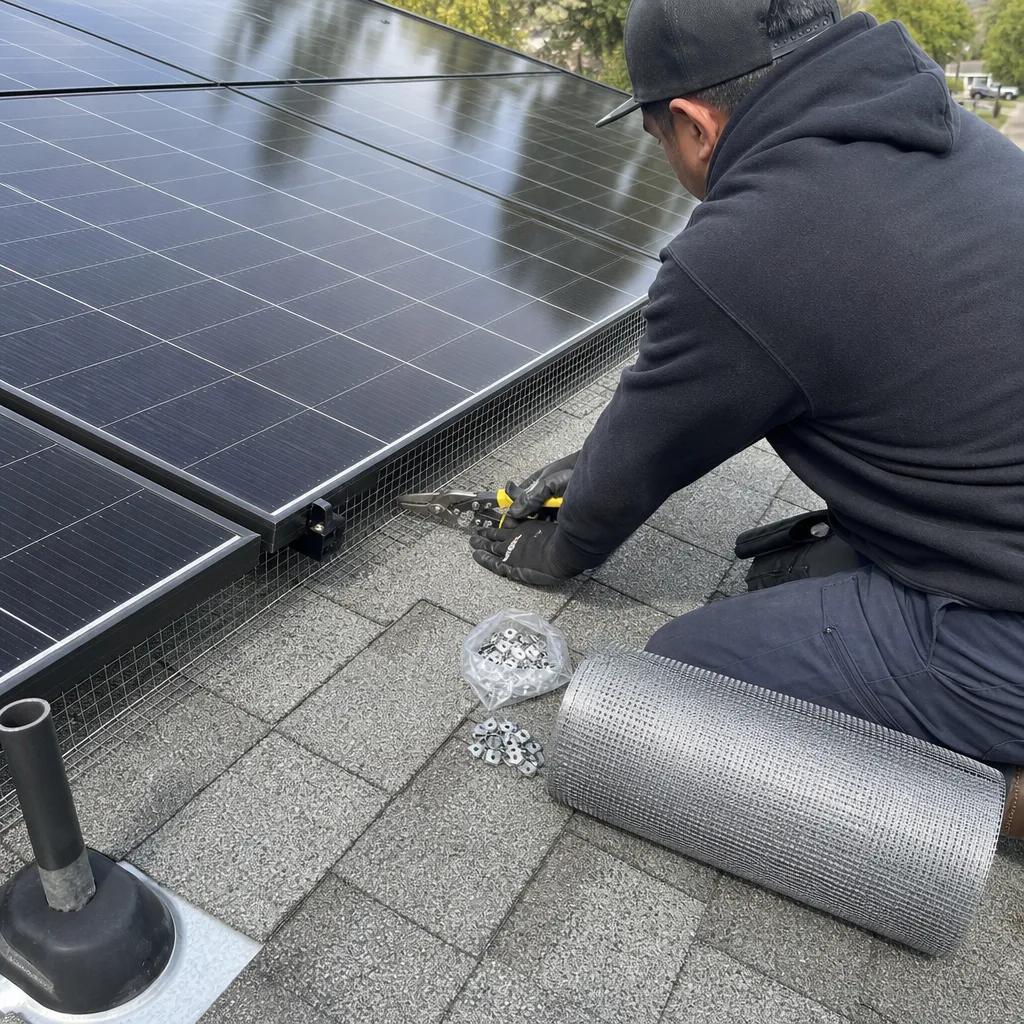
In Crestline, battery storage is not an upsell. It’s the load-bearing wall of the whole project. SCE’s recurring Public Safety Power Shutoff events are designed to de-energize high-risk mountain grids during red-flag conditions, and Crestline is in one. That means a grid-tied solar array without storage goes dark exactly when your business needs power most. We size commercial battery systems around your actual outage history and your critical loads. A restaurant on Lake Drive might need 30 kWh to keep refrigeration and point-of-sale running through a two-day shutoff. A small market with a walk-in might need 40. We spec FranklinWH and Tesla Powerpack systems and model the math from your SCE interval data, not a sales brochure.
Solar Carport Installation
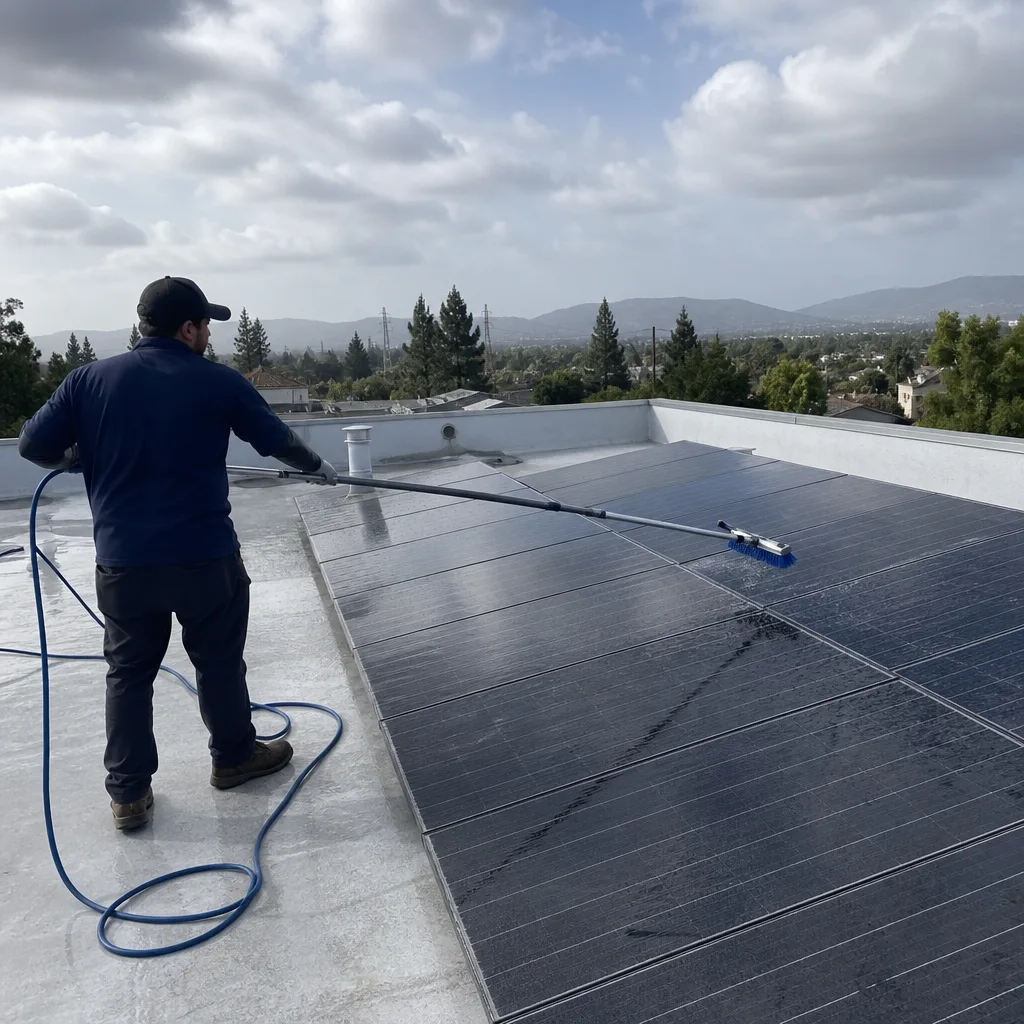
Commercial lots in Crestline are tight. Parking is at a premium, and usable roof area is often compromised by fire-code setbacks and tree shading. A solar carport does double duty: it covers vehicles through real winter snow, and it generates from a structure that doesn’t have to fight a ridge line to meet code. We engineer carports for snow load by design, not by retrofit, which matters at 4,500 feet. If your business has ten parking spaces in the Lake Gregory commercial corridor, a carport array can often produce more annual kWh than an obstructed rooftop array at a comparable installed cost per watt.
Warehouse & Industrial Solar
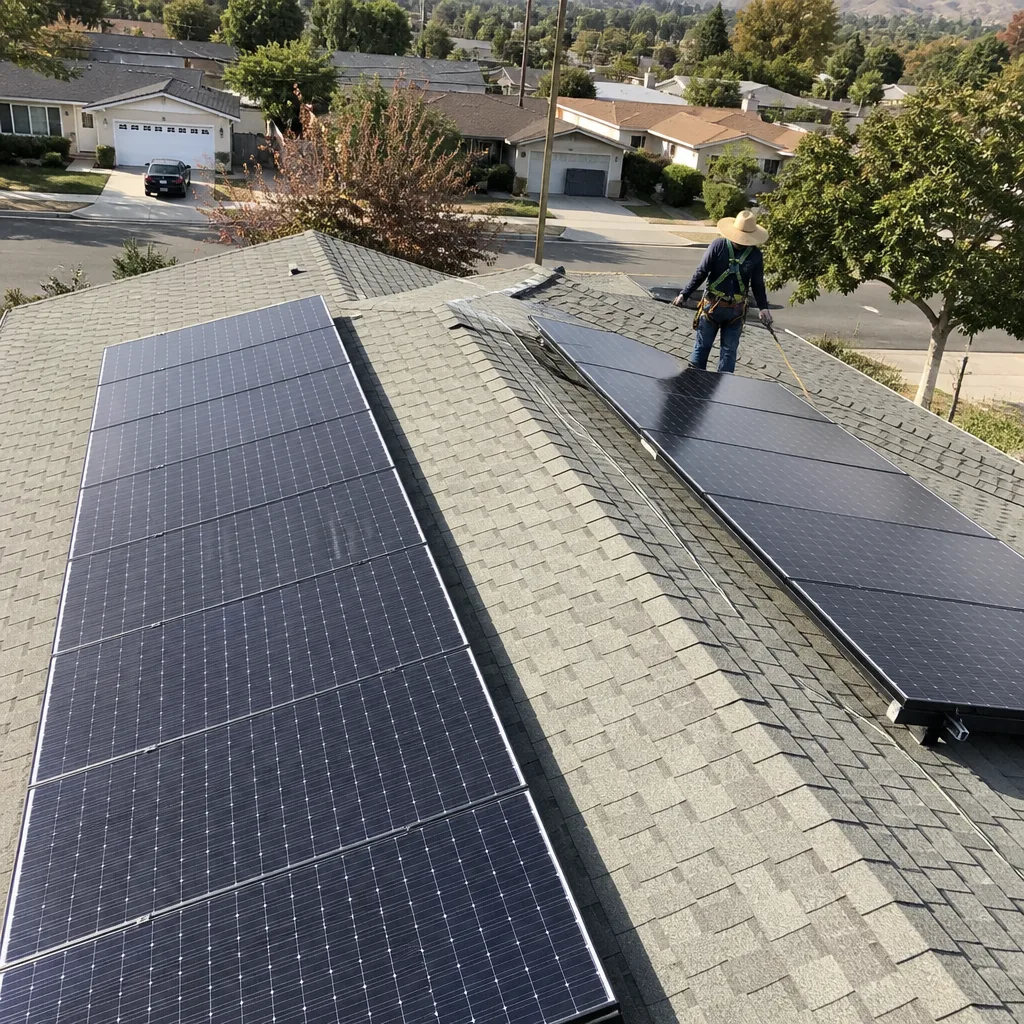
Crestline’s commercial building stock is not exactly Fontana. Most industrial space here is either converted cabin stock or smaller flex buildings along the 138 corridor. That’s fine. We’ve done ground-mount and flat-roof commercial arrays for storage and service businesses across the San Bernardino mountain communities, and we know how to work a constrained site. Every installation gets flashed properly, every penetration gets sealed for a 40-inch snow season, and every system gets a rapid-shutdown design that passes mountain inspection the first time.
Commercial Solar Maintenance
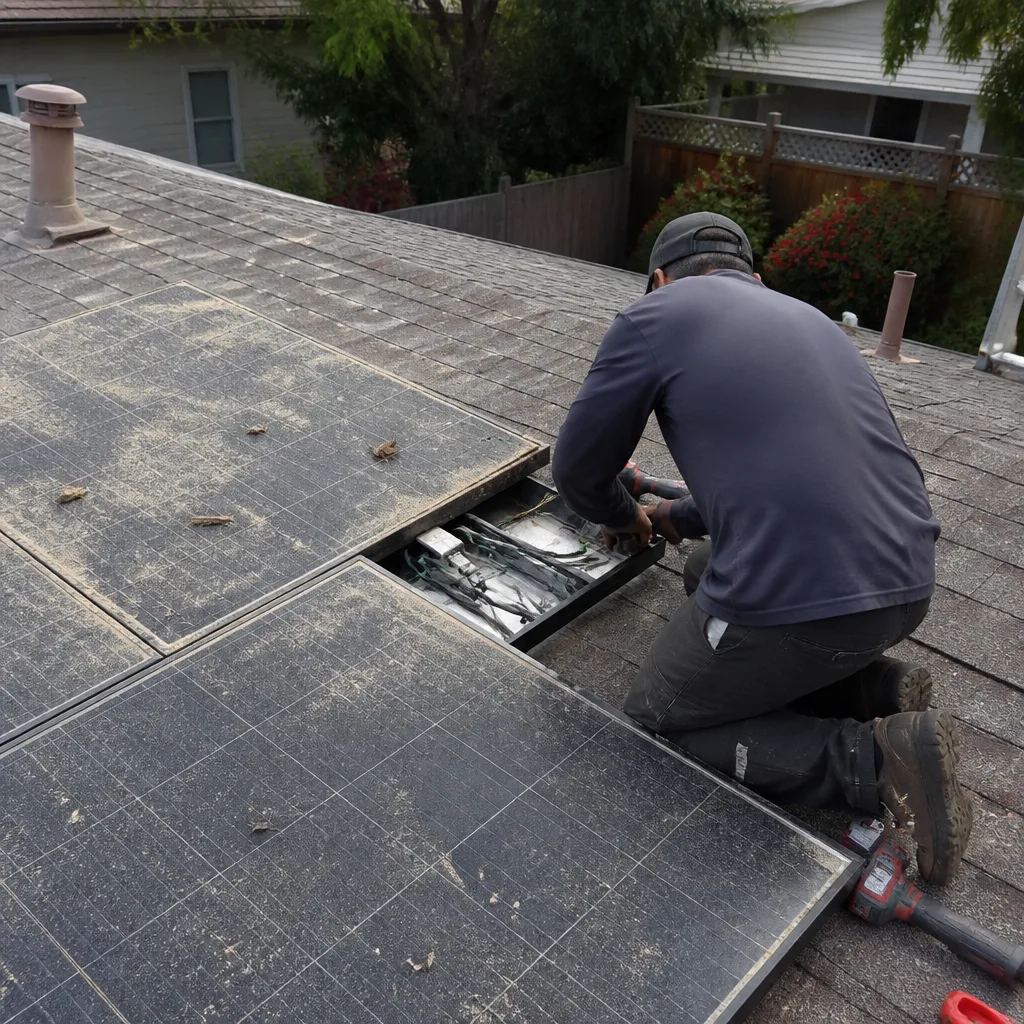
At 4,500 feet, commercial solar equipment ages differently than it does in the Inland Empire. Snow load stresses racking. Ponderosa pine needles accumulate on module faces faster than dust does in Redlands. Enphase microinverters can log errors nobody notices until a utility true-up bill lands in January. We offer annual commercial solar maintenance in Crestline that includes production verification, thermal imaging of connections, and a written report comparing actual output against the original year-25 estimate. If production drifts, we know about it before you do. Gus monitors systems and calls you when something’s wrong. That’s the difference between a shop that installed you and left, and a shop that still answers when your array underperforms in a snow-heavy January.
What happens when you call
- 1
A real person answersNo phone trees - you reach a local pro.
- 2
You get an upfront price rangeHonest numbers before anyone is dispatched.
- 3
A background-checked tech heads outLicensed & insured, dispatched right away.
- 4
You approve before work beginsNothing starts until you say go.
Trusted Brands We Service in Crestline
We install and maintain equipment from Canadian Solar, Qcells, and FranklinWH, among others. More important than the logo is that we stock local parts for Crestline customers. When a microinverter fails in February during a snow cycle, we’re not waiting on a freight truck from a regional distributor three states over. We keep common replacement components for the systems we install here, and our crew in the Inland Empire coordinates service runs up the 18 on a weekly basis. We built our Commercial Solar Installation practice around the idea that a mountain business shouldn’t wait two weeks for a part that’s sitting on a shelf in Riverside.
Common Commercial Solar Installation Problems We See in Crestline Homes
- Skipping the structural assessment. Non-standard roof framing on converted cabins fails under snow load after panel installation, causing leaks or worse. We see the aftermath when another installer didn’t look at the rafters before they bolted racking on. It’s the most expensive shortcut in mountain solar.
- Ignoring fire-code setbacks. Crestline is a state-designated High Fire Hazard Severity Zone, and California Fire Code requires specific setback distances from ridge and eave. Panels placed too close fail inspection, forcing re-installation on someone else’s dollar and putting your interconnection agreement at risk.
- Underestimating tree shading. The dense ponderosa pine and incense cedar canopy around Lake Gregory means the one south-facing roof section with sun is usually the same section fighting setback rules for space. A string-inverter system installed without a shading analysis will log a degradation rate below what the warranty assumes, and the owner eats the difference on the true-up statement.
- Oversizing for day-one output instead of year-25 output. A salesman working off a satellite image quotes you a number that looks great in August. Gus quotes the year-25 production curve, including snow months and pine needle accumulation. That’s the number that actually pays your bill.
Pricing for Commercial Solar Installation in Crestline, CA
A commercial rooftop solar system in Crestline typically runs $2.65 to $3.40 per watt installed, before the federal Investment Tax Credit. That puts a 25 kW system at roughly $66,000 to $85,000, and a 100 kW system at $265,000 to $340,000. Commercial battery storage in the Crestline market adds roughly $850 to $1,100 per kWh of usable capacity, so a 30 kWh FranklinWH aGate system with installation usually lands between $26,000 and $33,000 before incentives. A solar carport on a Crestline commercial lot runs 20 to 30 percent more per watt than rooftop on a clear-roof site, but it often pencils out better once you factor in the fire-code setbacks that shrink usable roof space. Free estimates, no signature wanted tonight, and senior and veteran commercial clients get a 10 percent discount that never expires. Call (877) 550-6892. Bring us a bill. We’ll bring you the math.
We Also Serve Cities Near Crestline
If your business is just outside Crestline, we serve the surrounding mountain and valley communities too. We work across Lake Arrowhead up the 18, down through Muscoy and the San Bernardino flatlands, and over to Highland. If you run a business anywhere in the San Bernardino mountain corridor or below it, our Crestline crew can reach you. Call (877) 550-6892 and ask for a site survey.
Serving Crestline, CA - Our Local Coverage Area
We’re based in the Crestline area and know this community well. Use the map below to see our service coverage - if you’re nearby, we can almost certainly help.
FAQs - Commercial Solar Installation in Crestline
Yes, but the usable area shrinks before you ever sign a contract. California Fire Code solar setbacks require specific distances from ridge and eave in High Fire Hazard Severity Zones, and Crestline is squarely in one. On a typical mid-century commercial cabin roof, that can eat 30 to 40 percent of the available plane. The honest way to handle this is to survey the roof against current code, size the array around the compliant area, and store more with battery than you would in a flatland city, so you’re using what you generate instead of exporting it. Call (877) 550-6892 and we’ll measure the actual compliant area before we quote a single panel.
Snow load doesn’t damage panels if the racking and roof structure are engineered for it, and every major panel warranty from Canadian Solar or Qcells covers snow-rated operation. What damages roofs is installing panels on framing that was never designed for the load, which is why we require a structural assessment on every commercial roof in Crestline before we touch it. The snow also temporarily reduces production, which is why our year-25 estimates here include a winter production curve that a Fontana installer would never need. Warranty on the installation itself is covered by the 90-Day Done Right Promise, and we carry it in writing.
Yes, but only with battery storage. A grid-tied solar array without storage shuts down when SCE de-energizes the line, because the inverters are required to stop exporting for the safety of line workers. A properly sized commercial battery paired with the array takes over during a PSPS event, and we design the critical-load panel so your refrigeration, lighting, and point-of-sale keep running. We upgraded a 1970s A-frame on Lake Drive from a 100-amp panel to 200-amp after a structural assessment found the original roof framing needed reinforcement for snow load, then installed a 12.6 kW Qcells array with Enphase microinverters and rapid shutdown. It passed inspection in one day and now offsets 92 percent of that building’s usage. That’s the model for most Crestline commercial clients: solar for the sunny months, battery for the fire season.
Net metering in SCE territory credits you at the retail rate for excess production up to your system’s cap, and battery storage changes how you bank that credit. During normal operation, the battery charges from the array and discharges when rates peak in the late afternoon, reducing what you pull from SCE. During a PSPS event, the system islands from the grid and the battery keeps critical loads running. The export component still nets against your annual true-up, but in Crestline the economics are often driven less by export credits than by avoided outage losses. We model both in the estimate, off your actual interval data. Call (877) 550-6892 for a line-item breakdown.
Frequently, yes, but it takes a tree-shading negotiation rather than a template quote. In Crestline the dense ponderosa pine and incense cedar canopy shades most lots, and the one south-facing section with adequate sun is often the same section the fire-code setback rules are eating into. We’ve shifted azimuths, we’ve spec’d microinverters instead of string inverters, and we’ve kept two pines on Lake Drive while finding a compliant section that still hit 92 percent offset. Every commercial site in Crestline deserves a real shading analysis before you spend a dollar. Gus’s Solar gives a free second opinion on any written estimate from another company. Bring it to us and we’ll tell you if it holds up.
Call Gus’s Solar for Commercial Solar Installation in Crestline
If you run a business in Crestline and you’re tired of sales crews that quote one number on the phone and another at the door, call (877) 550-6892. Gus Petrakis answers. We’ll schedule a site survey, run the real math off your actual SCE bill, and put a number in front of you that won’t change in two weeks. Serving Crestline, ZIP code 92325, from the Lake Gregory corridor up to the 18. Take two weeks. Think about it. The price will be the same.
Written by Gus Petrakis, Owner at Gus’s Solar, serving Crestline and the San Bernardino mountain communities since 2011.