

Free bill analysis - bring a power bill, get the production math for your actual roof, panel brands like Qcells and REC compared side by side
If the pitch starts at your door and ends with "sign tonight for the special," sleep on it. The sun will still be there tomorrow; so will we.
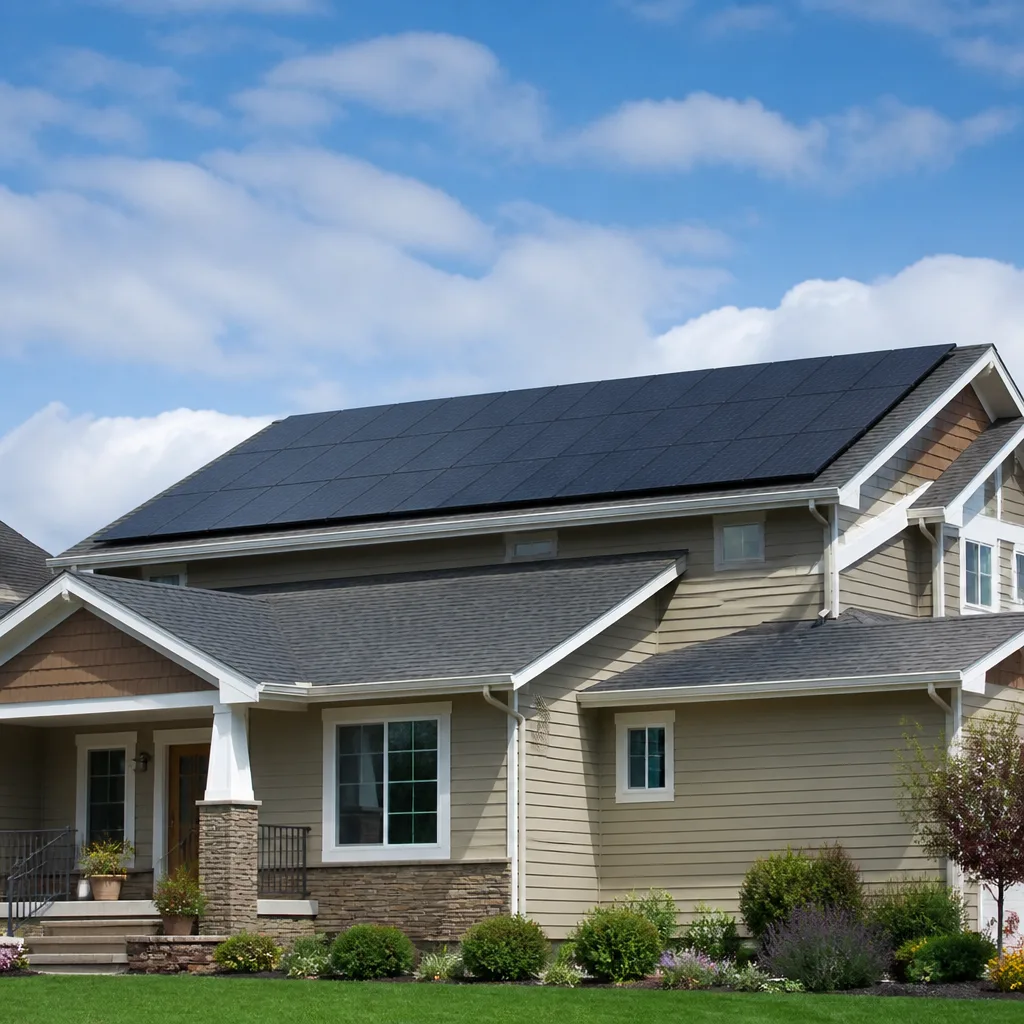
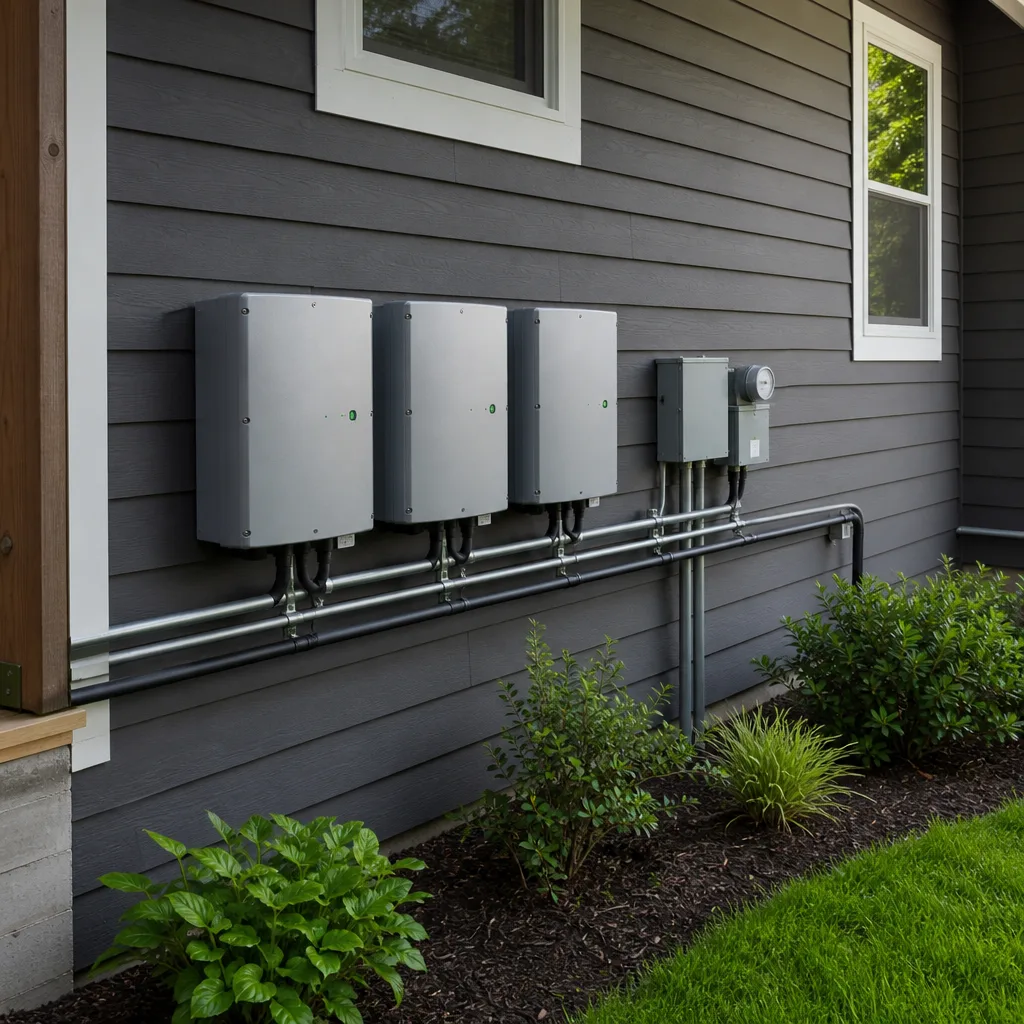
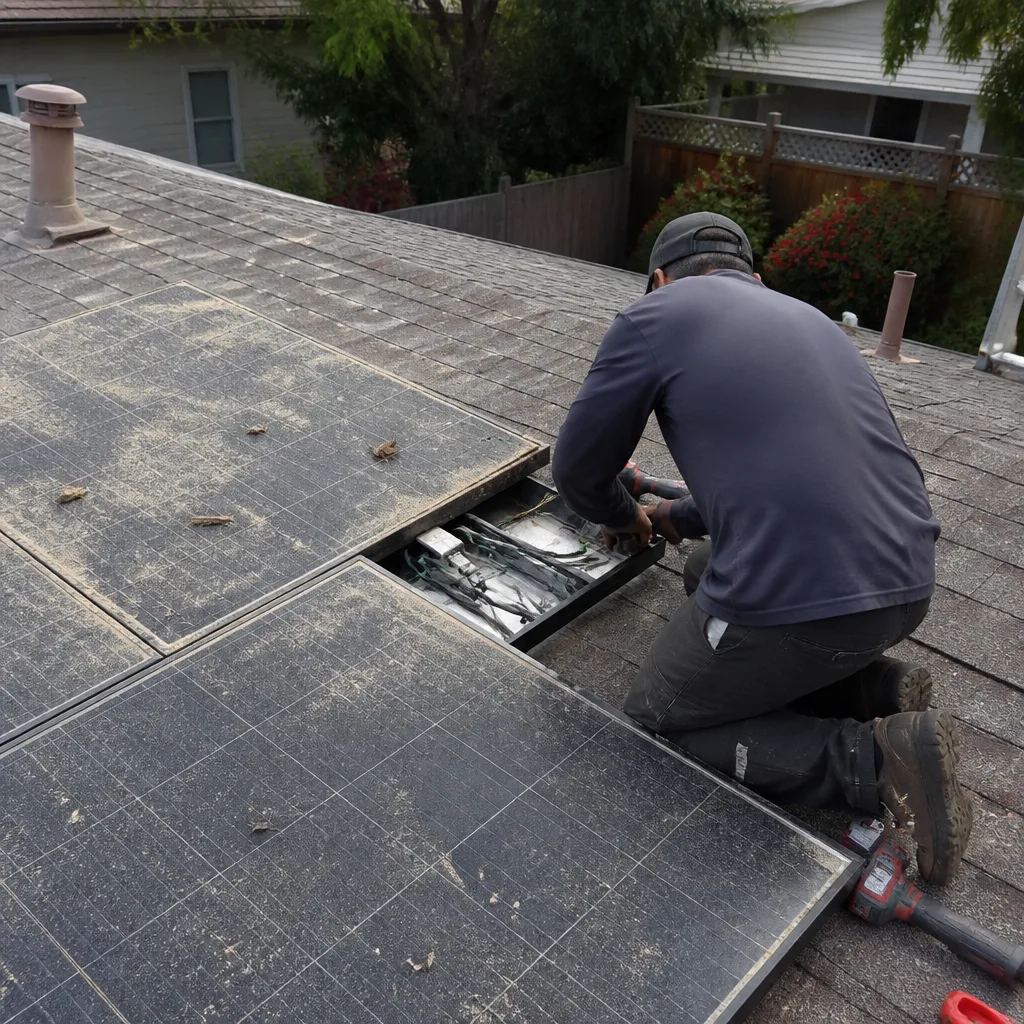 Before
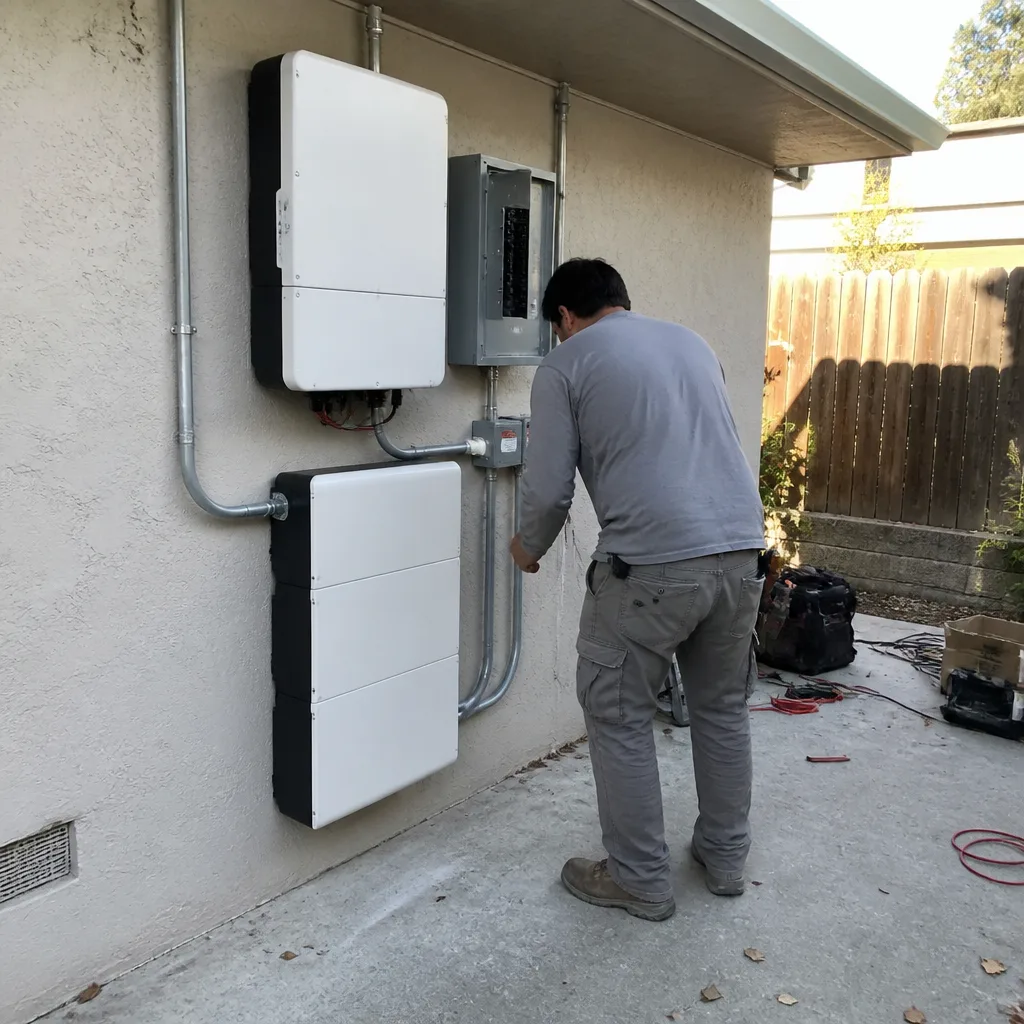 After
After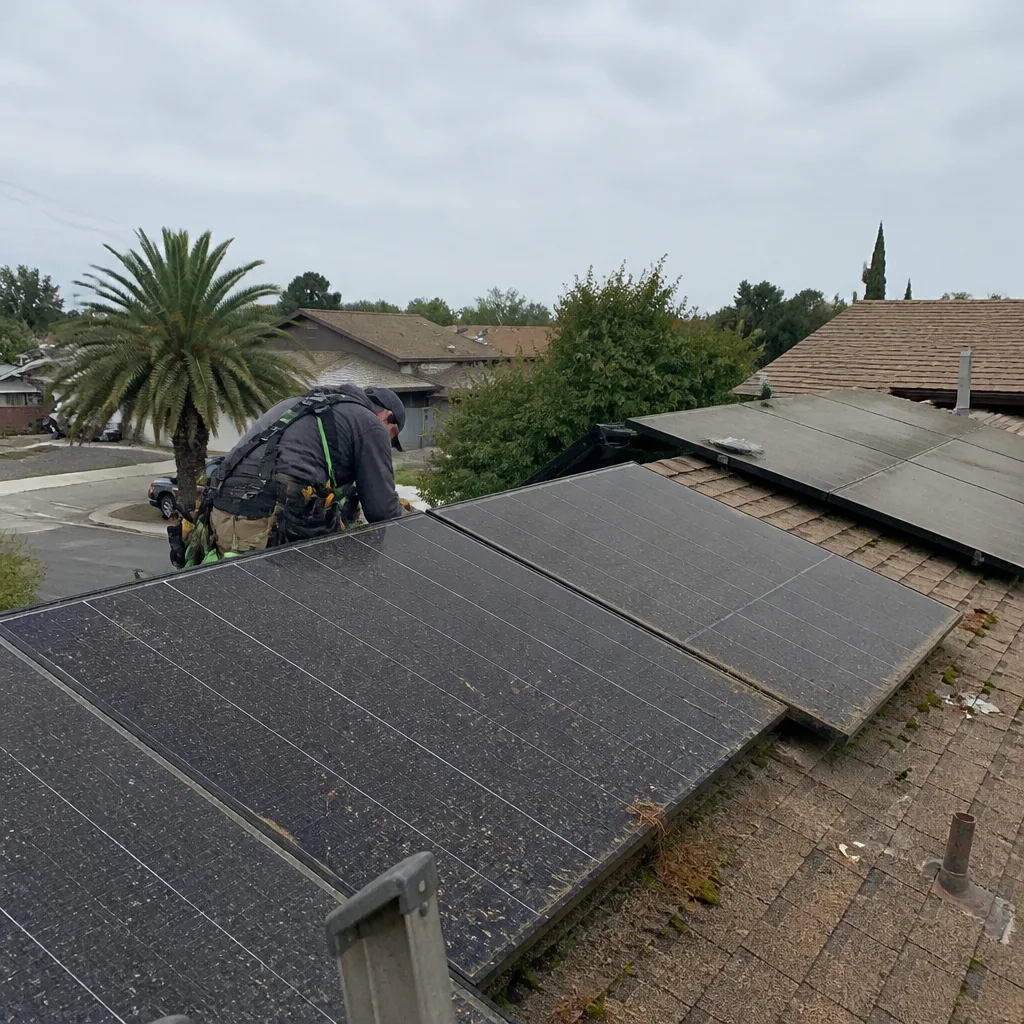 Before
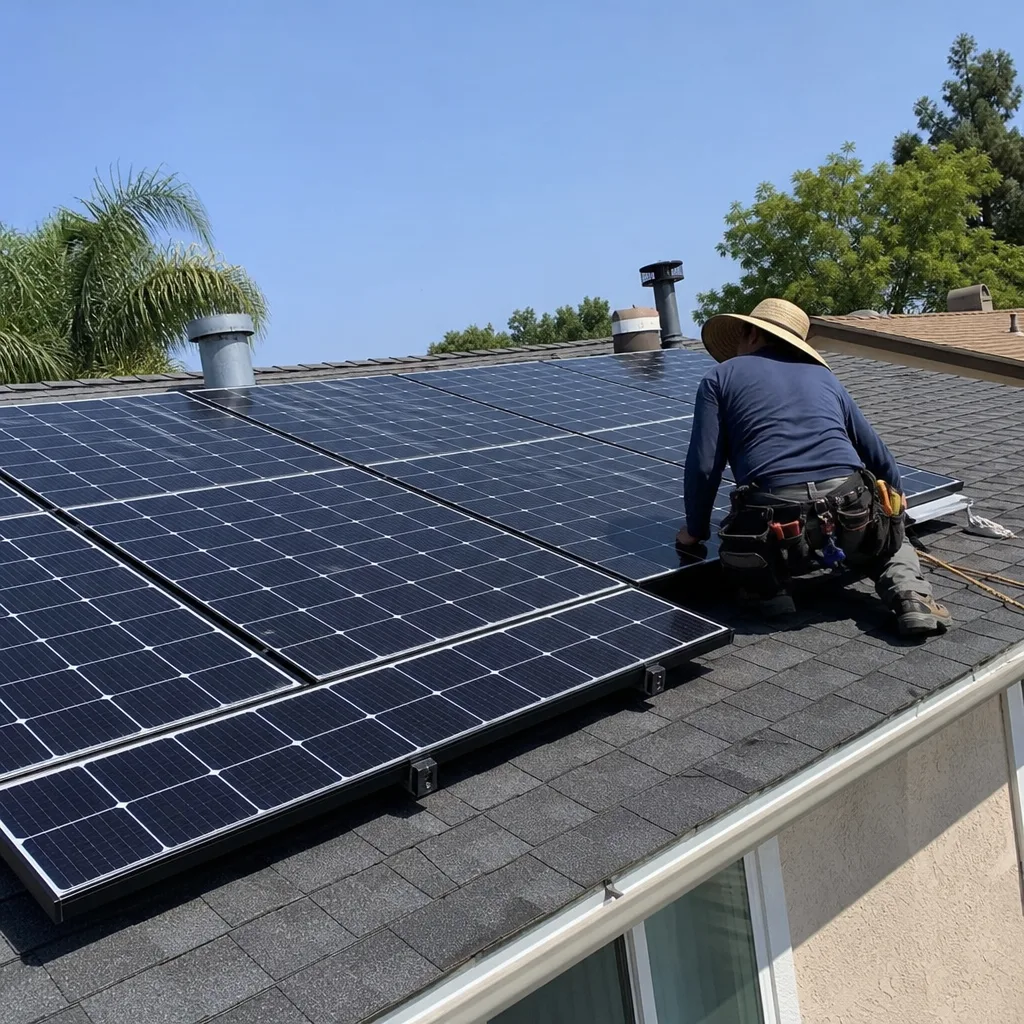 After
After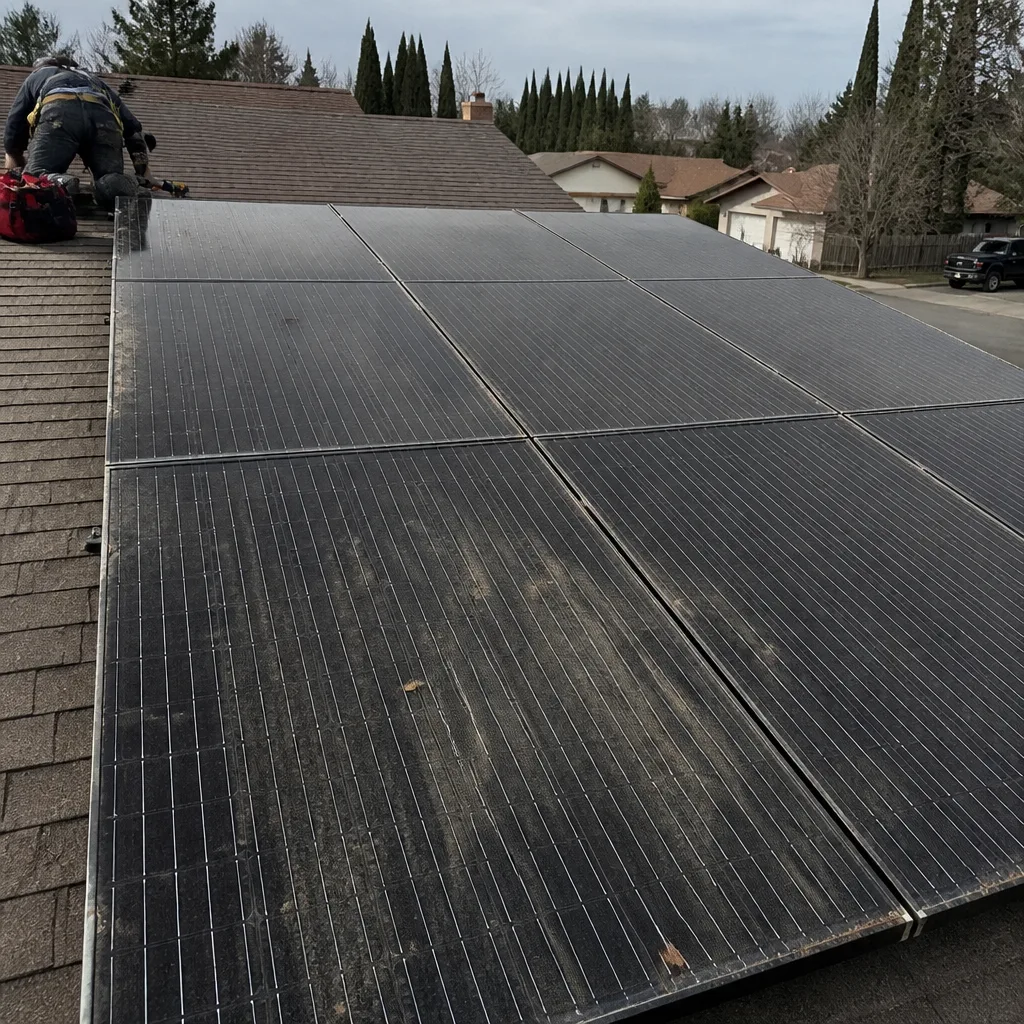 Before
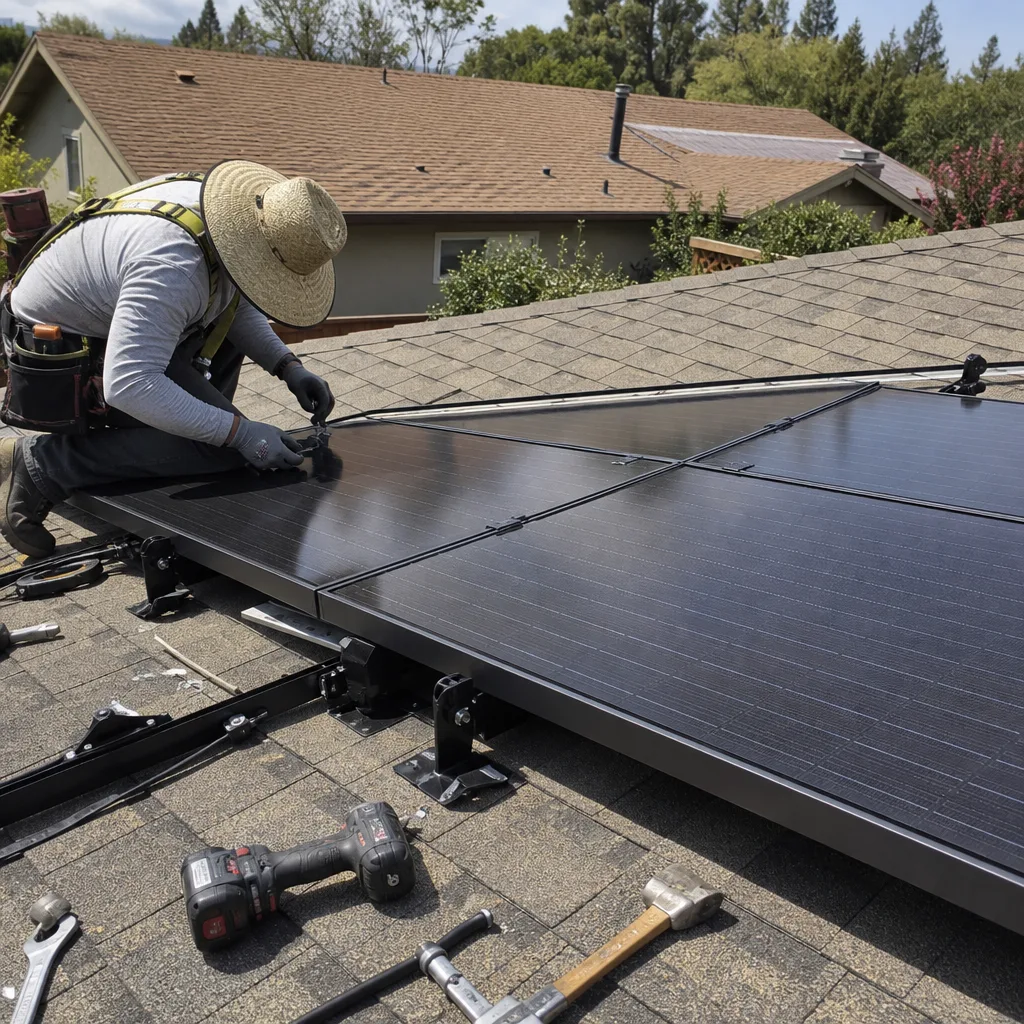 After
AfterFast, Reliable Commercial Solar Installation Across Corinth
Commercial solar installation in Corinth runs $2.10 to $3.40 per watt for most warehouse, retail, and office rooftops, which puts a typical 100 kW system between $210,000 and $340,000 before the federal Investment Tax Credit and depreciation. That number assumes a CoServ-approved inverter configuration, proper wind-load engineering, and panels rated for North Texas hail. We size systems off your actual twelve-month usage history from your CoServ bill, not a square-footage guess. Call (877) 550-6892 and bring us a bill. We’ll bring you the math.
Here’s the thing about Corinth that most installers miss: you’re in CoServ Electric Cooperative territory, not Oncor like most of the DFW metroplex. That changes the entire financial picture. More on that below, but know this upfront: we’ve been doing this long enough that we account for it on day one, not after your system is already built.
Why Gus’s Solar Is Corinth’s Preferred Commercial Solar Installation Company
Gus Petrakis put his name on the building 29 years ago, and it’s still there. That’s not a marketing line. It’s how we operate. When a Corinth business owner calls about a commercial array, they talk to people who understand what CoServ’s interconnection paperwork looks like, what the city’s wind-load amendment requires, and why a panel that survives a California summer might not survive a Corinth hailstorm.
We’ve worked with warehouses along Swisher Road, retail buildings near I-35E, and office rooftops throughout the 76210 corridor. The questions are always the same: will this actually pay for itself, who’s going to stand behind it in year seven, and what happens when the next hailstorm comes through. Those are fair questions. We answer them with your actual utility data and written performance expectations, not a laminated brochure.
Gus’s own crew does every installation. Background-checked, uniformed, and they flash every roof penetration properly. We don’t hand your roof to a sub crew we met last month. And when you call at 6:00 on a Sunday evening because your monitoring app shows an inverter fault, a live person answers. Not a voicemail. Not a ticket. A person who can tell you whether it can wait until morning or needs attention now.
Our service area for Corinth covers the full 76210 zip code. Response time for commercial service calls around Corinth is typically same-day or next morning, depending on the nature of the issue and weather conditions. Emergency calls after a storm get prioritized by severity and proximity.
Our Commercial Solar Installation Services in Corinth
We don’t do “solar solutions.” We do specific work with specific outcomes. Here’s what that looks like for Corinth businesses.
Commercial Rooftop Solar
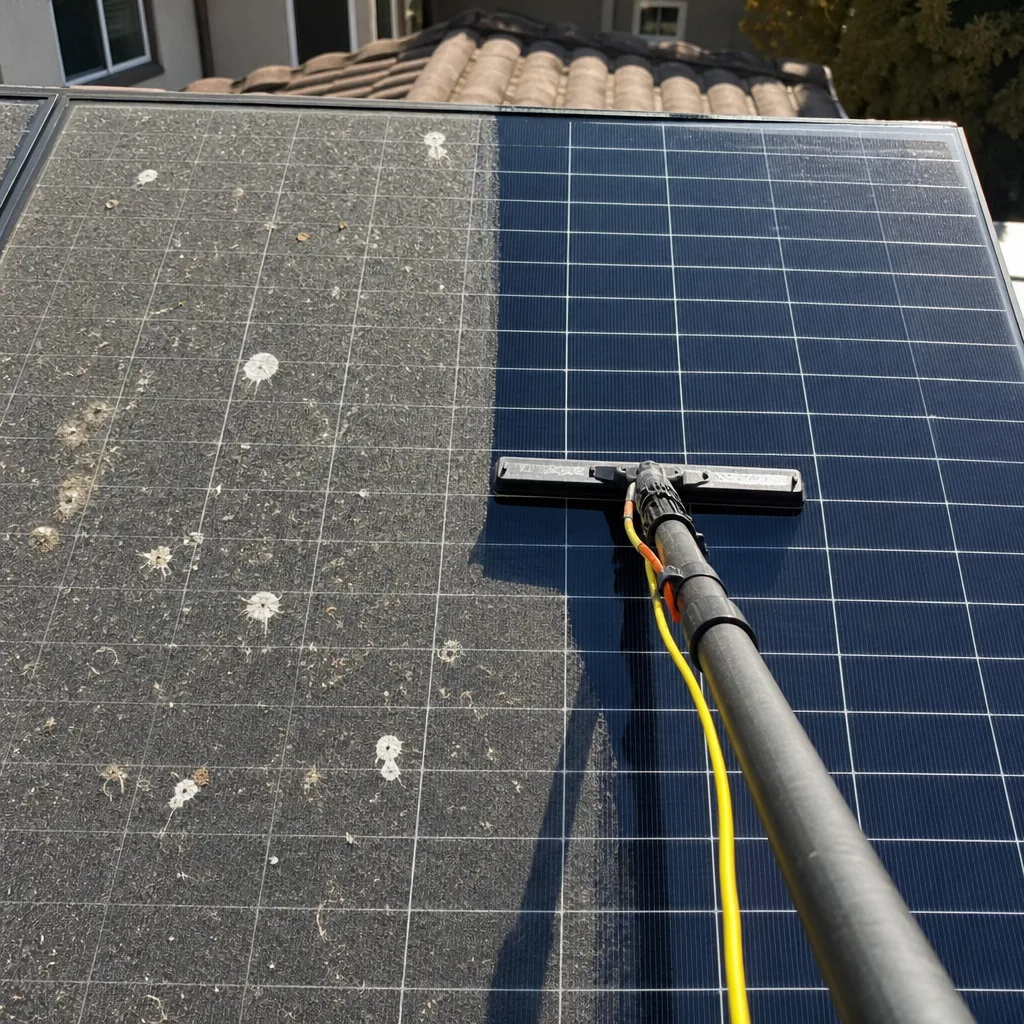
Most Corinth commercial rooftops are flat or low-slope membrane systems on tilt-up concrete or steel-frame buildings, especially through the industrial parks around Swisher Road and along the I-35E frontage. We design ballasted or mechanically attached arrays that hold up to North Texas wind loads without penetrating the roof membrane unnecessarily. Every roof gets a structural assessment before a single module ships. If your building’s roof can’t support the array safely, we’ll tell you that before you spend money, not after.
Warehouse & Industrial Solar
Warehouse rooftops in Corinth’s 76210 industrial district often carry significant HVAC load already, so panel placement matters. We work around existing equipment curbs, skylights, and vent stacks, and we map the array to your building’s actual energy draw profile. For a distribution center running dock doors and refrigeration, that means the system earns its keep during peak CoServ demand windows, when electricity is most expensive. One hailstorm pocked a warehouse roof off Swisher Road not long ago. We replaced the damaged array with Qcells modules rated IEC 61215 for hail impact, re-torqued every mount to CoServ’s wind-load expectations, and verified rapid shutdown compliance before the utility’s post-storm inspection. That’s the kind of detail that keeps a business running.
Solar Carport Installation
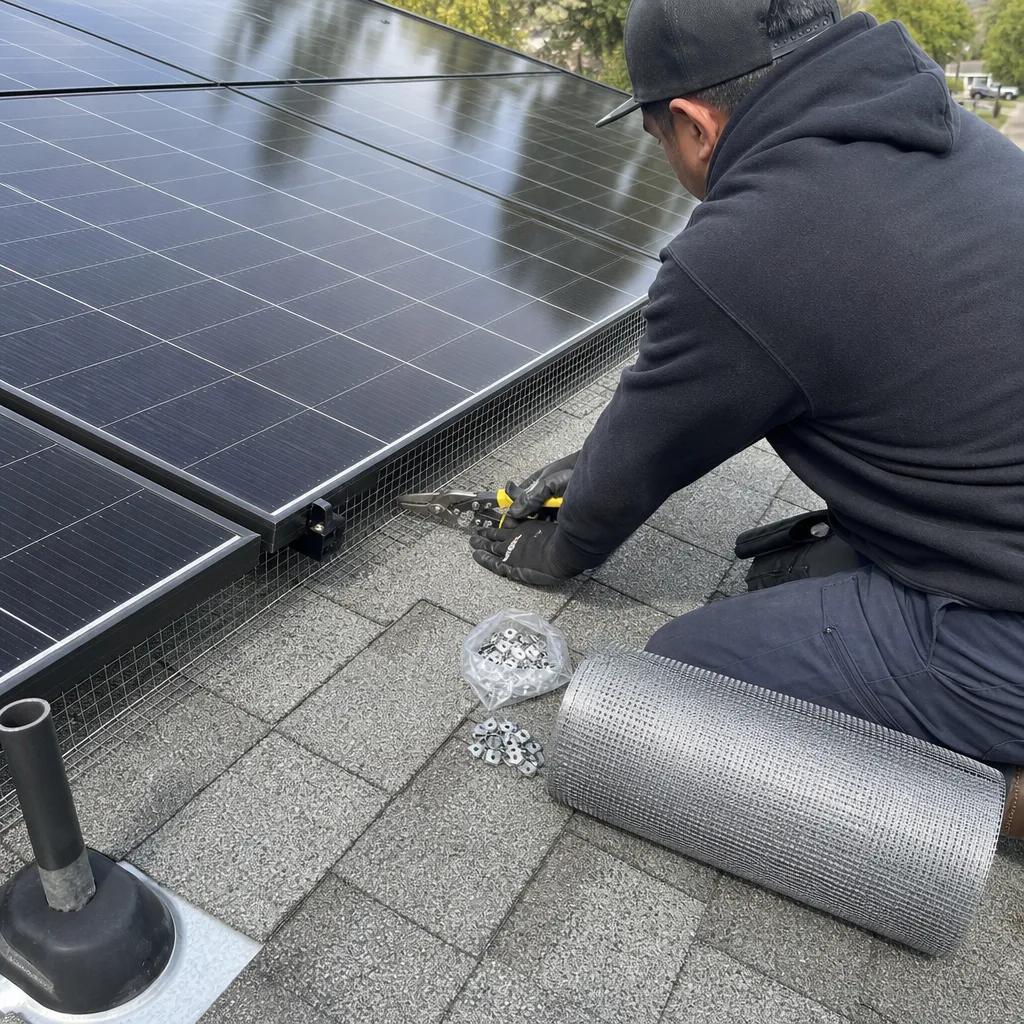
Carport solar makes sense for Corinth businesses that want shade and generation without touching the building envelope. We do steel-framed carport structures engineered for North Texas wind loads, with the array integrated into the canopy. These projects pair well with commercial battery storage, especially for businesses along Lake Dallas Drive that lose power when storms roll through the northern Denton County corridor. CoServ’s interconnection process still applies, and we handle that paperwork end to end.
Commercial Battery Storage
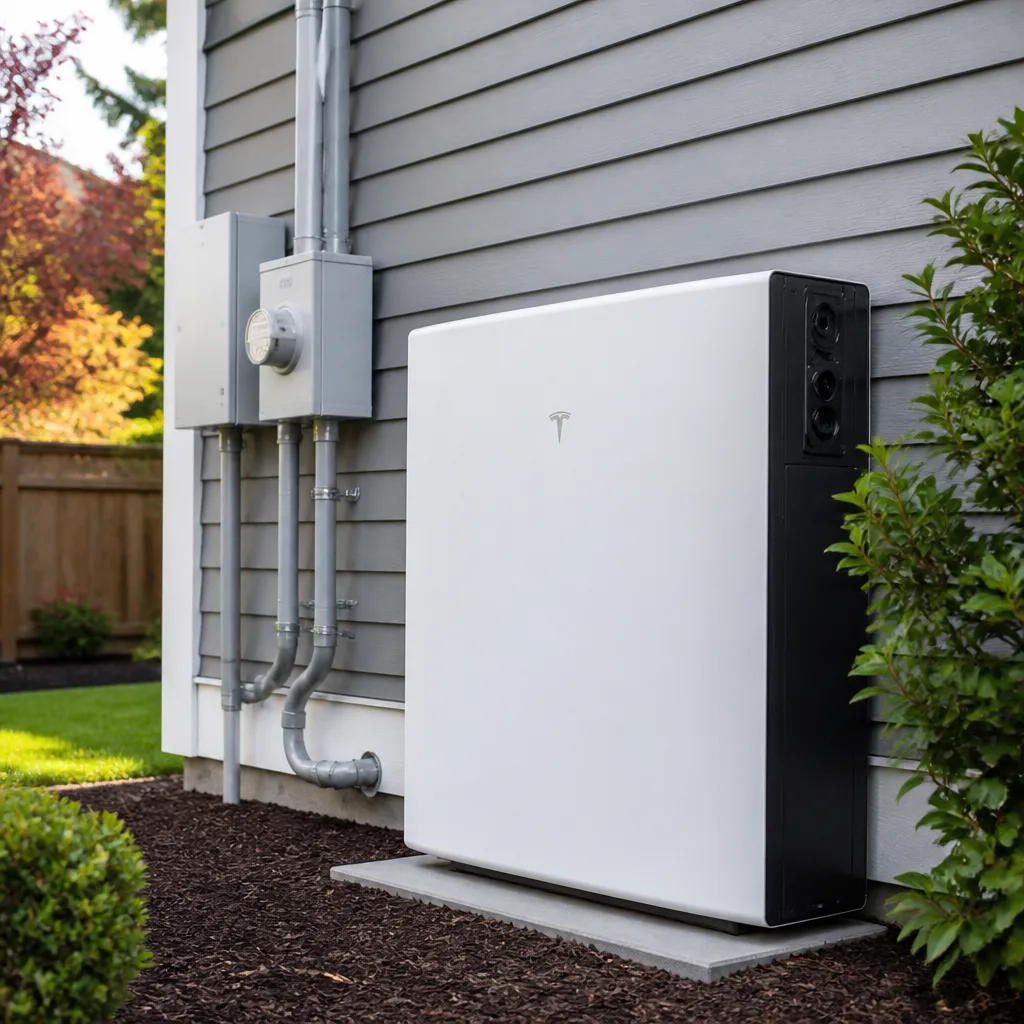
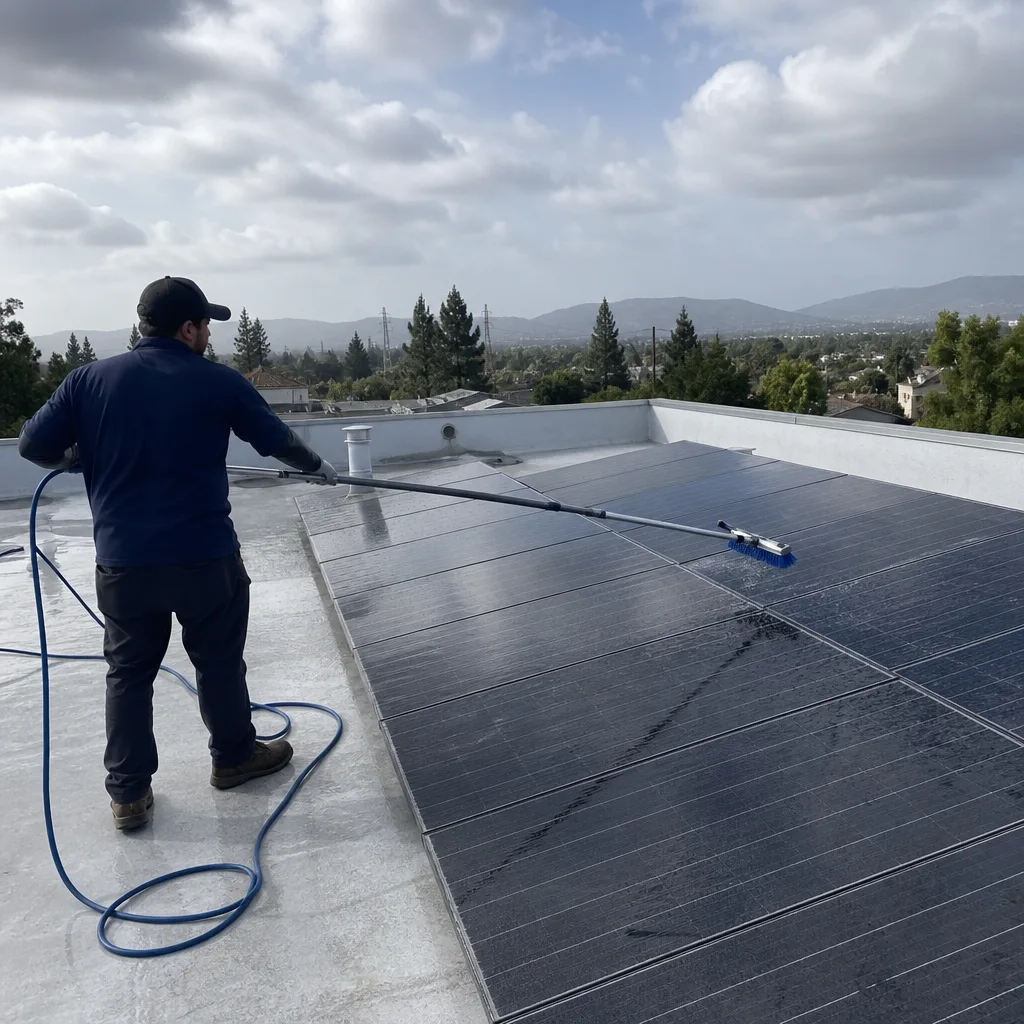
Battery storage changes what your solar can do. Instead of exporting excess generation back to CoServ at their avoided-cost rate, you store it and use it when grid power costs more or when the grid goes down entirely. For a Corinth business with refrigeration, medical inventory, or server dependence, a FranklinWH or Tesla Powerwall-based storage system turns the solar array into genuine backup capability. We size storage to your critical loads, not the whole building, so you’re not paying for more battery than you need. The math matters here, and we show you the year-25 numbers before you spend a dollar.
What happens when you call
- 1
A real person answersNo phone trees - you reach a local pro.
- 2
You get an upfront price rangeHonest numbers before anyone is dispatched.
- 3
A background-checked tech heads outLicensed & insured, dispatched right away.
- 4
You approve before work beginsNothing starts until you say go.
Trusted Brands We Service in Corinth
We work with equipment from Enphase, SolarEdge, Tesla, and FranklinWH, among others. The brand choice follows the project requirements, not a sales quota. For Corinth commercial rooftops with complex shading or multi-directional exposure, Enphase microinverters often make the most sense. For large open-array warehouses or carports, SolarEdge’s power optimizer architecture tends to be more cost-effective at scale. For backup capability, FranklinWH’s aPower or Tesla’s Powerwall handle the job. We stock replacement components and service parts locally for Corinth customers, which means a failed microinverter doesn’t mean two weeks of downtime.
Common Commercial Solar Installation Problems We See in Corinth
These aren’t hypothetical. These are the issues we correct after other installers walk away.
- Sizing the system for Oncor, not CoServ. CoServ’s avoided-cost export rate is lower than what Oncor territory assumes in most ROI projections. An oversized array built on Lewisville math produces excess generation that barely offsets what you paid for the extra panels. We size to your actual usage curve under CoServ’s program rules, which protects your payback period.
- Skipping HOA architectural review. Corinth’s commercial and mixed-use subdivisions often carry deed restrictions that include design review for rooftop equipment. We’ve seen permits issued and installation halted because nobody filed with the HOA architectural committee. We flag this before it becomes your problem.
- Ignoring hail resistance. Corinth sits squarely in the North Texas severe hail corridor. Panels without IEC 61215 hail-resistance certification can crack in the first big storm. We won’t put a module on your roof that can’t take what Corinth skies deliver.
- Underestimating wind-load engineering. CoServ and the City of Corinth both enforce wind-load requirements that exceed what some national installers are used to. If the mounting system isn’t engineered for local wind uplift pressures, the array won’t pass inspection and the fix isn’t cheap. We get this right the first time.
Pricing for Commercial Solar Installation in Corinth, TX
Commercial rooftop solar in Corinth typically runs $2.10 to $3.40 per watt, depending on system size, roof type, and equipment selection. A 50 kW system for a mid-size office or retail building typically lands between $105,000 and $170,000. A 100 kW warehouse array runs $210,000 to $340,000. Solar carports tend to run higher per watt due to structural steel, usually $2.80 to $3.90 per watt. Commercial battery storage adds $1,000 to $1,400 per kWh of usable capacity, so a 40 kWh FranklinWH system typically adds $40,000 to $56,000. The federal Investment Tax Credit and bonus depreciation reduce the net cost substantially, and we’ll show you those numbers in writing. Estimates are free. Bring us a CoServ bill and we’ll bring you real math.
If a salesman needs an answer tonight, the answer is no. Take two weeks. Think about it. The price will be the same.
We Also Serve Cities Near Corinth
Our Commercial Solar Installation team serves businesses throughout the northern Denton County corridor. Beyond Corinth, we regularly install and maintain commercial arrays in Lake Dallas, Flower Mound, Highland Village, and Denton. If you’re in one of those communities and dealing with the same CoServ interconnection questions or post-storm panel damage, the process is the same: call, send us a bill, and we’ll do the math. Gus’s name is on the work from Corinth to Denton and every city in between.
Serving Corinth, TX - Our Local Coverage Area
We’re based in the Corinth area and know this community well. Use the map below to see our service coverage - if you’re nearby, we can almost certainly help.
FAQs - Commercial Solar Installation in Corinth
CoServ’s Distributed Generation interconnection program typically adds 2 to 6 weeks to the project timeline, depending on system size and current application volume. Larger commercial systems require a more detailed engineering review, which can stretch toward the longer end. We file the interconnection application in parallel with your city permit so the two processes don’t stack delays. For most Corinth commercial projects, expect site assessment through utility approval to take roughly 2 to 3 months before installation begins. Call (877) 550-6892 and we’ll give you a realistic timeline for your specific building.
Corinth commercial rooftop arrays must be engineered to meet the City of Corinth’s adopted wind-load requirements, which reflect North Texas’s exposure to severe straight-line winds and tornado-adjacent storm fronts. The structural engineering package has to show that the mounting system, roof attachments, and modules can withstand local uplift pressures. We work with a Texas-licensed structural engineer on every Corinth project, and we don’t cut corners on attachment density. A properly engineered array isn’t just code-compliant; it’s what keeps your investment on the roof during the next storm.
Yes, if your Corinth property is in an HOA-governed subdivision or commercial development with architectural control provisions. Most Corinth HOAs require design review for rooftop solar arrays, and that review can take a few weeks. The approval has to happen before installation, and we recommend filing it before or alongside the city permit so you’re not stalled mid-project. We can help you identify whether your property’s covenants require it and what documentation the architectural committee will need. If you’re not sure, call us at (877) 550-6892 and we’ll help you figure it out.
Because CoServ’s avoided-cost export compensation rate is lower than Oncor’s net-metering structure, which means every excess kilowatt-hour your system sends back to the grid is worth less in Corinth than it would be a few miles south. An oversized array sized for Oncor assumptions produces surplus generation that barely moves the needle on your bill offset. We size your Corinth system to your actual CoServ usage profile, which means a smaller, more precisely engineered array that hits its projected payback period. That’s the difference between a system that pencils out in year 8 and one that quietly underperforms for 25 years.
Check your monitoring portal first. A sudden production drop or individual module faults after a hailstorm usually means cracked cells or damaged connectors. Then visually inspect from ground level for obvious panel damage, displaced mounting hardware, or exposed wiring. Don’t climb onto the roof yourself. Hail-damaged panels can have micro-fractures that aren’t visible from the ground but cause output degradation over the following months. We perform post-storm inspections for Corinth commercial customers, and after the Swisher Road warehouse storm we handled recently, the owner had a full damage assessment and replacement plan within 48 hours. Call us and we’ll be there.
Written by Gus Petrakis, Owner at Gus’s Solar, serving Corinth since our founding in 2011.