
Free bill analysis - bring a power bill, get the production math for your actual roof, panel brands like Qcells and REC compared side by side
If the pitch starts at your door and ends with "sign tonight for the special," sleep on it. The sun will still be there tomorrow; so will we.

 Before
 After
After Before
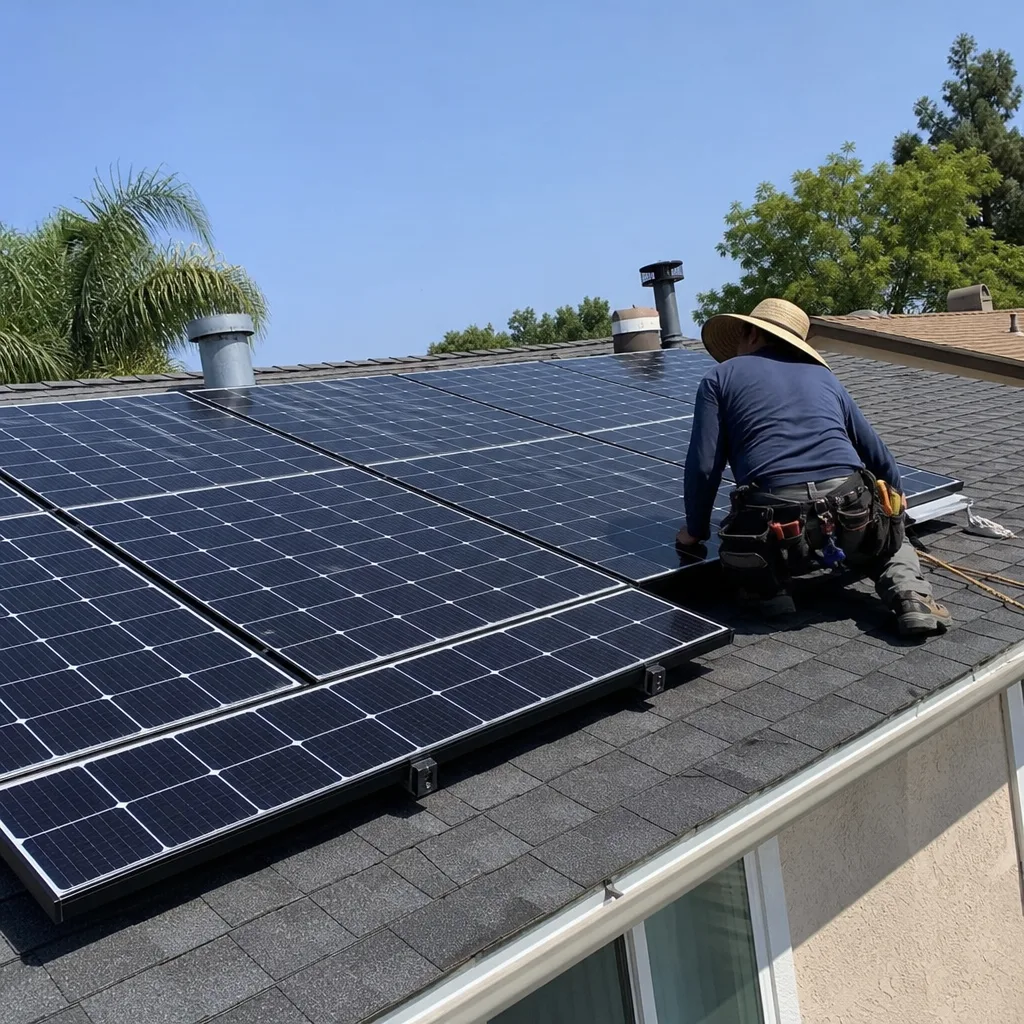 After
After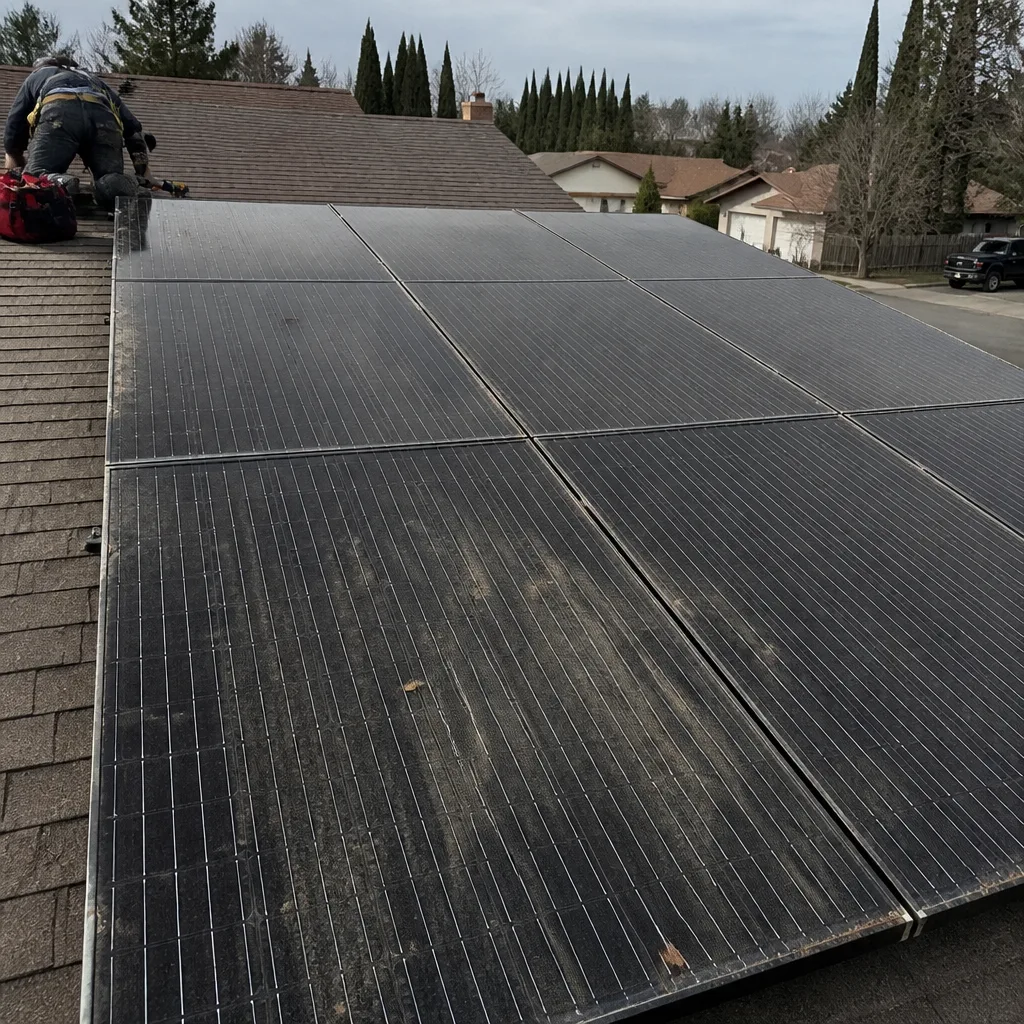 Before
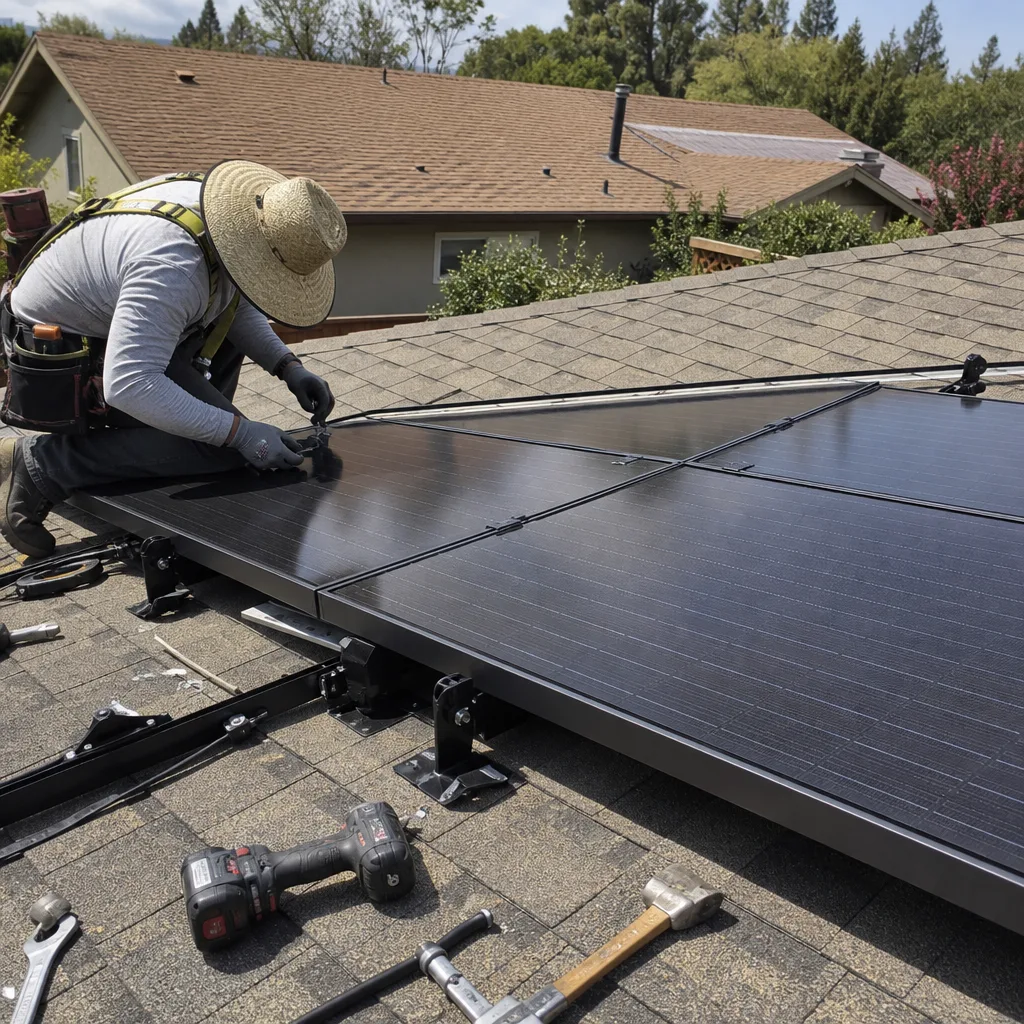 After
AfterSunPower Solar Battery Storage & Backup: The San Jose Owner’s Guide
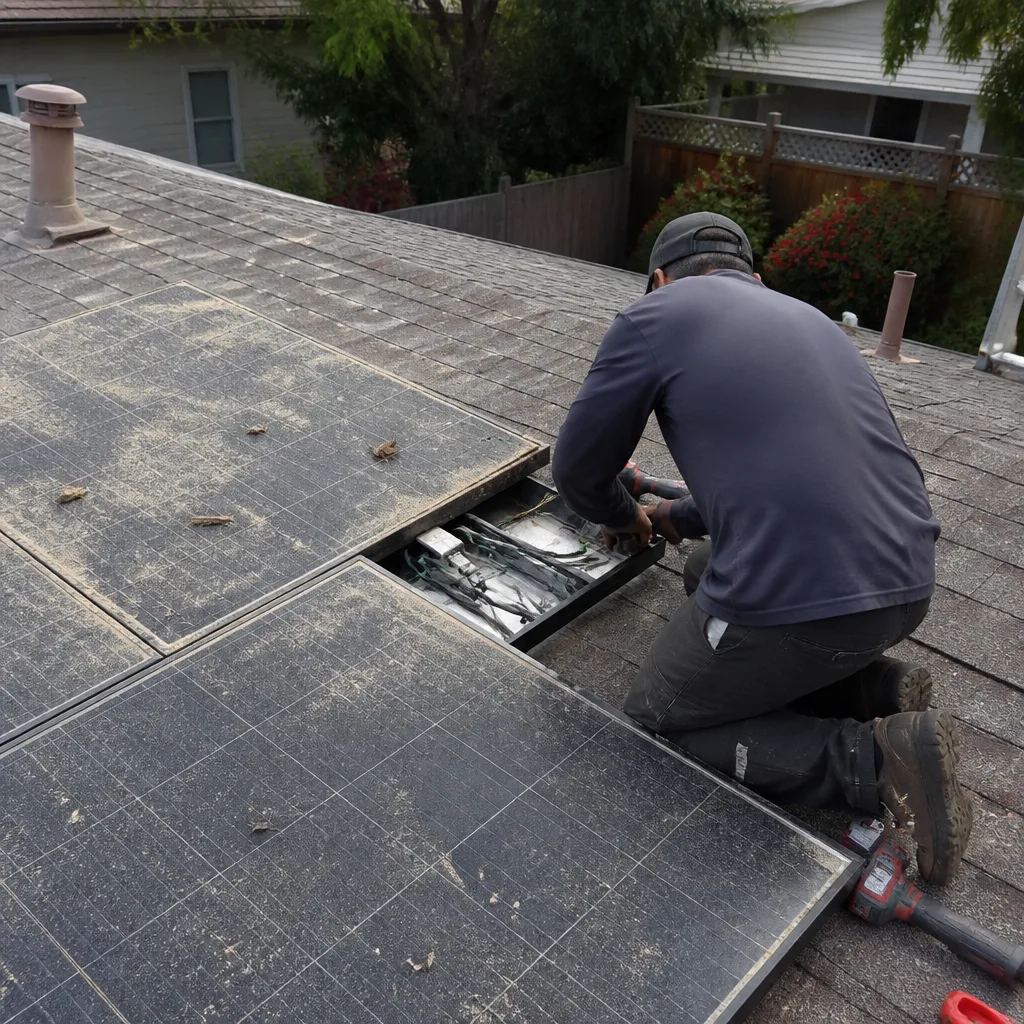
We stock and install SunPower-compatible battery storage and backup components across San Jose, with most swaps running between $950 and $2,800 installed depending on whether you need a battery module, a communication gateway, or a full storage unit replacement. Most San Jose owners discover they have a failed part the same way: the system worked fine through spring, then the first heat wave hits, the battery stops charging by noon, and the app throws an error code nobody explained at the original install. If your SunPower storage is showing reduced capacity, dropping offline at night, or refusing to charge from your panels, this page tells you exactly what you’re dealing with and what a straight fix costs.
Key takeaways: We keep common SunPower storage components in stock for same-week service in San Jose. We’re an independent shop, not a SunPower dealer, which means we fix what’s actually broken instead of quoting a full system replacement to protect a brand relationship. And yes, Gus Petrakis still answers his own phone.
Which SunPower Models This Applies To
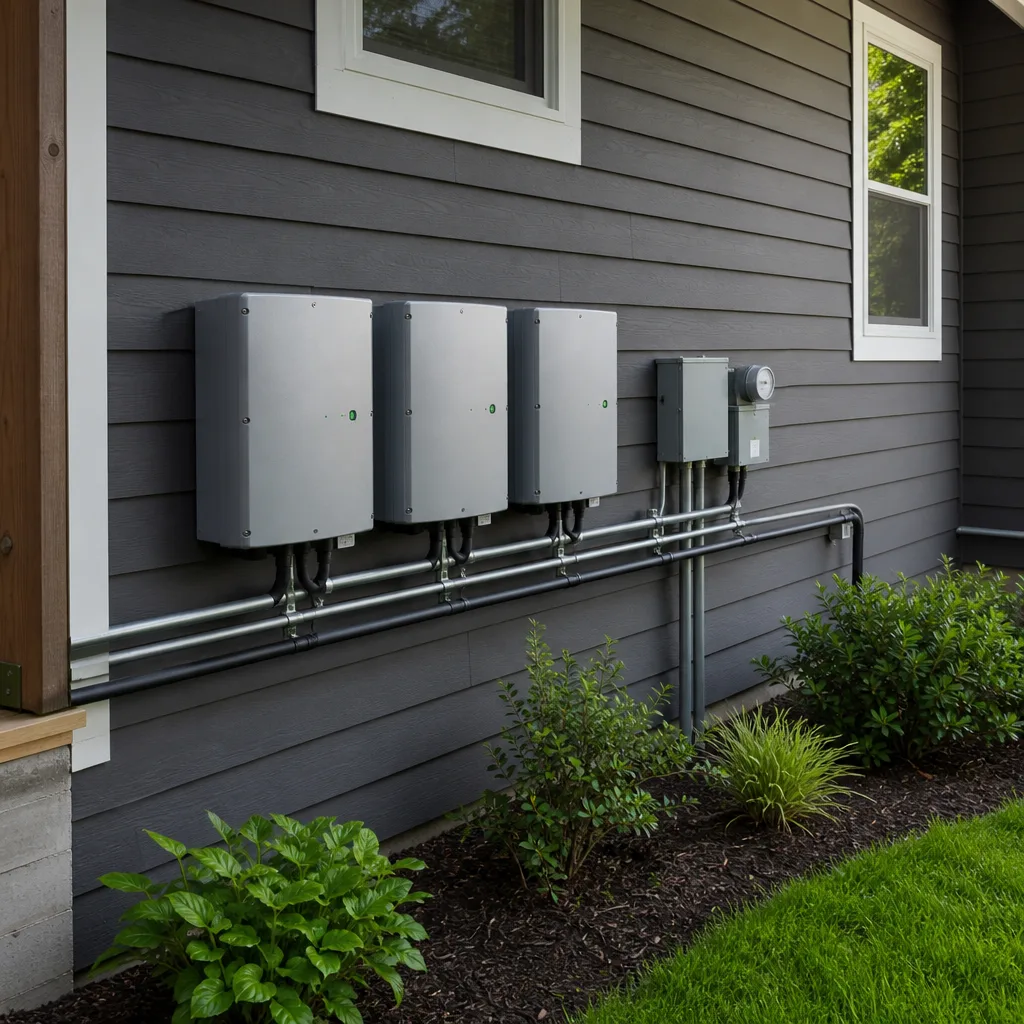
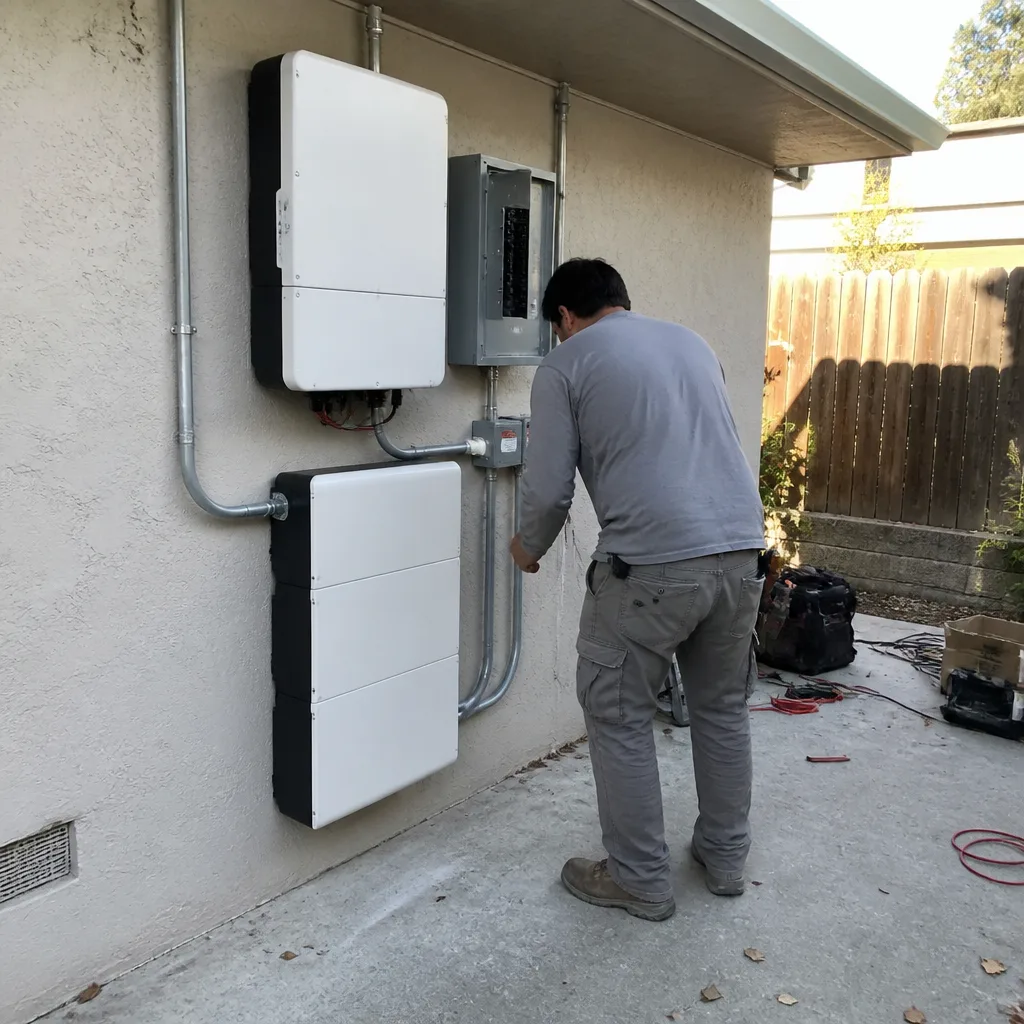
SunPower’s residential storage line under the SunVault name covers two generations you’ll most likely have on your wall: the original SunVault (2021-2023) and the SunVault 2 (2023-present), with both available in 13 kWh and 19.5 kWh configurations. The 13 kWh unit uses a single battery cabinet, while the 19.5 kWh pairs two cabinets with a shared Hub+ controller. If you don’t know which one you have, open the cabinet door and check the label: the model number starts with “SPR-SV-” and the serial number tells us which revision board is inside, which matters because early 2021 SunVault units had a firmware-locked communication module that the newer replacement parts won’t talk to without a firmware flash.
For the OEM versus aftermarket decision: SunPower’s own replacement modules are the safe play if your system is under the original 10-year warranty, because the warranty department wants OEM part numbers on any service record. Outside of warranty, we’ve installed quality aftermarket equivalents from the same Tier-1 cell manufacturers SunPower sources from, and the price difference is often $400 to $600 per module. Our stance in San Jose is simple: if the warranty is live, we chase the OEM. If it’s dead, we give you both numbers and tell you which one we’d put on our own house.
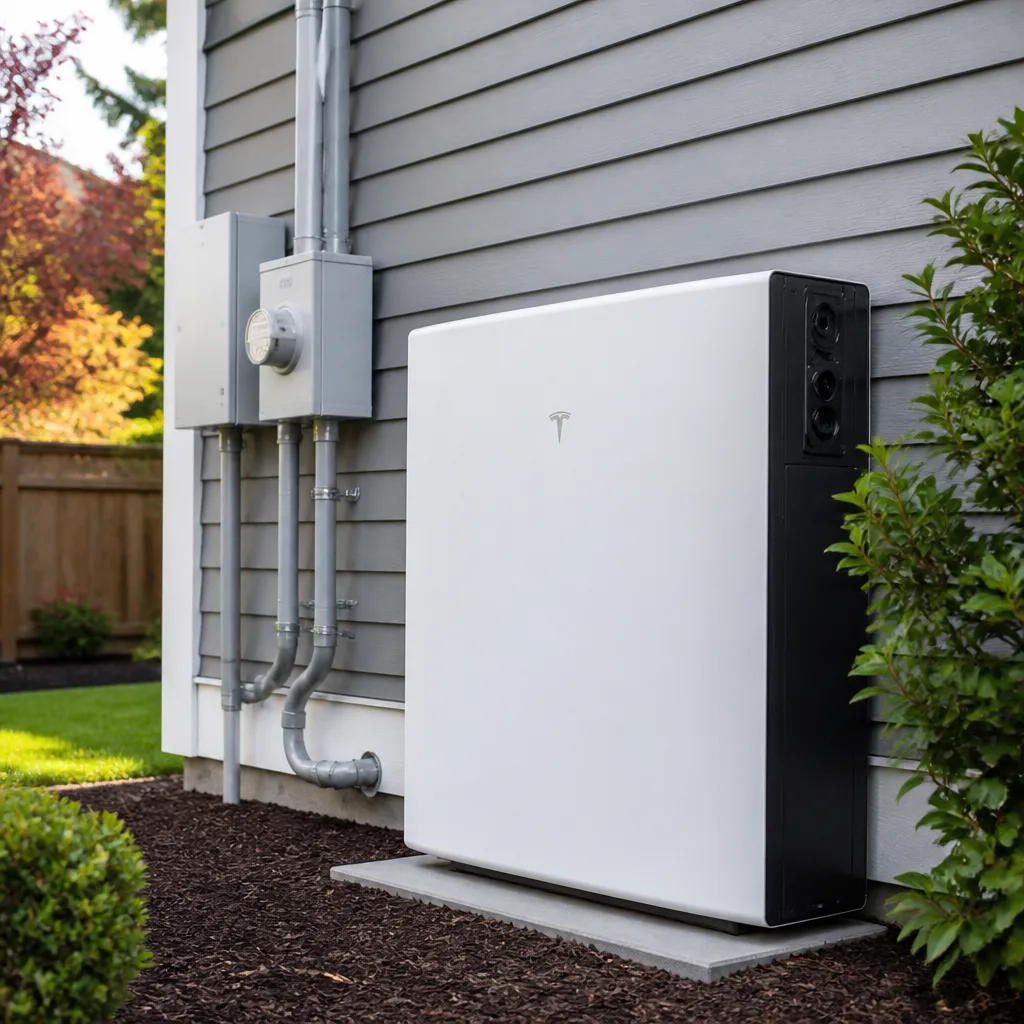
One compatibility gotcha we run into weekly: SunPower panels with integrated microinverters are not natively battery-agnostic the way a standard string setup is. The storage system has to communicate with the SunPower monitoring hardware, which means a generic battery won’t just drop in. We also carry parts for Tesla, Enphase, and SolarEdge storage systems, so if we open the cabinet and find something unexpected, we’re not stuck.
Signs Your SunPower Solar Battery Storage & Backup Is Failing
- Battery charges to 100% by 11 a.m., then drops to 40% by sunset with no big loads running. This is almost always cell degradation or a bad battery management sensor reporting false state-of-charge. In San Jose’s heat, we see packs lose 15-20% of usable capacity by year six, and a failing cell string accelerates that fast.
- The Hub+ controller shows offline in the app even though your home internet is fine. The communication gateway inside the Hub+ runs hot in unconditioned garages and attics. We’ve replaced more failed gateway boards in San Jose than any other single SunPower storage component.
- Backup power works, but the battery doesn’t charge from solar during the day. That points to a charge controller or DC-DC converter issue, not the battery itself. Good news: it’s usually a $350-$550 part rather than a full module replacement.
- You hear a faint clicking or buzzing from the battery cabinet when the system is under load. Contactors and relays in the disconnect circuit wear out. It’s a $120-$200 fix if caught early, but if ignored, it can arc and damage the bus bar.
- The system throws error code SF-0005 or SF-0012 and resets itself every few days. Those specific SunPower codes map to battery temperature sensor failures. In San Jose’s summer garage temperatures hitting 110°F or more, these sensors fail at double the rate they do in coastal climates.
Replacement Cost & What’s Included
In San Jose, you’re looking at these installed ranges for the most common SunPower storage repairs:
- Single battery module replacement (13 kWh unit): $950-$1,600 installed, depending on whether we’re reusing your existing cabinet or replacing it.
- Hub+ communication gateway board swap: $350-$550 installed. The board itself is $190-$280 wholesale, and the rest is labor and testing.
- Charge controller or DC-DC converter: $400-$700 installed.
- Full 19.5 kWh SunVault 2 system replacement: $2,400-$2,800 installed when the existing conduit and wiring are reusable, which they usually are.
- Diagnostic visit (if we find it’s not the battery at all): No trip charge inside Santa Clara County, and if it turns out to be something simple, we fix it on the spot and only charge for the part.
Every quote includes the part, the labor, the permit if required, and a written warranty on our work. We don’t hit you with a “disposal fee” for the old battery because we’re the ones hauling it to the certified recycler anyway. If you’re comparing quotes, ask whether the other company is quoting OEM or aftermarket parts, because that $500 difference you’re seeing is often exactly that.
DIY or Call Us?
Here’s what’s safe to do yourself: check the breaker on the battery cabinet, confirm the Hub+ is still connected to your router, and look for the error code in your SunPower app. That’s it. From there, call us at (877) 550-6892.
Here’s the honest part: a SunPower storage system carries between 120 and 240 volts of DC and has capacitors that stay charged even when the system is “off.” If you open that cabinet without knowing exactly which terminals are still live, you’re not saving the $300 diagnostic fee. You’re risking a serious shock or a dead component, and the inverter inside a SunVault is unforgiving. We’ve had three calls this year from San Jose homeowners who opened the cabinet “just to look,” and two of them turned a $400 relay replacement into a $2,800 full unit swap. Gus’s crew does this work every week, and we still treat every open cabinet like it’s the first one of the day.
FAQs
A SunPower SunVault battery in San Jose typically delivers 8 to 12 years of useful life, with the cells themselves rarely failing outright; it’s the controllers and sensors that go first, especially in hot garages. The battery chemistry is rated for 10,000 cycles, but San Jose’s summer heat shortens the effective lifespan of the electronics around the battery faster than the cells themselves. Call us at (877) 550-6892 and we’ll run a health report on your specific unit.
Yes, in most cases the failing part is a repairable component like the communication gateway, a contactor, or a temperature sensor, with those repairs running $120 to $700 rather than the cost of a full module. The battery cells themselves are not economically repairable, but they’re also rarely the first thing to fail. Call (877) 550-6892 for a straight answer on your specific system.
A single module or gateway board replacement typically takes 2 to 4 hours on site, and if we have the part on the truck (which we usually do for the common SunVault components), we finish same-day. Full system replacements take a full day. Estimates are free, and so is the call to figure out which situation you’re in.
We stock the most common SunPower SunVault replacement components at our San Jose shop, including Hub+ boards, contactors, temperature sensors, and 13 kWh battery modules. If it’s a rarer part or a SunVault 2 board that’s on national backorder, we’ll tell you that on the first call rather than taking your money and making you wait. Call (877) 550-6892 and we’ll check stock before you commit to anything.
Written by Gus Petrakis, Owner, Gus’s Solar at Gus’s Solar, serving San Jose and nearby areas.