
Free bill analysis - bring a power bill, get the production math for your actual roof, panel brands like Qcells and REC compared side by side
If the pitch starts at your door and ends with "sign tonight for the special," sleep on it. The sun will still be there tomorrow; so will we.
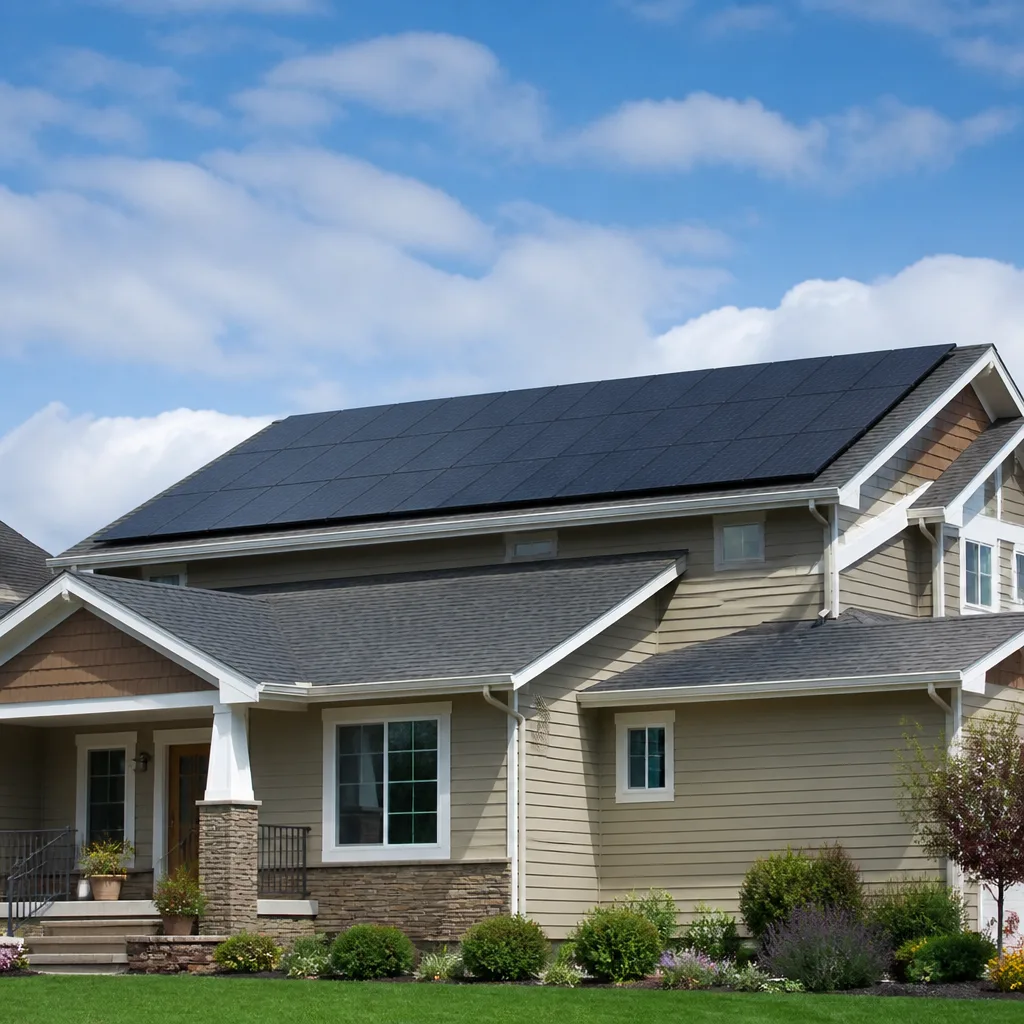
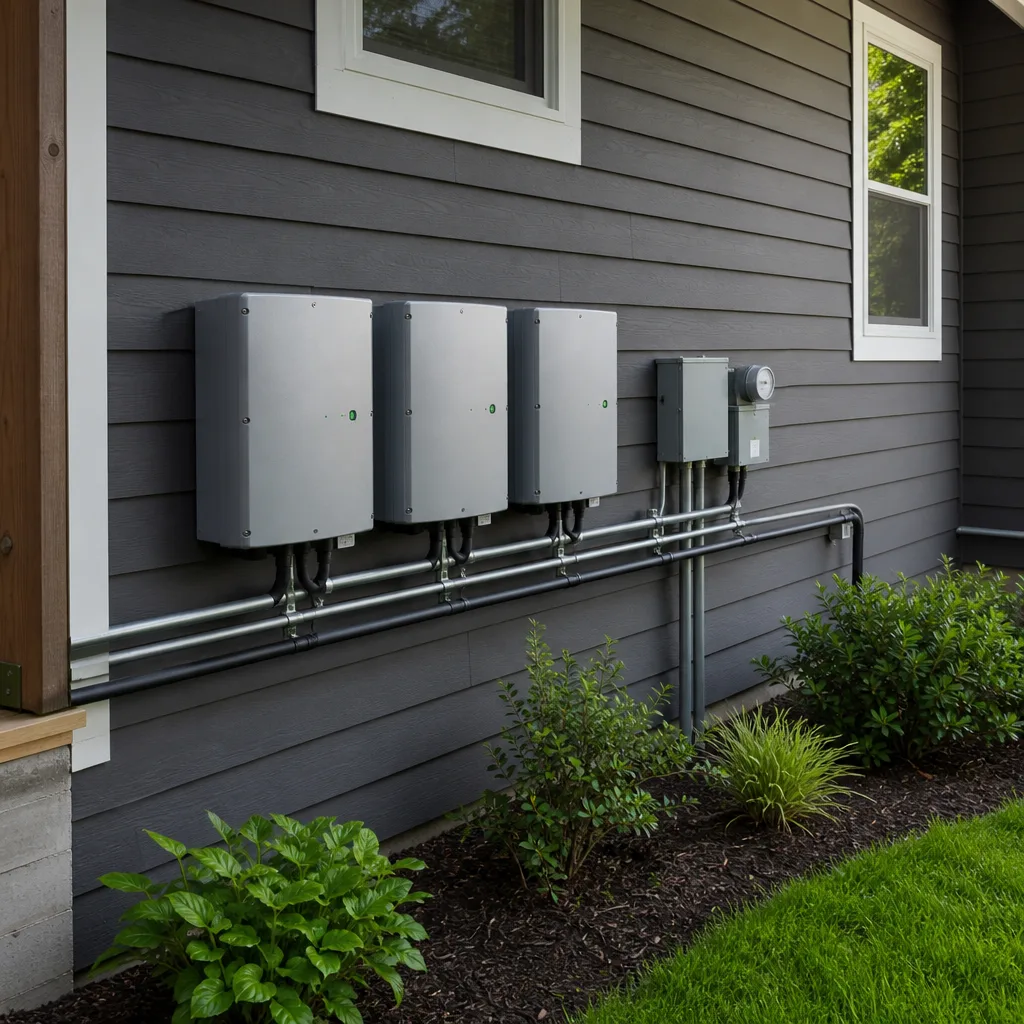
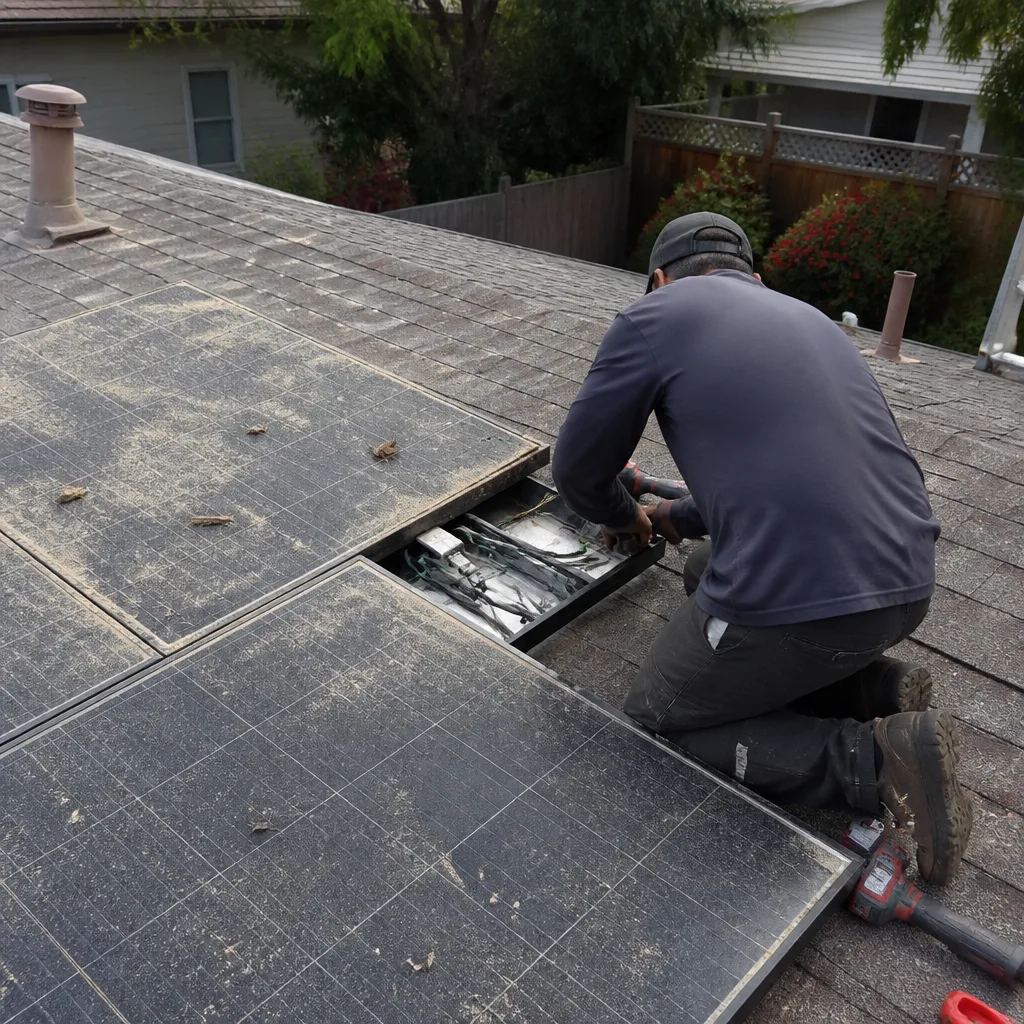 Before
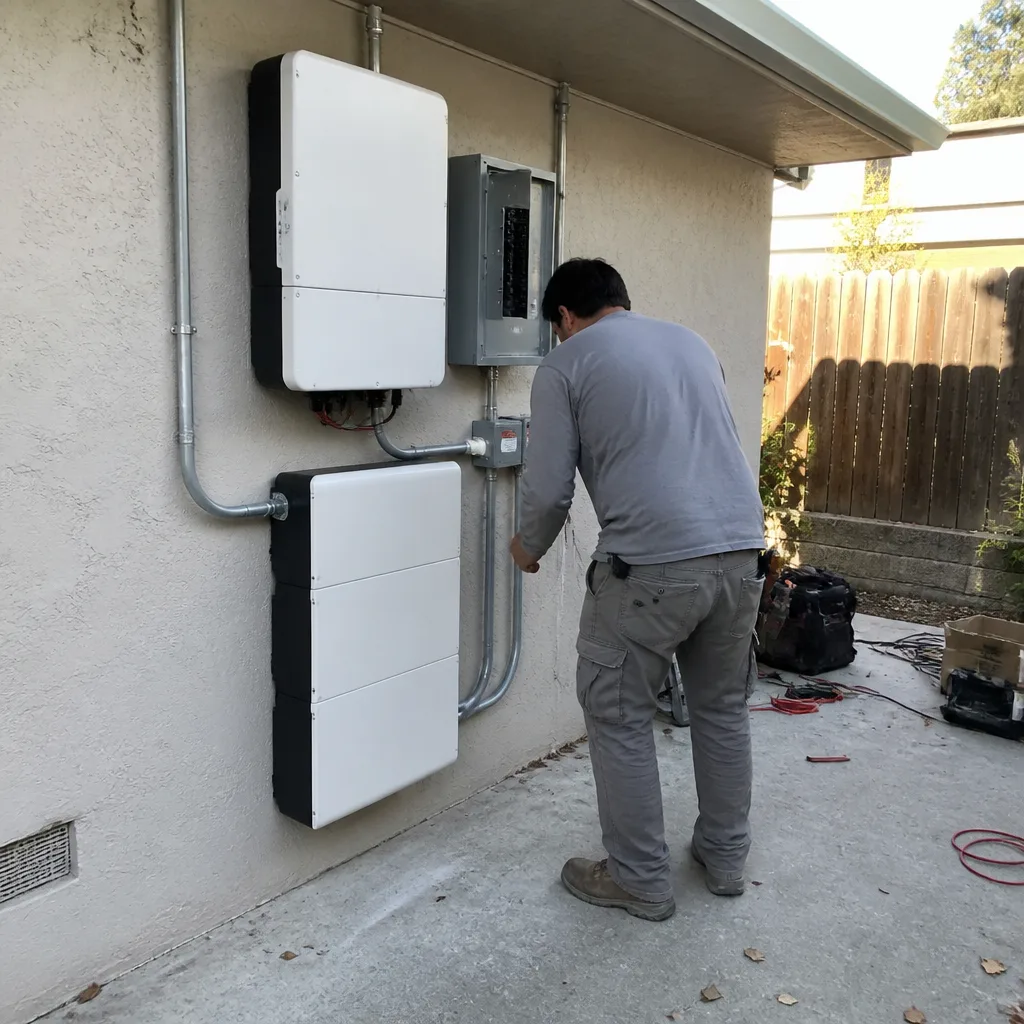 After
After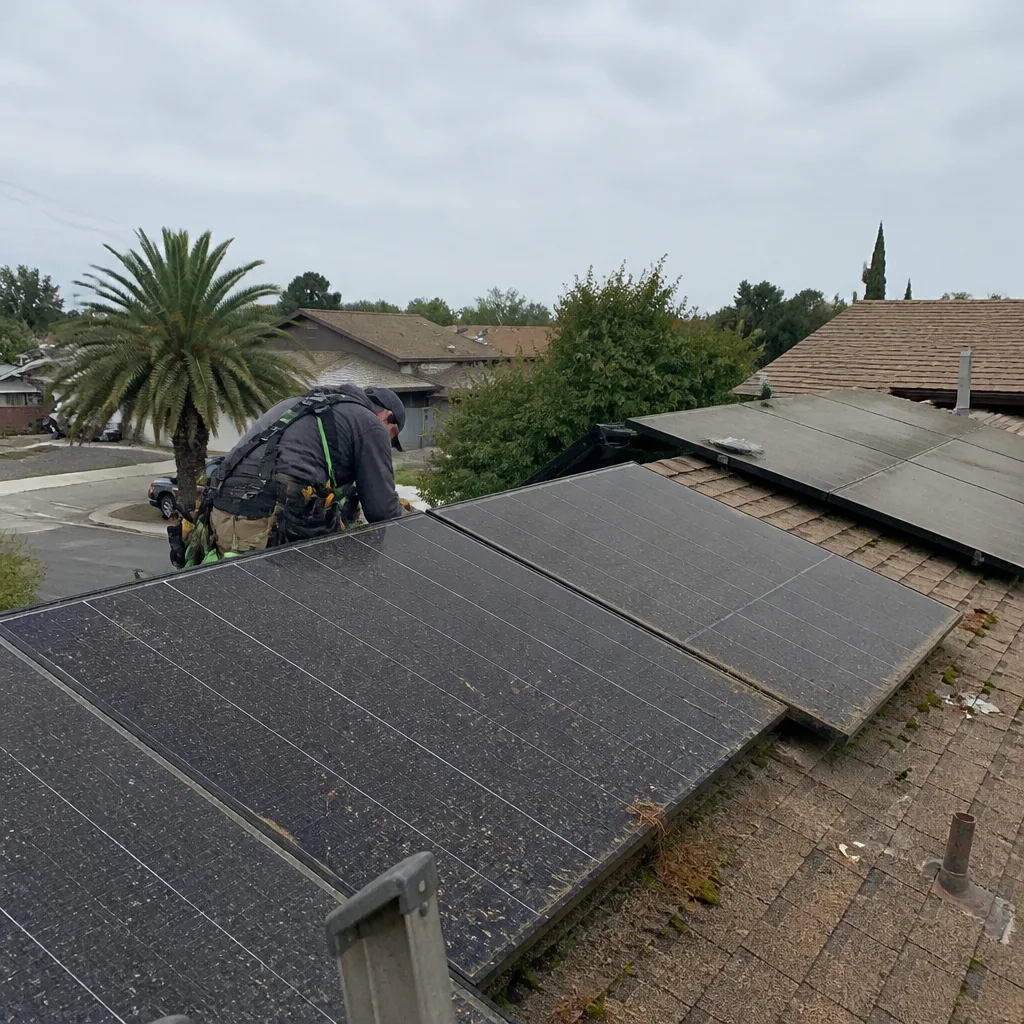 Before
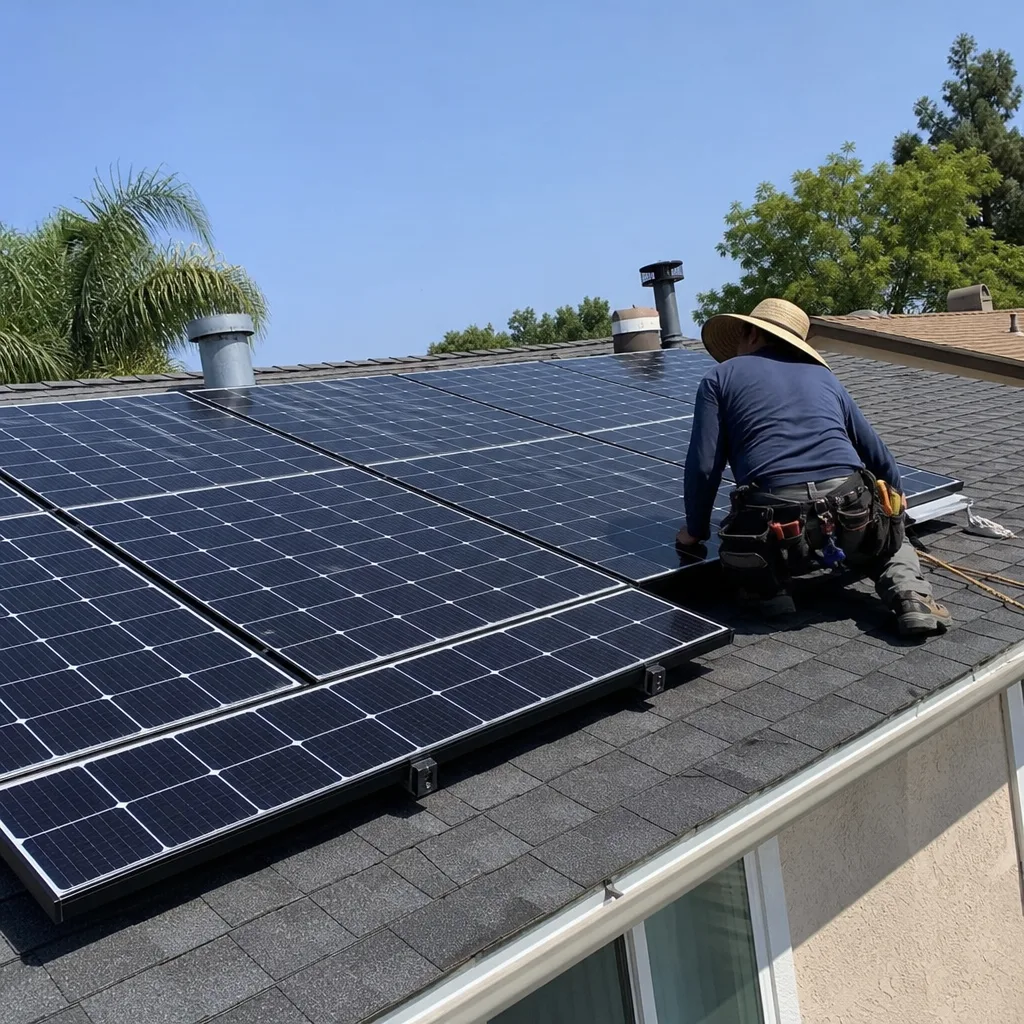 After
After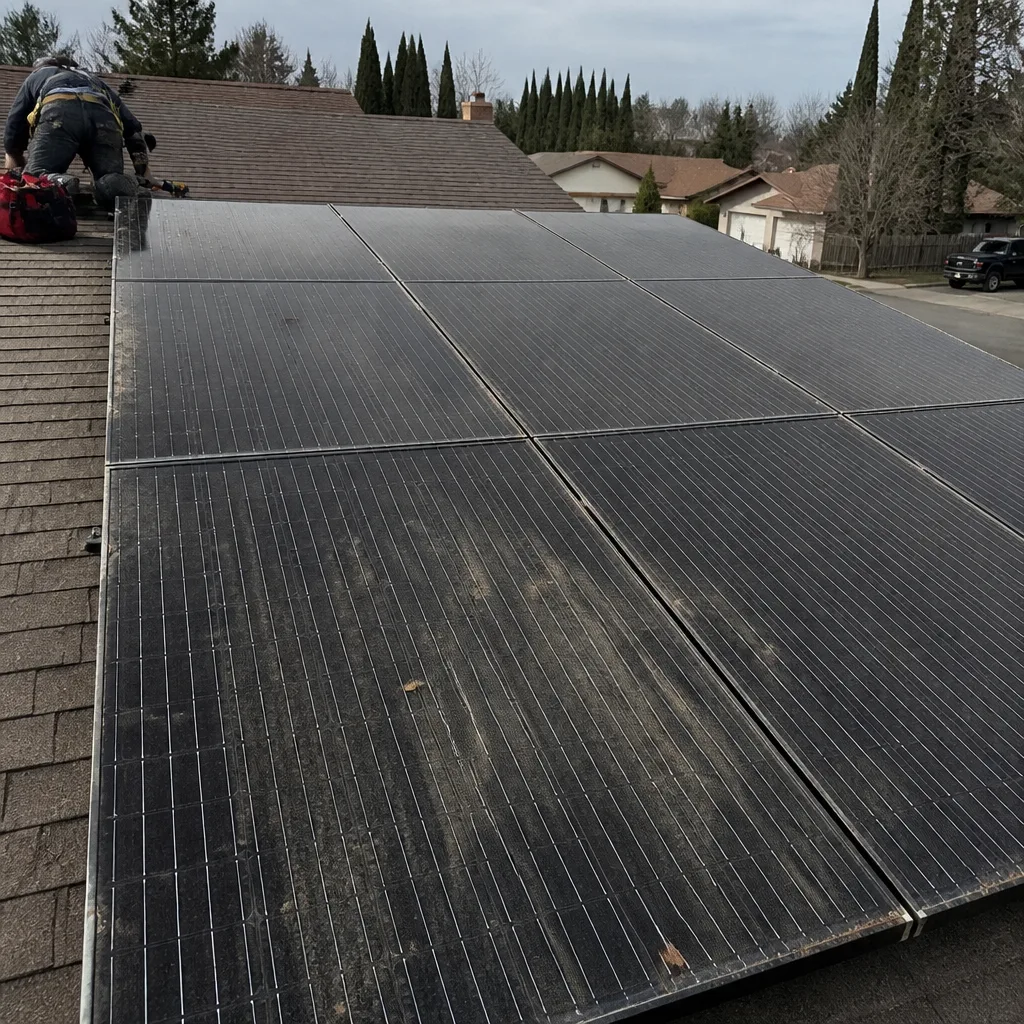 Before
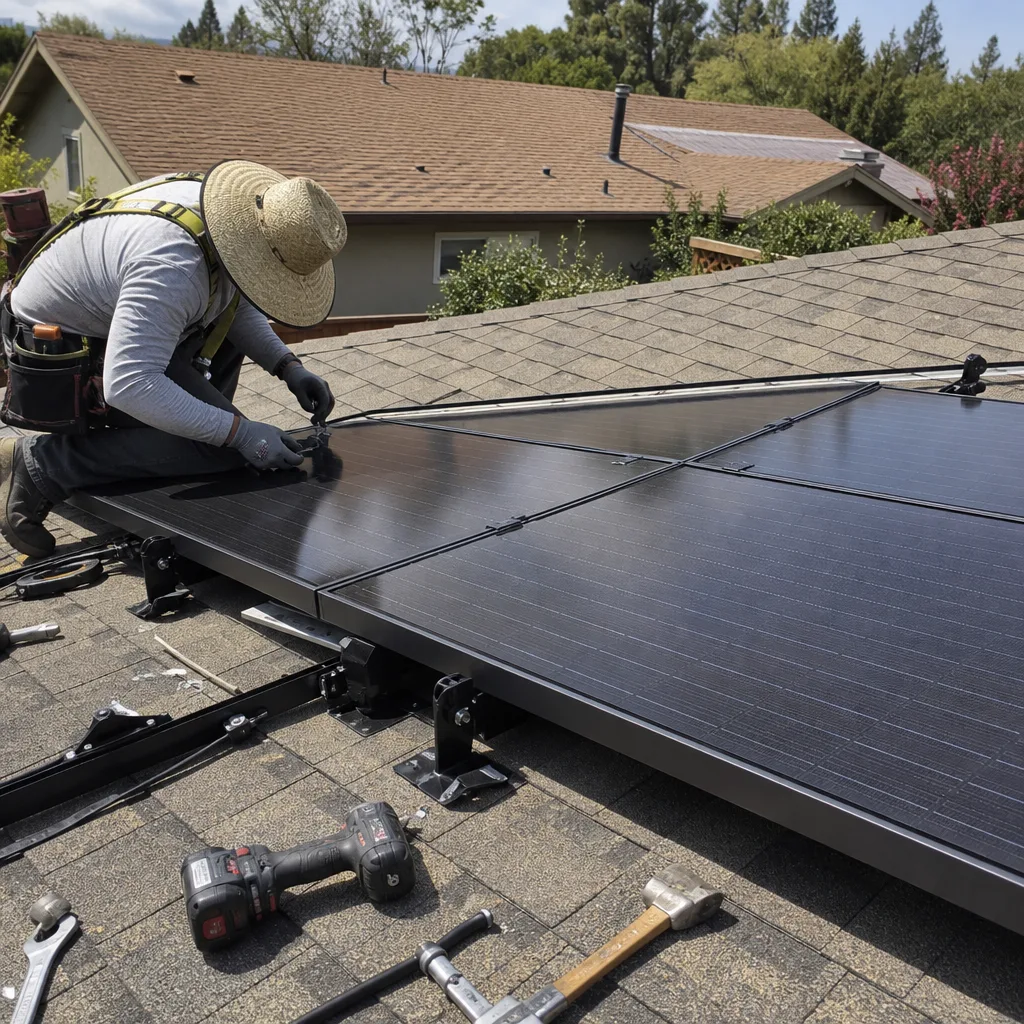 After
AfterSunPower EV Charger Installation: The San Jose Owner’s Guide
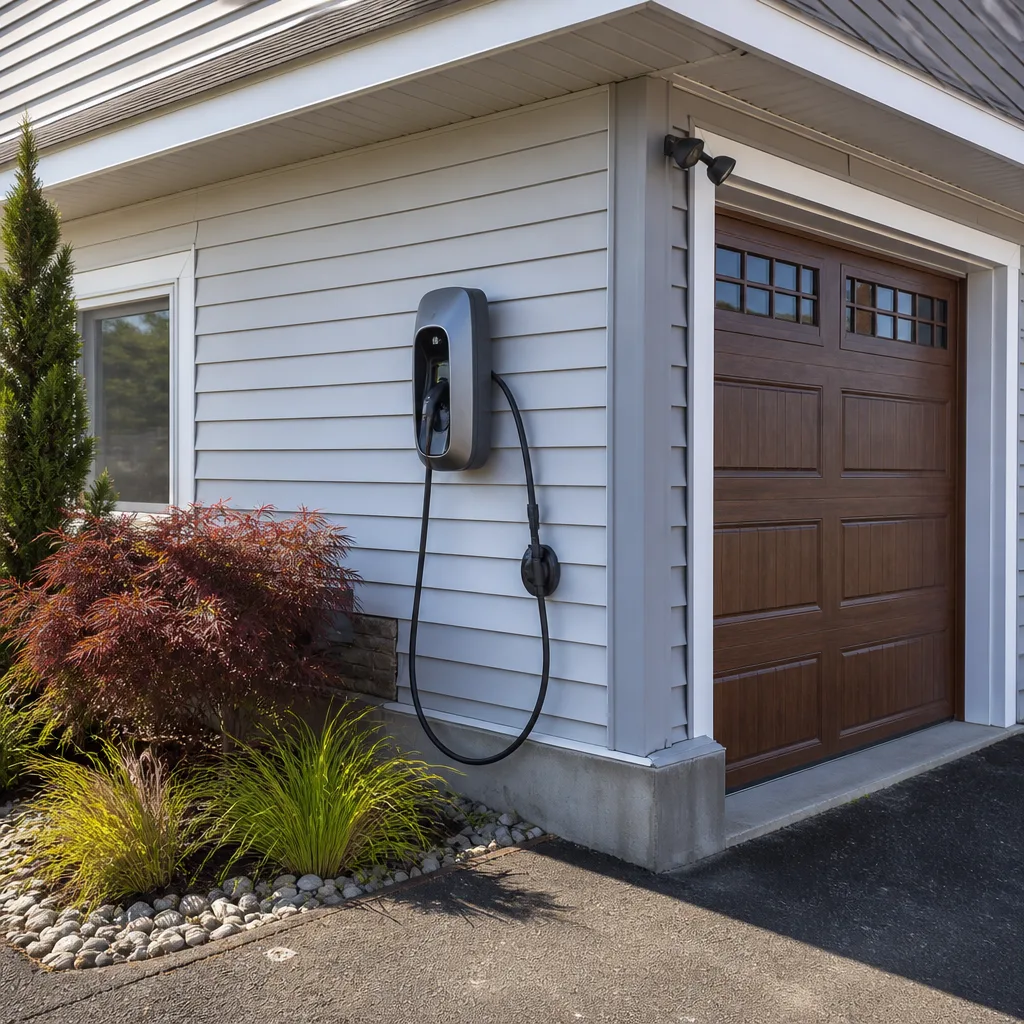
If you’ve got a SunPower EV charger that’s dead, tripping breakers, or never worked right from day one, here’s the straight answer: we install and service SunPower-compatible EV chargers in San Jose, with most installations running between $800 and $2,200 depending on your panel situation and how far the charger sits from it. We keep common parts on the truck, and we can usually be at your door the same week you call. Most homeowners figure out something’s wrong when their car doesn’t charge overnight, or when the charger throws an error code that the manual doesn’t explain, or when a breaker keeps tripping at 2 a.m.
We’re an independent service provider, not affiliated with SunPower. That means we tell you what’s actually worth fixing and what isn’t, and we don’t have to follow a corporate script to do it. Gus Petrakis has been doing this work in the South Bay for years, and he’ll tell you honestly if a repair makes sense or if you’re better off replacing the charger.
Key Takeaways
- Most SunPower EV charger failures in San Jose come down to three things: a bad breaker, a failed internal contactor, or wiring that was undersized on the original install.
- We stock common SunPower EV charger components locally, which means no waiting two weeks for a part to ship from a warehouse.
- A live person answers our phone 24/7. If your charger dies at 11 p.m. on a Tuesday, you’ll talk to someone who can actually help.
- Every job is covered by our 90-Day Done Right Promise: if it’s not right, Gus makes it right, in writing.
Which SunPower Models This Applies To
SunPower has sold a few different EV charger lines over the years, and the compatibility question trips people up more than anything else. The most common units we see in San Jose homes are the SunPower Wall Connector (produced alongside the company’s residential panel lines) and earlier AC charging units that came bundled with SunPower Equinox systems. If you’ve got a SunPower-branded charging station mounted in your garage or on an exterior wall, it’s almost always a Level 2 charger running on a 240-volt circuit, and it typically draws either 40 or 48 amps depending on the model year.
Here’s the gotcha most people don’t know: SunPower EV chargers made before 2020 used a different internal firmware that some newer vehicles don’t handshake with properly. The charger will click on, recognize the car, and then refuse to start the charge. We’ve fixed this in San Jose more times than we can count by updating or replacing the control board, not the whole charger. The label on the side of the unit tells you what you’re working with: look for the model number starting with “SP-” followed by four digits. If you can’t find it, snap a photo and we’ll identify it when we come out.
When it comes to parts, SunPower OEM components carry a premium, and in some cases the lead time is measured in weeks, not days. For chargers out of warranty, we often recommend quality aftermarket equivalents that meet the same UL and amperage specs. We’ll always tell you which one makes sense for your unit, your budget, and how long you plan to stay in the house.
Signs Your SunPower EV Charger Installation Is Failing
- The charger trips the breaker every time you plug in. This usually points to a failing internal contactor or a breaker that’s been thermal-fatigued by San Jose’s summer heat cycles. We’ve seen breakers in Campbell and Willow Glen garages that read fine on a basic test but can’t hold their rated load anymore.
- The charging session starts fine, then stops after 20 or 30 minutes. That’s often a temperature sensor inside the unit that’s gone bad, telling the charger to shut down when it isn’t actually hot. It’s a cheap part, but it hides behind a control board, and the fix takes patience.
- You hear a buzzing or clicking sound from the charger when the car is plugged in. A worn contactor makes noise before it fails completely. If you ignore the buzzing, the next step is no charging at all, usually on the night before you need a full battery.
- The charger lights up but the car never recognizes it. This is the firmware handshake issue we described above. Common on older SunPower Wall Connectors paired with newer EV models like the Hyundai Ioniq 5, Rivian R1T, and some 2023+ Teslas using an adapter.
- The cable or plug is warm to the touch during a normal charging session. Warm is normal. Hot is a problem. A hot cable means resistance somewhere between the panel and the car, and that resistance is usually a loose connection at the charger terminals or a corroded plug. In San Jose’s coastal air zones, corrosion shows up faster than you’d expect.
Replacement Cost & What’s Included
In San Jose, a full SunPower EV charger replacement runs about $1,200 to $2,200 installed, depending on the charger model and how far we need to run wire from your electrical panel. A repair like a contactor swap or a firmware update runs $350 to $700 in most cases. The honest part is this: if your SunPower charger is more than eight years old, replacement is usually the smarter long-term play. The new chargers charge faster, run cooler, and come with a real warranty.
Every job includes the part, the labor, the electrical work, and a written verification that the circuit is pulling the right amperage under load. We use background-checked, uniformed technicians on every job, and Gus’s own crew does the work, not a subcontractor. No-hassle upfront pricing means the number we quote is the number you pay. Period. And every install carries our 90-Day Done Right Promise in writing.
We also offer a Free Second Opinion on any written estimate. If you’ve got a quote from another San Jose shop, bring it to us and we’ll tell you straight whether it’s fair, and we’ll beat it if we can. Seniors and veterans get 10% off, and that discount never expires.
DIY or Call Us?
Straight talk: an EV charger is a 240-volt appliance that can pull 48 amps continuously for hours. That’s serious electrical current. A bad wire nut, a loose terminal, or an undersized breaker is how garage fires start. This is not a light fixture. We recommend against DIY installation or repair on any level 2 charger, and that goes double for anything involving the panel or the wiring between the panel and the charger.
What you can safely do is narrow down the problem: check the breaker (fully off, then back on), unplug and replug the charging cable securely, and note exactly what the charger’s lights or display are doing when it fails. Then call us. If it’s a simple issue, we’ll tell you over the phone, and we don’t charge for a trip inside Santa Clara County. If it needs a hand, we’ll send someone out, and the tech who shows up will be someone whose name you’ll see again at the hardware store. Here’s what I’d do if it were my roof: I’d get the charger looked at now, before a small part failure turns into a fried control board or a melted plug. Call (877) 550-6892 and you’ll talk to a person, not a menu.
FAQs
Expect 8 to 12 years of useful life from a SunPower EV charger in San Jose’s climate. The big killers here are heat in inland garages (Almaden, Evergreen, Blossom Valley) and salt air corrosion closer to the water. A charger mounted on an exterior south-facing wall will run hotter and wear out faster than one in a shaded, ventilated garage. If yours is approaching a decade old and acting up, replacement might be the better money. Call us at (877) 550-6892 and we’ll tell you honestly which way to go.
Most failures we see in San Jose are repairable: contactors, control boards, temperature sensors, and firmware updates cover the majority of the calls we run. The exceptions are chargers with burned internals from a lightning strike or a serious power surge, and chargers approaching the end of their expected service life. If the charger shell is cracked from a car bump or weather, replacement is usually cheaper than repair. Call (877) 550-6892 for an honest assessment, and a free estimate.
A straightforward charger replacement in San Jose takes 2 to 4 hours, including removing the old unit, mounting the new one, wiring, and load testing. If we’re also running new wire from the panel or adding a new breaker, figure a half day. We’ll give you a clear time window before we come out, and we’ll call if anything changes.
We stock common SunPower EV charger parts, including contactors, control boards, and temperature sensors, so most repairs happen on the first visit. If your unit needs a part we don’t have on the truck, our supplier network in the Bay Area can usually have it in one to two business days, not the multi-week waits that SunPower direct sometimes quotes. Call (877) 550-6892 and we’ll tell you what we can do before you commit to anything.
If your SunPower EV charger is acting up in San Jose, don’t wait until it dies completely on a night you need a full charge. Call (877) 550-6892 for a free estimate, and you’ll talk to a live person who can tell you what’s wrong and what it’ll cost. Gus’s name is on the truck and the work, and that’s the standard every job gets.
Written by Gus Petrakis, Owner, Gus’s Solar at Gus’s Solar, serving San Jose and nearby areas.