
Free bill analysis - bring a power bill, get the production math for your actual roof, panel brands like Qcells and REC compared side by side
If the pitch starts at your door and ends with "sign tonight for the special," sleep on it. The sun will still be there tomorrow; so will we.
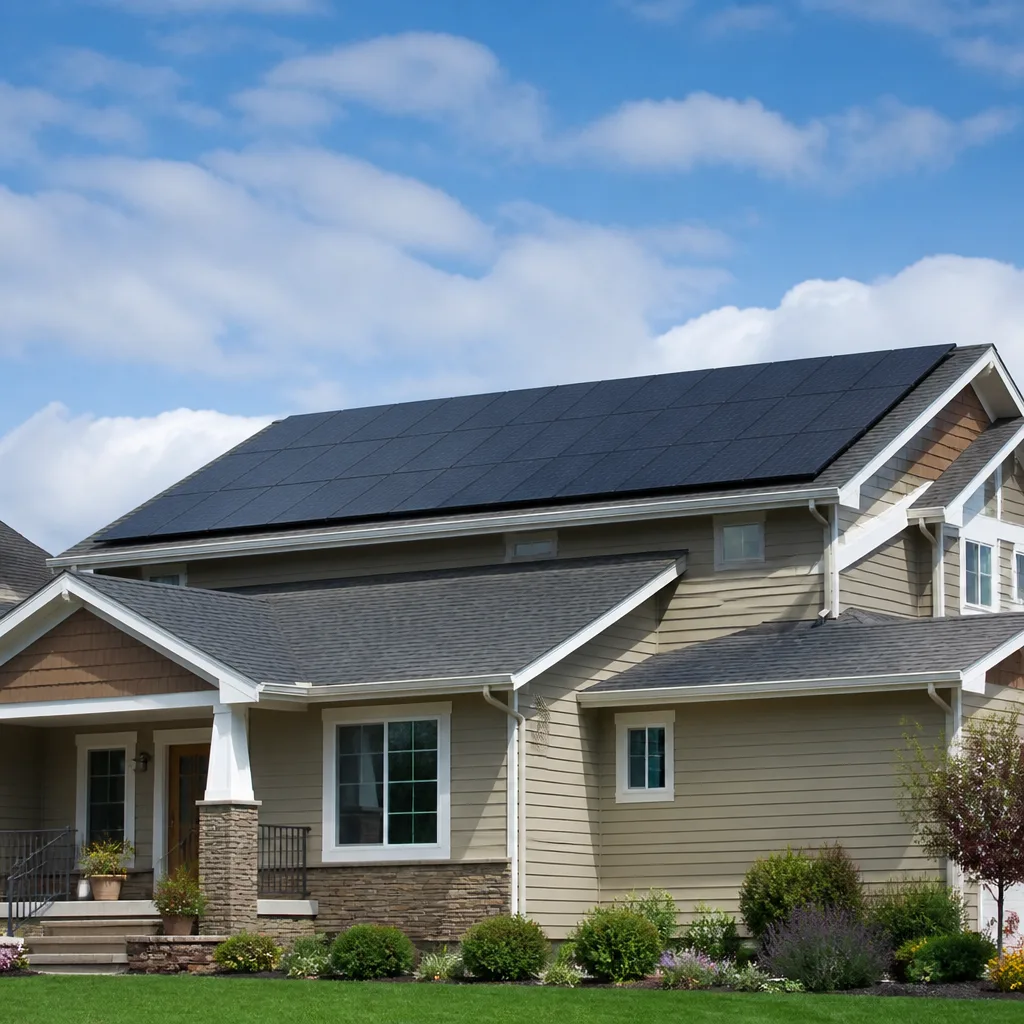
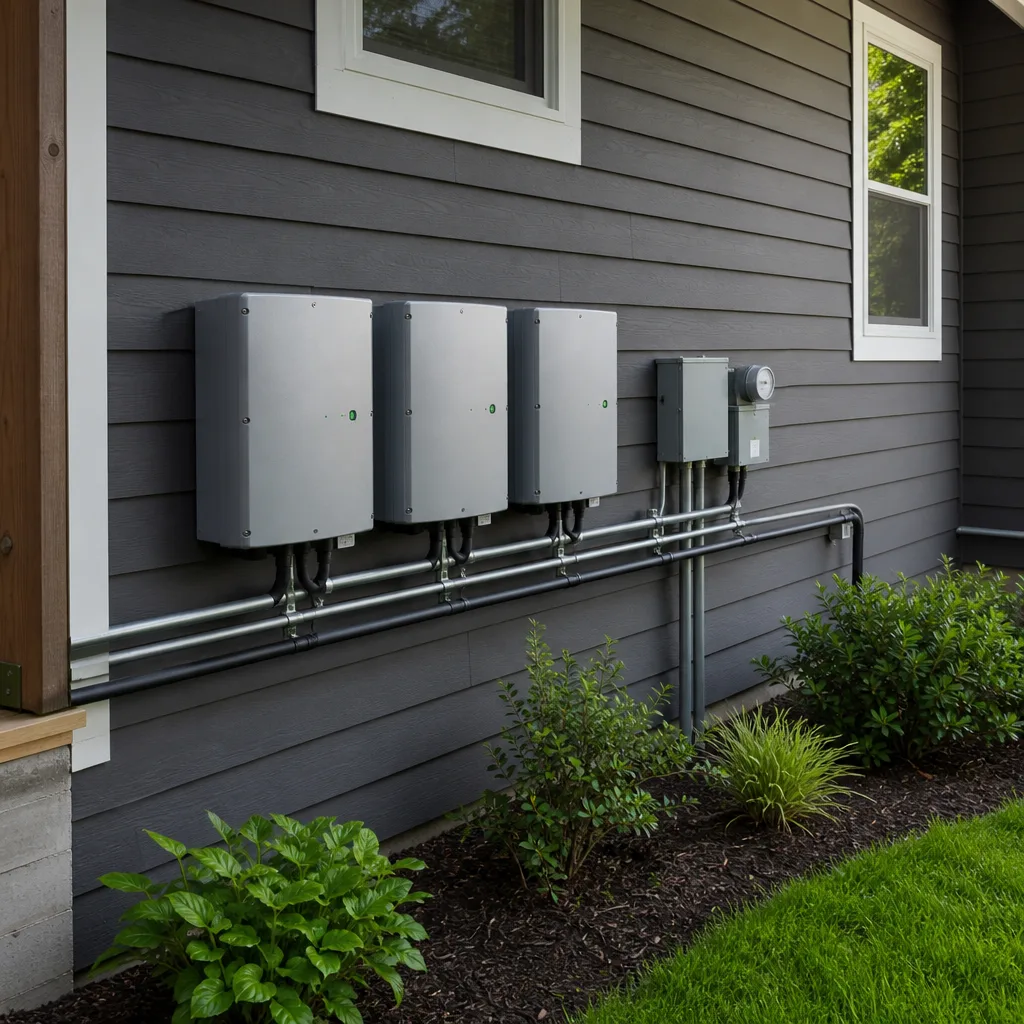
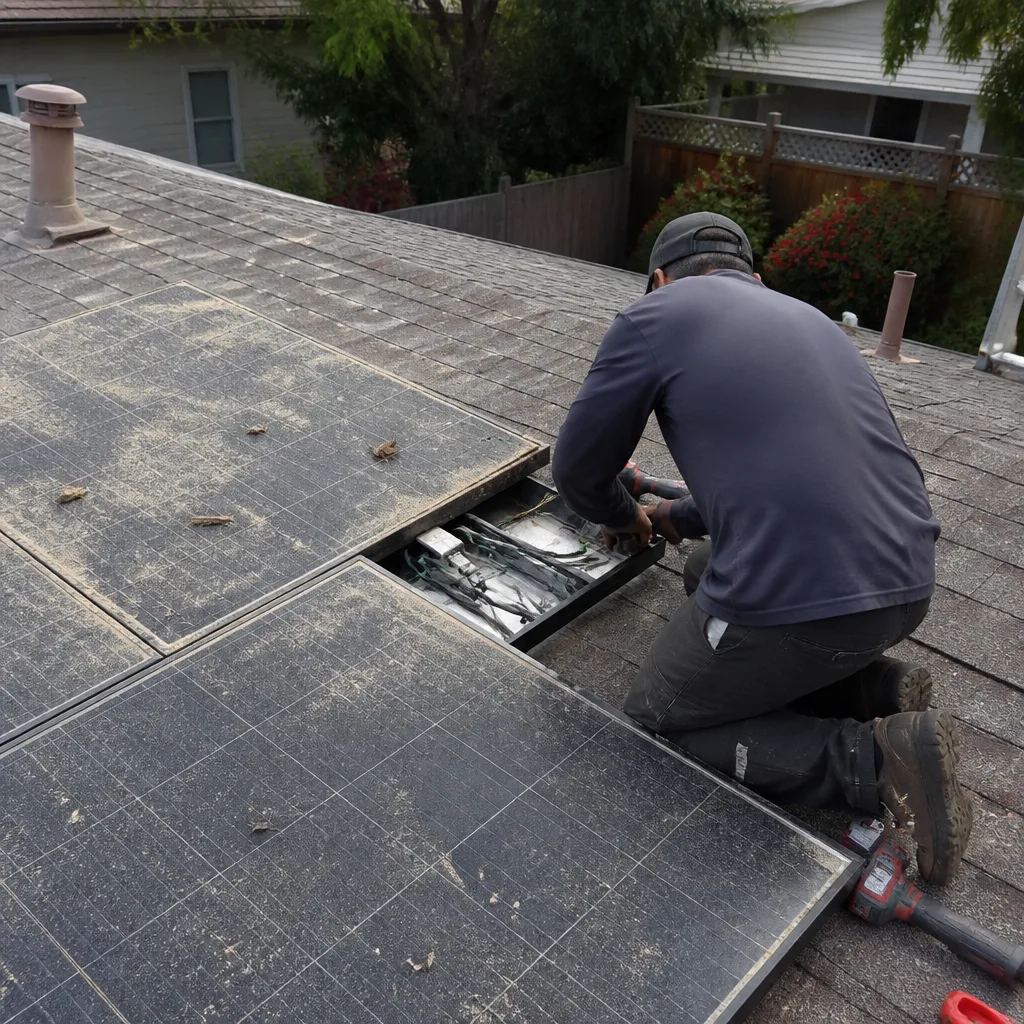 Before
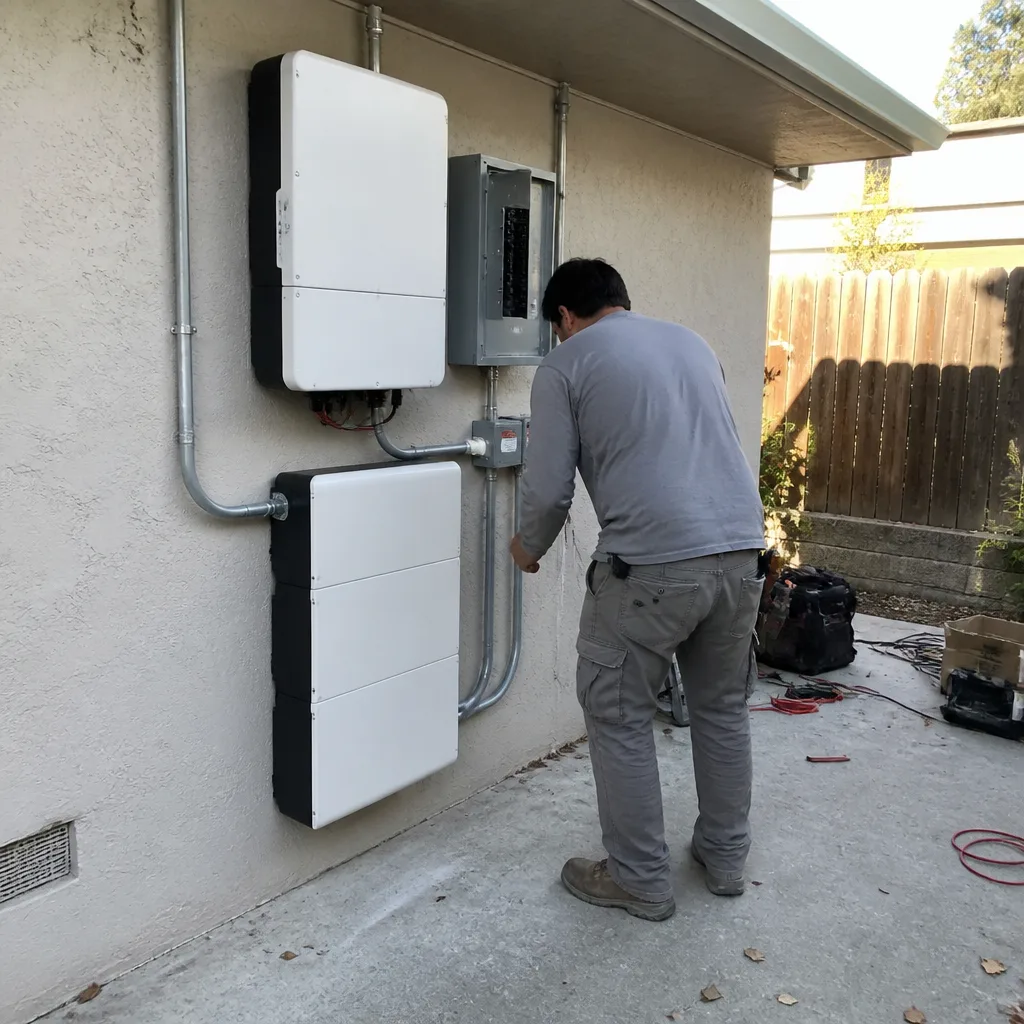 After
After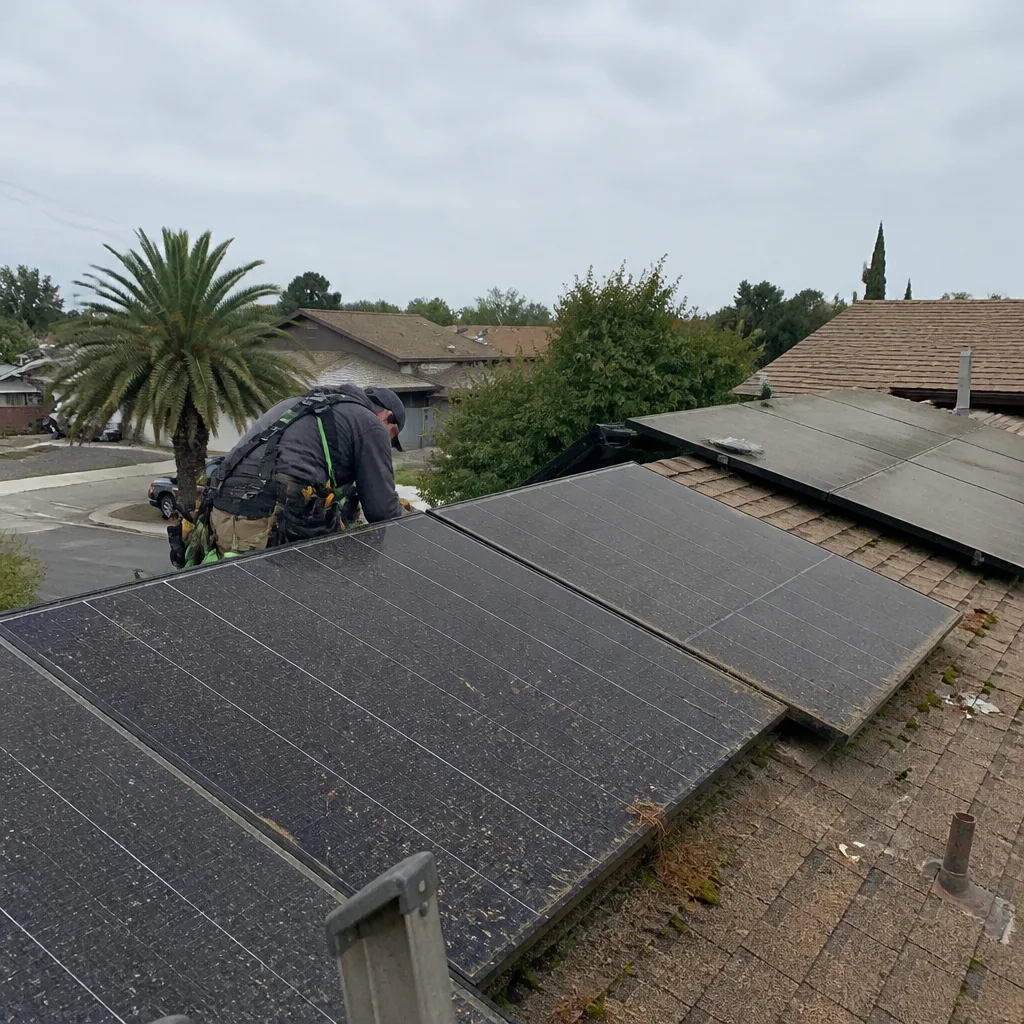 Before
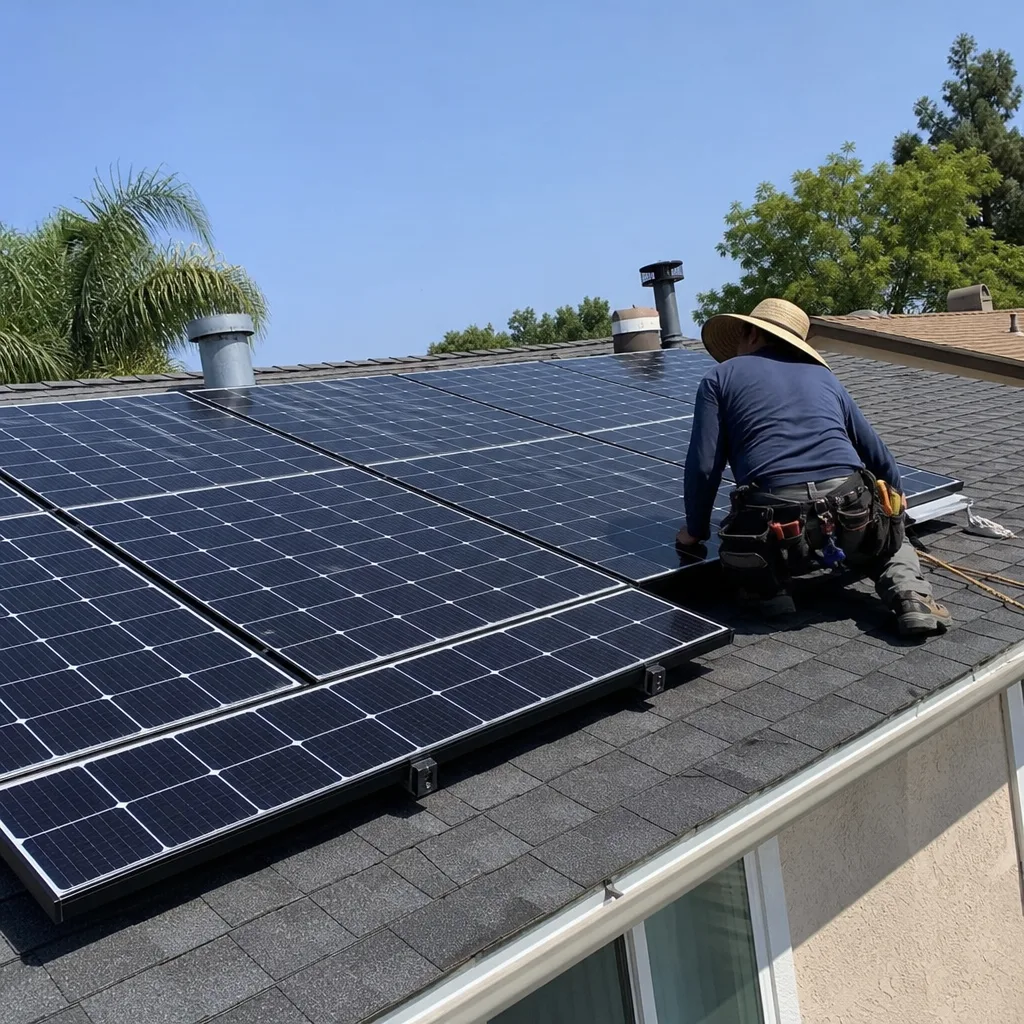 After
After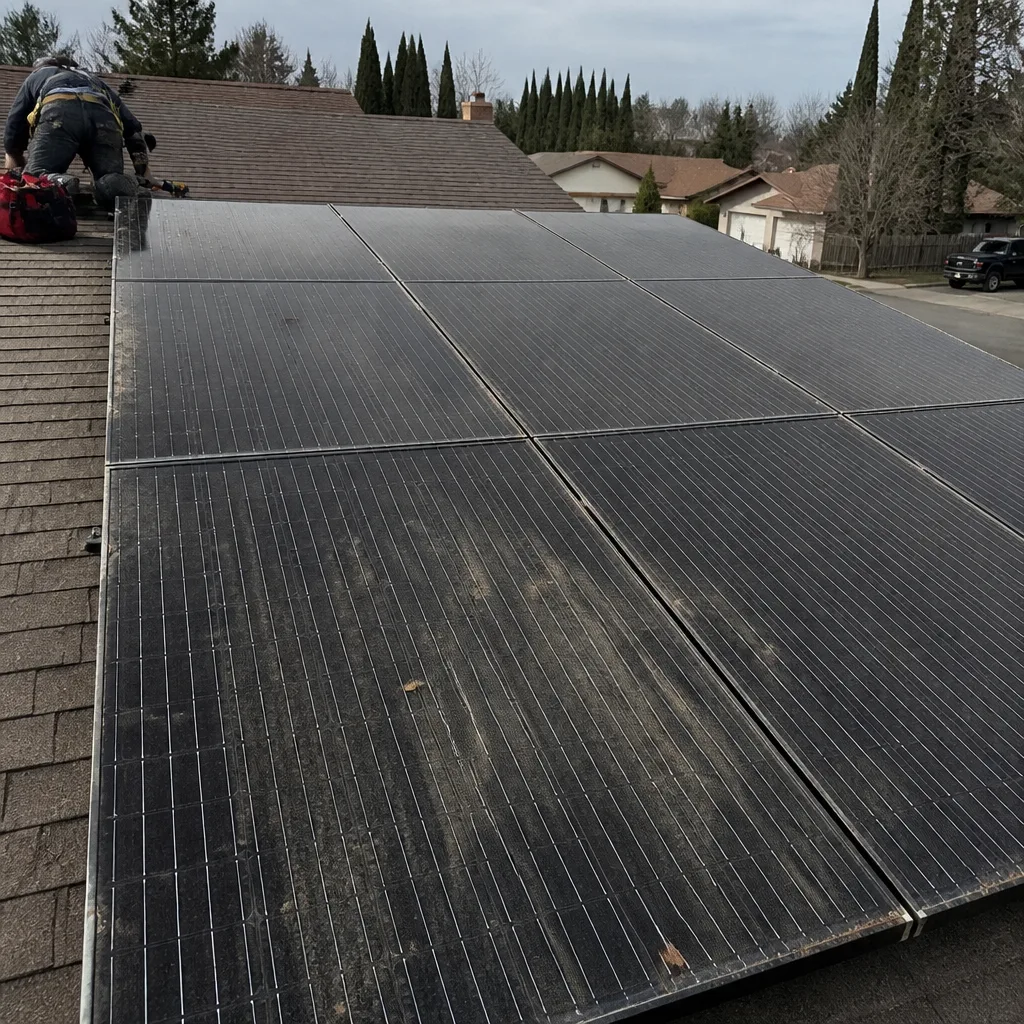 Before
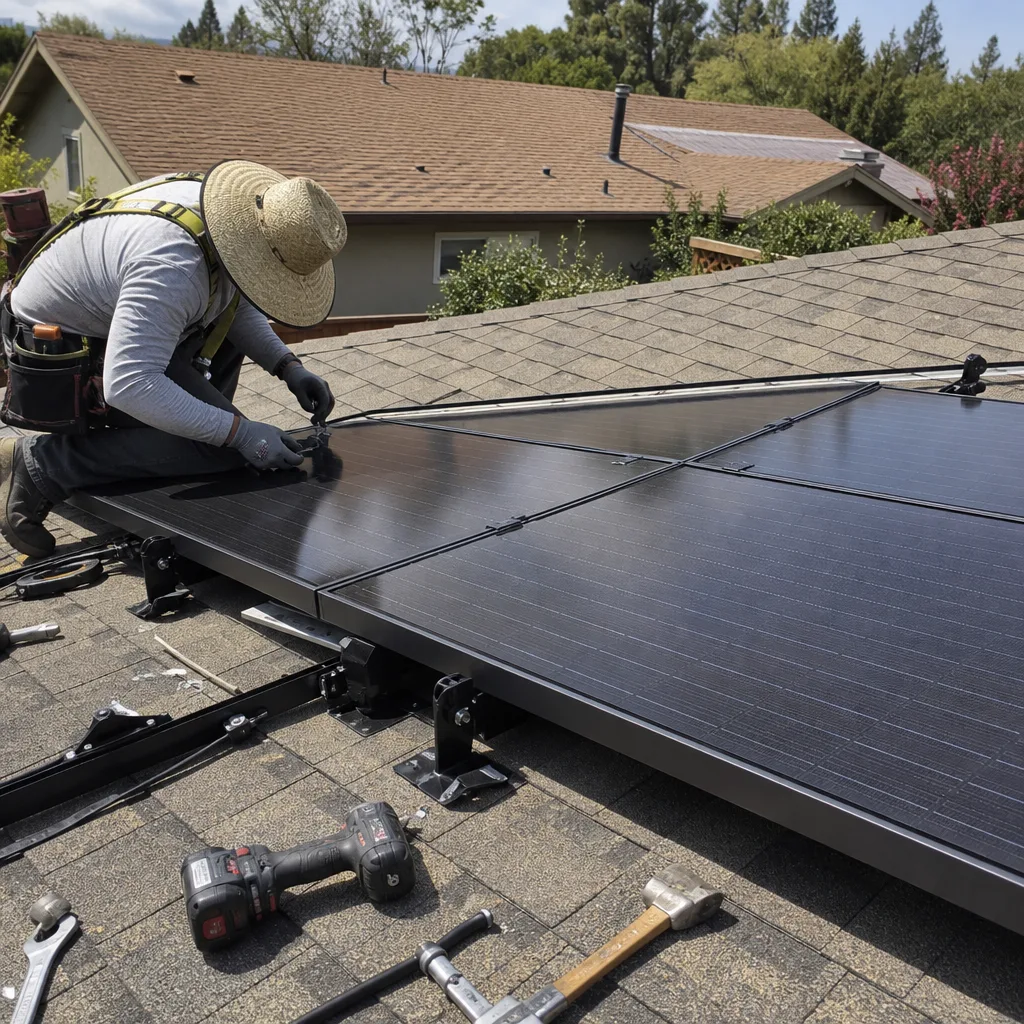 After
AfterSolarEdge Solar Panel Cleaning: The San Jose Owner’s Guide
Professional SolarEdge solar panel cleaning in San Jose typically runs $150 to $400 for a full residential array, and our crew can usually be on your roof within two to three days. If your system’s production has dipped 10 to 20 percent with no error codes on your SolarEdge inverter, dirty panels are the most likely culprit, especially after our dry, dusty summers and the pollen drop each spring. Here’s a straight answer on what cleaning does, what it costs, and when it’s actually worth doing.
Let’s be upfront about something: if your SolarEdge monitoring app shows a specific panel underperforming while its neighbors look fine, cleaning may not be your fix. That pattern usually points to a bad optimizer, a failed panel, or a wiring issue, not dust. But if the whole array is down across the board and San Jose’s dry season just went through one of its long stretches without rain, a good cleaning typically restores most or all of the lost output. We’ve seen systems in Almaden Valley and Evergreen jump 8 to 15 percent in production after a single wash, purely because the pollen and road dust had built up so thick you could write your name in it.
Key Takeaways:
- Expect $150 to $400 for a full residential cleaning in San Jose, depending on roof pitch and array size.
- Deionized water and soft brushes are the standard; hard water from a garden hose leaves mineral spots that shade cells.
- If your SolarEdge app shows one panel dragging while the rest are fine, call us before paying for a cleaning – you might have a hardware issue instead.
- We’re an independent service provider, not affiliated with SolarEdge, and we stock the cleaning supplies and diagnostic tools to do the job right the first time.
Which SolarEdge Models This Applies To
Solar panel cleaning as a service applies to every SolarEdge system regardless of which inverter or optimizer generation you’ve got mounted. That means whether you’re running an older SolarEdge SE5000 with P300 optimizers, a newer HD-Wave SE7600H, or the latest Energy Hub inverter paired with a battery, the cleaning process and the cost are the same. The panels on your roof are what get cleaned, and SolarEdge’s part of the equation (inverters, optimizers, monitoring) just keeps doing its job underneath.
What matters more than your SolarEdge model is the panel brand and age. We’ve cleaned Tesla panels, Panasonic HITs, Qcells, RECs, and Canadian Solar modules on SolarEdge systems all around San Jose, and the process doesn’t change. What does change is how much buildup your particular roof collects. Flat or low-slope roofs in the East San Jose foothills hold dust and pollen worse than steep roofs in Willow Glen because water pools and evaporates instead of running off. Panels with frame lips around the edge trap debris in the corners. If your system was installed before 2018, the anti-reflective coating may be showing its age, and aggressive cleaning can wear it further, so we match our method to the panel’s condition, not just its brand.
One thing to know: cleaning won’t void a SolarEdge warranty. SolarEdge’s warranty covers its electronics, and panel manufacturers have their own cleaning guidelines. Most panel makers recommend deionized or filtered water without harsh chemicals, and that’s exactly what we use. If you’ve got a copy of your panel warranty handy, we’re happy to look it over and confirm your system is safe to clean before we touch it.
Signs Your SolarEdge Solar Panel Cleaning Is Overdue
- System-wide production drop with no error codes: Your SolarEdge app shows every panel making less power than last year at the same time, but the inverter isn’t flagging faults. That’s classic uniform soiling: a layer of dust or pollen stretched evenly across the whole array, cutting light to every cell at once.
- Visible film or streaks on the glass: From the ground or a second-story window, the panels look hazy instead of glossy black. In San Jose, spring pollen coats panels with a yellow-green film that bakes on hard once the heat hits, and it doesn’t rinse off without a proper wash.
- Bird droppings baked onto specific cells: One or two panels showing 20 to 40 percent less output than their neighbors while the rest of the array looks clean. Pigeons in downtown San Jose and starlings near the creeks leave droppings that literally shade individual cells and create hot spots if left through summer.
- You can’t remember the last time it rained, and your panels haven’t been washed since: San Jose gets five to seven months of essentially zero rainfall from late spring through fall. A system that was clean in April will be noticeably soiled by August, and every dry week costs you a little more production.
- Dust lines visible around panel edges and frame corners: The center of each panel sloughs some dust off on its own, but the edges and corners collect a crust. If you see dark outlines framing every panel from the ground, the whole array needs attention. That crust blocks the cell rows along the perimeter and gradually spreads inward.
Replacement Cost & What’s Included
A full professional cleaning for a SolarEdge-equipped home in San Jose runs $150 to $400 for most residential arrays, and that price includes everything: deionized water, soft brushes, a full inspection of the glass and frames while we’re up there, and a production check against your SolarEdge monitoring data when we’re done. The spread comes down to three things: how many panels you have (a 12-panel starter system costs less than a 32-panel roof), how steep or complicated your roof is, and whether we need to remove heavy debris like tree sap or bird staining.
| Array Size | Typical San Jose Price | What’s Included |
|---|---|---|
| Up to 15 panels | $150 to $200 | Deionized water wash, soft brush, frame inspection |
| 16 to 25 panels | $200 to $300 | Full wash, glass inspection, optimizer connection check |
| 26+ panels or steep roof | $300 to $400 | Full wash, bird dropping treatment, production report |
There’s no hidden add-on. The number we quote over the phone is the number on your invoice, and if you’ve got a system we installed or maintain, we already know your roof and your array, so we can often quote it sight unseen. If this is the first time we’ve been to your house, we’ll do a quick roof walk before we start, confirm the panel count and pitch, and tell you the exact price before we touch a panel. Like everything else we do in San Jose, it’s backed by our 90-Day Done Right Promise: if the job isn’t right, Gus makes it right.
DIY or Call Us?
You can safely check a few things yourself: open your SolarEdge app and look for panels running way below the rest, step outside and eyeball the glass for visible film or bird damage, and note how long it’s been since the last real rain. But we strongly recommend keeping your feet on the ground for the actual cleaning. A wet roof is a fall risk even on a single-story ranch, and the instinct to hold a pressure washer up at the panels leads to cracked glass, water driven under the frames, and voided panel warranties. Garden hoses leave hard water spots across San Jose that shade cells the same way dust does, so the wash itself has to be deionized water or you’re just trading one light blocker for another.
Here’s what I’d do if it were my roof: I’d check the monitoring data, verify the panels actually look soiled, then call (877) 550-6892 and let us handle it. Our crew is background-checked, uniformed, and has cleaned hundreds of SolarEdge systems in San Jose without a single cracked panel or fall. It’s a $150 to $400 job that restores real production, and it’s done in an afternoon. Not worth the risk or the scratched glass.
FAQs
Once a year is enough for most San Jose homes, ideally late spring after the pollen season wraps up. If you live near a busy road, under a flight path, or next to open fields that kick up dust, twice a year makes sense. We’ll tell you honestly if your panels don’t need it yet when you call.
Cleaning is a maintenance task, not a replacement. The panels themselves are fine; they just need the glass cleared. If cleaning doesn’t restore production, that points to an optimizer or panel failure, and we’ll diagnose that separately using your SolarEdge monitoring data. Call (877) 550-6892 and we’ll talk through what the app is showing before you spend anything.
Most residential arrays in San Jose take 30 minutes to an hour once we’re set up, and the whole visit runs under two hours including setup and the post-clean production check. Larger arrays or steep roofs add time, but it’s always a same-day job.
We bring everything: deionized water system, soft brushes, extension poles, and fall protection. You don’t need to buy or provide anything. We also carry replacement optimizers and stock parts for SolarEdge, Tesla, Enphase, and Qcells systems, so if we find a hardware problem while we’re up there, we can often fix it on the spot.
Written by Gus Petrakis, Owner, Gus’s Solar at Gus’s Solar, serving San Jose and nearby areas.