
Free bill analysis - bring a power bill, get the production math for your actual roof, panel brands like Qcells and REC compared side by side
If the pitch starts at your door and ends with "sign tonight for the special," sleep on it. The sun will still be there tomorrow; so will we.
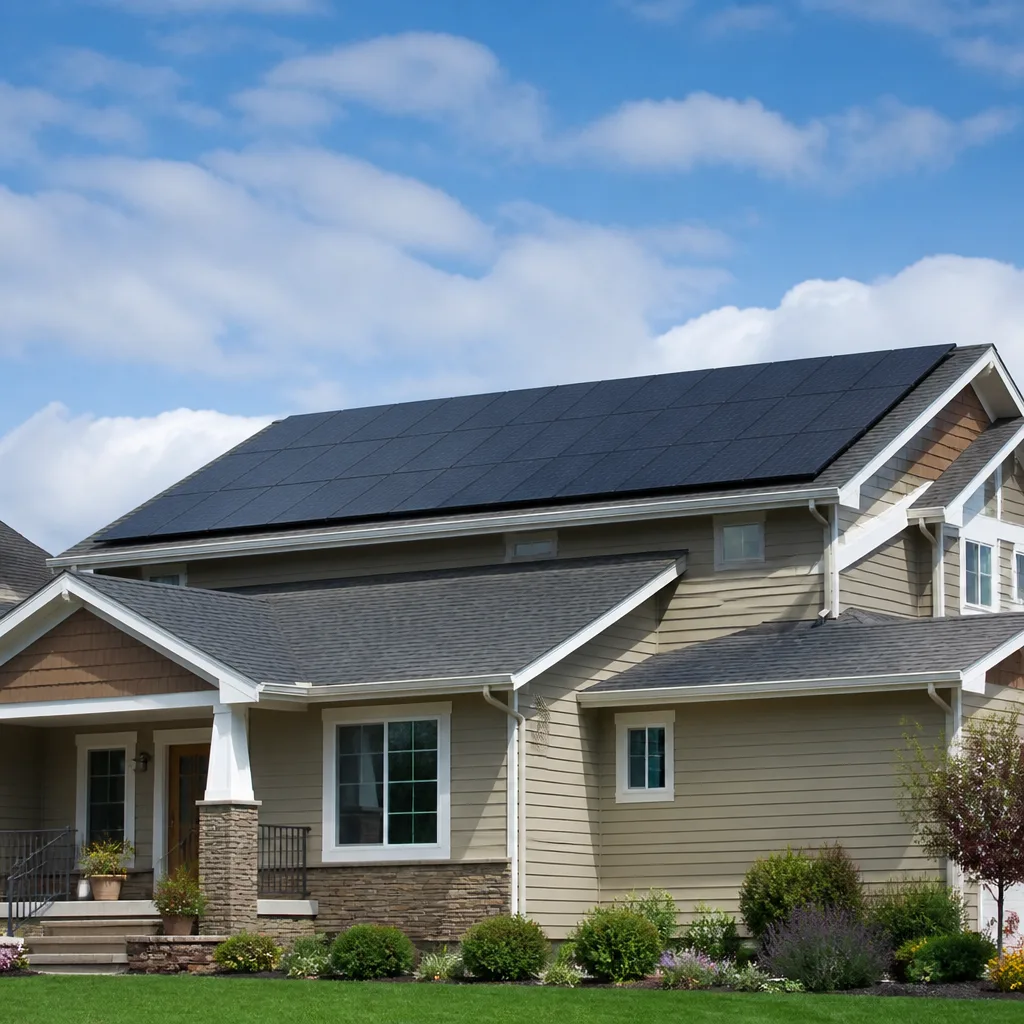
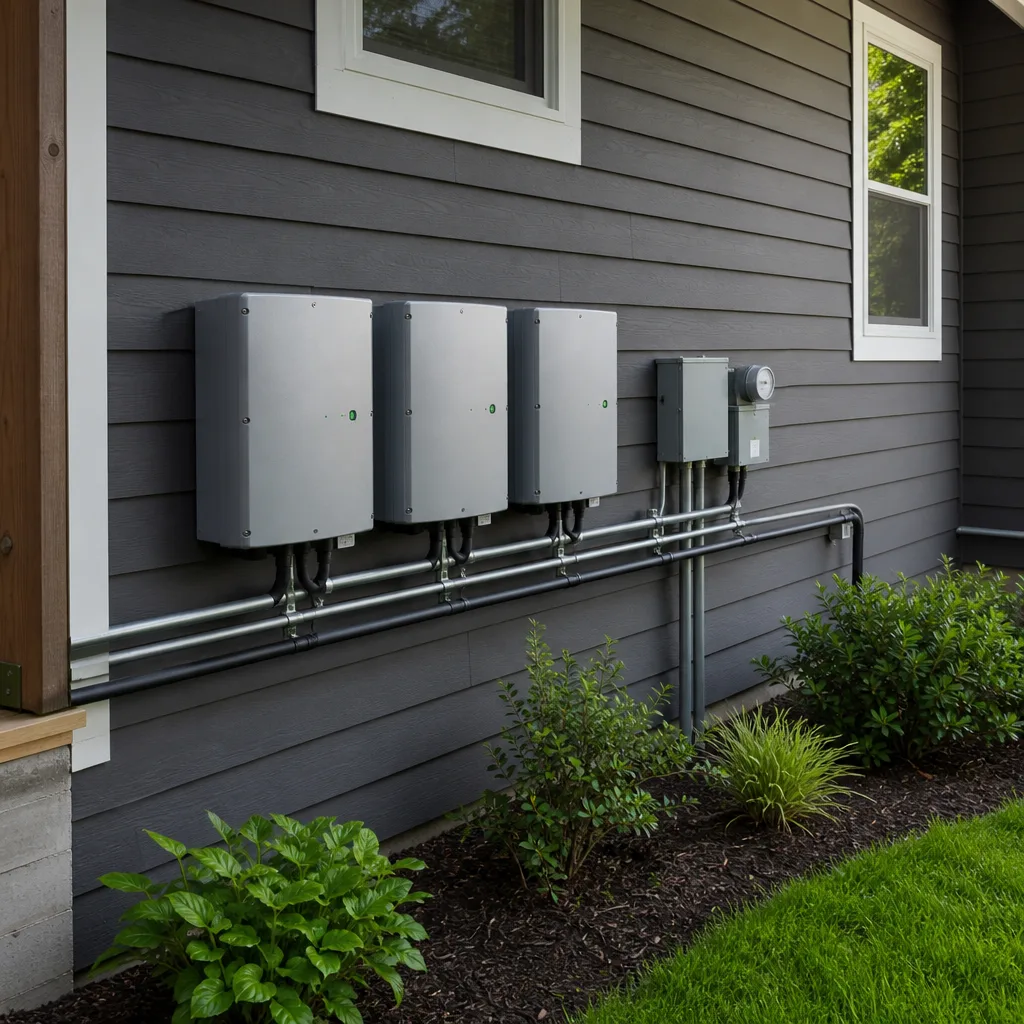
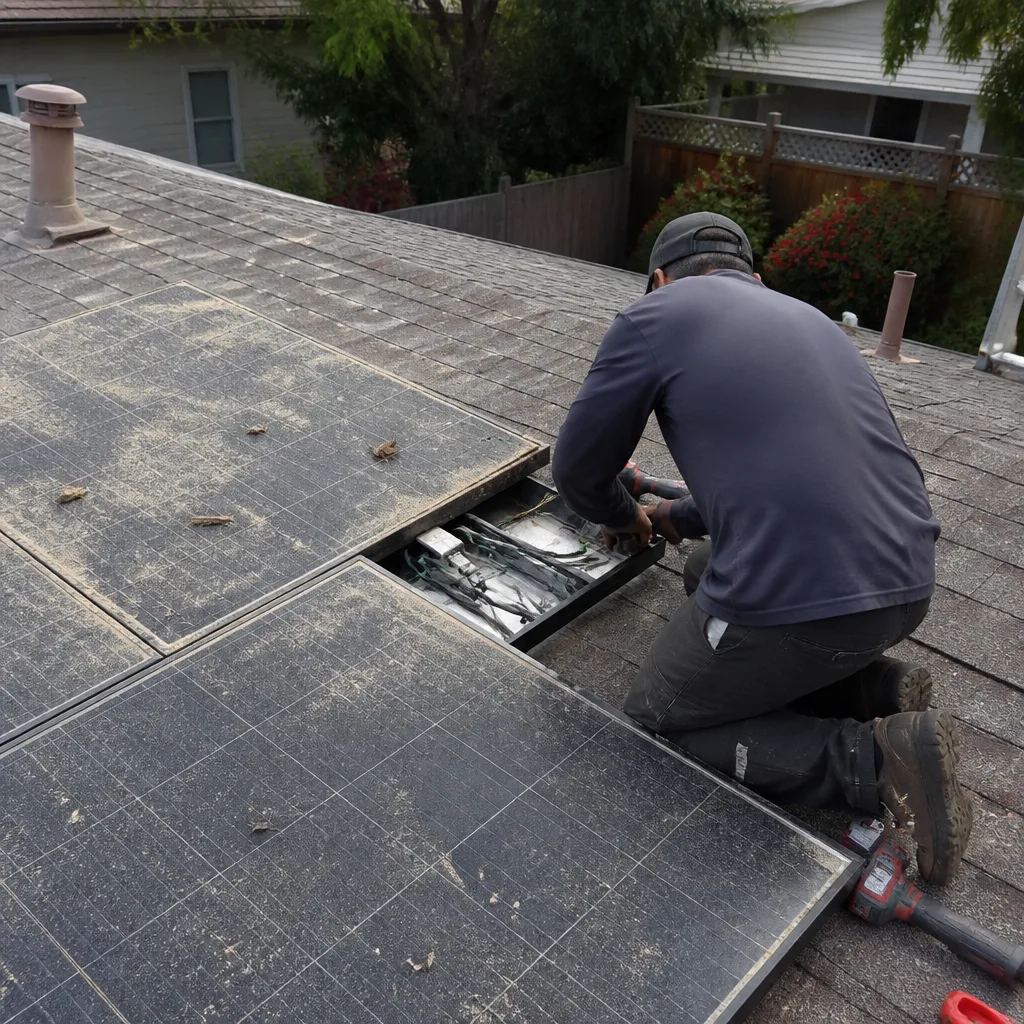 Before
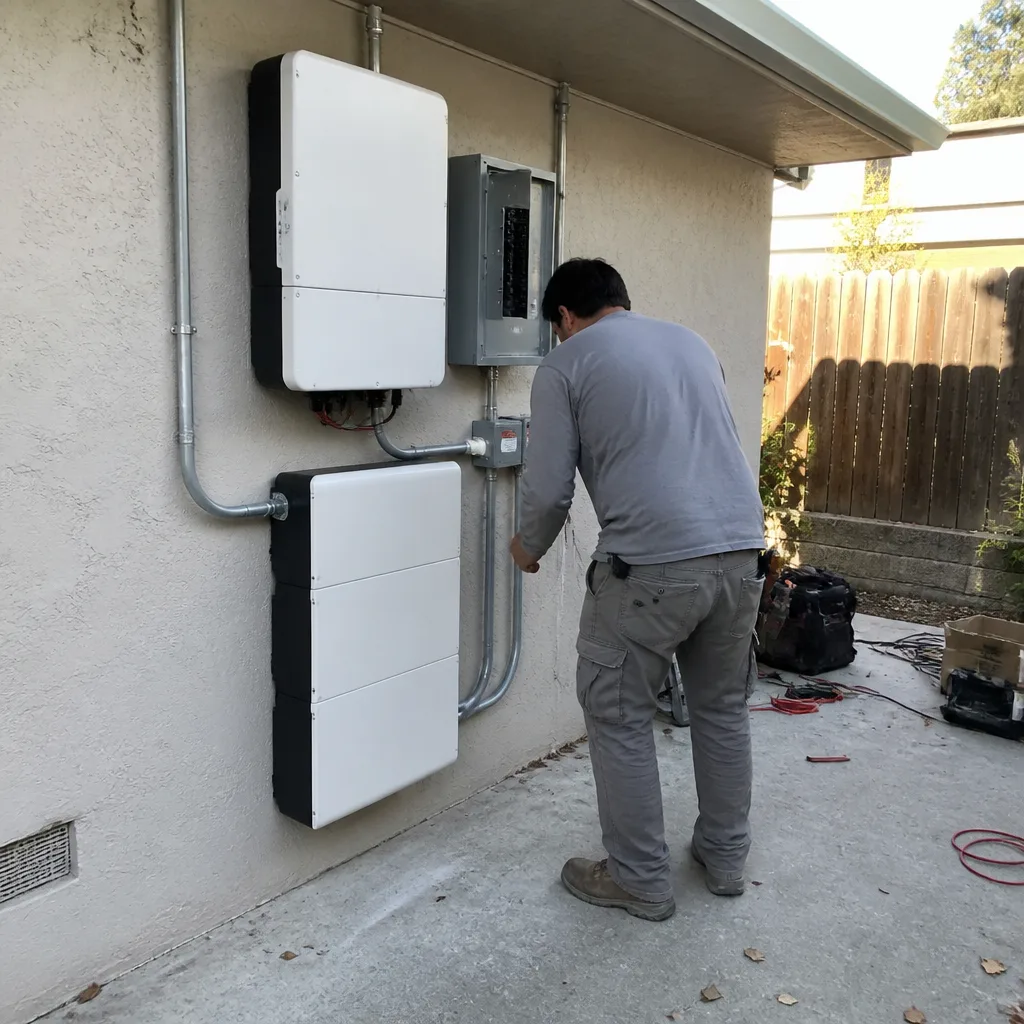 After
After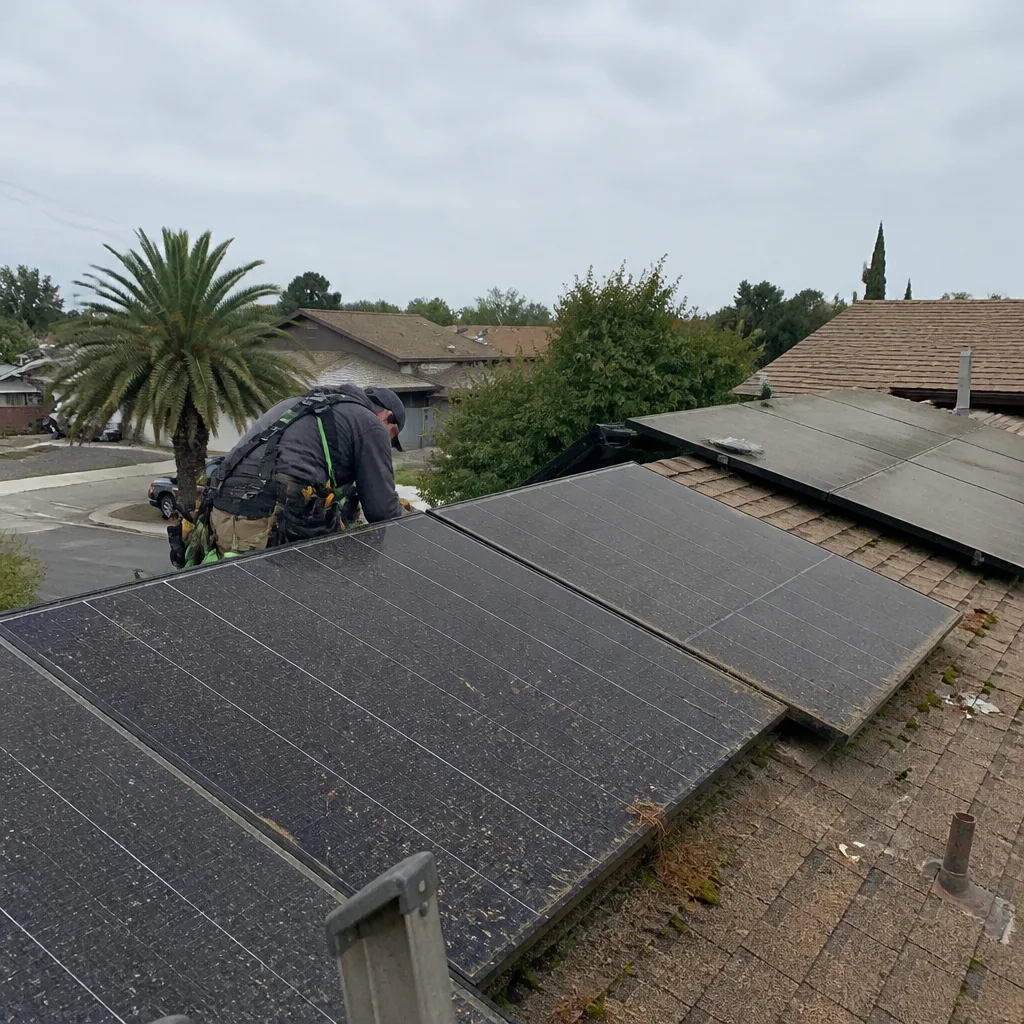 Before
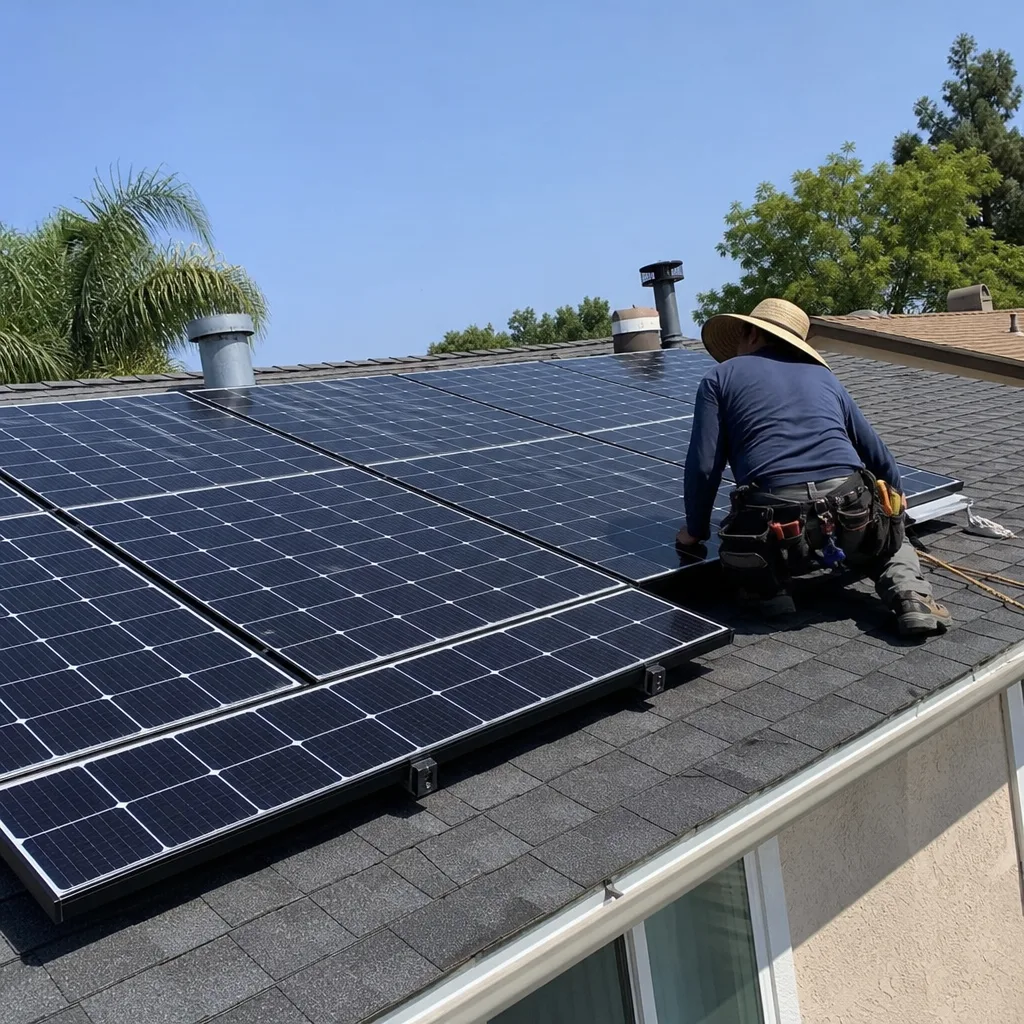 After
After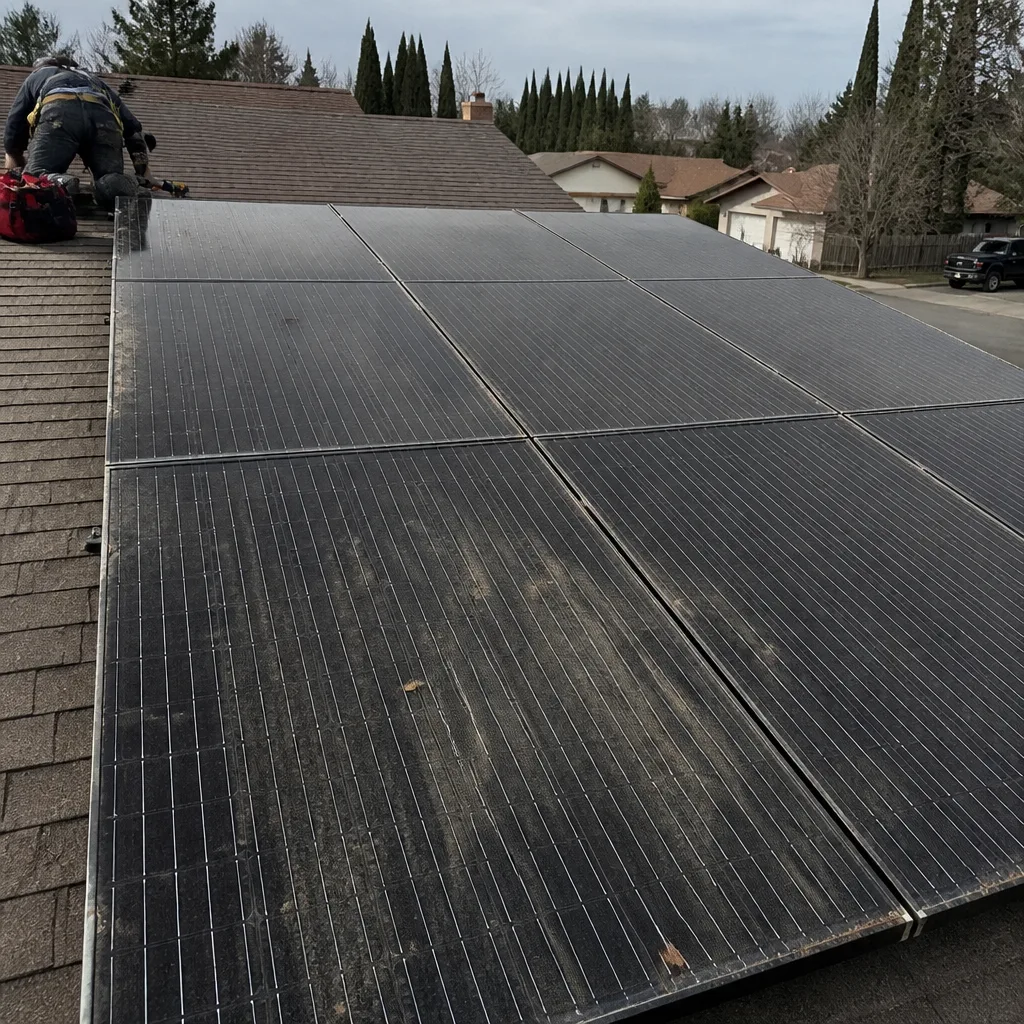 Before
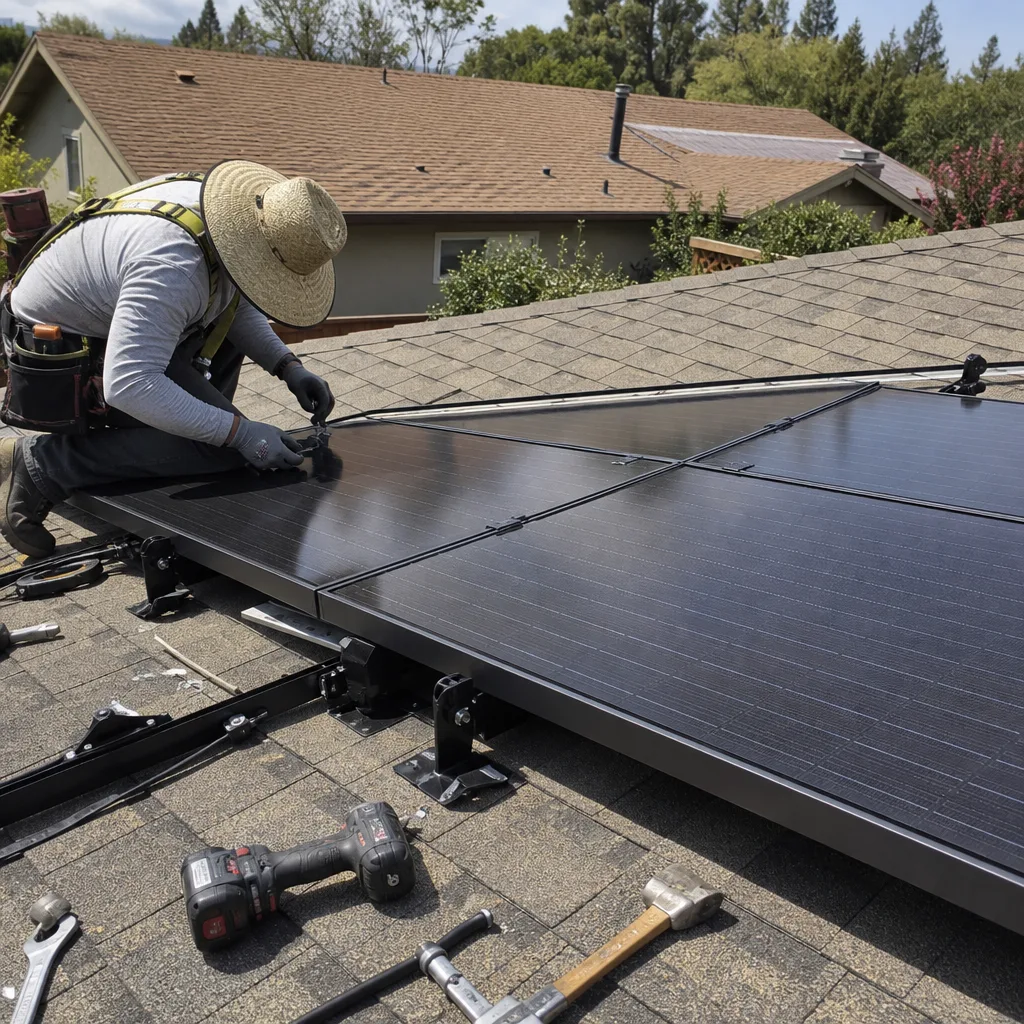 After
AfterSolarEdge Solar Battery Storage & Backup: The San Jose Owner’s Guide
If your SolarEdge battery has stopped holding charge or your inverter is throwing error codes, we stock the common replacement parts and can usually have your system back online the same week. A full SolarEdge battery replacement in San Jose typically runs between $8,500 and $13,500 installed, depending on whether you have the original Energy Bank or the newer Home Battery 400V. Most folks discover the problem the hard way: a high PG&E bill, a red light on the inverter, or an app that suddenly shows the battery sitting at 0% while the panels are producing fine. Gus Petrakis has been straightening out SolarEdge systems across the South Bay for over a decade, and we’ve learned that the fix is usually faster and less expensive than the homeowner expects, once someone actually looks at the equipment.
Which SolarEdge Models This Applies To
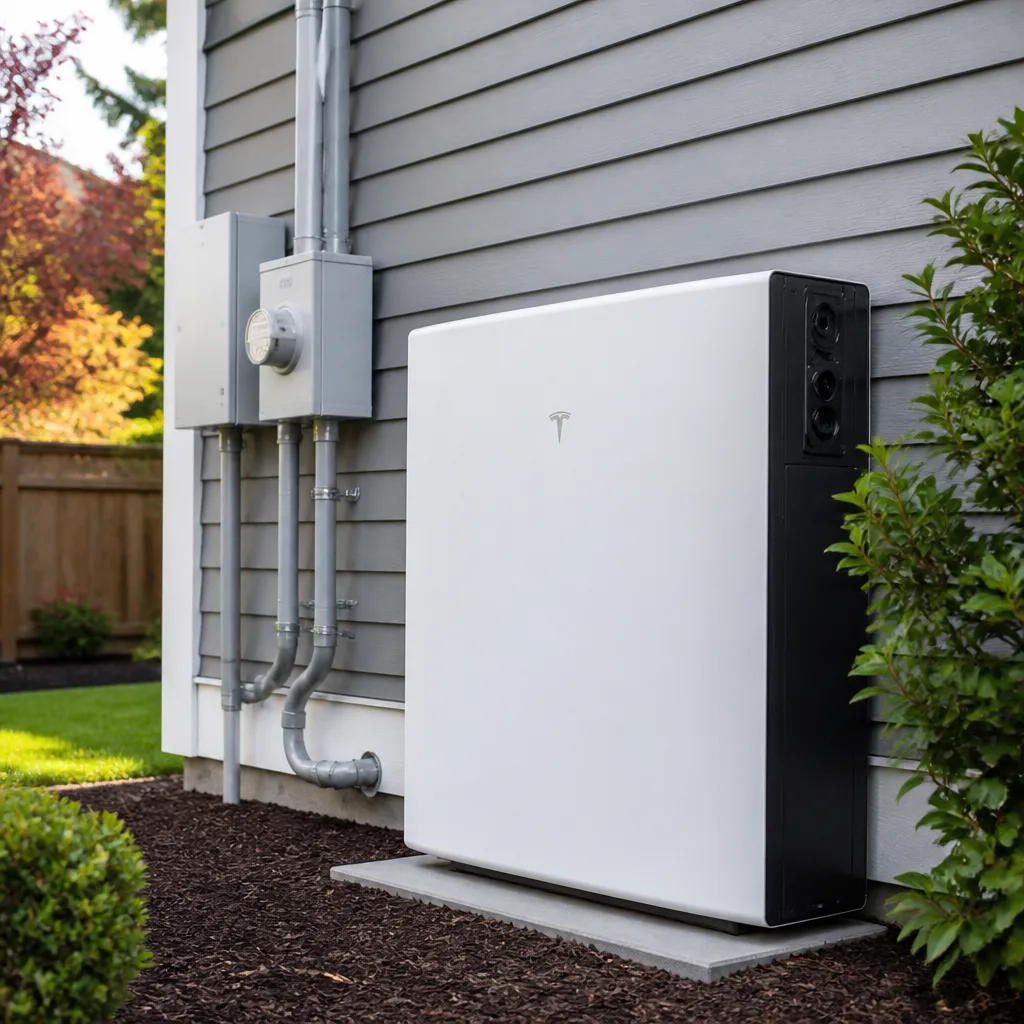
SolarEdge has made three main battery lines that show up in San Jose homes, and each one has its own compatibility quirks. The original Energy Bank pairs with the StorEdge inverter and uses a 400V DC connection. The Home Battery 400V is the second generation, a floor-mounted unit that works with the Energy Hub inverter. The newest Home Battery 48V needs a separate DC-to-DC converter, and here’s the gotcha: it will not talk to an older StorEdge inverter no matter what adapter you try. That compatibility mismatch is the number one reason we get called out, and it’s rarely caught by the original installer. As an independent shop, Gus’s Solar is not affiliated with SolarEdge, but we work on their gear every week and stock the factory parts alongside quality aftermarket equivalents where they make sense. For the battery management system boards and the internal DC contactors, we always recommend OEM. For the smaller stuff like fuses, disconnect switches, and cooling fans, a good aftermarket part does the job fine and saves you money.
Signs Your SolarEdge Solar Battery Storage & Backup Is Failing
- Battery won’t charge above a certain percentage. This usually points to a failing cell module inside the battery cabinet. In San Jose’s summer heat, we see this more often on units installed on west-facing garage walls where afternoon temperatures climb past 110°F.
- Inverter shows error code 18xB7 or 18xB8. These are SolarEdge’s codes for battery communication loss. Sometimes it’s a loose CAN bus cable, sometimes it’s a dead battery management board, and the only way to know is a service call with the right diagnostic tool.
- App shows the battery draining to zero overnight even with low household load. That’s a sign the battery’s internal resistance has climbed past the point of useful capacity. A battery that should hold 10kWh but only delivers 4kWh is on borrowed time.
- Audible buzzing or clicking from the battery cabinet. The contactors inside the battery click when they engage. If you’re hearing it constantly, a contactor is sticking or the battery management system keeps trying to reset itself.
- Backup mode fails to engage during a PG&E outage. You won’t know this one until you need it, which is exactly when you need it. If your system was installed before 2020, it may never have been tested under real outage conditions. We test every system we service, including a simulated grid-down check.
Replacement Cost & What’s Included
In San Jose, a full solar battery storage and backup replacement for a SolarEdge system lands between $8,500 and $13,500 installed. Here’s the breakdown:
- Home Battery 400V unit: $7,000 to $9,500 for the battery itself
- Installation labor: $800 to $1,400 depending on the existing wiring and disconnect setup
- Permit and PG&E interconnection paperwork: $200 to $400
- Old battery removal and recycling: we include it at no extra charge
The main thing that moves the price is whether your current inverter can talk to the new battery or whether you’re also replacing the inverter. Grid-tied systems could squeeze by with the old electrical panel capacity in 2015. Today’s code often requires a main panel upgrade when adding storage. That’s an extra $2,500 to $5,000, and any honest quote should tell you that before you sign. Gus quotes the year-25 output, not the day-one brochure number, which means we’d rather tell you the real all-in cost up front than surprise you mid-job. Every battery job we do comes with our 90-Day Done Right Promise in writing.
DIY or Call Us?
SolarEdge batteries run at 400 volts DC or higher. That is not a “watch a YouTube video and give it a go” situation. A 400V DC arc can kill you, and it can keep burning long after the system is shut off. What you can safely do: check your inverter’s error codes on the app, make sure the battery’s breaker hasn’t tripped, and document what the system was doing before it failed. What you should not do: open the battery cabinet, probe any terminals, or bypass the rapid shutdown. Even the factory service manual says the internal capacitors need time to discharge, and that’s a job for someone with the right training and the right insulated tools. Here’s what I’d do if it were my roof: call us, describe the error code, send a photo of the inverter screen, and let us bring the right part on the first trip. You can reach the shop 24/7 at (877) 550-6892, and a live person answers, not a voicemail.
FAQs
Figure 10 to 15 years for the Home Battery lines before capacity degrades enough that you’ll notice it on your bill. Heat is the enemy. In San Jose, batteries installed in uninsulated garages or west-facing exterior walls lose measurable capacity by year 8. Shaded side yards and ventilated utility rooms are where we see units still holding 80% at year 12. Call (877) 550-6892 and we’ll give you an honest read on your unit’s health before you spend anything.
Sometimes, yes. The battery management board, the DC contactors, and the cooling fans are all replaceable parts on the Home Battery 400V, and replacing a $400 board beats buying a $8,000 battery. Cell degradation, though, is not repairable. Once a cell module fails, the whole unit is done. We’ll tell you which situation you’re in before we order anything.
Most SolarEdge battery replacements in San Jose take 4 to 6 hours on site, including the old battery removal, new battery install, commissioning, and a full backup-mode test. If we need a permit modification or a panel upgrade first, that adds the inspection timeline, but the physical swap itself is a one-day job.
We keep the common service parts on the truck: management boards, contactors, fuses, and cooling fans for the Energy Bank and Home Battery lines. Full battery units we pull from our local distributor, usually same-week for the Home Battery 400V. We do not hand the work off to a sub, and we do not ask you to sign anything before we show you the written price. Call (877) 550-6892 and we’ll check our van before we even hang up.
Written by Gus Petrakis, Owner, Gus’s Solar at Gus’s Solar, serving San Jose and nearby areas.