
Free bill analysis - bring a power bill, get the production math for your actual roof, panel brands like Qcells and REC compared side by side
If the pitch starts at your door and ends with "sign tonight for the special," sleep on it. The sun will still be there tomorrow; so will we.
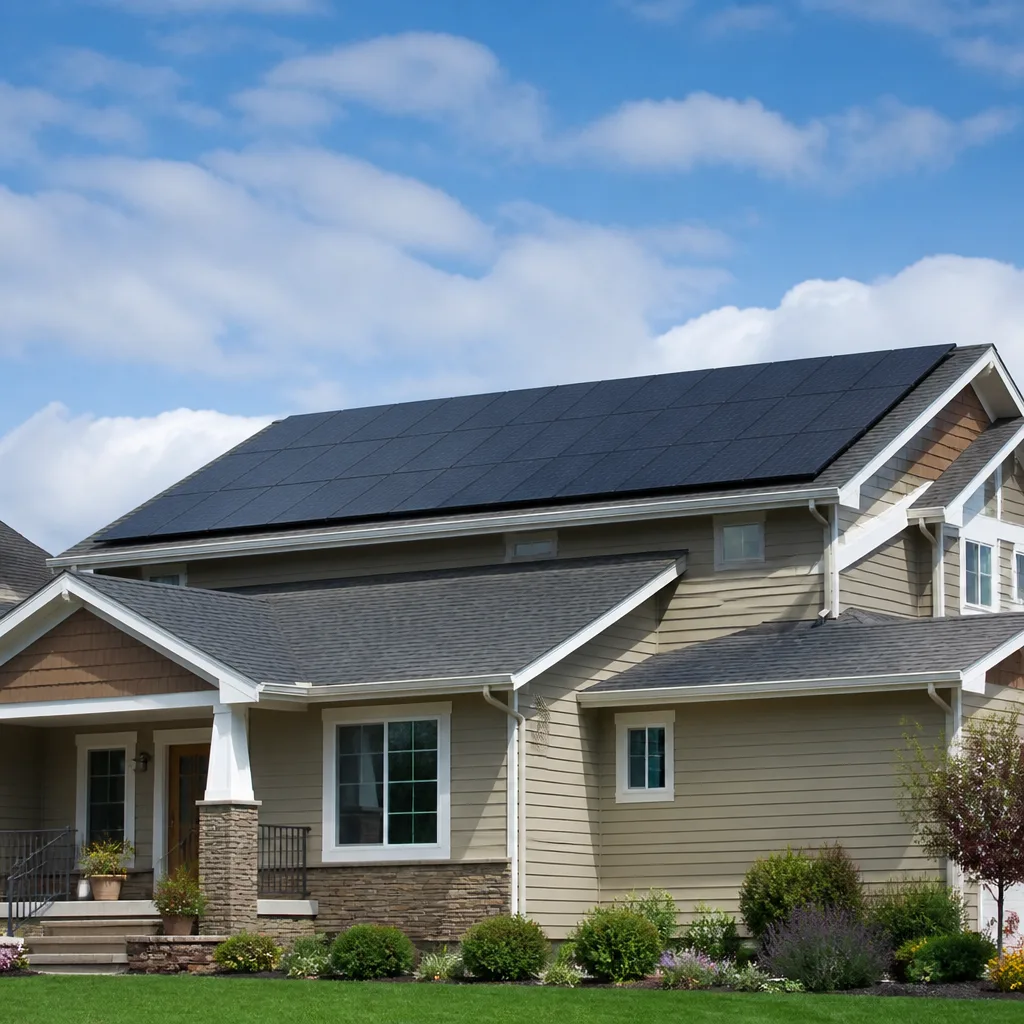
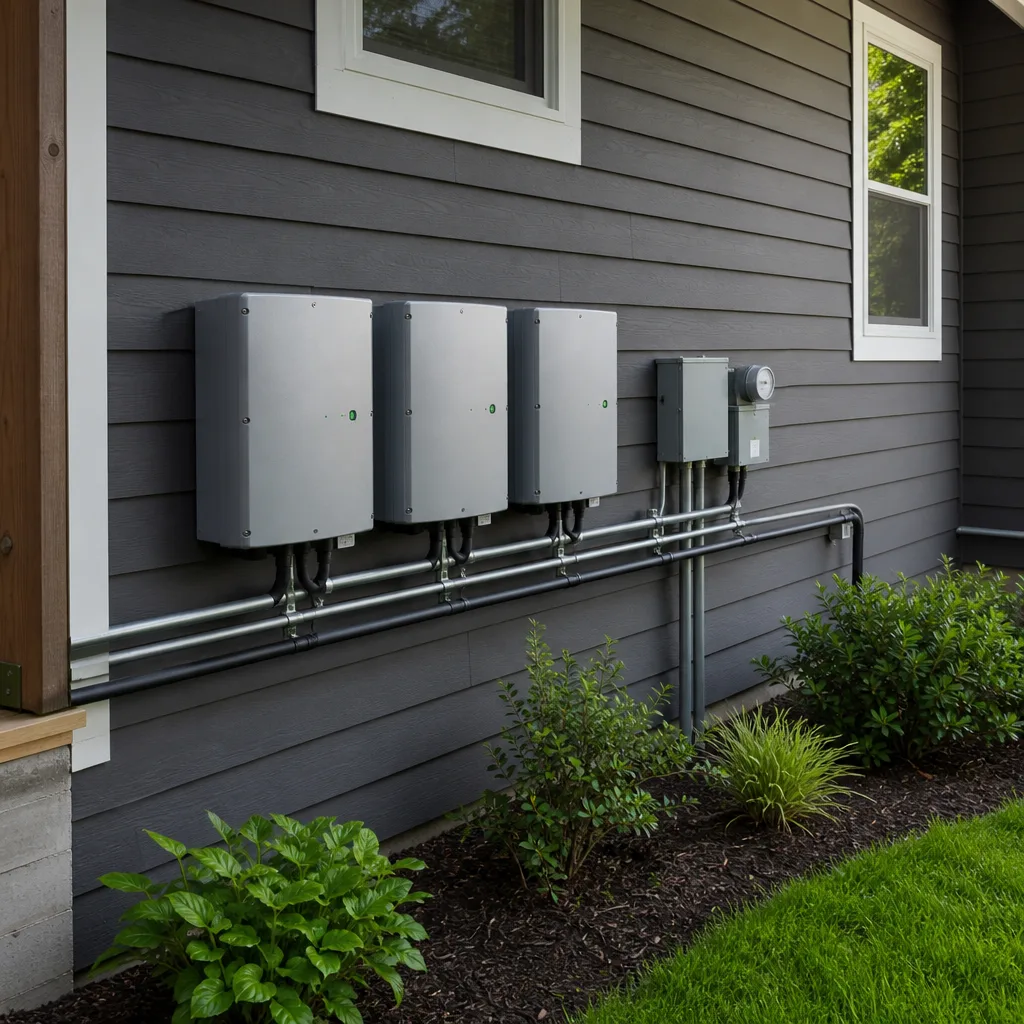
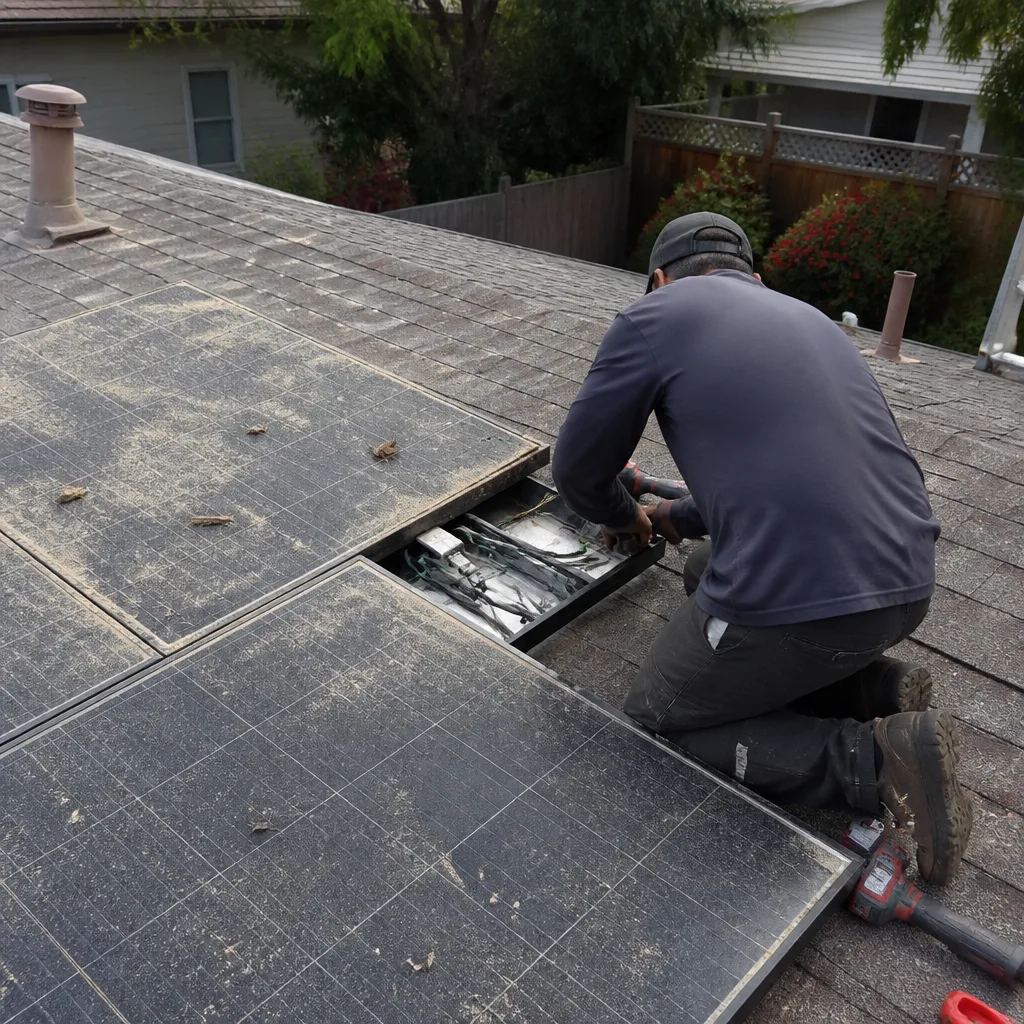 Before
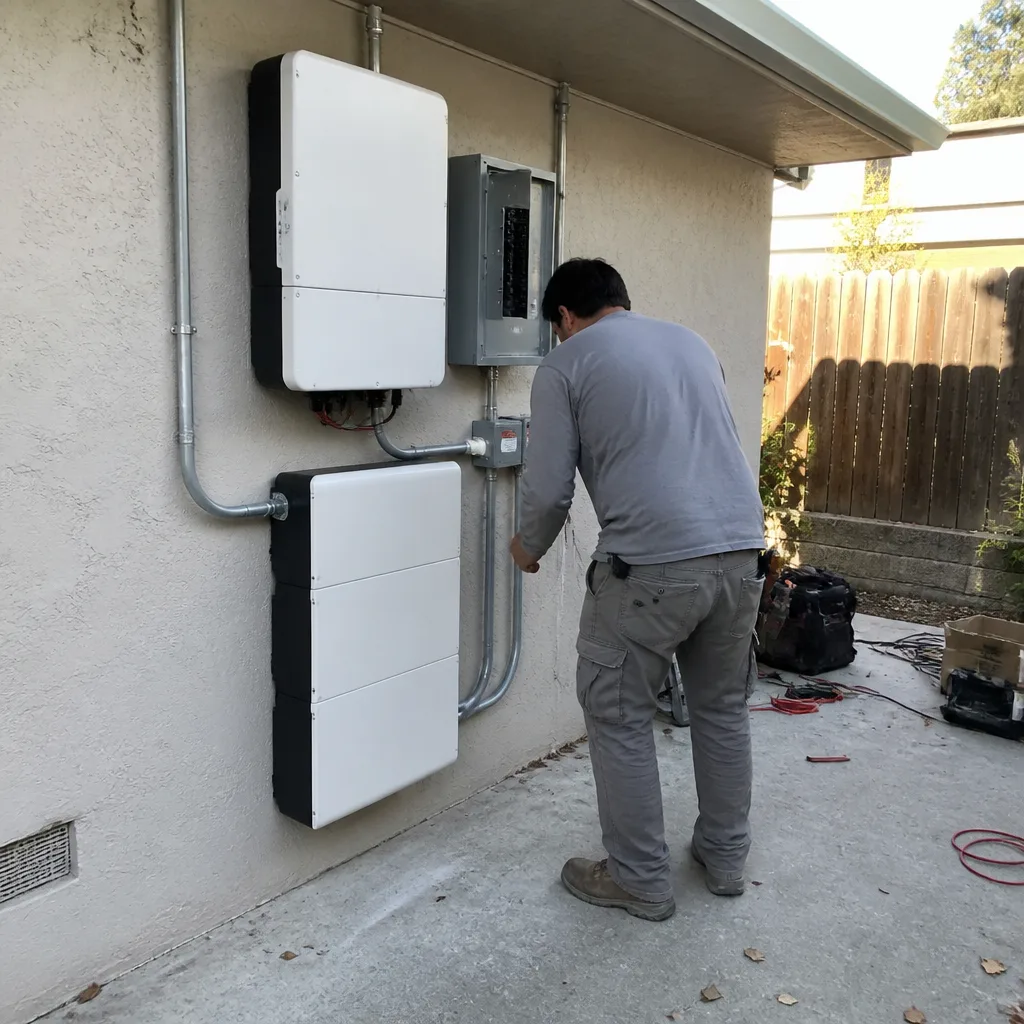 After
After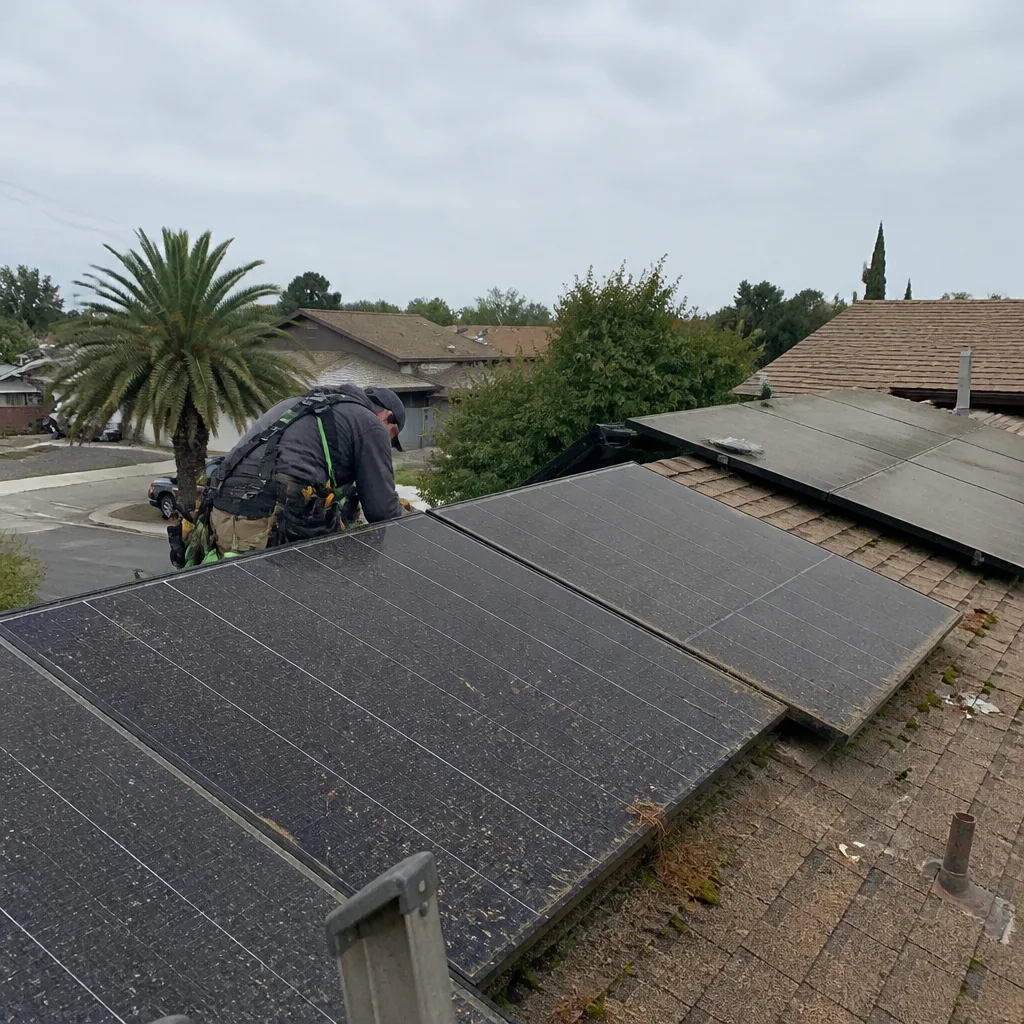 Before
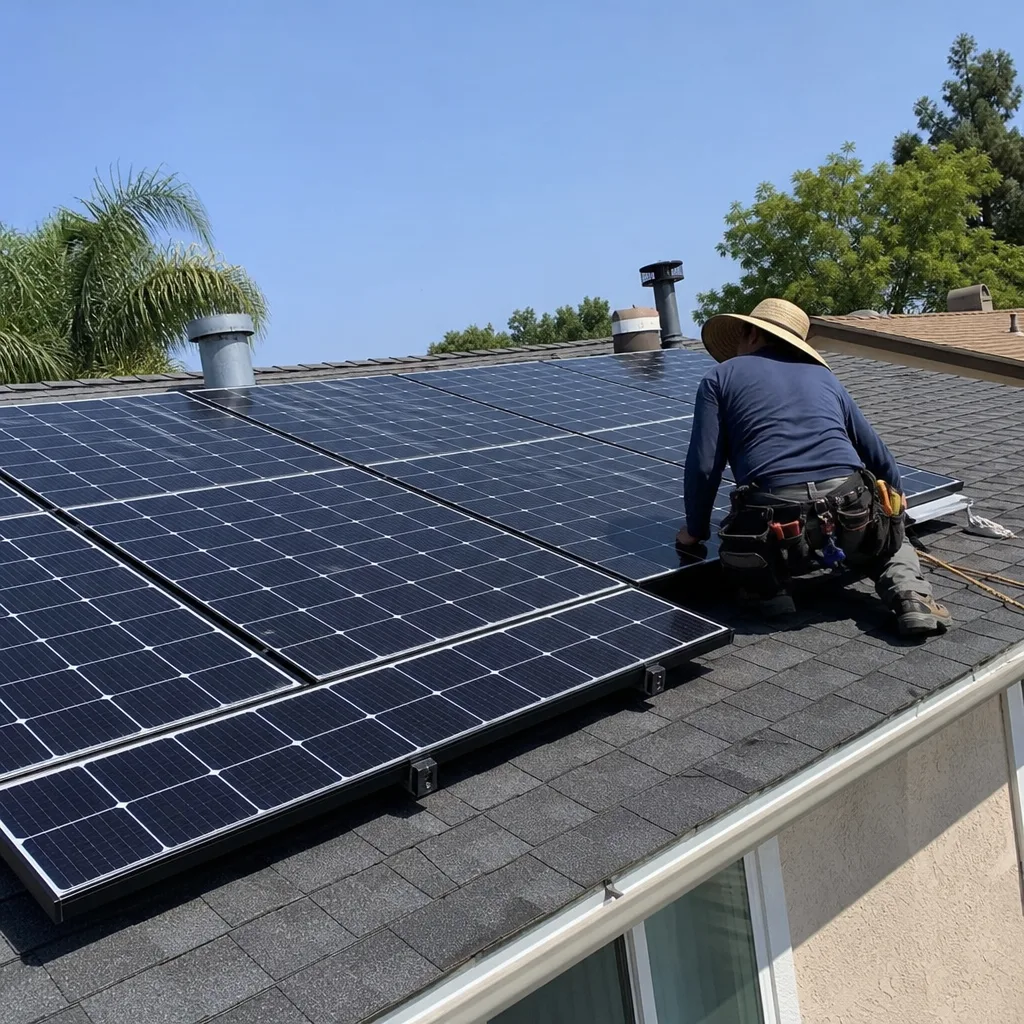 After
After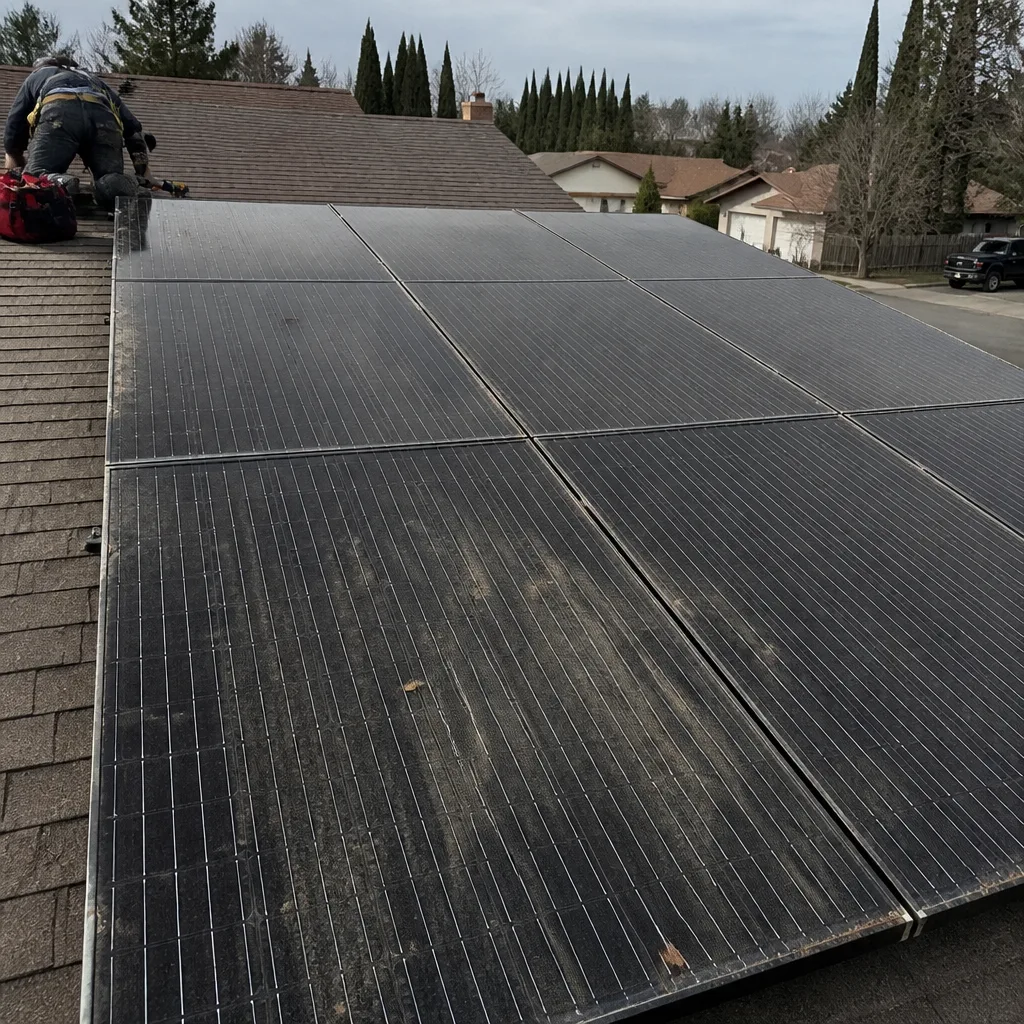 Before
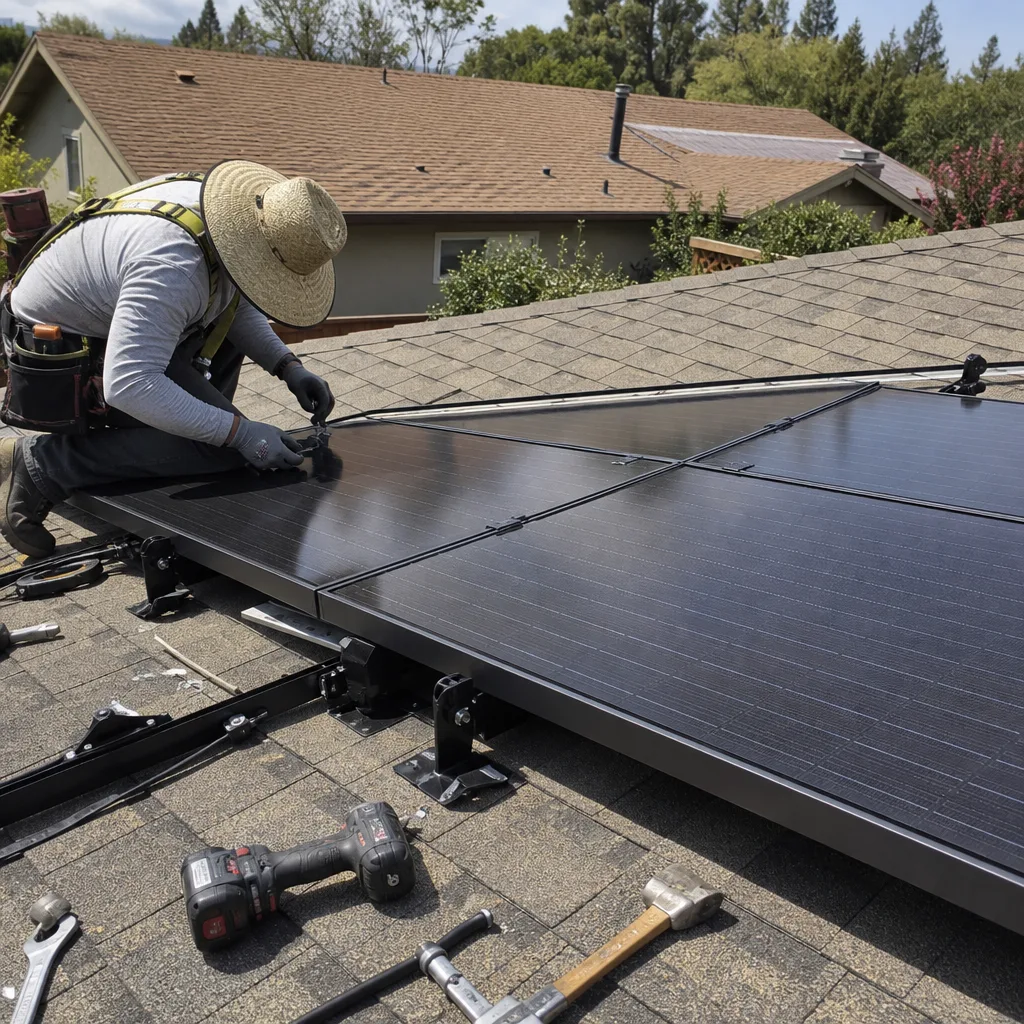 After
AfterQcells Solar Panel Installation: The San Jose Owner’s Guide
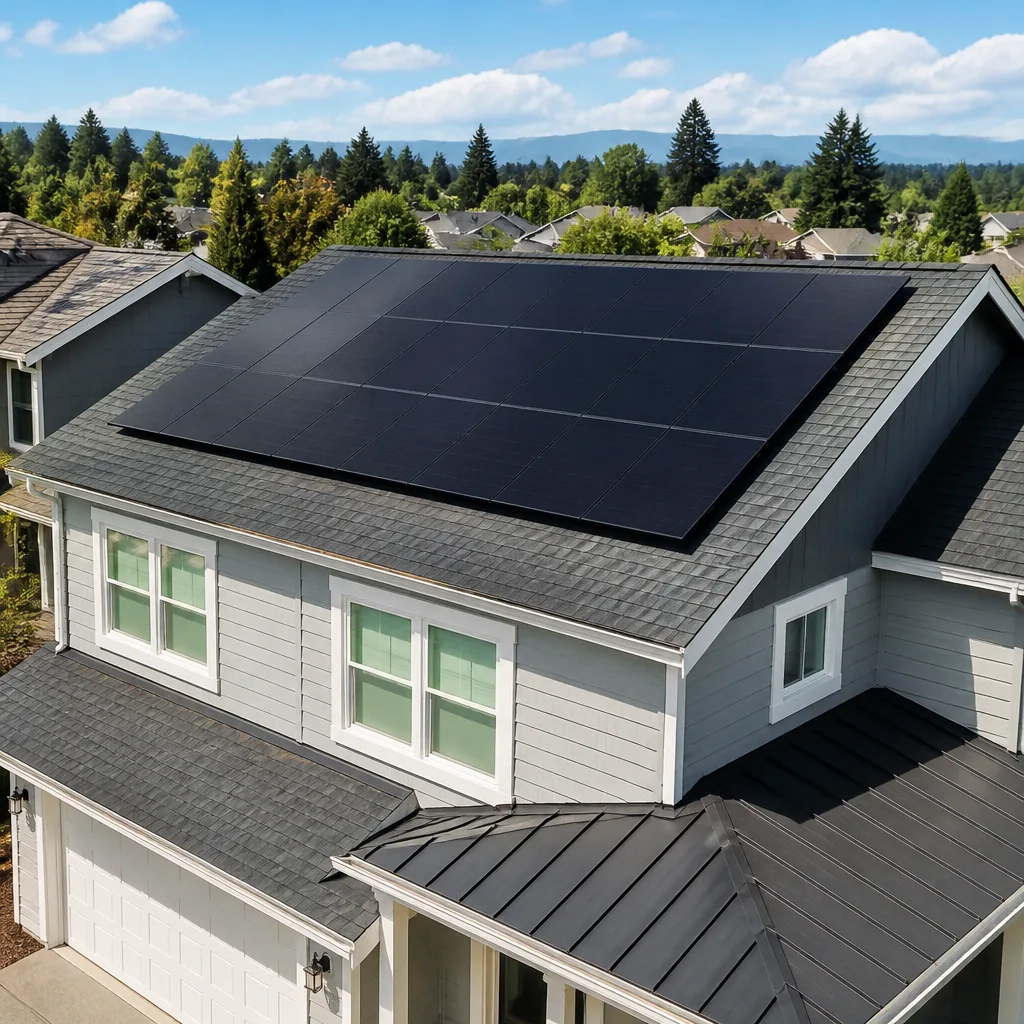
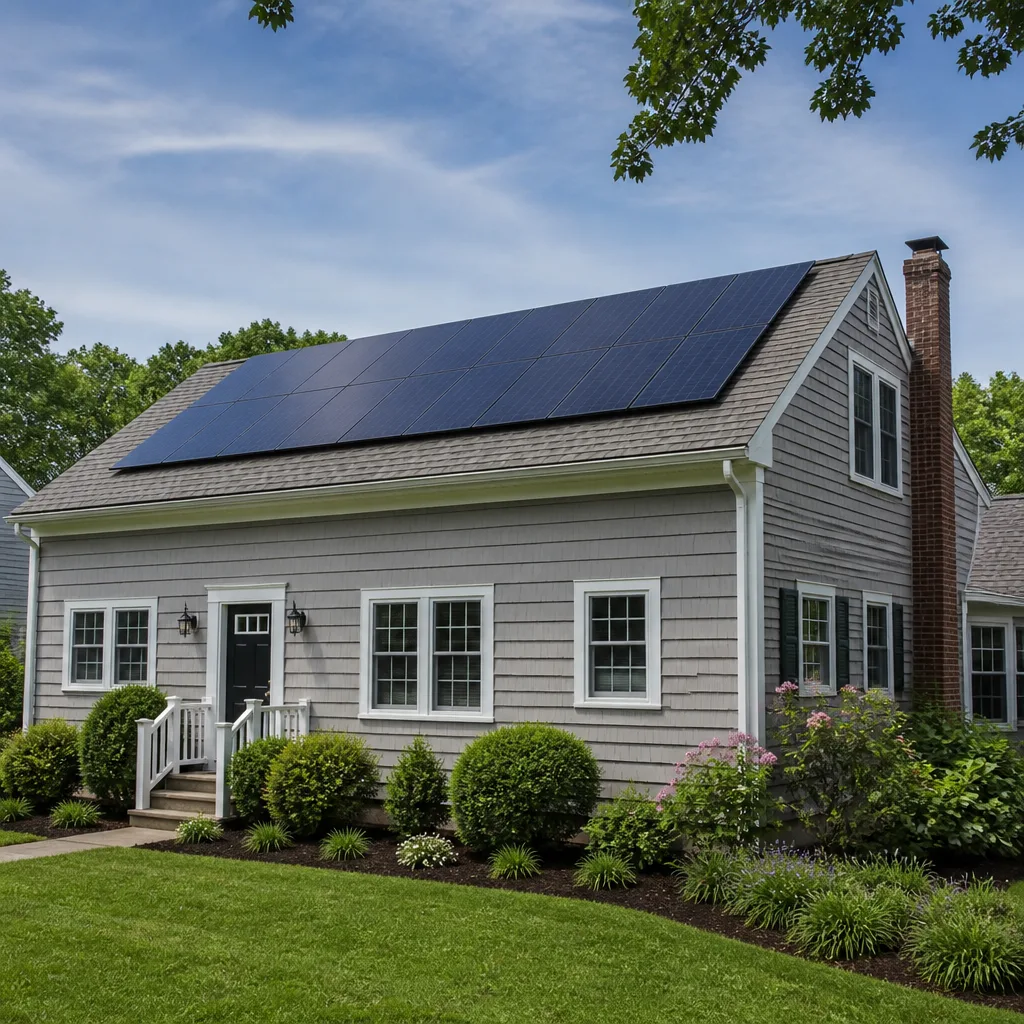
Qcells solar panel installation in San Jose typically runs $2.95 to $3.60 per watt as a full system install, while adding or replacing individual Qcells panels on an existing array lands between $550 and $900 per panel including labor, mounting hardware, and wiring. We stock Qcells panels and Qcells-compatible mounting and wiring parts in our San Jose shop, and we can usually be on your roof within 48 hours when a panel fails or a mount comes loose. Most San Jose owners discover a problem the hard way: a production alert from their monitoring app, a visible crack after a windstorm, or a utility bill that crept up three months in a row.
The quick version: yes, we install Qcells panels and we work on systems that already have them. If you’re seeing an error code, a dead panel, or physical damage, call (877) 550-6892 and we’ll tell you over the phone whether it’s a quick fix or a full swap, and what it’ll cost before we roll a truck.
Which Qcells Models This Applies To
Qcells makes two main residential panel families you’ll find on San Jose roofs: the Q.PEAK DUO series and the newer Q.TRON series. The Q.PEAK DUO BLK G6, G7, G8, and G9 models are the workhorses we see most often on homes built between 2018 and 2024, and the Q.TRON G2 models are showing up on newer installs. The part that matters most when we’re matching a panel is the exact model number on the back label, because Qcells changed the physical dimensions between generations.
Here’s the compatibility gotcha we run into regularly: a Q.PEAK DUO BLK ML-G9 is 73.6 inches long, while the older G6 in the same DUO line is 66.4 inches. That seven-inch difference means you can’t just drop a newer panel into a rail layout built for the older one without moving rails. It’s not a dealbreaker, but it adds about an hour of roof work and some new mounting hardware. If you have a failed panel and you’re ordering a replacement yourself, read the label on the back, not the model name on your original proposal, because Qcells reuses the DUO name across four different panel sizes.
We also carry Qcells-compatible microinverter and optimizer parts from Enphase and SolarEdge, the two brands most commonly paired with Qcells panels in the South Bay. We’re an independent shop, not affiliated with Qcells directly, which means we stock what actually fails on local roofs rather than what one manufacturer prefers us to push.
Signs Your Qcells Solar Panel Installation Is Failing
- One panel producing 40 to 60 percent less than its neighbors. This is almost always a failed bypass diode inside the panel’s junction box, and on Qcells it’s more common after a few years of partial shading from a neighbor’s tree or a chimney that shades one section of the panel at 4 p.m. The rest of the panel keeps working, but that one third goes dark.
- Visible cracking or a spiderweb pattern in the glass. San Jose gets maybe two or three good hailstorms a decade, but we see more glass damage from stray tile tools, raccoons on steep roofs, and wind-thrown branches than from weather alone. A cracked Qcells panel will still produce for a while, but moisture gets in and degrades the cells fast.
- Water staining or corrosion around the frame edge. Qcells panels use a silver-anodized aluminum frame that resists corrosion well, but if the installer over-torqued the mid-clamps, the frame bends slightly and lets water pool. Over time the glass seal fails at that corner.
- Intermittent dropouts in your monitoring app that don’t match cloud cover. This usually points to a loose MC4 connector between panels or a failing microinverter, not the panel itself, but the panel downline from the fault shows zero. We trace it with a thermal camera rather than guessing.
- Burned or scorched marking on the back sheet near the junction box. This is the one that matters most for safety. A hot spot from a failed cell can overheat the junction box enough to melt the plastic over time. If you see that from the ground or in photos, shut the system off at the AC disconnect and call us the same day.
Replacement Cost & What’s Included
In San Jose, replacing a single Qcells panel on an existing array typically costs $550 to $900 installed, depending on the model, the roof pitch, and whether we need to move rails to accommodate a different panel size. That price includes the panel itself, matching mounting hardware, wiring, flashing work if needed, and our labor, and we quote it before we set foot on the ladder. If you’re adding panels to expand an existing system rather than replacing a failed one, the math changes: figure $2.95 to $3.60 per watt for the added capacity, which covers panels, racking, wiring, and the inverter capacity check.
What drives the range in San Jose specifically? Roof pitch and access. A single-story ranch in Willow Glen with a 4/12 pitch is a quick job. A two-story stand in the hills above Alum Rock with a 7/12 pitch and a 40-foot ladder run costs more because of the time and safety gear involved. We also see older Qcells systems on 2014-vintage racking that needs new mid-clamps because the OEM parts are obsolete, and that adds $40 to $80 per panel in hardware. The 90-Day Done Right Promise applies to every parts job: if it’s not right, we make it right, in writing, and one call brings Gus back.
DIY or Call Us?
Here’s the honest split. There are things you can safely do without a license: read the label on the back of the panel to get the model number, check your monitoring app for per-panel production numbers, look for visible cracks or scorching from the ground with binoculars, and check that the AC disconnect isn’t tripped. Those steps help us quote the job over the phone and tell you whether we even need to see the roof.
What you shouldn’t do is get on the roof and start swapping panels yourself. A residential Qcells array runs at 300 to 600 volts DC, which is more than enough to stop a heart. The MC4 connectors are twist-lock and holding them wrong while they’re live can arc. Even with the system shut down at the disconnect, the panels produce voltage any time the sun hits them, so the wiring is always live upstream of the disconnect. The money you’d save doing it yourself is less than the cost of the hospital copay if you get it wrong. Call (877) 550-6892 and we’ll walk you through what we need to see over text, then quote the job before we come out.
FAQs
Expect 25 to 30 years of useful production from a Qcells panel in San Jose, though the output declines gradually the entire time, and Qcells warranties the panels to produce at least 86 percent of their day-one output at year 25. The San Jose climate is actually easy on panels compared to Phoenix or Las Vegas: we don’t get the sustained 110-degree heat that accelerates cell degradation, and our humidity is low enough that corrosion isn’t a major factor. What does shorten panel life here is partial shading, which overworks the bypass diodes, and that’s a site-specific issue we can check during an install or a repair visit. If your panels are older and losing more than expected, call (877) 550-6892 and we’ll pull the per-panel data to see if it’s the panel or the inverter.
No, a failed Qcells panel can’t be realistically repaired: the cells, bus bars, and bypass diodes are bonded inside a sealed glass-and-polymer laminate, and opening it destroys the panel’s weather seal. What can be repaired is everything around the panel: a failed microinverter, a loose MC4 connector, a damaged mid-clamp, or corroded wiring. Those repairs run $150 to $400 and often look like a “dead panel” in the monitoring app when the panel itself is fine. Before you buy a new panel, call us and we’ll test the old one with a thermal camera to confirm whether it’s actually the panel that failed. That test costs less than buying a panel you didn’t need, and estimates are free.
A single Qcells panel replacement usually takes 90 minutes to 2 hours on site, including setup, panel swap, wiring check, and monitoring verification, and we’re typically out within 48 hours of your call in the San Jose area. If we need to move rails to accommodate a different panel size or replace damaged racking, add another hour. Call (877) 550-6892 for a same-week appointment; our crew does most San Jose panel swaps between Tuesday and Thursday when the city permit office moves faster.
We stock Q.PEAK DUO BLK G8 and G9 panels and Q.TRON G2 panels in our San Jose shop, and we can usually have any other Qcells model in hand within three to five business days through our distributors. If you’ve already bought a panel yourself and just need it installed, we’ll do that too, though we’ll inspect it first to make sure the model matches your rail layout and your inverter’s specs. One thing to know: Qcells warranty replacements are handled through the original installer or distributor, so if your panel is still under warranty, we can help you file the claim and install the replacement panel, but the panel itself comes through Qcells’ warranty channel, not our shelf. Call (877) 550-6892 and we’ll tell you over the phone whether your failed panel is still covered.
Written by Gus Petrakis, Owner, Gus’s Solar at Gus’s Solar, serving San Jose and nearby areas.