
Free bill analysis - bring a power bill, get the production math for your actual roof, panel brands like Qcells and REC compared side by side
If the pitch starts at your door and ends with "sign tonight for the special," sleep on it. The sun will still be there tomorrow; so will we.
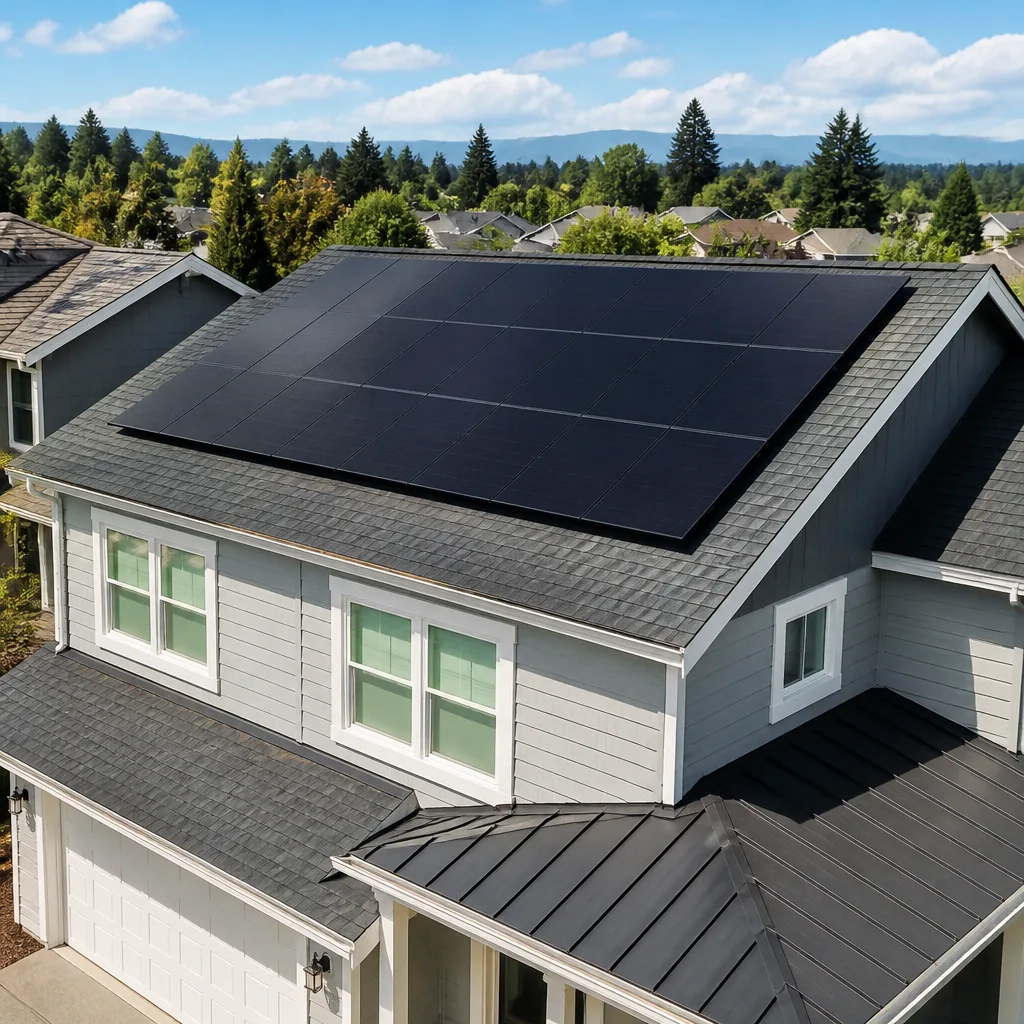
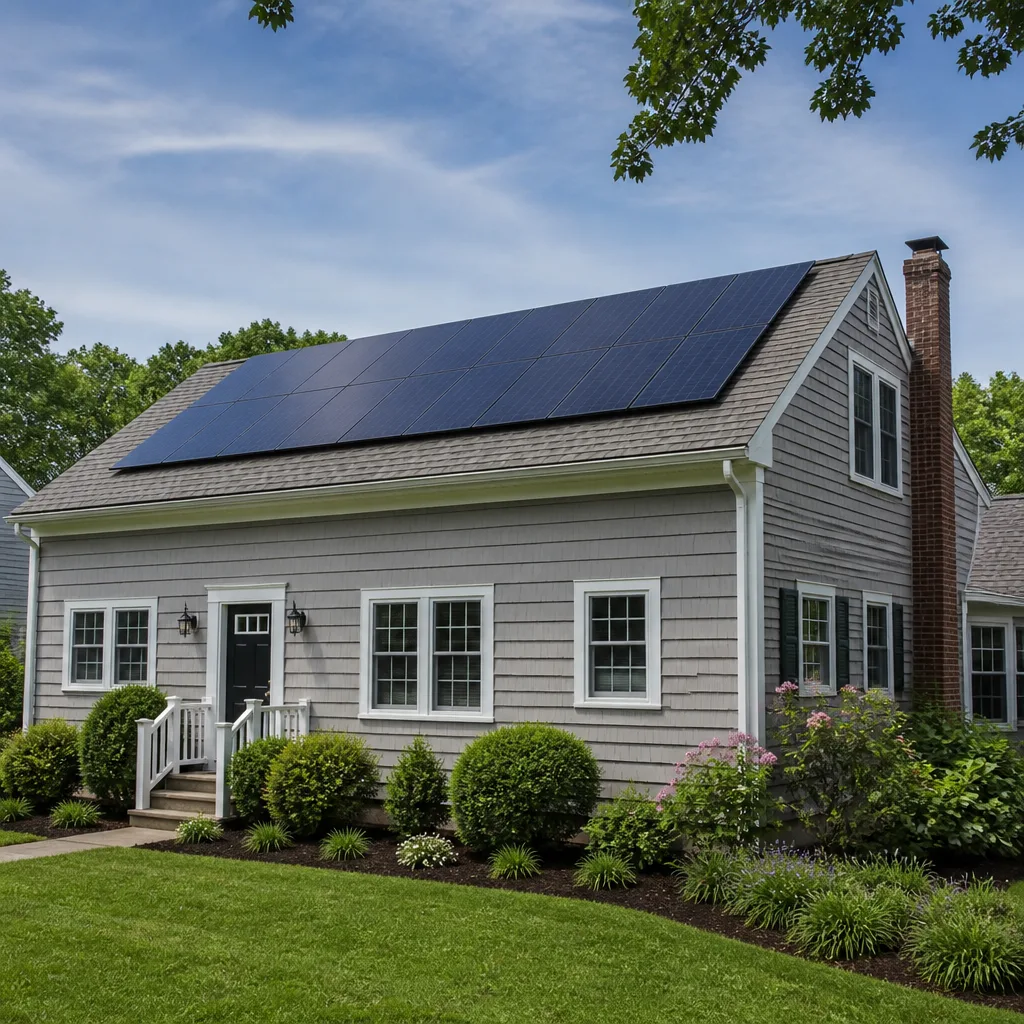
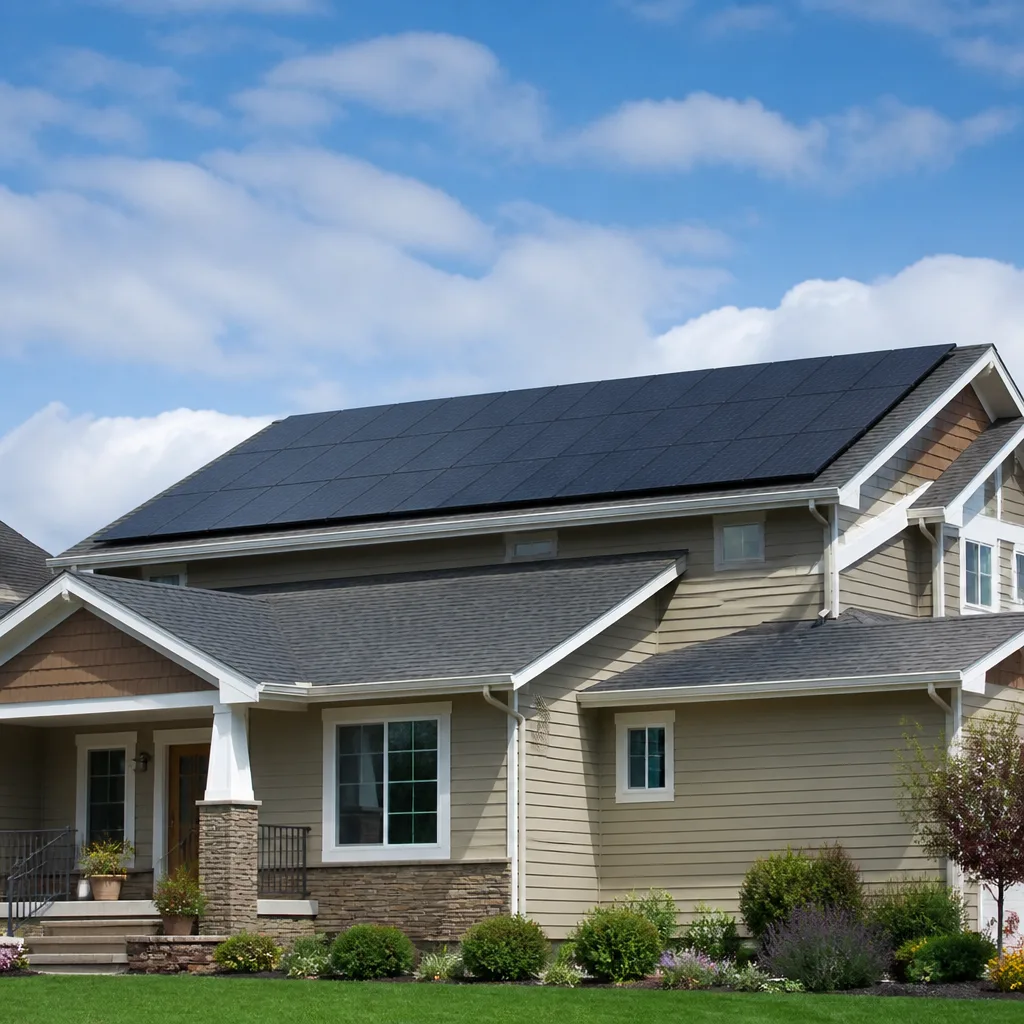
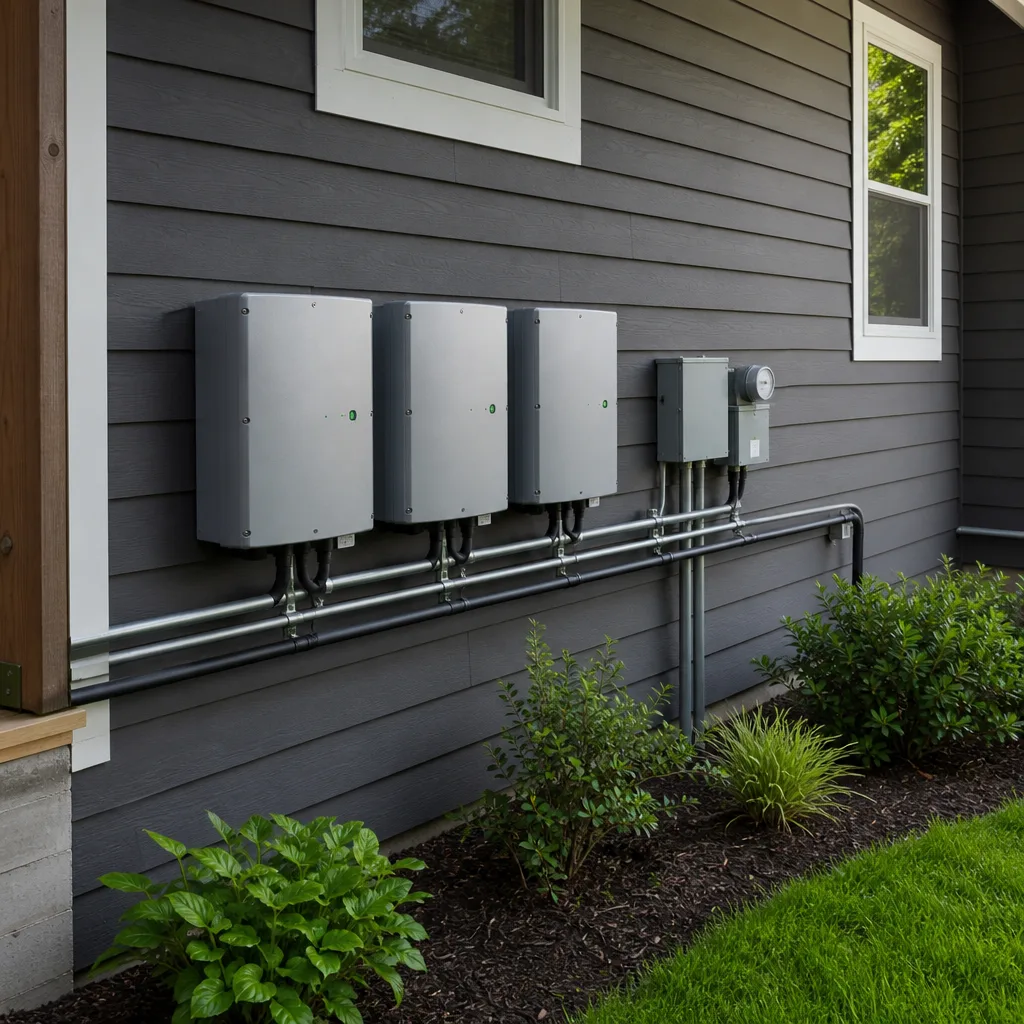
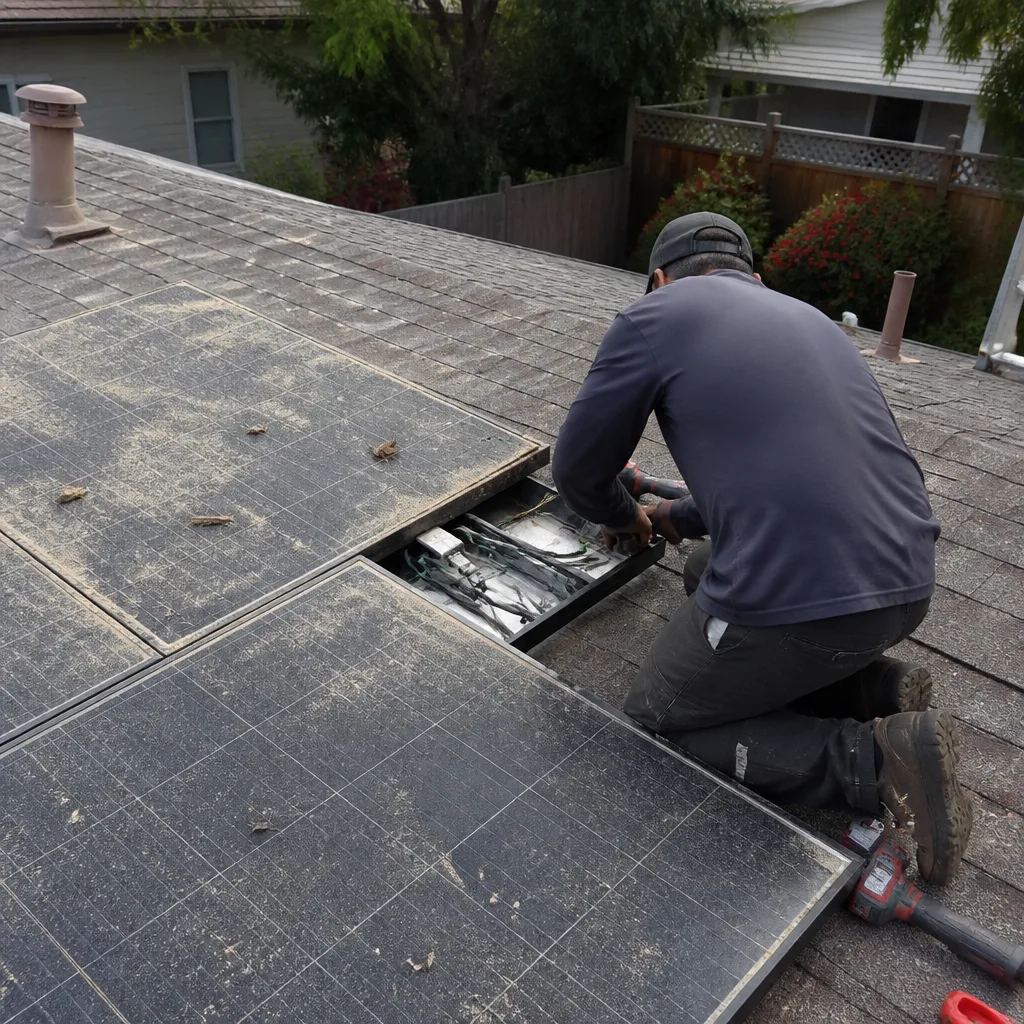 Before
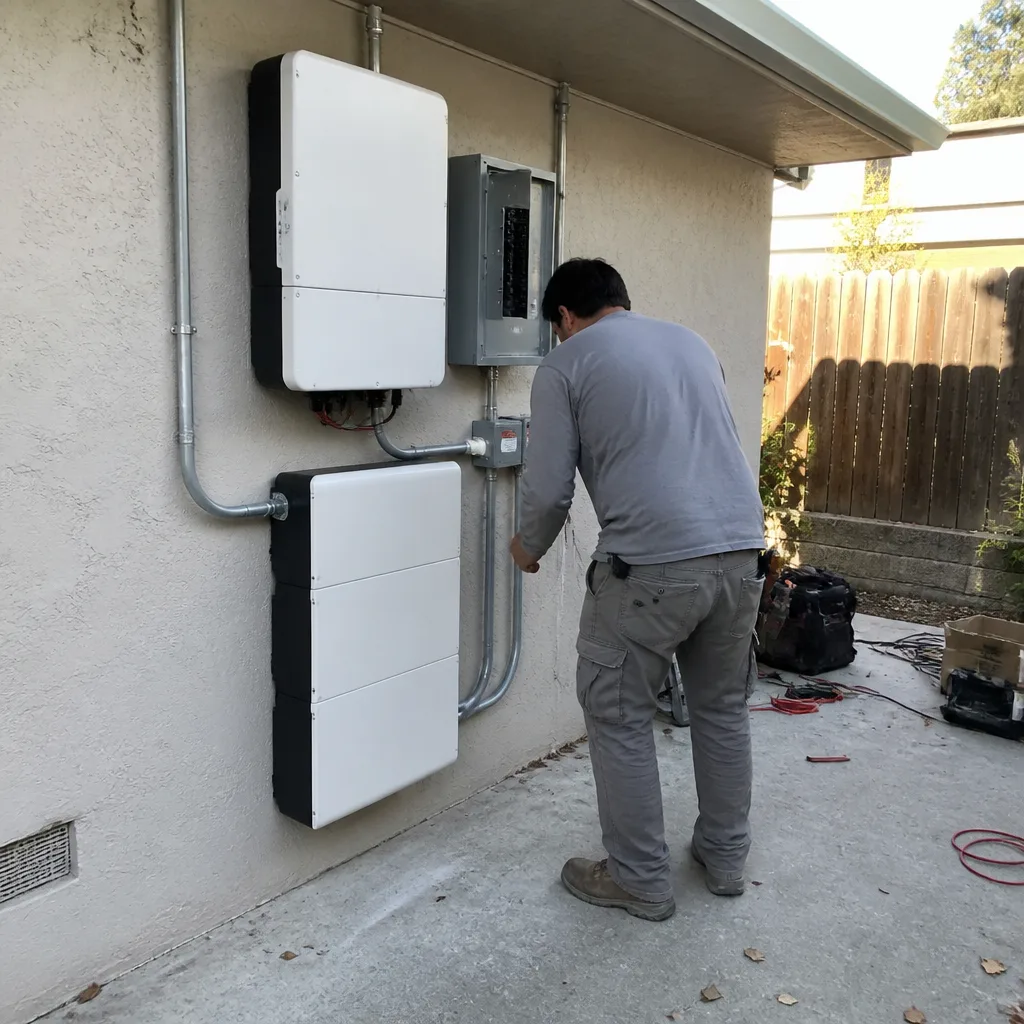 After
After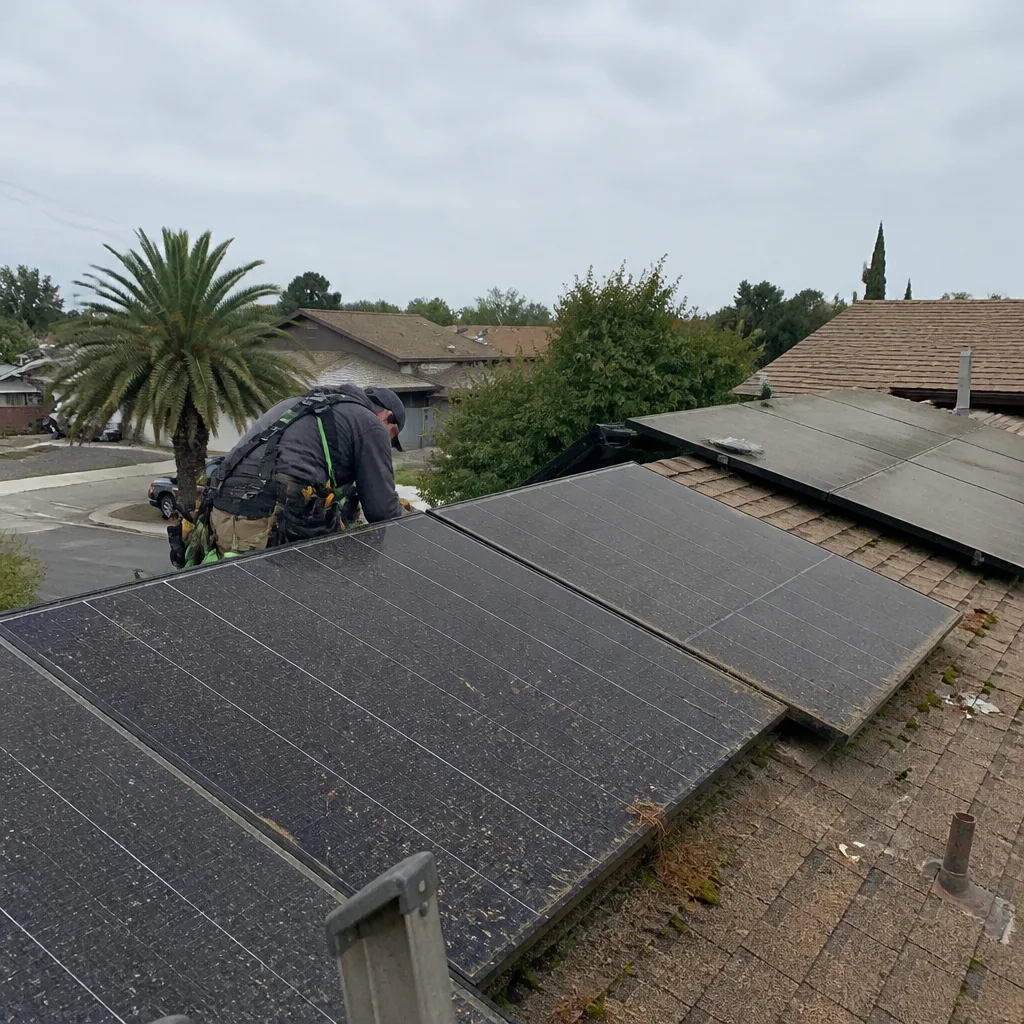 Before
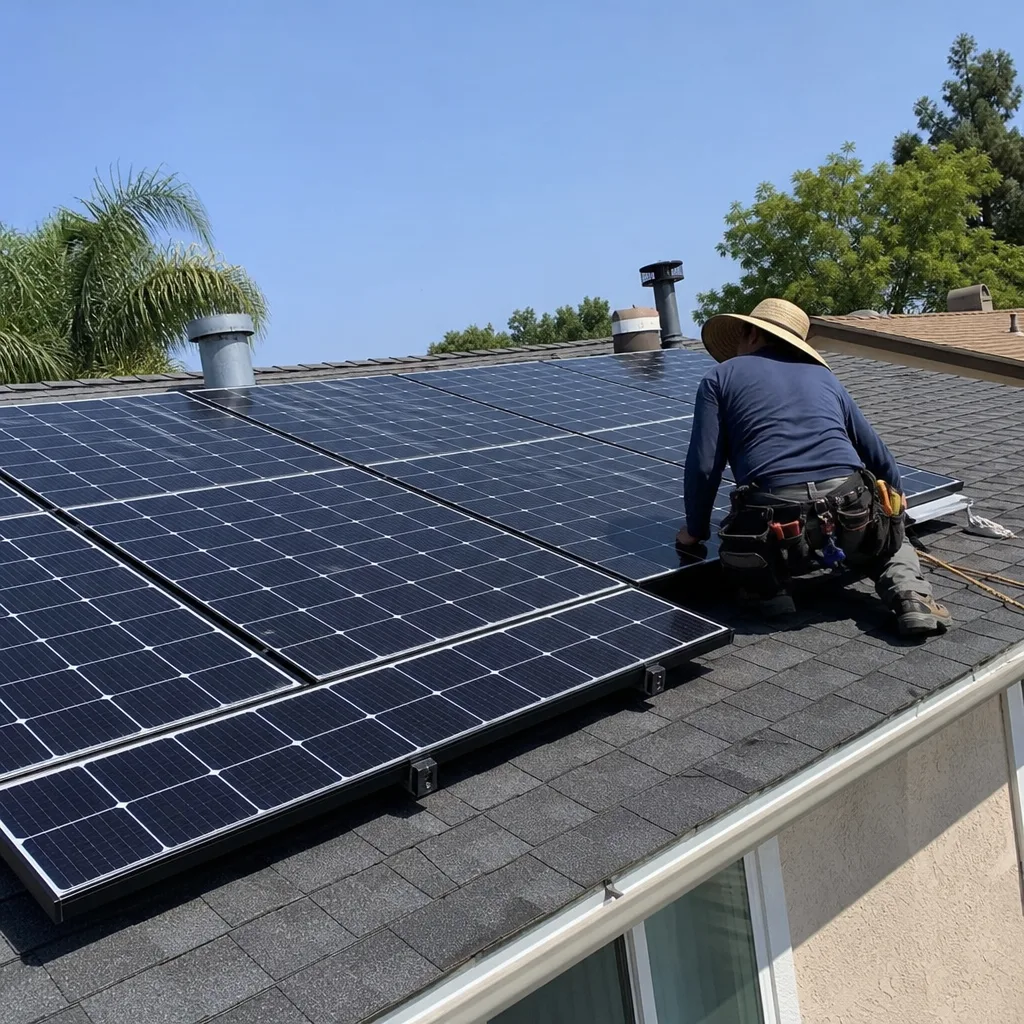 After
After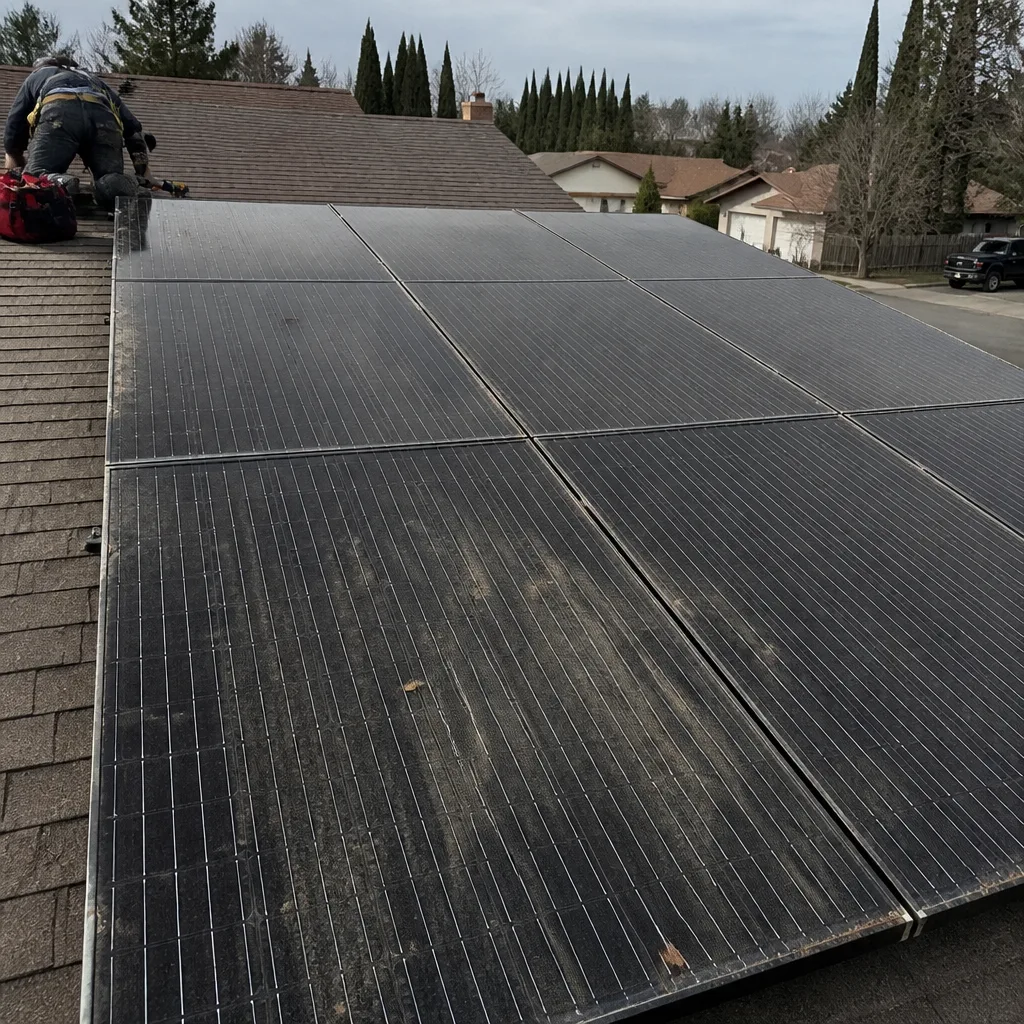 Before
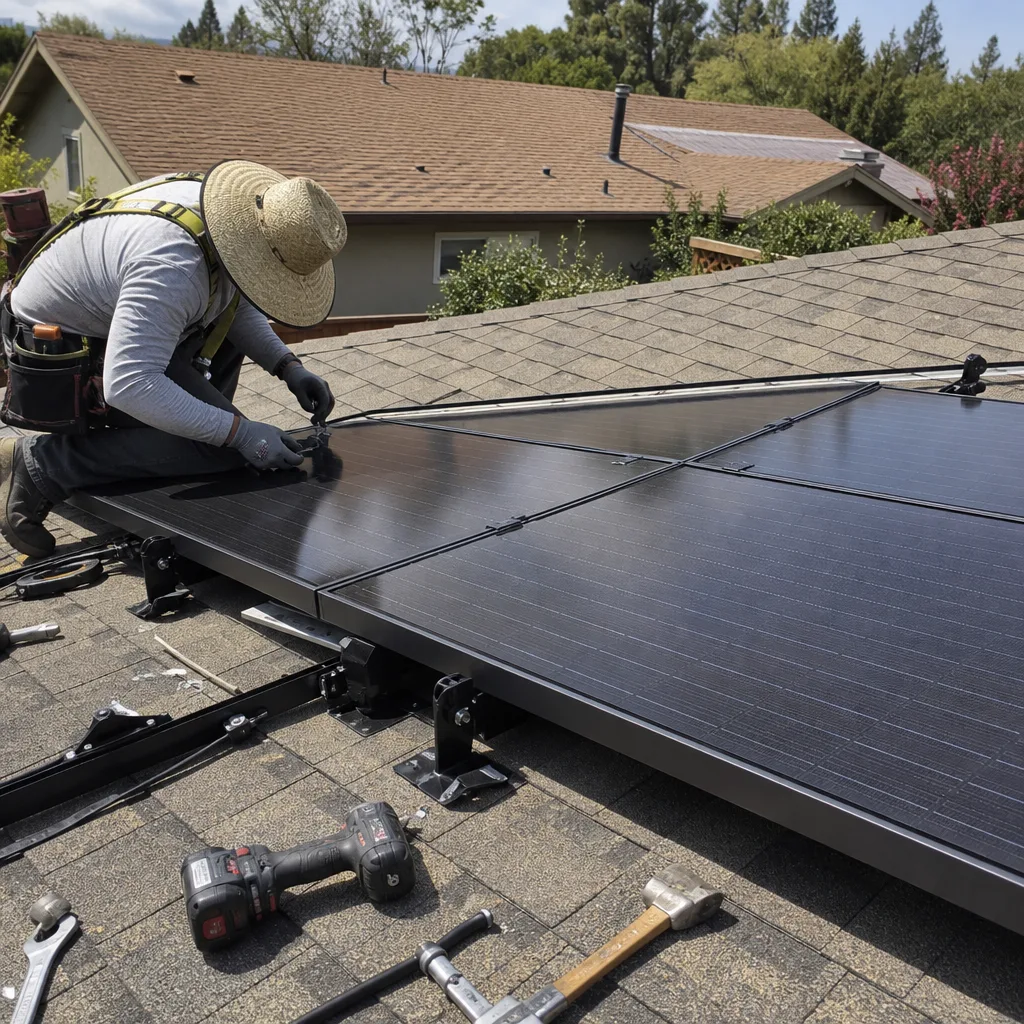 After
AfterQcells Solar Panel Cleaning: The San Jose Owner’s Guide
We clean Qcells panels throughout San Jose year round, and a full Qcells solar panel cleaning typically runs $180 to $320 for an average 20 to 28 panel residential array. Most jobs are done in a single visit, usually 60 to 90 minutes, and we can usually be out within the same week, often sooner. You’ll know it’s time when your Qcells production numbers start slipping month over month while the weather stays consistent, or when you can see a visible gray film, bird droppings, or pollen buildup from the valley oaks and sycamores in neighborhoods like Willow Glen, Almaden, or Evergreen.
Qcells panels have a reputation for holding up well in San Jose’s dry summers, but even the best glass collects a layer of dust, soot from 280 and 101 traffic, and the occasional surprise from local pigeons. That layer compounds. A panel running just 8 to 10 percent below its rated output because of grime is a panel quietly costing you money every sunny afternoon.
Which Qcells Models This Applies To
Our cleaning process covers every Qcells module line installed across San Jose over the last decade: the Q.PEAK DUO series (G5 through G10), the Q.PLUS series, and the newer Q.TRON and Q.HOME panels. The cleaning method is the same across all of them, which is good news. What changes is how we handle the specific frame and coating on your modules, and that comes down to identifying what’s on your roof.
The quickest way to identify your model is a sticker on the underside of the panel or the spec sheet from your original install. If you don’t have either, snap a photo of the panel’s edge and we’ll match it. The newer Q.TRON line uses a thinner frame profile than older Q.PLUS panels, and Qcells’ anti-reflective glass coating means we use a softer brush head and a lower-pressure rinse than we would on, say, a bare-aluminum-framed panel from Tesla or REC. That’s not a sales line. It’s the difference between a clean that lasts six months and one that leaves micro-scratches you’ll see in production numbers later.
One compatibility gotcha worth knowing if you’re shopping around: Qcells’ warranty language expects routine cleaning as basic maintenance, but it doesn’t require Qcells-branded anything. No special chemical, no proprietary process. We’re an independent San Jose shop. We’re not affiliated with Qcells, and cleaning your panels through us does not affect your warranty. What matters is using deionized or filtered water (San Jose tap water is moderately hard and will leave mineral spotting if you use a garden hose) and avoiding abrasive pads.
Signs Your Qcells Solar Panel Cleaning Is Failing
- Production numbers trending down on clear days. You’re checking your monitoring app and June 2026 is 10 percent under June 2025 with similar weather. That gap is usually grime, not panel degradation. Qcells panels degrade slowly, around 0.5 percent a year. A sudden lurch downward is almost always something on the glass.
- A visible film or haze across the panel surface. From the ground, clean glass looks nearly black. Dirty glass looks hazy gray or tan. In San Jose’s dry season, this builds fastest from late spring through early fall when we get months without rain.
- Concentrated white splatter from birds. Pigeons under tile eaves in neighborhoods like Cambrian and Berryessa treat a warm panel as prime real estate. Droppings physically shade the cells beneath them, and baked-on droppings from a 100-degree San Jose afternoon can etch the anti-reflective coating if left for months.
- Dark streaks near the panel frame edges. Morning dew collects dust and pulls it to the frame’s low edge, where it dries and leaves a crusty line. That strip shades the outer cells and creates uneven resistance across the module.
- Soot and particulate from nearby roadways or construction. Panels near 680, 87, or 17 pick up brake dust and exhaust soot. It’s oily, slightly sticky, and water alone won’t lift it. That’s the classic “it rained and my panels still look dirty” situation.
Replacement Cost & What’s Included
Solar panel cleaning in San Jose isn’t a replacement service, so let’s talk cost honestly. We charge a flat rate of $180 to $320 for a standard residential array, and the main variables are panel count, roof steepness, and whether we need a second story ladder setup. Your quote is the price you pay. No add-on for “extra dirty” panels, no surprise trip fees inside Santa Clara County.
The job includes a soft-brush wash with filtered water, a low-pressure rinse, visual inspection of every panel we can reach, and basic checks on mounting hardware and cable clips we notice while we’re up there. We also photograph your production meter before and after so you can see what the clean actually bought you. Every job is covered by our 90-Day Done Right Promise. If you don’t see a measurable improvement, call us and Gus’s crew comes back. That’s in writing.
Most San Jose customers clean their Qcells panels once or twice a year depending on tree cover and how close they are to freeways. Seniors and veterans always get our 10 percent discount that never expires. Bring me a bill, I’ll bring you the math. The same applies here. Cleaning is the cheapest production gain available in this industry, and the numbers back it up.
DIY or Call Us?
You can do a ground-level visual check yourself any time. Look for uneven shading, bird mess, or a dull finish. That’s safe, free, and takes two minutes from your driveway.
What we’d caution against is getting on a ladder with a garden hose, a bucket of dish soap, and a squeegee. San Jose clay-tile roofs get brittle with age and break under a misplaced foot. Tap water spots glass in our climate. Dish soap leaves a film that holds dust. And panels are electrical equipment. Not house-voltage dangerous when handled properly, but a cracked panel or nicked wire from a metal ladder is a real possibility. Here’s what I’d do if it were my roof: I’d leave the climbing to someone who does it every week and make the phone call. If something looks wrong from the ground, call (877) 550-6892 and we’ll come take a look. No trip charge inside our county.
FAQs
Once a year is the minimum for most San Jose homes. If you live under valley oaks, near a freeway, or have pigeon activity, twice a year keeps production closer to spec. Our dry season runs roughly April through October, so a spring clean after pollen and a fall clean after the dusty summer works well.
No repair exists for “dirty” because the panels aren’t broken. What looks like permanent staining is almost always removable buildup. If a panel has actual micro-cracking, delamination, or coating failure, that’s a different conversation, and we’ll tell you honestly if cleaning won’t solve your production drop. Call (877) 550-6892 and we can check it before you spend anything.
Most standard residential arrays in San Jose take 60 to 90 minutes from ladder up to ladder down. Add time for steep roofs, two-story homes, or especially heavy bird mess. We plan a half-day window so nobody’s watching the clock.
No. We use industry-standard soft-brush and filtered-water equipment that is safe for Qcells’ anti-reflective coated glass. Qcells doesn’t require proprietary cleaning tools or chemicals in its warranty terms. We’re an independent San Jose company and not affiliated with Qcells, so we choose the gear that works best without risking your panel warranty.
Written by Gus Petrakis, Owner, Gus’s Solar at Gus’s Solar, serving San Jose and nearby areas.