
Free bill analysis - bring a power bill, get the production math for your actual roof, panel brands like Qcells and REC compared side by side
If the pitch starts at your door and ends with "sign tonight for the special," sleep on it. The sun will still be there tomorrow; so will we.
 Before
 After
After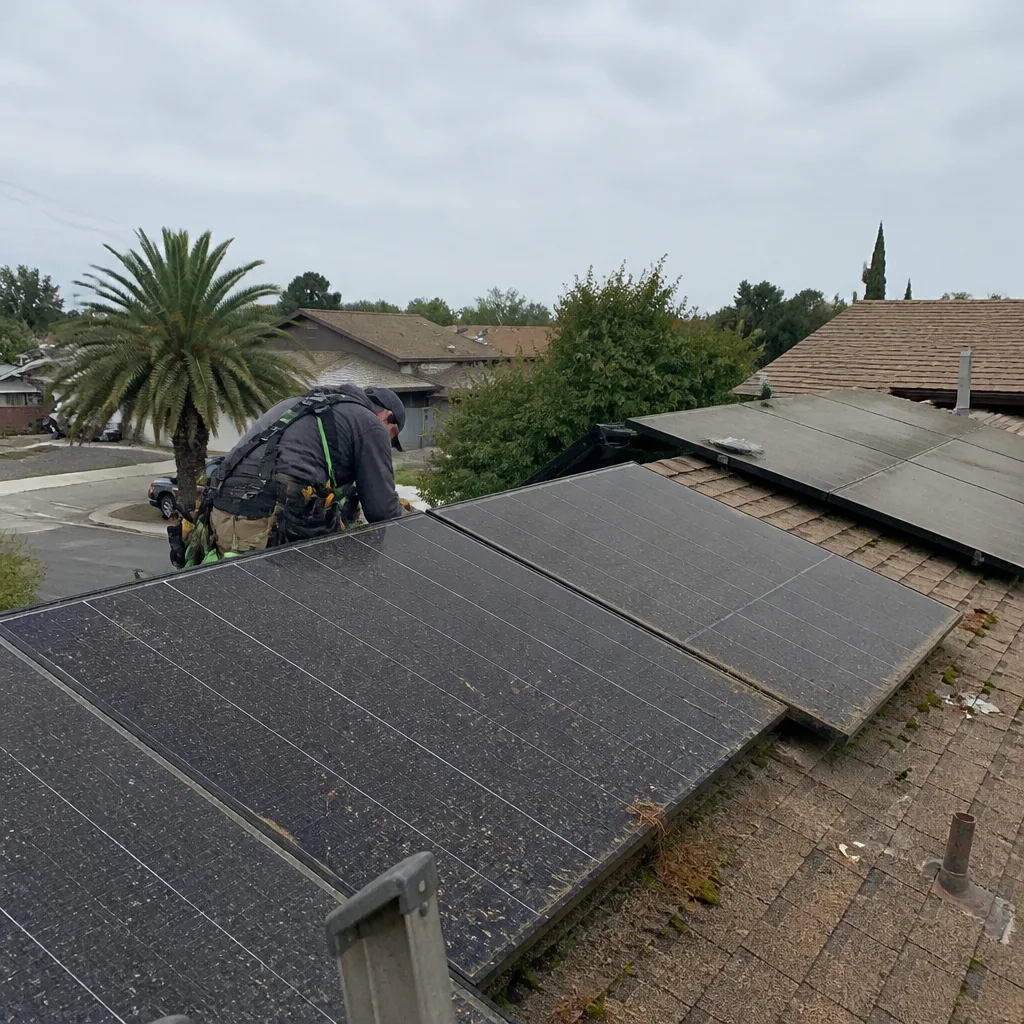 Before
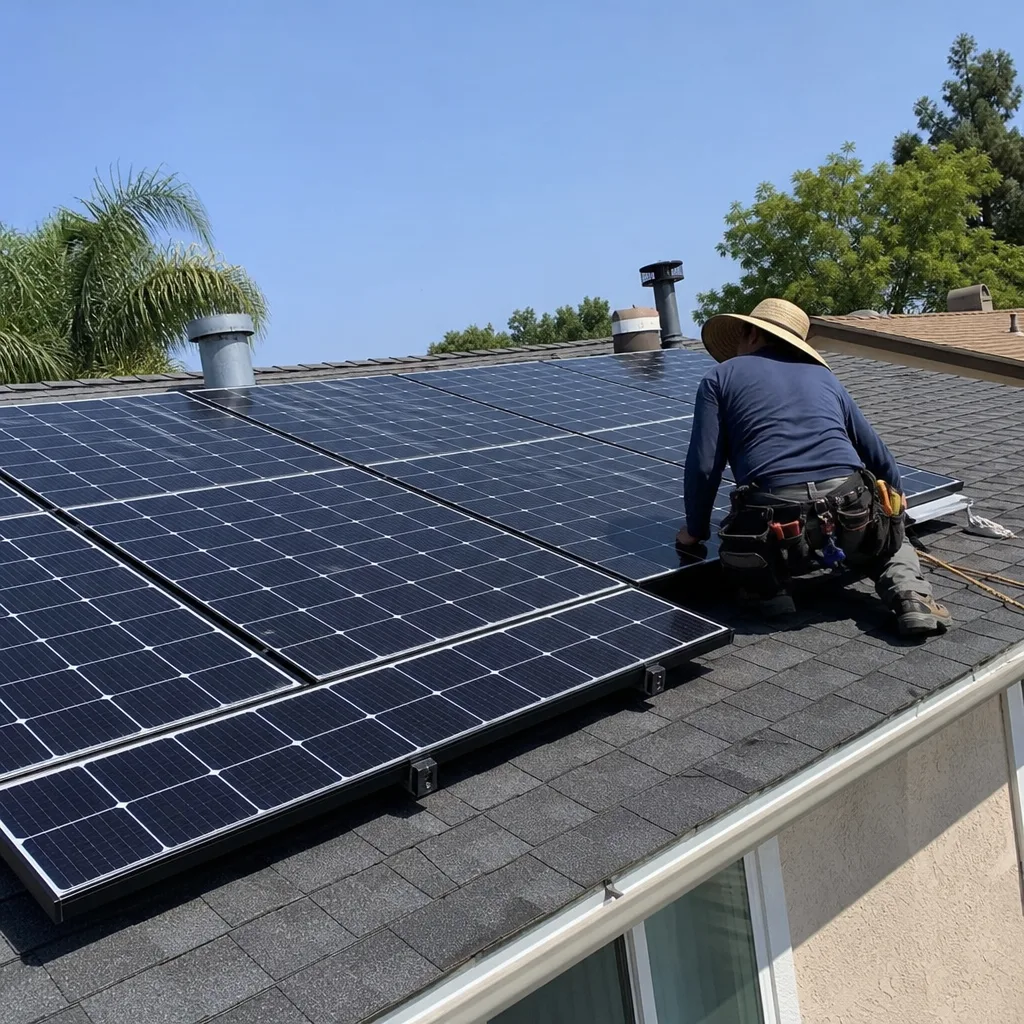 After
After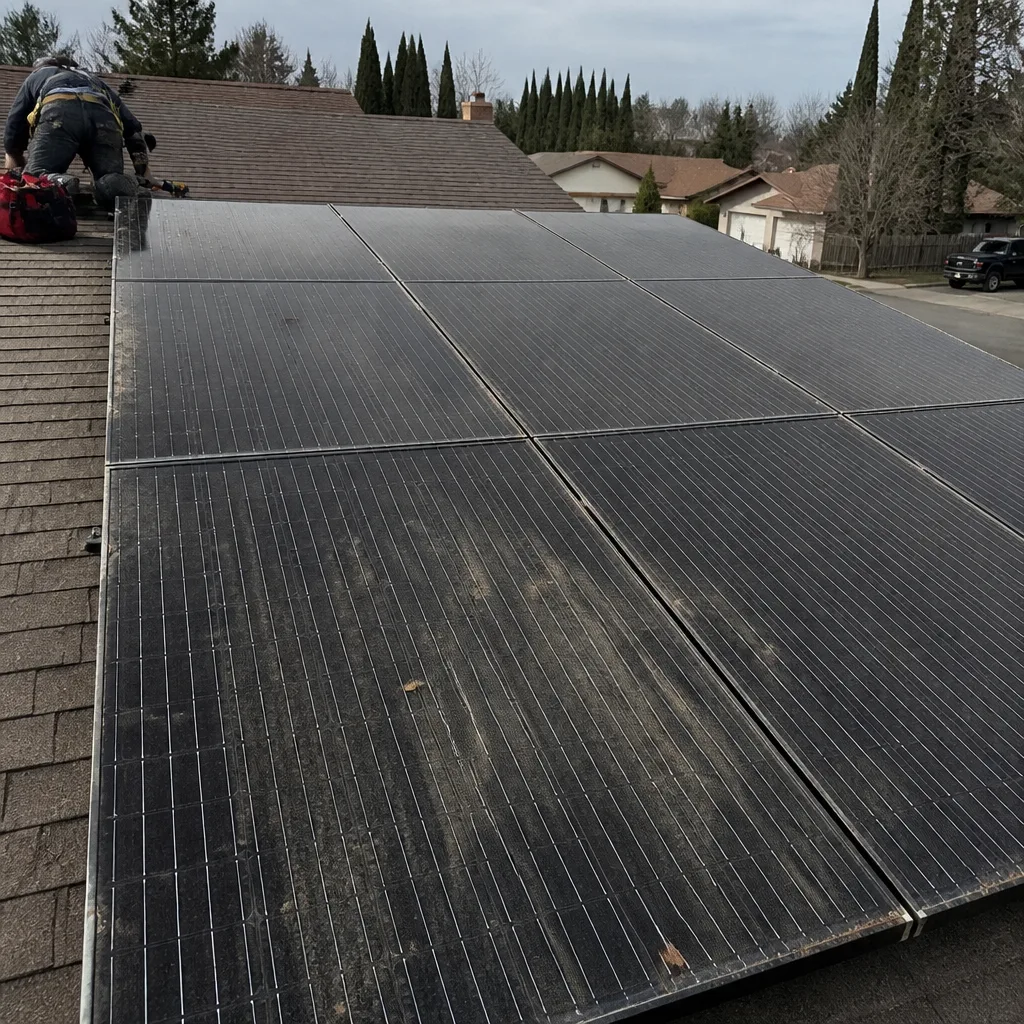 Before
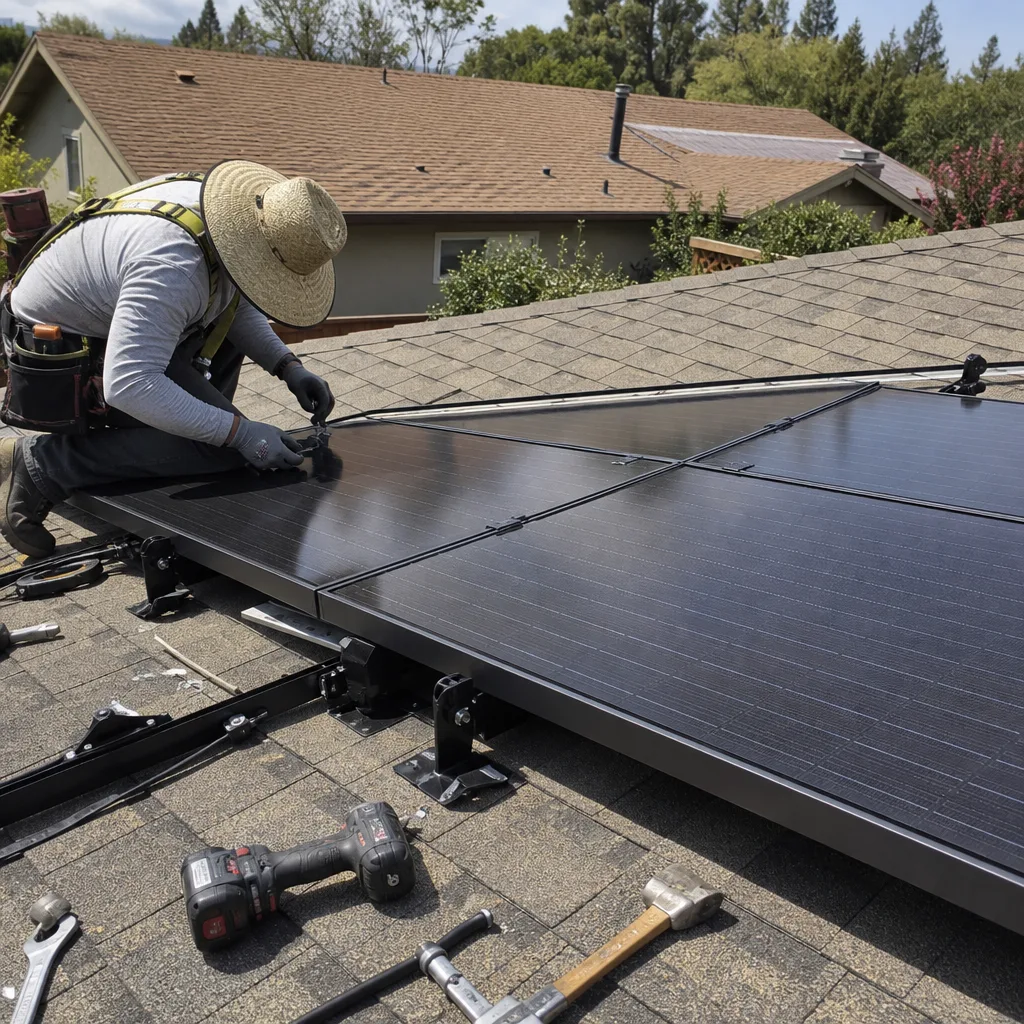 After
AfterQcells Solar Battery Storage & Backup: The San Jose Owner’s Guide
Qcells solar battery storage and backup replacement in San Jose typically runs $1,850 to $4,600 installed, and we keep the most common Qcells-compatible inverters and battery interface components on our trucks for same-day service. You’ll usually know something’s wrong because your battery stops charging on a sunny afternoon, your app shows a fault code, or your backup circuit stops kicking in during a PG&E outage. The good news is most failures aren’t the battery cells themselves, which changes the repair math considerably.
We’re an independent service provider, not affiliated with Qcells, but we’ve been working on Qcells systems across the South Bay since the brand started showing up on San Jose rooftops in force about eight years ago. That matters because Qcells has changed inverter and battery partners more than once, and knowing which generation you have changes which part you need.
Which Qcells Models This Applies To
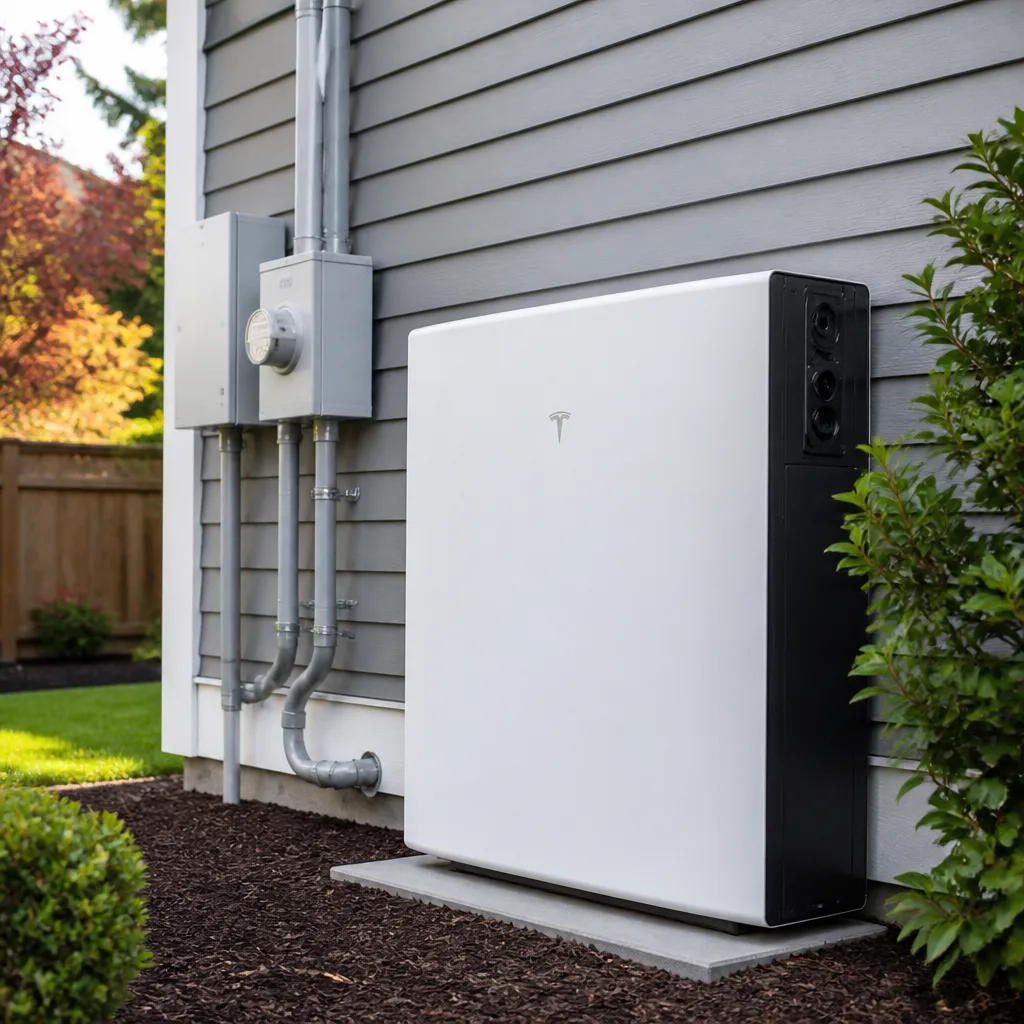
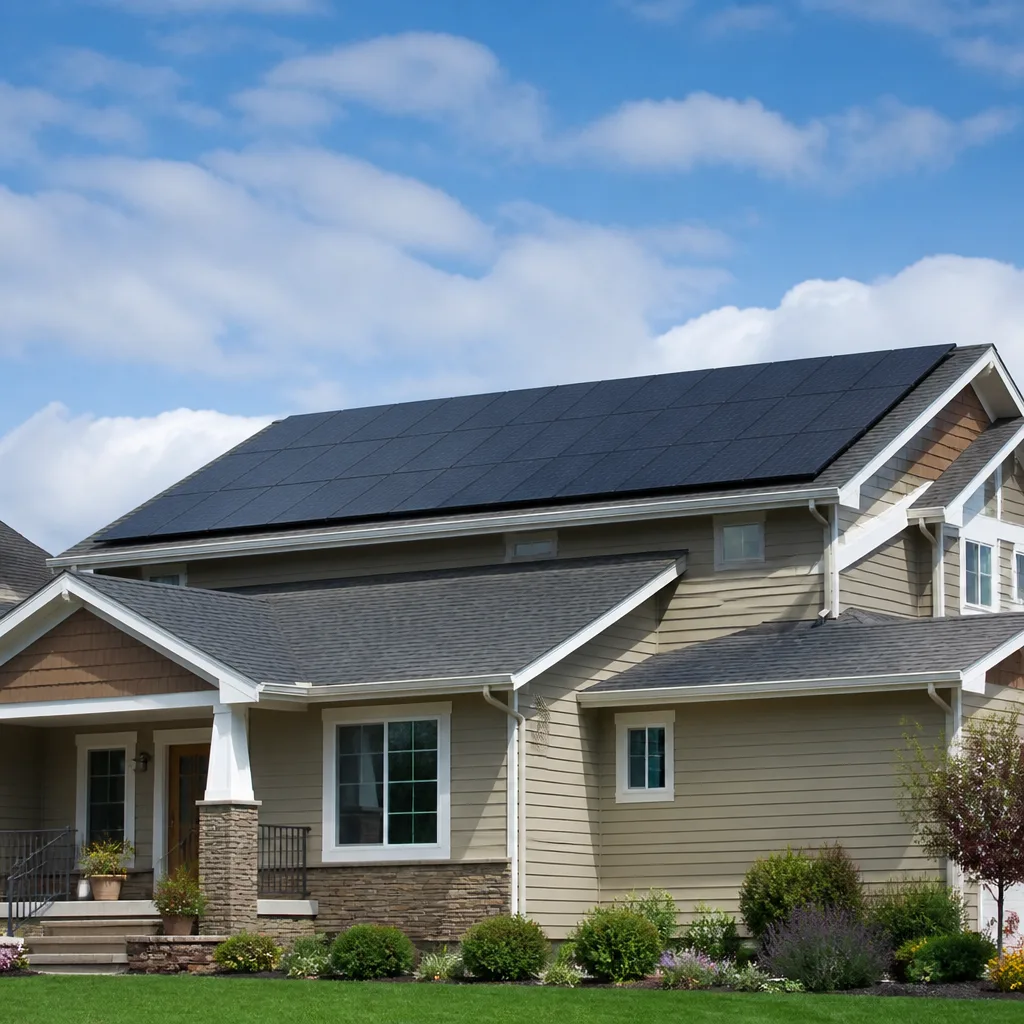
Your Qcells system almost certainly pairs Qcells panels with a third-party inverter and battery setup. The panel side is simple – Qcells Q.PEAK DUO and Q.TRON series panels are the common ones we see in San Jose, and the panels themselves rarely fail. The storage and backup side is where people run into trouble, and it’s almost always one of three configurations: Qcells panels feeding a SolarEdge inverter with an LG Chem RESU battery, Qcells panels on a SolarEdge Energy Hub with a SolarEdge Home Battery, or Qcells panels paired with Enphase IQ7/IQ8 microinverters and an Enphase battery system.
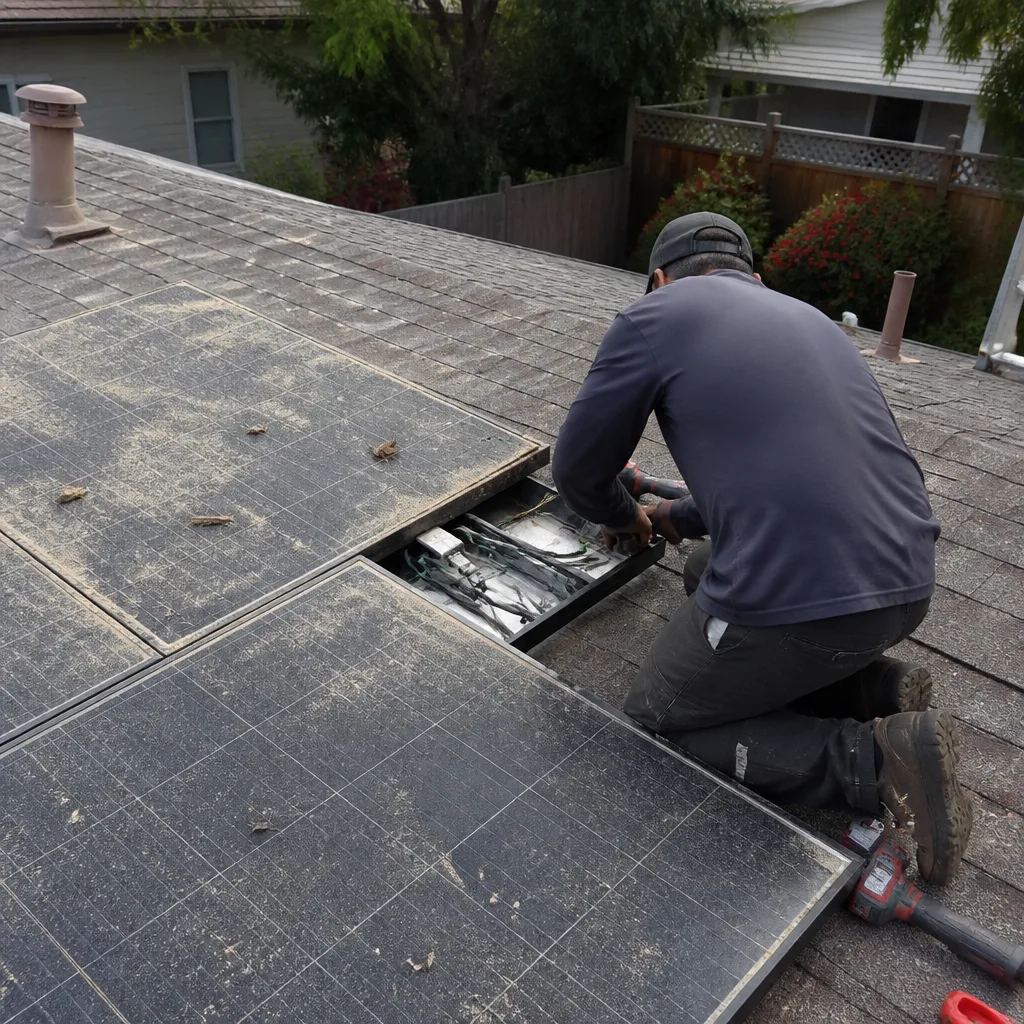
Here’s the compatibility gotcha most San Jose homeowners don’t know: Qcells panels with SolarEdge optimizers use specific optimizer models depending on panel wattage. If you have Q.PEAK DUO BLK-G6+ 350W panels, the original P340 optimizers are rated for that exact wattage. Swap in a newer 370W panel and you need the P370 or P401. Getting this wrong means your panel clips its output or the optimizer fails early. When we replace storage or backup components, we always check the optimizer match, because a mismatched string causes exactly the kind of charging faults people mistake for a dead battery.
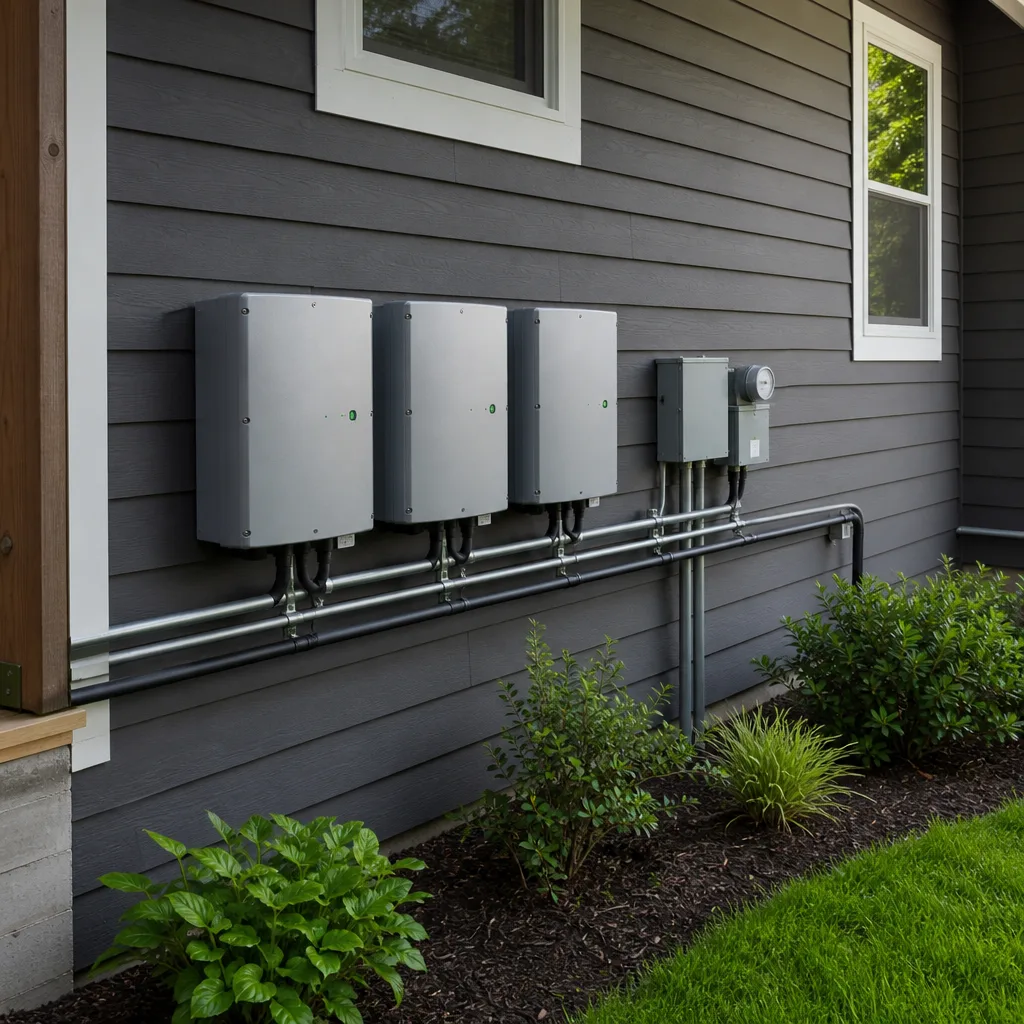
OEM versus aftermarket: for Qcells-branded components like the Qcells Q.HOME CORE (which never gained much traction in the US market, so we rarely see them in San Jose), OEM is really your only option. For the SolarEdge and Enphase components that make up most “Qcells battery storage” systems in the Bay Area, OEM parts are the safer call because the monitoring platform recognizes them without programming workarounds. Quality aftermarket equivalents exist for disconnect switches, conduit, and wiring, and we stock those on the truck. The inverter, the battery, and the communication gateway – those get OEM.
Signs Your Qcells Solar Battery Storage & Backup Is Failing
- Battery shows full charge but dies fast during backup. This usually means the battery management system has lost calibration or individual cells are degrading. In San Jose’s heat, we see this more often on batteries installed in direct sun or unvented garages where ambient temps climb past 100°F every summer.
- Inverter fault codes on the monitoring app. SolarEdge and Enphase both throw specific codes for communication loss, ground faults, and grid voltage issues. Half the time the battery is fine and the gateway lost its pairing with the inverter – a $200 repair, not a $4,000 battery replacement.
- System charges during the day but won’t discharge at night. This points to a settings error or a failed transfer switch, not a dead battery. We’ve fixed this in under an hour on systems where another company quoted a full battery swap.
- Physical swelling on the battery enclosure. This is the one symptom where we say stop using the system immediately and call us. Swelling means internal cell damage, and lithium batteries don’t recover from that.
- Backup circuit clicks but lights don’t come on during an outage. This could be a failed relay in the backup interface, a tripped breaker on the backup subpanel, or a wiring fault. None of those require a new battery, but all of them need a licensed electrician to diagnose safely.
Replacement Cost & What’s Included
Here’s the straight pricing for Qcells solar battery storage and backup work in San Jose, based on what we’ve actually charged local homeowners over the last two years:
- Communication gateway replacement (SolarEdge or Enphase): $185 to $340 installed
- Backup interface / transfer switch replacement: $650 to $1,150 installed
- Optimizer replacement (per unit, including roof access): $95 to $180 each
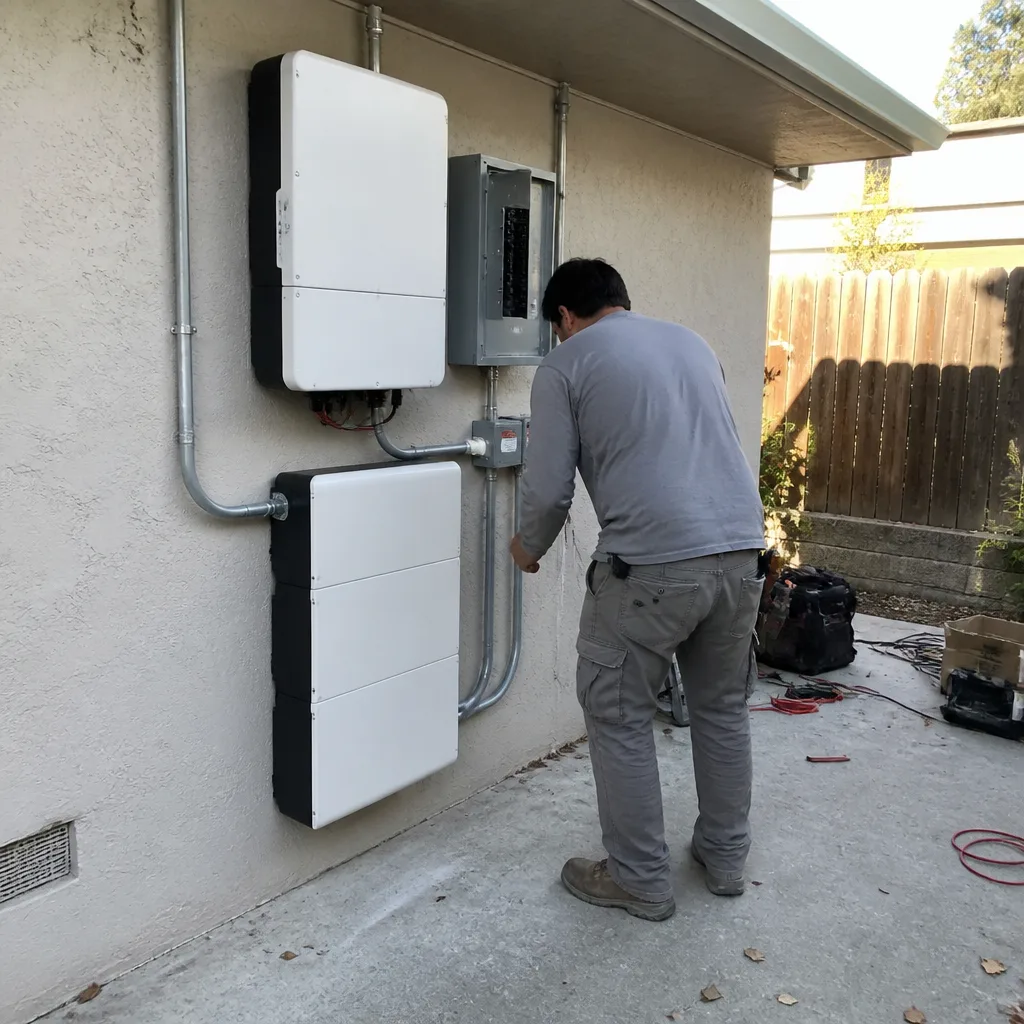
- LG Chem RESU 10H battery replacement: $3,200 to $4,600 installed
- SolarEdge Home Battery replacement: $2,900 to $4,200 installed
- Enphase IQ Battery 5P replacement: $1,850 to $2,800 installed
The range depends on your specific equipment generation, whether we need to update the monitoring platform, and how difficult the install location is. Every quote includes the part, our labor, re-commissioning the system, and confirming your monitoring portal shows everything working before we leave. Our work carries the 90-Day Done Right Promise – if it’s not right, we make it right, in writing. And if you bring us a written estimate from another company, we’ll give you a free second opinion on it.
One honest caveat: if your battery is seven or more years old, we’ll tell you straight up whether replacing just the battery makes sense or whether you’d be better off putting that money toward a newer system with a fresh warranty. Here’s what I’d do if it were my roof: I’d look at what a full replacement gets me in warranty years versus patching an aging system.
DIY or Call Us?
Battery storage and backup systems are high-voltage DC and grid-connected AC, and both of those can kill you. We say this plainly because we’d rather lose the job than have someone open an enclosure and end up in the ER. What you can safely do is check your breakers, look at the fault code on your monitoring app and write it down, and verify your utility service hasn’t tripped a main. Past that, especially on battery or inverter work, call a licensed electrician.
Even if you’re handy, the commissioning step matters. SolarEdge and Enphase both require online registration of the new part, firmware matching, and re-pairing with the monitoring account. If that’s not done right, your system reports false fault codes and your permit inspection can fail. We handle all of it in one visit, and there’s no trip charge inside our own county. Call (877) 550-6892 and a live person answers – no voicemail queue, no call center.
FAQs
Expect 8 to 12 years from a quality lithium battery in San Jose’s climate, which is a bit shorter than cooler coastal areas because sustained summer heat above 95°F accelerates cell degradation. If your battery is past year seven and showing symptoms, replacement is usually smarter than repeated repairs.
Sometimes yes – communication gateways, relays, breakers, and settings errors are all repairable for under $350 in most cases. If the battery cells themselves are damaged, repair isn’t cost-effective or safe, and we’ll tell you that rather than sell you patchwork.
Most gateway, optimizer, and interface swaps take 2 to 4 hours on site. Full battery replacement usually takes a full day including re-commissioning and monitoring verification. We’ll give you a straight answer on timing when we schedule.
We stock the common SolarEdge and Enphase gateways, optimizers, and interface components on our trucks in San Jose. Full battery units we order for your specific system and typically have them on hand within a few days. We also keep parts for Tesla, Enphase, and SolarEdge systems on hand since many San Jose homes mix and match.
If your Qcells system isn’t holding a charge or your backup won’t kick in, call (877) 550-6892. We’ll come out, diagnose it honestly, and give you the same price whether you decide today or take two weeks to think about it. If a salesman needs an answer tonight, the answer is no. We’re not that company.
Written by Gus Petrakis, Owner, Gus’s Solar at Gus’s Solar, serving San Jose and nearby areas.