
Free bill analysis - bring a power bill, get the production math for your actual roof, panel brands like Qcells and REC compared side by side
If the pitch starts at your door and ends with "sign tonight for the special," sleep on it. The sun will still be there tomorrow; so will we.
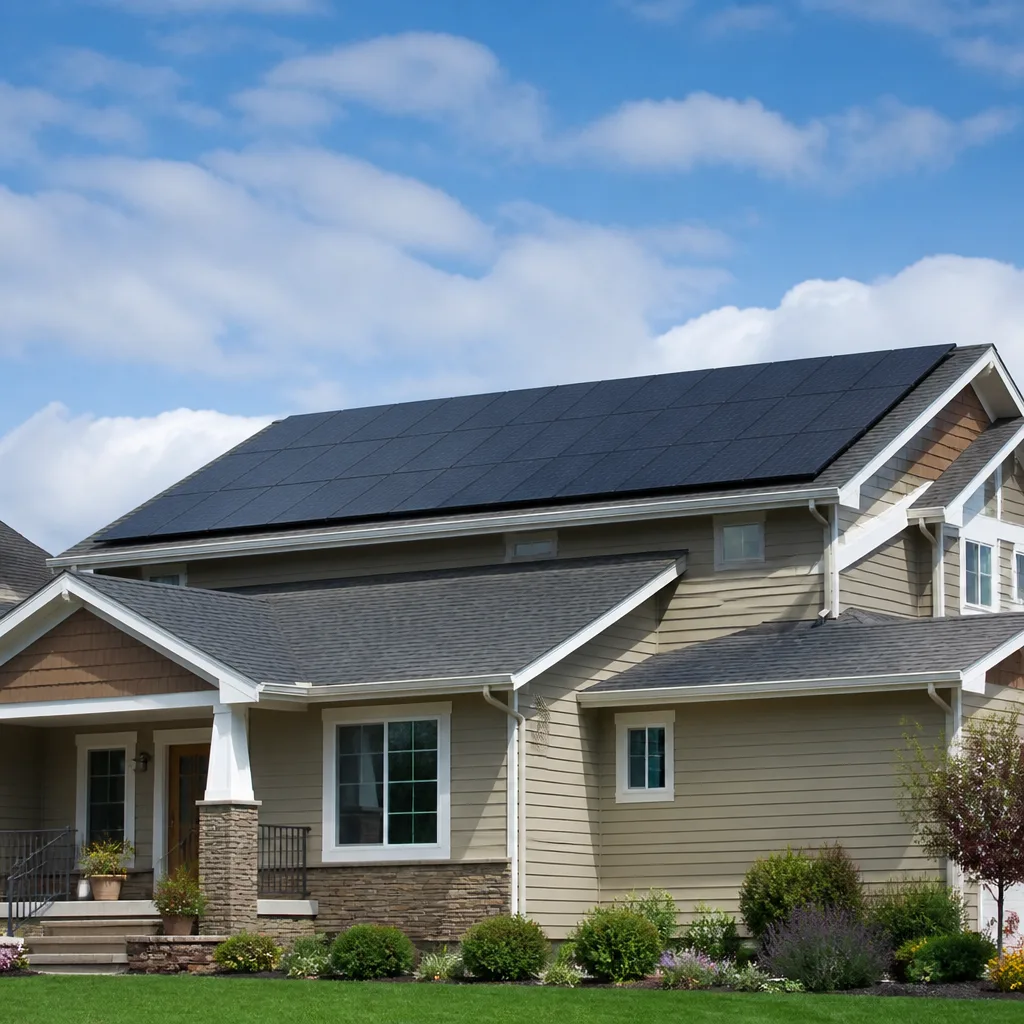
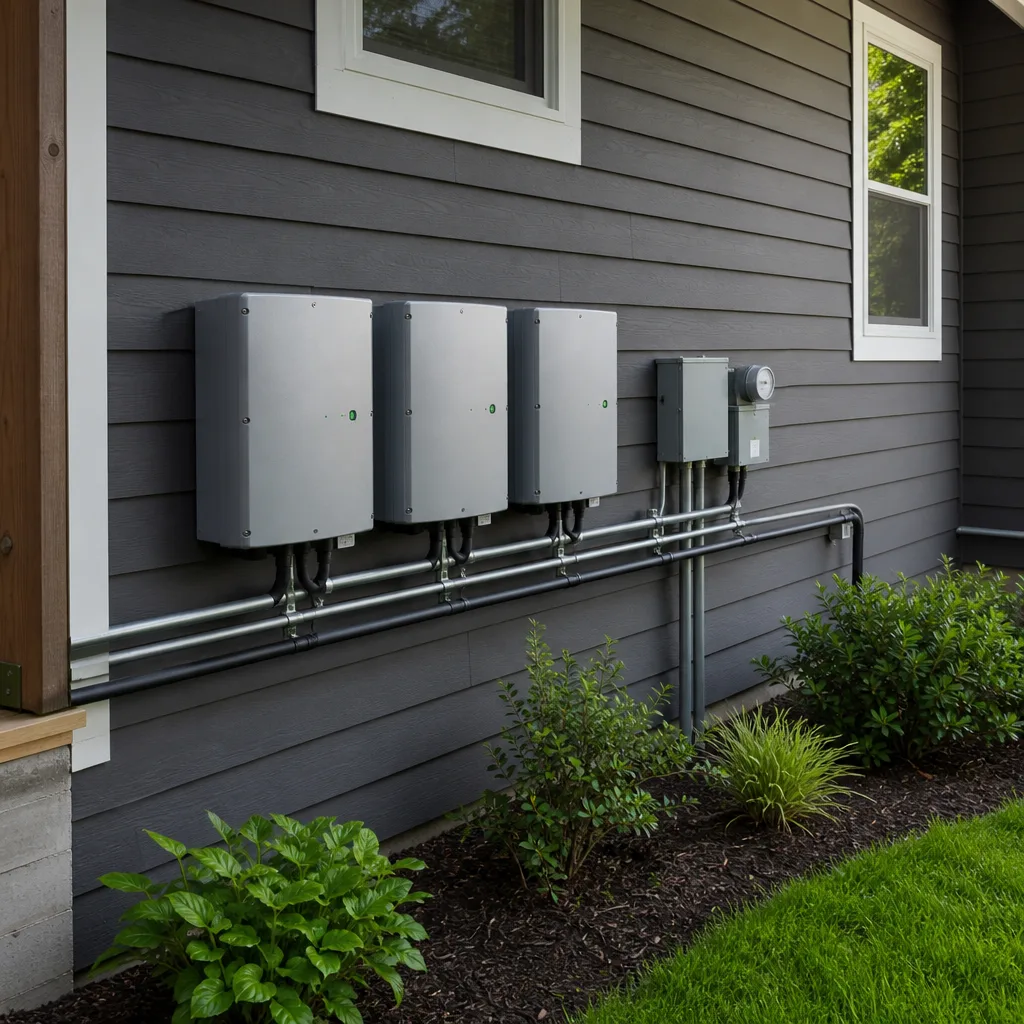
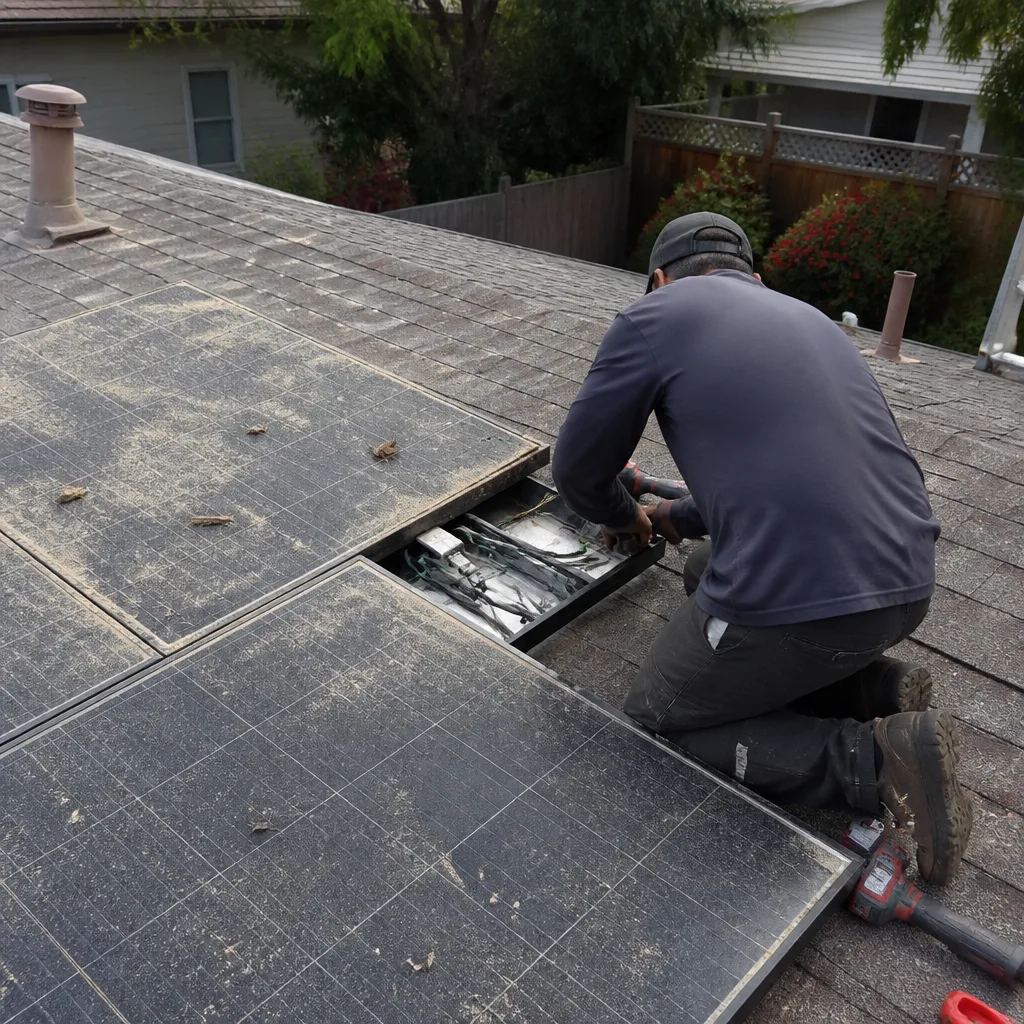 Before
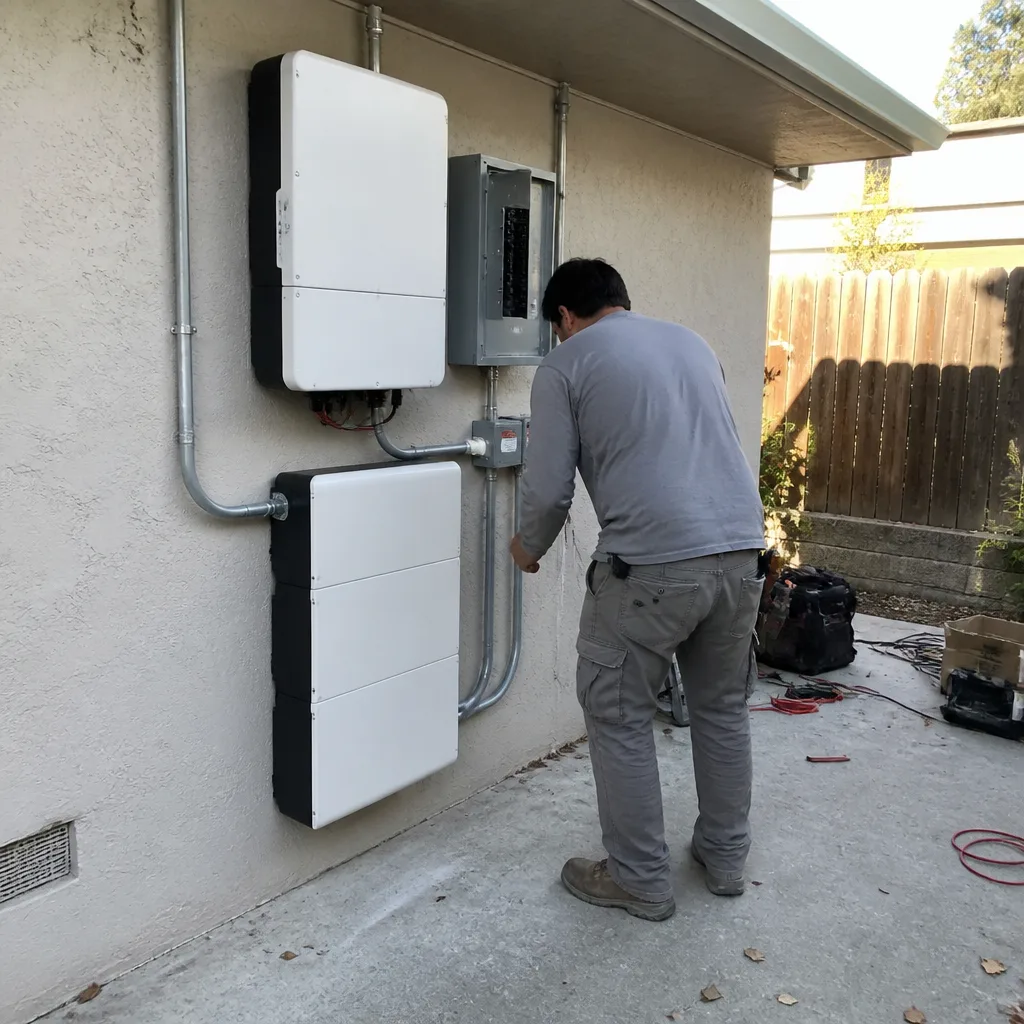 After
After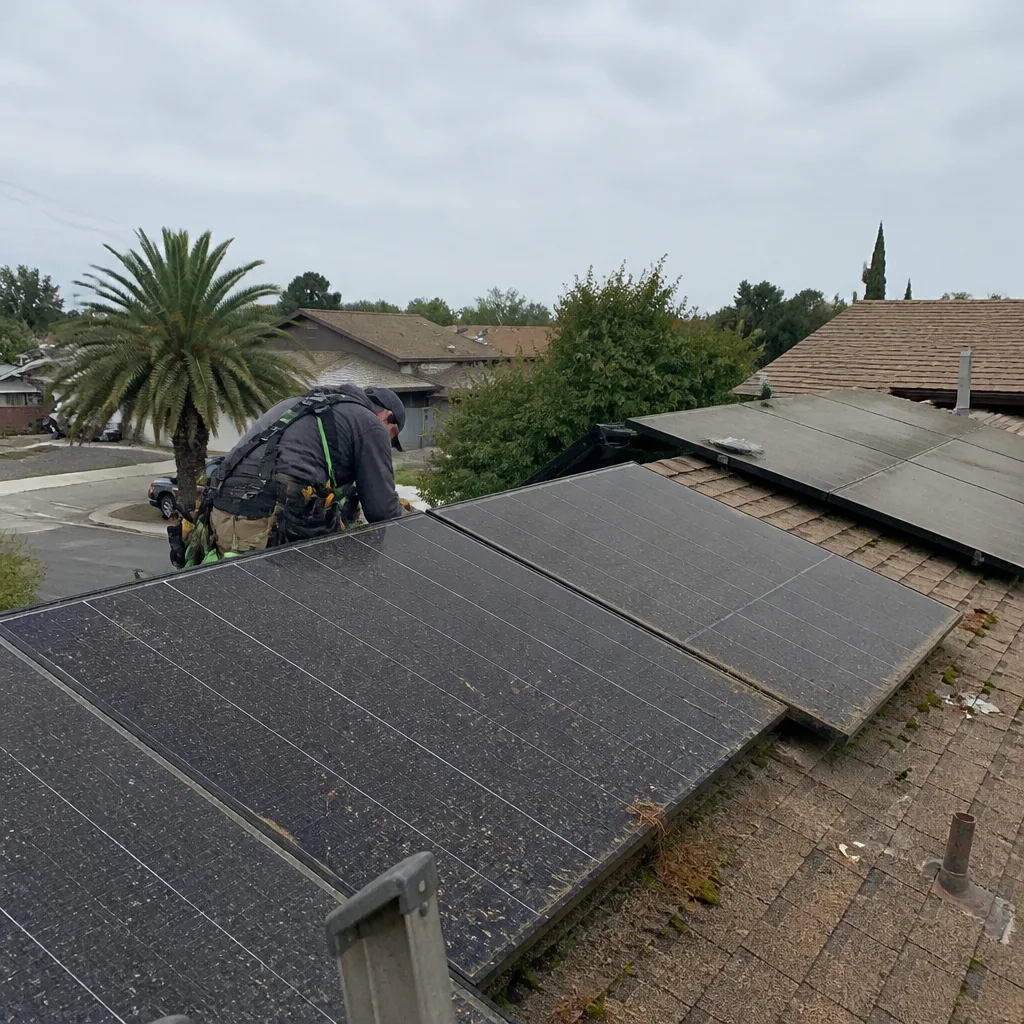 Before
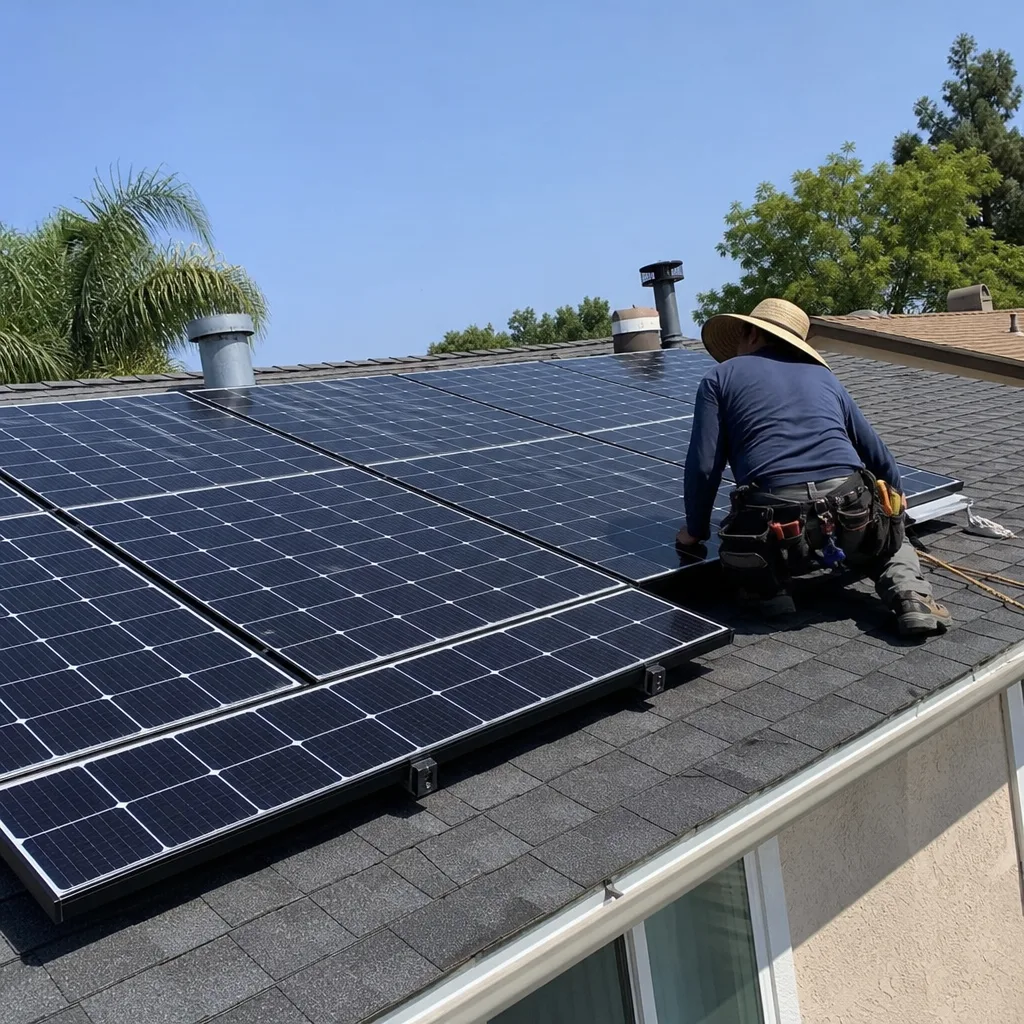 After
After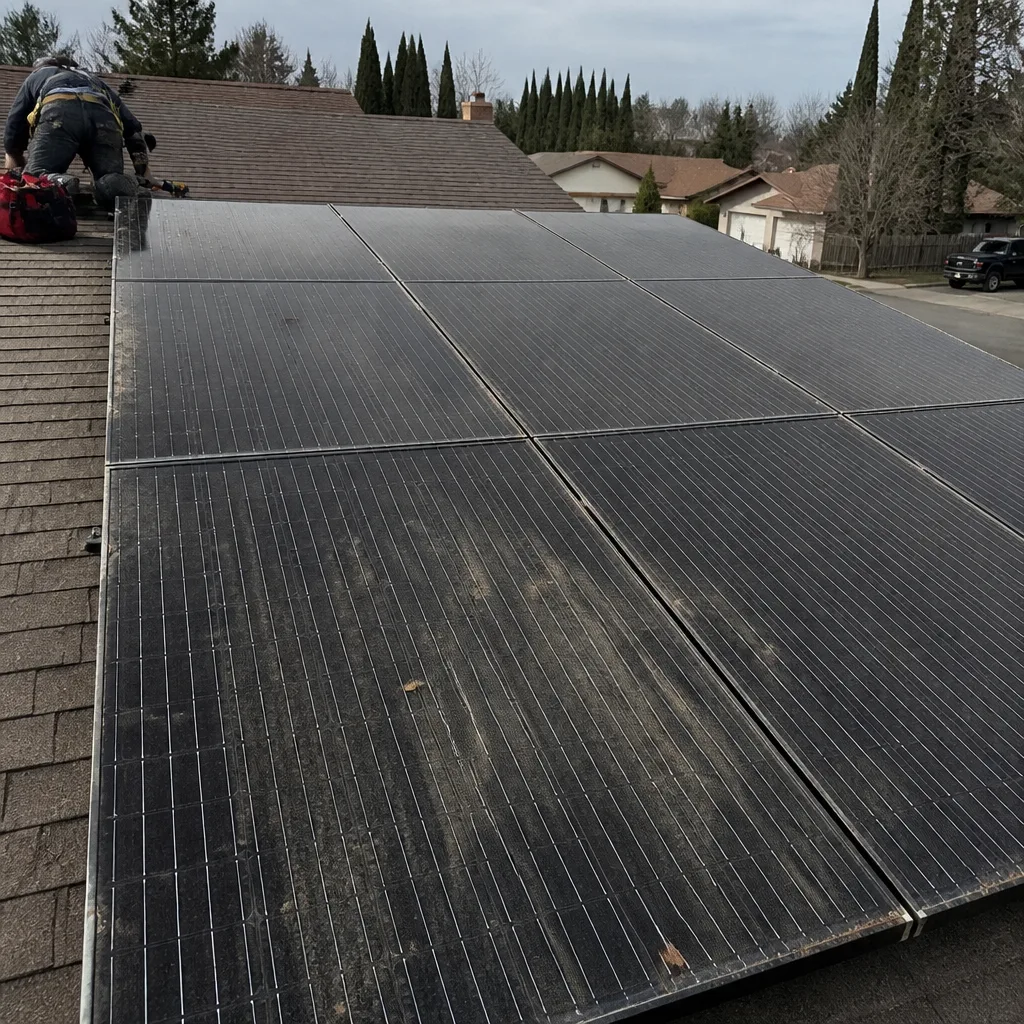 Before
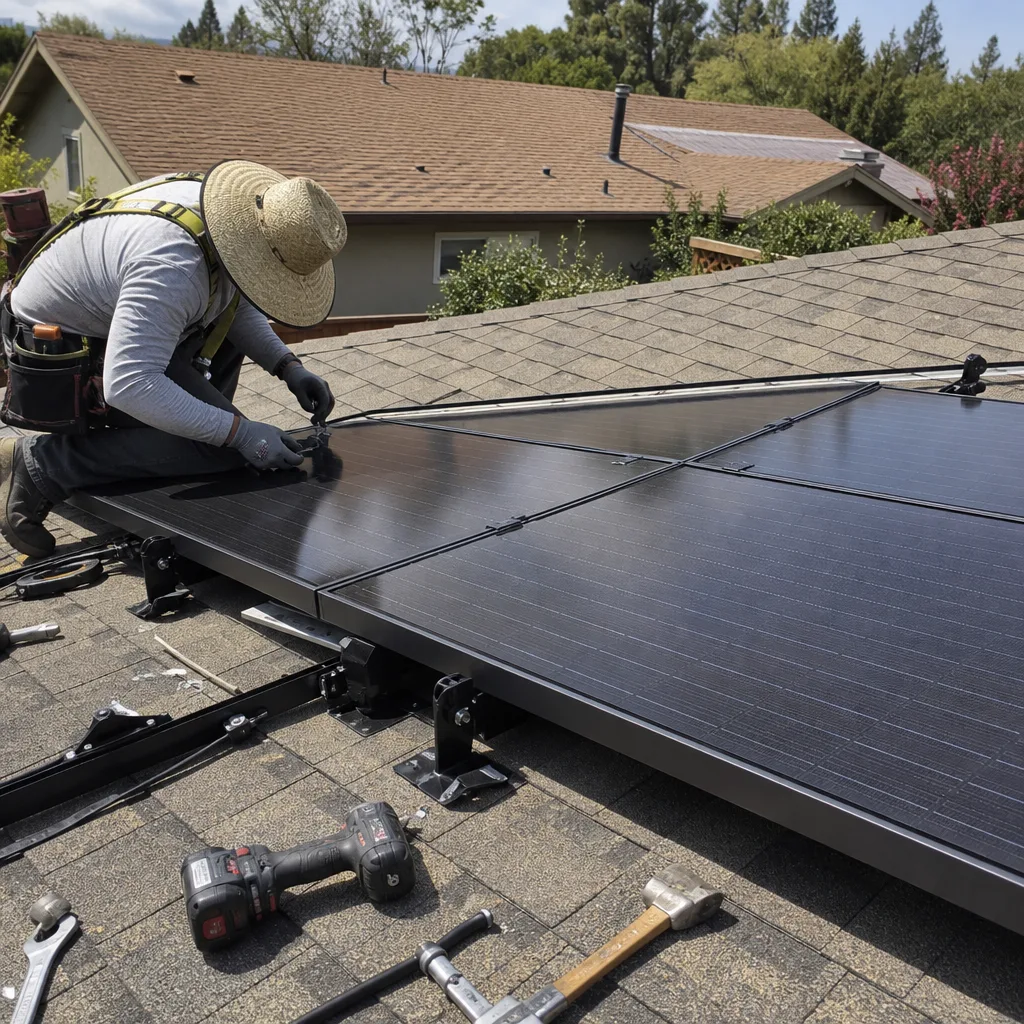 After
AfterPanasonic Solar Panel Cleaning: The San Jose Owner’s Guide
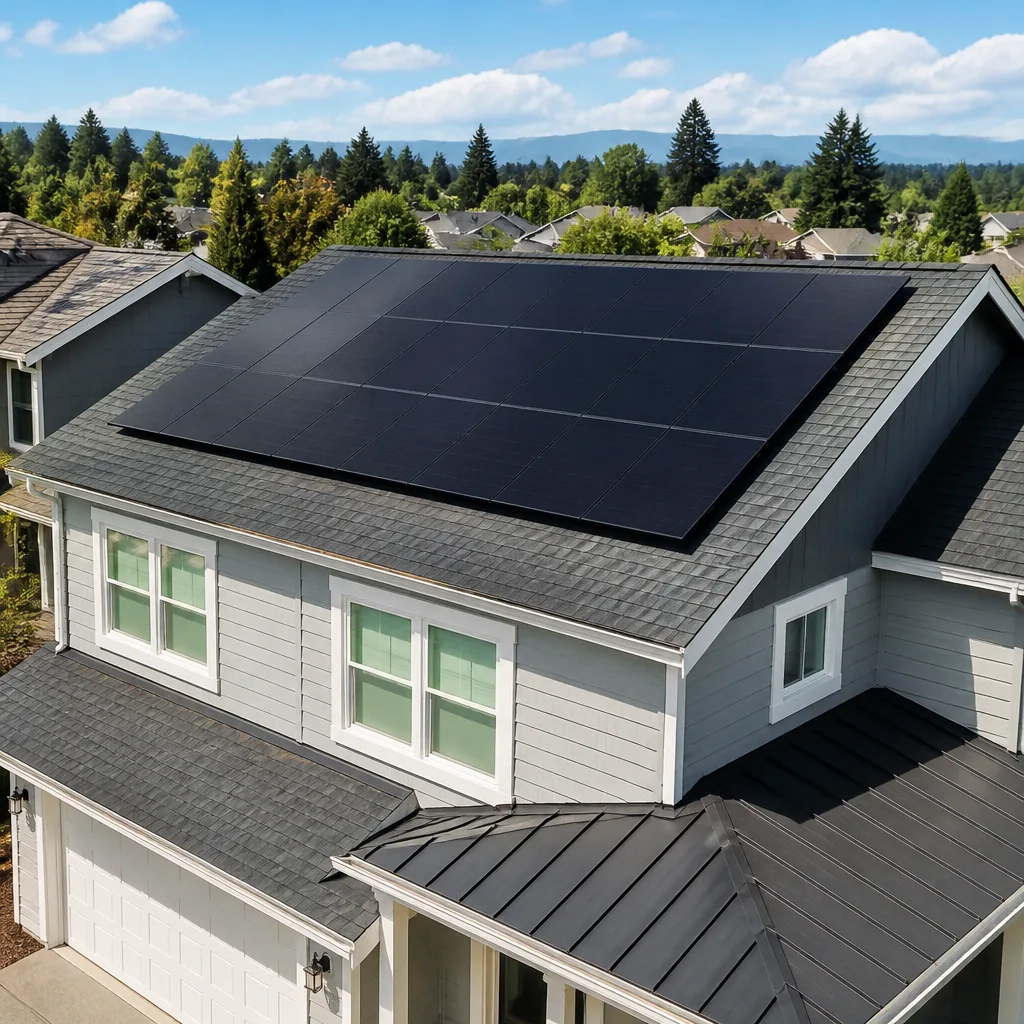
Panasonic panel cleaning in San Jose typically runs $150 to $400 for a full rooftop array, and we can usually have a crew out within 48 hours. Most Panasonic owners call us when they notice their production numbers creeping down on a sunny week, or when they spot that telltale gray-brown film across the lower edge of the panels. Panasonic’s HIT and EverVolt modules have a textured, anti-reflective glass surface that holds onto dust and pollen differently than other panels, which means your cleaning schedule in San Jose is not the same as a friend’s in, say, Portland.
We are an independent service provider, not affiliated with Panasonic. But we have been cleaning and servicing their modules across the South Bay long enough to know exactly what that glass wants and what it does not want.
Which Panasonic Models This Applies To
This covers the Panasonic HIT series (N330, N325, N320 and the older N300/N285 lines), the EverVolt series (EVPV360 through EVPV410, including the EVPV400H and EVPV410H), and the newer EverVolt 2.0 modules many San Jose homeowners had installed between 2021 and 2024. If you are not sure which module you have, look under the top edge of a panel with a phone camera and a selfie stick, or check the side of the inverter, where the installer should have left a spec sheet.
One compatibility gotcha worth knowing: Panasonic’s HIT modules wrap their bus bars in a black frame with a very tight glass-to-frame seal. That seal collects debris at the bottom edge faster than the frame on a Canadian Solar or REC panel. We use a deionized water rinse and a soft nylon brush on Panasonic glass, never a pressure washer. Panasonic’s warranty language is strict about abrasive cleaning, and a well-meaning handyman with a gas-powered washer can void coverage on a $400 module in about thirty seconds.
Signs Your Panasonic Solar Panel Cleaning Is Falling Behind
- Production dip on clear days. You will see it first in your monitoring app: a Tuesday that should produce 28 kWh is only putting out 22, and the weather is not the reason. That gap usually means a layer of dust or pollen is scattering light before it reaches the cell.
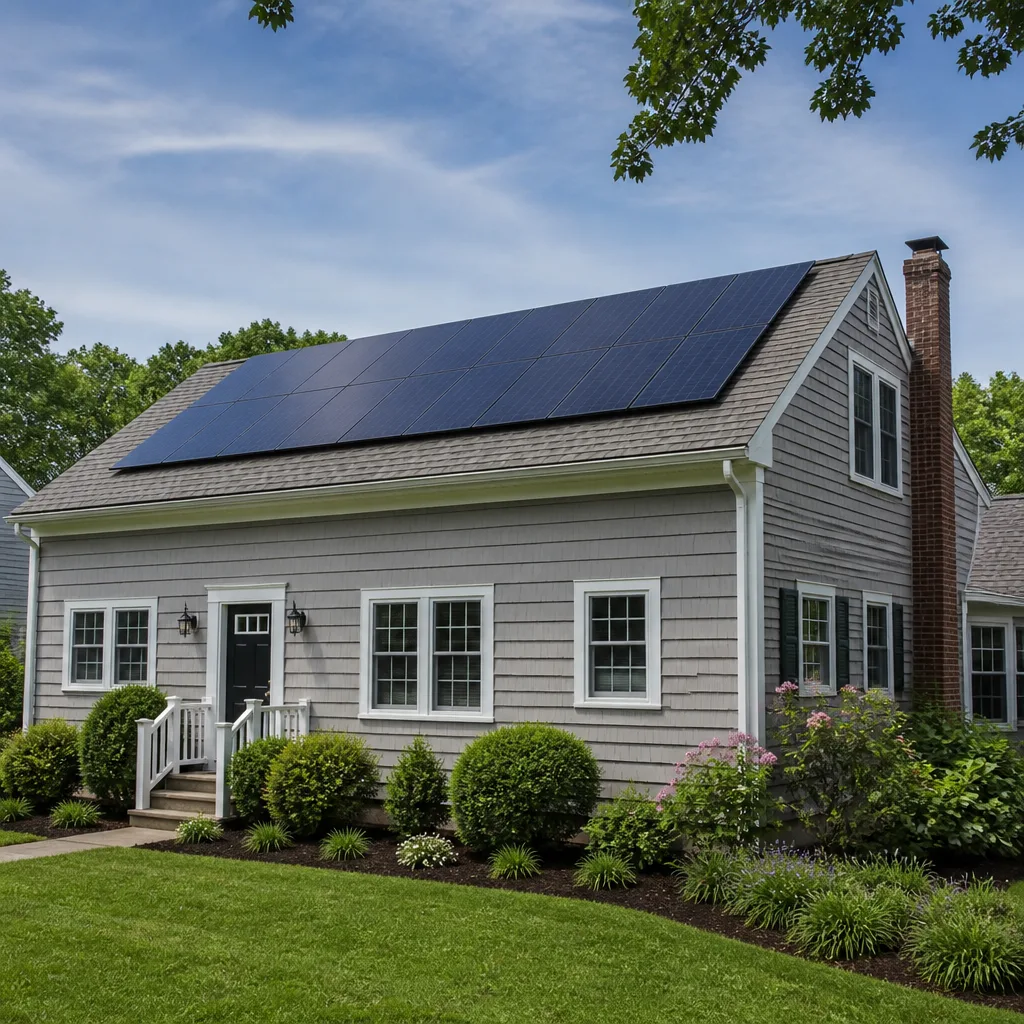
- A visible gray-brown film on the lower third of each panel. Panasonic’s textured glass traps fine particulates along the bottom edge, where the frame acts as a dam. It starts as a dust line and hardens into a film after a few rainless San Jose months.
- Bird droppings that have baked on. One good-sized dropping can block enough light to create a hot spot on a single cell. Hot spots degrade cells over time, and Panasonic modules are not immune to that physics.
- Water spots after light rain. If a summer sprinkle leaves rings instead of a clean surface, you have a mineral and pollen residue layer that rain alone will not move. We see this a lot in Almaden and Evergreen, where tree pollen loads are heavy in spring.
- Increased inverter fan cycling. When panels run hotter because of surface grime, the inverter works harder. If you hear the fan spinning up on a mild day, dirty glass is usually part of the story.
Replacement Cost & What’s Included
A full Panasonic array cleaning in San Jose runs between $150 and $400, depending on array size, roof pitch, and how much buildup has accumulated. For a typical two-story home in Willow Glen or Cambrian with 20 to 30 Panasonic modules, you are usually looking at $200 to $325. That price includes deionized water, soft-bristle cleaning, a full production check before and after, and a visual inspection of frames, mounts, and connector seals while we are up there.
| Service | Typical San Jose Price |
|---|---|
| Ground-mount or single-story array, up to 15 panels | $150 – $200 |
| Two-story array, 16 to 30 panels | $200 – $325 |
| Large or steep-pitch array, 31+ panels | $325 – $400 |
| Spot cleaning (bird droppings, one section) | $75 – $125 |
We price flat, not hourly, and the quote we give you on the phone is what you pay. Every clean carries our 90-Day Done Right Promise: if you see streaks or production does not bounce back, Gus comes back and makes it right.
DIY or Call Us?
You can safely check two things from the ground: whether visible buildup is present on the lower edges, and whether your production numbers have drifted downward on clear days. What you should not do is get up on a two-story San Jose tile roof with a garden hose and a squeegee. Panasonic’s glass is not fragile, but your footing is. Falls from second-story rooflines are the most common injury we see in this trade, and cleaning a panel from a ladder while reaching sideways is exactly how it happens.
Also worth knowing: tap water from your garden hose leaves mineral deposits in the textured glass, which then bake on and become harder to remove than the original dust. Deionized water is not a marketing gimmick, it is the difference between a clean panel and a streaked one. If your array is on a single-story roof with easy access and you have a soft brush plus DI water, it is doable. Most people do not have DI water sitting around, and that is fine. Call us at (877) 550-6892 and we will have it done right.
FAQs
Once every 6 to 12 months is right for most San Jose homes. If you live near a construction site, under heavy oak or pine trees, or near the Caltrain corridor, every 4 to 6 months keeps production closer to peak. Panasonic’s textured glass holds particulates more than smooth panels, so a once-a-year spring cleaning honestly is not enough for some lots.
Dirt does not get repaired, it gets removed. But sometimes what looks like dirt is actually delamination or a seal failure, which is a different conversation. When we clean, we inspect each module as we go, and if we find something that is actually a warranty issue on your Panasonic panel, we will tell you straight and help you document it. Call (877) 550-6892 if you are not sure which one you are looking at.
Most residential jobs take 45 minutes to two hours from arrival to final production check. That includes setup, the cleaning itself, and a before-and-after reading from your monitoring system so you can see the difference in real numbers.
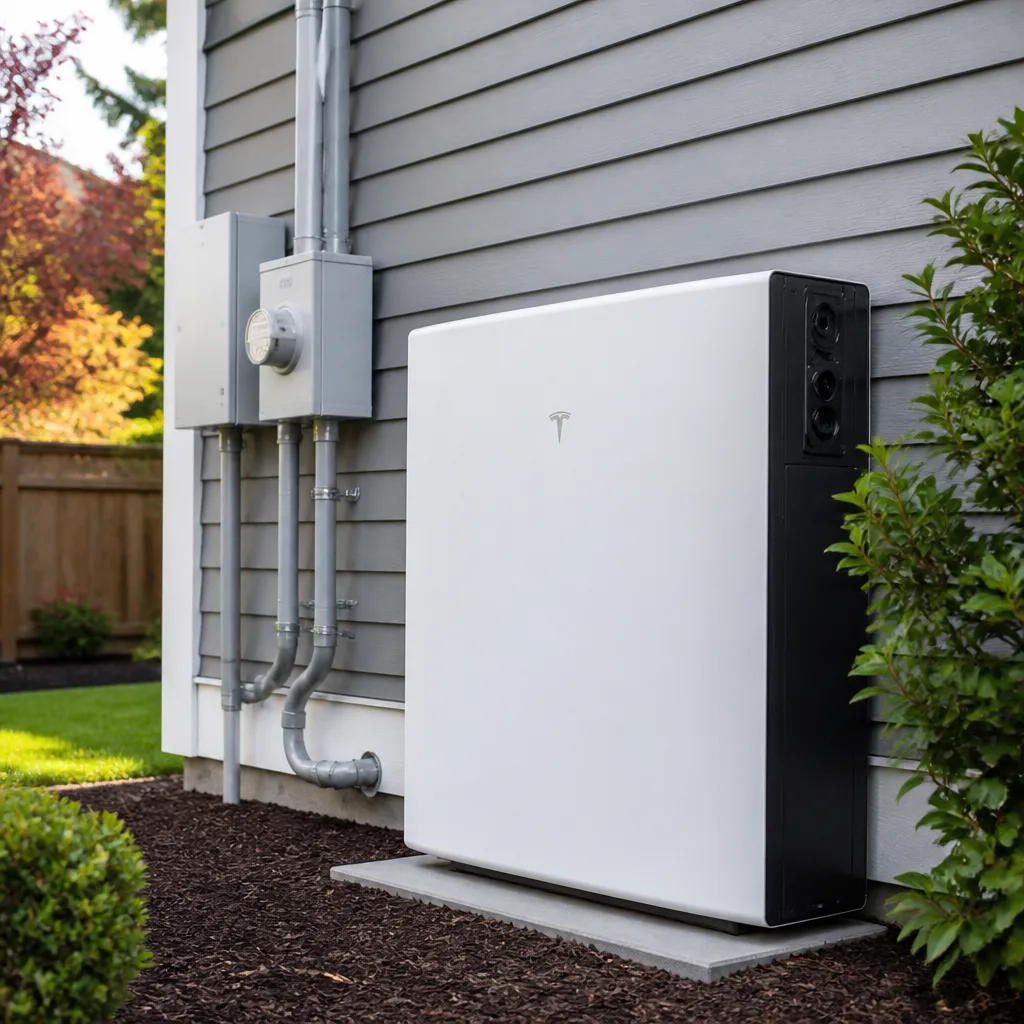
We keep deionized water systems, soft nylon brushes, and Panasonic-compatible inspection gear on our trucks at all times. We also service Tesla, Enphase, and SolarEdge systems, so if your Panasonic array is paired with one of those inverter brands, we can handle the whole system in one visit.
If your Panasonic panels are underproducing and you suspect dirty glass, call us at (877) 550-6892 for a free estimate. A live person answers, day or night, and we will tell you honestly whether a cleaning is worth the money or whether your production drop is something else entirely. Here’s what I’d do if it were my roof: check the numbers, get the glass clean, and only then start chasing bigger repairs. It is the cheapest first step and it fixes more “problems” than people expect.
Written by Gus Petrakis, Owner, Gus’s Solar at Gus’s Solar, serving San Jose and nearby areas.