
Free bill analysis - bring a power bill, get the production math for your actual roof, panel brands like Qcells and REC compared side by side
If the pitch starts at your door and ends with "sign tonight for the special," sleep on it. The sun will still be there tomorrow; so will we.
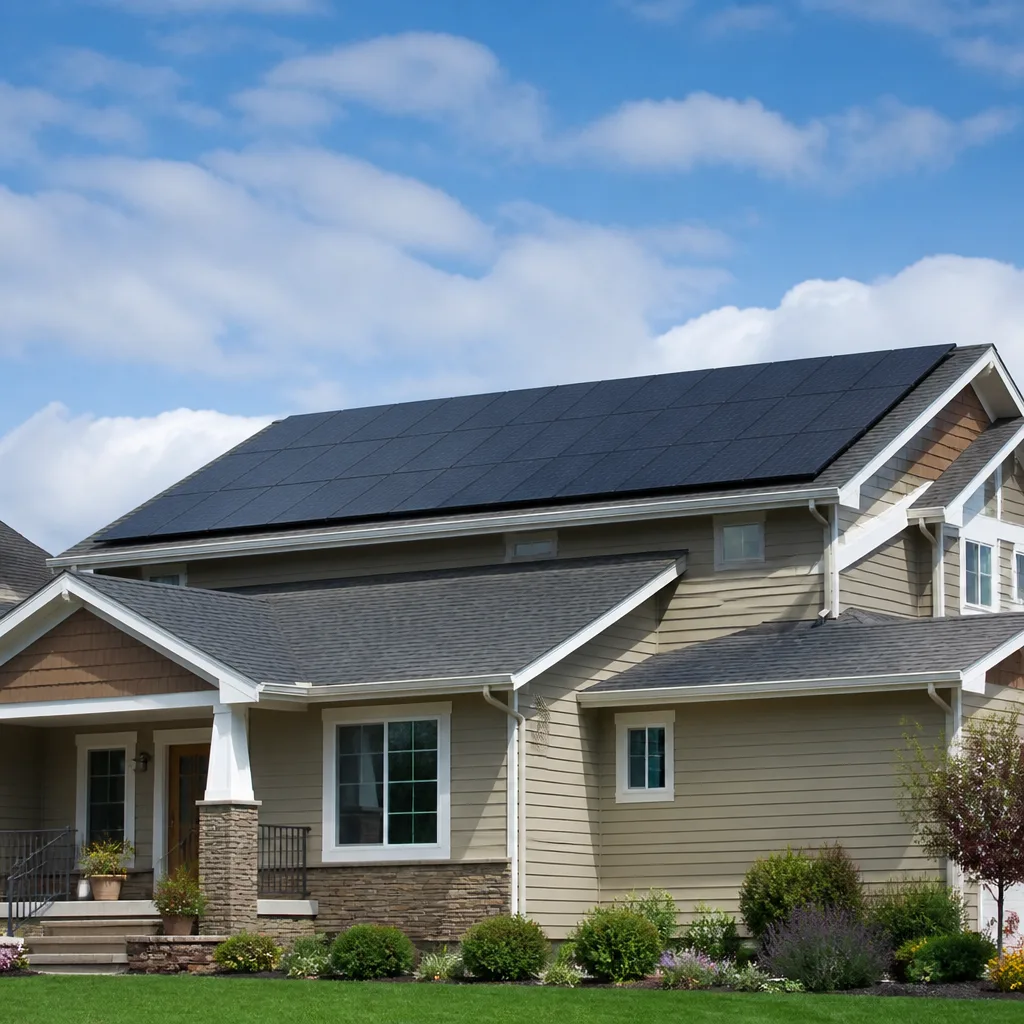
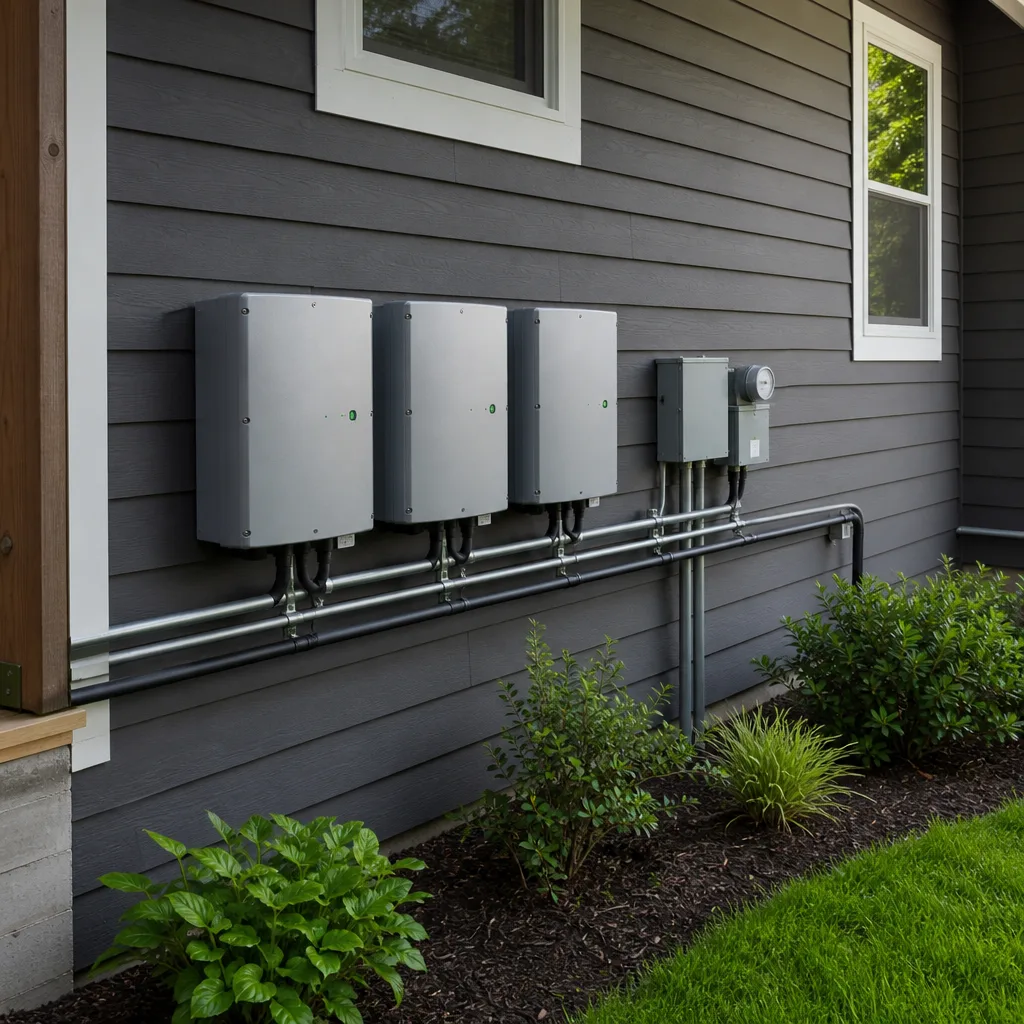
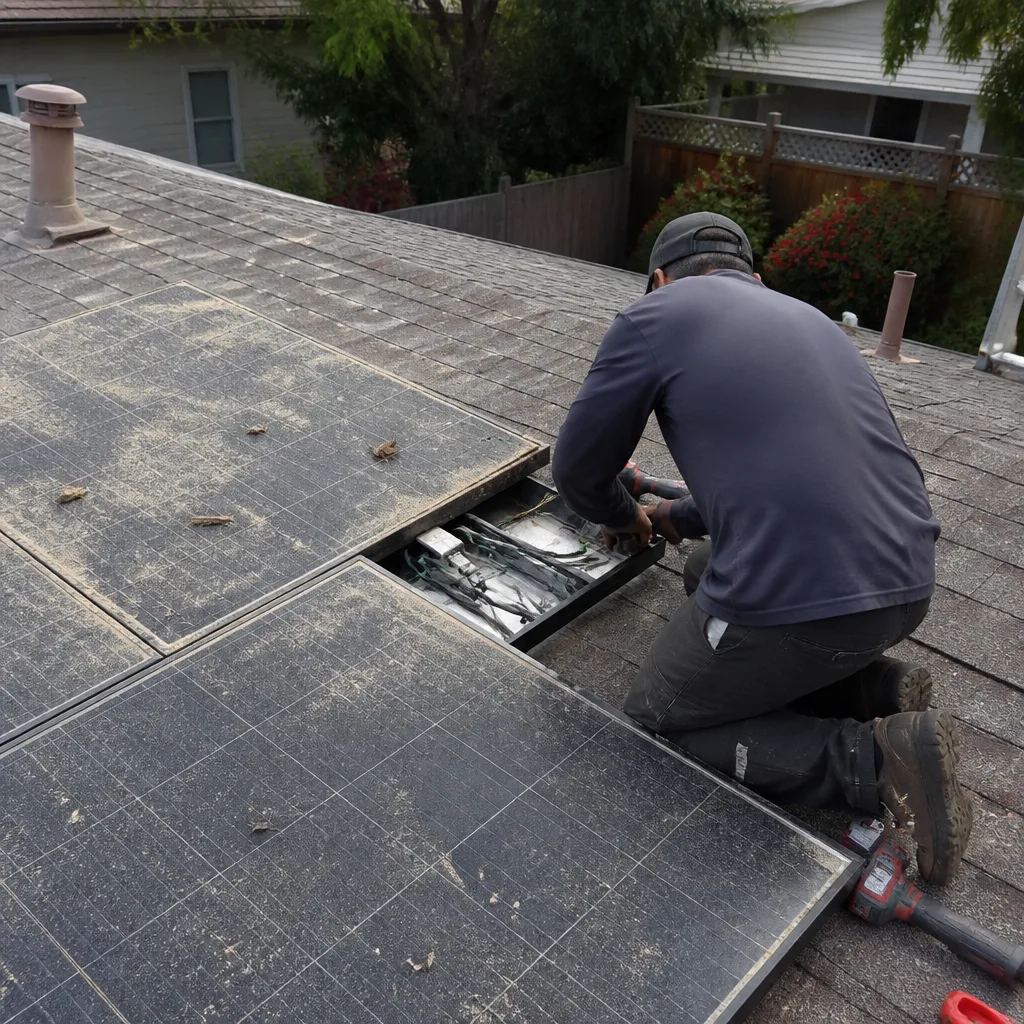 Before
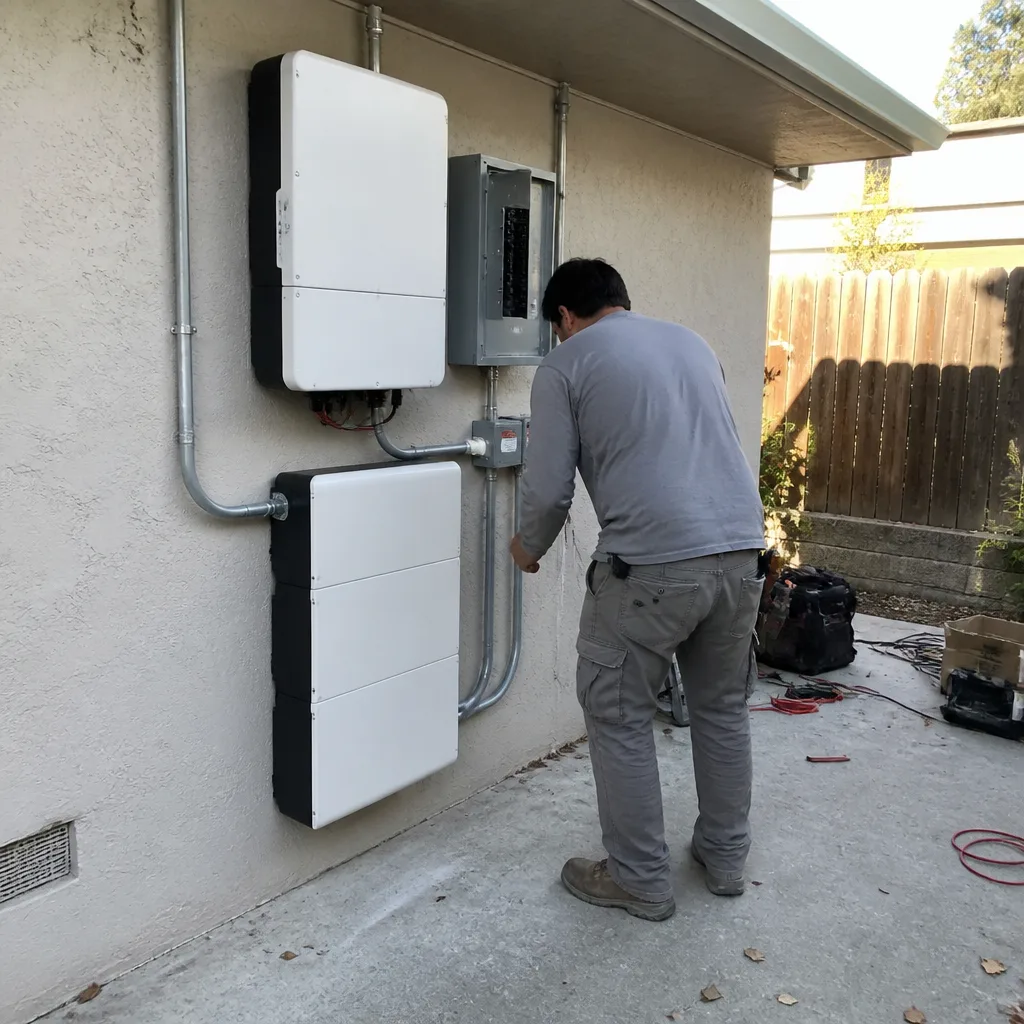 After
After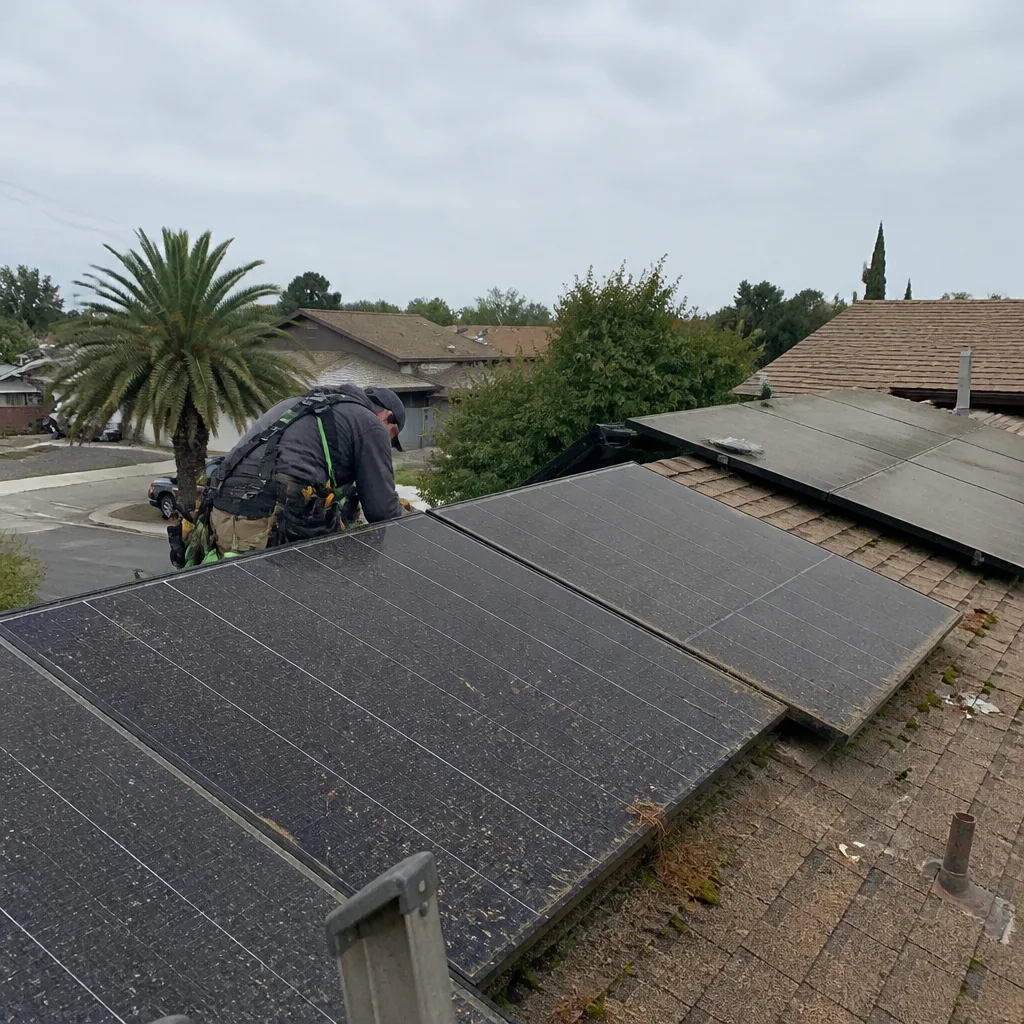 Before
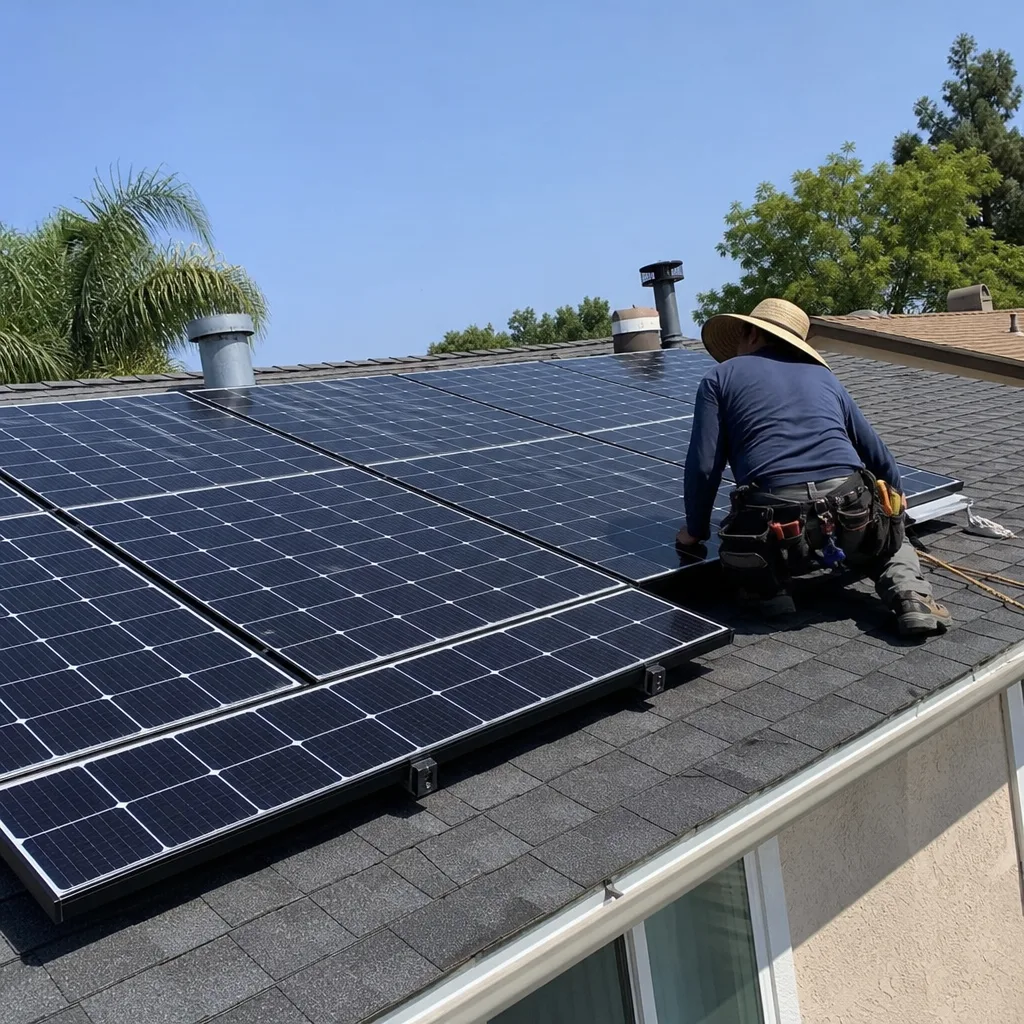 After
After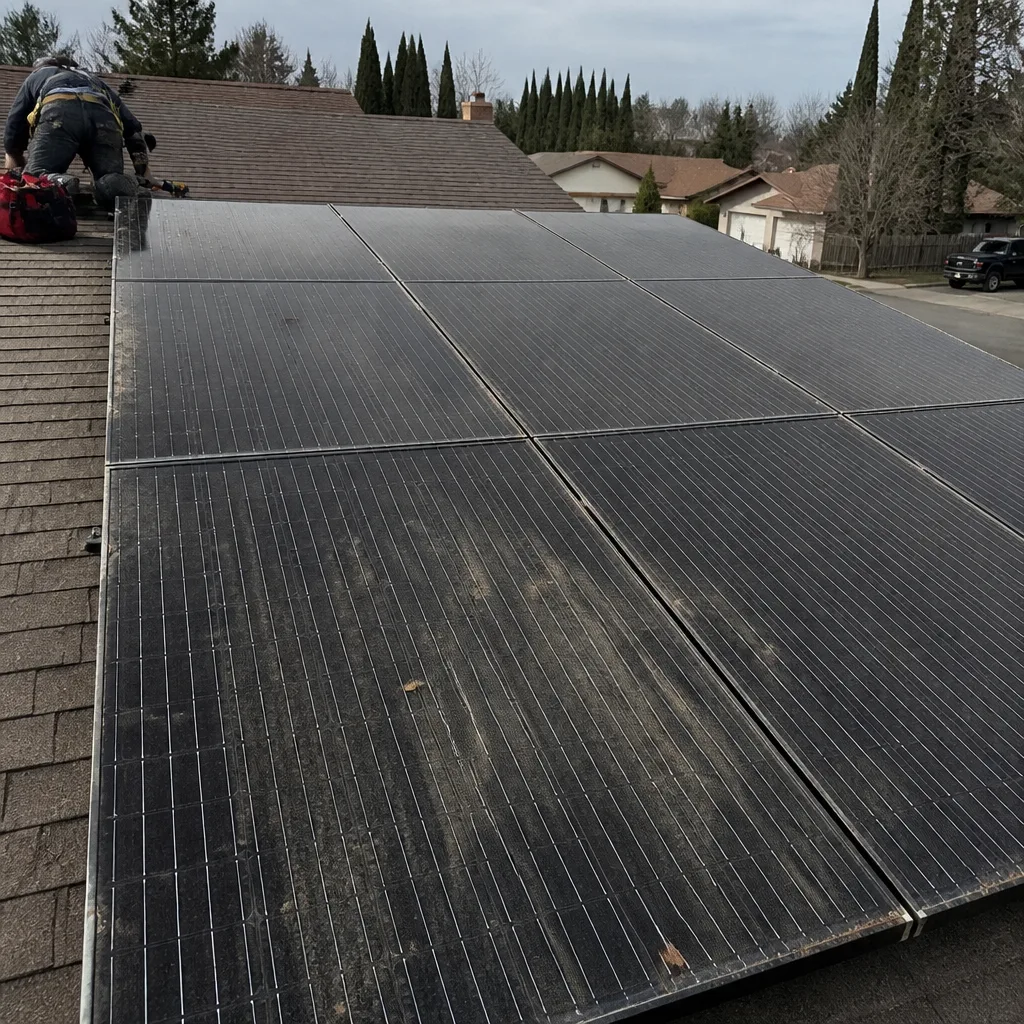 Before
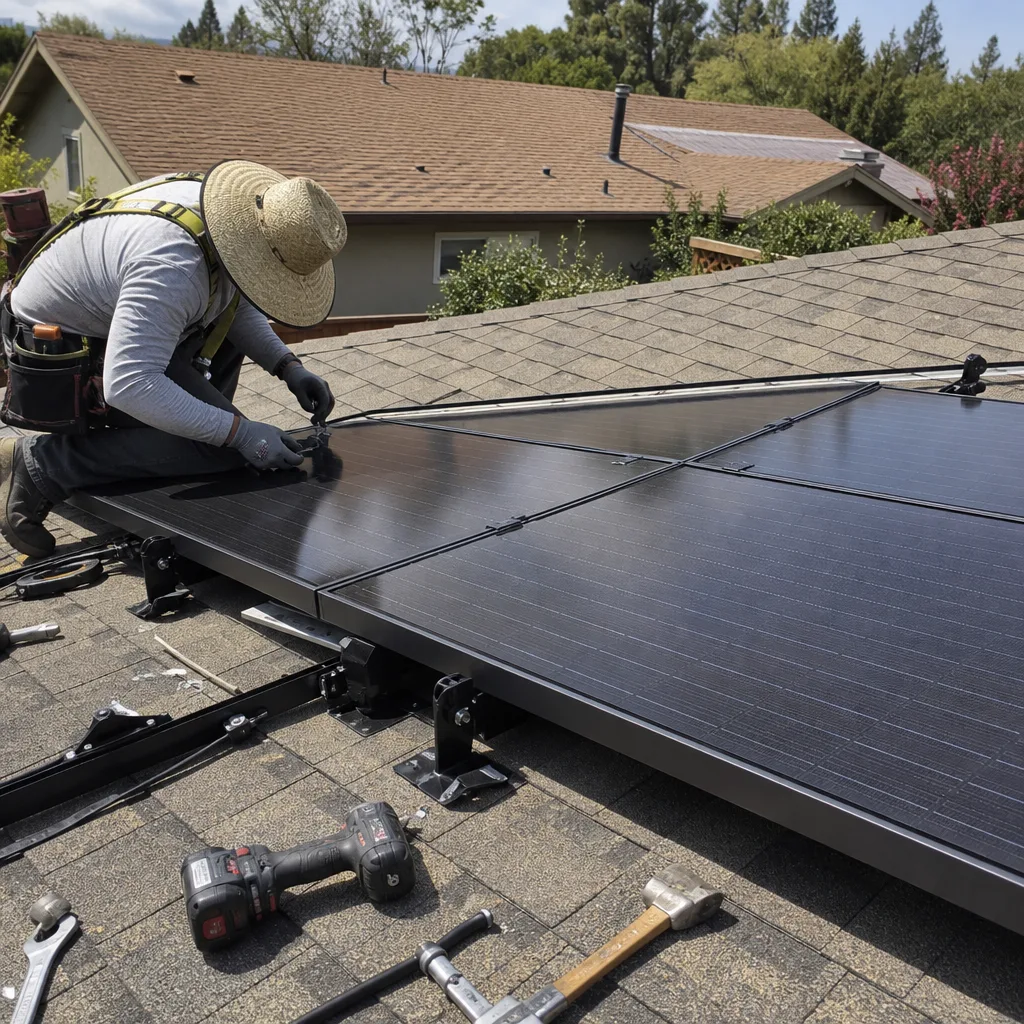 After
AfterPanasonic EV Charger Installation: The San Jose Owner’s Guide
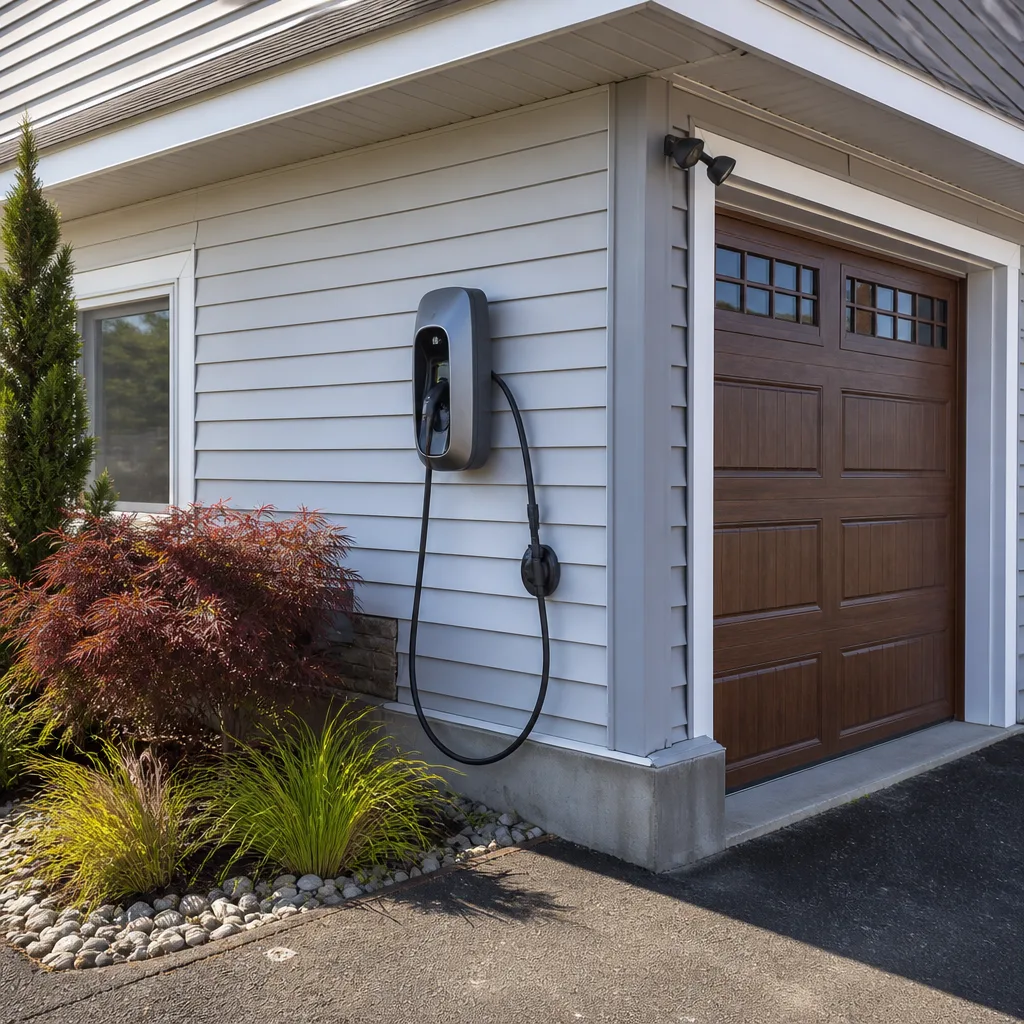
Panasonic EV charger installation in San Jose typically runs $1,200 to $2,800 depending on your panel’s available capacity, the distance from your electrical panel to the charging location, and whether you need a service upgrade. We carry Panasonic-compatible charging equipment on the truck and can usually complete a standard install in under a day. Most San Jose homeowners call us after their charger stops responding, trips the breaker repeatedly, or throws a fault code the week after PG&E does a grid-side repair.
Here’s what you need to know before spending a dollar on parts or labor.
Key Takeaways
- Panasonic chargers are solid hardware, but the install is what fails in San Jose most often: undersized breakers, corroded outdoor terminations, and old panels pushed past their rated load.
- Your existing Panasonic charger may be fine. Half the time the wiring or the panel is the problem, not the unit itself.
- We stock replacement units and common repair parts locally, so there’s no week-long wait on a part coming from a warehouse in Texas.
- Permits in San Jose are required for most hardwired EV charger installs, and we pull them. Skipping the permit costs more when you sell the house.
Which Panasonic Models This Applies To
Panasonic has sold a few different home charging lines over the years, and not all of them cross over cleanly. The two you’re likely to have in San Jose are the wall-mounted AC Level 2 units sold through solar installers and the older plug-in units that shipped with early Leaf and Prius Prime purchases. The wall units are hardwired and run on a dedicated 240V circuit. The plug-in units use a NEMA 6-50 or 14-50 receptacle, and those are the ones we see fail most often at the plug connection.
If you pull the cover off the charger body, there’s a rating plate with the model number and the input spec. That’s the part you need to match. Panasonic chargers from the 2016 to 2021 range are mostly 30A output on a 40A breaker. The newer units pull 40A output on a 50A breaker. A homeowner will look at those two and think they’re interchangeable. They’re not. Putting a 40A-output unit on a 30A circuit means nuisance tripping, and going the other way can overheat a wire that wasn’t sized for it.
On parts, we’ll always quote the OEM Panasonic part first. But for the wall-mount units where the charge cable has worn or the connector pins have pitted, a quality aftermarket replacement cable assembly often makes more sense than a whole new unit. We’ll show you both numbers and let you pick. Gus’s Solar isn’t affiliated with Panasonic; we’re an independent shop that happens to install and repair their equipment more than most, because Panasonic’s stuff was bundled into a lot of Bay Area solar jobs over the years.
Signs Your Panasonic EV Charger Installation Is Failing
- Breaker trips during charging, but only sometimes. This usually means the breaker is undersized for the load, or the connection at the breaker has loosened over time. In San Jose’s older housing stock, we see this a lot on panels built for 100A service that someone added a 50A charger circuit to without doing a load calculation. The breaker is actually doing its job.
- The charge cable connector feels warm, or the pins look dull and dark. Heat at the connector means resistance at the contact points. A worn or pitted connector will only get worse and can damage the charge port on the vehicle. That’s a replace-the-cable situation, not a keep-using-it situation.
- Charger works, then stops, then works again after you reset it. Intermittent faults on Panasonic units often trace back to a failing ground-fault detection circuit inside the charger, which is a sealed component. We can test and confirm it, but the fix is a new control board or a new unit.
- You hear a faint buzzing or humming from the unit while charging. Some hum on an AC charger is normal contactor noise. A buzz that gets louder over time is not. It often points to a relay wearing out or a loose internal connection.
- Charging speed dropped and the unit shows a reduced-current light or code. Panasonic units will derate themselves when they detect heat or voltage sag. The unit isn’t always the fault; we’ve traced this to a corroded splice in an exterior conduit where moisture got in. San Jose’s morning marine layer and summer heat cycles are rough on outdoor electrical connections.
Replacement Cost & What’s Included
For a standard hardwired Panasonic replacement in San Jose, you’re looking at $1,200 to $2,200 installed, assuming your panel has space and capacity. If we’re running a new circuit more than 30 feet from the panel, or you need a panel upgrade to 200A, the top end lands around $4,500. Here’s how the line items break down:
| Line Item | Typical Cost in San Jose | Notes |
|---|---|---|
| Panasonic EV charger unit (or replacement cable assembly) | $450 - $900 | OEM unit vs aftermarket cable; we quote both |
| Installation labor (hardwired, under 30 ft) | $600 - $1,100 | Includes disconnect, breaker, conduit, terminations |
| Circuit wiring and materials | $150 - $300 | Varies with distance from panel |
| San Jose permit and inspection | $150 - $250 | We pull it; you don’t chase the city |
| Repair-only (cable, connector, breaker, splice) | $250 - $650 | When the charger itself is still good |
Every quote is the number you pay. We don’t pad with surprise fees. The work comes with our 90-Day Done Right Promise, and if we replace a part and it fails inside the first 90 days, we come back and make it right without a fight. Gus Petrakis puts his name on this shop, and he’s still the one you’ll talk to if something isn’t working.
DIY or Call Us?
There are a couple of things you can safely check before calling anyone. Look at the breaker: is it warm to the touch? Is the charger’s status light doing something different from normal? Is the outlet face (if plug-in) cracked or yellowed? That’s useful information for us either way.
What you should not do is open a hardwired charger or pull the front off your electrical panel to poke around. A 240V charger circuit carries enough current to stop a heart. The connections inside a Panasonic unit are under spring tension and there are capacitors that stay charged for a while after power is cut. If you’re not sure, don’t. Call us at (877) 550-6892, and a live person picks up. We’ll walk you through what to look at over the phone, and if it needs a hands-on fix, we’ll have someone out the same day.
FAQs
Most Panasonic wall units in the San Jose area last 8 to 12 years when installed correctly and protected from direct sun. The failure point is rarely the electronics; it’s the cable assembly and the connector pins that wear out first, especially on units that hang on a west-facing garage wall and bake every afternoon. Call (877) 550-6892 and we’ll tell you honestly whether a repair extends the life or a new unit makes more sense.
Sometimes, yes. Loose terminations, worn cables, and failed external breakers or receptacles are all repairable on-site. But if the internal ground-fault board or contactor fails, Panasonic doesn’t sell those as field-serviceable parts, and a replacement unit becomes the cheaper long-term fix. We won’t sell you a new charger if a $300 cable swap keeps yours running.
A straightforward replacement of an existing hardwired unit takes 2 to 4 hours. If we’re running new conduit and circuit from the panel, plan on a full day. San Jose permits usually clear within a week, and we can often schedule the inspection within a day or two of the install.
We stock replacement cables, connectors, breakers, and the common Panasonic wall unit models on the truck or in our San Jose shop. If you have an older or less common Panasonic model, we’ll have the right part within a day or two. Call (877) 550-6892 and tell us the model number off your rating plate; we’ll have an answer before we hang up.
Call Us or Stop By the Shop
We’re in San Jose, we’ve been doing this for over 29 years, and the person who answers the phone lives about ten minutes from where Gus grew up in Willow Glen. If you want a straight answer on whether your Panasonic charger is worth repairing, call (877) 550-6892 for a free estimate. Bring us a photo of the unit and your panel, and we’ll tell you what you’re looking at before anyone gets in a truck. Here’s what we’d do if it were our roof: call, ask questions, and don’t let anyone pressure you into a decision tonight.
Written by Gus Petrakis, Owner, Gus’s Solar at Gus’s Solar, serving San Jose and nearby areas.