
Free bill analysis - bring a power bill, get the production math for your actual roof, panel brands like Qcells and REC compared side by side
If the pitch starts at your door and ends with "sign tonight for the special," sleep on it. The sun will still be there tomorrow; so will we.
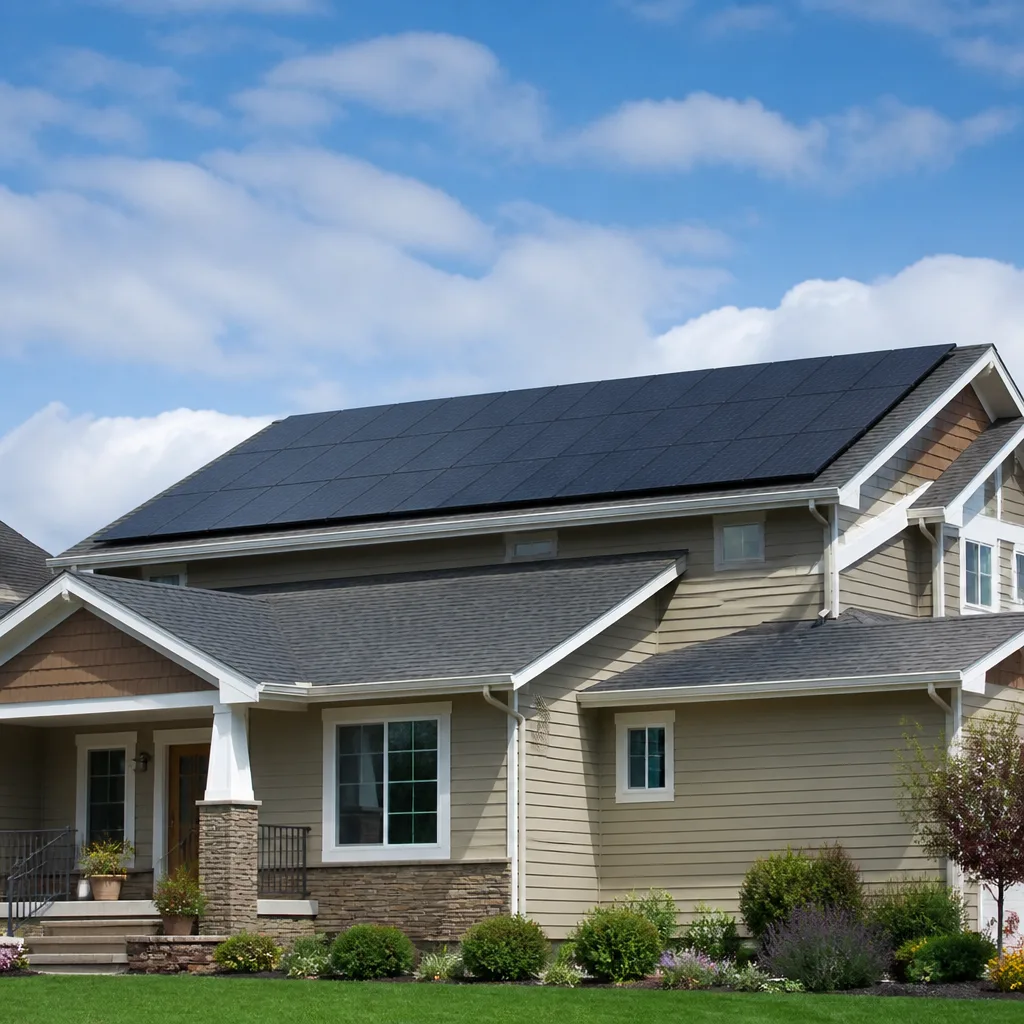
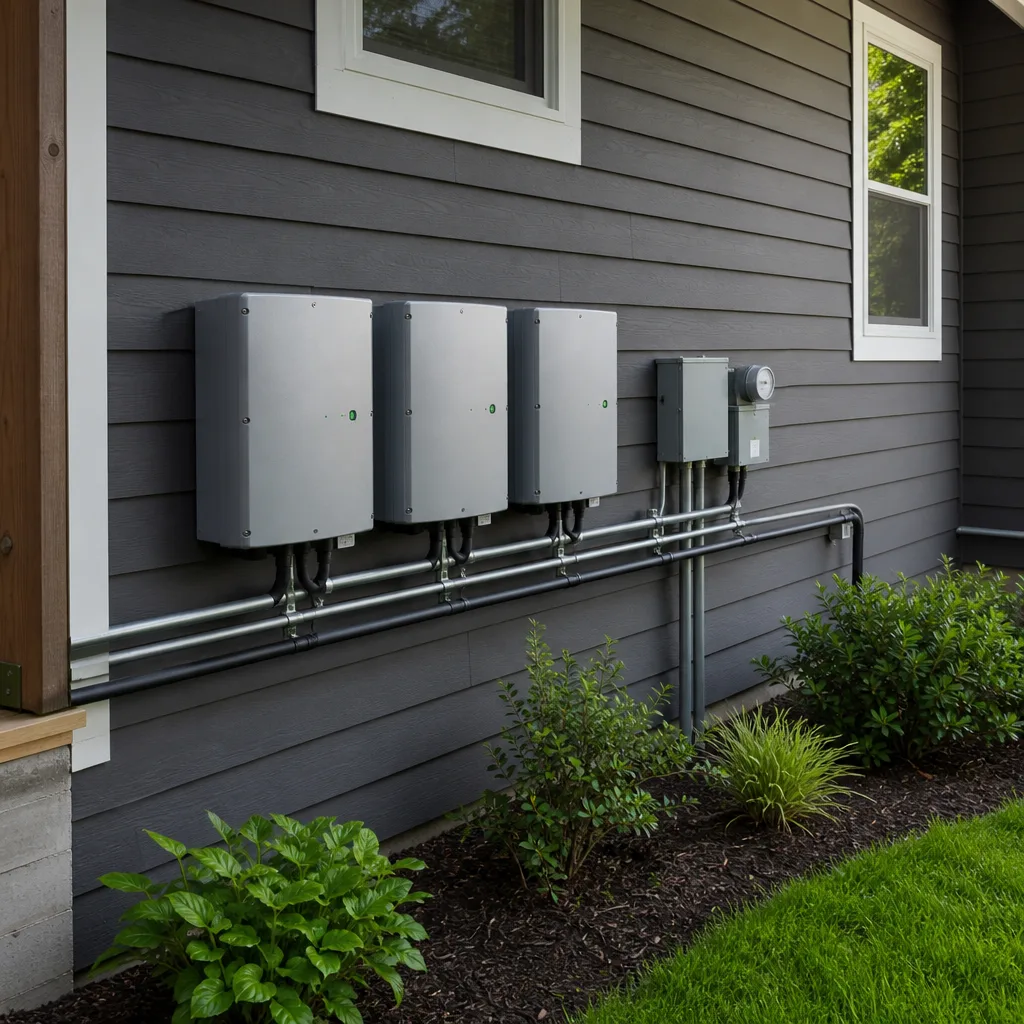
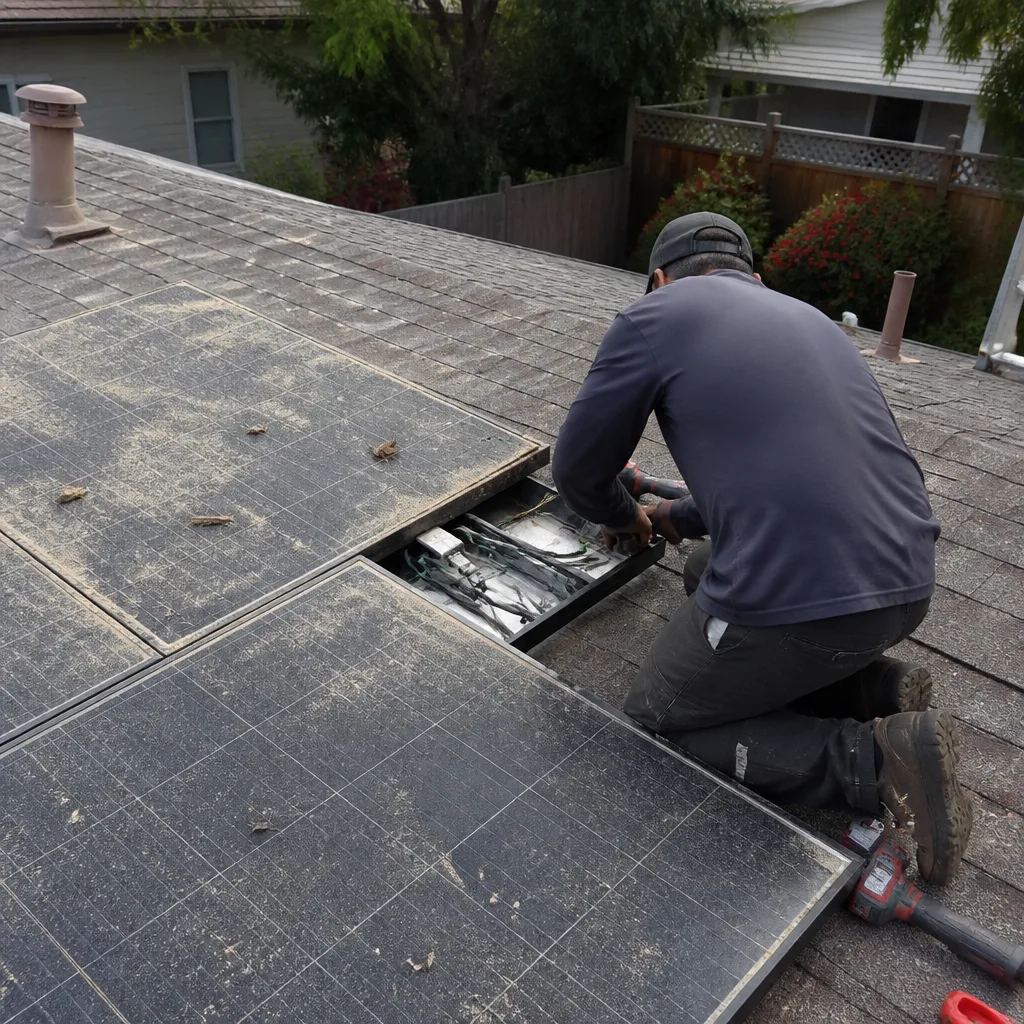 Before
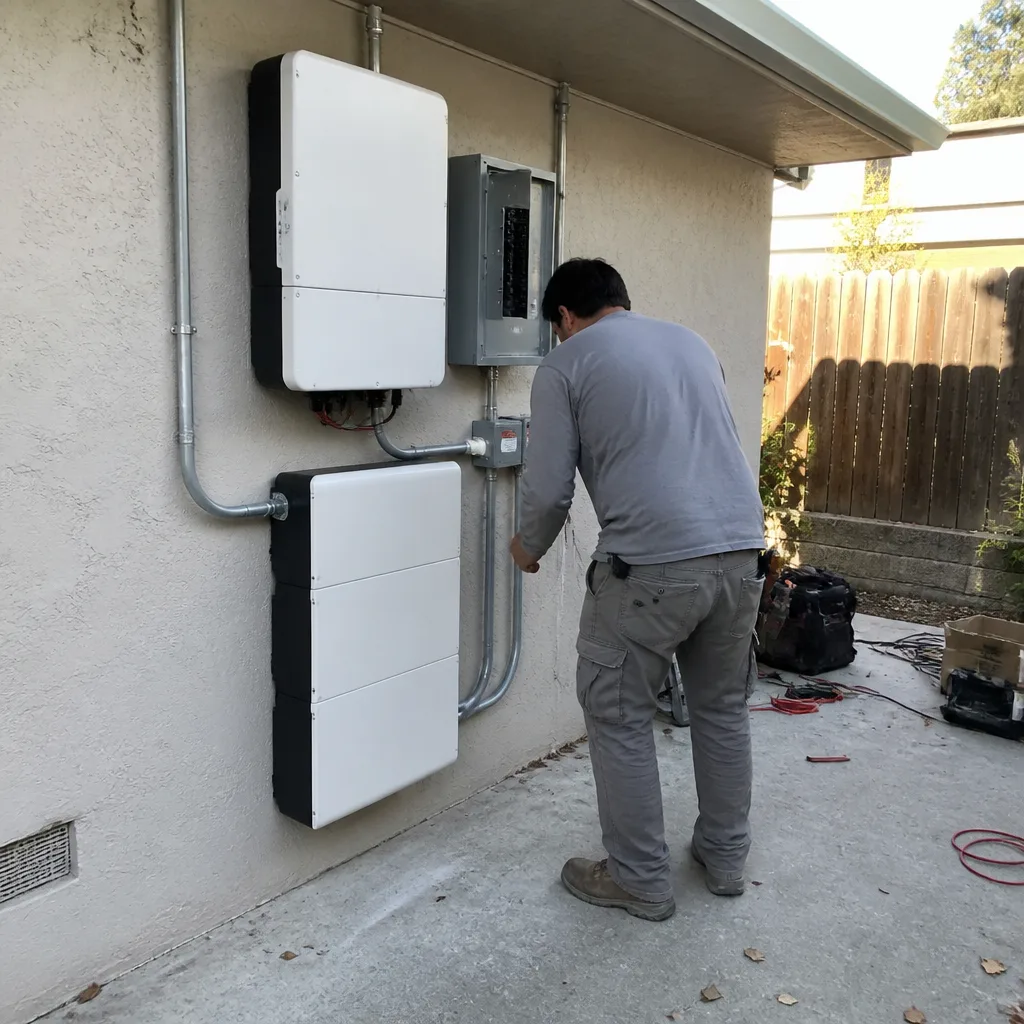 After
After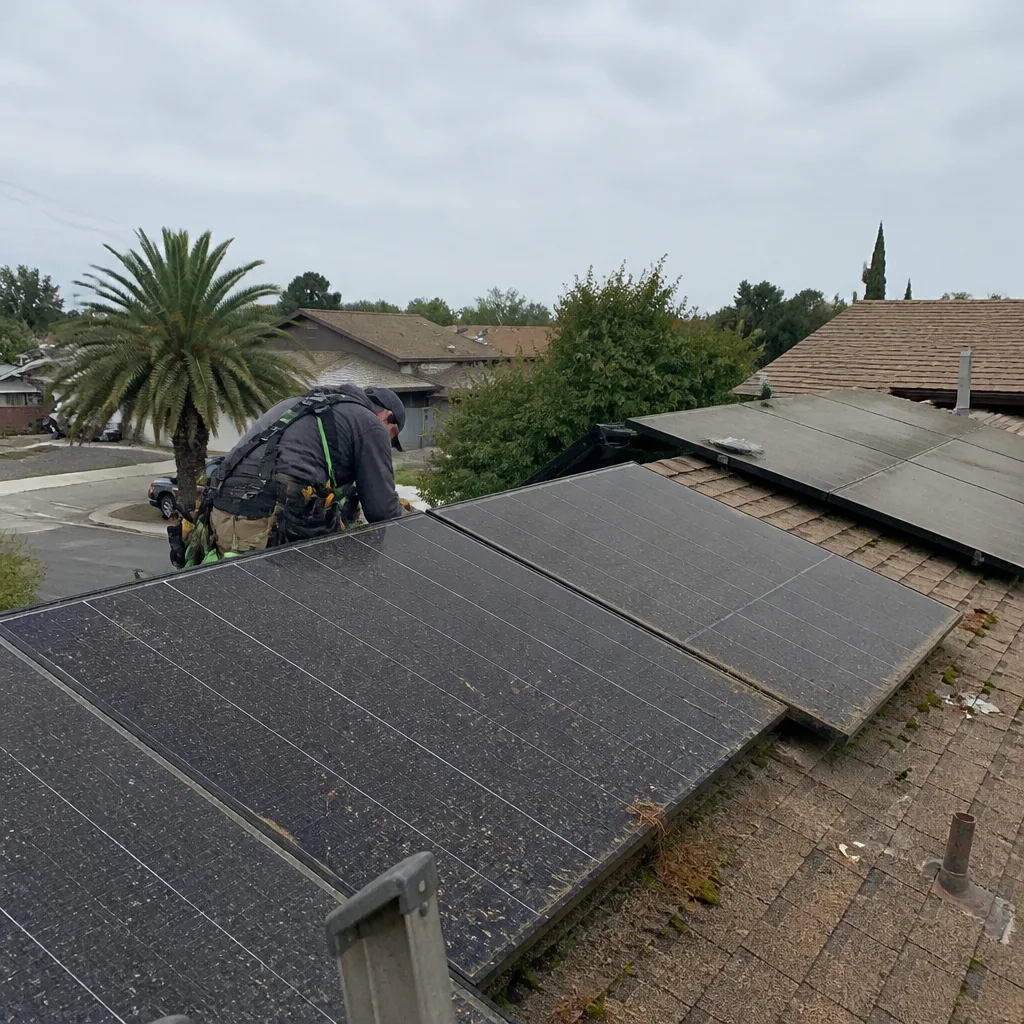 Before
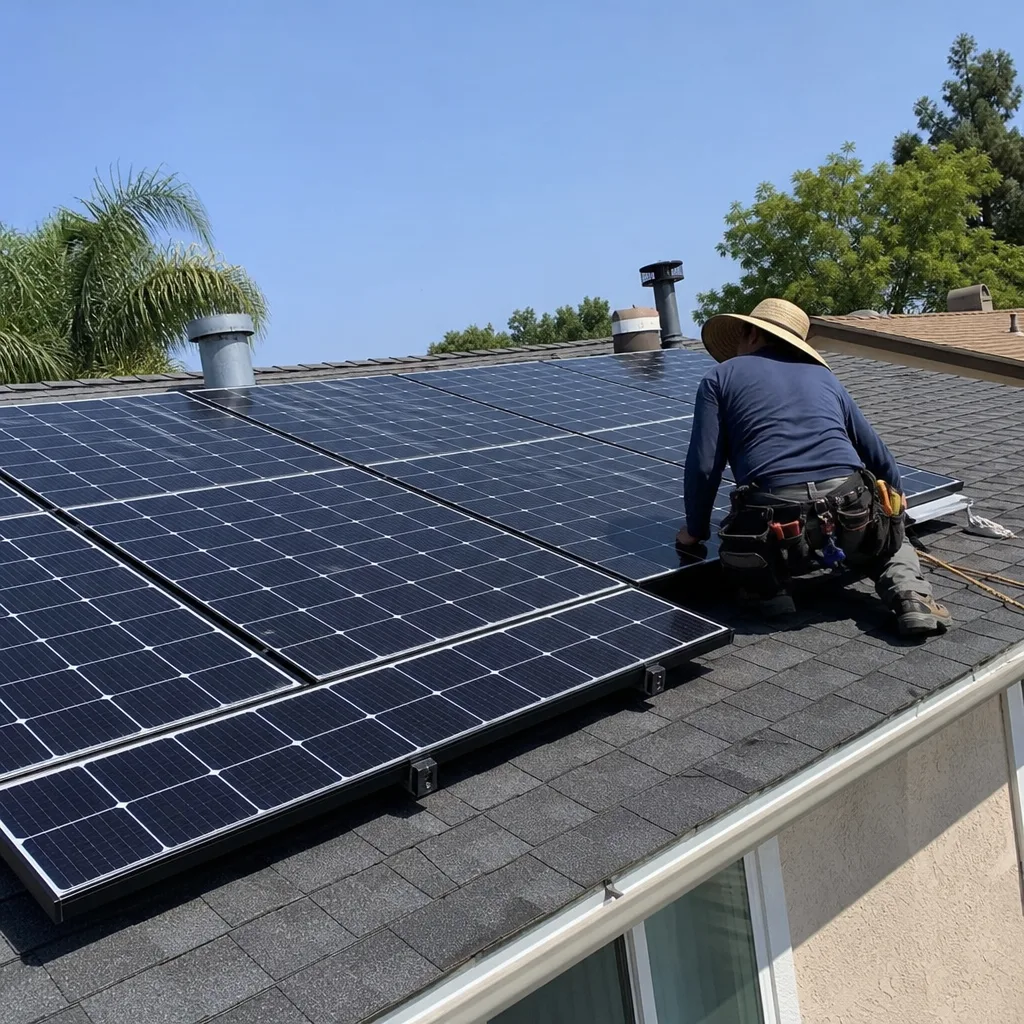 After
After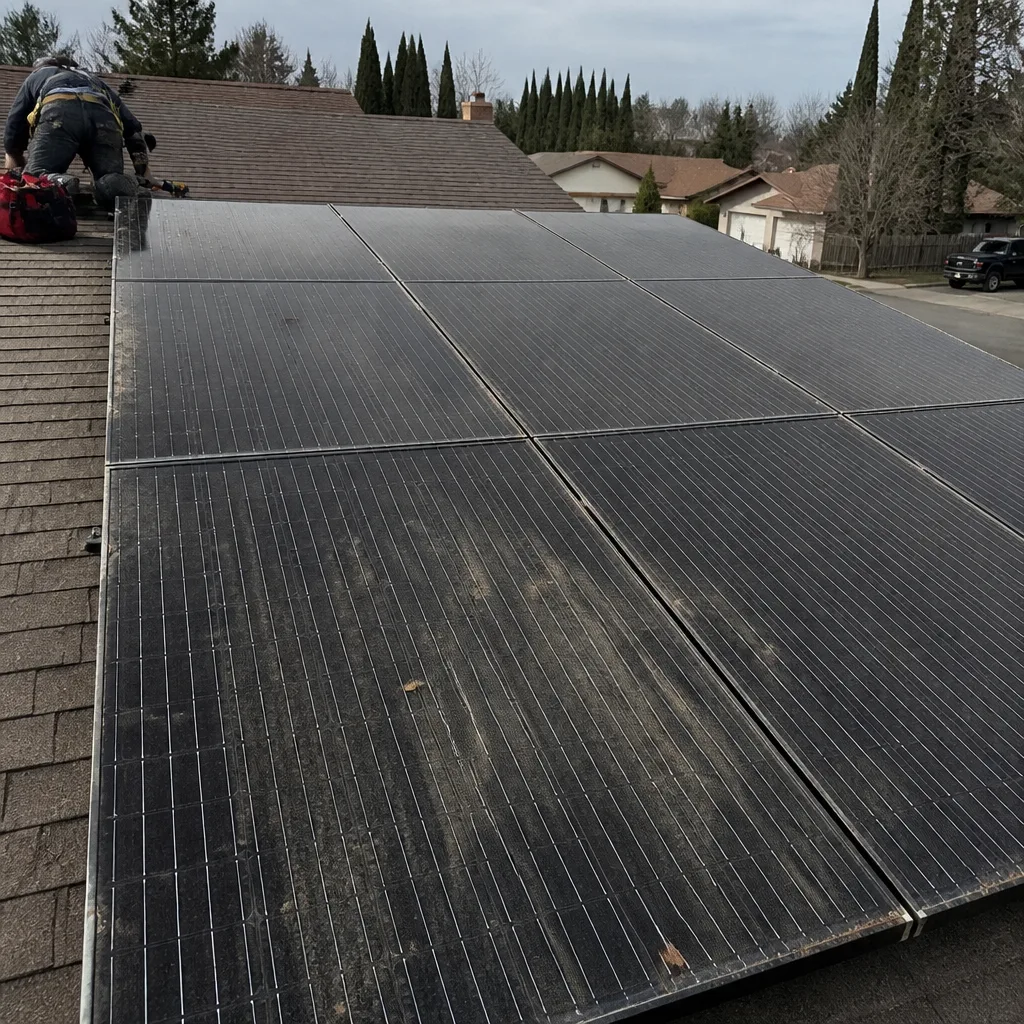 Before
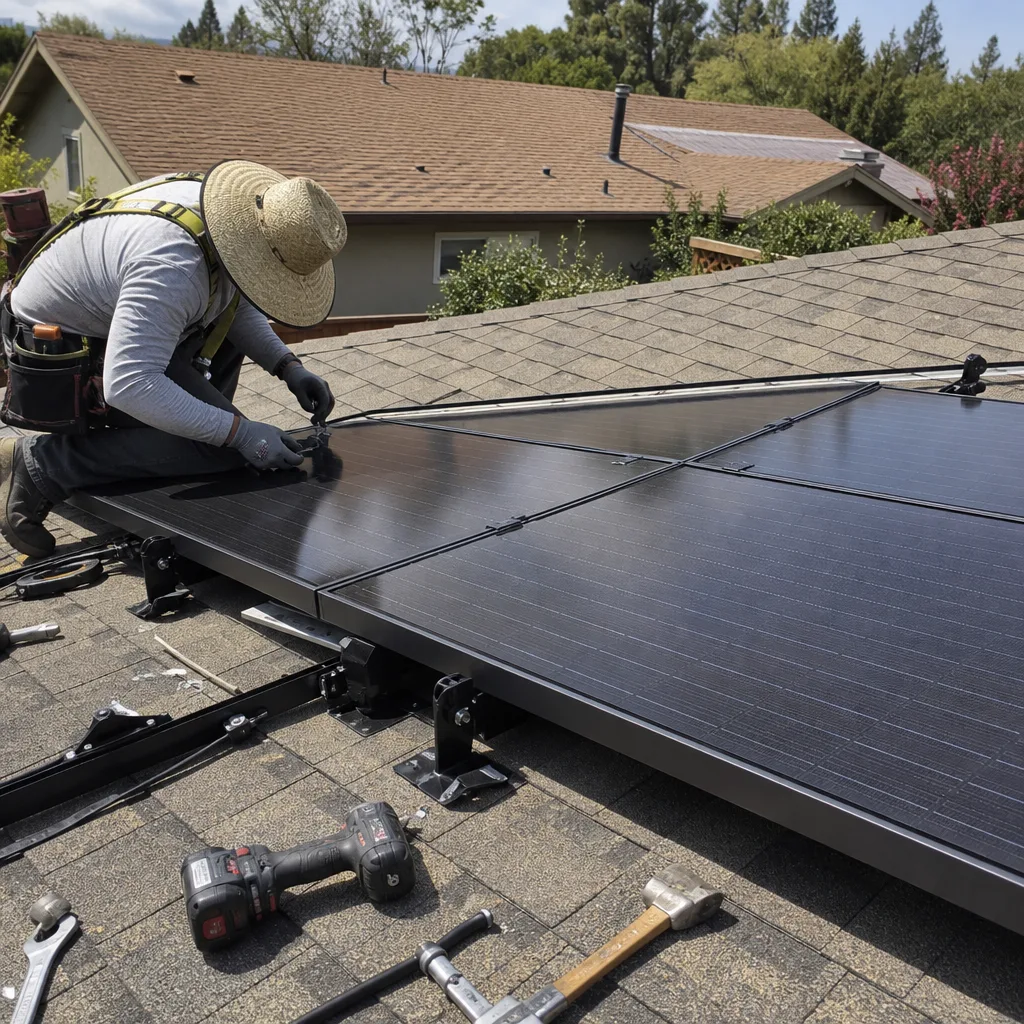 After
AfterPanasonic Commercial Solar Installation in San Jose: What to Know First
We install and service Panasonic commercial solar systems across San Jose, and most Panasonic commercial jobs take 2-4 weeks from signed agreement to a live system, depending on permitting and your roof’s condition. Panasonic’s commercial panels, particularly the EverVolt and HIT N-series lines, are genuinely well-built equipment, so our honest position is this: we’ll tell you if what you already have is worth keeping, or if a newer Panasonic array makes better sense for your electric bill. This page is for San Jose business owners, property managers, and warehouse operators who already own Panasonic equipment or want it installed correctly the first time.
Call (877) 550-6892 and a live person answers. Not a call center. Not a voicemail tree. Gus’s crew.
Key Takeaways:
- We’re an independent Panasonic service provider, not a manufacturer-authorized dealer, so our recommendations are based on what works on San Jose roofs, not what Panasonic wants us to sell.
- Most Panasonic commercial systems fail from installation shortcuts, not panel defects. We fix both.
- Every job carries the 90-Day Done Right Promise in writing. If it’s not right, Gus comes back and makes it right.
How Panasonic Products Fail - and How We Fix Them
Panasonic builds a solid panel. But no panel is perfect, and commercial rooftops in San Jose put equipment through real abuse: sun, wind, raccoons, and PG&E voltage swings. Here’s what we actually see on Panasonic commercial jobs:
- EverVolt H series microcrack degradation: The EverVolt H series uses half-cut cells, which are more efficient but slightly more prone to microcracks from improper pallet handling or installers walking on panels. On flat commercial roofs in San Jose’s East Side, where rooftop AC units force awkward layouts, we regularly find panels with hairline cracks that don’t trip a fault but quietly cost you 8-15% output. Our fix: thermal imaging inspection, then replacing only the affected panels. Panasonic’s 25-year product warranty covers this, but only if the installation was done to spec. Ours is.
- HIT N-series connector corrosion: The HIT N-series, which San Jose installers were putting on commercial rooftops from roughly 2016-2020, uses MC4-compatible connectors that can corrode at the junction if the installer didn’t torque them properly or left them sitting in standing water. On low-slope commercial roofs in North San Jose, we see this all the time after heavy winters. Symptoms show as intermittent inverter faults that come and go. The fix is straightforward: cut and re-terminate the connectors, check the entire string, done.
- EverVolt B series inverter mismatch: Panasonic panels paired with non-Panasonic inverters, which is common on commercial retrofit jobs, sometimes throw voltage out-of-range errors on hot San Jose afternoons. The panel’s voltage curve runs higher than some older string inverters can handle. We fix this by verifying string sizing and, where needed, adding panel-level electronics or reconfiguring the string layout. This is a design issue, not a panel defect, and it is exactly the kind of thing a rushed installer misses.
- Frame delamination on older Panasonic HIT modules: On commercial rooftops over 15 years old, especially near South San Jose’s industrial corridors where rooftop temperatures run 140°F in July, we see occasional frame delamination where the aluminum frame separates from the glass at the corners. Water gets in, and output drops steadily. Panasonic’s older HIT modules are particularly susceptible because of the thinner frame profile. The honest fix is usually panel replacement, not repair. We’ll tell you if patching it makes sense. Sometimes it doesn’t.
- Ground fault alerts from damaged wire management: Commercial rooftop systems have hundreds of feet of DC wiring, and on Panasonic jobs where the original installer used zip ties instead of proper stainless clips, San Jose’s temperature swings cause expansion and contraction that eventually rubs through wire insulation. The inverter throws a ground fault, production stops. Our fix is re-running the affected wires with proper rain-tight conduit and clips. Then we test the entire array under load.
Here’s what I’d do if it were my roof: before replacing anything, we’d data-log the system for a week. Intermittent problems hide in plain sight, and replacing a good panel because the data was read wrong is a waste of your money.
Our Panasonic Commercial Solar Installation Process
You’ll know exactly what’s happening and when, and the price won’t change halfway through. Here’s how a typical Panasonic commercial job runs with Gus’s Solar:
- 1
Call and talk to a person. You call (877) 550-6892, you describe your building and your current electrical setup. We ask questions. No script. If it sounds like we can help, we schedule a site visit.
- 2
Site walk and bill review. Gus’s crew comes out, walks the roof, checks your main panel, and asks for 12 months of actual utility bills. Bring me a bill, I’ll bring you the math. We don’t quote off a brochure. We quote off your real usage and current PG&E commercial rates.
- 3
Design and written quote. We put together a Panasonic-specific design: panel count, string layout, inverter pairing, and any panel-level electronics. The quote is line-itemed and the price is the price. No good-better-best upsell. Take two weeks. Think about it. The price will be the same.
- 4
Permits and scheduling. We pull permits with the City of San Jose, handle the PG&E interconnection paperwork, and schedule the install. You’ll get a written timeline.
- 5
Installation by Gus’s crew. Our own background-checked, uniformed technicians do the work. No subcontracted labor hanging a shingle with someone else’s name. We flash every roof penetration properly, torque every connector to spec, and photograph the entire job.
- 6
Testing and handoff. We commission the system, walk you through monitoring, and leave you with the 90-Day Done Right Promise in writing. If anything is off, one call brings Gus back.
What Panasonic Commercial Solar Installation Costs in San Jose
Commercial solar in San Jose runs $2.10 to $3.40 per watt installed, depending on roof type, system size, and whether you’re adding battery storage. For a Panasonic EverVolt system on a typical 10,000 square foot warehouse, that is roughly $210,000 to $340,000 before the 30% federal tax credit and any applicable depreciation benefits. Smaller commercial rooftops in the 25kW range land closer to $52,000 to $85,000. A Panasonic commercial solar carport starts around $3.00 per watt because of the steel and engineering involved.
| System Size | Typical Range (Panasonic EverVolt) | Notes |
|---|---|---|
| 25 kW rooftop | $52,000 - $85,000 | Small commercial, flat roof, no battery |
| 100 kW rooftop | $210,000 - $340,000 | Warehouse or industrial building |
| 250 kW carport | $750,000 - $1,100,000 | Includes structural engineering |
| Commercial battery add-on | $70,000 - $200,000 | Panasonic EverVolt storage or similar |
The two biggest price movers in San Jose are roof condition and main panel capacity. If your roof needs rework or your electrical service can’t handle the additional load, that adds real cost. We’ll tell you upfront. Call (877) 550-6892 for an exact number, and the estimate is free.
Why San Jose Homeowners Call Gus’s Solar for Panasonic Work
Because Gus Petrakis grew up in Willow Glen, still lives about ten minutes from his old high school, and put his own name on the truck. That is not a marketing line. That is accountability with a home address. When a Panasonic system on a San Jose rooftop was installed by a crew that vanished after the paperwork, we are the ones who get called to sort out the mess. We have been doing this since 2011, and we are not going anywhere.
Our 90-Day Done Right Promise is in writing on every commercial job. Our techs know Panasonic equipment, but we also work with Tesla, Enphase, SolarEdge, and Qcells, so if a mixed-brand system needs attention, one crew handles all of it. And when you call, someone picks up. Twenty-four seven. That is the L.O.C.A.L. way we operate: Local roots, On time, Community first, Accountable, Loyal. If a salesman needs an answer tonight, the answer is no. We don’t work that way, and we never will.
FAQs
No. As an independent Panasonic service provider, we install and service Panasonic equipment to manufacturer specifications, which keeps your warranty intact. The warranty is voided by improper installation, not by who does the work, so using a qualified, licensed installer who documents everything is what actually protects you. We photograph every connection and keep records for the life of the system. Call (877) 550-6892 if you want us to look at your current setup and verify it was done right.
Most Panasonic commercial installations in San Jose take 2-4 weeks of on-site work once permits are approved, and the whole process from first call to a live system typically runs 8-12 weeks depending on City of San Jose permitting and PG&E interconnection timelines. We handle all of that paperwork for you. If you already have Panasonic panels installed and need a repair or expansion, we can often be on-site within days. Call us and we’ll give you a straight timeline, not a sales timeline.
For isolated damage, repair or single-panel replacement is almost always cheaper. Replacing one Panasonic EverVolt panel typically costs $450-$850 installed, while a full array replacement is measured in tens or hundreds of thousands. The honest answer depends on the age of your system, its current output, and whether the original installation was done correctly. Panasonic’s 25-year product warranty should cover defective panels, but only if they were installed to spec. We’ll inspect and tell you the truth, even if the truth is that your system is fine. Call (877) 550-6892 for a free second opinion on any written estimate.
Yes, and we do a lot of it. A significant share of our San Jose work is fixing Panasonic commercial systems that were installed by companies no longer in business or no longer returning calls. We’ll inspect the system, explain what we found in plain English, and give you a written quote before we do any work. No trip charge inside our own county.
In most cases in San Jose, yes. If it’s an emergency, like a ground fault that has your array completely down, call (877) 550-6892 and we will prioritize getting someone out there. We know that a down commercial array is lost revenue, not just an inconvenience, so we treat it with urgency. A live person answers the phone, day or night.
Written by Gus Petrakis, Owner, Gus’s Solar at Gus’s Solar, serving San Jose and nearby areas.