
Free bill analysis - bring a power bill, get the production math for your actual roof, panel brands like Qcells and REC compared side by side
If the pitch starts at your door and ends with "sign tonight for the special," sleep on it. The sun will still be there tomorrow; so will we.
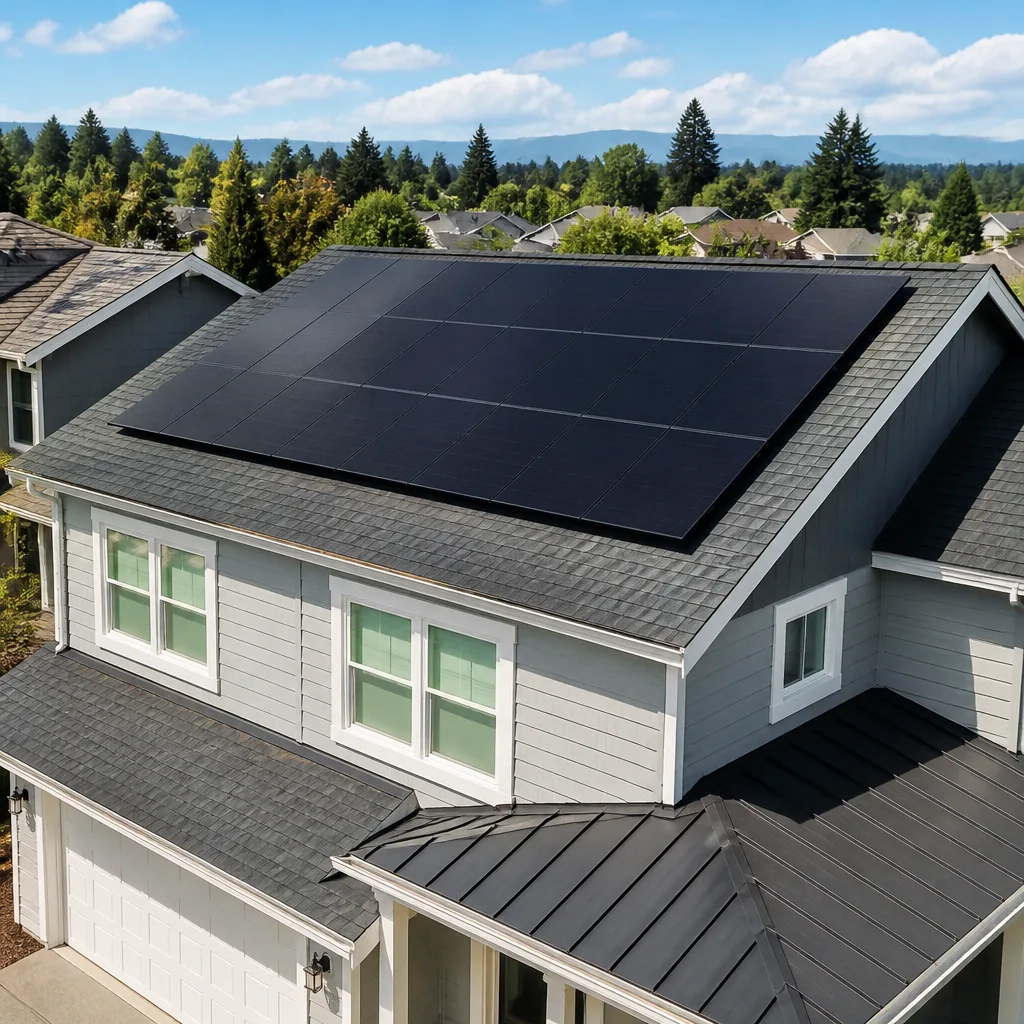
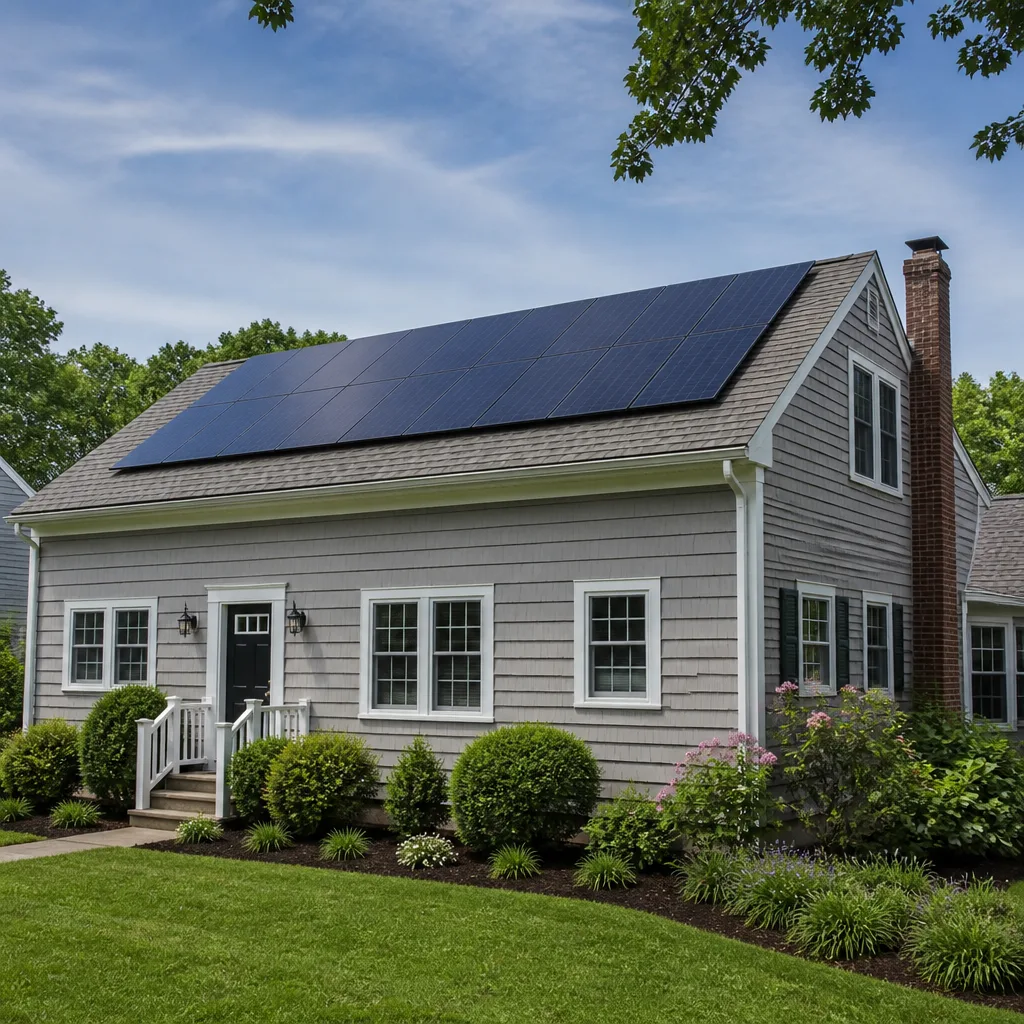
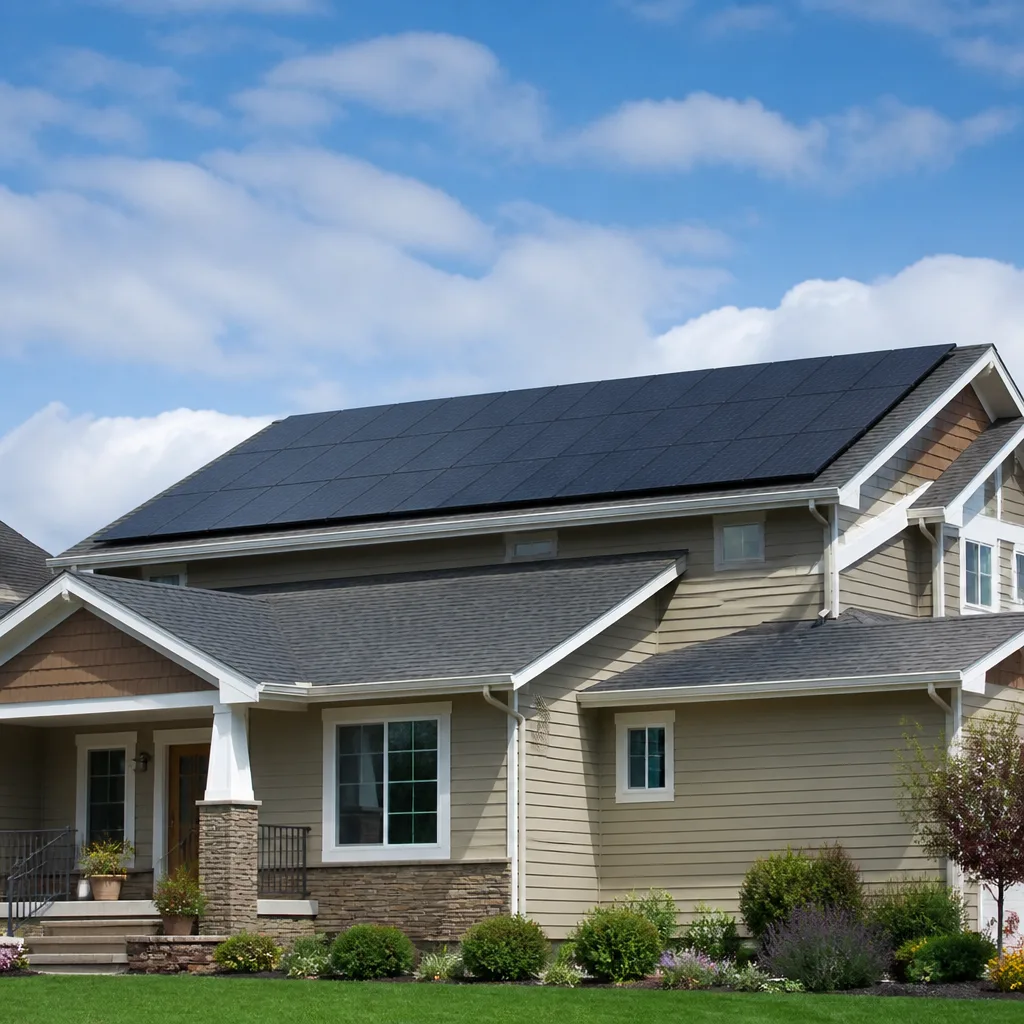
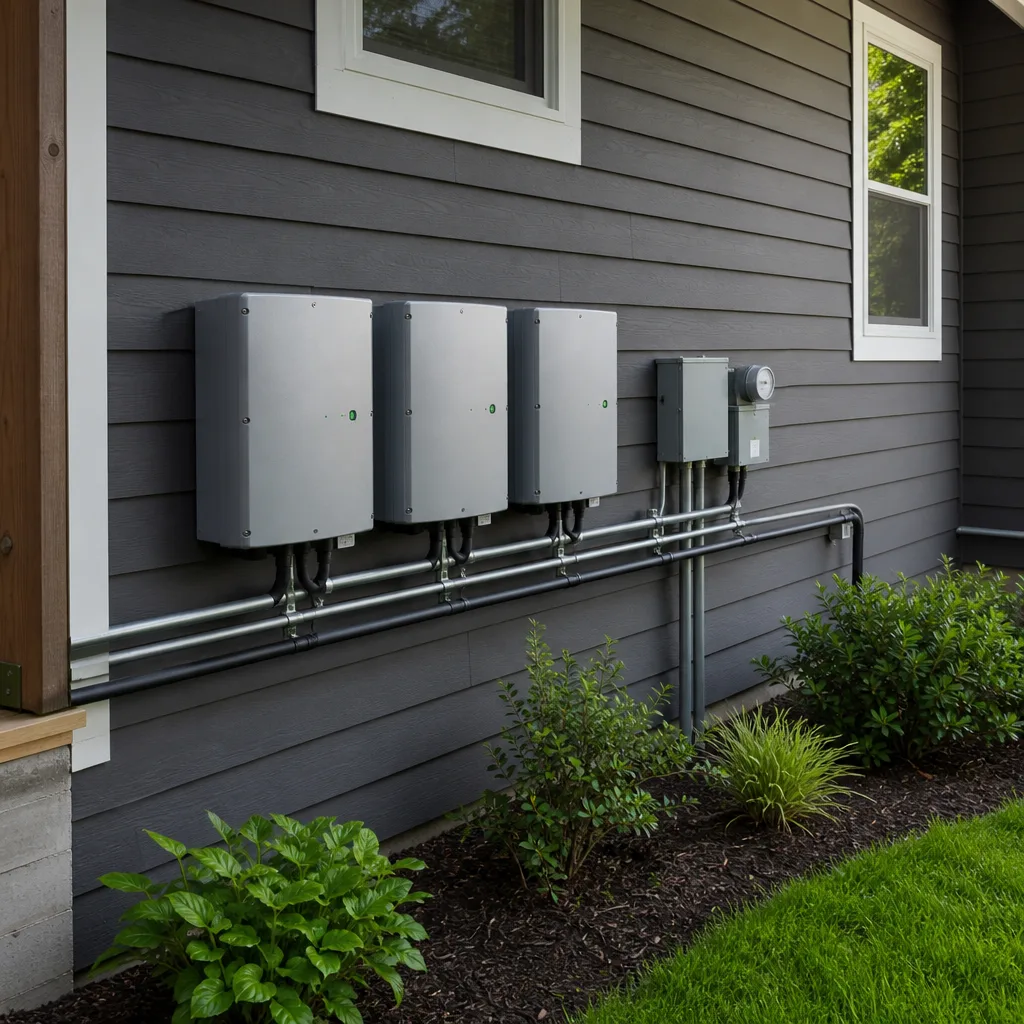
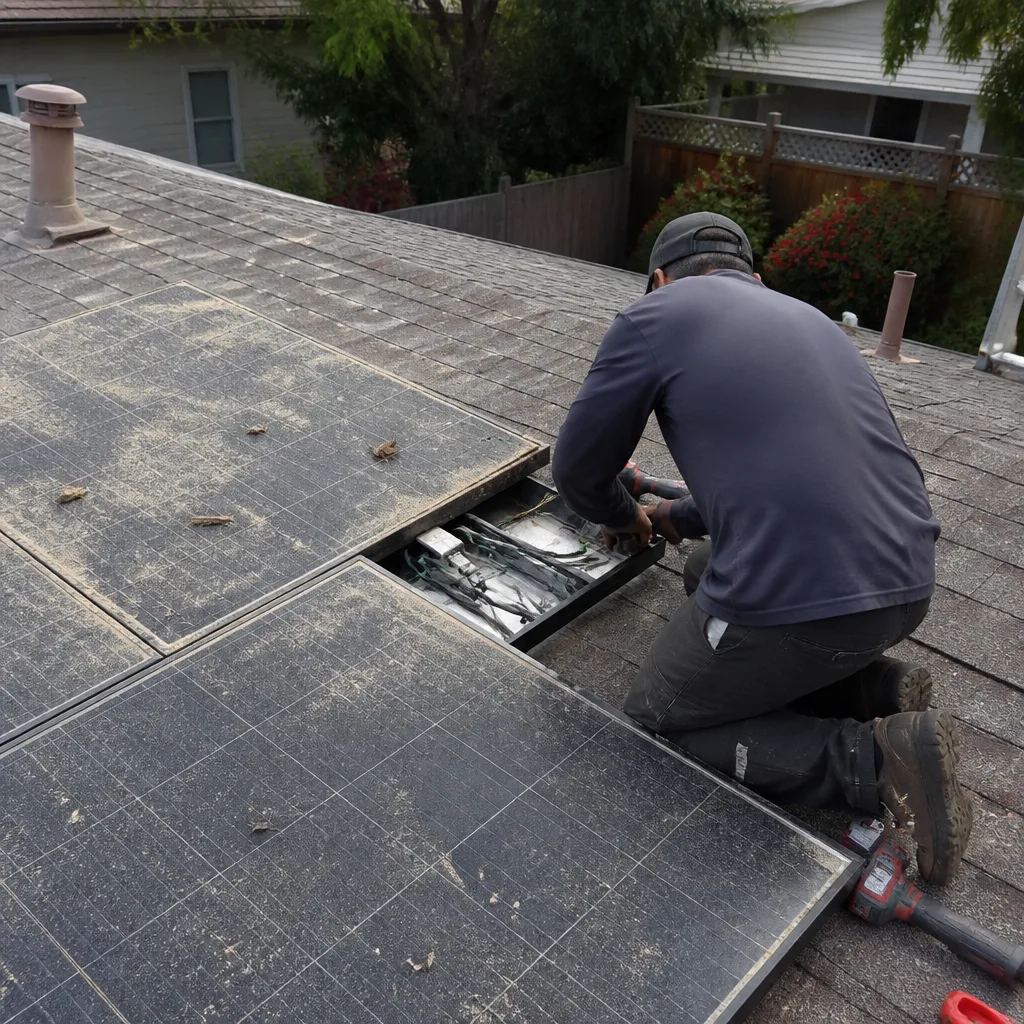 Before
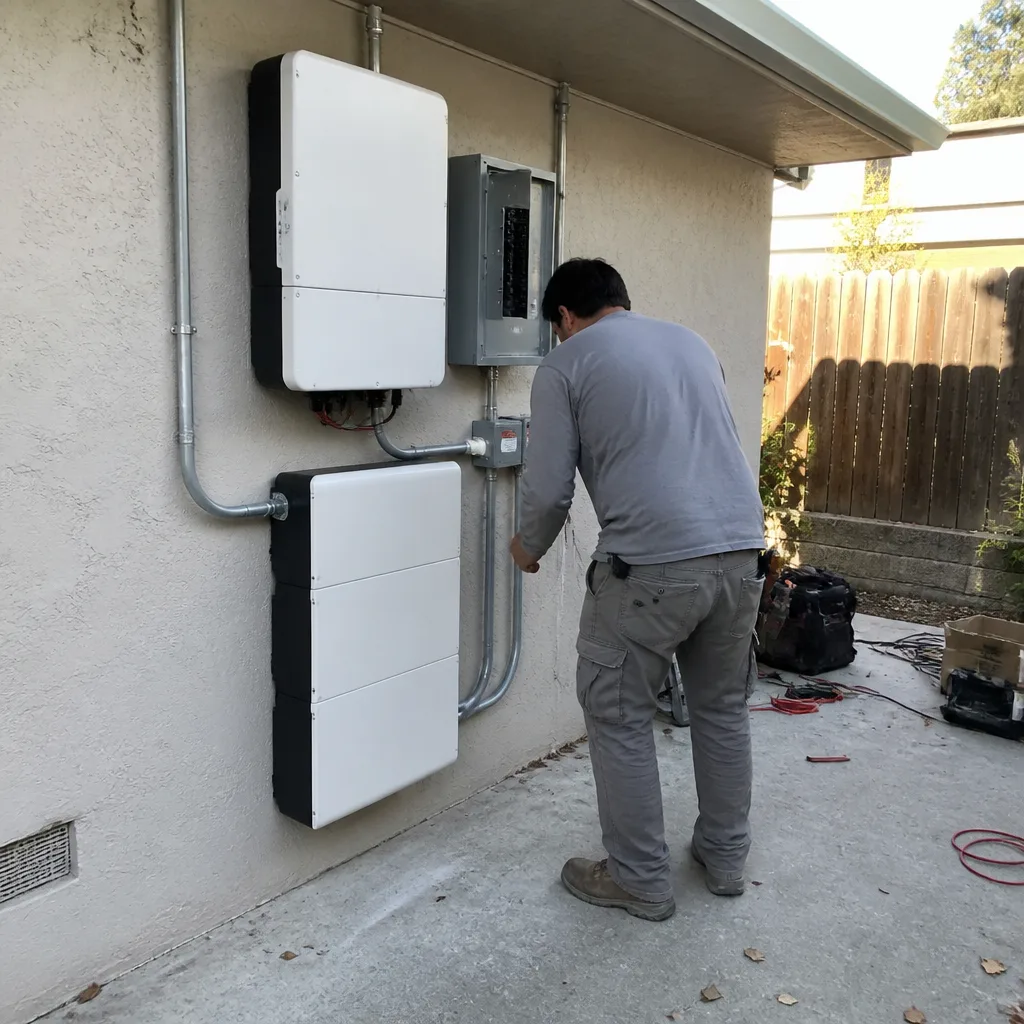 After
After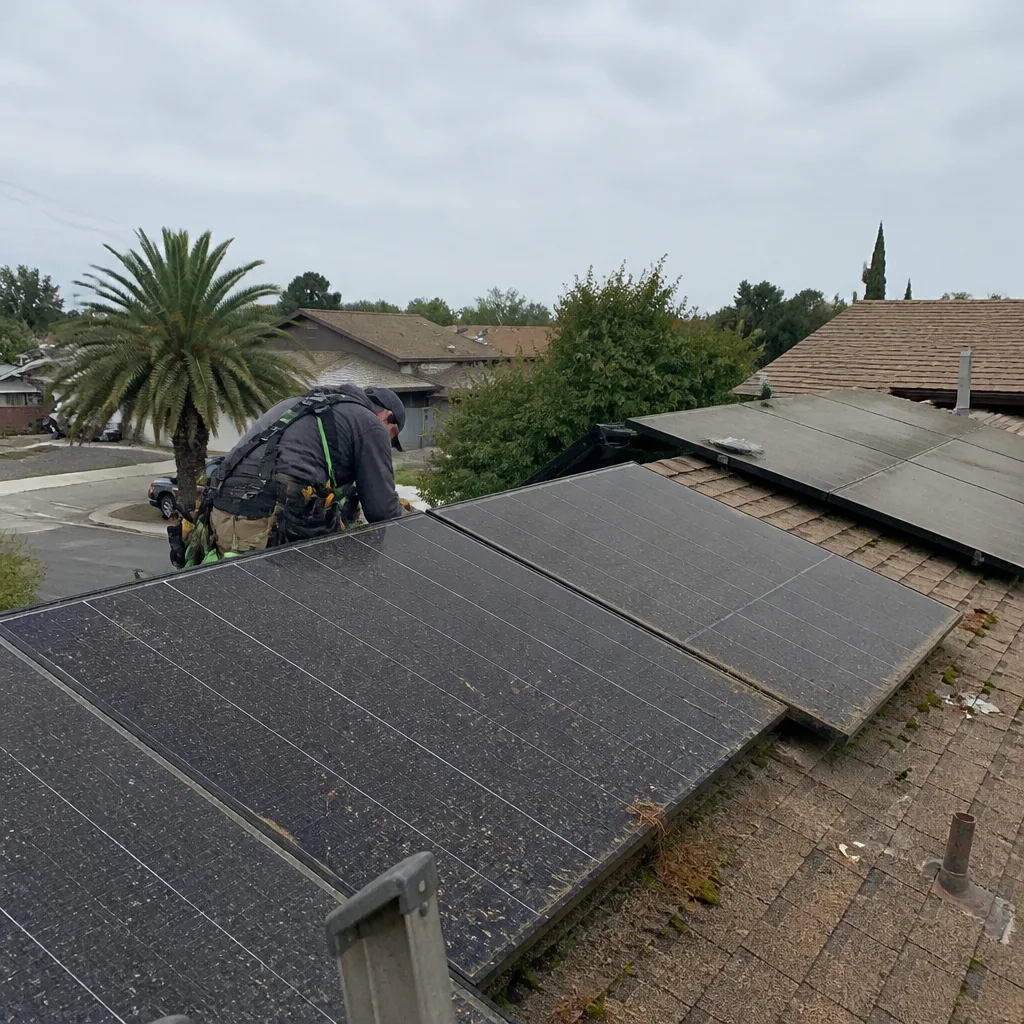 Before
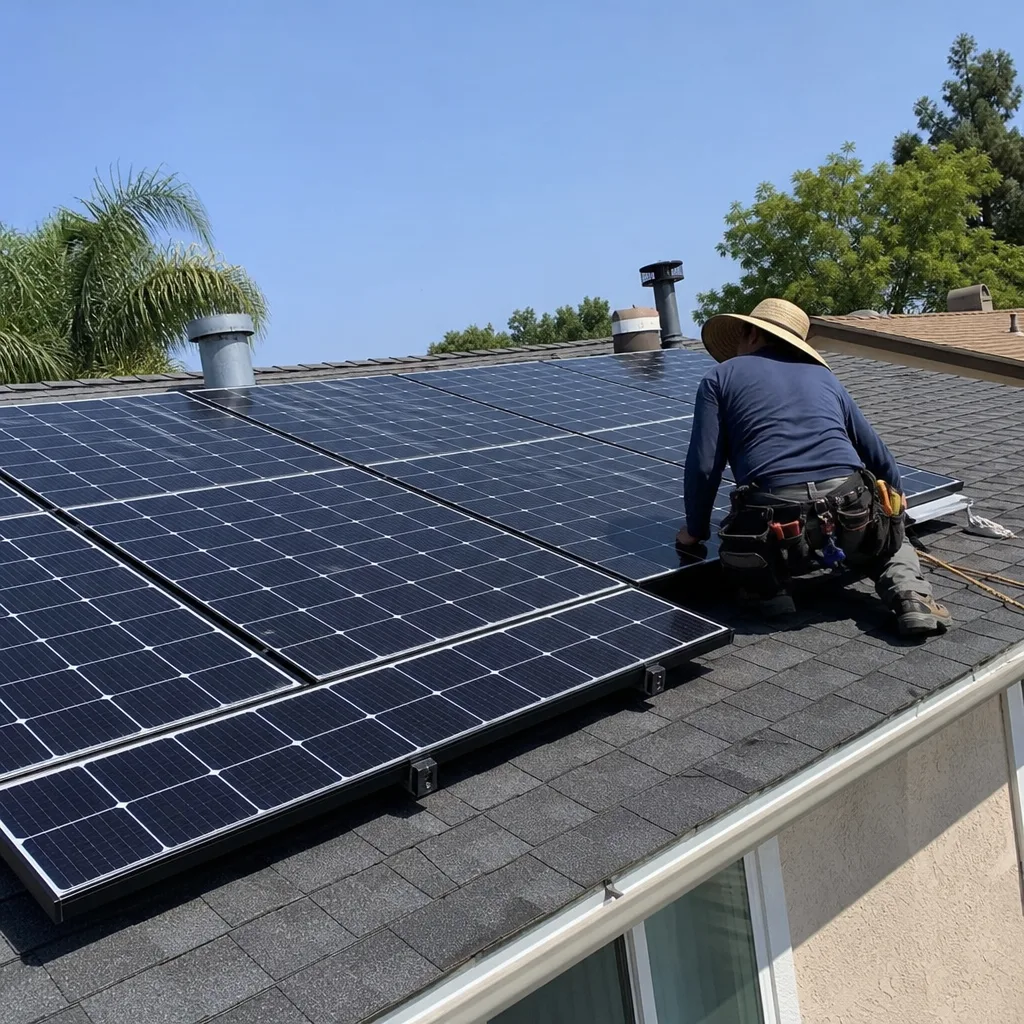 After
After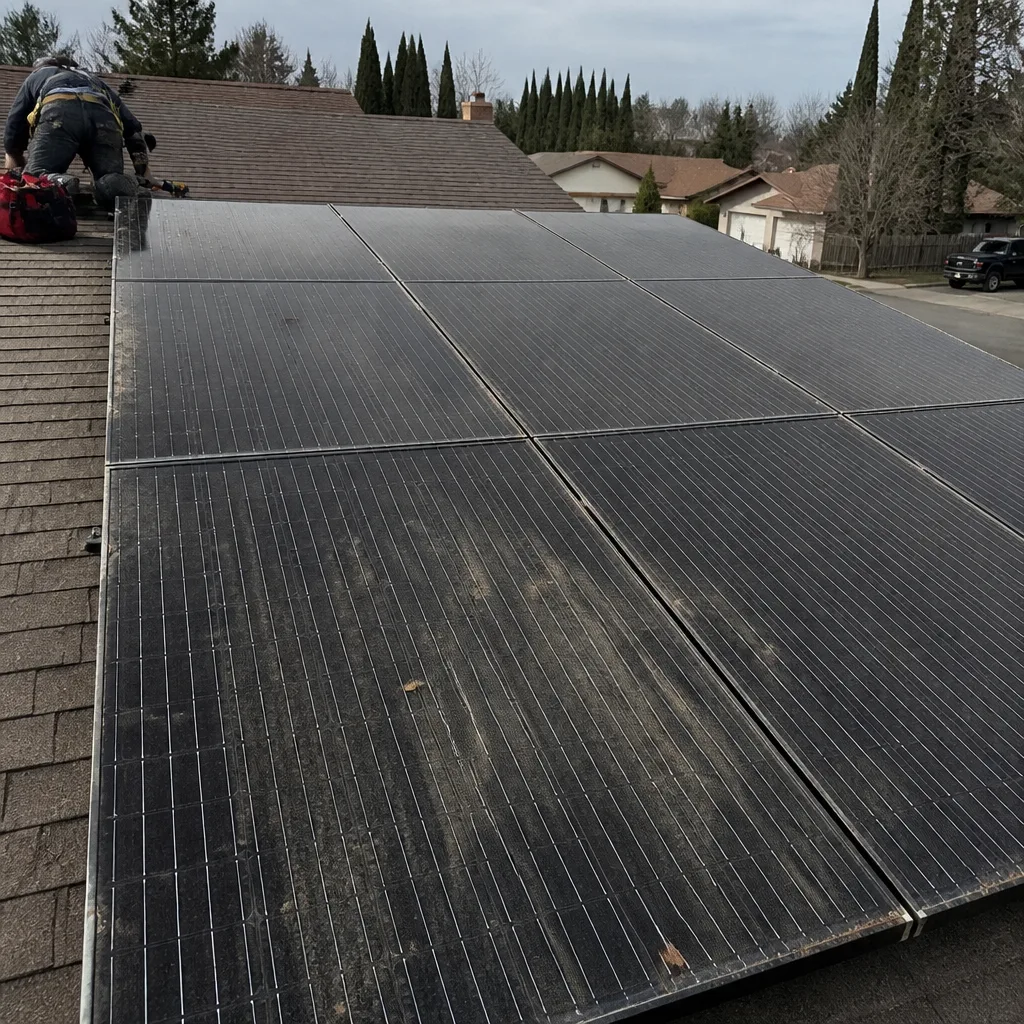 Before
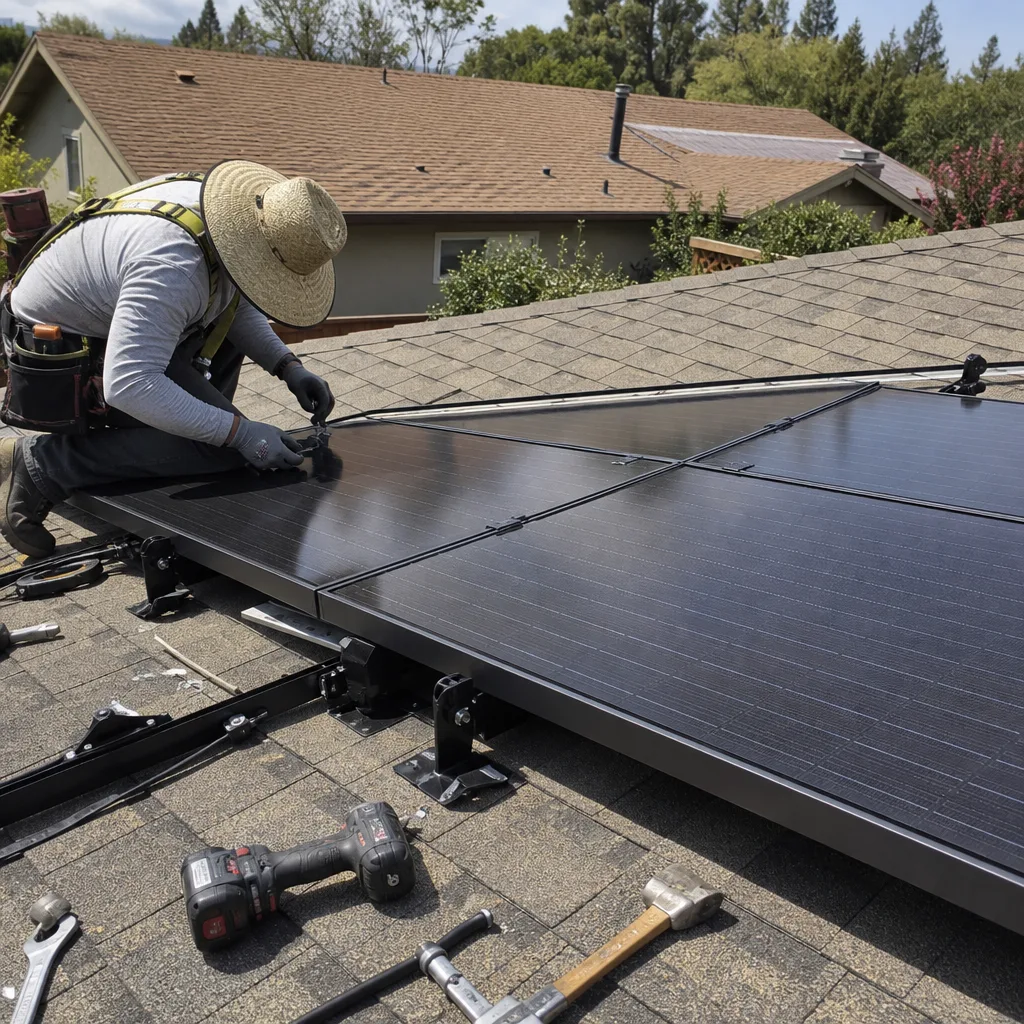 After
AfterJinkoSolar Solar Panel Cleaning: The San Jose Owner’s Guide
A professional JinkoSolar panel cleaning in San Jose typically runs $150 to $400 depending on array size and roof pitch, and we can usually be out within 48 hours. If your production numbers have slipped 10 to 25 percent over the past year but your monitoring app shows no faults, dirty glass is the most likely culprit, and it’s the cheapest problem you’ll ever fix on a solar system. The way most owners find out is the utility bill ticks up in summer while the panels look dull from the street, or a neighbor with a drone shows them what the underside of the Santa Cruz Mountains pollen season actually leaves behind.
Here’s what matters for JinkoSolar specifically: their anti-reflective coating is more sensitive to abrasive cleaning than some other brands, and the wrong brush or the wrong soap can etch the glass permanently. That’s a five-figure mistake on a 20-panel array. We clean JinkoSolar panels with deionized water and soft-bristle brushes made for coated photovoltaic glass, not a pressure washer and dish soap. More on that below.
Which JinkoSolar Models This Applies To
We clean every JinkoSolar residential and commercial module we’ve seen in San Jose, including the Eagle, Cheetah, Tiger, and Tiger Neo lines. The cleaning process itself doesn’t change much between series, but the coating care does. Tiger Neo panels use a newer anti-reflective (AR) coating that’s slightly more prone to micro-scratching if a brush picks up grit, which is why we rinse thoroughly before the brush ever touches glass. Older Eagle panels from 2014 or so have a softer coating that’s held up remarkably well in our climate, but they still shouldn’t be dry-scrubbed.
How to identify yours: the model sticker lives on the backsheet, usually near a corner. You’ll see something like JKMxxxM-72HL4 or JKMxxxN-78HL4-V, with the digits telling wattage. The frame type (black or silver) and cell count help too. If you can’t reach the sticker, a photo of the panel face sent to us is usually enough to ID the series. We’re an independent shop, not affiliated with JinkoSolar, and we’ll tell you honestly whether your layer of grime is worth paying to remove or whether your production loss points elsewhere.
Signs Your JinkoSolar Solar Panel Cleaning Is Failing
Solar panel cleaning isn’t a part that “fails” like an inverter, but neglect shows up in measurable ways. If you’re seeing any of these five, the fix is straightforward:
- Production drops 10 to 25 percent with no system faults. Monitoring apps like the JinkoSolar+ or your inverter portal will show clean output curves, but the peak numbers sag. In San Jose, July and August are when dirty panels hurt most, because dry months mean no rain rinse between pollen, dust, and fire-season ash.
- Visible film or streaking across the glass. Hard water from San Jose’s municipal supply leaves mineral deposits that bake on. Once it’s baked, a garden hose won’t remove it. Neither will rain.
- Bird droppings clustered near the ridge or the array’s top edge. Pigeons gravitate to the gap under panels. Their droppings are acidic and shade the cells directly beneath, which drags down the whole string’s output because panels in series perform to the weakest link.
- Pollen haze in spring, especially if you’re near the foothills. We see it worst in Almaden Valley, Evergreen, and up toward the hills around Alum Rock. Oak and pine pollen coats panels in a fine yellow-green layer that cuts output surprisingly fast.
- A dull, cloudy look instead of a crisp dark reflection. When JinkoSolar’s AR coating is clean, the panels look almost black from the street. When they’re dirty, they look gray and flat. That visual shift usually matches a 15 percent production hit.
Replacement Cost & What’s Included
For a typical 20 to 25 panel rooftop array on a single-story San Jose home, expect $150 to $400 for a full JinkoSolar panel cleaning. The spread comes down to three things: array size, roof pitch and story count, and how baked-on the grime is. Two-story homes with steep pitches run higher because of ladder work and safety rigging; a flat ground-mount in the backyard runs at the low end. San Jose’s dust and hard water mean first-time cleanings on panels that have gone three or more years untouched usually need a mineral-dissolving pre-treatment, which adds about $50 to $75.
Here’s what’s included every time: a deionized water rinse, soft-bristle agitation with a carbon-fiber pole, spot treatment for bird droppings and sap, a squeegee or air dry, and a visual inspection of all panels, rail mounts, and microinverter connections while we’re on the roof. You’ll get a before-and-after production reading if we can access your monitoring. The work is covered by our 90-Day Done Right Promise, and if a panel wasn’t cleaned to your satisfaction, we come back and redo it. No upcharge, no argument. The number we quote is the number on the invoice.
DIY or Call Us?
You can safely do a few things yourself on a ground-mount or a low, walkable roof: hose off loose dust, check for obvious droppings, and keep trees trimmed back. But here’s where DIY goes wrong. Pressure washers are the fastest way to destroy a JinkoSolar AR coating, and we’ve replaced panels in San Jose where the owner found that out the hard way. Dish soap leaves a residue that attracts dust faster than bare glass. And honestly, most of the production loss we see is on second-story or steep roofs where a homeowner with a soft-bristle brush and a garden hose simply shouldn’t be. A fall from a ladder or a slipped foot on wet glass is a permanent injury over a $200 savings. Gus’s crew does this with proper fall protection, deionized water in a truck-mounted tank, and a method that won’t scratch your coating. Here’s what I’d do if it were my roof: if the panels are reachable and you trust your footing, rinse them monthly with plain water and skip the brushes and soaps. If you can’t reach them safely, call us at (877) 550-6892 and we’ll come out with the right equipment. It’s one of the cheapest services in solar, and it’s usually same-week scheduling.
FAQs
For a standard San Jose home with 20 to 25 panels, the full cleaning and inspection takes about an hour and a half from setup to teardown. Larger arrays or especially grimy panels can stretch to two and a half hours. Call (877) 550-6892 and we’ll give you a window before we come out.
Dirt never requires panel replacement. Cleaning restores output to near-original levels unless the glass itself is damaged, which is a different conversation. If your panels are etched from prior abrasive cleaning, that’s permanent, so a professional soft-bristle cleaning early is the best money you’ll spend.
Yes. We carry deionized water, soft-bristle brush heads sized for JinkoSolar’s standard module dimensions, and spot-treatment solutions safe for AR-coated glass. If you need cleaning plus a panel replaced, we carry JinkoSolar-compatible panels and also work with Tesla, Enphase, and SolarEdge equipment.
Once a year is enough for most San Jose homeowners, though foothill areas with heavy pollen may benefit from twice annually. Panels near the coast or under eucalyptus trees pick up sap and film faster, while downtown areas get more soot and road dust. A free visual check from the ground, or a production dip you can’t explain, is reason enough to call. Estimates are free, and there’s no trip charge if you’re in our county.
If your JinkoSolar panels are underproducing and you suspect they’re just dirty, call (877) 550-6892 for a free estimate. Gus Petrakis or a live person will answer, not a phone tree. We’ll tell you honestly whether a cleaning pencils out or whether your production loss is coming from somewhere else, and the quote we give is the quote you’ll pay.
Written by Gus Petrakis, Owner, Gus’s Solar at Gus’s Solar, serving San Jose and nearby areas.