
Free bill analysis - bring a power bill, get the production math for your actual roof, panel brands like Qcells and REC compared side by side
If the pitch starts at your door and ends with "sign tonight for the special," sleep on it. The sun will still be there tomorrow; so will we.
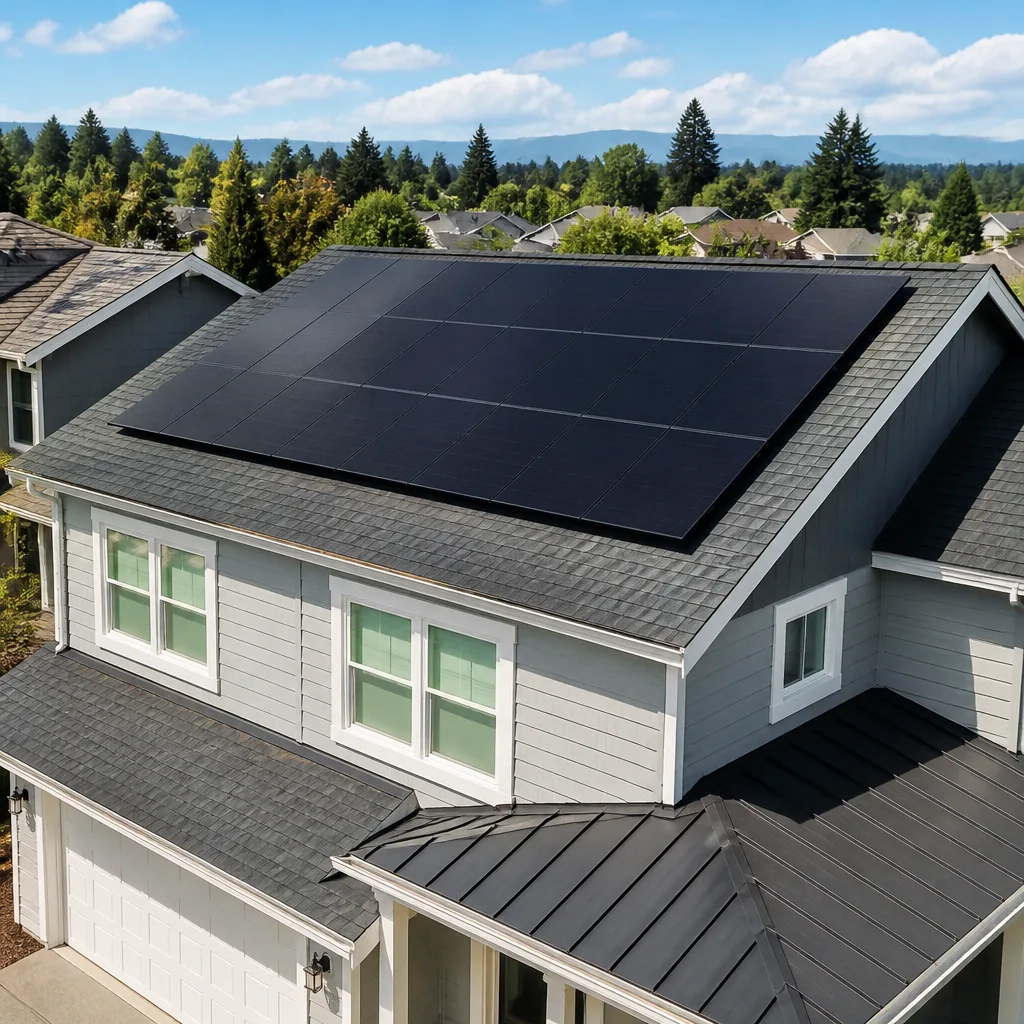
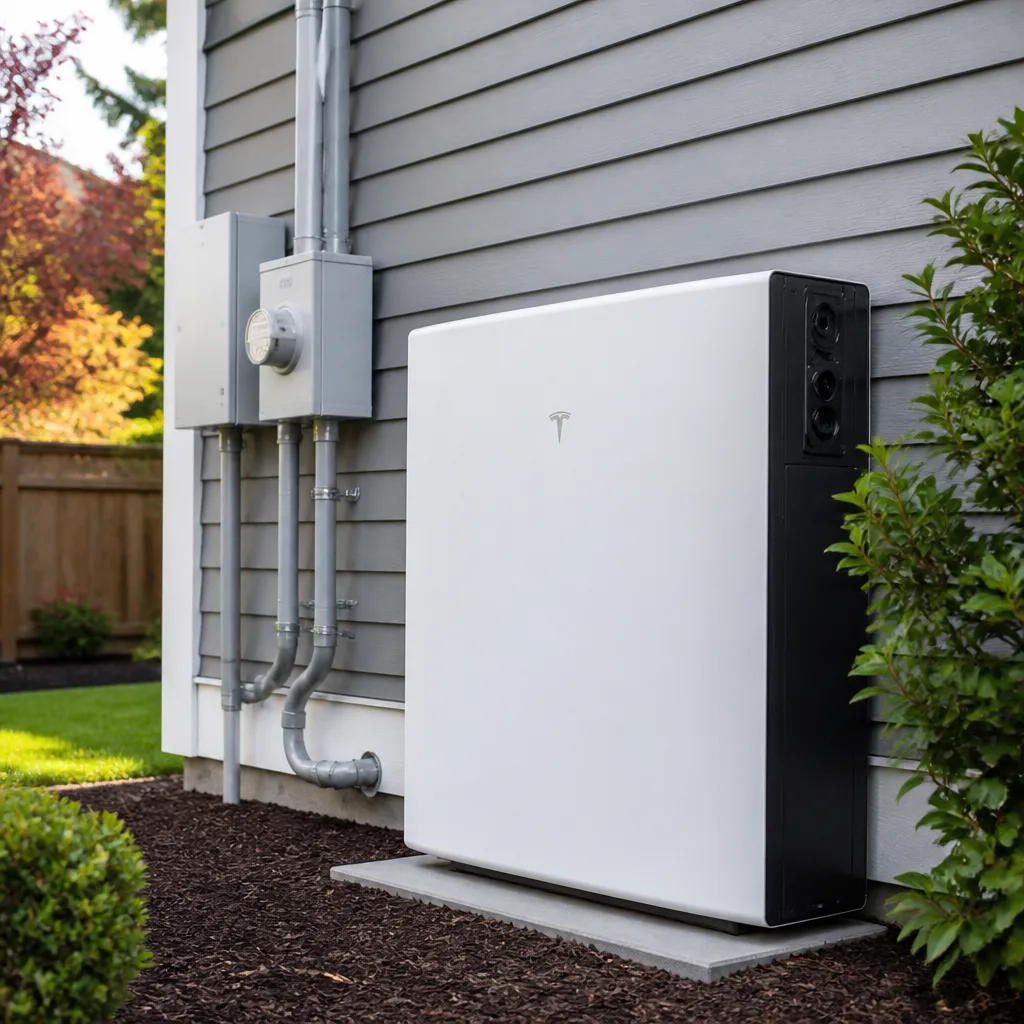
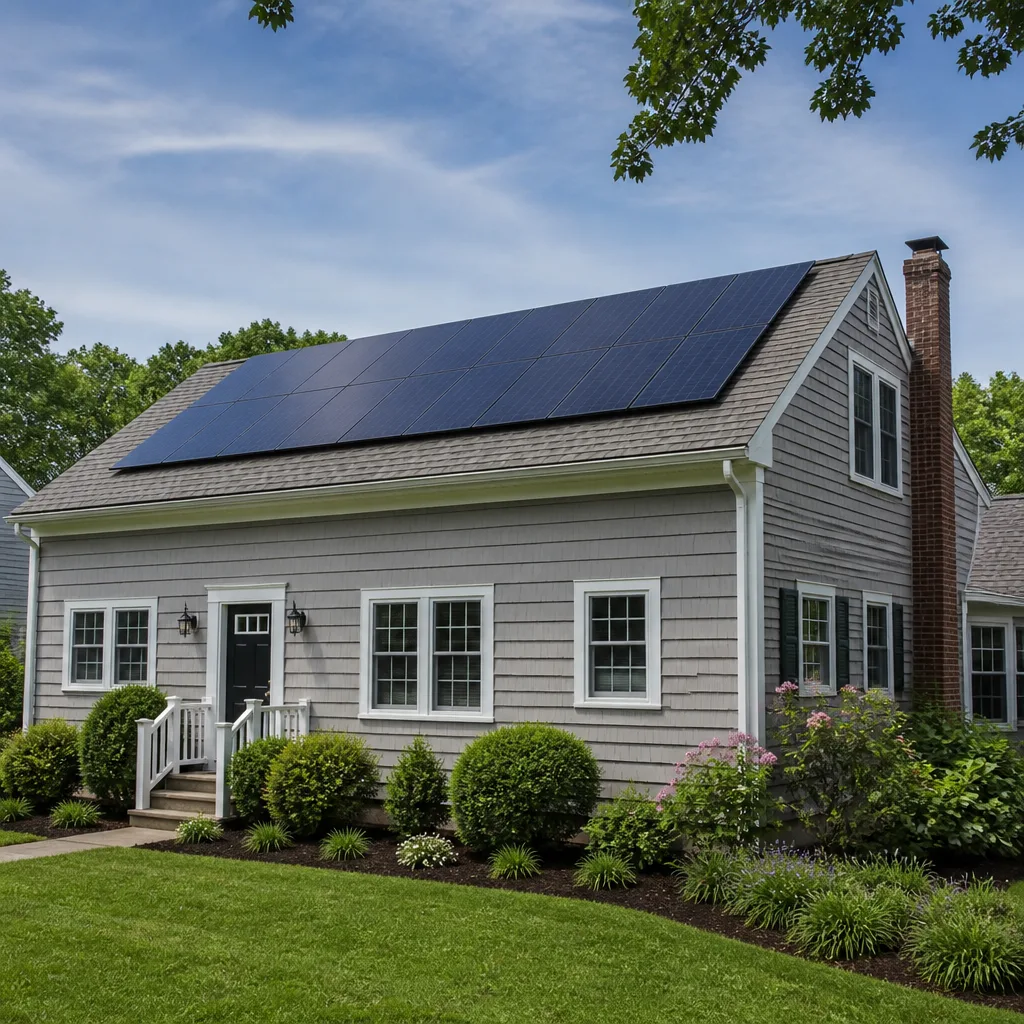
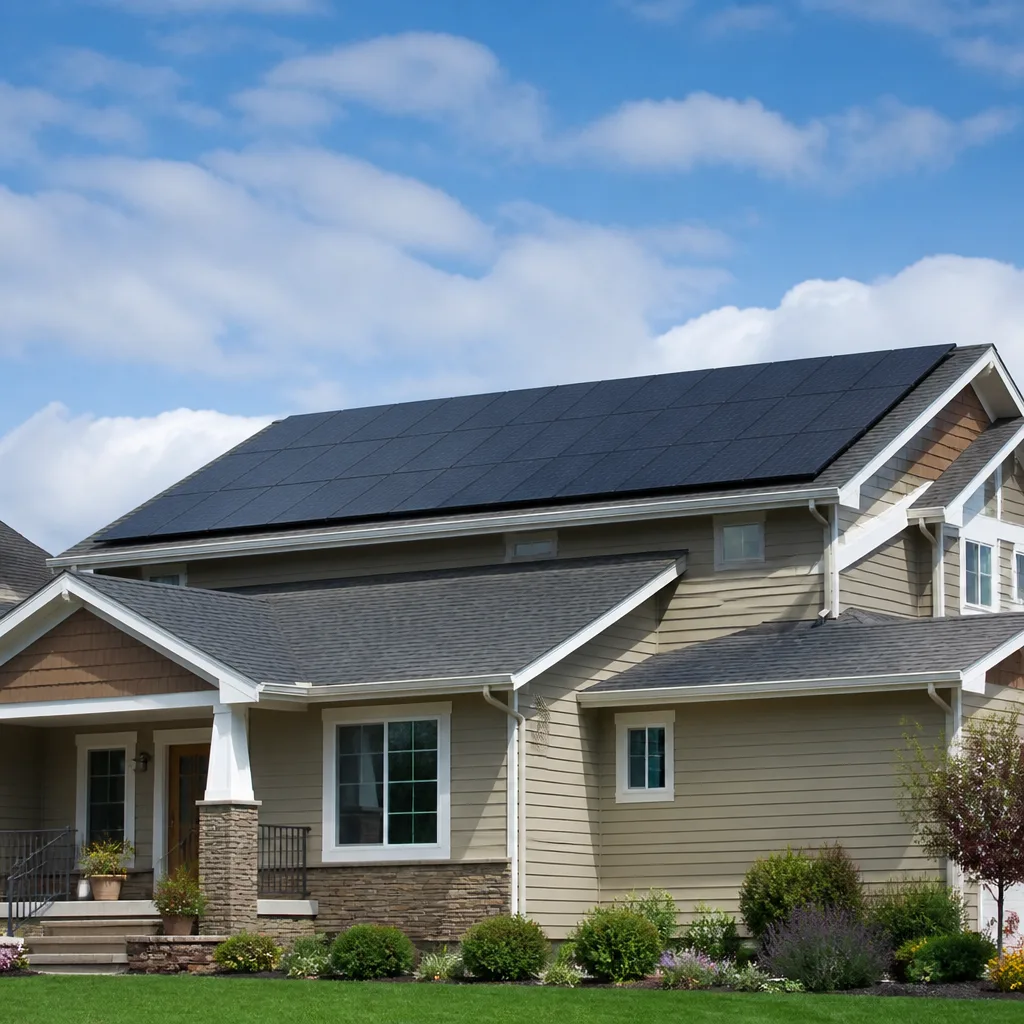
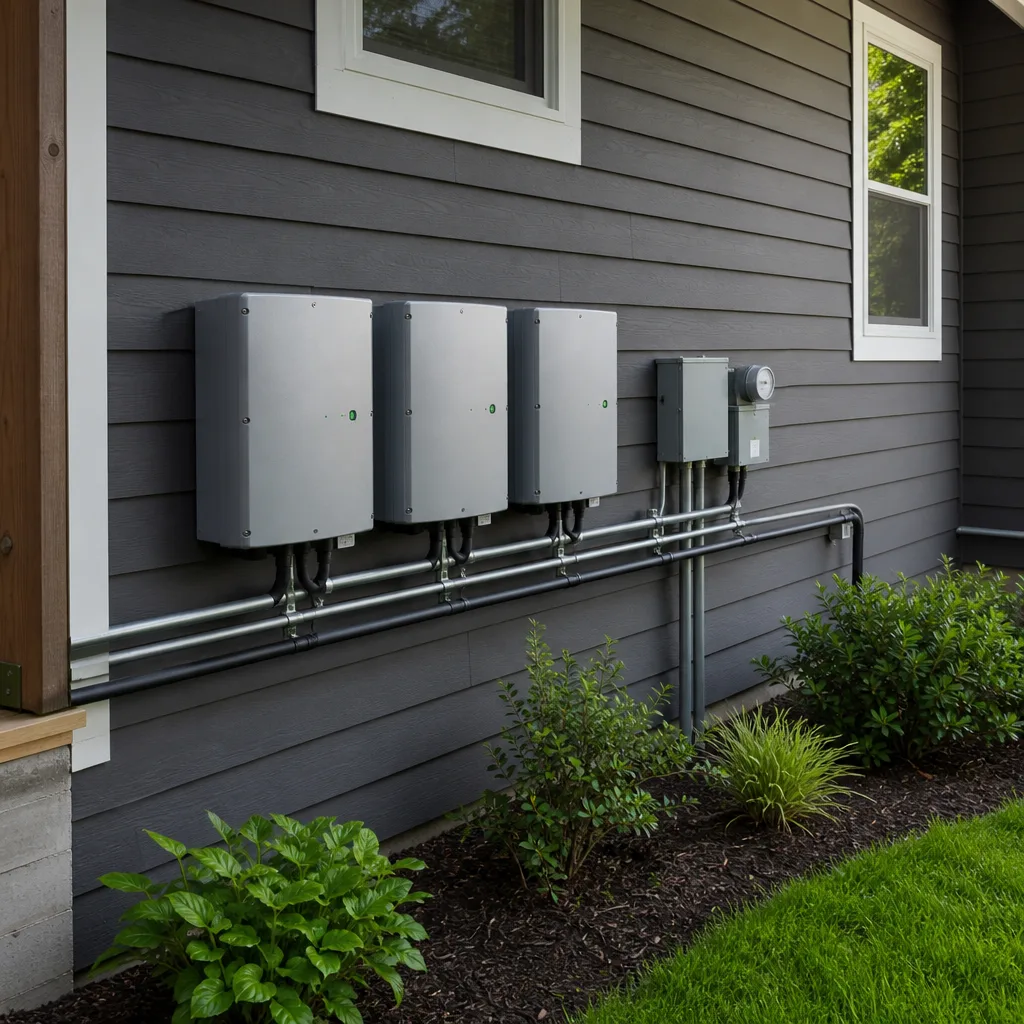
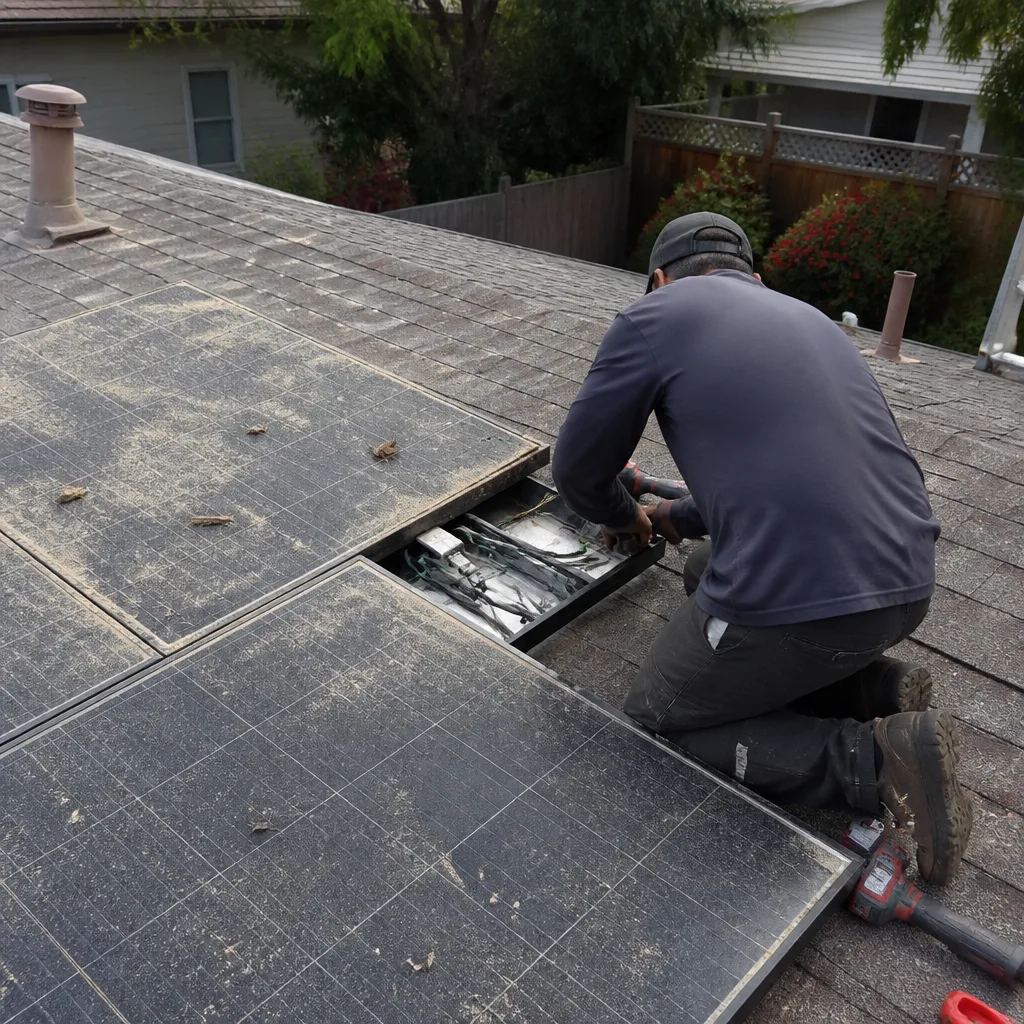 Before
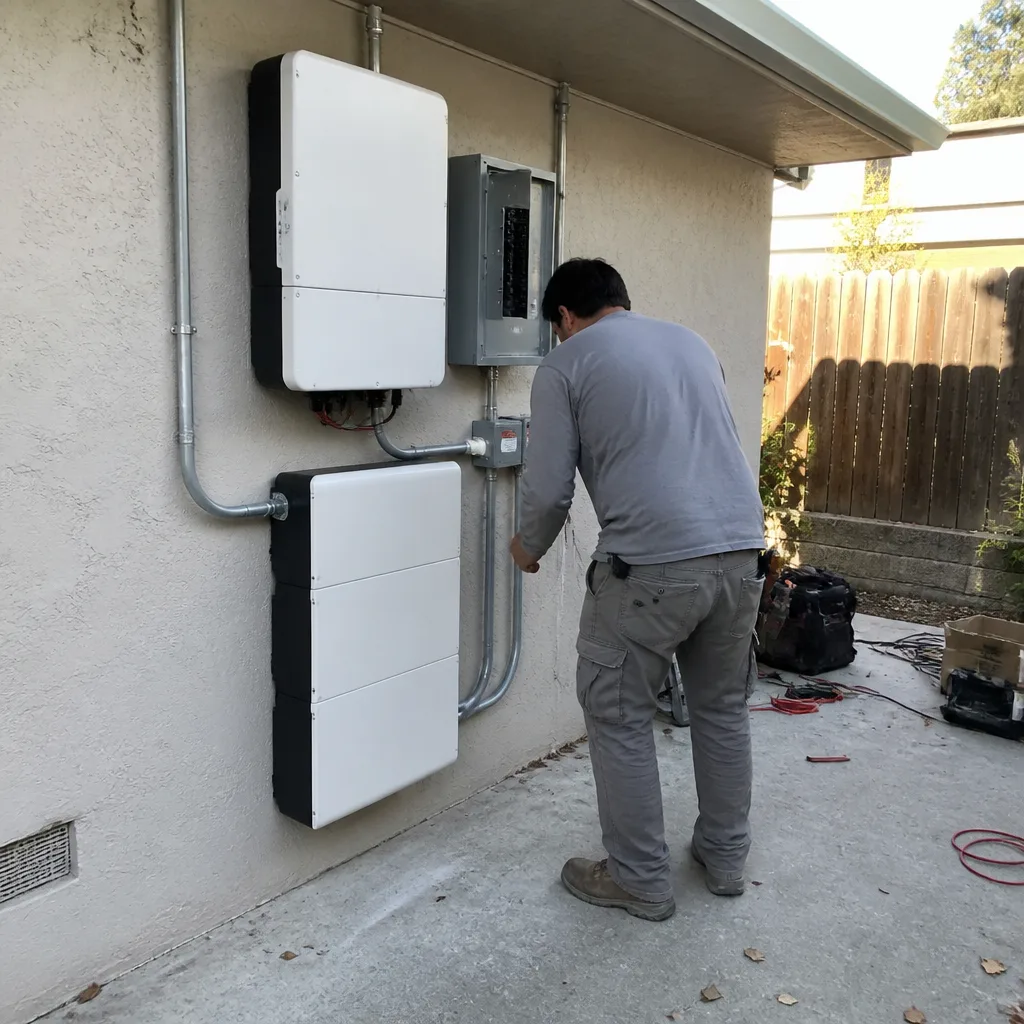 After
After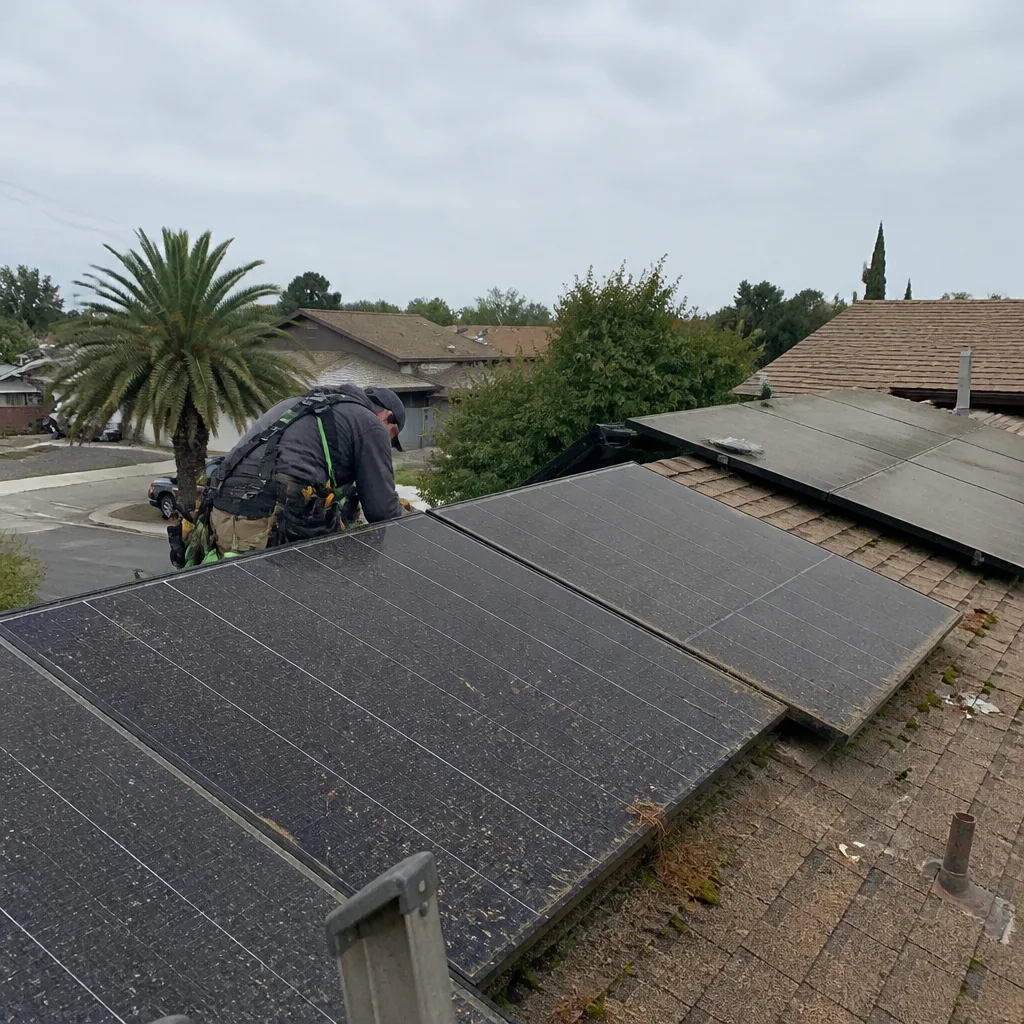 Before
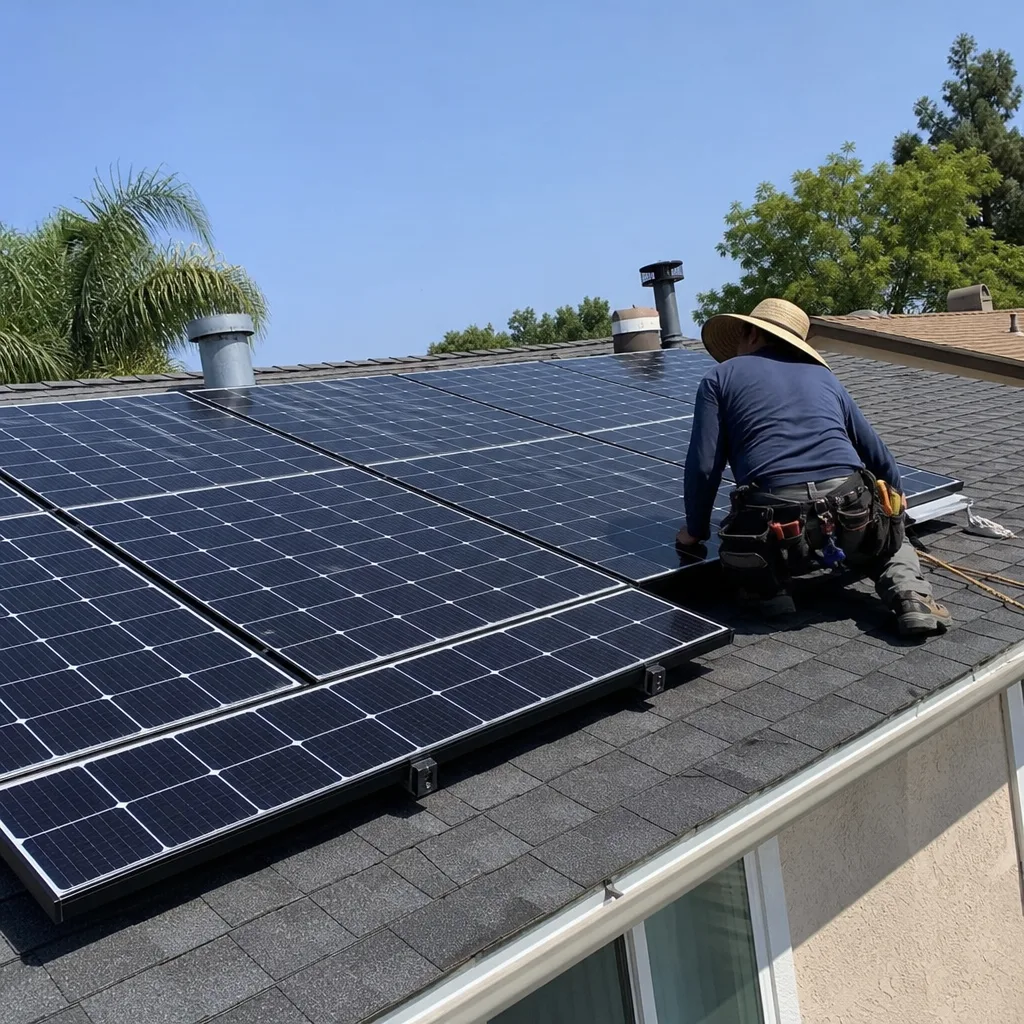 After
After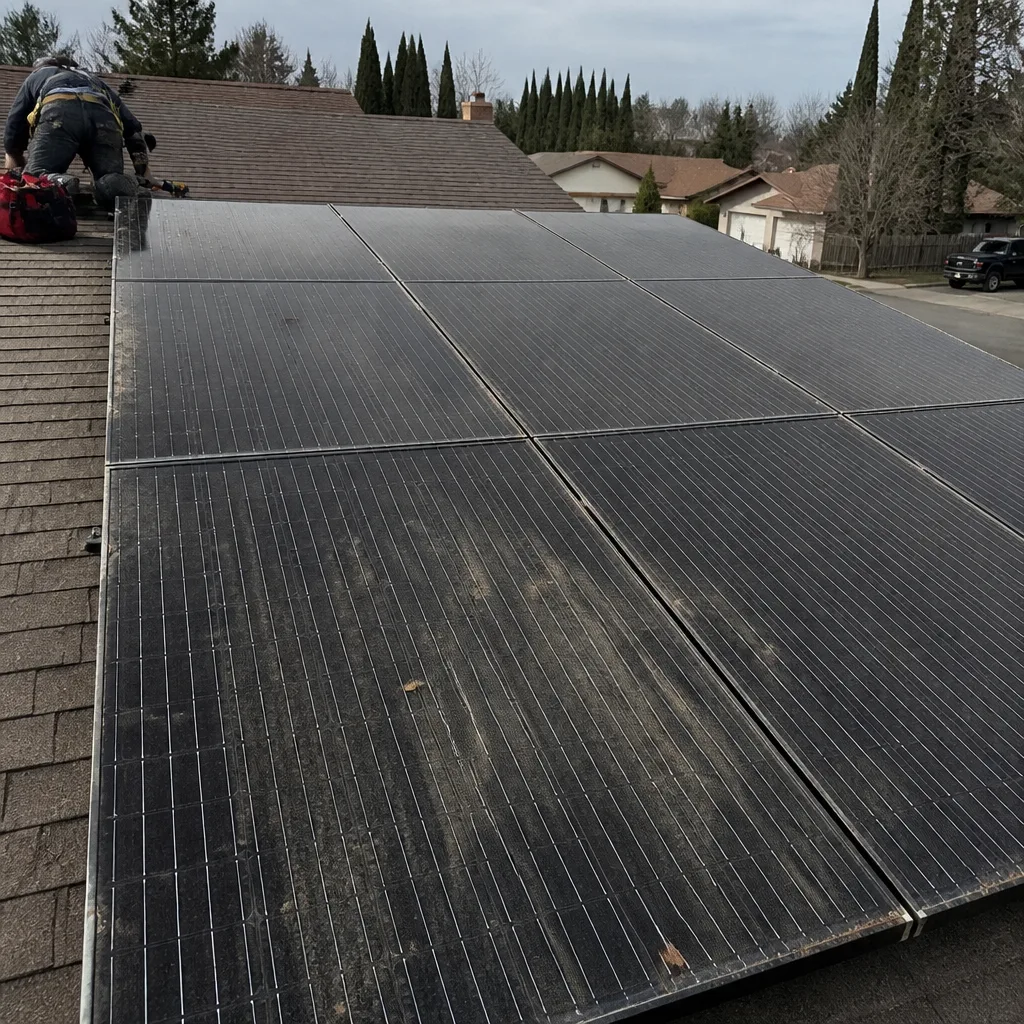 Before
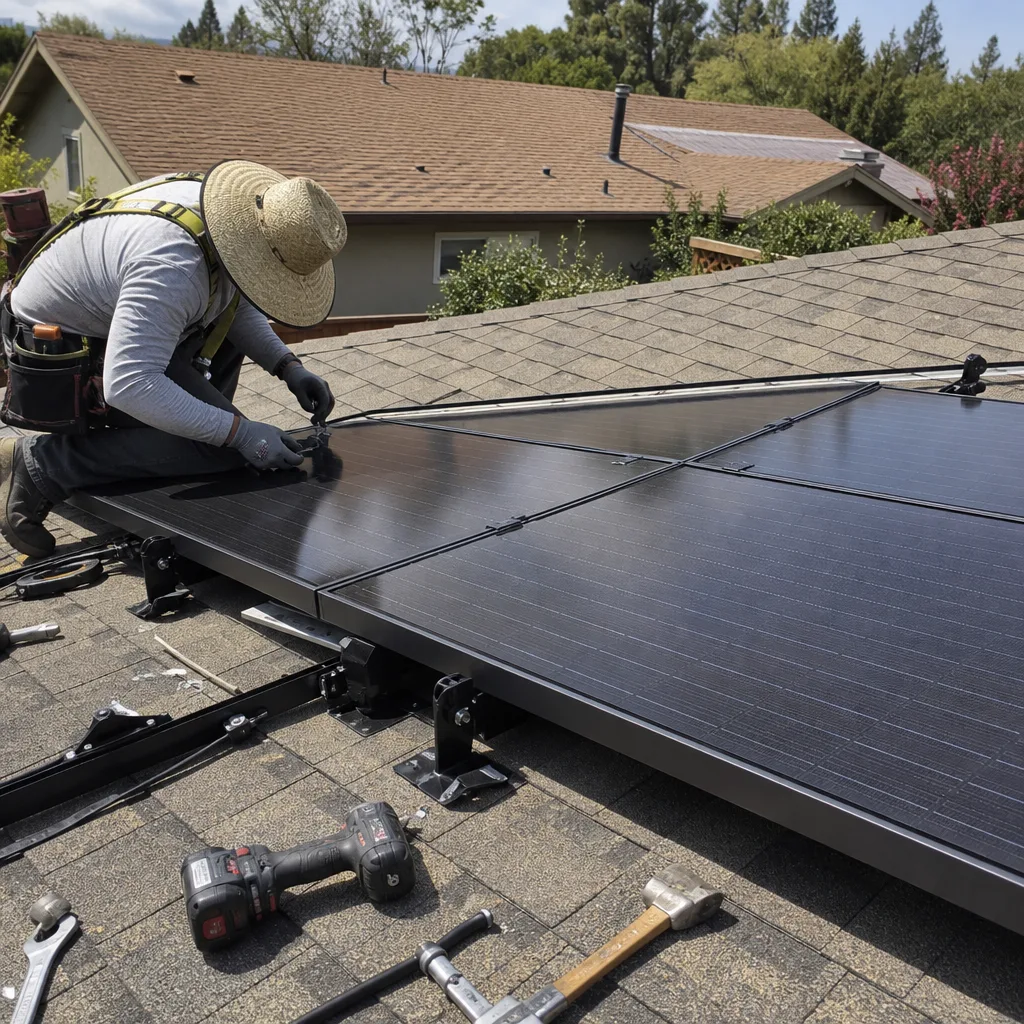 After
AfterEnphase Solar Panel Cleaning: The San Jose Owner’s Guide
Enphase solar panel cleaning in San Jose typically runs $150 to $350 for a full residential array, and we can usually be out within a few days. If your panels are producing 10 to 20 percent less than they did last year and you haven’t cleaned them since at least two rainy seasons ago, that lost output is likely sitting on the glass, not failing in the microinverters. The Enphase microinverters under each panel are sealed solid-state units, they don’t degrade from dirt. The dirt sits on top and blocks the sun before it ever gets there.
Here’s how it usually goes: you check the Enphase app, notice production is down, and start wondering if an IQ7 or IQ8 is failing. Nine times out of ten in San Jose, the fix is a proper cleaning and reinspection, not a parts swap. Here’s what I’d do if it were my roof: clean first, measure the difference, then decide whether anything actually needs replacing.
Which Enphase Models This Applies To
Every Enphase installation in San Jose benefits from regular cleaning, regardless of which microinverter generation is under the panels. We work on IQ7, IQ7+, IQ8, IQ8+, IQ8M, and the newer IQ8X series. The cleaning process itself is identical whether you’re running 12-year-old M215s with your original panels or a brand-new IQ8 system with RECs. What changes is how carefully we work around the older connectors.
One gotcha worth knowing: Enphase connectors have changed over the years. The early M190 and M215 units used MC4-style connectors that get brittle with heat and UV exposure. If you have a system installed before 2015 and it’s never been cleaned, we’re careful with the cabling because those old connectors snap if you flex them too much during panel handling. The newer IQ8 cabling is far more forgiving. It’s one of those things you don’t see mentioned in generic cleaning guides, but it matters when someone’s up on your roof.
We use deionized water and soft brushes designed for solar glass. No pressure washers, no tap water from a garden hose. San Jose water is moderately hard, and if you let hard water dry on panel glass, you etch mineral deposits into the surface over time. That’s a permanent haze no cleaning removes.
Signs Your Enphase Solar Panel Cleaning Is Overdue
- Production is down 10 to 20 percent year over year in the Enphase app. Microinverters report per-panel data, so if every panel is down roughly equally, that points to uniform soiling, not a single failing unit. A single low panel means a different conversation entirely.
- You can see a visible gray or brown film on the glass from the ground. In San Jose, the dry summer deposits a mix of dust, pollen, and light ash from regional wildfire smoke. Once that layer builds past a certain point, it bakes on in the heat and regular rain won’t remove it.
- Bird droppings concentrated on a few panels. Droppings shade cells unevenly and Enphase microinverters respond per-panel. One heavily soiled panel can drag down your array’s total even if the rest are clean. We see this most in Almaden Valley and near the Coyote Creek corridor where bird traffic is heavier.
- Your panels are 2 or more years past their last cleaning. The standard recommendation in the South Bay is every 12 to 18 months. If your panels have been up for five years and never cleaned, you’re almost certainly leaving measurable production on the table.
- Rain doesn’t seem to help production anymore. Once soiling becomes a hardened film, rain beads off it instead of washing it away. That’s the telltale sign it’s time for a proper deionized-water cleaning, not a hose-down.
Replacement Cost & What’s Included
For a typical San Jose home with 20 to 25 panels, a full Enphase-compatible cleaning runs $150 to $280. Larger systems or homes with two-story rooflines and steep pitches run $250 to $350. If you need the underside of panels inspected, bird-deterrent installed, or cracked panel glass identified during the cleaning, those are separate line items we quote before starting. You’ll know the number before we put a ladder on the house.
| Service | Price Range (San Jose) | What’s Included |
|---|---|---|
| Standard cleaning (20-25 panels, single story) | $150 – $220 | Deionized water wash, soft-brush scrub, production check via Enphase app |
| Standard cleaning (20-25 panels, two story or steep pitch) | $220 – $280 | Same as above, plus extended ladder work and safety gear |
| Large system (26-40 panels) | $280 – $350 | Full array cleaning, all microinverter connections inspected |
| Add-on: Panel-by-panel Enphase production check | $75 – $125 | Detailed per-panel output report, identifies any underperformers |
Every cleaning comes with the same 90-Day Done Right Promise as our installs and repairs. If production doesn’t measurably improve after the cleaning, we come back and figure out why at no charge. That’s in writing.
DIY or Call Us?
If you can safely reach your panels from a single-story roof with a standard extension ladder, you can do a basic rinse with deionized water and a soft brush. That’s honest advice. What you shouldn’t do: use tap water, use any detergent or glass cleaner, walk on the panels, or scrub with anything abrasive. Panels are tempered glass, but a scratch from a stray bit of grit or a hard-bristle brush permanently reduces output on that cell. We’ve seen homeowners turn a $200 cleaning into a $400 panel replacement with a scouring pad.
The bigger risk is the roof work itself. Two-story homes, steep pitches, tile roofs that crack under foot traffic, and any array near power lines all warrant a real crew with proper fall protection. If you’re in the hills above Evergreen or up toward Silver Creek where pitches get steep, call us. It’s safer and cheaper than a trip to urgent care. Call (877) 550-6892 and we’ll quote it over the phone.
FAQs
Every 12 to 18 months covers most San Jose homes. If you’re near a busy road, under a flight path, or in an area with heavy tree pollen, you may need it annually. The dry season from May through October deposits the most soiling, so a late-summer or early-fall cleaning gives the best return. Call (877) 550-6892 and we’ll tell you honestly whether your panels are due.
In almost every case, a dirty panel needs cleaning, not replacing. Enphase microinverters are sealed and rarely fail from dirt exposure. What does damage panels beyond cleaning is etched mineral deposits from hard water, scratched glass from improper cleaning, or long-term bird dropping acid. Once the glass is damaged, replacement is the only fix. We’ll tell you which is which before doing any work.
A standard single-story home with 20 to 25 panels takes about 2 to 3 hours from setup to cleanup. Two-story homes and larger arrays take a half day. We also walk you through the Enphase app afterward so you can see the per-panel production numbers for yourself. Estimates are free, and there’s no trip charge inside our own county.
Our trucks carry deionized water systems, solar-specific brushes, and common Enphase replacement parts including IQ7 and IQ8 microinverters, trunk cabling, and connectors. If we find a failing microinverter during a cleaning, we can usually replace it the same day. We’re an independent San Jose service provider, not affiliated with Enphase, which means the parts we stock are matched for compatibility and priced without the brand markup.
Written by Gus Petrakis, Owner, Gus’s Solar at Gus’s Solar, serving San Jose and nearby areas.