
Free bill analysis - bring a power bill, get the production math for your actual roof, panel brands like Qcells and REC compared side by side
If the pitch starts at your door and ends with "sign tonight for the special," sleep on it. The sun will still be there tomorrow; so will we.
 Before
 After
After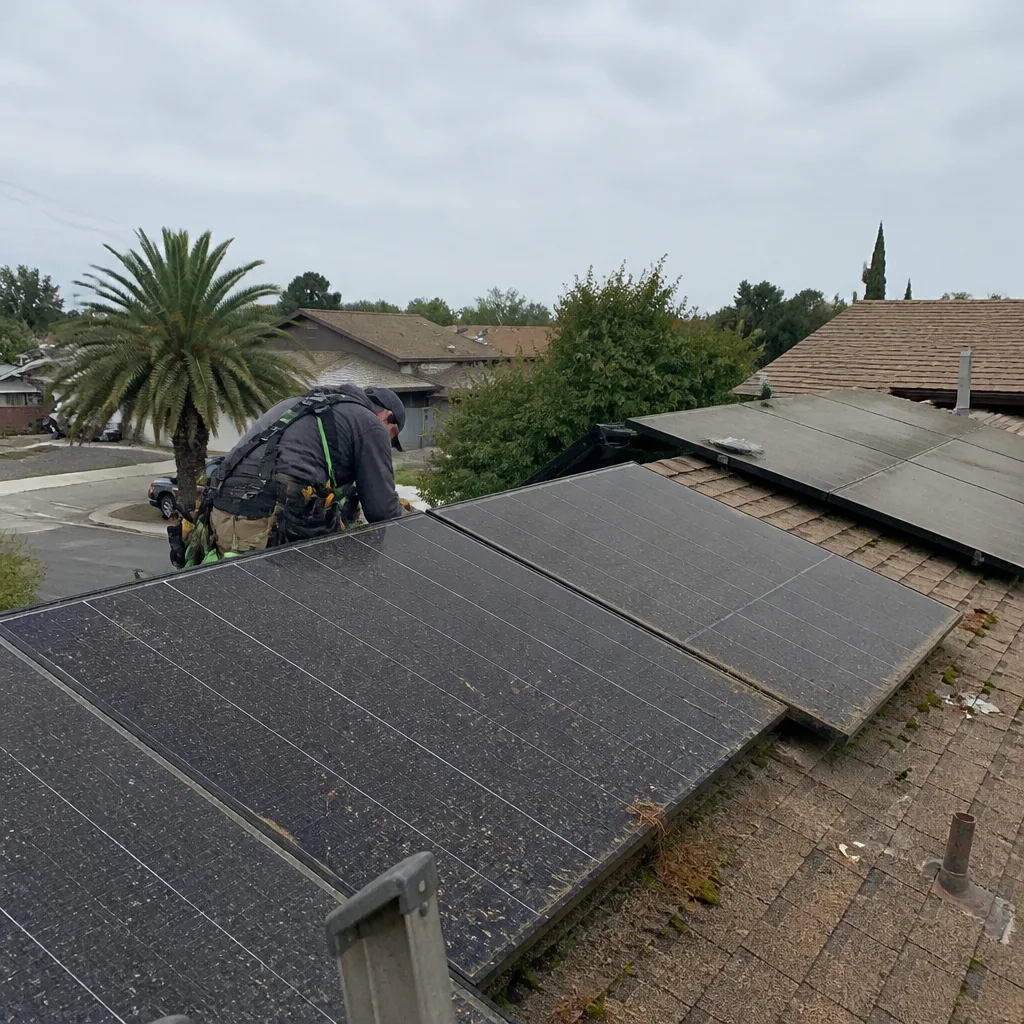 Before
 After
After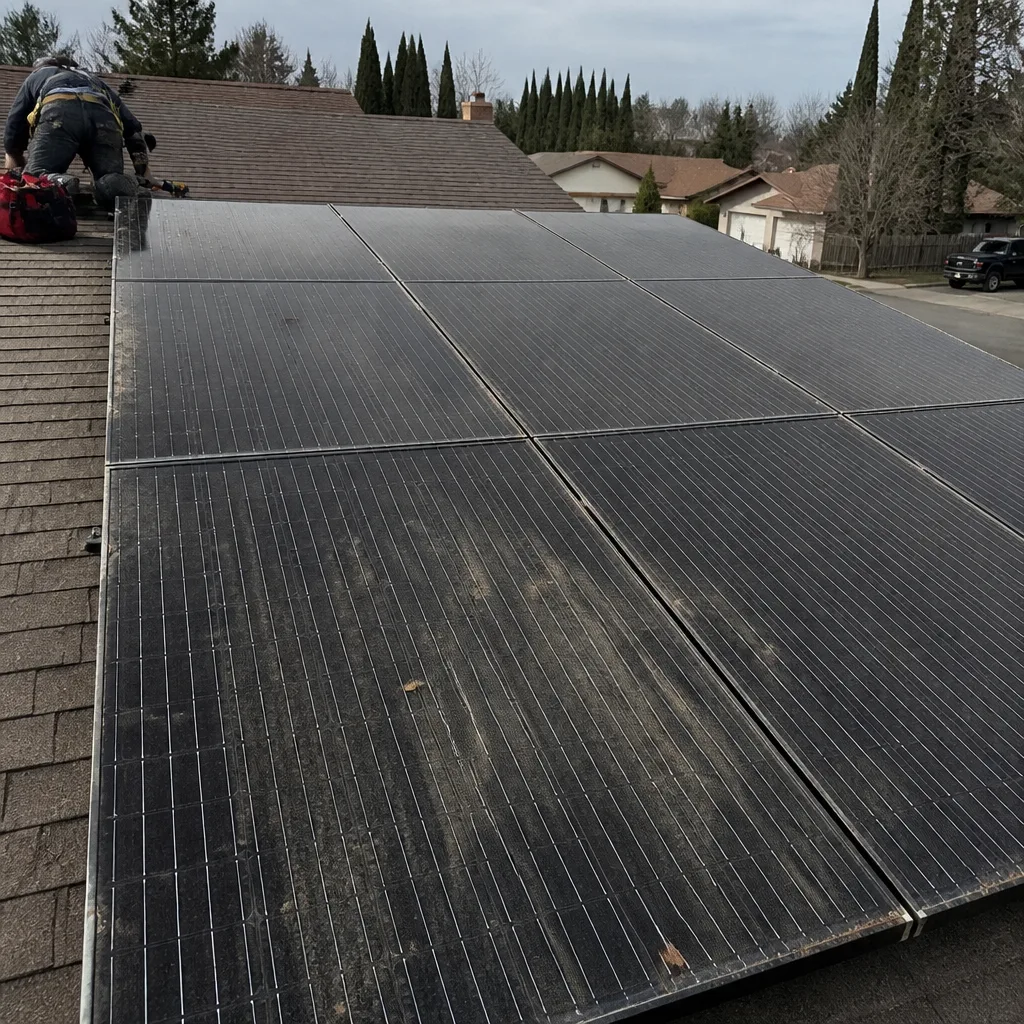 Before
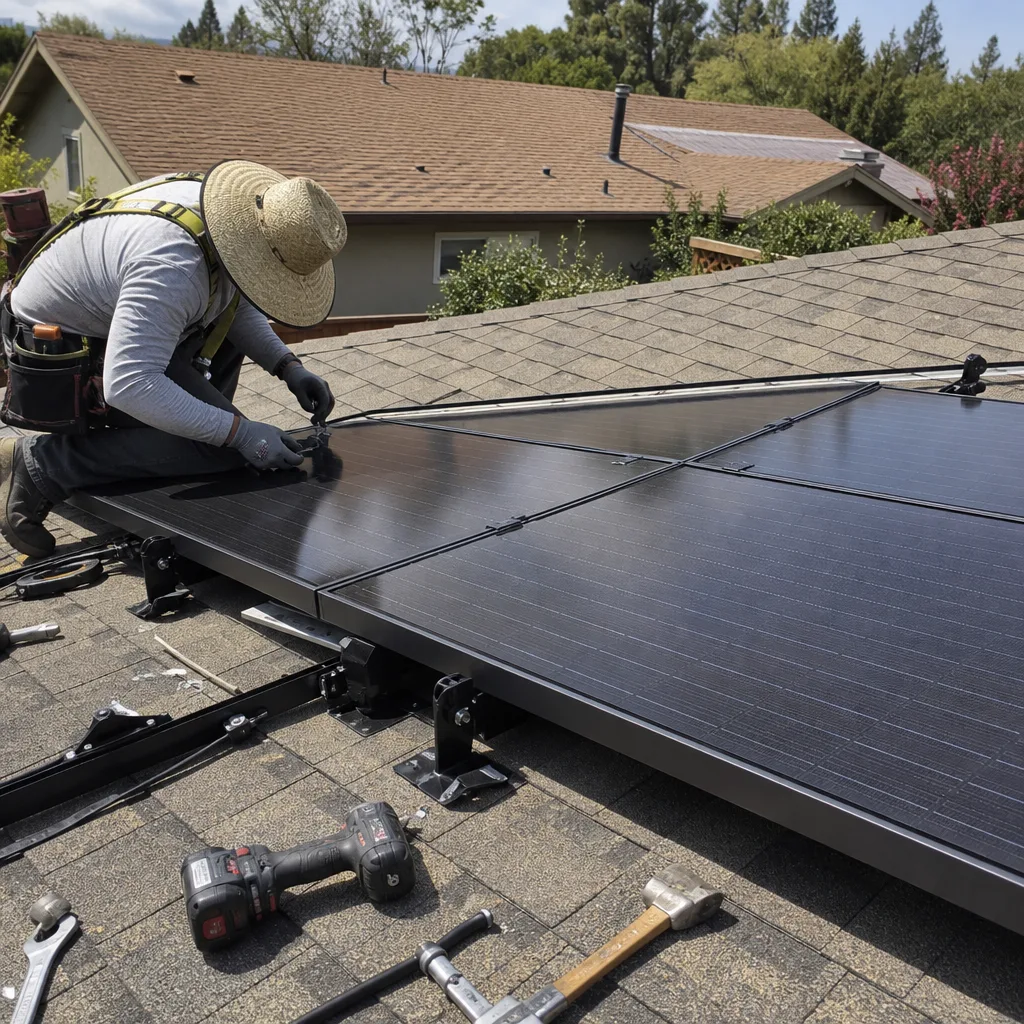 After
AfterFast, Reliable Solar Panel Maintenance & Monitoring Across El Dorado Hills
Solar panel maintenance and monitoring in El Dorado Hills typically costs $180-$475 per visit, with annual service plans running $220-$550 per year depending on system size and roof type. Most appointments can be scheduled within 3-5 business days, and because we keep parts for Qcells, REC, and Enphase systems stocked locally, many diagnostic calls end the same day they start. If your production has dropped or your true-up statement came in higher than expected, call Gus’s Solar at (877) 550-6892 and a live person will answer, day or night.
We’ve worked on hundreds of El Dorado Hills systems, from compact starter arrays off Green Valley Road to sprawling ground mounts in Serrano. That local experience means we know what these foothill systems need, and we don’t waste your time learning on the job.
Why Gus’s Solar Is El Dorado Hills’s Preferred Solar Panel Maintenance & Monitoring Company
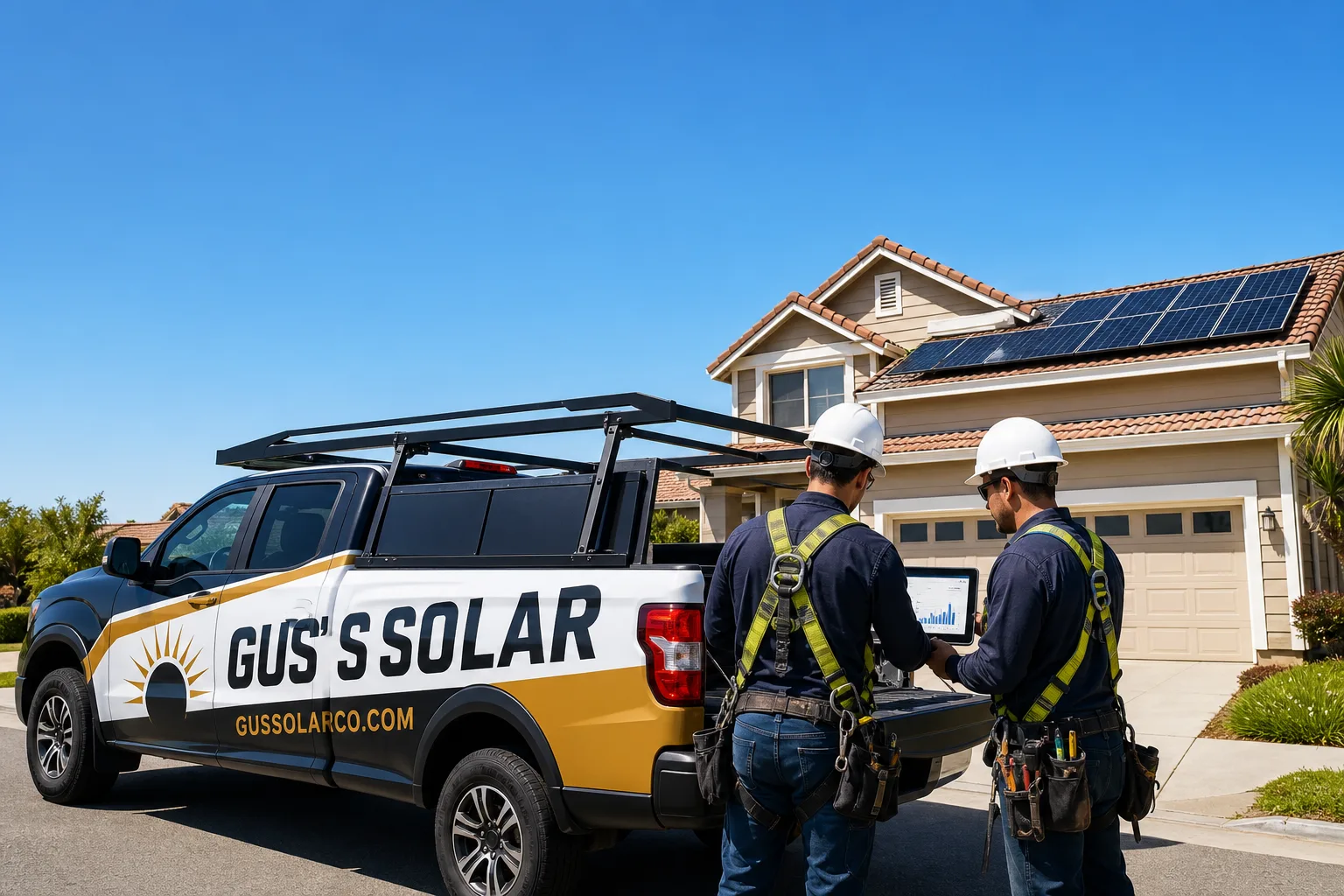
Gus Petrakis founded Solar Panel Maintenance & Monitoring in 2011, and his name is on the truck, the building, and every invoice. That’s rare in this industry, and homeowners in El Dorado Hills have noticed. When you call about a failing inverter or a production dip, you’re talking to someone who can make a decision, not a dispatcher reading from a script.
We answer calls in person around the clock, no phone tree and no voicemail box that goes unchecked until Monday. Our background-checked, uniformed crew handles every job directly. Gus doesn’t sub out his work. If a mounting clamp loosens on a tile roof after a foothill wind event, the same team that installed the system comes back to fix it.
Every service visit and maintenance plan carries the 90-Day Done Right Promise, in writing. If something isn’t right, one phone call brings Gus back to El Dorado Hills to make it right. No arguing, no fine print.
Key Takeaways for El Dorado Hills Homeowners
- Maintenance visits for El Dorado Hills systems typically run $180-$475, with annual plans from $220-$550.
- Homes above the tule fog line produce up to 15% more winter solar than valley homes, so winter monitoring matters more here.
- PSPS events strain battery and inverter components; a post-outage diagnostic is worth scheduling even if everything “seems fine.”
- Tile roofs dominate El Dorado Hills housing stock, and they need racking and flashing checks that shingle homes don’t.
- Gus’s Solar answers the phone 24/7 at (877) 550-6892. No call center, no runaround.
Our Solar Panel Maintenance & Monitoring Services in El Dorado Hills
Solar in El Dorado Hills isn’t a set-it-and-forget-it purchase. Tile roofs shift, fog-line condensation causes microcracking, and PG&E’s Public Safety Power Shutoffs put extra stress on storage and inverters. Our maintenance services in El Dorado Hills are built around those realities.
Annual System Inspection
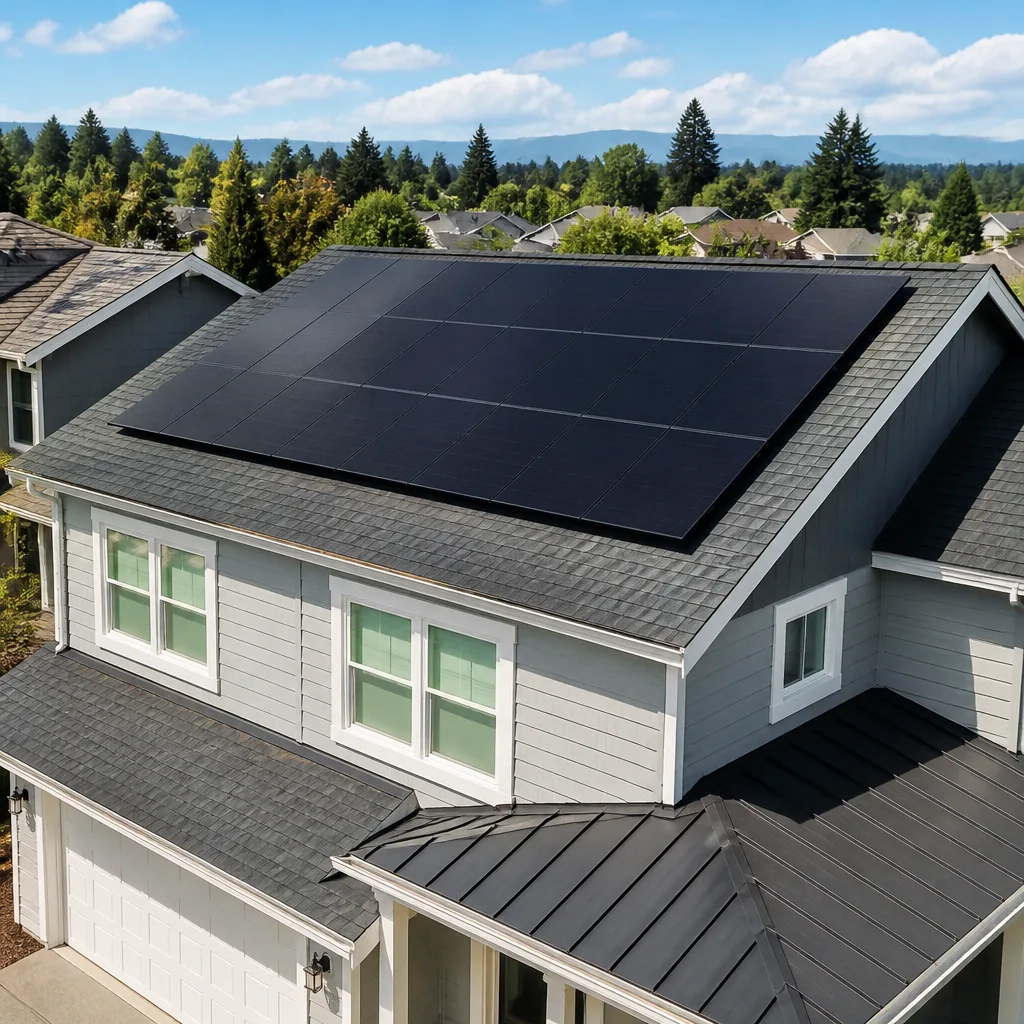
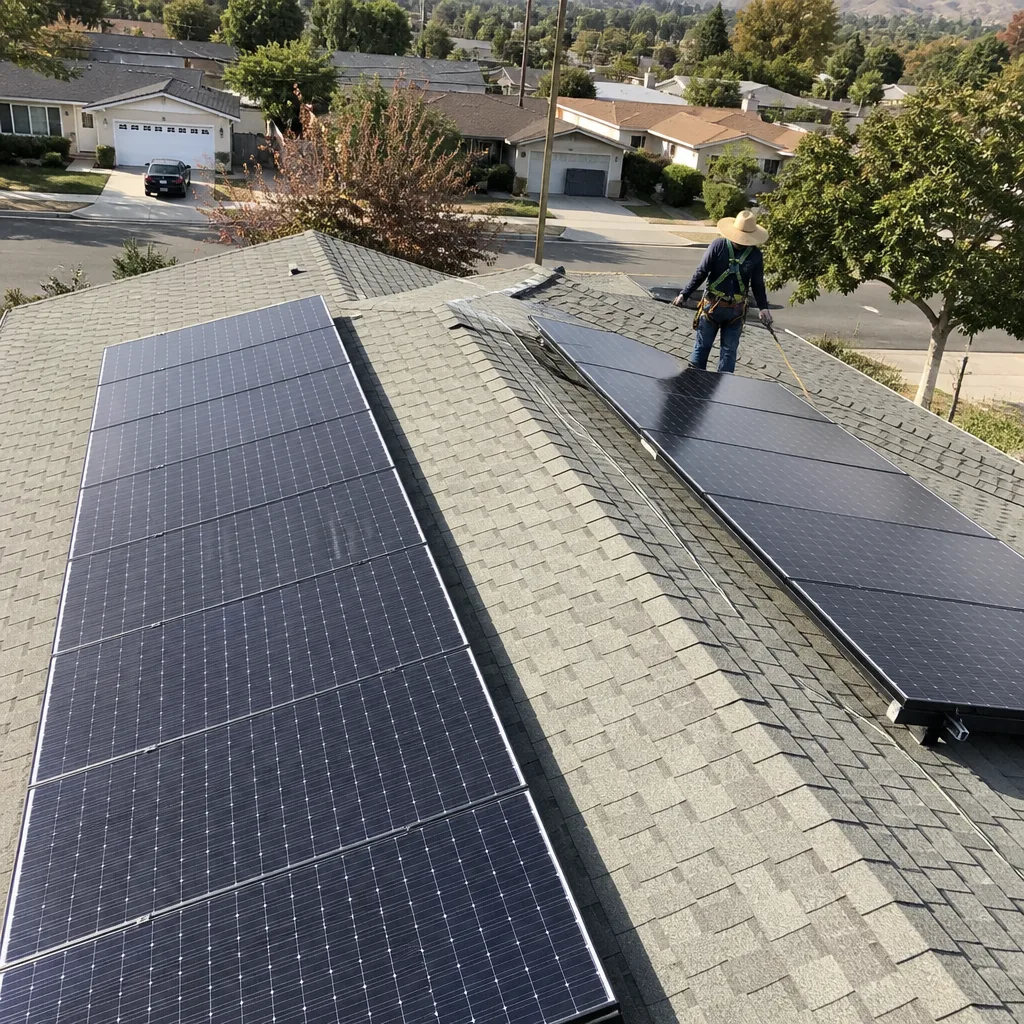
A full inspection in El Dorado Hills takes about 90 minutes and covers the array, racking, wiring, inverter, and monitoring portal. On tile roofs we check every mount point for loosening caused by foothill wind gusts. On ground mounts we look for rodent damage and erosion around conduit runs. You get a written report with photos, so you can see what we saw.
Production Monitoring Setup
If your system was never set up with real-time monitoring, or you inherited a panel array with no app access, we’ll get you connected. We work with Enphase, SolarEdge, Tesla, and most other major platforms. Once your monitoring is live, Gus’s crew can watch production trends remotely and flag dips before they become expensive true-up surprises.
Underperformance Diagnostics
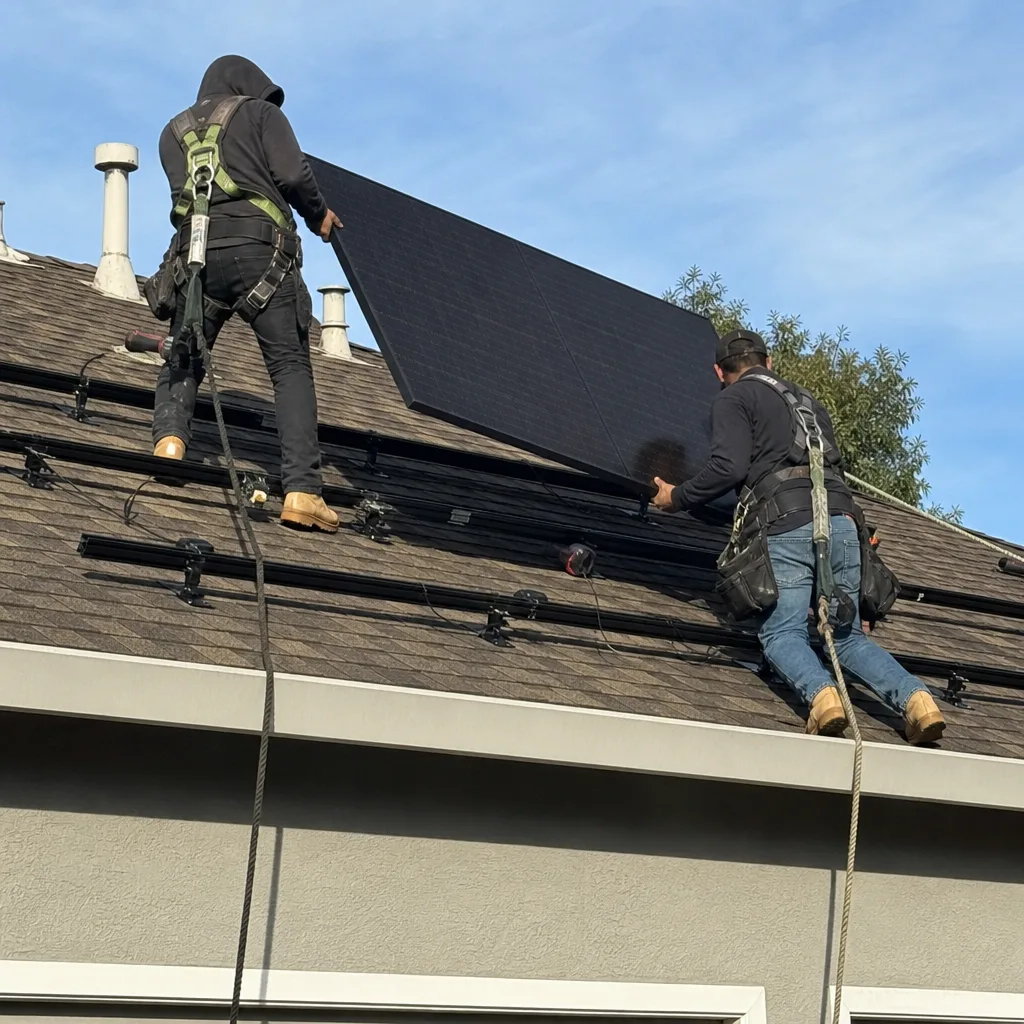
You know your power bill went up, but you don’t know why. That’s what we trace. We compare your actual production data against modeled output for your El Dorado Hills elevation and orientation, then isolate whether the problem is a failing module, a rapid shutdown issue, a wiring fault, or just dirt. In one Serrano home, we found a failing rapid shutdown module on a tile roof that had been silently throttling the array for months. The homeowner’s true-up jumped 40% before we got the call.
Firmware & App Configuration
Inverters and batteries get firmware updates. If those updates fail or get skipped, your monitoring portal may show stale data, or your battery may not discharge when you expect it to during a PSPS event. We handle firmware updates and app configuration for El Dorado Hills customers, making sure your system reports accurately and your backup settings match how you actually use power.
What happens when you call
- 1
A real person answersNo phone trees - you reach a local pro.
- 2
You get an upfront price rangeHonest numbers before anyone is dispatched.
- 3
A background-checked tech heads outLicensed & insured, dispatched right away.
- 4
You approve before work beginsNothing starts until you say go.
How El Dorado Hills’s Elevation Changes the Maintenance Math
Here’s something most Sacramento installers don’t factor into a maintenance plan: El Dorado Hills sits at roughly 400 to 800 feet of elevation, high enough to sit above the Sacramento Valley’s winter tule fog layer. While Rancho Cordova and Elk Grove homes spend December and January under gray, production-killing fog, homes in El Dorado Hills are often in full sun. That means these systems produce up to 15% more energy from November through February than identical arrays down in the valley.
That extra winter production is an asset, but it changes the maintenance equation. Because the array is working harder during months when valley systems coast, winter-time monitoring matters more here than elsewhere. A production dip in January in El Dorado Hills is a bigger dollar loss than the same percentage dip in Sacramento. That’s why our preventive maintenance plans for this area emphasize winter production monitoring and late-fall cleaning schedules that valley installers rarely think to push.
There’s also the condensation factor. Cold foothill mornings above the fog belt leave panels wet with dew that valley systems don’t see. Over repeated cycles, minute water intrusion at microcrack sites can spread. Annual hot-spot inspections catch those before they become whole-module failures.
Tile Roofs, PSPS Events, and What We Actually See in El Dorado Hills
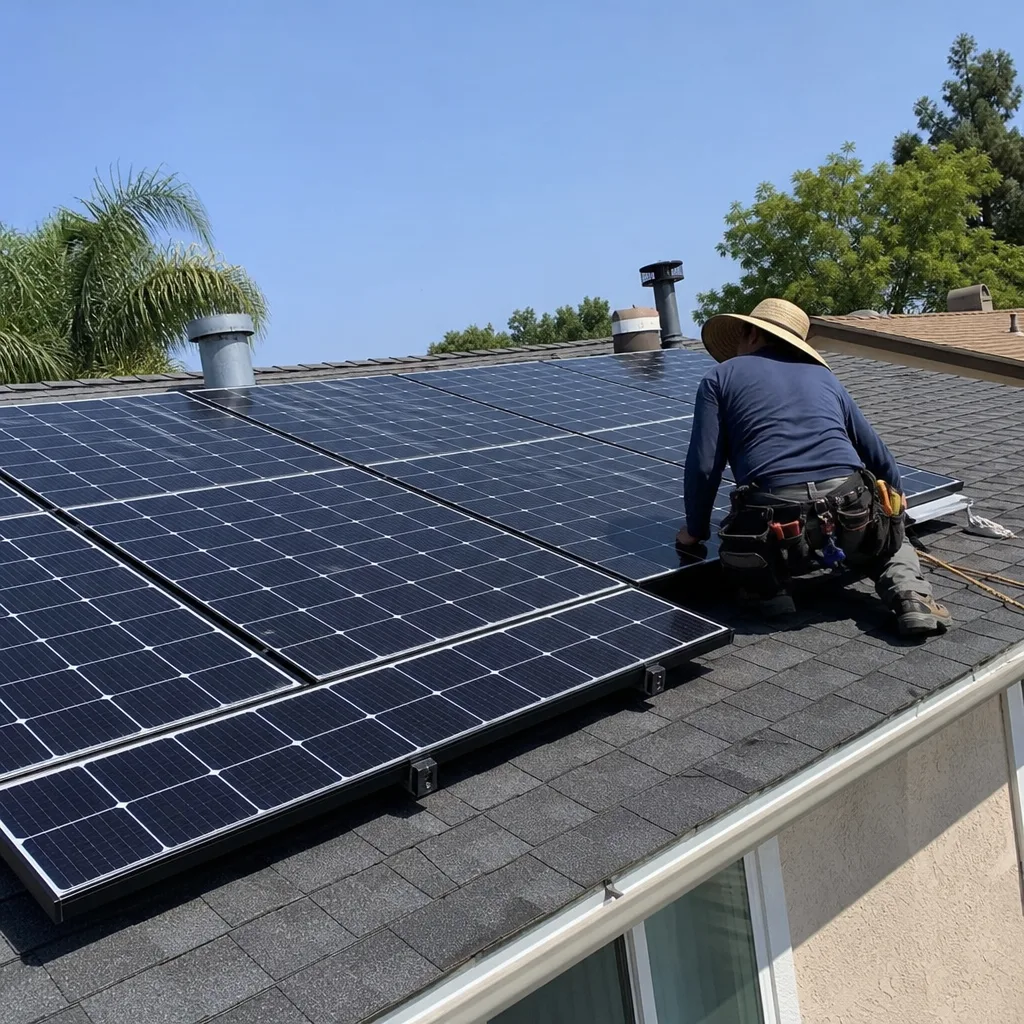
The housing stock here is overwhelmingly master-planned suburban, built in the 1990s and 2000s, with large single-family homes running 2,500 to 4,500-plus square feet. Most of those roofs are concrete or clay tile, which looks great but behaves differently than composition shingle. Tile racking and flashing systems carry more mounting hardware, more potential points of failure, and more labor to service correctly.
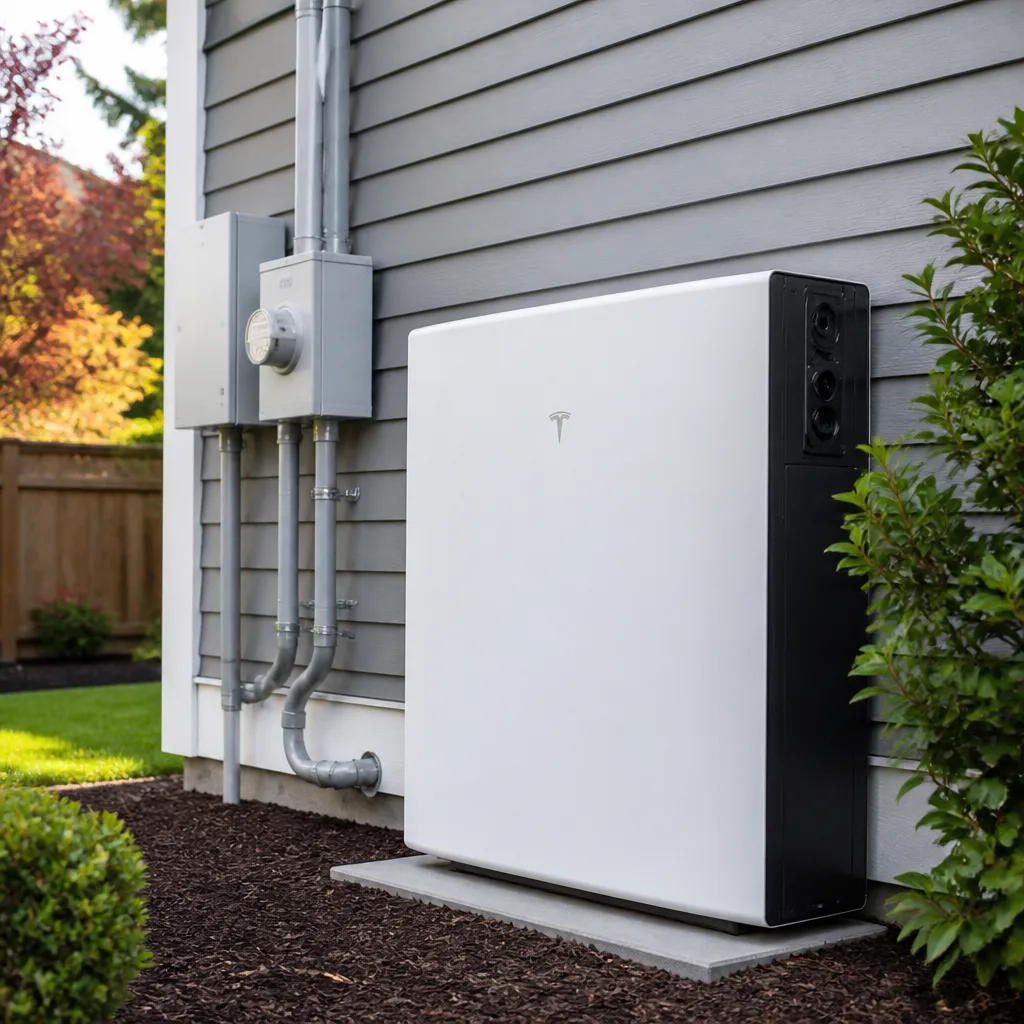
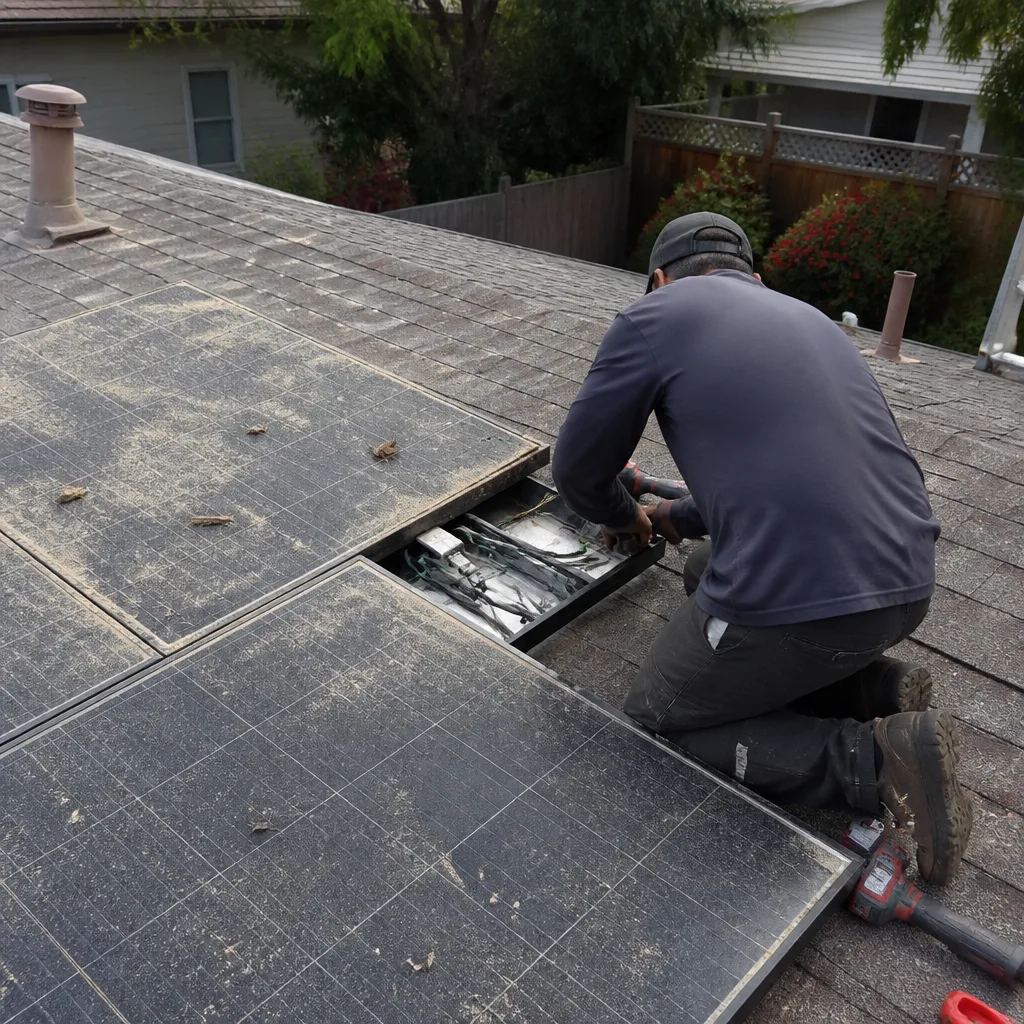
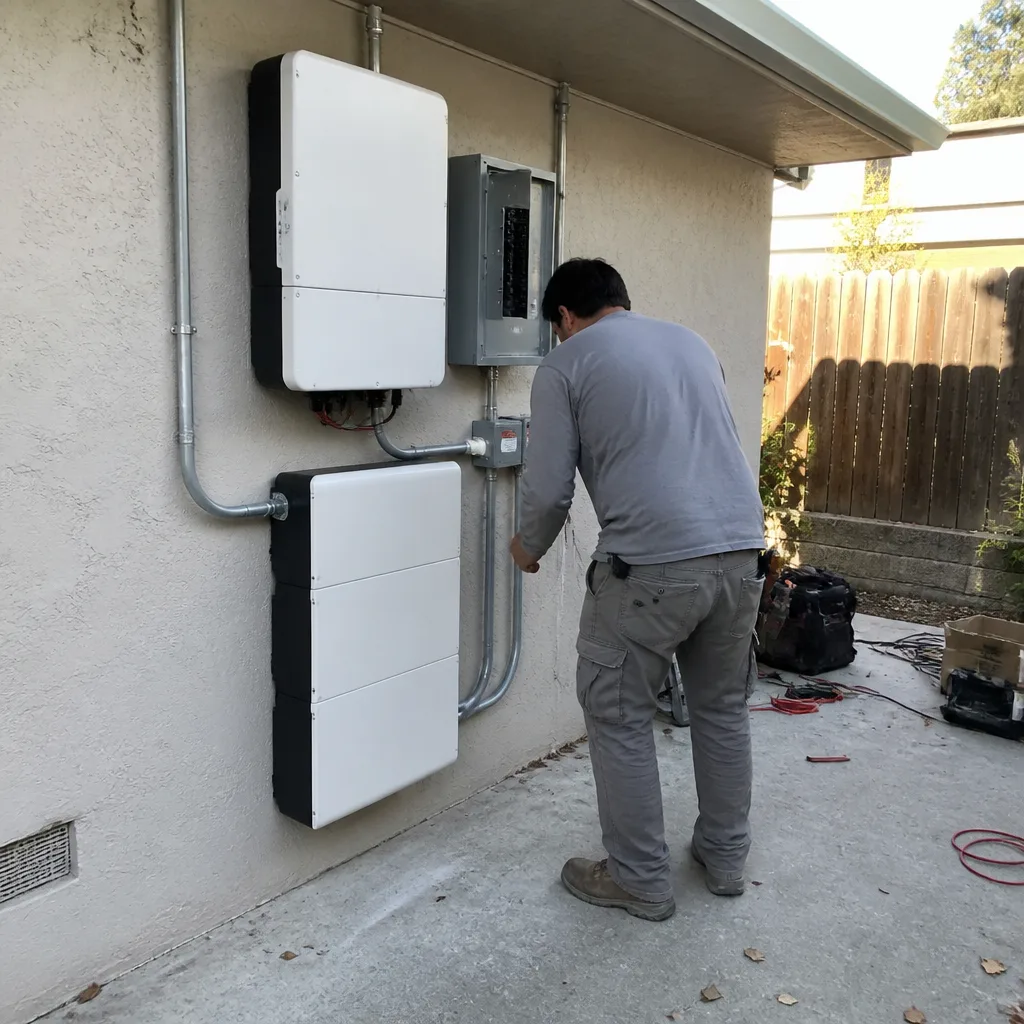
We serviced a Tesla Powerwall 2 paired with an Enphase IQ8 microinverter array in the Serrano neighborhood after the homeowner saw their true-up statement jump. Our tech found a failing rapid shutdown module on the tile roof plus dust-caked panels from a dry spring. After replacing the module and re-calibrating production through the Enphase app, we restored their expected kWh offset within one billing cycle. That’s the kind of quiet, specific failure that never throws an obvious error on the home screen.
PG&E’s PSPS events in El Dorado County add another layer. During a shutoff, battery systems cycle hard to carry the home’s load. Repeated deep discharge cycles accelerate inverter thermal stress. Over time, that leads to silent underperformance: the system still reports production, but it’s running at 85% of what it should, and the only way to see that is to compare actual versus modeled data. Post-PSPS diagnostics are worth scheduling after any outage that lasts more than a few hours.
And those foothill wind gusts we get every spring and fall? They loosen tile racking points over time. We’ve seen microinverter wiring chafe where loosened mounts let conductors rub against tile edges, producing intermittent ground-fault alerts that lag behind what a visual inspection would catch. That lag is the difference between a $200 fix and a $1,400 replacement.
Trusted Brands We Service in El Dorado Hills
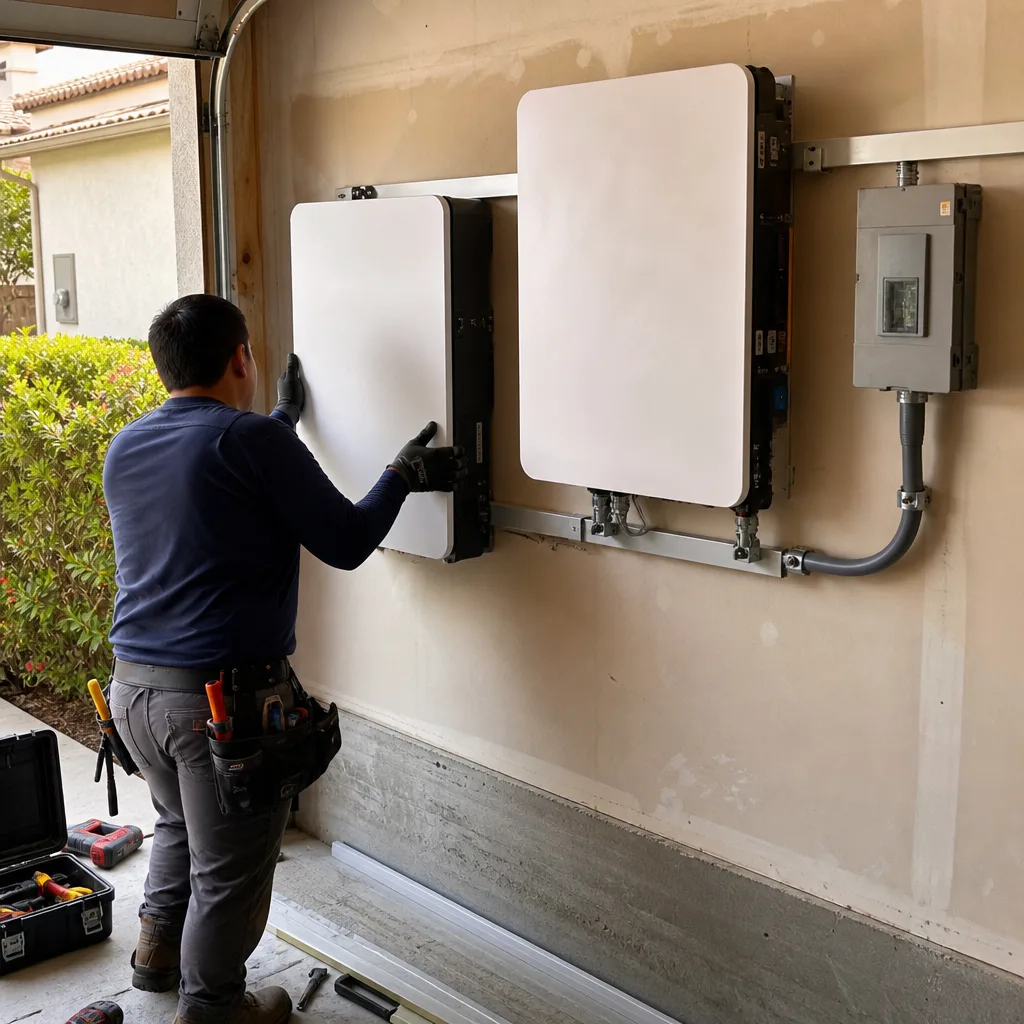
We service all major solar equipment, and we keep parts for Qcells, REC, and SunPower systems in local stock so El Dorado Hills customers aren’t waiting a week for a module or microinverter to ship from a warehouse in Phoenix. Gus’s crew is factory-trained on Enphase, SolarEdge, Tesla, and FranklinWH equipment. When a rapid shutdown module fails on a tile roof off Green Valley Road, we usually have the replacement in the truck.
If you’ve got a Panasonic array that’s underperforming, we handle that too. The brand matters less than the diagnosis: a good tech finds the failed component, not just the symptom.
Common Solar Panel Maintenance & Monitoring Problems We See in El Dorado Hills Homes
- PSPS-triggered battery stress: Repeated deep discharges during Public Safety Power Shutoffs accelerate inverter thermal wear, and the damage shows up as silent underperformance. Only a production model comparison catches it. We check for this after every prolonged outage.
- Tile roof racking loosening: Foothill wind gusts work on mount points all season. Loose racking chafes microinverter wiring and triggers intermittent ground-fault alerts that visual inspections miss. Our tile-roof checks torque every mount point.
- Condensation-driven microcracking: Cold mornings above the fog inversion leave panels wet, and repeated moisture cycles spread microcracks. Annual hot-spot inspections catch spread before a module dies outright.
- Dust-caked panels after dry springs: El Dorado Hills gets dry stretches, and dust off the Serrano open-space areas settles on panels fast. A 10% soiling loss is common by June. We time cleanings for late spring so summer production doesn’t suffer.
Pricing for Solar Panel Maintenance & Monitoring in El Dorado Hills, CA
Here are the numbers we quote over the phone, and they’re the numbers you’ll pay. A diagnostic visit in El Dorado Hills runs $180-$275. A full annual inspection with written report runs $250-$475 depending on array size, roof access, and whether you have battery storage. Preventive maintenance plans start at $220 per year for a single-array system with monitoring review and one priority visit, and run up to $550 for larger systems with batteries and tile roofs. Rapid shutdown module replacement typically runs $300-$600 including the part. Microcracked module replacement runs $400-$900 per module depending on brand, with Qcells and REC modules usually at the lower end.
We offer a free second opinion on any written estimate you’ve received from another company, and there’s no trip charge inside our own county. Gus quotes the year-25 output, not the day-one brochure number, and every quote is based on your actual production data and usage, not a generic table. Call (877) 550-6892 for an exact quote. Estimates are free, and we won’t push for a signature tonight.
We Also Serve Cities Near El Dorado Hills
We regularly send our crew to Folsom, Cameron Park, Granite Bay, and Orangevale for solar maintenance and monitoring work. If you’re in one of those communities and need a diagnostic or an annual inspection, the same team that covers Solar Panel Maintenance & Monitoring in El Dorado Hills is the team you’ll see at your door.
Serving El Dorado Hills, CA - Our Local Coverage Area
We’re based in the El Dorado Hills area and know this community well. Use the map below to see our service coverage - if you’re nearby, we can almost certainly help.
FAQs - Solar Panel Maintenance & Monitoring in El Dorado Hills
Your system produces up to 15% more energy in November through February than a comparable array in Sacramento or Rancho Cordova, so winter monitoring and late-fall cleaning matter more for your bottom line. We recommend scheduling your annual inspection in October, before the high-production winter window, rather than in spring when valley installers usually work.
PSPS events force battery systems through deep discharge cycles that stress inverter thermal components, and repeated cycles can cause silent underperformance. Your system may still report production but run below rated output. A post-outage diagnostic comparing actual versus modeled production data is the fastest way to find it. Call (877) 550-6892 and we’ll schedule a visit.
Yes, and tile roofs don’t limit monitoring setup. We configure Enphase, SolarEdge, Tesla, and other platforms to report real-time production to your phone, and Gus’s crew can watch the same data remotely. If a tile-roof mount loosens or a microinverter trips, we’ll often see it before you notice a bill change.
Compare the total kilowatt-hours you consumed against the total your system produced over the same 12-month period. If your system produced less than the prior year despite similar weather, or your true-up balance jumped by more than about 15% without a major lifestyle change, that’s a maintenance trigger. Bring the statement to us. Gus says it straight: bring the bill, he’ll bring the math.
Yes. We document underperformance, prepare the claim, and work with the manufacturer on your behalf. We handle warranty claims for Qcells, REC, SunPower, Panasonic, and most major brands. If a module has microcracked or a microinverter has failed within warranty, we manage the paperwork so you don’t have to argue with a manufacturer’s phone line.
Call Gus’s Solar for Maintenance and Monitoring in El Dorado Hills
If your production is down, your true-up jumped, or you just want a second set of eyes on a system that hasn’t been checked since install, call Gus’s Solar at (877) 550-6892. A live person answers, 24 hours a day. No call center, no ticket queue. We’ll give you an honest assessment, a written quote, and all the time you need to decide. Take two weeks. The price will be the same.
Written by Gus Petrakis, Owner at Gus’s Solar, serving El Dorado Hills since 2011.