
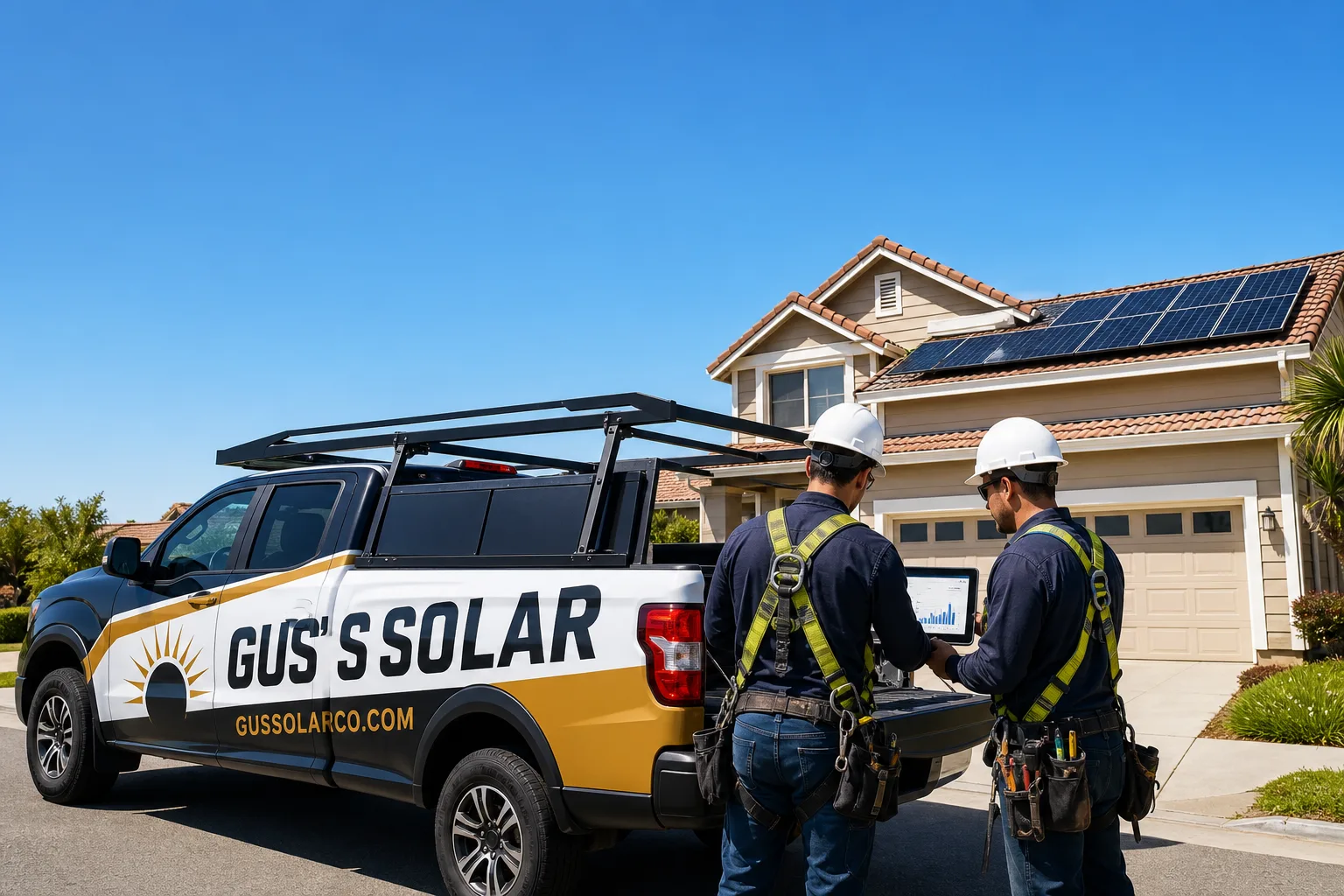
Free bill analysis - bring a power bill, get the production math for your actual roof, panel brands like Qcells and REC compared side by side
If the pitch starts at your door and ends with "sign tonight for the special," sleep on it. The sun will still be there tomorrow; so will we.
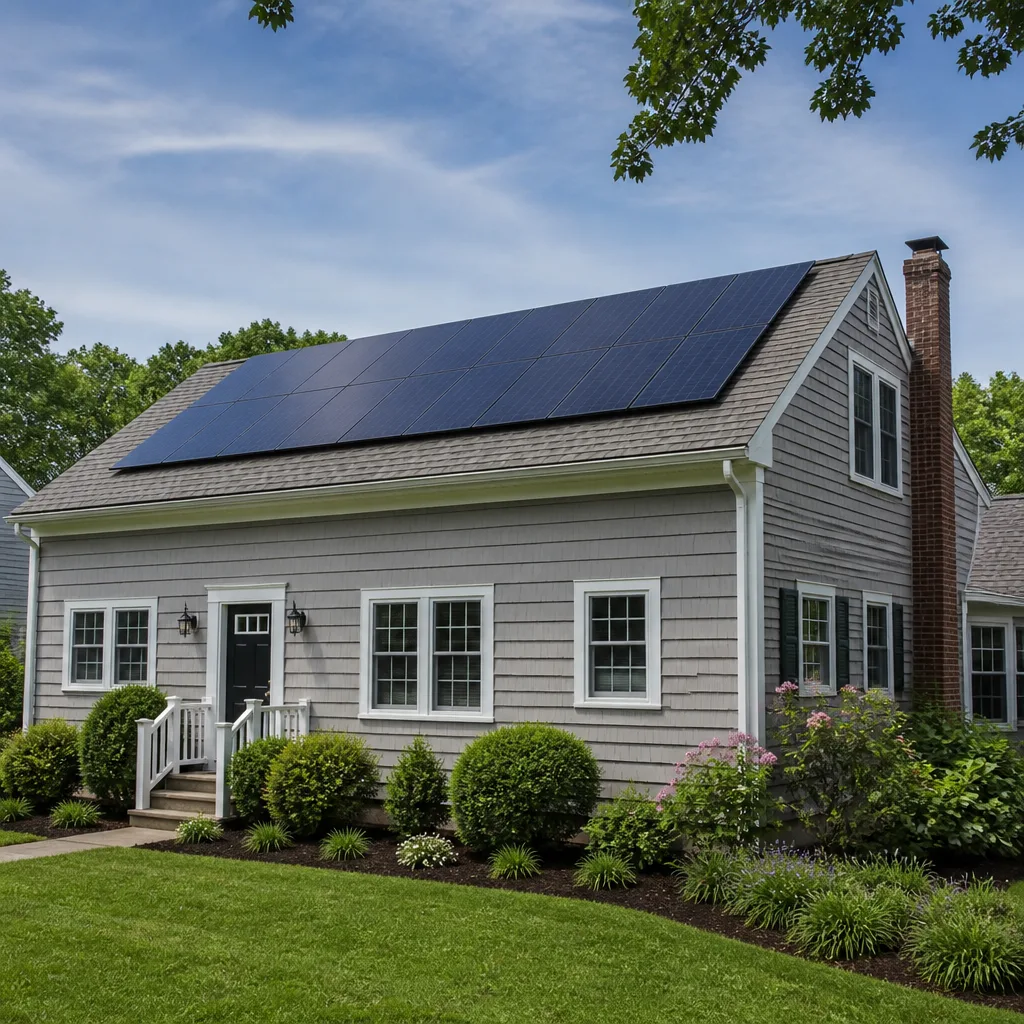
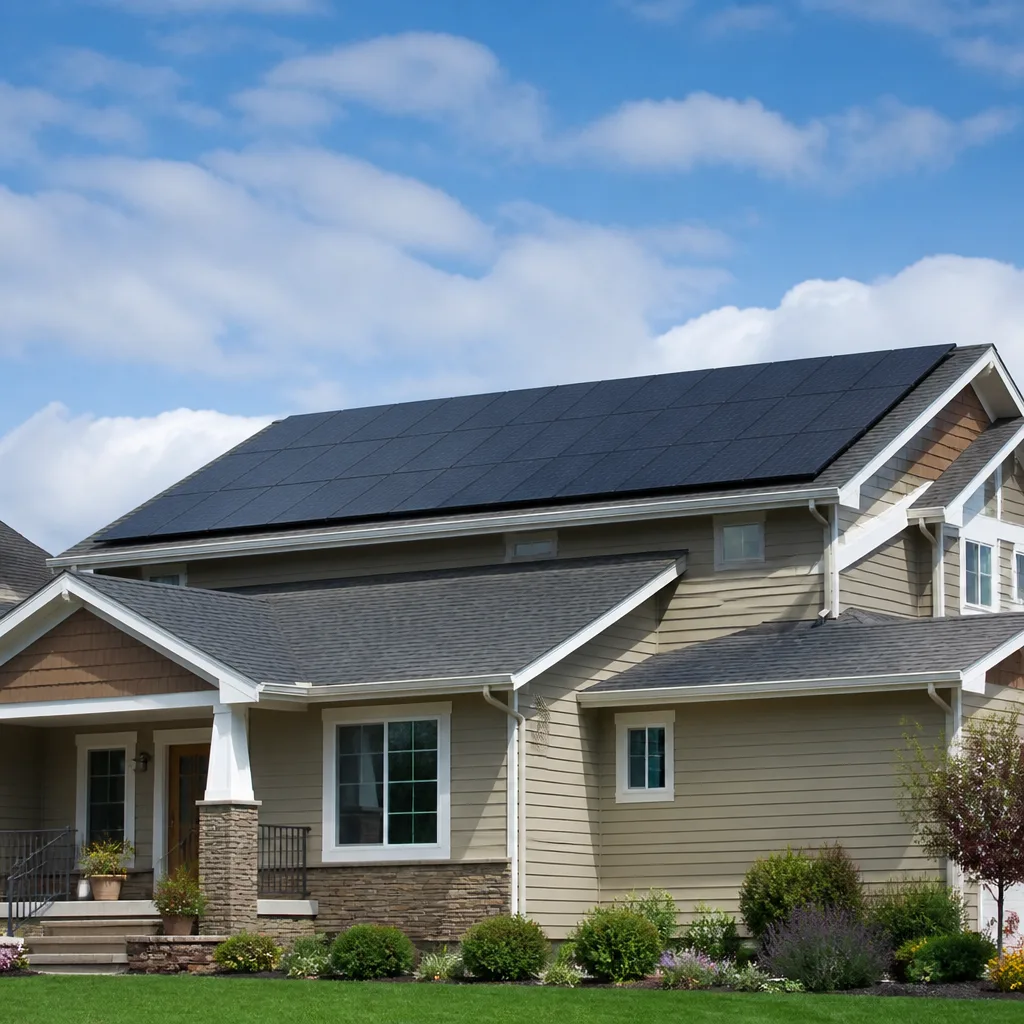
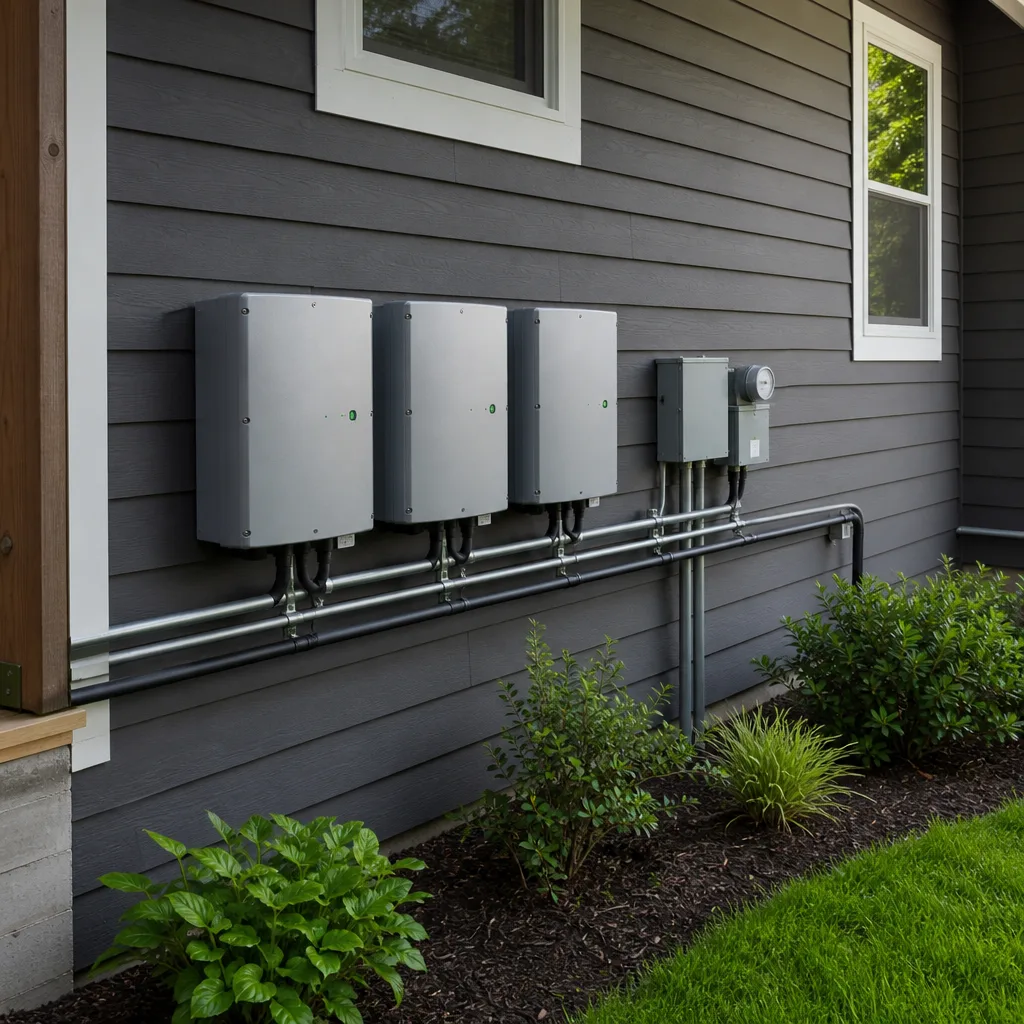
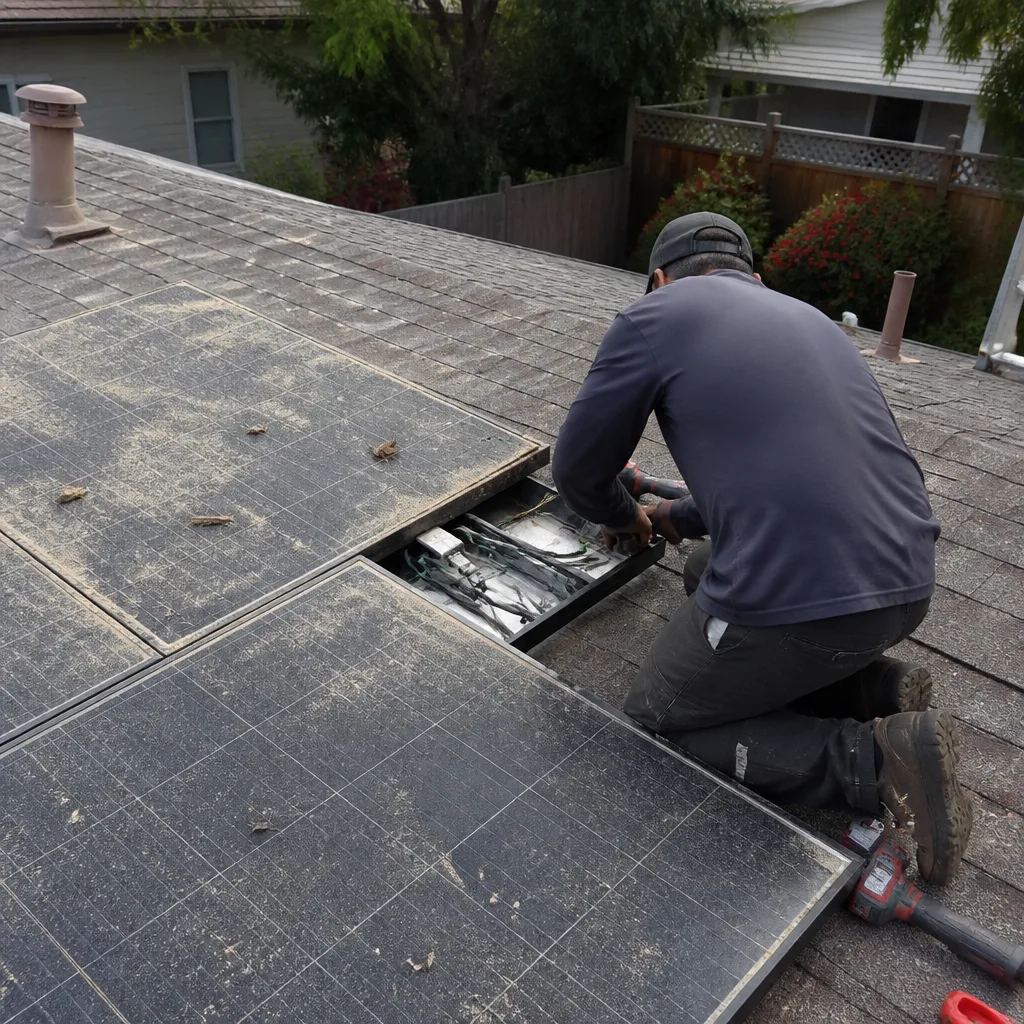 Before
 After
After Before
 After
After Before
 After
AfterFast, Reliable Commercial Solar Installation Across Albany
Commercial solar installation in Albany runs $85,000 to $340,000 for most warehouse, retail, and mixed-use rooftops before incentives, with payback typically landing between 5 and 9 years under PG&E’s current NEM 3.0 billing structure. We quote real year-25 production numbers off your actual utility bill, not a brochure estimate, and we tell you to take two weeks before you sign anything. Gus’s Solar has been putting commercial arrays on Albany roofs since 2011, and our crew knows exactly which streets get morning fog and which hill slopes clear first. Call (877) 550-6892 for a free site assessment and a straight answer on what your building will really produce.
Why Gus’s Solar Is Albany’s Preferred Commercial Solar Installation Company
We’re not a pop-up sales crew working Albany from a call center three states away. Gus Petrakis publishes his name, address, and license number, and a live person answers our phone 24/7. When a warehouse manager on Cleveland Avenue calls about a production dip, Gus is the one who calls back. That’s how we’ve kept commercial customers across Albany, from the retail strips near Solano Avenue to the light industrial pockets east of San Pablo Avenue, for more than a decade.
Background-checked, uniformed technicians handle every install. We don’t hand your roof off to a sub. The same crew that models your array is the one on your roof flashing every penetration properly. And every commercial job carries our 90-Day Done Right Promise in writing: if it’s not right, Gus makes it right. One call brings him back.
Albany’s commercial buildings are old. We’ve worked on 1940s auto shops, 1920s storefronts, and mid-century warehouses from Buchanan Street to the flats near the Bay. We know Albany’s planning and permitting requirements, we know which roofs have the structural capacity for a commercial array, and we know how the marine layer off the Bay changes production from one city block to the next. That local knowledge is the difference between a system that meets your expectations and one that quietly under-produces for 25 years.
Our Commercial Solar Installation Services in Albany
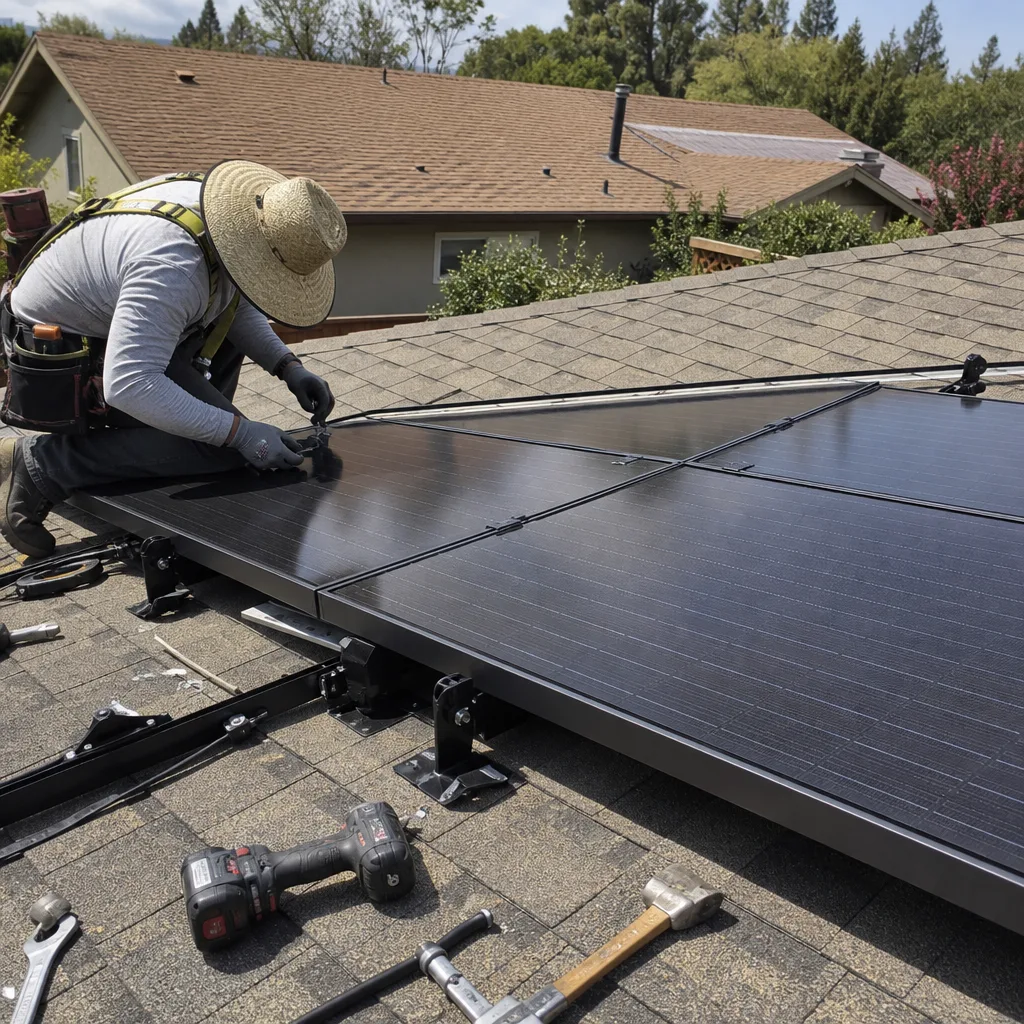
Commercial Rooftop Solar
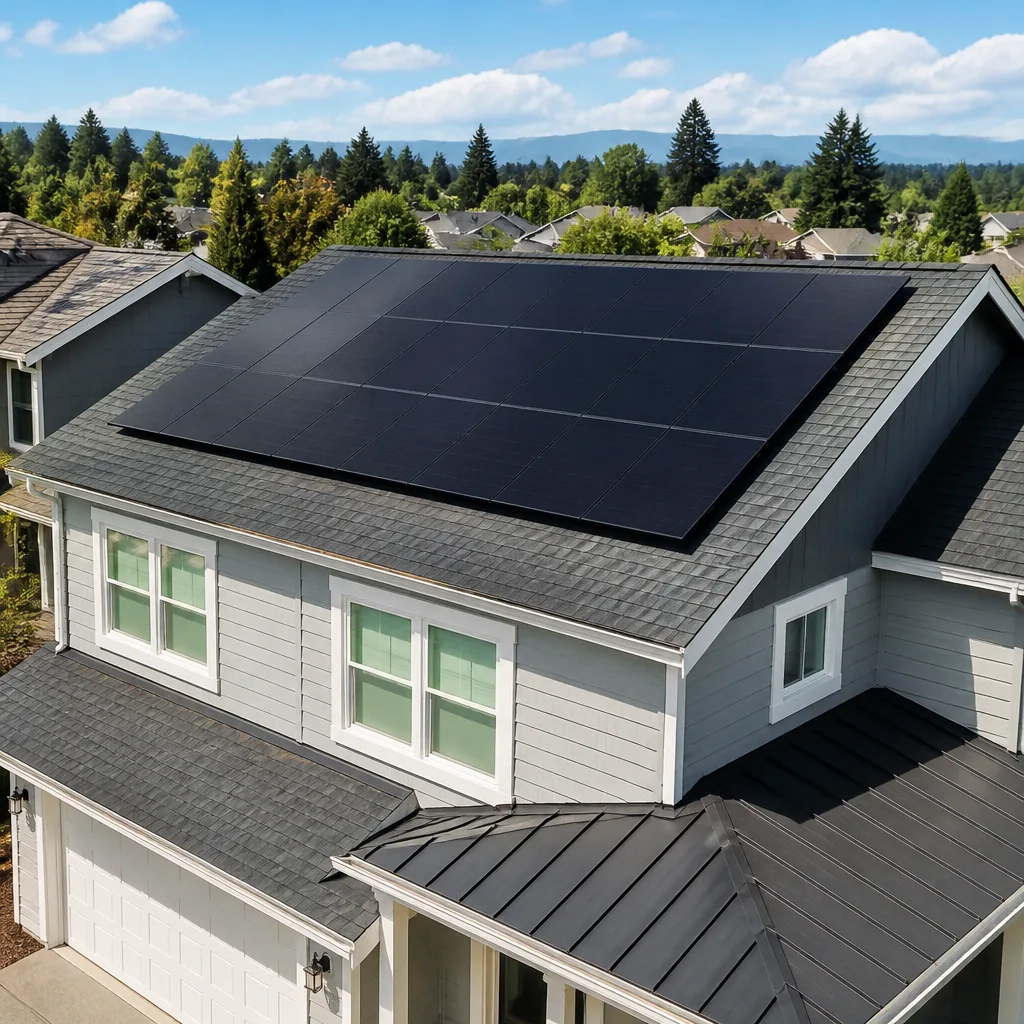
Albany’s commercial rooftops are predominantly on buildings from the 1920s through the 1960s, meaning compact footprints, shallow pitches, and roof structures that were never engineered for live loads beyond basic roofing. We run structural assessments before we ever quote a kW DC number, and we design arrays that respect the roof’s actual capacity. The persistent summer marine layer along Albany’s flatlands means we prioritize high-efficiency panel selection and precise orientation, especially on south-facing roof planes that clear fog first. A typical Commercial Solar Installation on an Albany flatland rooftop runs $2.10 to $2.60 per watt before incentives, depending on roof condition and racking requirements.
Warehouse & Industrial Solar
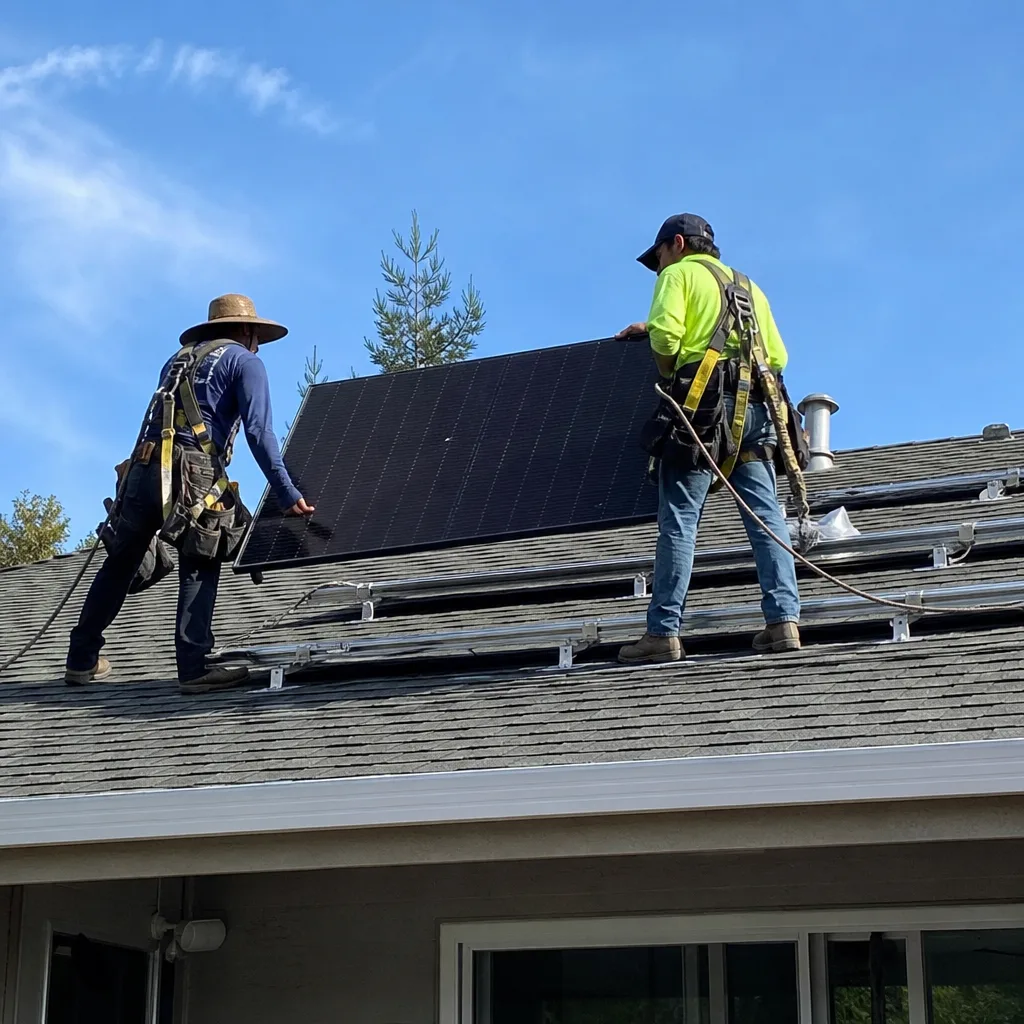
Albany’s industrial buildings cluster along the eastern side of San Pablo Avenue and around the BART corridor, with a few legacy warehouse properties tucked near the waterfront. These structures often have flat or very low-slope roofs with older built-up roofing, which complicates both roof attachment and drainage. We’ve done enough of them to know that a 42.5 kW array on a 1940s flat-top warehouse in Albany’s flatlands will under-produce the same kW DC on Albany Hill’s south slope by roughly 14% annually. So we model your specific azimuth before we quote a single dollar figure. Typical warehouse arrays in Albany run $90,000 to $280,000 depending on system size and roof work.
Solar Carport Installation
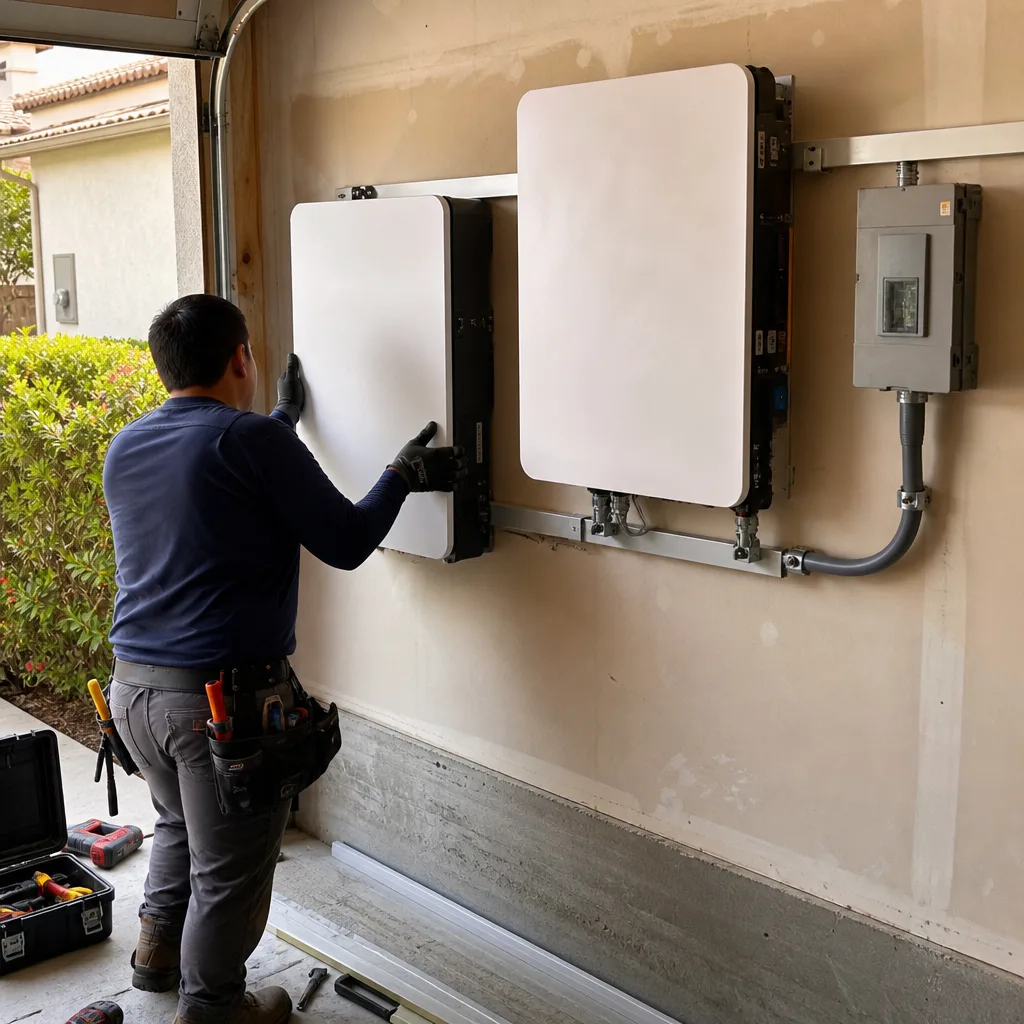
For Albany commercial properties where roof space is tight or shaded, we install solar carports over parking areas. A single-bay commercial carport runs roughly $35,000 to $75,000 before incentives, with steel framing and panel installation included. Carports make particular sense for Albany businesses with small roofs and surface parking, and they solve the structural-load question entirely. The array produces at the ideal tilt angle, and the canopy keeps vehicles and customers out of the sun. We’ll model carport production against rooftop production on the same lot so you see the difference in writing before committing.
Commercial Battery Storage
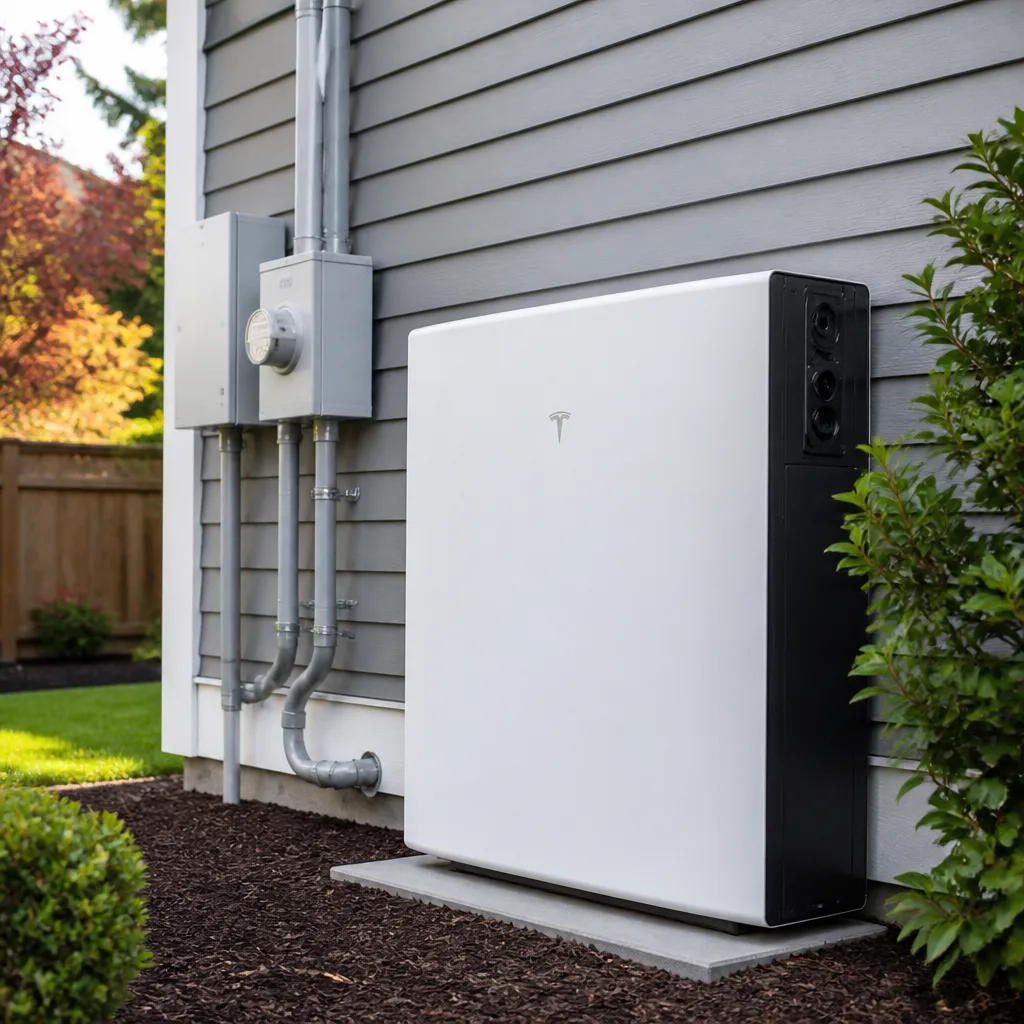
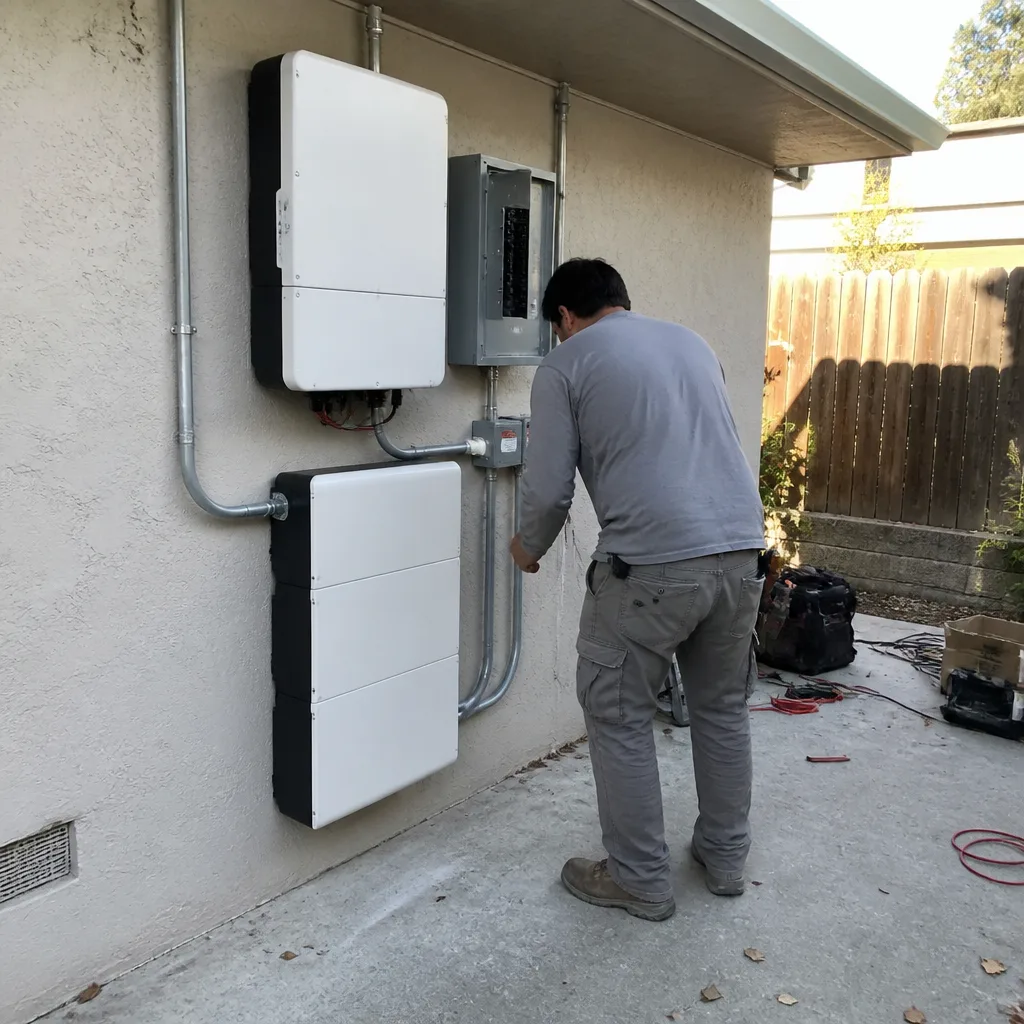
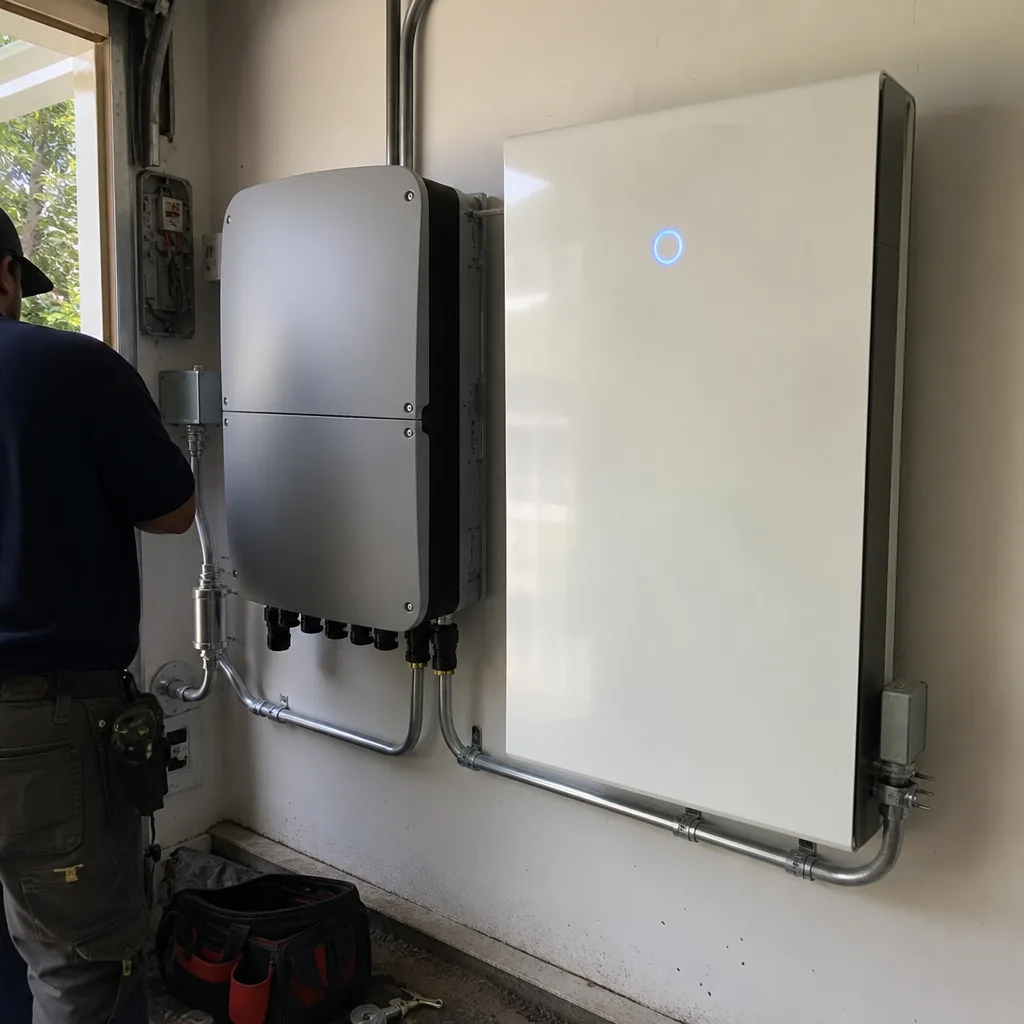
Under PG&E’s NEM 3.0, commercial solar exports are credited at a fraction of retail rates, which means batteries shift from optional to economically important for many Albany businesses. Commercial battery storage lets you bank daytime production and discharge it during PG&E’s evening peak window, when Albany rates climb highest. We install FranklinWH and Tesla commercial battery systems sized to your actual load profile. A commercial battery bank for a typical Albany storefront or warehouse runs $45,000 to $120,000 installed, depending on capacity and inverter integration. For buildings in Albany’s fog-heavy flatlands, storage often improves the solar economics enough to shorten payback by a year or more.
What happens when you call
- 1
A real person answersNo phone trees - you reach a local pro.
- 2
You get an upfront price rangeHonest numbers before anyone is dispatched.
- 3
A background-checked tech heads outLicensed & insured, dispatched right away.
- 4
You approve before work beginsNothing starts until you say go.
Trusted Brands We Service in Albany
We install and service equipment from Tesla, Enphase, and SolarEdge, and we stock common parts and microinverters locally so Albany commercial customers aren’t waiting on a shipment from the Midwest when a production issue shows up. For Commercial Battery Storage, we work with FranklinWH for stackable, warranty-backed capacity that handles Albany’s evening-peak demand. If you already have a commercial system on your roof and want a second opinion on its production, we’ll come out and look. Bring us a bill, we’ll bring you the math.
Common Commercial Solar Installation Problems We See in Albany Homes
- Under-producing arrays modeled on PG&E territory averages without adjusting for Albany’s marine layer. Albany’s position hard against the Bay means the summer fog that burns off over Oakland or Fremont by late morning frequently lingers through midday here, cutting daily kWh production during the exact months you should be generating the most. We model flatland addresses separately from Albany Hill south-slope addresses, because the production difference is real and measurable.
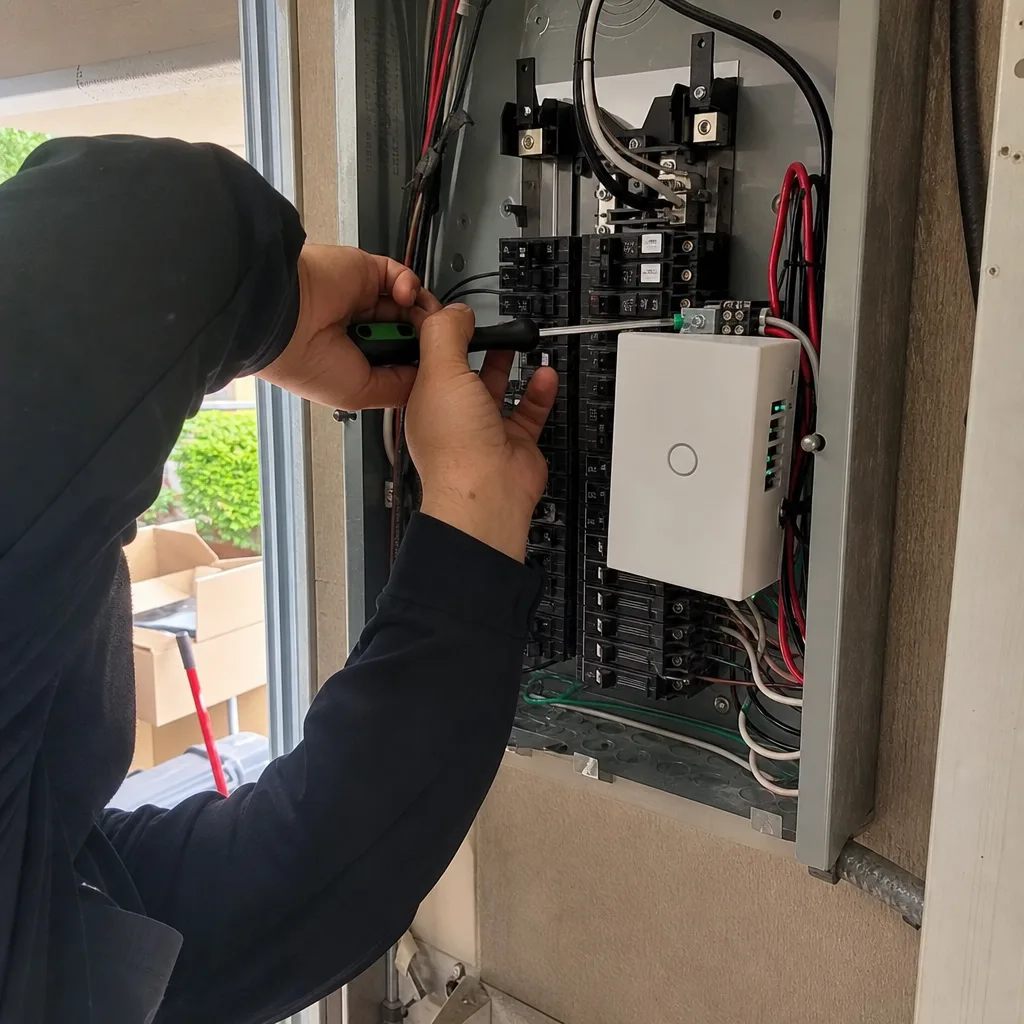
- Legacy 60 to 100 amp panels that can’t support modern interconnection. Most Albany commercial buildings from the 1920s through the 1950s still have original service equipment. Before your solar system can pass inspection and interconnect with PG&E, that panel usually needs a service upgrade, and older pre-1970 subpanels often need to be verified for rapid shutdown compliance. We include that work in our quote so there’s no surprise line item mid-project.
- Roof penetrations done wrong by crews unfamiliar with Albany’s older roofing systems. Built-up roofs, composite shingles over original skip sheathing, and roofing materials from the mid-century all flash differently. A poorly flashed penetration on a flat commercial roof near the Bay, where wind-driven rain hits harder, becomes a leak the first winter. Gus’s own crew does the flashing, and we verify every penetration before final inspection.
- Using a single city-wide production estimate instead of per-address azimuth modeling. Albany Hill’s south-facing slopes catch direct sun hours earlier and lose far less production to lingering fog than the flat western streets near San Pablo Avenue. Experienced local installers run separate production models for hill-side versus flatland addresses. We do this on every commercial project in Albany, because two buildings 800 feet apart can have a 10 to 15 percent annual production gap.
Pricing for Commercial Solar Installation in Albany, CA
Here’s where the money actually goes. A typical commercial rooftop system in Albany runs $2.10 to $2.60 per watt before incentives. A 30 kW system, common for small retail and office buildings, lands between $63,000 and $78,000. A 75 kW array for a mid-size warehouse runs $157,000 to $195,000. Solar carports run higher per watt, typically $2.60 to $3.10, because of the steel structure. Commercial batteries add $45,000 to $120,000 depending on capacity. What moves the number: roof condition and structural upgrades needed, service panel age, system size, and whether you’re adding storage. We quote the price we charge. The number you see is the number you pay, and we’ll give you two weeks to think about it. The price will be the same. Call (877) 550-6892 for a free estimate, and if you have a written estimate from another company, we’ll give you a free second opinion.
We Also Serve Cities Near Albany
Gus’s Solar serves commercial customers across the Albany area and the nearby East Bay communities. That includes El Cerrito, Kensington, Berkeley, and Emeryville. Our crews are based in the San Francisco Bay Area and scheduled locally, so a warehouse manager in Albany gets the same crew, the same standards, and the same live person on the phone whether the job is one block from San Pablo Avenue or a few miles up the hill.
Serving Albany, CA - Our Local Coverage Area
We’re based in the Albany area and know this community well. Use the map below to see our service coverage - if you’re nearby, we can almost certainly help.
FAQs - Commercial Solar Installation in Albany
We measure a 10 to 15 percent annual production gap between Albany’s flatland commercial addresses and the south-facing slopes of Albany Hill. The marine layer that sits over the flatlands near San Pablo Avenue and the Bay frequently lingers through midday during summer, while elevated south slopes on the Hill clear earlier and catch direct sun for more hours. We saw this directly at a 1940s auto-shop turned warehouse on Cleveland Avenue, where our crew replaced a failing 60-amp service panel and installed a 42.5 kW rooftop array with Enphase microinverters after modeling showed the flatland morning marine layer cut annual production by 14% versus the same kW DC just 900 feet up Albany Hill. Call (877) 550-6892 and we’ll model your specific address before you spend a dollar.
Most of the time, yes. Albany’s commercial building stock is overwhelmingly 1920s through 1950s construction, and original 60 to 100 amp panels are common. A commercial solar array needs a service panel that can handle the new load calculations and meet PG&E’s interconnection requirements, and pre-1970 subpanels often require rapid shutdown verification. We fold panel replacement into the project quote so there’s no surprise line item later. Call (877) 550-6892 and we’ll check your panel during the free site assessment.
South-facing is best, followed by southeast. Albany’s fog pattern makes orientation matter more than it does in sunnier East Bay cities, because south-facing planes catch sun through the tail end of the morning marine layer and hold production longer into the afternoon. On flat commercial roofs, we tilt the array south at the latitude-appropriate angle. Hillside buildings on Albany Hill’s south slope outperform flatland buildings regardless of roof pitch, because they simply get more direct sun hours. Call (877) 550-6892 for a free production model on your roof.
Yes. Under NEM 3.0, PG&E credits exported solar at far below retail rates everywhere in its territory, but Albany’s actual bill impact differs because the marine layer suppresses midday production precisely when export would otherwise be highest. Inland cities like Concord generate more midday surplus that gets credited at low export rates. Albany systems generate less midday export but can still meet a larger share of on-site demand with a properly sized array and battery storage, which changes the economics of system sizing. Call (877) 550-6892 and bring your PG&E bill. We’ll show you the year-25 difference.
Look for a manufacturer’s year-25 output warranty, typically 87 to 92 percent of day-one production depending on the panel. In a fog-heavy coastal climate like Albany, total annual irradiance is lower than in inland PG&E territory, which means fewer total sun hours to spread degradation across. We prefer panels with strong year-25 output guarantees and proven performance in low-light conditions, which we quote directly rather than the day-one brochure number. Call (877) 550-6892 and we’ll show you the real year-25 production forecast for your roof before you sign anything.
Written by Gus Petrakis, Owner at Gus’s Solar, serving Albany since 2011.