
Free bill analysis - bring a power bill, get the production math for your actual roof, panel brands like Qcells and REC compared side by side
If the pitch starts at your door and ends with "sign tonight for the special," sleep on it. The sun will still be there tomorrow; so will we.
 Before
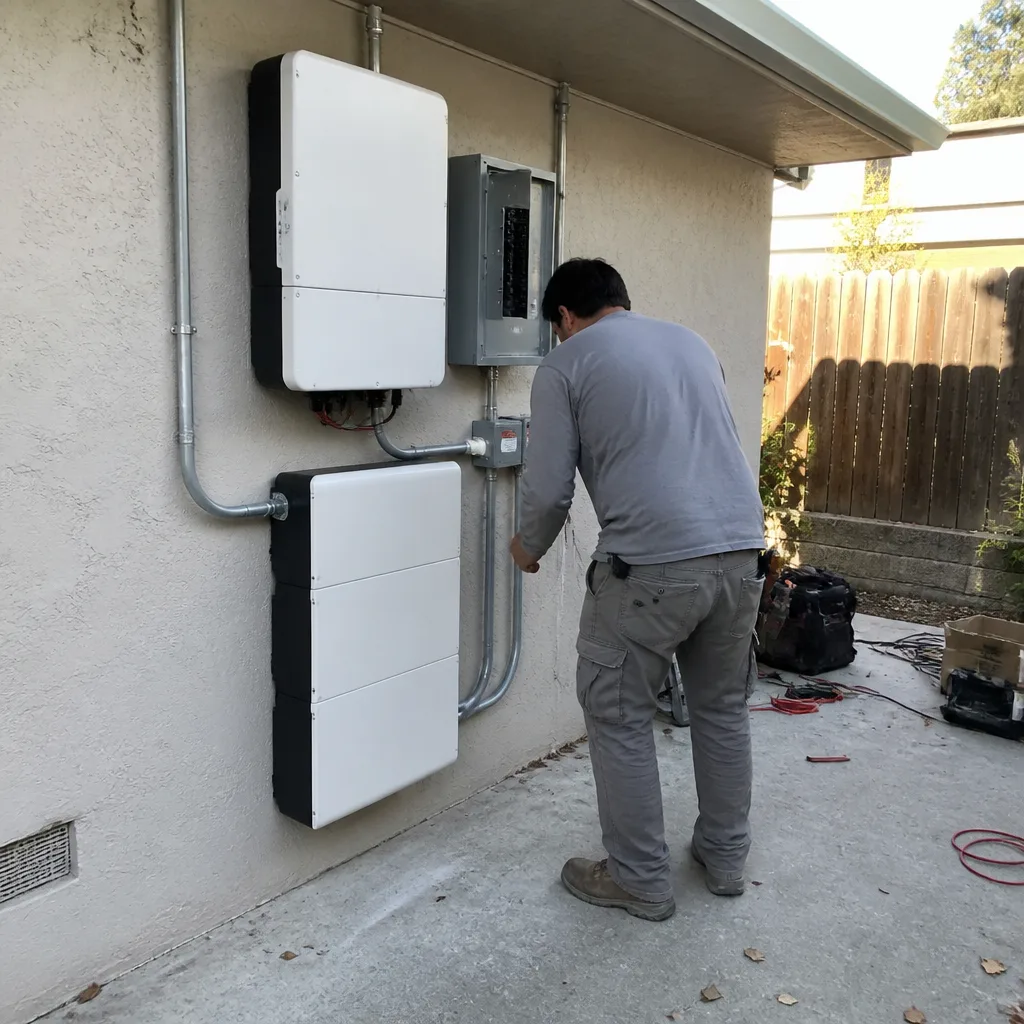 After
After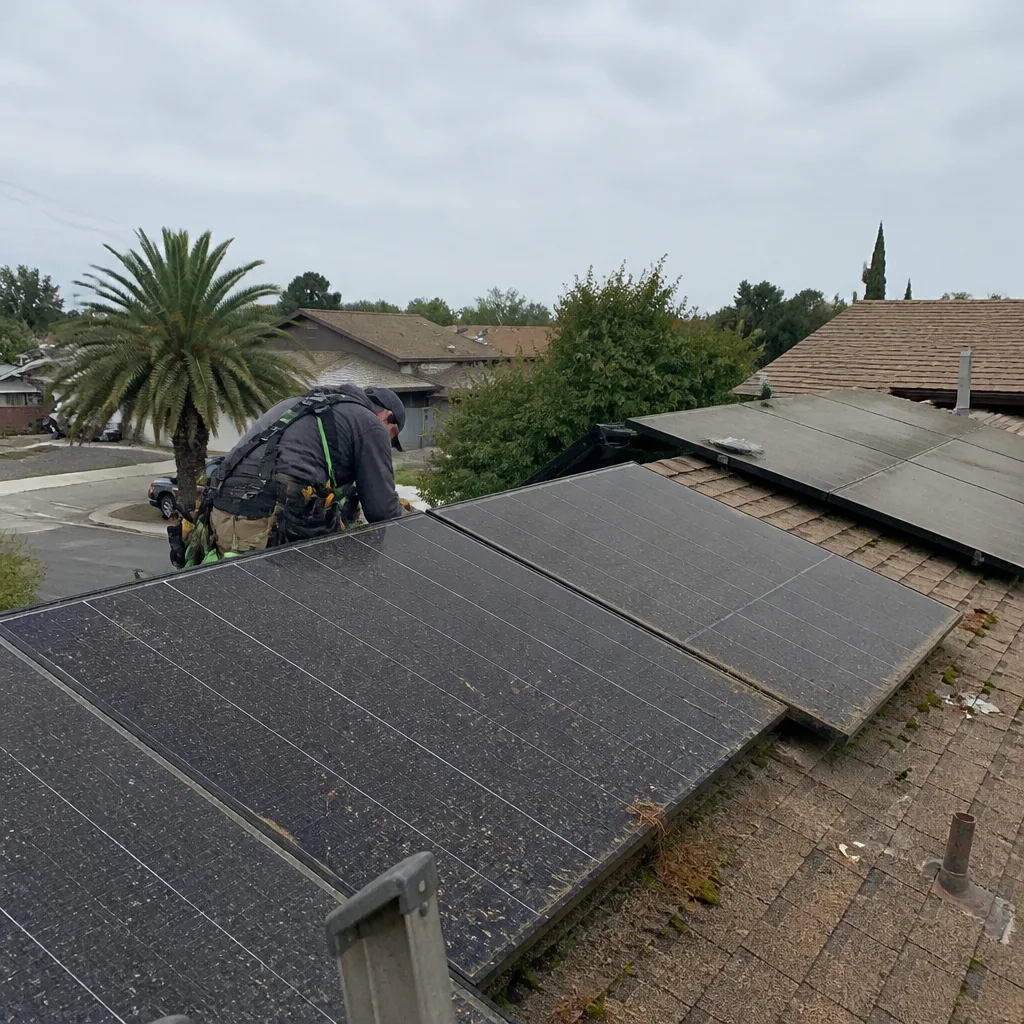 Before
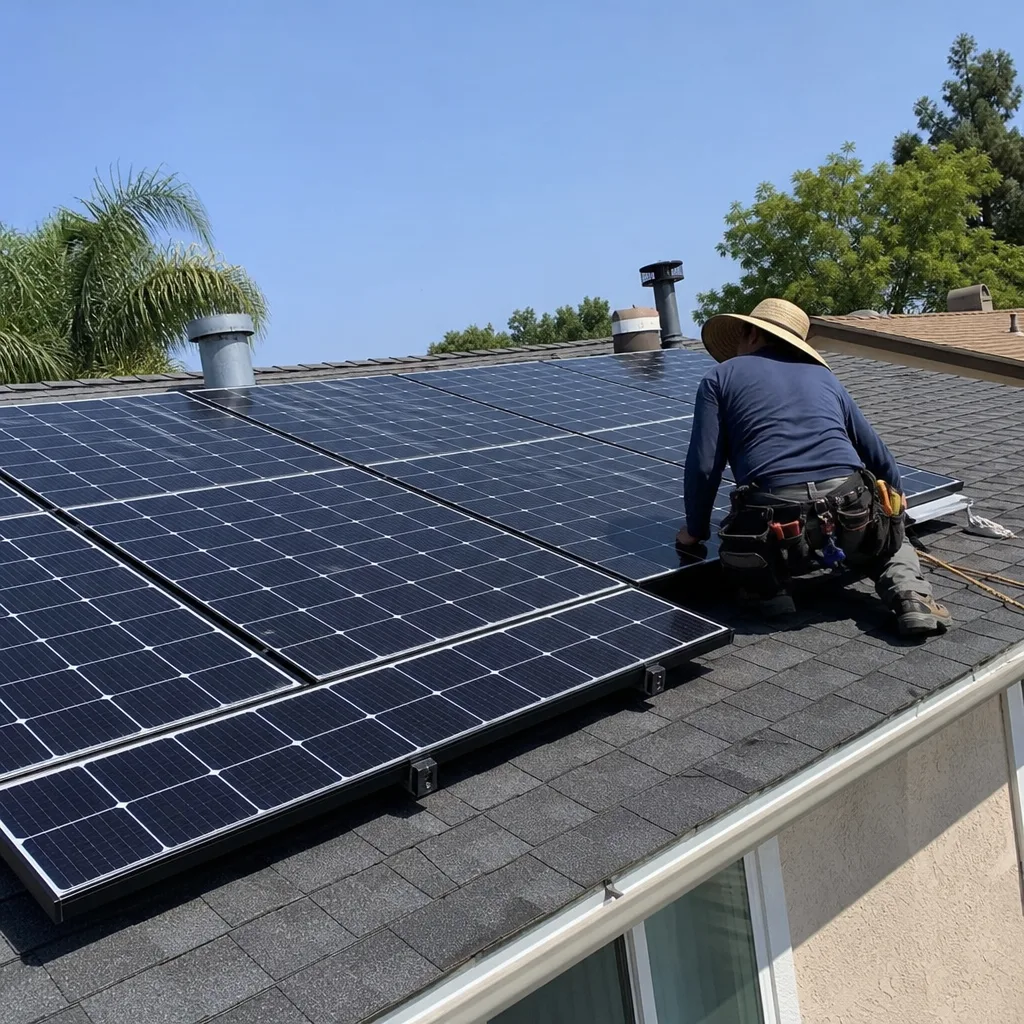 After
After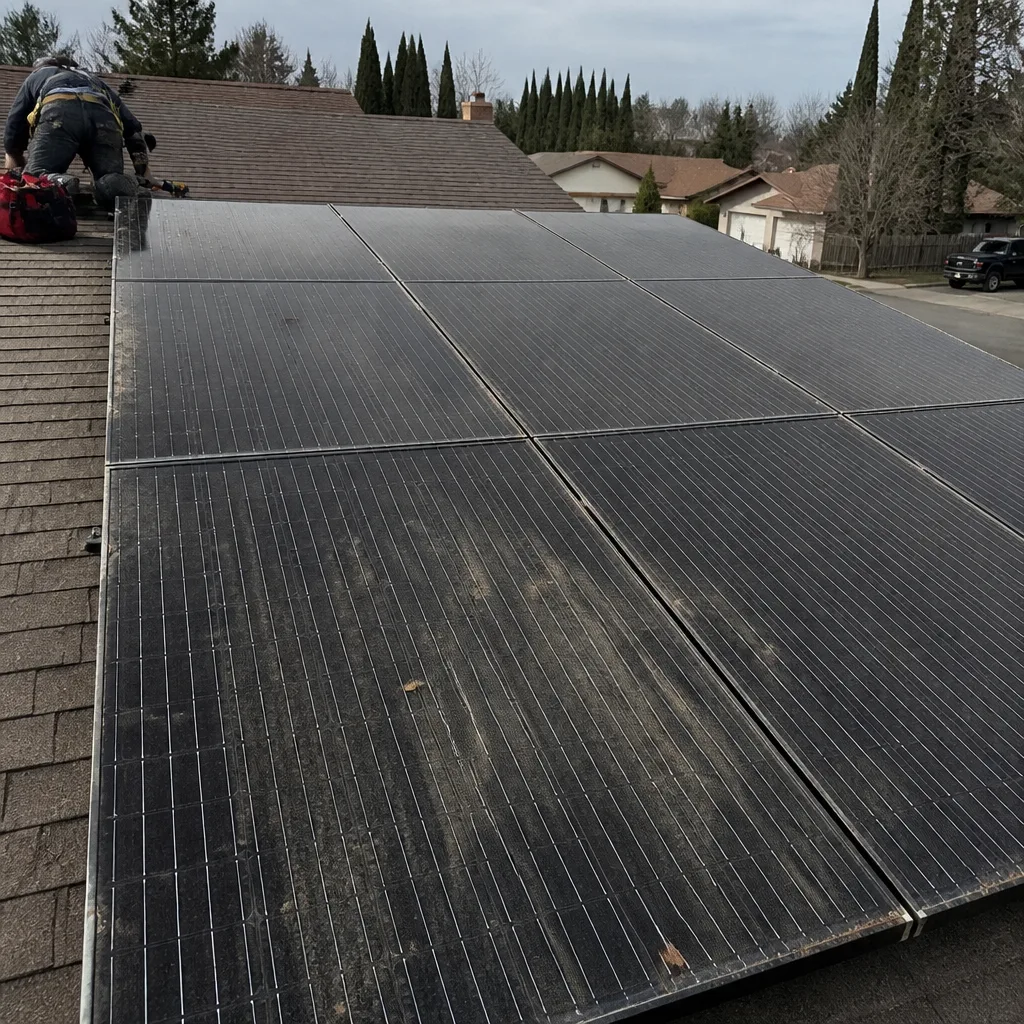 Before
 After
AfterFast, Reliable Solar Panel Installation Across Williams
Solar panel installation in Williams usually runs between $16,000 and $28,000 before incentives for a typical 6 to 9 kW rooftop system. Most jobs take two to four days on the roof plus one to three weeks for Colusa County permitting and PG&E interconnection sign-off. If you live off E Street, around the 95987 zip code, or anywhere in the Williams city limits, our Solar Panel Installation crew knows your roof, your fog season, and your utility bill. Call (877) 550-6892 for a straight answer.
Why Gus’s Solar Is Williams’s Preferred Solar Panel Installation Company
Gus Petrakis started this company in 2011 and he still answers his own phone. That’s not a slogan. Dial (877) 550-6892 at 11 p.m. and you get Gus or someone on his crew, not a call center in another state. Williams homeowners have had enough of door-knockers who quote one number on the porch and a different number at the contract table. We don’t do that.
Our reputation in Williams is built on the L.O.C.A.L. values that guide every job: Local roots, On time, Community first, Accountable, Loyal. Gus puts his own name on the truck and his own name on the work. If a system underperforms, we hear about it at the grocery store. That’s exactly how it should be.
Williams is part of our home county. Crews come out from our Sacramento dispatch office, but the work is done by Gus’s own background-checked, uniformed technicians. No subs. No strangers on your roof. No crew that vanishes after the check clears. When you call about a production issue in January because tule fog cut your output, the person who answers knows what tule fog is.
Our Solar Panel Installation Services in Williams
Rooftop Solar Installation
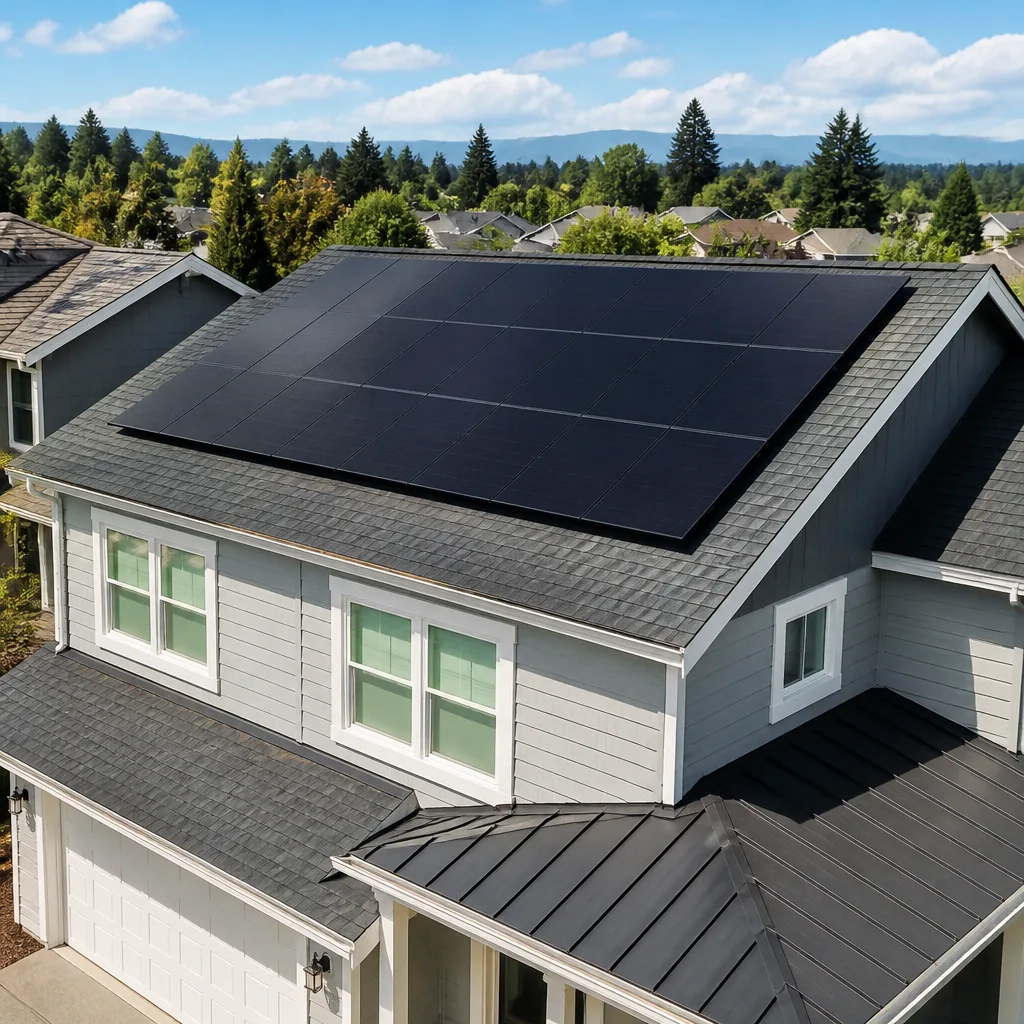
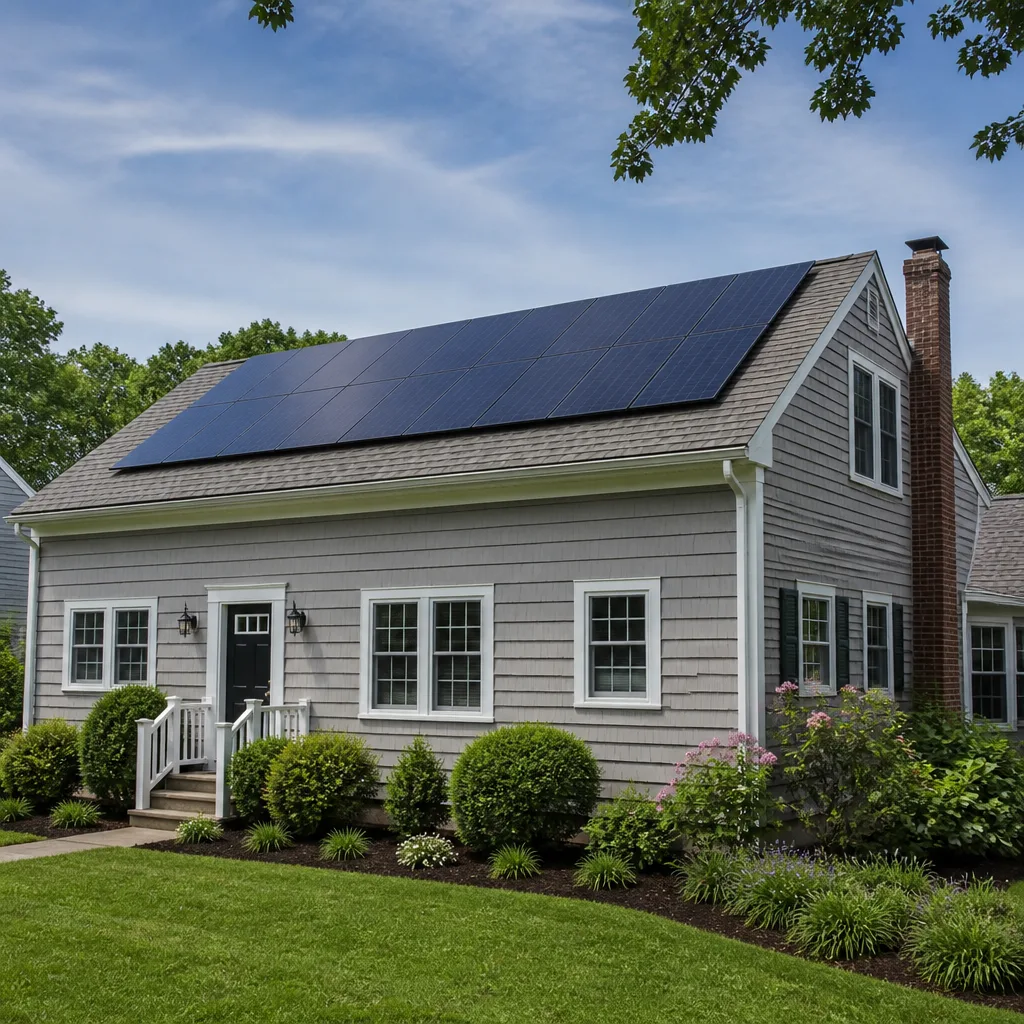
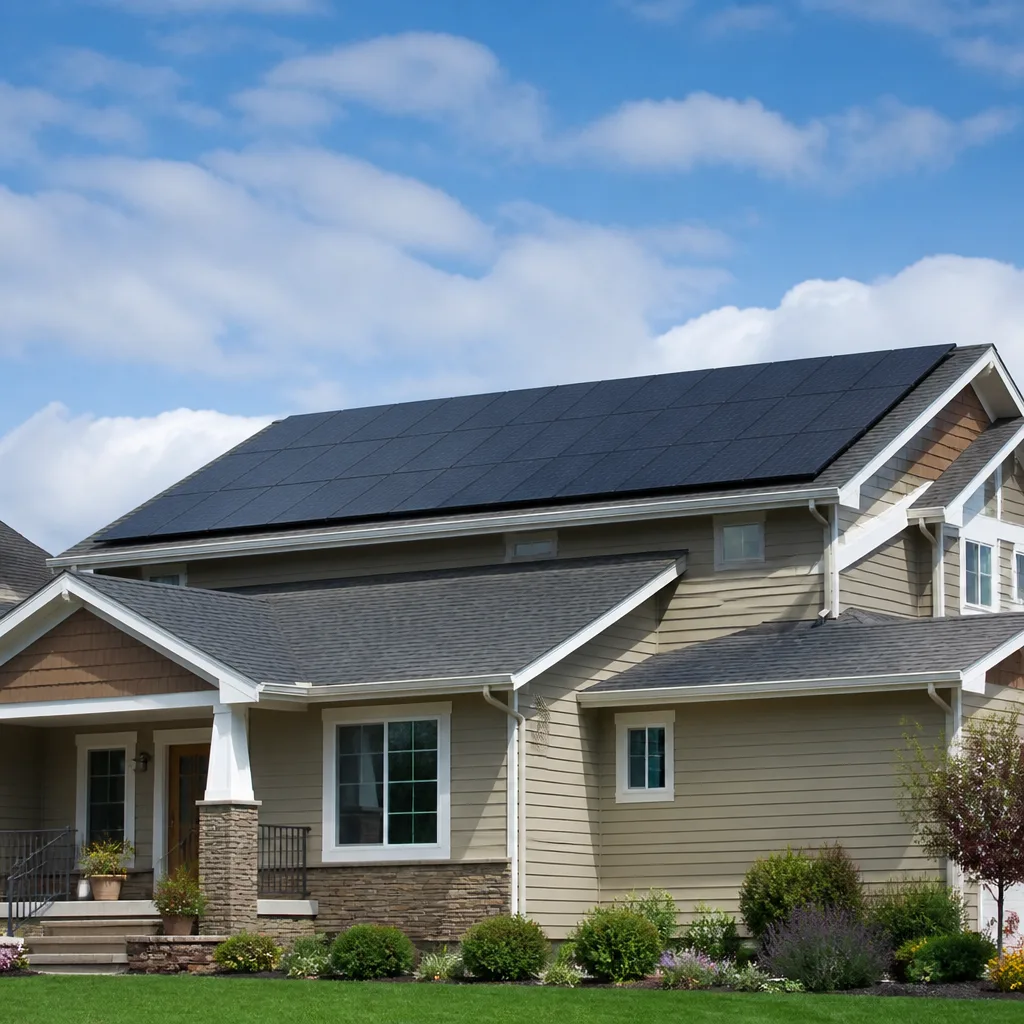
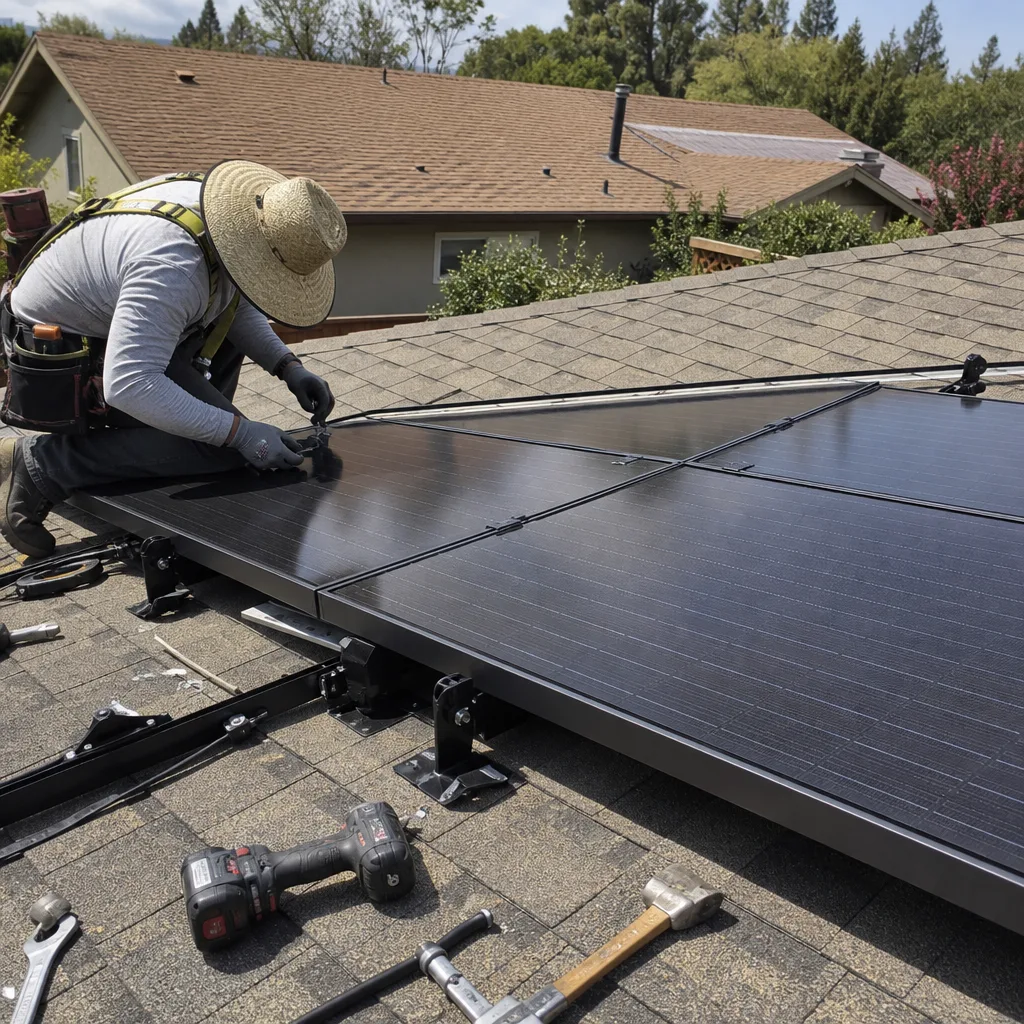
Most Williams homes are single-story ranch-style builds from the 1950s through the 1980s, and the low-pitch roofs are actually a good fit for solar. We size systems against your actual PG&E bill and Colusa County irradiance data, not the statewide brochure numbers that assume you live in Palm Springs. A typical Williams rooftop system lands between 6 and 10 kW, depending on whether you have a 1,400-square-foot rancher off Highway 20 or a newer build closer to the rice mills. We install clean, flashed, code-compliant arrays and we stand behind every penetration.
Solar System Design & Permitting
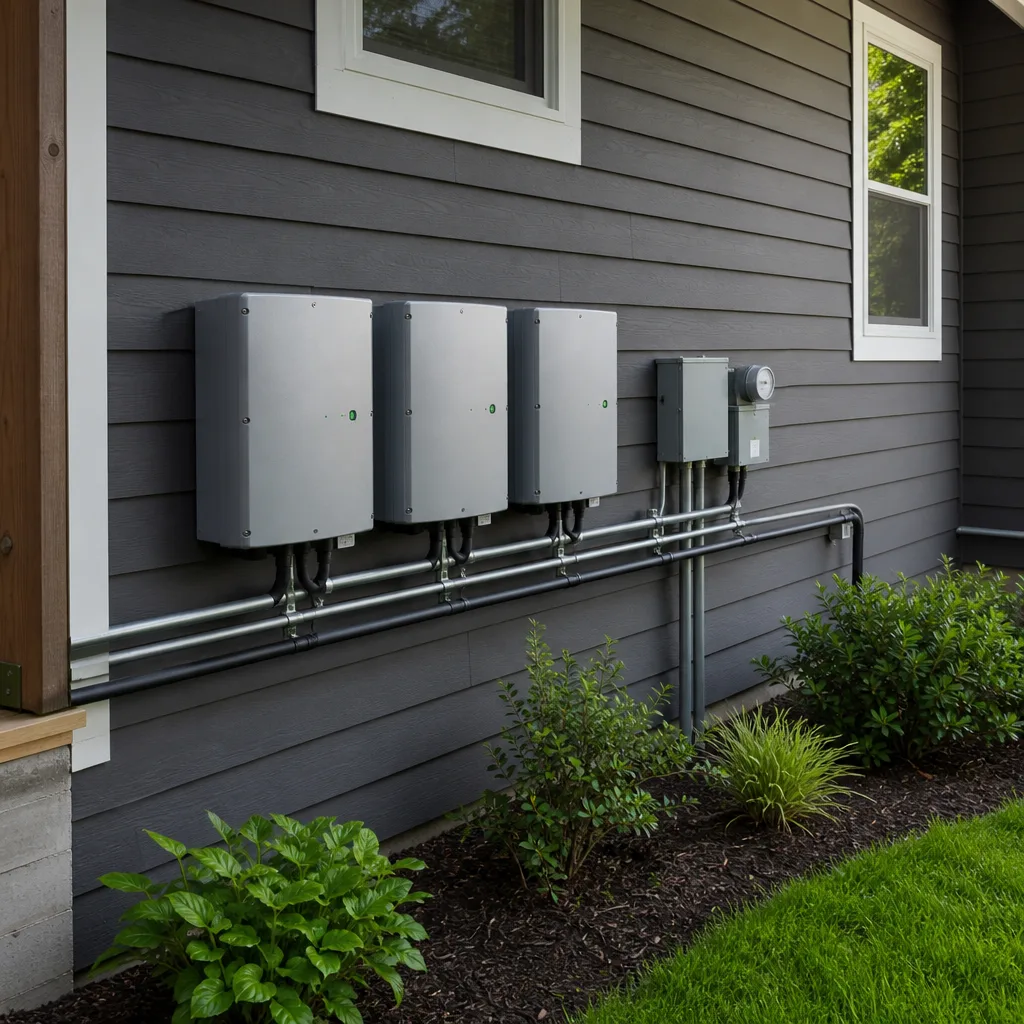
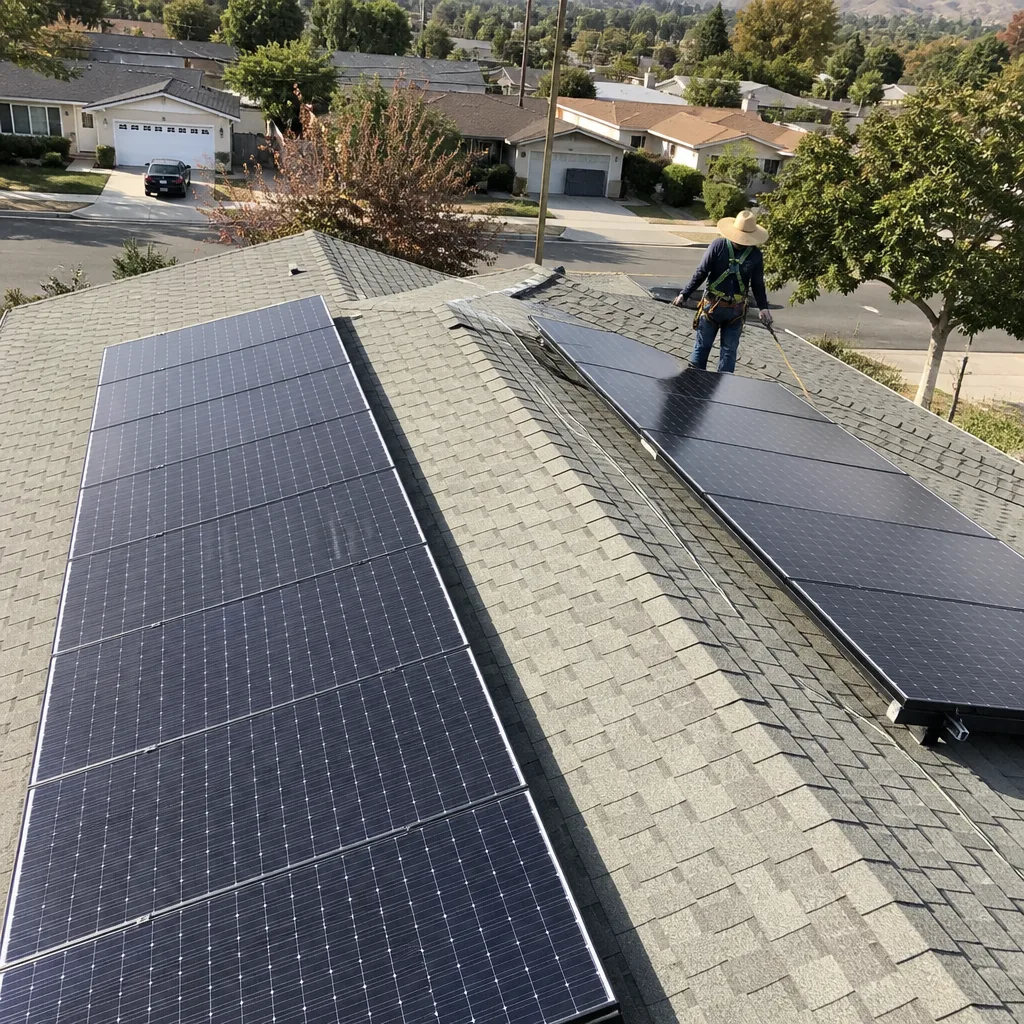
Williams is in unincorporated Colusa County for some areas and city jurisdiction for others, and the permitting path is different for each. We handle the entire plan set, structural review, and county or city submittal. Many Williams homes built before 1985 haven’t had an electrical inspection in decades, so we check the panel, the meter socket, and the service entrance before we ever file. That way the permit doesn’t stall mid-stream and cost you weeks.
Solar Panel Replacement
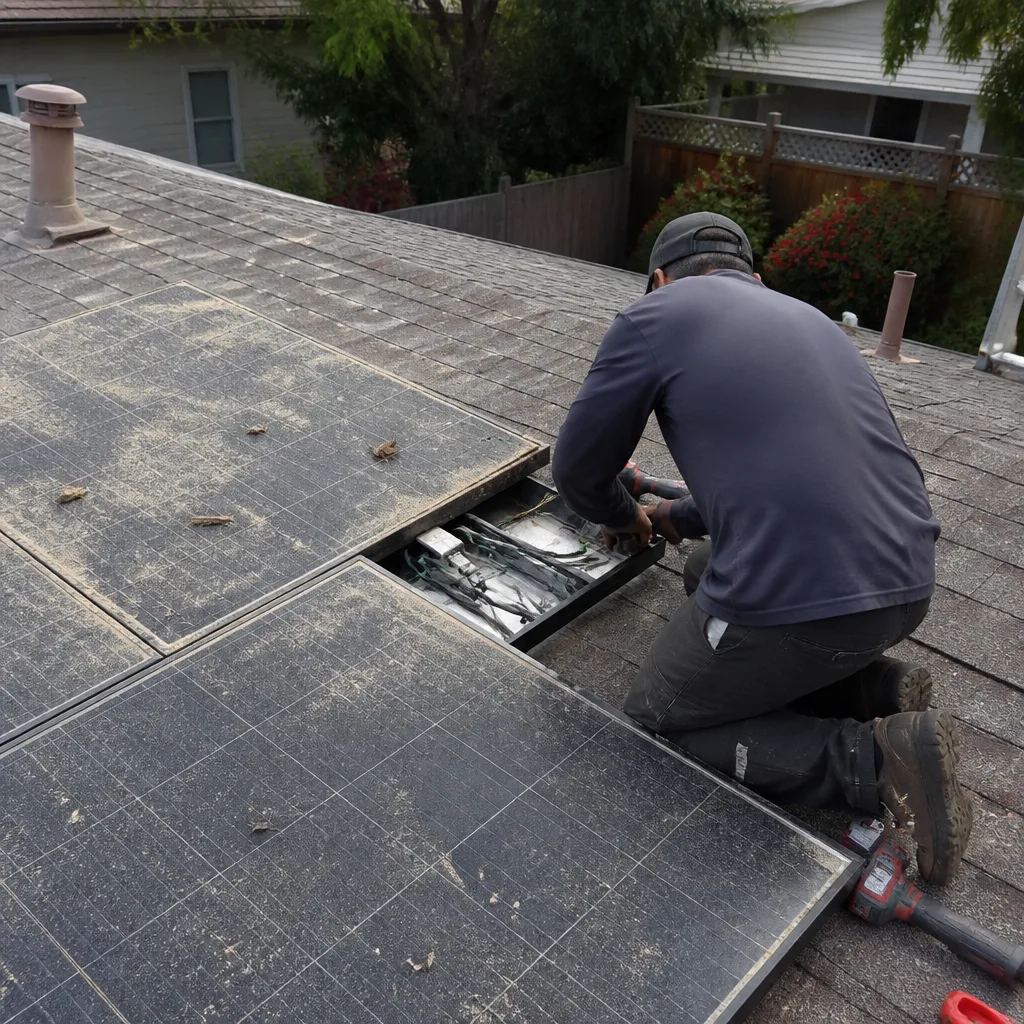
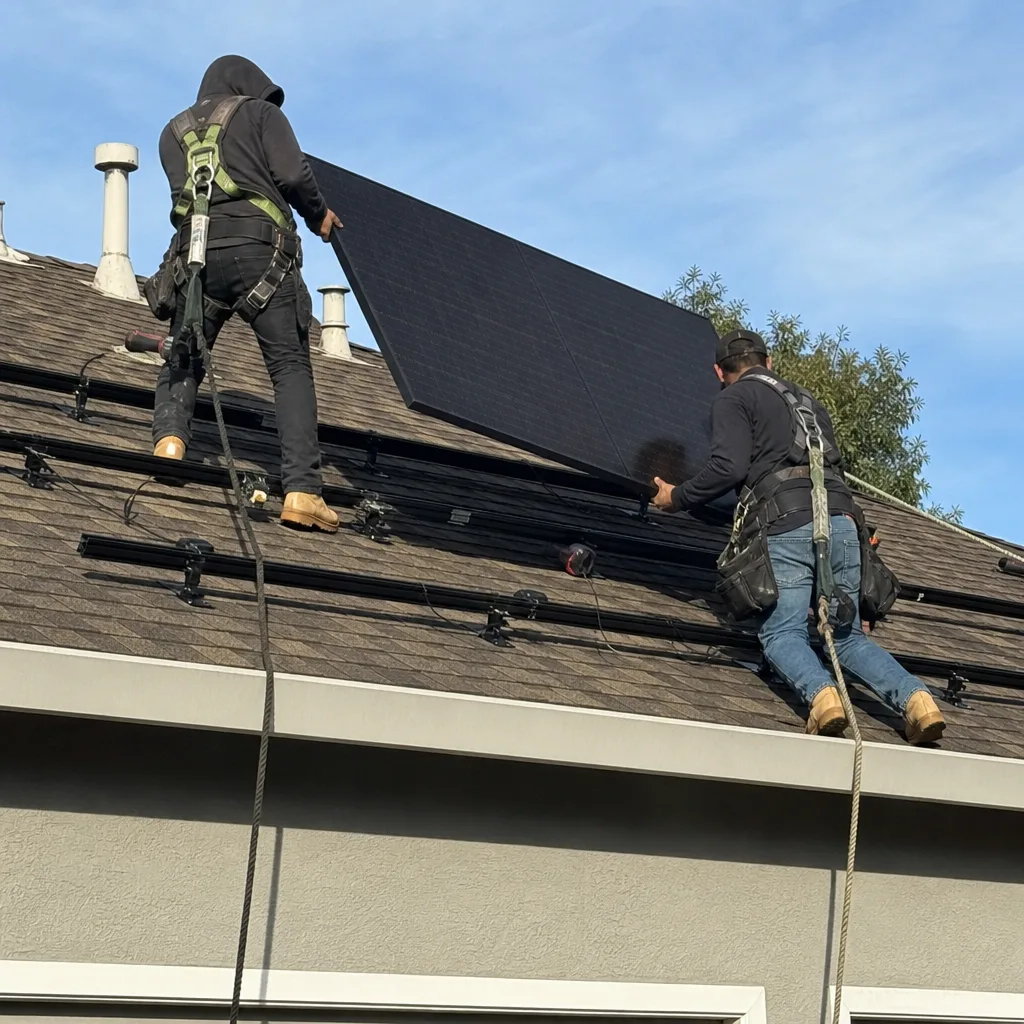
If your existing array on a Williams home was installed a decade ago by an out-of-town outfit that no longer answers the phone, we can replace individual panels, microinverters, or the whole array. We work with Qcells, REC, and Panasonic equipment, and we match replacement panels to your existing string or microinverter architecture. If the original racking is corroded or the flashings were never done right, this is the time to fix it. We also handle full teardown and reinstall when the roof needs to be replaced.
Roof-Mount & Tile Roof Solar
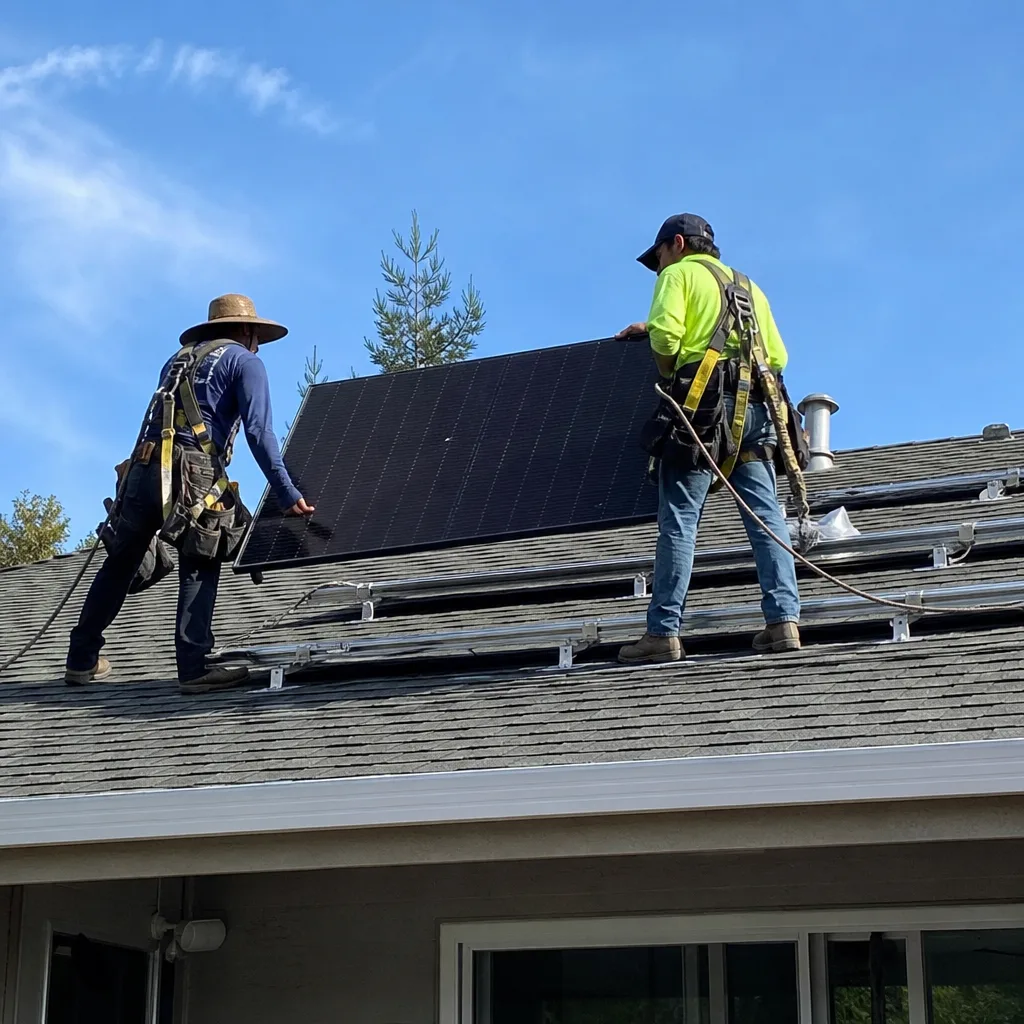
Williams has its share of composition shingle roofs, but also tile roofs on some of the higher-end homes. Tile requires a different mounting system and a different flashing technique. Our crew does both. We don’t hand the job to a sub. Every penetration gets flashed, sealed, and checked before the panels go up. Low-pitch shingle roofs get a double layer of butyl sealant at every lag point because Colusa County winter storms test every seam.
What happens when you call
- 1
A real person answersNo phone trees - you reach a local pro.
- 2
You get an upfront price rangeHonest numbers before anyone is dispatched.
- 3
A background-checked tech heads outLicensed & insured, dispatched right away.
- 4
You approve before work beginsNothing starts until you say go.
Trusted Brands We Service in Williams
We install and service equipment from Qcells, REC, and Panasonic, and we pair those panels with Enphase IQ8 microinverters on most Williams jobs. Why microinverters? Because in a valley-floor town where morning fog lingers until 11 a.m. and afternoon heat derates output, you want panel-level production instead of a single string inverter that drags the whole array down to the weakest panel. We keep common parts and replacement panels staged for Williams customers, which means if one Qcells panel fails under warranty, we aren’t waiting three weeks on a freight truck to make the swap.
Common Solar Panel Installation Problems We See in Williams Homes
- Systems sized off statewide averages, not Colusa County fog data. A 6 kW system that pencils out for Fresno won’t produce the same annual output on the foggy valley floor. We see Williams true-up statements every January from homeowners who were sold California sunshine math and got tule fog reality. Bring us a bill, we’ll bring you the math.
- Original 1950s through 1980s electrical panels that can’t pass interconnection. Zinsco, Federal Pacific, and aging 100-amp panels are common in Williams ranch homes. The utility will reject the interconnection application until the panel is upgraded. We catch this during the design phase and build the upgrade into the quote so there’s no surprise.
- Improperly flashed roof penetrations leaking after the first winter. Low-pitch ranch roofs hold water longer, and a lazy flashing job will leak by February. We see it on arrays installed by crews that don’t understand Colusa County’s rain patterns. Every lag point gets sealed and every penetration gets a proper flashing boot.
- Extreme heat derating output on 100°F+ summer days. Solar panels lose efficiency as they heat up, and the Sacramento Valley floor around Williams sees some of the hottest sustained temperatures in California. That’s why we design systems with a realistic temperature coefficient, not the STC nameplate number on the shipping box.
Pricing for Solar Panel Installation in Williams, CA
A typical rooftop Solar Panel Installation in Williams runs:
- 6 kW rooftop system (small ranch home): $15,000-$18,000 before the federal tax credit
- 8 kW rooftop system (average Williams home): $19,000-$24,000 before incentives
- 10 kW rooftop system (larger home or all-electric household): $25,000-$30,000 before incentives
- Main panel upgrade from 100A to 200A (very common in Williams): $2,800-$4,200, depending on meter location and county requirements
- Reroof coordination or teardown/reinstall: $200-$350 per panel, depending on racking condition
Every estimate is built from your actual PG&E usage, not a sales script. The price we quote is the price you pay. No signature wanted tonight. Take two weeks. Think about it. The price will be the same. Call (877) 550-6892 for a free estimate.
We Also Serve Cities Near Williams
Our crews work throughout Williams and into the surrounding Colusa and Lake County communities. If you live in Colusa, Clearlake, Hidden Valley Lake, or Live Oak, we’ll be there. Same local crew, same owner on the phone, same no-pressure pricing.
Serving Williams, CA - Our Local Coverage Area
We’re based in the Williams area and know this community well. Use the map below to see our service coverage - if you’re nearby, we can almost certainly help.
FAQs - Solar Panel Installation in Williams
In a typical Williams year, tule fog from November through February can reduce monthly production by 40-60% compared to a clear June or July. The dense valley-floor fog can suppress generation for multi-day stretches, which is why we size systems using Colusa County-specific NREL irradiance data instead of California state averages. The savings math has to account for that seasonal dip, or you’ll be disappointed every January. Call (877) 550-6892 and Gus will quote the year-25 output, not the day-one brochure number.
Usually no, and here’s the honest reason why. PG&E and Colusa County will require a code-compliant service entrance before they approve a grid-tied interconnection. If you have an original Zinsco, Federal Pacific, or 100-amp panel from the 1960s, it likely won’t pass. We recently installed a 7.2 kW array on a 1960s ranch home off E Street where the original 100-amp Zinsco panel couldn’t clear the interconnection requirements. Our crew coordinated a main panel upgrade to 200 amps, then used Enphase IQ8 microinverters to meet rapid shutdown. We build the upgrade into your quote upfront so there’s no mid-project surprise.
Yes, but the margin is smaller than most people think. A south-facing array on a 3/12-pitch Williams ranch roof will beat an east-west split by roughly 8-15% annually. However, in the fog belt, afternoon west-facing panels often produce more usable energy when the fog burns off after noon and PG&E’s time-of-use rates peak. For many Williams homes, an east-west design with microinverters pencils out nearly as well and can avoid the need for a single large south-facing array on the wrong roof plane. We run both scenarios against your actual bill before you decide anything.
Solar panels lose about 0.3% to 0.5% of their output for every degree Celsius above 25°C, which means a 100°F Williams afternoon can derate your array by 12-18% below its nameplate rating. That’s not a defect. It’s physics and it’s predictable. Quality panels like REC and Panasonic have better temperature coefficients, which matters more in Williams than in coastal towns where it rarely exceeds 90°F. We size for real-world temperatures, not laboratory conditions.
Yes, and it’s becoming one of the more popular projects we design in the Colusa County countryside. Irrigation pump loads are large and highly seasonal, which makes them a good match for ground-mount arrays with battery storage, especially with PG&E’s agricultural rate schedules. We size these systems against the pump’s actual horsepower draw and seasonal duty cycle. If you’re running flood irrigation on rice ground or drip on almonds, call (877) 550-6892 and we’ll look at your pump schedule before quoting one panel.
Written by Gus Petrakis, Owner at Gus’s Solar, serving Williams and Colusa County since 2011.