
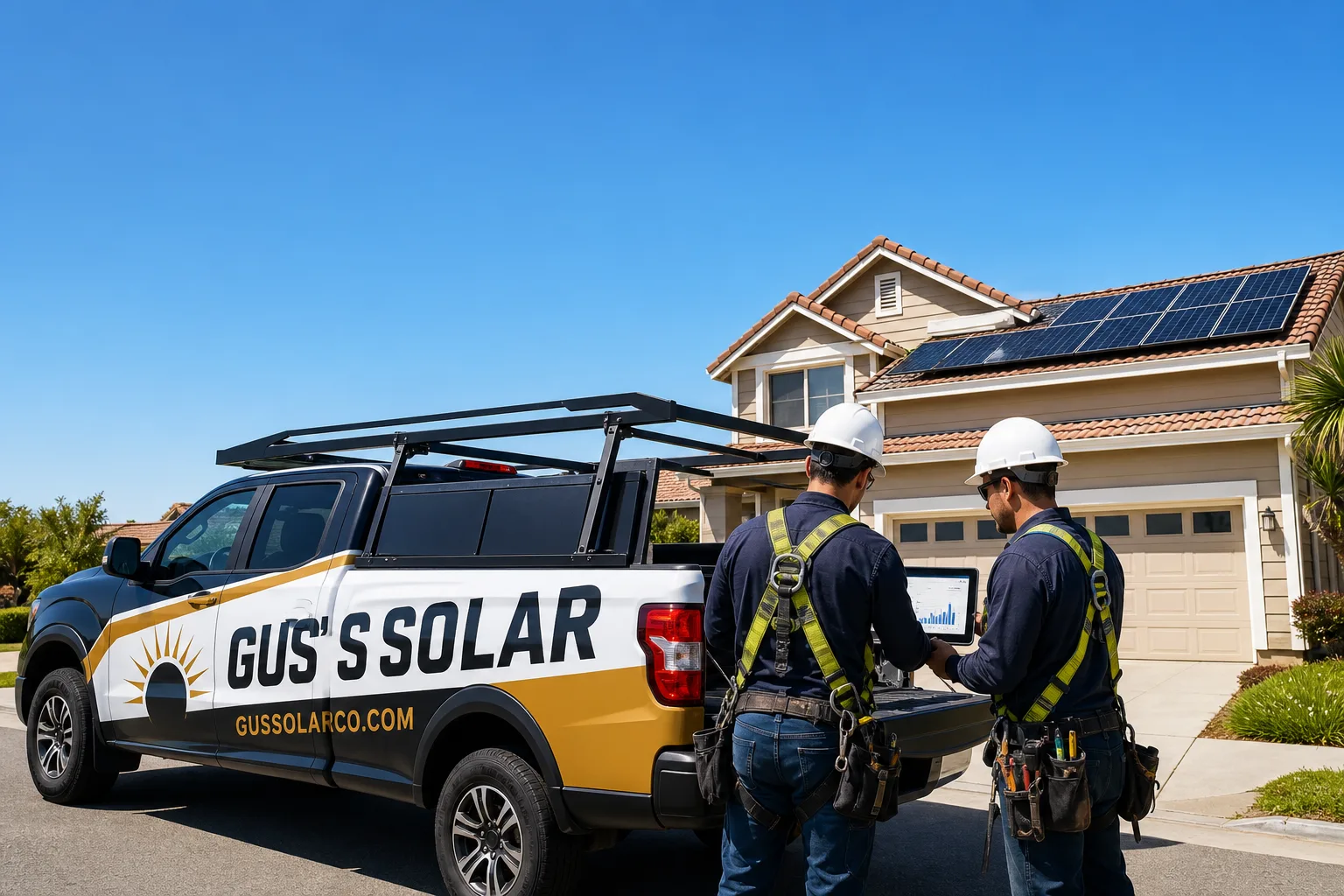
Free bill analysis - bring a power bill, get the production math for your actual roof, panel brands like Qcells and REC compared side by side
If the pitch starts at your door and ends with "sign tonight for the special," sleep on it. The sun will still be there tomorrow; so will we.
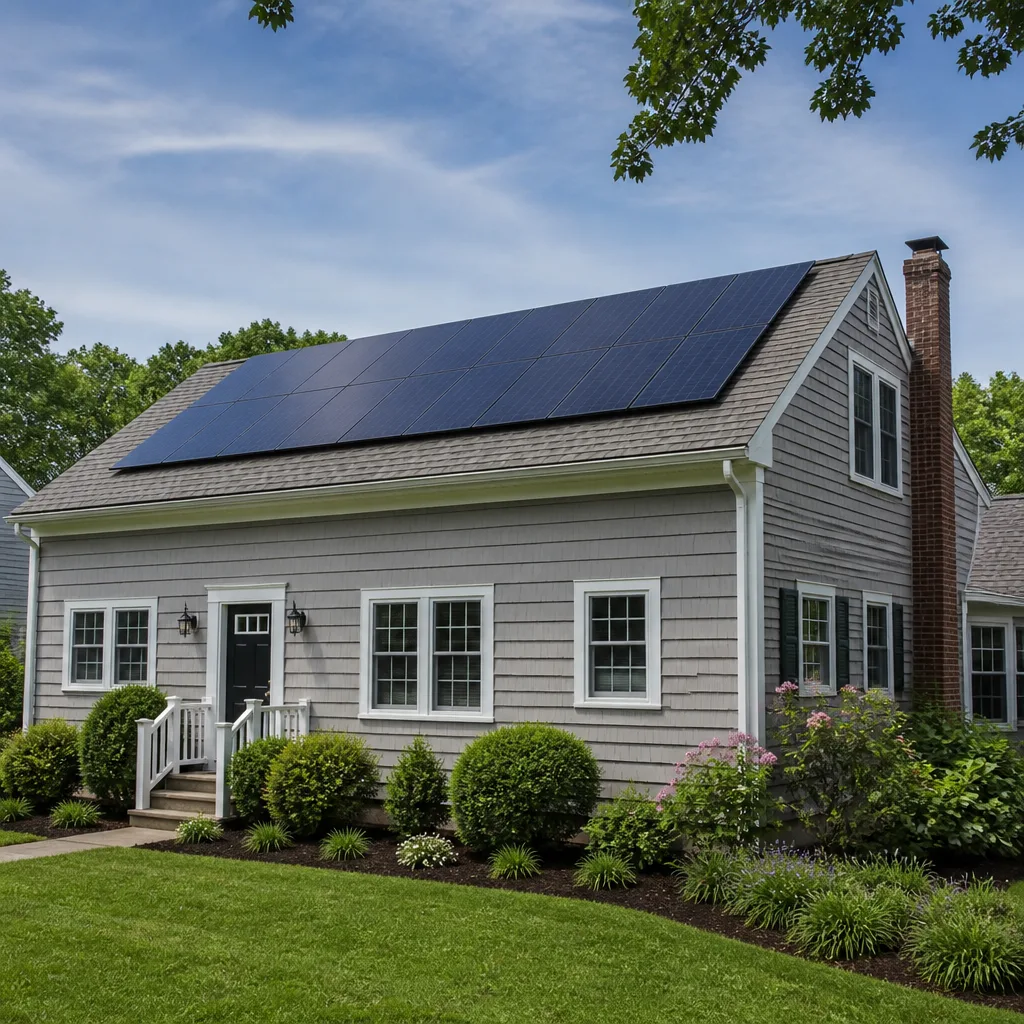
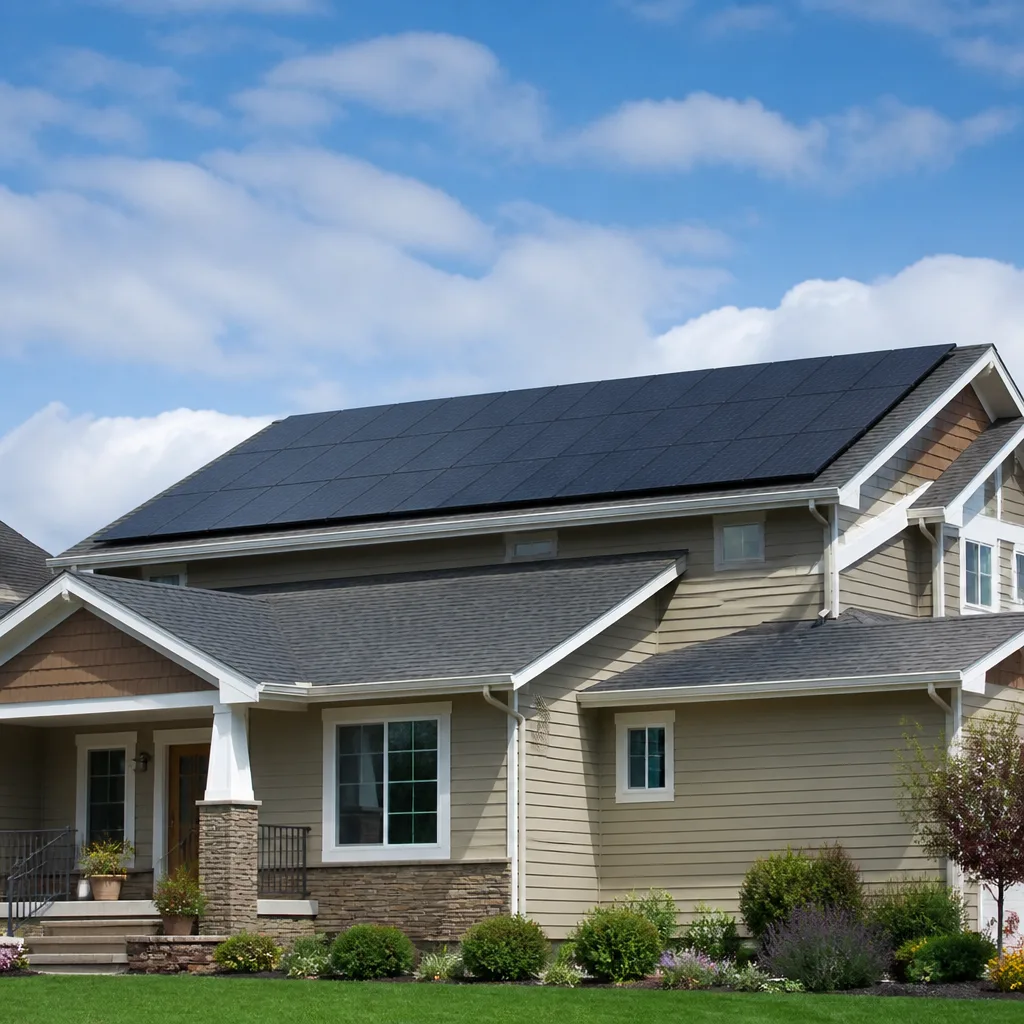
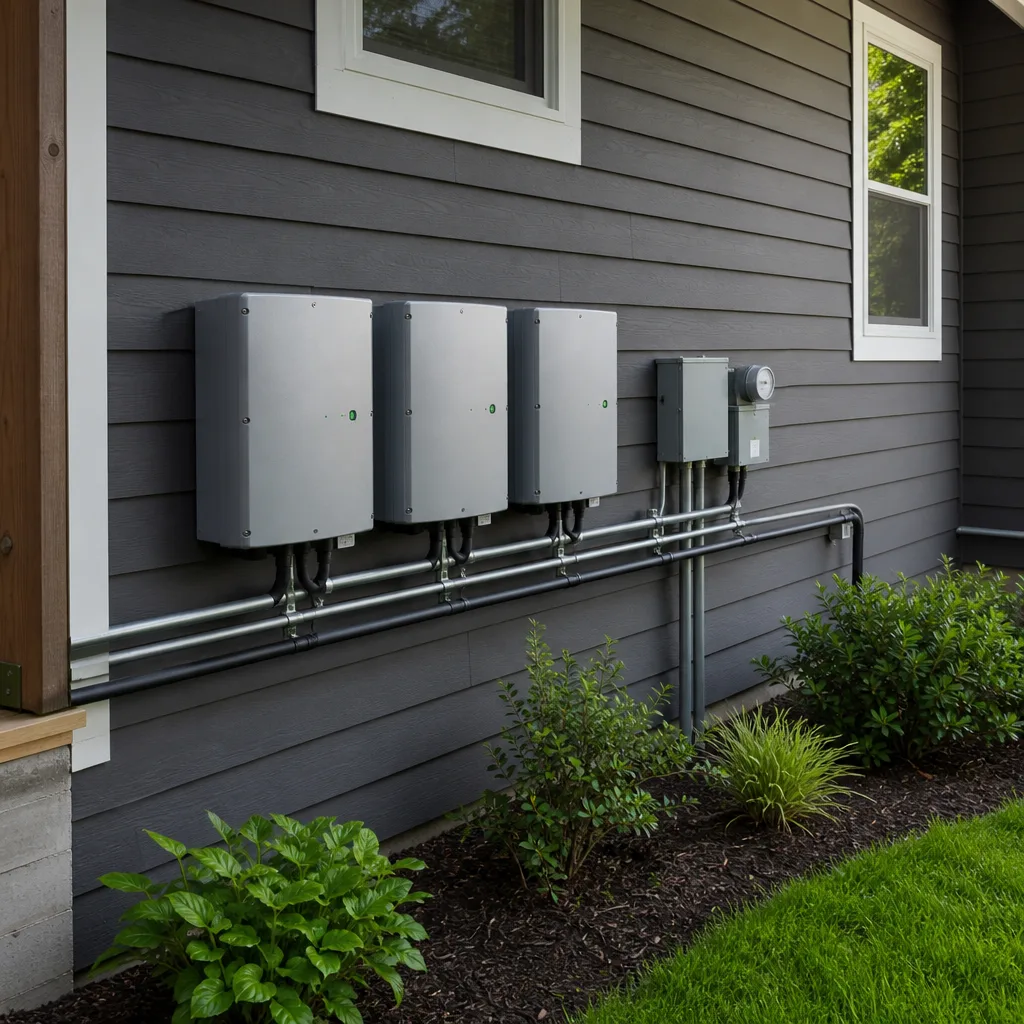
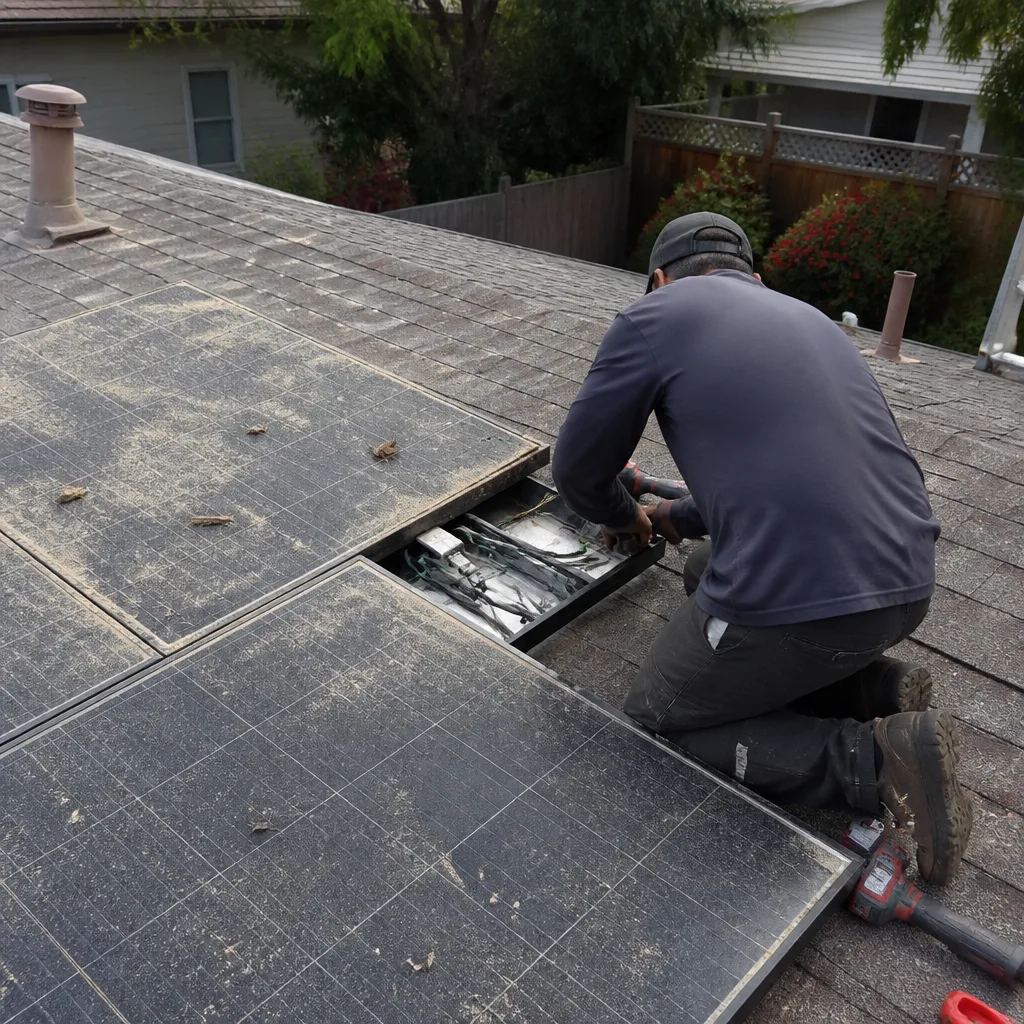 Before
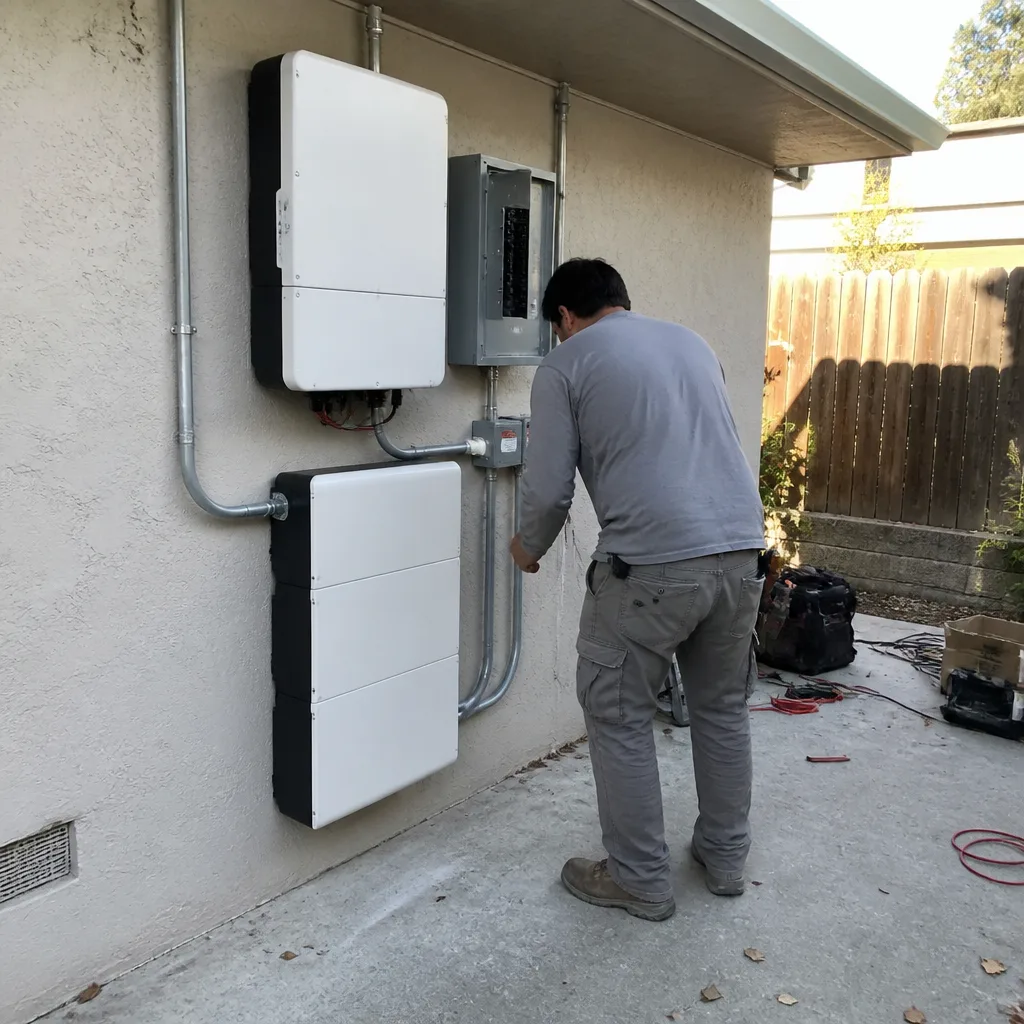 After
After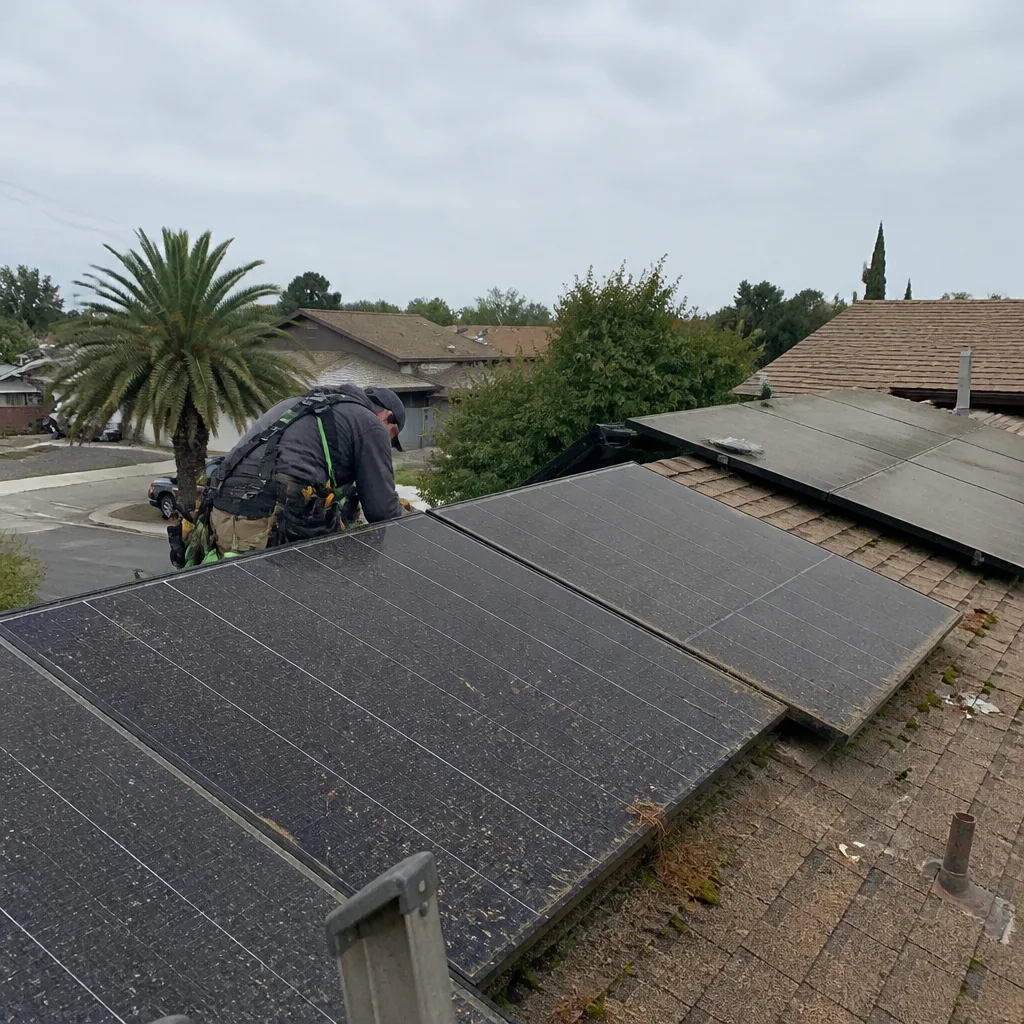 Before
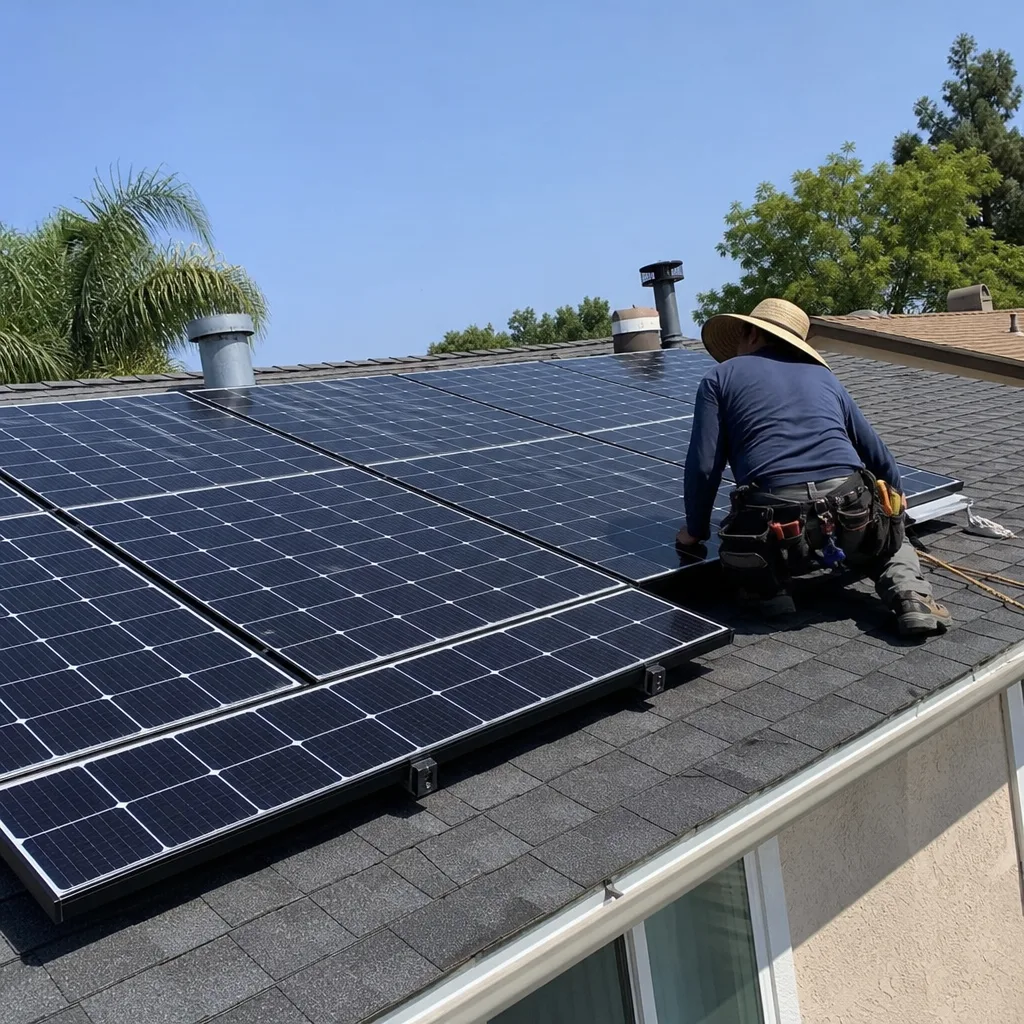 After
After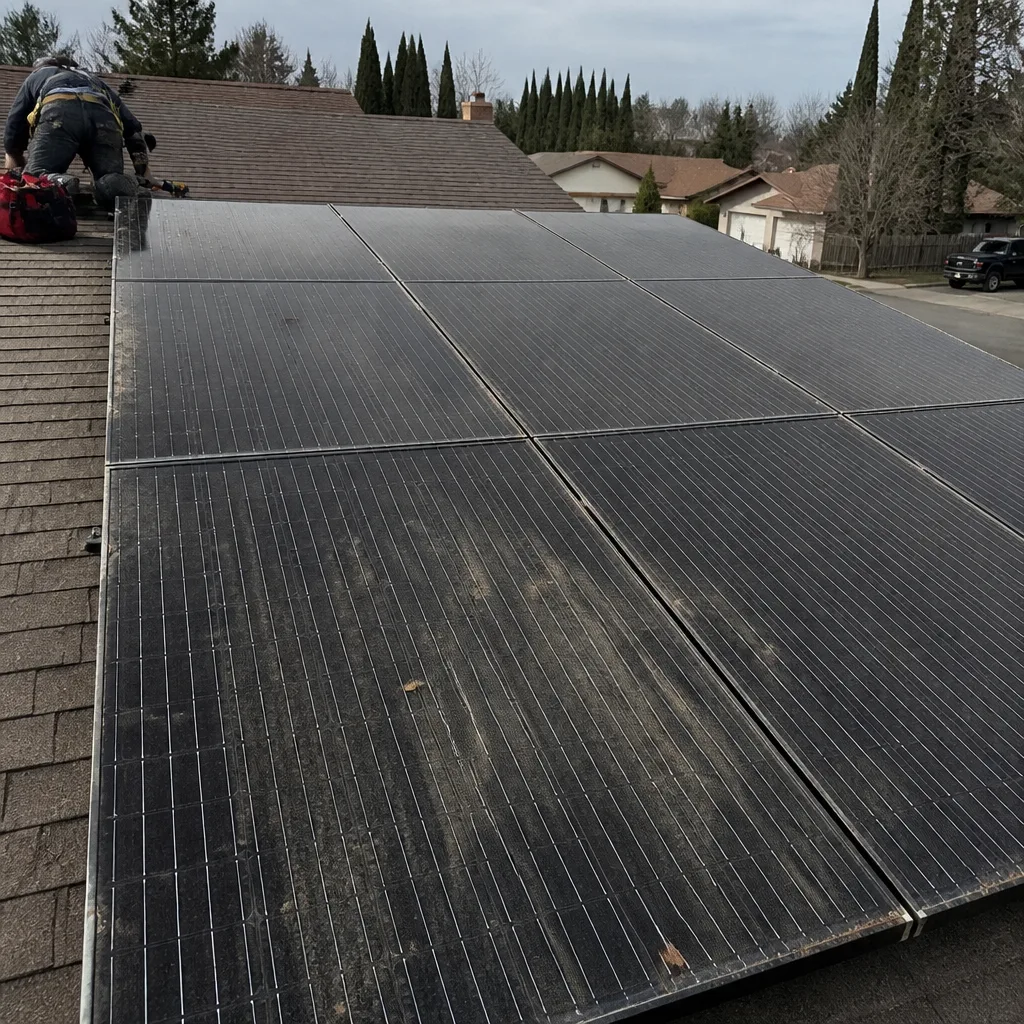 Before
 After
AfterFast, Reliable Solar Panel Installation Across Spring Valley
Solar panel installation in Spring Valley, CA typically runs $16,500-$28,000 before incentives for a 6-9 kW rooftop system, with most homeowners recovering their net cost in 6-9 years thanks to this town’s inland sun and SDG&E’s steep rates. We’re in Spring Valley every week, and we know the difference between a house off Jamacha Road and one tucked into the hills above Sweetwater Road. If you want a straight answer on whether solar pencils out on your specific roof, call (877) 550-6892. Bring us a bill, we’ll bring you the math.
Why Gus’s Solar Is Spring Valley’s Preferred Solar Panel Installation Company
Gus Petrakis started this company in 2011, put his own name on the truck, and published his license number where anyone can check it. That matters in Spring Valley, where too many homeowners have already sat through a high-pressure pitch from an out-of-state outfit that quoted one number on the phone and another at the kitchen table. We do not work that way. The price we quote after looking at your actual SDG&E bill is the price you pay. Take two weeks. Think about it. The price will be the same. If a salesman needs an answer tonight, the answer is no.
Spring Valley customers call us because our Solar Panel Installation team shows up when we say we will. Background-checked, uniformed, and driving trucks with Gus’s name on the door. We do not hand your roof off to a sub. The crew that measures your roof is the crew that installs your panels, flashes every penetration properly, and walks you through the monitoring app before they leave. When something acts up two years later, Gus is the one who calls you.
Our L.O.C.A.L. values run every job: Local roots, On time, Community first, Accountable, Loyal. In Spring Valley that means answering the phone at 6 a.m. when you notice a fault light, showing up to walk a roof on a Saturday, and telling you honestly when a system does not make sense for your house. We would rather lose a sale than put panels on a shaded ridge where they will never produce.
Our Solar Panel Installation Services in Spring Valley
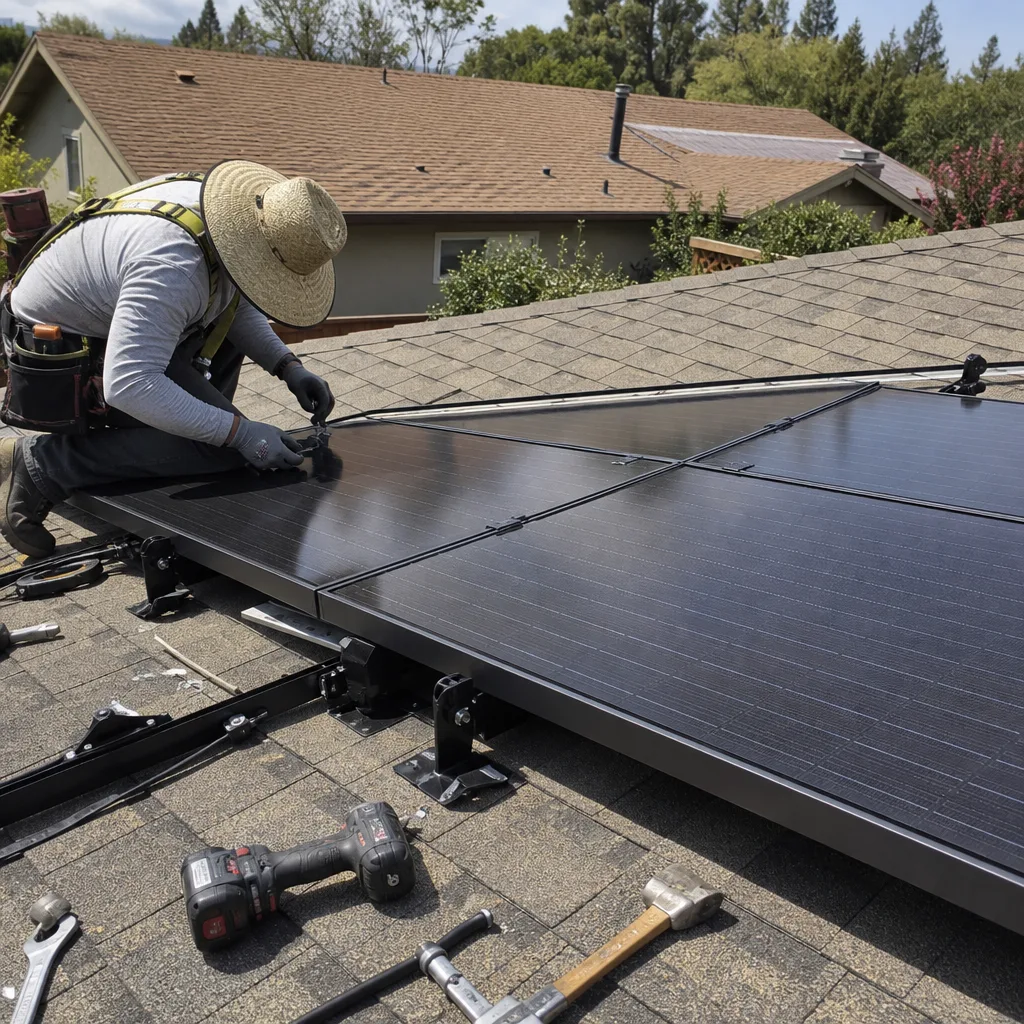
Rooftop Solar Installation
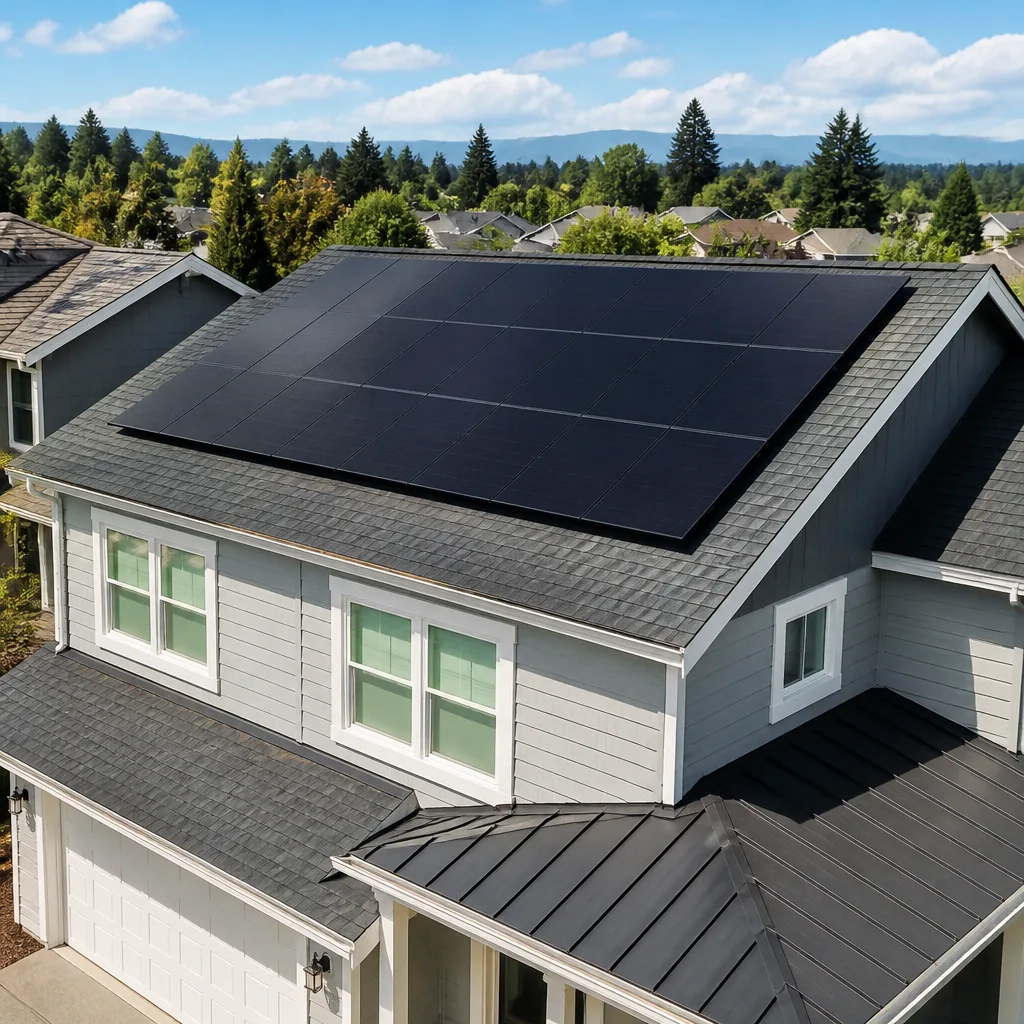
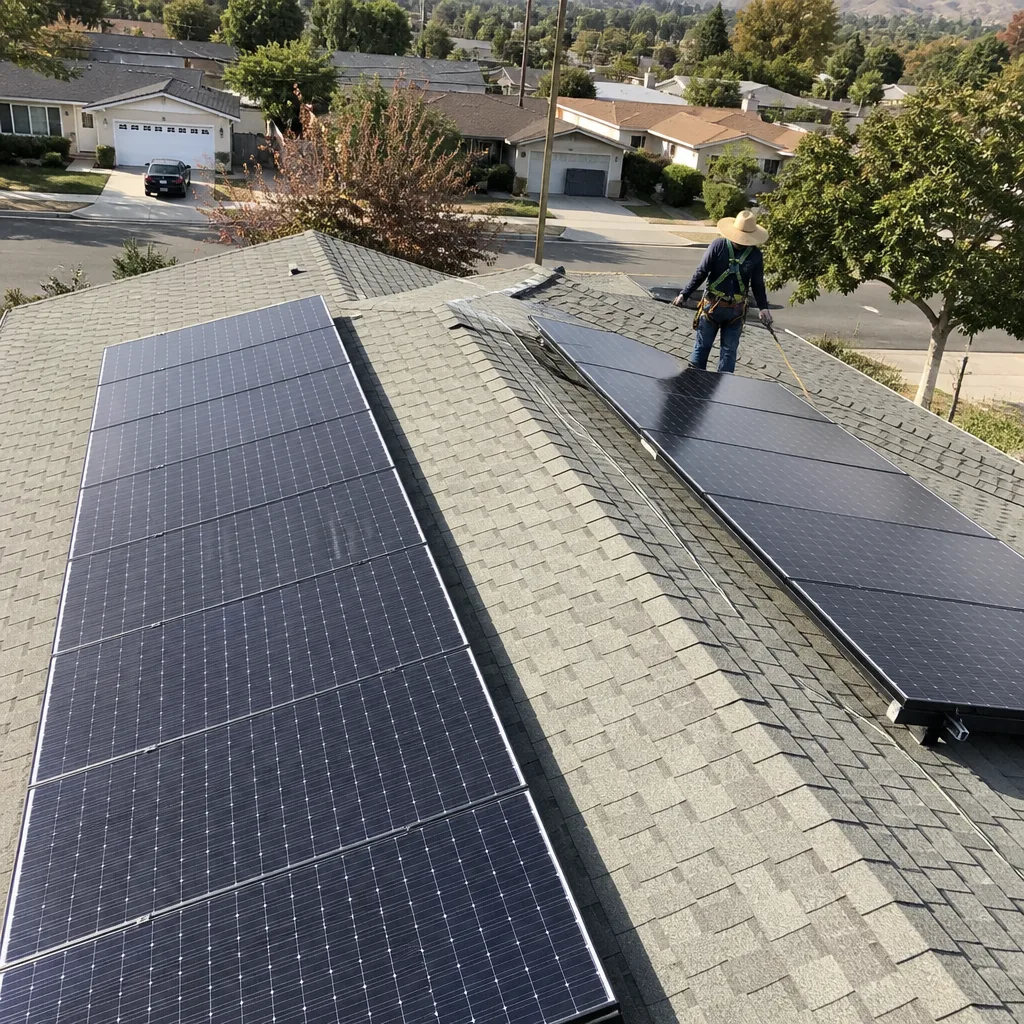
Most Spring Valley homes were built between the late 1950s and the 1970s, and the dominant stock is single-story ranch with low-pitched roofs. That is good news for solar. Low pitch means easier, safer installs and fewer structural surprises. Typical rooftop systems here run 6-9 kW, which on a Spring Valley roof with decent southern exposure produces more annual kilowatt-hours than the same array would in Point Loma or Ocean Beach. We install on composition shingle, flat tile, and raised tile, and we flash every penetration the way it should be flashed: with metal, not mastic that fails in five summers.
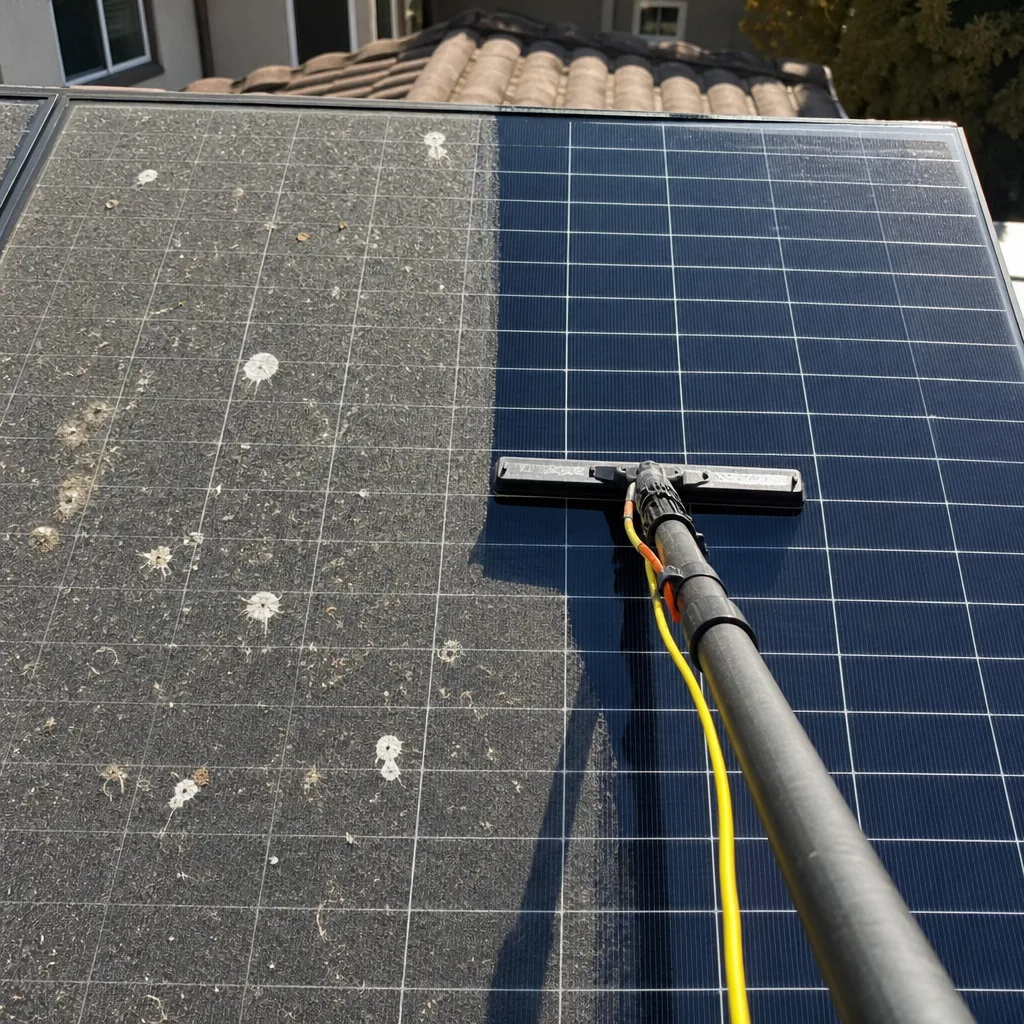
Solar System Design & Permitting
A Spring Valley-specific design matters more than most people know. The hilly valley topography means roof azimuth and pitch vary significantly from lot to lot. Two houses on the same street can have completely different solar profiles. Our design process starts with a shade analysis, because the mature trees on surrounding hillsides cast late-afternoon shadow on west-facing roof sections all over this area. We routinely shift arrays to south-facing pitches after seeing what an oak or pepper tree does at 4 p.m. in July. Permitting runs through San Diego County, and we handle the full plan set, structural review, and SDG&E paperwork.
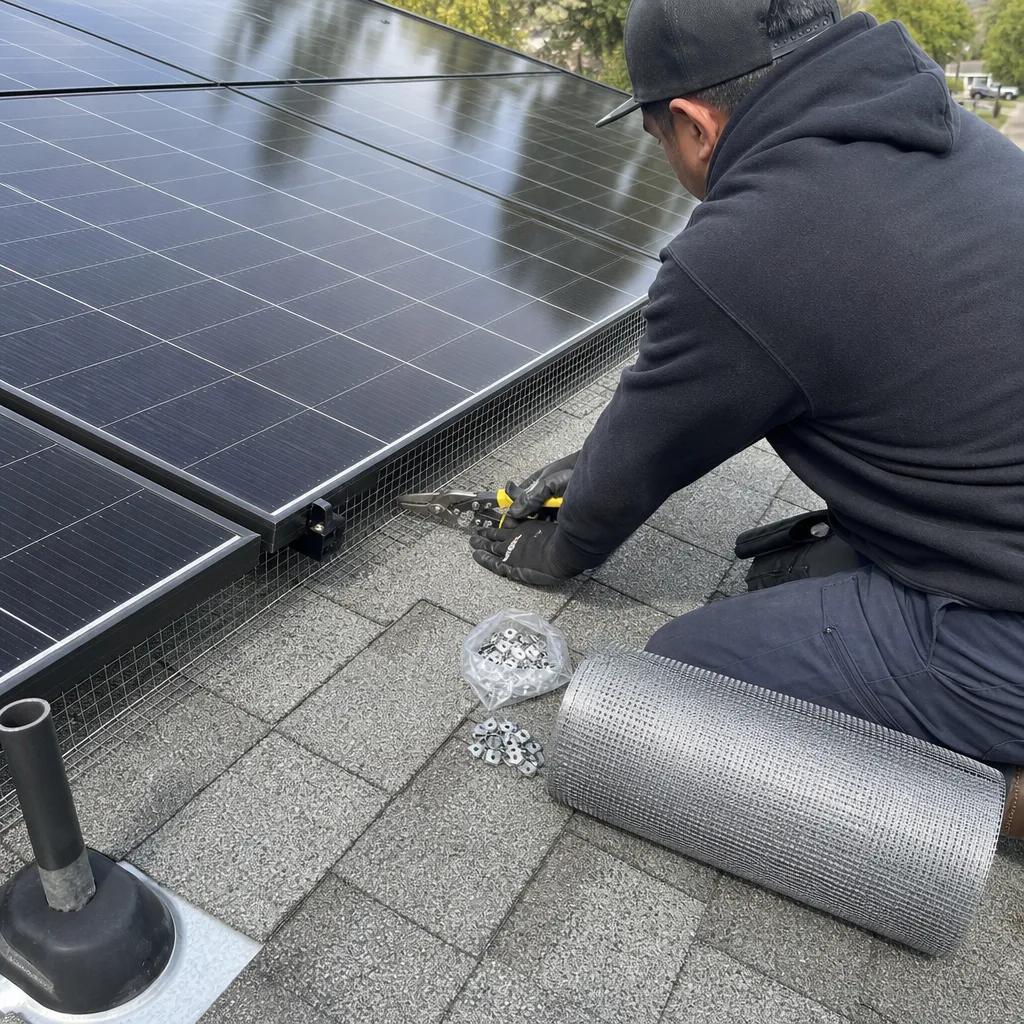
Solar Panel Replacement
If your existing panels are ten-plus years old, underproducing, or damaged by one of Spring Valley’s occasional wind events, replacement can bring your system back to full output without starting from zero. In Spring Valley, we often replace older string-inverter setups with modern microinverter architecture, especially on ranch homes where the roof has multiple planes and varying azimuths. A panel replacement on a typical Spring Valley home runs $3,000-$8,000 depending on array size and whether we are also swapping the inverter. We will tell you straight whether replacing makes more sense than repairing, and we will never push a new system on someone whose old one just needs fresh hardware.
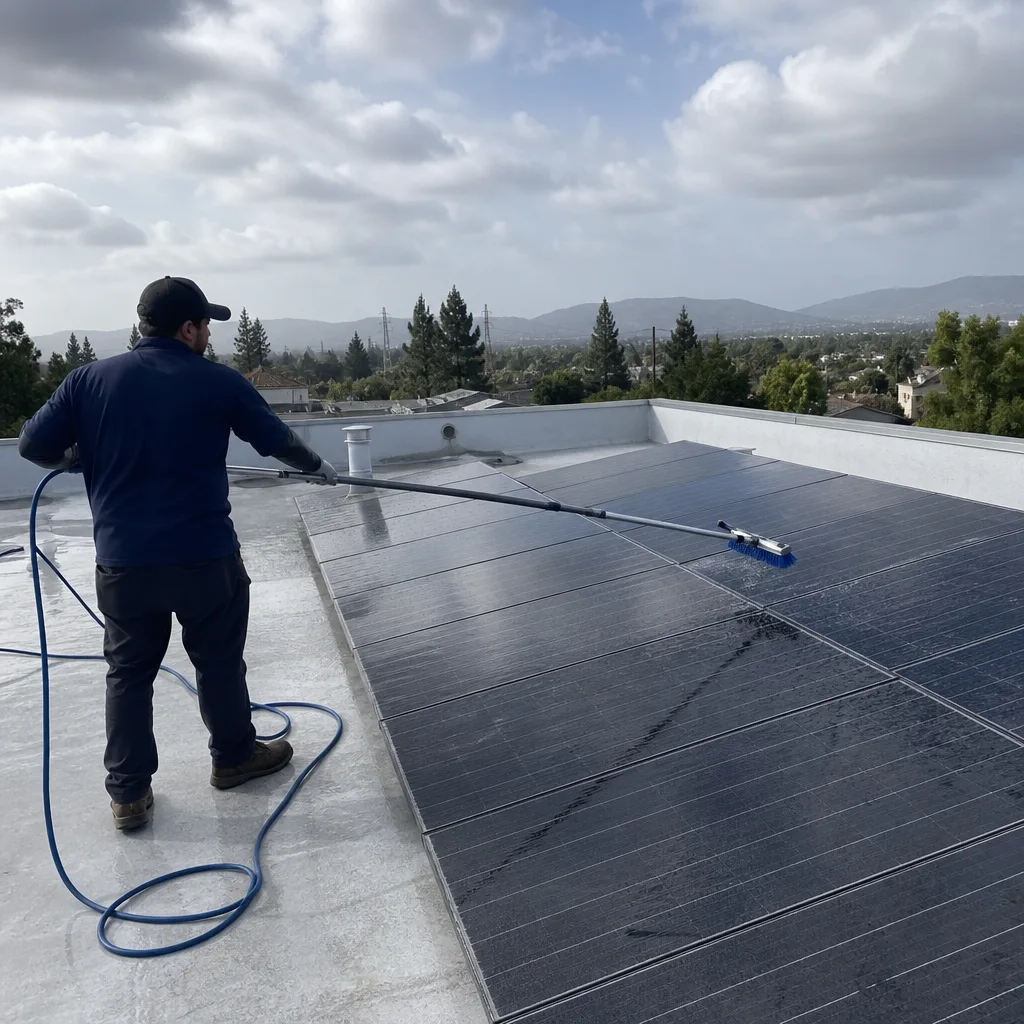
Roof-Mount & Tile Roof Solar
Tile roofs are common across the older neighborhoods of Spring Valley, and they take a specific set of mounting skills. We use tile replacement mounts and proper flashed standoffs so the roof does not leak and the tile does not crack under the weight of the system. On a ranch home off Sweetwater Road we recently removed and re-bedded over forty tiles to get the array seated correctly. That kind of work is slow, but it is the only way to do it right. We would rather spend the extra hours than leave you with a roof that starts leaking in the first winter rain.
What happens when you call
- 1
A real person answersNo phone trees - you reach a local pro.
- 2
You get an upfront price rangeHonest numbers before anyone is dispatched.
- 3
A background-checked tech heads outLicensed & insured, dispatched right away.
- 4
You approve before work beginsNothing starts until you say go.
Trusted Brands We Service in Spring Valley
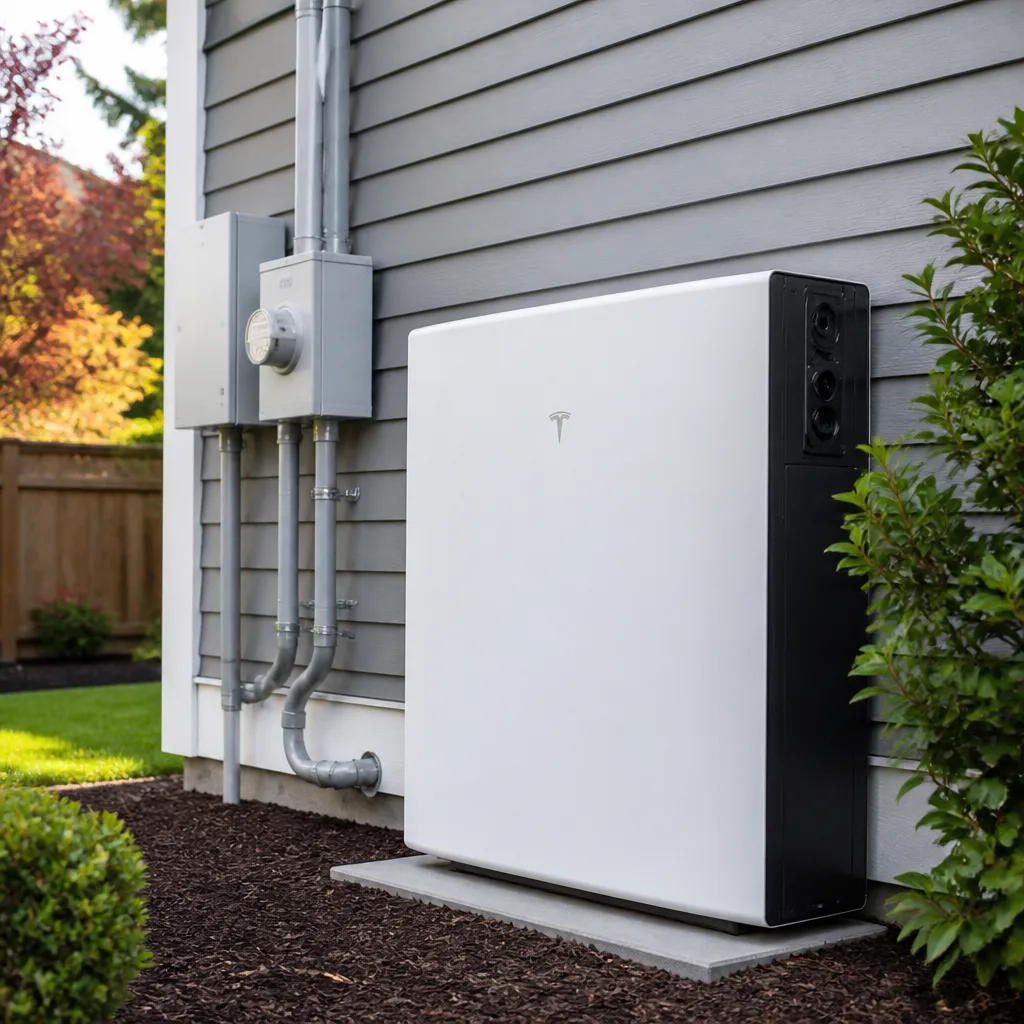
We install and service equipment from Tesla, Enphase, SolarEdge, and FranklinWH. For Spring Valley’s specific conditions, we lean toward Enphase microinverters on roofs with wide azimuth variance and Tesla Powerwall or FranklinWH aPower for battery backup. The reason is simple: one shaded panel on a string inverter drags down the whole array. On a Spring Valley ranch with a ridge that shifts azimuth by nearly 30 degrees across the roof, microinverters pay for themselves. We stock common components locally, which means a failed optimizer or a tripped inverter on a Spring Valley roof does not have to wait on a parts truck from Riverside.
Common Solar Panel Installation Problems We See in Spring Valley Homes
- West-facing arrays without a shade analysis. Mature trees on the hillsides throw late-afternoon shadow across Spring Valley roofs. A proposal built on west-facing panels without checking the tree line can overstate production by 15-20 percent. We check the shade before we quote a single number.
- Original 100-amp electrical panels. Most of the 1960s and 1970s ranch homes in Spring Valley are still on their original 100-amp service. SDG&E will reject an interconnection application until the panel is upgraded. We identify this early and coordinate the service upgrade as part of the job, not as a surprise change order.
- String inverters on multi-plane roofs. A single shaded panel on a string inverter drags the entire array down. We see this repeatedly when we replace older systems in Spring Valley. The fix is microinverters or power optimizers, which we specify from day one.
- Improper flashing on tile roofs. A low-bid installer will caulk a tile mount and call it done. In Spring Valley’s hot summers and occasional heavy winter rains, that caulk fails. We use metal flashing and proper tile replacement mounts every time, because we are the ones who get the call when someone else’s leak shows up.
Pricing for Solar Panel Installation in Spring Valley, CA
| Service | Typical Price Range (Spring Valley) |
|---|---|
| Rooftop solar installation (6-9 kW) | $16,500-$28,000 before incentives |
| Solar system design & permitting | $1,500-$2,800 (included in full install) |
| Solar panel replacement (per array) | $3,000-$8,000 |
| Roof-mount & tile roof solar | $1,000-$2,500 above standard mount |
| Solar panel removal & reinstall (re-roof) | $2,500-$5,500 |
Spring Valley sits in an inland valley roughly 8-10 miles from the coast, well beyond the marine layer that suppresses production in coastal San Diego from May through July. That means your panels here produce more annual kilowatt-hours per installed watt than the same array in Chula Vista or National City. Meanwhile, you are still on SDG&E rates, which are among the highest in the nation. The dual advantage, more sun plus steeper rates, is specific to this inland-but-still-SDG&E pocket of the county, and it shortens the payback period measurably. We will show you the year-25 output, not the day-one brochure number. Call (877) 550-6892 for a free estimate built off your actual bill.
We Also Serve Cities Near Spring Valley
We work throughout the surrounding East County communities, including La Presa, Rancho San Diego, Lemon Grove, and La Mesa. If you are just outside Spring Valley and wondering whether we cover your street, call us. Our Spring Valley customers often refer us to family across the county line, and we are happy to come out.
Serving Spring Valley, CA - Our Local Coverage Area
We’re based in the Spring Valley area and know this community well. Use the map below to see our service coverage - if you’re nearby, we can almost certainly help.
FAQs - Solar Panel Installation in Spring Valley
Spring Valley’s inland valley location, 8-10 miles east of the coast, sits beyond the marine layer that suppresses solar production in coastal San Diego neighborhoods each May and June, giving customers measurably higher annual kWh per installed watt. In practical terms, a 7 kW system on a south-facing Spring Valley roof produces 8-12 percent more annual energy than the same system in a coastal community. Add SDG&E’s high rates on top of that, and the payback math tilts in your favor. Call (877) 550-6892 and we will run the numbers on your actual bill.
In most 1960s and 1970s Spring Valley ranch homes still on a 100-amp panel, yes. SDG&E will reject your interconnection application until the service is upgraded. We identify this during the initial site assessment, give you an exact cost for the upgrade, and handle the coordination with SDG&E so the work happens in the right order. On a recent job off Jamacha Road, the original 100-amp panel could not handle the Tesla Powerwall the homeowner wanted, so we coordinated the service upgrade and moved the array to the south-facing plane to avoid late-afternoon shade from a mature pepper tree. That is how we work: one trip, one plan, no surprises.
Because the ridgelines and mature trees on surrounding hillsides cast late-afternoon shade on west-facing roof sections across a large share of Spring Valley lots. A proposal built without checking the tree line can overstate production by 15-20 percent. We use on-site measurement and shade modeling to see what your roof actually receives, then design the array where the sunlight is. If a salesman skips this step, walk away.
Yes. Many Spring Valley ranch homes have roof planes where azimuth varies by nearly 30 degrees across the ridge, which means different sections of the array see the sun at different times. On a string inverter, one shaded panel drags down the whole string. Microinverters isolate each panel, so a shaded module on one plane does not reduce output from the rest. On Spring Valley’s multi-plane roofs, microinverters are the difference between the system producing as quoted and falling short every afternoon.
Spring Valley remains in SDG&E territory, where residential electricity rates rank among the highest in the nation. Under current net metering rules, you earn bill credits for excess energy your system sends to the grid, credited at rates that vary by time of day. That makes afternoon production valuable, because SDG&E’s on-peak rates are steep. On a hot inland summer afternoon when your air conditioner is pulling hard, a well-designed Spring Valley system can offset much of that cost. The exact credit structure depends on your rate schedule and when your system was interconnected. We explain it in plain language before you sign anything. Call (877) 550-6892 for a straight answer on your specific situation.
Written by Gus Petrakis, Owner at Gus’s Solar. Gus founded the company in 2011 and stands behind every install with the 90-Day Done Right Promise: if it is not right, he makes it right. One call brings him back.