
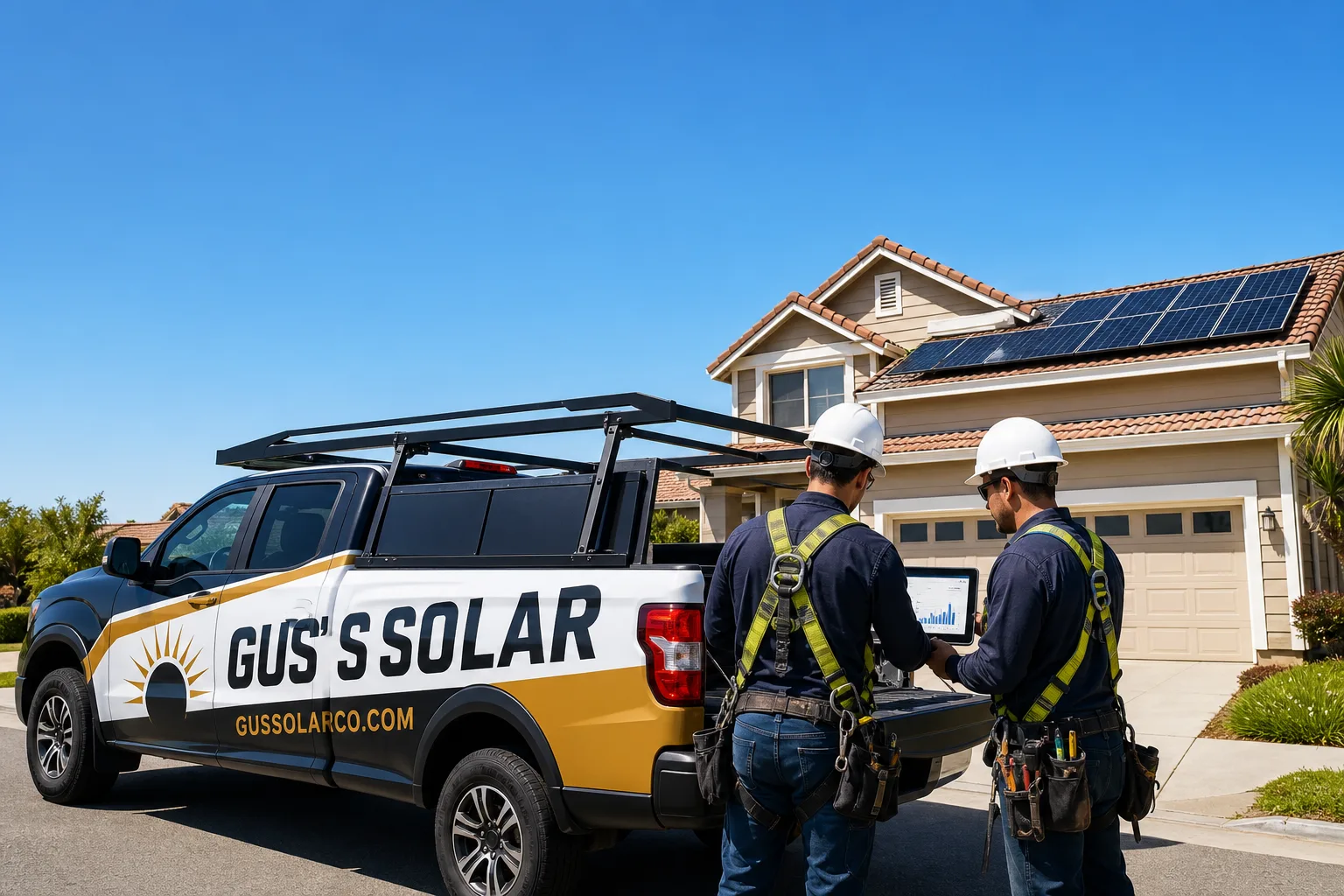
Free bill analysis - bring a power bill, get the production math for your actual roof, panel brands like Qcells and REC compared side by side
If the pitch starts at your door and ends with "sign tonight for the special," sleep on it. The sun will still be there tomorrow; so will we.
 Before
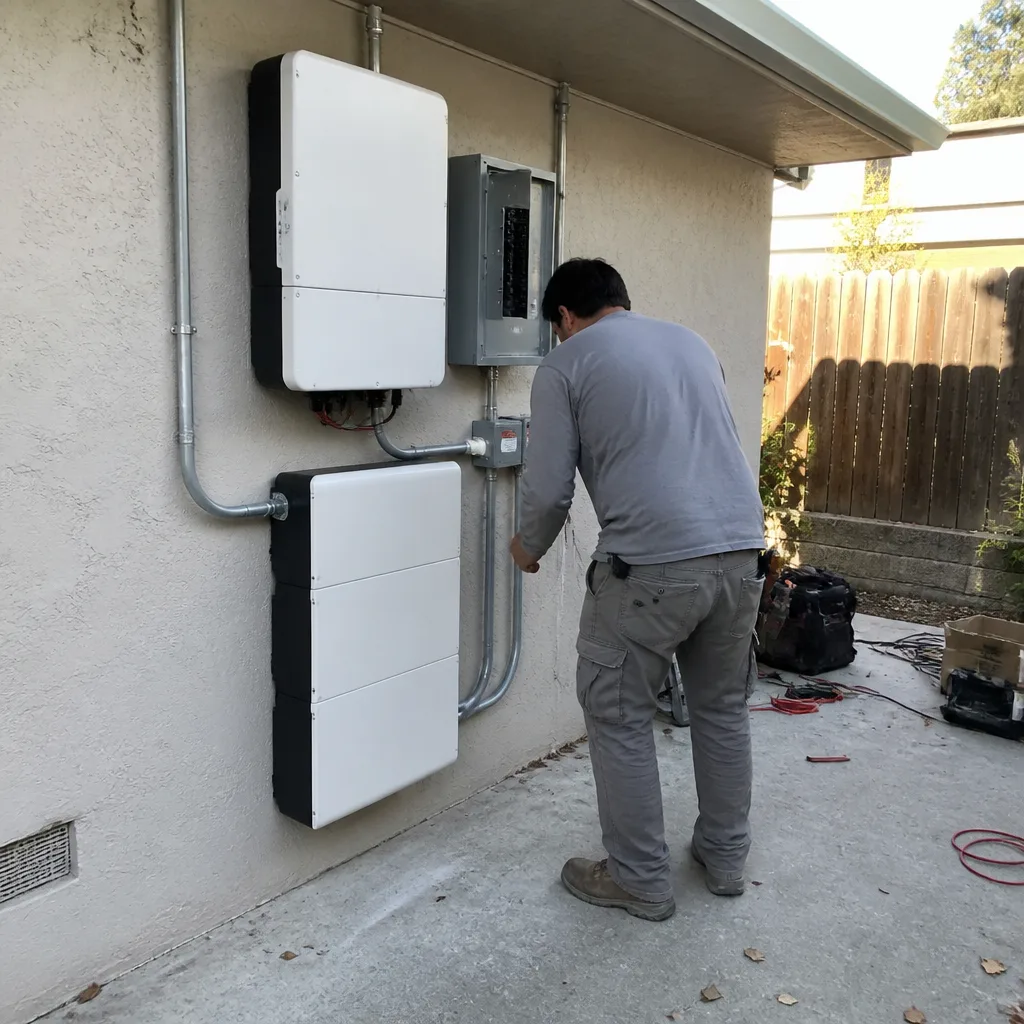 After
After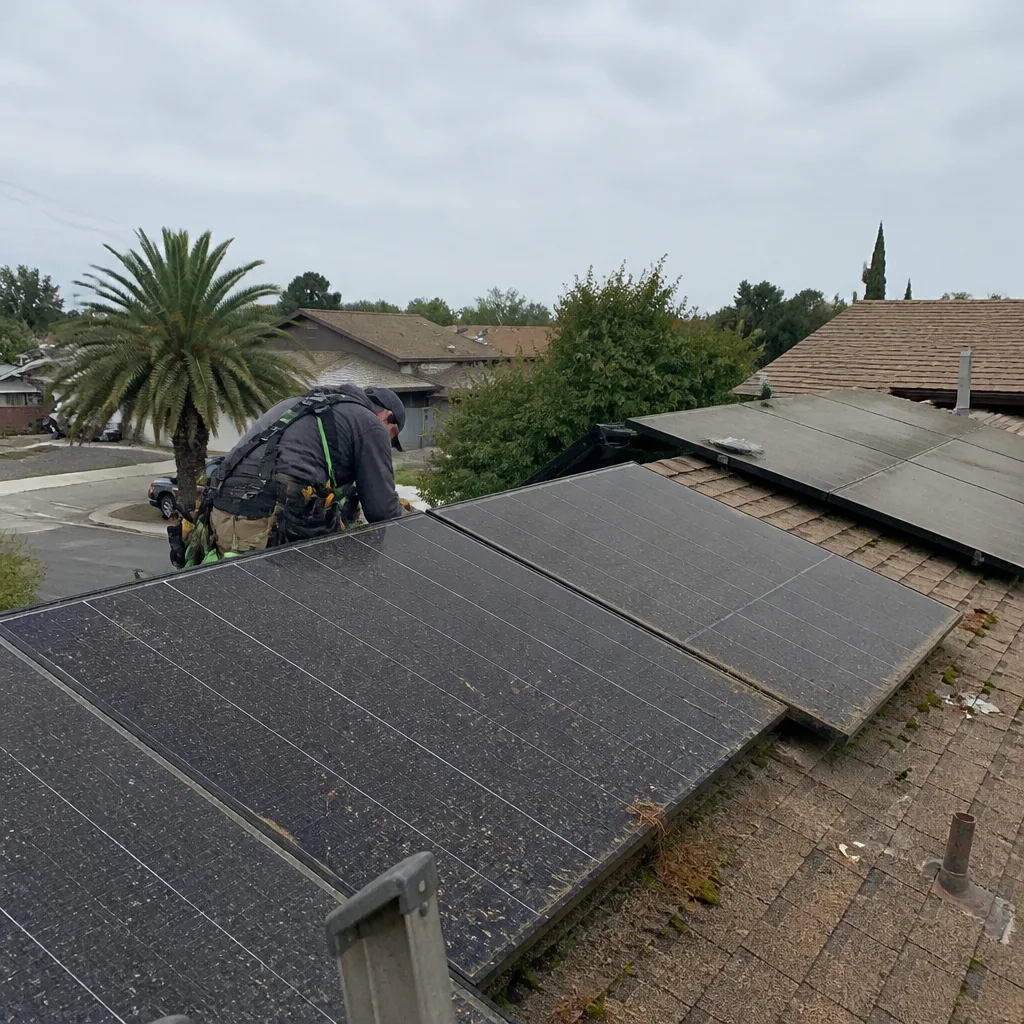 Before
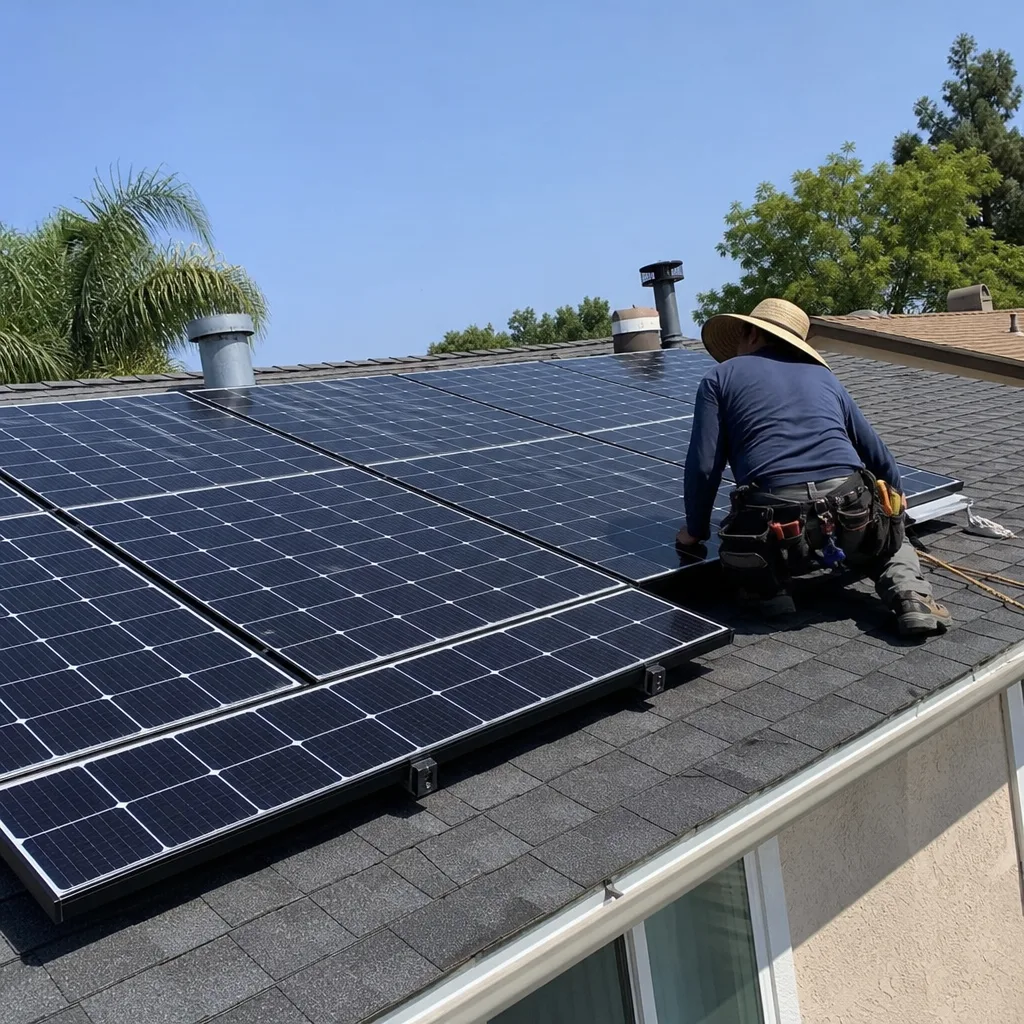 After
After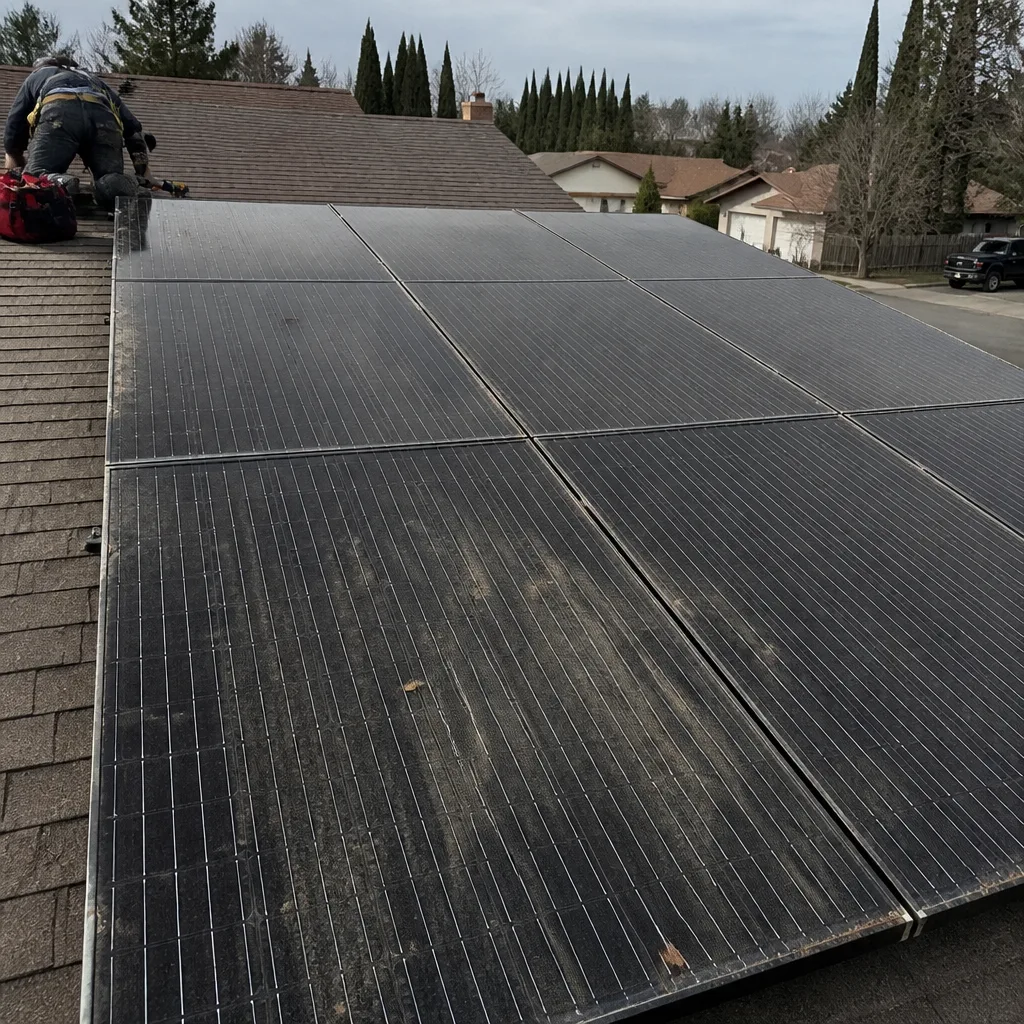 Before
 After
AfterFast, Reliable Solar Panel Installation Across Mountain House
A typical rooftop solar installation in Mountain House runs between $14,500 and $28,000 before incentives, with most homes landing around $18,000 to $22,000 for a 6-8 kW system sized to offset summer AC loads. We’re the Solar Panel Installation team that answers the phone when you call, sends our own uniformed crew up on your roof, and hands you year-25 output numbers off your actual PG&E bill, not a brochure. Mountain House is a town where virtually every roof was built under the same modern code, which means we know what we’re going to find before we even climb the ladder. Call (877) 550-6892 and Gus Petrakis will walk you through the math himself.
Why Gus’s Solar Is Mountain House’s Preferred Solar Panel Installation Company
We’ve been installing solar across San Joaquin County since 2011, and Mountain House holds a particular place in our book. The town is one of California’s newest master-planned communities. Nearly every home went up between the early 2000s and today, built by developers like Shea and Pulte under modern Title 24 energy codes. That means 200-amp service panels, engineered roof trusses, and pre-run conduit pathways are standard, not exceptions. When a Mountain House homeowner calls us, we can usually give an accurate scope of work after a single roof inspection because we’ve worked on dozens of the same floor plans across Questa, College Park, and Wicklund.
Gus Petrakis puts his own name on the truck. He publishes his address, his license number, and he answers his own phone. That matters in Mountain House, where a lot of residents moved in from the Bay Area and got burned by a national outfit that quoted one number on the phone and another at the door. We do not do that. The price we quote is the price you pay, and if it’s not done right, one call brings Gus back. That’s the 90-Day Done Right Promise, in writing, on every solar job we do here.
Response time to Mountain House is usually same-week for estimates and one to three weeks for installation, depending on HOA review and PG&E interconnection. We know the Tracy substation area and the PG&E service territory quirks that affect Mountain House because we’re out here regularly. Our Mountain House customers get the same live person on the phone at 2 a.m. that they’d get at noon, because we answer calls 24/7.
Our Solar Panel Installation Services in Mountain House
Mountain House homes are unusually uniform, which means we can be precise about what each job involves. Here’s what we handle most often.
Solar System Design & Permitting
Mountain House has active HOA architectural committees that review nearly every solar installation. California Civil Code 714 limits what an HOA can restrict, but the review process still takes time if you don’t know the community’s design guidelines. We keep a pre-approved panel list and elevation-drawing template specific to Mountain House design standards, which regularly shortens the HOA phase to under a week. A full design and permit package for a Mountain House home typically runs $1,200 to $2,800, including PG&E paperwork.
Rooftop Solar Installation
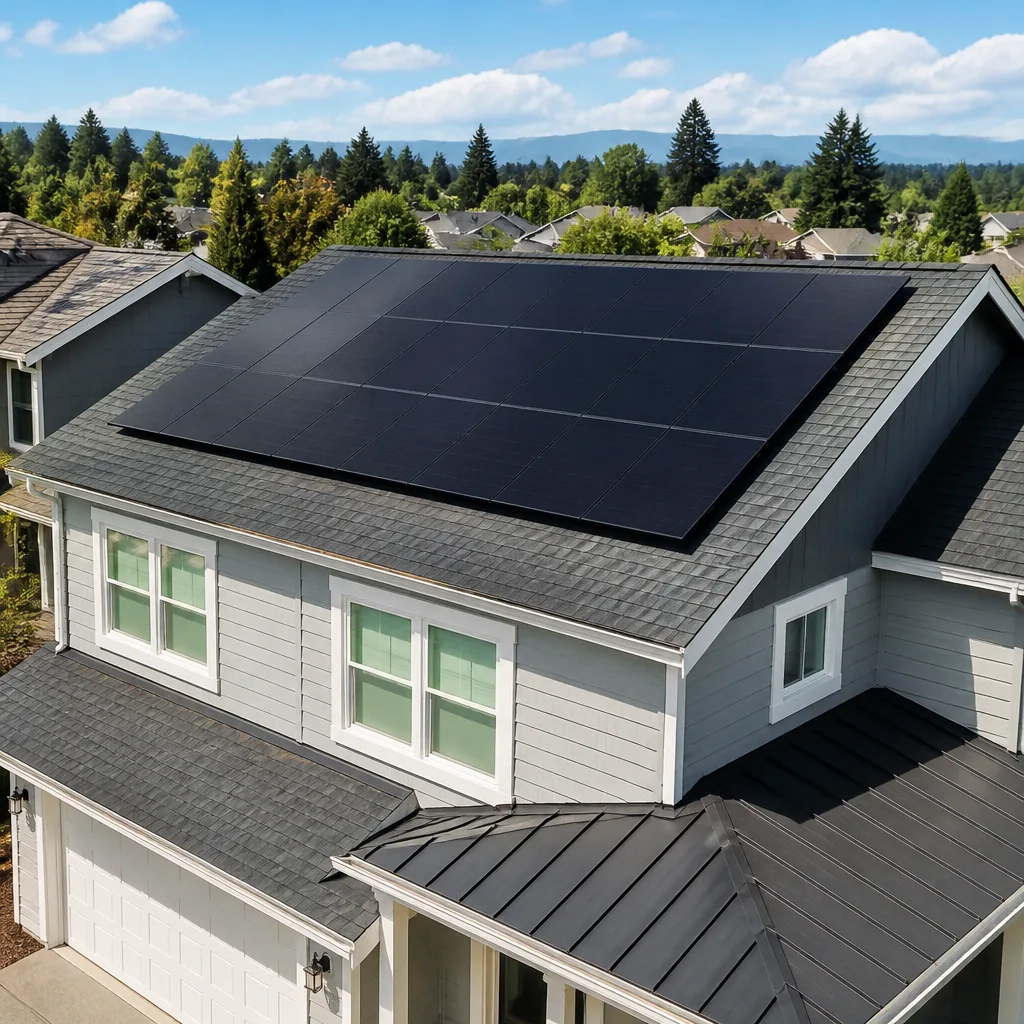
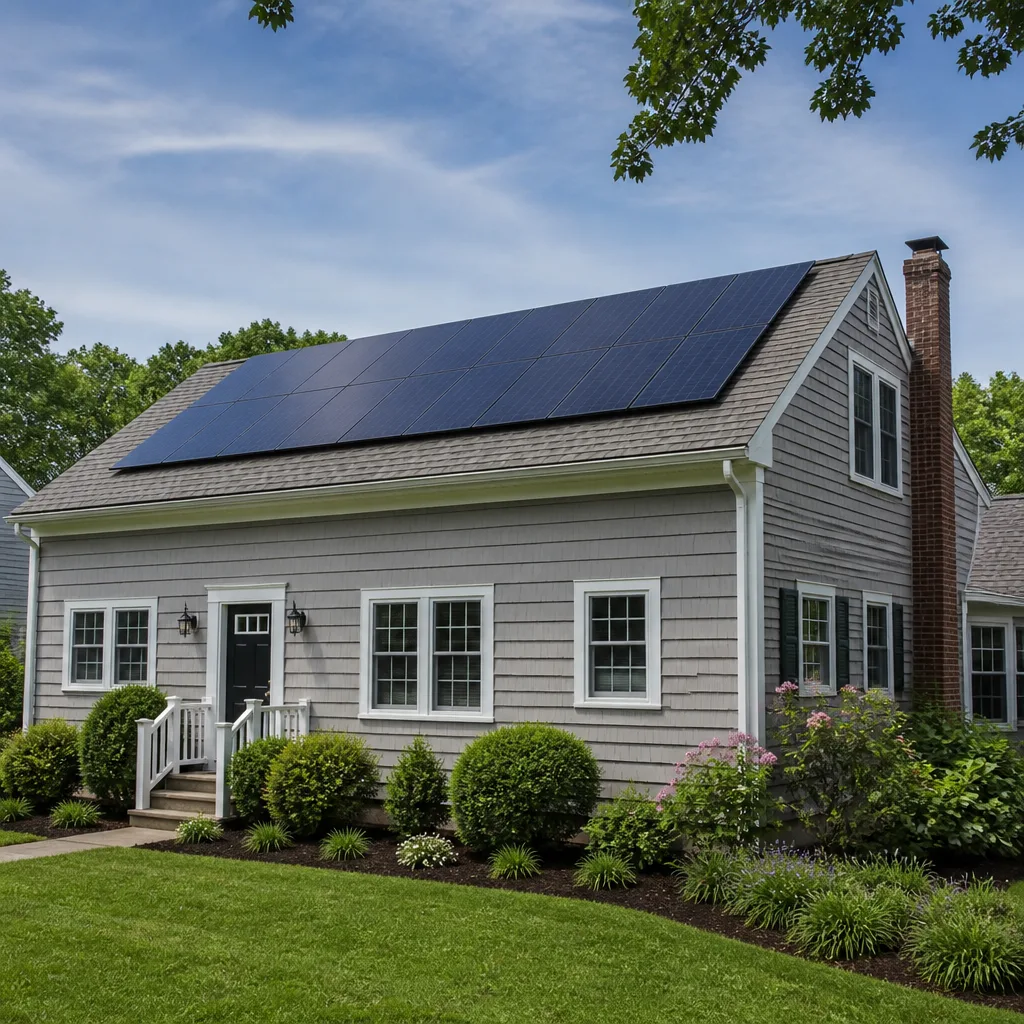
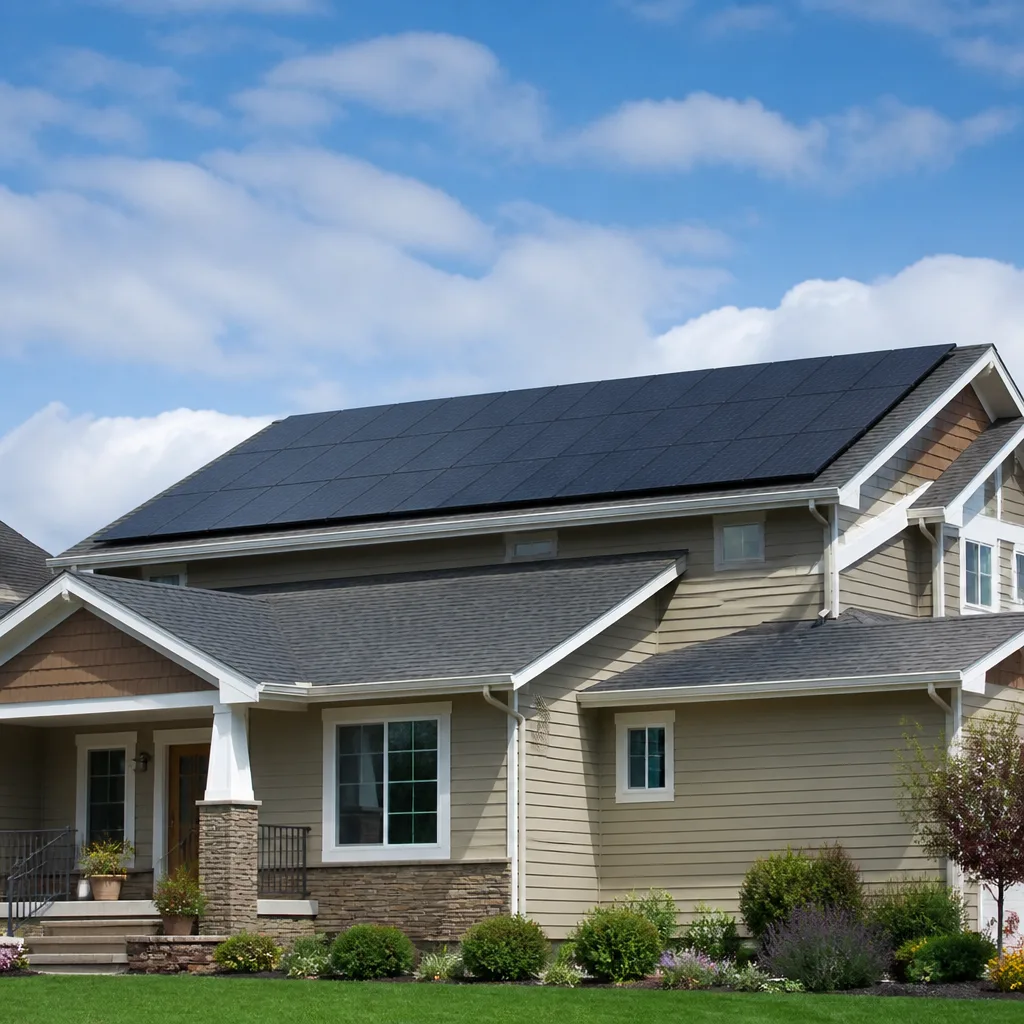
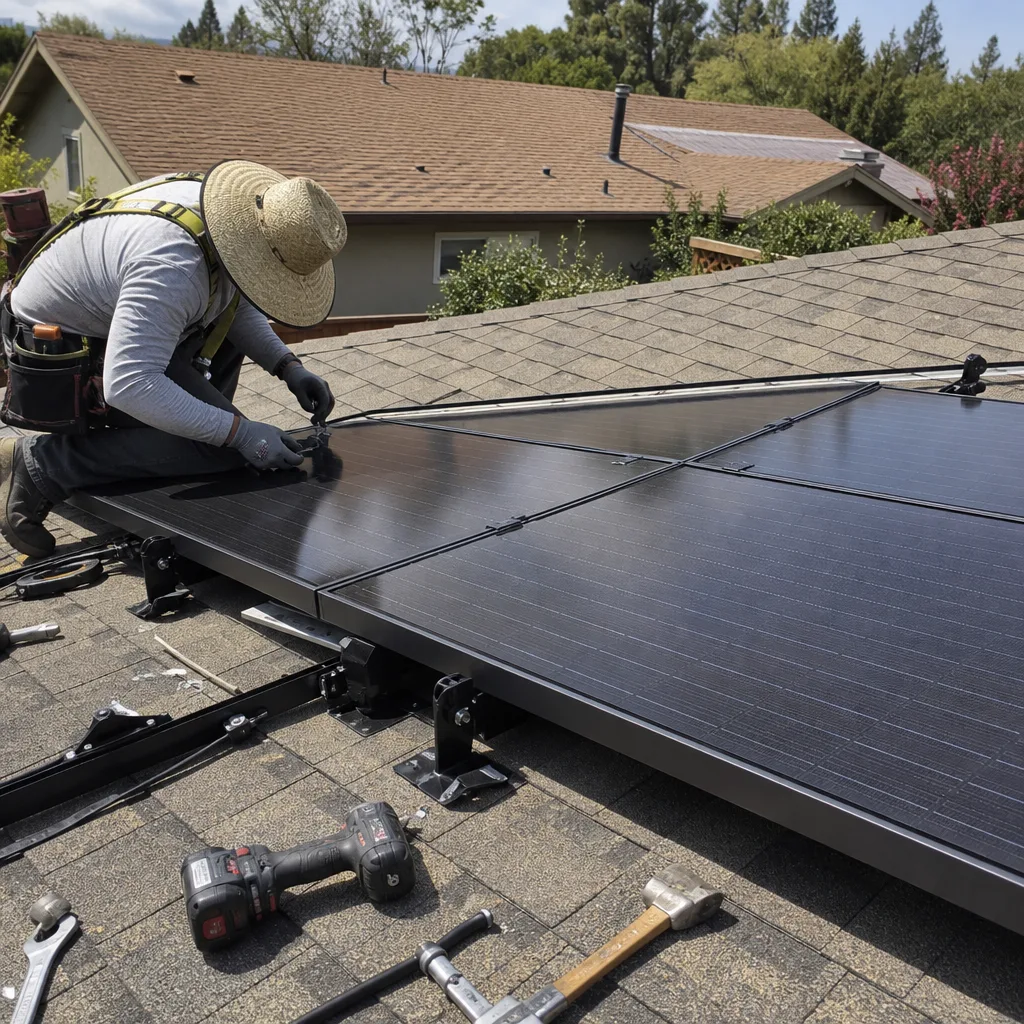
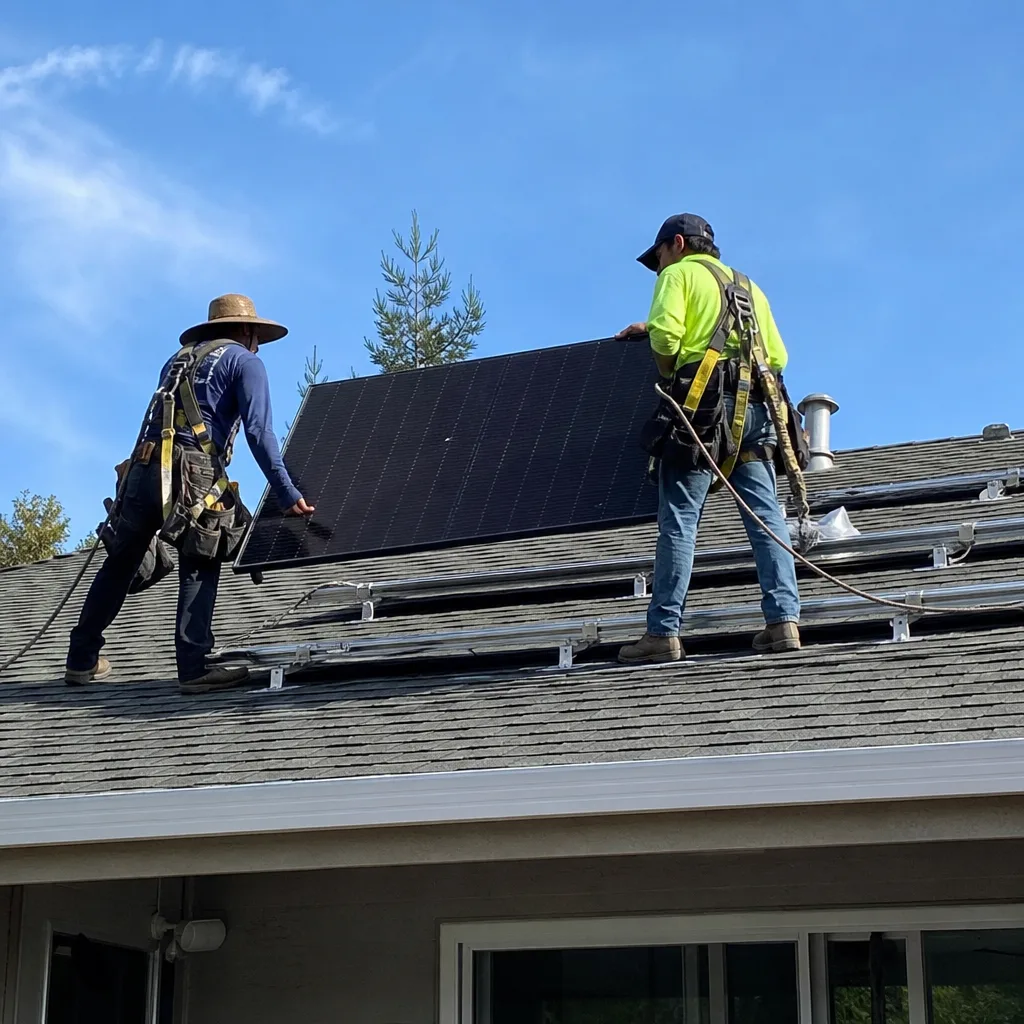
Most Mountain House roofs are composition shingle on engineered trusses, which makes for clean, predictable installs. A standard 6-8 kW rooftop system in Mountain House runs $14,500 to $24,000 before the federal tax credit. Because the homes are post-2000 construction, we rarely need to add structural reinforcement or upgrade electrical panels, which keeps the number we quote close to the number you pay.
Solar System Design & Permitting for HOA-Governed Homes
The single biggest timeline variable in Mountain House is HOA architectural review. Failing to submit the right elevation drawings and panel specifications can add two to four weeks to your project. We’ve done enough Mountain House installs that we know exactly what each HOA sub-committee wants to see. A complete design, HOA submittal, and county permit package for Mountain House typically runs $1,400 to $3,000 depending on system size and roof complexity.
Solar Interconnection & Utility Approval
Mountain House sits in PG&E territory with net metering rules that still favor homeowners who get their application in correctly. We handle the interconnection agreement, the final inspection, and the permission-to-operate process from start to finish. Interconnection and utility approval work in Mountain House typically runs $800 to $1,500, and we file everything electronically so there’s no paperwork sitting on someone’s desk for three weeks.
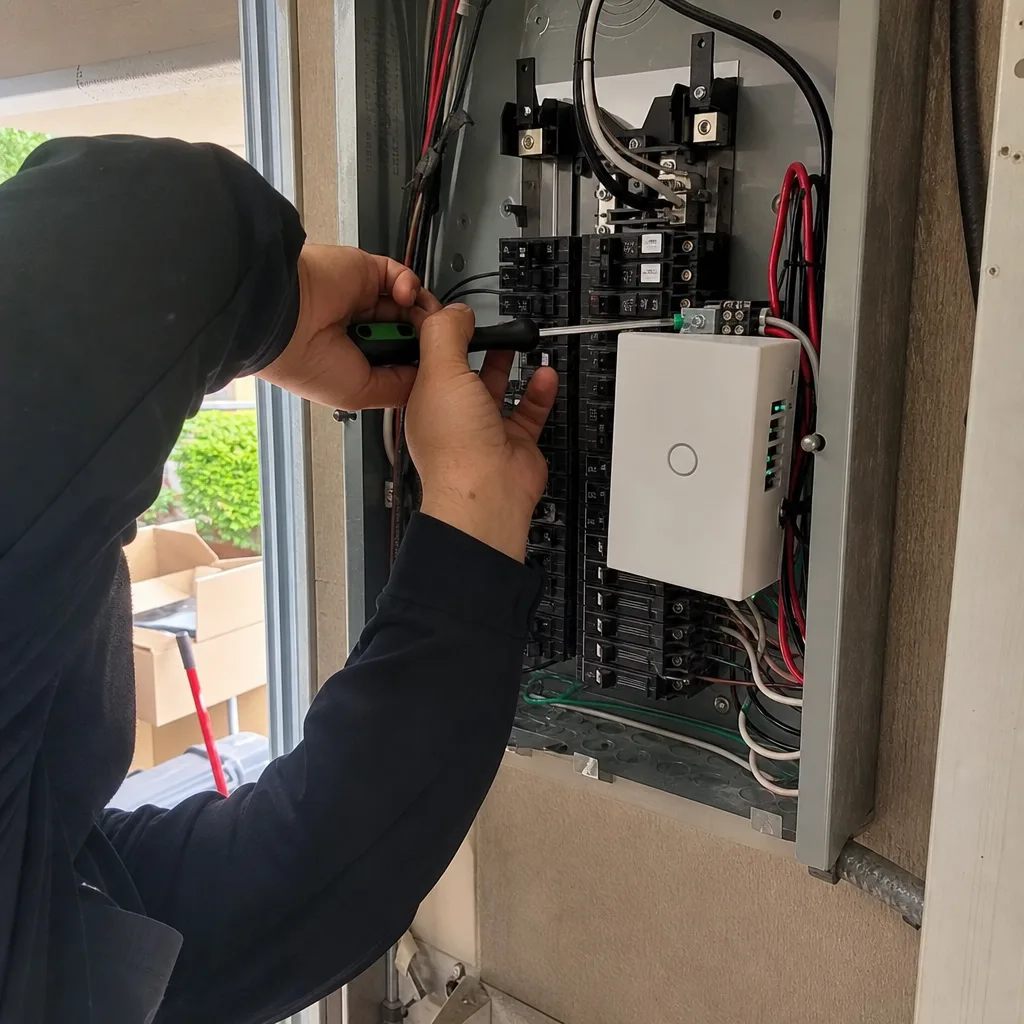
Roof-Mount & Tile Roof Solar
While most Mountain House homes have composition shingle roofs, we do see tile accents and some newer builds with flat-tile profiles. Roof-mount systems on tile require a different flashing approach to keep water out. A tile roof solar installation in Mountain House runs $17,000 to $26,000 for a typical 6-8 kW system, the added cost coming from the extra labor and mounting hardware tile requires.
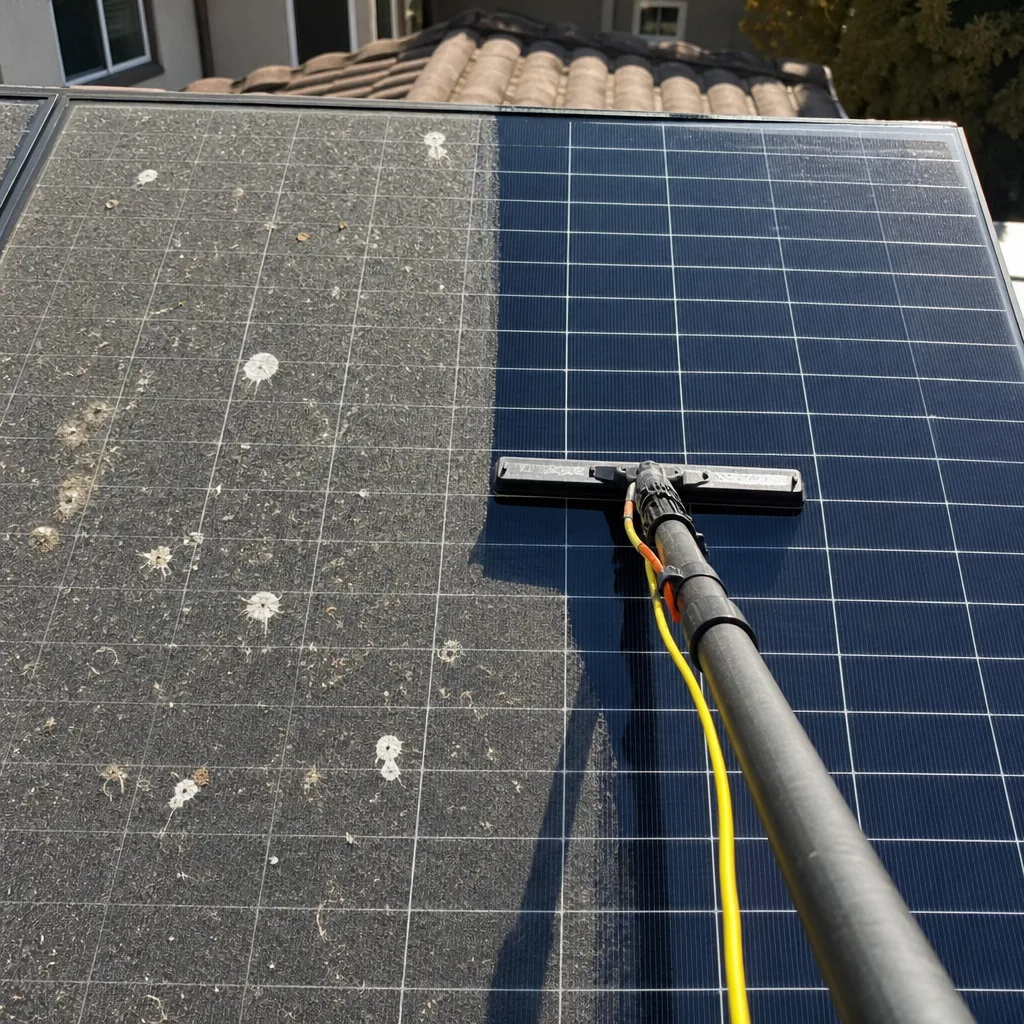
Solar Panel Replacement
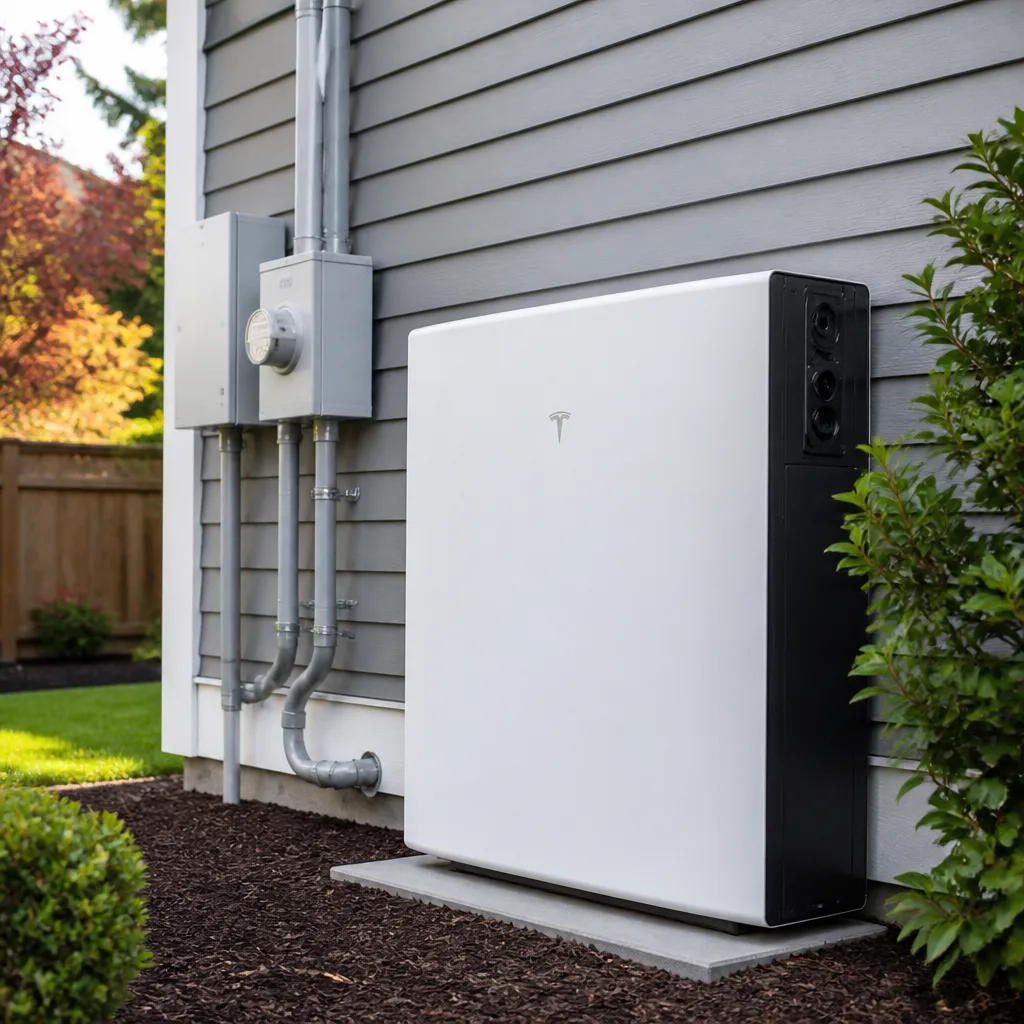
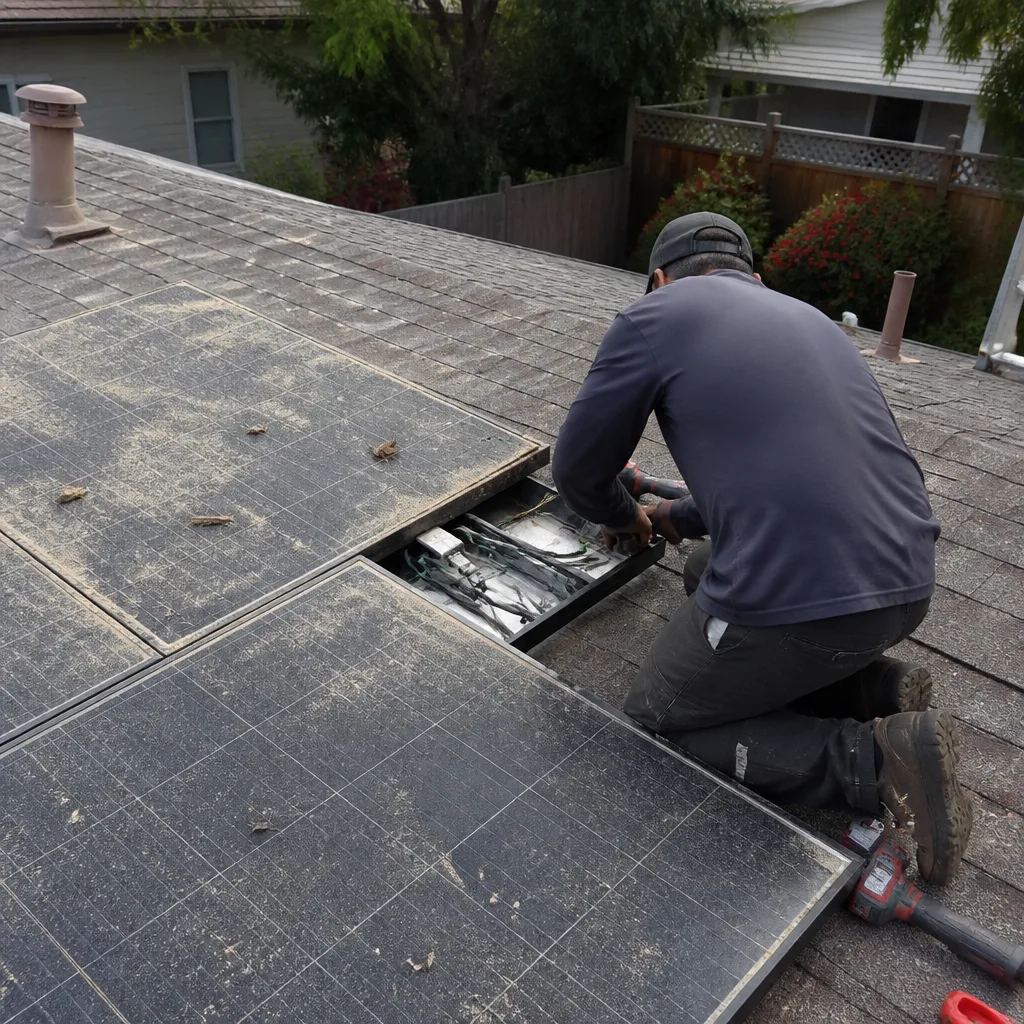
Some Mountain House homes built between 2005 and 2012 are now reaching the point where an early-generation system or a damaged panel needs replacement. Panel replacement in Mountain House typically runs $3,500 to $8,000 depending on how many panels and whether we’re matching an existing string or upgrading to microinverters. We carry Enphase and Tesla components locally, which means faster turnaround for Mountain House homeowners.
What happens when you call
- 1
A real person answersNo phone trees - you reach a local pro.
- 2
You get an upfront price rangeHonest numbers before anyone is dispatched.
- 3
A background-checked tech heads outLicensed & insured, dispatched right away.
- 4
You approve before work beginsNothing starts until you say go.
Trusted Brands We Service in Mountain House
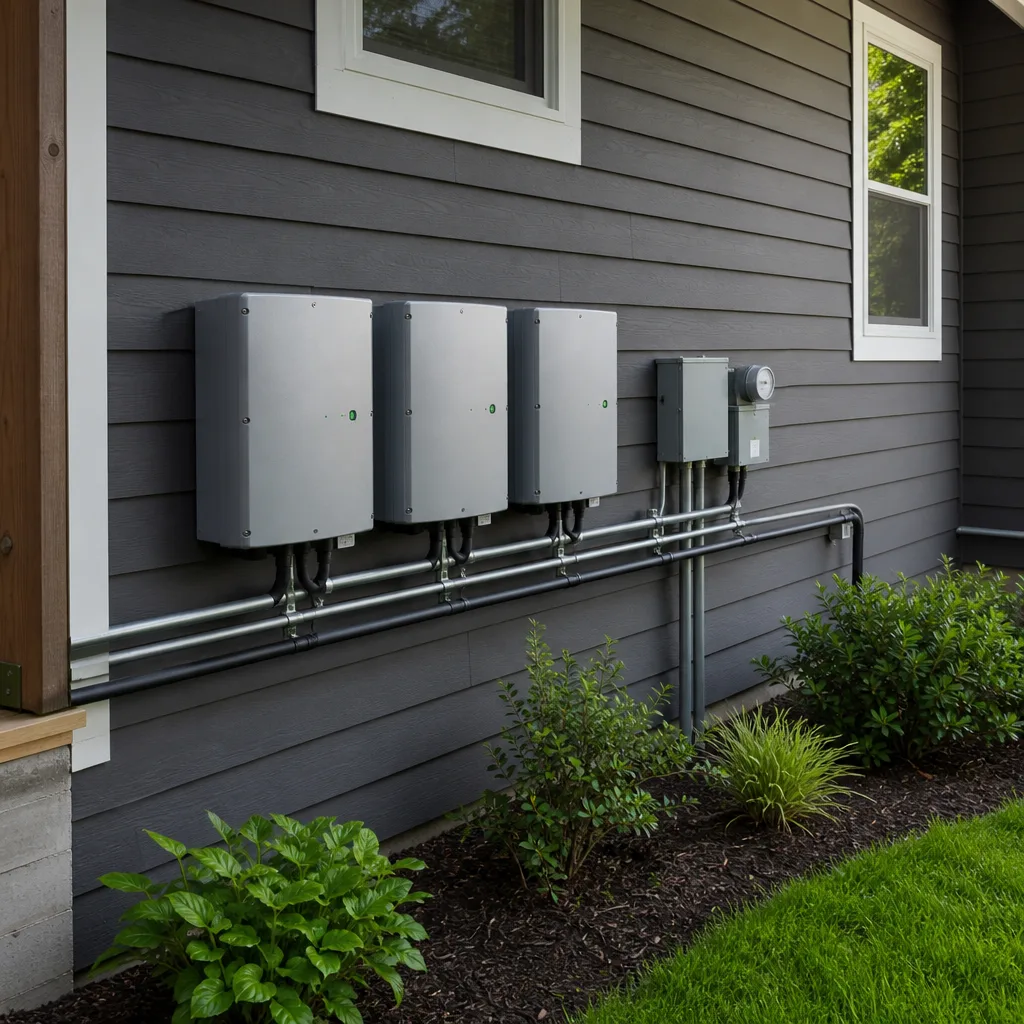
We install and service equipment from Enphase, Tesla, SolarEdge, and FranklinWH, among others. That’s not a sales pitch for a particular brand; it’s a practical matter. Mountain House homes are uniform enough that we know which inverters and panels perform best on the specific roof pitches and orientations common in the community. When a Mountain House system needs a replacement part, we’re usually able to pull it from stock or have it within days because we know what’s on the roofs out here.
Common Solar Panel Installation Problems We See in Mountain House Homes
Mountain House is a great solar market, but it has its own failure modes. Here’s what actually goes wrong when it goes wrong.
- HOA review delays. Homeowners or out-of-town installers submit generic plans that don’t match Mountain House design guidelines. The HOA kicks it back, and suddenly a two-week permit becomes a six-week stall. We avoid this by submitting our pre-approved panel list and elevation template aligned with the community’s architectural standards on day one.
- Underestimating winter tule fog. Mountain House sits in the San Joaquin Valley, and December through February brings dense tule fog that can suppress solar production for weeks at a stretch. Installers who model savings using Bay Area weather data hand homeowners a number that won’t hold up. We model Mountain House production using valley-specific irradiance data and are straight about what winter looks like.
- Overcomplicating the install. Some contractors treat Mountain House rooftops like older Bay Area housing stock and start adding structural reinforcement or panel upgrades nobody needs. These homes already have 200-amp service and engineered trusses. Unneeded reinforcement drives up cost and creates change-order friction.
- Wrong inverter sizing for AC loads. Mountain House summers regularly hit 100°F, and those AC units pull serious power in July and August. An undersized inverter clips production right when you need it most. We size inverters to the actual summer load profile, not a flat annual average.
Pricing for Solar Panel Installation in Mountain House, CA
Here are honest numbers for Mountain House, based on the homes we actually see here.
- 6 kW rooftop system: $15,000-$19,500 before incentives
- 8 kW rooftop system: $18,500-$24,000 before incentives
- 10 kW rooftop system: $22,000-$28,000 before incentives
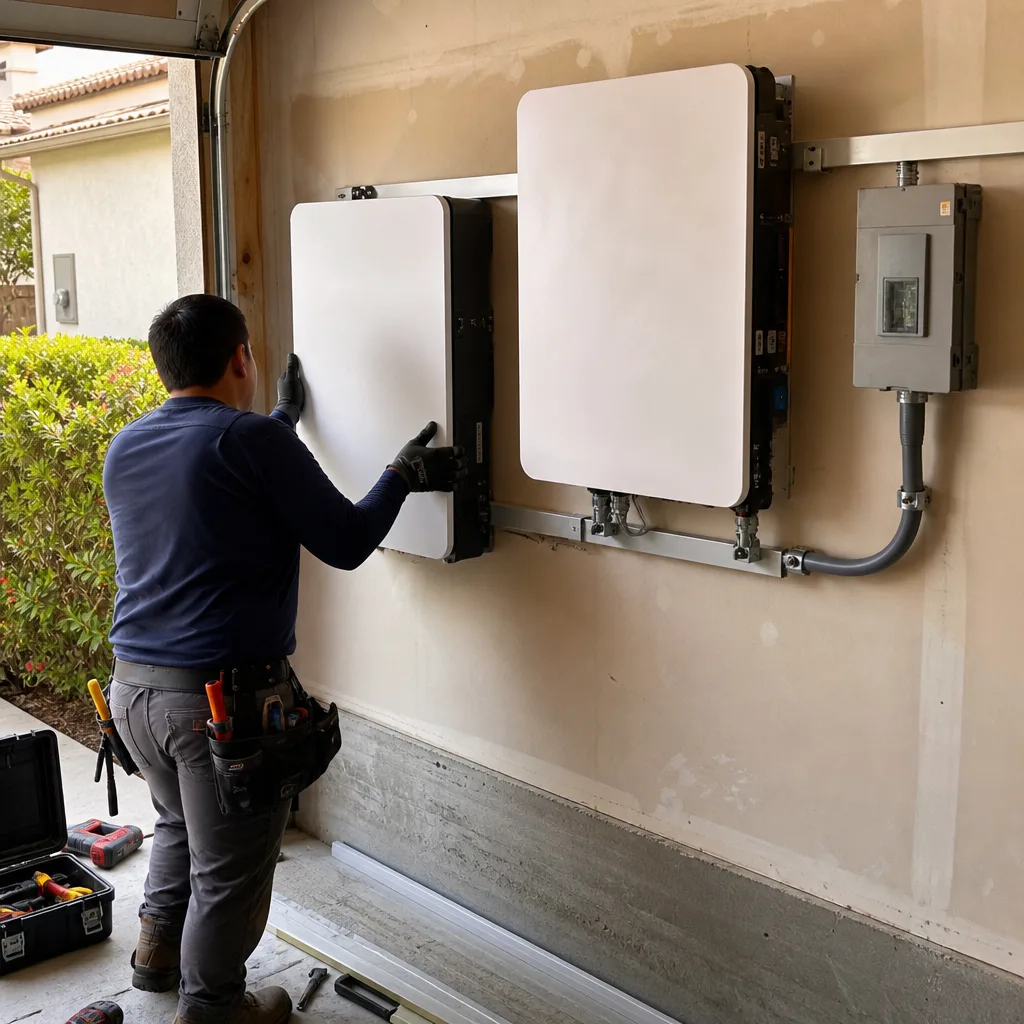
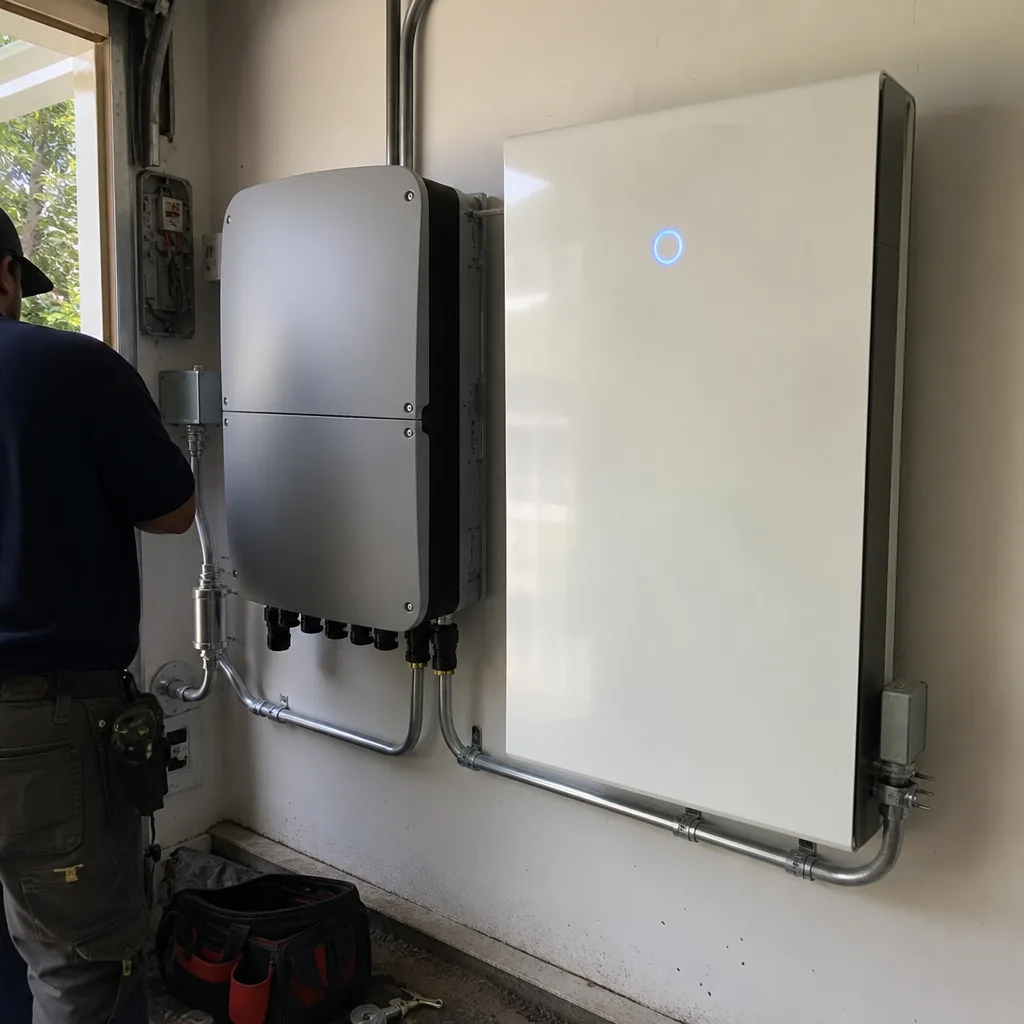
- Battery add-on (FranklinWH aPower or Tesla Powerwall): $12,000-$18,000 installed
- Design, permitting, and HOA package: $1,200-$2,800
- Panel replacement (3-5 panels): $3,500-$8,000
What affects your number: roof accessibility, whether you have a tile roof or shingle, which HOA sub-committee reviews your plans, and whether you want battery storage. We quote year-25 output, not day-one brochure numbers. Bring us a bill, we’ll bring you the math. Take two weeks. Think about it. The price will be the same. Call (877) 550-6892 for a free estimate.
We Also Serve Cities Near Mountain House
Beyond Mountain House, our crews work regularly in Tracy, Discovery Bay, Livermore, and Brentwood. If you’re just across the county line or a few exits down I-205, we’ll come out the same way we do for Mountain House, with the same upfront pricing and the same crew that did the job right the first time.
Serving Mountain House, CA - Our Local Coverage Area
We’re based in the Mountain House area and know this community well. Use the map below to see our service coverage - if you’re nearby, we can almost certainly help.
FAQs - Solar Panel Installation in Mountain House
Most Mountain House HOAs review solar applications under California Civil Code 714, which limits their ability to deny a system, but the review itself typically adds one to four weeks to your timeline. We shorten that by submitting a pre-approved panel list and elevation-drawing template that already matches Mountain House design guidelines, which usually gets approval in under a week. Call (877) 550-6892 and we’ll tell you exactly what your specific HOA requires before you sign anything.
Model Mountain House winter production conservatively. The San Joaquin Valley’s tule fog season from December through February can suppress output for two to four weeks at a stretch, which affects your true-up timing. Any honest savings projection for Mountain House should use valley-specific irradiance data, not coastal California numbers. That’s exactly what our quotes are built on.
Almost never. Mountain House homes were built under modern Title 24 codes with 200-amp service panels and engineered roof trusses, so panel upgrades and structural reinforcement are rarely required. We’ll confirm that during the site visit, but in most Mountain House homes, you’re paying for the solar system, not for electrical and structural work you don’t need.
Mountain House is in PG&E territory, and current net metering rules mean you get credited for excess production at less than the retail rate, which changes the math on system sizing. The best approach is to size the system to your actual summer AC load rather than over-building for export credits that won’t pay back. We build every Mountain House quote off your actual PG&E bill so the numbers reflect the current export rates, not last decade’s.
South- and west-facing roofs perform best in Mountain House, and because the community was built on a grid-aligned street layout, most homes have predictable south- or west-facing planes available. West-facing panels actually align well with PG&E’s evening peak rates in summer, when air conditioning loads are highest. We’ll measure your specific roof azimuths and model production accordingly before you commit to anything.
If you have a question we didn’t answer here, call (877) 550-6892. A live person answers, not a voicemail. If a salesman needs an answer tonight, the answer is no. We’ll give you straight numbers and tell you to think about it for two weeks.
Written by Gus Petrakis, Owner at Gus’s Solar, serving Mountain House and the Central Valley.