
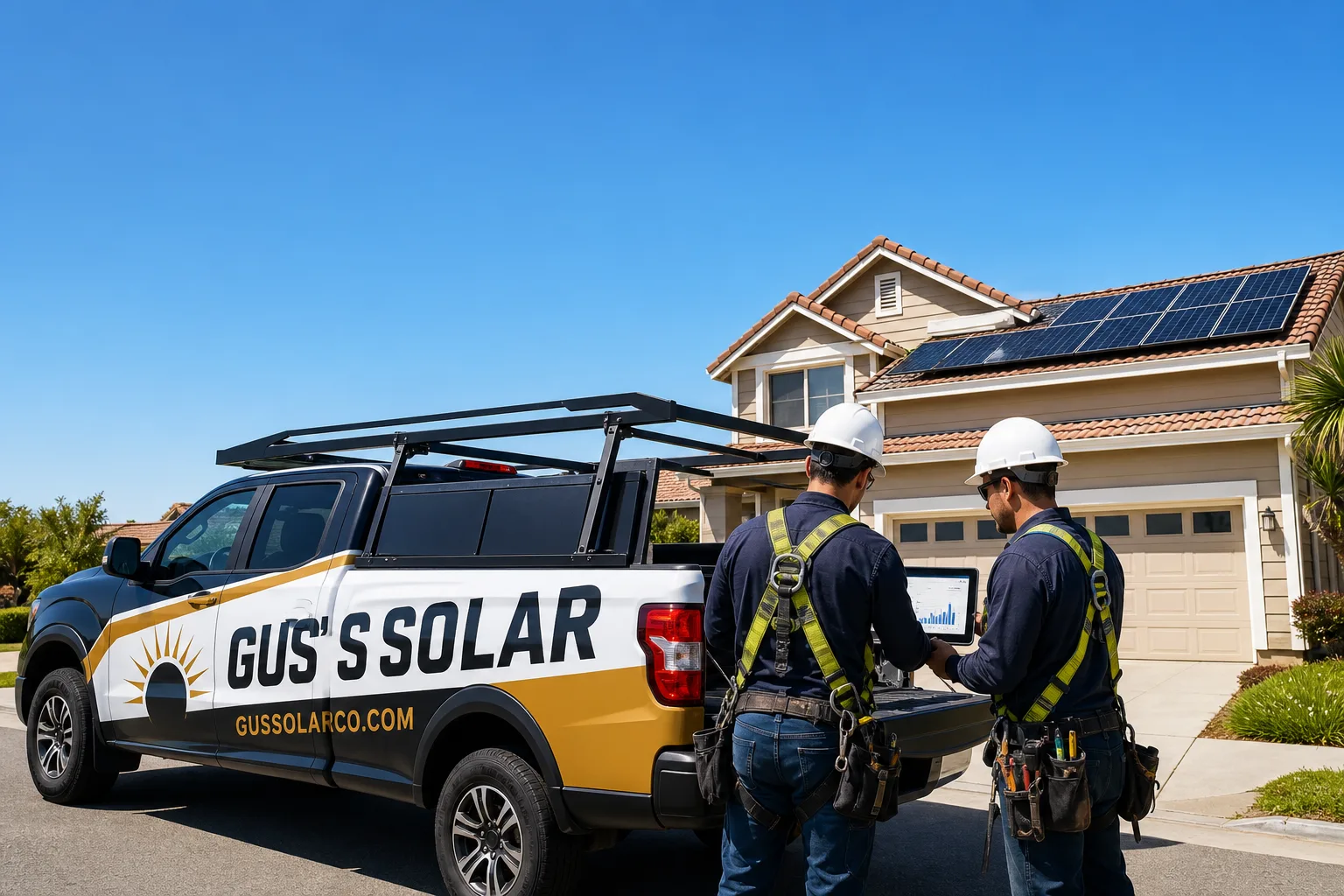
Free bill analysis - bring a power bill, get the production math for your actual roof, panel brands like Qcells and REC compared side by side
If the pitch starts at your door and ends with "sign tonight for the special," sleep on it. The sun will still be there tomorrow; so will we.
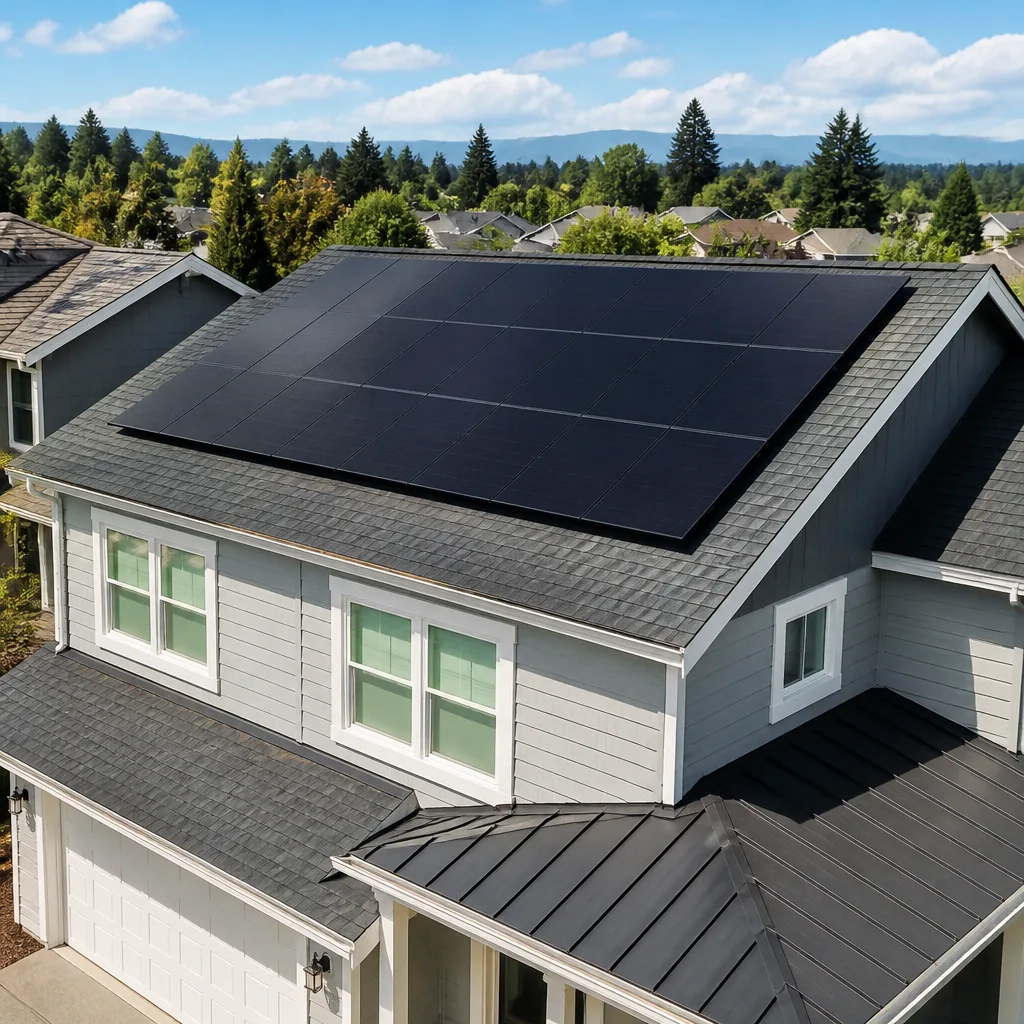
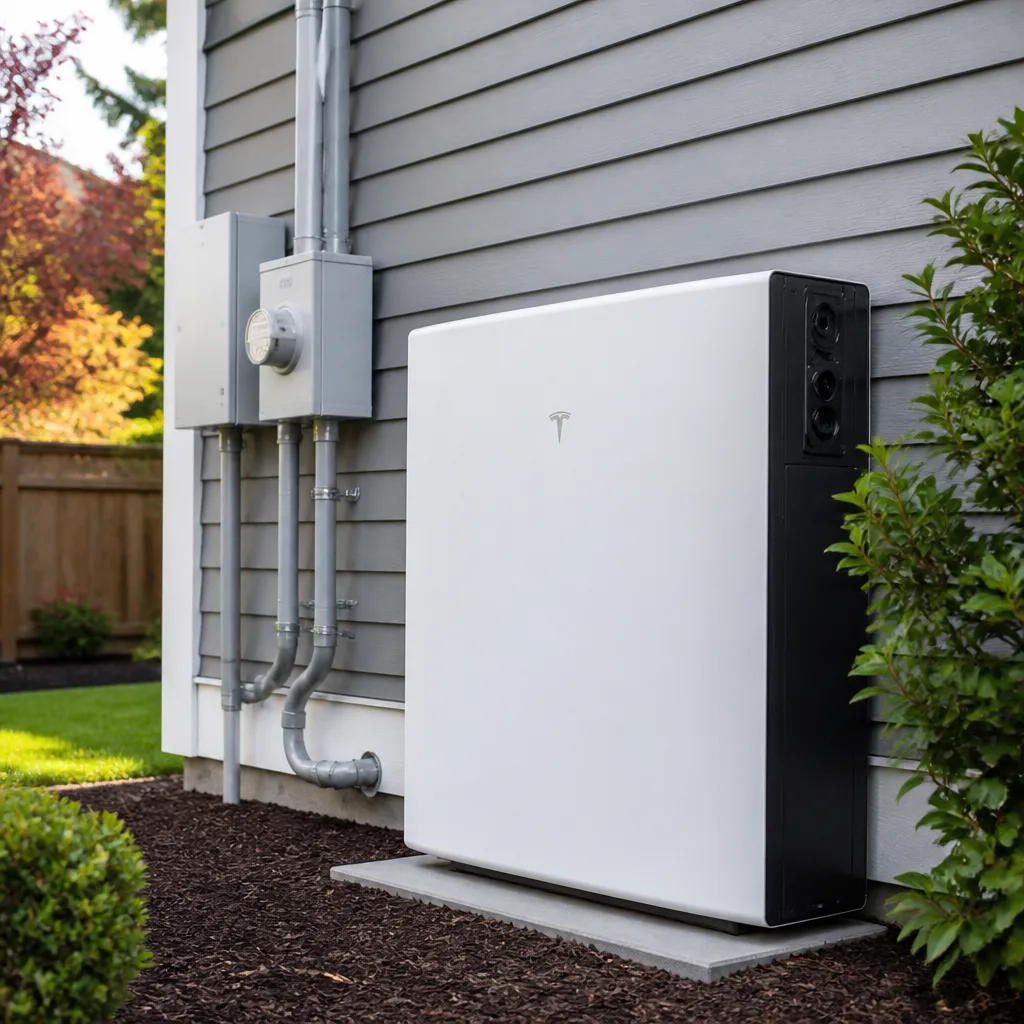
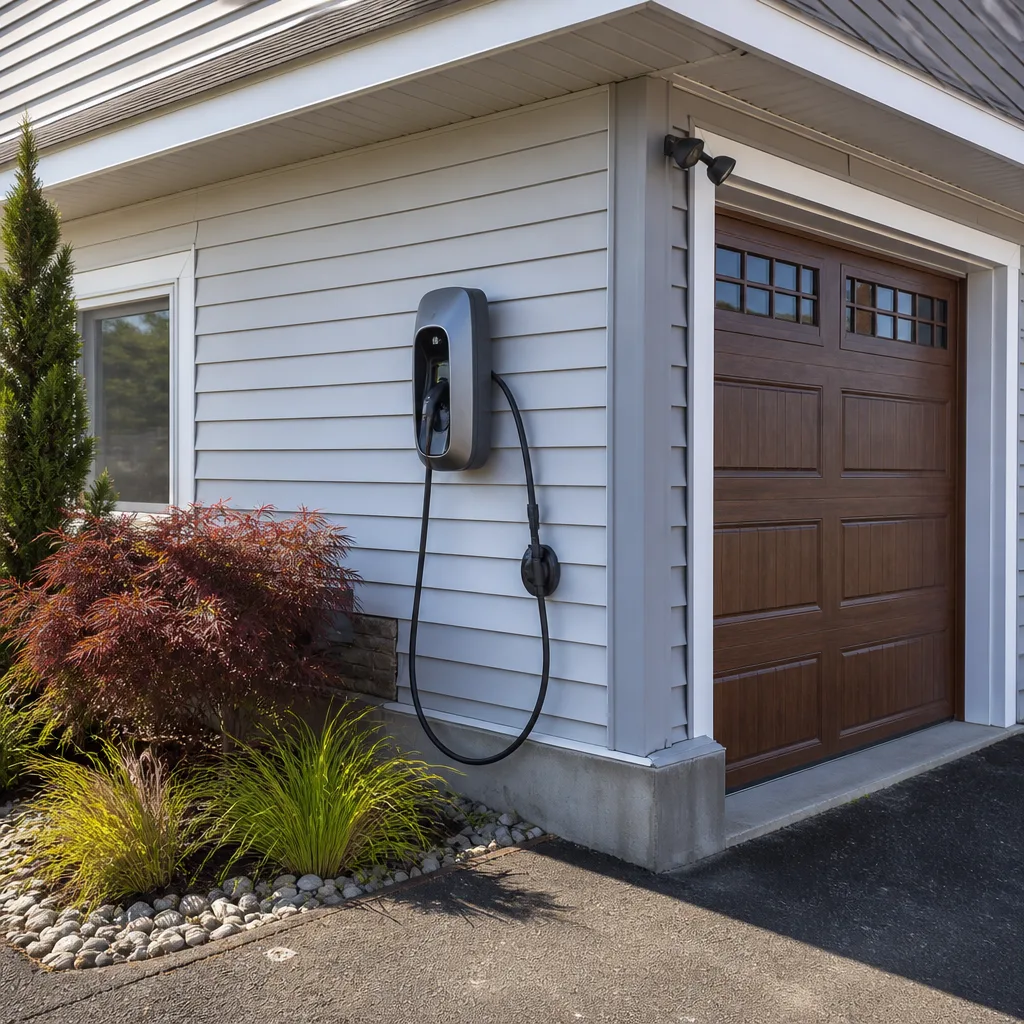
 Before
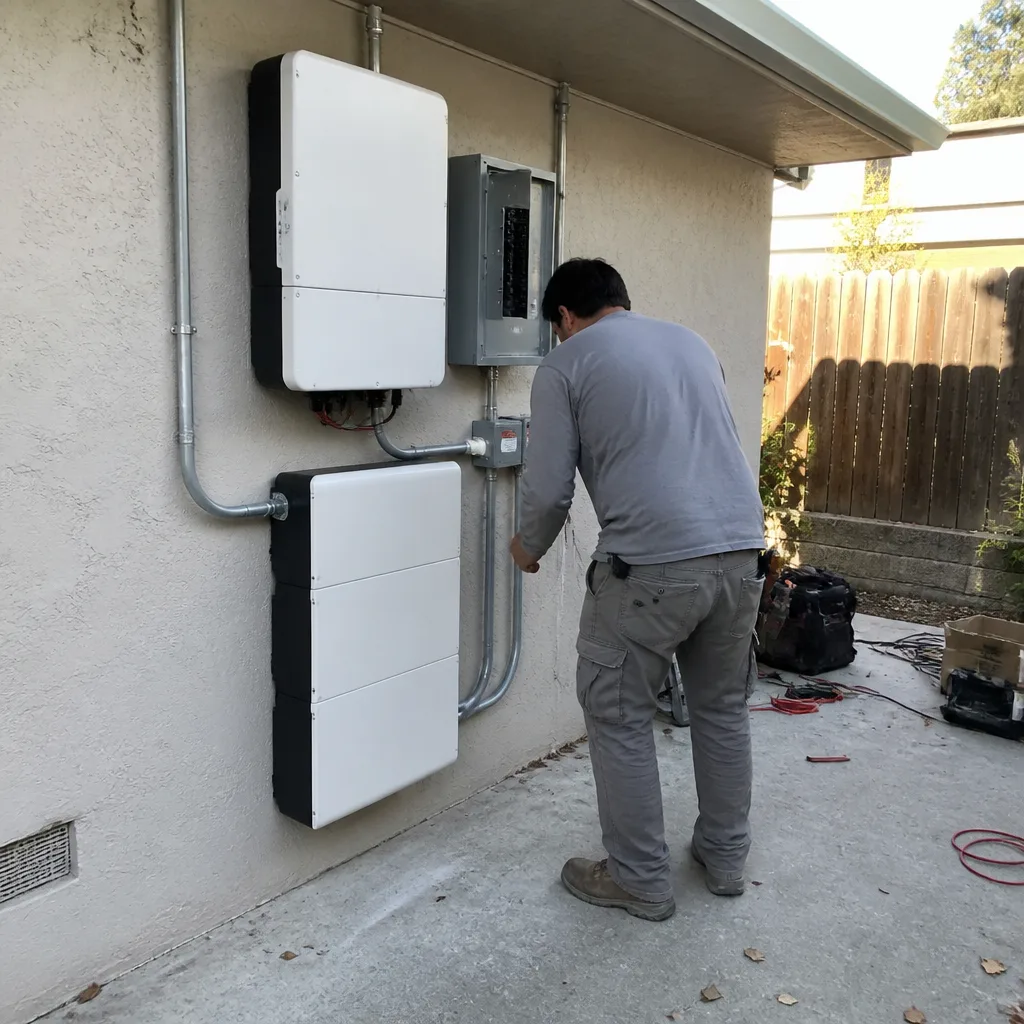 After
After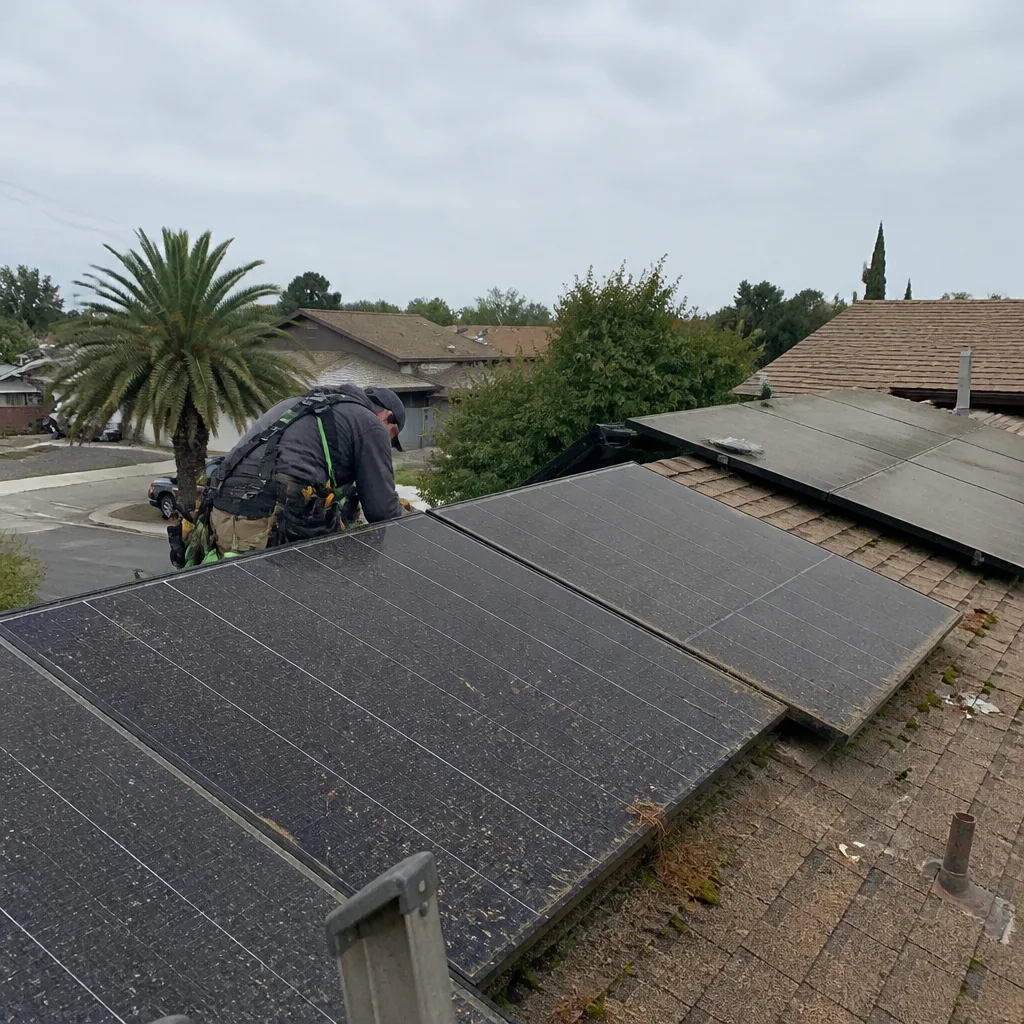 Before
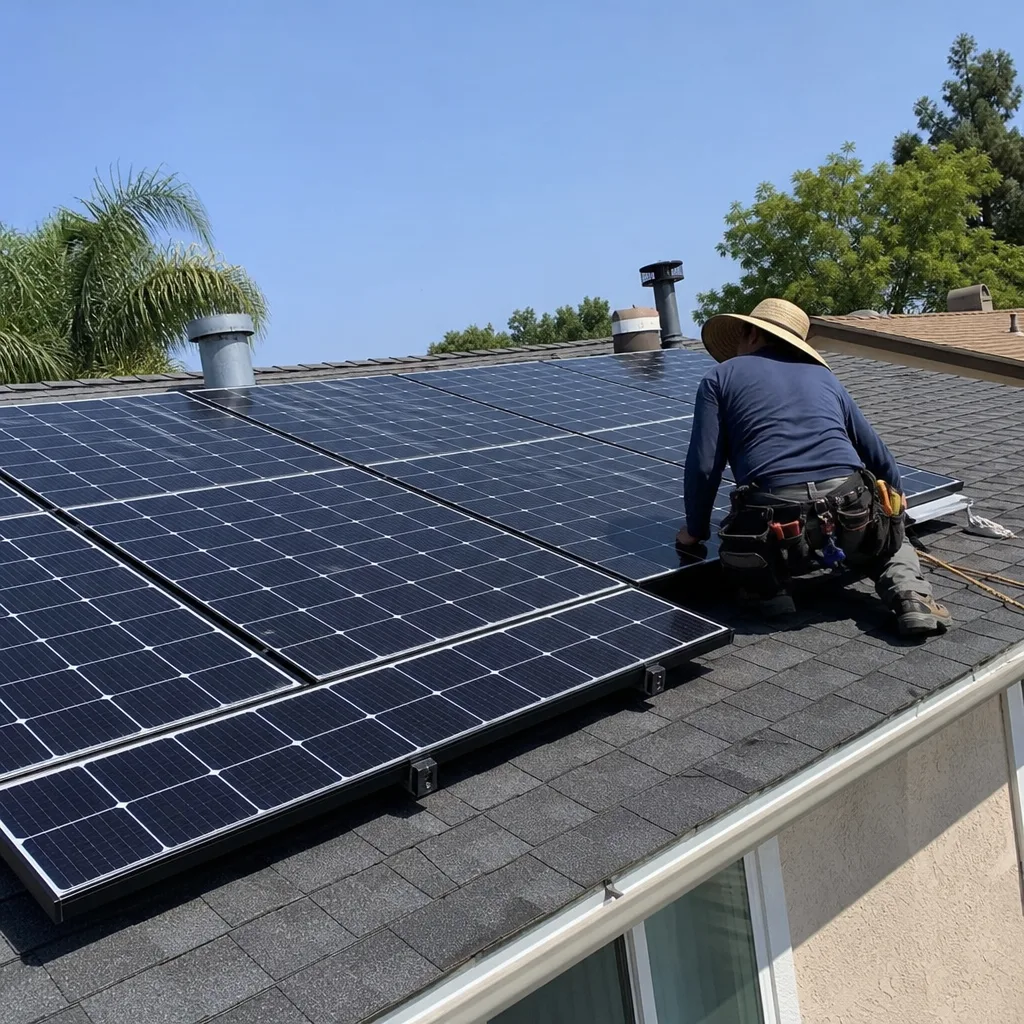 After
After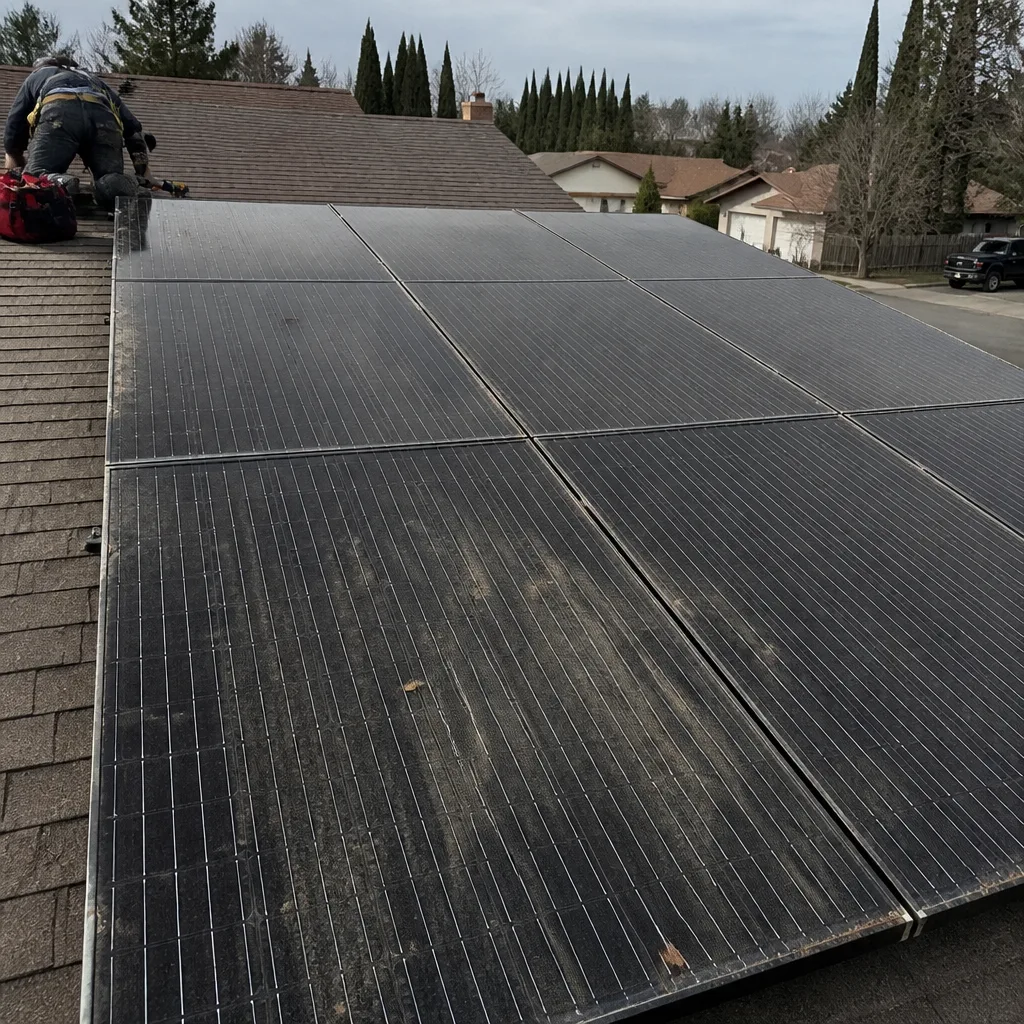 Before
 After
AfterFast, Reliable Solar Panel Installation Across Big Bear Lake
Solar panel installation in Big Bear Lake typically runs $18,400-$34,600 for a 6-10 kW system before the federal tax credit, and most projects take 2-4 weeks from permit to power-on. The number that matters more up here is whether the racking holds under 60+ lb/sq ft snow loads. We’ve been fixing valley-grade installs on Big Bear Lake roofs long enough to know the difference. Call (877) 550-6892 and Gus will quote your actual bill, not a brochure number.
Why Gus’s Solar Is Big Bear Lake’s Preferred Solar Panel Installation Company
Gus Petrakis put his name on the truck in 2011, and he still answers his own phone. That matters in Big Bear Lake, where homeowners have watched out-of-state crews roll up, slap panels on a chalet roof sized for flatland snow, and disappear before the first storm season. Gus’s crew does the work themselves. Background-checked, uniformed, and trained for mountain conditions. The Solar Panel Installation team drives up the 330 and 38 from the Inland Empire office regularly, so we know the switchbacks, the weather windows, and the permitting desk at Big Bear Lake’s building department.
Every job carries the 90-Day Done Right Promise in writing. If it’s not right, one call brings Gus back. No ticketing portal. No voicemail. A live person picks up 24/7.
We quote the year-25 output, not the day-one brochure number. Bring a bill, we’ll bring the math. And if a salesman needs an answer tonight, the answer is no.
Our Solar Panel Installation Services in Big Bear Lake
Big Bear Lake homes are not valley homes. A-frame chalets on Thrush Drive, cabins off Pine Knot Avenue, vacation rentals near the Village. They need different racking, different sealants, and different design logic than a Rancho Cucamonga tract house. Here’s what we do up here:
Solar System Design & Permitting
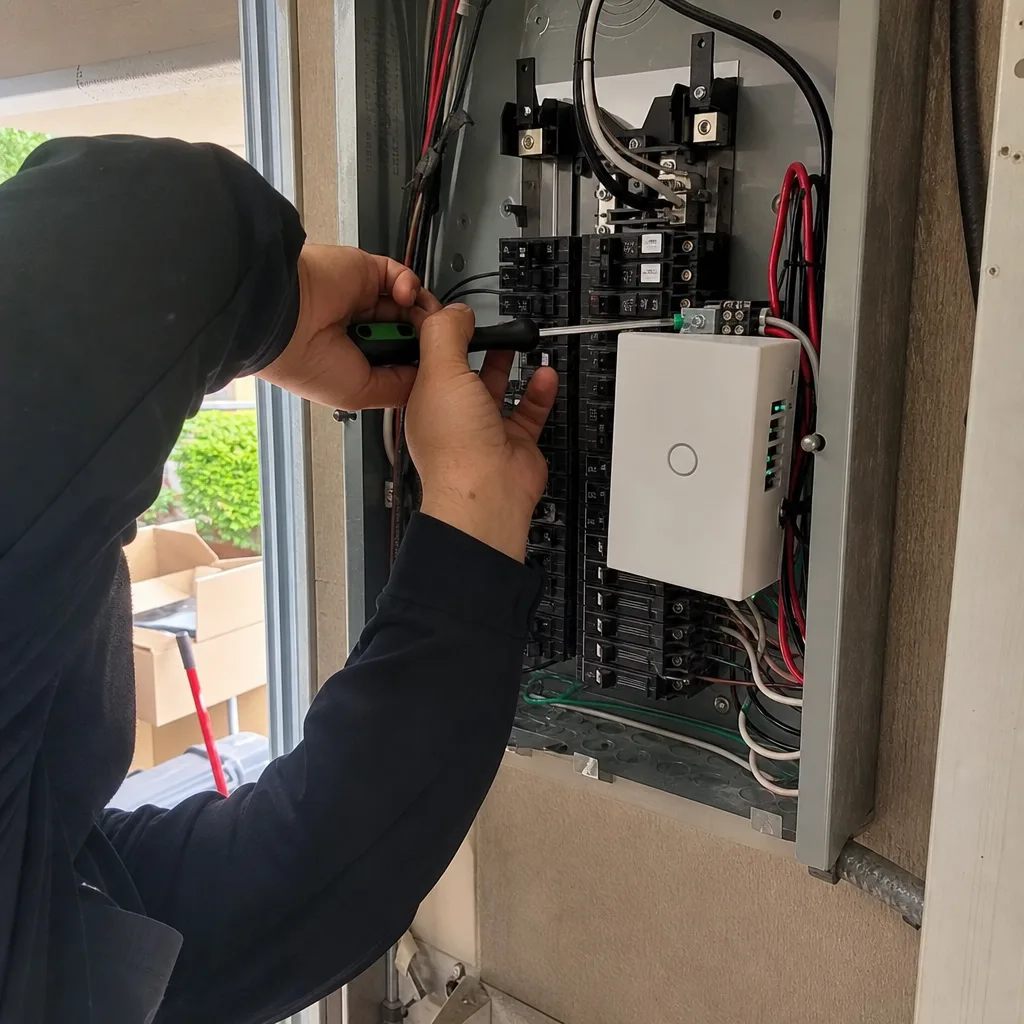
Any installer can fill out a permit form. We design around Big Bear Lake’s actual conditions: 6,752 feet of elevation, 300-plus sunny days, and snow that sits on panels for weeks. That means tilt angles that shed snow without sacrificing winter production, racking rated for alpine loads, and microinverters that keep working when one panel gets buried. We handle the Big Bear Lake permitting process end to end.
Rooftop Solar Installation
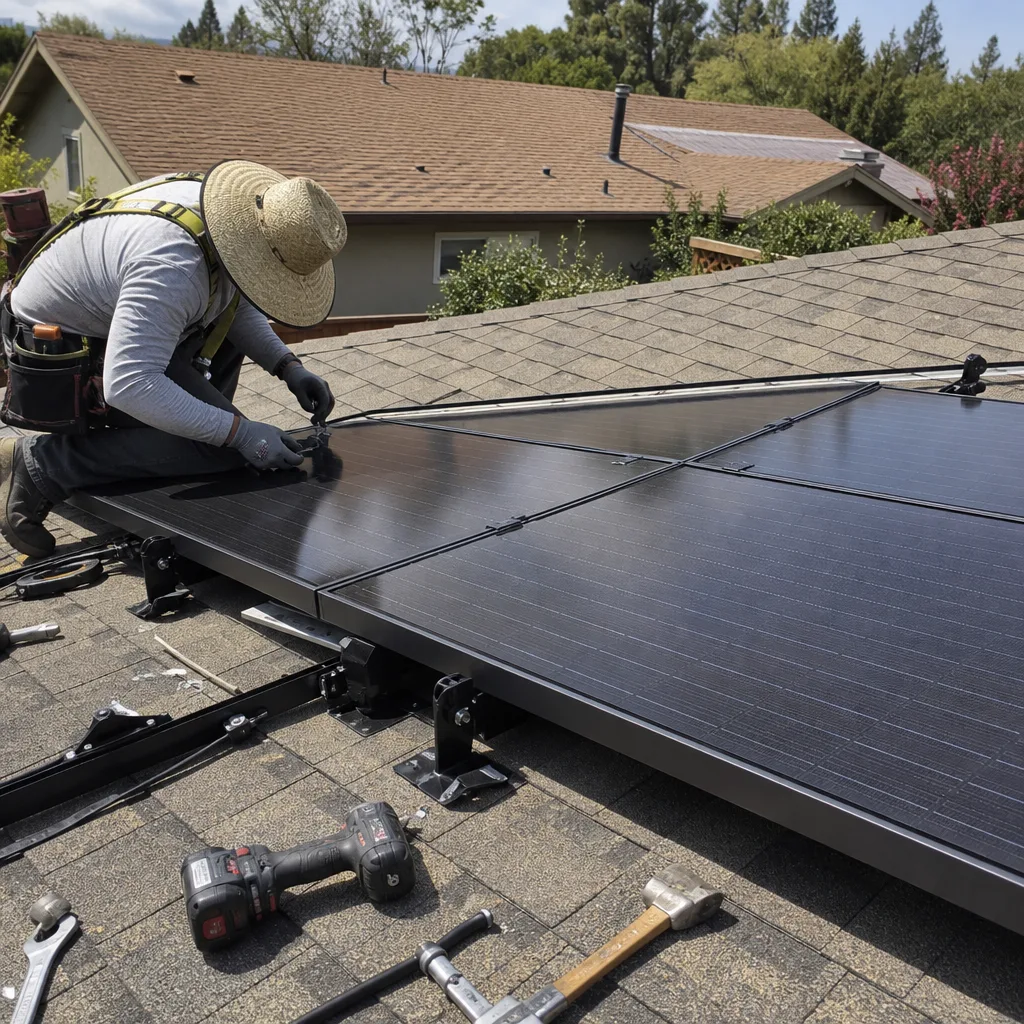
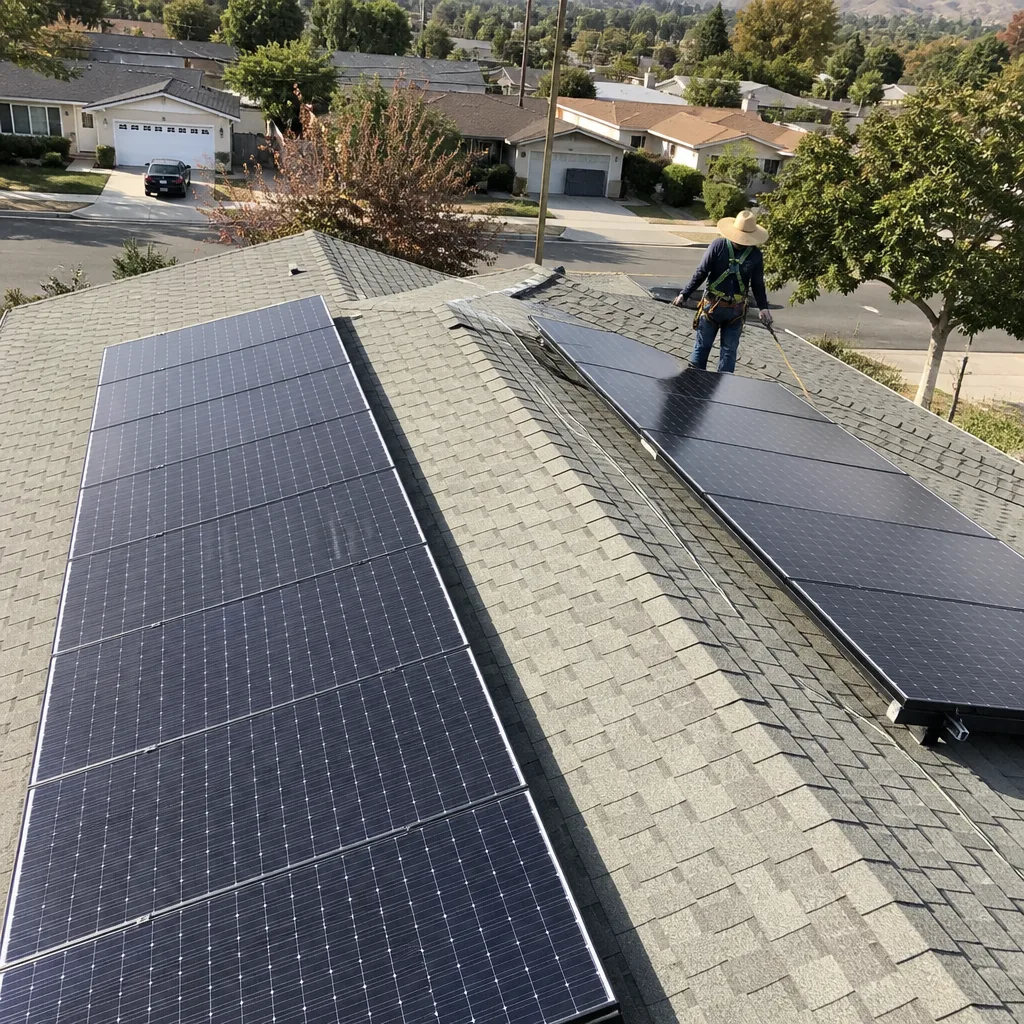
Most Big Bear Lake roofs are steep-pitched A-frames from the 1950s through 1970s. Steep angles help snow slide off, but they demand racking systems rated for alpine conditions, not the standard rails sized for a San Bernardino Valley roof. We use cold-weather sealants rated well below 32°F on every penetration, because freeze-thaw cycling at this elevation will crack standard caulk in a season.
Roof-Mount & Tile Roof Solar
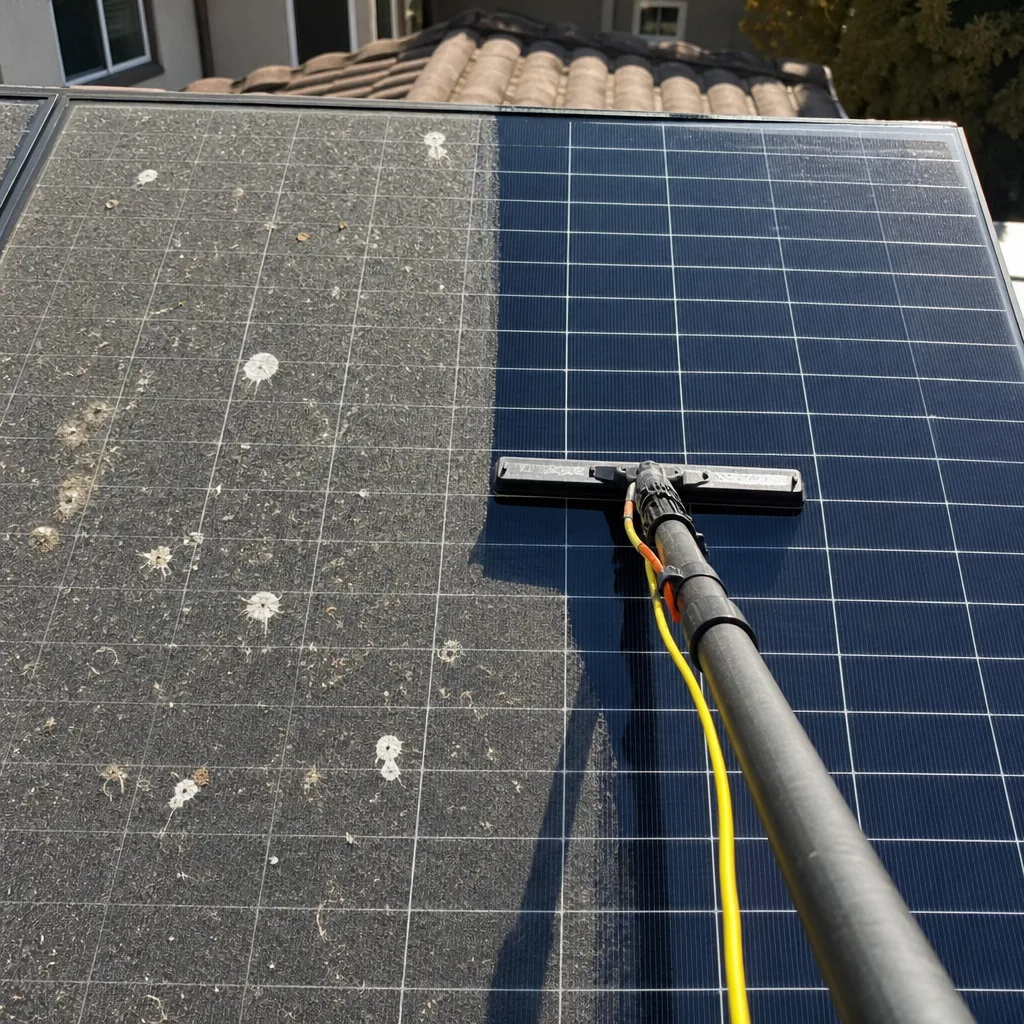
Tile roofs are less common in Big Bear Lake than in the flatlands, but when we see them, the underlayment is usually original and brittle from decades of UV and freeze-thaw stress. We flash every mount properly and re-seal with butyl tape made for sub-freezing installation. No shortcuts on a roof that’s going to carry two feet of snow.
Solar Panel Replacement
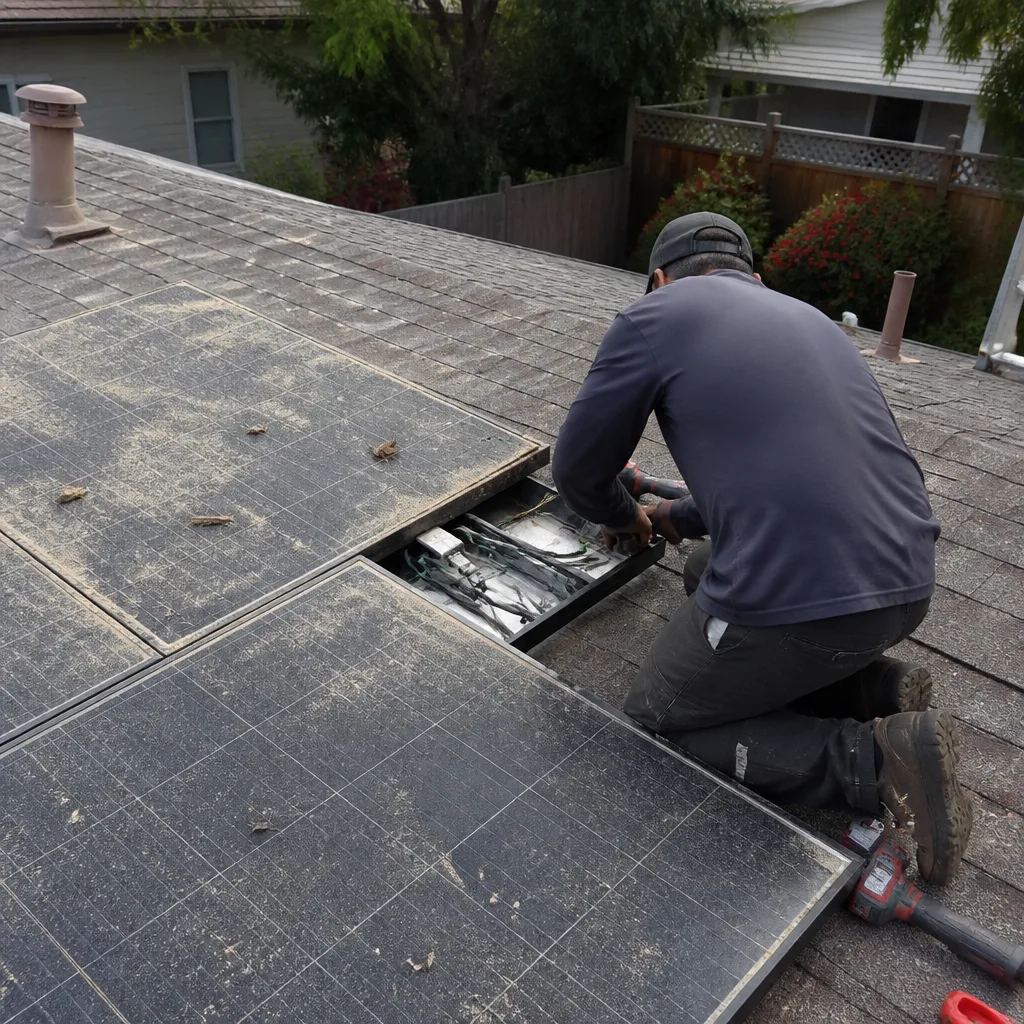
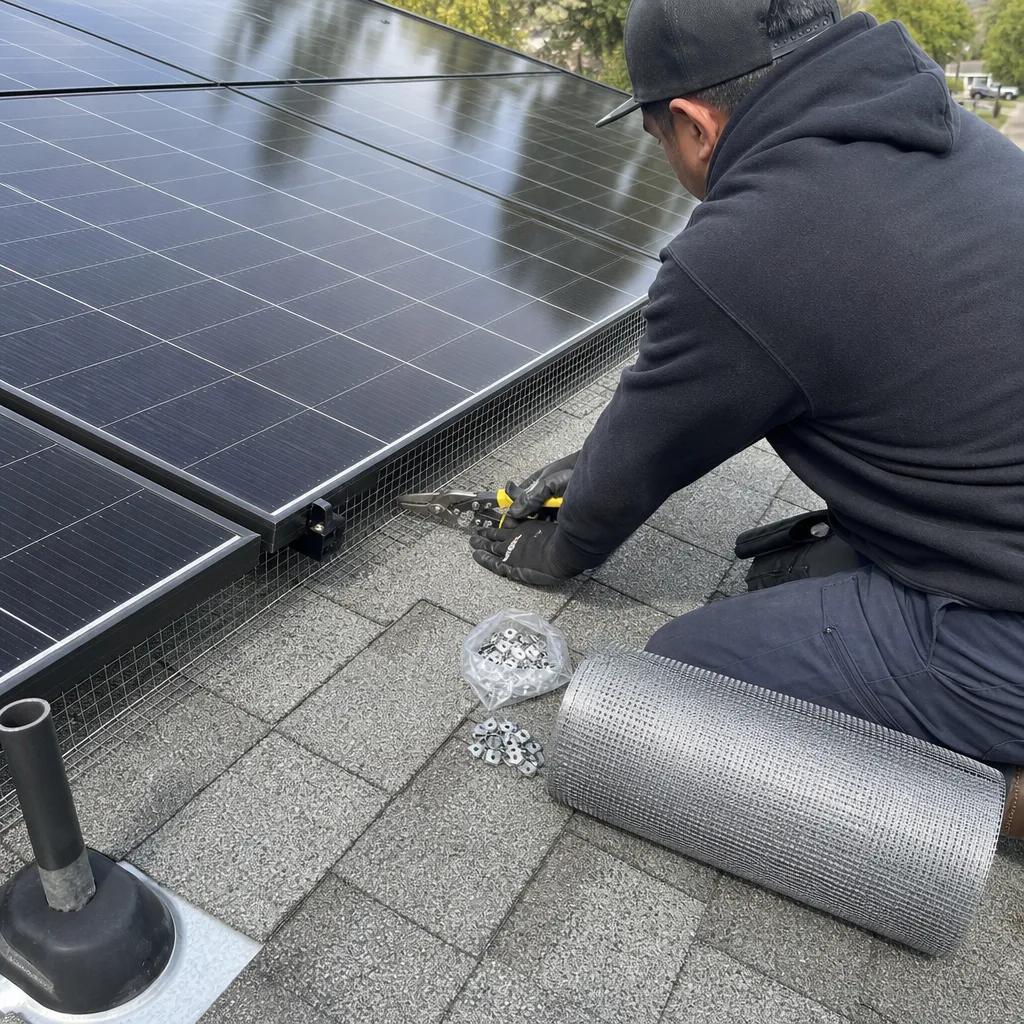
Panels don’t last forever, and Big Bear Lake’s high-UV, high-altitude exposure shortens the calendar on older modules. If your panels were installed a decade ago with valley-grade mounts, we can replace the panels and re-rack the array at the same time. Often the panels are fine; the racking is the problem. We’ll tell you which is which.
Solar Panel Removal & Reinstall
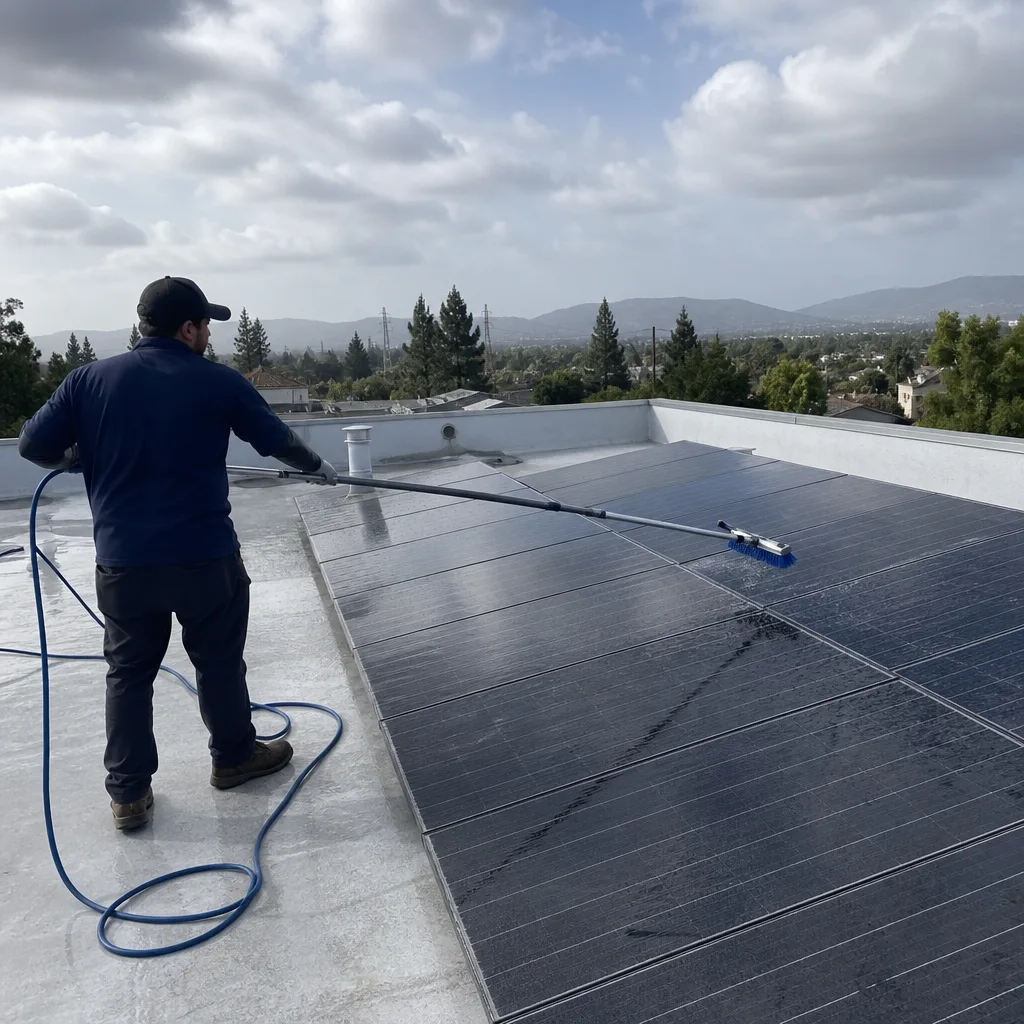
Re-roofing a Big Bear Lake cabin? You need the panels off before the roofers arrive, and back on after the new roof passes inspection. Our crew does removal and reinstall as a stand-alone job, with the same snow-load engineering applied when the array goes back up. This is the time to fix any racking that was undersized from day one.
What happens when you call
- 1
A real person answersNo phone trees - you reach a local pro.
- 2
You get an upfront price rangeHonest numbers before anyone is dispatched.
- 3
A background-checked tech heads outLicensed & insured, dispatched right away.
- 4
You approve before work beginsNothing starts until you say go.
Trusted Brands We Service in Big Bear Lake
We install and service equipment from Panasonic, Canadian Solar, and FranklinWH, among others. More important than the brand name is that the components are matched to Big Bear Lake’s conditions: microinverters that handle partial snow coverage, batteries that hold up through a multi-day SCE mountain circuit outage, and racking that doesn’t bow under a two-foot dump. We stock common parts locally for Big Bear Lake customers, which means faster turnaround when a storm takes something out in January and you need the heat pump running again.
Common Solar Panel Installation Problems We See in Big Bear Lake Homes
- Valley-spec racking failing under snow load. Flatland installers size rails for a 5 lb/sq ft snow load. Big Bear Lake code requires engineering for 60+ lb/sq ft. We’ve seen arrays bowing, mounts pulling out, and panels dangling after a single heavy winter. If your system was installed by a company that doesn’t normally work at altitude, get it inspected before ski season.
- Freeze-thaw cracking on roof penetrations. Standard caulk rated for 40°F minimum installation temperature will crack and separate after one Big Bear Lake winter. Water finds its way in, rots the sheathing around the mount, and you don’t notice until the ceiling stains appear. We use cold-weather butyl tape and sealants rated for sub-freezing application on every penetration.
- Undersized battery storage for mountain outages. A solar array without storage is a daytime power source, not a backup. When SCE’s mountain circuits go down during a winter storm, your panels aren’t producing at night and your heat pump and well pump are dead. We size battery banks for multi-day outages, not for valley brownout scares.
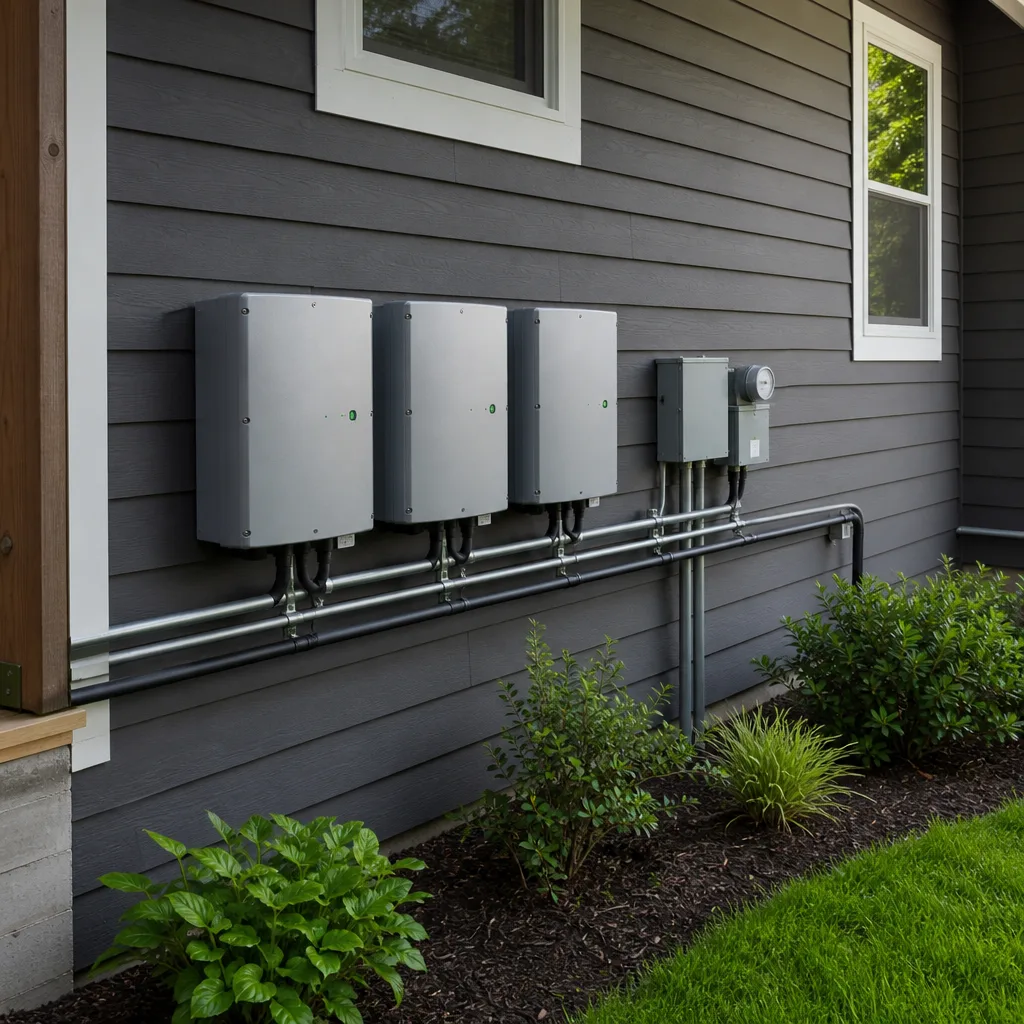
- Inverters placed in unconditioned spaces. String inverters mounted on an exterior north wall will struggle in Big Bear Lake’s January cold. Microinverters mounted under the panels handle the temperature swings better, and they keep producing even when one panel is snow-covered. We see a lot of failed central inverters up here; the cold is harder on electronics than people think.
Pricing for Solar Panel Installation in Big Bear Lake, CA
Here are straight numbers for Big Bear Lake, not “it depends” hedging:
- Full rooftop solar installation (6 kW): $18,400-$22,900 before the federal tax credit
- Full rooftop solar installation (10 kW): $28,700-$34,600 before the federal tax credit
- Alpine-rated racking upgrade on existing array: $2,800-$5,400 depending on roof pitch and array size
- Solar panel removal and reinstall for re-roof: $2,200-$4,100
- Battery storage add-on (10-13 kWh): $9,500-$14,800 installed
- Inverter replacement (string to microinverters): $3,400-$6,200
What moves the price in Big Bear Lake specifically: roof pitch (steeper costs more in labor and fall protection), snow-load engineering requirements, and whether the existing electrical panel can handle the new circuits. We quote from your actual SCE bill, and we’ll tell you if a smaller system gets you to the same place. Free estimates, no signature wanted tonight. Call (877) 550-6892. A Senior and Veteran 10% discount never expires.
We Also Serve Cities Near Big Bear Lake
Our crew works throughout the San Bernardino Mountains and the foothills below. If you’re in Big Bear Lake, Big Bear City, Lucerne Valley, Mentone, or Yucaipa, we’ll come out and give you the same straight numbers. Same crew, same warranty, same owner answering the phone.
Serving Big Bear Lake, CA - Our Local Coverage Area
We’re based in the Big Bear Lake area and know this community well. Use the map below to see our service coverage - if you’re nearby, we can almost certainly help.
FAQs - Solar Panel Installation in Big Bear Lake
Big Bear Lake is served by SCE on the same net metering structure as the valley, but the dollar value of your export is different because of how mountain circuit distribution costs are applied and the seasonal pattern of your usage. Winter days are short, snow covers panels for stretches, and the heat pump runs constantly, so you export far less than a valley home with the same array. We build your estimate off your actual 12-month SCE usage, not a generic production calculator. Call (877) 550-6892 and bring a bill. We’ll do the math.
Big Bear Lake is in a ground snow load zone of 60+ pounds per square foot, which is roughly four to six times what flatland San Bernardino Valley installers design for. The racking system, the roof attachments, and the roof structure itself all need to be engineered for that load plus a safety factor. Many existing arrays in Big Bear Lake were installed with valley-grade racking and are quietly failing. We inspect before we quote, and we tell you if your existing racking is a problem.
Microinverters are the clear choice for Big Bear Lake. When part of your array is buried under snow or shaded by pines, a central string inverter drops the whole array’s output to the weakest panel. Microinverters isolate each panel, so the uncovered ones keep producing at full output. They also handle the extreme temperature swings better than a wall-mounted string inverter exposed to January cold.
Short-term rentals in Big Bear Lake need battery storage sized for guest occupancy, not just owner weekends. A full cabin of renters running a heat pump, hot tub, and well pump through a winter outage is a very different load than a quiet weekday. We design for the worst-case ski-season scenario: full occupancy, multi-day outage, panels partially snow-covered. That’s what keeps your rental bookable and your reviews clean.
Panels actually produce more at Big Bear Lake’s elevation. Thinner air means less atmospheric scattering, so more sun reaches the array. Cold temperatures reduce electrical resistance in the cells, boosting voltage. The catch: snow reflects additional light onto tilted panels, so a clear winter day up here can produce output spikes that valley systems never see. Your inverter and wiring need to be sized for that, not for valley conditions. This is one reason a generic quote doesn’t work up here.
The Big Bear Lake Snow-Load Reality Nobody Talks About
At 6,752 feet, Big Bear Lake has some of the highest solar irradiance in Southern California. Thin air, less atmosphere, more UV. Panels up here produce more per rated watt than the same panel in Redlands or Rialto on a clear day. But the same altitude that boosts production also buries the array under two feet of Sierra-style snow in a single storm. Those two realities pull in opposite directions, and most installers only design for one of them. Valley crews chase the sun and ignore the snow. We design for both, because we’ve seen what happens when you don’t.
We recently replaced a failed 2008 string inverter on a 1972 A-frame on Thrush Drive, where the original roof-mount racking had been sized for a valley snow load and was bowing under last winter’s two-foot dump. Our crew swapped in Enphase microinverters, re-racked with alpine-rated rails, and re-sealed every roof penetration with cold-weather butyl tape so the owner’s short-term rental wouldn’t lose power during the next ski-season outage. That’s the difference between a quote that looks good in July and a system that works in February.
Big Bear Lake also sits above the marine-layer inversion that blankets the valley most of the year. Over 300 sunny days annually, clear high-UV conditions. But the SCE mountain circuits are vulnerable. Winter storms knock out power for days at a time, and when the power goes out, a solar array without storage is just glass on a roof. Battery sizing for mountain outages is the part most installers get wrong. We size for the weekend your heat pump has to run, your well pump has to run, and your renters are still in the cabin.
What to Check Before You Sign Anything
If you’re already talking to another installer about Solar Panel Installation in Big Bear Lake, ask three questions. One: what snow load did you engineer this array for? If they hesitate, walk. Two: what’s the year-25 output number, not the day-one number? If they won’t put it in writing, walk. Three: who answers the phone in February when the system goes down? If it’s a call center three states away, you already know how that story ends.
Gus Petrakis answers his own phone. 24/7. The number is (877) 550-6892. Take two weeks. Think about it. The price will be the same.
Written by Gus Petrakis, Owner at Gus’s Solar, serving Big Bear Lake with solar installation designed for mountain conditions since 2011.