
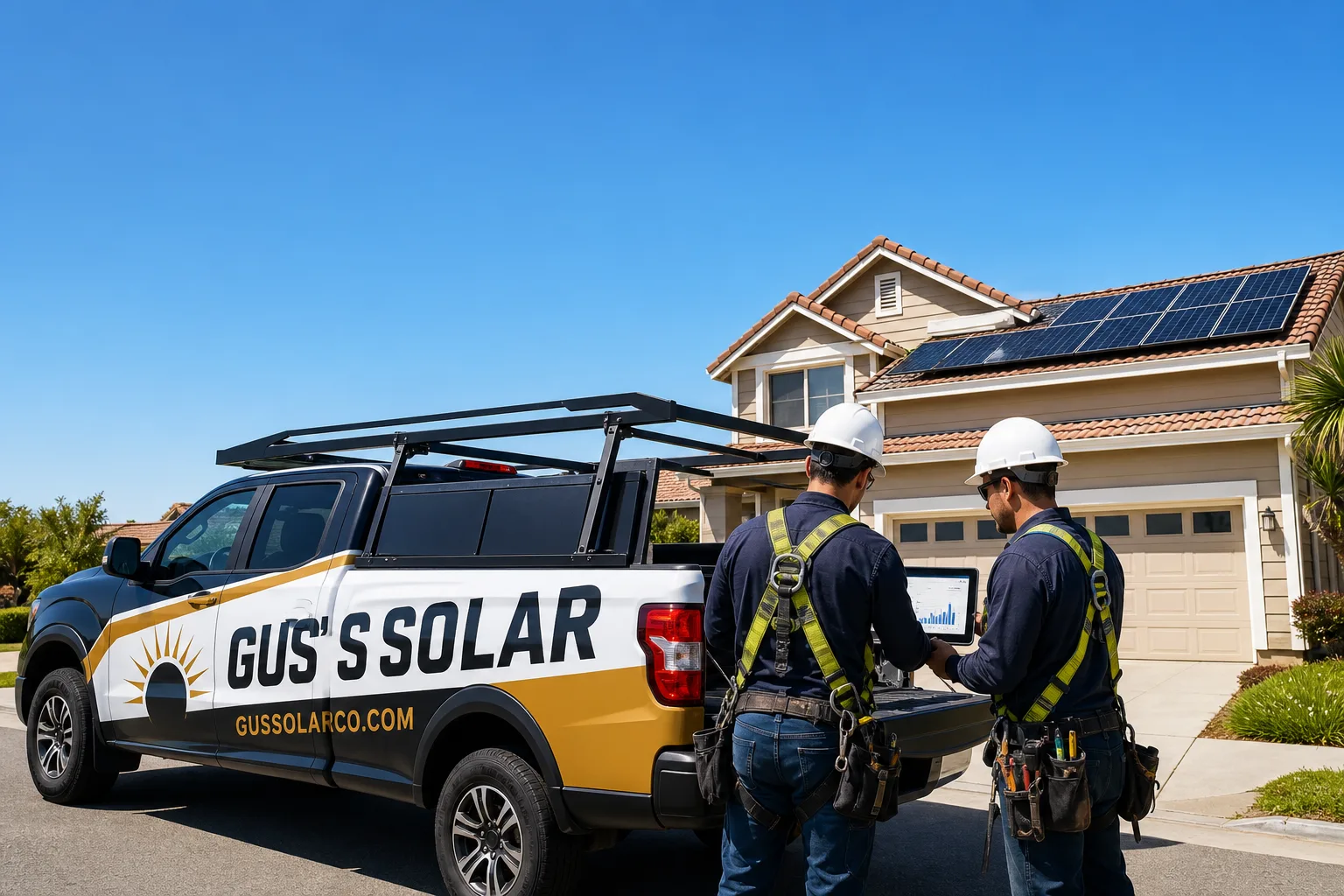
Free bill analysis - bring a power bill, get the production math for your actual roof, panel brands like Qcells and REC compared side by side
If the pitch starts at your door and ends with "sign tonight for the special," sleep on it. The sun will still be there tomorrow; so will we.
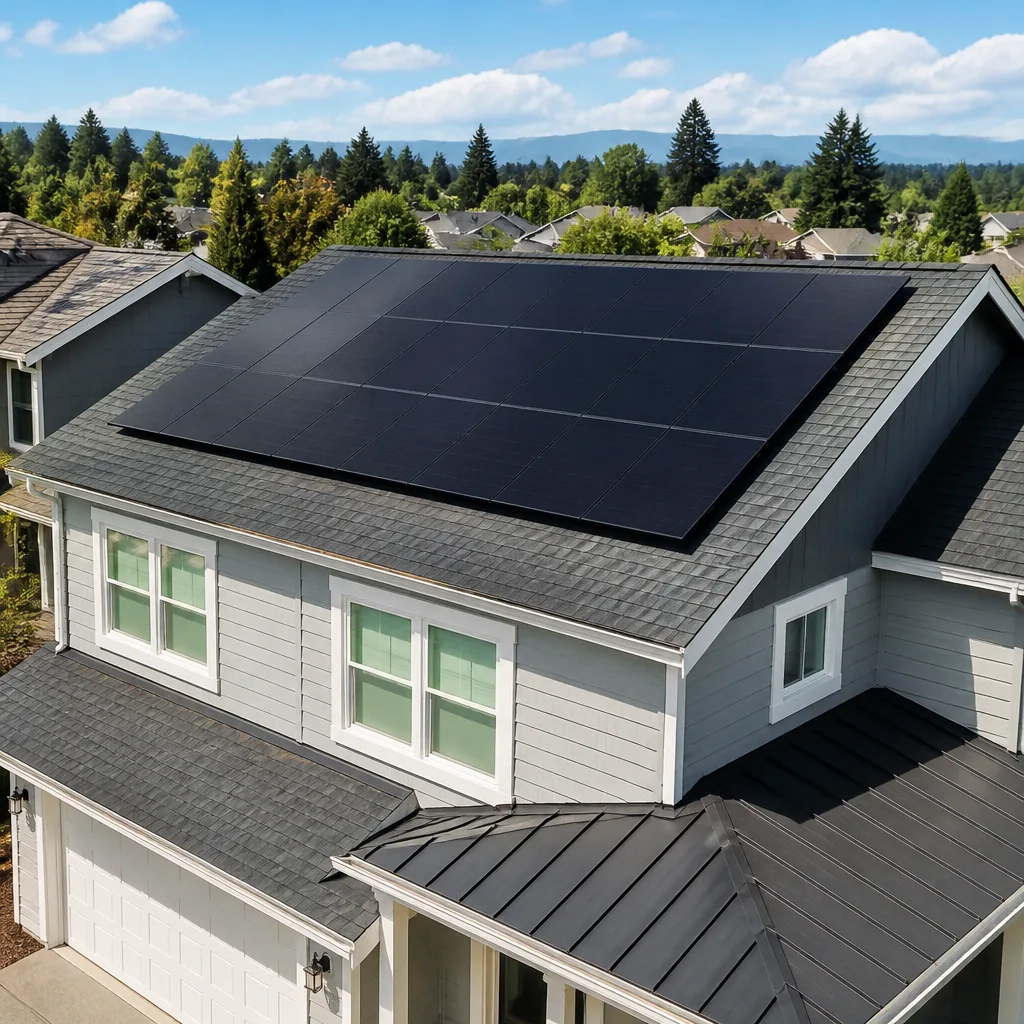
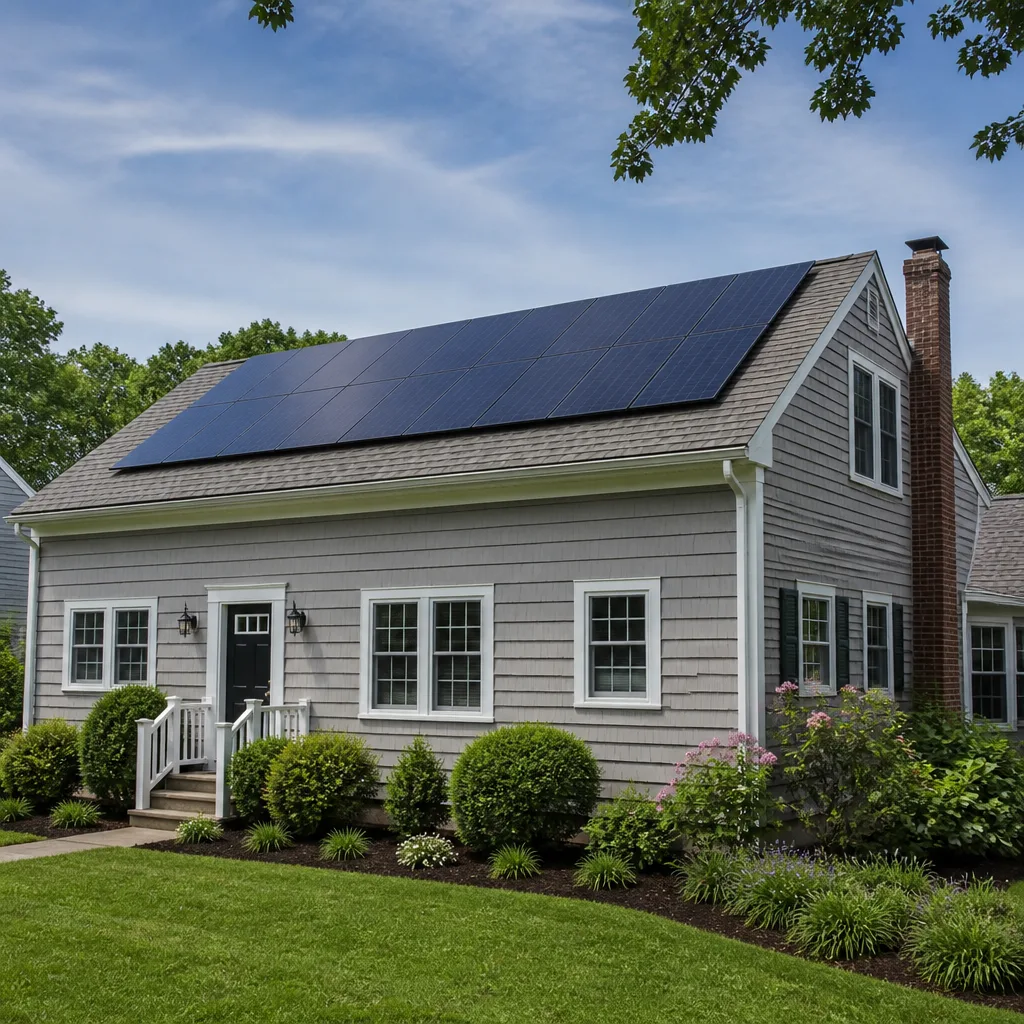
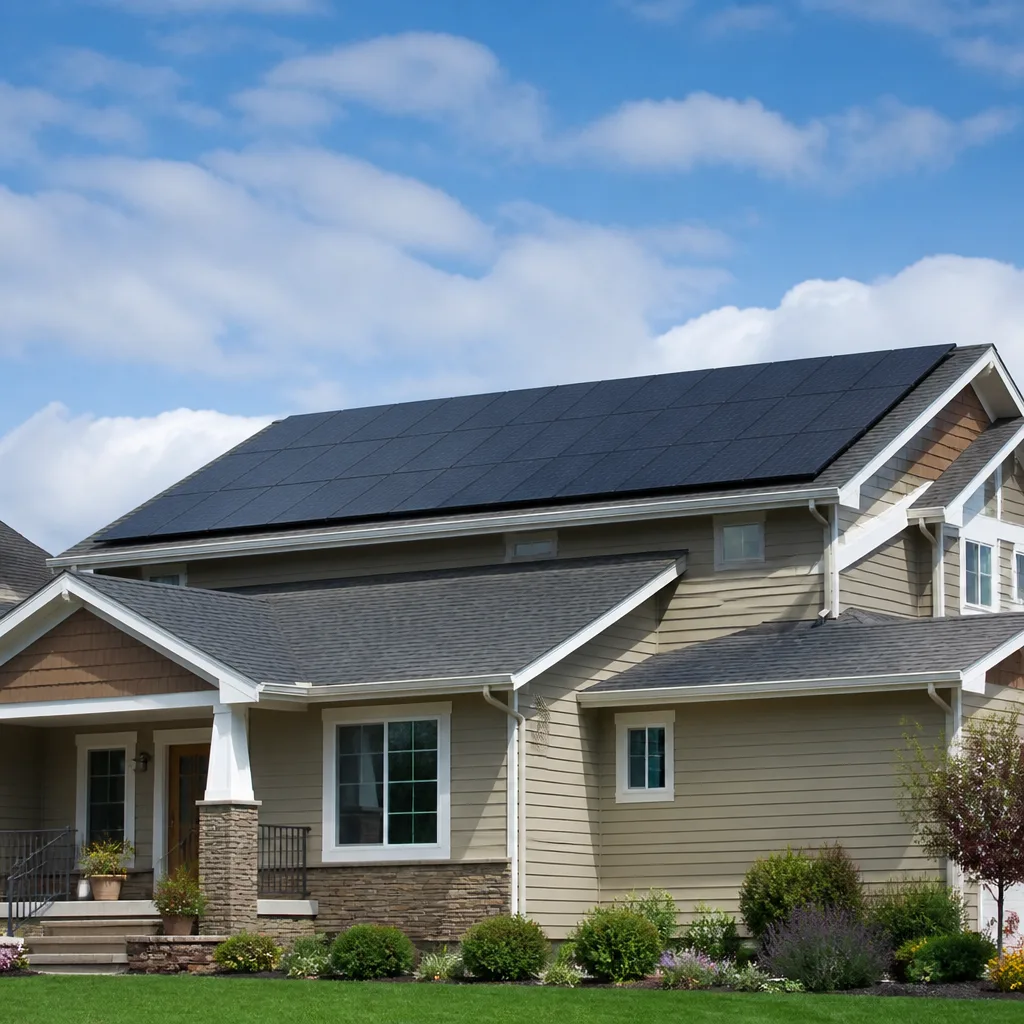
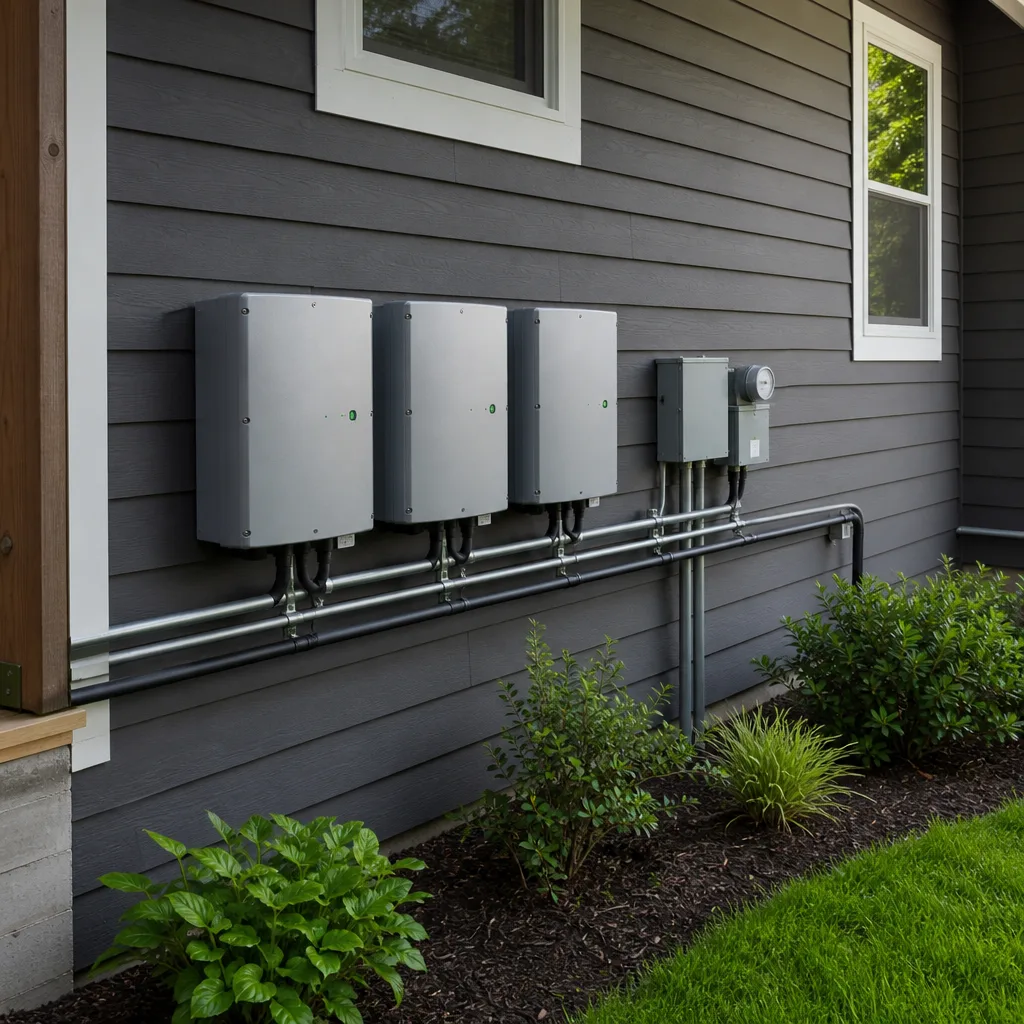
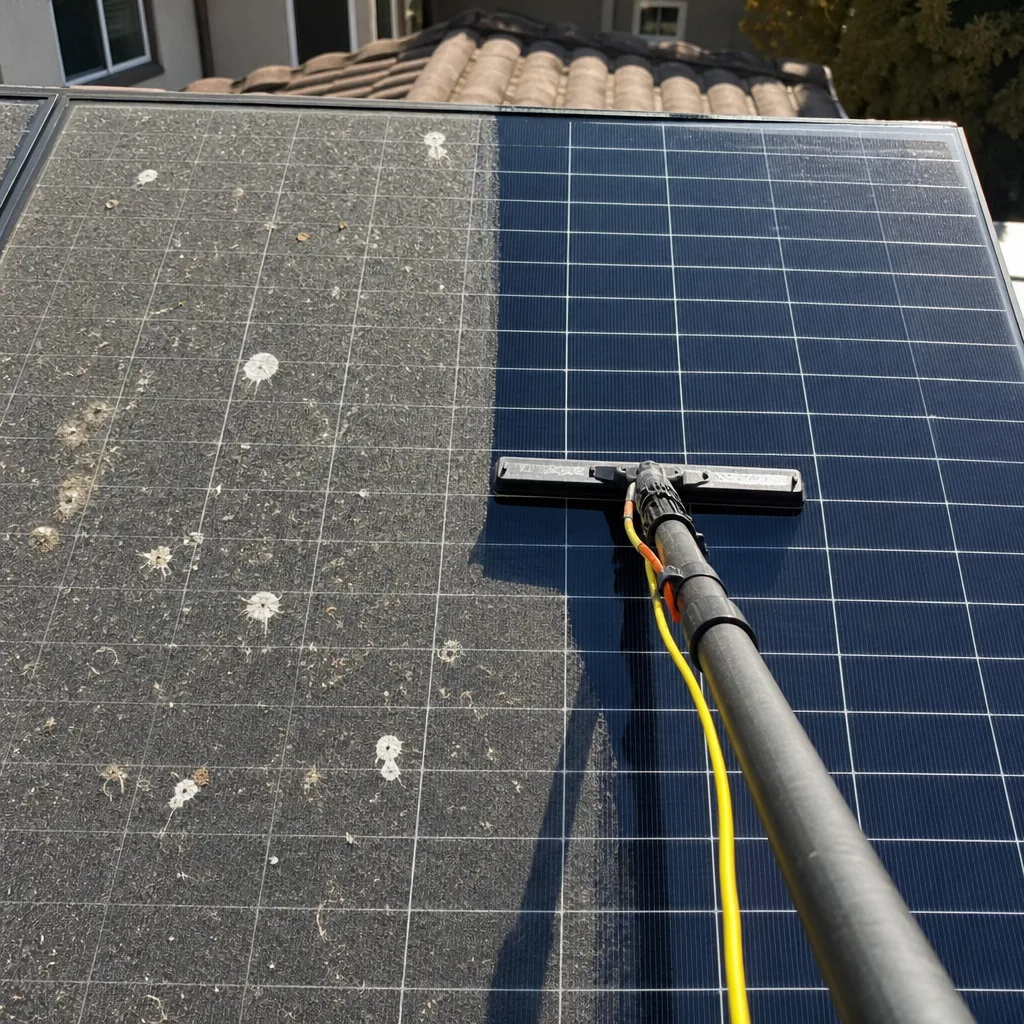
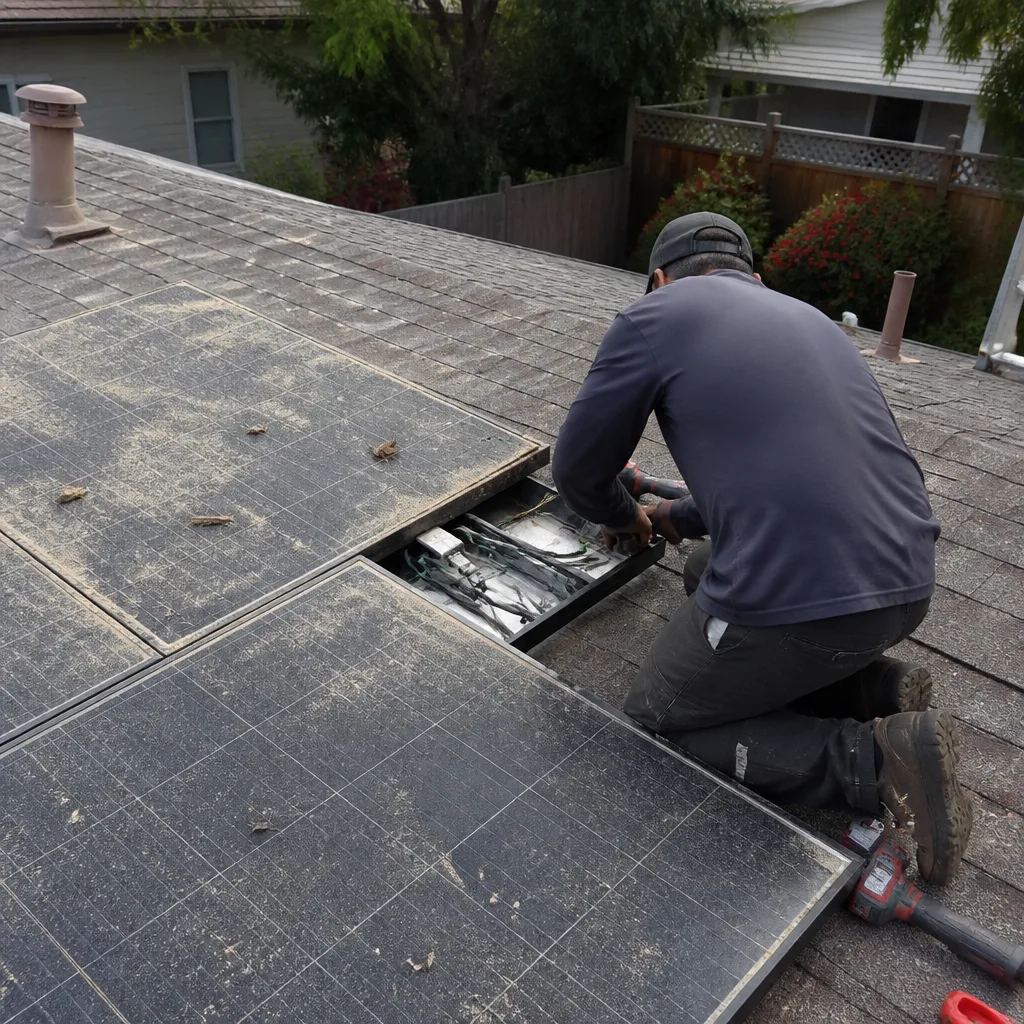 Before
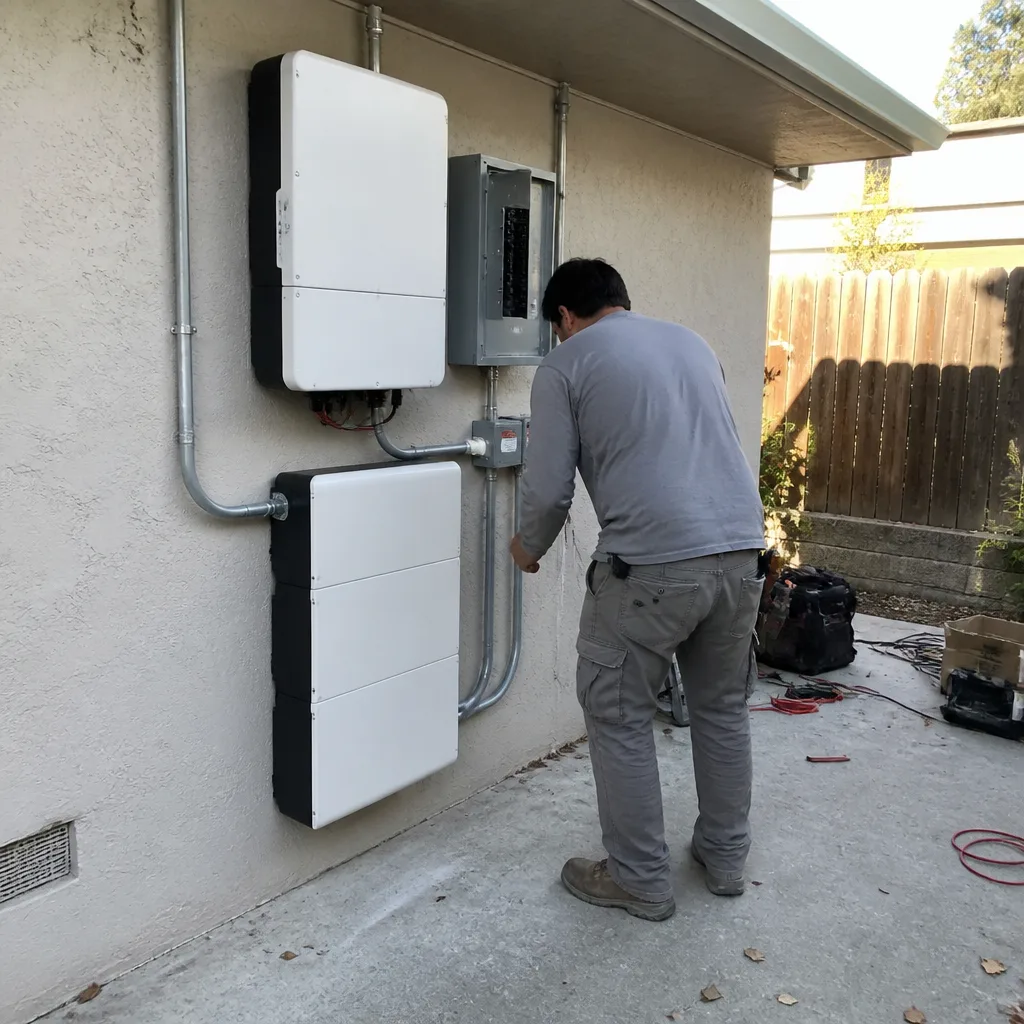 After
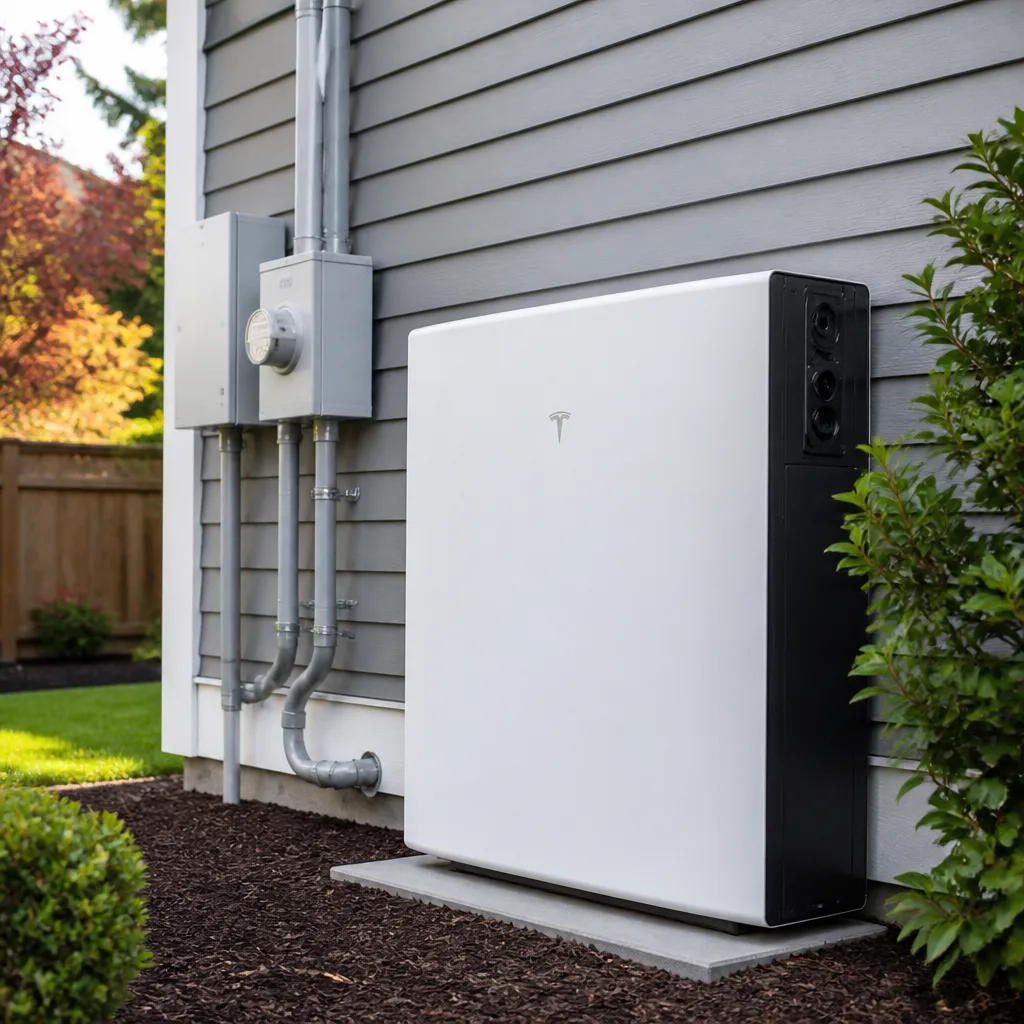
After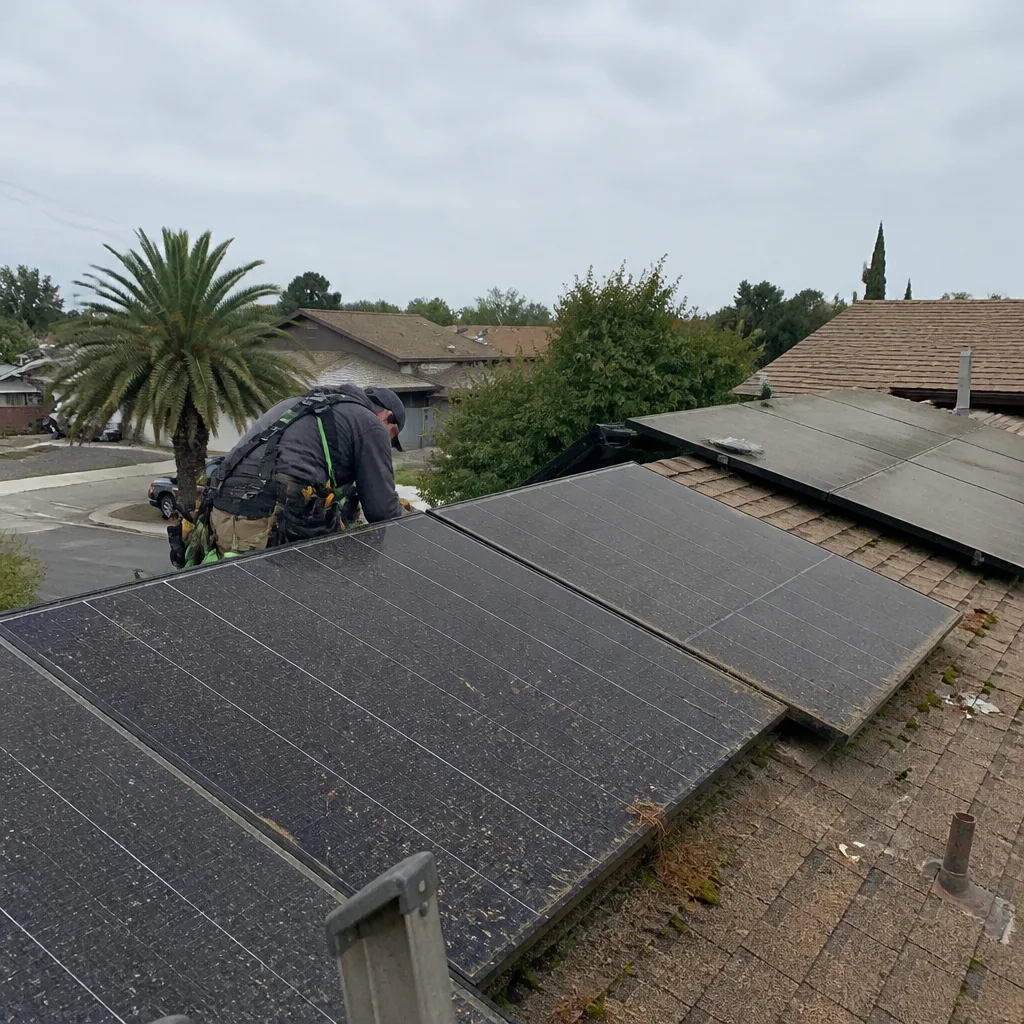 Before
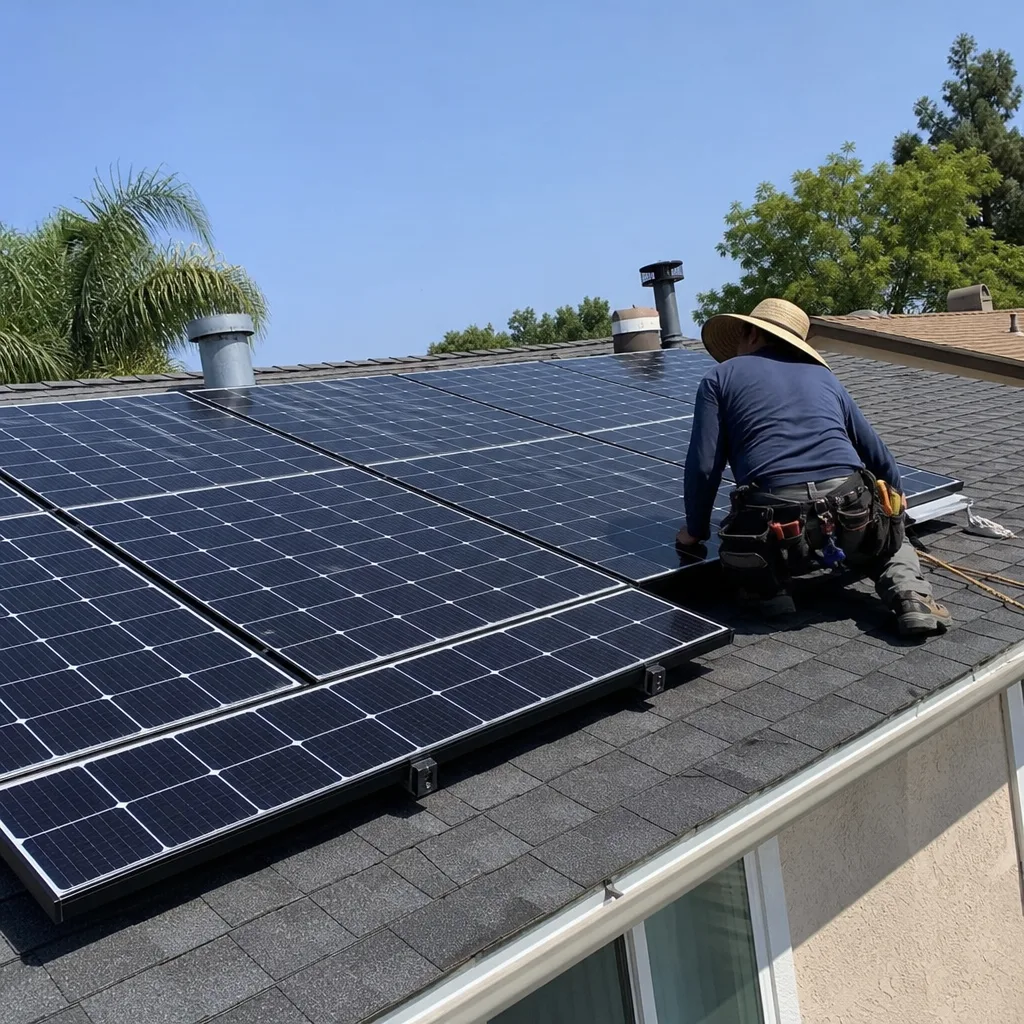 After
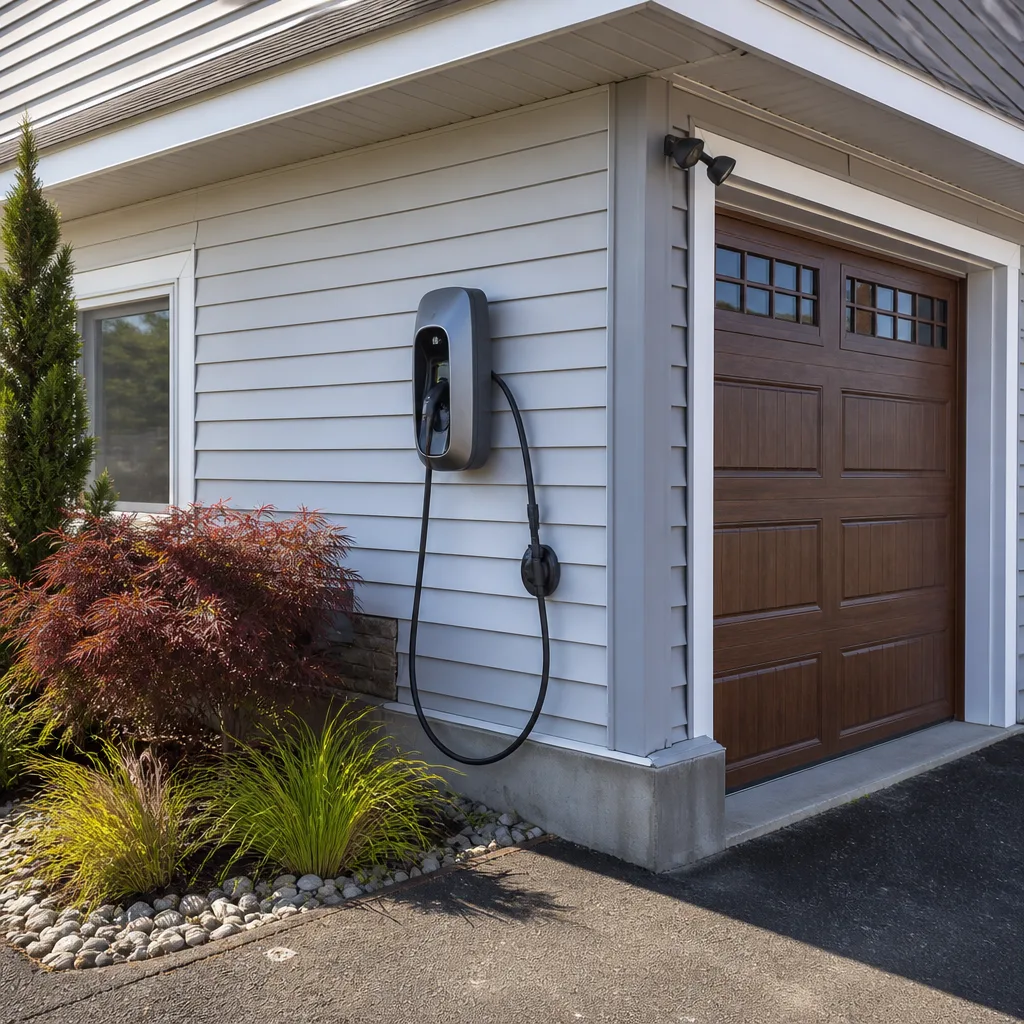
After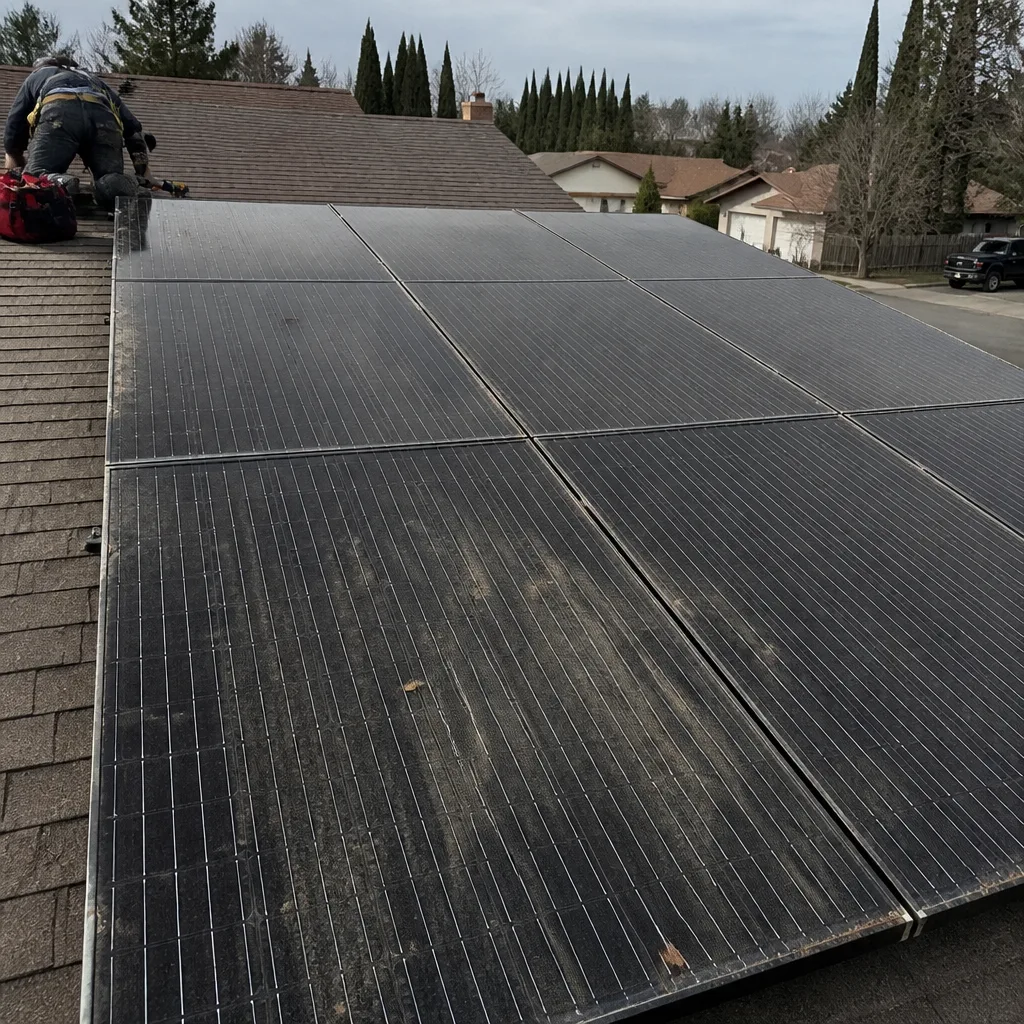 Before
 After
AfterFast, Reliable Solar Panel Cleaning Across Tamalpais-Homestead Valley
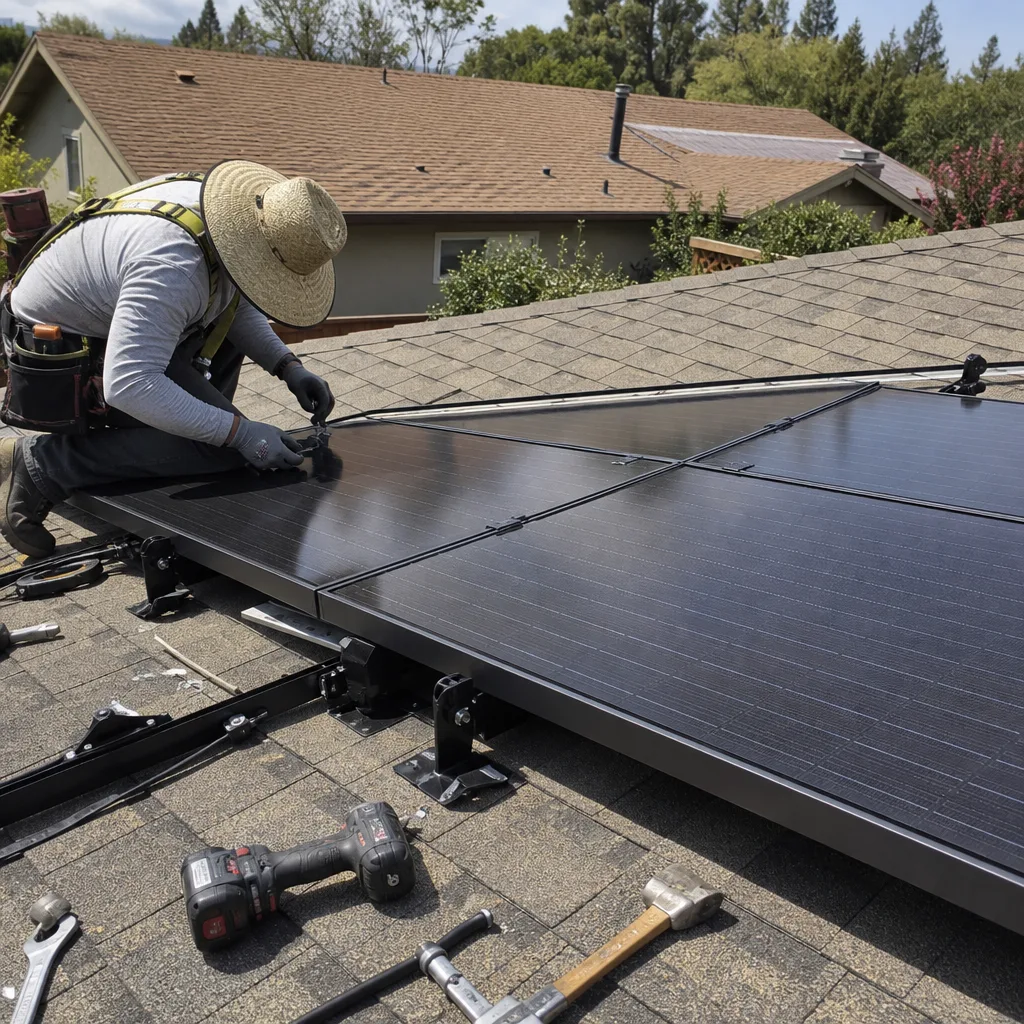
Solar panel cleaning in Tamalpais-Homestead Valley usually runs $180-$340 for a typical residential array, and most jobs wrap up in under two hours. If your panels sit under redwoods or catch the morning fog line off Mount Tam, you’re likely losing 10-15% of your production to soiling right now. We’ve been working on these hillside roofs for years, and we know what builds up on them. Call (877) 550-6892 and Gus’s crew will come out, scrub the glass clean, and show you the before-and-after output numbers.
Tamalpais-Homestead Valley is not an easy place to keep panels clean. The marine layer that rolls over from Stinson Beach settles into these canyons and holds moisture against your roof for hours. Redwood duff, Douglas fir needles, bay laurel pollen, and the fine grit that blows up off Panoramic Highway all stick to that damp glass. What starts as a thin film turns into a crusted layer within a season. That is why we treat cleaning here as a real maintenance task, not a rinse-and-go.
We’re a locally owned crew led by Gus Petrakis, and our Solar Panel Cleaning team handles everything from basic glass washing to full debris removal and critter guard retrofits. We answer our own phone, we show up when we say we will, and we do not subcontract the work out to a crew you’ve never met. That matters when someone has to climb a ladder on a steep Marin hillside lot.
Why Gus’s Solar Is Tamalpais-Homestead Valley’s Preferred Solar Panel Cleaning Company
Folks around here have been burned before. They bought a system from an out-of-state outfit, the salesperson vanished, and now nobody returns calls about maintenance. Gus’s Solar runs differently. Gus Petrakis puts his name on the truck and on the work. He founded the company in 2011, and the 90-Day Done Right Promise is in writing on every job: if it’s not done right, Gus makes it right. One call brings him back.
We live in the same fog line you do. We know that homes off Homestead Boulevard and along Miller Avenue catch different wind patterns than the flats near Reed School. We know that a 1960s wood-shake roof with limited south exposure means panel placement was already tight, which makes every percentage point of production loss from dirt more expensive. Our crew has cleaned arrays on redwood-sided cottages, mid-century frame homes, and the occasional newer build tucked into a canyon pocket. We understand what debris accumulates where, and we bring the right brushes, soft-water systems, and biodegradable cleaners for the job.
Calls are answered by a live person 24/7. Not a voicemail tree, not a call center three states away. If you call at 7 a.m. on a Sunday because a branch came down on your array after a storm, a real human picks up. That is the standard Gus set from day one, and we have not lowered it.
Our Solar Panel Cleaning Services in Tamalpais-Homestead Valley
Residential Panel Cleaning
For most homes in Tamalpais-Homestead Valley, a full residential cleaning takes 60-90 minutes and runs $180-$280 depending on roof pitch and array size. We use filtered soft water, not hard tap water that leaves mineral streaks, and a low-pressure wash that will not damage panel coatings or void your warranty. After we finish, we send you a short report with production notes and any observations about soiling patterns on your specific roof.
Commercial Array Cleaning
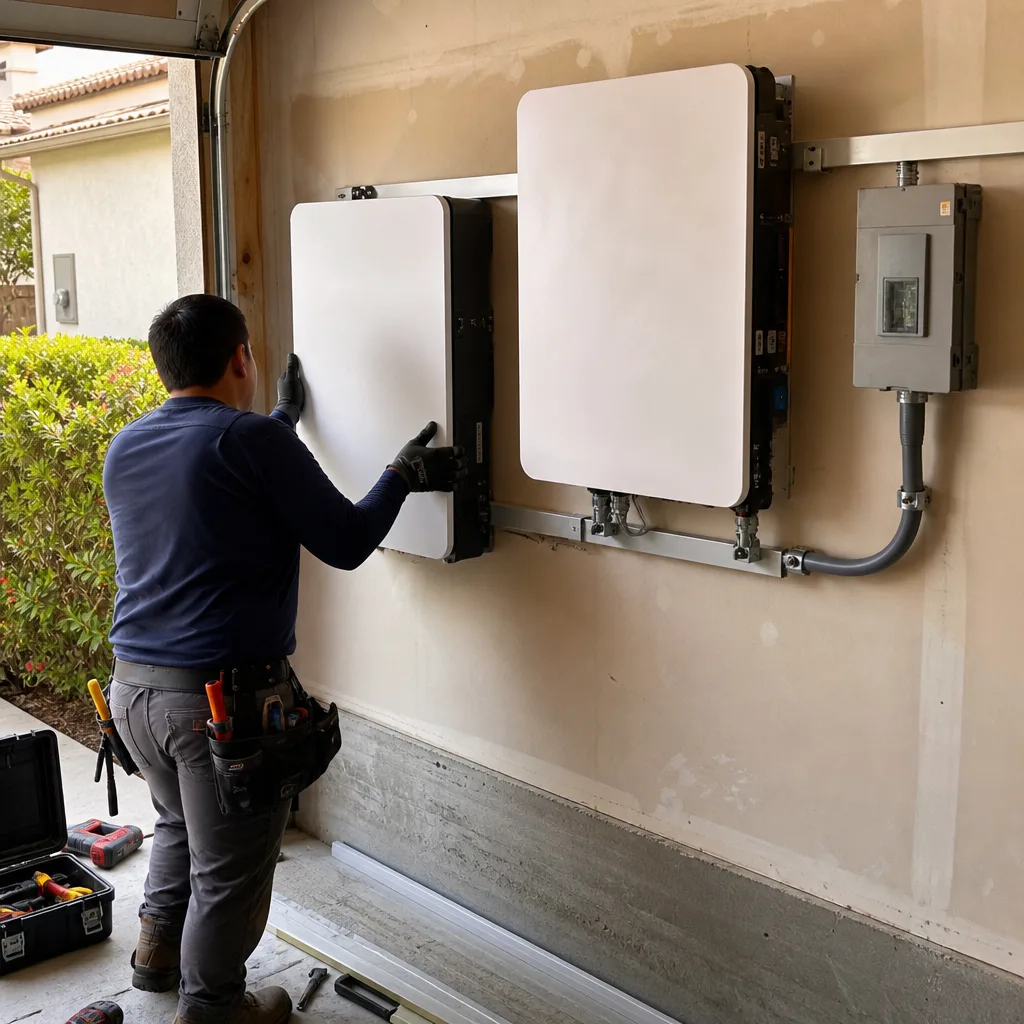
Small commercial arrays in Tamalpais-Homestead Valley, like the ones on apartment buildings along Highway 1 and on local business roofs near the Mill Valley border, usually run $400-$750 per visit depending on panel count and access. Gus’s crew handles these with the same care as residential work, and we schedule around your operating hours so we are not blocking parking or making noise during business times. We can also set up a recurring quarterly or biannual plan so the arrays stay clean through fog season and summer dust.
Bird & Critter Guard Installation
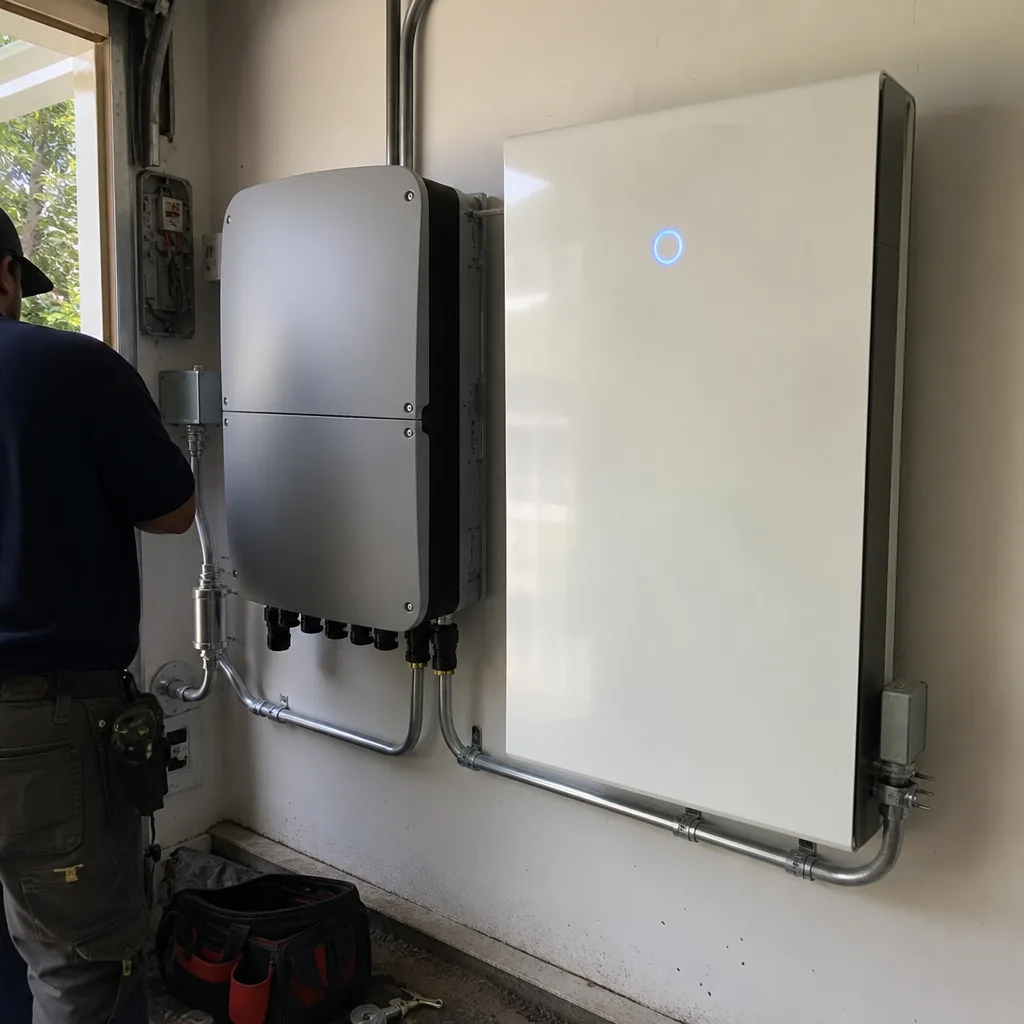
This is one of our most requested services in Tamalpais-Homestead Valley, and it makes sense when you look at the terrain. Steep canyon lots with mature trees create exactly the sheltered, elevated spaces pigeons and rodents look for. Birds nest under the panels, droppings bake onto the glass, and squirrels chew through wiring. We install mesh guard systems around the array perimeter that keep animals out without trapping them. Typical pricing for a residential critter guard retrofit runs $350-$600, but the cost of one chewed microinverter cable will outstrip that quickly. If you already hear scratching under the array or see nesting material along the edges, call us before the damage spreads.
Debris & Soiling Removal
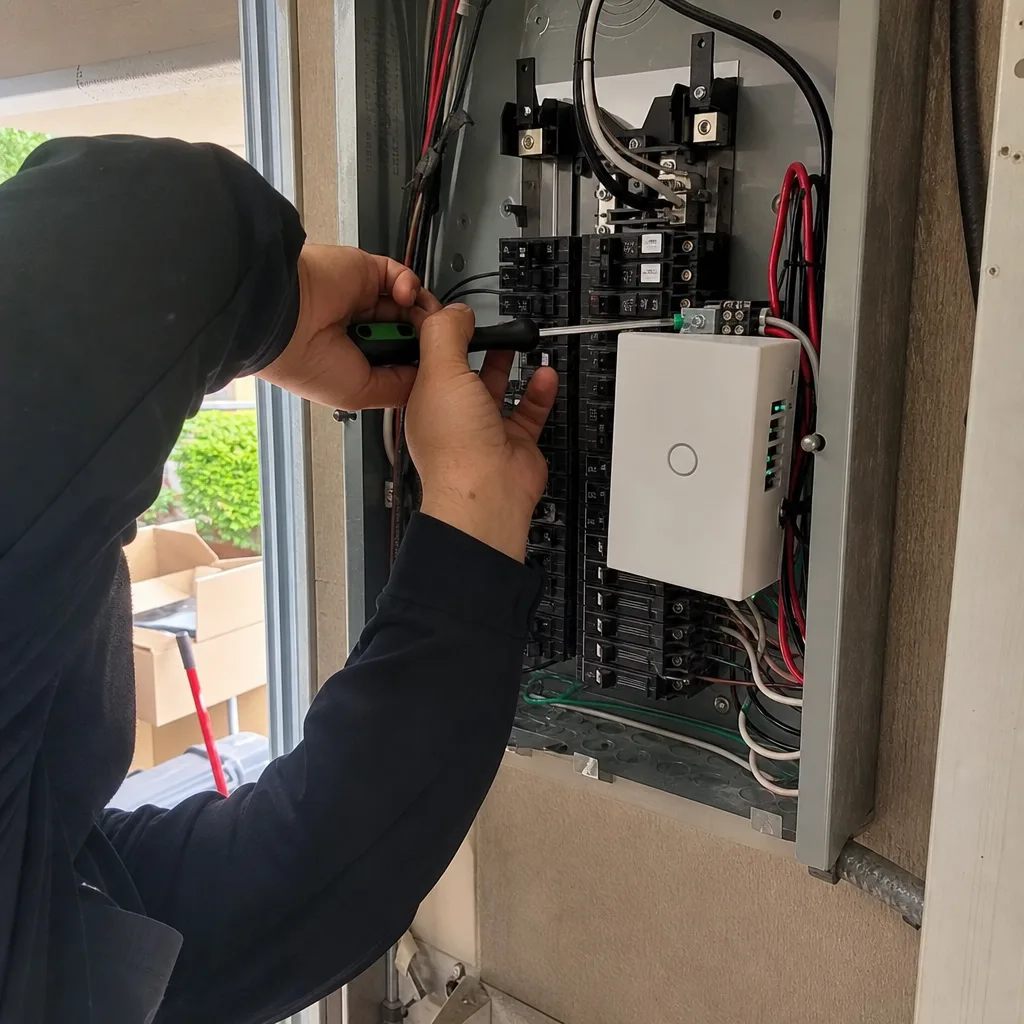
Redwood duff is the biggest culprit here. It collects in the valleys between panel rows, holds moisture, and creates a hot, acidic microclimate that accelerates soiling. We remove accumulated leaves, needles, and branches by hand before washing, because you cannot wash through a mat of wet duff and get clean glass underneath. This service typically runs $120-$200 when bundled with a cleaning. If you have not cleared the array in over a year, expect this to be part of the job.
We also offer Post-Storm Panel Cleaning and Scheduled Cleaning Plans for homeowners who want us to come back on a set cadence without having to remember to call. Given the fog cycles and tree cover in Tamalpais-Homestead Valley, twice a year is the minimum we recommend for most roofs.
What happens when you call
- 1
A real person answersNo phone trees - you reach a local pro.
- 2
You get an upfront price rangeHonest numbers before anyone is dispatched.
- 3
A background-checked tech heads outLicensed & insured, dispatched right away.
- 4
You approve before work beginsNothing starts until you say go.
Trusted Brands We Service in Tamalpais-Homestead Valley
We clean and maintain systems built on SunPower, Panasonic, Qcells, REC, Enphase, SolarEdge, and Tesla hardware, among others. Because we also install and repair these brands, our crew knows the cleaning requirements for each panel type and coating. A SunPower Maxeon has a different surface treatment than a standard Qcells module, and using the wrong brush or chemical can leave micro-scratches that reduce output permanently. We stock the right tools and compatible cleaning agents for every major brand. You do not need to explain what equipment you have; we will look it up before we come out.
Common Solar Panel Cleaning Problems We See in Tamalpais-Homestead Valley Homes
- Fog-cemented pollen and redwood sap film. The marine layer rolls in from Muir Beach and Stinson Beach, dampens the panels, and then the summer heat bakes the pollen and sap into a hard film. We see 10-15% production loss from this within one season, and a standard hose-down will not remove it. You need a soft-water rinse with a biodegradable surfactant.
- Pigeon and squirrel activity under arrays. Steep lots with dense canopy give animals permanent shelter. We regularly pull nests out from under panels and find chewed wiring at the junction boxes. If you hear scratching or see droppings on the roof below your array, that is a critter problem, not just a cleaning problem. Guard installation stops it permanently.
- Fire-code access pathways blocked by debris. Tamalpais-Homestead Valley sits entirely within Marin County’s Very High Fire Hazard Severity Zone. California fire code requires a 3-foot clear path along roof ridges and edges. When leaves, branches, and duff pile up around the array, we have to clear that vegetation before we can even safely reach the panels. That is part of what we do, and it is a fire-safety compliance task, not an upsell.
- Output loss from shaded, space-limited roofs. Many homes in Tamalpais-Homestead Valley only have one or two usable roof sections because of the redwood canopy. That means every panel matters, and 10% soiling loss on a 4 kW array hurts more here than it would on a wide-open roof in Novato. Keeping the glass clean is one of the few things you can control on a shaded hillside.
Pricing for Solar Panel Cleaning in Tamalpais-Homestead Valley, CA
A standard residential panel cleaning in Tamalpais-Homestead Valley runs $180-$280. Larger arrays, steeper roof pitches, or heavy debris buildup can push that to $300-$400. Bird guard installation adds $350-$600 depending on the array perimeter and whether we need to custom-cut mesh for an irregular roofline. Commercial cleaning runs $400-$750 per visit. Post-storm cleanouts that include branch removal and vegetation clearing run $250-$400. Every quote is upfront, the price you hear is the price you pay, and we do not need a signature tonight. Bring us your utility bill and we will show you exactly how much production you are losing to soiling, and what recovering that output is worth on your annual true-up.
If you are comparing costs with companies in Mill Valley or Corte Madera, know that our pricing includes the fire-code vegetation clearing that many cleaners skip, and it comes with the 90-Day Done Right Promise in writing. Gus stands behind every job.
We Also Serve Cities Near Tamalpais-Homestead Valley
Our crew regularly works in Tamalpais Valley, Mill Valley, Corte Madera, and Larkspur. If you live just over the ridge or down toward Richardson Bay, the same team that cleans panels in Tamalpais-Homestead Valley can be at your door, usually within a day or two. We know this whole corridor, not just one zip code.
Serving Tamalpais-Homestead Valley, CA - Our Local Coverage Area
We’re based in the Tamalpais-Homestead Valley area and know this community well. Use the map below to see our service coverage - if you’re nearby, we can almost certainly help.
FAQs - Solar Panel Cleaning in Tamalpais-Homestead Valley
Twice a year is the minimum for most homes in Tamalpais-Homestead Valley. We recommend one cleaning in late spring after the heavy pollen drop and redwood duff accumulation, and another in late fall after summer fog has baked a film onto the glass and before the winter rains hit. Homes directly under mature redwoods or with steep north-facing pitches may need three cleanings per year. If your true-up statement shows a gap between your projected and actual production, that is the signal to call. Call (877) 550-6892 and we will help you pin down a cadence that matches your specific roof and tree cover.
Yes, in two ways. First, California fire code requires a 3-foot clear access path along roof ridges and edges, and when leaves, branches, or duff block that path, we have to clear it before we can legally and safely work on the roof. That takes time, which is why our pricing here often includes vegetation clearing that a flatland Marin cleaner would never touch. Second, fire-code constraints mean many homeowners in Tamalpais-Homestead Valley have panels only on one or two small roof sections, so any soiling loss hits a disproportionate share of your total array. A clean panel on a space-limited roof is worth more than a clean panel on a sprawling roof. Call (877) 550-6892 for a quote that accounts for your roof’s fire-code layout.
Yes. We have measured 10-15% production loss on arrays in Tamalpais-Homestead Valley that everyone assumes are fine because the glass looks okay from the ground. On a 4.2 kW SunPower array off Panoramic Highway, our crew found output running 18% under the homeowner’s projected kWh offset because of cemented redwood duff and fog-dampened pollen. After cleaning, production recovered to within 2% of the original estimate. Under Marin’s net metering rules, every kilowatt-hour you lose to soiling is a kilowatt-hour you are buying from PG&E at retail rates. A $280 cleaning can easily pay for itself inside one billing cycle if your panels have been dirty for a year or more. Call (877) 550-6892 and we will run the math off your actual bill before we even schedule the job.
Yes, considerably more. The steep canyon lots and dense tree canopy in Tamalpais-Homestead Valley create sheltered, elevated nesting spots that flatland arrays do not offer. We pull pigeon nests, squirrel nests, and the occasional roof rat out from under panels here on a regular basis. The droppings bake onto the glass and trap moisture, and the animals themselves chew through wiring at the microinverter and junction box connections. A $350-$600 guard installation is cheap insurance compared to a $500+ service call for chewed cables and a week of lost production. Call (877) 550-6892 and we will tell you honestly whether your roof needs guards or just a cleaning.
Yes, and we will do a full inspection as part of any post-storm cleaning in Tamalpais-Homestead Valley. Winter storms here bring down redwood branches, Douglas fir limbs, and sometimes whole sections of bay laurel. A branch strike can crack a panel, loosen a mount, or nick a cable even if the system still produces. Our crew checks for glass damage, loose racking, loosened connectors, and water intrusion at the junction boxes before we wash anything. If we find damage, we document it and walk you through what is worth fixing now versus monitoring. One call to (877) 550-6892 gets you both the cleanup and the peace of mind that the array is structurally sound.
Get Your Panels Clean in Tamalpais-Homestead Valley
If your panels have been sitting under the redwoods collecting fog film, pollen, and duff, do not wait for your true-up statement to confirm the loss you already suspect. Call (877) 550-6892 for a free estimate. Gus’s crew will come out, assess your roof, clear the fire-code pathways, scrub the glass clean, and show you the before-and-after production data. No pressure, no signature tonight, no subcontracted strangers on your roof. Just a locally owned crew that takes pride in doing the job right, backed by a 90-day written promise that if it is not right, Gus makes it right.
Free estimate. Live person answers. Call (877) 550-6892.
Written by Gus Petrakis, Owner at Gus’s Solar, serving Tamalpais-Homestead Valley and surrounding Marin County communities since 2011.